The Journey of Physical Education
What Is Physical Education
Physical Eduaction

Physical Eduaction is the discipline focused on teaching and promoting physical activity, fitness, and healthy lifestyles through structured movement, sports, and exercise. It combines knowledge of human physiology, pedagogy, and wellness to foster lifelong habits, teamwork, and personal development in diverse educational and community settings.
Physical Eduaction plays a crucial role in shaping the physical, mental, and social well-being of individuals. For professionals in this field, it provides the opportunity to inspire healthy habits, prevent lifestyle-related diseases, and enhance overall quality of life. By fostering physical literacy, educators help students develop confidence and competence in movement, which translates into better academic performance and emotional resilience. Additionally, Physical Eduaction encourages teamwork and leadership skills, preparing individuals to collaborate effectively and manage challenges. The profession also allows educators to make a positive difference in their communities by promoting inclusivity and lifelong wellness.
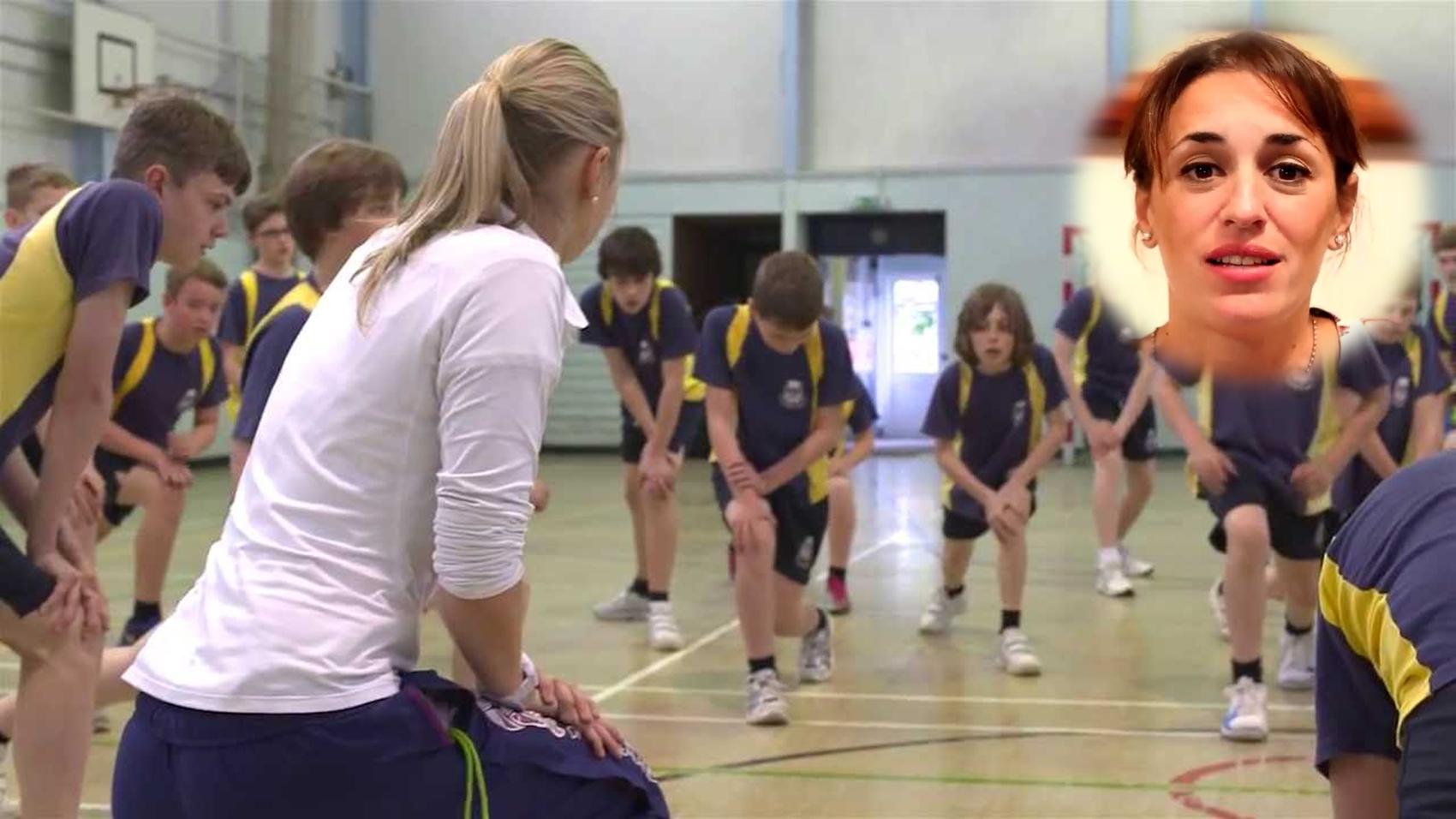
A physical education teacher in a middle school designs a curriculum that integrates traditional sports, fitness routines, and wellness education. Each day, the teacher guides students through warm-up exercises, skill-building activities, and team games, emphasizing the importance of fair play and cooperation. The teacher also educates students about nutrition, injury prevention, and the benefits of regular physical activity. By adapting lessons to accommodate different abilities and interests, the teacher ensures that every student feels included and motivated to participate. Over time, students not only improve their physical fitness but also develop social skills, self-discipline, and a positive attitude toward health, demonstrating the real-world impact of effective Physical Eduaction.
Education
Anatomy

Anatomy is the scientific study of the structure of living organisms, focusing on the identification and description of body parts, organs, and systems. In Physical Education, anatomy provides essential knowledge about how the human body is built and functions, forming a crucial foundation for understanding movement, health, and physical performance.
A thorough understanding of anatomy is indispensable for anyone preparing for or working in Physical Education. This knowledge enables professionals to comprehend how muscles, bones, and joints interact during physical activity, which is fundamental for designing effective exercise programs and preventing injuries. Mastery of anatomical concepts allows educators and trainers to explain movement mechanics clearly, adapt activities to individual needs, and recognize early signs of physical strain or dysfunction. Over the course of a career, this expertise not only enhances teaching effectiveness but also builds credibility and trust with students, athletes, and colleagues. Ultimately, a solid grasp of anatomy empowers Physical Education professionals to promote lifelong health, optimize performance, and respond confidently to the diverse physical challenges encountered in educational and athletic settings.
Consider a Physical Education teacher planning a unit on sprinting techniques for high school students. Drawing on their knowledge of anatomy, the teacher explains how the quadriceps, hamstrings, and gluteal muscles contribute to powerful leg movements, while the core stabilizes the body during acceleration. By understanding the anatomical basis of sprinting, the teacher can identify improper running forms that may lead to muscle strain or injury. They can then provide targeted feedback and corrective exercises, ensuring students develop safe and efficient movement patterns. This application of anatomical knowledge not only enhances athletic performance but also fosters a safer learning environment, demonstrating the practical value of anatomy in daily Physical Education practice.
Physiology

Physiology is the scientific study of how living organisms function, focusing on the physical and chemical processes that occur within cells, tissues, and organs. In Physical Education, physiology provides essential insights into how the human body responds to exercise, adapts to training, and maintains health, forming a cornerstone of professional expertise.
A solid grasp of physiology is indispensable for anyone pursuing a career in Physical Education. Understanding how the body’s systems—such as the muscular, cardiovascular, and respiratory systems—respond to physical activity enables professionals to design safe and effective exercise programs. This foundational knowledge helps educators and trainers recognize the limits and capabilities of individuals, prevent injuries, and promote lifelong fitness. Over time, expertise in physiology enhances a professional’s ability to adapt training methods to diverse populations, address health concerns, and stay current with scientific advancements. Ultimately, mastering physiology not only improves instructional quality but also supports career growth and credibility in the field.
Consider a Physical Education teacher planning a fitness unit for high school students. By applying their knowledge of physiology, the teacher can tailor activities to accommodate varying fitness levels and developmental stages. For instance, understanding how adolescents’ cardiovascular and musculoskeletal systems adapt to exercise allows the teacher to introduce progressive overload safely, ensuring students build endurance and strength without risking injury. The teacher can also recognize signs of fatigue or overexertion, adjusting the intensity or duration of activities accordingly. This application of physiological principles ensures that students experience positive, effective, and safe physical education, fostering both immediate engagement and long-term healthy habits.
Sports Psychology

Sports Psychology is the scientific study of how psychological factors influence athletic performance, exercise, and physical activity. It examines mental processes such as motivation, confidence, anxiety, and focus. In Physical Education, understanding Sports Psychology is essential for fostering holistic development, optimizing performance, and supporting the mental well-being of students and athletes.
A solid grasp of Sports Psychology is vital for anyone preparing for or working in Physical Education because it equips professionals with the tools to understand and influence the mental and emotional states of their students or athletes. This knowledge helps educators and coaches create supportive environments that encourage participation, resilience, and personal growth. By integrating psychological principles, professionals can address issues like performance anxiety, lack of motivation, or team dynamics, leading to more effective teaching and coaching strategies. Over the long term, this expertise not only enhances athletic and academic outcomes but also contributes to the overall well-being and lifelong engagement in physical activity for those they teach or coach.
Imagine a Physical Education teacher noticing that a talented student consistently underperforms during competitions despite excelling in practice. Drawing on their understanding of Sports Psychology, the teacher recognizes signs of performance anxiety and implements relaxation techniques and positive self-talk exercises during class. They also foster a supportive team atmosphere, encouraging open discussions about nerves and setbacks. Over time, the student learns to manage anxiety, gradually improving their performance in competitive settings. This scenario highlights how theoretical knowledge of Sports Psychology enables Physical Education professionals to identify psychological barriers, apply evidence-based interventions, and ultimately help students achieve their full potential both on and off the field.
Test & Measurement

Test & Measurement refers to the systematic process of evaluating, quantifying, and analyzing physical abilities, skills, and fitness levels using standardized tools and procedures. In Physical Education, it forms a critical component of both academic study and professional practice, ensuring accurate assessment, progress tracking, and evidence-based decision-making for individuals and groups.
Understanding Test & Measurement is essential for anyone pursuing a career in Physical Education because it provides the scientific basis for assessing student or athlete performance. Mastery of this subject enables professionals to design effective training programs, set realistic goals, and monitor improvements objectively. It also ensures that interventions are tailored to individual needs, enhancing both safety and effectiveness. Over time, proficiency in Test & Measurement supports career advancement by demonstrating a commitment to evidence-based practice, fostering trust among clients, and meeting institutional or regulatory standards. This foundational knowledge is indispensable for educators, coaches, and fitness professionals who must justify their methods and outcomes in increasingly data-driven environments.
Consider a Physical Education teacher tasked with developing a fitness curriculum for high school students. By applying their knowledge of Test & Measurement, the teacher selects appropriate fitness tests, such as the Cooper 12-minute run or sit-and-reach test, to assess baseline endurance and flexibility. After administering these tests, the teacher analyzes the results to identify strengths and areas needing improvement for each student. This data-driven approach allows the teacher to create personalized training plans, set measurable goals, and periodically reassess progress. Through this process, the teacher not only enhances student engagement and motivation but also provides tangible evidence of improvement, which is valuable for reporting to parents and school administrators.
Theory of Games

Theory of Games, often called game theory, is the study of strategic decision-making where individuals or groups interact with defined rules and objectives. In Physical Education, it provides a framework for understanding competition, cooperation, and tactics, forming a crucial part of both academic study and professional practice in sports and activity planning.
Understanding Theory of Games is essential for anyone pursuing a career in Physical Education because it equips professionals with the analytical tools to interpret and design games, sports, and activities. This knowledge enables educators and coaches to foster environments that encourage fair play, teamwork, and strategic thinking among participants. By mastering these concepts, professionals can create more engaging and educational experiences, adapt activities to suit diverse groups, and resolve conflicts effectively. Over the long term, proficiency in game theory supports career advancement by enhancing leadership, communication, and problem-solving skills, all of which are highly valued in educational and athletic settings. It also allows professionals to contribute to curriculum development and innovative program design, ensuring their continued relevance in a dynamic field.
Consider a Physical Education teacher organizing a class soccer match. By applying their understanding of Theory of Games, the teacher can structure teams and rules to balance competition and cooperation, ensuring all students are engaged and learning. If one team consistently dominates, the teacher might adjust team compositions or introduce new rules to maintain fairness and motivation. When conflicts arise over rules or gameplay, the teacher uses game theory principles to mediate and guide students toward mutually beneficial solutions. This approach not only enhances the immediate experience but also teaches students valuable life skills such as negotiation, strategic planning, and respect for others, demonstrating the practical impact of theoretical knowledge in everyday professional practice.
Corrective Physical Education

Corrective Physical Education is a specialized branch of physical education focused on assessing, addressing, and improving physical limitations, postural problems, and movement dysfunctions in individuals. It integrates therapeutic exercises and adaptive techniques, ensuring all students can participate safely and effectively in physical activities, regardless of their physical challenges or disabilities.
Understanding Corrective Physical Education is essential for anyone preparing for or working in the field of Physical Education because it equips professionals with the skills to identify and address a wide range of physical issues among students. Mastery of this subject ensures that educators can create inclusive environments where every individual, regardless of ability, receives appropriate support and guidance. This foundational knowledge not only enhances the safety and effectiveness of physical education programs but also fosters a culture of empathy and adaptability. Over the long term, professionals with expertise in corrective strategies are better positioned to collaborate with healthcare providers, contribute to individualized education plans, and advocate for students’ holistic well-being, making them invaluable assets in educational and community settings.
Imagine a physical education teacher noticing that a student consistently struggles with balance and coordination during group activities. Drawing on their knowledge of Corrective Physical Education, the teacher conducts a basic assessment and identifies a mild postural imbalance. The teacher then adapts the lesson plan, incorporating targeted exercises and modifications to help the student improve balance and core strength. Over time, the student’s participation and confidence grow, and the risk of injury decreases. By applying corrective strategies, the teacher not only supports the student’s physical development but also ensures that the class remains inclusive and engaging for everyone, demonstrating the practical value of this specialized knowledge in daily professional practice.
History of Physical Education

The History of Physical Education examines the origins, evolution, and societal impact of physical activity, sports, and fitness practices across different cultures and eras. It explores how educational philosophies, social movements, and scientific advancements have shaped physical education, making it a crucial component of academic and professional expertise in the field.
Understanding the History of Physical Education is essential for professionals because it provides context for current practices, policies, and pedagogies. By studying its development, educators and practitioners gain insight into why certain methods are used, how societal values influence curriculum, and what challenges have been overcome. This foundational knowledge enables professionals to make informed decisions, adapt to changing trends, and advocate for effective programs. It also fosters a deeper appreciation for diversity and inclusion, as historical perspectives reveal how physical education has evolved to serve various populations. Ultimately, this subject equips professionals with the critical thinking skills necessary to innovate and lead within the field, ensuring their approaches are both evidence-based and culturally responsive.
Consider a physical education teacher tasked with designing a new curriculum for a diverse student body. Drawing on their understanding of the History of Physical Education, the teacher recognizes the importance of incorporating activities that reflect both traditional and contemporary practices. They recall how past educational reforms emphasized inclusivity and adapt their lessons to accommodate students of varying abilities and backgrounds. When questioned by parents or administrators about the value of certain activities, the teacher confidently explains their historical significance and relevance to modern health and wellness goals. This application of historical knowledge not only enriches the learning experience but also strengthens the teacher’s credibility and effectiveness in advocating for comprehensive physical education programs.
Skills
Physical Fitness

Physical fitness is the state of having good health and strength achieved through regular exercise, balanced nutrition, and adequate rest, enabling individuals to perform daily tasks efficiently and effectively. In Physical Education, it forms the foundation for teaching, demonstrating, and inspiring others to pursue active, healthy lifestyles while minimizing injury risks.
Physical fitness directly enhances a Physical Education professional’s ability to lead by example, demonstrate techniques, and maintain the stamina required for active instruction. Clients and employers highly value this skill because it reflects credibility, ensures safety during activities, and fosters a motivating environment for students. Cultivating physical fitness involves consistent training, ongoing education about exercise science, and a commitment to personal health. Over time, professionals who prioritize their own fitness are better equipped to adapt to various physical demands, manage classroom dynamics, and respond effectively to emergencies. This dedication not only improves their own performance but also sets a standard that encourages students and colleagues to adopt healthier habits.
Imagine a Physical Education teacher leading a high-intensity sports unit with a diverse group of students. During a soccer match, a student suddenly collapses from exhaustion. The teacher’s own physical fitness allows them to quickly assess the situation, provide immediate assistance, and carry the student to safety if necessary. Their stamina and composure under pressure ensure that the student receives prompt care while the rest of the class remains calm. Additionally, the teacher’s ability to demonstrate proper warm-up and cool-down routines reduces the risk of similar incidents. In this scenario, the teacher’s physical fitness is not just a personal asset but a critical factor in maintaining a safe and effective learning environment.
Outspoken

Outspoken refers to the confident and clear expression of ideas, opinions, and feedback, especially in situations where honesty and directness are required. In Physical Education, being outspoken enables professionals to communicate expectations, address concerns, and advocate for best practices, ensuring a safe, inclusive, and motivating environment for all participants.
Being outspoken directly enhances a Physical Education professional’s ability to lead, instruct, and inspire. It allows for transparent communication with students, colleagues, and stakeholders, fostering trust and respect. Clients and employers value this skill because it ensures that important issues—such as safety protocols, performance feedback, or behavioral concerns—are addressed promptly and effectively. To cultivate outspokenness, professionals should practice assertive communication, seek constructive feedback, and engage in regular self-reflection to build confidence. Over time, consistently voicing observations and suggestions helps establish a reputation for reliability and leadership, making the professional an indispensable asset to any team or organization.
Imagine a Physical Education teacher noticing that a new training drill is causing confusion and minor injuries among students. Instead of remaining silent, the teacher confidently addresses the issue during a staff meeting, clearly explaining the risks and suggesting modifications. By being outspoken, the teacher not only prevents further injuries but also demonstrates a commitment to student well-being and program improvement. This proactive approach earns the respect of colleagues and administrators, who recognize the teacher’s dedication to safety and effective instruction. The willingness to speak up transforms a potential problem into an opportunity for growth and sets a positive example for both students and peers.
Sportsmanship

Sportsmanship is the practice of fair play, respect, and graciousness in both victory and defeat, fostering positive interactions and ethical behavior in competitive and cooperative settings. In Physical Education, it is a foundational value that shapes how professionals interact with students, colleagues, and the broader community, promoting a healthy and inclusive environment.
Sportsmanship directly enhances performance by encouraging teamwork, mutual respect, and a positive atmosphere, all of which are crucial in physical education settings. Clients and employers highly value this skill because it ensures that activities are conducted with integrity and that all participants feel supported and respected. Professionals who consistently demonstrate sportsmanship build trust and rapport, making them effective leaders and role models. Cultivating sportsmanship involves self-reflection, learning from mentors, and actively seeking feedback. Over time, professionals can strengthen this skill by consistently modeling respectful behavior, handling conflicts with maturity, and prioritizing the well-being of all participants, thus contributing to a culture of fairness and cooperation.
Imagine a Physical Education teacher overseeing a heated inter-school sports competition. During the final match, a controversial referee decision sparks frustration among students and coaches. The teacher steps in, demonstrating sportsmanship by calming the teams, acknowledging the emotions involved, and reminding everyone of the importance of respect and fair play. By modeling composure and encouraging open communication, the teacher diffuses tension and ensures the competition continues smoothly. This approach not only resolves the immediate conflict but also reinforces the values of integrity and respect among all participants, illustrating how sportsmanship can be pivotal in maintaining a positive and productive environment in challenging situations.
Communication

Communication is the process of exchanging information, ideas, and feelings through verbal, nonverbal, and written means to achieve mutual understanding. In Physical Education, communication enables professionals to instruct, motivate, and connect with students or clients, ensuring that learning objectives are clear and that safety and engagement are maintained throughout activities.
Effective communication enhances performance in Physical Education by fostering clarity, trust, and motivation among participants. Clients and employers value professionals who can articulate instructions, provide constructive feedback, and listen actively, as these abilities lead to safer, more productive sessions and improved outcomes. Over time, communication skills can be cultivated through practice, self-reflection, and seeking feedback from peers and participants. Engaging in workshops, observing experienced educators, and adapting communication styles to suit diverse audiences also contribute to ongoing development. As professionals refine their ability to convey information and respond empathetically, they create inclusive and supportive environments that encourage participation and personal growth.
Imagine a Physical Education teacher overseeing a group of students learning a new team sport. During practice, confusion arises about the rules, leading to frustration and disengagement. The teacher recognizes the issue and pauses the activity to clearly explain the objectives, demonstrate key techniques, and invite questions. By actively listening to students’ concerns and adjusting explanations to their level of understanding, the teacher restores confidence and enthusiasm. This effective use of communication not only resolves the immediate confusion but also builds trust and rapport, resulting in a more cohesive and motivated group. The scenario highlights how strong communication skills are vital for addressing challenges and achieving success in Physical Education settings.
Interpersonal Skills

Interpersonal skills refer to the ability to communicate, interact, and work effectively with others through empathy, active listening, and clear expression. In Physical Education, these skills enable professionals to build trust, motivate students or clients, resolve conflicts, and foster a positive, inclusive environment that supports learning and personal growth.
Interpersonal skills are fundamental in Physical Education because they directly influence how effectively a professional can teach, coach, and inspire others. Clients and employers value these abilities as they lead to better teamwork, increased motivation, and stronger relationships, all of which are crucial for achieving fitness or educational goals. By actively seeking feedback, observing experienced colleagues, and engaging in reflective practice, professionals can continually enhance their interpersonal skills. Over time, consistent practice in real-world settings, such as leading group activities or mediating disputes, helps to refine these abilities, making them an integral part of a successful career in Physical Education.
Imagine a Physical Education teacher noticing that a student feels excluded during team activities, leading to disengagement and frustration. By using strong interpersonal skills, the teacher approaches the student with empathy, listens to their concerns, and communicates with the rest of the group to foster understanding and inclusion. Through these actions, the teacher not only resolves the immediate issue but also strengthens the classroom community, ensuring all students feel valued and motivated. This scenario highlights how interpersonal skills enable professionals to address challenges effectively, promote positive relationships, and create an environment where everyone can thrive.
Field Management

Field Management refers to the strategic organization, supervision, and maintenance of physical spaces, equipment, and participant activities to ensure safety, efficiency, and optimal learning or performance outcomes. In Physical Education, it is a foundational skill that enables professionals to create structured, engaging, and secure environments for all participants.
Mastering Field Management significantly enhances a Physical Education professional’s effectiveness by ensuring that classes, practices, or events run smoothly and safely. Clients and employers highly value this skill because it minimizes risks, maximizes participation, and supports positive experiences for students or athletes. A well-managed field fosters discipline, reduces downtime, and allows for more meaningful instruction or coaching. Cultivating this skill involves gaining experience in planning layouts, anticipating logistical challenges, and developing strong observational and leadership abilities. Over time, professionals can refine their approach by seeking feedback, staying updated on best practices, and adapting to different group sizes or activity types, ultimately becoming indispensable assets to their organizations.
Imagine a Physical Education teacher preparing for a large inter-school sports meet. Unexpectedly, heavy rain leaves parts of the field unusable just hours before the event. Relying on strong Field Management skills, the teacher quickly assesses the situation, reallocates activities to safer, drier areas, and communicates changes to staff and participants. Equipment is reorganized, and safety protocols are reinforced to prevent injuries. Thanks to effective Field Management, the event proceeds with minimal disruption, ensuring that students remain engaged and safe, and the school’s reputation for professionalism is upheld. This scenario highlights how adept Field Management can turn potential chaos into a successful, well-coordinated experience.
Observation Skills

Observation skills refer to the ability to notice, interpret, and analyze details in people’s actions, environments, and situations with accuracy and insight. In Physical Education, these skills enable professionals to assess movement, identify strengths and weaknesses, and ensure safety, making them indispensable for effective teaching and coaching.
Observation skills directly enhance a Physical Education professional’s ability to evaluate student performance, detect improper techniques, and prevent injuries. Clients and employers highly value this skill because it leads to more personalized instruction, improved outcomes, and a safer environment. By consistently watching for subtle cues in posture, coordination, and effort, professionals can tailor feedback and interventions to individual needs. Cultivating observation skills requires deliberate practice, such as reflecting on sessions, seeking feedback from peers, and staying updated with the latest research in biomechanics and pedagogy. Over time, these habits sharpen one’s ability to quickly and accurately assess situations, making observation an ongoing process of learning and adaptation.
Imagine a Physical Education teacher overseeing a group of students practicing basketball drills. By keenly observing each student’s footwork and body alignment, the teacher notices that one student consistently lands awkwardly after jumping, increasing the risk of ankle injury. Drawing on strong observation skills, the teacher intervenes promptly, demonstrating the correct landing technique and providing individualized feedback. This not only prevents a potential injury but also boosts the student’s confidence and performance. The teacher’s ability to notice and address the issue in real time exemplifies how observation skills are critical for ensuring safety, fostering skill development, and achieving success in the dynamic environment of Physical Education.
Positives
Immense Satisfaction

Immense Satisfaction is the profound sense of fulfillment and joy that arises from making a meaningful difference in others’ lives, achieving personal and professional goals, and witnessing positive change. In Physical Education, this feeling is amplified by helping students develop lifelong healthy habits, confidence, and teamwork skills, creating lasting positive impacts.
The immense satisfaction found in a Physical Education career is a driving force behind sustained motivation and professional growth. This sense of fulfillment matters because it transforms daily tasks into meaningful experiences, making challenges feel worthwhile. Physical Education professionals often witness firsthand the progress and transformation of their students, from improved physical abilities to enhanced self-esteem. This ongoing impact fosters a deep connection to their work, reinforcing their passion and commitment. As a result, job satisfaction increases, burnout is reduced, and a positive work environment is cultivated. The daily experience of making a difference in students’ lives becomes a powerful source of pride and inspiration, fueling both personal and professional development.
Imagine a Physical Education teacher guiding a student who initially struggles with coordination and confidence. Through encouragement, tailored activities, and consistent support, the student gradually improves, eventually participating enthusiastically in team sports and leading classmates in activities. The teacher witnesses this transformation, seeing the student’s newfound confidence and joy. This moment of realization, knowing their guidance directly contributed to a young person’s growth and happiness, brings immense satisfaction. The teacher leaves work each day with a sense of accomplishment, motivated to continue making a difference. This real-world impact exemplifies how immense satisfaction is woven into the fabric of a career in Physical Education, making every effort deeply rewarding.
Respect & Recognition

Respect and recognition refer to the appreciation, esteem, and acknowledgment received from students, colleagues, and the broader community for one’s expertise, dedication, and positive influence. In physical education, this validation not only affirms the professional’s value but also fosters a sense of pride and motivation to continue making a difference.
The respect and recognition earned in a physical education career are powerful motivators that enhance job satisfaction and personal fulfillment. When professionals are valued for their guidance and commitment, it strengthens their confidence and inspires them to innovate and grow within their field. This positive feedback loop encourages educators to invest even more in their students’ development, knowing their efforts are appreciated. Daily, physical education professionals witness the tangible results of their work through improved student performance, gratitude from families, and acknowledgment from peers. This ongoing affirmation not only boosts morale but also opens doors for career advancement, leadership opportunities, and a lasting legacy within the educational community.
Imagine a physical education teacher who dedicates extra time to help a struggling student develop coordination and self-confidence. Over the semester, the student’s progress becomes evident, not just in physical skills but also in classroom participation and self-esteem. At a school assembly, the student publicly thanks the teacher, and parents express their gratitude for the positive transformation. Colleagues commend the teacher’s dedication, and the principal highlights their impact during a staff meeting. This moment of respect and recognition is deeply fulfilling, reinforcing the teacher’s sense of purpose and commitment to their profession. It exemplifies how the acknowledgment of one’s efforts in physical education can be both personally and professionally rewarding.
Societal Impact

Societal Impact refers to the positive influence an individual or profession has on the well-being, development, and cohesion of communities and society as a whole. In Physical Education, this means shaping healthier lifestyles, fostering teamwork, and promoting lifelong habits that benefit not just individuals, but entire communities. This contribution elevates the profession by making every lesson and interaction an opportunity to create lasting change.
The societal impact of a career in Physical Education is a powerful motivator for professionals, as it allows them to witness the transformation of individuals and communities firsthand. By teaching physical skills, encouraging healthy habits, and nurturing social values, educators help combat issues like childhood obesity, sedentary lifestyles, and social isolation. This sense of purpose enhances job satisfaction, as professionals see their efforts reflected in improved student confidence, stronger community ties, and a more active society. The daily experience of making a difference, whether through organizing inclusive sports events or mentoring students, fosters personal growth and a deep sense of fulfillment, making the profession both meaningful and rewarding.
Imagine a Physical Education teacher who introduces a new after-school sports program in a community where opportunities for physical activity are limited. Over time, the teacher observes students who were once shy and withdrawn becoming more engaged, confident, and socially connected. Parents begin to notice positive changes in their children’s attitudes and health, and the community starts to rally around the program, volunteering and supporting its growth. The teacher experiences immense pride and satisfaction, knowing their efforts have not only improved individual lives but also strengthened the fabric of the community. This real-world impact exemplifies the profound societal benefit that comes from a career in Physical Education.
Exposure

Exposure, in the context of Physical Education, refers to the continuous interaction with diverse individuals, environments, and experiences that broaden a professional’s perspective and skill set. This dynamic engagement fosters adaptability, cultural awareness, and lifelong learning, making the profession vibrant and ever-evolving. Exposure enriches both personal and professional growth.
The benefit of exposure in Physical Education is profound, as it allows professionals to engage with students from various backgrounds, collaborate with colleagues across disciplines, and participate in a wide range of activities and events. This diversity keeps the work environment stimulating and encourages ongoing development. Exposure to new teaching methods, sports, and wellness trends ensures that educators remain at the forefront of their field, which not only enhances their expertise but also increases job satisfaction. The daily opportunity to learn, adapt, and inspire others creates a sense of purpose and fulfillment, making Physical Education a uniquely rewarding career path.
Consider a Physical Education teacher who organizes an international sports day at their school. Through this event, they interact with students and coaches from different countries, learn about unfamiliar games, and adapt their teaching to accommodate various cultural practices. This experience not only broadens their understanding of global sports but also deepens their appreciation for diversity. The teacher returns to their regular classes with fresh ideas and renewed enthusiasm, sharing new activities and perspectives with their students. This exposure not only enhances their professional skills but also fosters a more inclusive and engaging learning environment, illustrating the profound and fulfilling impact that exposure brings to a career in Physical Education.
Challenges
Male Dominated Profession

A "Male Dominated Profession" in Physical Education refers to a work environment where men significantly outnumber women, often controlling leadership roles, decision-making, and cultural norms. This imbalance creates barriers for underrepresented professionals, making it challenging to gain recognition, advance careers, and foster inclusive practices in a field that values physical prowess and tradition.
The prevalence of a male dominated profession in Physical Education can influence daily interactions, limit access to mentorship, and reinforce stereotypes about gender roles in sports and fitness. Professionals may face exclusion from informal networks, skepticism about their expertise, or pressure to conform to established norms. Overcoming these challenges requires resilience, self-advocacy, and a commitment to professional growth. Successful individuals often seek out supportive colleagues, participate in professional organizations, and pursue continuous learning to build credibility. By demonstrating competence, fostering inclusive environments, and mentoring others, they gradually shift perceptions and open doors for themselves and future generations, proving that excellence in Physical Education transcends gender.
Consider a female Physical Education teacher entering a school where the sports department has long been led by male coaches. Initially, she encounters resistance when proposing new training methods and is often left out of informal planning sessions. Instead of retreating, she consistently demonstrates her expertise through innovative lesson plans and by supporting student athletes’ development. She seeks mentorship from allies within and outside the department, attends workshops to stay current, and volunteers for leadership roles in school events. Over time, her dedication earns respect from colleagues and students alike, leading to her appointment as head coach for a major team. Her perseverance not only advances her career but also inspires other women to pursue leadership in Physical Education.
Funding Issues

Funding issues in Physical Education refer to the persistent lack of adequate financial resources for equipment, facilities, and program development. This challenge is demanding because it limits opportunities for students, restricts curriculum innovation, and places additional pressure on educators to deliver quality experiences with minimal support.
The daily work of Physical Education professionals is significantly affected by funding issues, as limited budgets often mean outdated equipment, insufficient space, and fewer extracurricular opportunities. This constraint requires educators to be exceptionally resilient, creative, and resourceful, often seeking alternative solutions to maintain program quality. Successful professionals manage these challenges by building strong community partnerships, applying for grants, and advocating for the importance of Physical Education within their schools. They frequently collaborate with colleagues to share resources and develop innovative, low-cost activities that engage students. By maintaining a positive attitude and focusing on what can be achieved rather than what is lacking, these educators continue to provide meaningful learning experiences despite financial limitations.
Consider a Physical Education teacher at a public middle school facing severe budget cuts that threaten the quality of the program. Instead of allowing these constraints to diminish student experiences, the teacher reaches out to local businesses and community organizations for donations of gently used sports equipment. They also organize fundraising events, such as fun runs and sports tournaments, involving students, parents, and staff. Through these efforts, the teacher not only secures necessary resources but also fosters a sense of community ownership and pride in the program. By leveraging creativity and community support, the teacher successfully overcomes funding issues and ensures students continue to benefit from a robust Physical Education curriculum.
Harsh Environment

In Physical Education, a "Harsh Environment" refers to working conditions characterized by extreme weather, inadequate facilities, or unsafe surroundings that challenge both teaching and learning. These demanding settings require professionals to adapt quickly, maintain safety, and deliver effective instruction despite physical discomfort or limited resources.
Harsh environments significantly influence the daily responsibilities of Physical Education professionals. Exposure to extreme temperatures, poor air quality, or substandard equipment can hinder lesson delivery, reduce student engagement, and increase the risk of injury. These conditions demand resilience, adaptability, and creative problem-solving. Successful professionals manage these constraints by prioritizing safety, modifying activities to suit environmental limitations, and fostering a positive attitude among students. They often advocate for better resources, collaborate with colleagues to share strategies, and continuously update their knowledge on best practices for teaching in less-than-ideal conditions. Through perseverance and flexibility, they ensure that learning objectives are met and that students remain motivated and safe.
Consider a Physical Education teacher working in a school with an outdoor field exposed to intense summer heat and limited shade. Recognizing the risks, the teacher adjusts lesson plans by scheduling vigorous activities during cooler morning hours and incorporating hydration breaks. When temperatures peak, the teacher shifts to indoor spaces for theory-based lessons or low-intensity exercises, ensuring students remain active without compromising their well-being. By communicating openly with students and parents about safety measures and adapting to daily weather updates, the teacher maintains high participation and learning outcomes. This proactive approach demonstrates how professionals can successfully navigate and overcome the challenges posed by a harsh environment in Physical Education.
Lack of Awareness

Lack of Awareness in Physical Education refers to the insufficient understanding or appreciation of the field’s value, scope, and impact among students, parents, administrators, and even some educators. This challenge is demanding because it often leads to underfunding, limited support, and misconceptions about the profession’s significance in holistic development.
This difficulty can permeate daily work, as physical education professionals may find their programs marginalized, resources restricted, or their expertise undervalued. Such circumstances require resilience, as professionals must continually advocate for their subject and justify its importance. The lack of awareness can also hinder student engagement and parental support, making it harder to implement innovative or comprehensive curricula. Successful professionals address this constraint by proactively communicating the benefits of physical education, building relationships with stakeholders, and demonstrating the positive outcomes of their work. They often seek opportunities to educate others, showcase student progress, and collaborate with colleagues to integrate physical education into the broader educational mission.
Consider a physical education teacher in a school where the subject is often overlooked in favor of academic disciplines. Recognizing the lack of awareness, the teacher organizes a school-wide health and fitness week, inviting parents and administrators to participate in activities and observe student achievements. Through engaging presentations and interactive sessions, the teacher highlights the connections between physical activity, academic performance, and overall well-being. As a result, stakeholders begin to appreciate the subject’s value, leading to increased support, improved resources, and greater enthusiasm among students. This scenario demonstrates how a proactive and strategic approach can successfully overcome the obstacle of lack of awareness in physical education.
Space Issues

Space issues in Physical Education refer to the limited availability of suitable areas for conducting activities, classes, or sports. This constraint often arises from overcrowded facilities, shared spaces, or inadequate infrastructure, making it challenging to deliver effective lessons and ensure student safety. Managing these limitations requires creativity and adaptability.
Space issues significantly influence the daily routines of Physical Education professionals by restricting movement, limiting activity choices, and increasing the risk of accidents. These constraints can lead to frustration, reduced student engagement, and compromised lesson quality. Overcoming such challenges demands resilience, as educators must continually adapt their plans and maintain enthusiasm despite setbacks. Successful professionals navigate these limitations by creatively modifying activities, utilizing available resources efficiently, and fostering strong communication with colleagues to coordinate shared spaces. They also prioritize safety and inclusivity, ensuring that all students remain active and engaged, even in confined environments. By embracing flexibility and innovative thinking, Physical Education teachers can transform spatial limitations into opportunities for inventive teaching and learning.
Consider a Physical Education teacher working in an urban school with a small gymnasium that must be shared with other classes and extracurricular activities. Faced with these space constraints, the teacher redesigns traditional games to fit the available area, breaking larger groups into smaller teams and rotating activities to maximize participation. They incorporate fitness circuits and skill stations that require minimal equipment and space, ensuring every student remains active. By collaborating with classroom teachers, the Physical Education professional schedules outdoor sessions when possible and adapts lessons to utilize hallways or unused classrooms. Through resourcefulness and proactive planning, the teacher not only overcomes space issues but also maintains high levels of student engagement and learning outcomes.
A Day Of
Physical Eduaction
The gym echoes with the sound of sneakers squeaking against polished floors, whistles piercing the air, and laughter bouncing off the walls. For a physical education professional, the day is a dynamic blend of movement, mentorship, and meticulous planning. Unlike the quiet hum of a traditional office, the environment is alive with energy and unpredictability, demanding both physical stamina and quick thinking. Each day unfolds as a carefully choreographed routine, yet no two days are ever truly the same, as every class, student, and challenge brings a new rhythm to the work.
As the sun rises, the physical education professional arrives early, unlocking equipment rooms and inspecting the gymnasium or athletic fields. This is the time to review lesson plans, adapt activities for weather or facility changes, and ensure all necessary gear is safe and accessible. A quick scan of student rosters and any health notes helps anticipate individual needs, while a few moments of quiet allow for mental preparation before the day’s whirlwind begins.
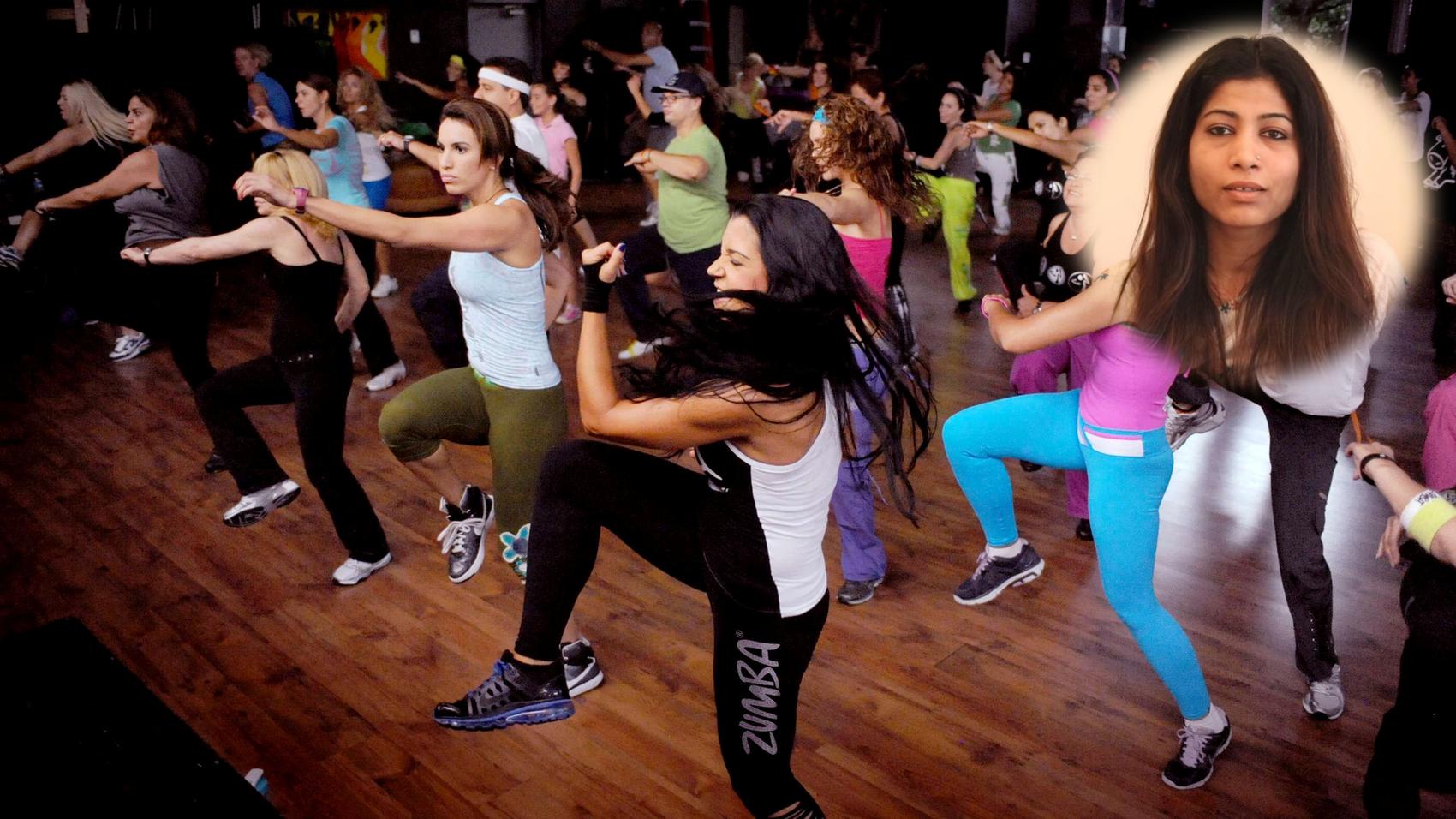
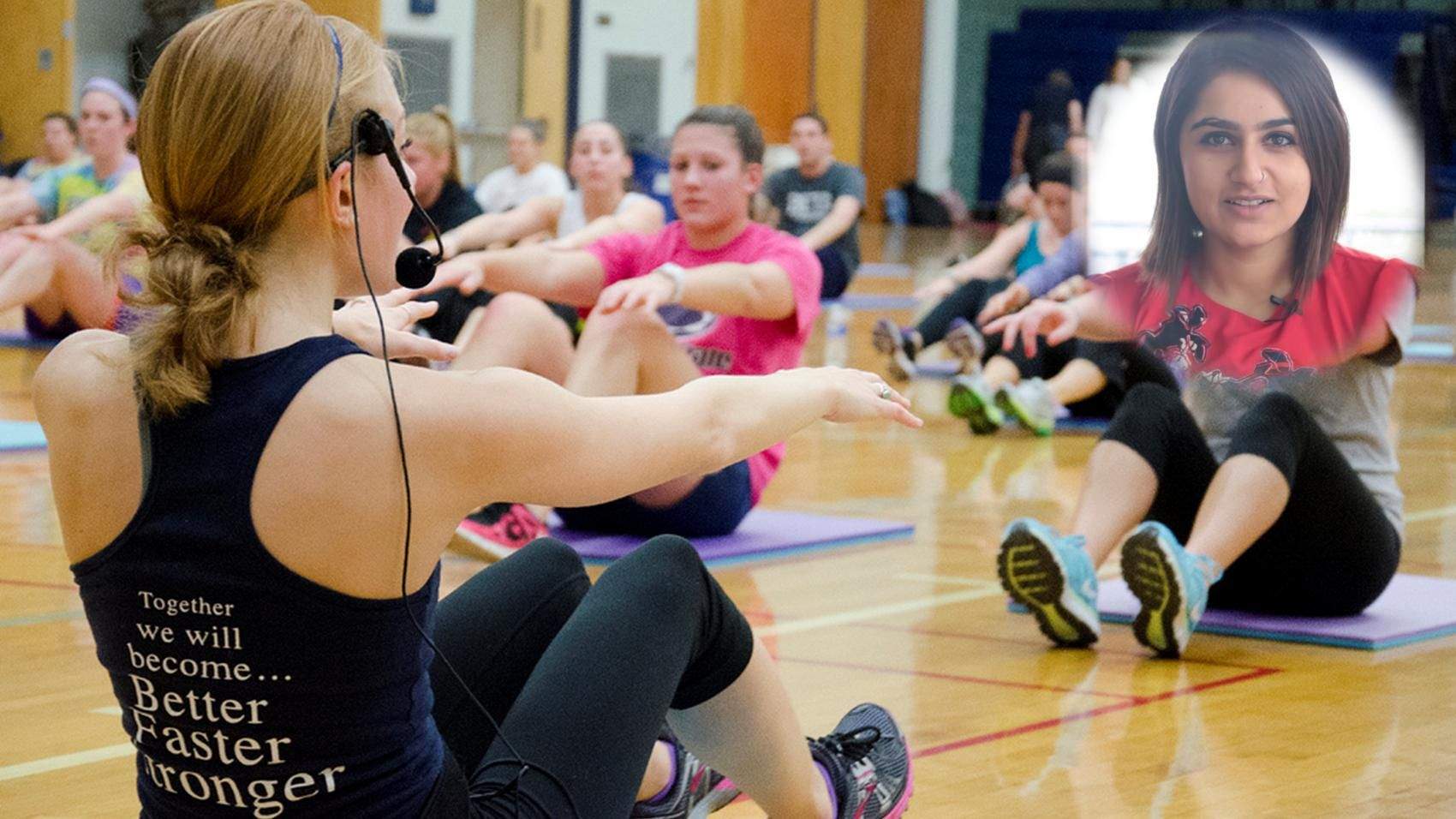
Mid-morning marks the heart of the day, as students flood into the gym, ready for action. The physical education professional leads warm-ups, demonstrates techniques, and orchestrates games or drills that build skills and foster teamwork. This is the most physically demanding and interactive part of the day, requiring constant movement, sharp observation, and encouragement. Every moment is an opportunity to inspire confidence, model sportsmanship, and adapt on the fly to keep students engaged and safe.
Afternoon brings a shift from direct instruction to collaboration and execution. The professional might meet with colleagues to discuss curriculum updates, coordinate upcoming events, or strategize on supporting students with diverse abilities. There may be supervision of extracurricular activities, coaching responsibilities, or facilitating intramural competitions. This phase is about building relationships, sharing insights, and ensuring the broader goals of the physical education program are met.
As the final whistle blows, the gym quiets and the focus turns to reflection and preparation. The physical education professional reviews the day’s successes and challenges, records attendance and performance notes, and communicates with parents or school staff as needed. Equipment is checked and stored, and plans are adjusted for the next day’s lessons. This quieter time is essential for professional growth, research into new activities or teaching methods, and ensuring that each new day starts with purpose and enthusiasm. |


 Home
Home Abroad
 Plan
Plan Philosophy
 Seminar
 Pages
Pages Advisors
 Testimonials













 Workshop
 Discuss
 Meet
Meet
 Advisor
 Story
Story
 Fine Print
 Links
Links
 Blog
Blog
 Follow
