The Journey of Zumba Fitness Training
What Is Zumba Fitness Training
Zumba Fitness Training

Zumba Fitness Training is a dynamic exercise program that combines Latin-inspired dance movements with aerobic elements. Designed to be fun and energetic, it incorporates music and choreography to create a full-body workout. Zumba Fitness Training is suitable for all fitness levels and promotes cardiovascular health, coordination, and overall well-being.
Zumba Fitness Training has become a global phenomenon, transforming the way people approach fitness and group exercise. For professionals, it offers a unique opportunity to inspire and motivate clients through engaging, dance-based workouts. The first major benefit is its ability to foster a positive, inclusive community where participants feel supported and energized. Secondly, Zumba Fitness Training enhances physical health by improving cardiovascular endurance, flexibility, and muscle tone. Lastly, it provides instructors with a creative outlet, allowing them to express themselves through music and movement while building rewarding relationships with clients. These benefits make Zumba Fitness Training a fulfilling and impactful career choice for fitness enthusiasts.
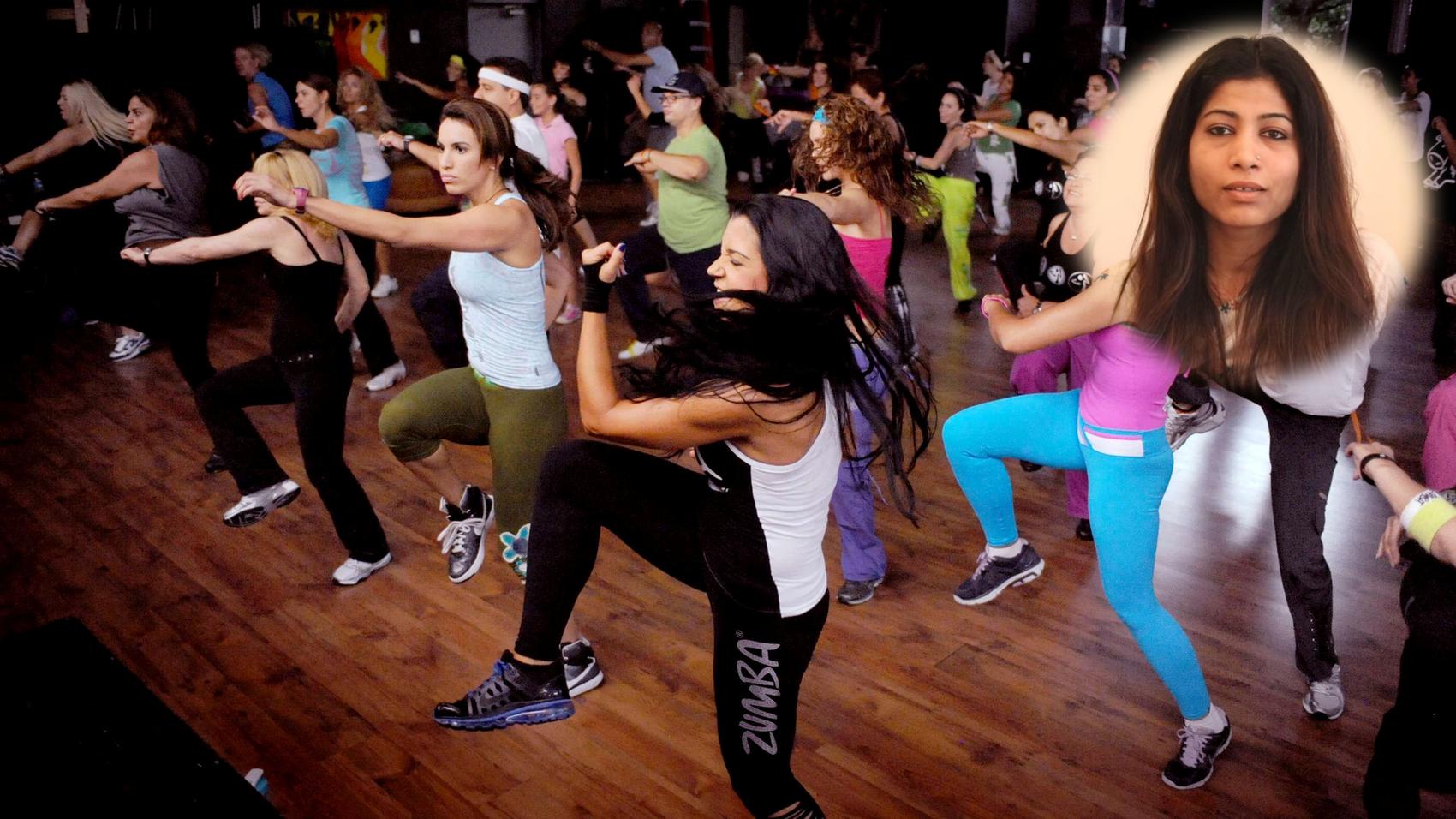
A certified Zumba instructor might lead several group classes each week at a local gym or community center. During these sessions, the instructor carefully selects upbeat music and choreographs routines that blend dance styles such as salsa, merengue, and reggaeton. Participants of all ages and fitness levels join in, following the instructor’s lead and enjoying a lively, social atmosphere. The instructor not only demonstrates movements but also encourages participants, adapts routines for different abilities, and creates a welcoming environment. Over time, clients experience improved fitness and confidence, while the instructor builds a loyal following and gains satisfaction from helping others achieve their health goals through Zumba Fitness Training.
Education
Physiology

Physiology is the scientific study of how living organisms function, focusing on the physical and chemical processes that occur within the body’s cells, tissues, and organs. For Zumba Fitness Training, understanding physiology is essential, as it underpins safe exercise design, effective instruction, and the promotion of optimal health and performance outcomes.
A solid grasp of physiology is crucial for anyone preparing for or working in Zumba Fitness Training because it enables instructors to understand how the human body responds and adapts to physical activity. This knowledge helps professionals create routines that maximize cardiovascular benefits, improve muscular endurance, and prevent injuries. By understanding physiological principles such as energy systems, muscle function, and recovery processes, Zumba instructors can tailor workouts to suit participants’ varying fitness levels and health conditions. Over the long term, this foundational knowledge not only enhances class effectiveness and safety but also builds credibility and trust with clients, supporting career advancement and professional growth in the fitness industry.
Imagine a Zumba instructor leading a high-energy class with participants of diverse ages and fitness backgrounds. Drawing on their understanding of physiology, the instructor recognizes signs of fatigue and adjusts the intensity of the session, incorporating active recovery periods to prevent overexertion. They explain the importance of hydration and proper breathing techniques, helping participants maintain optimal performance and reduce the risk of cramps or dizziness. When a participant mentions a previous knee injury, the instructor modifies certain dance moves to minimize joint stress, ensuring a safe and enjoyable experience for everyone. This application of physiological knowledge not only safeguards participants’ well-being but also fosters a supportive and inclusive class environment.
Nutrition and Diet

Nutrition and diet refer to the study and practice of consuming foods and beverages that provide essential nutrients for optimal health, energy, and performance. In Zumba Fitness Training, understanding nutrition and diet is crucial for supporting physical activity, enhancing recovery, and promoting overall well-being, making it a key area of professional expertise.
A solid grasp of nutrition and diet is vital for anyone preparing for or working in Zumba Fitness Training because it directly impacts both instructor performance and participant outcomes. Knowledge in this area enables professionals to fuel their bodies appropriately, maintain energy levels during high-intensity sessions, and recover efficiently afterward. It also empowers instructors to offer credible advice to clients seeking to improve their fitness and health through dietary choices. Over time, this expertise builds trust and credibility, setting the foundation for a successful and sustainable career. Furthermore, staying informed about nutrition trends and evidence-based practices ensures that Zumba professionals remain competitive and effective in a rapidly evolving fitness industry.
Consider a Zumba instructor who leads multiple classes each day. By applying their understanding of nutrition and diet, they plan balanced meals and snacks that provide sustained energy, prevent dehydration, and support muscle recovery. For instance, before a class, the instructor might choose a meal rich in complex carbohydrates and lean protein to fuel their performance. After class, they focus on hydration and nutrient-dense foods to aid recovery and reduce fatigue. Additionally, when participants ask for advice on how to eat for better results, the instructor confidently shares practical, science-backed tips tailored to their needs. This daily integration of nutrition knowledge not only enhances the instructor’s own performance but also elevates the overall class experience for participants.
Psychology

Psychology is the scientific study of the mind and behavior, exploring how individuals think, feel, and act in various situations. As an academic discipline, it provides insights into motivation, learning, emotion, and social interaction. For Zumba Fitness Training, psychology underpins effective instruction, participant engagement, and the creation of a supportive, motivating class environment.
Understanding psychology is essential for Zumba Fitness Trainers because it enables them to connect with participants on a deeper level, fostering motivation and commitment. Knowledge of psychological principles helps trainers recognize individual differences, adapt teaching methods, and create inclusive, positive atmospheres that encourage regular attendance and personal growth. By mastering concepts such as motivation, group dynamics, and behavior change, trainers can more effectively inspire participants to pursue their fitness goals. Over time, this expertise not only enhances class satisfaction and retention but also establishes the trainer’s reputation as a supportive, empathetic, and effective leader. In the long term, a strong psychological foundation contributes to professional growth, adaptability, and sustained success in the fitness industry.
Imagine a Zumba Fitness Trainer noticing that a participant appears disengaged and hesitant during class. Drawing on their understanding of psychology, the trainer recognizes signs of social anxiety and low self-confidence. Instead of calling attention to the participant, the trainer subtly offers encouragement and modifies routines to be more accessible. They also use positive reinforcement and create opportunities for small successes, gradually building the participant’s confidence. Over several sessions, the participant becomes more comfortable, participates more actively, and even begins to look forward to class. This scenario demonstrates how psychological knowledge allows trainers to identify and address emotional or motivational barriers, ensuring that every participant feels valued and supported throughout their fitness journey.
Group Fitness Program

A Group Fitness Program is a structured series of exercise sessions designed for multiple participants, led by a qualified instructor, and tailored to achieve specific health and fitness goals. In Zumba Fitness Training, understanding group fitness principles is essential for creating engaging, safe, and effective classes that cater to diverse participant needs.
Grasping the fundamentals of group fitness programming is crucial for anyone pursuing a career in Zumba Fitness Training. This knowledge enables instructors to design sessions that are not only enjoyable but also scientifically sound and inclusive. By mastering group dynamics, exercise sequencing, and participant motivation, professionals ensure their classes are both safe and effective. This foundational expertise supports long-term career growth, as it allows instructors to adapt to varying fitness levels, manage class energy, and foster a positive community atmosphere. Furthermore, a deep understanding of group fitness principles enhances an instructor’s credibility, opening doors to advanced certifications, leadership roles, and broader opportunities within the fitness industry.
Imagine a Zumba instructor preparing for a new class with participants ranging from beginners to advanced dancers. Drawing on their knowledge of group fitness programming, the instructor carefully selects music and choreographs routines that offer modifications for different skill levels. During class, they monitor the group’s energy, adjusting intensity and providing encouragement to maintain engagement and safety. By applying principles such as progression, regression, and inclusive cueing, the instructor ensures everyone feels challenged yet comfortable. This thoughtful approach not only maximizes participant satisfaction and results but also demonstrates the instructor’s professionalism and commitment to delivering high-quality group fitness experiences.
Skills
Choreography

Choreography is the art and practice of designing sequences of movements, steps, and patterns, often set to music, to create a cohesive and engaging dance routine. In Zumba Fitness Training, choreography enables instructors to structure classes that are energetic, motivating, and accessible, ensuring participants remain engaged and challenged throughout each session.
Mastering choreography significantly enhances a Zumba instructor’s effectiveness by enabling them to deliver classes that are both dynamic and well-organized. Clients and employers highly value this skill because it ensures routines are not only fun but also safe and easy to follow, which boosts participant satisfaction and retention. Over time, instructors can cultivate their choreography skills by studying various dance styles, attending workshops, and consistently practicing the creation and refinement of routines. Regular feedback from class participants and peers also helps instructors fine-tune their choreography, ensuring it remains fresh, inclusive, and aligned with fitness goals. This ongoing development is crucial for maintaining a vibrant and successful Zumba practice.
Imagine a Zumba instructor faced with a class of mixed experience levels, where beginners struggle to keep up while advanced participants lose interest. By skillfully applying choreography, the instructor adapts routines in real-time, simplifying steps for newcomers while layering in more complex movements for seasoned dancers. This ability to modify and blend choreography ensures everyone feels included and challenged, transforming a potentially disengaged group into an energized, cohesive class. The instructor’s expertise in choreography not only resolves the immediate issue but also enhances the overall class experience, leading to higher attendance, positive feedback, and a reputation for delivering exceptional Zumba sessions.
Physical Fitness

Physical fitness is the state of having the strength, endurance, flexibility, and energy necessary to perform daily activities efficiently and effectively. For a Zumba Fitness Training professional, physical fitness is the foundation that enables them to lead energetic classes, demonstrate movements accurately, and inspire participants through their own vitality and stamina.
Physical fitness directly enhances a Zumba instructor’s ability to teach dynamic, high-energy classes without fatigue, ensuring each session is engaging and safe for participants. Clients and employers value instructors who can maintain a lively pace, adapt to various fitness levels, and model proper technique, as this fosters trust and motivation. To cultivate physical fitness, instructors must commit to regular cardiovascular, strength, and flexibility training, often supplementing their Zumba routines with cross-training activities. Over time, consistent practice, balanced nutrition, and adequate rest help instructors build the resilience and endurance necessary to meet the physical demands of their role, ultimately elevating their professional reputation and effectiveness.
Imagine a Zumba instructor faced with a particularly large and diverse class, including both beginners and advanced participants. Midway through an intense session, some attendees begin to tire, while others are eager for more challenge. The instructor’s high level of physical fitness allows them to maintain enthusiasm, demonstrate modifications for different skill levels, and keep the energy high throughout the class. Their stamina and strength enable them to lead by example, encouraging everyone to push through fatigue safely. As a result, all participants feel supported and motivated, and the class concludes successfully, with positive feedback from both clients and management. This scenario highlights how essential physical fitness is in navigating real-world challenges and achieving professional success in Zumba Fitness Training.
International Rhythms and Moves

International Rhythms and Moves refers to the mastery and integration of diverse dance styles and musical patterns from around the world, such as salsa, merengue, reggaeton, and samba, into Zumba routines. This skill enables instructors to create dynamic, engaging, and culturally rich fitness experiences that appeal to a wide range of participants.
Possessing a strong command of International Rhythms and Moves directly enhances a Zumba instructor’s ability to deliver varied and exciting classes. Clients and employers highly value this skill because it ensures that sessions remain fresh, inclusive, and motivating, attracting participants from different backgrounds and fitness levels. By incorporating global dance elements, instructors can foster a sense of community and cultural appreciation within their classes. To cultivate this skill, professionals should continuously study new dance styles, attend workshops, and practice with authentic music. Regular exposure to international rhythms not only expands an instructor’s repertoire but also boosts their confidence and creativity, making them more adaptable and marketable in the competitive fitness industry.
Imagine a Zumba instructor working at a multicultural fitness center where class attendance has recently declined due to repetitive routines. By drawing on their expertise in International Rhythms and Moves, the instructor introduces new choreography inspired by African, Caribbean, and Latin American dances. This fresh approach immediately energizes the class, rekindling participants’ enthusiasm and attracting new members who are excited by the diverse musical and movement styles. The instructor’s ability to seamlessly blend these international elements not only resolves the attendance issue but also earns praise from both clients and management for creating a vibrant, inclusive atmosphere that celebrates global cultures through fitness.
Motivational Skills

Motivational skills refer to the ability to inspire, encourage, and energize individuals or groups to pursue and achieve their goals, especially when faced with challenges or setbacks. In the context of Zumba Fitness Training, these skills empower instructors to foster enthusiasm, commitment, and perseverance among participants, ensuring sustained engagement and progress.
Motivational skills are fundamental to the effectiveness of a Zumba Fitness Trainer because they directly influence the energy and morale of the class. When an instructor can uplift and inspire participants, it leads to higher attendance, greater effort, and a more enjoyable experience. Clients and employers highly value trainers who can create a positive, supportive atmosphere that keeps people coming back, even when motivation wanes. Cultivating motivational skills involves practicing empathy, active listening, and positive reinforcement, as well as continuously learning about what drives different individuals. Over time, trainers can refine these abilities by seeking feedback, observing experienced mentors, and adapting their approach to meet the unique needs of each class.
Imagine a Zumba Fitness Trainer noticing that attendance has dropped and participants seem less enthusiastic during sessions. Instead of simply continuing with the usual routine, the trainer draws on motivational skills to address the issue. They start by engaging with participants individually, expressing genuine interest in their progress and challenges. The trainer introduces new music and routines to reignite excitement and openly celebrates small achievements within the group. By sharing personal stories of overcoming obstacles and encouraging a sense of community, the trainer successfully re-energizes the class. As a result, attendance improves, participants feel more connected, and the overall atmosphere becomes vibrant and supportive, demonstrating the transformative impact of strong motivational skills.
Interpersonal

Interpersonal refers to the ability to effectively communicate, empathize, and build positive relationships with others through verbal and nonverbal means. In Zumba Fitness Training, this skill is crucial for creating a welcoming environment, motivating participants, and fostering trust, which ultimately enhances the overall experience and success of each class.
Interpersonal skills directly impact a Zumba instructor’s ability to connect with clients, understand their needs, and adapt teaching methods to suit diverse personalities and fitness levels. Clients and employers highly value instructors who can inspire confidence, encourage participation, and resolve conflicts smoothly. These abilities lead to higher class retention, positive word-of-mouth, and a supportive community atmosphere. To cultivate interpersonal skills, instructors should actively listen to feedback, observe group dynamics, and practice empathy both inside and outside the studio. Regular self-reflection and seeking mentorship from experienced trainers can also help refine these skills over time, ensuring continuous professional growth and stronger client relationships.
Imagine a Zumba Fitness instructor noticing that a new participant appears hesitant and isolated during class. By using strong interpersonal skills, the instructor approaches the individual with a friendly demeanor, engages in genuine conversation, and offers encouragement tailored to their comfort level. This approach helps the participant feel seen and supported, gradually boosting their confidence and willingness to join group activities. As a result, the participant becomes more engaged, enjoys the sessions, and even invites friends to join. The instructor’s ability to connect on a personal level not only resolves the initial discomfort but also contributes to a more inclusive and energetic class environment, benefiting everyone involved.
Positives
Fitness

Fitness is the state of being physically healthy and strong, achieved through regular exercise, balanced nutrition, and overall wellness practices. In Zumba Fitness Training, fitness is not just a personal goal but a professional necessity, enabling trainers to lead energetic classes, inspire participants, and maintain a vibrant, active lifestyle.
The emphasis on fitness in Zumba Fitness Training transforms the profession into a dynamic and fulfilling career. Trainers benefit from improved physical health, increased energy, and enhanced mental well-being, which directly translates into higher job satisfaction. The daily routine of leading dance-based workouts ensures that trainers stay active, reducing stress and preventing burnout. This ongoing engagement with fitness also fosters personal growth, as trainers witness their own progress and inspire others to achieve their health goals. The positive feedback from participants, combined with the visible results of a fit lifestyle, creates a motivating environment where trainers feel valued and empowered. Ultimately, fitness becomes both a personal reward and a professional asset, fueling long-term passion and success in the field.
Imagine a Zumba Fitness Trainer who begins her day with a morning class, guiding a group of enthusiastic participants through high-energy routines. As the music pulses and the group moves in unison, she feels her own strength and stamina growing with every session. The sense of accomplishment after each class is palpable, not only because she has helped others improve their health, but also because she is actively maintaining her own fitness. This daily immersion in movement and wellness leaves her feeling invigorated, confident, and deeply satisfied with her career choice. The visible improvement in her physical condition and the gratitude expressed by her students reinforce the profound impact that fitness has on her professional and personal life.
Become Entreprenuer

"Become Entreprenuer" means taking the initiative to create, manage, and grow your own business or brand, using your skills and passion to shape your professional journey. In Zumba Fitness Training, this entrepreneurial spirit empowers instructors to design unique classes, build loyal communities, and achieve personal and financial independence. This approach transforms a simple job into a dynamic career, allowing professionals to innovate, adapt, and thrive in a competitive industry. By embracing entrepreneurship, Zumba trainers can turn their love for dance and fitness into a sustainable, rewarding livelihood, while inspiring others to lead healthier, happier lives.
The entrepreneurial path in Zumba Fitness Training offers a profound sense of ownership and creative freedom. Instructors who become entrepreneurs are not limited by rigid schedules or preset routines; instead, they can develop their own class formats, choose their venues, and set their pricing. This autonomy leads to greater job satisfaction, as trainers witness the direct results of their efforts in the growth of their client base and the positive feedback from participants. The ability to innovate and respond quickly to trends or client needs fosters continuous professional growth. Each day, Zumba entrepreneurs experience the excitement of building something meaningful, knowing that their hard work directly shapes their success and the well-being of their community.
Imagine a Zumba instructor who decides to launch her own fitness studio after years of teaching at local gyms. She crafts a vibrant brand, curates themed classes, and uses social media to connect with her audience. As her studio grows, she sees familiar faces returning week after week, forming a supportive community around her vision. She collaborates with other wellness professionals, hosts charity events, and even mentors aspiring instructors. The freedom to make decisions and witness the tangible impact of her work brings immense fulfillment. Through entrepreneurship, she not only achieves financial stability but also becomes a source of inspiration and empowerment for everyone who steps into her studio.
Recognition

Recognition is the acknowledgment and appreciation of an individual’s skills, efforts, and achievements by others, including peers, clients, and the broader community. In Zumba Fitness Training, recognition validates the instructor’s dedication, motivates continued growth, and fosters a sense of belonging, making the profession both personally and professionally fulfilling.
The power of recognition in Zumba Fitness Training cannot be overstated. When instructors are celebrated for their creativity, energy, and ability to inspire, it fuels their passion and commitment to their craft. This acknowledgment not only boosts self-esteem but also encourages continuous learning and innovation. As clients express gratitude and admiration, instructors feel a deep sense of purpose and accomplishment. Recognition also enhances professional reputation, opening doors to new opportunities such as leading larger classes, hosting workshops, or collaborating with fitness brands. The daily experience of being valued by students and colleagues transforms routine work into a meaningful vocation, driving job satisfaction and long-term career growth.
Imagine a Zumba instructor who has spent months developing engaging routines and fostering a supportive class environment. After a particularly energetic session, several participants approach the instructor to share how the classes have improved their confidence, health, and happiness. The gym manager also commends the instructor’s ability to attract and retain members, highlighting their positive impact on the community. This outpouring of appreciation not only affirms the instructor’s hard work but also inspires them to continue innovating and connecting with their students. The recognition received in these moments becomes a powerful motivator, making every challenge worthwhile and reinforcing the instructor’s passion for their career.
Event Orientation

Event Orientation refers to the focus on planning, organizing, and participating in special activities, workshops, and community gatherings that go beyond regular classes. In Zumba Fitness Training, this means instructors frequently engage in themed sessions, charity events, and large-scale dance parties, creating dynamic and memorable experiences for participants and themselves.
Event Orientation is a defining feature that elevates the Zumba Fitness Training profession. It transforms routine instruction into a vibrant, ever-changing journey filled with anticipation and excitement. Instructors are constantly challenged to innovate, collaborate, and celebrate milestones with their communities. This continual cycle of events fosters a sense of achievement and belonging, both for trainers and participants. The opportunity to lead and contribute to these special occasions enhances job satisfaction, as professionals witness firsthand the joy and motivation their efforts inspire. Event Orientation also encourages personal and professional growth, as trainers develop organizational, leadership, and creative skills while expanding their networks and reputations within the fitness industry.
Imagine a Zumba instructor organizing a large outdoor dance event to celebrate International Dance Day. Weeks of preparation involve choreographing routines, coordinating with local businesses for sponsorship, and rallying participants from various classes. On the day of the event, the instructor leads hundreds of enthusiastic dancers, feeling the collective energy and excitement. The event not only raises funds for a local charity but also strengthens community bonds and showcases the instructor’s leadership and creativity. The overwhelming positive feedback and visible impact on participants’ happiness and health provide a deep sense of fulfillment, illustrating how Event Orientation transforms a Zumba Fitness Training career into a source of inspiration and pride.
Spreading Happiness

Spreading Happiness means creating an environment where joy, positivity, and energy are shared freely, uplifting others and fostering a sense of community. In Zumba Fitness Training, this involves inspiring participants to let go of stress, enjoy movement, and connect with others, turning each class into a celebration of well-being and togetherness.
The ability to spread happiness is a cornerstone of what makes a career in Zumba Fitness Training so deeply rewarding. When instructors infuse their classes with enthusiasm and positivity, they not only motivate participants to keep coming back but also create a ripple effect of joy that extends beyond the studio. This daily exchange of positive energy boosts job satisfaction, as trainers witness firsthand the transformation in their students’ moods and confidence. The sense of accomplishment that comes from knowing you are making a real difference in people’s lives fuels personal growth and professional fulfillment, making each day on the job meaningful and inspiring.
Imagine a Zumba instructor greeting a group of participants at the end of a long workday. As the music starts and the class begins to move, laughter and smiles quickly replace fatigue and stress. By the end of the session, participants are energized, chatting happily, and expressing gratitude for the uplifting experience. The instructor feels a profound sense of fulfillment, knowing their passion for dance and fitness has brightened someone’s day. This daily opportunity to spread happiness not only strengthens the bond between instructor and students but also reinforces the instructor’s own sense of purpose and joy in their career.
Challenges
Variation in Choreography

Variation in Choreography in Zumba Fitness Training refers to the frequent need for instructors to create, adapt, and deliver diverse dance routines that cater to different fitness levels, musical genres, and participant preferences. This constant evolution is demanding because it requires creativity, adaptability, and a deep understanding of movement and music synchronization.
The challenge of variation in choreography significantly impacts the daily work of Zumba professionals by requiring them to consistently innovate and refresh their routines. This ongoing demand can lead to creative fatigue and increased preparation time, making it essential for instructors to be resilient and resourceful. Successful professionals manage this constraint by staying updated with the latest music trends, attending workshops, and networking with other instructors to exchange ideas. They also develop a personal repertoire of adaptable moves and sequences, allowing them to modify routines quickly to suit different classes. By embracing flexibility and continuous learning, they maintain high energy and engagement in their sessions, ensuring participants remain motivated and classes stay dynamic.
Consider a Zumba instructor who teaches multiple classes each week, each with a unique mix of participants. One week, she notices her regular routines are no longer energizing her advanced group, while her beginner class struggles to keep up. Recognizing the need for variation, she dedicates time to research new music and choreographic styles, blending fresh moves with familiar steps. She also attends a virtual workshop to learn innovative transitions and modifications. By thoughtfully integrating these elements, she successfully reinvigorates her advanced class and simplifies routines for beginners, ensuring both groups remain challenged and engaged. Her adaptability not only overcomes the challenge but also enhances her reputation as a dynamic, responsive instructor.
Handling Clients

Handling clients in Zumba Fitness Training refers to managing diverse personalities, expectations, and fitness levels within group classes or private sessions. This challenge is demanding because it requires balancing motivation, safety, and enjoyment for all participants, while addressing individual concerns, maintaining group cohesion, and adapting to unpredictable behaviors or feedback.
The challenge of handling clients can significantly impact a Zumba instructor’s daily routine, often requiring quick thinking and emotional resilience. Instructors must juggle varying energy levels, resolve conflicts, and respond to feedback—sometimes critical or emotional—while maintaining a positive class atmosphere. This constant demand can be draining, especially when clients have conflicting needs or expectations. Successful professionals manage these constraints by developing strong communication skills, setting clear boundaries, and fostering an inclusive environment. They learn to listen actively, adapt their teaching style, and remain patient under pressure. By building trust and rapport, they turn potential disruptions into opportunities for growth, ensuring that each client feels valued and motivated to participate fully.
Consider a Zumba instructor who notices that a new participant is struggling to keep up and appears frustrated, while other clients are eager for a more intense workout. The instructor addresses this by offering modifications for the newcomer, encouraging them with positive feedback, and simultaneously introducing advanced variations for experienced members. Throughout the class, the instructor maintains high energy and checks in with both the new and seasoned clients, ensuring everyone feels included and challenged at their own level. After class, the instructor takes a moment to speak privately with the newcomer, offering reassurance and tips for improvement. This approach not only diffuses potential dissatisfaction but also strengthens the sense of community within the class.
Awareness of Program

Awareness of Program in Zumba Fitness Training refers to the ongoing effort required to ensure that potential participants know about available classes, schedules, and the unique benefits of Zumba. This challenge is demanding because it requires constant outreach, creative marketing, and adaptability to changing trends in fitness and community interests.
The challenge of program awareness can significantly affect a Zumba instructor’s daily work by limiting class attendance and reducing overall engagement. Instructors must dedicate time and energy not only to teaching but also to promoting their classes through social media, community events, and word-of-mouth. This dual responsibility can be exhausting and requires resilience, as initial efforts may not yield immediate results. Successful professionals overcome this constraint by building strong relationships with their participants, leveraging digital platforms for consistent communication, and staying attuned to the needs and preferences of their target audience. By remaining persistent and adaptable, they gradually increase visibility and foster a loyal community around their Zumba offerings.
Consider a Zumba instructor who noticed declining attendance despite offering high-quality sessions. Recognizing the issue as a lack of program awareness, she began sharing short, energetic workout clips on local community groups and partnered with a nearby wellness center to host a free introductory class. She also engaged with participants after each session, encouraging them to invite friends and share their experiences online. Over time, her efforts paid off as more people became aware of her classes, leading to increased attendance and a more vibrant class atmosphere. By actively promoting her program and connecting with the community, she successfully overcame the challenge of limited program awareness.
A Day Of
Zumba Fitness Training
The day of a Zumba Fitness Training professional pulses with energy from the moment the sun rises until the last beat drops. Unlike the predictable rhythm of a desk job, this career is a dynamic blend of movement, music, and motivation, set against the backdrop of mirrored studios and thumping sound systems. Each day is a choreography of preparation, performance, and personal connection, where the atmosphere is charged with anticipation and the pace is dictated by the tempo of the next playlist. For those who thrive on interaction and inspiration, a day in Zumba Fitness Training is a vibrant journey that goes far beyond the confines of a traditional workspace.
As dawn breaks, the Zumba professional’s day begins with a quiet moment of self-care and preparation. Before stepping into the studio, there’s a focus on personal wellness—stretching, hydrating, and fueling up with a healthy breakfast. This early hour is also dedicated to reviewing class plans, curating playlists, and mentally rehearsing routines. The calm of the morning provides a chance to set intentions for the day, ensuring both body and mind are primed for the high-energy sessions ahead.
By mid-morning, the studio comes alive with eager participants ready to dance away their stress. This is the heart of the day, where the Zumba instructor steps into the spotlight, leading classes that blend Latin rhythms with aerobic moves. The energy in the room is contagious, as the instructor motivates, demonstrates, and adapts routines to suit the group’s needs. Every session is an opportunity to connect with clients, offer encouragement, and create an inclusive, uplifting environment that keeps everyone moving and smiling.
The afternoon shifts focus from the dance floor to collaboration and community building. This time is often spent meeting with fellow instructors to share feedback, brainstorm new routines, or discuss upcoming events and workshops. There may also be outreach to local organizations or fitness centers to coordinate special classes or charity events. The emphasis is on teamwork and expanding the reach of Zumba, ensuring that the program remains fresh, engaging, and accessible to a diverse audience.
As the day winds down, the Zumba professional transitions to reflection and administrative tasks. This is the moment to review class attendance, respond to client messages, and update social media with highlights from the day’s sessions. There’s also time to research new music, explore emerging fitness trends, and plan routines for the next day. By organizing schedules and setting goals, the instructor ensures that each new day will be as dynamic and rewarding as the last, closing out the evening with a sense of accomplishment and anticipation for what’s to come. |


 Home
Home Abroad
 Plan
Plan Philosophy
 Seminar
 Pages
Pages Advisors
 Testimonials















 Workshop
 Discuss
 Meet
Meet
 Advisor
 Story
Story
 Fine Print
 Links
Links
 Blog
Blog
 Follow
