The Journey of Zumba Fitness Training
What Is Zumba Fitness Training
Zumba Fitness Training

Zumba Fitness Training is a dynamic exercise program that combines Latin-inspired dance movements with aerobic elements. Designed to be fun and energetic, it helps participants improve cardiovascular health, coordination, and overall fitness. Instructors guide groups through choreographed routines set to lively music, making workouts engaging and accessible for all levels.
Zumba Fitness Training has become a global phenomenon, transforming the way people approach exercise and wellness. For professionals, it offers a unique opportunity to inspire and motivate others while building a rewarding career in the fitness industry. The training enhances instructors’ teaching skills, deepens their understanding of movement, and fosters a supportive community. One major benefit is the ability to create inclusive, enjoyable classes that attract diverse participants. Another significant advantage is the potential for personal and professional growth, as instructors often develop leadership and communication skills. Additionally, Zumba Fitness Training provides a flexible career path, allowing professionals to teach in various settings, from gyms to community centers, and even online platforms.
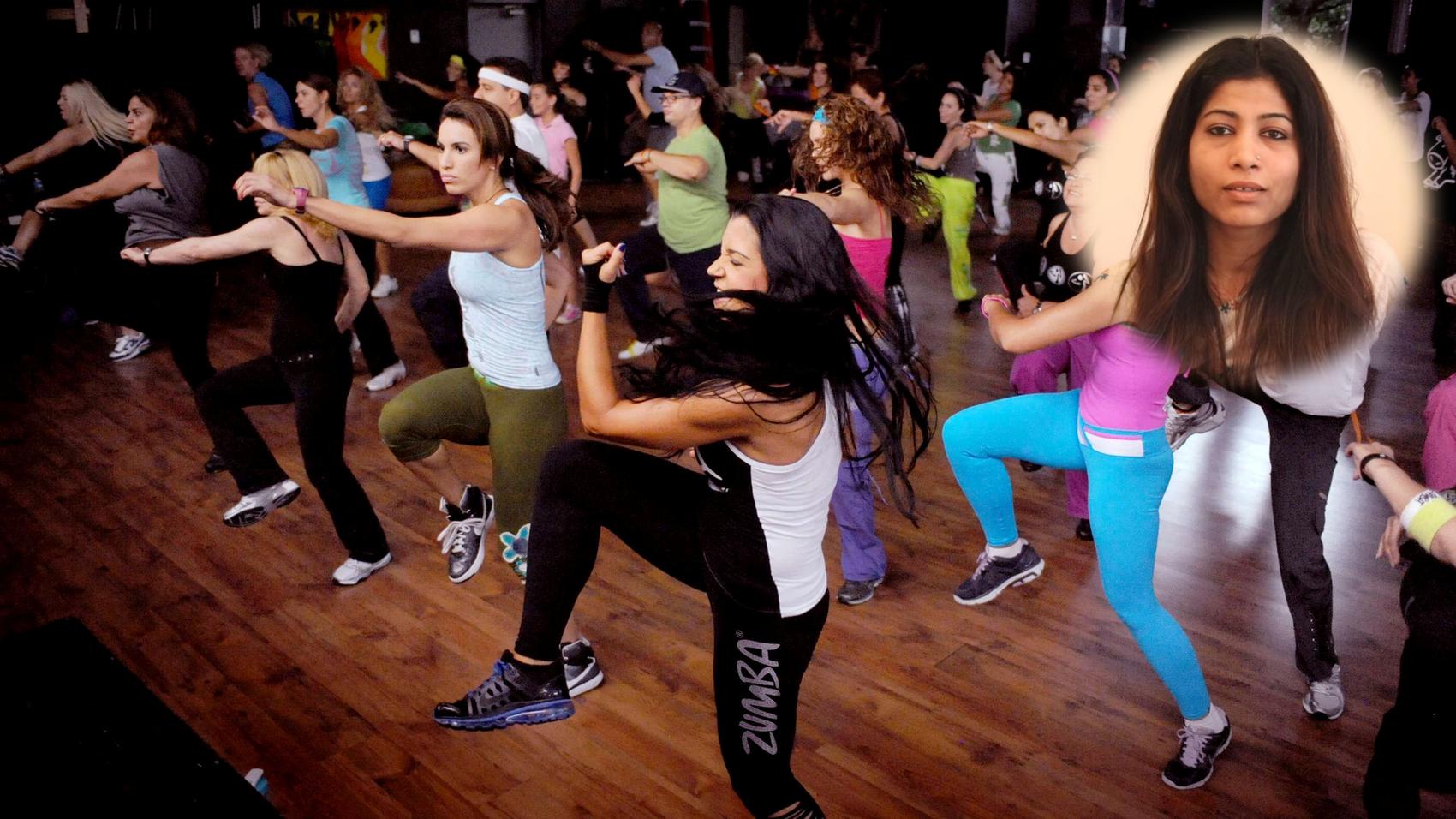
A certified Zumba instructor might lead daily classes at a local fitness studio, designing sessions that cater to different age groups and fitness levels. They select upbeat music and choreograph routines that blend salsa, merengue, and hip-hop moves, ensuring each class is both challenging and fun. Throughout the session, the instructor demonstrates steps, offers encouragement, and adapts routines to accommodate participants’ needs. By fostering a lively and supportive atmosphere, the instructor helps clients achieve their fitness goals while building a sense of community. Over time, the instructor may expand their reach by offering virtual classes, organizing special events, or mentoring new instructors, further advancing their career in Zumba Fitness Training.
Education
Anatomy

Anatomy is the scientific study of the structure of living organisms, focusing on the organization and relationships of body parts. For Zumba Fitness Training, anatomy provides essential knowledge about muscles, bones, and joints, forming a crucial part of the academic and professional foundation required to teach movement safely and effectively.
Understanding anatomy is vital for anyone pursuing a career in Zumba Fitness Training because it enables instructors to design routines that are both safe and effective. Knowledge of how muscles and joints function allows trainers to select movements that enhance strength, flexibility, and endurance while minimizing the risk of injury. This foundational understanding also empowers professionals to modify exercises for participants with varying abilities or physical limitations. Over the long term, a strong grasp of anatomy supports ongoing professional development, as it helps trainers stay informed about best practices in exercise science. Ultimately, this expertise enhances credibility, fosters participant trust, and contributes to a successful and sustainable career in the fitness industry.
Imagine a Zumba instructor leading a class with participants of different ages and fitness levels. During a high-energy dance routine, the instructor notices that some individuals are struggling with a particular hip movement. Drawing on their knowledge of anatomy, the instructor quickly identifies that the movement places significant stress on the hip flexors and lower back. To prevent discomfort or injury, the instructor demonstrates an alternative move that engages the same muscle groups but reduces strain on vulnerable areas. This adjustment not only keeps the class safe but also ensures that everyone can participate fully, demonstrating how a solid understanding of anatomy directly informs daily teaching decisions and enhances the overall class experience.
Rhythm and Music

Rhythm and music refer to the structured patterns of sound and timing that create the foundation of musical expression. In Zumba Fitness Training, understanding rhythm and music is essential for synchronizing movement with beats, ensuring classes are engaging, safe, and effective. This knowledge is a core academic and professional requirement.
A deep understanding of rhythm and music is vital for anyone pursuing a career in Zumba Fitness Training. Mastery of these concepts enables instructors to select appropriate songs, break down choreography, and cue movements in time with the music. This foundational knowledge helps professionals create dynamic, motivating classes that keep participants energized and engaged. Over time, expertise in rhythm and music enhances an instructor’s ability to adapt routines, accommodate diverse fitness levels, and maintain a positive, inclusive atmosphere. It also supports professional growth by enabling instructors to innovate, collaborate with other fitness professionals, and respond to evolving trends in music and dance. Ultimately, proficiency in rhythm and music is a long-term asset that elevates both teaching quality and career longevity.
Imagine a Zumba instructor preparing for a high-energy class. Drawing on their understanding of rhythm and music, they carefully select tracks with varying tempos to structure the session, ensuring a balanced mix of warm-up, peak intensity, and cool-down phases. During the class, the instructor listens closely to the beat, cueing movements precisely so participants can follow along effortlessly. When a song shifts to a faster rhythm, the instructor seamlessly transitions to more dynamic choreography, keeping the energy high and the class synchronized. If a participant struggles with timing, the instructor uses their musical knowledge to break down the steps, helping everyone stay on beat. This practical application of rhythm and music transforms the workout into an enjoyable, cohesive experience for all.
Fitness Routines

Fitness routines are structured sequences of physical exercises designed to improve overall health, endurance, strength, and flexibility. In the context of Zumba Fitness Training, understanding fitness routines is essential, as it provides the academic and professional framework for designing, instructing, and adapting dance-based workouts that are both effective and engaging for participants.
Mastering the principles of fitness routines is crucial for anyone pursuing a career in Zumba Fitness Training. This knowledge enables professionals to create balanced and safe classes that cater to diverse fitness levels and goals. By understanding how to sequence exercises, manage intensity, and incorporate variety, instructors can maximize participant engagement and results. Furthermore, a solid grasp of fitness routines helps trainers prevent injuries, monitor progress, and adapt sessions to individual or group needs. Over time, this expertise not only enhances class effectiveness but also builds a reputation for professionalism and reliability, leading to greater career opportunities and long-term success in the competitive fitness industry.
Imagine a Zumba instructor preparing for a mixed-level class. Drawing on their understanding of fitness routines, they carefully plan a session that begins with a dynamic warm-up, transitions into high-energy dance intervals, and concludes with a cool-down and stretching segment. Throughout the class, the instructor monitors participants’ form and energy, making real-time adjustments to the routine’s intensity and complexity to ensure everyone remains challenged yet safe. This thoughtful application of fitness routine principles keeps the class motivated, minimizes the risk of injury, and helps participants achieve their fitness goals. Such expertise not only enhances the workout experience but also fosters client loyalty and professional growth for the instructor.
Nutrition

Nutrition is the scientific study of how food and drink affect health, growth, and bodily functions. It examines the intake, absorption, and utilization of nutrients essential for energy, repair, and maintenance. For Zumba Fitness Training, nutrition is a foundational discipline, supporting both academic understanding and professional practice in health and performance.
Understanding nutrition is crucial for anyone preparing for or working in Zumba Fitness Training because it directly impacts energy levels, endurance, and overall well-being. Professionals in this field must possess a solid grasp of how macronutrients and micronutrients influence physical performance, recovery, and injury prevention. This knowledge enables instructors to guide participants safely and effectively, optimizing their fitness outcomes. Furthermore, a strong foundation in nutrition enhances a trainer’s credibility and ability to offer holistic advice, which can set them apart in a competitive industry. Over the long term, expertise in nutrition supports career growth, client retention, and the ability to adapt to evolving health trends, making it an indispensable part of a Zumba instructor’s skill set.
Imagine a Zumba instructor preparing for a high-energy class. Drawing on their knowledge of nutrition, they ensure their own pre-class meal includes complex carbohydrates for sustained energy and adequate hydration to prevent fatigue. During the session, they observe a participant showing signs of dizziness and, recognizing the symptoms of low blood sugar, advise a brief rest and a quick snack. After class, the instructor discusses the importance of post-workout nutrition with participants, recommending a balanced intake of protein and carbohydrates to aid muscle recovery. By applying their understanding of nutrition in these ways, the instructor not only enhances performance and safety but also builds trust and rapport with their clients, reinforcing their role as a knowledgeable fitness professional.
Skills
Leadership

Leadership is the ability to inspire, guide, and influence individuals or groups toward achieving shared goals, while fostering trust, motivation, and collaboration. In Zumba Fitness Training, leadership empowers instructors to create an energetic, inclusive environment, ensuring participants feel motivated, supported, and engaged throughout each session, ultimately enhancing their overall experience.
Leadership directly enhances a Zumba instructor’s performance by enabling them to command the room with confidence, adapt to group dynamics, and maintain high energy levels. Clients and employers value instructors who can motivate diverse participants, manage challenges, and foster a sense of community. Effective leaders are able to build trust, encourage regular attendance, and create a loyal client base. Cultivating leadership involves ongoing self-reflection, seeking feedback, observing experienced mentors, and embracing opportunities to lead both inside and outside the studio. Over time, consistent practice and a willingness to learn from each class help instructors refine their leadership abilities, making them more effective and sought-after professionals in the fitness industry.
Imagine a Zumba instructor facing a class where several newcomers feel intimidated and hesitant to participate. Sensing the group’s discomfort, the instructor draws on their leadership skills to quickly adjust the session’s tone, offering encouragement and simplifying routines to boost confidence. They engage with participants individually, using positive reinforcement and humor to break the ice. As the class progresses, the instructor’s leadership transforms the atmosphere, turning uncertainty into enthusiasm. By the end of the session, even the most reserved participants are smiling and moving confidently. This scenario highlights how strong leadership not only resolves immediate challenges but also fosters a welcoming environment that encourages long-term participation and success.
Motivation

Motivation is the internal drive that energizes, directs, and sustains behavior toward achieving goals, even in the face of challenges or setbacks. In the context of Zumba Fitness Training, motivation empowers instructors to inspire participants, maintain high energy levels, and consistently deliver engaging, effective classes that foster client loyalty and progress.
Motivation is a cornerstone of success for Zumba Fitness Trainers because it fuels both personal performance and the enthusiasm of class participants. When instructors are genuinely motivated, their passion becomes contagious, encouraging clients to push through fatigue and self-doubt. Employers and clients value motivated trainers for their reliability, positive attitude, and ability to create a dynamic, supportive environment. Cultivating motivation involves setting clear goals, celebrating small achievements, and continuously seeking inspiration through new music, choreography, and professional development. Over time, reflecting on personal progress and client transformations can reinforce a trainer’s sense of purpose, making motivation a self-sustaining force that drives ongoing success.
Imagine a Zumba Fitness Trainer facing a class with low attendance and visibly unenthusiastic participants. Rather than becoming discouraged, the trainer taps into their motivation, recalling their passion for dance and the positive impact Zumba has had on their own life. They amplify their energy, use encouraging words, and adapt the routine to better suit the group’s mood. Gradually, the participants respond, becoming more engaged and leaving the class feeling uplifted. The trainer’s motivation not only salvages the session but also strengthens client loyalty, demonstrating how this core skill can turn a challenging situation into an opportunity for growth and connection.
Dancing

Dancing is the rhythmic movement of the body, typically to music, using a sequence of steps and gestures that express emotion, tell a story, or provide entertainment. In Zumba Fitness Training, dancing forms the foundation of every session, blending exercise with choreography to create an engaging and effective workout experience.
Mastering the art of dancing directly enhances a Zumba instructor’s ability to lead dynamic, energetic classes that motivate participants and keep them coming back. Clients and employers value instructors who can seamlessly integrate dance moves with fitness routines, as this not only ensures a fun atmosphere but also maximizes the physical benefits of each session. Developing this skill involves consistent practice, attending dance workshops, and staying updated with various dance styles. Over time, instructors who invest in their dancing abilities become more confident, creative, and adaptable, allowing them to cater to diverse groups and maintain high levels of engagement throughout their classes.
Imagine a Zumba instructor facing a class that appears disengaged and unmotivated during a routine workout. By relying on their strong dancing skills, the instructor quickly adapts the choreography, infusing it with fresh, energetic moves that capture the group’s attention. Their expressive movements and infectious rhythm reignite the class’s enthusiasm, transforming a lackluster session into a vibrant, memorable experience. This ability to use dancing as a tool for engagement not only resolves the immediate challenge but also strengthens the instructor’s reputation, leading to increased client satisfaction and loyalty.
Energy

Energy, in the context of Zumba Fitness Training, is the dynamic combination of physical stamina, mental enthusiasm, and emotional positivity that an instructor brings to every session. It fuels movement, motivates participants, and creates an engaging atmosphere. Energy is the driving force that transforms a workout into an uplifting, memorable experience for everyone involved.
A high level of energy directly enhances a Zumba instructor’s performance by making classes more engaging, motivating, and enjoyable for participants. Clients and employers highly value instructors who consistently demonstrate energy because it fosters a positive environment, encourages regular attendance, and helps clients push through physical barriers. To cultivate this skill, professionals can focus on maintaining a healthy lifestyle, practicing mindfulness, and regularly updating their music and routines to keep their enthusiasm fresh. Over time, building endurance through regular exercise and prioritizing self-care ensures that instructors can sustain their energy levels, even during back-to-back classes or challenging sessions.
Imagine a Zumba instructor leading a packed class on a rainy Monday evening when participants arrive feeling sluggish and unmotivated. Sensing the low energy, the instructor amplifies their own enthusiasm, uses vibrant music, and injects playful cues into the routine. Their infectious energy quickly lifts the mood, encouraging participants to move with greater intensity and joy. By the end of the session, the group is smiling, energized, and grateful for the positive transformation. In this scenario, the instructor’s ability to harness and project energy not only salvages the class but also strengthens client loyalty and satisfaction, demonstrating how essential this skill is for success in Zumba Fitness Training.
Creativity

Creativity is the ability to generate original ideas, adapt to new situations, and approach challenges with innovative solutions. In Zumba Fitness Training, creativity empowers instructors to design engaging routines, tailor classes to diverse participants, and keep sessions fresh and motivating. It is a cornerstone of memorable and effective instruction.
Creativity directly enhances a Zumba instructor’s performance by enabling them to craft unique choreography and adapt music selections to suit the energy and preferences of their class. Clients and employers highly value this skill because it keeps classes exciting, encourages regular attendance, and fosters a loyal community. Over time, creativity can be cultivated by exploring different dance styles, attending workshops, and seeking inspiration from various music genres. Regularly experimenting with new moves and soliciting feedback from participants also helps instructors refine their creative approach, ensuring their classes remain dynamic and enjoyable for everyone involved.
Imagine a Zumba instructor faced with a class of mixed ages and fitness levels, where some participants are struggling to keep up with the standard routine. Drawing on creativity, the instructor quickly modifies the choreography, introducing simpler steps and incorporating fun, interactive elements like call-and-response movements. This adaptation not only makes the class more inclusive but also injects fresh energy, ensuring everyone feels successful and engaged. By thinking creatively in the moment, the instructor transforms a potential challenge into an opportunity for connection and enjoyment, ultimately enhancing the overall class experience and reinforcing their reputation as a responsive, innovative fitness professional.
Positives
Independent

"Independent" means having the freedom and autonomy to make your own decisions, set your own schedule, and design your unique approach to work without being micromanaged or restricted by rigid rules. In Zumba Fitness Training, this independence empowers instructors to express creativity, adapt to participants' needs, and cultivate a personal teaching style. It allows professionals to shape their classes, choose their music, and create an environment that reflects their personality. This sense of control and self-direction not only enhances job satisfaction but also fosters a deeper connection with clients, making the profession both meaningful and rewarding.
The independent nature of a career in Zumba Fitness Training is a significant driver of job satisfaction and professional growth. Instructors relish the ability to design their own class routines, select music that energizes both themselves and their participants, and adjust their teaching methods to suit diverse groups. This autonomy encourages continuous learning and innovation, as trainers are motivated to stay updated with new dance trends and fitness techniques. The freedom to set their own schedules also allows for a healthy work-life balance, reducing burnout and increasing enthusiasm for their work. Each day, Zumba instructors experience the joy of leading classes on their own terms, which not only boosts their confidence but also inspires their clients to embrace fitness with passion and commitment.
Imagine a Zumba Fitness Trainer named Maya who thrives on independence. She crafts her own playlists, blending Latin rhythms with contemporary hits, and choreographs routines that reflect her vibrant personality. Maya chooses to teach morning classes in the park, where she feels most energized. Her independence allows her to connect deeply with her clients, tailoring each session to their mood and fitness levels. When a participant requests a specific song or dance style, Maya seamlessly incorporates it, making everyone feel valued and engaged. This autonomy transforms her work into a creative outlet, and her classes become a source of joy for both herself and her community, illustrating the profound fulfillment that independence brings to her career.
Recognition

Recognition is the acknowledgment and appreciation of an individual’s skills, efforts, and achievements by others, whether colleagues, clients, or the broader community. In Zumba Fitness Training, recognition means being valued for inspiring others, creating positive energy, and helping people achieve their wellness goals, which fosters motivation and professional pride.
Recognition is a cornerstone of job satisfaction in Zumba Fitness Training because it validates the hard work and passion instructors invest in every class. When trainers are recognized by their students and peers, it boosts their confidence and encourages them to continually improve their skills. This positive feedback loop not only enhances personal growth but also strengthens the sense of community within the fitness environment. Daily, Zumba instructors experience recognition through enthusiastic participation, heartfelt thanks, and visible progress in their students. This ongoing appreciation transforms routine work into a fulfilling career, motivating trainers to innovate and connect more deeply with their clients, ultimately leading to greater professional success and personal happiness.
Imagine a Zumba instructor who has been leading classes at a local gym for several months. One day, a participant approaches after class, expressing gratitude for the instructor’s infectious energy and support, sharing that they have lost weight and gained confidence thanks to the sessions. The gym manager also highlights the instructor’s popularity and the growing class attendance. This moment of recognition, both from a client and a supervisor, fills the instructor with pride and a renewed sense of purpose. It reinforces the impact they have on others’ lives and motivates them to continue delivering high-quality, inspiring classes. Such experiences make the journey in Zumba Fitness Training deeply rewarding and meaningful.
Fun

Fun is the joyful engagement in activities that spark excitement, laughter, and a sense of playfulness, making experiences enjoyable and uplifting. In Zumba Fitness Training, fun transforms exercise into a celebration, energizing both instructors and participants. This positive energy fosters motivation, creativity, and connection, making every session memorable and rewarding.
Fun is a powerful force in Zumba Fitness Training, shaping the daily experience of instructors and participants alike. When work feels enjoyable, it naturally leads to higher job satisfaction, increased motivation, and a genuine passion for teaching. The lively, music-driven atmosphere of Zumba classes encourages instructors to express themselves, connect with others, and break free from routine. This sense of enjoyment not only reduces stress but also inspires ongoing professional growth, as trainers are more likely to seek new routines, music, and teaching methods. The contagious nature of fun creates a vibrant community, where everyone feels welcome and supported. Ultimately, fun is the heartbeat of Zumba Fitness Training, fueling both personal fulfillment and professional success.
Imagine a Zumba instructor leading a packed class on a Friday evening. The music pulses through the room, and everyone moves in sync, laughing and cheering each other on. The instructor, energized by the group’s enthusiasm, improvises a playful dance move that sparks even more smiles. In that moment, the instructor feels a deep sense of joy and accomplishment, knowing they have created a space where fitness feels like a party. The fun atmosphere not only motivates participants to return week after week but also reminds the instructor why they chose this career. Every class becomes an opportunity to share happiness, build community, and experience the true reward of making fitness fun.
Positivity

Positivity is a mindset characterized by optimism, encouragement, and a focus on uplifting oneself and others, even in the face of challenges. In Zumba Fitness Training, positivity means radiating enthusiasm, fostering a supportive environment, and inspiring participants to embrace joy and self-confidence. This attitude transforms every class into an energizing, welcoming experience.
The power of positivity in Zumba Fitness Training extends far beyond the dance floor. When instructors lead with a positive attitude, they create an atmosphere where participants feel motivated, valued, and empowered to push their limits. This uplifting environment not only enhances the physical and emotional well-being of clients but also fuels the instructor’s own sense of purpose and satisfaction. Positivity becomes contagious, building strong connections within the community and encouraging repeat participation. For professionals, this translates into a rewarding career marked by personal growth, increased job satisfaction, and the joy of witnessing real transformation in others. Every class becomes an opportunity to spread happiness, making the work both meaningful and deeply fulfilling.
Imagine a Zumba instructor greeting a new class filled with participants of all ages and fitness levels, some nervous and unsure. With a warm smile and encouraging words, the instructor sets a positive tone, assuring everyone that the goal is to have fun and move together. As the music starts, the instructor’s infectious energy and supportive cues help participants let go of their self-doubt and immerse themselves in the moment. By the end of the session, even the most hesitant individuals are smiling, laughing, and celebrating their achievements. The instructor leaves the studio knowing they have made a genuine difference, fueled by the collective positivity that Zumba Fitness Training brings to both their own life and the lives of others.
Relationships

Relationships, in the context of Zumba Fitness Training, refer to the meaningful connections and bonds formed between instructors, participants, and the wider fitness community. These relationships are built on trust, encouragement, and shared experiences, fostering a supportive environment that enhances motivation, personal growth, and a sense of belonging for everyone involved.
The power of relationships in Zumba Fitness Training cannot be overstated. When instructors and participants form genuine connections, it transforms the workout experience into something far more rewarding than just physical exercise. These relationships create a sense of community, making every class feel like a gathering of friends rather than a routine obligation. This supportive atmosphere boosts job satisfaction for instructors, as they witness firsthand the positive changes in their students’ confidence and well-being. The daily interactions and shared achievements foster personal and professional growth, encouraging instructors to continually improve and innovate. Ultimately, the relationships built in Zumba classes lead to higher retention rates, increased motivation, and a vibrant, energetic environment that benefits everyone.
Imagine a Zumba instructor who welcomes a new participant feeling nervous and unsure about joining the class. Over several weeks, the instructor offers encouragement, remembers the participant’s name, and celebrates small milestones together. Gradually, the participant gains confidence, starts making friends, and looks forward to each session. The instructor, in turn, feels a deep sense of fulfillment watching this transformation and knowing they played a pivotal role. These daily interactions, filled with laughter, shared challenges, and mutual support, create a lasting bond. The instructor’s passion is continually renewed by the relationships they build, making every class a source of joy and inspiration for both themselves and their students.
Challenges
Personal Fitness

Personal fitness in Zumba Fitness Training refers to the instructor’s ability to maintain high levels of physical health, stamina, and energy required to lead dynamic, high-intensity classes. This is demanding because instructors must consistently perform at peak levels, often multiple times daily, while motivating and engaging diverse groups of participants.
The challenge of maintaining personal fitness can significantly impact a Zumba instructor’s daily work. Physical fatigue, risk of injury, and burnout are constant threats, especially when teaching several classes in succession. This difficulty demands resilience, as instructors must balance their own health with the needs of their clients. Successful professionals manage this constraint by prioritizing rest, nutrition, and cross-training, ensuring their bodies recover and remain strong. They also listen to their bodies, modifying routines when necessary, and seek support from peers or mentors. By adopting a holistic approach to wellness and setting realistic boundaries, they sustain their energy and enthusiasm, allowing them to deliver consistently high-quality classes without compromising their own well-being.
Consider a Zumba instructor who teaches five classes each week, often back-to-back. Early in her career, she struggled with fatigue and minor injuries due to inadequate recovery time and poor nutrition. Recognizing the toll on her performance, she restructured her schedule to allow for rest days and incorporated strength training and flexibility exercises into her routine. She also improved her diet, focusing on balanced meals and hydration. By making these adjustments, she not only enhanced her own fitness but also became a more effective and inspiring instructor. Her classes became more energetic, and she was able to connect better with her participants, demonstrating that prioritizing personal fitness is essential for long-term success in Zumba Fitness Training.
Continuous Innovation

Continuous Innovation in Zumba Fitness Training refers to the ongoing need for instructors to regularly update routines, music selections, and teaching methods to keep classes fresh, engaging, and aligned with current fitness trends. This relentless demand for novelty is challenging because it requires creativity, adaptability, and constant professional development.
The pressure to continuously innovate can make daily work for Zumba instructors both exhilarating and exhausting. Instructors must invest significant time in researching new music, choreographing fresh routines, and staying informed about evolving fitness trends. This ongoing cycle can lead to creative fatigue and stress, demanding resilience and adaptability. Successful professionals manage this challenge by cultivating a growth mindset, seeking inspiration from diverse sources, and maintaining a supportive network of peers. They prioritize self-care and professional development, allowing them to embrace change rather than resist it. By viewing innovation as an opportunity for personal and professional growth, these instructors transform a daunting requirement into a source of motivation and satisfaction.
Consider a Zumba instructor who notices class attendance declining as participants grow bored with familiar routines. Rather than becoming discouraged, the instructor attends workshops, explores global dance styles, and experiments with new music genres. She integrates these fresh elements into her classes, surprising and delighting her students. The renewed energy and variety not only re-engage her existing clients but also attract new participants. By embracing continuous innovation, she revitalizes her teaching approach, strengthens her reputation, and ensures her classes remain dynamic and in demand. This proactive response demonstrates how embracing change can turn a professional challenge into a powerful advantage.
Uncontrollables

In Zumba Fitness Training, "Uncontrollables" refer to unpredictable factors such as participant energy levels, technical issues with music, venue limitations, or sudden schedule changes. These elements are outside the instructor’s direct control, making it demanding to maintain class flow, participant engagement, and overall session quality despite unforeseen disruptions.
Uncontrollables can disrupt the rhythm and energy of a Zumba class, affecting both the instructor’s confidence and the participants’ experience. For example, a malfunctioning sound system or an unexpectedly small turnout can challenge an instructor’s ability to deliver an engaging session. This reality requires resilience, adaptability, and quick thinking. Successful professionals manage these constraints by preparing flexible routines, maintaining a positive attitude, and focusing on what they can influence, such as their own enthusiasm and connection with participants. They also develop strong communication skills to reassure and motivate their class, turning potential setbacks into opportunities for creativity and community building. By embracing unpredictability, they foster a supportive environment where everyone feels encouraged, regardless of the circumstances.
Consider a Zumba instructor who arrives at a community center only to discover that the sound system is not working. Rather than canceling the class or letting frustration show, the instructor quickly adapts by using a portable speaker and inviting participants to help set the mood with clapping and vocal cues. She modifies her choreography to suit the smaller space and lower volume, keeping the energy high through enthusiastic movement and positive reinforcement. By staying calm and resourceful, she not only salvages the session but also strengthens her rapport with the group. Participants leave feeling uplifted, inspired by the instructor’s ability to turn an uncontrollable situation into a memorable and enjoyable workout.
Handling all age groups

Handling all age groups in Zumba Fitness Training refers to the need for instructors to effectively engage participants ranging from children to seniors within the same or separate classes. This is demanding because each age group has distinct physical abilities, learning speeds, motivational triggers, and safety considerations, requiring constant adaptation and sensitivity.
The challenge of handling all age groups significantly shapes a Zumba instructor’s daily routine. It requires careful planning to ensure routines are inclusive, safe, and enjoyable for everyone, regardless of age or fitness level. This complexity can be mentally and physically taxing, demanding resilience and creativity from instructors who must frequently adjust choreography, music tempo, and communication styles. Successful professionals overcome this by continuously educating themselves about age-appropriate modifications, fostering a supportive class environment, and maintaining open communication with participants. They also develop the ability to quickly assess and respond to individual needs, ensuring that everyone feels included and motivated, which ultimately enhances the overall class experience.
Consider a Zumba instructor leading a community class attended by teenagers, adults, and seniors. The instructor begins by observing the group’s energy and mobility, then adapts the warm-up to be gentle yet engaging. During the main session, she offers high-impact moves for younger participants while simultaneously demonstrating low-impact alternatives for older adults. She uses encouraging language that resonates across generations and checks in with participants throughout the class. By the end, everyone feels challenged yet comfortable, and the instructor’s attentiveness ensures that each age group enjoys the session safely. This scenario highlights how adaptability, empathy, and clear communication enable Zumba professionals to successfully handle the diverse needs of all age groups.
A Day Of
Zumba Fitness Training
The pulse of Latin rhythms fills the air long before the first students arrive, setting the tone for a day that’s anything but sedentary. For a Zumba Fitness Training professional, each workday is a vibrant blend of movement, music, and motivation, unfolding in a studio alive with energy and anticipation. The environment is dynamic and social, with every hour shaped by the beat of playlists, the flow of choreography, and the infectious enthusiasm of participants eager to dance their way to better health. In this world, the desk is replaced by the dance floor, and the pace is dictated by the tempo of the next song.
As dawn breaks, the Zumba instructor arrives at the studio, greeted by the quiet hum of anticipation before the day’s first class. This early hour is dedicated to setting up the space, ensuring sound systems are ready, mirrors are spotless, and the floor is clear and safe for movement. The instructor reviews the day’s playlist, fine-tunes choreography, and mentally rehearses transitions, all while sipping a quick coffee and stretching to limber up. This calm, focused preparation lays the foundation for a high-energy day, allowing the instructor to step confidently into the spotlight as soon as the first students walk through the door.
By mid-morning, the studio bursts to life as participants gather, eager for the signature blend of fitness and fun that defines Zumba. The instructor leads the group through a carefully curated sequence of routines, each song building on the last, blending cardio, strength, and dance into a seamless workout. The atmosphere is electric, with laughter, encouragement, and the shared exhilaration of movement filling the room. The instructor’s role is part coach, part performer, and part motivator, constantly reading the energy of the group and adapting on the fly to keep everyone engaged and challenged.
After the morning rush, the afternoon brings a shift in focus to collaboration and skill development. The instructor might meet with fellow trainers to discuss new choreography, share feedback, or plan upcoming themed classes and community events. This is also a time for continuing education, whether through online workshops, reviewing the latest fitness research, or practicing advanced moves. The studio may host smaller, specialized sessions for different groups, requiring the instructor to adapt teaching styles and techniques to meet diverse needs, all while maintaining the supportive, inclusive spirit that defines Zumba.
As the day winds down, the instructor turns attention to administrative tasks and preparation for tomorrow. This includes responding to client messages, updating class rosters, and reviewing feedback from participants. The instructor reflects on what worked well during the day’s sessions and identifies areas for improvement, making notes for future classes. There’s time set aside for researching new music and trends in fitness, ensuring that each class remains fresh and exciting. With the studio quiet once more, the instructor leaves knowing that every beat, every step, and every smile has contributed to a community built on movement and joy, ready to do it all again tomorrow. |


 Home
Home Abroad
 Plan
Plan Philosophy
 Seminar
 Pages
Pages Advisors
 Testimonials














 Workshop
 Discuss
 Meet
Meet
 Advisor
 Story
Story
 Fine Print
 Links
Links
 Blog
Blog
 Follow
