Career Counselling 2.0 HomeHomeCareer Counselling 2.0 AbroadAbroadCareer Counselling 2.0 PlanPlanCareer Counselling 2.0 | TalksTalksCareer Counselling 2.0 PhilosophyPhilosophyCareer Counselling 2.0 SeminarSeminarCareer Counselling 2.0 PagesPagesCareer Counselling 2.0 AdvisorsAdvisorsCareer Counselling 2.0 TestimonialsTestimonials

Language Editing

Language Editor Warishree talks about Language Editing course, what is Language Editing and other details about a Career in Language Editing.


Language Editing

Warishree | Language Editor | Macmillan


What is Language Editing?


A Career in Language Editing is very intriguing. One should first understand What a Career in Language Editing entails before investing time and effort to figure out How to start a Career in Language Editing. The internet is a great source of information on Language Editing, but it is second best to learning about the same from a real professional.

Language Editor Warishree invested 4 years in Language Editing. Language Editor Warishree defines Language Editing as:

Language Editing is defined as making revisions to and suggestions about the content of a document, focusing on improving the accuracy of language, flow, and overall readability, as well as checking for grammar and spelling. In other words, editing involves a detailed review of a paper.


How Language Editor Warishree got into Language Editing?


I did Economics Honours from Delhi University and Masters in Economics from Doon University, Dehradun. I also did masters in English from Open University and post that, I started working as a language editor with Macmillan and since 2015, I am working there.


Language Editor Warishree's Talk on Language Editing


Session Image
The Journey of Language Editing


What Is Language Editing


Language Editing

### Language Editing Image
What is
Language editing is the process of reviewing and refining written content to ensure clarity, accuracy, coherence, and correctness in grammar, punctuation, spelling, and style. It involves improving the overall quality of text, making it suitable for its intended audience, and often adapting it to meet specific publication or organizational standards.

Concept
Language editing plays a crucial role in enhancing the effectiveness of communication across various fields, including academia, publishing, business, and media. For professionals in language editing, their expertise ensures that documents are not only error-free but also clear and engaging. This work helps authors present their ideas more persuasively and professionally, which can lead to greater acceptance of their work, improved reputation, and increased opportunities. Additionally, language editors contribute to the credibility of organizations by maintaining high standards of written communication. The benefits of language editing include improved readability, increased chances of publication or acceptance, and the establishment of a consistent and professional tone in all written materials.

Real World Example
A language editor working for an academic journal receives a research manuscript from a non-native English-speaking author. The editor carefully reviews the document, correcting grammatical errors, restructuring awkward sentences, and ensuring that technical terms are used appropriately. They also check for consistency in terminology and adherence to the journal’s style guidelines. By clarifying ambiguous statements and refining the overall flow, the editor helps the author communicate complex ideas more effectively. As a result, the manuscript stands a much better chance of being accepted for publication, and the author’s research is presented in a clear, professional manner that reaches a wider audience. This process highlights the essential role language editors play in bridging communication gaps and upholding publication standards.

Education


Subject Knowledge

### Subject Knowledge Image
What is
Subject Knowledge refers to a deep and accurate understanding of the specific content, terminology, and conventions within a particular academic or professional field. For language editors, it encompasses familiarity with the subject matter they are editing, ensuring clarity, accuracy, and appropriateness in communication. This expertise underpins effective and credible language editing.

Concept
Developing strong subject knowledge is essential for language editors because it enables them to accurately interpret, revise, and enhance specialized texts. Without this foundation, editors risk introducing errors or misrepresenting complex ideas. Mastery of subject knowledge allows editors to recognize discipline-specific jargon, adhere to relevant style guides, and maintain the integrity of the original work. Over time, this expertise builds professional credibility, fosters trust with clients and authors, and opens doors to more advanced and specialized editing opportunities. As editors deepen their subject knowledge, they become invaluable assets to academic publishers, research institutions, and industry professionals who rely on precise and contextually appropriate language.

Real World Example
Imagine a language editor working with a manuscript on molecular biology. The editor’s subject knowledge enables them to distinguish between similar-sounding terms like “transcription” and “translation,” which have distinct meanings in this context. When reviewing the text, the editor identifies a sentence where the author mistakenly refers to “protein transcription” instead of “protein translation.” Drawing on their understanding of molecular biology, the editor corrects the error, ensuring scientific accuracy while maintaining the author’s intended message. This careful attention to subject-specific details not only improves the quality of the manuscript but also reinforces the editor’s reputation as a knowledgeable and reliable professional in the field.

General Awareness

### General Awareness Image
What is
General Awareness refers to a broad understanding of current events, cultural trends, historical facts, scientific advancements, and societal issues. For language editors, it encompasses the essential background knowledge that informs accurate, contextually appropriate, and sensitive editing. This awareness is crucial for ensuring clarity, relevance, and credibility in academic and professional communication.

Concept
Developing strong general awareness is vital for language editors because it enables them to recognize context, nuance, and the intended meaning behind a text. Editors often encounter references to global events, scientific discoveries, or cultural phenomena, and without a solid grasp of these topics, they risk misinterpreting or misrepresenting the author’s message. General awareness also helps editors identify factual inaccuracies, outdated terminology, or culturally insensitive language, ensuring that the final document is both accurate and respectful. Over time, this foundational knowledge enhances an editor’s credibility, adaptability, and ability to work across diverse subject areas, making them more valuable to employers and clients. Ultimately, a well-informed editor can contribute to higher-quality publications and foster trust within the academic and professional communities.

Real World Example
Consider a language editor working on a research article discussing the impact of social media on mental health. The editor’s general awareness allows them to recognize references to recent studies, popular platforms, and ongoing debates about digital well-being. When the author mentions a viral trend or a widely reported incident, the editor’s familiarity with these events ensures accurate representation and appropriate contextualization. If the manuscript contains outdated information or overlooks significant recent developments, the editor can suggest updates or clarifications. By applying their general awareness, the editor not only improves the clarity and relevance of the article but also helps the author engage effectively with a well-informed readership, ultimately enhancing the publication’s impact and credibility.

English Grammar

### English Grammar Image
What is
English Grammar is the system of rules that governs the structure, use, and organization of words, phrases, clauses, and sentences in the English language. It encompasses syntax, morphology, punctuation, and usage, forming the essential framework for clear communication. Mastery of grammar is indispensable for effective Language Editing.

Concept
A thorough understanding of English Grammar is crucial for anyone preparing for or working in Language Editing, as it forms the backbone of all written communication. Editors must not only recognize and correct grammatical errors but also ensure clarity, coherence, and consistency throughout a text. This foundational knowledge enables professionals to elevate the quality of manuscripts, academic papers, business documents, and creative works. Over time, expertise in grammar enhances an editor’s credibility, efficiency, and versatility, opening doors to advanced roles and specialized fields within publishing, academia, and corporate communications. Ultimately, a strong command of grammar is a long-term asset that supports career growth and professional reputation in the competitive world of language services.

Real World Example
Consider a language editor working with a research article submitted to an academic journal. The author, a non-native English speaker, has presented valuable findings but struggles with subject-verb agreement, misplaced modifiers, and inconsistent tense usage. Drawing on their knowledge of English Grammar, the editor systematically identifies and corrects these issues, ensuring that each sentence is structurally sound and the intended meaning is preserved. The editor also refines awkward phrasing and clarifies ambiguous statements, transforming the manuscript into a polished, professional document. This process not only improves readability but also increases the likelihood of the article being accepted for publication, demonstrating the practical impact of grammar expertise in daily editorial tasks.

Research

### Research Image
What is
Research is a systematic process of investigating questions, gathering information, analyzing data, and drawing conclusions to expand knowledge or solve problems. In the context of Language Editing, research underpins the understanding of subject matter, methodologies, and conventions, enabling editors to ensure accuracy, clarity, and credibility in academic and professional documents.

Concept
A solid grasp of research principles is essential for anyone preparing for or working in Language Editing. Editors frequently encounter manuscripts spanning diverse disciplines, each with its own research methodologies, terminologies, and citation styles. Understanding how research is conducted allows editors to recognize the structure and logic of scholarly writing, identify inconsistencies, and verify the accuracy of references. This foundational knowledge not only enhances the quality of edited work but also builds trust with clients and authors, who rely on editors to uphold academic integrity. Over time, proficiency in research concepts enables language editors to specialize in specific fields, broaden their service offerings, and advance their careers by taking on more complex and prestigious projects.

Real World Example
Consider a language editor working with a scientific manuscript submitted to an international journal. The editor’s understanding of research enables them to assess whether the abstract accurately summarizes the study, if the methodology is described with sufficient detail, and whether the results logically support the conclusions. When encountering unfamiliar terminology or statistical methods, the editor draws on their research skills to verify definitions and ensure correct usage. By recognizing the importance of clear, precise language in reporting research findings, the editor helps the author communicate effectively with a global audience. This application of research knowledge not only improves the manuscript’s clarity and coherence but also increases its chances of successful publication.

Skills


Reading

### Reading Image
What is
Reading is the process of interpreting and understanding written text, involving the recognition of words, comprehension of meaning, and critical analysis of content. For a Language Editing professional, reading is fundamental, enabling them to identify errors, assess clarity, and ensure that the intended message is effectively communicated to the target audience.

Concept
Strong reading skills directly enhance a language editor’s ability to spot inconsistencies, grammatical mistakes, and ambiguous phrasing within a document. Clients and employers highly value editors who can quickly comprehend complex material and provide insightful feedback, as this ensures high-quality, polished output. Over time, reading proficiency can be cultivated by engaging with diverse genres, practicing active reading strategies, and staying updated on language trends. Regular exposure to various writing styles and subject matter not only sharpens comprehension but also broadens an editor’s perspective, making them more adaptable and effective in their role. Ultimately, a commitment to continuous reading development translates into greater accuracy, efficiency, and credibility in the editing profession.

Real World Example
Imagine a language editor working on a research manuscript intended for publication in an international journal. During the review, the editor carefully reads through the text and notices that several technical terms are used inconsistently, potentially confusing readers and undermining the paper’s credibility. By thoroughly reading and cross-referencing different sections, the editor identifies the discrepancies and suggests precise revisions, ensuring consistency and clarity throughout the document. This attentive reading not only resolves a critical issue but also enhances the manuscript’s overall quality, increasing its chances of acceptance and reflecting positively on both the author and the editor’s professional reputation.

Leadership

### Leadership Image
What is
Leadership is the ability to guide, inspire, and influence others toward achieving shared goals, while making informed decisions and fostering collaboration. In language editing, leadership empowers professionals to manage projects efficiently, motivate team members, and uphold high editorial standards, ensuring that the final output meets or exceeds client expectations.

Concept
Leadership directly enhances a language editor’s performance by encouraging proactive problem-solving, clear communication, and decisive action in challenging situations. Clients and employers highly value editors who demonstrate leadership because they can coordinate teams, manage deadlines, and maintain quality under pressure. Cultivating leadership involves seeking feedback, learning from mentors, and taking initiative in collaborative projects. Over time, editors who embrace leadership responsibilities become trusted figures, capable of guiding less experienced colleagues and representing their teams in client interactions. By consistently demonstrating reliability, vision, and empathy, language editors can strengthen their leadership abilities and contribute to a positive, productive work environment.

Real World Example
Imagine a language editing professional overseeing a large, time-sensitive publication project involving multiple editors and writers. Midway through, the team encounters conflicting feedback from stakeholders, causing confusion and delays. Relying on leadership, the editor steps in to facilitate a constructive discussion, clarifies expectations, and delegates tasks based on each member’s strengths. By maintaining composure and fostering open communication, the editor unites the team around a clear action plan. As a result, the project regains momentum, meets the deadline, and delivers a polished final product. This scenario highlights how leadership enables language editors to navigate complex challenges, resolve conflicts, and drive collective success.

Decision Making

### Decision Making Image
What is
Decision Making is the process of evaluating information, considering alternatives, and selecting the most appropriate course of action to achieve a desired outcome. In language editing, this skill enables professionals to choose the best way to clarify meaning, maintain consistency, and uphold the integrity of the text while meeting client expectations.

Concept
Strong decision making directly enhances a language editor’s performance by enabling swift, confident choices about grammar, style, and content. Clients and employers highly value editors who can independently resolve ambiguities, prioritize revisions, and balance competing demands such as clarity, tone, and authorial intent. Cultivating this skill involves gaining experience with diverse texts, seeking feedback, and reflecting on past editorial choices to refine judgment. Over time, editors who actively engage in critical thinking and stay updated with language trends become more adept at making nuanced decisions. This not only improves the quality of their work but also builds trust with clients, who rely on editors to make informed choices that elevate the final product.

Real World Example
Imagine a language editor working on a scientific manuscript written by a non-native English speaker. The manuscript contains several complex sentences that are grammatically correct but difficult to understand. The editor must decide whether to preserve the author’s original structure or rewrite the sentences for clarity. After considering the target audience, publication guidelines, and the importance of clear communication in scientific writing, the editor chooses to revise the sentences for greater readability. This decision not only improves the manuscript’s accessibility but also increases its chances of acceptance by the journal. The editor’s ability to weigh options and make informed choices demonstrates the critical role of decision making in achieving successful outcomes in language editing.

Observation

### Observation Image
What is
Observation is the attentive and systematic process of noticing details, patterns, and inconsistencies within written material. In language editing, observation enables professionals to detect subtle errors, stylistic inconsistencies, and deviations from guidelines. This skill is crucial for ensuring clarity, coherence, and accuracy, making it indispensable in a language editor’s toolkit.

Concept
Observation directly enhances a language editor’s effectiveness by enabling the identification of nuanced issues that automated tools or less attentive readers might overlook. Clients and employers highly value editors who can spot inconsistencies in tone, grammar, or formatting, as these details impact the quality and credibility of the final document. Cultivating observation involves regular practice, such as reading diverse texts critically, seeking feedback from peers, and reflecting on one’s editing decisions. Over time, editors who consciously refine their observational skills become more adept at catching subtle errors and ensuring that every document meets the highest standards of quality and professionalism.

Real World Example
Consider a language editor working on a research manuscript intended for publication. While reviewing the document, the editor notices that the terminology used to describe a key concept shifts subtly between sections, potentially confusing readers and undermining the paper’s credibility. Relying on keen observation, the editor traces these inconsistencies, consults the author for clarification, and standardizes the terminology throughout the manuscript. This attention to detail not only improves the clarity and coherence of the paper but also enhances its chances of acceptance by the journal. In this scenario, the editor’s observational skill is pivotal in identifying and resolving an issue that could have otherwise compromised the document’s effectiveness.

Management

### Management Image
What is
Management is the ability to organize, coordinate, and oversee tasks, resources, and people to achieve specific goals efficiently and effectively. In the context of Language Editing, management encompasses planning workflows, prioritizing assignments, meeting deadlines, and ensuring quality standards. It is a foundational skill that supports consistent, high-quality editorial outcomes.

Concept
Strong management skills enable language editors to handle multiple projects simultaneously, allocate time wisely, and adapt to shifting priorities. Clients and employers highly value editors who can deliver polished work on schedule, communicate progress clearly, and anticipate potential bottlenecks. Effective management also reduces stress and errors, fostering a reputation for reliability and professionalism. To cultivate this skill, editors should practice setting realistic timelines, using project management tools, and regularly reflecting on their processes to identify areas for improvement. Over time, these habits build confidence and efficiency, making editors indispensable team members or freelancers in a competitive industry.

Real World Example
Imagine a language editor juggling several manuscripts with overlapping deadlines for different clients. Suddenly, one client requests urgent revisions on a previously submitted document. The editor must quickly reassess priorities, communicate revised timelines to all stakeholders, and delegate or reschedule less urgent tasks. By applying strong management skills, the editor efficiently reallocates resources, maintains transparency with clients, and ensures that all projects are completed to the highest standard. This ability to adapt and coordinate under pressure not only resolves the immediate crisis but also strengthens client trust and enhances the editor’s professional reputation.

Positives


Become Intellectual

### Become Intellectual Image
What is
"Become Intellectual" means developing a deep, analytical, and curious mindset that thrives on learning, critical thinking, and understanding complex ideas. In language editing, this intellectual growth is nurtured by constant exposure to diverse topics, challenging texts, and the need to clarify and refine meaning. This aspect enriches both personal and professional life, fostering a lifelong passion for knowledge and thoughtful communication.

Concept
The intellectual dimension of language editing transforms routine work into a journey of discovery. Editors regularly engage with new research, creative writing, and technical documents, which keeps their minds sharp and adaptable. This constant learning not only enhances their expertise but also brings immense satisfaction, as every project offers fresh insights and challenges. The process of analyzing, questioning, and improving texts cultivates a sense of accomplishment and pride in one’s work. Over time, this intellectual engagement leads to professional growth, as editors become trusted advisors and thought partners for writers. The daily experience of learning and problem-solving makes the career deeply rewarding and sustains motivation even through demanding projects.

Real World Example
Imagine a language editor working on a scientific manuscript about climate change. As they edit, they must understand complex concepts, verify terminology, and ensure clarity for a global audience. This process requires them to research, ask insightful questions, and think critically about the subject matter. Through this intellectual engagement, the editor not only improves the manuscript but also expands their own knowledge and analytical skills. The satisfaction comes from knowing their work bridges the gap between experts and readers, making important information accessible and impactful. This daily experience of intellectual growth and meaningful contribution exemplifies the unique fulfillment found in a language editing career.

Vast Career Opportunities

### Vast Career Opportunities Image
What is
Vast Career Opportunities refers to the wide range of roles, industries, and pathways available to professionals within a field, offering diverse options for growth, specialization, and advancement. In language editing, this abundance of opportunities allows individuals to explore various sectors, work with different content types, and continually expand their expertise and influence.

Concept
The presence of vast career opportunities in language editing is a significant advantage because it ensures that professionals are never confined to a single path or niche. This diversity fosters continuous learning and adaptability, making the career both dynamic and resilient to industry changes. Editors can transition between academic publishing, media, corporate communications, or freelance work, tailoring their careers to match their evolving interests and life circumstances. This flexibility not only enhances job satisfaction but also provides a sense of security, knowing that new challenges and roles are always within reach. The daily experience of choosing projects, collaborating with varied clients, and developing new skills keeps the work engaging and meaningful, fueling long-term professional growth.

Real World Example
Imagine a language editor who begins their career working with academic journals, honing their skills in technical editing and scholarly communication. Over time, they discover a passion for creative writing and transition into editing novels and short stories for publishing houses. Later, they leverage their expertise to consult for multinational corporations, ensuring clarity and consistency in global communications. Each step in their journey is made possible by the vast career opportunities within the field, allowing them to pursue new interests, adapt to changing markets, and continuously find fulfillment in their work. This variety not only enriches their professional life but also provides a sense of accomplishment and purpose that few other careers can match.

Flexible Timings

### Flexible Timings Image
What is
Flexible timings refer to the ability to choose when and where to work, allowing professionals to set their own schedules rather than adhering to fixed office hours. In language editing, this means editors can manage their workload around personal commitments, peak productivity periods, and preferred environments, enhancing overall work-life balance.

Concept
The freedom to decide working hours is a transformative benefit for language editors. It empowers individuals to align their professional responsibilities with personal needs, whether that means accommodating family, pursuing hobbies, or simply working during their most productive hours. This autonomy leads to higher job satisfaction, reduced stress, and improved mental well-being. Flexible timings also foster continuous learning and growth, as editors can allocate time for professional development without sacrificing their primary work. The daily experience of choosing when to focus on complex editing tasks or take restorative breaks results in sustained motivation and a sense of control over one’s career trajectory, making language editing a truly rewarding profession.

Real World Example
Imagine a language editor who is also a parent. With flexible timings, they can start their workday early in the morning, pause to prepare breakfast and see their children off to school, and then resume editing during quiet, uninterrupted hours. Later, they can take a midday break to recharge or attend a personal appointment, returning to work in the afternoon or evening as needed. This adaptability allows them to meet professional deadlines without sacrificing family time or personal well-being. The ability to seamlessly integrate work with life’s demands not only enhances productivity but also brings a deep sense of fulfillment, demonstrating the profound impact of flexible timings in the language editing profession.

Job Satisfaction

### Job Satisfaction Image
What is
Job satisfaction is the sense of fulfillment, pride, and contentment professionals feel when their work aligns with their values, skills, and aspirations, leading to a positive emotional state. In language editing, this satisfaction emerges from the meaningful impact editors have on communication, clarity, and the success of writers and organizations.

Concept
Job satisfaction in language editing is a powerful motivator that enhances both personal and professional growth. When editors see their efforts transform unclear or error-filled manuscripts into polished, effective documents, they experience a deep sense of accomplishment. This positive feedback loop encourages continuous learning and improvement, making each project an opportunity to refine skills and expand knowledge. The daily interactions with diverse texts and authors foster a stimulating work environment, where editors not only help others succeed but also witness the tangible results of their expertise. This ongoing sense of purpose and achievement leads to higher morale, increased productivity, and a lasting passion for the profession.

Real World Example
Imagine a language editor working with a non-native English-speaking researcher who struggles to communicate groundbreaking findings. Through careful editing, the editor clarifies the research, ensuring the message is both accurate and compelling. When the paper is published and receives recognition, the editor feels immense pride knowing their skills directly contributed to the researcher's success. This moment of shared achievement, where the editor’s expertise bridges the gap between ideas and understanding, exemplifies the profound job satisfaction found in language editing. The editor’s daily work not only improves documents but also empowers others, reinforcing a sense of purpose and fulfillment that makes the career truly rewarding.

Networking

### Networking Image
What is
Networking is the process of building and nurturing professional relationships through meaningful interactions, information exchange, and mutual support within a specific field. In language editing, networking connects editors with authors, publishers, researchers, and peers, fostering collaboration, knowledge sharing, and career advancement. This interconnectedness enhances both personal growth and professional opportunities.

Concept
The power of networking in language editing lies in its ability to open doors to new projects, collaborations, and learning experiences. By engaging with a diverse community, editors gain exposure to different writing styles, industry standards, and emerging trends. This ongoing exchange of ideas not only sharpens their editorial skills but also keeps them motivated and inspired. Networking often leads to referrals and recommendations, which can result in a steady flow of work and long-term professional relationships. The sense of belonging to a supportive network boosts job satisfaction, as editors feel valued and recognized within their community. Every day, professionals benefit from the collective wisdom and encouragement that networking provides, making their career journey more dynamic and fulfilling.

Real World Example
Imagine a language editor attending an academic conference, where they meet researchers and fellow editors from around the world. Through engaging conversations, they learn about new editing tools, discuss challenges in manuscript preparation, and exchange contact information with potential collaborators. A few weeks later, one of the researchers reaches out, impressed by the editor’s expertise and willingness to share insights. This connection leads to a rewarding freelance project, which not only expands the editor’s portfolio but also introduces them to a broader network of clients. The editor’s daily work becomes more enriching, as each new relationship brings fresh perspectives, opportunities, and a sense of professional camaraderie that makes the career truly rewarding.

Challenges


Meeting Deadlines

### Meeting Deadlines Image
What is
Meeting deadlines in language editing refers to the consistent delivery of thoroughly reviewed, error-free documents within strict timeframes. This is demanding because editors must balance speed with meticulous attention to detail, often handling multiple projects simultaneously, while accommodating last-minute changes and maintaining high standards of linguistic accuracy and clarity.

Concept
The pressure to meet deadlines in language editing can lead to long hours, increased stress, and the risk of compromised quality if not managed well. Editors must be resilient, adapting quickly to shifting priorities and unexpected client requests. Successful professionals develop strong organizational skills, set realistic expectations with clients, and prioritize tasks based on urgency and complexity. They often employ time management techniques, such as breaking large projects into manageable segments and using productivity tools to track progress. By maintaining open communication with clients and colleagues, they can negotiate extensions when necessary and avoid misunderstandings. Ultimately, resilience and adaptability, combined with proactive planning, enable language editors to consistently meet deadlines without sacrificing quality.

Real World Example
Consider a language editor working for an academic journal who receives a lengthy manuscript with a tight turnaround time. The editor assesses the workload, divides the manuscript into sections, and schedules focused editing sessions throughout the week. By communicating clearly with the author about any ambiguities or required clarifications early in the process, the editor avoids last-minute surprises. When an unexpected revision request arrives close to the deadline, the editor reprioritizes tasks and works extra hours, ensuring the manuscript is polished and submitted on time. Through careful planning, effective communication, and dedication, the editor successfully meets the deadline while maintaining the quality expected by both the author and the journal.

High Responsibility

### High Responsibility Image
What is
High Responsibility in Language Editing refers to the critical obligation editors bear to ensure accuracy, clarity, and integrity in written content. This role is demanding because editors must safeguard the author’s intent, uphold publication standards, and prevent miscommunication, all while working under tight deadlines and with diverse subject matter.

Concept
The weight of high responsibility in language editing permeates every aspect of daily work. Editors must meticulously review content, knowing that even minor errors can lead to misinterpretation or reputational damage for authors and publishers. This constant vigilance can be mentally taxing, requiring resilience to maintain focus and uphold standards despite pressure. Successful professionals manage this by developing robust review processes, seeking peer feedback, and continuously updating their knowledge of language conventions. They also cultivate strong communication skills to clarify ambiguities with authors and prioritize self-care to prevent burnout. By embracing a growth mindset and learning from each project, editors transform the challenge of high responsibility into an opportunity for professional development and trust-building.

Real World Example
Consider a language editor working on a high-profile scientific manuscript destined for an international journal. The editor recognizes the immense responsibility to ensure that complex findings are communicated accurately and without ambiguity. Aware that errors could mislead readers or compromise the author’s credibility, the editor systematically cross-checks terminology, consults subject matter experts when necessary, and maintains open communication with the author to clarify uncertainties. By balancing thoroughness with efficiency and remaining calm under deadline pressure, the editor successfully delivers a polished manuscript. This careful management of high responsibility not only safeguards the publication’s integrity but also strengthens the editor’s reputation as a reliable and trusted professional.

Competition

### Competition Image
What is
Competition in language editing refers to the constant presence of numerous skilled professionals and agencies vying for the same projects, clients, or positions. This environment is demanding because it requires editors to consistently demonstrate exceptional quality, adaptability, and reliability to stand out and secure opportunities in a crowded, ever-evolving marketplace.

Concept
The intense competition in language editing can lead to increased pressure to deliver flawless work quickly, often resulting in longer hours and heightened stress. Professionals may find themselves needing to continuously update their skills and adapt to new editing tools or client expectations. This challenge demands resilience, as setbacks and rejections are common. Successful language editors manage this constraint by cultivating a strong professional reputation, building lasting client relationships, and specializing in niche areas where their expertise is most valued. They also invest in ongoing learning and networking, which helps them stay visible and relevant in the industry. By focusing on quality, reliability, and adaptability, they are able to navigate the competitive landscape and maintain a steady flow of opportunities.

Real World Example
Consider a freelance language editor who notices a decline in project offers due to an influx of new competitors on popular job platforms. Instead of lowering rates or compromising on quality, the editor chooses to specialize in academic editing for non-native English speakers, a niche with growing demand. By attending relevant webinars and earning certifications in academic writing standards, the editor enhances their credibility. They also reach out directly to university departments and research groups, offering tailored editing services. Over time, the editor builds a loyal client base that values their expertise and personalized approach, effectively overcoming the challenge of competition and securing a steady stream of rewarding projects.

A Day Of


Language Editing

What is
The world of a language editing professional is a blend of quiet intensity and constant intellectual engagement, where every sentence is a puzzle and every document a new landscape to explore. The day unfolds in a rhythm dictated by deadlines, client expectations, and the ever-present pursuit of clarity and precision. Whether working from a bustling editorial office or the solitude of a home workspace, language editors navigate a steady stream of manuscripts, emails, and collaborative exchanges, all while maintaining a sharp eye for detail and a deep respect for the author’s voice. The pace is brisk but thoughtful, demanding both focus and flexibility as editors move seamlessly between solitary concentration and dynamic teamwork.

Concept
As the day begins, the language editor settles in with a fresh cup of coffee and reviews the day’s schedule, prioritizing tasks based on looming deadlines and client needs. This early hour is dedicated to scanning emails for urgent requests, reviewing feedback from previous edits, and organizing the queue of documents awaiting attention. It’s a time for calibrating focus, setting goals, and ensuring that all necessary reference materials and style guides are at hand. This quiet preparation lays the groundwork for a productive day, allowing the editor to approach each project with clarity and purpose.

Real World Example
Mid-morning marks the heart of the language editor’s work, as they dive into the core task of meticulously editing manuscripts, research articles, or business communications. This is when concentration peaks, and the editor becomes fully absorbed in refining grammar, enhancing readability, and ensuring consistency with style guidelines. The work demands a delicate balance between correcting errors and preserving the author’s intent, often requiring thoughtful decisions about word choice, tone, and structure. The hours fly by in a flow state, punctuated only by the occasional query to an author or a quick fact-check to resolve ambiguities.

The afternoon ushers in a more collaborative phase, as editors participate in virtual meetings with colleagues, discuss complex edits with authors, or consult with subject matter experts to clarify technical terminology. This is also the time for executing revisions based on peer reviews or client feedback, integrating suggestions while maintaining editorial standards. The environment becomes more interactive, with messages and calls facilitating real-time problem-solving and knowledge sharing. The editor’s role shifts from solitary craftsman to team player, ensuring that every document not only meets linguistic standards but also aligns with the broader goals of the publication or organization.

As the day winds down, the language editor turns to administrative tasks such as updating project trackers, sending completed documents to clients, and logging hours for billing purposes. This is also a moment for reflection, reviewing the day’s accomplishments and identifying areas for improvement. The editor may spend time researching new language trends, updating personal style guides, or planning the next day’s workflow to ensure a smooth start. With a sense of satisfaction and anticipation, the editor closes out the day, knowing that tomorrow will bring a fresh set of linguistic challenges and opportunities for growth.


Install the LifePage App to:


  1. (for Free) Watch Language Editor Warishree’s full Language Editing Career Talk

  2. ₹ Do a Self Assessment on Language Editing to calculate your Dream Index, which is defined as:

    According to Warishree your chances of success in Language Editing is __%

  3. Access your personalized Dream Index Report which will have all your Dream Indices sorted in descending order.

Career Counselling 2.0


<?php echo $altimage; ?>


<?php echo $altimage; ?>


How to get into

Language Editing?


If you are want to get into Language Editing, start by investing in a Career Plan.

The 14 hour process, guided by a LifePage Career Advisor, will help you introspect and check whether your interest in Language Editing is merely an infatuation or is it truly something you wish to do for the rest of your life.

Next, your Career Advisor will help you document how you can get into Language Editing, what education and skills you need to succeed in Language Editing, and what positives and challenges you will face in Language Editing.

Finally, you will get a Career Plan stating which Courses, Certifications, Trainings and other Items you need to do in the next 7 years to become world’s best in Language Editing.


LifePage Career Plan

14 hour personalized guidance program


Your LifePage Career Advisor facilitates your guided introspection so that you systematically explore various Career options to arrive at a well thought out Career choice.

Next: your Advisor helps you figure out how you will get into your chosen Career and how will you develop the skills needed for success in your Chosen Career.

LifePage Plan will not stop at saying "to become an Architect study Architecture". It will guide you on which Certifications, Trainings and Other items you need to do along with your Architecture education to become the world's best Architect.


Links for this Talk


Language Editor Warishree's LifePage:


Career Counselling 2.0
[LifePage]
https://www.lifepage.in/page/warishree


LifePage Career Talk on Language Editing


Career Counselling 2.0
[Career]
https://www.lifepage.in/careers/language-editing


Career Counselling 2.0
[Full Talk]
https://lifepage.app.link/20180310-0001


Career Counselling 2.0
[Trailer]
https://www.youtube.com/watch?v=bIvX5xT-qOE


(Language Editing, Warishree Pant, Mech Millan, Content Management, Editing, Language, Writing, English, Journalism, Editor)


Similar Talks


Career in Book Writing
Book Writing
Sanil Sachar
Writer | Various Literary Assignments
[ 5 years & 10 months Experience ]

Writing is the process of using symbols (letters of the alphabet, punctuation and spaces) to communicate thoughts and ideas in a readable form. A writer does not know who will read their work and if someone will, so write about what you truly want to share and what you believe in. Fiction is inspired by reality.

"I started writing while completing my A levels in Ackworth School. My first book named 'Summer Promises and Other Poems' was published in 2013 while I was in my first year at university. I am also a co-producer, an entrepreneur, a speaker at motivational and leadership seminars, and a potential film-writer."


Career Counselling 2.0 Career Counselling 2.0 Career Counselling 2.0 Career Counselling 2.0 Career Counselling 2.0


Career in Blogging
Blogging
Shivani Trehan
Founder | Social Cravings
[ 2 years Experience ]

Initially, blogging involved a personal web log, in which a person would journal about their day. From "web log" came the term "blog." Like most new innovations on the Internet, many entrepreneurs saw a marketing potential in having a blog, and blogging took off from there. Not only can a blog be used for marketing, but also, a blog can be a home business in and of itself.

"After completing my education, I worked for different companies such as NDTV Good Times, Turner International and others at different profiles. I was always passionate for food and travel which inspired me to start my blogging channel by the name Social Cravings, which covers everything one craves for socially."


Career Counselling 2.0 Career Counselling 2.0 Career Counselling 2.0 Career Counselling 2.0 Career Counselling 2.0


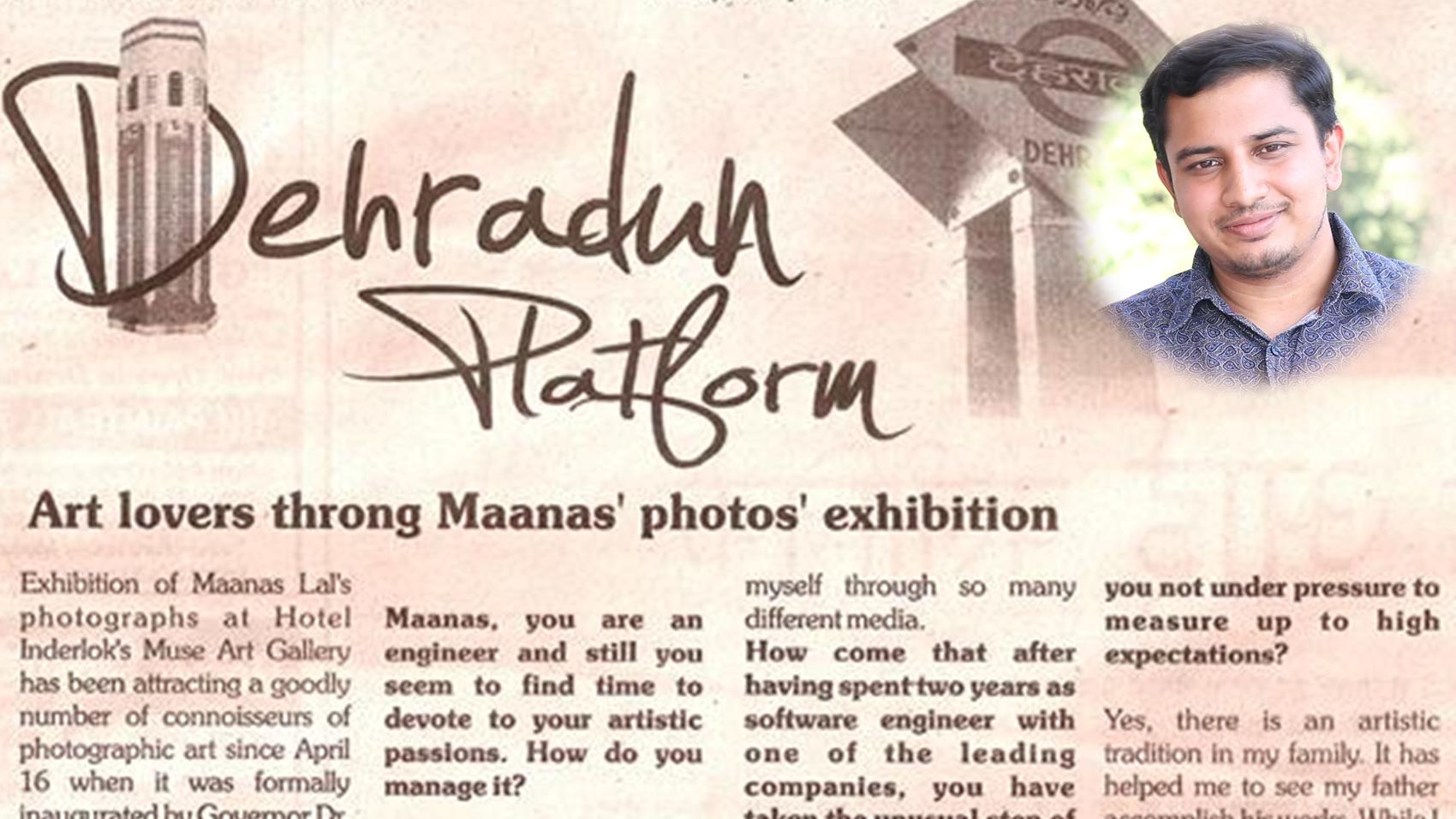
Career in Columnist
Columnist
Maanas Lal
Author | Various Creative Assignments
[ 12 years & 3 months Experience ]

A columnist is someone who writes for publication in a series, creating an article that usually offers commentary and opinions.

"I have been writing a weekly feature for Himanchal Times since 2004."


Career Counselling 2.0 Career Counselling 2.0 Career Counselling 2.0 Career Counselling 2.0 Career Counselling 2.0


Career in Writing
Writing
Stephen Alter
Writer | Various Literary Assignments
[ 40 years Experience ]

Writing is when you are engaged in writing books, articles, stories, etc especially as an occupation or profession; an author or journalist.

"I am the author of eighteen books of fiction and non-fiction. I was born in Mussoorie, Uttarakhand, India and much of my writing focuses on the Himalayan region, where i continue to live and work."


Career Counselling 2.0 Career Counselling 2.0 Career Counselling 2.0 Career Counselling 2.0 Career Counselling 2.0


Career in Travel Blogging
Travel Blogging
Divya Prasad
Travel Blogger | Various Assignments
[ 11 years & 5 months Experience ]

Travel blogging is various things. For eg if you were interested in photography you could blog about your photos. Or if you had a story to tell, mostly sharing your personal experience on things. It is different from travel writing as here you are writing for your audience and a not a publication as such.

"I did my Graduation in Mass Media. I was very fond of travelling and trekking and gradually shifted from Mumbai to Himachal Pradesh. I started off my career in Advertising as a copywriter. Now I pursue my passion for Writing and Storytelling and I am a Travel Blogger."


Career Counselling 2.0 Career Counselling 2.0 Career Counselling 2.0 Career Counselling 2.0 Career Counselling 2.0


Career in Content Writing
Content Writing
Kritika Rathi
Content Head | Shaadiwish
[ 3 years & 6 months Experience ]

Content Writing is the creation of the content that is visible on a website or other social media platforms. This content could include words, captions, product descriptions as well as pictures.

"I did my schooling from Mayo College Girls School, Ajmer after which I attained an Economic Hons Degree from Lady Sri Ram College, New Delhi. I thereafter, completed a Masters in Fashion Management from NIFT, New Delhi. After which I attended the London College of Fashion to improve on my design skills. I work as the Content Head & Senior Editor at Shaadiwish."


Career Counselling 2.0 Career Counselling 2.0 Career Counselling 2.0 Career Counselling 2.0 Career Counselling 2.0


Career in Travel Journalism
Travel Journalism
Freya Broos
Editor | Fragile Freya
[ 6 years & 11 months Experience ]

Travel Journalism is the art of writing travel stories. A travel journalist visits different places and writes in-depth details about that particular place, the people and the culture. They may write for a variety of print or online media and various publications or independently for a blog.

"I studied Journalism in Belgium. After venturing into different jobs, I finally realised that my true calling in life was travel and writing. So finally, six years after graduating from university, I went back to Journalism. I am working as an Editor for Fragile Freya where I share my travel experiences with the world."


Career Counselling 2.0 Career Counselling 2.0 Career Counselling 2.0 Career Counselling 2.0 Career Counselling 2.0


Career in Content Writing
Content Writing
Poonam Bakshi
Content Writer | Various Creative Assignments
[ 8 years & 5 months Experience ]

Writing is a medium of human communication that represents language and emotion with signs and symbols. In most languages, writing is a complement to speech or spoken language. Writing is not a language, but a tool used to make languages be read.

"I did my Schooling from Carmel Convent, Delhi. After that, I did my Graduation from IHM, Pusa. I have also done various courses in Content Writing and also worked as an Instructor at Indian American Society. I have been doing Content Writing since 2010."


Career Counselling 2.0 Career Counselling 2.0 Career Counselling 2.0 Career Counselling 2.0 Career Counselling 2.0


Career in Print Media Editing
Print Media Editing
Yogesh Chandra Pandey
Print Media Editor | HNN 24 7
[ 7 years & 8 months Experience ]

Editing is the process of selecting and preparing written, visual, audible, and film media used to convey information.

"After doing my graduation from HVB Garhwal University, I did my MA in History from Kumaun University and now working with HNN 24 7 as Print Media Editor."


Career Counselling 2.0 Career Counselling 2.0 Career Counselling 2.0 Career Counselling 2.0 Career Counselling 2.0


Career in Content Management
Content Management
Vaani Baurai
Managing Editor | Energias Market Research
[ 3 years Experience ]

Content management is a set of processes and technologies that supports the collection, managing, and publishing of information in any form or medium.

"After completing my Schooling from SGRR, I did B Com from DAV College, Dehradun. I have been writing since I was 7 years old. I did Masters in Communication from Doon University, and a Masters in literature from Open University. I am working as a Managing Editor at Energias Market Research."


Career Counselling 2.0 Career Counselling 2.0 Career Counselling 2.0 Career Counselling 2.0 Career Counselling 2.0


Career in Creative Writing
Creative Writing
Asif Khan
Creative Writer | Various Assignments
[ 17 years & 1 month Experience ]

Creative writing is any writing that goes outside the bounds of normal professional, journalistic, academic, or technical forms of literature, typically identified by an emphasis on narrative craft, character development, and the use of literary tropes or with various traditions of poetry and poetics. Both fictional and non-fictional works fall into this category, including such forms as novels, biographies, short stories, and poems. In the academic setting, creative writing is typically separated into fiction and poetry classes, with a focus on writing in an original style, as opposed to imitating pre-existing genres such as crime or horror.

"After doing my schooling from Saharanpur, I did my B Sc & M Sc from Meerut University. After that, I did my PGD in TV Journalism from CMAC, Rai University, Delhi and then did certification in Anchoring from IAAN School of Mass Communication, Delhi. I had good command over Hindi & Urdu so was offered job as an anchor and writer for various shows for Doordarshan. I also worked with Zee Entertainment Enterprises LLT, ETV News Network, NDTV Imagine Showbiz & others in various fields like writing, Direction, Production and Anchoring. I have written a Poetry book named Bikhre Moti. I am working as an Editor and Content Writer with Aawaz Express."


Career Counselling 2.0 Career Counselling 2.0 Career Counselling 2.0 Career Counselling 2.0 Career Counselling 2.0


Career in Content Writing
Content Writing
Kriti Sharma
Founder | Wings of Words
[ 4 years & 4 months Experience ]

Content writing is a form of online writing which is closely linked to web marketing campaigns. This means creating the writing which appears on websites that are designed to sell or promote a specific product. Content writers work according to the brief provided by a client. The job of the Content Writer is to turn this brief into a finished product which becomes part of the target webpage.

"After doing my schooling from St. Josephs Convent School, Faridabad, I did my B Com from Delhi University. Thereafter, I did my Post Graduate Diploma in Broadcast Journalism from NDTV Worldwide and after that I did internship as a sub editor, print at Asian News International. I worked with Times of India as a sub editor and did freelancing as a content writer for various companies. I started my own company named Wings of Words in 2017."


Career Counselling 2.0 Career Counselling 2.0 Career Counselling 2.0 Career Counselling 2.0 Career Counselling 2.0


Career in Creative Writing
Creative Writing
Pratyush Chaurasia
Writer & Producer | Various Assignments
[ 5 years & 10 months Experience ]

Creative writing is any writing that goes outside the bounds of normal professional, journalistic, academic, or technical forms of literature, typically identified by an emphasis on narrative craft, character development, and the use of literary tropes or with various traditions of poetry and poetics.

"After doing my schooling from Bal Vidya Mandir Senior Secondary School Lucknow, I did my BJMC from ISOMES (International School of Media & Entertainment Studies, Lucknow). Thereafter, I did my internship from TDWA India and after that, I started working as a Copy Writer for Tattva Communications. I have worked for various organizations like MV Media Pvt Ltd & ScoopWhoop as Video Producer & Senior Staff Writer. I am working as a Producer for India Today, Noida."


Career Counselling 2.0 Career Counselling 2.0 Career Counselling 2.0 Career Counselling 2.0 Career Counselling 2.0


Career in Poetry Writing
Poetry Writing
Dolly Singh
Poetry Writer | Various Assignments
[ 8 years & 1 month Experience ]

Poetry Writing is a literary work in which the expression of feelings and ideas is given intensity by the use of distinctive style and rhythm, poems collectively or as a genre of literature.

"My schooling was from various schools across the country, after that I did my B Com from Gargi College, Delhi University. I started writing Poems when I was only 6, gradually my inclination towards poetry increased and I founded a community named Poets Corner in 2011, followed by organizing the first Delhi Poetry Festival in 2012. Poets Corner is India's largest poetry organization having 23000 members from across the world. It is dedicated to promote and celebrate poetry and also offers platform and publishing opportunities to aspiring poets. We organize the prestigious Delhi Poetry Festival which again is arguably India's largest poetry festival, having published 25 anthologies in both English and Hindi. I was also awarded by REX Karamveer Chakra Fellowship Programme. My first solo Poetry Photo Book named Frozen in a Pause was launched and published in October, 2017."


Career Counselling 2.0 Career Counselling 2.0 Career Counselling 2.0 Career Counselling 2.0 Career Counselling 2.0


Career in Travel Blogging
Travel Blogging
Girija Gopalakrishnan
Blogger | Various Assignments
[ 10 years & 4 months Experience ]

Travel blogging involves a lot of strategy and good business sense, as well as talent for telling stories and presenting them in a way that inspires people to see the world.

"After doing my B Sc in Life Sciences & Chemistry from MKP College, I did M Sc in Botany from DAV College. I have also done B Ed and Ph D in Microbial Ecology from North Eastern Hill University, Shillong. I teach Biology, English and Environment Awareness."


Career Counselling 2.0 Career Counselling 2.0 Career Counselling 2.0 Career Counselling 2.0 Career Counselling 2.0


Career in Writing
Writing
Anjali Khurana
Writer | Various Writing Assignments
[ 2 years & 9 months Experience ]

Writing is writing for reward or as a profession, or it is any form of written communication produced in a workplace environment or context. Professional writing involves the use of precise language to convey information in a way that is easily understood by its intended audience, and it may be directed to inform, persuade, instruct, stimulate debate, or encourage action.

"I was born and brought up in Faridkot, a town in Punjab. I did Hotel Management from Hyderabad and while doing HM I realized that I have an interest in writing. After completing my graduation I shifted to Mumbai and there worked with various companies such as IBM, UTV, Hungama, Shemaroo. While working with these companies I took various writing projects. In June 2017 I quit my job and started doing freelancing in writing projects for various companies."


Career Counselling 2.0 Career Counselling 2.0 Career Counselling 2.0 Career Counselling 2.0 Career Counselling 2.0


Career in Creative Writing
Creative Writing
Hanadi Falki
Editor & Content Developer | Dezign Desq
[ 5 years & 5 months Experience ]

Creative writing is any writing that expresses ideas, thoughts and emotions in an imaginative way. It is generally articulated in the most unique, inventive, and poetic way, instead of just presenting the facts. Creative writing displays imagination or invention, outside the bounds of normal professional, journalistic, academic, and technical forms of literature. The intent of creative writing is not to inform, but to elicit an emotional response from the readers using literary tropes, narrative craft and the various traditions of poetry and poetics.

"I consider myself as a storyteller from around the world, having lived and observed life in various countries including Saudi Arabia, USA, New Zealand and India. Along with my career in the field of writing as an Editor, Digital Content Specialist and a Communications Director, I have worked with various organisations trying to combat extreme poverty and polio, raise awareness on various social issues and bridge the gap between people of different faiths and income groups. I share my experiences in my stories and hope to bring about a positive social change through creative writing."


Career Counselling 2.0 Career Counselling 2.0 Career Counselling 2.0 Career Counselling 2.0 Career Counselling 2.0


Career in Nursery Rhyme Writing
Nursery Rhyme Writing
Sadhna Singh
Writer & Educationist | INOG Publications
[ 6 years & 10 months Experience ]

A nursery rhyme is a short rhyming poem often written for children. This type of poem is a good way to practice using literary devices like rhyme, repetition, and alliteration. They are also fun to say out loud, as they usually have funny or silly details. To write nursery rhymes, start by choosing a topic like an animal, a character, or an object. Then, compose the rhyme by telling a funny or entertaining story about your topic.

"After completing my post graduation, I started working in Journalism and Films. Later, I started writing Nursery Rhymes Book and wrote first English Nursery Rhyme book in India by the name of Toodle Poodle."


Career Counselling 2.0 Career Counselling 2.0 Career Counselling 2.0 Career Counselling 2.0 Career Counselling 2.0


Career in Writing
Writing
Sudha Jugran
Writer | Various Creative Assignments
[ 25 years & 8 months Experience ]

Writing is a medium of human communication that represents language with signs and symbols. Writing, in other words, is not a language, but a tool used to make languages readable. Within a language system, writing relies on many of the same structures as speech, such as vocabulary, grammar, and semantics, with the added dependency of a system of signs or symbols. The writing context requires writers to have a sense of the reader's expectations and an awareness of conventions for a particular piece of writing. The context of the piece further determines the appropriate tone, level of vocabulary, kind and placement of evidence, genre, and sometimes even punctuation. In order to communicate effectively, we need to order our words and ideas on the page in ways that make sense to a reader.

"I was an avid reader from a young age. When I was just 21 years old, my story was published in the national-level magazine, Sarita. Since then, I haven't looked back and have been an active Writer for the past 25 years."


Career Counselling 2.0 Career Counselling 2.0 Career Counselling 2.0 Career Counselling 2.0 Career Counselling 2.0


Career in Technical Writing
Technical Writing
Namrata Havaldar
Senior Technical Writer | HPE
[ 7 years Experience ]

Technical writing is any written form of writing or drafting technical communication used in technical and occupational fields, such as computer hardware and software, engineering, chemistry, aeronautics, robotics, finance, medical, consumer electronics, biotechnology and forestry.

"I graduated in Business Administration and then went on to do Masters in Communications from Christ University, Bangalore. After my Masters, I worked in the field of commerce & management before moving on to Technical Writing in the year 2011. I am currently working with HPE as a Senior Technical writer."


Career Counselling 2.0 Career Counselling 2.0 Career Counselling 2.0 Career Counselling 2.0 Career Counselling 2.0


Career in Text Book Writing
Text Book Writing
Nitin Saxena
Author | Various Assignments
[ 3 years & 11 months Experience ]

Writing is the process of using symbols (letters of the alphabet, punctuations and spaces) to communicate thoughts and ideas in a readable form. Text Book Writing refers to the creation of a book which students can study and take help from that for their curriculum.

"After completing my diploma in Journalism, I started working as a Journalist with Morning Echo (Hindustan Times) in 1977. I have been working as a Journalist since last 40 years in various newspapers and magazines at different profiles. With the thought of sharing this experience, I have started teaching Journalism in various Universities and Institutions. My most recent book is From Classroom to Newsroom."


Career Counselling 2.0 Career Counselling 2.0 Career Counselling 2.0 Career Counselling 2.0 Career Counselling 2.0


Career in Poetry Writing
Poetry Writing
Divya Hirani
Writer | Various Creative Assignments
[ 2 years & 8 months Experience ]

Writing is a medium of human communication that represents language and emotion with signs and symbols. In most languages, writing is a complement to speech or spoken language. Poetry writing is a form of literature that uses aesthetic and rhythmic qualities of language - such as Ancient Greek attempts to define poetry, such as Aristotle's Poetics, focused on the uses of speech in rhetoric, drama, song and comedy which distinguish poetry from more objectively informative, prosaic forms of writing.

"After doing my schooling from Mother s International School, New Delhi, I did my BDS from Babasaheb Bhimrao Ambedkar University. After that, I started working as a Lecturer & Dentist for Kailash Hospital, Jr Multispecialty Hospital and ITS Dental College, Delhi. In 2010, I cleared Oversea Registration Exam (Part - I) for Royal College of Surgeons, Eastman Dental Institute, London (UK) and worked for Smile Tech, London as a Tooth Whitening Technician for a year. I have an experience of 8 years in Dentistry and Orthodontics. Since childhood I had an inclination for writing and used to write for School Magazine. I am a writer of a poetry book named Of Illusions & Ink Spills which is available internationally."


Career Counselling 2.0 Career Counselling 2.0 Career Counselling 2.0 Career Counselling 2.0 Career Counselling 2.0


Career in Writing
Writing
Palash Krishna Mehrotra
Independent Writer | Various Creative Assignments
[ 18 years & 4 months Experience ]

Writing is a medium of human communication that represents language and emotion with signs and symbols. In most languages, writing is a complement to speech or spoken language. Writing is not a language, but a tool used to make languages be read.

"After completing his Schooling from Boys High School, Allahabad, he did his Graduation from St Stephen's. He then did PPE from Balliol College, University of Oxford. He has worked at Tehelka.com, as well as The Doon School. He has written around four Books, and has been writing since the year 2000."


Career Counselling 2.0 Career Counselling 2.0 Career Counselling 2.0 Career Counselling 2.0 Career Counselling 2.0


Career in Travel Writing & Blogging
Travel Writing & Blogging
Shailza Dasgupta
Co-Founder | Chaloletsgo & Homestays of India
[ 9 years & 3 months Experience ]

A travel blogger is someone who travels around the world collecting material for writing about their travel experiences, deriving income from a variety of on-line and off-line sources.

"I did B Sc in agriculture from Himachal Pradesh Agriculture University and the PGDBM from IIFT, Delhi. Then I worked with Google, McKinsey and Inlingua as HR Trainee and Learning & Development Consultant. In 2010, I founded Chalo Lets Go a Travel Company which aims at providing its customers the unforgettable travel experience by assisting and guiding them explore the hidden gems of India. And then in 2017 I also Co-Founded Home Stays of India which aims at providing better stay for the travelers and providing source of income for the locals. I am blogging since 2007 on my blog Flight of A Little Bird."


Career Counselling 2.0 Career Counselling 2.0 Career Counselling 2.0 Career Counselling 2.0 Career Counselling 2.0


Career in Writing
Writing
Kevin Missal
Co-founder | Kalamos Literary Services
[ 8 years & 4 months Experience ]

A writer is a person who uses written words in various styles and techniques to communicate their ideas. Writers produce various forms of literary art and creative writing such as novels, short stories, poetry, plays, screenplays, and essays as well as various reports and news articles that may be of interest to the public. Writers' texts are published across a range of media.

"I have done BA in History Hons from St Stephens College, Delhi University. I wrote my first novel at the age of 14. Some of my published works include Yama, Karma and recently launched Kalki. I am the co-founder at Kalamos Literary Services."


Career Counselling 2.0 Career Counselling 2.0 Career Counselling 2.0 Career Counselling 2.0 Career Counselling 2.0


Career in Content Writing
Content Writing
Simar Bedi
Content Writer | Various Assignments
[ 6 years & 7 months Experience ]

Content writing can be defined as the form of online writing which is closely linked to web marketing campaigns meaning creating the writing which appears on websites that are designed to sell or promote a specific product

"I did Mass Communication from HNBG University and Masters in MJMCA from Lovely Professional University. I have been working as Content Writer for more than five years. I have worked with Economic Times, Hindustan Times and YourStory."


Career Counselling 2.0 Career Counselling 2.0 Career Counselling 2.0 Career Counselling 2.0 Career Counselling 2.0


Career in Writing Books
Writing Books
Girija Gopalakrishnan
Writer | Various Assignments
[ 10 years & 3 months Experience ]

Writing is a medium of human communication that represents language and emotion with signs and symbols. In most languages, writing is a complement to speech or spoken language. Writing is not a language, but a tool used to make languages be read.

"After doing my B Sc in Life Sciences & Chemistry from MKP College, I did M Sc in Botany from DAV College. I have also done B Ed and Ph D in Microbial Ecology from North Eastern Hill University, Shillong. I teach Biology, English and Environment Awareness. I also write travelogues, blogs and books. My recent book is titled Meraki."


Career Counselling 2.0 Career Counselling 2.0 Career Counselling 2.0 Career Counselling 2.0 Career Counselling 2.0


Career in Writing
Writing
Nitin Chandola
Editor in Chief | The Doon Mozaic
[ 3 years & 7 months Experience ]

Writing is the process of using symbols (letters of the alphabet, punctuation and spaces) to communicate thoughts and ideas in a readable form. Writing is a creative process of expressing the feelings, thoughts and the ideas. A writer may write for personal enjoyment or use, or for an audience of one person or more. The audience may be known or unknown.

"After completing my education, In 2016 I founded The Doon Mozaic a journal publishing company and working in as an Editor-in-Chief. I am also the co-founder and Technical lead of Sunfox Technologies Pvt. Ltd. Founded in 2017."


Career Counselling 2.0 Career Counselling 2.0 Career Counselling 2.0 Career Counselling 2.0


Career in Journal Production
Journal Production
Sameer Jamal
Founder | Essjay Publishing
[ 6 years & 5 months Experience ]

An academic or scholarly journal is a periodical publication in which scholarship relating to a particular academic discipline is published. Academic journals serve as permanent and transparent forums for the presentation, scrutiny and discussion of research. They are usually peer-reviewed or refereed.

"I have done B Com from Kumaon University from Nainital. I then did MBA from Lucknow and MA in Philosophy from Srinagar. I have also done Diploma in Foreign Trade from IIFT, Delhi. I founded Essjay Publishing in 2012 which is involved in Journal Production."


Career Counselling 2.0 Career Counselling 2.0 Career Counselling 2.0 Career Counselling 2.0 Career Counselling 2.0


[Install the LifePage App to access all Talks]


<?php echo $altimage; ?>


<?php echo $altimage; ?>


&mbsp;


Career Counselling 2.0 | Home   Home  
Career Counselling 2.0 | Abroad   Abroad  
Career Counselling 2.0 | Plan   Plan  
Career Counselling 2.0 | Talks   Talks  
Career Counselling 2.0 | Philosophy   Philosophy  
Career Counselling 2.0 | Seminar   Seminar  
Career Counselling 2.0 | Workshop   Workshop  
Career Counselling 2.0 | Pages   Pages  
Career Counselling 2.0 | Advisors   Advisors  
Career Counselling 2.0 | Discuss   Discuss  
Career Counselling 2.0 | Meet   Meet  
Career Counselling 2.0 | Advisor   Advisor  
Career Counselling 2.0 | Story   Story  
Career Counselling 2.0 | Fine Print   Fine Print  
Career Counselling 2.0 | Links   Links  
Career Counselling 2.0 | Blog   Blog  
Career Counselling 2.0 | Testimonials   Testimonials  
Career Counselling 2.0 | Follow   Follow  
 
[ Site Visits ]


Career Counselling 2.0