Career Counselling 2.0 HomeHomeCareer Counselling 2.0 AbroadAbroadCareer Counselling 2.0 PlanPlanCareer Counselling 2.0 | TalksTalksCareer Counselling 2.0 PhilosophyPhilosophyCareer Counselling 2.0 SeminarSeminarCareer Counselling 2.0 PagesPagesCareer Counselling 2.0 AdvisorsAdvisorsCareer Counselling 2.0 TestimonialsTestimonials

Nursery Rhyme Writing

Writer & Educationist Sadhna Singh talks about Nursery Rhyme Writing course, what is Nursery Rhyme Writing and other details about a Career in Nursery Rhyme Writing.


Nursery Rhyme Writing

Sadhna Singh | Writer & Educationist | INOG Publications


What is Nursery Rhyme Writing?


There are many nuances of a Career in Nursery Rhyme Writing. Almost everyone seems to be talking about How to start a Career in Nursery Rhyme Writing, while one should first develop an understanding of What is a Career in Nursery Rhyme Writing. The most authoritative source of information on Nursery Rhyme Writing is someone with real experience in it.

Writer & Educationist Sadhna Singh invested 6 years & 10 months in Nursery Rhyme Writing. Writer & Educationist Sadhna Singh outlines Nursery Rhyme Writing as:

A nursery rhyme is a short rhyming poem often written for children. This type of poem is a good way to practice using literary devices like rhyme, repetition, and alliteration. They are also fun to say out loud, as they usually have funny or silly details. To write nursery rhymes, start by choosing a topic like an animal, a character, or an object. Then, compose the rhyme by telling a funny or entertaining story about your topic.


How Writer & Educationist Sadhna Singh got into Nursery Rhyme Writing?


After completing my post graduation, I started working in Journalism and Films. Later, I started writing Nursery Rhymes Book and wrote first English Nursery Rhyme book in India by the name of Toodle Poodle.


Writer & Educationist Sadhna Singh's Talk on Nursery Rhyme Writing


Session Image
The Journey of Nursery Rhyme Writing


What Is Nursery Rhyme Writing


Nursery Rhyme Writing

What is
Nursery rhyme writing is the creative process of composing short, rhythmic, and often rhyming verses intended for young children. These rhymes typically feature simple language, repetition, and engaging themes, making them easy to remember and recite. Nursery rhyme writers craft content that entertains, educates, and fosters early language development.

Concept
Nursery rhyme writing plays a crucial role in early childhood education and entertainment. For professionals in this field, their work shapes the foundational experiences of language and literacy for countless children. The impact extends beyond mere amusement, as nursery rhymes help develop phonemic awareness, memory, and social skills. Writers in this profession benefit from the opportunity to influence young minds positively, the creative satisfaction of crafting memorable verses, and the potential for their work to become timeless classics. Additionally, nursery rhyme writing can open doors to collaborations with publishers, educators, and media producers, further expanding the reach and impact of their creative efforts.

Real World Example
A professional nursery rhyme writer might be commissioned by a children’s book publisher to create a collection of original rhymes for a new illustrated anthology. The writer researches themes that resonate with young audiences, such as animals, friendship, and daily routines. They carefully construct verses that are catchy, rhythmic, and easy for children to repeat. The writer collaborates with illustrators and editors to ensure the rhymes complement the visuals and align with educational goals. Once published, the anthology is used in preschools and homes, where children recite the rhymes, enhancing their language skills and enjoyment of reading. Through this process, the writer’s work becomes an integral part of early learning experiences.

Education


Rhythm & Flow

### Rhythm & Flow Image
What is
Rhythm & Flow refers to the patterned movement of sounds and syllables within language, creating a sense of musicality and coherence. In nursery rhyme writing, it is the deliberate arrangement of beats, stresses, and pauses that makes verses memorable, engaging, and easy for children to recite and internalize. Mastery of rhythm and flow is essential for crafting effective, age-appropriate rhymes.

Concept
Understanding rhythm and flow is vital for anyone aspiring to write nursery rhymes because these elements are the backbone of memorable and effective children’s literature. The ability to manipulate rhythm ensures that rhymes are catchy and enjoyable, which is crucial for capturing and maintaining a child’s attention. Flow, on the other hand, guarantees that the rhyme progresses smoothly, making it easier for young listeners to follow along and comprehend the content. Mastery of these concepts not only enhances the quality of one’s writing but also increases the likelihood of a rhyme’s longevity and popularity. Over time, professionals who excel in rhythm and flow build a reputation for producing works that are both educational and entertaining, opening doors to further opportunities in publishing, education, and media.

Real World Example
Imagine a nursery rhyme writer tasked with creating a new rhyme for a children’s educational program. Drawing on their understanding of rhythm and flow, they carefully select words and phrases that fit a consistent beat, ensuring each line has a similar number of syllables and stresses. As they draft, they read the lines aloud, listening for awkward pauses or uneven pacing that could disrupt the rhyme’s musicality. By adjusting word choices and line lengths, they achieve a smooth, sing-song quality that is both fun and easy for children to repeat. This attention to rhythm and flow not only makes the rhyme more engaging but also supports language development and memory retention in young audiences.

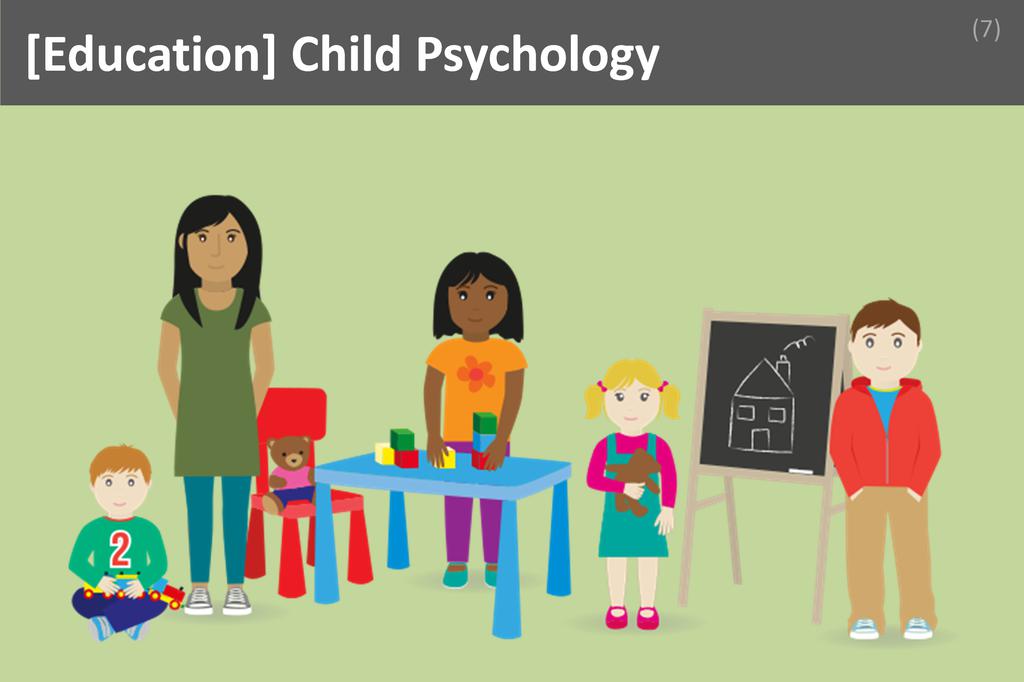
Child Psychology

### Child Psychology Image
What is
Child psychology is the scientific study of children’s mental, emotional, and behavioral development from infancy through adolescence. It explores how children perceive, think, learn, and interact with the world. For nursery rhyme writers, understanding child psychology is essential, as it informs age-appropriate content creation and effective engagement strategies.

Concept
A solid grasp of child psychology is indispensable for anyone aspiring to excel in nursery rhyme writing. This knowledge enables writers to craft rhymes that resonate with children’s cognitive and emotional stages, ensuring content is both accessible and stimulating. Understanding how children process language, rhythm, and narrative structure allows writers to create memorable and educational rhymes that support early learning. Furthermore, familiarity with developmental milestones helps writers avoid content that may be confusing or inappropriate for certain age groups. Over time, this expertise not only enhances the quality and impact of their work but also establishes the writer’s credibility and adaptability in a competitive field, opening doors to broader opportunities in children’s literature and educational content creation.

Real World Example
Imagine a nursery rhyme writer tasked with creating a series of rhymes for preschoolers. Drawing on their knowledge of child psychology, the writer recognizes that children in this age group respond best to repetition, simple vocabulary, and rhythmic patterns. They deliberately incorporate these elements, ensuring the rhymes are easy to memorize and recite, which supports language acquisition and phonemic awareness. Additionally, the writer avoids abstract concepts, focusing instead on concrete imagery and familiar experiences that align with the developmental stage of their audience. By applying these psychological insights, the writer not only produces engaging and effective rhymes but also contributes positively to the children’s cognitive and emotional growth.

Child Development

### Child Development Image
What is
Child Development refers to the physical, cognitive, emotional, and social growth that occurs from infancy through adolescence. It encompasses how children acquire language, learn to think, interact with others, and develop self-awareness. For nursery rhyme writers, understanding child development is essential for crafting age-appropriate, engaging, and educational content.

Concept
A thorough grasp of child development is crucial for anyone preparing for or working in nursery rhyme writing. This knowledge allows writers to tailor language, rhythm, and themes to the developmental stages of their young audience, ensuring content is both accessible and stimulating. Recognizing how children process sounds, words, and stories helps writers create rhymes that support language acquisition, memory, and emotional growth. Over time, this expertise not only enhances the quality and impact of their work but also positions them as trusted professionals in educational and entertainment fields. By integrating developmental insights, writers contribute meaningfully to early learning, fostering positive experiences that can influence a child’s lifelong relationship with language and literature.

Real World Example
Imagine a nursery rhyme writer developing a new collection for preschoolers. Drawing on their understanding of child development, they choose simple, repetitive phrases and incorporate playful sounds that align with the language skills typical of three- to five-year-olds. They avoid complex metaphors or abstract concepts, focusing instead on concrete imagery and familiar routines, such as bedtime or playtime, which resonate with children’s everyday experiences. By doing so, the writer not only entertains but also supports vocabulary building and comprehension. Their awareness of attention spans and cognitive abilities ensures the rhymes are short and memorable, making them easy for children to recite and enjoy, thereby reinforcing early literacy skills.

Subject of Rhyme

### Subject of Rhyme Image
What is
Subject of Rhyme refers to the central theme, topic, or idea around which a nursery rhyme is constructed. It determines the focus and narrative direction of the rhyme, guiding word choice, imagery, and rhythm. Mastery of this concept is essential for both academic study and professional practice in Nursery Rhyme Writing.

Concept
Understanding the Subject of Rhyme is vital for anyone aspiring to excel in Nursery Rhyme Writing because it serves as the anchor for creativity and structure. A clear subject ensures that the rhyme resonates with its intended audience, often young children, by providing relatable and engaging content. This foundational knowledge enables writers to craft rhymes that are not only entertaining but also educational, fostering language development and cognitive skills. Over time, proficiency in identifying and developing strong subjects enhances a writer’s versatility and adaptability, allowing them to respond to changing trends and educational needs in children’s literature. Ultimately, mastery of this concept supports long-term career growth and recognition in the field.

Real World Example
Consider a professional nursery rhyme writer tasked with creating a new rhyme for a children’s book about animals. Drawing on their understanding of Subject of Rhyme, the writer selects “farm animals” as the central theme. This decision shapes every aspect of the rhyme, from the choice of animals featured to the playful scenarios described. The writer ensures that the language, rhythm, and imagery all reinforce the chosen subject, making the rhyme both memorable and educational for young readers. By skillfully applying their theoretical knowledge, the writer produces a cohesive and engaging rhyme that meets both creative and developmental objectives, demonstrating the practical importance of mastering the Subject of Rhyme.

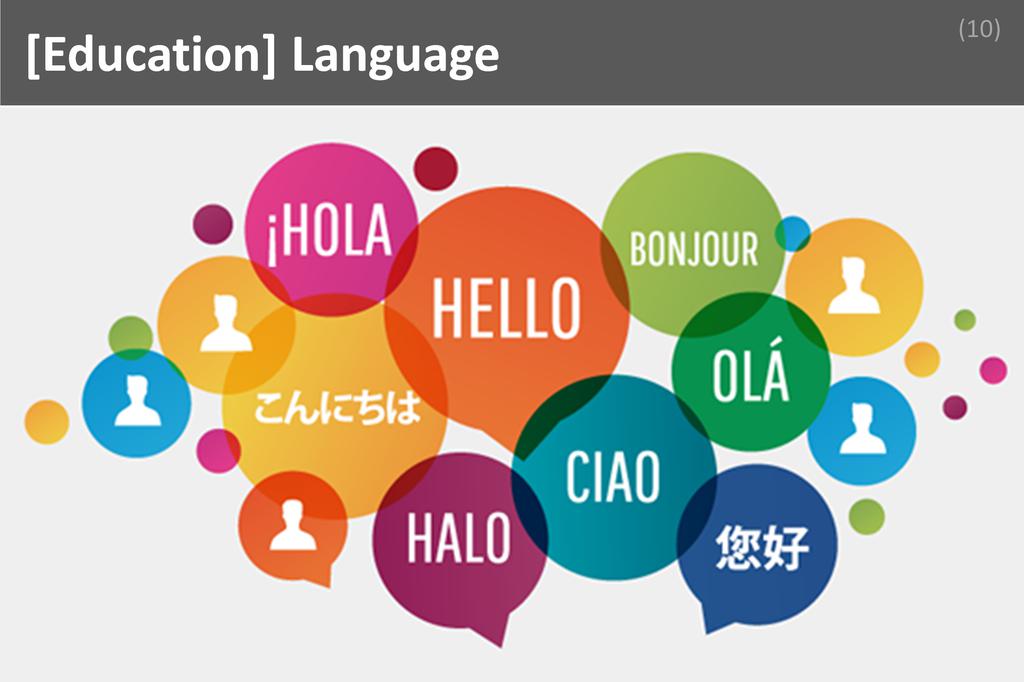
Language

### Language Image
What is
Language is a structured system of communication, consisting of spoken, written, or signed symbols and rules that convey meaning. In nursery rhyme writing, language serves as the essential medium for expressing ideas, emotions, and stories in ways that are accessible and engaging for young children, making it a fundamental skill.

Concept
A deep understanding of language is crucial for anyone preparing for or working in nursery rhyme writing because it underpins every aspect of the craft. Mastery of language enables writers to choose words that are age-appropriate, rhythmically pleasing, and easy to remember, all of which are vital for capturing a child’s attention and aiding early literacy development. Knowledge of phonetics, syntax, and semantics helps writers create rhymes that are both educational and entertaining. Over time, this expertise allows professionals to adapt their writing to diverse audiences, collaborate effectively with educators and illustrators, and contribute meaningfully to children’s literature. Ultimately, a strong command of language ensures that nursery rhymes remain timeless tools for learning and enjoyment.

Real World Example
Consider a nursery rhyme writer tasked with creating a new collection of rhymes for a preschool curriculum. Drawing on their understanding of language, the writer carefully selects simple, repetitive words and constructs sentences with clear, rhythmic patterns. They pay attention to alliteration and rhyme schemes, ensuring that each line is easy for young children to recite and remember. The writer also adapts their vocabulary to suit the developmental stage of their audience, avoiding complex words that might confuse or alienate early learners. By applying their theoretical knowledge of language, the writer crafts rhymes that not only entertain but also support language acquisition, phonemic awareness, and cognitive development in young children.

Conveying Basic Concepts

### Conveying Basic Concepts Image
What is
Conveying Basic Concepts refers to the clear and effective communication of fundamental ideas, such as numbers, colors, shapes, and simple actions, in a manner that is easily understood by young children. In Nursery Rhyme Writing, this skill ensures that educational content is accessible, engaging, and developmentally appropriate for early learners.

Concept
Understanding how to convey basic concepts is essential for anyone preparing for or working in Nursery Rhyme Writing because it forms the backbone of early childhood education. Nursery rhymes are often a child’s first introduction to language, rhythm, and foundational knowledge. Writers must be adept at simplifying complex ideas without losing meaning or engagement, ensuring that their work supports cognitive and linguistic development. Mastery of this subject enables professionals to create content that is both entertaining and instructive, fostering curiosity and comprehension in young audiences. Over time, this expertise not only enhances the quality of their writing but also establishes their credibility and adaptability in the competitive field of children’s literature.

Real World Example
Imagine a nursery rhyme writer tasked with creating a rhyme to teach preschoolers about shapes. Drawing on their understanding of conveying basic concepts, the writer crafts verses that introduce circles, squares, and triangles through playful language and repetition. They use familiar objects, like the sun for a circle or a window for a square, to anchor abstract ideas in everyday experiences. By carefully selecting words and rhythm, the writer ensures the rhyme is memorable and easy to recite, helping children grasp and retain the concepts. This practical application demonstrates how theoretical knowledge directly influences the effectiveness and educational value of nursery rhymes in real-world settings.

Research

### Research Image
What is
Research is the systematic process of gathering, analyzing, and interpreting information to increase understanding and generate new knowledge. In the context of Nursery Rhyme Writing, research involves exploring language patterns, cultural traditions, historical contexts, and child development theories to create engaging, age-appropriate, and meaningful rhymes that resonate with young audiences.

Concept
Understanding research is essential for anyone preparing for or working in Nursery Rhyme Writing because it ensures the content produced is both original and developmentally appropriate. Through research, writers gain insights into the linguistic abilities and interests of children at various ages, as well as the cultural and historical significance of traditional rhymes. This foundational knowledge allows writers to craft rhymes that are not only entertaining but also educational and culturally sensitive. Over time, strong research skills enable professionals to stay updated with evolving trends in early childhood education, adapt their writing to diverse audiences, and maintain a competitive edge in the field. Ultimately, research empowers writers to create nursery rhymes that stand the test of time and foster positive learning experiences.

Real World Example
A professional nursery rhyme writer might be tasked with creating a new collection of rhymes for a multicultural classroom. To ensure authenticity and inclusivity, the writer conducts research into various cultural folktales, traditional melodies, and linguistic nuances relevant to the children’s backgrounds. By analyzing academic studies on early literacy and consulting with educators, the writer tailors the rhymes to support language development and cultural appreciation. This research-driven approach not only enriches the content but also ensures that the rhymes are both engaging and pedagogically sound. In daily practice, the writer’s ability to research effectively leads to the creation of rhymes that delight children while meeting educational goals and respecting cultural diversity.

Skills


Writing

### Writing Image
What is
Writing is the process of expressing thoughts, ideas, and emotions through structured language, using words, sentences, and paragraphs to communicate clearly and effectively. In nursery rhyme writing, this skill is the foundation for crafting engaging, memorable, and age-appropriate verses that captivate young audiences and foster early language development.

Concept
Strong writing skills are indispensable for nursery rhyme writers, as they enable the creation of playful, rhythmic, and imaginative content that resonates with children and adults alike. Clients and publishers value writers who can consistently produce original rhymes that are both entertaining and educational, adhering to specific themes or learning objectives. Mastery of writing allows professionals to adapt their style, tone, and vocabulary to suit different age groups and cultural contexts, ensuring broad appeal and accessibility. To cultivate this skill, aspiring writers should read widely within the genre, practice composing rhymes regularly, and seek feedback from peers or mentors. Over time, this dedication leads to greater creativity, technical proficiency, and confidence in producing high-quality nursery rhymes.

Real World Example
Imagine a nursery rhyme writer tasked with creating a series of rhymes for a children’s educational app focused on teaching numbers. The initial drafts lack rhythm and fail to engage the target audience. By applying strong writing skills, the writer revises the verses, carefully selecting words with playful sounds and crafting lines with a consistent meter. The improved rhymes not only capture children’s attention but also reinforce counting concepts through repetition and rhyme. The client is delighted with the result, as the engaging content enhances the app’s appeal and educational value. In this scenario, the writer’s command of writing transforms a lackluster project into a successful, impactful learning tool.

Visualization

### Visualization Image
What is
Visualization is the mental process of forming vivid, detailed images or scenarios in the mind’s eye, allowing one to imagine concepts, characters, and settings before expressing them creatively. In nursery rhyme writing, visualization enables writers to craft engaging, imaginative worlds that captivate children, making stories memorable and emotionally resonant.

Concept
Visualization directly enhances a nursery rhyme writer’s ability to create enchanting and relatable content. By picturing scenes, characters, and actions before writing, the writer ensures that each rhyme is vivid and accessible to young audiences. Clients and employers highly value this skill because it leads to original, imaginative work that stands out in a competitive market. A writer who can visualize effectively brings stories to life, making them more appealing and marketable. Cultivating this skill involves regular practice, such as reading illustrated children’s books, observing the world with curiosity, and engaging in creative exercises like drawing or storytelling. Over time, these habits strengthen the mind’s ability to conjure detailed mental images, which translates into richer, more engaging nursery rhymes.

Real World Example
Imagine a nursery rhyme writer tasked with creating a new rhyme about a magical garden for a children’s book publisher. Initially, the writer struggles to make the garden feel unique and enchanting. By consciously visualizing the garden—imagining vibrant flowers that sing, playful animals dancing, and sparkling streams—the writer is able to infuse the rhyme with vivid, sensory details. This visualization not only helps overcome creative block but also ensures the final rhyme is lively and immersive. The publisher is delighted with the result, noting how the rhyme’s imagery will inspire illustrators and captivate young readers. In this scenario, visualization proves essential for transforming a simple idea into a memorable, successful nursery rhyme.

Creativity

### Creativity Image
What is
Creativity is the ability to generate original ideas, connect seemingly unrelated concepts, and approach challenges with fresh perspectives. It involves imagination, innovation, and the willingness to experiment with new forms of expression. In nursery rhyme writing, creativity is the foundation for crafting engaging, memorable, and meaningful verses that captivate young audiences.

Concept
Creativity enhances a nursery rhyme writer’s performance by enabling them to invent unique characters, playful storylines, and catchy rhythms that stand out in a crowded market. Clients and employers highly value this skill because it ensures that the rhymes produced are not only entertaining but also educational and emotionally resonant. A creative writer can adapt to different themes, cultural contexts, and learning objectives, making their work versatile and appealing. To cultivate creativity, writers should expose themselves to diverse literary styles, practice brainstorming regularly, and remain curious about the world around them. Over time, consistent experimentation and openness to feedback help refine creative instincts, allowing writers to continually push the boundaries of their craft.

Real World Example
Imagine a nursery rhyme writer tasked with creating a series of rhymes to teach children about environmental conservation. The initial drafts feel uninspired and fail to engage the target audience. Drawing on creativity, the writer reimagines the concept by introducing whimsical animal characters who embark on adventures to clean up their forest home. By weaving in playful language, unexpected rhymes, and interactive elements like call-and-response, the writer transforms the educational content into a delightful and memorable experience. This creative approach not only solves the problem of lackluster material but also results in rhymes that both children and educators enthusiastically embrace, demonstrating the critical role creativity plays in achieving success in this field.

Analytical Skills

### Analytical Skills Image
What is
Analytical skills refer to the ability to collect and interpret information, identify patterns, break down complex concepts, and make reasoned decisions based on evidence. In nursery rhyme writing, these skills enable professionals to craft engaging, age-appropriate content that resonates with children while meeting educational and entertainment objectives.

Concept
Analytical skills enhance a nursery rhyme writer’s ability to assess what themes, language, and rhythms are most effective for young audiences. By evaluating feedback, studying successful rhymes, and understanding developmental psychology, writers can tailor their work to maximize engagement and learning. Clients and employers value this skill because it ensures the content is not only creative but also purposeful and aligned with educational standards. To cultivate analytical skills, writers should regularly review their own work, seek constructive criticism, and stay informed about trends in early childhood education. Over time, this reflective practice sharpens their ability to dissect what works and why, leading to consistently higher-quality nursery rhymes.

Real World Example
Imagine a nursery rhyme writer tasked with creating a series of rhymes to teach basic counting skills. Initial drafts fail to capture children’s attention, and feedback indicates the language is too complex. Relying on analytical skills, the writer reviews successful counting rhymes, identifies common patterns such as repetition and simple vocabulary, and analyzes why these elements are effective. By breaking down the feedback and comparing it with established examples, the writer revises the rhymes to include more repetition, rhythmic structure, and age-appropriate words. As a result, the new versions are well-received by both children and educators, demonstrating how analytical thinking leads to creative solutions and successful outcomes.

Communication

### Communication Image
What is
Communication is the clear and effective exchange of ideas, emotions, and information through spoken, written, or visual means. For a Nursery Rhyme Writing professional, communication is the foundation for crafting verses that resonate with children, collaborating with illustrators, and understanding the needs of publishers or educational clients.

Concept
Strong communication skills enable nursery rhyme writers to convey whimsical stories and educational messages in a way that is both engaging and age-appropriate. Clients and employers highly value writers who can interpret briefs accurately, articulate creative concepts, and respond constructively to feedback. Effective communication also fosters productive collaboration with editors, illustrators, and marketing teams, ensuring that the final product aligns with the intended vision. To cultivate this skill, writers should practice active listening, seek feedback, and refine their ability to express ideas clearly and concisely. Over time, consistent effort in these areas leads to improved relationships, smoother project workflows, and a reputation for professionalism.

Real World Example
Imagine a nursery rhyme writer working with a publisher who requests a series of rhymes about friendship for preschoolers. The initial drafts are too complex for the target age group. Through open communication, the writer discusses the publisher’s concerns, asks clarifying questions about vocabulary and tone, and shares sample verses for feedback. By actively listening and adapting their writing style, the writer produces rhymes that are simple, catchy, and developmentally appropriate. This collaborative process not only resolves the issue but also strengthens the professional relationship, resulting in a successful project that delights both the client and young readers.

Positives


Personal Satisfaction

### Personal Satisfaction Image
What is
Personal satisfaction is the deep sense of fulfillment and contentment that arises from engaging in meaningful work, achieving personal goals, and expressing creativity. In nursery rhyme writing, this feeling emerges when writers see their imaginative efforts bring joy, learning, and comfort to children, making their creative journey truly rewarding and impactful.

Concept
Personal satisfaction is a cornerstone of a fulfilling career in nursery rhyme writing. When writers feel genuinely content with their work, it fuels their passion and creativity, leading to higher job satisfaction and sustained motivation. This positive aspect matters because it transforms daily tasks into meaningful experiences, where each rhyme crafted is not just a job requirement but a personal achievement. The sense of accomplishment from knowing that their words can spark laughter, curiosity, and learning in young minds encourages writers to continually grow and refine their craft. As a result, professionals in this field often find themselves inspired to innovate, experiment with language, and connect emotionally with their audience, making their career both enjoyable and personally enriching.

Real World Example
Imagine a nursery rhyme writer who spends weeks perfecting a playful verse about animals for a new children’s book. After publication, the writer attends a local library reading and watches as children giggle, clap, and sing along to the rhyme. Seeing the immediate delight and engagement on the children’s faces, the writer feels a profound sense of personal satisfaction. This moment validates the effort, creativity, and care invested in the work. The writer leaves the event inspired, knowing that their words have made a positive difference in the lives of young readers. This tangible impact reinforces their love for the profession and motivates them to continue creating joyful, memorable rhymes.

Challenges


Facing Rejections

### Facing Rejections Image
What is
Facing rejections in nursery rhyme writing refers to the frequent experience of having one’s creative submissions declined by publishers, editors, or contest panels. This challenge is demanding because it tests both the writer’s confidence and perseverance, often requiring repeated efforts before achieving acceptance or recognition in a highly competitive field.

Concept
The sting of rejection can cast a shadow over a nursery rhyme writer’s daily routine, making it difficult to maintain motivation and creative momentum. Each declined submission may lead to self-doubt, creative blocks, or even the temptation to abandon promising ideas. This ongoing challenge demands a resilient mindset, as writers must learn to separate personal worth from professional setbacks. Successful professionals in this field often view rejections as valuable feedback, using them to refine their craft and better understand market expectations. They cultivate supportive networks, seek constructive criticism, and maintain a steady writing practice, all of which help them weather disappointments and continue producing engaging, original rhymes.

Real World Example
Consider a nursery rhyme writer who submits a whimsical collection to several publishers, only to receive polite but firm rejections. Instead of succumbing to discouragement, the writer carefully reviews any editorial feedback, revises the rhymes for stronger rhythm and more vivid imagery, and attends a local writers’ workshop for fresh perspectives. Through this process, the writer not only improves the manuscript but also builds connections with fellow writers who offer encouragement and advice. Eventually, a small independent publisher expresses interest, recognizing the improvements and unique voice. This outcome demonstrates how persistence, openness to feedback, and community support can transform rejection into a stepping stone toward success in nursery rhyme writing.

Handling Finances

### Handling Finances Image
What is
Handling finances in nursery rhyme writing involves managing irregular income streams, budgeting for creative projects, and navigating the unpredictable nature of royalties and publishing deals. This challenge is demanding because it requires balancing creative passion with practical financial planning, often without the security of a steady paycheck or clear financial forecasts.

Concept
The difficulty of handling finances can significantly impact a nursery rhyme writer’s daily work by introducing stress and uncertainty, which may stifle creativity and productivity. Without predictable income, writers must be resilient, adapting to lean periods and making careful decisions about project investments. Successful professionals often diversify their income sources, such as offering workshops, freelance writing, or self-publishing, to create more financial stability. They also develop strong budgeting habits, tracking expenses and setting aside funds during profitable periods to cushion leaner times. By building a financial safety net and seeking out multiple revenue streams, nursery rhyme writers can focus more on their craft and less on financial anxiety, allowing them to sustain their careers over the long term.

Real World Example
Consider a nursery rhyme writer who, after experiencing several months of low royalty payments, decides to take proactive steps to manage their finances. They begin by creating a detailed budget, identifying essential expenses and areas where they can cut back. Recognizing the need for additional income, they start offering online rhyme-writing workshops for parents and educators, which quickly gain popularity and provide a steady supplementary income. During months when royalties are higher, they set aside a portion of their earnings in a dedicated savings account to cover future dry spells. Through these actions, the writer not only stabilizes their financial situation but also expands their professional network and reputation, demonstrating that with careful planning and adaptability, the challenge of handling finances can be successfully overcome.

Workplace

### Workplace Image
What is
In Nursery Rhyme Writing, "Workplace" refers to the physical and social environment where writers create, collaborate, and refine their work. This setting can be demanding due to distractions, lack of privacy, limited resources, or unsupportive colleagues, all of which can hinder creativity, focus, and the ability to produce high-quality rhymes.

Concept
The challenge of Workplace in nursery rhyme writing can significantly disrupt a writer’s creative flow and productivity. Constant interruptions, inadequate space, or a noisy environment can make it difficult to concentrate on the playful language and rhythm essential to the craft. Additionally, a lack of support from peers or management may lead to feelings of isolation or undervaluation, further impacting motivation. Overcoming these obstacles requires resilience, adaptability, and proactive communication. Successful professionals often establish clear boundaries, seek out quiet or inspiring spaces, and foster supportive relationships with colleagues. They may also advocate for resources or flexible arrangements that enable them to work at their creative best, turning potential workplace hindrances into opportunities for growth and collaboration.

Real World Example
Consider a nursery rhyme writer employed at a bustling publishing house, where open-plan offices and frequent meetings make it hard to find quiet moments for creative thought. Recognizing this, the writer negotiates with their manager to reserve a small conference room during key writing hours each week. They also connect with like-minded colleagues to form a supportive peer group, sharing feedback and encouragement. By carving out dedicated creative space and building a network of allies, the writer not only maintains productivity but also enhances the quality of their rhymes. This proactive approach transforms a challenging workplace into an environment that nurtures both individual creativity and collaborative success.

Deadline

### Deadline Image
What is
A deadline in Nursery Rhyme Writing is a fixed point in time by which a writer must deliver a completed rhyme, often for publication or performance. This constraint is demanding because it requires balancing creativity, rhythm, and child-friendly language within a limited timeframe, leaving little room for extended inspiration or revision.

Concept
The pressure of deadlines can significantly impact the daily routine of nursery rhyme writers, often forcing them to produce creative content rapidly while maintaining high standards of simplicity, rhythm, and engagement. This challenge demands resilience, as writers must consistently summon inspiration and originality under time constraints, sometimes while juggling multiple projects. Successful professionals manage this by developing disciplined writing habits, setting personal milestones, and embracing structured brainstorming sessions. They also learn to trust their creative instincts, allowing initial drafts to flow freely before refining them efficiently. By maintaining a positive mindset and viewing deadlines as motivating rather than limiting, experienced writers transform time pressure into a catalyst for productivity and innovation.

Real World Example
Consider a nursery rhyme writer commissioned to create a collection of rhymes for a children’s book, with only two weeks to deliver the final manuscript. Initially overwhelmed, the writer quickly establishes a daily writing schedule, dedicating specific hours to brainstorming, drafting, and revising. By breaking the project into manageable sections and focusing on one rhyme at a time, the writer maintains steady progress. When inspiration wanes, the writer revisits classic rhymes for structural ideas, adapting familiar patterns to spark new concepts. Through consistent effort and strategic time management, the writer not only meets the deadline but also delivers a collection that delights both the publisher and young readers, demonstrating that creativity can thrive even under tight time constraints.

Handling Family

### Handling Family Image
What is
Handling Family in the context of Nursery Rhyme Writing refers to balancing the emotional, time, and energy demands of family life with the creative and often unpredictable schedule of writing. This challenge is demanding because it requires constant negotiation between personal relationships and the focused solitude essential for imaginative work.

Concept
The difficulty of handling family responsibilities can significantly disrupt the daily workflow of a nursery rhyme writer. Interruptions, emotional obligations, and household duties often compete with the need for quiet reflection and creative experimentation. This ongoing tension can lead to stress, reduced productivity, and creative blocks, making resilience a crucial trait for professionals in this field. Successful nursery rhyme writers often establish clear boundaries, communicate openly with family members about their work needs, and carve out dedicated writing time. They may also involve their families in the creative process, turning potential distractions into sources of inspiration. By fostering understanding and flexibility at home, these writers manage to sustain both their professional output and their family relationships.

Real World Example
Consider a nursery rhyme writer who is also a parent of young children. Each day, the writer faces the challenge of managing school runs, meal preparation, and bedtime routines, all while meeting tight publishing deadlines. Instead of viewing family obligations as obstacles, the writer integrates them into the creative process by drawing inspiration from daily interactions with their children. They set aside early morning hours for uninterrupted writing and communicate their schedule to family members, ensuring everyone understands the importance of this time. By blending family life with their creative work and maintaining open communication, the writer not only meets professional goals but also strengthens family bonds, turning a potential challenge into a source of motivation and creativity.

Socio Economic Barrier

### Socio Economic Barrier Image
What is
A socio economic barrier in nursery rhyme writing refers to the limitations imposed by an individual’s financial background, access to resources, and social networks. These constraints make it difficult to access publishing opportunities, creative communities, and educational tools, making it a demanding challenge for aspiring writers to break into the field and gain recognition.

Concept
Socio economic barriers can significantly affect a nursery rhyme writer’s daily work by limiting access to quality writing materials, mentorship, and industry connections. This lack of resources can hinder creative growth and reduce visibility in a competitive market. Overcoming these obstacles requires resilience, as writers must often work harder to find affordable or free resources, build supportive networks, and seek alternative platforms for sharing their work. Successful professionals often leverage online communities, open-access workshops, and social media to showcase their talent, connect with peers, and learn from others. By being resourceful and persistent, they gradually build a presence and reputation, demonstrating that determination and adaptability can help mitigate the effects of socio economic constraints.

Real World Example
Consider a nursery rhyme writer from a low-income background who lacks access to traditional publishing avenues and formal training. Despite these challenges, she utilizes public libraries for research and writing space, participates in free online writing forums, and submits her work to open-access digital platforms. Through consistent engagement and networking, she connects with other writers who provide feedback and encouragement. Over time, her unique voice gains attention within these communities, leading to collaborative projects and eventually, opportunities for paid work. Her journey illustrates how determination, creative use of available resources, and active participation in supportive networks can help overcome socio economic barriers in the nursery rhyme writing profession.

Marketing & Sales

### Marketing & Sales Image
What is
Marketing & Sales in Nursery Rhyme Writing involves promoting original rhymes, building an audience, and securing publishing or licensing deals. This is demanding because writers must balance creativity with business acumen, compete in a saturated market, and effectively communicate the unique value of their work to publishers, educators, and parents.

Concept
The challenge of marketing and selling nursery rhymes can overshadow the creative process, requiring writers to dedicate significant time to networking, branding, and outreach. This often means less time for writing and more time spent understanding market trends, audience preferences, and digital platforms. The pressure to stand out in a crowded field can be discouraging, demanding resilience and adaptability. Successful professionals manage this by developing a recognizable personal brand, leveraging social media, and forming partnerships with educators or publishers. They remain persistent, continuously refining their pitches and seeking feedback, which helps them adapt their approach and maintain motivation despite setbacks.

Real World Example
Consider a nursery rhyme writer who initially struggled to gain traction with publishers. Recognizing the need for a stronger marketing approach, she created a website featuring her rhymes, audio samples, and educational resources for teachers. She engaged with parenting blogs and educational forums, sharing insights and offering free content to build credibility. Over time, her online presence attracted a loyal following, leading to invitations for school workshops and collaborations with children’s book illustrators. By proactively marketing her work and building relationships within the educational community, she transformed her creative passion into a sustainable career, demonstrating how effective marketing and sales strategies can overcome industry barriers.

Writers Block

### Writers Block Image
What is
Writers Block in Nursery Rhyme Writing is the frustrating inability to generate fresh, engaging verses or playful rhymes, often caused by creative fatigue or pressure to meet whimsical expectations. This challenge is demanding because nursery rhymes require simplicity, rhythm, and originality, making it difficult to balance creativity with the genre’s constraints.

Concept
Writers Block can disrupt the daily workflow of nursery rhyme writers, leading to missed deadlines, diminished confidence, and a sense of creative stagnation. The pressure to produce catchy, memorable lines for young audiences intensifies the challenge, demanding resilience and adaptability. Successful professionals recognize that inspiration ebbs and flows; they often step away from their work, seek new stimuli, or revisit classic rhymes for motivation. By embracing playful experimentation and allowing themselves to write imperfect drafts, they gradually regain their creative momentum. This process not only helps them overcome temporary blocks but also fosters a more sustainable and enjoyable writing practice, ensuring that their work remains fresh and engaging for their audience.

Real World Example
Consider a nursery rhyme writer tasked with composing a new collection for a children’s publisher. After several days of fruitless effort, she finds herself stuck, unable to create anything that feels original or fun. Instead of forcing the process, she decides to take a walk in a nearby park, observing the playful interactions of children and the sounds of nature. Inspired by the laughter and the rhythm of skipping games, she returns to her desk and begins jotting down simple phrases and rhymes, allowing herself to play with words without judgment. Gradually, the lines begin to flow, and she crafts a delightful new rhyme, demonstrating how stepping away and seeking real-world inspiration can help overcome writers block.

A Day Of


Educating Disabled Children

### Educating Disabled Children Image
What is
The world of nursery rhyme writing is a curious blend of whimsy and discipline, where the gentle cadence of childhood verses is crafted with the precision of a poet and the imagination of a storyteller. Each day unfolds in a studio filled with colorful books, scattered notebooks, and the faint hum of a melody waiting to be born. The pace is both playful and purposeful, as deadlines for publishers and educational partners loom, yet the creative process demands patience and a childlike sense of wonder. In this unique profession, the workday is a dance between inspiration and structure, where every line penned could become a cherished memory for generations of children.

Concept
As the sun rises, the nursery rhyme writer begins the day in a tranquil workspace, often with a steaming mug of tea and a notebook in hand. This is a time for gentle reflection, reviewing drafts from the previous day and reading classic rhymes for inspiration. The quiet hours are perfect for jotting down playful ideas, experimenting with rhyme schemes, and noting snippets of melody that might later become the heart of a new piece. This early morning ritual sets the creative tone and helps the writer ease into the imaginative mindset required for the day ahead.

Real World Example
Mid-morning marks the most focused and productive stretch of the day. The writer dives into the core task of composing new nursery rhymes, often working to meet specific themes or educational goals set by clients or publishers. This is when the playful manipulation of language takes center stage, with careful attention paid to rhythm, rhyme, and the subtle art of making complex ideas accessible to young minds. The desk may be scattered with rhyming dictionaries, children’s books, and voice memos as the writer tests out lines aloud, ensuring each verse sings with clarity and charm.

After a well-deserved lunch, the afternoon is dedicated to collaboration and refinement. The writer might join virtual meetings with illustrators, editors, or educational consultants to discuss ongoing projects and receive feedback on drafts. This phase is all about fine-tuning: adjusting verses to fit illustrations, clarifying language for age-appropriateness, and ensuring that each rhyme aligns with the intended learning objectives. The energy shifts from solitary creation to lively teamwork, as ideas are exchanged and the work is polished into its final form.

As the day winds down, the nursery rhyme writer turns to administrative and planning tasks. This is a quieter, more introspective time, spent researching new trends in children’s literature, organizing notes, and responding to emails from publishers or collaborators. The writer reviews what was accomplished, updates project timelines, and sketches out goals for the next day. This wrap-up phase ensures that creativity is balanced with organization, setting the stage for another day of playful yet purposeful work in the enchanting world of nursery rhyme writing.


Install the LifePage App to:


  1. (for Free) Watch Writer & Educationist Sadhna Singh’s full Nursery Rhyme Writing Career Talk

  2. ₹ Do a Self Assessment on Nursery Rhyme Writing to calculate your Dream Index, which is defined as:

    According to Sadhna Singh your chances of success in Nursery Rhyme Writing is __%

  3. Access your personalized Dream Index Report which will have all your Dream Indices sorted in descending order.

Career Counselling 2.0


<?php echo $altimage; ?>


<?php echo $altimage; ?>


How to get into

Nursery Rhyme Writing?


If you are want to get into Nursery Rhyme Writing, start by investing in a Career Plan.

The 14 hour process, guided by a LifePage Career Advisor, will help you introspect and check whether your interest in Nursery Rhyme Writing is merely an infatuation or is it truly something you wish to do for the rest of your life.

Next, your Career Advisor will help you document how you can get into Nursery Rhyme Writing, what education and skills you need to succeed in Nursery Rhyme Writing, and what positives and challenges you will face in Nursery Rhyme Writing.

Finally, you will get a Career Plan stating which Courses, Certifications, Trainings and other Items you need to do in the next 7 years to become world’s best in Nursery Rhyme Writing.


LifePage Career Plan

14 hour personalized guidance program


Your LifePage Career Advisor facilitates your guided introspection so that you systematically explore various Career options to arrive at a well thought out Career choice.

Next: your Advisor helps you figure out how you will get into your chosen Career and how will you develop the skills needed for success in your Chosen Career.

LifePage Plan will not stop at saying "to become an Architect study Architecture". It will guide you on which Certifications, Trainings and Other items you need to do along with your Architecture education to become the world's best Architect.


Links for this Talk


Writer & Educationist Sadhna Singh's LifePage:


Career Counselling 2.0
[LifePage]
https://www.lifepage.in/page/sadhnasingh


LifePage Career Talk on Nursery Rhyme Writing


Career Counselling 2.0
[Career]
https://www.lifepage.in/careers/nursery-rhyme-writing


Career Counselling 2.0
[Full Talk]
https://lifepage.app.link/20171218-0003


Career Counselling 2.0
[Trailer]
https://www.youtube.com/watch?v=03kkyYt-_Zg


(Nursery Rhyme Writing, Sadhna Singh, INOG Publications, Teaching, Educationist, Nursery Rhyme, Rhythm)


Similar Talks


Career in Book Writing
Book Writing
Sanil Sachar
Writer | Various Literary Assignments
[ 5 years & 10 months Experience ]

Writing is the process of using symbols (letters of the alphabet, punctuation and spaces) to communicate thoughts and ideas in a readable form. A writer does not know who will read their work and if someone will, so write about what you truly want to share and what you believe in. Fiction is inspired by reality.

"I started writing while completing my A levels in Ackworth School. My first book named 'Summer Promises and Other Poems' was published in 2013 while I was in my first year at university. I am also a co-producer, an entrepreneur, a speaker at motivational and leadership seminars, and a potential film-writer."


Career Counselling 2.0 Career Counselling 2.0 Career Counselling 2.0 Career Counselling 2.0 Career Counselling 2.0


Career in Blogging
Blogging
Shivani Trehan
Founder | Social Cravings
[ 2 years Experience ]

Initially, blogging involved a personal web log, in which a person would journal about their day. From "web log" came the term "blog." Like most new innovations on the Internet, many entrepreneurs saw a marketing potential in having a blog, and blogging took off from there. Not only can a blog be used for marketing, but also, a blog can be a home business in and of itself.

"After completing my education, I worked for different companies such as NDTV Good Times, Turner International and others at different profiles. I was always passionate for food and travel which inspired me to start my blogging channel by the name Social Cravings, which covers everything one craves for socially."


Career Counselling 2.0 Career Counselling 2.0 Career Counselling 2.0 Career Counselling 2.0 Career Counselling 2.0


Career in Columnist
Columnist
Maanas Lal
Author | Various Creative Assignments
[ 12 years & 3 months Experience ]

A columnist is someone who writes for publication in a series, creating an article that usually offers commentary and opinions.

"I have been writing a weekly feature for Himanchal Times since 2004."


Career Counselling 2.0 Career Counselling 2.0 Career Counselling 2.0 Career Counselling 2.0 Career Counselling 2.0


Career in Writing
Writing
Stephen Alter
Writer | Various Literary Assignments
[ 40 years Experience ]

Writing is when you are engaged in writing books, articles, stories, etc especially as an occupation or profession; an author or journalist.

"I am the author of eighteen books of fiction and non-fiction. I was born in Mussoorie, Uttarakhand, India and much of my writing focuses on the Himalayan region, where i continue to live and work."


Career Counselling 2.0 Career Counselling 2.0 Career Counselling 2.0 Career Counselling 2.0 Career Counselling 2.0


Career in Travel Blogging
Travel Blogging
Divya Prasad
Travel Blogger | Various Assignments
[ 11 years & 5 months Experience ]

Travel blogging is various things. For eg if you were interested in photography you could blog about your photos. Or if you had a story to tell, mostly sharing your personal experience on things. It is different from travel writing as here you are writing for your audience and a not a publication as such.

"I did my Graduation in Mass Media. I was very fond of travelling and trekking and gradually shifted from Mumbai to Himachal Pradesh. I started off my career in Advertising as a copywriter. Now I pursue my passion for Writing and Storytelling and I am a Travel Blogger."


Career Counselling 2.0 Career Counselling 2.0 Career Counselling 2.0 Career Counselling 2.0 Career Counselling 2.0


Career in Content Writing
Content Writing
Kritika Rathi
Content Head | Shaadiwish
[ 3 years & 6 months Experience ]

Content Writing is the creation of the content that is visible on a website or other social media platforms. This content could include words, captions, product descriptions as well as pictures.

"I did my schooling from Mayo College Girls School, Ajmer after which I attained an Economic Hons Degree from Lady Sri Ram College, New Delhi. I thereafter, completed a Masters in Fashion Management from NIFT, New Delhi. After which I attended the London College of Fashion to improve on my design skills. I work as the Content Head & Senior Editor at Shaadiwish."


Career Counselling 2.0 Career Counselling 2.0 Career Counselling 2.0 Career Counselling 2.0 Career Counselling 2.0


Career in Travel Journalism
Travel Journalism
Freya Broos
Editor | Fragile Freya
[ 6 years & 11 months Experience ]

Travel Journalism is the art of writing travel stories. A travel journalist visits different places and writes in-depth details about that particular place, the people and the culture. They may write for a variety of print or online media and various publications or independently for a blog.

"I studied Journalism in Belgium. After venturing into different jobs, I finally realised that my true calling in life was travel and writing. So finally, six years after graduating from university, I went back to Journalism. I am working as an Editor for Fragile Freya where I share my travel experiences with the world."


Career Counselling 2.0 Career Counselling 2.0 Career Counselling 2.0 Career Counselling 2.0 Career Counselling 2.0


Career in Content Writing
Content Writing
Poonam Bakshi
Content Writer | Various Creative Assignments
[ 8 years & 5 months Experience ]

Writing is a medium of human communication that represents language and emotion with signs and symbols. In most languages, writing is a complement to speech or spoken language. Writing is not a language, but a tool used to make languages be read.

"I did my Schooling from Carmel Convent, Delhi. After that, I did my Graduation from IHM, Pusa. I have also done various courses in Content Writing and also worked as an Instructor at Indian American Society. I have been doing Content Writing since 2010."


Career Counselling 2.0 Career Counselling 2.0 Career Counselling 2.0 Career Counselling 2.0 Career Counselling 2.0


Career in Print Media Editing
Print Media Editing
Yogesh Chandra Pandey
Print Media Editor | HNN 24 7
[ 7 years & 8 months Experience ]

Editing is the process of selecting and preparing written, visual, audible, and film media used to convey information.

"After doing my graduation from HVB Garhwal University, I did my MA in History from Kumaun University and now working with HNN 24 7 as Print Media Editor."


Career Counselling 2.0 Career Counselling 2.0 Career Counselling 2.0 Career Counselling 2.0 Career Counselling 2.0


Career in Language Editing
Language Editing
Warishree
Language Editor | Macmillan
[ 4 years Experience ]

Language Editing is defined as making revisions to and suggestions about the content of a document, focusing on improving the accuracy of language, flow, and overall readability, as well as checking for grammar and spelling. In other words, editing involves a detailed review of a paper.

"I did Economics Honours from Delhi University and Masters in Economics from Doon University, Dehradun. I also did masters in English from Open University and post that, I started working as a language editor with Macmillan and since 2015, I am working there."


Career Counselling 2.0 Career Counselling 2.0 Career Counselling 2.0 Career Counselling 2.0 Career Counselling 2.0


Career in Content Management
Content Management
Vaani Baurai
Managing Editor | Energias Market Research
[ 3 years Experience ]

Content management is a set of processes and technologies that supports the collection, managing, and publishing of information in any form or medium.

"After completing my Schooling from SGRR, I did B Com from DAV College, Dehradun. I have been writing since I was 7 years old. I did Masters in Communication from Doon University, and a Masters in literature from Open University. I am working as a Managing Editor at Energias Market Research."


Career Counselling 2.0 Career Counselling 2.0 Career Counselling 2.0 Career Counselling 2.0 Career Counselling 2.0


Career in Creative Writing
Creative Writing
Asif Khan
Creative Writer | Various Assignments
[ 17 years & 1 month Experience ]

Creative writing is any writing that goes outside the bounds of normal professional, journalistic, academic, or technical forms of literature, typically identified by an emphasis on narrative craft, character development, and the use of literary tropes or with various traditions of poetry and poetics. Both fictional and non-fictional works fall into this category, including such forms as novels, biographies, short stories, and poems. In the academic setting, creative writing is typically separated into fiction and poetry classes, with a focus on writing in an original style, as opposed to imitating pre-existing genres such as crime or horror.

"After doing my schooling from Saharanpur, I did my B Sc & M Sc from Meerut University. After that, I did my PGD in TV Journalism from CMAC, Rai University, Delhi and then did certification in Anchoring from IAAN School of Mass Communication, Delhi. I had good command over Hindi & Urdu so was offered job as an anchor and writer for various shows for Doordarshan. I also worked with Zee Entertainment Enterprises LLT, ETV News Network, NDTV Imagine Showbiz & others in various fields like writing, Direction, Production and Anchoring. I have written a Poetry book named Bikhre Moti. I am working as an Editor and Content Writer with Aawaz Express."


Career Counselling 2.0 Career Counselling 2.0 Career Counselling 2.0 Career Counselling 2.0 Career Counselling 2.0


Career in Content Writing
Content Writing
Kriti Sharma
Founder | Wings of Words
[ 4 years & 4 months Experience ]

Content writing is a form of online writing which is closely linked to web marketing campaigns. This means creating the writing which appears on websites that are designed to sell or promote a specific product. Content writers work according to the brief provided by a client. The job of the Content Writer is to turn this brief into a finished product which becomes part of the target webpage.

"After doing my schooling from St. Josephs Convent School, Faridabad, I did my B Com from Delhi University. Thereafter, I did my Post Graduate Diploma in Broadcast Journalism from NDTV Worldwide and after that I did internship as a sub editor, print at Asian News International. I worked with Times of India as a sub editor and did freelancing as a content writer for various companies. I started my own company named Wings of Words in 2017."


Career Counselling 2.0 Career Counselling 2.0 Career Counselling 2.0 Career Counselling 2.0 Career Counselling 2.0


Career in Creative Writing
Creative Writing
Pratyush Chaurasia
Writer & Producer | Various Assignments
[ 5 years & 10 months Experience ]

Creative writing is any writing that goes outside the bounds of normal professional, journalistic, academic, or technical forms of literature, typically identified by an emphasis on narrative craft, character development, and the use of literary tropes or with various traditions of poetry and poetics.

"After doing my schooling from Bal Vidya Mandir Senior Secondary School Lucknow, I did my BJMC from ISOMES (International School of Media & Entertainment Studies, Lucknow). Thereafter, I did my internship from TDWA India and after that, I started working as a Copy Writer for Tattva Communications. I have worked for various organizations like MV Media Pvt Ltd & ScoopWhoop as Video Producer & Senior Staff Writer. I am working as a Producer for India Today, Noida."


Career Counselling 2.0 Career Counselling 2.0 Career Counselling 2.0 Career Counselling 2.0 Career Counselling 2.0


Career in Poetry Writing
Poetry Writing
Dolly Singh
Poetry Writer | Various Assignments
[ 8 years & 1 month Experience ]

Poetry Writing is a literary work in which the expression of feelings and ideas is given intensity by the use of distinctive style and rhythm, poems collectively or as a genre of literature.

"My schooling was from various schools across the country, after that I did my B Com from Gargi College, Delhi University. I started writing Poems when I was only 6, gradually my inclination towards poetry increased and I founded a community named Poets Corner in 2011, followed by organizing the first Delhi Poetry Festival in 2012. Poets Corner is India's largest poetry organization having 23000 members from across the world. It is dedicated to promote and celebrate poetry and also offers platform and publishing opportunities to aspiring poets. We organize the prestigious Delhi Poetry Festival which again is arguably India's largest poetry festival, having published 25 anthologies in both English and Hindi. I was also awarded by REX Karamveer Chakra Fellowship Programme. My first solo Poetry Photo Book named Frozen in a Pause was launched and published in October, 2017."


Career Counselling 2.0 Career Counselling 2.0 Career Counselling 2.0 Career Counselling 2.0 Career Counselling 2.0


Career in Travel Blogging
Travel Blogging
Girija Gopalakrishnan
Blogger | Various Assignments
[ 10 years & 4 months Experience ]

Travel blogging involves a lot of strategy and good business sense, as well as talent for telling stories and presenting them in a way that inspires people to see the world.

"After doing my B Sc in Life Sciences & Chemistry from MKP College, I did M Sc in Botany from DAV College. I have also done B Ed and Ph D in Microbial Ecology from North Eastern Hill University, Shillong. I teach Biology, English and Environment Awareness."


Career Counselling 2.0 Career Counselling 2.0 Career Counselling 2.0 Career Counselling 2.0 Career Counselling 2.0


Career in Writing
Writing
Anjali Khurana
Writer | Various Writing Assignments
[ 2 years & 9 months Experience ]

Writing is writing for reward or as a profession, or it is any form of written communication produced in a workplace environment or context. Professional writing involves the use of precise language to convey information in a way that is easily understood by its intended audience, and it may be directed to inform, persuade, instruct, stimulate debate, or encourage action.

"I was born and brought up in Faridkot, a town in Punjab. I did Hotel Management from Hyderabad and while doing HM I realized that I have an interest in writing. After completing my graduation I shifted to Mumbai and there worked with various companies such as IBM, UTV, Hungama, Shemaroo. While working with these companies I took various writing projects. In June 2017 I quit my job and started doing freelancing in writing projects for various companies."


Career Counselling 2.0 Career Counselling 2.0 Career Counselling 2.0 Career Counselling 2.0 Career Counselling 2.0


Career in Creative Writing
Creative Writing
Hanadi Falki
Editor & Content Developer | Dezign Desq
[ 5 years & 5 months Experience ]

Creative writing is any writing that expresses ideas, thoughts and emotions in an imaginative way. It is generally articulated in the most unique, inventive, and poetic way, instead of just presenting the facts. Creative writing displays imagination or invention, outside the bounds of normal professional, journalistic, academic, and technical forms of literature. The intent of creative writing is not to inform, but to elicit an emotional response from the readers using literary tropes, narrative craft and the various traditions of poetry and poetics.

"I consider myself as a storyteller from around the world, having lived and observed life in various countries including Saudi Arabia, USA, New Zealand and India. Along with my career in the field of writing as an Editor, Digital Content Specialist and a Communications Director, I have worked with various organisations trying to combat extreme poverty and polio, raise awareness on various social issues and bridge the gap between people of different faiths and income groups. I share my experiences in my stories and hope to bring about a positive social change through creative writing."


Career Counselling 2.0 Career Counselling 2.0 Career Counselling 2.0 Career Counselling 2.0 Career Counselling 2.0


Career in Writing
Writing
Sudha Jugran
Writer | Various Creative Assignments
[ 25 years & 8 months Experience ]

Writing is a medium of human communication that represents language with signs and symbols. Writing, in other words, is not a language, but a tool used to make languages readable. Within a language system, writing relies on many of the same structures as speech, such as vocabulary, grammar, and semantics, with the added dependency of a system of signs or symbols. The writing context requires writers to have a sense of the reader's expectations and an awareness of conventions for a particular piece of writing. The context of the piece further determines the appropriate tone, level of vocabulary, kind and placement of evidence, genre, and sometimes even punctuation. In order to communicate effectively, we need to order our words and ideas on the page in ways that make sense to a reader.

"I was an avid reader from a young age. When I was just 21 years old, my story was published in the national-level magazine, Sarita. Since then, I haven't looked back and have been an active Writer for the past 25 years."


Career Counselling 2.0 Career Counselling 2.0 Career Counselling 2.0 Career Counselling 2.0 Career Counselling 2.0


Career in Technical Writing
Technical Writing
Namrata Havaldar
Senior Technical Writer | HPE
[ 7 years Experience ]

Technical writing is any written form of writing or drafting technical communication used in technical and occupational fields, such as computer hardware and software, engineering, chemistry, aeronautics, robotics, finance, medical, consumer electronics, biotechnology and forestry.

"I graduated in Business Administration and then went on to do Masters in Communications from Christ University, Bangalore. After my Masters, I worked in the field of commerce & management before moving on to Technical Writing in the year 2011. I am currently working with HPE as a Senior Technical writer."


Career Counselling 2.0 Career Counselling 2.0 Career Counselling 2.0 Career Counselling 2.0 Career Counselling 2.0


Career in Text Book Writing
Text Book Writing
Nitin Saxena
Author | Various Assignments
[ 3 years & 11 months Experience ]

Writing is the process of using symbols (letters of the alphabet, punctuations and spaces) to communicate thoughts and ideas in a readable form. Text Book Writing refers to the creation of a book which students can study and take help from that for their curriculum.

"After completing my diploma in Journalism, I started working as a Journalist with Morning Echo (Hindustan Times) in 1977. I have been working as a Journalist since last 40 years in various newspapers and magazines at different profiles. With the thought of sharing this experience, I have started teaching Journalism in various Universities and Institutions. My most recent book is From Classroom to Newsroom."


Career Counselling 2.0 Career Counselling 2.0 Career Counselling 2.0 Career Counselling 2.0 Career Counselling 2.0


Career in Poetry Writing
Poetry Writing
Divya Hirani
Writer | Various Creative Assignments
[ 2 years & 8 months Experience ]

Writing is a medium of human communication that represents language and emotion with signs and symbols. In most languages, writing is a complement to speech or spoken language. Poetry writing is a form of literature that uses aesthetic and rhythmic qualities of language - such as Ancient Greek attempts to define poetry, such as Aristotle's Poetics, focused on the uses of speech in rhetoric, drama, song and comedy which distinguish poetry from more objectively informative, prosaic forms of writing.

"After doing my schooling from Mother s International School, New Delhi, I did my BDS from Babasaheb Bhimrao Ambedkar University. After that, I started working as a Lecturer & Dentist for Kailash Hospital, Jr Multispecialty Hospital and ITS Dental College, Delhi. In 2010, I cleared Oversea Registration Exam (Part - I) for Royal College of Surgeons, Eastman Dental Institute, London (UK) and worked for Smile Tech, London as a Tooth Whitening Technician for a year. I have an experience of 8 years in Dentistry and Orthodontics. Since childhood I had an inclination for writing and used to write for School Magazine. I am a writer of a poetry book named Of Illusions & Ink Spills which is available internationally."


Career Counselling 2.0 Career Counselling 2.0 Career Counselling 2.0 Career Counselling 2.0 Career Counselling 2.0


Career in Writing
Writing
Palash Krishna Mehrotra
Independent Writer | Various Creative Assignments
[ 18 years & 4 months Experience ]

Writing is a medium of human communication that represents language and emotion with signs and symbols. In most languages, writing is a complement to speech or spoken language. Writing is not a language, but a tool used to make languages be read.

"After completing his Schooling from Boys High School, Allahabad, he did his Graduation from St Stephen's. He then did PPE from Balliol College, University of Oxford. He has worked at Tehelka.com, as well as The Doon School. He has written around four Books, and has been writing since the year 2000."


Career Counselling 2.0 Career Counselling 2.0 Career Counselling 2.0 Career Counselling 2.0 Career Counselling 2.0


Career in Travel Writing & Blogging
Travel Writing & Blogging
Shailza Dasgupta
Co-Founder | Chaloletsgo & Homestays of India
[ 9 years & 3 months Experience ]

A travel blogger is someone who travels around the world collecting material for writing about their travel experiences, deriving income from a variety of on-line and off-line sources.

"I did B Sc in agriculture from Himachal Pradesh Agriculture University and the PGDBM from IIFT, Delhi. Then I worked with Google, McKinsey and Inlingua as HR Trainee and Learning & Development Consultant. In 2010, I founded Chalo Lets Go a Travel Company which aims at providing its customers the unforgettable travel experience by assisting and guiding them explore the hidden gems of India. And then in 2017 I also Co-Founded Home Stays of India which aims at providing better stay for the travelers and providing source of income for the locals. I am blogging since 2007 on my blog Flight of A Little Bird."


Career Counselling 2.0 Career Counselling 2.0 Career Counselling 2.0 Career Counselling 2.0 Career Counselling 2.0


Career in Writing
Writing
Kevin Missal
Co-founder | Kalamos Literary Services
[ 8 years & 4 months Experience ]

A writer is a person who uses written words in various styles and techniques to communicate their ideas. Writers produce various forms of literary art and creative writing such as novels, short stories, poetry, plays, screenplays, and essays as well as various reports and news articles that may be of interest to the public. Writers' texts are published across a range of media.

"I have done BA in History Hons from St Stephens College, Delhi University. I wrote my first novel at the age of 14. Some of my published works include Yama, Karma and recently launched Kalki. I am the co-founder at Kalamos Literary Services."


Career Counselling 2.0 Career Counselling 2.0 Career Counselling 2.0 Career Counselling 2.0 Career Counselling 2.0


Career in Content Writing
Content Writing
Simar Bedi
Content Writer | Various Assignments
[ 6 years & 7 months Experience ]

Content writing can be defined as the form of online writing which is closely linked to web marketing campaigns meaning creating the writing which appears on websites that are designed to sell or promote a specific product

"I did Mass Communication from HNBG University and Masters in MJMCA from Lovely Professional University. I have been working as Content Writer for more than five years. I have worked with Economic Times, Hindustan Times and YourStory."


Career Counselling 2.0 Career Counselling 2.0 Career Counselling 2.0 Career Counselling 2.0 Career Counselling 2.0


Career in Writing Books
Writing Books
Girija Gopalakrishnan
Writer | Various Assignments
[ 10 years & 3 months Experience ]

Writing is a medium of human communication that represents language and emotion with signs and symbols. In most languages, writing is a complement to speech or spoken language. Writing is not a language, but a tool used to make languages be read.

"After doing my B Sc in Life Sciences & Chemistry from MKP College, I did M Sc in Botany from DAV College. I have also done B Ed and Ph D in Microbial Ecology from North Eastern Hill University, Shillong. I teach Biology, English and Environment Awareness. I also write travelogues, blogs and books. My recent book is titled Meraki."


Career Counselling 2.0 Career Counselling 2.0 Career Counselling 2.0 Career Counselling 2.0 Career Counselling 2.0


Career in Writing
Writing
Nitin Chandola
Editor in Chief | The Doon Mozaic
[ 3 years & 7 months Experience ]

Writing is the process of using symbols (letters of the alphabet, punctuation and spaces) to communicate thoughts and ideas in a readable form. Writing is a creative process of expressing the feelings, thoughts and the ideas. A writer may write for personal enjoyment or use, or for an audience of one person or more. The audience may be known or unknown.

"After completing my education, In 2016 I founded The Doon Mozaic a journal publishing company and working in as an Editor-in-Chief. I am also the co-founder and Technical lead of Sunfox Technologies Pvt. Ltd. Founded in 2017."


Career Counselling 2.0 Career Counselling 2.0 Career Counselling 2.0 Career Counselling 2.0


Career in Journal Production
Journal Production
Sameer Jamal
Founder | Essjay Publishing
[ 6 years & 5 months Experience ]

An academic or scholarly journal is a periodical publication in which scholarship relating to a particular academic discipline is published. Academic journals serve as permanent and transparent forums for the presentation, scrutiny and discussion of research. They are usually peer-reviewed or refereed.

"I have done B Com from Kumaon University from Nainital. I then did MBA from Lucknow and MA in Philosophy from Srinagar. I have also done Diploma in Foreign Trade from IIFT, Delhi. I founded Essjay Publishing in 2012 which is involved in Journal Production."


Career Counselling 2.0 Career Counselling 2.0 Career Counselling 2.0 Career Counselling 2.0 Career Counselling 2.0


[Install the LifePage App to access all Talks]


<?php echo $altimage; ?>


<?php echo $altimage; ?>


&mbsp;


Career Counselling 2.0 | Home   Home  
Career Counselling 2.0 | Abroad   Abroad  
Career Counselling 2.0 | Plan   Plan  
Career Counselling 2.0 | Talks   Talks  
Career Counselling 2.0 | Philosophy   Philosophy  
Career Counselling 2.0 | Seminar   Seminar  
Career Counselling 2.0 | Workshop   Workshop  
Career Counselling 2.0 | Pages   Pages  
Career Counselling 2.0 | Advisors   Advisors  
Career Counselling 2.0 | Discuss   Discuss  
Career Counselling 2.0 | Meet   Meet  
Career Counselling 2.0 | Advisor   Advisor  
Career Counselling 2.0 | Story   Story  
Career Counselling 2.0 | Fine Print   Fine Print  
Career Counselling 2.0 | Links   Links  
Career Counselling 2.0 | Blog   Blog  
Career Counselling 2.0 | Testimonials   Testimonials  
Career Counselling 2.0 | Follow   Follow  
 
[ Site Visits ]


Career Counselling 2.0