The Journey of Modeling Art
What Is Modeling Art
Modeling Art
Modeling Art is the creative process of shaping, forming, or constructing three-dimensional representations using various materials such as clay, wax, or digital tools. It combines artistic vision with technical skill to produce sculptures, prototypes, or digital assets for industries like entertainment, education, and product design.
Modeling Art plays a crucial role in both traditional and modern creative industries. It allows artists to bring abstract concepts to life, making ideas tangible and visually engaging. For professionals, mastering Modeling Art enhances their ability to communicate visually, collaborate across disciplines, and adapt to evolving technologies. The practice fosters creativity, sharpens problem-solving skills, and opens doors to diverse career paths. Whether working in film, video games, advertising, or fine arts, artists who excel in modeling can influence visual culture, contribute to innovative projects, and find personal fulfillment through the realization of their artistic visions.
A professional 3D modeler working in the video game industry exemplifies the practical application of Modeling Art. Tasked with creating lifelike characters and immersive environments, the artist begins by conceptualizing designs based on the game’s narrative. Using specialized software, they sculpt detailed models, ensuring each element aligns with the creative direction and technical requirements. The modeler collaborates closely with animators, texture artists, and developers to integrate their work seamlessly into the game engine. Through iterative feedback and refinement, the final models contribute significantly to the game’s visual storytelling and player experience. This process highlights how Modeling Art is essential for transforming imaginative ideas into interactive, visually compelling worlds.
Education
Different Mediums
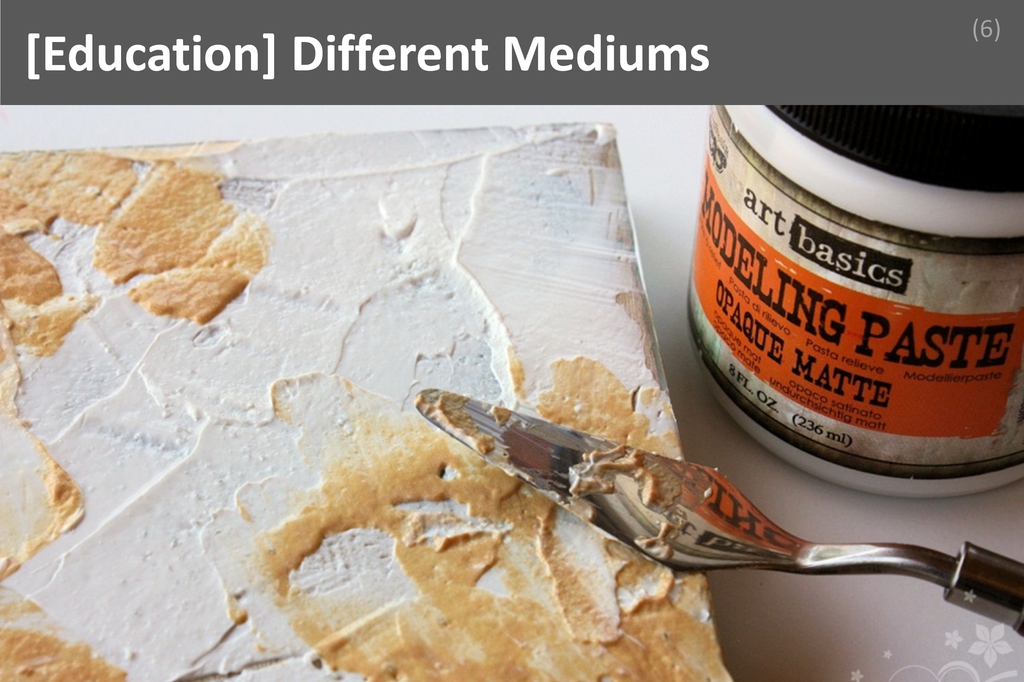
Different Mediums refers to the various materials and techniques used to create visual representations in modeling art, such as clay, digital software, wire, or mixed media. Understanding these mediums is essential in both academic study and professional practice, as it equips artists with the versatility to realize diverse creative visions.
A deep understanding of different mediums is vital for anyone pursuing a career in modeling art because it expands creative possibilities and problem-solving skills. Mastery of multiple materials and techniques allows artists to select the most effective approach for each project, whether working on physical sculptures or digital models. This foundational knowledge not only enhances technical proficiency but also fosters adaptability in a rapidly evolving industry. Over time, professionals who are comfortable with various mediums can collaborate more effectively across disciplines, respond to client needs with greater flexibility, and remain competitive as new tools and materials emerge. Ultimately, this expertise supports both artistic innovation and career longevity.
Consider a modeling artist working for a film studio who is tasked with creating a creature prototype. Their theoretical understanding of different mediums enables them to choose between sculpting the initial form in clay for tactile feedback or using digital sculpting software for rapid iteration and easy adjustments. During the project, they might start with a wire armature for structural support, layer clay for detailed anatomy, and later scan the model to refine it digitally. This seamless transition between mediums not only streamlines the workflow but also ensures the final product meets both artistic and technical requirements. By leveraging their knowledge of different mediums, the artist delivers a high-quality model that aligns with the director’s vision and production constraints.
Different Techniques of Painting
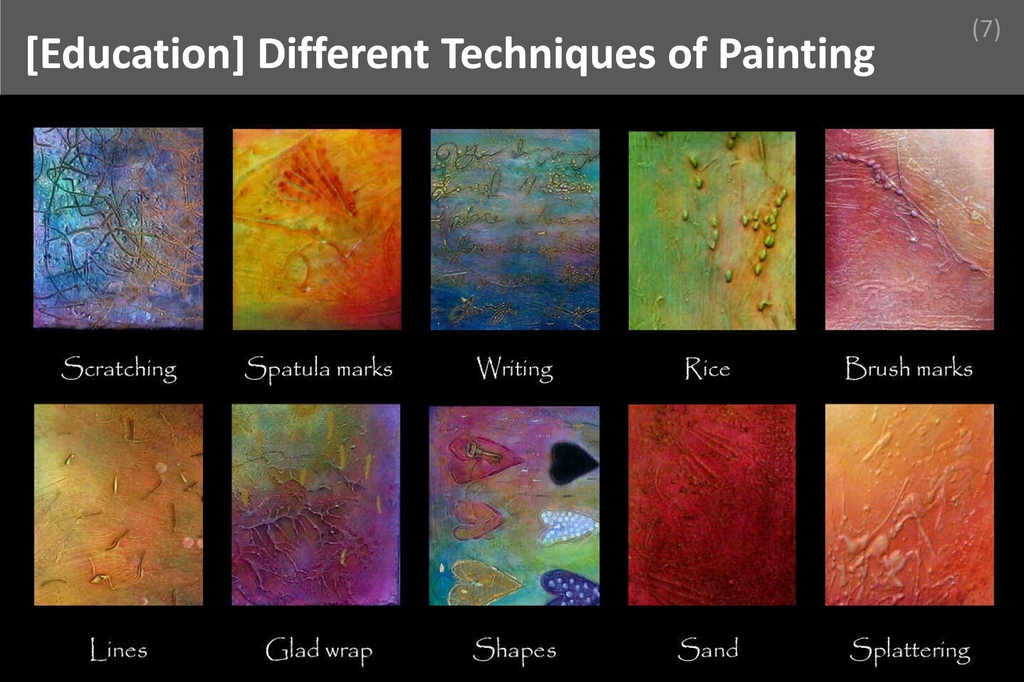
Different Techniques of Painting refers to the diverse methods and approaches artists use to apply paint, such as blending, glazing, dry brushing, and stippling. In Modeling Art, mastering these techniques is essential for accurately representing textures, materials, and lighting, forming a crucial part of both academic study and professional practice.
Understanding different techniques of painting is vital for anyone pursuing a career in Modeling Art because it equips artists with the ability to convincingly render a wide variety of surfaces, moods, and atmospheres. This knowledge forms the bedrock of professional competency, allowing modelers to create visually compelling and realistic works that stand out in competitive industries such as film, gaming, and advertising. Mastery of these techniques enables professionals to adapt to various project requirements, collaborate effectively with other artists, and continually refine their craft. Over the long term, this expertise not only enhances creative versatility but also opens doors to advanced roles and specialized opportunities within the broader field of visual arts.
Consider a professional modeler tasked with creating a hyper-realistic miniature set for a film production. Their theoretical understanding of different painting techniques allows them to select the most appropriate methods for each element, such as using dry brushing to highlight the worn edges of a wooden crate or glazing to achieve the subtle sheen on metallic surfaces. Throughout the project, the modeler seamlessly transitions between techniques to replicate textures like rust, stone, or fabric, ensuring that every detail contributes to the overall realism of the scene. This practical application of painting knowledge not only enhances the visual impact of the model but also demonstrates the indispensable role of technical skill in achieving professional excellence.
Color Mixing
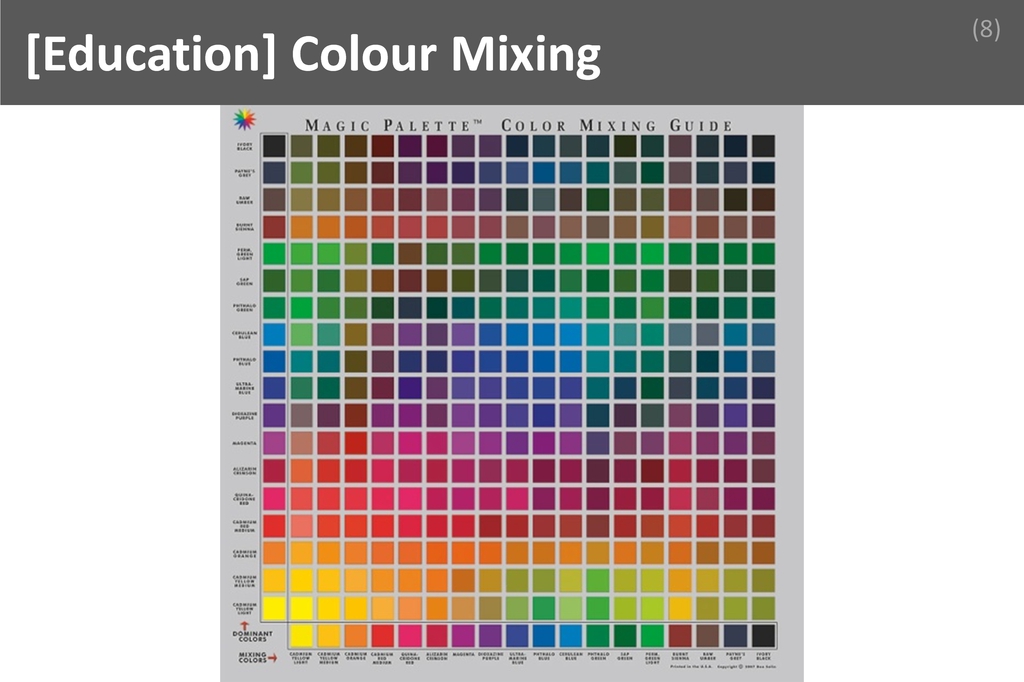
Color mixing is the process of blending two or more colors to create new hues, shades, or tones. In Modeling Art, it is a fundamental skill that enables artists to achieve realistic and visually appealing results, making it an essential part of both academic study and professional practice in the field.
Understanding color mixing is crucial for anyone pursuing a career in Modeling Art because it directly influences the quality and realism of their work. Mastery of this subject allows professionals to accurately replicate natural and artificial surfaces, ensuring that models appear lifelike and visually coherent. The ability to mix colors effectively underpins the creation of convincing textures, shadows, and highlights, which are all critical for producing high-quality models. Over time, a strong grasp of color mixing enhances an artist’s versatility, enabling them to adapt to various projects and client demands. This foundational knowledge not only improves technical proficiency but also fosters creative problem-solving, making it a long-term asset in a competitive industry.
Imagine a modeling artist tasked with creating a scale replica of a vintage car. To achieve a realistic finish, the artist must mix paints to match the car’s faded red exterior, which involves blending different reds, browns, and even hints of blue to capture the subtle variations caused by age and sunlight. Their theoretical understanding of color mixing guides them in adjusting the ratios and layering techniques, ensuring the final model reflects the authentic patina and depth of the original vehicle. This expertise allows the artist to deliver a product that meets the client’s expectations for accuracy and visual appeal, demonstrating how color mixing skills are applied in daily professional practice.
Contextual Knowledge

Contextual Knowledge refers to the understanding of the cultural, historical, social, and environmental factors that influence and shape artistic expression and interpretation. In Modeling Art, it bridges technical skills with deeper awareness, enabling artists to create works that resonate meaningfully within specific contexts and communicate effectively to diverse audiences.
Developing contextual knowledge is essential for anyone pursuing a career in Modeling Art because it allows artists to move beyond mere technical proficiency. By understanding the broader influences that inform artistic trends, symbolism, and audience expectations, professionals can create models that are not only visually compelling but also culturally and historically relevant. This foundational knowledge enables artists to make informed creative decisions, ensuring their work aligns with the intended message or purpose. Over time, a strong grasp of contextual knowledge enhances an artist’s adaptability, allowing them to respond thoughtfully to new trends, collaborate effectively with interdisciplinary teams, and contribute meaningfully to projects that require sensitivity to diverse backgrounds and narratives.
Imagine a modeling artist tasked with creating a digital sculpture for a museum exhibition focused on ancient civilizations. By applying contextual knowledge, the artist researches the specific era’s artistic conventions, materials, and symbolic motifs. This understanding guides their creative choices, from the sculpture’s posture to the textures and colors used, ensuring authenticity and respect for the culture represented. During the project, the artist collaborates with historians and curators, using their contextual insights to address feedback and refine the model. This process not only results in a more accurate and engaging final piece but also demonstrates the artist’s ability to integrate theoretical knowledge into practical, real-world applications, ultimately elevating the quality and impact of their work.
Market Research
Market Research is the systematic process of gathering, analyzing, and interpreting information about a market, including information about potential customers and competitors. In Modeling Art, it is essential for understanding trends, audience preferences, and industry demands, forming a critical component of both academic study and professional practice.
Understanding market research is vital for anyone pursuing a career in Modeling Art because it bridges the gap between creative expression and commercial viability. By mastering this subject, professionals can identify emerging trends, anticipate client needs, and tailor their artistic output to align with market demands. This foundational knowledge empowers artists to make informed decisions about which styles, mediums, or themes are most likely to succeed in a competitive environment. Over the long term, proficiency in market research enhances an artist’s ability to adapt to industry shifts, secure more commissions or contracts, and build a sustainable career. It also fosters a strategic mindset, enabling artists to position themselves effectively and maximize their professional opportunities.
Consider a modeling artist working for a design studio tasked with creating 3D assets for a new video game. Before beginning the creative process, the artist conducts thorough market research to analyze popular visual styles in current top-selling games, reviews feedback from gaming communities, and studies competitor offerings. This research reveals a growing preference for stylized, hand-painted textures over hyper-realistic models among the target demographic. Armed with this insight, the artist adapts their approach, ensuring the assets not only meet the client’s specifications but also resonate with the intended audience. By applying their theoretical understanding of market research, the artist increases the likelihood of the game’s commercial success and demonstrates their value as a market-savvy creative professional.
Skills
Passion and Devotion
Passion and Devotion is the unwavering enthusiasm and commitment an individual brings to their craft, driving them to pursue excellence, overcome obstacles, and continuously improve. In Modeling Art, this quality fuels creativity, perseverance, and a genuine love for the process, making it indispensable for sustained growth and professional fulfillment.
Passion and Devotion directly enhance a Modeling Art professional’s performance by inspiring them to push creative boundaries, refine their techniques, and invest extra effort into every project. Clients and employers highly value this trait because it translates into consistently high-quality work, reliability, and a positive attitude even during challenging assignments. Over time, one can cultivate Passion and Devotion by seeking inspiration from admired artists, setting personal goals, and embracing each project as an opportunity to learn and grow. Regularly reflecting on one’s motivations and celebrating small achievements also helps maintain enthusiasm, ensuring that the drive to excel remains strong throughout one’s career.
Imagine a Modeling Artist facing a tight deadline for a complex character model required for a major animation project. Despite technical setbacks and long hours, their Passion and Devotion keep them focused and motivated. Instead of settling for a mediocre result, they research new techniques, experiment with different approaches, and seek feedback from peers. Their dedication not only leads to the successful completion of the model but also impresses the client with its exceptional quality and attention to detail. This commitment not only solves the immediate challenge but also strengthens the artist’s reputation, opening doors to more prestigious opportunities in the future.
Creativity
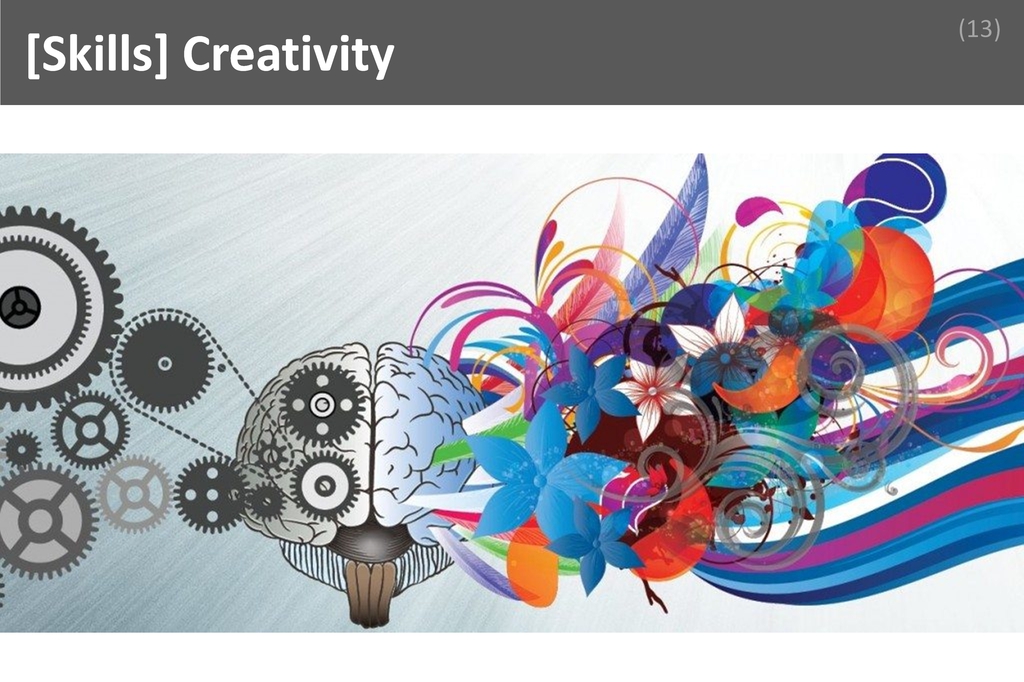
Creativity is the ability to generate original ideas, envision new possibilities, and approach challenges with innovative solutions. In the context of Modeling Art, creativity enables professionals to transform abstract concepts into tangible forms, infusing their work with uniqueness and emotional resonance. It is the foundation for artistic expression and problem-solving.
Creativity directly enhances a modeling artist’s performance by allowing them to produce distinctive and compelling works that stand out in a competitive field. Clients and employers highly value this skill because it leads to fresh interpretations, imaginative designs, and the ability to adapt to evolving project requirements. A creative modeling artist can breathe life into a brief, turning simple instructions into visually captivating results that exceed expectations. Cultivating creativity involves continuous practice, seeking inspiration from diverse sources, and embracing experimentation. Over time, engaging with different artistic styles, collaborating with peers, and reflecting on feedback help artists refine their creative instincts and expand their repertoire, making them more versatile and resourceful professionals.
Imagine a modeling artist tasked with creating a character for a fantasy video game. The initial concept provided by the client is vague, lacking distinctive features or personality. Relying on creativity, the artist draws inspiration from mythology, nature, and contemporary fashion to design a character that feels both original and believable. By experimenting with unconventional shapes, textures, and color palettes, the artist develops a model that captures the client’s vision while adding unexpected depth and appeal. When technical limitations arise, such as polygon constraints or animation requirements, the artist devises inventive solutions to maintain the character’s integrity without sacrificing quality. This creative approach not only solves critical design challenges but also elevates the final product, earning praise from both the client and the development team.
Proficiency in Tools
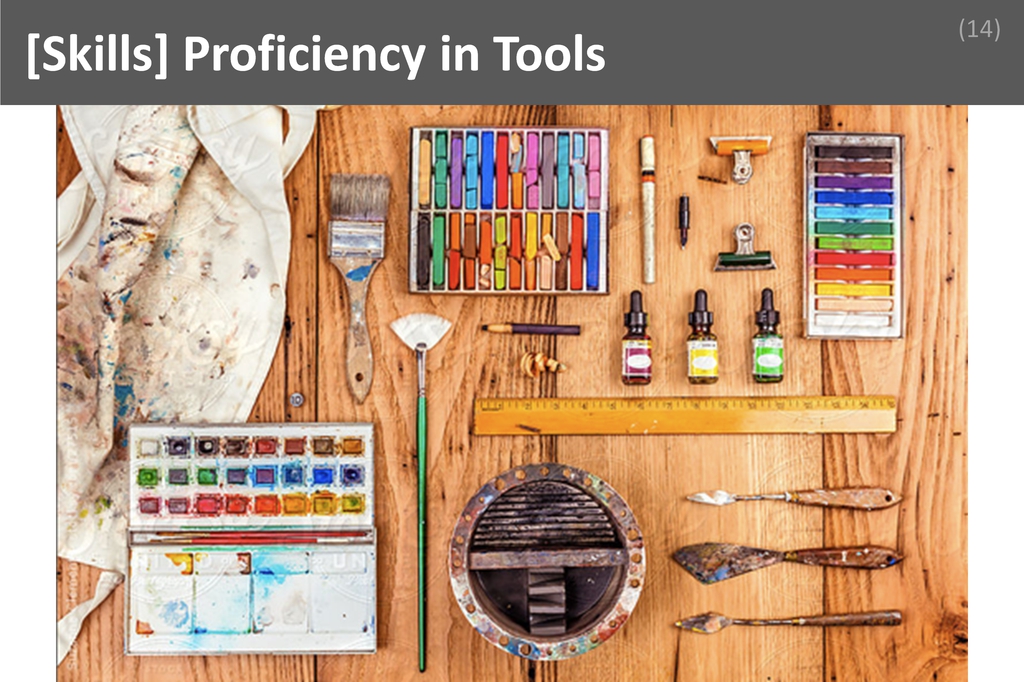
Proficiency in Tools refers to the ability to expertly use specialized software, hardware, and equipment required for creating, editing, and refining models in the art industry. This skill enables professionals to efficiently translate creative concepts into tangible digital or physical forms, ensuring high-quality results and streamlined workflows in Modeling Art.
Mastering the tools of the trade is fundamental for any Modeling Art professional because it directly impacts the quality, speed, and creativity of their work. Clients and employers highly value individuals who can navigate complex modeling software, utilize advanced features, and troubleshoot technical issues independently. This expertise leads to more polished and innovative outputs, meeting or exceeding project expectations. Developing proficiency requires consistent practice, staying updated with evolving technologies, and seeking out tutorials, workshops, or mentorship opportunities. Over time, as professionals become more comfortable with their tools, they can experiment with new techniques, adapt to different project requirements, and maintain a competitive edge in the industry.
Imagine a Modeling Artist working on a tight deadline for a high-profile video game project. Midway through, the client requests significant changes to the character models, including intricate details and new textures. The artist’s proficiency in industry-standard software allows them to quickly implement the changes, optimize the models for performance, and resolve unforeseen technical glitches. Their deep understanding of the tools not only ensures the revisions are completed accurately and efficiently but also impresses the client with the speed and quality of the turnaround. This scenario highlights how essential tool proficiency is for overcoming challenges and achieving professional success in Modeling Art.
Practice
Practice is the deliberate, consistent repetition of techniques and processes to refine skills, deepen understanding, and achieve mastery. In Modeling Art, practice serves as the foundation for growth, enabling artists to internalize complex forms, experiment with new methods, and build confidence. It transforms raw talent into professional expertise.
Regular practice in Modeling Art leads to noticeable improvements in precision, creativity, and efficiency. As artists repeatedly engage with their craft, they develop a keen eye for detail and a deeper understanding of anatomy, proportion, and texture. Clients and employers highly value this dedication because it ensures reliability and consistent quality in deliverables. By setting aside time each day to sketch, sculpt, or digitally model, professionals can steadily expand their capabilities. Over time, this commitment to practice fosters adaptability, allowing artists to tackle new challenges and stay current with evolving industry standards. The habit of practicing not only sharpens technical skills but also nurtures a resilient mindset, essential for long-term success in the competitive field of Modeling Art.
Imagine a Modeling Artist tasked with creating a lifelike digital sculpture for a high-profile video game. The initial drafts lack the realism required by the client, and deadlines are tight. Drawing on years of disciplined practice, the artist quickly identifies anatomical inaccuracies and employs advanced sculpting techniques honed through countless hours of repetition. By revisiting foundational exercises and applying lessons learned from previous projects, the artist efficiently refines the model, surpassing client expectations. This scenario highlights how sustained practice equips professionals to troubleshoot issues under pressure, deliver exceptional results, and maintain a reputation for excellence in the demanding world of Modeling Art.
Time Management

Time management is the strategic process of organizing, planning, and allocating time to specific activities to maximize efficiency and productivity within set deadlines. In the world of Modeling Art, this skill is indispensable, enabling professionals to balance creative exploration with project requirements, client expectations, and tight production schedules.
Mastering time management significantly enhances a Modeling Artist’s performance by ensuring that each phase of a project receives appropriate attention without sacrificing quality or missing deadlines. Clients and employers highly value this skill because it demonstrates reliability, professionalism, and the ability to deliver consistent results under pressure. Effective time management also allows artists to juggle multiple projects, adapt to changing priorities, and avoid burnout. Cultivating this skill involves setting clear goals, breaking down complex tasks into manageable segments, and regularly assessing progress. Over time, artists can refine their approach by learning from past experiences, adopting new productivity tools, and maintaining a disciplined work routine, all of which contribute to sustained career growth and client satisfaction.
Imagine a Modeling Artist working on a high-profile video game project with a strict release date. Midway through the assignment, the client requests significant changes to several character models, threatening the original timeline. By leveraging strong time management skills, the artist quickly reassesses priorities, reallocates hours, and communicates a revised schedule to the team. They break down the new tasks, set interim milestones, and monitor progress daily to ensure nothing falls behind. As a result, the artist not only meets the updated deadline but also maintains the quality expected by the client. This scenario highlights how effective time management can turn a potentially stressful situation into a successful outcome, reinforcing the artist’s reputation for dependability and excellence.
Positives
Sense of Satisfaction
A sense of satisfaction is the deep, personal fulfillment and pride that comes from achieving meaningful goals, overcoming challenges, and witnessing the tangible results of one’s creative efforts. In modeling art, this feeling is a driving force, fueling motivation and passion while reinforcing the value and purpose of the artist’s work.
The sense of satisfaction in modeling art is a powerful motivator that elevates the entire creative process. When artists see their visions take shape, whether in clay, digital models, or other mediums, they experience a profound connection to their craft. This emotional reward not only boosts daily job satisfaction but also encourages continuous learning and improvement. The recognition of progress, both by oneself and by peers or clients, fosters confidence and resilience. Over time, this positive reinforcement helps artists navigate setbacks, embrace new challenges, and maintain enthusiasm for their work. Ultimately, the sense of satisfaction transforms modeling art from a mere occupation into a deeply rewarding and sustainable career.
Imagine a modeling artist who has spent weeks perfecting a complex character for a major animation project. After countless hours refining details and overcoming technical obstacles, the moment arrives when the finished model is integrated into a scene and brought to life. Watching the character move seamlessly and evoke emotion in viewers, the artist feels an overwhelming sense of satisfaction. This fulfillment is not just about completing a task, but about realizing a vision and contributing something unique to a larger creative endeavor. The pride and joy from this accomplishment inspire the artist to tackle new projects with renewed energy, reinforcing the meaningful impact of their work in the world of modeling art.
Color Therapy

Color Therapy is the intentional use of colors to influence mood, emotions, and overall well-being by harnessing the psychological effects of different hues. In Modeling Art, this practice allows artists to create visually stimulating works that evoke positive feelings, reduce stress, and foster a sense of harmony and inspiration in both creators and viewers. By integrating Color Therapy into their creative process, modeling artists not only enhance the aesthetic appeal of their work but also contribute to emotional healing and personal growth, making their profession deeply rewarding and impactful.
The integration of Color Therapy into Modeling Art brings a profound sense of fulfillment to professionals in the field. Engaging with vibrant palettes and thoughtfully chosen color schemes can uplift the artist’s mood, spark creativity, and provide a therapeutic escape from daily stressors. This positive environment nurtures mental well-being, making the creative process itself a source of joy and relaxation. As artists witness the transformative power of color in their own lives, they also see its impact on audiences who interact with their work. This dual benefit not only boosts job satisfaction but also encourages continuous growth, as artists are motivated to explore new techniques and color combinations, deepening their expertise and passion for their craft.
Imagine a modeling artist working on a new project after a challenging week. Surrounded by an array of paints and materials, they deliberately select calming blues and energizing yellows, immersing themselves in the process of blending and shaping these colors into a harmonious composition. As the artwork takes form, the artist feels their stress melt away, replaced by a sense of peace and renewed enthusiasm. Later, when the piece is displayed, viewers comment on how the colors evoke feelings of happiness and tranquility. This feedback reinforces the artist’s belief in the power of Color Therapy, making their career not only creatively satisfying but also emotionally enriching for both themselves and their audience.
Own Boss
Being your own boss means having the autonomy to make decisions, set your schedule, and shape your creative direction without external control. In modeling art, this independence allows artists to pursue their unique vision, select projects that resonate with them, and cultivate a work environment that aligns with their personal values and aspirations.
The freedom of being your own boss in modeling art is a transformative advantage that deeply enhances job satisfaction and personal growth. Artists are empowered to explore their creativity without constraints, leading to innovative and authentic work. This autonomy fosters a sense of ownership and pride in every project, as professionals are not limited by rigid guidelines or external expectations. The ability to choose collaborations, set working hours, and define career goals enables artists to maintain a healthy work-life balance and continuously evolve their skills. Each day, modeling artists experience the satisfaction of steering their own careers, making choices that reflect their passions, and building a professional identity that is truly their own.
Imagine a modeling artist who specializes in creating digital characters for video games. Instead of working under a company’s strict directives, they operate as an independent freelancer. This allows them to select projects that excite them, such as collaborating with indie game developers who value their unique style. They set their own deadlines, experiment with new techniques, and interact directly with clients, ensuring their creative input is respected. This autonomy not only leads to more fulfilling work but also opens doors to diverse opportunities and personal growth. The artist’s daily experience is shaped by the joy of creative freedom, the thrill of self-direction, and the satisfaction of building a career on their own terms.
Continuous Learning

Continuous Learning is the ongoing process of acquiring new skills, knowledge, and techniques throughout one’s career, rather than relying solely on initial training or education. In modeling art, this mindset ensures that professionals remain adaptable, innovative, and relevant, constantly evolving with new trends, technologies, and artistic approaches that shape the industry.
Embracing continuous learning in modeling art brings a dynamic sense of purpose and excitement to daily work. Artists who commit to ongoing growth find themselves consistently inspired by fresh ideas and emerging tools, which keeps their creativity alive and their portfolios competitive. This dedication to learning not only enhances technical proficiency but also fosters a deep sense of accomplishment as artists overcome challenges and master new techniques. The ever-changing landscape of modeling art means that no two projects are ever truly the same, which prevents stagnation and encourages professionals to push their boundaries. As a result, job satisfaction increases, and career growth becomes a natural outcome of this relentless pursuit of improvement and innovation.
Imagine a modeling artist working on a video game project who encounters a new software update introducing advanced sculpting features. Rather than feeling intimidated, the artist eagerly explores tutorials, attends webinars, and experiments with the new tools. Through this process, they discover more efficient workflows and creative possibilities, which not only enhance the quality of their work but also earn recognition from peers and supervisors. The artist’s willingness to learn continuously transforms what could have been a routine task into an opportunity for growth and artistic fulfillment. This real-world scenario highlights how continuous learning in modeling art leads to both personal satisfaction and professional advancement, making every day on the job an exciting journey.
Exposure

Exposure in modeling art refers to the visibility and recognition artists gain by showcasing their work to diverse audiences, industry professionals, and potential collaborators. This increased awareness opens doors to new opportunities, fosters creative growth, and builds a professional reputation. Exposure is essential for career advancement and personal fulfillment in this field.
The positive aspect of exposure in modeling art cannot be overstated. When artists and models share their work with the world, they attract attention from galleries, agencies, and creative communities, which can lead to exciting projects and collaborations. This visibility not only validates their talent but also motivates them to refine their skills and push creative boundaries. As their work reaches wider audiences, professionals often experience a sense of pride and accomplishment, knowing their art resonates with others. Exposure also encourages networking, mentorship, and learning from peers, all of which contribute to ongoing growth and job satisfaction. Ultimately, the recognition gained through exposure empowers modeling artists to shape their unique identity and leave a lasting impact on the industry.
Imagine a modeling artist who spends months perfecting a digital sculpture, pouring their passion and creativity into every detail. When they share their work on a popular online platform, it quickly garners attention from fellow artists, industry leaders, and art enthusiasts worldwide. Positive feedback and constructive critiques flood in, boosting the artist’s confidence and inspiring new ideas. Soon, a renowned design studio reaches out, offering a collaboration that aligns perfectly with the artist’s vision. This opportunity not only elevates their career but also connects them with mentors and peers who help them grow further. The artist’s journey demonstrates how exposure transforms dedication into recognition, opening doors that might have otherwise remained closed.
Challenges
Daily Practice
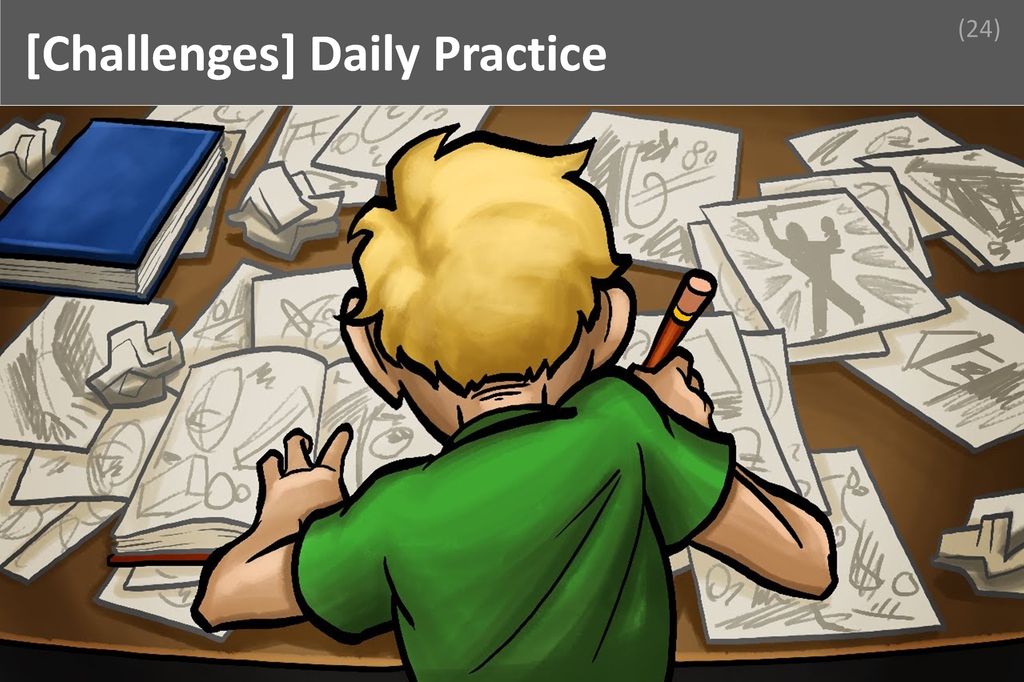
Daily Practice in Modeling Art refers to the consistent, disciplined commitment to honing technical and creative skills through regular, often repetitive, exercises and project work. This routine is demanding because it requires sustained motivation, time management, and the ability to push through creative blocks or fatigue, even when inspiration is lacking.
The challenge of maintaining daily practice in Modeling Art can lead to burnout, creative stagnation, and frustration, especially when progress feels slow or invisible. This ongoing demand tests a professional’s resilience, as it requires balancing the pressure to improve with the realities of deadlines and personal life. Successful professionals often mitigate this constraint by setting realistic goals, embracing incremental progress, and allowing flexibility in their routines. They recognize that consistency, rather than perfection, is key to growth. By fostering a mindset that values process over immediate results, they are able to sustain motivation and continue developing their craft, even on days when enthusiasm wanes or external pressures mount.
Consider a 3D modeler working in the animation industry who faces tight production schedules and high creative expectations. Despite feeling overwhelmed, she commits to a daily practice routine by dedicating a set hour each morning to personal skill development, separate from her work tasks. On days when inspiration is low, she focuses on small, manageable exercises, such as refining a single texture or experimenting with lighting. Over time, this steady approach not only improves her technical abilities but also helps her discover new creative directions. By integrating daily practice into her routine in a flexible, forgiving manner, she overcomes the challenge of consistency and maintains both her passion and professional edge.
Competition
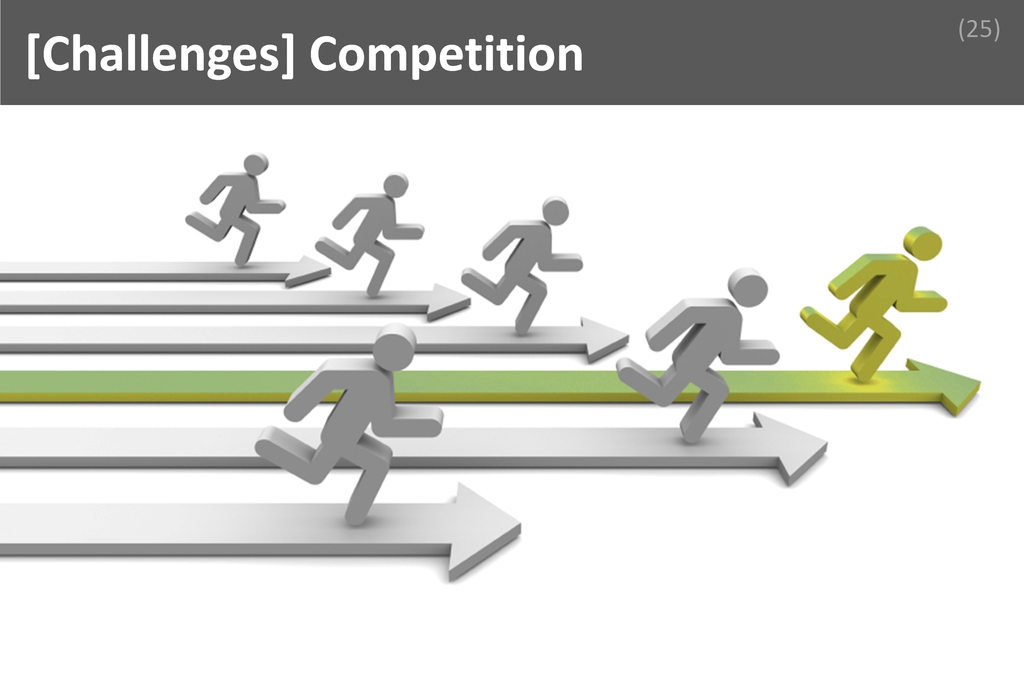
Competition in Modeling Art refers to the constant presence of numerous talented individuals vying for limited opportunities, recognition, and resources within the field. This environment demands continuous self-improvement, adaptability, and innovation, making it challenging for professionals to stand out and sustain their careers amidst ever-evolving artistic standards and expectations.
The pressure of competition in Modeling Art permeates daily work, often leading to stress, self-doubt, and the fear of being overshadowed by peers. This environment requires resilience, as artists must consistently refine their skills, seek inspiration, and adapt to new trends to remain relevant. Successful professionals manage this challenge by focusing on personal growth rather than comparison, building supportive networks, and embracing constructive feedback. They often diversify their portfolios and actively seek collaborations, which not only enhances their visibility but also fosters a sense of community. By maintaining a growth mindset and prioritizing their unique artistic voice, they transform competition from a source of anxiety into motivation for continuous improvement and creative exploration.
Consider a modeling artist who, after facing repeated rejections from major studios due to stiff competition, decided to carve out a niche by specializing in environmentally themed sculptures. Instead of viewing peers solely as rivals, the artist joined local art collectives and participated in community projects, which expanded their network and provided new opportunities. By sharing techniques and learning from others, the artist gained fresh perspectives and honed their craft. Over time, their distinctive style attracted attention from galleries and eco-conscious organizations, leading to commissioned work and exhibitions. Through perseverance, collaboration, and a focus on personal growth, the artist successfully navigated the competitive landscape and established a sustainable career.
Time Pressure

Time Pressure in Modeling Art refers to the constant demand to create high-quality models within tight deadlines, often dictated by project schedules or client expectations. This challenge is demanding because it requires balancing creativity, technical precision, and speed, leaving little room for error or extended experimentation during the creative process.
Time pressure significantly shapes the daily routine of modeling artists, often leading to long hours, rapid decision-making, and the need to prioritize tasks efficiently. The relentless pace can cause stress and fatigue, making resilience an essential trait for professionals in this field. Those who succeed under these conditions typically develop strong organizational skills, learn to break down complex tasks into manageable segments, and embrace iterative workflows that allow for quick adjustments. They also cultivate the ability to communicate clearly with team members and clients, ensuring that expectations are aligned and potential bottlenecks are addressed early. By maintaining a disciplined approach and leveraging both creative intuition and technical expertise, modeling artists can consistently deliver quality work even under significant time constraints.
Consider a modeling artist working on a high-profile video game project with a looming release date. The team faces a sudden request to redesign a central character, leaving only a few days for completion. The artist quickly assesses the requirements, prioritizes essential features, and utilizes pre-existing assets to accelerate the process. By maintaining open communication with the art director and collaborating closely with animators, the artist ensures that feedback is incorporated efficiently. Through focused work sessions, strategic use of shortcuts, and a willingness to iterate rapidly, the artist delivers a polished model on time. This scenario demonstrates how adaptability, teamwork, and effective time management enable professionals to overcome the intense pressure of tight deadlines in modeling art.
Art Awareness
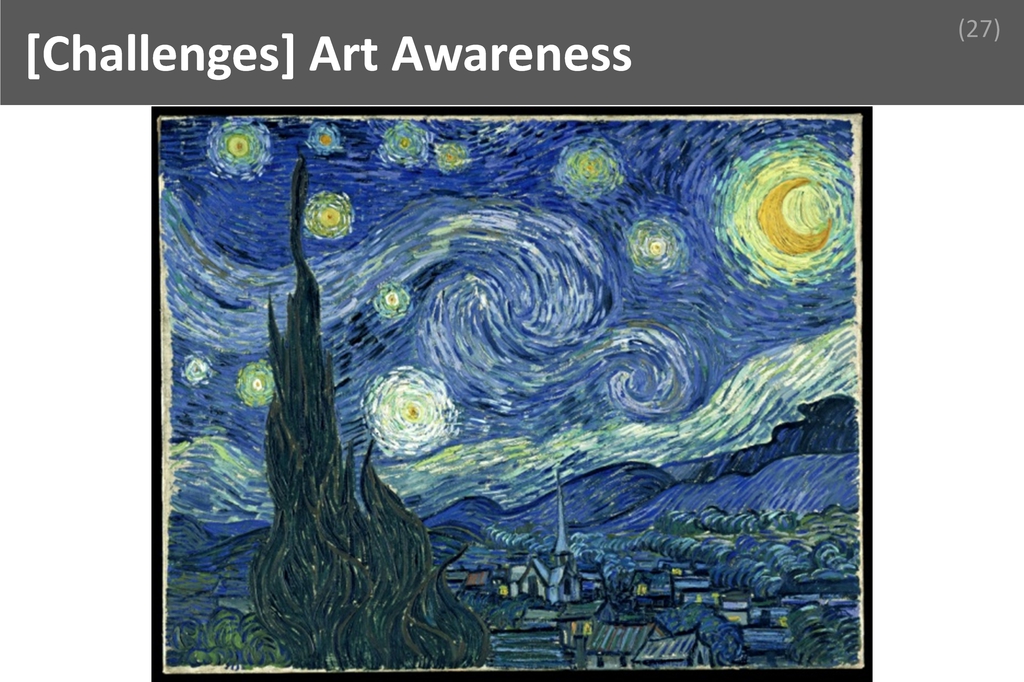
Art Awareness in Modeling Art refers to the conscious recognition and understanding of artistic principles, cultural influences, and evolving trends that shape visual aesthetics. This awareness is demanding because it requires professionals to constantly adapt, interpret, and integrate diverse artistic elements, ensuring their work remains relevant, innovative, and resonant with audiences.
The challenge of Art Awareness permeates every aspect of a modeling artist’s daily routine. Professionals must continuously assess whether their creations align with current artistic standards and cultural sensitivities, which can lead to creative fatigue and self-doubt. This ongoing pressure demands resilience, as artists must balance personal expression with external expectations. Successful professionals manage this constraint by dedicating time to study contemporary and historical art, seeking feedback from peers, and engaging in regular self-reflection. They remain open to experimentation, allowing their style to evolve while maintaining a strong foundation in core artistic principles. By fostering a mindset of lifelong learning and adaptability, modeling artists can navigate the complexities of Art Awareness and sustain their creative momentum.
Consider a modeling artist tasked with designing characters for a global video game release. Initially, the artist’s concepts reflected their personal style, but feedback revealed that certain visual elements did not resonate with international audiences. Recognizing the importance of Art Awareness, the artist researched global character design trends, studied cultural symbolism, and consulted with colleagues from diverse backgrounds. By integrating these insights, the artist revised the models to better reflect universal appeal while retaining unique artistic flair. This approach not only improved the project’s reception but also enhanced the artist’s reputation for cultural sensitivity and adaptability, demonstrating how embracing Art Awareness can lead to both professional growth and creative success.
A Day Of
Modelling Art
The hum of a computer, the gentle scratch of a stylus on a tablet, and the quiet intensity of focused creativity set the tone for a day in the life of a modeling art professional. Here, each workday unfolds as a blend of technical precision and artistic vision, where digital models take shape under the careful guidance of skilled hands and discerning eyes. The environment is both collaborative and introspective, with moments of deep concentration punctuated by lively exchanges of feedback and bursts of inspiration. In this world, deadlines and creative breakthroughs coexist, shaping a rhythm that is as dynamic as the art itself.
As the sun rises, the modeling artist settles into their workspace, powering up essential software and reviewing the day’s project briefs. This quiet hour is dedicated to gathering references, organizing digital assets, and revisiting client notes or concept sketches. With a fresh cup of coffee in hand, the artist studies anatomical details, material textures, or architectural blueprints, ensuring every visual element is at their fingertips before the real work begins. This preparatory phase is crucial, laying a solid foundation for the creative challenges ahead.
Mid-morning marks the heart of the modeling artist’s day, where focus sharpens and creative energy peaks. Immersed in their chosen software, the artist sculpts, manipulates, and refines digital forms, transforming rough concepts into detailed, lifelike models. This is a time of deep concentration, where technical skills and artistic intuition merge seamlessly. Whether building characters for a video game, crafting environments for animation, or developing prototypes for industrial design, the artist navigates complex geometry and problem-solving with practiced ease, often losing track of time as the digital world takes shape under their guidance.
After a quick lunch, the afternoon brings a shift toward collaboration and execution. The artist joins virtual meetings or gathers with colleagues to present progress, receive feedback, and discuss project goals. Constructive critiques flow freely, sparking new ideas and highlighting areas for improvement. Armed with fresh insights, the artist returns to their workstation to implement revisions, optimize models for performance, and ensure alignment with the broader creative vision. This phase is marked by adaptability and teamwork, as each iteration brings the project closer to completion.
As the day winds down, the modeling artist turns to essential wrap-up tasks. Files are meticulously saved and backed up, progress is documented, and notes are made for tomorrow’s objectives. The artist may spend time researching new techniques, exploring software updates, or organizing their portfolio to showcase recent work. With a final review of the day’s accomplishments and a clear plan for the next steps, the artist powers down, satisfied with another day spent shaping imagination into reality. |


 Home
Home Abroad
 Plan
Plan Philosophy
 Seminar
 Pages
Pages Advisors
 Testimonials












 Workshop
 Discuss
 Meet
Meet
 Advisor
 Story
Story
 Fine Print
 Links
Links
 Blog
Blog
 Follow
