The Journey of Multimedia Art
What Is Multimedia Art
Multimedia Art
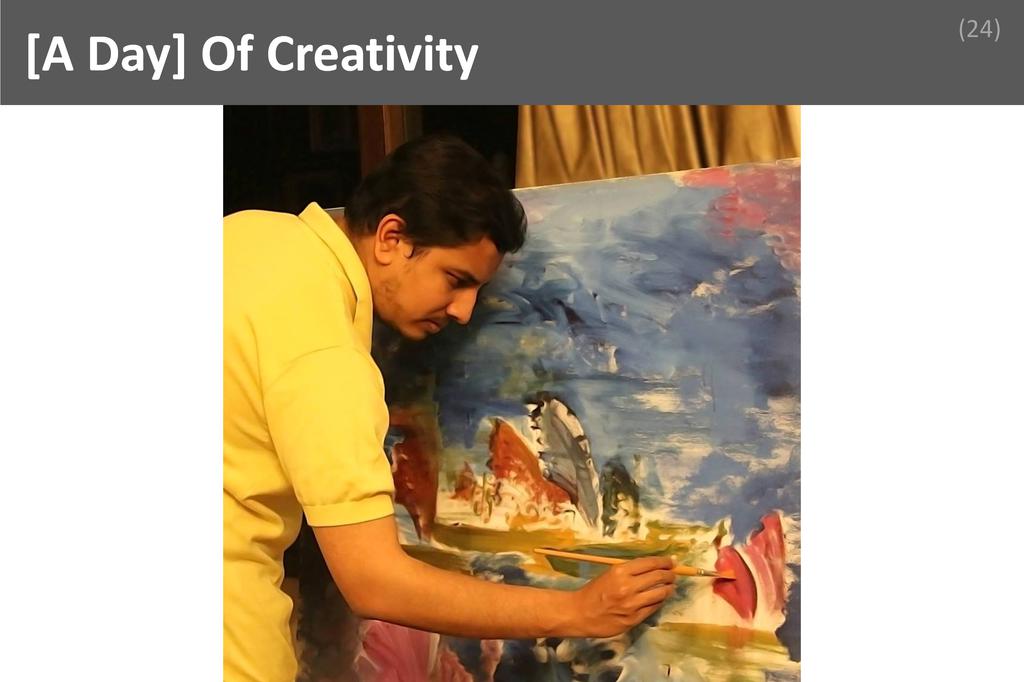
Multimedia art is a creative discipline that combines various forms of media, such as graphics, audio, video, animation, and interactive elements, to produce engaging visual experiences. It leverages technology and artistic skills to communicate ideas, tell stories, and evoke emotions across digital and physical platforms.
Multimedia art plays a crucial role in today’s digital landscape by shaping how information is presented and consumed. For professionals, it offers the opportunity to blend creativity with technology, resulting in innovative projects that capture attention and inspire audiences. One major benefit is the versatility it provides, allowing artists to work across industries such as advertising, entertainment, education, and web design. Another significant advantage is the potential for collaboration, as multimedia projects often require teamwork among artists, programmers, and writers. Additionally, multimedia art enhances communication by making complex concepts more accessible and engaging, ultimately broadening the reach and impact of creative work.
A multimedia artist working for a museum might be tasked with creating an interactive exhibit to educate visitors about ancient civilizations. They would design digital animations depicting historical events, integrate audio narrations, and develop touch-screen interfaces that allow users to explore artifacts in detail. By combining visual storytelling, sound design, and user interactivity, the artist transforms traditional museum content into an immersive learning experience. This approach not only captivates diverse audiences but also helps the museum convey information in a memorable and engaging way, demonstrating the practical and transformative power of multimedia art in real-world settings.
Education
Basics of Computing
Basics of Computing refers to the fundamental principles and skills related to computer systems, including hardware, software, data processing, and digital communication. For Multimedia Art, this knowledge forms the backbone of digital creation, enabling artists to effectively use technology, troubleshoot issues, and adapt to evolving digital tools in their creative workflows.
Understanding the basics of computing is essential for anyone pursuing a career in Multimedia Art because digital tools and platforms are at the heart of modern creative processes. Mastery of computing concepts allows artists to navigate complex software, manage digital files efficiently, and optimize their workflow for productivity and creativity. This foundational knowledge also empowers professionals to troubleshoot technical issues independently, collaborate effectively with technical teams, and stay adaptable as new technologies emerge. Over time, a strong grasp of computing basics enhances problem-solving abilities, supports continuous learning, and opens doors to advanced techniques such as coding for interactive media or integrating multimedia elements across various platforms, ensuring long-term career growth and versatility.
Consider a multimedia artist tasked with designing an interactive website for a client. Their understanding of the basics of computing enables them to efficiently set up their workstation, install and configure necessary design software, and manage large multimedia files without performance issues. When encountering a software crash or compatibility problem, their foundational computing knowledge helps them diagnose and resolve the issue quickly, minimizing downtime. Additionally, they can communicate technical requirements clearly to web developers and IT support, ensuring seamless integration of their artwork into the final product. This practical application of computing basics not only streamlines their creative process but also enhances their professional reliability and value to clients.
Basics of Brushwork
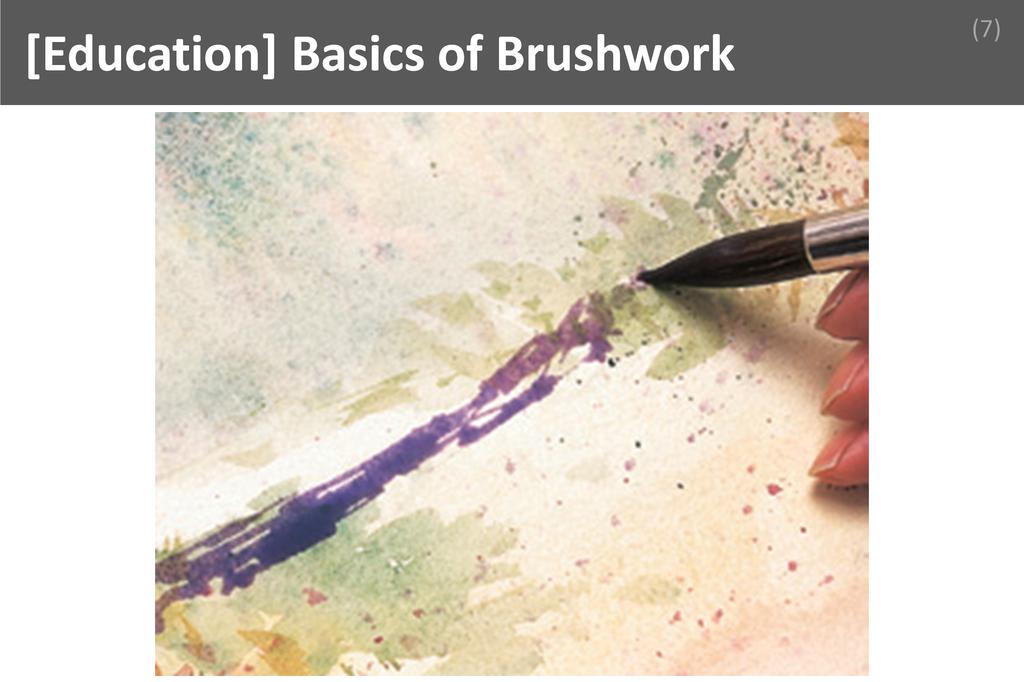
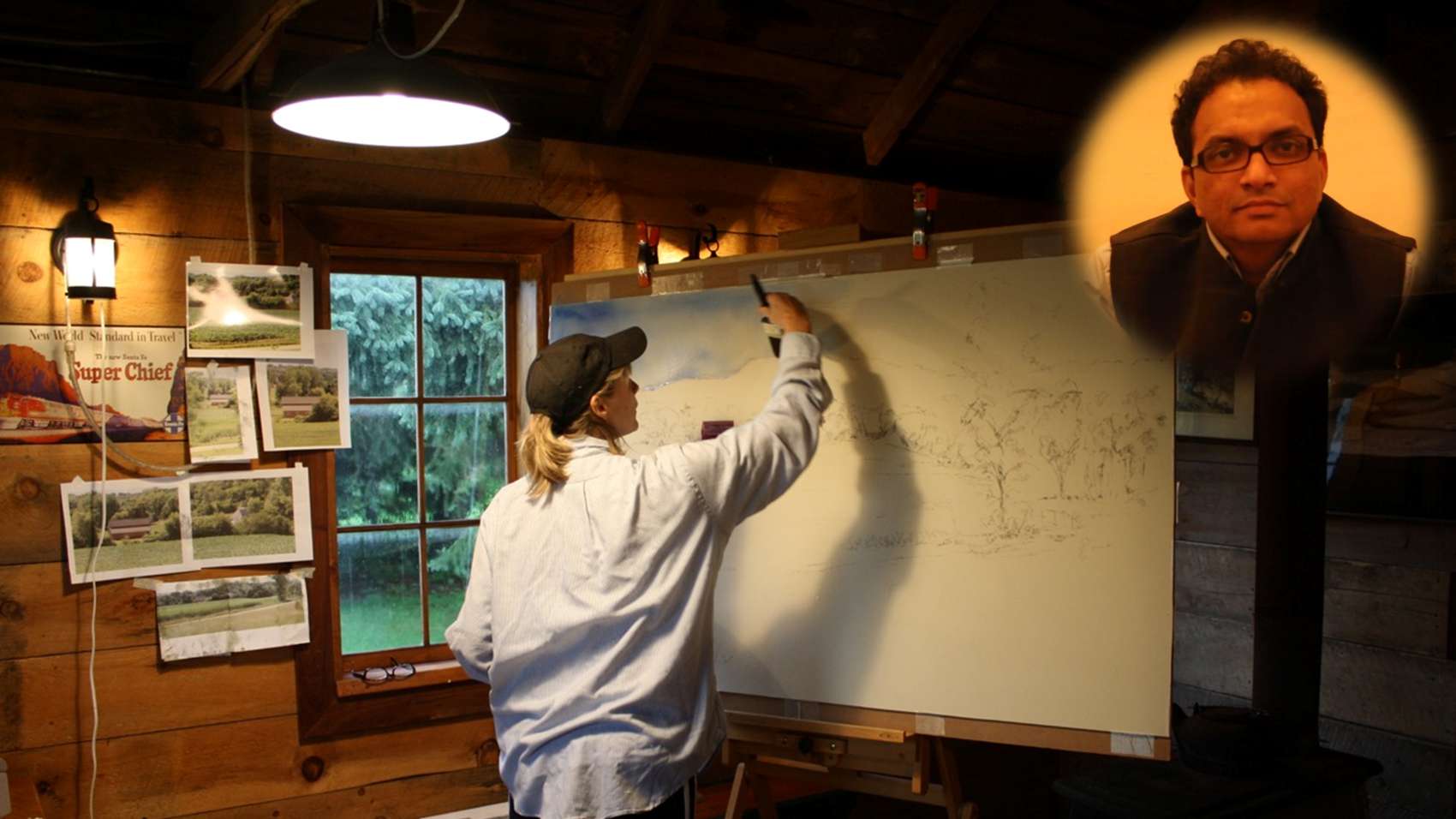
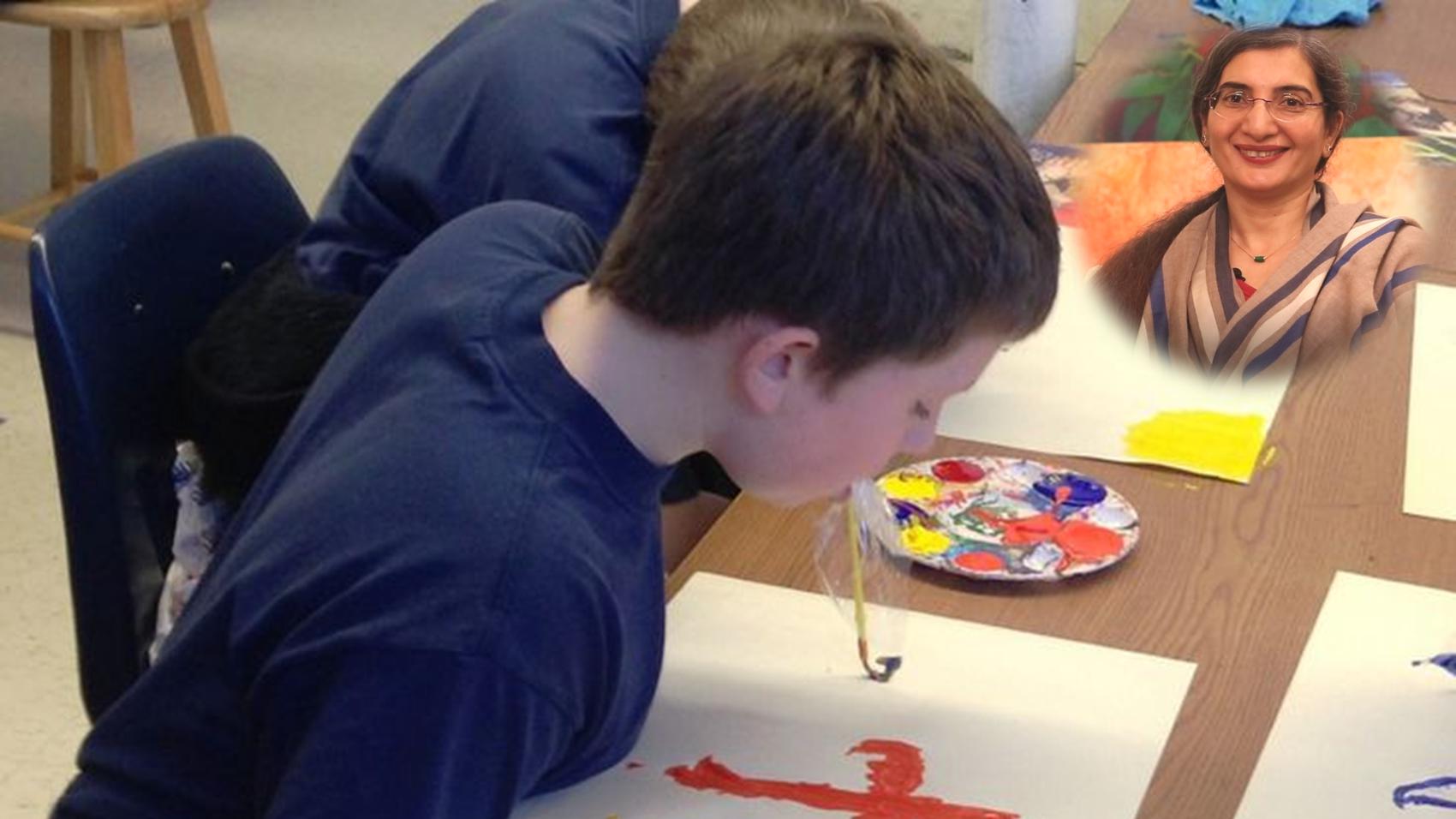
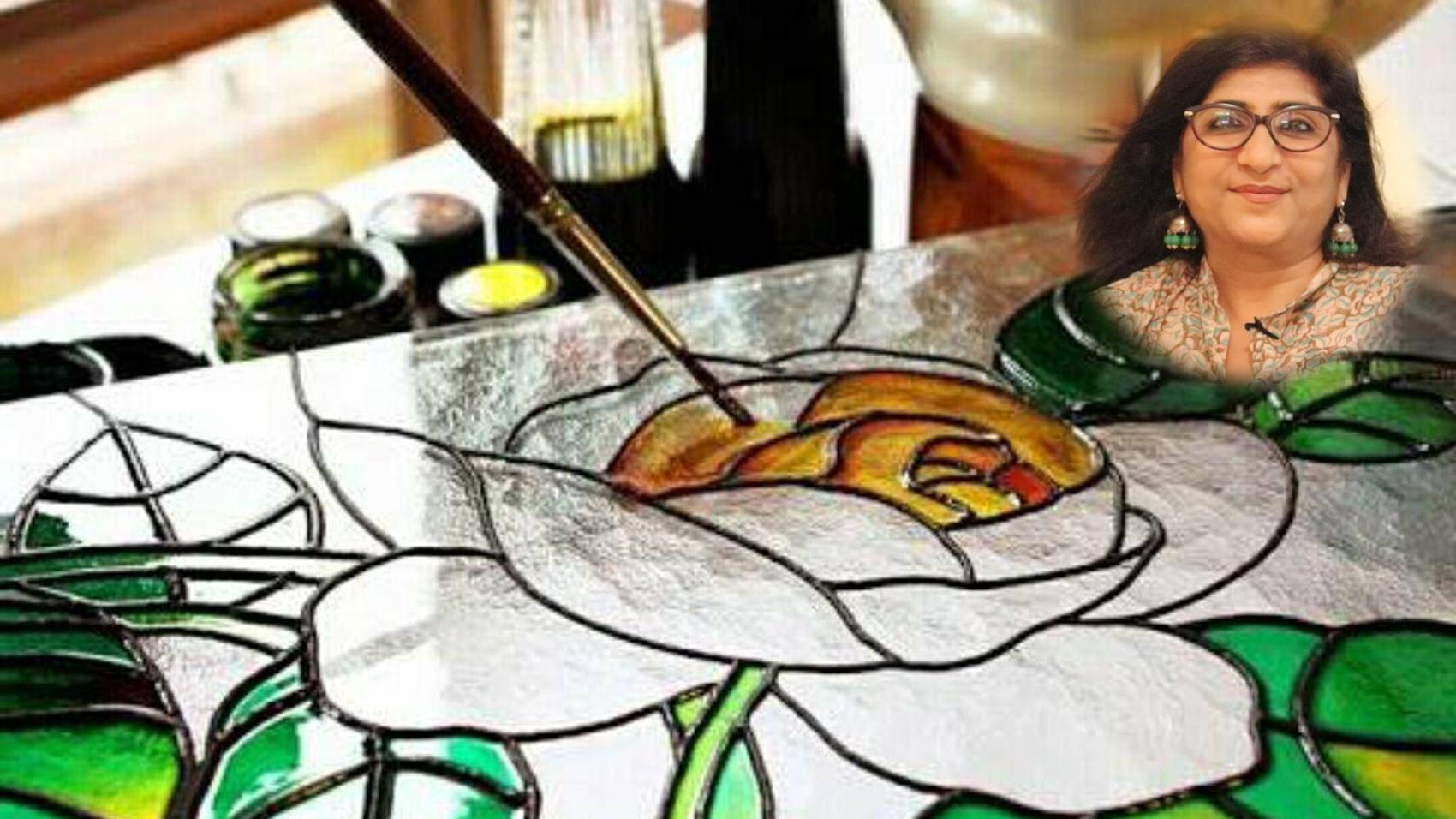
Basics of Brushwork refers to the fundamental techniques and principles involved in manipulating brushes to create various textures, lines, and effects in visual art. This knowledge is essential in both traditional and digital media, forming a core component of the academic and professional skill set required for success in Multimedia Art.
Understanding the basics of brushwork is vital for anyone pursuing a career in Multimedia Art because it underpins the ability to create visually compelling and technically sound artwork. Mastery of brushwork techniques allows artists to control the mood, depth, and detail of their creations, whether working on digital illustrations, animations, or mixed-media projects. This foundational knowledge not only enhances creative expression but also ensures consistency and professionalism in client work. Over time, a strong grasp of brushwork principles enables multimedia artists to adapt to new tools and technologies, collaborate effectively with other creatives, and maintain a competitive edge in a rapidly evolving industry.
Consider a multimedia artist tasked with designing a promotional poster for a film. Drawing on their understanding of brushwork, the artist selects appropriate digital brushes to mimic the look of traditional paint, adding expressive strokes to the background and nuanced textures to the characters. Their theoretical knowledge guides decisions about brush size, opacity, and pressure sensitivity, resulting in a dynamic composition that captures the film’s tone. Throughout the project, the artist’s brushwork expertise allows for efficient revisions and seamless integration of hand-painted elements with digital assets, ultimately delivering a polished and visually engaging final product that meets both aesthetic and technical requirements.
Editing Software
Editing software refers to digital applications designed to manipulate, enhance, and organize multimedia content such as images, audio, and video. In both academic and professional settings, mastering editing software is essential for multimedia artists, as it enables them to transform raw materials into polished, compelling works that meet industry standards and creative objectives.
Understanding editing software is crucial for anyone pursuing a career in multimedia art because it serves as the primary toolset for bringing creative visions to life. Proficiency in these applications allows artists to seamlessly integrate various media elements, correct errors, and apply effects that elevate the quality of their work. This foundational knowledge not only enhances creative expression but also ensures efficiency and consistency across projects. As technology evolves, staying adept with editing software keeps professionals competitive and adaptable, opening doors to diverse opportunities in fields such as film, advertising, gaming, and digital content creation. Ultimately, expertise in editing software is a long-term investment that supports both artistic growth and professional advancement.
Imagine a multimedia artist working for a digital marketing agency who is tasked with producing a promotional video for a new product launch. Drawing on their theoretical understanding of editing software, the artist imports raw video footage, synchronizes audio tracks, and adjusts color grading to create a visually appealing narrative. They use advanced features to add motion graphics, transitions, and branded overlays, ensuring the final product aligns with the client’s vision and marketing goals. Throughout the process, their familiarity with the software’s workflow tools allows them to collaborate efficiently with team members, meet tight deadlines, and deliver a polished video that effectively engages the target audience. This scenario highlights how editing software expertise is integral to daily operations in multimedia art.
Printing Techniques
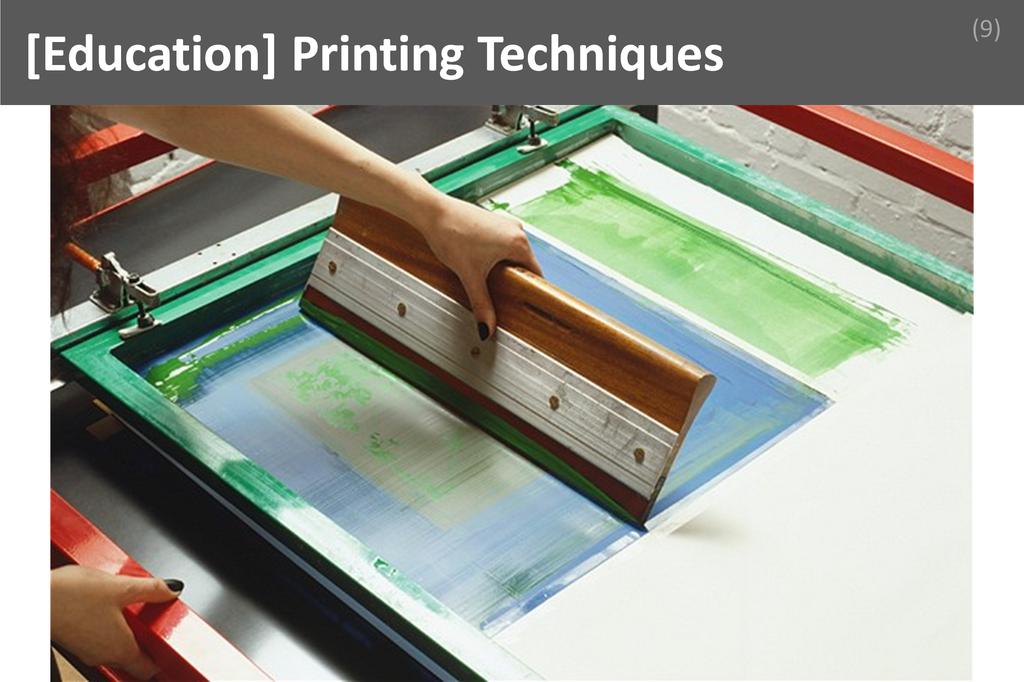
Printing Techniques refers to the various methods and processes used to transfer images, text, or designs onto different surfaces, such as paper, fabric, or other materials. In Multimedia Art, understanding these techniques is essential for producing high-quality, reproducible works and for integrating traditional and digital media in creative projects.
A solid grasp of Printing Techniques is crucial for anyone pursuing a career in Multimedia Art because it bridges the gap between digital creation and tangible output. Mastery of these methods allows artists to select the most suitable process for their artistic vision, whether it involves screen printing, lithography, or digital printing. This knowledge not only enhances the quality and durability of their work but also expands their creative possibilities, enabling them to experiment with textures, materials, and formats. Furthermore, familiarity with printing processes is highly valued in industries such as advertising, publishing, and product design, where precise reproduction and consistency are paramount. Over time, expertise in Printing Techniques can lead to greater professional versatility, increased job opportunities, and the ability to collaborate effectively with printers, designers, and other creative professionals.
Imagine a multimedia artist tasked with creating a limited-edition poster series for a music festival. Drawing on their understanding of Printing Techniques, the artist carefully chooses screen printing to achieve vibrant colors and tactile finishes that digital printing alone cannot replicate. They adjust their digital files to account for ink behavior and substrate absorption, ensuring the final prints match their creative intent. Throughout the process, the artist communicates effectively with the print shop, specifying ink types, paper weights, and registration marks. This theoretical and practical knowledge not only results in a visually striking product but also streamlines production, minimizes costly errors, and delivers a professional outcome that meets both the client’s expectations and the artist’s standards.
Skills
Creative Eye
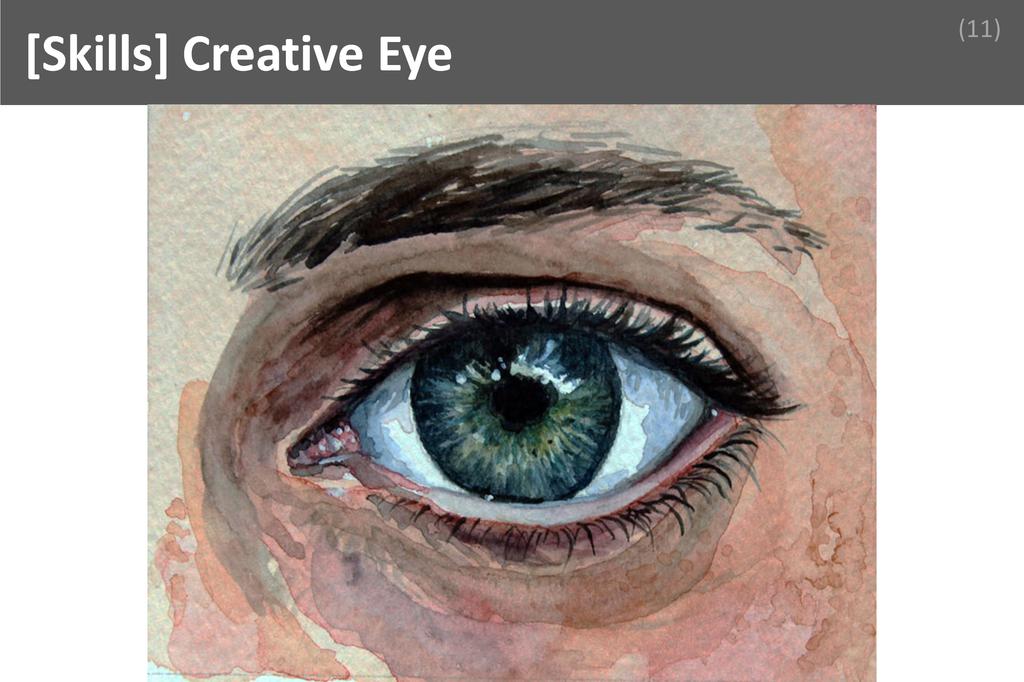
A "Creative Eye" is the innate or developed ability to perceive visual elements, patterns, and aesthetics in a way that transforms ordinary ideas into compelling visual narratives. It enables multimedia artists to intuitively balance color, composition, and style, ensuring their work is both visually engaging and conceptually meaningful within any project.
Possessing a Creative Eye directly enhances a multimedia artist’s ability to produce work that stands out in a crowded digital landscape. This skill allows professionals to make nuanced decisions about layout, color harmony, and visual storytelling, resulting in projects that captivate audiences and communicate messages effectively. Clients and employers highly value this ability because it leads to innovative solutions and memorable designs that align with brand identity and project goals. Cultivating a Creative Eye involves continuous observation, practice, and feedback. By studying diverse artistic styles, analyzing successful multimedia projects, and experimenting with new techniques, artists can refine their visual instincts and consistently deliver high-quality, original work.
Imagine a multimedia artist tasked with creating a promotional video for a new product launch. During the editing process, the initial draft feels cluttered and fails to highlight the product’s unique features. Relying on their Creative Eye, the artist identifies areas where visual elements compete for attention and strategically simplifies the composition. They adjust color schemes to evoke the desired emotional response and reposition key graphics to guide the viewer’s focus. As a result, the final video not only looks polished but also communicates the product’s value clearly and persuasively, impressing both the client and the target audience. This scenario demonstrates how a well-developed Creative Eye can transform a project’s impact and success.
Artistic Hand
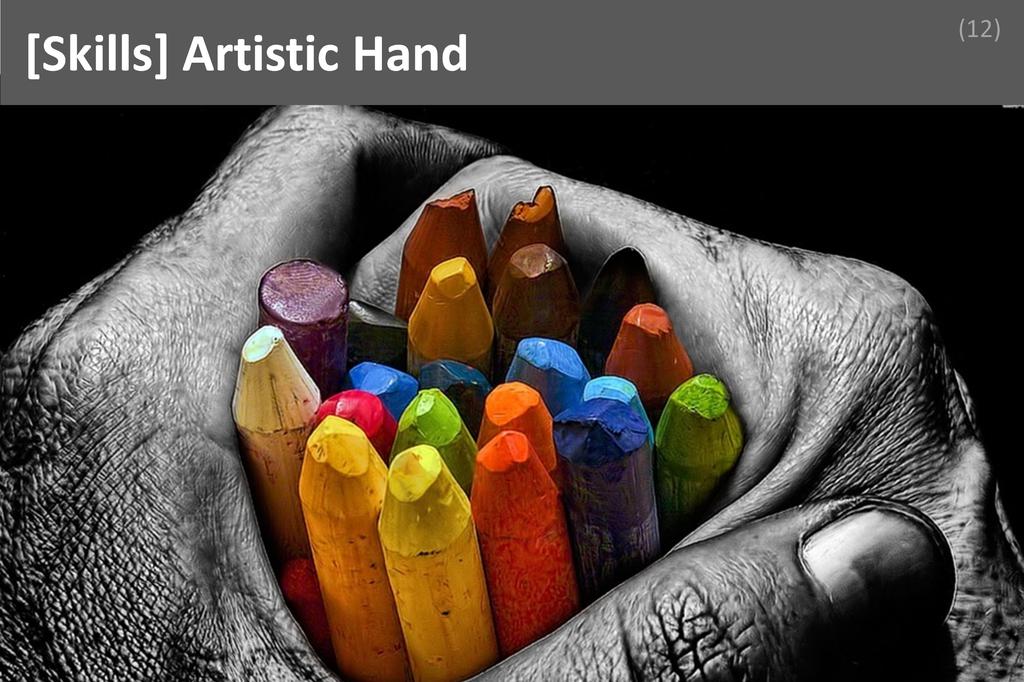
Artistic Hand refers to the refined ability to create, manipulate, and control visual elements with precision, creativity, and personal style. It encompasses manual dexterity, a keen eye for detail, and the intuitive translation of ideas into compelling visuals. This skill is fundamental for multimedia artists to produce original, high-quality work.
Having a strong Artistic Hand directly elevates the quality and uniqueness of multimedia projects. It allows professionals to execute complex visual concepts with accuracy, ensuring that the final product aligns with creative visions and project requirements. Clients and employers highly value this skill because it guarantees polished, professional results that stand out in a competitive market. Cultivating an Artistic Hand involves consistent practice, studying various artistic techniques, and seeking feedback from peers and mentors. Over time, artists refine their touch and develop a signature style, making their work instantly recognizable and highly sought after. This ongoing development not only enhances technical ability but also fosters greater creative confidence and adaptability.
Imagine a multimedia artist tasked with designing an interactive website for a high-profile client. Midway through the project, the client requests a series of hand-drawn illustrations to replace generic stock images, aiming for a more authentic and engaging user experience. The artist’s Artistic Hand becomes crucial at this moment. Drawing on their manual skill and creative intuition, they quickly produce custom illustrations that perfectly capture the brand’s personality and message. The result is a visually cohesive and memorable website that exceeds the client’s expectations. In this scenario, the artist’s refined Artistic Hand not only solves a critical design challenge but also adds unique value, strengthening the client relationship and enhancing the project’s overall impact.
Understanding of Colours
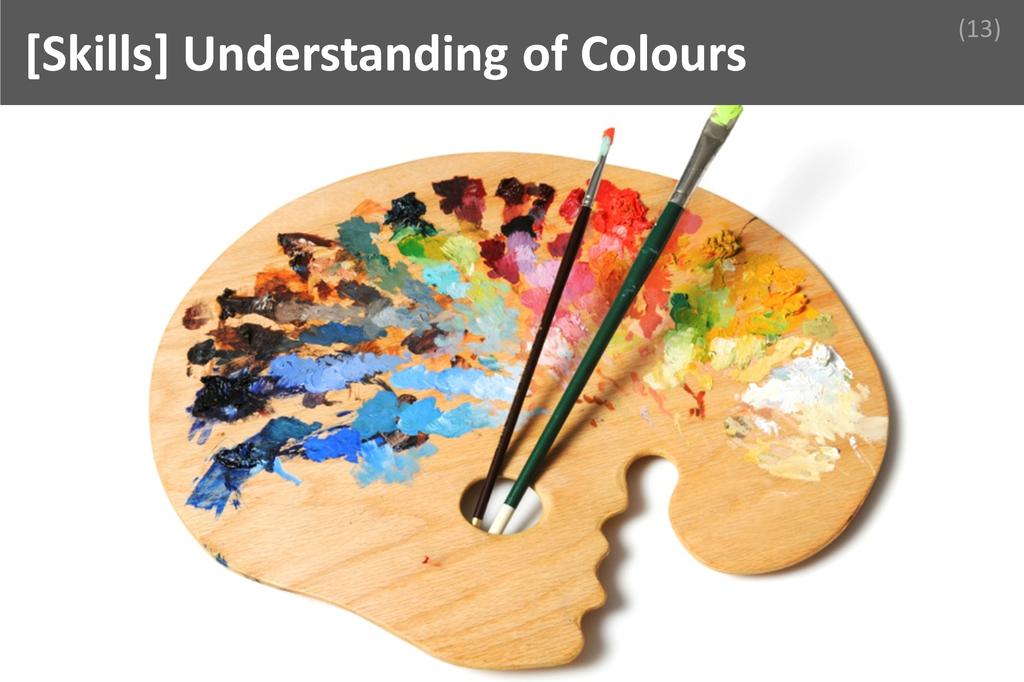
Understanding of Colours refers to the knowledge and application of colour theory, including the relationships between hues, saturation, brightness, and their psychological effects. In multimedia art, this skill enables professionals to create visually compelling work, evoke emotions, establish brand identity, and communicate messages effectively through strategic colour choices and harmonious compositions.
Mastering the understanding of colours significantly enhances a multimedia artist’s ability to produce impactful and cohesive visual content. Clients and employers highly value this skill because it ensures that artwork resonates with target audiences, maintains brand consistency, and stands out in competitive markets. Artists with a strong grasp of colour theory can adapt their work to various media, from digital interfaces to print materials, ensuring visual appeal and clarity. Cultivating this skill involves continuous study of colour theory, analyzing successful designs, experimenting with palettes, and seeking feedback from peers and mentors. Over time, practical experience and critical observation help artists refine their intuition for colour selection, enabling them to make informed decisions that elevate the quality and effectiveness of their work.
Imagine a multimedia artist tasked with designing a promotional campaign for a new eco-friendly product. The initial drafts use vibrant reds and oranges, but the client feels the visuals do not convey the intended message of sustainability and calm. Drawing on their understanding of colours, the artist revisits the palette, opting for greens and earthy tones that evoke nature and tranquility. This adjustment not only aligns the visuals with the brand’s values but also resonates more deeply with the target audience. The campaign’s success demonstrates how a nuanced understanding of colours can resolve critical design challenges, ensuring that the final product communicates the right message and achieves the desired impact.
Open Mindedness
Open mindedness is the willingness to consider new ideas, perspectives, and approaches without prejudice or immediate judgment. It involves embracing diversity in thought and being receptive to feedback, experimentation, and change. For multimedia artists, open mindedness is crucial for innovation, collaboration, and adapting to the ever-evolving landscape of creative technologies and trends.
Open mindedness directly enhances a multimedia artist’s performance by fostering creativity and adaptability. When artists are receptive to unfamiliar concepts or constructive criticism, they can push creative boundaries and produce more compelling work. Clients and employers highly value this trait because it leads to versatile solutions and smooth collaboration, especially in multidisciplinary teams. Cultivating open mindedness involves actively seeking inspiration from diverse sources, engaging with peers from different backgrounds, and reflecting on feedback without defensiveness. Over time, consistently challenging personal biases and experimenting with new techniques or tools helps embed open mindedness as a core professional habit, making the artist more resilient and innovative in their career.
Imagine a multimedia artist tasked with designing an interactive exhibit for a museum. Midway through the project, the client suggests incorporating augmented reality elements, a technology the artist has never used before. Instead of resisting the change or feeling overwhelmed, the artist approaches the suggestion with open mindedness, researching AR tools and consulting with experts. By embracing the new direction, the artist not only meets the client’s expectations but also expands their own skill set and portfolio. This willingness to adapt and explore unfamiliar territory results in a more engaging exhibit and strengthens the artist’s reputation as a flexible, forward-thinking professional.
Positives
Creative Satisfaction
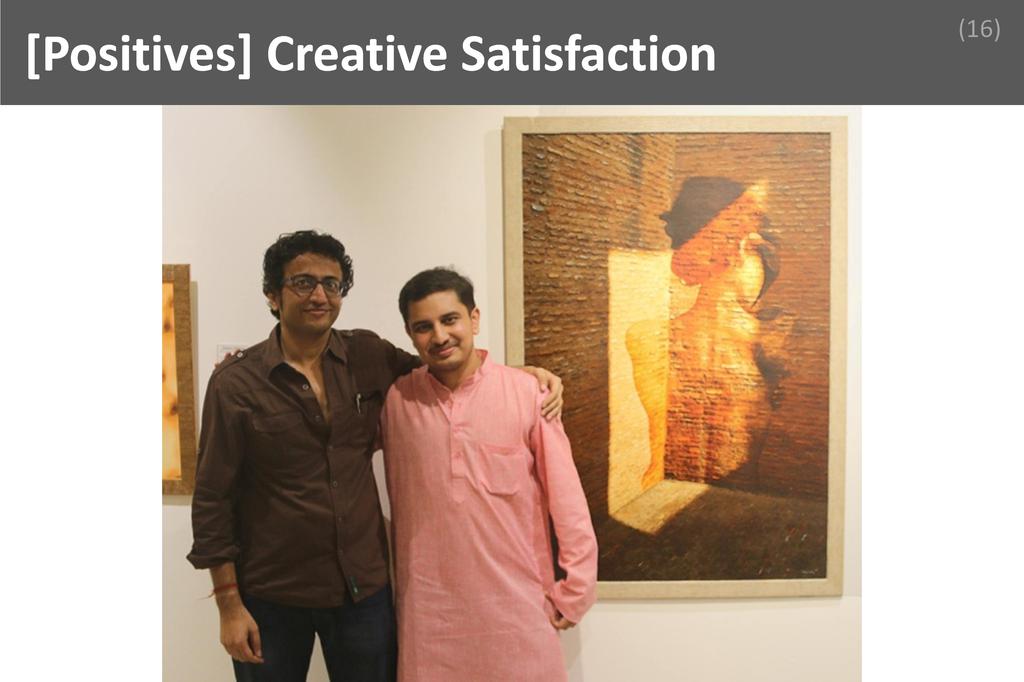
Creative satisfaction is the deep sense of fulfillment and joy that arises from expressing original ideas, solving visual challenges, and bringing imaginative concepts to life through artistic work. In multimedia art, this feeling is a driving force, empowering artists to innovate and contribute meaningfully to their projects and audiences. Creative satisfaction fuels passion, encourages exploration, and transforms routine tasks into opportunities for personal and professional growth. It is the emotional reward that comes from seeing one’s vision realized and appreciated, making the journey of a multimedia artist both meaningful and inspiring.
The significance of creative satisfaction in multimedia art cannot be overstated. It is the cornerstone of job satisfaction, motivating professionals to push boundaries and continually refine their skills. When artists feel creatively fulfilled, they are more likely to approach their work with enthusiasm and resilience, even when faced with tight deadlines or complex projects. This positive energy not only enhances the quality of their output but also fosters a collaborative and innovative work environment. Over time, creative satisfaction leads to a greater sense of accomplishment and personal pride, which can translate into career advancement and recognition within the industry. Multimedia artists who experience this benefit daily often find themselves more engaged, inspired, and committed to their craft.
Imagine a multimedia artist tasked with designing an interactive website for a nonprofit organization. Throughout the project, the artist experiments with color schemes, animations, and user interface elements to create an engaging and accessible experience. As the website comes together, the artist sees their creative ideas take shape, transforming abstract concepts into a dynamic digital platform that resonates with users. When the site launches and receives positive feedback from both the client and the community it serves, the artist feels a profound sense of creative satisfaction. This fulfillment not only validates their artistic choices but also reinforces their passion for multimedia art, inspiring them to tackle future projects with renewed excitement and confidence.
Lucrative Once Established
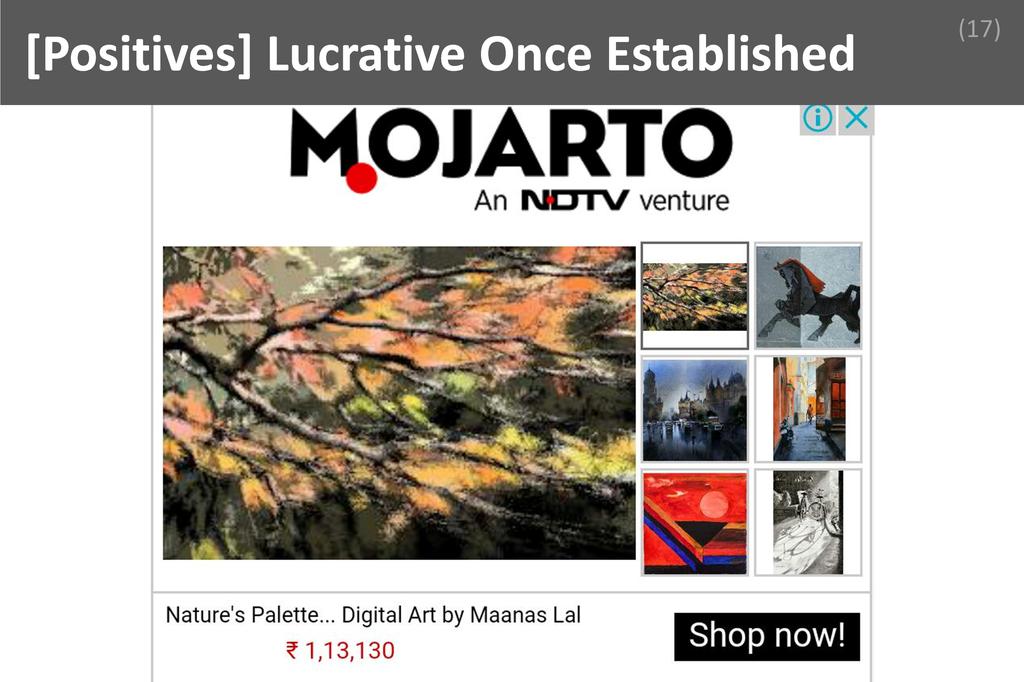
"Lucrative Once Established" refers to the significant financial rewards and stability that multimedia artists can achieve after building a strong reputation, portfolio, and network in their field. This status is reached through dedication, skill development, and consistent delivery of high-quality work, leading to higher-paying projects and long-term client relationships. In multimedia art, this positive aspect means that while the initial years may require perseverance and hustle, the eventual payoff can be substantial. As artists become recognized for their unique style and reliability, they command higher rates, attract prestigious clients, and enjoy a steady stream of opportunities. This financial security and professional recognition make the journey both motivating and worthwhile.
The prospect of becoming lucrative once established is a powerful motivator for multimedia artists, fueling their passion and commitment through the early, challenging stages of their careers. Knowing that their efforts can lead to financial stability and creative freedom encourages artists to hone their craft and push creative boundaries. This benefit directly boosts job satisfaction, as artists see tangible rewards for their hard work and innovation. It also fosters professional growth, since established artists can selectively choose projects that align with their interests and values. On a daily basis, this advantage allows multimedia artists to focus on creativity rather than financial stress, resulting in higher-quality work and a more fulfilling career.
Consider a multimedia artist who, after several years of building a diverse portfolio and cultivating industry connections, begins to receive referrals from satisfied clients and recognition from peers. As their reputation grows, they are approached by major brands and agencies seeking their expertise for high-profile campaigns. With a steady influx of lucrative projects, the artist can now set premium rates and choose assignments that resonate with their artistic vision. This financial success not only provides personal security but also enables them to invest in better equipment, attend industry events, and even mentor aspiring artists. The sense of accomplishment and stability they experience is a testament to the rewarding nature of being lucrative once established in multimedia art.
Recognition for Merit
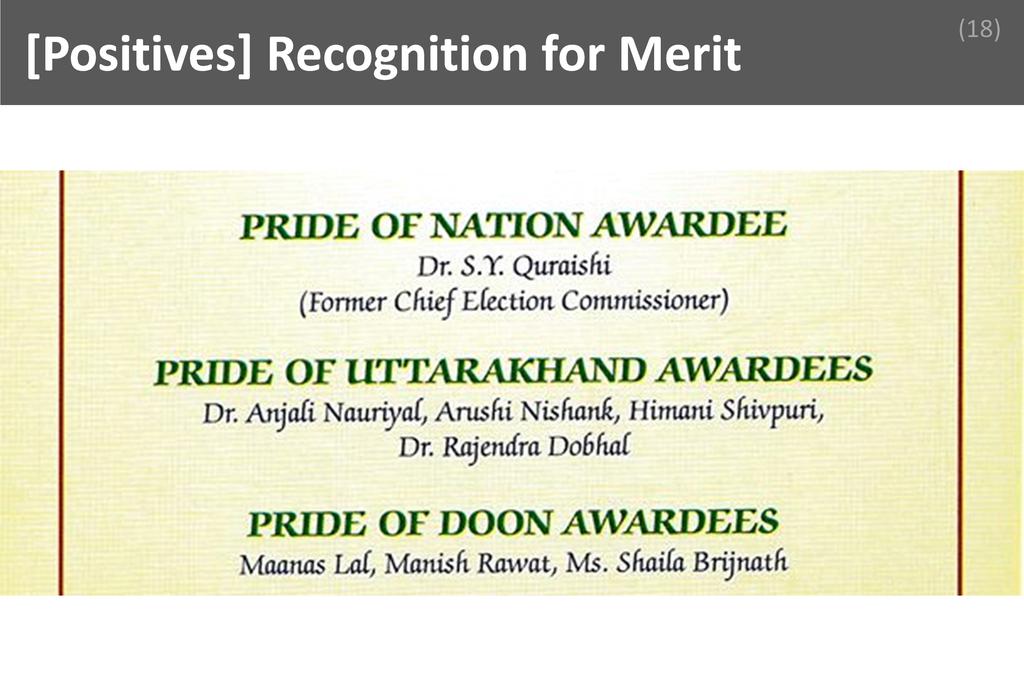
Recognition for Merit is the acknowledgment and appreciation of an individual’s skills, creativity, and achievements based solely on the quality and impact of their work. In multimedia art, this means being valued for original ideas, technical expertise, and the ability to communicate visually, regardless of background or connections. This positive reinforcement fuels motivation, fosters innovation, and validates the artist’s unique contributions, making the profession deeply rewarding.
The presence of recognition for merit in multimedia art transforms the professional landscape by ensuring that talent and hard work are noticed and celebrated. This acknowledgment not only boosts self-esteem but also encourages artists to push creative boundaries and refine their skills. When professionals see their efforts appreciated by peers, clients, or a wider audience, it leads to greater job satisfaction and a sense of purpose. Such recognition often opens doors to new opportunities, collaborations, and career advancement, creating a cycle of growth and inspiration. On a daily basis, multimedia artists experience this benefit through positive feedback, awards, or the visible impact their work has on audiences, reinforcing their passion for the craft.
Imagine a multimedia artist who spends weeks developing an interactive digital installation for a public event. When the piece is unveiled, it captivates audiences and receives enthusiastic reviews from both visitors and critics. The artist is invited to speak at conferences and is featured in industry publications, all because the work stood out for its creativity and execution. This recognition is not just a fleeting moment of praise; it validates the artist’s vision and dedication, inspiring them to take on even more ambitious projects. The experience of being acknowledged for merit becomes a powerful motivator, fueling both personal and professional growth in the dynamic world of multimedia art.
Global Reach
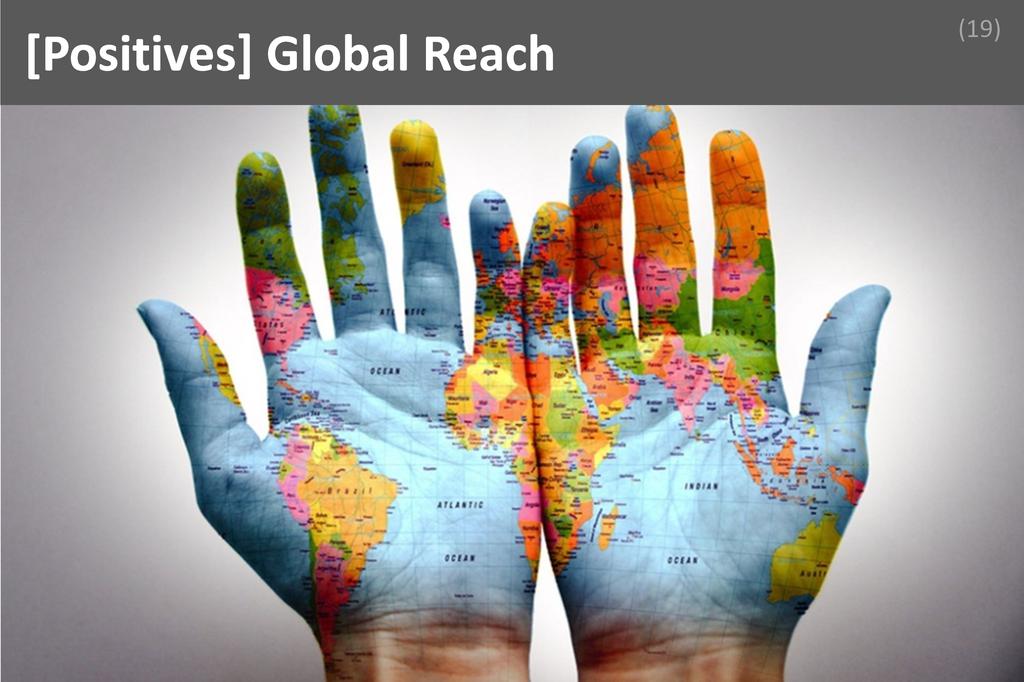
Global Reach refers to the ability of multimedia artists to share their work, ideas, and creative expressions with audiences across the world, transcending geographical, cultural, and linguistic boundaries. This expansive connectivity allows artists to influence, inspire, and collaborate on a global scale, enriching both their personal and professional journeys.
The global reach inherent in multimedia art transforms the profession into a dynamic and ever-evolving field. Artists are no longer confined to local audiences or limited opportunities; instead, they can showcase their talents to millions, receive feedback from diverse perspectives, and build an international reputation. This exposure not only enhances job satisfaction by validating creative efforts but also opens doors to collaborations, commissions, and projects from around the world. The daily experience of connecting with a global audience fosters a sense of purpose and relevance, motivating artists to push creative boundaries and continuously grow. As a result, multimedia artists enjoy a vibrant, interconnected career that thrives on innovation and cultural exchange.
Imagine a multimedia artist who creates an animated short film and uploads it to a popular online platform. Within days, viewers from different continents engage with the work, leaving comments, sharing it on social media, and even translating subtitles into multiple languages. The artist receives messages from educators in Europe, filmmakers in Asia, and fans in South America, all expressing appreciation and interest in collaboration. This immediate and widespread recognition not only validates the artist’s creative vision but also leads to invitations to participate in international festivals and joint projects. Through this experience, the artist feels the profound impact of global reach, realizing that their work resonates far beyond their local community and has the power to inspire and connect people worldwide.
Challenges
Teething Trouble
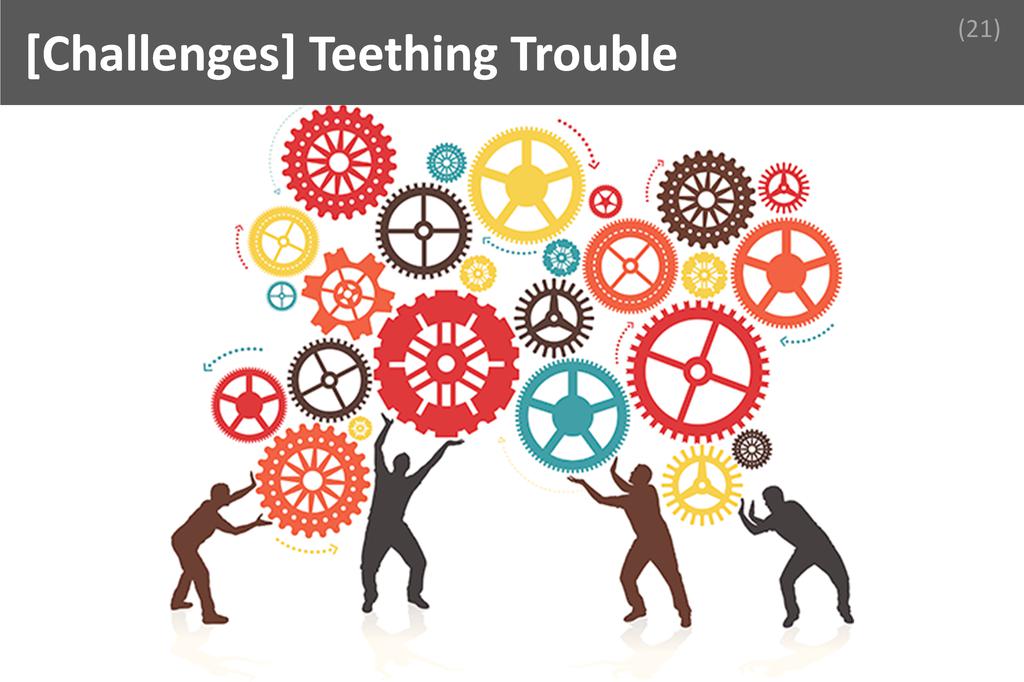
In the context of Multimedia Art, "Teething Trouble" refers to the initial phase of adapting to new tools, workflows, or creative environments, often marked by technical glitches, creative blocks, and steep learning curves. This period is demanding because it tests both technical proficiency and creative adaptability under real-world pressures.
Teething Trouble can disrupt daily productivity, leading to frustration as professionals grapple with unfamiliar software, hardware malfunctions, or shifting project requirements. These challenges often slow down progress and can undermine confidence, making resilience essential. Successful multimedia artists approach these obstacles with patience and a willingness to learn, seeking out tutorials, peer support, and incremental experimentation. By embracing mistakes as learning opportunities and maintaining flexibility, they gradually transform initial setbacks into valuable experience. Over time, this proactive mindset not only resolves immediate issues but also builds a robust foundation for tackling future challenges, fostering both technical growth and creative confidence.
Consider a multimedia artist who joins a studio that recently adopted a new animation platform. Initially, the artist struggles with frequent crashes and unfamiliar interface layouts, causing delays in project delivery. Instead of becoming discouraged, the artist dedicates extra hours to exploring the platform’s features, consults online forums for troubleshooting advice, and collaborates with colleagues facing similar issues. Through persistent effort and open communication, the artist not only overcomes the technical hurdles but also discovers innovative techniques that enhance the team’s workflow. This experience not only accelerates the artist’s adaptation but also positions them as a valuable resource within the studio, demonstrating how perseverance during teething trouble can lead to professional growth and team success.
Financial Instability
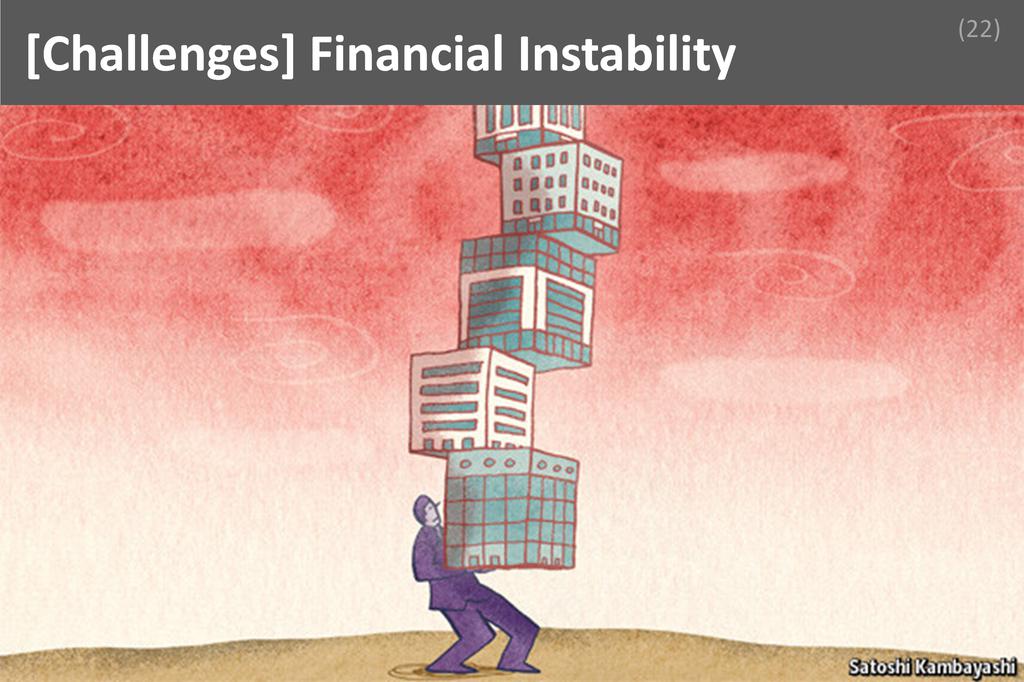
Financial instability in multimedia art refers to the unpredictable and often irregular income streams that professionals face due to project-based work, shifting client demands, and evolving technology. This instability is demanding because it creates uncertainty, making it difficult to plan for the future, invest in growth, or maintain consistent personal and professional stability.
The challenge of financial instability deeply affects the daily lives of multimedia artists, influencing both their creative output and personal well-being. Unpredictable income can lead to stress, limit access to resources, and force artists to juggle multiple projects or side jobs. This environment demands resilience, adaptability, and a proactive mindset. Successful professionals often diversify their income sources, such as by taking on freelance gigs, teaching, or selling digital products. They also build strong networks, maintain a robust portfolio, and continuously update their skills to stay relevant. By embracing flexibility and seeking out new opportunities, these artists manage to navigate financial uncertainty while still pursuing their creative passions.
Consider a multimedia artist who, after experiencing months of inconsistent freelance work, decides to broaden their approach. They begin offering online workshops, licensing their artwork for digital platforms, and collaborating with other creatives on joint projects. By leveraging their skills in multiple ways, they create several income streams that help buffer against lean periods. Over time, this artist builds a reputation not only for their creative talent but also for their reliability and adaptability. As a result, they attract more clients and opportunities, gradually achieving greater financial stability while continuing to grow professionally and artistically. This proactive strategy demonstrates how embracing versatility can turn financial instability into a manageable, even empowering, aspect of a multimedia art career.
A Day Of
Multimedia Art
The hum of a computer, the glow of multiple screens, and the ever-present buzz of creative energy set the stage for a multimedia art professional’s day. Here, no two mornings look quite the same, and inspiration can strike as easily from a client’s brief as from a fleeting moment outside the studio window. The pace is dynamic, blending bursts of intense focus with collaborative sprints, all within an environment where technology and imagination intersect. Each day unfolds as a tapestry of visual storytelling, technical problem-solving, and artistic experimentation, demanding both adaptability and vision from those who thrive beyond the desk.
As the day begins, the multimedia artist settles into their workspace, coffee in hand, and reviews the storyboard or project briefs lined up for the day. This early hour is reserved for calibrating equipment, organizing digital assets, and catching up on industry trends or new software updates. It’s a quiet, contemplative time, perfect for sketching out fresh ideas, refining yesterday’s concepts, and setting clear intentions before the day’s creative whirlwind begins.
By mid-morning, the studio comes alive with the core work of the day. The artist dives into animation sequences, video editing, or interactive design, often toggling between complex software and drawing tablets. This is the most immersive stretch, where focus is at its peak and deadlines loom large. Whether compositing visual effects, synchronizing audio, or troubleshooting a stubborn rendering issue, the hours fly by in a blur of creativity and technical mastery.
The afternoon ushers in a flurry of collaboration. Video calls with clients, brainstorming sessions with fellow artists, and feedback loops with project managers fill the schedule. Here, ideas are refined, storyboards are adjusted, and assets are shared for review. It’s a time for executing revisions, integrating feedback, and ensuring that every element aligns with the project’s vision. The energy is high, and teamwork is essential as the day’s creative output takes shape.
As the day winds down, the multimedia artist shifts gears to wrap up ongoing tasks and document progress. Files are backed up, project notes are updated, and a quick review of tomorrow’s agenda ensures nothing falls through the cracks. This is also a moment for research—exploring new techniques, watching industry tutorials, or jotting down ideas sparked during the day. With a final glance at the digital canvas, the artist leaves the studio ready to recharge, knowing that tomorrow will bring another round of creative challenges and opportunities. |


 Home
Home Abroad
 Plan
Plan Philosophy
 Seminar
 Pages
Pages Advisors
 Testimonials














 Workshop
 Discuss
 Meet
Meet
 Advisor
 Story
Story
 Fine Print
 Links
Links
 Blog
Blog
 Follow
