The Journey of Painting
What Is Painting
Painting

Painting is the process of applying pigment, color, or other medium to a surface such as walls, canvas, or objects to create an image, design, or protective layer. It encompasses both artistic expression and practical applications, serving decorative, aesthetic, and functional purposes in various environments and industries.
Painting plays a crucial role in both the creative and construction industries, offering professionals opportunities to express artistic vision or enhance and protect physical spaces. For artists, painting is a medium for storytelling, emotional expression, and cultural commentary. For tradespeople, it provides a means to preserve and beautify buildings, machinery, and infrastructure. The benefits of a career in painting include the ability to transform environments, the satisfaction of tangible results, and the potential for steady employment across residential, commercial, and industrial sectors. Painting also fosters creativity, attention to detail, and problem-solving skills, making it a rewarding and versatile profession.
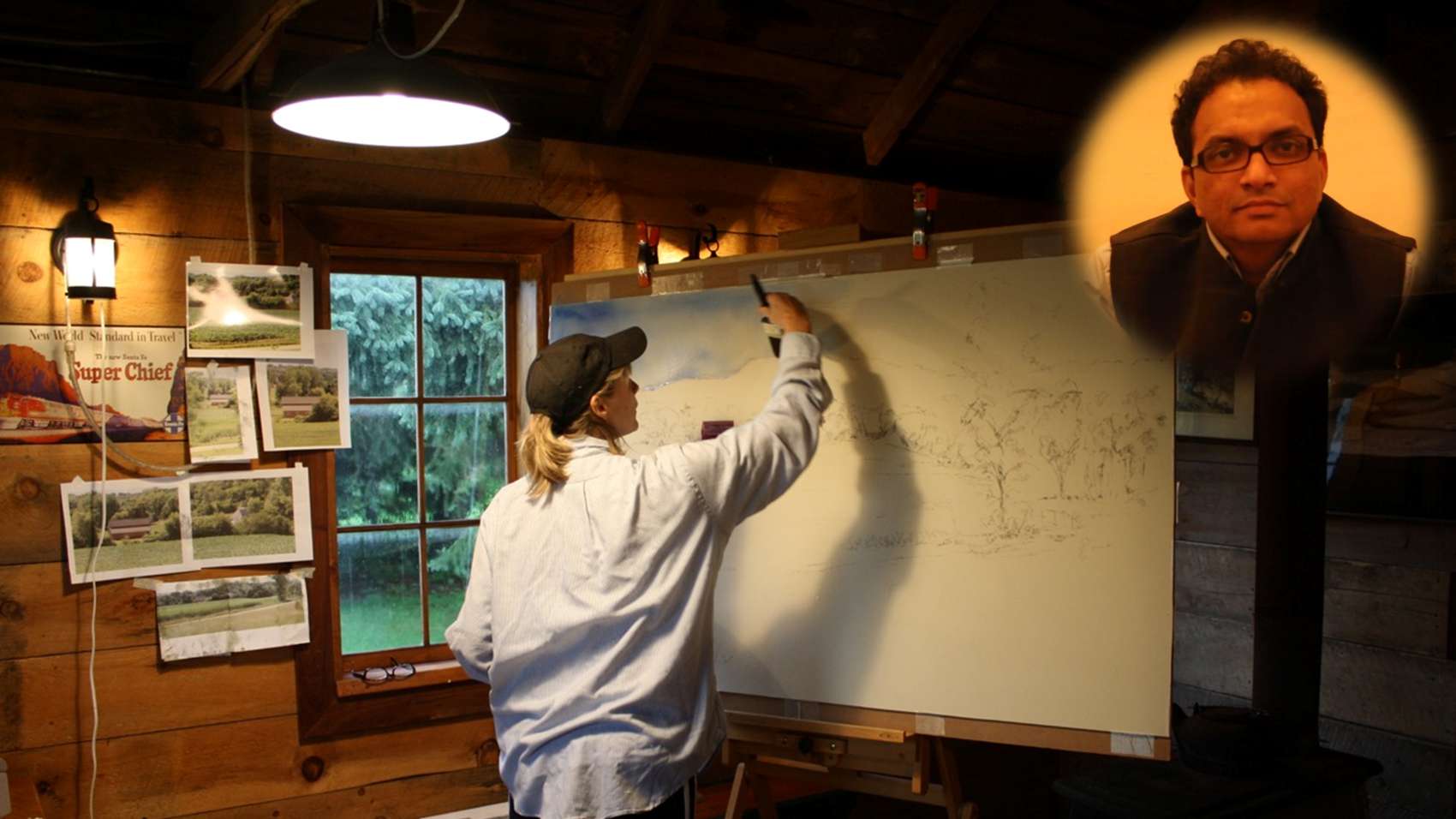
A professional painter working in residential construction might be tasked with repainting the interior of a family home. After preparing the surfaces by cleaning, sanding, and priming, the painter selects appropriate colors and finishes based on the homeowner’s preferences and the room’s function. Using brushes, rollers, and sprayers, the painter applies multiple coats to achieve a smooth, durable finish. Throughout the process, the painter ensures clean lines, consistent coverage, and proper ventilation. The end result is a refreshed living space that not only looks appealing but is also protected from wear and moisture, demonstrating the practical and aesthetic value that skilled painting brings to everyday environments.
Education
Fine Arts

Fine Arts refers to creative disciplines such as painting, sculpture, drawing, and printmaking, primarily valued for their aesthetic and intellectual significance rather than practical function. In both academic and professional contexts, Fine Arts forms the essential theoretical and historical foundation that informs and elevates the practice of Painting.
Understanding Fine Arts is crucial for anyone preparing for or working in Painting because it provides a comprehensive grasp of artistic principles, movements, and techniques that have shaped the field over centuries. This knowledge allows painters to contextualize their work within broader artistic traditions, fostering originality and informed experimentation. Mastery of Fine Arts concepts equips professionals with the critical vocabulary and analytical skills needed to interpret, critique, and refine their own creations. Over the long term, this foundation supports career growth by enabling artists to engage confidently in exhibitions, collaborations, and discussions within the art community, while also enhancing their ability to teach, curate, or pursue advanced studies in the arts.
Consider a professional painter tasked with creating a commissioned mural for a public space. Drawing upon their Fine Arts education, they analyze the historical and cultural context of the location, referencing relevant art movements and compositional techniques to develop a concept that resonates with the community. Their understanding of color theory, perspective, and symbolism—gained through Fine Arts study—guides their creative decisions, ensuring the mural is both visually compelling and meaningful. Throughout the project, the painter communicates effectively with clients and stakeholders, articulating the artistic rationale behind their choices. This integration of Fine Arts theory into daily practice not only elevates the quality of their work but also strengthens their professional reputation and impact.
Arts History

Arts History is the study of visual art’s evolution, examining styles, movements, techniques, and cultural contexts from ancient times to the present. It explores how artists and their works reflect and influence societies. For painters, Arts History is a cornerstone, providing essential academic and professional context for creative practice.
Understanding Arts History is vital for anyone preparing for or working in Painting because it offers a comprehensive framework for interpreting artistic developments and innovations. By studying the progression of styles, techniques, and cultural influences, painters gain insight into the motivations and methods of past masters, which can inspire and inform their own work. This foundational knowledge helps professionals avoid unintentional repetition, fosters originality, and enables meaningful engagement with contemporary art discourse. Over the long term, a strong grasp of Arts History enhances critical thinking, supports informed artistic choices, and opens opportunities for collaboration, teaching, and curatorial roles within the broader art world.
Consider a professional painter commissioned to create a mural for a public space. Drawing on their knowledge of Arts History, they analyze the site’s historical and cultural significance, referencing relevant artistic movements such as Renaissance frescoes or Mexican muralism. This theoretical understanding guides their selection of themes, color palettes, and compositional techniques, ensuring the mural resonates with both the location and its audience. By integrating historical references and contemporary sensibilities, the painter not only produces a visually compelling work but also demonstrates cultural awareness and respect for tradition. This application of Arts History enriches the creative process and elevates the final outcome, distinguishing the artist as both knowledgeable and innovative.
Painter Biography

A Painter Biography is a detailed account of a painter’s life, artistic journey, influences, major works, and contributions to the art world. It provides context for understanding their creative evolution and significance. In both academic and professional painting, this knowledge is essential for appreciating, critiquing, and building upon established artistic traditions.
Understanding Painter Biography is vital for anyone pursuing a career in painting because it connects the technical aspects of art with the personal and historical narratives that shape creative expression. By studying the lives and works of influential painters, professionals gain insight into diverse techniques, stylistic developments, and the cultural contexts that inform artistic choices. This foundational knowledge not only enriches an artist’s own practice but also enhances their ability to communicate ideas, draw inspiration, and position their work within broader artistic movements. Over the long term, familiarity with painter biographies fosters critical thinking, encourages lifelong learning, and supports meaningful engagement with both contemporary and historical art communities.
Imagine a professional painter preparing for a gallery exhibition that features works inspired by Impressionism. Drawing on their understanding of painter biographies, the artist references the lives and methods of Claude Monet and Edgar Degas to inform their own creative process. This knowledge helps them articulate the conceptual links between their work and the Impressionist movement when discussing their pieces with curators and visitors. It also enables them to experiment with techniques and themes that resonate with historical precedents, thereby enriching the depth and authenticity of their art. In daily practice, this theoretical grounding supports informed decision-making, effective communication, and a deeper connection to the evolving narrative of painting.
Painting Technique & Tools

Painting Technique & Tools refers to the comprehensive understanding and application of methods, materials, and equipment used to create painted surfaces. This knowledge encompasses brushwork, surface preparation, paint types, and tool selection. It is essential in both academic study and professional practice, forming a core component of a painter’s expertise.
A deep understanding of painting technique and tools is crucial for anyone pursuing a career in painting. Mastery of these concepts ensures that professionals can deliver high-quality, durable finishes while working efficiently and safely. Knowledge of the right tools and techniques allows painters to adapt to various surfaces, environments, and client requirements, reducing costly errors and rework. This foundational expertise also supports career advancement, as employers and clients value painters who demonstrate technical proficiency and problem-solving abilities. Over time, a strong grasp of painting technique and tools enables professionals to innovate, specialize in advanced finishes, and maintain a reputation for excellence in a competitive industry.
Consider a professional painter tasked with restoring the interior of a historic building. Drawing on their theoretical understanding of painting technique and tools, they assess the existing surfaces, select appropriate primers, and choose brushes and rollers suited for intricate moldings and large walls. Their knowledge guides them in preparing surfaces meticulously, ensuring old paint is safely removed and repairs are made before applying new coatings. By selecting the correct type of paint and application method, they achieve a flawless, long-lasting finish that respects the building’s heritage. This scenario highlights how expertise in painting technique and tools directly impacts the quality, efficiency, and success of daily operations in the field.
Marketing

Marketing is the strategic process of identifying, creating, communicating, and delivering value to customers to satisfy their needs and wants. It encompasses research, promotion, sales, and distribution. For those in Painting, marketing bridges the gap between artistic skill and commercial success, making it an essential academic and professional discipline.
Understanding marketing is crucial for anyone preparing for or working in Painting because it empowers professionals to effectively promote their work, attract clients, and build a sustainable career. Mastery of marketing concepts enables painters to identify their target audience, develop a unique brand, and communicate their artistic vision in ways that resonate with potential buyers or employers. This foundational knowledge not only increases visibility in a competitive market but also helps painters navigate pricing, distribution, and customer relationships. Over the long term, strong marketing skills can lead to greater financial stability, expanded professional networks, and the ability to adapt to changing trends and demands within the art world.
Consider a professional painter who has developed a new collection of landscape artworks. By applying their marketing knowledge, the painter conducts research to understand which demographics are most interested in landscape art and tailors their promotional efforts accordingly. They create a compelling online portfolio, utilize social media to share behind-the-scenes content, and engage with followers to build a loyal audience. When preparing for an exhibition, the painter crafts targeted invitations and press releases to attract both art enthusiasts and potential buyers. Through these daily marketing activities, the painter not only increases the visibility of their work but also establishes meaningful connections that lead to sales, commissions, and future opportunities.
Workshops & Seminars

Workshops and seminars are structured learning events where participants engage in focused, interactive sessions to develop specific skills or knowledge. In the context of Painting, these gatherings provide opportunities for artists to learn new techniques, discuss trends, and connect with peers, forming a crucial part of both academic and professional growth.
Understanding workshops and seminars is essential for anyone pursuing a career in Painting because these events serve as dynamic platforms for continuous learning and professional development. They allow artists to stay updated with the latest materials, methods, and artistic movements, which is vital in a constantly evolving field. Attending and participating in such events fosters critical thinking, encourages creative experimentation, and helps build a network of professional contacts. Over time, these experiences contribute to an artist’s portfolio, enhance their reputation, and open doors to collaborative projects or exhibitions. Mastery of workshops and seminars also demonstrates a commitment to lifelong learning, a quality highly valued in the art world, ensuring sustained relevance and adaptability throughout one’s career.
Imagine a professional painter who regularly attends workshops and seminars to refine their craft. During a seminar on contemporary painting techniques, they learn about innovative uses of mixed media and sustainable materials. Back in their studio, the painter applies this new knowledge by experimenting with eco-friendly paints and unconventional textures in their latest series. They also share insights gained from the seminar with colleagues and students, fostering a collaborative learning environment. This proactive engagement not only enhances their own artistic practice but also positions them as a thought leader within their community. By leveraging the theoretical and practical knowledge acquired from workshops and seminars, the painter remains at the forefront of artistic innovation and professional growth.
Skills
Vision

Vision is the ability to imagine, conceptualize, and foresee creative outcomes before they are realized. In painting, it enables professionals to plan compositions, anticipate challenges, and set artistic direction. Vision guides decision-making, ensuring each brushstroke contributes to a cohesive and impactful final piece, elevating both process and result.
Vision is a cornerstone of excellence in painting because it transforms technical ability into meaningful artistry. A painter with strong vision can interpret a client’s vague ideas, foresee the finished work, and make informed choices about color, style, and technique. Employers and clients highly value this skill, as it leads to unique, memorable results that stand out in a competitive market. Vision is cultivated through continuous study of art history, experimentation with new methods, and reflection on both successes and failures. By regularly setting creative goals and seeking feedback, painters refine their ability to see beyond the canvas, ensuring their work remains innovative and relevant.
Consider a muralist commissioned to revitalize a neglected public space. The client requests something “uplifting,” but offers little direction. Relying on vision, the painter surveys the environment, imagines how color and imagery could transform the area, and sketches a concept that harmonizes with the surroundings. Throughout the project, unexpected challenges arise, such as weather delays and surface imperfections. The painter’s vision keeps the project on track, allowing for creative adjustments without losing sight of the intended impact. Ultimately, the completed mural not only satisfies the client but also becomes a celebrated landmark, demonstrating how vision enables a painter to overcome obstacles and achieve lasting success.
Patience

Patience is the ability to remain calm, composed, and persistent when faced with delays, difficulties, or repetitive tasks, without becoming frustrated or giving up. In the context of painting, patience allows professionals to deliver high-quality results by carefully preparing surfaces, applying multiple coats, and waiting for proper drying times.
Patience directly enhances a painter’s performance by ensuring that every stage of the process is completed with care and attention to detail. Clients and employers value this trait because it leads to flawless finishes, fewer mistakes, and longer-lasting results. Rushing through tasks can result in uneven coats, visible brush marks, or peeling paint, all of which compromise the final outcome. Cultivating patience involves practicing mindfulness, setting realistic expectations for each project, and learning from experience. Over time, painters who embrace patience develop a reputation for reliability and excellence, making them more sought after in the industry.
Imagine a professional painter tasked with restoring a historic building’s intricate woodwork. The surfaces require meticulous sanding, priming, and multiple layers of paint, each needing adequate drying time. Despite tight deadlines, the painter resists the urge to rush, understanding that patience is crucial for achieving a smooth, durable finish. When unexpected humidity slows the drying process, the painter calmly adjusts the schedule, communicates transparently with the client, and maintains the quality of work. By relying on patience, the painter not only preserves the integrity of the restoration but also earns the client’s trust and satisfaction, ultimately ensuring the project’s long-term success.
Creativity & Imagination

Creativity and imagination refer to the ability to generate original ideas, envision new possibilities, and express unique perspectives through artistic expression. In painting, this skill enables artists to move beyond imitation, infusing their work with personal meaning and innovation. It is the foundation for producing compelling, memorable art.
Creativity and imagination are vital for painters because they transform technical ability into expressive, impactful artwork. This skill allows artists to interpret subjects in novel ways, experiment with color, form, and composition, and develop a distinct artistic voice. Clients and employers value painters who demonstrate originality, as their work stands out in a competitive market and can evoke strong emotional responses. Cultivating creativity and imagination involves continuous exploration, seeking inspiration from diverse sources, and embracing experimentation. Over time, painters can refine their creative instincts by maintaining sketchbooks, engaging in collaborative projects, and challenging themselves with new techniques or themes. This ongoing development ensures their work remains fresh, relevant, and engaging.
Imagine a professional painter commissioned to create a mural for a community center that reflects local culture and history. During the planning phase, the artist encounters conflicting ideas from stakeholders and limited visual references. Relying on creativity and imagination, the painter synthesizes various cultural elements, invents symbolic motifs, and devises a cohesive visual narrative that resonates with the community. By envisioning possibilities beyond the obvious and adapting to constraints, the artist not only resolves the challenge but also delivers a mural that becomes a source of pride and inspiration. This scenario highlights how creativity and imagination are indispensable for overcoming obstacles and achieving artistic success in painting.
Time Management

Time management is the ability to plan, organize, and allocate hours efficiently to tasks and responsibilities, ensuring deadlines are met and goals are achieved without unnecessary stress. In the painting profession, this skill allows artists and tradespeople to balance creativity with productivity, delivering quality work within agreed timelines and maintaining client satisfaction.
Mastering time management directly enhances a painter’s performance by enabling them to estimate project durations accurately, prioritize tasks, and avoid costly delays. Clients and employers highly value this skill because it demonstrates reliability and professionalism, ensuring projects are completed on schedule and within budget. Cultivating time management involves setting realistic goals, breaking projects into manageable phases, and consistently reviewing progress. Over time, painters who practice these habits become adept at anticipating challenges, adjusting their workflow, and maintaining a steady pace. This not only improves their reputation but also opens doors to more opportunities, as clients trust them to handle complex assignments efficiently and with minimal supervision.
Imagine a professional painter tasked with completing a mural for a public event, with a strict unveiling date. Unexpected weather delays threaten to derail the schedule. By applying strong time management skills, the painter quickly reassesses the timeline, reallocates work hours, and coordinates with assistants to maximize productivity during favorable conditions. They prioritize essential sections of the mural, ensuring the most visible and impactful areas are finished first. Through careful planning and disciplined execution, the painter meets the deadline, impresses the client, and secures future commissions. This scenario highlights how effective time management can turn potential setbacks into opportunities for success, reinforcing the painter’s reputation for reliability and excellence.
Drawing

Drawing is the act of creating marks on a surface to represent objects, ideas, or forms, using tools such as pencils, charcoal, or ink. It serves as the foundation for visual expression, enabling artists to plan, conceptualize, and communicate their visions. For painting professionals, drawing is indispensable.
Mastering drawing enhances a painter’s ability to accurately depict proportion, perspective, and composition, which are vital for creating compelling artwork. Clients and employers value artists who demonstrate strong drawing skills because it assures them of the artist’s technical competence and creative versatility. Drawing allows painters to quickly sketch concepts, refine ideas, and troubleshoot compositional challenges before committing to paint. Over time, this skill can be cultivated through consistent practice, studying anatomy and perspective, and seeking feedback from mentors or peers. As artists develop their drawing abilities, they gain confidence and efficiency, which translates into higher-quality paintings and greater professional opportunities.
Imagine a mural artist commissioned to create a large-scale public artwork. During the initial phase, the artist encounters a challenge: the client requests significant changes to the composition after seeing the first draft. Relying on their drawing skills, the artist quickly sketches revised layouts, experimenting with new arrangements and focal points. This ability to visualize and adapt ideas on paper allows the artist to address the client’s concerns efficiently, ensuring the final mural meets expectations. Without strong drawing skills, the revision process would be slower and less effective, potentially jeopardizing the project’s success. In this scenario, drawing proves essential for problem-solving and delivering a professional result.
Positives
Passion to Profession

"Passion to Profession" means transforming a deep personal enthusiasm or love for an activity into a meaningful and sustainable career. In painting, this concept allows artists to channel their creative energy and emotional investment into their daily work, making their profession not just a job, but a true extension of themselves. This positive transformation fosters a sense of purpose and fulfillment, as painters are able to express their individuality and vision while earning a livelihood. The synergy between passion and profession in painting leads to continuous growth, innovation, and a rewarding sense of achievement that is unique to those who truly love what they do.
The journey from passion to profession in painting is a powerful driver of job satisfaction and personal growth. When painters are genuinely passionate about their craft, every project becomes an opportunity for self-expression and creative exploration. This intrinsic motivation fuels perseverance through challenges, encourages lifelong learning, and inspires artists to push the boundaries of their abilities. As a result, painters often experience a deep sense of pride and accomplishment in their work, which translates into higher morale and resilience. The daily experience of turning passion into profession also fosters a supportive and inspiring community, where artists uplift one another and celebrate each other's successes, making the profession both personally and collectively rewarding.
Consider an artist who has always found solace and joy in painting, spending countless hours experimenting with colors and techniques. When this individual decides to pursue painting professionally, each day is filled with excitement and anticipation, as they wake up eager to bring their visions to life on canvas. The satisfaction of seeing their artwork appreciated by clients or displayed in galleries reinforces their sense of purpose and validates their decision to follow their passion. Even on challenging days, the knowledge that they are doing what they love provides motivation and resilience. This daily fulfillment not only enhances their well-being but also inspires them to continue growing and sharing their art with the world.
Stress Buster

A "Stress Buster" is an activity or element that effectively reduces mental or emotional tension, providing a sense of relief and relaxation. In the context of painting, it refers to the calming and therapeutic effects that the creative process offers, helping artists unwind and find inner peace amidst daily pressures. This benefit is a cornerstone of the painting profession, as it transforms work into a source of emotional balance and well-being. By channeling emotions onto the canvas, painters can release stress, recharge their minds, and maintain a positive outlook, making their career not just a job but a rejuvenating experience that supports both personal and professional growth.
The stress-busting quality of painting is a significant advantage because it directly enhances job satisfaction and overall well-being. When artists immerse themselves in their work, the act of creating becomes a meditative escape from external worries. This daily opportunity to decompress fosters a healthier mindset, allowing painters to approach challenges with renewed energy and creativity. The reduction of stress not only improves mental health but also encourages sustained passion for the craft, leading to greater artistic growth and fulfillment. As a result, professionals in painting often find themselves more motivated, resilient, and capable of producing their best work, making the stress-busting aspect a vital contributor to long-term career happiness.
Imagine a professional painter who has just completed a demanding commission with a tight deadline. After days of intense focus and pressure, they decide to spend an afternoon working on a personal piece, free from constraints or expectations. As they blend colors and experiment with new techniques, the worries of the previous week begin to fade. The rhythmic motion of the brush and the freedom to express their emotions on canvas create a soothing environment, allowing stress to melt away. By the end of the session, the painter feels refreshed, inspired, and ready to tackle new projects with a clear mind. This experience highlights how painting serves as a powerful stress buster, enriching both personal and professional life.
Respect & Recognition

Respect & Recognition refers to the appreciation, admiration, and acknowledgment received from clients, peers, and the community for one’s skills, dedication, and craftsmanship. In the painting profession, this positive feedback not only validates the painter’s expertise but also fosters a sense of pride and motivation, enhancing overall job satisfaction.
The value of respect and recognition in painting cannot be overstated. When painters are acknowledged for their attention to detail, creativity, and hard work, it elevates their sense of purpose and belonging within the industry. This recognition often leads to increased confidence, inspiring painters to refine their skills and take on more challenging projects. Daily, professionals experience this benefit through client compliments, referrals, and positive reviews, which reinforce their reputation and open doors to new opportunities. The consistent appreciation from others not only boosts morale but also encourages continuous personal and professional growth, making the painting career deeply fulfilling and rewarding.
Imagine a professional painter completing a mural for a local community center. As the project concludes, community members gather to admire the vibrant transformation. The painter receives heartfelt thanks from the center’s staff and enthusiastic praise from residents who express how the artwork has brightened their neighborhood. This moment of public appreciation leaves the painter feeling valued and respected, affirming the impact of their work. The recognition not only strengthens their connection to the community but also inspires them to pursue further creative projects, knowing their efforts are truly seen and celebrated. Such experiences highlight how respect and recognition can turn everyday work into a source of lasting pride and motivation.
Career Opportunities

Career opportunities refer to the diverse range of professional paths, roles, and advancements available within a field, allowing individuals to explore, grow, and achieve their aspirations. In painting, these opportunities enable artists to pursue various specializations, collaborate across industries, and continually evolve, making the profession dynamic and fulfilling.
The abundance of career opportunities in painting is a key driver of job satisfaction and long-term growth. Artists are not confined to a single path; they can work as independent creators, join galleries, teach, or collaborate with designers and architects. This flexibility allows painters to adapt their careers to their evolving interests and talents. The constant possibility of branching into new areas or taking on unique projects keeps the profession stimulating and prevents stagnation. As painters encounter fresh challenges and audiences, they experience a sense of accomplishment and motivation. The knowledge that their skills are in demand across multiple sectors further boosts their confidence and professional pride, making each day at work both meaningful and inspiring.
Consider an artist who begins their career creating murals for local businesses. As their reputation grows, they are invited to exhibit in galleries, collaborate with interior designers, and even teach workshops at community centers. Each new opportunity brings fresh challenges and creative fulfillment, allowing the painter to expand their skills and network. Over time, they might be commissioned for public art installations or asked to consult on large-scale design projects. This evolving journey demonstrates how career opportunities in painting can lead to a rich, varied, and deeply satisfying professional life, where each step opens new doors and reinforces the value of their artistic contributions.
Challenges
Initial Struggle

Initial Struggle in Painting refers to the early phase where artists grapple with mastering techniques, developing a unique style, and gaining recognition. This period is demanding because progress often feels slow, self-doubt is common, and external validation is scarce, making it difficult to stay motivated and committed to the craft.
The initial struggle in painting can deeply affect daily work by fostering frustration, creative blocks, and a sense of stagnation. Artists may find it hard to translate their vision onto canvas, leading to repeated dissatisfaction with their output. This challenge demands resilience, as setbacks and criticism are frequent. Successful professionals manage this constraint by embracing a growth mindset, viewing mistakes as learning opportunities, and maintaining consistent practice. They seek feedback from peers and mentors, allowing constructive criticism to inform their progress rather than discourage them. Over time, persistence and adaptability help artists refine their skills, build confidence, and gradually overcome the hurdles that define the initial struggle.
Consider a painter who, after graduating from art school, faces repeated rejection from galleries and struggles to sell their work. Despite these setbacks, they dedicate time each day to experimenting with new techniques and styles, documenting their progress and learning from each failed attempt. They join local art communities, attend workshops, and actively seek feedback from more experienced artists. Over months, their persistence pays off as their technique improves and their unique voice emerges. Eventually, their work is accepted into a group exhibition, marking a turning point that validates their efforts and demonstrates how perseverance and openness to learning can transform the initial struggle into a foundation for future success.
Painting Maintenance

Painting maintenance refers to the ongoing process of inspecting, repairing, and refreshing painted surfaces to preserve their appearance and protect underlying materials. This task is demanding because it requires continuous attention, technical skill, and adaptability to varying conditions, such as weather, surface wear, and evolving client expectations.
The challenge of painting maintenance significantly shapes the daily routines of professionals in the field. Surfaces exposed to sunlight, moisture, and physical contact deteriorate over time, demanding frequent touch-ups or complete repainting. This ongoing need for upkeep can disrupt schedules and increase workloads, testing a painter’s patience and resilience. Successful professionals approach maintenance proactively by establishing regular inspection routines, using high-quality materials, and staying updated on the latest techniques. They also communicate clearly with clients about realistic expectations and maintenance schedules. By embracing these strategies, painters not only extend the lifespan of their work but also build trust and long-term relationships with clients, turning a persistent challenge into an opportunity for professional growth.
Consider a professional painter responsible for maintaining the exterior of a busy commercial building. Over time, exposure to harsh sunlight and rain causes the paint to fade and peel, threatening the building’s appearance and the client’s satisfaction. Rather than waiting for major deterioration, the painter schedules periodic inspections and minor touch-ups, using weather-resistant paints and advanced application methods. By documenting each maintenance visit and advising the client on preventive care, the painter ensures the building remains visually appealing and structurally protected. This proactive approach not only minimizes costly overhauls but also demonstrates reliability and expertise, strengthening the painter’s reputation and securing ongoing business.
Competition

Competition in Painting refers to the constant presence of other talented artists vying for the same opportunities, recognition, and clients. This environment demands continuous innovation, self-promotion, and adaptability, making it challenging for painters to stand out, secure commissions, or gain gallery representation in an already saturated and subjective market.
The pressure of competition can affect a painter’s daily routine by fostering uncertainty about income, recognition, and career progression. This challenge requires resilience because rejection and comparison are frequent, and the subjective nature of art means success is not always tied to skill alone. Successful painters manage this constraint by developing a unique artistic voice, building strong professional networks, and maintaining consistent self-promotion through exhibitions, social media, and collaborations. They also invest in ongoing learning to refine their craft and stay relevant. By focusing on personal growth and authentic expression rather than solely on external validation, painters can navigate competition more effectively and sustain their passion for their work.
Consider an artist who, after several unsuccessful attempts to secure gallery representation, decided to focus on developing a distinctive style that reflected their personal experiences and cultural background. Instead of comparing themselves to others, they concentrated on building relationships within their local art community and sharing their creative process on social media. Over time, their authenticity attracted a dedicated following, leading to invitations for group exhibitions and eventually solo shows. By embracing their individuality and connecting directly with audiences, the artist transformed competition from a source of anxiety into motivation for growth, ultimately achieving recognition and opportunities that set them apart in a crowded field.
A Day Of
Painting
The day begins before the world is fully awake, with the quiet promise of transformation hanging in the air. For a painting professional, each workday is a blend of artistry and precision, unfolding in a rhythm dictated by light, weather, and the unique demands of each project. The environment shifts from the calm of early preparation to the focused energy of brushstrokes and teamwork, all set against the backdrop of changing colors and evolving surfaces. Whether working on a bustling construction site or within the tranquil walls of a private home, the pace is steady and purposeful, driven by the satisfaction of seeing blank spaces come alive with color and character.
As the sun rises, the painting professional arrives on site, greeted by the cool stillness of the morning. This is the time for careful inspection and preparation, ensuring that every surface is clean, dry, and ready to receive paint. Drop cloths are unfurled, tape is meticulously applied to protect trim and fixtures, and tools are laid out with precision. The painter reviews the day’s plan, checks the colors and finishes specified by the client, and addresses any last-minute adjustments. This early hour is crucial for setting the tone, allowing for a smooth and efficient workflow as the day progresses.
With the groundwork laid, the core activity of the day begins. Brushes and rollers are loaded with color, and the transformation truly starts. Whether applying primer to new drywall or adding a fresh coat to a weathered exterior, this is the most intense and focused period. The painter moves methodically, paying close attention to detail, ensuring even coverage and crisp lines. The air is filled with the scent of paint and the quiet concentration of skilled hands at work. This is when the vision for the space starts to take shape, and the painter’s expertise is on full display.
After a midday break, the afternoon brings a renewed sense of collaboration and execution. Painters may work together to tackle larger surfaces, coordinate on scaffolding, or consult with contractors and clients about progress and any unexpected challenges. This is also the time for touch-ups, blending edges, and ensuring consistency across walls and trim. The pace is brisk but measured, as the team balances efficiency with the need for flawless results. Communication is key, and the painter’s ability to adapt and problem-solve becomes just as important as their technical skill.
As the day winds down, attention shifts to cleaning brushes, storing equipment, and removing protective coverings. The painter carefully inspects the day’s work, making note of any areas that need a final touch or additional drying time. Documentation and client updates are completed, and plans are made for the next day’s tasks. This wrap-up period is a chance to reflect on the progress made and to ensure that the workspace is left tidy and safe. With the tools packed away and the site restored to order, the painter departs, already envisioning the next day’s transformation. |


 Home
Home Abroad
 Plan
Plan Philosophy
 Seminar
 Pages
Pages Advisors
 Testimonials














 Workshop
 Discuss
 Meet
Meet
 Advisor
 Story
Story
 Fine Print
 Links
Links
 Blog
Blog
 Follow
