The Journey of Painting
What Is Painting
Painting
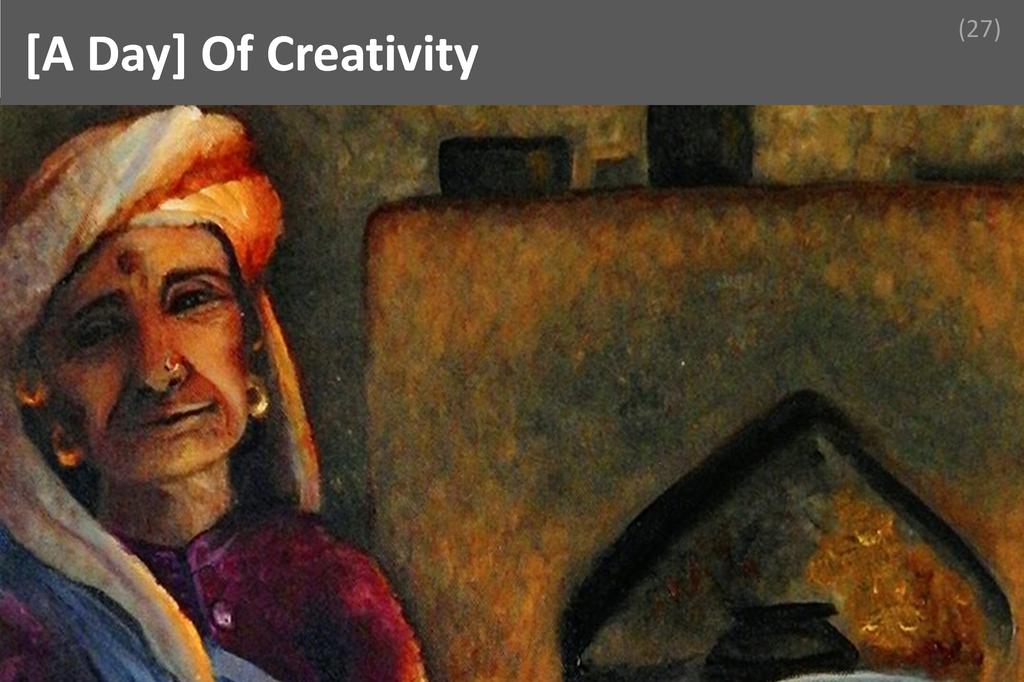
Painting is the practice of applying pigment, color, or other medium to a surface such as walls, canvas, or objects to create an image, design, or protective layer. It is both an art form and a skilled trade, requiring creativity, precision, and technical knowledge to achieve desired results.
Painting plays a significant role in both the artistic and construction industries. It enhances the aesthetic appeal of spaces and objects, protects surfaces from damage, and can even influence mood and productivity in environments. For professionals, painting offers the opportunity to express creativity while developing valuable technical skills. The career provides job stability, as painted surfaces require regular maintenance and updating. Additionally, painters often experience a sense of accomplishment from transforming spaces and contributing to the visual character of homes, businesses, and public areas. The profession also allows for flexibility, with opportunities to work independently or as part of larger teams on diverse projects.
A professional painter may be hired to renovate the interior of a commercial office building. After consulting with the client to select appropriate colors and finishes, the painter prepares the surfaces by cleaning, sanding, and priming walls. They then apply multiple coats of paint with precision, ensuring even coverage and crisp edges. Throughout the project, the painter manages time efficiently to minimize disruption to the business. Upon completion, the refreshed environment not only looks more inviting but also benefits from improved durability and easier maintenance. This example demonstrates how painters combine technical skill, attention to detail, and customer service to deliver high-quality results that meet both functional and aesthetic needs.
Education
Forms of Painting

Forms of Painting refers to the various techniques, styles, and approaches artists use to apply paint and create visual compositions. This concept encompasses realism, abstraction, impressionism, and more, serving as a cornerstone in both academic study and professional practice for painters seeking to express ideas and master their craft.
Understanding Forms of Painting is essential for anyone pursuing a career in painting because it provides the vocabulary and technical foundation necessary to communicate visually. Mastery of different forms enables painters to select the most effective approach for each project, whether working on fine art, decorative surfaces, or restoration. This knowledge allows professionals to adapt to diverse client needs, experiment with new styles, and solve creative challenges efficiently. Over time, a deep familiarity with various forms enhances artistic versatility, fosters innovation, and increases employability in competitive markets. It also supports lifelong learning, as painters can continually refine their skills and expand their repertoire, ensuring sustained relevance and growth within the field.
Consider a professional muralist commissioned to create a large-scale public artwork. Drawing on their understanding of Forms of Painting, the artist evaluates the project’s goals and audience, then chooses a blend of realism for recognizable figures and abstract elements for dynamic backgrounds. This theoretical knowledge guides their selection of materials, brushwork, and color schemes, ensuring the mural is both visually impactful and durable. Throughout the process, the painter adapts techniques to the wall’s texture and lighting conditions, demonstrating how academic concepts translate into practical decisions. By applying their expertise in Forms of Painting, the muralist delivers a compelling, context-appropriate piece that resonates with viewers and fulfills the client’s vision.
Techniques of Painting
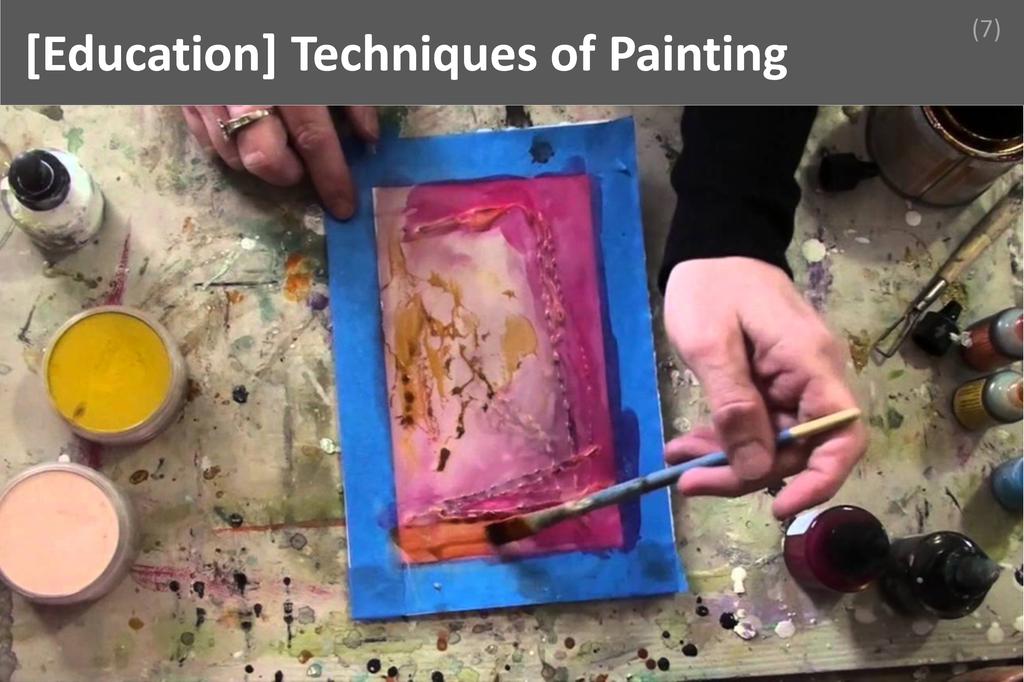
Techniques of Painting refers to the methods, processes, and materials artists use to apply paint and create visual effects on various surfaces. This subject encompasses brushwork, layering, blending, and surface preparation, forming a core part of both academic study and professional practice for anyone pursuing a career in Painting.
Understanding Techniques of Painting is essential for anyone entering or advancing in the field of Painting because it provides the practical and conceptual tools necessary to execute creative ideas effectively. Mastery of these techniques allows professionals to manipulate materials confidently, achieve desired visual outcomes, and solve technical challenges that arise during the painting process. This foundational knowledge not only enhances artistic expression but also ensures consistency and quality in professional work. Over time, a deep familiarity with painting techniques supports career growth by enabling artists to develop a unique style, adapt to new trends, and meet the diverse demands of clients or employers in the art world, restoration, or decorative industries.
Consider a professional muralist tasked with creating a large-scale public artwork. Their theoretical understanding of Techniques of Painting guides every step, from selecting the appropriate primers for the wall surface to choosing paints that will withstand weather conditions. During the painting process, they apply knowledge of layering and blending to achieve depth and vibrancy in the mural, while their expertise in brushwork ensures clean lines and detailed imagery. When unexpected challenges arise, such as uneven surfaces or color inconsistencies, their mastery of various techniques allows them to adapt quickly and maintain the integrity of the artwork. This practical application demonstrates how theoretical knowledge directly informs and enhances daily professional practice in Painting.
Different Mediums

Different mediums refer to the various materials and substances artists use to create paintings, such as oil, acrylic, watercolor, gouache, and mixed media. Understanding these mediums is essential in both academic study and professional practice, as each offers unique properties, techniques, and expressive possibilities that shape an artist’s creative output.
A thorough grasp of different mediums is crucial for anyone pursuing painting, as it directly influences the range and depth of artistic expression. Mastery of mediums allows artists to select the most suitable materials for their vision, adapt to diverse project requirements, and solve technical challenges efficiently. In professional settings, this knowledge enhances versatility, enabling painters to fulfill varied client or exhibition demands and to innovate within their practice. Over time, expertise in multiple mediums fosters creative growth, supports career longevity, and opens opportunities for collaboration across disciplines. Ultimately, understanding different mediums forms the backbone of a painter’s skill set, ensuring adaptability and sustained relevance in a constantly evolving art world.
Consider a professional painter commissioned to create a mural in a public space. Drawing on their understanding of different mediums, the artist evaluates environmental factors such as light exposure, humidity, and surface texture. They might choose acrylic paints for their durability and fast drying time, ensuring the mural withstands weather conditions and public interaction. Alternatively, if the project is an indoor installation requiring subtle color transitions and a luminous finish, the artist may opt for oil paints, leveraging their slow drying properties for blending and layering. By applying theoretical knowledge of mediums, the painter not only achieves the desired aesthetic but also ensures the artwork’s longevity and suitability for its intended environment.
Skills
Imagination
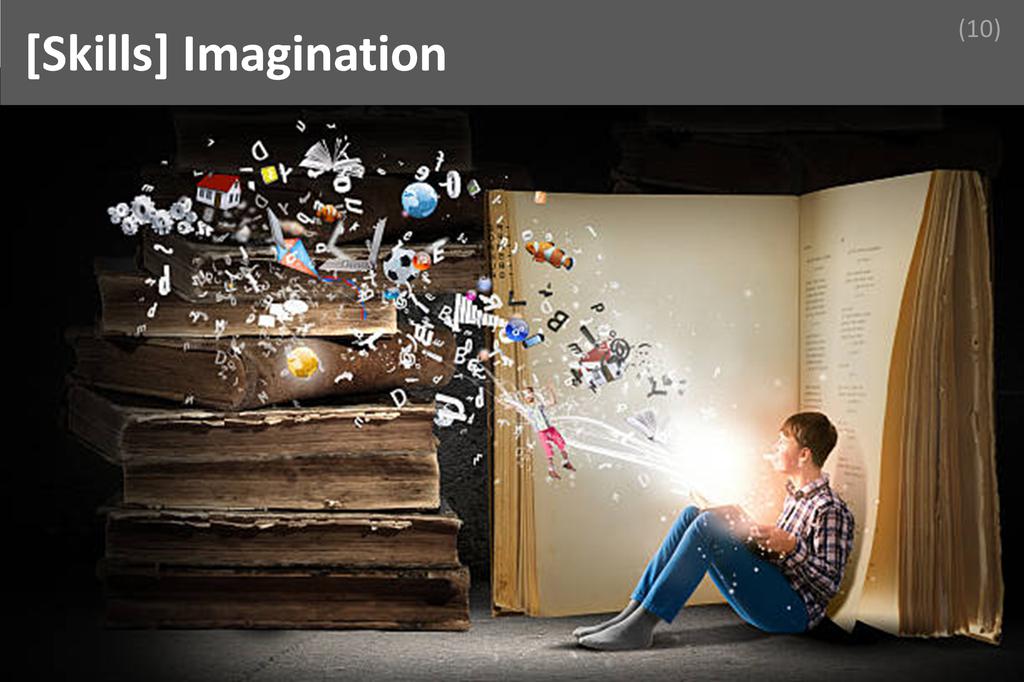
Imagination is the mental ability to form new ideas, images, or concepts not present to the senses, allowing individuals to envision possibilities beyond current reality. For a painting professional, imagination is the foundation for originality, enabling the creation of unique artworks that capture emotion, tell stories, and push creative boundaries.
Imagination directly enhances a painter’s performance by fueling innovation and personal expression. Clients and employers highly value imaginative painters because they bring fresh perspectives and distinctive styles to projects, setting their work apart in a competitive market. Imagination allows painters to interpret briefs creatively, adapt to unexpected challenges, and infuse meaning into their art. Cultivating this skill involves regular practice, exposure to diverse artistic influences, and a willingness to experiment with new techniques and concepts. Over time, painters can strengthen their imaginative abilities by keeping sketchbooks, engaging in creative exercises, and seeking inspiration from nature, literature, and other art forms. This ongoing development ensures that their work remains vibrant, relevant, and compelling.
Imagine a professional painter commissioned to create a mural for a community center. Midway through the project, the client requests a significant thematic change to reflect recent local events. The painter must quickly envision a new concept that honors the community’s spirit while integrating the original design elements. Relying on imagination, the painter visualizes how to blend new imagery with existing work, ensuring a seamless transition and a powerful narrative. By drawing on imaginative thinking, the painter not only solves the immediate challenge but also delivers a mural that resonates deeply with viewers, earning praise for adaptability and creative vision. This scenario highlights how imagination is indispensable for overcoming obstacles and achieving artistic success.
Visualisation

Visualisation is the mental process of forming vivid, detailed images or concepts before physically creating them. In painting, it enables artists to plan compositions, anticipate color interactions, and foresee the final outcome. This skill transforms abstract ideas into tangible artworks, making it indispensable for professional painters seeking precision and creativity.
The ability to visualise effectively enhances a painter’s performance by allowing them to map out their creative intentions before touching the canvas. This foresight reduces errors, streamlines the workflow, and leads to more cohesive, impactful pieces. Clients and employers highly value this skill because it ensures that commissioned works align closely with their expectations, minimizing costly revisions. Over time, painters can cultivate visualisation through regular sketching, studying masterworks, and practicing mindful observation of their surroundings. Engaging in exercises that challenge the imagination, such as envisioning alternative color schemes or lighting scenarios, further sharpens this ability. As visualisation becomes second nature, painters gain confidence in their creative decisions and produce work that consistently meets or exceeds professional standards.
Imagine a muralist tasked with transforming a large, irregularly shaped wall into a vibrant community artwork. Before beginning, the artist uses visualisation to mentally project the design onto the wall, considering how architectural features, lighting, and viewing angles will affect the final piece. By mentally rehearsing each stage, the muralist identifies potential challenges, such as awkward corners or color clashes, and adjusts the plan accordingly. This process ensures that the artwork integrates seamlessly with its environment and resonates with viewers from multiple perspectives. Through strong visualisation, the muralist not only avoids costly mistakes but also delivers a compelling, site-specific piece that fulfills the client’s vision and enhances the space.
Composition
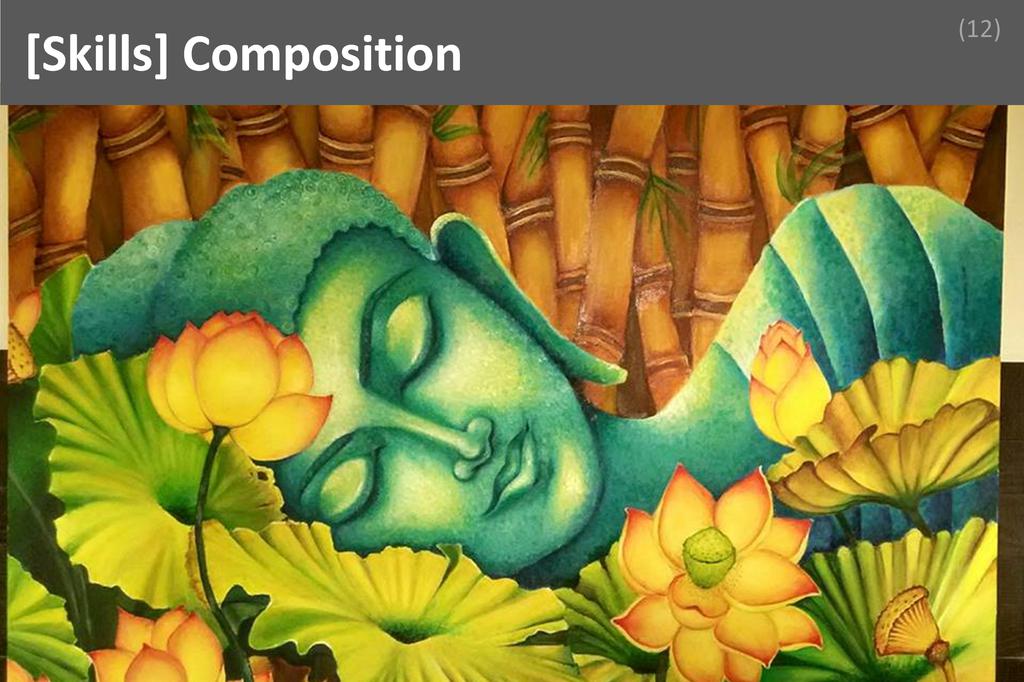
Composition in painting refers to the thoughtful arrangement and organization of visual elements—such as shapes, colors, lines, and space—within an artwork to create balance, harmony, and focus. It serves as the blueprint that guides the viewer’s eye, ensuring the intended message or emotion is effectively communicated by the artist.
Mastering composition directly enhances a painter’s ability to create visually compelling and meaningful works. A strong sense of composition allows artists to guide the viewer’s attention, evoke specific emotions, and convey complex narratives with clarity. Clients and employers highly value this skill because it distinguishes professional work from amateur efforts, ensuring that commissioned pieces or gallery submissions stand out. Developing composition skills involves studying classical and contemporary artworks, practicing sketching layouts, and experimenting with different arrangements. Over time, painters refine their intuition for balance and focal points, learning how to adapt compositional strategies to suit various subjects and styles. Continuous feedback from mentors and peers further sharpens this essential ability.
Imagine a professional painter commissioned to create a mural for a community center. The initial sketches lack cohesion, causing the scene to feel disjointed and confusing to viewers. By applying advanced composition techniques, the painter reorganizes the elements, establishing a clear focal point and harmonious flow throughout the mural. This thoughtful arrangement not only resolves the visual confusion but also unifies the narrative, making the artwork engaging and accessible to all ages. The client is impressed by how the mural now draws people in and communicates its intended message effectively. This scenario highlights how a painter’s expertise in composition can transform a project’s outcome, ensuring both artistic and practical success.
Drawing
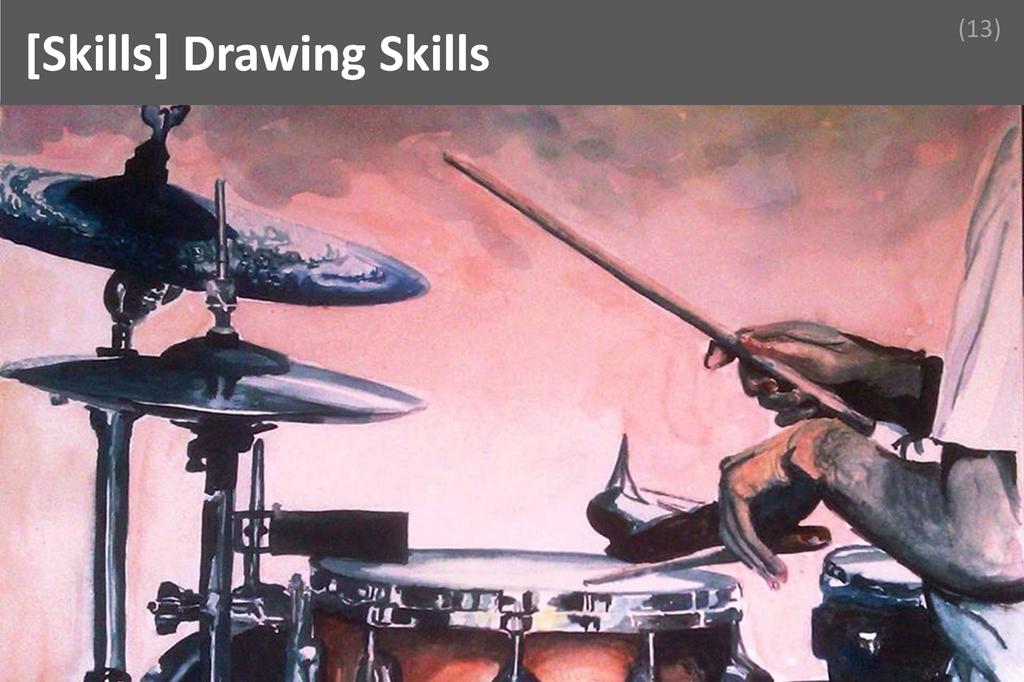
Drawing is the practice of creating marks on a surface to represent objects, ideas, or forms, using tools such as pencils, charcoal, or ink. It is a foundational visual language that enables artists to plan, conceptualize, and communicate their creative intentions, making it indispensable in the field of painting.
Mastering drawing significantly enhances a painter’s ability to accurately depict form, proportion, and perspective, which are crucial for creating compelling and realistic artworks. Clients and employers highly value this skill because it ensures that the artist can translate ideas into clear visual representations, whether for commissioned portraits, murals, or conceptual pieces. Drawing proficiency allows painters to experiment with compositions, refine details, and correct mistakes before committing to paint, saving time and resources. To cultivate this skill, aspiring painters should engage in regular practice, study anatomy and perspective, and seek feedback from mentors or peers. Over time, consistent effort leads to greater confidence and versatility, enabling artists to tackle increasingly complex projects with precision and creativity.
Imagine a professional painter commissioned to create a large-scale mural for a public space. During the initial stages, the client requests several changes to the composition to better reflect the community’s identity. The painter relies on advanced drawing skills to quickly sketch revised layouts, adjusting figures and backgrounds while maintaining accurate proportions and perspective. This ability to visualize and adapt ideas on paper ensures that the client’s feedback is efficiently incorporated, preventing costly mistakes during the painting phase. Ultimately, the painter’s strong drawing foundation not only streamlines the creative process but also builds trust with the client, resulting in a successful project that meets both artistic and practical expectations.
Presentation Skills
Presentation skills refer to the ability to effectively communicate ideas, concepts, and finished work to an audience, whether verbally, visually, or through written means. For painting professionals, these skills are crucial for articulating artistic intent, engaging viewers, and conveying the value and meaning behind their creations to clients, galleries, or the public.
Mastering presentation skills significantly enhances a painter’s ability to showcase their work in the best possible light, making their art more accessible and appealing to a broader audience. Clients and employers highly value artists who can clearly explain their creative process, inspiration, and the unique qualities of their work, as this builds trust and fosters deeper appreciation. Over time, painters can cultivate these skills by practicing public speaking, participating in exhibitions, and seeking feedback on their communication style. Engaging in artist talks, writing statements, and interacting with diverse audiences also helps refine the ability to present ideas confidently and persuasively, ultimately opening doors to new opportunities and collaborations.
Imagine a painter preparing for a solo exhibition at a prominent gallery. During the opening night, a group of potential buyers expresses interest but seems hesitant, unsure about the meaning and technique behind several pieces. The painter steps forward and, using strong presentation skills, eloquently explains the inspiration, creative process, and significance of the works on display. By answering questions thoughtfully and connecting emotionally with the audience, the painter not only alleviates doubts but also sparks enthusiasm and admiration. As a result, several pieces are sold, and the painter receives invitations for future exhibitions, demonstrating how effective presentation skills can directly influence career success and professional reputation.
Patience & Consistency
Patience & Consistency is the ability to maintain steady effort and composure over time, even when progress seems slow or challenges arise. For a painting professional, this means carefully attending to each stage of a project, ensuring quality, and steadily building expertise. It is foundational for achieving lasting, high-quality results.
Patience & Consistency directly enhances a painter’s performance by ensuring that every step, from surface preparation to final touch-ups, is executed with care and precision. Clients and employers value this skill because it leads to reliable, durable finishes and minimizes costly mistakes or rework. A painter who consistently delivers quality work builds a strong reputation and trust with clients. Cultivating this skill involves embracing the discipline of following proper techniques, accepting that mastery takes time, and learning from each project. Over time, repeated practice and a commitment to improvement help painters develop the resilience and focus needed to maintain high standards, even when tasks become repetitive or challenging.
Imagine a professional painter tasked with restoring a historic building’s intricate woodwork. The surfaces are uneven and require multiple layers of primer and paint, each needing ample drying time. Rushing the process could result in peeling or uneven finishes, jeopardizing the entire project. By relying on patience and consistency, the painter carefully sands, primes, and applies each coat, allowing proper drying and inspecting for imperfections at every stage. This methodical approach ensures the final result is flawless and long-lasting, satisfying both the client’s expectations and the preservation requirements. In this scenario, patience and consistency are not just virtues but essential tools for overcoming challenges and achieving professional success.
Positives
Self-Satisfaction

Self-satisfaction is the deep sense of fulfillment and contentment that arises from achieving personal goals, expressing creativity, and witnessing the tangible results of one’s efforts. In the painting profession, self-satisfaction is a driving force that nurtures passion, fosters resilience, and inspires artists to continually refine their craft and pursue excellence.
The positive influence of self-satisfaction in painting cannot be overstated. When artists feel genuinely fulfilled by their work, it enhances their overall job satisfaction and motivates them to push creative boundaries. This intrinsic reward system encourages painters to experiment with new techniques, embrace challenges, and develop a unique artistic voice. Experiencing self-satisfaction daily helps painters maintain enthusiasm and perseverance, even when faced with setbacks or criticism. As a result, their growth as professionals is accelerated, and their commitment to their craft remains unwavering. Ultimately, self-satisfaction becomes a sustaining force that not only enriches the painter’s personal journey but also elevates the quality and authenticity of their artistic output.
Imagine a professional painter who has spent weeks working on a large mural for a community center. After countless hours of planning, sketching, and painting, the artist steps back to view the completed work. The vibrant colors and intricate details perfectly capture the spirit of the community, and the mural instantly resonates with viewers. As people gather to admire the artwork, the painter feels an overwhelming sense of pride and accomplishment. This moment of self-satisfaction is not just about external validation, but about knowing that their vision and hard work have created something meaningful. This fulfilling experience fuels the painter’s passion and inspires them to take on new projects with renewed confidence and joy.
Medium of Expression
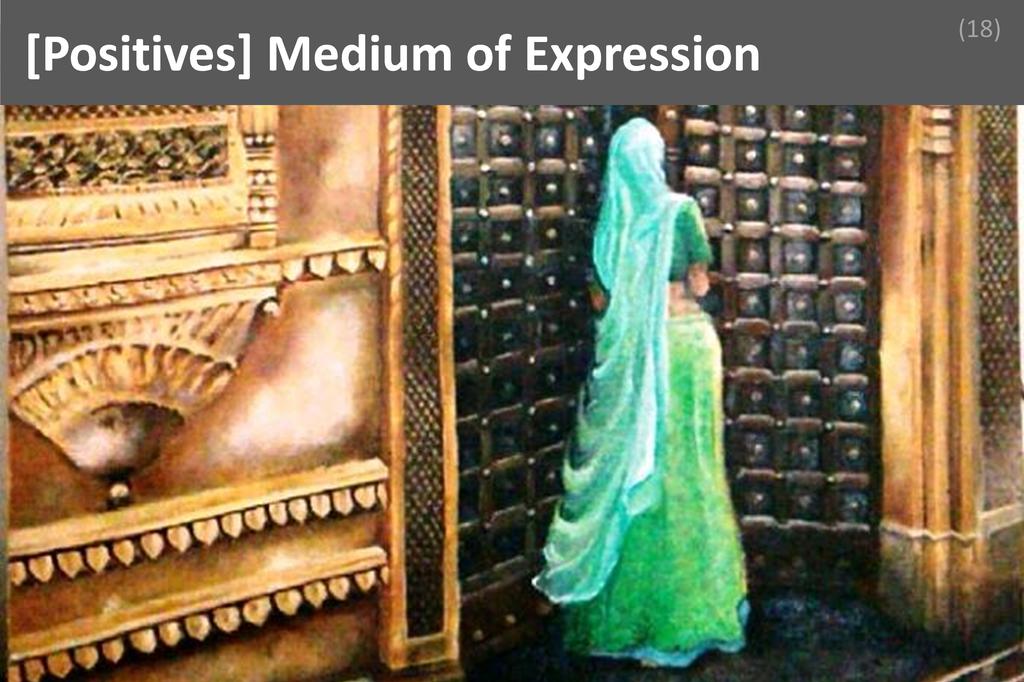
Medium of Expression refers to the unique ability of painting to serve as a personal channel for conveying thoughts, emotions, and ideas through visual art. It allows artists to communicate complex feelings and perspectives without words, making each piece a reflection of their inner world and creative vision.
The power of Medium of Expression is a cornerstone of job satisfaction for painters. This aspect transforms painting from a mere technical skill into a deeply personal and meaningful pursuit. Artists find fulfillment in translating their emotions, stories, and viewpoints onto the canvas, which fosters a sense of authenticity and individuality in their work. This ongoing process of self-expression not only nurtures personal growth but also encourages innovation and exploration within the field. As painters engage with their medium daily, they experience a profound connection to their art, which can lead to greater motivation, resilience, and a lasting passion for their craft. The ability to express oneself freely is often what keeps artists inspired and committed to their profession.
Consider a painter who has recently faced significant life changes and seeks a way to process these emotions. Through their art, they channel feelings of uncertainty, hope, and transformation into a new series of paintings. Each brushstroke becomes a therapeutic act, allowing them to externalize and make sense of their inner experiences. As the series develops, the painter not only finds personal healing but also discovers that viewers resonate with the authenticity and vulnerability expressed in the work. This connection between artist and audience, made possible by the Medium of Expression, reinforces the painter’s sense of purpose and fulfillment, illustrating how painting can be both a personal sanctuary and a bridge to others.
Exploring

Exploring in painting means venturing beyond familiar techniques, subjects, and ideas to discover new artistic possibilities. It involves curiosity, experimentation, and a willingness to embrace the unknown. This process fuels creativity, encourages personal growth, and keeps the artistic journey dynamic, making painting a continually evolving and deeply rewarding profession.
The spirit of exploring is a cornerstone of satisfaction and growth in a painting career. When artists allow themselves to experiment with new materials, styles, or concepts, they break free from routine and monotony. This openness to discovery not only sharpens their technical skills but also deepens their understanding of themselves and the world. Each day brings fresh opportunities to challenge assumptions and push boundaries, which keeps the work engaging and meaningful. As painters explore, they often find their unique voice and vision, which can lead to greater recognition and fulfillment. The ongoing process of exploration ensures that the profession remains vibrant and that artists continue to evolve, both personally and professionally.
Imagine a painter who has spent years mastering realistic landscapes. One day, inspired by a visit to a modern art gallery, they decide to experiment with abstract forms and bold colors. This act of exploring unfamiliar territory reignites their passion for painting and opens up a new world of creative possibilities. As they blend techniques from their traditional background with newfound abstract approaches, they discover a style that feels uniquely their own. The excitement of trying something new, learning from mistakes, and witnessing unexpected results brings a renewed sense of joy and purpose to their daily work. This journey of exploration not only enriches their art but also deepens their connection to their craft.
Good Source of Earning
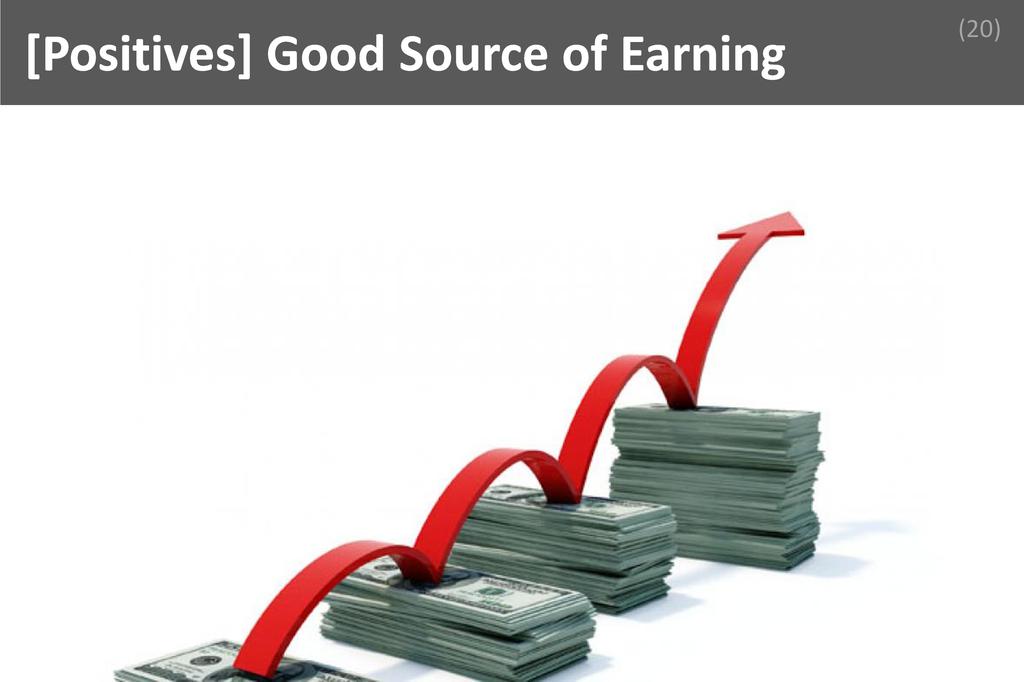
A "Good Source of Earning" refers to the consistent ability to generate a reliable and substantial income through one’s profession, ensuring financial stability and growth. In the field of painting, this means artists and professionals can support themselves and their families, invest in their craft, and enjoy a secure livelihood. This financial assurance not only alleviates stress but also empowers painters to focus on their creative expression and professional development. The prospect of earning well from painting transforms it from a mere passion or hobby into a viable and respected career path, making the pursuit of this art form both practical and rewarding.
The significance of a good source of earning in painting extends far beyond financial gain. When painters know their skills are valued and compensated fairly, their motivation and job satisfaction soar. This financial reward validates their talent and hard work, encouraging them to refine their techniques and take on more ambitious projects. The steady income also provides the freedom to invest in better materials, attend workshops, and explore new styles, fostering continuous growth. On a daily basis, painters experience the peace of mind that comes with financial security, allowing them to focus on their art without the distraction of monetary worries. This positive aspect not only sustains their livelihood but also fuels their passion and creativity.
Consider the journey of a professional painter who specializes in residential and commercial projects. After years of honing their craft and building a reputation, they begin to receive regular commissions and referrals. Each completed project brings not only artistic fulfillment but also a dependable income that covers living expenses, savings, and even leisure activities. This financial stability allows the painter to invest in high-quality tools and experiment with innovative techniques, further enhancing their portfolio. The satisfaction of seeing their work appreciated and rewarded in tangible ways creates a sense of pride and accomplishment. Ultimately, the good source of earning transforms their passion for painting into a sustainable and gratifying career, enriching both their personal and professional life.
Challenges
Clarity

Clarity in painting refers to the ability to convey a precise visual message or emotion through composition, color, and technique, ensuring the viewer understands the artist’s intent. Achieving clarity is demanding because it requires balancing technical skill with expressive vision, often amid subjective interpretations and complex creative decisions.
The challenge of clarity can significantly impact a painter’s daily work, leading to frustration when ideas become muddled or when viewers misinterpret the intended message. This difficulty demands resilience, as artists must continually refine their approach, experiment with new methods, and accept constructive criticism. Successful professionals manage this constraint by developing a disciplined creative process, regularly stepping back to assess their work from a fresh perspective, and seeking feedback from trusted peers. They learn to embrace revision, understanding that clarity often emerges through persistent effort and thoughtful editing. By remaining open to growth and maintaining a clear sense of purpose, painters can navigate the ambiguity inherent in their craft and produce work that resonates with audiences.
Consider a muralist commissioned to create a public artwork reflecting community unity. Initially, the design appears cluttered, with too many competing elements diluting the central message. Recognizing the lack of clarity, the artist consults with community members and peers, then revises the composition to focus on a single, powerful motif. Through careful color selection and simplified forms, the muralist achieves a design that communicates unity unmistakably. The final piece is well-received, demonstrating how the artist’s willingness to reassess and refine their work led to greater clarity. This scenario illustrates how overcoming the challenge of clarity requires both technical adjustments and a commitment to understanding the audience’s perspective.
Critic-Based Field
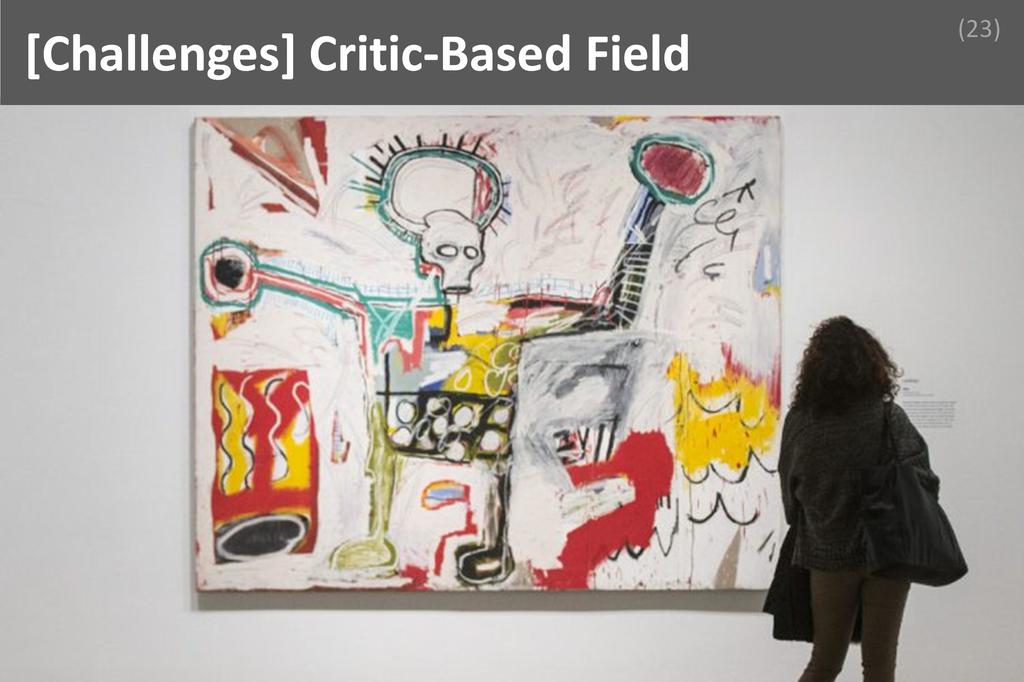
A "Critic-Based Field" in Painting refers to a professional environment where the value, recognition, and success of an artist’s work are heavily influenced by critics’ opinions and reviews. This makes the field demanding, as artists must constantly navigate subjective judgments that can impact their reputation, opportunities, and career progression.
The critic-based nature of the painting profession means that artists often face intense scrutiny and unpredictable feedback, which can affect their confidence and creative direction. Daily work becomes emotionally taxing, as painters may feel pressured to conform to prevailing tastes or trends to gain approval. This environment demands significant resilience, as rejection or harsh criticism can be frequent and public. Successful professionals manage this challenge by developing a strong sense of self and artistic vision, allowing them to accept feedback without letting it undermine their identity or passion. They also seek constructive criticism, build supportive networks, and focus on continuous growth, which helps them maintain motivation and adapt without losing their unique voice.
Consider a painter who, after debuting a new collection, receives mixed reviews from prominent art critics. Some praise the innovation, while others dismiss the work as too unconventional. Instead of becoming discouraged, the artist reflects on the feedback, identifying useful insights without compromising their creative integrity. They engage with mentors and peers to gain perspective and refine their technique, using criticism as a tool for growth rather than a deterrent. Over time, the painter’s resilience and adaptability lead to a distinctive style that garners respect and a loyal following, demonstrating how navigating a critic-based field can ultimately strengthen both artistic identity and professional success.
Slow Pace of Growth

Slow Pace of Growth in Painting refers to the gradual and often unpredictable progression of skill, recognition, and career advancement. This challenge is demanding because improvement and acknowledgment can take years, requiring patience and persistence while facing limited immediate rewards, fluctuating demand, and intense competition within the creative industry.
The slow pace of growth in painting can lead to frustration, self-doubt, and financial instability, as daily work may not yield quick results or recognition. Artists often spend countless hours refining their technique, building a portfolio, and seeking opportunities, yet progress can feel stagnant. This environment demands resilience, as setbacks and periods of little visible advancement are common. Successful professionals manage this constraint by setting personal milestones, focusing on continuous improvement, and cultivating a strong sense of purpose. They often seek feedback, engage with artistic communities, and diversify their skills to remain motivated. By embracing the journey rather than fixating solely on outcomes, painters can sustain their passion and gradually build a reputation, even when external validation is slow to arrive.
Consider an emerging painter who, after several years of dedicated practice and participation in local exhibitions, still struggles to gain significant recognition or sales. Instead of becoming discouraged, they choose to document their progress through a personal blog and social media, sharing both finished works and the creative process. This approach not only helps them reflect on their growth but also attracts a small, supportive audience. Over time, their consistent presence and authentic storytelling lead to invitations for collaborative projects and inclusion in group shows. By focusing on incremental achievements and community engagement, the painter transforms the slow pace of growth into an opportunity for deeper connection and long-term career development.
No External Support
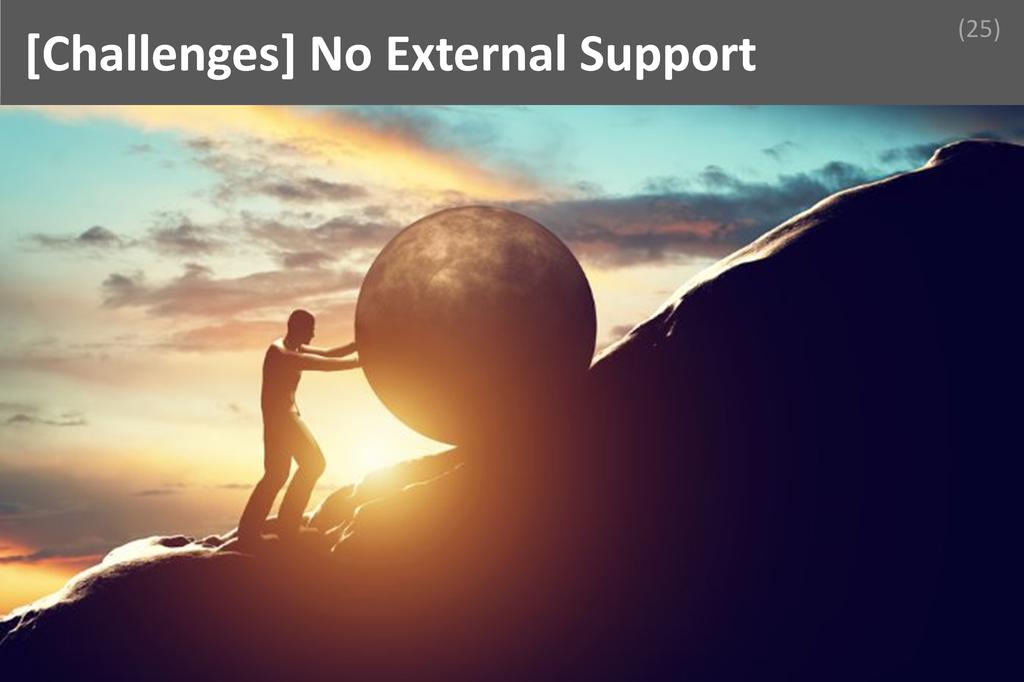
No External Support in Painting refers to the absence of guidance, mentorship, financial backing, or encouragement from peers, institutions, or patrons. This challenge is demanding because it forces painters to rely solely on their own resources, motivation, and problem-solving abilities, often leading to isolation and self-doubt.
The lack of external support can make daily work in painting feel isolating and overwhelming. Without feedback or encouragement, artists may struggle to maintain motivation, question the value of their work, and face difficulties in accessing materials or opportunities. This situation demands significant resilience, as painters must cultivate self-belief and perseverance to continue creating despite setbacks. Successful professionals often manage this constraint by developing strong self-discipline, seeking inspiration from within, and building informal networks with fellow artists. They may also leverage online communities or social media to share their work, gain feedback, and foster a sense of connection, even in the absence of traditional support systems.
Consider a painter who, after relocating to a new city, finds themselves without any local contacts or institutional backing. Initially, the absence of support leads to feelings of isolation and creative stagnation. However, the painter decides to document their artistic process on social media, gradually attracting a virtual audience. Through consistent sharing and engagement, they receive constructive feedback and encouragement from distant peers and art enthusiasts. This virtual network not only provides motivation but also opens doors to collaborative projects and exhibition opportunities. By proactively seeking connection and embracing digital platforms, the painter transforms the challenge of no external support into an opportunity for growth and renewed creative energy.
A Day Of
Painting
Few careers blend artistry and precision quite like painting. Each day begins before the world fully wakes, with the scent of fresh paint and the promise of transformation hanging in the air. The pace is steady but demanding, as painters move from careful preparation to the rhythmic sweep of brushes and rollers, navigating changing light, shifting surfaces, and the ever-present drive for perfection. Whether working solo or as part of a team, painting professionals must balance creativity with technical skill, all while meeting deadlines and exceeding client expectations. The result is a workday that’s as dynamic and colorful as the walls they transform.
As dawn breaks, the painting professional arrives on site, often greeted by the quiet stillness of an empty room or the gentle hum of a construction site. The early hours are dedicated to meticulous preparation: laying down drop cloths, taping edges, and inspecting surfaces for imperfections. This is the time to review the day’s project plans, double-check color selections, and ensure all materials and tools are ready. The calm of the morning provides a crucial window to address any last-minute adjustments, setting the stage for a productive day ahead.
By mid-morning, the real transformation begins. Brushes and rollers come alive as the first coats of paint are applied with practiced precision. This is the most intense and focused part of the day, where concentration is paramount and every stroke counts. Painters must navigate tight corners, high ceilings, and intricate trim, all while maintaining consistent coverage and a flawless finish. The environment is often a flurry of activity, with other trades working nearby and deadlines looming, but the painter’s focus remains unwavering on the task at hand.
After lunch, the pace shifts to collaborative execution and detail work. Painters may coordinate with colleagues to tackle larger surfaces or work in tandem to complete multi-room projects. This phase often involves touch-ups, second coats, and the careful removal of tape to reveal crisp lines. Communication with supervisors or clients may be necessary to review progress, address concerns, or make on-the-fly adjustments to the plan. The afternoon is a blend of teamwork and individual craftsmanship, ensuring that every detail meets the highest standards.
As the day winds down, attention turns to cleanup and preparation for the next day’s challenges. Brushes and rollers are washed, equipment is stored, and the workspace is left spotless. Painters take stock of completed work, noting any areas that may need additional attention. Administrative tasks, such as logging hours and updating project notes, are handled with care. Before leaving, there’s a moment to review the next day’s schedule, order supplies if needed, and reflect on the progress made. With the site quiet once more, the painter departs, ready to bring new color and life to another space tomorrow. |


 Home
Home Abroad
 Plan
Plan Philosophy
 Seminar
 Pages
Pages Advisors
 Testimonials














 Workshop
 Discuss
 Meet
Meet
 Advisor
 Story
Story
 Fine Print
 Links
Links
 Blog
Blog
 Follow
