Career Counselling 2.0 HomeHomeCareer Counselling 2.0 AbroadAbroadCareer Counselling 2.0 PlanPlanCareer Counselling 2.0 | TalksTalksCareer Counselling 2.0 PhilosophyPhilosophyCareer Counselling 2.0 SeminarSeminarCareer Counselling 2.0 PagesPagesCareer Counselling 2.0 AdvisorsAdvisorsCareer Counselling 2.0 TestimonialsTestimonials

Glass Painting

Visual Artist Manju Bajaj talks about Glass Painting course, what is Glass Painting and other details about a Career in Glass Painting.


Glass Painting

Manju Bajaj | Visual Artist | Delhi


What is Glass Painting?


A Career in Glass Painting is very intriguing. Unfortunately, it is very difficult to find information about What Glass Painting actually is. Most pages on the internet just talk about How to get into Glass Painting. While anyone can have an opinion on what Glass Painting entails; only a real professional can really explain it.

Visual Artist Manju Bajaj invested 18 years & 3 months in Glass Painting. Visual Artist Manju Bajaj defines Glass Painting as:

Glass painting is a contemporary art which has been derived from the age old art of stained glass painting which involves putting smaller colored pieces of glass together. Water based acrylic glass paints are generally used for making designs.


How Visual Artist Manju Bajaj got into Glass Painting?


After doing my schooling from Bhartiya Vidya Bhawan, Delhi. I did my BA in economics from Shri Ram College of Commerce, Delhi. I had an interest in singing since my childhood because my grandfather was a prominent artist himself. So spending a decade in learning and practicing classical music in Kolkata, later I took formal education (Sangeet Visharad) from Chandigarh University, Punjab. I also happened to visit the St. John's cathedral, Kolkata and immediately fell in love with the huge stained-glass windows that adorned the place. The initial fascination with stained glass blossomed into an eclectic style and painting preferences when I took a series of classes. This interest, combined with a talent in drawing and eye for blending the colors and textures of glass led to an exciting new career in art glass design. In the past decade and a half, I have handled a varied mix of stained glass projects; ranging in scope from personal artefacts to intimate experimental panels to large-scale murals. In all, it is the attention to composition and technique that make my imagery so successful. My work has been showcased in Parampara - A Pan India Expo focusing on Interiors. Thereafter I have also been conducting Private Exhibitions of my selective works from 2008 till date. My work is the embodiment of functional art, meant to be organic in nature and not perfect factory reproductions. I have more than 15 years of experience. I currently work in my studio at home where I also teach the intricacies of Stained Glass painting to aspiring artists. My studio is my lifeline. When not painting or teaching - I would be on my yoga mat or deep in meditation. I am also a graduate of Landmark Worldwide.


Visual Artist Manju Bajaj's Talk on Glass Painting


Session Image
The Journey of Glass Painting


What Is Glass Painting


Glass Painting

### Glass Painting Image
What is
Glass painting is the art of applying colored pigments, enamels, or paints onto glass surfaces to create decorative or pictorial designs. This technique transforms plain glass into vibrant artworks, often used in windows, panels, and decorative objects, blending creativity with craftsmanship to produce visually striking and enduring pieces.

Concept
Glass painting holds significant value in both artistic and functional contexts. For professionals, it offers a unique avenue to express creativity while preserving a traditional craft that enhances architectural and interior spaces. The impact of glass painting extends to cultural preservation, as many historical buildings feature painted glass windows that tell stories and convey heritage. One major benefit is the opportunity for artists to work on both small-scale decorative items and large-scale installations, providing diverse career paths. Another benefit is the potential for collaboration with architects and designers, allowing glass painters to contribute to unique, customized environments. Additionally, glass painting can be a sustainable career, as restoration and conservation of historic glass artworks are in demand, ensuring ongoing relevance and job opportunities.

Real World Example
A professional glass painter might be commissioned to restore stained glass windows in a historic cathedral. This process involves carefully studying the original designs, selecting appropriate pigments, and meticulously applying paint to new or existing glass panels. The artist must balance artistic skill with technical knowledge to ensure the restored windows match the original aesthetic and structural integrity. In another scenario, a glass painter could collaborate with an interior designer to create custom glass panels for a modern office building, incorporating company branding or abstract motifs. Through these projects, the glass painter not only demonstrates artistic talent but also contributes to the visual identity and atmosphere of significant public and private spaces.

Education


Designs

### Designs Image
What is
Designs refer to the planned arrangement of visual elements such as lines, shapes, colors, and patterns to create an aesthetically pleasing or meaningful composition. In the context of Glass Painting, designs serve as the blueprint for transforming plain glass surfaces into expressive works of art, blending creativity with technical precision.

Concept
Understanding designs is essential for anyone pursuing a career in glass painting because it forms the backbone of the creative process. Mastery of design principles allows professionals to conceptualize and execute visually compelling artwork that resonates with clients and audiences. This knowledge enables artists to balance color, symmetry, and proportion, ensuring that each piece is both beautiful and structurally sound. Over time, a strong grasp of design not only enhances artistic versatility but also opens doors to advanced techniques, custom commissions, and collaborative projects. As trends and client preferences evolve, professionals with a solid foundation in design can adapt their style, maintain relevance in the industry, and build a lasting reputation for quality and innovation.

Real World Example
Imagine a glass painting artist commissioned to create a decorative window for a historic building. Drawing on their understanding of designs, the artist begins by researching the architectural style and color palette of the space. They sketch several concepts, carefully considering how light will interact with different shapes and hues on the glass. During the painting process, their knowledge of design principles guides decisions about line thickness, motif placement, and color transitions, ensuring the final piece complements the building’s heritage while standing out as a unique artwork. This thoughtful application of design theory not only satisfies the client’s vision but also demonstrates the artist’s professionalism and expertise in glass painting.

Liner

### Liner Image
What is
A liner is a specialized, fine-tipped brush or tool used in glass painting to create precise, controlled lines and outlines on glass surfaces. Mastery of the liner is essential in both academic study and professional practice, as it enables artists to define shapes, add intricate details, and enhance overall design clarity.

Concept
Understanding the use of a liner is fundamental for anyone pursuing a career in glass painting. The ability to create clean, sharp lines distinguishes professional work from amateur attempts, as it directly impacts the visual quality and durability of painted designs. Mastery of liner techniques allows artists to accurately outline motifs, separate color fields, and add delicate details that elevate the final piece. This skill is not only crucial for producing high-quality artwork but also for meeting client expectations and industry standards. Over time, proficiency with the liner contributes to a glass painter’s reputation, opening doors to more complex commissions and career advancement within the decorative arts sector.

Real World Example
Consider a glass painter tasked with restoring a stained glass window in a historic building. The original artwork features intricate floral patterns and fine leaded outlines that have faded over time. Using their theoretical understanding of liner techniques, the professional carefully selects the appropriate liner brush and paint consistency to replicate the original outlines with precision. By applying steady, controlled strokes, they restore the definition and vibrancy of the design without compromising the integrity of the glass. This practical application of liner skills not only preserves the historical value of the piece but also demonstrates the painter’s expertise, ensuring client satisfaction and upholding the standards of the craft.

Texture & Color

### Texture & Color Image
What is
Texture & Color refers to the visual and tactile qualities of a surface combined with the perception and application of hues, tones, and shades. In glass painting, understanding these elements is essential for creating depth, vibrancy, and visual interest, forming a critical part of both academic study and professional practice.

Concept
A deep understanding of texture and color is vital for anyone pursuing a career in glass painting because these elements directly influence the aesthetic and emotional impact of the finished work. Mastery of texture allows artists to manipulate light and shadow, creating dynamic surfaces that interact with their environment. Proficiency in color theory enables professionals to select and blend pigments that achieve desired moods, harmonies, and contrasts. This foundational knowledge not only enhances technical skill but also fosters creative expression, setting apart exceptional glass painters in a competitive field. Over time, expertise in texture and color supports innovation, client satisfaction, and the ability to tackle complex commissions, ensuring long-term career growth and recognition.

Real World Example
Consider a glass painter commissioned to design a stained-glass window for a historic building. Drawing on their understanding of texture, the artist selects specific glass types—some smooth and transparent, others rippled or frosted—to control how light passes through and creates patterns inside the space. Their knowledge of color theory guides the choice of pigments, ensuring that the hues complement the building’s interior and evoke the intended atmosphere. During the painting process, the artist skillfully layers colors and manipulates surface finishes, achieving subtle gradients and tactile effects. This thoughtful application of texture and color transforms the window into a vibrant focal point, demonstrating the practical value of these concepts in professional glass painting.

Skills


Imagination

### Imagination Image
What is
Imagination is the mental ability to form new ideas, concepts, or images not present to the senses, allowing individuals to envision possibilities beyond current reality. In glass painting, imagination empowers artists to create unique designs, interpret themes creatively, and transform ordinary glass surfaces into captivating works of art.

Concept
Imagination directly enhances a glass painter’s performance by enabling them to conceptualize original patterns, harmonize colors in innovative ways, and adapt traditional techniques to modern aesthetics. Clients and employers highly value this skill because it leads to distinctive, memorable pieces that stand out in a competitive market. Imagination also allows professionals to respond flexibly to client briefs, offering bespoke solutions that exceed expectations. Cultivating imagination involves regular exposure to diverse artistic styles, practicing freehand sketching, and experimenting with unconventional materials or methods. Over time, these habits nurture a creative mindset, making it easier to generate fresh ideas and approach each project with renewed inspiration.

Real World Example
Imagine a glass painter commissioned to restore a historic stained-glass window with several missing sections. The original design is only partially visible, and no reference images exist. Relying on imagination, the artist studies the remaining patterns and colors, then invents complementary motifs that honor the window’s style while filling in the gaps seamlessly. Through imaginative reconstruction, the painter not only solves the restoration challenge but also breathes new life into the piece, satisfying both historical accuracy and artistic integrity. This scenario highlights how imagination is not just about creativity but also about problem-solving and adaptability in the face of uncertainty.

Social Media Marketing

### Social Media Marketing Image
What is
Social Media Marketing is the strategic use of online platforms such as Instagram, Facebook, and Pinterest to promote products, build brand awareness, and engage with audiences. For glass painting professionals, it serves as a vital tool to showcase artwork, attract potential clients, and establish a recognizable presence in a competitive creative industry.

Concept
Mastering social media marketing significantly enhances a glass painting professional’s ability to reach wider audiences and generate business opportunities. Clients and employers highly value this skill because it demonstrates initiative, adaptability, and the capacity to drive sales or commissions through digital engagement. By consistently sharing high-quality images, engaging with followers, and staying updated on platform trends, artists can build a loyal community and increase their visibility. Over time, refining content strategies, analyzing audience insights, and experimenting with new features help professionals stay relevant and effective in their marketing efforts, ensuring sustained growth and recognition in the field.

Real World Example
Imagine a glass painting artist who notices a decline in gallery visits and sales. By leveraging social media marketing, the artist begins posting time-lapse videos of their creative process and sharing stories about the inspiration behind each piece. These posts quickly gain traction, attracting art enthusiasts and potential buyers from around the world. The increased online engagement leads to direct sales through social media platforms and invitations to participate in virtual exhibitions. This scenario highlights how social media marketing can transform a challenging situation into an opportunity for growth, allowing the artist to reach new markets and achieve professional success beyond traditional methods.

Patience

### Patience Image
What is
Patience is the ability to remain calm, composed, and persistent when faced with delays, challenges, or repetitive tasks, without becoming frustrated or giving up. In glass painting, patience is indispensable because the process demands careful attention to detail, steady hands, and the willingness to wait for paints and layers to dry properly.

Concept
Patience directly enhances a glass painter’s performance by allowing them to focus on intricate designs and avoid costly mistakes that can arise from rushing. Clients and employers highly value this trait because it ensures the final artwork is of the highest quality, with crisp lines and vibrant colors that only careful, deliberate work can achieve. Cultivating patience involves practicing mindfulness, setting realistic expectations for project timelines, and embracing the learning process, especially when mastering new techniques. Over time, repeated exposure to the meticulous nature of glass painting helps professionals develop a natural rhythm, enabling them to approach each project with calm determination and resilience.

Real World Example
Imagine a glass painter working on a commissioned piece featuring a complex floral motif. Midway through, the artist notices a minor smudge on a nearly finished section. Instead of panicking or hastily trying to fix the error, the painter exercises patience by allowing the paint to dry completely before carefully removing the smudge and retouching the area. This measured approach prevents further damage and preserves the integrity of the design. By relying on patience, the artist not only resolves the issue but also delivers a flawless final product, earning the client’s admiration and trust. This scenario highlights how patience is not just a virtue but a practical necessity for overcoming challenges and achieving excellence in glass painting.

Aesthetic Sense

### Aesthetic Sense Image
What is
Aesthetic Sense is the innate or developed ability to perceive, appreciate, and create visual harmony, balance, and beauty in art and design. For a Glass Painting professional, this skill enables the creation of visually compelling pieces that resonate emotionally, ensuring each artwork is both technically sound and artistically captivating.

Concept
Aesthetic Sense is fundamental in glass painting because it guides decisions about color combinations, composition, and the interplay of light and transparency. Professionals with a refined aesthetic sense consistently produce works that stand out for their elegance and originality, which is highly valued by clients and employers seeking unique, high-quality pieces. This skill can be cultivated through continuous exposure to diverse art forms, studying design principles, and practicing critical observation. Over time, deliberate practice and feedback help artists refine their judgment, allowing them to intuitively recognize what makes a piece visually successful and to adapt their style to suit different contexts or client preferences.

Real World Example
Imagine a glass painting artist commissioned to create a large window mural for a historic building. During the project, the initial design appears too modern and clashes with the building’s classic architecture. Relying on their aesthetic sense, the artist reevaluates the color palette and motifs, drawing inspiration from the building’s original features. By thoughtfully adjusting the design, the artist achieves a harmonious blend of tradition and creativity, satisfying both the client’s vision and the architectural context. This scenario highlights how aesthetic sense enables glass painters to navigate complex visual challenges, ensuring the final work enhances its environment and meets high artistic standards.

Positives


Satisfaction

### Satisfaction Image
What is
Satisfaction is the deep sense of fulfillment and contentment that arises when personal efforts lead to meaningful, tangible results. In glass painting, satisfaction is experienced through the creative process, the mastery of technique, and the transformation of plain glass into vibrant works of art. This positive feeling fuels motivation and pride.

Concept
The satisfaction gained from glass painting is a powerful motivator that enhances both personal and professional growth. When artists see their visions come to life, they develop a strong sense of accomplishment that encourages them to refine their skills and take on new challenges. This ongoing fulfillment leads to greater job satisfaction, as each completed piece becomes a testament to their creativity and dedication. The daily experience of seeing their artwork appreciated by others, whether in galleries, homes, or public spaces, reinforces their passion for the craft and inspires continuous improvement. Ultimately, satisfaction in glass painting nurtures a positive mindset, making the profession not only enjoyable but also deeply rewarding.

Real World Example
Imagine a glass painter who has spent weeks designing and painting a stained glass window for a local community center. As the sunlight streams through the finished piece, casting colorful patterns across the room, the artist witnesses the awe and joy on the faces of visitors. This moment encapsulates the profound satisfaction that comes from knowing their work has touched others and transformed a space. The artist feels a genuine sense of pride and fulfillment, recognizing that their creativity and effort have made a lasting impact. This experience not only validates their choice of career but also fuels their enthusiasm to embark on new projects, continually seeking that rewarding sense of satisfaction.

Monetary Benefits

### Monetary Benefits Image
What is
Monetary benefits refer to the financial rewards and earnings that individuals receive as compensation for their skills, time, and effort in a profession. In glass painting, these benefits include regular income from commissioned projects, sales of artwork, and potential bonuses or incentives, providing artists with tangible recognition for their creative contributions.

Concept
Monetary benefits play a crucial role in making a career in glass painting both sustainable and motivating. When artists receive fair compensation for their work, it not only validates their talent but also encourages them to pursue their passion with greater dedication. Financial rewards enable glass painters to invest in better materials, expand their studios, and explore innovative techniques, all of which contribute to professional growth. The assurance of steady income reduces financial stress, allowing artists to focus on their craft and deliver their best work. This sense of security and appreciation translates into higher job satisfaction, as professionals feel valued and empowered to continue creating beautiful, meaningful art.

Real World Example
Consider a glass painter who specializes in custom stained glass windows for homes and businesses. After completing a particularly intricate commission for a local church, the artist receives a generous payment that reflects the complexity and beauty of the work. This financial reward not only covers the cost of materials and labor but also provides extra funds to invest in new tools and attend a specialized workshop. The artist feels a deep sense of accomplishment, knowing their skills are recognized and well-compensated. This positive experience reinforces their commitment to the craft, inspiring them to take on more ambitious projects and further develop their artistic abilities, all while enjoying the tangible benefits of their hard work.

Respect

### Respect Image
What is
Respect is the genuine admiration and acknowledgment given to individuals for their skills, dedication, and contributions. It involves valuing someone’s work, opinions, and presence, fostering a sense of worth and dignity. In glass painting, respect elevates the artist’s role, creating a positive environment that encourages creativity and personal growth.

Concept
Respect is a cornerstone of fulfillment in a glass painting career. When artists feel respected by clients, peers, and the community, their confidence and motivation soar. This recognition validates their unique talents and the intricate effort poured into each piece. Respect also nurtures collaboration and learning, as professionals are more willing to share techniques and insights in an atmosphere of mutual appreciation. Over time, this leads to stronger professional relationships, greater job satisfaction, and a deeper sense of purpose. The daily experience of respect not only enhances self-esteem but also inspires artists to reach new heights, knowing their work is valued and their voice matters in the creative world.

Real World Example
Imagine a glass painter commissioned to restore stained glass windows in a historic cathedral. Throughout the project, the artist is consulted for their expertise, their suggestions are welcomed, and their meticulous craftsmanship is openly praised by both the restoration team and the community. As the project progresses, the artist receives heartfelt gratitude from local residents who cherish the revitalized artwork. This ongoing respect transforms the work into a deeply rewarding experience, affirming the artist’s skills and dedication. The recognition and appreciation received not only boost the artist’s confidence but also reinforce their passion for glass painting, making every challenge worthwhile and every achievement more meaningful.

Challenges


Commitment

### Commitment Image
What is
Commitment in the context of Glass Painting refers to the sustained dedication, focus, and perseverance required to master intricate techniques, complete time-intensive projects, and continuously refine artistic skills. It is demanding because it necessitates ongoing learning, patience, and the ability to overcome setbacks, all while maintaining creative passion and professional standards.

Concept
The challenge of commitment in Glass Painting can significantly influence daily work, often manifesting as fatigue, creative blocks, or frustration when progress seems slow or results fall short of expectations. This difficulty demands resilience, as artists must consistently push through periods of doubt and monotony to achieve excellence. Successful professionals manage this constraint by setting realistic goals, celebrating incremental progress, and seeking inspiration from both their own growth and the broader artistic community. They also develop routines that balance creative exploration with disciplined practice, allowing them to maintain motivation and avoid burnout. By embracing the long-term nature of skill development, they transform commitment from a burden into a source of pride and fulfillment.

Real World Example
Consider a glass painting artist preparing for a major exhibition, facing months of meticulous work and repeated trial and error to perfect each piece. Initially, the scale of the project feels overwhelming, and the artist struggles with self-doubt and fatigue. However, by breaking the project into manageable phases and dedicating specific hours each day to focused practice, the artist gradually builds momentum. Regular reflection on progress and occasional collaboration with peers provide encouragement and fresh perspectives. Ultimately, the artist completes the collection on time, not only achieving technical mastery but also deepening their passion for the craft. This experience reinforces the value of unwavering commitment in overcoming challenges and achieving artistic goals.

Competition

### Competition Image
What is
Competition in Glass Painting refers to the ongoing struggle among artists and studios to secure commissions, attract clients, and gain recognition in a crowded market. This challenge is demanding because it requires constant innovation, high-quality craftsmanship, and effective self-promotion to stand out and maintain a sustainable career.

Concept
The pressure of competition in Glass Painting can influence daily work by pushing professionals to consistently refine their techniques, develop unique artistic voices, and stay updated with market trends. This environment demands resilience, as setbacks and rejections are common when vying for limited opportunities. Successful glass painters manage this constraint by building strong networks, investing in continuous learning, and embracing collaboration over rivalry. They often diversify their offerings, such as teaching workshops or exploring new styles, to broaden their appeal. By maintaining a commitment to personal growth and adaptability, these professionals turn competition into motivation, using it as a catalyst for creative evolution and long-term success.

Real World Example
Consider a glass painter who noticed a surge in local artists offering similar stained glass designs, leading to fewer commissions. Instead of viewing this as a setback, she decided to specialize in custom, contemporary pieces that blended traditional techniques with modern aesthetics. She also began sharing her creative process on social media, attracting a wider audience and engaging potential clients directly. By participating in collaborative exhibitions and teaching introductory classes, she established herself as both an innovator and a mentor in the community. Through these strategic actions, she not only overcame the challenge of competition but also expanded her professional opportunities and reputation within the field.

Instability

### Instability Image
What is
Instability in the context of Glass Painting refers to the unpredictable nature of income, project availability, and market demand that professionals frequently encounter. This challenge is demanding because it creates uncertainty about financial security, career progression, and consistent creative opportunities, requiring artists to constantly adapt and remain resourceful.

Concept
The instability inherent in Glass Painting can deeply affect daily work by introducing uncertainty into scheduling, income, and long-term planning. Artists may face periods of abundant commissions followed by stretches with little to no work, which can be emotionally and financially taxing. This environment demands resilience, as professionals must remain motivated and focused despite fluctuating circumstances. Successful glass painters often navigate this constraint by diversifying their skills, building strong client relationships, and seeking alternative revenue streams such as teaching workshops or selling smaller pieces online. By maintaining flexibility and continuously marketing their work, they create a buffer against lean periods and foster a more sustainable career, even in the face of ongoing instability.

Real World Example
Consider a glass painter who, after experiencing several months without major commissions, decides to address instability by expanding her offerings. She begins hosting weekend workshops for beginners, sharing her expertise and passion with a new audience. Simultaneously, she creates a series of smaller, affordable glass pieces to sell at local art fairs and online platforms. These initiatives not only supplement her income but also increase her visibility and attract new clients. Over time, her reputation grows, leading to more consistent commissions and collaborative opportunities. By proactively adapting to the unpredictable nature of her field, she transforms instability into a catalyst for professional growth and creative fulfillment.

A Day Of


Glass Painting

What is
The studio hums with a quiet anticipation as sunlight filters through tall windows, casting shifting patterns across the workbenches. For a glass painting professional, each day is a vibrant blend of artistry and precision, where the boundaries between color, light, and imagination blur. The pace is both meditative and dynamic, shaped by the careful rituals of preparation, the focused intensity of creation, and the collaborative energy that comes from working alongside fellow artisans. In this world, every brushstroke and every pane tells a story, and the rhythm of the day is dictated by the dance between inspiration and technique.

Concept
As the day begins, the glass painter arrives early to the studio, greeted by the cool, clean scent of glass and the faint aroma of solvents. The morning is dedicated to setting up the workspace, laying out brushes, pigments, and freshly cleaned glass panels. This is a time for reviewing sketches and notes from the previous day, inspecting ongoing projects for any changes in texture or color, and ensuring that all materials are in perfect condition. The quiet hours before the studio fills with activity allow for a moment of reflection and mental preparation, setting the tone for a productive day.

Real World Example
By mid-morning, the studio is alive with the focused energy of creation. This is when the glass painter immerses themselves in the most intricate and demanding aspects of their craft. With steady hands and a keen eye, they apply layers of pigment, carefully blending colors and textures to achieve the desired effect. The work requires intense concentration, as even the smallest mistake can alter the outcome of a piece. During this period, the painter may consult reference materials, experiment with new techniques, or engage in brief discussions with colleagues about design choices, all while maintaining a steady rhythm of brushwork and kiln firing.

The afternoon brings a shift from solitary work to collaboration and execution. The glass painter joins other artisans and technicians to review progress, discuss challenges, and coordinate the assembly of larger installations. This phase often involves fitting painted panels into frames, inspecting each piece for consistency, and making adjustments as needed. Communication is key, as the team works together to ensure that every element aligns with the overall vision. The atmosphere is lively, filled with the sounds of tools, laughter, and the occasional debate over color or composition, as everyone contributes their expertise to bring the project closer to completion.

As the day winds down, the glass painter turns their attention to wrapping up ongoing tasks and preparing for tomorrow. This is a time for cleaning brushes, organizing materials, and documenting progress through notes and photographs. The painter reviews what was accomplished, identifies any issues that need to be addressed, and sets goals for the next day’s work. There may be time for research, exploring new techniques or trends in glass art, and responding to client emails or inquiries. The studio gradually quiets, leaving behind the soft glow of finished panels and the promise of another day filled with creativity and craftsmanship.


Install the LifePage App to:


  1. (for Free) Watch Visual Artist Manju Bajaj’s full Glass Painting Career Talk

  2. ₹ Do a Self Assessment on Glass Painting to calculate your Dream Index, which is defined as:

    According to Manju Bajaj your chances of success in Glass Painting is __%

  3. Access your personalized Dream Index Report which will have all your Dream Indices sorted in descending order.

Career Counselling 2.0


<?php echo $altimage; ?>


<?php echo $altimage; ?>


How to get into

Glass Painting?


If you are want to get into Glass Painting, start by investing in a Career Plan.

The 14 hour process, guided by a LifePage Career Advisor, will help you introspect and check whether your interest in Glass Painting is merely an infatuation or is it truly something you wish to do for the rest of your life.

Next, your Career Advisor will help you document how you can get into Glass Painting, what education and skills you need to succeed in Glass Painting, and what positives and challenges you will face in Glass Painting.

Finally, you will get a Career Plan stating which Courses, Certifications, Trainings and other Items you need to do in the next 7 years to become world’s best in Glass Painting.


LifePage Career Plan

14 hour personalized guidance program


Your LifePage Career Advisor facilitates your guided introspection so that you systematically explore various Career options to arrive at a well thought out Career choice.

Next: your Advisor helps you figure out how you will get into your chosen Career and how will you develop the skills needed for success in your Chosen Career.

LifePage Plan will not stop at saying "to become an Architect study Architecture". It will guide you on which Certifications, Trainings and Other items you need to do along with your Architecture education to become the world's best Architect.


Links for this Talk


Visual Artist Manju Bajaj's LifePage:


Career Counselling 2.0
[LifePage]
https://www.lifepage.in/page/manjubajaj


LifePage Career Talk on Glass Painting


Career Counselling 2.0
[Career]
https://www.lifepage.in/careers/glass-painting


Career Counselling 2.0
[Full Talk]
https://lifepage.app.link/20190417-0001


Career Counselling 2.0
[Trailer]
https://www.youtube.com/watch?v=Kwnw1uxQfr8


(Glass Painting, Manju Bajaj, Parampara, Stained Glass Artist, Singer, Refelections, Visual Artist, Fine Arts, Painting)


Similar Talks


Career in Modeling Art
Modeling Art
Shanali Bankim Sharma
Artist | Self-Employed
[ 13 years & 2 months Experience ]

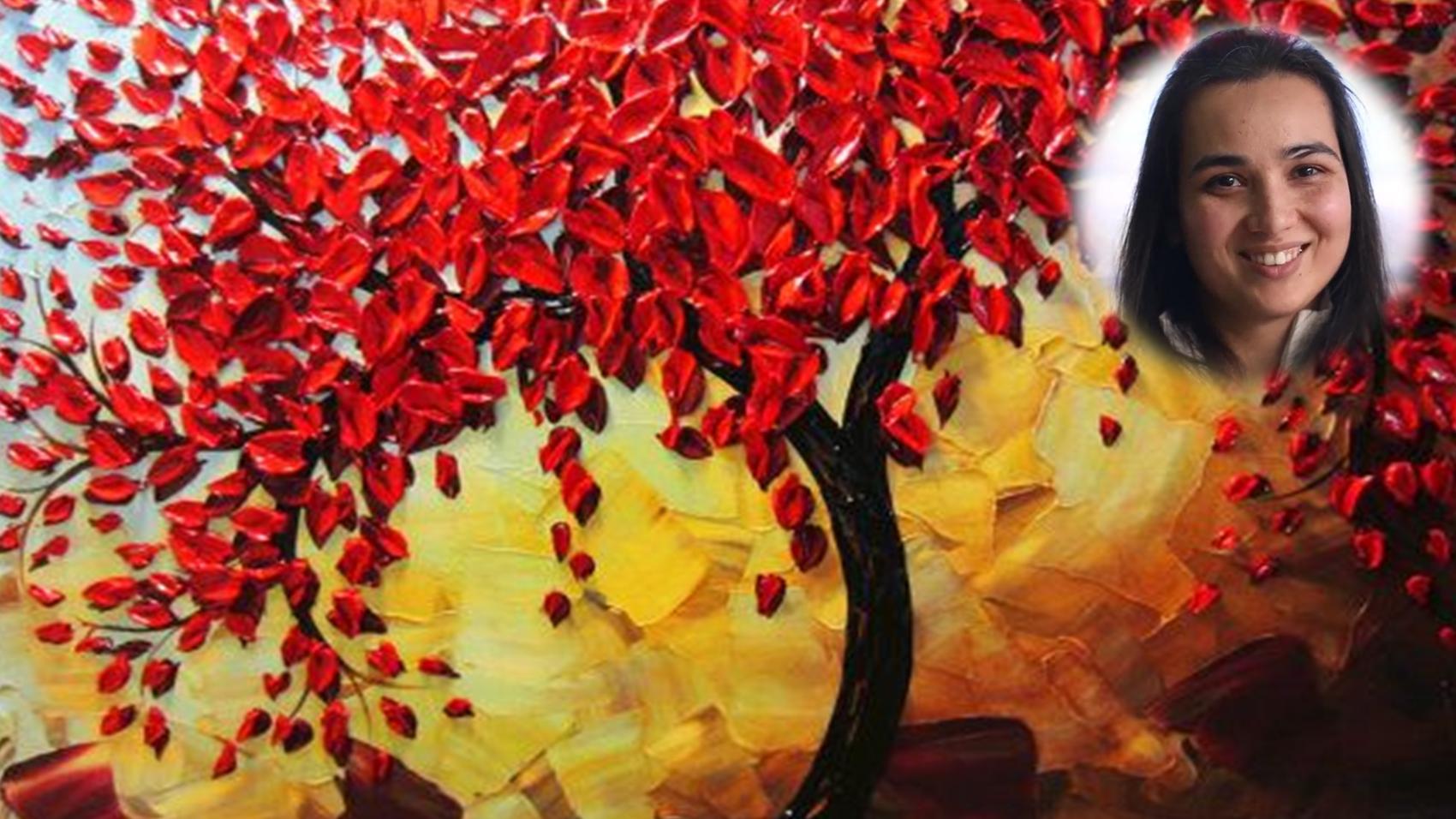
Modelling Art includes all types of painting. you will create art using different mediums like wood, canvas and glass.

"I was always passionate about art and so I took it as a career 8 years ago. I started exploring different mediums of painting such as glass, wood, canvas, oil, etc."


Career Counselling 2.0 Career Counselling 2.0 Career Counselling 2.0 Career Counselling 2.0 Career Counselling 2.0


Career in Painting
Painting
Sarojini Dabral
Painter | Various Creative Assignments
[ 8 years & 5 months Experience ]

Painting is the practice of applying paint, pigment, color or other medium to a solid surface (support base). The medium is commonly applied to the base with a brush, but other implements, such as knives, sponges, and airbrushes, can be used.

"I did Diploma in Fashion Designing & Merchandising. I worked at Xcess Merchandising as a Merchandiser and at Metro Group Buying as a Merchandising Designer. I have taken up various projects in painting in Uttarakhand. I am a painter in Mumbai."


Career Counselling 2.0 Career Counselling 2.0 Career Counselling 2.0 Career Counselling 2.0 Career Counselling 2.0


Career in Multimedia Art
Multimedia Art
Maanas Lal
Self Employed | Various Creative Assignments
[ 8 years & 1 month Experience ]

Multimedia art is an art married with technology and that is why multimedia suppose to be mix media which is other popular terminology. So multimedia art is an art which has a technological aspects to it. It is a mix of human skill plus the work you do with technology.

"I held my first exhibition back in 2008 and since then I have participated in various exhibitions. I am member of many international art platform and geographically my work has travelled from Bangalore to Landon."


Career Counselling 2.0 Career Counselling 2.0 Career Counselling 2.0 Career Counselling 2.0 Career Counselling 2.0


Career in Painting
Painting
Smrity Lal
Head | Tanshi Arts
[ 13 years & 5 months Experience ]

Painting is the practice of applying paint, pigment, color or other medium to a solid surface or base. The medium is commonly applied to the base with a brush, but other implements, such as knives, sponges and air brushes can be used.

"I did my schooling from St Patric, Agra. I then completed three years in Commercial Arts from Nirmala Niketan, Mumbai. I started painting in 2005 and started Tanshi Arts. I had my first solo exhibition in 2007."


Career Counselling 2.0 Career Counselling 2.0 Career Counselling 2.0 Career Counselling 2.0 Career Counselling 2.0


Career in Fine Arts
Fine Arts
Ramesh Chhetri
Artist | Individual
[ 45 years Experience ]

Fine art is a visual art considered to have been created primarily for aesthetic and intellectual purposes and judged for its beauty and meaningfulness, specifically, painting, sculpture, drawing, watercolor, graphics, and architecture.

"I did my Diploma in Drawing & Painting from Government College of Arts & Crafts, Chandigarh. I taught as a Drawing Teacher in Kendriya Vidalaya and have been a visiting faculty in Graphic Era University and Himgiri Zee University, Dehradun."


Career Counselling 2.0 Career Counselling 2.0 Career Counselling 2.0 Career Counselling 2.0 Career Counselling 2.0


Career in Art Making
Art Making
Nikki Anand
Artist | Nikki Anand Art
[ 24 years & 9 months Experience ]

Art is usually about self-expression because the artist feels strongly enough about what they are doing to try and put it into a form that they, and others, can come to terms with.

"After completing my Graduation in Fine Arts, I started painting. I am a fully fledged artist holding art exhibitions worldwide. I also take art workshops and work on commissioned projects."


Career Counselling 2.0 Career Counselling 2.0 Career Counselling 2.0 Career Counselling 2.0 Career Counselling 2.0


Career in Tattoo Artistry
Tattoo Artistry
Sameer Sharma
Tattoo Artist | Sam - Studio
[ 13 years & 4 months Experience ]

A tattoo is a form of body modification where a design is made by inserting ink, dyes and pigments, either indelible or temporary, into the dermis layer of the skin to change the pigment.

"After completing my Schooling from Scholars Home, I did my Graduation from DAV. I learnt how to make Tattoos from Thailand Tattoo School, Hua hin. I opened my own studio, Sam Studio and have been working as a Tattoo Artist since 2005."


Career Counselling 2.0 Career Counselling 2.0 Career Counselling 2.0 Career Counselling 2.0 Career Counselling 2.0


Career in Oil Painting
Oil Painting
Prenita Dutt
Artist | Studio Prenita Dutt
[ 13 years & 5 months Experience ]

Oil painting is the process of painting with pigments with a medium of drying oil as the binder. Commonly used drying oils include linseed oil, poppy seed oil, walnut oil, and safflower oil

"I did my Schooling from CJM, Dehradun. After that I did my Graduation in Psychology from JMC. I also did my B Ed from HN Bahuguna University. Apart from this I also did a Diploma in Counselling. I was always interested in Art, and I am a self taught artist who has been painting since 2005."


Career Counselling 2.0 Career Counselling 2.0 Career Counselling 2.0 Career Counselling 2.0 Career Counselling 2.0


Career in Painting
Painting
Kavita Shukla
Painter | Soham Art Centre, Mussorie
[ 21 years & 5 months Experience ]

Painting is the practice of applying paint, pigment, color or other medium to a solid surface. The medium is commonly applied to the base with a brush, but other implements, such as knives, sponges, and airbrushes, can be used.

"After completing my Graduation, I did my B Ed, and pursued my Ph D in Drawing and Painting from Kanpur University. I have represented as Captain in State Volley Ball Team. I have been painting since 1997."


Career Counselling 2.0 Career Counselling 2.0 Career Counselling 2.0 Career Counselling 2.0 Career Counselling 2.0


Career in Painting
Painting
Pradeep Wahule
Artist | Fine Art Glimpses
[ 28 years & 3 months Experience ]

Painting is the practice of applying paint, pigment, color or other medium to a solid surface (support base). The medium is commonly applied to the base with a brush, but other implements, such as knives, sponges, and airbrushes, can be used. The final work is also called a painting.

"After doing my Masters in Zoology, I started my career as an Assistant Professor in Zoology at Mumbai University. I was also a faculty for Photography as an Art Form for Bachelor of Mass Media Course. I am serving in the Indian Forest Services. Along with that, I am an artist and I put up my paintings on fineartglimpses.com."


Career Counselling 2.0 Career Counselling 2.0 Career Counselling 2.0 Career Counselling 2.0 Career Counselling 2.0


Career in Painting
Painting
Swabhavi Agarwal
Painter | Various Assignments
[ 11 years & 6 months Experience ]

The action or skill of using paint, either in a picture or as decoration.

"I did my Schooling from St Josephs, Dehradun. I did my Graduation from Chitkara School of Planning & Architecture, Chandigarh. After that I did my Diploma in Fine Arts. I have been working as a freelance painter since 2007."


Career Counselling 2.0 Career Counselling 2.0 Career Counselling 2.0 Career Counselling 2.0 Career Counselling 2.0


Career in Teaching Art
Teaching Art
Prenita Dutt
Art Teacher | Action for Ability Development and Inclusion (AADI)
[ 10 years & 2 months Experience ]

Art education was combined with special education even before there were reforms to create special accommodations for children with special needs in typical classrooms. Teaching art to disable children is the area of learning that is based upon only the kind of art that one can see like drawing and painting. Teaching art is an empirical activity which involves seeing, interpreting and discovering appropriate marks to reproduce an observed phenomenon.

"After doing my Schooling from CJM, Dehradun I did my Graduation in Psychology from JMC, Delhi. After that I did my B Ed from HN Bahuguna University. Thereafter I did Diploma in Counselling .In 2009 I started teaching art to disabled children at Action for Ability Development and Inclusion (AADI)."


Career Counselling 2.0 Career Counselling 2.0 Career Counselling 2.0 Career Counselling 2.0 Career Counselling 2.0


[Install the LifePage App to access all Talks]


<?php echo $altimage; ?>


<?php echo $altimage; ?>


&mbsp;


Career Counselling 2.0 | Home   Home  
Career Counselling 2.0 | Abroad   Abroad  
Career Counselling 2.0 | Plan   Plan  
Career Counselling 2.0 | Talks   Talks  
Career Counselling 2.0 | Philosophy   Philosophy  
Career Counselling 2.0 | Seminar   Seminar  
Career Counselling 2.0 | Workshop   Workshop  
Career Counselling 2.0 | Pages   Pages  
Career Counselling 2.0 | Advisors   Advisors  
Career Counselling 2.0 | Discuss   Discuss  
Career Counselling 2.0 | Meet   Meet  
Career Counselling 2.0 | Advisor   Advisor  
Career Counselling 2.0 | Story   Story  
Career Counselling 2.0 | Fine Print   Fine Print  
Career Counselling 2.0 | Links   Links  
Career Counselling 2.0 | Blog   Blog  
Career Counselling 2.0 | Testimonials   Testimonials  
Career Counselling 2.0 | Follow   Follow  
 
[ Site Visits ]


Career Counselling 2.0