The Journey of Art Making
What Is Art Making
Art Making

Art making is the creative process of producing visual, auditory, or performance-based works that express ideas, emotions, or concepts. It encompasses a wide range of mediums, including painting, sculpture, digital art, music, and more, allowing individuals to communicate and connect through imaginative and original creations.
Art making plays a crucial role in society by fostering cultural expression, personal growth, and innovation. For professionals, it provides a platform to share unique perspectives and challenge conventional thinking. Engaging in art making enhances problem-solving skills, encourages emotional resilience, and cultivates a sense of fulfillment. The process of creating art also builds a strong connection between the artist and their audience, facilitating dialogue and understanding across diverse communities. Additionally, art making can lead to professional opportunities in galleries, commissions, and collaborations, supporting both personal and economic development. Ultimately, art making enriches both the creator and society, making it a vital and rewarding career path.
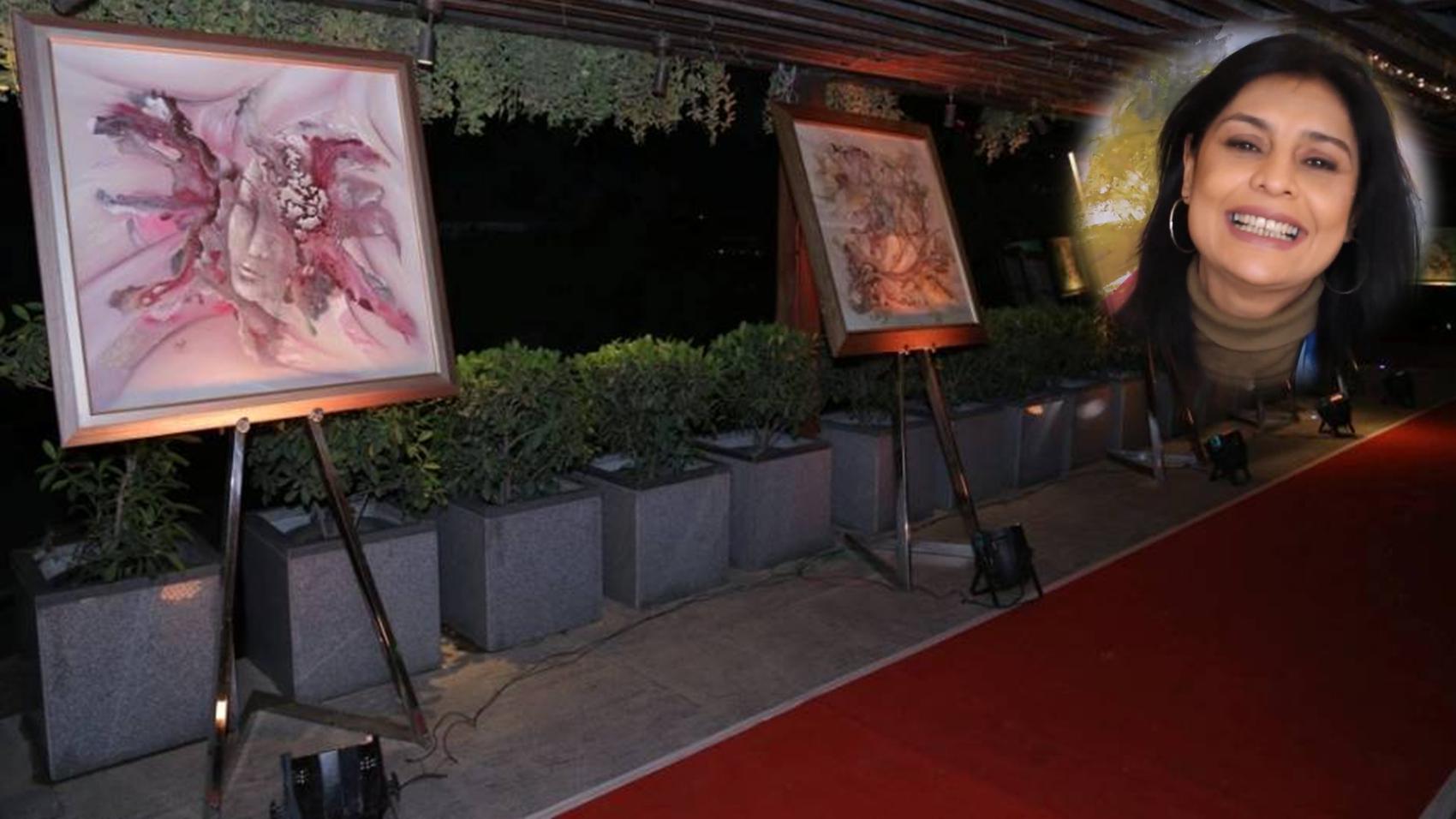
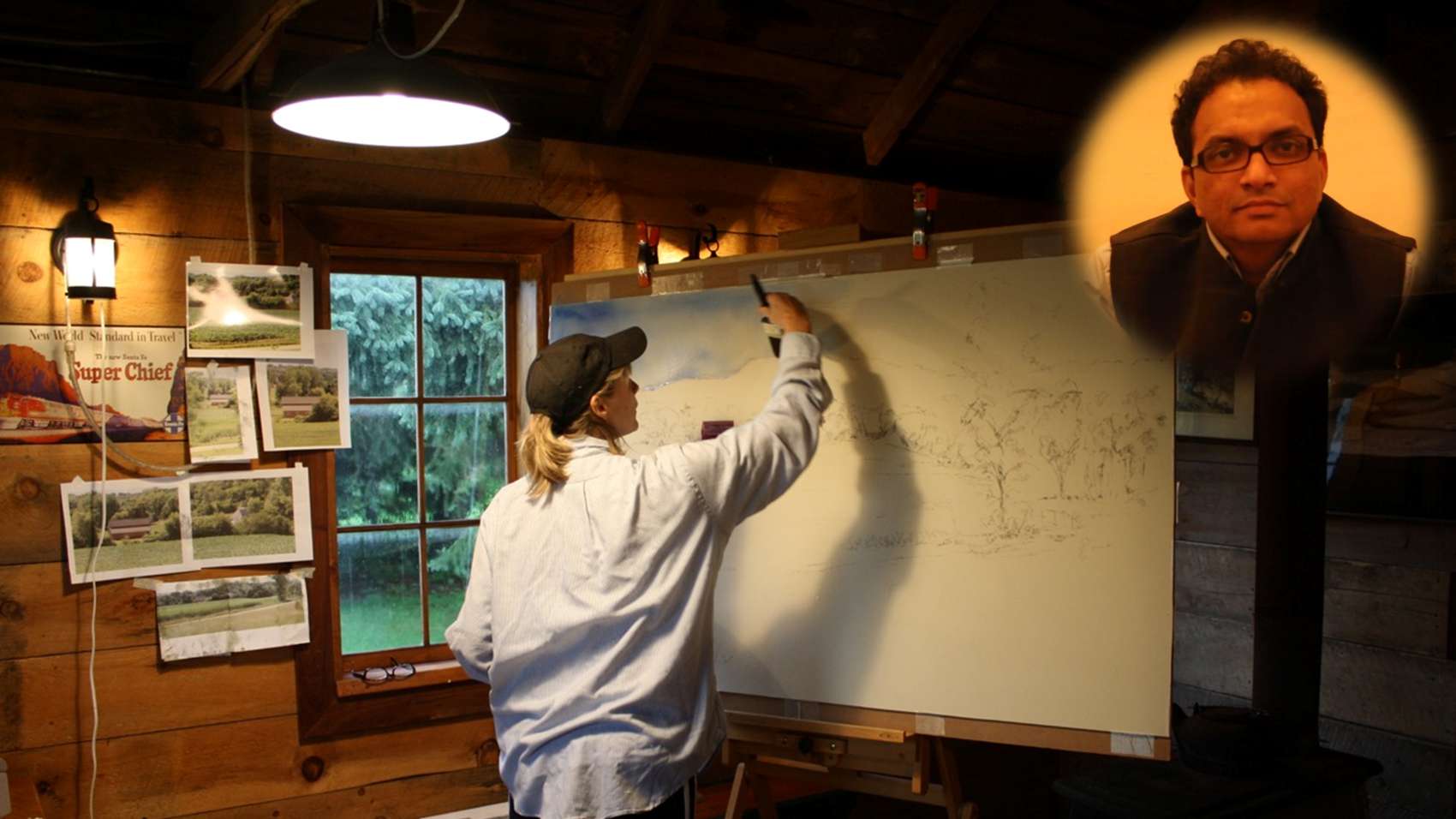
A professional artist might begin their day by sketching concepts for a new series of paintings inspired by environmental themes. After selecting a concept, they gather materials and experiment with different techniques to capture the desired mood and message. Throughout the process, the artist reflects on their intentions and adapts their approach based on creative discoveries. Once completed, the artworks are prepared for exhibition, where the artist engages with viewers, discusses their inspiration, and receives feedback. This ongoing cycle of creation, presentation, and interaction not only hones the artist’s skills but also deepens their connection to the community and the broader art world, illustrating the dynamic nature of art making as a profession.
Education
Color Basics

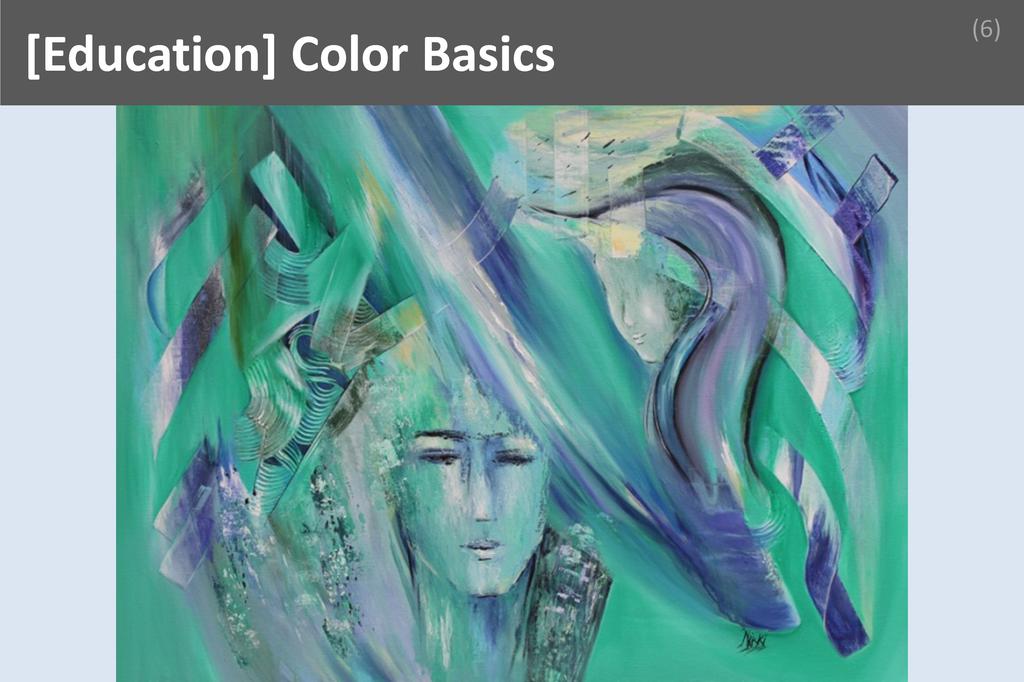
Color Basics refers to the fundamental principles governing the perception, mixing, and application of color, including hue, value, saturation, and the relationships between colors. In both academic study and professional practice, understanding Color Basics is essential for creating visually compelling and emotionally resonant artworks in any medium.
A thorough grasp of Color Basics is vital for anyone pursuing a career in Art Making because it underpins every visual decision an artist makes. Mastery of color theory enables artists to communicate mood, depth, and emphasis, while also solving practical challenges such as color harmony and contrast. This foundational knowledge is not only crucial for painters and illustrators but also for professionals in digital art, design, and multimedia fields. Over time, a strong command of color principles enhances creative versatility, supports effective collaboration with clients or teams, and increases the artist’s ability to adapt to new trends and technologies. Ultimately, understanding Color Basics empowers professionals to produce work that stands out and resonates with diverse audiences.
Imagine a professional painter tasked with creating a mural for a community center. Drawing on their understanding of Color Basics, the artist selects a palette that evokes warmth and inclusivity, using complementary colors to create visual interest and guide the viewer’s eye across the composition. During the painting process, the artist adjusts the saturation and value of certain hues to ensure the mural remains vibrant under varying lighting conditions. Their theoretical knowledge allows them to anticipate how colors will interact on a large scale and how the mural will be perceived by different audiences. This practical application of Color Basics ensures the final artwork not only fulfills the client’s vision but also enhances the environment for everyone who experiences it.
Different Bases

Different Bases refers to the various foundational materials, surfaces, or supports upon which art is created, such as canvas, paper, wood, metal, or digital platforms. Understanding these bases is essential in both academic study and professional practice, as it directly influences technique, material compatibility, and the longevity of artworks.
A thorough grasp of Different Bases is crucial for anyone pursuing a career in Art Making because the choice of base affects every aspect of the creative process. Artists must understand how different surfaces interact with various media, such as paint, ink, or digital tools, to achieve desired effects and ensure the durability of their work. This knowledge enables professionals to make informed decisions about materials, adapt their techniques to suit specific projects, and troubleshoot issues related to adhesion, texture, or preservation. Over time, mastery of Different Bases enhances an artist’s versatility, expands creative possibilities, and increases their value in collaborative or interdisciplinary settings, making it a key component of long-term professional growth.
Consider a professional painter commissioned to create a large mural for a public space. Before beginning, the artist assesses the wall’s material—concrete, brick, or plaster—and selects appropriate primers and paints that will adhere properly and withstand environmental conditions. Their understanding of Different Bases guides them in preparing the surface, choosing compatible materials, and applying techniques that prevent peeling or fading. This expertise ensures the mural’s visual impact and longevity, satisfying both aesthetic and practical requirements. By applying theoretical knowledge of Different Bases, the artist not only produces a high-quality artwork but also demonstrates professionalism and technical competence, which are essential for building a reputable career in Art Making.
Skills
Love for Beauty

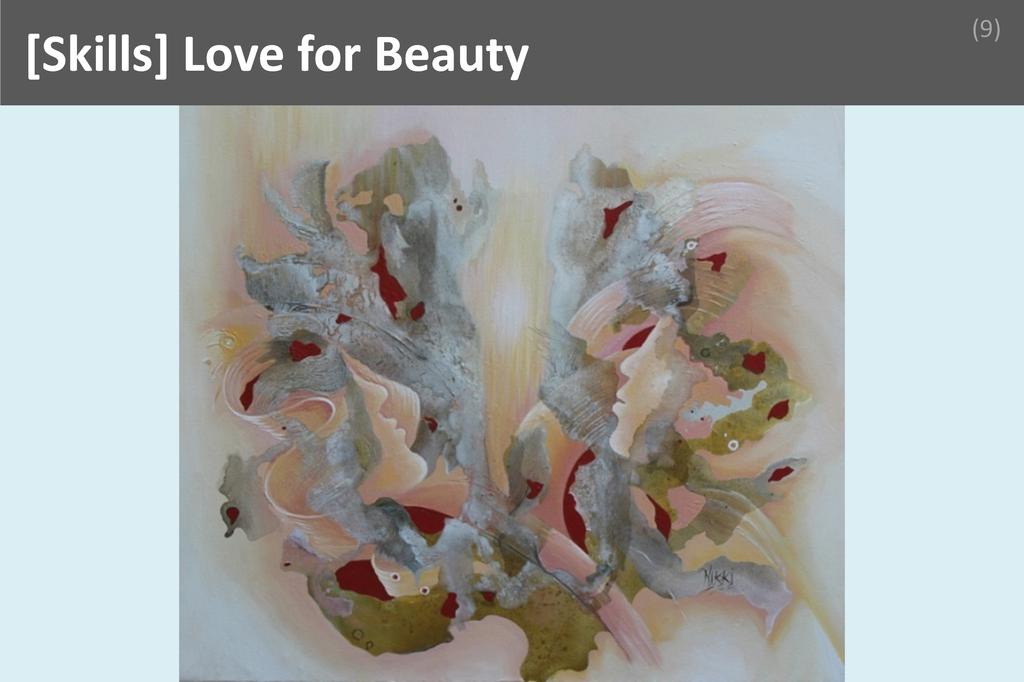
Love for Beauty is a deep, intrinsic appreciation for aesthetics, harmony, and visual appeal, driving individuals to seek, create, and refine what is pleasing to the senses. In art making, this passion fuels creativity, guides decision-making, and inspires the pursuit of excellence, making it indispensable for meaningful artistic expression.
A strong love for beauty elevates an art maker’s work by fostering a keen eye for detail, balance, and innovation. This skill enables professionals to produce pieces that resonate emotionally and visually with audiences, setting their creations apart. Clients and employers highly value this quality because it ensures that the final product is not only technically proficient but also captivating and memorable. Cultivating this skill involves immersing oneself in diverse artistic traditions, regularly observing nature and design, and practicing mindful reflection on what evokes a sense of beauty. Over time, this ongoing engagement sharpens one’s aesthetic sensibilities and enhances the ability to translate abstract ideas into visually compelling works.
Imagine an artist commissioned to design a mural for a community center. During the process, conflicting opinions arise regarding color schemes and imagery. Relying on their love for beauty, the artist thoughtfully considers how different elements interact and what will create the most uplifting atmosphere. Drawing from their refined aesthetic sense, they propose a harmonious composition that balances the community’s desires with visual impact. The resulting mural not only satisfies stakeholders but also transforms the space, inspiring pride and connection among visitors. In this scenario, the artist’s love for beauty was the guiding force that resolved creative challenges and led to a successful, celebrated outcome.
Patience

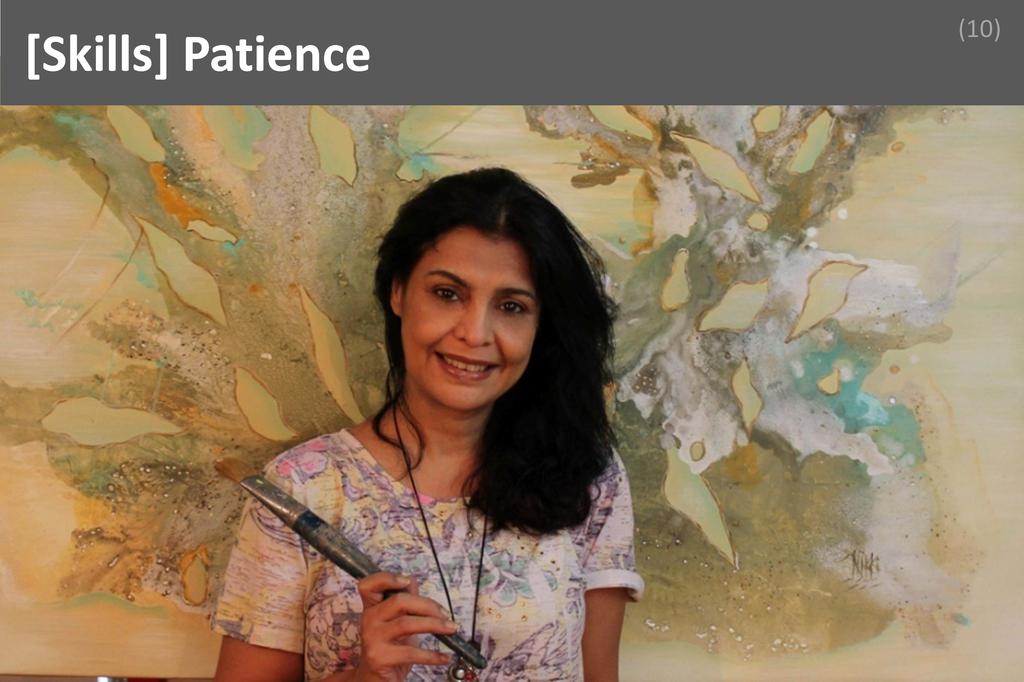
Patience is the ability to calmly endure delays, setbacks, or prolonged effort without frustration, maintaining focus and composure throughout the process. In art making, patience allows professionals to thoughtfully develop their ideas, refine techniques, and embrace the often slow evolution of creative work, leading to more meaningful and polished outcomes.
Patience directly enhances an artist’s performance by allowing for careful observation, iterative experimentation, and the willingness to revisit and revise work until it reaches its full potential. Clients and employers highly value this trait because it ensures that the final product is not rushed, but rather thoughtfully crafted with attention to detail and quality. Cultivating patience involves practicing mindfulness, setting realistic expectations for progress, and embracing the learning curve inherent in mastering new techniques or tackling ambitious projects. Over time, artists who nurture patience become more resilient, adaptable, and capable of producing work that stands out for its depth and craftsmanship.
Imagine an artist working on a large-scale mural for a public space, facing unexpected challenges such as weather delays, material shortages, or design revisions requested by stakeholders. Instead of succumbing to frustration or rushing through the process, the artist relies on patience to methodically address each obstacle. By taking the time to source the right materials, thoughtfully incorporate feedback, and wait for optimal conditions, the artist ensures the mural’s quality and integrity are preserved. This patient approach not only leads to a successful final piece but also builds trust with clients and the community, demonstrating professionalism and dedication to the craft.
Dedication and Consistency

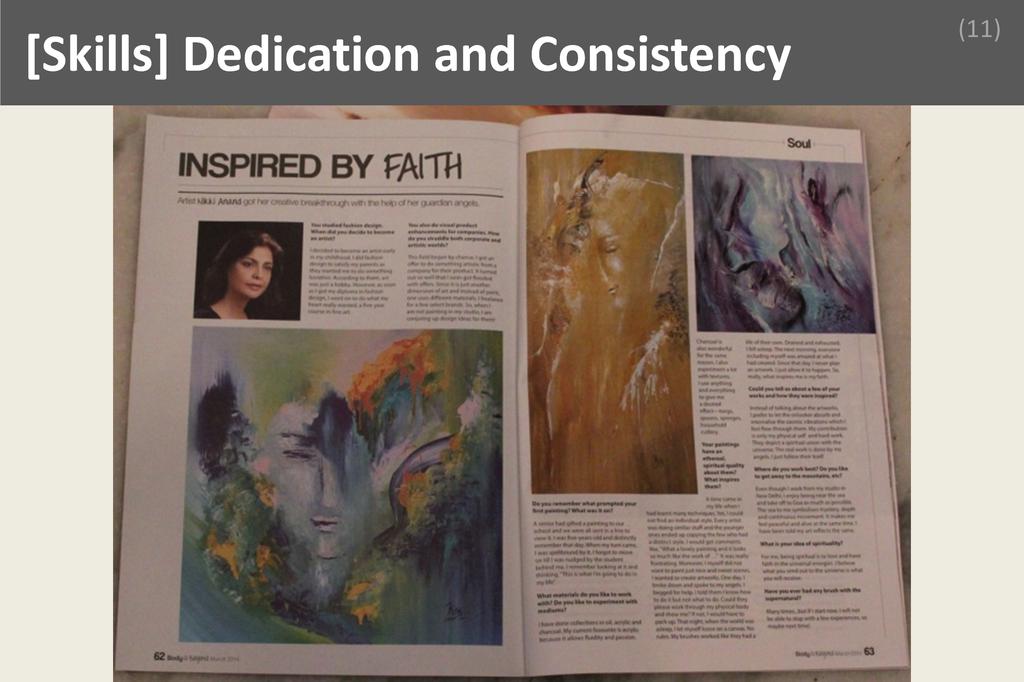
Dedication and consistency is the unwavering commitment to one’s craft, paired with the regular, disciplined effort to improve and produce work over time. In art making, this means showing up daily, refining techniques, and pushing creative boundaries, even when inspiration wanes or challenges arise. It is the backbone of artistic growth.
Dedication and consistency directly enhance an artist’s performance by fostering continuous improvement and resilience. Artists who commit to regular practice develop their skills more rapidly and are better equipped to tackle complex projects. Clients and employers value this trait because it signals reliability, professionalism, and the ability to deliver quality work on schedule. Cultivating dedication and consistency involves setting realistic goals, maintaining a structured routine, and embracing the process of learning from both successes and setbacks. Over time, these habits become ingrained, enabling artists to sustain their creative output and adapt to evolving industry demands.
Imagine an artist working on a large-scale mural commission with a tight deadline. Unexpectedly, the artist encounters technical difficulties with the chosen materials, threatening project completion. By relying on dedication and consistency, the artist continues to show up each day, experimenting with solutions and steadily making progress. This persistent effort not only resolves the technical issues but also reassures the client of the artist’s reliability and commitment. Ultimately, the mural is completed on time, and the artist’s reputation for professionalism and perseverance is strengthened, opening doors to future opportunities.
Communication

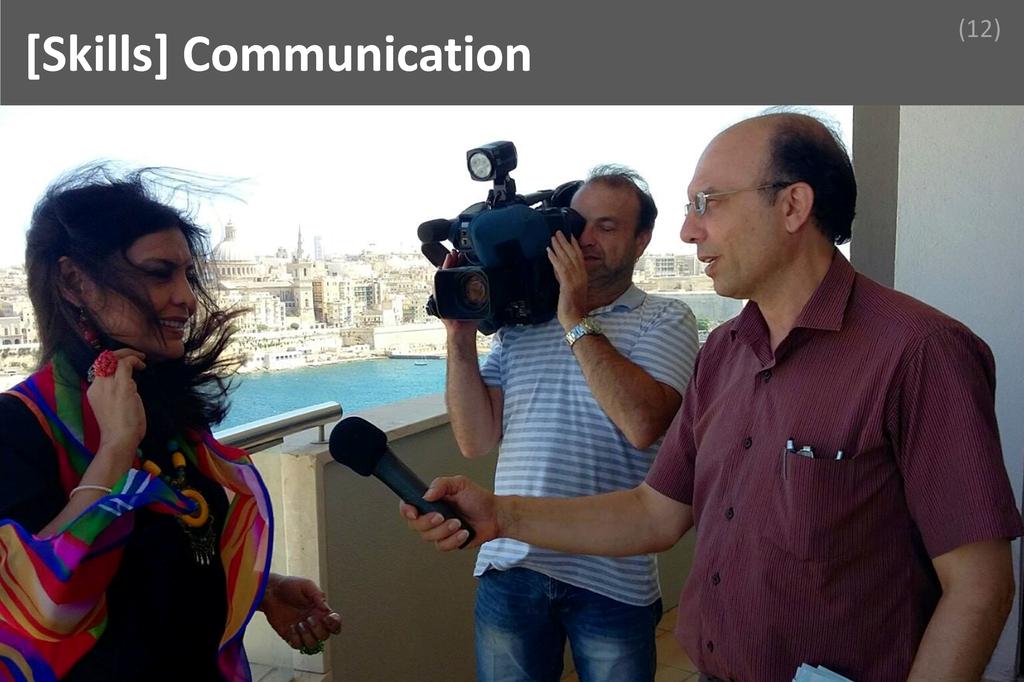
Communication is the process of exchanging ideas, information, and emotions through verbal, nonverbal, and written means to achieve mutual understanding. In art making, communication enables artists to convey their creative vision, collaborate with others, and interpret feedback, making it an indispensable skill for professional growth and project success.
Strong communication skills empower art makers to articulate their concepts clearly, ensuring that their creative intentions are understood by clients, collaborators, and audiences. This clarity fosters productive collaborations, minimizes misunderstandings, and streamlines project workflows. Clients and employers highly value artists who can explain their ideas, listen actively, and respond constructively to feedback, as these abilities lead to more effective teamwork and satisfying results. Communication can be cultivated through regular practice, seeking feedback, participating in group critiques, and engaging in interdisciplinary projects. Over time, artists who prioritize communication become more adaptable, confident, and capable of navigating the diverse interpersonal dynamics that shape the art world.
Imagine an artist commissioned to create a large-scale mural for a community center. During the initial stages, the client expresses concerns about the proposed color palette and its alignment with the community’s values. The artist listens attentively, asks clarifying questions, and thoughtfully explains the symbolism behind their choices. Through open dialogue, the artist and client reach a shared understanding, allowing for adjustments that honor both the artist’s vision and the community’s preferences. By relying on effective communication, the artist not only resolves a potential conflict but also builds trust, ensuring the project’s success and fostering a positive professional relationship for future collaborations.
Positives
Creative Satisfaction

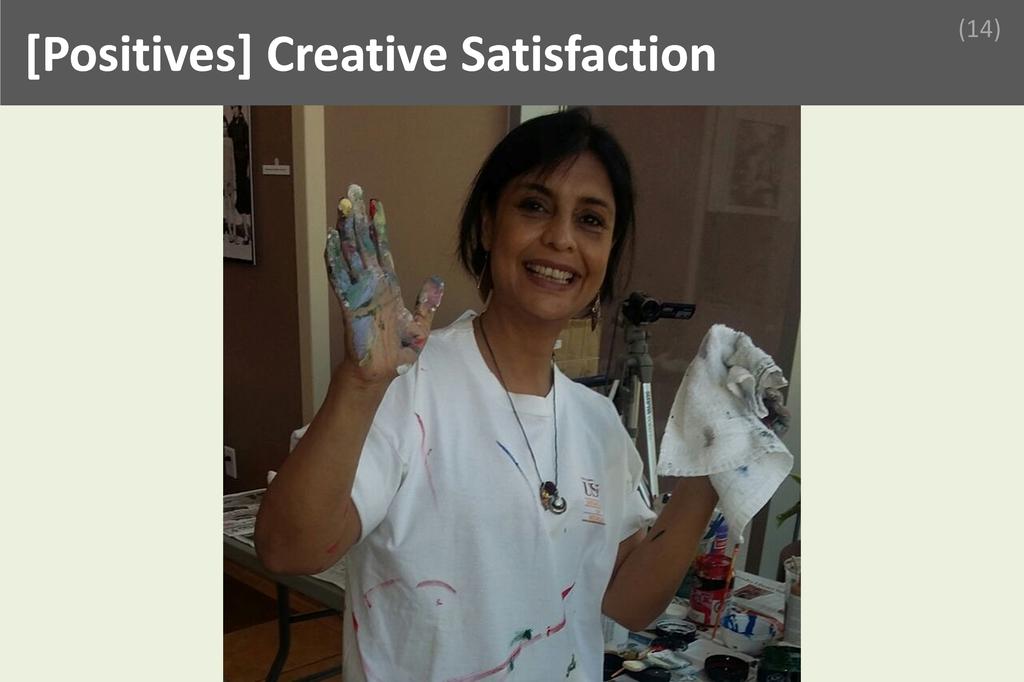
Creative satisfaction is the profound sense of fulfillment and joy that arises from expressing one’s imagination, ideas, and emotions through artistic creation. It is the rewarding feeling artists experience when their vision comes to life, reflecting their unique perspective and skills. This satisfaction fuels passion, motivation, and a deep connection to one’s work.
Creative satisfaction is a cornerstone of a rewarding career in art making because it transforms work into a meaningful pursuit rather than a routine obligation. When artists feel creatively satisfied, they are more likely to remain passionate and engaged, which leads to higher job satisfaction and personal growth. This sense of fulfillment encourages experimentation, risk-taking, and the continuous development of new skills. Artists who experience creative satisfaction often find themselves more resilient in the face of challenges, as their intrinsic motivation drives them forward. Each day, the opportunity to explore new ideas and see them materialize into tangible works provides a sense of accomplishment that is both immediate and enduring, making the profession deeply gratifying.
Imagine a painter who spends weeks developing a new series of abstract works, experimenting with color, texture, and form. As the pieces begin to take shape, the artist feels a growing sense of excitement and pride in the originality of the creations. When the series is finally complete, the artist steps back and sees a cohesive body of work that authentically expresses their vision and emotions. This moment of realization brings a profound sense of creative satisfaction, validating the effort and risk involved in the process. The artist’s daily engagement with their craft is enriched by this fulfillment, inspiring them to continue exploring and pushing boundaries in their art.
Respect & Recognition

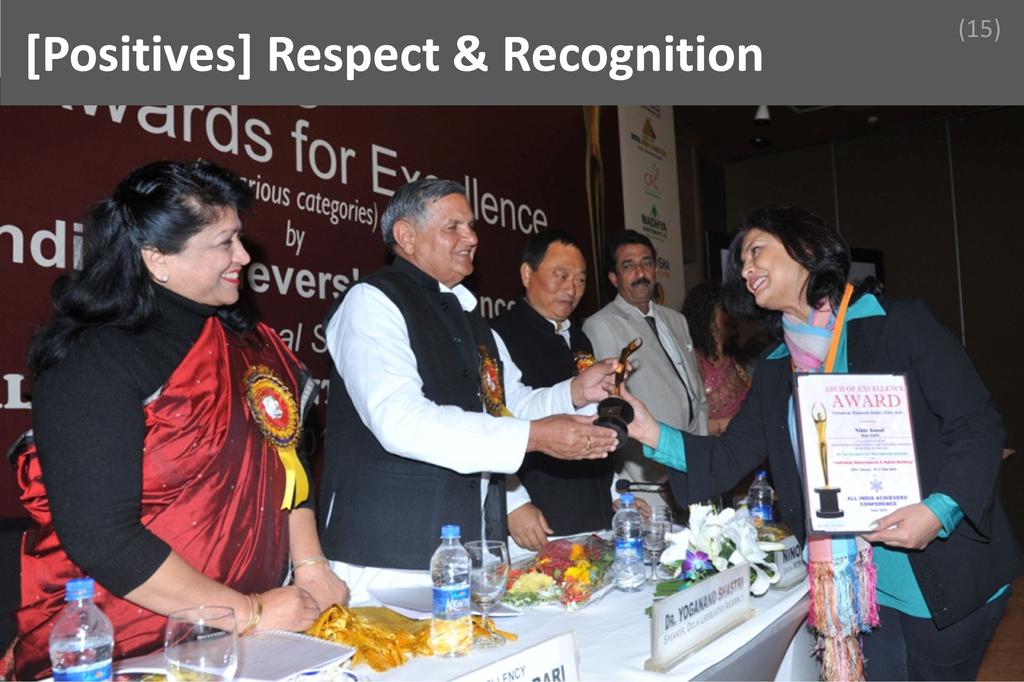
Respect & Recognition refers to the appreciation, admiration, and acknowledgment artists receive from peers, audiences, and the broader community for their creative work and unique vision. This validation affirms the artist’s skills, dedication, and impact, fostering a sense of belonging and value within the artistic and cultural landscape.
The presence of respect and recognition in art making is a powerful motivator that elevates the entire creative journey. When artists feel valued, their confidence grows, inspiring them to push boundaries and explore new ideas. This positive feedback loop not only enhances job satisfaction but also encourages continuous growth and learning. Artists who are respected and recognized often find greater opportunities for collaboration, exhibition, and professional advancement. Daily, this benefit is experienced through supportive feedback, invitations to showcase work, and genuine engagement from audiences, all of which reinforce the artist’s purpose and passion. Ultimately, respect and recognition transform art making from a solitary pursuit into a celebrated and impactful profession.
Imagine a painter who has spent months developing a new series of works, pouring their emotions and creativity onto each canvas. At a local gallery opening, visitors are captivated by the originality and depth of the collection. Fellow artists express admiration, and critics highlight the painter’s unique perspective in glowing reviews. The artist receives heartfelt messages from attendees who share how the artwork resonated with their own experiences. This outpouring of respect and recognition not only validates the painter’s efforts but also fuels a renewed sense of purpose and inspiration. The experience demonstrates how acknowledgment from others can transform the challenges of art making into moments of profound fulfillment and joy.
Vast Career Opportunities

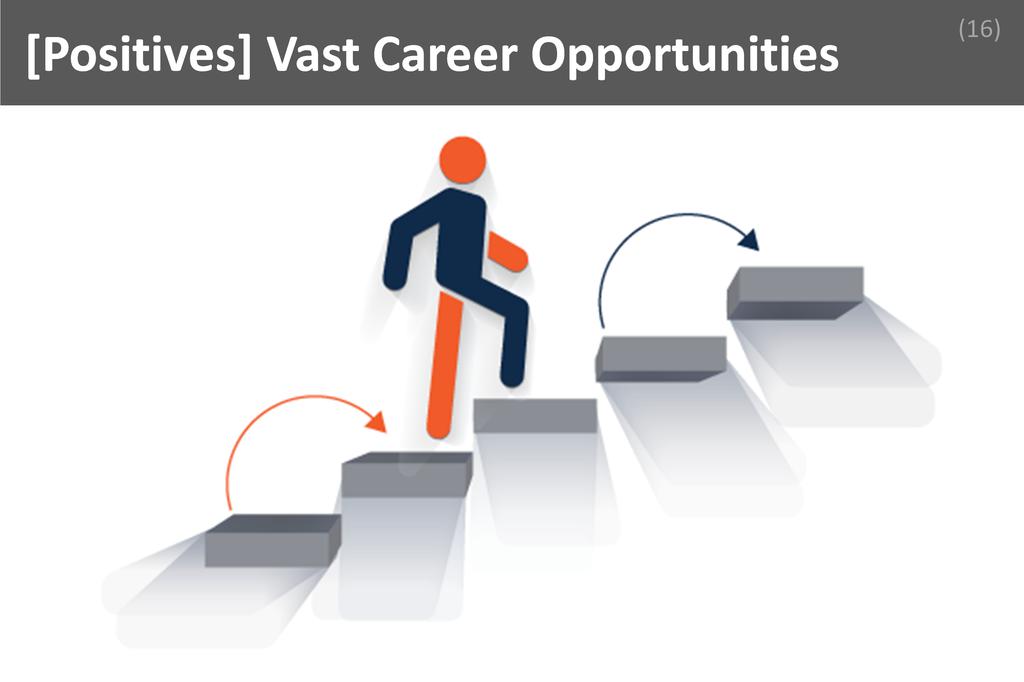
Vast Career Opportunities refers to the wide range of professional paths, roles, and industries available to individuals skilled in art making. This diversity allows artists to explore careers in fine arts, digital media, education, design, curation, and beyond. Such breadth ensures adaptability, creative freedom, and long-term professional sustainability. In art making, this abundance of options means that practitioners are not limited to a single trajectory. Instead, they can continually evolve, experiment, and find new ways to express their talents. This dynamic landscape contributes positively to the profession by fostering resilience, encouraging lifelong learning, and enabling artists to align their work with their passions and values.
The vast career opportunities in art making matter because they empower professionals to shape their own unique journeys. This flexibility leads to greater job satisfaction, as artists can pursue roles that resonate with their personal interests and strengths. Whether transitioning from traditional painting to digital illustration or moving from studio practice to arts education, the ability to pivot and grow keeps the work engaging and meaningful. Artists experience this benefit daily through the freedom to collaborate across disciplines, adapt to emerging technologies, and respond to cultural shifts. This constant evolution not only enhances professional growth but also nurtures a sense of purpose and fulfillment, making art making a truly rewarding career choice.
Consider an artist who begins their career as a painter, exhibiting works in local galleries. Over time, they discover a passion for digital media and start creating animations, which leads to collaborations with filmmakers and game designers. Later, their expertise opens doors to teaching workshops and curating exhibitions, allowing them to share their knowledge and inspire others. Each transition brings new challenges and opportunities, keeping their career fresh and exciting. This journey exemplifies how vast career opportunities in art making enable professionals to reinvent themselves, explore diverse interests, and continually find new ways to contribute creatively to the world, resulting in a deeply satisfying and impactful professional life.
Monetary Potential

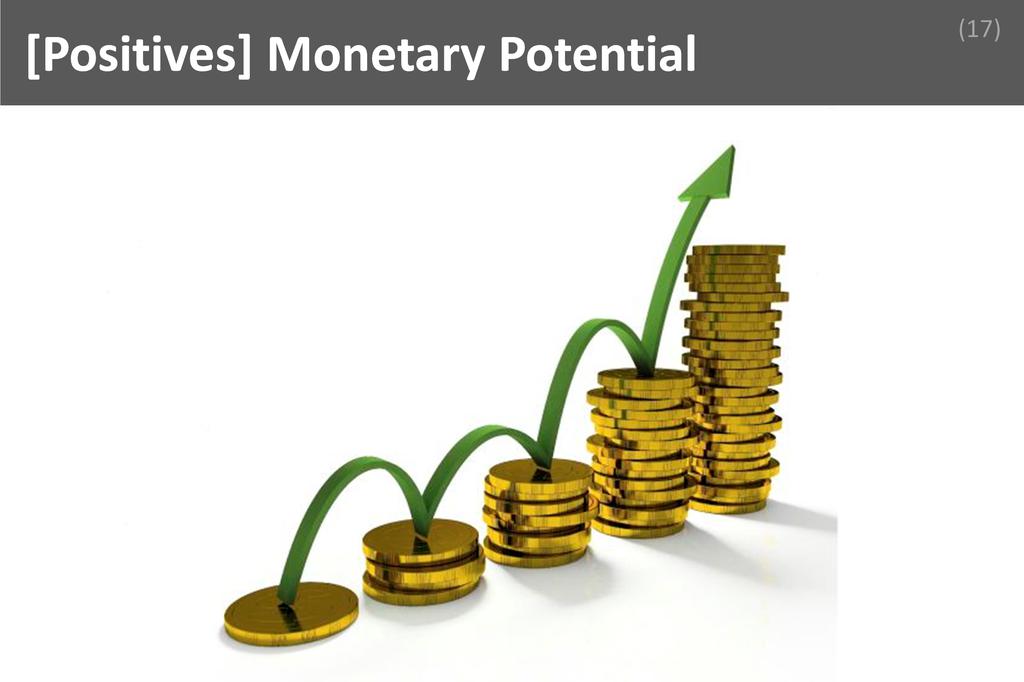
Monetary Potential refers to the capacity for individuals to generate significant income and financial growth through their creative work, sales, commissions, licensing, and collaborations. In art making, this potential transforms passion into a sustainable livelihood, offering artists the opportunity to thrive financially while pursuing their creative ambitions and personal expression.
The monetary potential in art making is a powerful motivator that elevates the profession beyond mere passion or hobby. When artists realize that their creativity can yield substantial financial rewards, it fosters a sense of validation and purpose. This financial empowerment allows artists to invest in better materials, expand their studios, and dedicate more time to their craft. The possibility of earning through exhibitions, online sales, or commissioned projects not only boosts job satisfaction but also encourages continuous growth and innovation. Every day, professionals in this field experience the tangible benefits of their work being valued in the marketplace, which fuels their drive to create and excel.
Consider an artist who begins by showcasing their work at local galleries and gradually builds a reputation for unique, captivating pieces. As their audience grows, they start receiving commissions from private collectors and businesses, and their art is featured in online marketplaces. The artist soon finds that their income from art surpasses what they once earned in a traditional job. This financial success enables them to travel for inspiration, invest in advanced techniques, and even mentor aspiring artists. The realization that their creative vision can provide both personal fulfillment and financial security exemplifies the profound impact of monetary potential in art making.
Challenges
No help from outside world

In Art Making, "No help from outside world" refers to the absence of external support, feedback, or resources from peers, mentors, or institutions. This isolation makes it challenging to gain perspective, validation, or assistance, demanding artists rely solely on their own skills, motivation, and resourcefulness to progress.
The lack of external help can lead to creative stagnation, self-doubt, and slower professional growth, as artists must generate ideas, solve problems, and evaluate their work independently. This isolation requires significant resilience, as there is no immediate encouragement or constructive criticism to fuel progress. Successful professionals manage this constraint by cultivating strong self-discipline, developing internal feedback mechanisms, and setting personal goals. They often create structured routines and seek inspiration from within, using self-reflection and experimentation to push their practice forward. Over time, this self-reliance can foster a unique artistic voice and a deep sense of accomplishment, turning the challenge of isolation into a source of creative strength.
Consider a painter living in a remote area without access to galleries, art communities, or mentorship. Despite the absence of external support, she commits to a daily painting practice, documents her progress through a personal journal, and sets monthly challenges to expand her skills. She studies art history and contemporary works through books and online resources, but ultimately relies on her own judgment to critique and refine her pieces. Over time, her persistence leads to a distinctive style and a cohesive body of work. When she finally shares her art online, her unique perspective attracts attention, demonstrating how overcoming the lack of outside help can result in both personal growth and professional recognition.
Expensive Materials

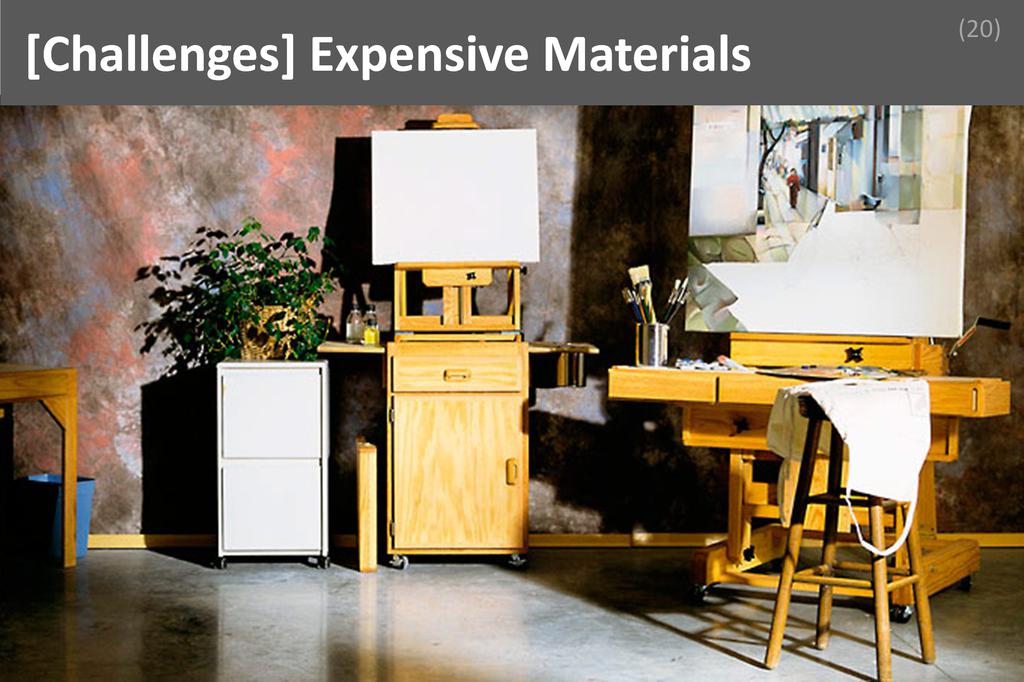
Expensive materials in art making refer to the high costs associated with acquiring quality supplies such as paints, canvases, sculpting mediums, and specialized tools. This challenge is demanding because it can limit creative experimentation, restrict access for emerging artists, and place significant financial pressure on professionals striving to maintain high standards.
The burden of expensive materials can shape an artist’s daily routine, often forcing difficult choices about which projects to pursue or which techniques to employ. This financial constraint can stifle creativity, as artists may hesitate to experiment for fear of wasting costly supplies. Overcoming this challenge requires resilience, resourcefulness, and adaptability. Successful professionals often seek alternative materials, repurpose existing resources, or collaborate with suppliers for discounts or sponsorships. Some artists also develop minimalist approaches, focusing on fewer but higher-quality works, or turn to community studios where materials are shared. By embracing these strategies, artists can continue to create meaningful work without being paralyzed by the high cost of materials.
Consider a professional painter who dreams of working with large-scale oil canvases but is constrained by the prohibitive cost of premium paints and stretched linen. Instead of abandoning their vision, the artist sources surplus materials from local art schools and repurposes discarded frames and canvases. They also experiment with mixing their own pigments and collaborate with other artists to buy supplies in bulk, reducing individual expenses. Through these creative solutions, the painter not only sustains their practice but also develops a unique style influenced by the materials at hand. This approach demonstrates how determination and ingenuity can transform the obstacle of expensive materials into an opportunity for innovation and growth.
Inconsistent Profession

In the context of Art Making, "Inconsistent Profession" refers to the unpredictable nature of work opportunities, income, and recognition. Artists often face irregular commissions, fluctuating demand, and uncertain financial stability, making it a demanding career path that requires adaptability, perseverance, and a proactive approach to sustain both creative output and livelihood.
The inconsistency inherent in an art-making career can lead to periods of intense productivity followed by stretches of inactivity, which can be emotionally and financially taxing. This unpredictability demands resilience, as artists must cope with self-doubt, fluctuating motivation, and the pressure to secure new projects or exhibitions. Successful professionals often manage this constraint by diversifying their income streams, building strong networks, and maintaining disciplined routines. They also invest in continuous learning and self-promotion, which helps them remain visible and relevant in a competitive field. By embracing flexibility and viewing downtime as an opportunity for experimentation or skill development, artists can transform inconsistency into a source of creative growth rather than a setback.
Consider a freelance illustrator who experiences months with abundant client work followed by quieter periods with few assignments. Instead of succumbing to anxiety during slow times, she uses these intervals to develop a personal project, such as a children’s book, and to update her online portfolio. She also attends local art events and workshops, expanding her professional network and learning new techniques. Over time, her proactive approach leads to new collaborations and commissions, while her personal project garners attention from publishers. By strategically navigating the ups and downs of her profession, she not only sustains her career but also finds fulfillment and growth as an artist.
Overlooking Art Critics

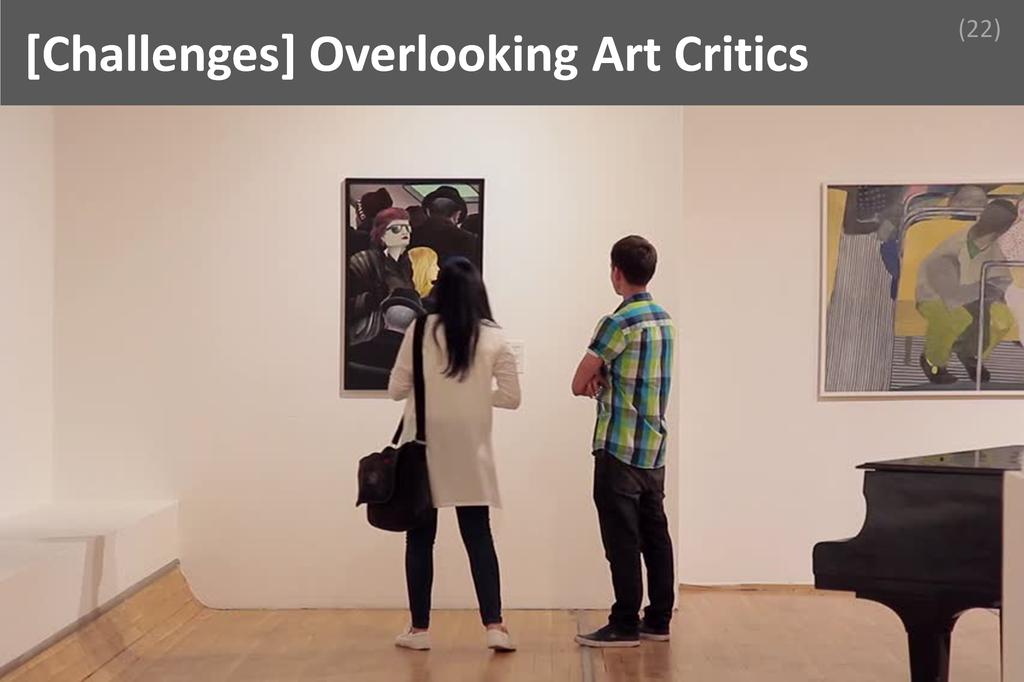
Overlooking Art Critics refers to the tendency of artists and art professionals to disregard or undervalue the perspectives and feedback of art critics. This challenge is demanding because critics often shape public perception, influence opportunities, and provide valuable insights that can refine an artist’s practice, making their input crucial yet sometimes difficult to embrace.
The difficulty of overlooking art critics can permeate an artist’s daily work, leading to missed opportunities for growth and exposure. Ignoring critical feedback may result in creative stagnation or a disconnect from broader artistic conversations. This challenge demands resilience, as criticism can feel personal and discouraging. However, successful professionals learn to approach criticism constructively, discerning between subjective opinion and actionable advice. They develop the emotional fortitude to accept critique without letting it undermine their confidence or vision. By engaging thoughtfully with critics, artists can refine their work, expand their audience, and remain relevant in a competitive field, transforming critique into a catalyst for professional and creative development.
Consider a painter preparing for a major gallery exhibition who receives a harsh review from a respected art critic. Instead of dismissing the feedback, the artist carefully analyzes the critique, identifying specific points about composition and thematic clarity. Rather than feeling defeated, the painter consults with peers and mentors, reflecting on the critic’s observations. By making thoughtful adjustments and embracing the learning opportunity, the artist not only improves the current body of work but also demonstrates adaptability and professionalism. This approach leads to more favorable reviews in subsequent exhibitions and strengthens the artist’s reputation for growth and openness, ultimately turning a challenging critique into a stepping stone for success.
A Day Of
Art Making
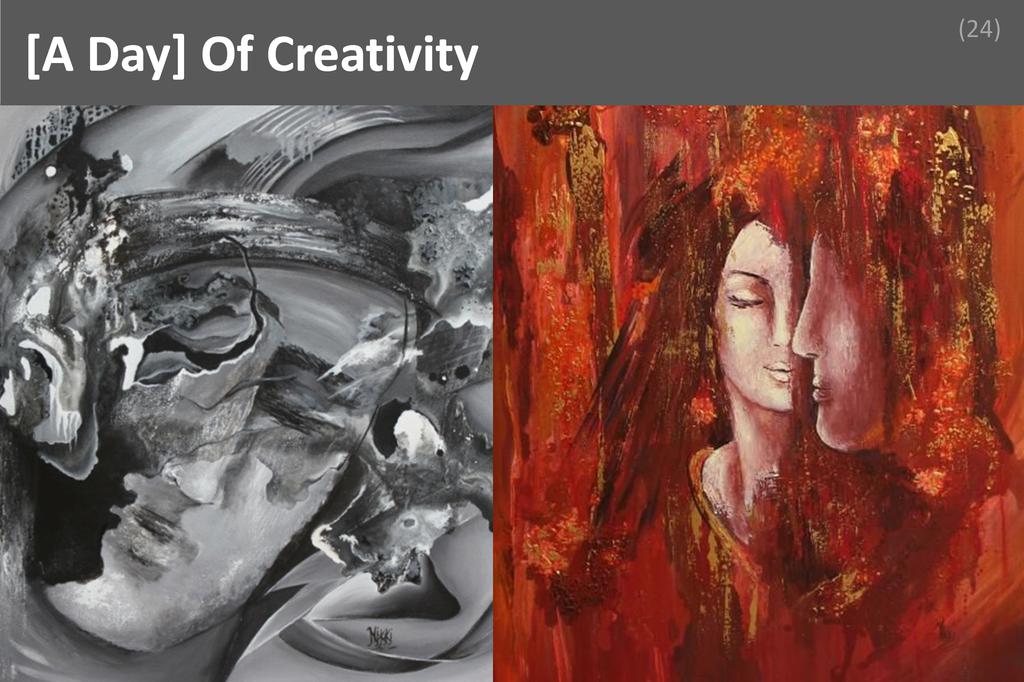
The studio hums with a quiet energy as sunlight filters through tall windows, illuminating canvases, clay, and scattered sketches. For an art making professional, each day is a blend of solitary focus and bursts of creative experimentation, punctuated by moments of collaboration and reflection. The pace is both meditative and dynamic, shaped by the unpredictable flow of inspiration and the steady rhythm of hands at work. In this environment, the boundaries between work and passion blur, and every brushstroke or sculpted form is a step in an ongoing journey of expression and discovery.
As dawn breaks, the art maker arrives in the studio, greeted by the familiar scent of paint, wood, or clay. The early morning is reserved for setting up the workspace, reviewing sketches or notes from the previous day, and gathering materials needed for the day’s projects. This quiet hour is a time for reflection and intention-setting, allowing the artist to mentally map out the creative goals ahead while preparing the physical environment for a productive session.
By mid-morning, the studio comes alive with the core activity of art making. Brushes sweep across canvas, hands mold raw materials, and ideas take tangible form. This is the most intense and focused part of the day, where the artist becomes fully absorbed in the act of creation. The outside world fades away as experimentation, problem-solving, and bursts of inspiration drive the work forward. Whether working on a commission, a personal project, or preparing for an exhibition, this period is marked by deep concentration and the exhilarating challenge of bringing visions to life.
The afternoon often shifts toward collaboration and execution. The artist may meet with clients, curators, or fellow creatives to discuss ongoing projects, receive feedback, or brainstorm new ideas. Studio assistants might help with technical tasks, or the artist may document finished pieces for portfolios and social media. This phase balances the solitary nature of art making with the practical realities of sharing and presenting work, ensuring that creative output aligns with deadlines and professional commitments.
As the day winds down, the artist transitions to wrap-up and planning. Tools are cleaned and materials stored, while notes are made about progress and ideas for tomorrow’s work. This is also a time for administrative tasks such as responding to emails, updating websites, or researching new techniques and inspiration. The calm of the evening provides space to reflect on the day’s achievements and set intentions for the next creative cycle, ensuring that each day builds upon the last in the ever-evolving practice of art making. |