The Journey of Fine Arts
What Is Fine Arts
Fine Arts

Fine Arts refers to creative disciplines such as painting, sculpture, drawing, printmaking, and other visual arts that are primarily valued for their aesthetic, intellectual, and expressive qualities. It emphasizes personal expression, creativity, and the pursuit of beauty, often serving as a medium for cultural and social commentary.
Fine Arts plays a significant role in shaping culture, fostering creativity, and encouraging critical thinking. For professionals, it provides a platform to express unique perspectives and challenge societal norms. The field nurtures innovation by pushing boundaries and exploring new techniques. Fine Arts also enhances emotional intelligence, as artists often communicate complex feelings and ideas through their work. Additionally, it offers opportunities for personal fulfillment and professional recognition, as artists can gain satisfaction from creating meaningful works and contributing to the cultural landscape. The discipline also supports economic growth by driving creative industries and attracting audiences to galleries, museums, and exhibitions.
A professional fine artist might work in a studio, developing a series of paintings that explore themes of identity and belonging. Through research, experimentation with materials, and engagement with contemporary issues, the artist creates works that are later exhibited in a gallery. Visitors interact with the pieces, sparking conversations about the themes presented. The artist may also collaborate with curators, participate in artist talks, and receive commissions for public art projects. This process not only allows the artist to express personal vision but also connects with the community, influences public discourse, and contributes to the broader cultural dialogue. The impact of their work extends beyond the gallery, inspiring others and enriching the cultural fabric of society.
Education
Academics

Academics refers to the structured study of subjects and disciplines within an educational setting, emphasizing critical thinking, research, and theoretical understanding. In Fine Arts, academics encompasses art history, theory, criticism, and related humanities, forming the intellectual framework that supports creative practice and professional development within the field.
Understanding academics is essential for anyone pursuing a career in Fine Arts because it provides the intellectual tools necessary to analyze, interpret, and contextualize artistic works. Academic knowledge allows artists and professionals to engage deeply with the history and theory of art, fostering a richer creative process and more meaningful artistic expression. This foundation not only enhances technical skills but also cultivates the ability to communicate ideas effectively, critique works constructively, and contribute thoughtfully to the broader cultural conversation. Over time, a strong academic background supports career advancement by enabling professionals to teach, curate, write, and participate in interdisciplinary collaborations, ensuring their work remains relevant and influential within the evolving landscape of the arts.
Consider a museum curator who is responsible for organizing an exhibition of contemporary sculpture. Their academic background in art history and theory enables them to select works that not only showcase technical mastery but also engage with important cultural and historical themes. Drawing on their understanding of academic concepts, the curator writes interpretive texts and guides public discussions that help visitors appreciate the deeper meanings behind the artworks. This theoretical grounding allows the curator to connect the exhibition to broader artistic movements and societal issues, enriching the experience for audiences and elevating the professional reputation of both the institution and the artists involved.
General Knowledge

General Knowledge refers to a broad awareness of facts, concepts, events, and cultural practices across various fields, including history, science, literature, and current affairs. In Fine Arts, it serves as a crucial foundation, enriching creative expression and contextual understanding, and supporting both academic study and professional practice.
A strong grasp of General Knowledge is essential for anyone pursuing or working in Fine Arts because it provides the context and depth necessary for meaningful artistic creation and interpretation. Understanding historical events, cultural movements, and societal trends allows artists and professionals to draw inspiration from a wide array of sources, making their work more relevant and impactful. This foundational knowledge also enhances critical thinking and communication skills, enabling professionals to engage thoughtfully with audiences, clients, and collaborators. Over the long term, a well-rounded knowledge base supports career growth by fostering adaptability, cultural sensitivity, and the ability to contribute to interdisciplinary projects, all of which are highly valued in the dynamic field of Fine Arts.
Consider a museum curator responsible for organizing an exhibition on contemporary art. Their daily work involves selecting artworks, writing interpretive materials, and engaging with visitors. By applying their General Knowledge, the curator can draw connections between the featured pieces and broader historical or cultural themes, making the exhibition more accessible and engaging for diverse audiences. For instance, understanding the social context behind a particular art movement enables the curator to explain its significance and relevance today. This not only enriches the visitor experience but also demonstrates the curator’s ability to bridge the gap between artistic expression and public understanding, highlighting the practical importance of General Knowledge in Fine Arts professions.
Sketching

Sketching is the rapid, freehand drawing technique used to capture ideas, forms, or compositions with minimal detail. It serves as a preliminary step in the creative process, allowing artists to explore concepts, refine visual thinking, and communicate ideas efficiently. In Fine Arts, sketching is fundamental for both study and practice.
Understanding sketching is essential for anyone pursuing Fine Arts because it forms the backbone of visual communication and creative exploration. Mastery of sketching enables artists to quickly translate thoughts into visual form, experiment with composition, and solve design problems before committing to more detailed work. This skill is not only crucial for academic assignments but also underpins professional practices such as illustration, painting, sculpture, and digital art. Over time, strong sketching abilities enhance an artist’s confidence, speed, and versatility, making them more adaptable to various artistic challenges. Furthermore, employers and clients often value artists who can present clear, compelling sketches as part of their creative process, making this skill a long-term asset in a competitive field.
Consider a professional fine artist preparing for a gallery exhibition. Each day, they begin by sketching multiple concepts in their sketchbook, using quick lines to explore different poses, lighting, and compositions for their final pieces. This process allows them to visualize ideas, identify potential issues, and make informed decisions before investing time and resources into large-scale works. When collaborating with curators or clients, the artist uses these sketches to communicate their vision clearly and receive feedback, ensuring that the final artwork aligns with expectations. Through this daily application of sketching, the artist not only refines their creative ideas but also streamlines their workflow, demonstrating the practical value of theoretical sketching knowledge in a professional setting.
Techniques

Techniques in Fine Arts refer to the specific methods, processes, and skills artists use to create visual, auditory, or performance-based works. Mastery of techniques is essential in both academic study and professional practice, as it enables artists to effectively express ideas, solve creative challenges, and produce high-quality, impactful art.
Understanding techniques is fundamental for anyone pursuing a career in Fine Arts because it bridges the gap between creative vision and tangible outcomes. Mastery of various techniques allows artists to experiment confidently, adapt to different mediums, and develop a unique artistic voice. In academic settings, learning techniques provides a structured foundation for exploring diverse art forms, while in professional practice, it ensures consistent quality and innovation. Over time, a deep knowledge of techniques enhances an artist’s versatility, making them more competitive in the job market and better equipped to collaborate with others. This expertise also fosters lifelong growth, as artists continually refine their skills and adapt to new trends and technologies within the evolving landscape of Fine Arts.
Consider a professional painter preparing for a gallery exhibition. Their theoretical understanding of techniques, such as layering, glazing, and brushwork, directly informs their creative process. Each day, the artist assesses which technique best conveys the intended mood or message of a piece. If a particular painting requires a luminous effect, the artist might employ glazing, applying thin, translucent layers of paint to achieve depth and richness. When faced with a challenging texture or surface, their knowledge of alternative methods allows them to adapt and maintain the integrity of their vision. This daily application of techniques not only elevates the quality of their work but also demonstrates their expertise to curators, collectors, and peers.
Surface

Surface refers to the outermost layer or texture of a material or artwork, encompassing its visual and tactile qualities. In Fine Arts, understanding surface is essential for manipulating how light, color, and texture interact, directly influencing the viewer’s perception and emotional response. Mastery of surface is foundational in artistic practice.
A deep understanding of surface is vital for anyone pursuing a career in Fine Arts because it underpins the creation and interpretation of visual works. Artists must consider how different surfaces absorb or reflect light, how textures evoke emotion, and how materials interact with various media. This knowledge allows professionals to make informed choices about materials and techniques, ensuring their artistic intentions are effectively communicated. Over time, expertise in surface manipulation distinguishes accomplished artists, enabling them to innovate and adapt across diverse artistic disciplines. Furthermore, curators, conservators, and educators rely on this understanding to preserve, present, and teach about artworks, making surface knowledge a cornerstone of both creative and academic success in the field.
Consider a professional painter preparing a canvas for an exhibition. Their theoretical understanding of surface guides them in selecting the right primer to achieve the desired texture, whether smooth for fine detail or rough for expressive brushwork. As they apply paint, they adjust their technique to enhance or subdue the surface’s tactile qualities, knowing that these choices affect how viewers engage with the artwork. Later, when varnishing the finished piece, their knowledge of surface ensures the colors remain vibrant and the painting is protected from environmental damage. This daily application of surface theory not only elevates the quality of their work but also supports its longevity and impact.
Nature Study

Nature Study is the careful observation and analysis of the natural world, focusing on plants, animals, landscapes, and natural phenomena. In Fine Arts, it serves as a fundamental discipline, fostering keen perception, accurate representation, and creative inspiration. Mastery of Nature Study enriches both academic training and professional artistic practice.
Understanding Nature Study is essential for anyone pursuing a career in Fine Arts because it cultivates the ability to observe and interpret the world with precision and sensitivity. This discipline trains artists to notice subtle details, such as the play of light on leaves or the structure of animal anatomy, which are crucial for creating lifelike and compelling works. By grounding their practice in direct observation, artists develop a visual vocabulary that enhances their technical skills and creative expression. Over time, this foundational knowledge supports versatility across various artistic mediums and styles, enabling professionals to adapt to diverse projects and artistic challenges. Ultimately, Nature Study instills a lifelong habit of curiosity and observation, which sustains artistic growth and innovation throughout a career.
Consider a professional painter commissioned to create a landscape mural for a public space. Drawing on their background in Nature Study, the artist spends time observing the local environment, noting the unique shapes of native trees, the way sunlight filters through the branches, and the subtle color variations in the sky at different times of day. This theoretical understanding allows the artist to accurately capture the essence of the location, infusing the mural with authenticity and vibrancy. The ability to translate real-world observations into artistic elements not only enhances the quality of the final work but also demonstrates the artist’s expertise and attention to detail, making their contribution stand out in a competitive field.
Latest Works of Artists

"Latest Works of Artists" refers to the most recent creations, exhibitions, or projects produced by contemporary artists across various mediums. This concept is central in Fine Arts education and practice, as it reflects current trends, innovative techniques, and evolving artistic dialogues that shape both academic study and professional engagement in the field.
Understanding the latest works of artists is essential for anyone pursuing or advancing a career in Fine Arts. This knowledge enables professionals to remain informed about contemporary movements, emerging talents, and the shifting boundaries of artistic expression. By studying recent works, artists and art professionals can draw inspiration, identify new techniques, and anticipate future trends that may influence their own creative or curatorial decisions. Engaging with current artistic output also fosters critical thinking and dialogue, which are crucial for developing a distinctive artistic voice or curatorial perspective. Over time, this awareness supports professional growth, enhances credibility, and opens opportunities for collaboration, exhibition, and critical recognition within the ever-evolving art world.
Consider a gallery curator preparing an upcoming exhibition. Their understanding of the latest works of artists allows them to select pieces that resonate with current cultural conversations and audience interests. By referencing recent installations, digital art projects, or multimedia performances, the curator can craft a compelling narrative that situates the exhibition within a broader contemporary context. This approach not only attracts visitors and media attention but also positions the gallery as a forward-thinking institution. Similarly, a practicing artist who keeps abreast of their peers’ latest works can refine their own practice, ensuring their creations remain relevant and competitive in grant applications, residencies, and public commissions.
Skills
Keen Interest

Keen Interest is a deep, sustained curiosity and enthusiasm for exploring, understanding, and engaging with the world of Fine Arts. It drives individuals to continually seek new knowledge, techniques, and inspiration. In a Fine Arts professional's toolkit, Keen Interest fuels creativity, resilience, and lifelong learning, making it indispensable for ongoing artistic growth.
Keen Interest directly enhances performance in Fine Arts by motivating professionals to experiment with new mediums, styles, and concepts, leading to innovative and original work. Clients and employers highly value this trait because it signals dedication, adaptability, and a proactive approach to artistic challenges. A professional who demonstrates Keen Interest is more likely to stay updated with industry trends, attend exhibitions, and participate in workshops, all of which contribute to a richer creative output. Cultivating this skill involves nurturing curiosity, seeking inspiration from diverse sources, and maintaining an open mind toward feedback and new experiences. Over time, consistent engagement with art communities and a willingness to explore unfamiliar artistic territories help deepen and sustain Keen Interest.
Imagine a Fine Arts professional tasked with creating a public mural that reflects the cultural diversity of a city. Initially, the artist faces creative block and uncertainty about how to represent such a broad theme authentically. Drawing on their Keen Interest, the artist embarks on extensive research, attends local cultural events, and engages with community members to gather stories and visual references. This genuine curiosity and enthusiasm lead to a mural design that resonates deeply with the community, incorporating unique symbols and narratives discovered through exploration. The project’s success not only satisfies the client but also elevates the artist’s reputation, demonstrating how Keen Interest can transform challenges into opportunities for meaningful artistic achievement.
Positive Attitude

A positive attitude is the consistent practice of approaching challenges, feedback, and opportunities with optimism, resilience, and openness to growth. In Fine Arts, this mindset empowers professionals to embrace creative risks, learn from setbacks, and maintain motivation, making it a vital asset for navigating the unpredictable nature of artistic careers.
A positive attitude directly enhances performance in Fine Arts by fostering perseverance through creative blocks and constructive engagement with criticism. Clients and employers highly value artists who remain enthusiastic and adaptable, as these qualities contribute to productive collaborations and innovative outcomes. Cultivating a positive attitude involves consciously reframing setbacks as learning opportunities, seeking inspiration from peers, and maintaining a growth mindset. Over time, artists who nurture this skill become more resilient, better equipped to handle the uncertainties of the field, and more likely to build lasting professional relationships. By consistently choosing optimism and adaptability, Fine Arts professionals can sustain their creative energy and achieve greater career satisfaction.
Imagine a Fine Arts professional preparing for a major gallery exhibition when a key piece is accidentally damaged days before the opening. Instead of succumbing to frustration or panic, the artist draws on a positive attitude to assess the situation calmly and creatively. Viewing the setback as an opportunity, they rework the damaged piece into a new, innovative artwork that ultimately becomes a highlight of the show. Their optimism and resilience not only salvage the exhibition but also impress the gallery and attendees, leading to new commissions and professional connections. This scenario illustrates how a positive attitude enables Fine Arts professionals to transform challenges into successes and advance their careers.
Patience

Patience is the ability to calmly endure delays, challenges, or frustration without becoming anxious or upset, while maintaining focus on long-term goals. In Fine Arts, patience allows artists to thoughtfully develop their craft, refine their work, and persist through creative blocks or setbacks, making it a vital component of artistic success.
Patience directly enhances performance in Fine Arts by allowing professionals to invest the necessary time and attention into each stage of their creative process. This skill ensures that artists do not rush their work, leading to higher quality and more thoughtful outcomes. Clients and employers value patience because it reflects reliability, professionalism, and a commitment to excellence, all of which are crucial in collaborative or commissioned projects. Cultivating patience involves embracing the iterative nature of art, learning from constructive feedback, and practicing mindfulness during periods of slow progress. Over time, artists who nurture patience become more resilient, adaptable, and capable of producing work that stands out for its depth and craftsmanship.
Imagine a mural artist commissioned to create a large public artwork. Midway through the project, unexpected weather delays and changes in the client’s vision threaten the timeline and the artist’s initial plans. Instead of reacting with frustration, the artist draws on patience, carefully reassessing the design and adapting to new requirements. By methodically addressing each challenge and maintaining open communication with the client, the artist ensures the final mural meets high standards and satisfies all stakeholders. This patient approach not only preserves the integrity of the artwork but also strengthens the artist’s reputation for professionalism and reliability, ultimately leading to further opportunities and long-term career success.
Imagination

Imagination is the mental ability to form new ideas, images, or concepts not present to the senses. In Fine Arts, it enables professionals to envision possibilities beyond conventional boundaries, transforming abstract thoughts into tangible creations. Imagination fuels originality, allowing artists to communicate unique perspectives and evoke emotional responses through their work.
Imagination directly enhances a Fine Arts professional’s performance by fostering innovation and originality in every project. Clients and employers highly value imaginative individuals because they bring fresh perspectives, create memorable experiences, and solve creative challenges with unique solutions. Over time, imagination can be cultivated by regularly exploring new artistic mediums, engaging with diverse cultural influences, and practicing creative exercises. Exposure to different art forms, collaboration with other creatives, and maintaining a curious mindset also contribute to the continuous growth of imaginative abilities. As imagination develops, artists become more adept at conceptualizing ideas, adapting to new trends, and producing work that stands out in a competitive field.
Consider a scenario where a Fine Arts professional is commissioned to design a public mural for a community space that has suffered from neglect and vandalism. The artist must not only create an appealing visual but also inspire a sense of pride and unity among residents. Relying on imagination, the artist envisions a mural that weaves together local history, cultural symbols, and vibrant colors to transform the space. By conceptualizing a design that resonates emotionally and visually with the community, the artist overcomes the challenge of revitalizing the area. The imaginative approach results in a mural that becomes a source of inspiration and engagement, demonstrating the transformative power of imagination in Fine Arts.
Visualisation

Visualisation is the mental process of forming vivid, detailed images or concepts before creating physical artwork. It enables artists to plan, refine, and anticipate outcomes, bridging imagination and execution. In Fine Arts, visualisation is crucial for translating abstract ideas into tangible pieces, ensuring coherence, originality, and effective communication of artistic intent.
Mastering visualisation significantly enhances an artist’s ability to conceptualise and execute complex projects. This skill allows professionals to foresee potential challenges, experiment with composition, and make informed decisions before committing resources. Clients and employers highly value artists who can clearly articulate and present their vision, as it fosters trust and collaboration. Over time, visualisation can be cultivated through regular sketching, studying diverse artistic styles, and engaging in creative exercises that challenge the imagination. Reflecting on past works and seeking feedback also sharpens this ability, enabling artists to refine their mental imagery and improve their creative process. Ultimately, strong visualisation skills lead to more innovative, compelling, and successful artistic outcomes.
Imagine a mural artist commissioned to transform a large, irregularly shaped wall in a public space. The client requests a design that integrates local history and community values. The artist relies on visualisation to mentally map out the mural, considering the wall’s contours, lighting, and viewing angles. By visualising the composition, the artist anticipates how colors and shapes will interact and how the artwork will be perceived from different perspectives. This process allows the artist to present a clear, compelling proposal to the client and adapt the design as needed. Through effective visualisation, the artist overcomes spatial challenges and delivers a mural that resonates with the community and fulfills the client’s vision.
Self Technique

Self Technique is the conscious mastery and refinement of one’s unique artistic methods, processes, and expressive choices, developed through introspection and practice. In Fine Arts, it serves as the foundation for authentic creative output, enabling professionals to distinguish their work, adapt to new challenges, and maintain artistic integrity in diverse contexts.
Mastering Self Technique directly enhances an artist’s performance by fostering a deep understanding of personal strengths, limitations, and creative impulses. This self-awareness allows for consistent quality and innovation in artistic output, making the artist’s work more compelling and recognizable. Clients and employers highly value this skill because it signals reliability, originality, and the ability to deliver distinctive results tailored to specific visions or projects. Cultivating Self Technique requires ongoing self-reflection, experimentation with various mediums and styles, and a commitment to continuous learning. Over time, artists refine their approach by analyzing feedback, studying their own creative process, and embracing both successes and failures as opportunities for growth.
Imagine a fine artist commissioned to create a large-scale mural for a public space, only to encounter unexpected limitations in materials and time. By relying on their Self Technique, the artist quickly adapts their process, drawing on their personal repertoire of methods and improvisational skills. They modify their approach to suit the new constraints without compromising their artistic vision or quality. This ability to pivot and innovate under pressure not only ensures the project’s successful completion but also impresses the client with the artist’s professionalism and unique creative voice. In this scenario, Self Technique proves indispensable in transforming obstacles into opportunities for artistic and professional achievement.
Positives
Monetary Potential

Monetary Potential refers to the capacity for individuals in the Fine Arts to generate significant income through their creative talents, entrepreneurial ventures, and diverse revenue streams. This includes earnings from art sales, commissions, licensing, teaching, and collaborations, all of which can lead to financial stability and long-term wealth for dedicated professionals.
The monetary potential in Fine Arts is a compelling reason for many to pursue this creative path. Knowing that their passion can translate into financial security and prosperity provides artists with a sense of validation and motivation. This financial reward not only boosts job satisfaction but also encourages artistic growth, as artists are empowered to invest in their skills, materials, and professional development. The daily experience of earning from one’s creativity reinforces confidence and inspires further innovation. As artists witness their work being valued in the marketplace, they gain a deeper sense of accomplishment and are driven to push boundaries, knowing that their efforts can lead to both artistic and financial fulfillment.
Consider a painter who begins by showcasing their work at local galleries and gradually builds a reputation for unique, captivating pieces. As their audience grows, they start receiving commissions from private collectors and businesses, and their artwork is licensed for use in media and merchandise. The steady stream of income allows the artist to dedicate more time to their craft, invest in higher-quality materials, and even mentor emerging artists. This financial success not only brings personal satisfaction but also opens doors to new opportunities, such as international exhibitions and collaborations. The artist’s journey demonstrates how the monetary potential in Fine Arts can transform passion into a sustainable and rewarding career.
Opportunities

Opportunities in Fine Arts refer to the diverse pathways, projects, collaborations, and platforms available for creative expression, professional growth, and personal development. These opportunities allow artists to showcase their talents, connect with audiences, and explore new mediums, continually expanding their horizons and enriching their professional journeys in meaningful ways.
The abundance of opportunities in Fine Arts is a driving force behind the profession’s appeal and satisfaction. Artists are not confined to a single path; instead, they can explore various roles such as exhibiting in galleries, working on public art projects, or collaborating with other creatives. This variety keeps the work dynamic and engaging, fostering continuous learning and adaptation. The ability to pursue different interests and experiment with new techniques leads to personal and professional growth. As artists seize these opportunities, they build a rich portfolio and network, increasing their visibility and potential for success. This constant evolution and the excitement of new challenges contribute significantly to job satisfaction, making each day in the field unique and rewarding.
Consider a painter who begins their career by showcasing work in local galleries. Through networking and exposure, they are invited to participate in a collaborative mural project for a community center. This experience not only expands their artistic skills but also introduces them to new audiences and fellow artists. Inspired by this collaboration, the painter is later approached to teach workshops, further diversifying their career. Each step opens new doors, from international exhibitions to digital art commissions, illustrating how the wealth of opportunities in Fine Arts can lead to a fulfilling and ever-evolving professional life. The artist’s journey is shaped by the continuous emergence of new possibilities, making their career both vibrant and deeply satisfying.
Recognition

Recognition is the acknowledgment and appreciation of an individual’s creative work, talent, and contributions by peers, audiences, or the broader community. In the field of Fine Arts, recognition validates an artist’s vision and effort, fostering a sense of accomplishment and belonging. This positive reinforcement encourages continued growth and innovation.
The presence of recognition in a Fine Arts career is a powerful motivator that elevates both personal and professional fulfillment. When artists receive acknowledgment for their work, it affirms their creative choices and inspires them to push boundaries. This validation can lead to increased confidence, greater opportunities for exhibitions or collaborations, and a stronger reputation within the artistic community. Daily, artists experience recognition through feedback from mentors, applause at gallery openings, or positive reviews, all of which reinforce their passion and commitment. This ongoing appreciation not only boosts job satisfaction but also fuels the desire to create meaningful, impactful art that resonates with others.
Imagine a painter who has spent months preparing for a solo exhibition. On opening night, the gallery fills with visitors who are captivated by the artist’s unique style and emotional depth. As guests express admiration and art critics praise the collection in local publications, the artist feels a profound sense of validation. This recognition not only affirms the countless hours of dedication but also opens doors to new opportunities, such as invitations to future exhibitions and collaborations with other creatives. The experience of being seen and celebrated for their work becomes a driving force, inspiring the artist to continue exploring new ideas and sharing their vision with the world.
Serving Society

Serving society means using one’s skills, creativity, and passion to enrich the lives of others, foster understanding, and inspire positive change within communities. In fine arts, this involves creating works that provoke thought, evoke emotion, and connect people across diverse backgrounds. This contribution elevates the profession beyond personal achievement.
The opportunity to serve society is a profound motivator for fine arts professionals. Knowing that their work can spark dialogue, promote empathy, and bring communities together adds deep meaning to their daily efforts. This sense of purpose enhances job satisfaction, as artists witness the transformative power of their creations in public spaces, educational settings, and cultural events. The impact of serving society also fuels personal growth, encouraging artists to continually refine their craft and engage with important social issues. By making a tangible difference in the world, fine arts professionals experience a unique fulfillment that goes beyond financial rewards or recognition, making their career both meaningful and inspiring.
Imagine a muralist commissioned to create a public artwork in a neighborhood recovering from hardship. Through vibrant imagery and thoughtful symbolism, the artist tells the community’s story, honoring its resilience and diversity. Residents gather to watch the mural take shape, sharing their experiences and finding hope in the process. The finished piece becomes a source of pride, sparking conversations and fostering unity among locals. The artist, witnessing firsthand the mural’s positive effect, feels a deep sense of accomplishment and connection. This experience exemplifies how serving society through fine arts not only uplifts communities but also provides artists with lasting fulfillment and a powerful sense of purpose.
Challenges
Initial Struggles

Initial Struggles in Fine Arts refer to the early phase of a professional’s journey marked by limited recognition, financial instability, and frequent rejection. This period is demanding because artists must persistently create and promote their work without immediate validation, often questioning their abilities and future in a highly competitive field.
The challenge of Initial Struggles can deeply affect a fine artist’s daily routine, leading to self-doubt, creative blocks, and financial stress. The absence of steady income or critical acclaim may cause frustration and anxiety, making it difficult to maintain motivation. Resilience becomes essential, as artists must continue producing work and seeking opportunities despite setbacks. Successful professionals often manage these constraints by building supportive networks, seeking mentorship, and maintaining disciplined creative habits. They learn to view rejection as part of the process, using feedback to refine their skills and vision. By setting realistic goals and celebrating small achievements, artists gradually build confidence and momentum, transforming early hardships into valuable learning experiences.
Consider the journey of a painter who, after graduating from art school, faces repeated rejection from galleries and struggles to sell their work. Instead of giving up, they dedicate time each day to refining their technique and sharing their art on social media platforms. They attend local art events, connect with other artists, and seek feedback from mentors. Over time, their persistence pays off as they secure a small exhibition and begin to attract a following online. Through consistent effort and openness to learning, the painter overcomes the initial struggles, gradually establishing a reputation and finding new opportunities for growth and recognition in the fine arts community.
Competition

Competition in Fine Arts refers to the ongoing struggle among artists to gain recognition, secure opportunities, and achieve visibility in a saturated and subjective field. This challenge is demanding because it requires artists to constantly innovate, differentiate themselves, and persist despite frequent rejection and the unpredictable nature of artistic success.
The pressure of competition in Fine Arts can influence daily work by fostering self-doubt, creative fatigue, and a sense of instability, as artists continually compare themselves to peers and strive for limited opportunities. This environment demands resilience, as setbacks and rejections are common and can be discouraging. Successful professionals manage this constraint by focusing on personal growth, building supportive networks, and maintaining a consistent creative practice. They often seek feedback, adapt to changing trends, and leverage unique perspectives to stand out. By embracing collaboration over rivalry and viewing competition as motivation rather than threat, artists can transform challenges into opportunities for development and sustained engagement in their craft.
Consider a painter who, after facing repeated rejections from gallery exhibitions, decides to build an online presence to showcase their work. By sharing their creative process and engaging with a global audience through social media, they attract the attention of art enthusiasts and collectors outside traditional gallery circuits. This approach not only increases their visibility but also fosters direct connections with supporters, leading to commissioned projects and collaborative opportunities. Through perseverance and adaptability, the artist turns the competitive landscape into a platform for growth, demonstrating that embracing new avenues and maintaining authenticity can help overcome the challenges posed by competition in Fine Arts.
Copyright

Copyright in Fine Arts refers to the legal protection granted to creators for their original artistic works, ensuring exclusive rights to reproduce, distribute, and display their creations. This is demanding because it requires artists to constantly safeguard their intellectual property while navigating complex legal frameworks and potential infringement in a rapidly evolving digital landscape.
The challenge of copyright significantly shapes the daily routines of fine arts professionals. Artists must remain vigilant about unauthorized use of their work, which can occur easily online or in physical spaces. This vigilance can be emotionally taxing and time-consuming, demanding resilience to persist in creative endeavors while protecting one’s rights. Successful professionals often educate themselves about copyright law, register their works, and utilize contracts or licenses to clarify usage terms. They may also leverage digital tools to track unauthorized reproductions and seek legal counsel when necessary. By proactively managing their intellectual property, artists can focus more on their creative process, knowing they have measures in place to defend their work and reputation.
Consider a painter who discovers their artwork being used without permission on merchandise sold online. Instead of ignoring the infringement, the artist documents the unauthorized use, consults with a legal expert, and sends a formal cease-and-desist letter to the offending party. Simultaneously, the artist registers future works with the appropriate copyright office and incorporates clear licensing terms on their website. This proactive approach not only resolves the immediate issue but also establishes a framework for protecting future creations. By taking these steps, the artist demonstrates resilience and professionalism, turning a potential setback into an opportunity to strengthen their business practices and safeguard their creative output.
Less Buyers

"Less Buyers" in Fine Arts refers to a reduced number of individuals or institutions willing to purchase artworks. This scarcity is demanding because it limits income opportunities, increases competition among artists, and makes it harder to sustain a career. Artists must work harder to attract attention and secure sales.
The challenge of having fewer buyers directly affects an artist’s daily routine, often leading to uncertainty and financial instability. Artists may spend more time marketing their work, networking, and seeking alternative revenue streams rather than focusing solely on creation. This environment demands resilience, adaptability, and a proactive mindset. Successful professionals often diversify their offerings, engage with audiences through social media, and participate in exhibitions or collaborations to increase visibility. They also build strong relationships with existing collectors and explore new markets, both locally and internationally. By remaining flexible and open to change, these artists manage to sustain their practice despite the constraints of a limited buyer pool.
Consider a painter who notices a decline in gallery sales due to economic downturns. Instead of relying solely on traditional buyers, she begins offering online workshops and limited-edition prints through her website. She actively engages with her audience on social media, sharing behind-the-scenes content and stories about her creative process. This approach not only generates alternative income but also expands her reach to new audiences who may not have considered purchasing original art. Over time, her adaptability and willingness to embrace new platforms help her maintain financial stability and foster a loyal community, demonstrating how professionals in Fine Arts can successfully navigate the challenge of less buyers.
A Day Of
Fine Arts
The hum of creativity pulses through the studio before the city even stirs. For a fine arts professional, each day unfolds as a dynamic blend of solitude and collaboration, inspiration and discipline. The environment is alive with the scent of paint, the scratch of charcoal, and the quiet intensity of focused minds. Here, the boundaries between work and passion blur, as every moment is an opportunity to shape raw ideas into tangible expressions. The pace is both deliberate and unpredictable, dictated by the demands of ongoing projects, upcoming exhibitions, and the ever-present drive to push artistic boundaries.
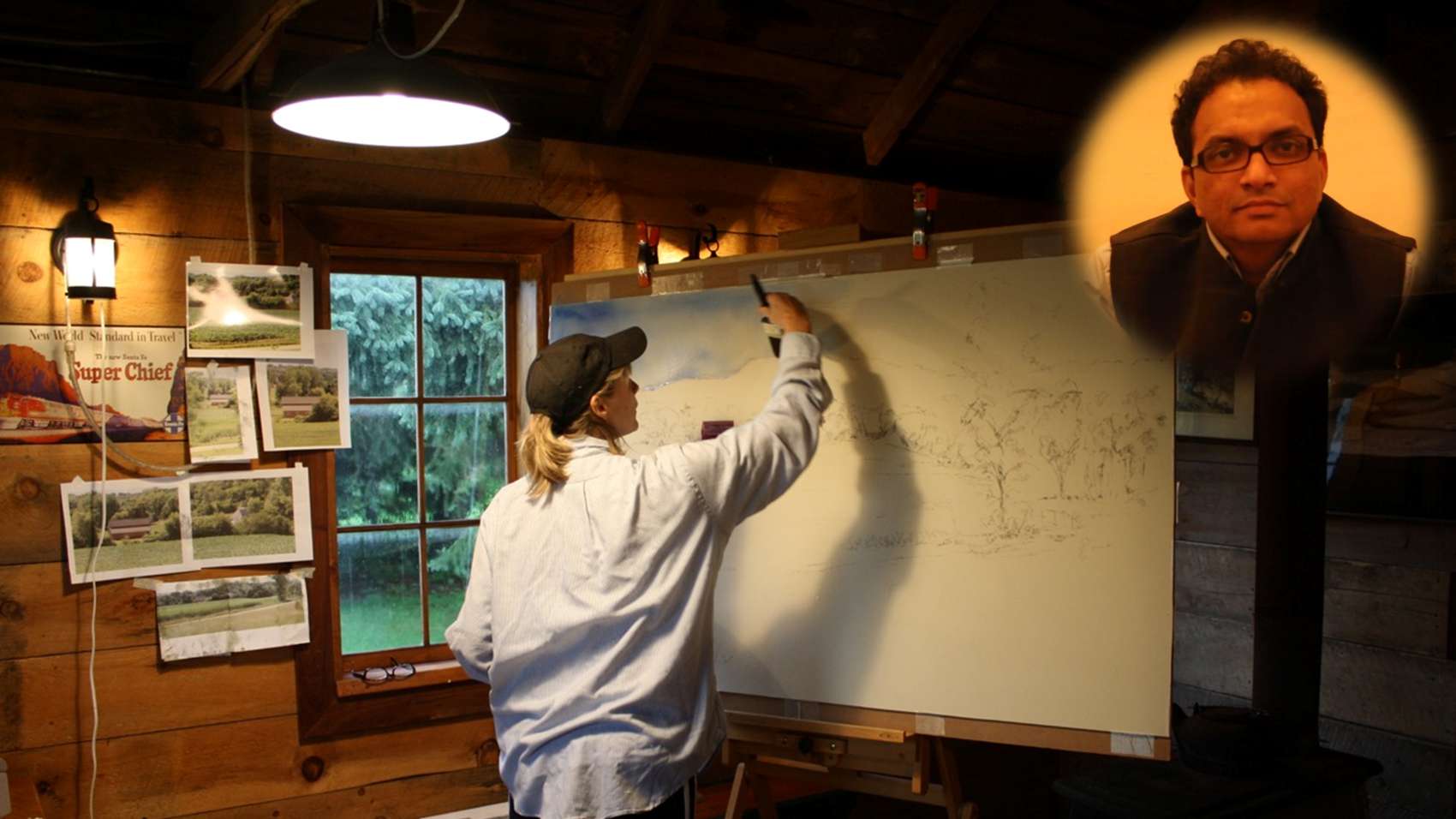
As dawn filters through tall windows, the day begins with a ritual of preparation. The artist enters the studio, greeted by unfinished canvases and the promise of new possibilities. This early hour is reserved for reviewing sketches, organizing materials, and setting intentions for the day’s work. There’s a quiet focus as brushes are cleaned, palettes are arranged, and reference images are pinned to the walls. This time is sacred—a chance to reconnect with ongoing projects and mentally map out the creative journey ahead.
By mid-morning, the studio is alive with energy. This is the heart of the day, when the fine arts professional dives into the core of their craft. Whether sculpting, painting, or experimenting with mixed media, the hours fly by in a state of deep concentration. The outside world fades as ideas take shape, guided by intuition and technical skill. Sometimes, this period is punctuated by brief consultations with mentors or peers, but mostly it’s a solitary dance with color, form, and concept—a time when artistic vision becomes reality.
The afternoon brings a shift from introspection to interaction. Meetings with curators, gallery owners, or fellow artists fill the schedule, each conversation sparking new perspectives and opportunities. There may be collaborative projects to discuss, exhibition logistics to finalize, or critiques to exchange. Practical tasks also come to the forefront, such as photographing finished works, updating portfolios, or preparing pieces for transport. The studio buzzes with purposeful activity, blending creative execution with the practical demands of the profession.
As daylight wanes, the pace slows and the focus turns inward once more. The fine arts professional takes time to document progress, jotting down notes and reflections in a sketchbook or digital journal. Administrative duties—responding to emails, managing social media, and tracking deadlines—are addressed with care. This is also a moment for research, exploring new techniques or seeking inspiration from art history and contemporary trends. Before leaving the studio, plans are made for the next day, ensuring that the cycle of creativity continues with renewed purpose. |


 Home
Home Abroad
 Plan
Plan Philosophy
 Seminar
 Pages
Pages Advisors
 Testimonials











 Workshop
 Discuss
 Meet
Meet
 Advisor
 Story
Story
 Fine Print
 Links
Links
 Blog
Blog
 Follow
