Career Counselling 2.0 HomeHomeCareer Counselling 2.0 AbroadAbroadCareer Counselling 2.0 PlanPlanCareer Counselling 2.0 | TalksTalksCareer Counselling 2.0 PhilosophyPhilosophyCareer Counselling 2.0 SeminarSeminarCareer Counselling 2.0 PagesPagesCareer Counselling 2.0 AdvisorsAdvisorsCareer Counselling 2.0 TestimonialsTestimonials

Story Telling

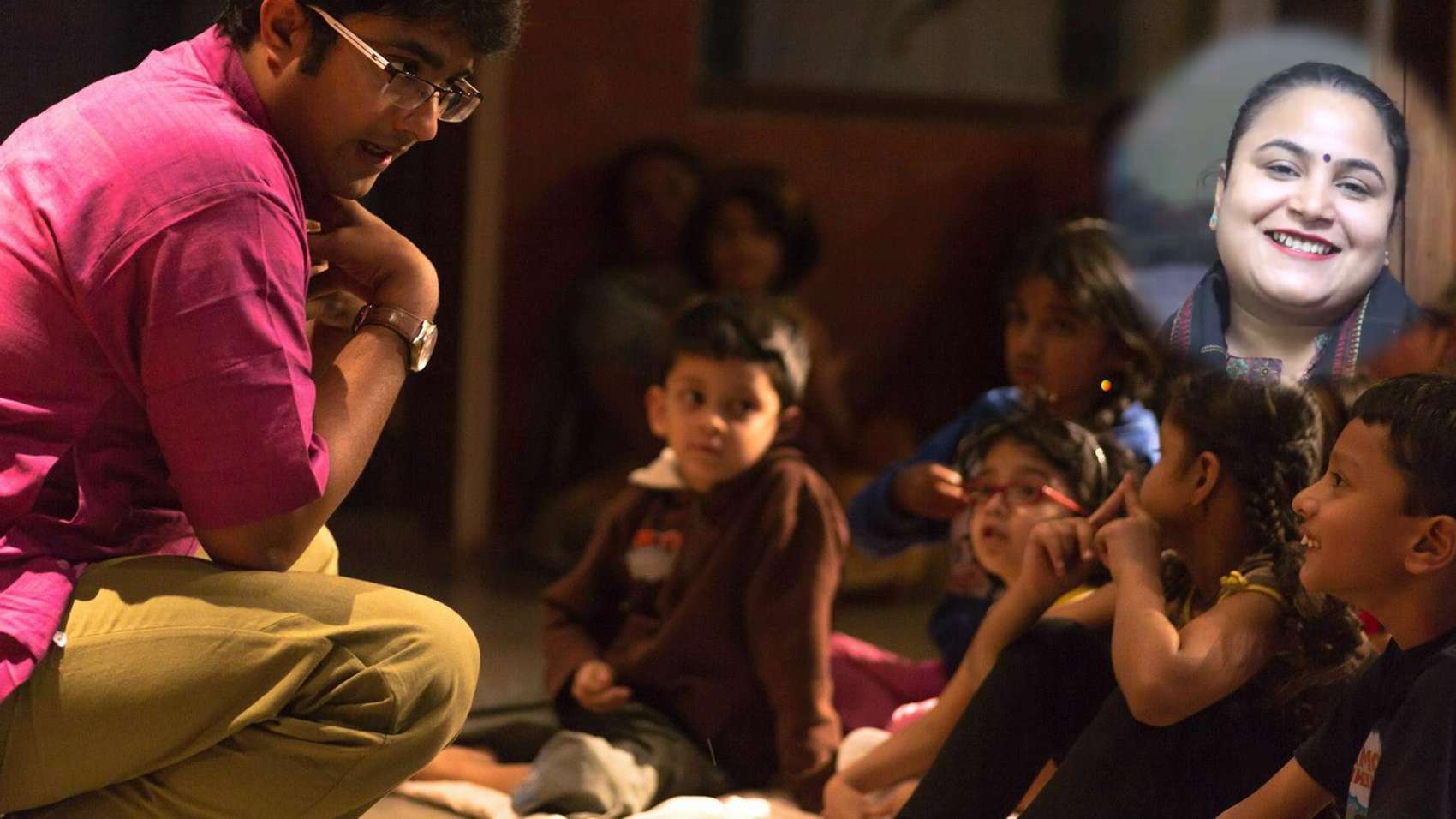
Story Teller Ajay Mehta talks about Story Telling course, what is Story Telling and other details about a Career in Story Telling.


Story Telling

Ajay Mehta | Story Teller | Life Express


What is Story Telling?


A Career in Story Telling is very intriguing. Unfortunately, it is very difficult to find information about What Story Telling actually is. Most pages on the internet just talk about How to get into Story Telling. It is best to learn about Story Telling from a real professional, this is akin to getting it from the horse's mouth.

Story Teller Ajay Mehta has 9 years & 10 months of professional experience in Story Telling. Here is how Story Teller Ajay Mehta detailed Story Telling:

Story Telling is a process of magical word of stories and books to children of all ages. It helps bringing children back to reading.


How Story Teller Ajay Mehta got into Story Telling?


I passed out of St Josephs Academy and joined Hotel Management, Pusa to become a Chef. After a few years, I returned back to Dehradun and along with a few friends, started Dehradun's first City Magazine called "Doon City Chronicles". After doing that for 7 years, I realized that I could design visual communication. At that period of time I also realized my interest in theatre but after I got married and had children, I developed another skill which was story telling. After which started a centre for kids along with my wife called Life Express.


Story Teller Ajay Mehta's Talk on Story Telling


Session Image
The Journey of Story Telling


What Is Story Telling


Story Telling

### Story Telling Image
What is
Story telling is the art and craft of conveying ideas, emotions, or information through structured narratives. It involves using language, voice, and sometimes visuals or gestures to engage audiences, evoke emotions, and communicate messages, whether for entertainment, education, marketing, or cultural preservation.

Concept
Story telling holds a vital place in society and professional life because it connects people, fosters understanding, and inspires action. For professionals, mastering story telling can enhance communication, build trust, and create memorable experiences. The first major benefit is the ability to engage and captivate audiences, making messages more impactful. Secondly, story telling can simplify complex ideas, making them accessible and relatable. Lastly, it strengthens emotional connections, which is essential for influencing opinions, motivating teams, or building brand loyalty. In a world saturated with information, effective story telling helps professionals stand out and leave a lasting impression.

Real World Example
A professional story teller working in marketing might craft a campaign for a new product launch. Instead of listing features, they develop a narrative around a relatable character who faces a problem and finds a solution through the product. This story is shared across social media, video ads, and presentations, drawing the audience into the character’s journey. By weaving facts and emotions together, the story teller makes the product memorable and desirable. The campaign’s narrative approach not only informs potential customers but also builds an emotional connection, resulting in increased engagement and sales. This example illustrates how story telling transforms ordinary information into compelling, persuasive content that resonates with audiences.

Education


Literature

### Literature Image
What is
Literature refers to written works, especially those considered to have artistic or intellectual value, including novels, poetry, drama, and essays. It encompasses the study of language, themes, and narrative techniques. In Story Telling, literature provides essential frameworks and inspiration, shaping both academic understanding and professional expertise in crafting compelling narratives.

Concept
A deep understanding of literature is vital for anyone pursuing a career in Story Telling because it offers a rich repository of narrative structures, character archetypes, and thematic explorations. By studying literature, professionals gain insight into the evolution of storytelling across cultures and eras, allowing them to recognize universal patterns and innovate within them. This foundational knowledge enhances critical thinking, empathy, and creativity, all of which are crucial for engaging audiences. Over the long term, familiarity with literary traditions and techniques equips storytellers to adapt to changing trends, collaborate effectively with other creatives, and produce work that resonates on both intellectual and emotional levels, ensuring sustained relevance and impact in their field.

Real World Example
Consider a screenwriter developing a new television series. Drawing on their background in literature, they analyze classic and contemporary works to identify narrative devices that evoke strong emotional responses. By referencing Shakespearean tragedy or the hero’s journey found in ancient epics, the screenwriter crafts multidimensional characters and intricate plotlines. When facing a creative block, they revisit literary texts to spark inspiration or solve structural challenges. During collaborative sessions with directors and producers, their literary knowledge enables them to articulate story arcs and character motivations with clarity and depth. This theoretical grounding in literature not only enhances the quality of their storytelling but also streamlines the creative process, resulting in a richer, more engaging final product.

Drama Techniques

### Drama Techniques Image
What is
Drama Techniques are structured methods and strategies used to convey emotions, build characters, and create engaging narratives through performance. In storytelling, these techniques form the backbone of effective communication, enabling storytellers to captivate audiences. Academically and professionally, mastery of drama techniques is essential for anyone seeking to excel in the art of storytelling.

Concept
Understanding drama techniques is vital for storytellers because it empowers them to bring stories to life with authenticity and emotional depth. These techniques teach professionals how to use voice, movement, gesture, and timing to create compelling characters and dynamic scenes. By mastering these skills, storytellers can adapt their delivery to suit different audiences and contexts, making their narratives more impactful. Over time, proficiency in drama techniques enhances a storyteller’s versatility, allowing them to work across various media such as theatre, film, education, and digital platforms. This foundational knowledge not only improves performance quality but also opens doors to diverse career opportunities, fostering long-term growth and adaptability in a competitive creative industry.

Real World Example
Imagine a professional storyteller preparing for a live performance at a community event. Drawing on their knowledge of drama techniques, they carefully modulate their voice to reflect different characters, use expressive gestures to illustrate key moments, and employ strategic pauses to build suspense. During the performance, they read the audience’s reactions and adjust their pacing and energy accordingly, ensuring the story remains engaging and relatable. This practical application of drama techniques transforms a simple narrative into an immersive experience, demonstrating how theoretical understanding directly enhances storytelling effectiveness. By integrating these methods into their daily practice, the storyteller not only entertains but also forges a deeper connection with the audience, showcasing the real-world value of drama techniques in action.

Child Psychology

### Child Psychology Image
What is
Child Psychology is the scientific study of children's mental, emotional, and behavioral development from infancy through adolescence. It explores how children perceive, think, learn, and interact with the world. For storytellers, understanding child psychology is essential to create age-appropriate, engaging, and meaningful narratives that resonate with young audiences.

Concept
A solid grasp of child psychology is vital for anyone involved in storytelling for children because it enables professionals to craft stories that align with the developmental stages, interests, and emotional needs of their audience. This knowledge helps storytellers choose appropriate themes, language, and narrative structures, ensuring that their stories are both accessible and impactful. Over time, this expertise not only enhances the quality of storytelling but also builds trust and credibility with audiences, parents, and educators. By understanding how children process information and respond to stories, professionals can foster deeper engagement, encourage positive values, and support cognitive and emotional growth, making their work more influential and enduring in the field.

Real World Example
Imagine a storyteller preparing a session for a group of six-year-olds. Drawing on their understanding of child psychology, they know that children at this age are developing empathy and enjoy stories with clear moral lessons and relatable characters. The storyteller selects a narrative featuring a young protagonist facing a dilemma, using simple language and vivid imagery to maintain attention. During the session, the storyteller pauses to ask questions, encouraging the children to predict outcomes and express their feelings about the characters’ choices. This approach not only keeps the children engaged but also supports their emotional and cognitive development, demonstrating how theoretical knowledge of child psychology directly informs and enhances daily storytelling practice.

Value Education

### Value Education Image
What is
Value Education is the process of imparting moral, ethical, and cultural values to individuals, fostering personal growth and responsible citizenship. In the context of Story Telling, it equips storytellers with the awareness and sensitivity needed to create narratives that resonate with audiences and promote positive social change.

Concept
Understanding Value Education is essential for anyone preparing for or working in Story Telling because it shapes the ethical framework within which stories are crafted and shared. Storytellers often influence perceptions, attitudes, and behaviors through their narratives. By grounding their work in value-based principles, professionals ensure their stories are not only engaging but also socially responsible and culturally sensitive. This foundation helps storytellers navigate complex moral dilemmas, avoid perpetuating stereotypes, and foster inclusivity. Over the long term, a strong grasp of Value Education enhances credibility and trust with audiences, opening doors to diverse opportunities and collaborations. It also supports the development of stories that inspire, educate, and unite communities, making the storyteller’s role more impactful and respected.

Real World Example
Consider a professional storyteller tasked with developing a narrative for a children’s educational program. Drawing on their understanding of Value Education, they consciously weave themes of honesty, empathy, and respect into the storyline. When faced with a plot decision that could reinforce negative stereotypes, their value-based training prompts them to choose an alternative that promotes inclusivity and understanding. During script revisions, they advocate for language and scenarios that reflect diverse backgrounds and positive role models. This approach not only enriches the story’s content but also ensures it contributes to the moral and social development of its young audience. By applying Value Education principles, the storyteller creates meaningful, responsible, and lasting narratives.

Skills


Ability to Engage

### Ability to Engage Image
What is
The "Ability to Engage" is the skill of capturing and maintaining an audience’s attention through compelling delivery, emotional resonance, and interactive communication. It involves understanding the audience’s needs, adapting the narrative, and fostering a connection that makes the story memorable. In storytelling, this skill transforms information into impactful experiences.

Concept
The ability to engage is a cornerstone of effective storytelling because it ensures that messages are not only heard but also felt and remembered. Professionals who master this skill can hold the attention of diverse audiences, making their stories more persuasive and influential. Clients and employers highly value this ability because it leads to better audience retention, stronger emotional impact, and increased brand loyalty. To cultivate this skill, storytellers should practice active listening, seek feedback, and experiment with different narrative techniques. Over time, refining one’s delivery style, understanding audience psychology, and staying attuned to cultural trends can significantly enhance engagement, making the storyteller indispensable in any creative or corporate setting.

Real World Example
Imagine a storyteller tasked with reviving a brand’s image after a public relations crisis. The professional crafts a narrative that not only addresses the issue honestly but also weaves in stories of resilience and shared values. During a live event, the storyteller reads the audience’s reactions, adjusts tone and pacing, and invites participation, transforming a potentially hostile environment into one of empathy and understanding. By leveraging the ability to engage, the storyteller turns skepticism into support, helping the brand rebuild trust and loyalty. This scenario highlights how engagement is not just about telling a story, but about creating a dynamic, interactive experience that leads to meaningful change.

Language

### Language Image
What is
Language is the structured system of communication, encompassing vocabulary, grammar, tone, and style, used to convey meaning, emotion, and intent. For a Story Telling professional, language is the primary tool for crafting narratives, evoking emotions, and engaging audiences, making it indispensable for delivering compelling and memorable stories.

Concept
Mastery of language directly enhances a Story Telling professional’s ability to create vivid imagery, establish authentic voices, and maintain audience engagement. Clients and employers value storytellers who can adapt their language to suit different contexts, cultures, and platforms, ensuring messages resonate with diverse audiences. Strong language skills also enable professionals to clarify complex ideas, avoid miscommunication, and build trust with their audience. Cultivating this skill involves continuous reading, writing, and exposure to varied linguistic styles. Practicing storytelling, seeking feedback, and studying the nuances of language in different genres further refine one’s ability to use language effectively, making it a lifelong process of learning and adaptation.

Real World Example
Imagine a Story Telling professional tasked with presenting a company’s rebranding journey to skeptical stakeholders. By skillfully choosing words that evoke optimism and progress, and by weaving a narrative that acknowledges past challenges while highlighting future opportunities, the storyteller transforms resistance into enthusiasm. Their precise use of language addresses concerns, builds emotional connection, and inspires confidence in the new direction. Without such linguistic finesse, the message might fall flat or even provoke backlash. In this scenario, the professional’s command of language is the key factor that turns a potentially contentious meeting into a shared vision for success, demonstrating how essential language is in achieving impactful storytelling outcomes.

Reading

### Reading Image
What is
Reading is the active process of interpreting, analyzing, and understanding written or visual texts to extract meaning, context, and nuance. For a Story Telling professional, reading is foundational because it enables the absorption of diverse narratives, styles, and cultural perspectives, enriching their creative reservoir and informing their own storytelling techniques.

Concept
Mastering the art of reading enhances a Story Telling professional’s ability to craft compelling narratives, recognize thematic patterns, and adapt to various genres or audiences. Clients and employers value this skill because it ensures stories are well-informed, original, and resonate with intended audiences. A storyteller who reads widely can draw inspiration from a broad spectrum of sources, making their work more innovative and authentic. Over time, this skill can be cultivated by engaging with a variety of texts, from classic literature to contemporary media, and by practicing critical analysis. Reflecting on different storytelling methods and understanding audience reactions further deepens one’s reading proficiency, ultimately leading to more impactful storytelling.

Real World Example
Imagine a Story Telling professional tasked with creating a campaign for a global brand. During research, they encounter a cultural reference unfamiliar to them. By thoroughly reading background materials, historical accounts, and related stories, they gain a nuanced understanding of the reference’s significance. This allows them to weave the element authentically into the campaign, avoiding misrepresentation and resonating deeply with the target audience. Their ability to read and interpret complex material not only solves a potential cultural misstep but also elevates the quality of the narrative, earning the client’s trust and setting the campaign apart in a competitive market. This scenario highlights how reading is not just a passive skill but an active tool for success in storytelling.

Voice Techniques

### Voice Techniques Image
What is
Voice Techniques refer to the deliberate use of pitch, tone, pace, volume, and articulation to convey meaning, emotion, and character in spoken storytelling. Mastery of these elements enables storytellers to engage audiences, enhance narrative impact, and bring stories to life, making them indispensable in a storyteller’s toolkit.

Concept
Voice Techniques directly enhance a storyteller’s ability to captivate and maintain an audience’s attention. By skillfully modulating their voice, storytellers can evoke emotions, differentiate characters, and emphasize key moments, making the narrative more immersive and memorable. Clients and employers highly value this skill because it elevates the quality of presentations, performances, and educational sessions, ensuring messages are delivered with clarity and impact. To cultivate this skill, professionals should practice vocal exercises, seek feedback, and study accomplished storytellers. Regularly recording and analyzing one’s own performances also helps in identifying areas for improvement, while participating in workshops or voice coaching sessions can further refine technique over time.

Real World Example
Imagine a professional storyteller performing for a group of children at a library. Midway through a suspenseful tale, the children become restless and distracted. Drawing on Voice Techniques, the storyteller lowers their voice to a whisper, slows the pace, and adds dramatic pauses. Instantly, the children’s attention returns, their curiosity piqued by the change in delivery. The storyteller then shifts to a booming, energetic tone to introduce a new character, making the story vivid and engaging. By expertly manipulating vocal elements, the storyteller not only regains control of the audience but also transforms the session into a memorable experience, demonstrating how essential Voice Techniques are in overcoming challenges and achieving storytelling success.

Presence of Mind

### Presence of Mind Image
What is
Presence of mind is the ability to remain calm, focused, and responsive in unexpected or challenging situations, allowing for quick thinking and effective decision-making. In the context of Story Telling, it enables professionals to adapt narratives, handle unforeseen disruptions, and engage audiences with confidence and authenticity.

Concept
Presence of mind directly enhances a Story Telling professional’s performance by enabling them to think on their feet, adjust to audience reactions, and seamlessly navigate technical or situational challenges. Clients and employers value this skill because it ensures that presentations, pitches, or live performances remain compelling and resilient, even when circumstances change unexpectedly. Cultivating presence of mind involves regular practice in improvisation, mindfulness techniques, and exposure to diverse storytelling environments. Over time, these experiences build confidence and the ability to maintain composure, ensuring that the storyteller can deliver their message powerfully, regardless of distractions or disruptions.

Real World Example
Imagine a storyteller presenting a live narrative when the projector suddenly fails, leaving the visuals inaccessible. Instead of panicking, the professional draws on their presence of mind, quickly shifting to vivid verbal descriptions and engaging the audience with interactive questions. This adaptability not only salvages the presentation but also deepens audience engagement, turning a potential setback into a memorable experience. The storyteller’s ability to remain composed and resourceful under pressure demonstrates to clients and employers that they can trust this professional to handle high-stakes situations, reinforcing their reputation as a reliable and skilled communicator.

Observation and Listening

### Observation and Listening Image
What is
Observation and Listening is the deliberate act of attentively noticing details, behaviors, and emotions, while actively hearing and understanding spoken and unspoken messages. For a Story Telling professional, this skill uncovers authentic narratives, reveals subtle motivations, and ensures stories resonate deeply with audiences, making it indispensable for impactful storytelling.

Concept
Mastering Observation and Listening elevates a storyteller’s ability to capture genuine experiences and craft narratives that truly connect with audiences. This skill allows professionals to pick up on nuances others might miss, such as body language, tone shifts, or underlying emotions, which can be woven into compelling stories. Clients and employers highly value storytellers who can accurately reflect real experiences and perspectives, as this leads to more engaging and credible content. Cultivating this skill involves practicing mindfulness, engaging in active listening during interviews or conversations, and reflecting on interactions to identify subtle cues. Over time, consistent practice sharpens one’s ability to notice and interpret the world, enriching every story told.

Real World Example
Imagine a storyteller tasked with creating a documentary about a local community facing change. During interviews, the professional notices a quiet hesitation in one resident’s voice and observes their nervous gestures. Instead of rushing through questions, the storyteller listens patiently, encouraging the resident to share more. Through careful observation and attentive listening, the storyteller uncovers a powerful, previously unspoken narrative about the resident’s fears and hopes. This insight becomes the emotional core of the documentary, transforming it from a generic account into a deeply personal and resonant story. By relying on Observation and Listening, the storyteller not only solves the challenge of finding a compelling angle but also earns the trust and authenticity that make the project a success.

Positives


Satisfaction

### Satisfaction Image
What is
Satisfaction is the deep sense of fulfillment and contentment that arises when personal goals, values, and passions align with one’s work, resulting in a meaningful and rewarding experience. In story telling, satisfaction emerges from the ability to connect with audiences, inspire change, and give voice to unique perspectives and ideas.

Concept
Satisfaction is a cornerstone of a thriving career in story telling because it transforms daily tasks into meaningful endeavors. When storytellers feel satisfied, their creativity flourishes, and their motivation to craft compelling narratives grows stronger. This positive aspect fosters resilience, allowing professionals to navigate challenges with enthusiasm and purpose. The sense of accomplishment that comes from seeing one’s stories resonate with audiences boosts confidence and encourages continuous personal and professional growth. Satisfaction also nurtures a sense of belonging within creative communities, as storytellers witness the impact of their work on others. Ultimately, this intrinsic reward makes the profession more than just a job—it becomes a lifelong passion that enriches both the storyteller and their audience.

Real World Example
Imagine a professional storyteller who spends months developing a narrative for a community theater production. As opening night arrives, they watch the audience react with laughter, tears, and thoughtful silence. After the performance, audience members approach to share how the story touched their lives or changed their perspectives. In that moment, the storyteller feels a profound sense of satisfaction, knowing their creative efforts have made a real difference. This fulfillment is not just about applause or recognition; it is about the realization that their work has meaning and value. Such experiences reinforce their commitment to the craft and inspire them to continue sharing stories that matter.

Positive Influence

### Positive Influence Image
What is
Positive Influence is the ability to inspire, uplift, and guide others through meaningful narratives, fostering empathy, understanding, and personal growth. In story telling, this means shaping perspectives, encouraging reflection, and motivating change by sharing experiences and ideas that resonate deeply with audiences. This contribution enriches both the storyteller and the listener.

Concept
The power to positively influence others is a cornerstone of fulfillment in a story telling career. Knowing that your words can spark hope, foster resilience, or challenge harmful stereotypes brings a profound sense of purpose. This aspect elevates job satisfaction, as storytellers witness the tangible effects of their work in the lives of others. It also fuels professional growth, as storytellers continually refine their craft to reach and move diverse audiences. Every day, professionals in this field experience the joy of connecting with people, seeing their stories ignite conversations, and realizing that their creative efforts can make the world a kinder, more understanding place.

Real World Example
Imagine a storyteller who shares a personal narrative about overcoming adversity at a community event. After the session, a young listener approaches, expressing how the story mirrored their own struggles and gave them hope to persevere. The storyteller feels a deep sense of fulfillment, knowing their words provided comfort and encouragement. This moment exemplifies the positive influence inherent in story telling, as the professional witnesses firsthand the transformative impact of their narrative. Such experiences reinforce the storyteller’s commitment to their craft, reminding them that their work not only entertains but also uplifts and empowers others, making each day in the profession meaningful and rewarding.

Monetary Potential

### Monetary Potential Image
What is
Monetary Potential refers to the capacity for individuals to earn significant income and achieve financial growth through their skills and work. In the context of story telling, this means that talented professionals can transform their creativity into lucrative opportunities, allowing them to build wealth while pursuing their passion for narrative and communication.

Concept
The monetary potential in story telling is a powerful motivator for both aspiring and established professionals. Knowing that their craft can lead to substantial financial rewards encourages storytellers to hone their skills and innovate within their field. This financial incentive not only boosts job satisfaction but also provides the resources needed for personal and professional growth. Story tellers experience this benefit daily as their work opens doors to diverse revenue streams, from publishing deals and speaking engagements to multimedia projects and brand collaborations. The promise of financial success empowers them to take creative risks, invest in their development, and enjoy a sustainable, fulfilling career.

Real World Example
Consider a professional story teller who begins by sharing personal narratives online, gradually building a dedicated audience. As their reputation grows, they are approached by publishers eager to turn their stories into books, and filmmakers interested in adapting their work for the screen. With each new project, their earnings increase, allowing them to invest in better equipment, attend international conferences, and collaborate with other creatives. The financial rewards not only validate their talent but also provide the freedom to pursue passion projects and support their community. This journey demonstrates how the monetary potential in story telling can transform a creative pursuit into a thriving, prosperous career.

Self Development

### Self Development Image
What is
Self Development is the ongoing process of improving one’s skills, knowledge, self-awareness, and emotional intelligence to reach personal and professional potential. In story telling, self development is vital because it encourages individuals to constantly refine their craft, embrace new perspectives, and grow both as communicators and as human beings.

Concept
The journey of self development in story telling brings a profound sense of fulfillment and motivation. As storytellers hone their abilities, they become more adept at expressing ideas, connecting with audiences, and navigating complex emotions. This continuous growth not only enhances job satisfaction but also opens doors to new creative opportunities and collaborations. Each project becomes a chance to learn something new about oneself and the world, making the profession dynamic and deeply rewarding. The daily practice of reflecting on feedback, experimenting with narrative techniques, and pushing creative boundaries ensures that storytellers are always evolving, which keeps their work fresh and meaningful.

Real World Example
Consider a professional storyteller who begins their career with a passion for sharing personal anecdotes. Over time, through workshops, audience interactions, and self-reflection, they develop greater empathy and a deeper understanding of diverse cultures and experiences. This growth allows them to craft stories that resonate with a wider audience and tackle more complex themes. The process of self development not only improves their technical storytelling skills but also enriches their worldview, making their work more impactful. Each new story becomes a testament to their personal evolution, and the satisfaction of seeing their growth reflected in their audience’s reactions fuels their ongoing commitment to the craft.

Work Life Balance

### Work Life Balance Image
What is
Work Life Balance is the harmonious integration of professional responsibilities and personal well-being, allowing individuals to fulfill career goals while nurturing relationships, health, and passions. In story telling, this balance empowers creators to draw inspiration from life, maintain creative energy, and avoid burnout, ultimately enriching both their work and personal fulfillment.

Concept
The positive aspect of work life balance in story telling is profound. When storytellers have the flexibility to manage their schedules and personal commitments, they experience greater autonomy and satisfaction. This freedom fosters creativity, as storytellers can explore new ideas without the pressure of rigid deadlines or overwhelming workloads. The ability to step away from work and recharge leads to sustained passion for the craft, which is essential for long-term growth and innovation. Daily, professionals in this field benefit from the opportunity to reflect, connect with their audience, and infuse their narratives with authentic experiences, making their work more impactful and meaningful.

Real World Example
Imagine a professional storyteller who structures their day to write in the mornings, reserving afternoons for family, hobbies, or outdoor activities. This balance allows them to return to their craft with fresh perspectives and renewed enthusiasm. When a creative block arises, instead of feeling trapped by relentless deadlines, they take a walk or spend time with loved ones, finding inspiration in everyday moments. This approach not only enhances their storytelling but also ensures they remain passionate and engaged in their work. Over time, this equilibrium leads to a fulfilling career where personal happiness and professional success go hand in hand, demonstrating the true value of work life balance in story telling.

Challenges


Low Attention Span

### Low Attention Span Image
What is
Low Attention Span in Story Telling refers to the limited duration audiences remain engaged with a narrative before becoming distracted or disinterested. This challenge is demanding because it requires storytellers to capture and sustain interest quickly, often competing with numerous distractions and information overload in today’s fast-paced, digital-driven environment.

Concept
Low attention span can disrupt the flow of storytelling, making it harder for professionals to convey messages effectively or achieve emotional resonance with their audience. This challenge requires resilience, as repeated disengagement can be discouraging and may force constant adaptation. Successful storytellers address this by refining their narratives to be concise, dynamic, and emotionally compelling. They often employ vivid imagery, relatable characters, and unexpected twists to maintain engagement. Additionally, they pay close attention to audience feedback, adjusting pacing and content delivery to better align with the audience’s preferences and attention patterns. By remaining adaptable and receptive, professionals can transform the constraint of low attention span into an opportunity for creative innovation and deeper connection.

Real World Example
Consider a digital content creator tasked with producing a branded video for social media, where viewers typically scroll past content within seconds. Recognizing the challenge of low attention span, the creator opens the video with a striking visual and a provocative question, immediately drawing viewers in. Throughout the video, the narrative is tightly structured, with each scene delivering value or intrigue, ensuring there are no lulls where attention might wane. The creator also incorporates interactive elements, such as prompts for viewers to comment or share their thoughts, fostering a sense of participation. By strategically designing the story to align with the audience’s limited attention, the professional not only retains viewers but also encourages meaningful engagement and message retention.

Parents Expectations

### Parents Expectations Image
What is
Parents Expectations in the context of Story Telling refers to the hopes, pressures, and standards that parents place on professionals to pursue stable, traditional, or prestigious careers, often undervaluing creative fields. This demand is challenging because it can create internal conflict, self-doubt, and a constant need for validation from family.

Concept
The weight of Parents Expectations can deeply influence a storyteller’s daily work, often manifesting as anxiety, hesitation in creative risk-taking, or even guilt for not meeting familial ideals. This challenge demands resilience because it requires professionals to balance personal aspirations with the desire to honor family values. Successful storytellers manage this constraint by building a strong sense of self-worth and purpose, seeking support from like-minded peers, and gradually demonstrating the value and impact of their work to their families. Over time, open communication and small, visible successes can help shift perceptions, allowing storytellers to pursue their passion with greater confidence and familial acceptance.

Real World Example
Consider a young storyteller whose parents envisioned a career in law or medicine for their child. Despite initial disappointment, the professional remained committed to storytelling, sharing their work online and participating in local events. As their stories gained recognition and touched audiences, the storyteller invited their parents to attend a public reading. Witnessing the positive response and the meaningful connections formed, the parents began to appreciate the significance of their child’s work. Through patience, open dialogue, and consistent demonstration of their dedication, the storyteller gradually earned their parents’ respect and support, ultimately bridging the gap between personal passion and parental expectations.

Books

### Books Image
What is
In the context of Story Telling, "Books" refers to the daunting task of transforming complex narratives, ideas, or experiences into a cohesive, engaging, and publishable long-form work. This process is demanding because it requires sustained creativity, discipline, and the ability to maintain narrative coherence over hundreds of pages.

Concept
The challenge of creating books significantly impacts the daily routines of storytelling professionals by imposing long-term deadlines, creative fatigue, and the constant pressure to deliver original content. This difficulty demands resilience because setbacks, such as writer’s block or editorial feedback, can be discouraging and disrupt momentum. Successful professionals manage this constraint by establishing consistent writing habits, seeking feedback from trusted peers, and breaking the monumental task into manageable sections. They also cultivate patience and adaptability, allowing themselves to revise and refine their work over time. By embracing the iterative nature of book creation and maintaining a clear vision, they navigate the complexities and sustain motivation throughout the lengthy process.

Real World Example
Consider a professional storyteller tasked with writing a memoir that weaves personal anecdotes with broader cultural commentary. Initially overwhelmed by the sheer scale of the project, they develop a daily writing routine and set small, achievable goals, such as completing a chapter draft each month. They regularly consult with a writing group for constructive feedback, which helps them refine their narrative and stay accountable. When faced with creative blocks, they revisit their outline and allow themselves to explore new directions, ensuring the story remains authentic and engaging. Through persistence, structured habits, and a willingness to revise, the storyteller ultimately completes a compelling book that resonates with readers.

A Day Of


Story Telling

What is
The hum of creativity fills the air before the first sip of coffee, as a Story Telling professional steps into a world where every detail matters and every moment holds the potential for transformation. The day is a dynamic blend of solitude and collaboration, where the quiet focus of early hours gives way to the electric energy of brainstorming sessions and the steady rhythm of crafting narratives. In this environment, deadlines are as real as the characters brought to life, and the pace is set by the constant interplay between inspiration and intention. Each day unfolds as a journey—one that demands both imagination and discipline, and where the art of storytelling is as much about listening as it is about telling.

Concept
As dawn breaks, the Story Telling professional settles into a familiar workspace, surrounded by notebooks, digital tools, and the soft glow of a desk lamp. This is the time for reflection and preparation, reviewing notes from the previous day and revisiting outlines or storyboards. With distractions at a minimum, the mind is free to wander through ideas, refine pitches, or sketch out the emotional arc of a new narrative. This early morning solitude is sacred, providing the clarity needed to shape raw inspiration into a plan for the day ahead.

Real World Example
By mid-morning, the pace accelerates as the core work begins. This is the heart of the day, when the Story Telling professional dives deep into writing, editing, or developing content for clients or audiences. Whether crafting a compelling brand story, scripting a video, or weaving together interviews for a podcast, the focus is intense and immersive. The hours fly by in a state of creative flow, punctuated by bursts of research, fact-checking, and the occasional breakthrough that brings a story to life in unexpected ways.

The afternoon ushers in a shift from solitary work to collaboration. Meetings with clients, creative teams, or subject matter experts fill the calendar, each one an opportunity to gather feedback, refine concepts, and align on vision. Storyboards are presented, scripts are read aloud, and ideas are challenged and improved through spirited discussion. This is also the time for practical execution—recording voiceovers, coordinating with designers, or overseeing the first cut of a video. The energy is high, and the sense of shared purpose is palpable as everyone works toward a common narrative goal.

As the day winds down, the Story Telling professional turns to wrap-up and planning. Notes from meetings are organized, feedback is incorporated, and drafts are saved for tomorrow’s fresh eyes. There is time for research, exploring new trends or gathering inspiration for upcoming projects. Administrative tasks—responding to emails, updating project timelines, and setting priorities for the next day—bring a sense of closure. With the last light fading, there’s a quiet satisfaction in knowing that today’s stories have moved one step closer to being told.


Install the LifePage App to:


  1. (for Free) Watch Story Teller Ajay Mehta’s full Story Telling Career Talk

  2. ₹ Do a Self Assessment on Story Telling to calculate your Dream Index, which is defined as:

    According to Ajay Mehta your chances of success in Story Telling is __%

  3. Access your personalized Dream Index Report which will have all your Dream Indices sorted in descending order.

Career Counselling 2.0


<?php echo $altimage; ?>


<?php echo $altimage; ?>


How to get into

Story Telling?


If you are want to get into Story Telling, start by investing in a Career Plan.

The 14 hour process, guided by a LifePage Career Advisor, will help you introspect and check whether your interest in Story Telling is merely an infatuation or is it truly something you wish to do for the rest of your life.

Next, your Career Advisor will help you document how you can get into Story Telling, what education and skills you need to succeed in Story Telling, and what positives and challenges you will face in Story Telling.

Finally, you will get a Career Plan stating which Courses, Certifications, Trainings and other Items you need to do in the next 7 years to become world’s best in Story Telling.


LifePage Career Plan

14 hour personalized guidance program


Your LifePage Career Advisor facilitates your guided introspection so that you systematically explore various Career options to arrive at a well thought out Career choice.

Next: your Advisor helps you figure out how you will get into your chosen Career and how will you develop the skills needed for success in your Chosen Career.

LifePage Plan will not stop at saying "to become an Architect study Architecture". It will guide you on which Certifications, Trainings and Other items you need to do along with your Architecture education to become the world's best Architect.


Links for this Talk


Story Teller Ajay Mehta's LifePage:


Career Counselling 2.0
[LifePage]
https://www.lifepage.in/page/ajaymehta


LifePage Career Talk on Story Telling


Career Counselling 2.0
[Career]
https://www.lifepage.in/careers/story-telling


Career Counselling 2.0
[Full Talk]
https://lifepage.app.link/20170517-0001


Career Counselling 2.0
[Trailer]
https://www.youtube.com/watch?v=MHWUNI9pec4


(Story Telling, Ajay Mehta, Life Express, Drama, Telling Story, Narration, Books, Book Reading)


Similar Talks


Career in Tea Shop
Tea Shop
Sunil Kumar
Owner | Hathi Chaiwala
[ 42 years & 8 months Experience ]

Tea Shop serves lemon tea, plain tea, masala tea, bun omlette, chips, maggi and many more snacks. Times of India has even given it an award in 2015.

"I did my schooling till class seventh and then established Hathi Tea Shop in 1976. In 2008 ITC helped me to expand my shop."


Career Counselling 2.0 Career Counselling 2.0 Career Counselling 2.0 Career Counselling 2.0 Career Counselling 2.0


Career in Cruise Ship Security
Cruise Ship Security
Pravesh Gurung
Managing Director | Armour Security
[ 8 years Experience ]

The onboard ship security department provides the guests and crew a safe and secure environment, in which they can enjoy their work or their cruise vacation. The security service’s mission is to prevent security incidents and deliver a highly trained staff which will provide an immediate response to all security related issues. This team is also responsible for the access control to the ship, the screening operation at the gangways, video security monitoring, investigations, security patrols, and more.

"I started my security career in 1999 with Carnival Cruise Lines and worked with them for 11 years. Then I quit my job and joined Royal Carribean in 2011 and worked there for 6 months. The reason for quitting my job was my own Security Company which I started in Dehradun in 2009."


Career Counselling 2.0 Career Counselling 2.0 Career Counselling 2.0 Career Counselling 2.0 Career Counselling 2.0


Career in Bird Watching
Bird Watching
Ajay Sharma
Birdwatcher | Freelancer
[ 22 years Experience ]

Birdwatching is the practice of observing and identifying birds in their natural environment. It also helps in uncovering some of the hidden secrets about the nature.

"I was introduced Birdwatching by famous naturalist Jennifer Nandi. After that I continued alone and with some of my friends for 10 years. In 2008, I started an event for Birdwatching in Welham Boys School, that is still running there. From the last 20 years I am doing Birdwatching and alongside training bird guides in all of the national parks and forest department in Uttarakhand. I am also working to introduce Birdwatching to young generation people and students."


Career Counselling 2.0 Career Counselling 2.0 Career Counselling 2.0 Career Counselling 2.0 Career Counselling 2.0


Career in Life Insurance Sales
Life Insurance Sales
Dharmendra Sethi
Branch Manger | Exide Life Insurance
[ 6 years & 8 months Experience ]

Insurance sales agents commonly sell one or more types of insurance, such as property and casualty, life, health, and long-term care. We insure alot of our belongings whether it is a house or a car or other things. But the most important things that one has to be careful is about insuring life.

"I have done Garments and Manufacturing business. I was with General Electric. I worked for a while in America and then in Gurgaon.Then in 2006 I started working with ING Life Insurance as a Branch Manager"


Career Counselling 2.0 Career Counselling 2.0 Career Counselling 2.0 Career Counselling 2.0 Career Counselling 2.0


Career in Tarot Card Reading
Tarot Card Reading
Ambika Tarot Reader
Tarot Card Reader | Dehradun
[ 12 years & 9 months Experience ]

Tarot cards are one of many forms of divination. They are commonly used to measure potential outcomes and evaluate influences surrounding a person, an event, or both.

"I did my graduation from MKP, Dehradun. After that I took training in astrology and tarot card reading. I have been practicing as a tarot card reader since 2006."


Career Counselling 2.0 Career Counselling 2.0 Career Counselling 2.0 Career Counselling 2.0 Career Counselling 2.0


Career in Handwriting Analysis
Handwriting Analysis
Visheshta Mehan
Handwriting Analyst | Doon Psychotherapeutic Centre
[ 2 years Experience ]

A writing analyst is a person who reads the handwriting of a person and on that basis analysis the personality of that person. A writing analyst does this generally with the help of looking at the slant and letter formation of a person.

"I did my schooling from Convent of Jesus and Mary Dehradun. Further I am planning to do MBBS. I started analyzing handwriting since was in school and after completing my school I started coming to Doon Psychotherapeutic Centre with my mother who works as a psychologist in the same institute. Since then I have been working as a writing analyst."


Career Counselling 2.0 Career Counselling 2.0 Career Counselling 2.0 Career Counselling 2.0 Career Counselling 2.0


Career in Automobile Repair
Automobile Repair
Anil Kumar
Mechanic | Hirday Motors
[ 10 years & 6 months Experience ]

A skilled worker who repairs and maintains vehicle engines and other machines

"After completing my schooling from HNI, Dehradun, I did my graduation in B Com from Garhwal University. I always wanted to work as a Mechanic and it was in 2008 that I started my own workshop called Hirday Motors."


Career Counselling 2.0 Career Counselling 2.0 Career Counselling 2.0 Career Counselling 2.0 Career Counselling 2.0


Career in Self-help Training
Self-help Training
Pallavi Misra Chaturvedi
Founder | Life Cafe
[ 5 years Experience ]

Self-help training is a self-guided improvement training economically, intellectually, or emotionally often with a substantial psychological basis. Many different self-help group programs exist, each with its own focus, techniques, associated beliefs, proponents and in some cases, leaders. Concepts and terms originating in self-help culture and Twelve-Step culture, such as recovery, dysfunctional families, and codependency have become firmly integrated in mainstream language.

"After a brief stint at enterpreneurship, I started my venture called Life Cafe - a self-help program which is especially directed towards adolescents. It caters to major areas such as leadership, success, self-improvisation, impression management, spirituality and so on."


Career Counselling 2.0 Career Counselling 2.0 Career Counselling 2.0 Career Counselling 2.0 Career Counselling 2.0


Career in Retail Sales
Retail Sales
Noor Shaikh
Sales Executive | King Electronics
[ 5 years & 11 months Experience ]

Sales executives are the key point of contact between an organisation and its clients - answering queries, offering advice and introducing new products

"After completing my schooling, I started working with Magic Bus India Foundation. I am working as a Sales Executive with King Electronics since 2013."


Career Counselling 2.0 Career Counselling 2.0 Career Counselling 2.0 Career Counselling 2.0 Career Counselling 2.0


Career in Story Telling
Story Telling
Abha Massey
Story Teller | Various Assignments
[ 3 years & 4 months Experience ]

Storytelling describes the social and cultural activity of sharing stories, sometimes with improvisation, theatrics, or embellishment.

"I have done B Com (Hons) from Delhi University and after that did Speech & Drama (Grade 5) & Vocals (Grade 2) from Trinity. I have been an English Teacher with MAD for 3 years. I write my own blog on facebook by the name AAINA, The Oasis of Truth."


Career Counselling 2.0 Career Counselling 2.0 Career Counselling 2.0 Career Counselling 2.0 Career Counselling 2.0


Career in Astrology
Astrology
Neelima Dubey
Astrologer | Various Creative Assignments
[ 8 years Experience ]

Astrology is the study of the movements and relative positions of celestial objects as a means for divining information about human affairs and terrestrial events.

"After completing my Schooling from Loreto Convent, Shimla I did my Graduation from Lady Irwin College. I also did my Post Graduation in Fashion Designing from Polytechnic. I have my own Export house of handicrafts. I have been freelancing as an Astrologer since 2010."


Career Counselling 2.0 Career Counselling 2.0 Career Counselling 2.0 Career Counselling 2.0 Career Counselling 2.0


Career in Gardening
Gardening
Bhailal Pal
Gardener | Various Gardening Assignments
[ 19 years Experience ]

The activity of tending and cultivating a garden, especially as a pastime

"I did my Schooling only till 7th grade from UP. After that I moved to Dehradun and have been working as a Gardener for 19 years. I first worked with a Factory, and after retiring I started going to different houses and work as a Gardener there."


Career Counselling 2.0 Career Counselling 2.0 Career Counselling 2.0 Career Counselling 2.0 Career Counselling 2.0


Career in Store Management
Store Management
Yasar Bijle
Store Manager | Kings Electronics
[ 6 years & 8 months Experience ]

Store management is to receive materials, to protect them while in storage from damage & unauthorized removal, to issue the material in the right quantities, at the right time to the right place and to provide these service promptly and at least cost.

"I did my schooling from Mohindar Singh Kabal Singh English High School & Junior College. I have 5 years of experience in retail and working with Kings Electronics as a Store Manager since 2016."


Career Counselling 2.0 Career Counselling 2.0 Career Counselling 2.0 Career Counselling 2.0 Career Counselling 2.0


Career in Bike Customization
Bike Customization
Shivasheer Khushwaha
Manager Merchandise | Harley Davidson, Dehradun
[ 7 years & 7 months Experience ]

Bike Customization also known as Custom Chrome in Harley Davidson means customizing the bike and making changes as per the customer's needs. These changes can be physical, structural or performance related changes. That can also include bike paints, parts etc.

"After completing my education, I worked in various fields such as sales, and even as a Book Designer. Finally, I fulfilled my dream by joining Harley Davidson and managing their Bike Customization and Merchandise."


Career Counselling 2.0 Career Counselling 2.0 Career Counselling 2.0 Career Counselling 2.0 Career Counselling 2.0


Career in Coffee Art
Coffee Art
Urgain Rangdol
Co-Director | Hi Life Cafe
[ 4 years & 9 months Experience ]

Coffee Art or Latte Art is a method of preparing coffee created by pouring steamed milk into a shot of espresso and resulting in a pattern or design on the surface of the latte. It can also be created or embellished by simply "drawing" in the top layer of foam.

"I did my schooling from Ladakh. I worked as a guide with various tour operators like Xplore Ladakh, Ecological Footprint, Tour De Himalayas. It was in 2013 that I came to Dehradun and opened a cafe by the name Hi Life Cafe."


Career Counselling 2.0 Career Counselling 2.0 Career Counselling 2.0 Career Counselling 2.0 Career Counselling 2.0


Career in Salon Management
Salon Management
Mona Pokhriyal
Salon Manager | Cloud 9
[ 7 years & 7 months Experience ]

Salon Management of any business is much more than just determining the overall job to be done and then delegating duties to employees. While delegating duties is a major task, the actual task is much more involved

"I did my schooling from NSM Girls Inter College. After my schooling I Graduated from DAV PG College. After my studies I joined Cloud 9 and have been working as a Manager there since 2011."


Career Counselling 2.0 Career Counselling 2.0 Career Counselling 2.0 Career Counselling 2.0 Career Counselling 2.0


Career in Tarot Card Reading
Tarot Card Reading
Mallika Bagga
Owner | Soul Vibes
[ 2 years Experience ]

Tarotology is the theoretical basis for the reading of Tarot cards, a subset of cartomancy, which is the practice of using cards to gain insight into the past, present or future by posing a question to the cards.

"After completing my Schooling from Pine Hall, I did my Graduation in BA from DAV College. I did an Interior Designing Course from Polytechnic ONGC. I have been doing Tarot Card reading since 2015, and have my own business called the Soul Vibes."


Career Counselling 2.0 Career Counselling 2.0 Career Counselling 2.0 Career Counselling 2.0 Career Counselling 2.0


Career in Bird Watching
Bird Watching
Satpal Singh Gandhi
Birdwatcher | Various Assignments
[ 26 years & 3 months Experience ]

Bird watching, or birding, is a form of wildlife observation in which the observation of birds is a recreational activity or citizen science. It can be done with the naked eye, through a visual enhancement device like binoculars and telescopes, by listening for bird sounds, or by watching public webcams. Bird watching often involves a significant auditory component, as many bird species are more easily detected and identified by ear than by eye. Most birdwatchers pursue this activity for recreational or social reasons, unlike ornithologists, who engage in the study of birds using formal scientific methods.

"After completing my education, I started working with GMVN in the accounts department. I started bird watching 25 years back, since then I have been doing birdwatching and have attended various International conferences and bird festivals all over India."


Career Counselling 2.0 Career Counselling 2.0 Career Counselling 2.0 Career Counselling 2.0 Career Counselling 2.0


Career in Vastu Shastra
Vastu Shastra
Priya Bhalla
Founder | Moksha Mantra
[ 18 years Experience ]

Vastu shastra is a traditional Hindu system of architecture which literally translates to science of architecture. The designs are intended to integrate architecture with nature, the relative functions of various parts of the structure, and ancient beliefs utilizing geometric patterns, symmetry and directional alignments.

"After completing my BA, MA, and B Ed, I started my career as a PGT teacher. But because of my keen interest in occult science, I did diplomas in Vastu Shastra, Tarotology, Numerology and Astrology. After that, I started my own firm Named Moksha Mantra where I practice Vastu, Tarot Card Reading, Numerology and Crystal Therapy."


Career Counselling 2.0 Career Counselling 2.0 Career Counselling 2.0 Career Counselling 2.0 Career Counselling 2.0


Career in Tarot Card Reading
Tarot Card Reading
Neetu Varma
Tarot Card Reader | Various Creative Assignments
[ 7 years & 4 months Experience ]

The tarot is a pack of playing cards, used from the mid-15th century in various parts of Europe to play games such as Italian tarocchini and French tarot.

"After completing my Schooling from Sai Baba, I did my BBA and MBA from IMS, Delhi. I was the Branch Head of Make My Trip, Goa. I was always interested in Tarot Card reading, and learnt the art from Professionals in Gurgaon. I have been doing Tarot Card Reading since 2011."


Career Counselling 2.0 Career Counselling 2.0 Career Counselling 2.0 Career Counselling 2.0 Career Counselling 2.0


Career in Personal Assistantship
Personal Assistantship
Arevik Gazarian
Personal Assistant | Radisson Blu Belorusskaya Hotel
[ 0 years & 2 months Experience ]

A personal assistant, also referred to as personal aide (PA) or personal secretary (PS), is a job title describing a person who assists a specific person with their daily business or personal tasks. An assistant helps with time and daily management, scheduling of meetings, correspondence, and note-taking. The role of a personal assistant can be varied, such as answering phone calls, taking notes, scheduling meetings, emailing, texts etc.

"I graduated from Plekhanov Russian University of Economy. I finished the faculty of International Relations. I have worked as a Personal Assistant to a General Manager of Radisson Blu Hotel in Moscow. I freelanced for FIFA Football World Cup."


Career Counselling 2.0 Career Counselling 2.0 Career Counselling 2.0 Career Counselling 2.0 Career Counselling 2.0


Career in Tarot Card Reading
Tarot Card Reading
Acharya Varsha Matta
Tarot Card Reader | Divine Zone
[ 13 years Experience ]

Tarot Cards are deck of 78 cards that have some hidden secrets. Tarot Card Readers use their psychic abilities to find out the meaning from the cards according to the questioner.

"After doing Tarot Professional course, I entered this profession. I started tarot card reading in 2004 and got fame very fast when people got aware and had some live programs on TV and media channels. While doing I she also did Reiki Grand Master, Jyotish Acharya, Hypnotherapy, Spirit Communication, Vastu mahrashi and Psychic Reading."


Career Counselling 2.0 Career Counselling 2.0 Career Counselling 2.0 Career Counselling 2.0 Career Counselling 2.0


Career in Tarotology
Tarotology
Priya Bhalla
Founder | Moksha Mantra
[ 18 years Experience ]

Tarot reading is a method of fortune-telling and character-analysis. It is commonly used to measure potential outcomes and evaluate influences surrounding of a person, an event or both.

"After completing my BA, MA, and B Ed, I started my career as a PGT teacher. But because of my keen interest in occult science, I did diplomas in Vastu Shastra, Terology, Numerology and Astrology. After that, I started my own firm Named Moksha Mantra where I practice Vastu, Tarot Card Reading, Numerology and Crystal Therapy."


Career Counselling 2.0 Career Counselling 2.0 Career Counselling 2.0 Career Counselling 2.0 Career Counselling 2.0


Career in Story Telling
Story Telling
Anubha Daspal
Story Teller | Various Oraganizations
[ 7 years Experience ]

Storytelling describes the social and cultural activity of sharing stories, sometimes with improvisation, theatrics, or embellishment. Every culture has its own stories or narratives, which are shared as a means of entertainment, education, cultural preservation or instilling moral values.

"I finished my schooling in 2004 from St. Mary, Moradabad after which I went my Graduation in English Literature from Sri Venkeswara College, Delhi University.I started working with Fidelity International, Gurugram from 2007 and worked till 2011.I started Story Telling from 2012 with different organization around the country."


Career Counselling 2.0 Career Counselling 2.0 Career Counselling 2.0 Career Counselling 2.0 Career Counselling 2.0


Career in Big Cat Training
Big Cat Training
Rob Punton
Founder | www.thelastbigcats.com
[ 15 years & 8 months Experience ]

Animal training is a set of experiences that must be had in order to understand it. A single person or a pair of people cannot work a big cat outside of a cage (no perimeter fence). It takes a team of highlytrained people to walk and work with a big cat.

"After completing my Graduation in Politics from Law University, I done a Course in Filmmaking from NY Film Academy.After that, I have worked in Media as Advertising & Adventure Filmmaker. I also worked as an undercover agent in China and as a reporter in Afghanistan. I believe this helped me acquire the necessary skills for Big Cat Training. I have founded www.thelastbigcats.com with an aim to return captive big cats to the wilderness."


Career Counselling 2.0 Career Counselling 2.0 Career Counselling 2.0 Career Counselling 2.0 Career Counselling 2.0


Career in Camera Management
Camera Management
Sagar Singh Bhisht
Camera HOD | HNN 24*7
[ 17 years Experience ]

A camera manager is a person who manages everything in an office. His duty is to keep all the cameras up to date. He has to manage everybody in the office and has to take the responsibility of sending the workers for different shoots at different timing.

"I did my schooling from Dehradun and B Com from DAV and then went to Delhi and worked in a company,then I worked as a freelance in Delhi. After that I came back to Dehradun and started working with HNN 24*7."


Career Counselling 2.0 Career Counselling 2.0 Career Counselling 2.0 Career Counselling 2.0 Career Counselling 2.0


Career in Numerology
Numerology
Priya Bhalla
Founder | Moksha Mantra
[ 18 years Experience ]

Numerology is study of numerical values of the letters in words, names and ideas with belief in the divine or mystical relationship between a number and one or more coinciding events.

"After completing my education, I worked as a PGT Teacher but because of my keen interest in occult science, I did diplomas in Vastu Shastra, Terology, Numerology and Astrology. After that, I started my own organization Named Moksha Mantra where I practice Vastu, Tarot Card Reading, Numerology and Crystal Therapy. I also take workshops and seminars."


Career Counselling 2.0 Career Counselling 2.0 Career Counselling 2.0 Career Counselling 2.0 Career Counselling 2.0


Career in Mandala Weaving
Mandala Weaving
Divya Prasad
Sacred Geometric Artist | Iktomi
[ 7 years Experience ]

Mandala weaving is an ancient folk art practised by the Mexicans and Native Americans. Across cultures in the world, Mandalas have always been a sacred tool of Divination. The art of Mandalas were also practised in Hinduism and Buddhism. In simple terms, Mandala means a Circle. It represents the universe the life cycles and emits a certain vibration as per its pattern. It consists of geometric patterns and forms found in Nature that carry a certain vibration. Some cultures use mandalas as sacred patterns in their embroidery, murals, paintings, temple or monastery structures, architecture, ritualistic grids, Yantras or day to day motifs. Weaving yarn mandalas is as creative and therapeutic as any other sacred form of art. The mandala represents the state of the weavers universe; also healing, unblocking, energizing and transforming unhealed aspects of the self.

"I began my career as a creative writer and copywriter with leading advertising and digital agencies. Then, I moved from a full-time job to adopt a freelancer model. Travel and art were my passions, so I decided to pursue my dreams and invest myself in what truly resonated with me. I started writing my blog obsessivecompulsivetraveller.com as a channel of expression to share my stories and experiences. I learnt energy healing and Mandala weaving on my travels and began my own sacred geometric healing arts venture Iktomi. So far my journey has been creatively and spiritually enriching."


Career Counselling 2.0 Career Counselling 2.0 Career Counselling 2.0 Career Counselling 2.0 Career Counselling 2.0


Career in Secretaryship
Secretaryship
Varsha V R
Secretary | Jindal Aluminium Ltd
[ 29 years & 9 months Experience ]

Secretaryship is a profession where a person, usually an official, is in charge of the records, correspondence, minutes of meetings, and related affairs of an organization, company, association, etc.

"After completing my Diploma in Secretarial Practice, I joined Fluro Start Pvt. Ltd. as Secretary to the Managing Director in 1990. After a few years, I moved to Jindal Aluminium Ltd. where I served as Secretary to the Managing Director until my retirement in 2016."


Career Counselling 2.0 Career Counselling 2.0 Career Counselling 2.0 Career Counselling 2.0 Career Counselling 2.0


Career in Gardening
Gardening
Jhuri Lal
Gardener | Various Assignments
[ 11 years & 4 months Experience ]

Gardening is the practice of growing and cultivating plants as part of horticulture.

"I have not done any Schooling. I learned this Profession from my Father who was also a Gardener. I have over 10 years of experience in this Profession."


Career Counselling 2.0 Career Counselling 2.0 Career Counselling 2.0 Career Counselling 2.0 Career Counselling 2.0


[Install the LifePage App to access all Talks]


<?php echo $altimage; ?>


<?php echo $altimage; ?>


&mbsp;


Career Counselling 2.0 | Home   Home  
Career Counselling 2.0 | Abroad   Abroad  
Career Counselling 2.0 | Plan   Plan  
Career Counselling 2.0 | Talks   Talks  
Career Counselling 2.0 | Philosophy   Philosophy  
Career Counselling 2.0 | Seminar   Seminar  
Career Counselling 2.0 | Workshop   Workshop  
Career Counselling 2.0 | Pages   Pages  
Career Counselling 2.0 | Advisors   Advisors  
Career Counselling 2.0 | Discuss   Discuss  
Career Counselling 2.0 | Meet   Meet  
Career Counselling 2.0 | Advisor   Advisor  
Career Counselling 2.0 | Story   Story  
Career Counselling 2.0 | Fine Print   Fine Print  
Career Counselling 2.0 | Links   Links  
Career Counselling 2.0 | Blog   Blog  
Career Counselling 2.0 | Testimonials   Testimonials  
Career Counselling 2.0 | Follow   Follow  
 
[ Site Visits ]


Career Counselling 2.0