Career Counselling 2.0 HomeHomeCareer Counselling 2.0 AbroadAbroadCareer Counselling 2.0 PlanPlanCareer Counselling 2.0 | TalksTalksCareer Counselling 2.0 PhilosophyPhilosophyCareer Counselling 2.0 SeminarSeminarCareer Counselling 2.0 PagesPagesCareer Counselling 2.0 AdvisorsAdvisorsCareer Counselling 2.0 TestimonialsTestimonials

Teaching English

English Teacher Tanvi Dhingra talks about Teaching English course, what is Teaching English and other details about a Career in Teaching English.


Teaching English

Tanvi Dhingra | English Teacher | Welham Girls, Dehradun


What is Teaching English?


Teaching English is a great Career option. Unfortunately, it is very difficult to find information about What Teaching English actually is. Most pages on the internet just talk about How to get into Teaching English. It is best to learn about Teaching English from a real professional, this is akin to getting it from the horse's mouth.

English Teacher Tanvi Dhingra is an experienced professional with 1 year & 2 months in Teaching English. Here is how English Teacher Tanvi Dhingra detailed Teaching English:

Teaching is all about enlightening minds by sparking a child’s curiosity and moving him or her to think. It’s a multifaceted profession which involves understanding of strengths and weaknesses of each individual and catering for their needs.


How English Teacher Tanvi Dhingra got into Teaching English?


I started teaching in July 2015 and this was my first job and experience in an all girls residential school. I teach English Language and Literature in ICSE and I teach with passion.


English Teacher Tanvi Dhingra's Talk on Teaching English


Session Image
The Journey of Teaching English


What Is Teaching English


Teaching English

### Teaching English Image
What is
Teaching English involves instructing students in the English language, focusing on reading, writing, speaking, and listening skills. Professionals in this field work with learners of various ages and backgrounds, often adapting lessons to meet individual needs. Teaching English occurs in schools, language institutes, and through online platforms worldwide.

Concept
Teaching English plays a crucial role in bridging communication gaps and opening global opportunities for learners. For professionals, it offers the chance to make a meaningful difference in students’ lives by empowering them with a vital skill. One major benefit is the ability to work internationally, as English teachers are in demand across the globe. Another advantage is the personal growth that comes from engaging with diverse cultures and perspectives. Additionally, teaching English fosters strong communication and leadership skills, which are valuable in many other professions. The impact of this career extends beyond language acquisition, as it helps build confidence and broadens horizons for both teachers and students.

Real World Example
A professional English teacher working in a secondary school in South Korea designs interactive lessons to help students improve their conversational English. By incorporating real-life scenarios, such as ordering food or conducting interviews, the teacher makes learning practical and engaging. The teacher also assesses students’ progress through regular speaking and writing exercises, providing constructive feedback to support their development. Outside the classroom, the teacher organizes English clubs and cultural exchange events, encouraging students to use English in informal settings. Through these activities, the teacher not only enhances language skills but also fosters a supportive learning environment, helping students gain confidence and preparing them for future academic and professional opportunities.

Education


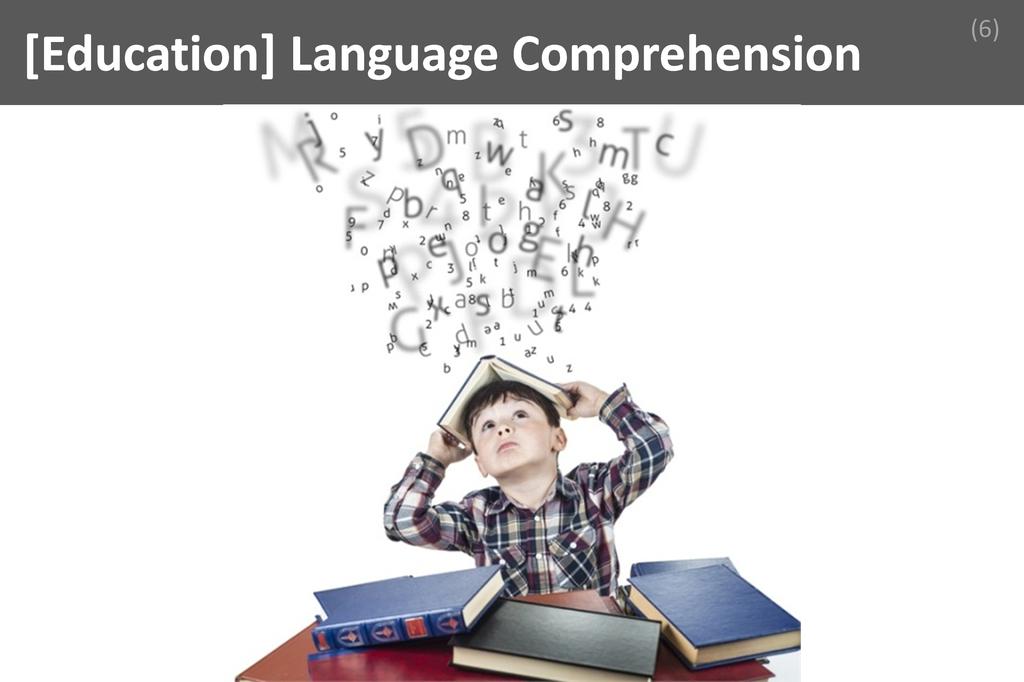
Language Comprehension

### Language Comprehension Image
What is
Language comprehension is the ability to understand spoken or written language, including grasping vocabulary, grammar, context, and meaning. For those teaching English, it is a fundamental skill that underpins effective instruction, enabling educators to interpret texts, assess student understanding, and facilitate meaningful communication in academic and real-world settings.

Concept
A deep understanding of language comprehension is essential for anyone preparing to teach English, as it forms the backbone of effective language instruction. Mastery of this subject allows educators to identify and address the diverse needs of learners, adapt teaching strategies, and foster an inclusive classroom environment. By understanding how students process and interpret language, teachers can design lessons that build critical reading and listening skills, promote higher-order thinking, and support language acquisition at all proficiency levels. Over the course of a career, this foundational knowledge enables professionals to stay responsive to evolving educational standards, integrate new pedagogical approaches, and contribute meaningfully to student success and lifelong learning.

Real World Example
Imagine an English teacher working with a group of multilingual students who struggle with reading comprehension. Drawing on their understanding of language comprehension, the teacher carefully selects texts that match the students’ proficiency levels and scaffolds instruction by pre-teaching key vocabulary, modeling comprehension strategies, and encouraging active discussion. During lessons, the teacher observes how students interpret meaning, asks probing questions to assess understanding, and provides targeted feedback to address misconceptions. By applying theoretical knowledge of language comprehension, the teacher not only helps students decode and understand texts but also empowers them to become more confident, independent readers and communicators, ultimately enhancing their overall academic achievement.

Psychology - Child Behaviour

### Psychology - Child Behaviour Image
What is
Psychology - Child Behaviour is the scientific study of how children think, feel, and act as they grow. It explores developmental stages, emotional responses, and social interactions. For Teaching English, understanding this field is essential, as it informs effective classroom management and supports tailored instructional strategies for diverse learners.

Concept
A deep understanding of child behaviour is vital for anyone preparing for or working in Teaching English because it shapes how educators approach lesson planning, classroom management, and student engagement. Recognizing developmental milestones and behavioural cues allows teachers to adapt their methods to suit individual learning needs, fostering a supportive and inclusive environment. This foundational knowledge helps educators identify and address learning difficulties early, manage classroom dynamics constructively, and build positive relationships with students. Over the long term, mastering child behaviour psychology enhances a teacher’s ability to motivate learners, reduce classroom disruptions, and create a nurturing atmosphere that promotes language acquisition and overall academic success. It also supports ongoing professional growth by equipping teachers with the skills to reflect on and improve their teaching practices.

Real World Example
Consider an English teacher working with a group of young learners who display varying levels of participation and attention. Drawing on their understanding of child behaviour psychology, the teacher recognizes that some students may be shy due to social anxiety, while others might be restless because of developmental needs for movement. Instead of enforcing a rigid classroom structure, the teacher incorporates interactive activities and movement breaks, allowing students to express themselves in ways that suit their developmental stage. By observing behavioural cues and responding empathetically, the teacher creates a more engaging and supportive learning environment. This approach not only improves classroom harmony but also enhances each child’s ability to absorb and use the English language effectively.

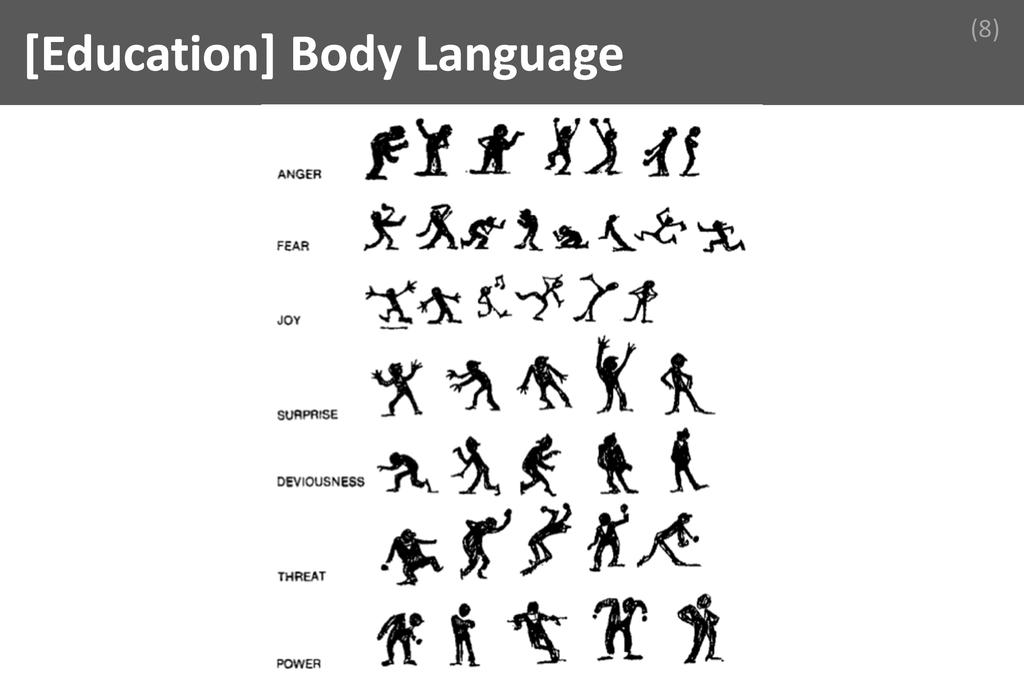
Body Language

### Body Language Image
What is
Body language refers to the nonverbal signals we use to communicate, including facial expressions, gestures, posture, and eye contact. In Teaching English, understanding body language is essential, as it enhances communication, supports language acquisition, and helps teachers interpret students’ needs, engagement, and comprehension beyond spoken words.

Concept
Mastering body language is crucial for anyone preparing for or working in Teaching English because it bridges the gap between spoken language and understanding. Teachers who are skilled in reading and using body language can create a more engaging and supportive classroom environment. This skill allows educators to clarify meaning, demonstrate enthusiasm, and foster trust, all of which are vital for effective language learning. Over time, a strong grasp of body language helps teachers adapt their methods to diverse learners, manage classroom dynamics, and respond to students’ unspoken cues. This foundational knowledge not only improves immediate teaching outcomes but also contributes to long-term professional growth and adaptability in multicultural and multilingual settings.

Real World Example
Imagine an English teacher working with a group of beginner students who are unfamiliar with many English words. During a lesson, the teacher uses expressive gestures, animated facial expressions, and clear eye contact to illustrate the meaning of new vocabulary. When a student appears confused, the teacher notices their furrowed brow and hesitant posture, prompting a gentle smile and a reassuring nod to encourage participation. By consciously interpreting and responding to these nonverbal cues, the teacher ensures that students feel supported and understood, even when language barriers exist. This practical application of body language theory not only aids comprehension but also builds a positive and inclusive classroom atmosphere.

Decoding Literature using Language

### Decoding Literature using Language Image
What is
Decoding Literature using Language refers to the analytical process of interpreting and understanding literary texts by examining linguistic features such as vocabulary, syntax, figurative language, and narrative structure. In Teaching English, this skill is essential for guiding students to uncover deeper meanings, appreciate literary artistry, and develop critical reading abilities.

Concept
A thorough grasp of decoding literature using language is indispensable for anyone preparing for or working in Teaching English. This competency enables educators to break down complex texts, making literature accessible and engaging for diverse learners. By mastering this skill, teachers can foster students’ analytical thinking, cultural awareness, and appreciation for language nuances. It also equips educators to design effective lesson plans, facilitate meaningful classroom discussions, and assess students’ interpretive skills accurately. Over the long term, proficiency in decoding literature enhances a teacher’s ability to adapt to various curricula, respond to evolving educational standards, and contribute to students’ lifelong literacy and communication skills, thereby strengthening their own professional credibility and career advancement prospects.

Real World Example
Imagine an English teacher guiding a class through a poem rich in metaphor and symbolism. Drawing on their expertise in decoding literature using language, the teacher helps students identify figurative expressions, analyze word choices, and discuss how these elements contribute to the poem’s themes and emotional impact. The teacher encourages students to connect the author’s linguistic techniques with the historical and cultural context of the work. Through this process, students not only grasp the literal meaning of the text but also develop the ability to interpret subtleties and appreciate the artistry of language. This daily application of decoding skills transforms literature lessons into interactive explorations, deepening students’ understanding and engagement.

Skills


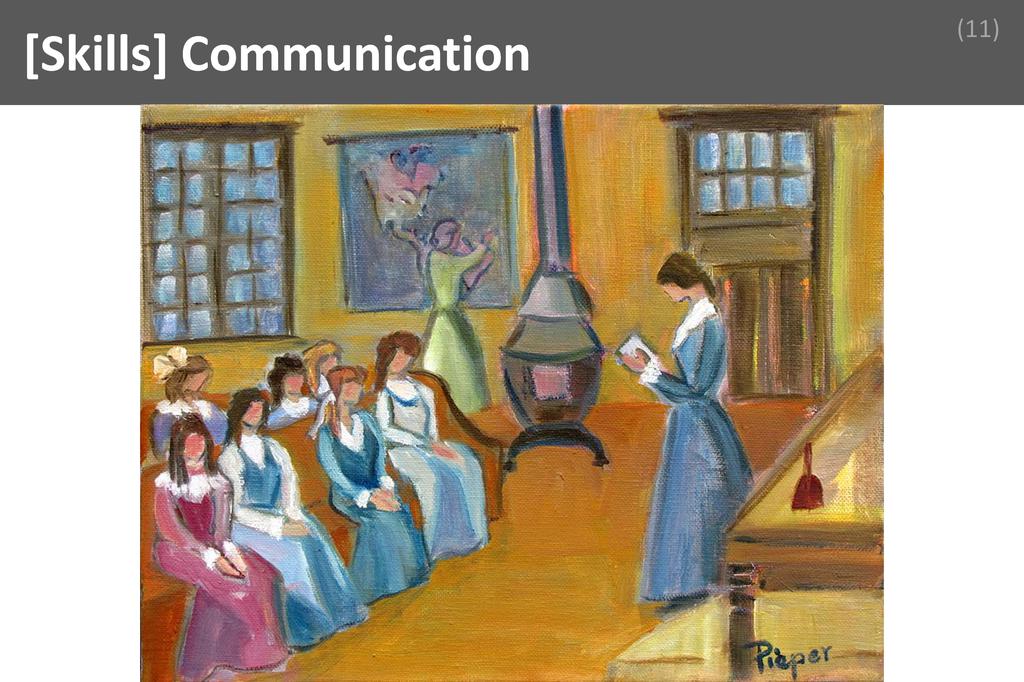
Communication

### Communication Image
What is
Communication is the process of exchanging information, ideas, and emotions through speaking, writing, or nonverbal means, ensuring mutual understanding between individuals. In Teaching English, communication is fundamental for delivering lessons, clarifying concepts, providing feedback, and building rapport with students, making it an indispensable part of every educator’s toolkit.

Concept
Effective communication enhances a teacher’s ability to present complex language concepts in ways that are accessible and engaging for learners. Employers and clients highly value educators who can clearly articulate instructions, adapt explanations to diverse learning styles, and foster an inclusive classroom environment. Strong communicators are also better equipped to manage classroom dynamics, resolve misunderstandings, and motivate students. Cultivating this skill involves ongoing self-reflection, seeking feedback, and practicing active listening. Teachers can further develop their communication by participating in professional development workshops, observing experienced colleagues, and experimenting with various instructional techniques. Over time, these efforts lead to greater confidence, adaptability, and a more positive impact on student learning outcomes.

Real World Example
Imagine an English teacher working with a group of students who are struggling to grasp the difference between present perfect and past simple tenses. Sensing confusion, the teacher pauses the lesson and invites students to share their questions. By actively listening and rephrasing explanations using relatable examples, the teacher clarifies the distinctions in a way that resonates with the class. Through open dialogue and encouraging participation, the teacher not only resolves the immediate misunderstanding but also builds trust and confidence among students. This scenario highlights how strong communication skills enable the teacher to identify learning obstacles, adapt instruction in real time, and ultimately foster a more effective and supportive learning environment.

Analytical and Application Skills

### Analytical and Application Skills Image
What is
Analytical and Application Skills refer to the ability to critically assess information, identify patterns or problems, and effectively implement solutions or strategies in real-world contexts. For a Teaching English professional, these skills are vital for adapting instruction, addressing diverse learner needs, and ensuring that teaching methods are both effective and responsive.

Concept
Possessing strong analytical and application skills allows English teachers to evaluate student progress, diagnose learning challenges, and tailor lessons accordingly. Employers and clients highly value these abilities because they lead to improved student outcomes and a more dynamic classroom environment. Teachers with these skills can interpret assessment data, recognize trends in student errors, and adjust their teaching strategies to maximize learning. Cultivating this skill involves ongoing reflection, seeking feedback, engaging in professional development, and staying informed about best practices in language instruction. Over time, consistent practice in analyzing classroom situations and applying new techniques helps teachers become more effective and adaptable professionals.

Real World Example
Imagine an English teacher who notices a recurring pattern of grammatical errors in student writing assignments. By employing analytical skills, the teacher identifies that most students struggle with subject-verb agreement. Applying this insight, the teacher designs targeted activities and mini-lessons to address this specific issue. Over the following weeks, the teacher monitors student progress and adapts instruction based on observed improvements or persistent challenges. This process not only resolves the immediate problem but also demonstrates the teacher’s ability to use analytical and application skills to enhance learning outcomes, ultimately leading to greater student confidence and success in mastering English grammar.

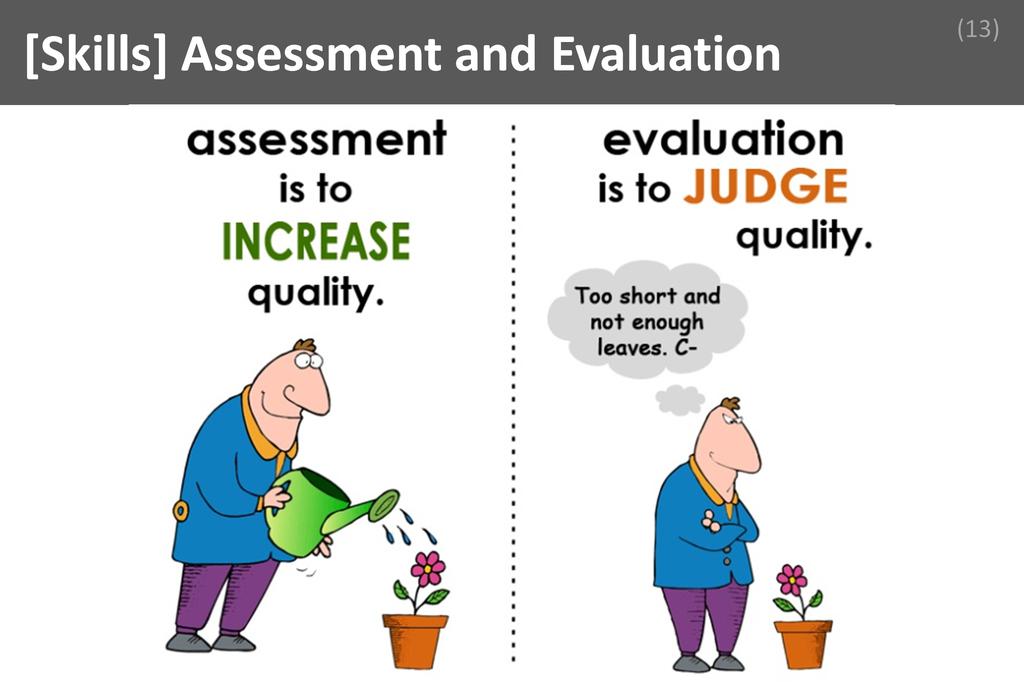
Assessment and Evaluation

### Assessment and Evaluation Image
What is
Assessment and Evaluation refers to the systematic process of measuring learners’ progress, understanding, and skills through various tools and methods, and interpreting the results to inform instruction. In Teaching English, it ensures that learning objectives are met and guides educators in adapting their approaches for optimal student success.

Concept
Mastering Assessment and Evaluation empowers English teachers to identify students’ strengths and areas for improvement, enabling targeted instruction that maximizes learning outcomes. Employers and clients highly value this skill because it demonstrates a commitment to accountability and continuous improvement. Teachers who excel in assessment can provide meaningful feedback, design effective lessons, and contribute to institutional goals. Cultivating this skill involves ongoing professional development, reflective practice, and staying updated with current assessment strategies. By analyzing student data, experimenting with diverse evaluation methods, and seeking feedback from peers, educators can refine their ability to assess accurately and fairly, ultimately enhancing both their teaching effectiveness and their students’ language acquisition.

Real World Example
Imagine an English teacher noticing that several students consistently struggle with reading comprehension tasks. By employing robust Assessment and Evaluation techniques, the teacher administers diagnostic tests and carefully reviews the results to pinpoint specific comprehension gaps. Using this data, the teacher adapts lesson plans to focus on targeted reading strategies and monitors progress through formative assessments. Over time, students show marked improvement, and the teacher can confidently report these gains to school administrators and parents. This scenario highlights how effective assessment not only resolves learning challenges but also demonstrates the teacher’s professionalism and commitment to student achievement, reinforcing the essential role of this skill in a successful Teaching English career.

Leadership

### Leadership Image
What is
Leadership is the ability to inspire, guide, and influence individuals or groups toward achieving shared goals, while fostering growth, motivation, and collaboration. In the context of Teaching English, leadership empowers educators to create positive learning environments, manage diverse classrooms, and drive student engagement, making it indispensable for professional success.

Concept
Leadership enhances a Teaching English professional’s effectiveness by enabling them to manage classrooms confidently, adapt to varying student needs, and implement innovative teaching strategies. Employers and clients highly value this skill because it ensures smooth classroom dynamics, consistent student progress, and a proactive approach to challenges. Cultivating leadership involves ongoing self-reflection, seeking mentorship, and embracing opportunities to take initiative, such as leading projects or professional development sessions. Over time, teachers who invest in their leadership abilities become trusted figures within their institutions, capable of motivating colleagues and students alike. This not only improves educational outcomes but also opens doors to career advancement and greater professional satisfaction.

Real World Example
Imagine an English teacher facing a classroom with students of vastly different proficiency levels, leading to disengagement and frustration. By demonstrating leadership, the teacher assesses individual strengths, sets clear expectations, and introduces collaborative activities that encourage peer support. Through consistent guidance and open communication, the teacher fosters a sense of community and shared purpose. As a result, students become more motivated, participate actively, and show measurable improvement. The teacher’s leadership not only resolves the immediate challenge but also establishes a positive, resilient classroom culture that benefits everyone involved. This scenario highlights how leadership is crucial for overcoming obstacles and achieving lasting success in Teaching English.

Positives


Catering to Diversity

### Catering to Diversity Image
What is
Catering to diversity means recognizing, respecting, and adapting to the varied cultural, linguistic, and learning backgrounds of students in the classroom. It involves creating inclusive environments where every learner feels valued and supported. This approach enriches the teaching experience by fostering mutual understanding and encouraging personal and academic growth for all.

Concept
Embracing diversity in the English classroom transforms teaching into a dynamic and deeply meaningful profession. Teachers who cater to diverse learners develop a broader worldview, enhance their communication skills, and become more empathetic educators. This positive aspect leads to greater job satisfaction, as teachers witness firsthand the progress and confidence of students from all walks of life. The daily challenge of adapting lessons to suit different abilities and backgrounds keeps the work engaging and intellectually stimulating. Moreover, teachers often experience personal growth as they learn from their students’ unique perspectives, making every day in the classroom an opportunity for mutual enrichment and professional development.

Real World Example
Imagine an English teacher working with a group of students from various countries, each bringing their own language, traditions, and experiences into the classroom. The teacher designs lessons that incorporate stories, idioms, and examples from multiple cultures, encouraging students to share their backgrounds. As a result, students feel seen and respected, and the classroom becomes a vibrant community where everyone learns from one another. The teacher witnesses shy students gain confidence as they see their culture reflected in the curriculum, and advanced learners help peers bridge language gaps. This daily exchange not only improves language skills but also builds lasting connections, making the teacher’s role profoundly rewarding and impactful.

Embracing differences

### Embracing differences Image
What is
Embracing differences means recognizing, respecting, and valuing the unique backgrounds, perspectives, and learning styles of every student. In Teaching English, this approach fosters an inclusive environment where diversity is celebrated. It encourages adaptability, empathy, and open-mindedness, allowing educators and students alike to grow through meaningful cultural and personal exchanges.

Concept
The ability to embrace differences is a cornerstone of fulfillment in Teaching English. Teachers encounter students from varied cultures, languages, and life experiences, which transforms the classroom into a vibrant, dynamic space. This diversity challenges educators to innovate and adapt their teaching methods, leading to professional growth and deeper job satisfaction. By valuing each student’s individuality, teachers build stronger connections and foster a sense of belonging, which enhances learning outcomes. Every day, professionals in this field witness firsthand how embracing differences not only enriches their own perspectives but also empowers students to express themselves confidently and authentically.

Real World Example
Imagine an English teacher working with a group of learners from different countries, each bringing distinct traditions and viewpoints. During a lesson on storytelling, the teacher encourages students to share tales from their own cultures. As students listen and respond to each other’s stories, they discover common values and unique insights. The teacher feels a profound sense of accomplishment, witnessing students bond over their differences and develop mutual respect. This experience highlights how embracing differences transforms the classroom into a supportive community, where everyone’s voice matters and learning becomes a shared, enriching journey. The teacher leaves the lesson inspired, knowing they have helped bridge cultural gaps and foster genuine understanding.

Think, Question & Resolve

### Think, Question & Resolve Image
What is
"Think, Question & Resolve" is the ongoing process of analyzing situations, challenging assumptions, and finding effective solutions. In teaching English, this means constantly reflecting on teaching methods, questioning how best to reach students, and resolving challenges in communication and understanding. This dynamic approach fosters growth and adaptability in educators.

Concept
Embracing "Think, Question & Resolve" transforms teaching English into a vibrant, intellectually stimulating career. Teachers who actively engage in this process find themselves continually learning, adapting, and improving their craft. This mindset leads to greater job satisfaction, as educators witness their own growth alongside their students’ progress. The daily practice of thinking critically, questioning established norms, and resolving classroom challenges keeps the work fresh and meaningful. It encourages creativity and resilience, helping teachers navigate diverse learning needs and cultural backgrounds. Ultimately, this approach not only enhances professional development but also builds a supportive, engaging environment where both teachers and students thrive.

Real World Example
Imagine an English teacher working with a class of students from various linguistic backgrounds. One day, the teacher notices that a lesson on idioms is not resonating with the students. Instead of following the lesson plan rigidly, the teacher pauses to think about why the material isn’t connecting, questions which teaching methods might be more effective, and resolves the issue by introducing relatable, culturally relevant examples. Through this process, the teacher not only overcomes a teaching challenge but also experiences the satisfaction of seeing students engage and understand. This daily opportunity to think, question, and resolve turns obstacles into rewarding moments of growth for both teacher and students.

Challenges


Varying Degrees of Involvement

### Varying Degrees of Involvement Image
What is
Varying Degrees of Involvement refers to the inconsistent levels of engagement, participation, and motivation among students in English language classrooms. This challenge is demanding because it requires teachers to continuously adapt their methods, address diverse needs, and maintain a productive learning environment despite fluctuating student interest and commitment.

Concept
The presence of varying degrees of involvement can disrupt lesson flow, hinder group activities, and make it difficult to assess overall progress. Teachers may find themselves spending disproportionate time encouraging less engaged students, which can be emotionally taxing and lead to burnout. This challenge demands resilience, adaptability, and creativity, as professionals must balance the needs of highly motivated learners with those who are reluctant or distracted. Successful teachers often employ differentiated instruction, foster a supportive classroom culture, and use varied activities to spark interest. They also build strong relationships with students, encouraging participation through positive reinforcement and by connecting lessons to students’ real-life experiences, thus gradually increasing involvement across the classroom.

Real World Example
Consider an English teacher working with a mixed-ability class where some students are eager participants while others remain silent or disengaged. Recognizing this, the teacher introduces project-based learning, allowing students to choose topics that interest them and collaborate in small groups. By offering choices and responsibilities, the teacher taps into individual motivations and creates opportunities for less involved students to contribute in ways that suit their strengths. Over time, the teacher observes increased participation, as previously quiet students begin to share ideas and take initiative. This approach not only addresses the challenge of varying involvement but also fosters a more inclusive and dynamic learning environment, benefiting all students.

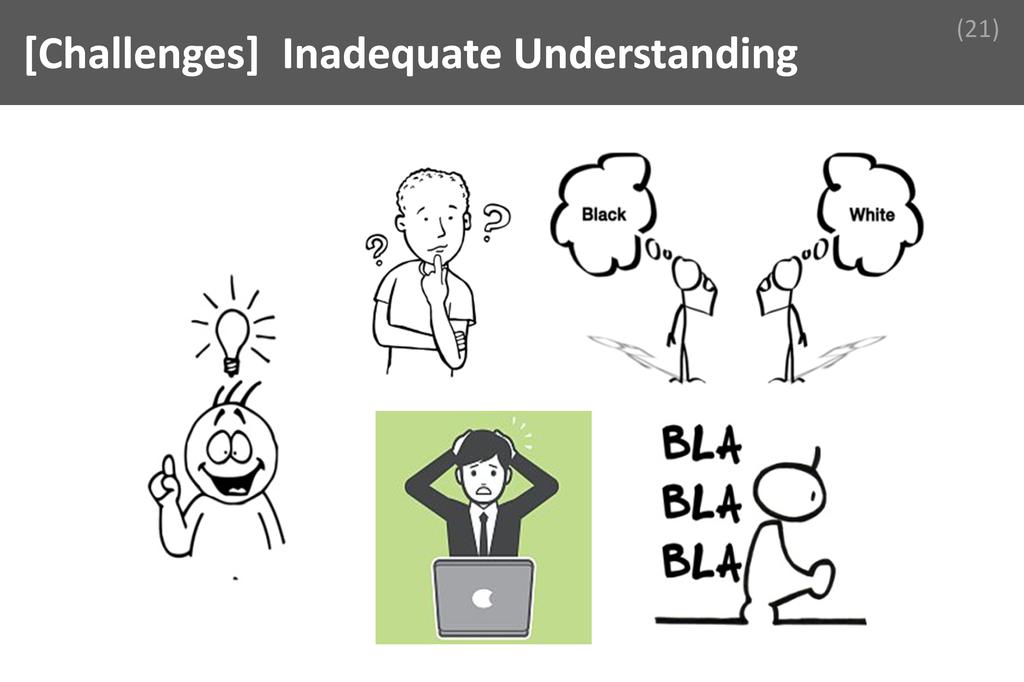
Inadequate Understanding

### Inadequate Understanding Image
What is
Inadequate Understanding in Teaching English refers to situations where students struggle to grasp language concepts, instructions, or cultural nuances, despite repeated explanations. This challenge is demanding because it requires teachers to constantly adapt their methods, identify unseen barriers, and maintain student engagement while ensuring progress for diverse learners.

Concept
This difficulty can significantly affect daily teaching by slowing lesson progress, increasing the need for individualized attention, and sometimes leading to student frustration or disengagement. Teachers must demonstrate resilience as they repeatedly rephrase, scaffold, and differentiate instruction to bridge comprehension gaps. Successful professionals manage this constraint by fostering an open, supportive classroom environment, encouraging questions, and using varied teaching techniques such as visual aids, real-life examples, and peer collaboration. They also reflect on their own practices, seeking feedback and professional development to better address students’ needs. By remaining patient and resourceful, teachers can gradually build students’ confidence and understanding, turning challenges into opportunities for growth.

Real World Example
Consider an English teacher working with a group of adult learners from diverse linguistic backgrounds. Early in the course, the teacher notices that several students consistently misunderstand instructions for group activities. Instead of moving forward, the teacher pauses to model the activity step-by-step, uses gestures and simple language, and invites students to demonstrate their understanding before proceeding. Over time, the teacher incorporates more visual supports and checks for comprehension regularly. As a result, students become more comfortable asking for clarification and gradually participate more confidently. This scenario illustrates how a teacher’s adaptability and commitment to clear communication can effectively address inadequate understanding, ultimately fostering a more inclusive and successful learning environment.

A Day Of


Teaching English

What is
The hum of anticipation fills the air as the day begins for a teaching English professional. Each morning, the classroom transforms from a quiet, orderly space into a dynamic environment brimming with curiosity, questions, and the promise of discovery. The pace is brisk yet purposeful, with every hour presenting new challenges and opportunities to connect, inspire, and guide learners through the intricacies of language. Whether in a bustling school, a virtual classroom, or a community center, the rhythm of the day is shaped by the energy of students, the demands of lesson plans, and the ever-present goal of fostering communication and confidence in English.

Concept
As the sun rises, the teaching English professional arrives early to prepare for the day ahead. This quiet time is dedicated to reviewing lesson plans, organizing materials, and making last-minute adjustments based on student needs or recent classroom developments. There is a sense of calm focus as the teacher reflects on previous lessons, considers feedback, and sets clear objectives for the day. This preparation ensures that each activity is purposeful and that the classroom is a welcoming space ready for learning.

Real World Example
By mid-morning, the classroom comes alive with the core activities of teaching English. The teacher leads students through engaging lessons that blend grammar, vocabulary, and conversation practice, often incorporating games, group discussions, and multimedia resources to keep energy high and participation active. This is the most intense and interactive part of the day, requiring quick thinking, adaptability, and a keen sense of how to motivate learners of varying backgrounds and abilities. The teacher navigates questions, encourages hesitant speakers, and celebrates small victories as students gain confidence in their language skills.

The afternoon shifts toward collaboration and practical application. The teacher may meet with colleagues to discuss curriculum updates, share teaching strategies, or coordinate cross-curricular projects. There is often time set aside for one-on-one sessions with students who need extra support or for facilitating group projects that encourage real-world use of English. This period is marked by teamwork, problem-solving, and the practical execution of ideas discussed earlier in the day, reinforcing the sense of community and shared purpose within the school or learning environment.

As the day winds down, the teaching English professional turns attention to reflection and preparation for the future. This time is spent grading assignments, providing feedback, and recording progress, ensuring that each student’s development is carefully tracked. The teacher also researches new teaching methods, updates lesson plans, and organizes materials for the next day. This wrap-up phase is both administrative and creative, allowing the teacher to close out the day’s work while planting the seeds for tomorrow’s lessons, always striving to make each day more effective and inspiring than the last.


Install the LifePage App to:


  1. (for Free) Watch English Teacher Tanvi Dhingra’s full Teaching English Career Talk

  2. ₹ Do a Self Assessment on Teaching English to calculate your Dream Index, which is defined as:

    According to Tanvi Dhingra your chances of success in Teaching English is __%

  3. Access your personalized Dream Index Report which will have all your Dream Indices sorted in descending order.

Career Counselling 2.0


<?php echo $altimage; ?>


<?php echo $altimage; ?>


How to get into

Teaching English?


If you are want to get into Teaching English, start by investing in a Career Plan.

The 14 hour process, guided by a LifePage Career Advisor, will help you introspect and check whether your interest in Teaching English is merely an infatuation or is it truly something you wish to do for the rest of your life.

Next, your Career Advisor will help you document how you can get into Teaching English, what education and skills you need to succeed in Teaching English, and what positives and challenges you will face in Teaching English.

Finally, you will get a Career Plan stating which Courses, Certifications, Trainings and other Items you need to do in the next 7 years to become world’s best in Teaching English.


LifePage Career Plan

14 hour personalized guidance program


Your LifePage Career Advisor facilitates your guided introspection so that you systematically explore various Career options to arrive at a well thought out Career choice.

Next: your Advisor helps you figure out how you will get into your chosen Career and how will you develop the skills needed for success in your Chosen Career.

LifePage Plan will not stop at saying "to become an Architect study Architecture". It will guide you on which Certifications, Trainings and Other items you need to do along with your Architecture education to become the world's best Architect.


Links for this Talk


English Teacher Tanvi Dhingra's LifePage:


Career Counselling 2.0
[LifePage]
https://www.lifepage.in/page/tanvidhingra


LifePage Career Talk on Teaching English


Career Counselling 2.0
[Career]
https://www.lifepage.in/careers/teaching-english


Career Counselling 2.0
[Full Talk]
https://lifepage.app.link/20161114-0003


Career Counselling 2.0
[Trailer]
https://www.youtube.com/watch?v=7B0SuglBG54


(Teaching English, Tanvi Dhingra, Welham Girls, Dehradun, Teacher, Teaching, Education, Educationist, Mentor, Educator)


Similar Talks


Career in Teaching Hindi
Teaching Hindi
Mrs Sangeeta Rawat
PGT Hindi | Scholars Home, Dehradun
[ 18 years Experience ]

There are several languages spoken in this world, one of them being Hindi. It is one of the most spoken languages in this world. Hindi teaching for an Indian is a great pride and gives a sense of immense satisfaction. It includes the complete knowledge of the Hindi language, where one can read, write and speak it. While teachig Hindi, both Hindi Grammar and Hindi Literature are taught.

"I was born and brought up in Dehradun. This is where I did my schooling from Shri Guru Nanak Academy. I then did my M A and B Ed from Garhwal University. I have been teaching Hindi from 1999 to 2016. I taught Hindi in Asian School and Scholar's Home Senior Secondary School"


Career Counselling 2.0 Career Counselling 2.0 Career Counselling 2.0 Career Counselling 2.0 Career Counselling 2.0


Career in Teaching English
Teaching English
Estela Lopez
English Teacher | Oxford Institute
[ 41 years & 3 months Experience ]

Teaching English is a great challenge, because teaching, whatever the subject one has to teach students, is a permanent challenge. Even more so, English is doubly a challenge because you have to teach children not only to talk but to think in a different language. To teach English, and the cultures of the countries where it is spoken, is to open the minds of children, who perhaps through the language, realize the possibilities they have to know other ways of thinking, other ways of living. In short is to teach them that communication is not only in Spanish but there are other human groups, other human cultures, that have a different language and is good to learn them. And since English is a universal language, not one, but the universal language, the challenge becomes more exciting.

"I studied English because it seemed to me that it was a career that was going to have a lot of job opportunities, and I was not mistaken, and to take advantage of the year i lived with Americans when i went abroad with a student scholarship, which gave me a good level of English to begin with. I studied in the UNT, in the Faculty of Philosophy and Letters, and while studying English, that was what would allow me to live, I studied philosophy that was what I was passionate about. I graduated as a teacher in English and i got my degree in philosophy in 1974 and 1977 respectively. By paternal suggestion I decided to set up an English academy with which I was able to build my own company, still running today with branches in the south of my province. In addition to teaching English in my academy, i taught English in a private secondary institution and in the UNSTA. Also, along with English, i taught many other things like anthropology, epistemology, logic and psychology, but in fact most of my working hours were dedicated to English. I made several trips to the United States with students from my academy, seeking to have them inmerge in the language, which is necessary to speak it."


Career Counselling 2.0 Career Counselling 2.0 Career Counselling 2.0 Career Counselling 2.0


Career in Teaching English
Teaching English
Sangeeta Sofat
HOD Commerce Department | Summer Valley School
[ 24 years & 4 months Experience ]

Teaching English as a Foreign Language refers to teaching the English language to students with different first languages. Teaching English can occur either within the state school system or more privately, at a language school or with a tutor.

"I have done B Com & M Com from DAV College. Post that I did a Diploma in System Management from NIIT. I got placed in a Computer Company by the name Microlipi as a Teacher. Realising my interest in teaching and reading, I decided to pursue MA in English followed by B Ed. I have been an English Teacher with Summer Valley School for 23 years."


Career Counselling 2.0 Career Counselling 2.0 Career Counselling 2.0 Career Counselling 2.0 Career Counselling 2.0


Career in Teaching English
Teaching English
Late Pramod Lal
Head, Dept of English | Education Department
[ 22 years & 8 months Experience ]

Education is something that teaches you how to live a better life. Therefore, teaching is a very important function, in fact we all are born teachers, like mothers, they are the first teachers a child has. Teaching is the sharing of knowledge which comes naturally to a person and it is an unending process that benefits both the teacher and the learner.

"I have been an English teacher for almost 39 years and I was one of the few lucky ones who could enter his profession of choice. I always said that I should be remembered as a teacher or else nothing at all. I observed my teachers and their methods of teaching right from my early childhood and in that way teaching became my passion and the profession of my choice."


Career Counselling 2.0 Career Counselling 2.0 Career Counselling 2.0 Career Counselling 2.0 Career Counselling 2.0


Career in Teaching French
Teaching French
Dr Shivika Dutt
Visiting Faculty | UPES
[ 11 years & 11 months Experience ]

French is a Romance language of the Indo-European family. It descended from the Vulgar Latin of the Roman Empire, as did all Romance languages. French has evolved from Gallo-Romance, the spoken Latin in Gaul, and more specifically in Northern Gaul.

"I have done my graduation in Textile, French & Psychology from University of Rajasthan. I also did Masters and Ph D in Clinical Psychology from University of Rajasthan. I started my own practice in 2011. I am a Visiting Faculty of French in University of Petroleum & Energy Studies."


Career Counselling 2.0 Career Counselling 2.0 Career Counselling 2.0 Career Counselling 2.0 Career Counselling 2.0


Career in Teaching Chinese
Teaching Chinese
Anukriti
Teacher | Doon University
[ 1 year Experience ]

A teacher is a person who helps others to acquire knowledge, competences or values.

"I did my Schooling till 10th from Bal Bharti Public School, Kotdwara. I completed my 12th from Banasthali University, Rajasthan. I did my Graduation and Post Graduation in Chinese Study from Doon University. I have been working as a Chinese Teacher in Doon University since 2016."


Career Counselling 2.0 Career Counselling 2.0 Career Counselling 2.0 Career Counselling 2.0 Career Counselling 2.0


Career in Teaching English
Teaching English
Sunaina Sangal
Trained Graduate Teacher | Summer Valley School
[ 3 years Experience ]

Teaching English as a Foreign Language refers to teaching the English language to students with different first languages.

"After completing my Schooling from Welham Girls' School, I did my graduation from LSR in History, Political Science and English. I came back to Dehradun and did my B Ed from Patrician College of Education. I am an English and History Teacher at Summer Valley School."


Career Counselling 2.0 Career Counselling 2.0 Career Counselling 2.0 Career Counselling 2.0 Career Counselling 2.0


Career in English Language Training
English Language Training
Shuchi Kaushal
English Language Trainer | Various Assignments
[ 17 years Experience ]

English Language Teaching (ELT) is based on the idea that the goal of language acquisition is communicative competence. It adopts concepts, techniques and methods in classroom for recognizing and managing the communicative needs of the language learners.

"After doing my schooling from HMV Senior Secondary School Jalandhar, I did my BSc in Economics from Guru Nanak University and then did my MSc in Information technology from Punjab Technical University. Thereafter, I worked as a ABAP Developer for Daikin Air Conditioning India Pvt Ltd for four years. In 2002, I started my own institute by the name of The Learning Edge where we give training for IELTS, TOEFL, English speaking and personality enhancement. We are also providing training to students of class 9th and 10th for Science, Math, English and NTSE. I am also a health & wellness consultant and a content writer."


Career Counselling 2.0 Career Counselling 2.0 Career Counselling 2.0 Career Counselling 2.0 Career Counselling 2.0


Career in Teaching English
Teaching English
Bina Venkatesh
Teacher | Welham Boys School
[ 20 years Experience ]

Teaching English as a Foreign Language refers to teaching the English language to students with different first languages. TEFL can occur either within the state school system or more privately, at a language school or with a tutor.

"After completing my Schooling from Nagpur University, I did my Graduation in Commerce from Nagpur University itself. I also did my Post Graduation in Public Administration. I have also done my B Ed as a correspondence course. I have been teaching English and Social Studies in Welham Boys."


Career Counselling 2.0 Career Counselling 2.0 Career Counselling 2.0 Career Counselling 2.0 Career Counselling 2.0


Career in Teaching English
Teaching English
Dr Kirtima Upadhyay
Assistant Professor | SGRR Degree College
[ 21 years & 10 months Experience ]

Teaching English refers to teaching the English language and/or literature to students at school or college level. Teaching English can occur either within the state school, private educational institutions or at home, supervised by a personal English tutor.

"After my Bachelors and Masters in English and Psychology, I completed my Masters in Education from DWT College and Ph D from DAV College. Post that, I took up teaching as a career. I have been teaching for over 20 years and I am working as an Assistant Profession at SGRR Degree College, Dehradun."


Career Counselling 2.0 Career Counselling 2.0 Career Counselling 2.0 Career Counselling 2.0 Career Counselling 2.0


Career in Teaching English
Teaching English
Esha Shaunik
PGT | GD Goenka Public School
[ 35 years & 10 months Experience ]

Teaching English as a Foreign Language refers to teaching the English language to students with different first languages. It can occur either within the state school system or more privately, at a language school or with a tutor.

"While I was doing my MA English, I started teaching in Jalandhar. After that, I pursued M Ed in teaching and since 1980, I was teaching English in various schools and took up various administrative roles too. I have been teaching since 1983 and my last school was GD Goenka in 2016."


Career Counselling 2.0 Career Counselling 2.0 Career Counselling 2.0 Career Counselling 2.0 Career Counselling 2.0


Career in Teaching English
Teaching English
James Macnamara
Teacher | Japanese School, Delhi
[ 5 years Experience ]

Teaching English as a Foreign Language (TEFL) refers to teaching the English language to students with different first languages.

"After completing my Schooling from Wimbledon College, I did a course in English from Roehampton University. I have been Teaching English since 2013, and I am teaching English at a Japanese School, New Delhi."


Career Counselling 2.0 Career Counselling 2.0 Career Counselling 2.0 Career Counselling 2.0 Career Counselling 2.0


Career in Teaching English
Teaching English
Anuradha Bhatnagar
Trained Graduate Teacher | Greenway Modern School, Delhi
[ 15 years & 9 months Experience ]

Teaching English as a Foreign Language refers to teaching the English language to students with different first languages. It can occur either within the state school system or more privately, at a language school or with a tutor.

"After completing my education, I started teaching English as Trained Graduate Teacher and it has been almost 16 years for me teaching the language."


Career Counselling 2.0 Career Counselling 2.0 Career Counselling 2.0 Career Counselling 2.0


[Install the LifePage App to access all Talks]


<?php echo $altimage; ?>


<?php echo $altimage; ?>


&mbsp;


Career Counselling 2.0 | Home   Home  
Career Counselling 2.0 | Abroad   Abroad  
Career Counselling 2.0 | Plan   Plan  
Career Counselling 2.0 | Talks   Talks  
Career Counselling 2.0 | Philosophy   Philosophy  
Career Counselling 2.0 | Seminar   Seminar  
Career Counselling 2.0 | Workshop   Workshop  
Career Counselling 2.0 | Pages   Pages  
Career Counselling 2.0 | Advisors   Advisors  
Career Counselling 2.0 | Discuss   Discuss  
Career Counselling 2.0 | Meet   Meet  
Career Counselling 2.0 | Advisor   Advisor  
Career Counselling 2.0 | Story   Story  
Career Counselling 2.0 | Fine Print   Fine Print  
Career Counselling 2.0 | Links   Links  
Career Counselling 2.0 | Blog   Blog  
Career Counselling 2.0 | Testimonials   Testimonials  
Career Counselling 2.0 | Follow   Follow  
 
[ Site Visits ]


Career Counselling 2.0