The Journey of Teaching Yoga
What Is Teaching Yoga
Teaching Yoga

Teaching yoga is the professional practice of guiding individuals or groups through yoga postures, breathing exercises, and meditation techniques. It involves sharing knowledge of yoga philosophy, anatomy, and mindfulness, while creating a safe and supportive environment for students to explore physical, mental, and emotional well-being through regular practice.
Teaching yoga plays a significant role in promoting holistic health and well-being, both for instructors and their students. For professionals, it offers a meaningful career that fosters personal growth, deepens self-awareness, and cultivates a sense of community. Instructors often experience improved physical fitness and mental clarity as they embody the principles they teach. Additionally, teaching yoga provides the opportunity to inspire positive lifestyle changes in others, helping students manage stress, build resilience, and enhance their overall quality of life. The profession also allows for flexible work arrangements, enabling teachers to work in studios, gyms, corporate settings, or even online, thus supporting a balanced and fulfilling career path.
A yoga teacher might begin their day by preparing a sequence tailored to the needs of a diverse group of students, considering factors such as age, experience level, and physical limitations. During class, the instructor demonstrates poses, offers modifications, and provides hands-on adjustments to ensure safety and comfort. They guide students through mindful breathing and relaxation techniques, fostering a calm and focused atmosphere. After class, the teacher may offer individual feedback, answer questions, and encourage students to integrate yoga practices into their daily lives. Through these interactions, the teacher not only imparts technical skills but also builds trust and rapport, empowering students to pursue their own wellness journeys.
Education
Patanjal Yoga Sutra

The Patanjal Yoga Sutra is an ancient Indian text composed by Sage Patanjali, outlining the philosophy, principles, and practices of yoga through concise aphorisms. It serves as a foundational scripture, guiding the ethical, mental, and spiritual aspects of yoga, and is essential academic knowledge for anyone teaching yoga professionally.
Understanding the Patanjal Yoga Sutra is vital for yoga teachers because it provides the philosophical framework that underpins all yogic practices. Mastery of its core concepts, such as the eight limbs of yoga, equips professionals with a holistic perspective that goes beyond physical postures. This depth of knowledge enables teachers to offer authentic, well-rounded instruction that addresses the mind, body, and spirit. Over the long term, familiarity with the Sutra enhances credibility, fosters deeper student engagement, and supports ongoing personal and professional growth. It also prepares teachers to answer complex questions, adapt teachings to diverse needs, and maintain ethical standards, all of which are crucial for a sustainable and respected career in yoga education.
A yoga teacher begins a class by introducing the concept of “Ahimsa” or non-violence, one of the ethical principles from the Patanjal Yoga Sutra. During the session, the teacher encourages students to practice self-compassion and avoid pushing themselves into discomfort, linking this guidance to the Sutra’s teachings. When a student expresses frustration over not mastering a pose, the teacher draws upon the Sutra’s emphasis on patience and self-acceptance, offering reassurance and perspective. By integrating these philosophical insights into daily instruction, the teacher not only enhances the physical practice but also nurtures a supportive and mindful learning environment, demonstrating the practical value of the Patanjal Yoga Sutra in professional teaching.
Hath Yoga

Hath Yoga is a traditional branch of yoga that emphasizes the balance of physical postures (asanas), breath control (pranayama), and meditation to harmonize the body and mind. It serves as a foundational discipline in yoga education, providing essential techniques and philosophies for anyone pursuing a career in Teaching Yoga.
Understanding Hath Yoga is crucial for aspiring and practicing yoga teachers because it forms the bedrock of most modern yoga styles. Mastery of its principles enables teachers to design safe, effective, and inclusive classes that cater to diverse student needs. The discipline’s focus on alignment, breath, and mindful movement equips professionals with the tools to foster holistic well-being in their students. Furthermore, a deep knowledge of Hath Yoga enhances a teacher’s credibility and confidence, allowing them to answer student questions with authority and adapt practices for various skill levels. Over time, this expertise supports career growth, as it opens opportunities for advanced training, specialization, and leadership roles within the yoga community.
Consider a yoga instructor leading a mixed-level class in a community studio. Drawing on their understanding of Hath Yoga, the teacher carefully sequences postures to ensure a balanced practice, integrating breathwork and moments of stillness. When a student struggles with a particular asana, the instructor offers modifications rooted in Hath Yoga principles, ensuring safety and accessibility. Throughout the session, the teacher explains the purpose behind each movement and breath technique, fostering a deeper connection between mind and body for the participants. This application of Hath Yoga theory not only enhances the students’ experience but also demonstrates the instructor’s professionalism and depth of knowledge, reinforcing their reputation as a skilled and compassionate yoga educator.
Anatomy

Anatomy is the scientific study of the structure of living organisms, focusing on the identification and understanding of bodily systems, organs, tissues, and their relationships. For those teaching yoga, anatomy provides essential academic and professional knowledge, enabling instructors to guide students safely and effectively through physical postures and movement practices.
A solid grasp of anatomy is crucial for anyone preparing to teach yoga, as it underpins the ability to instruct with both confidence and safety. Understanding how muscles, bones, and joints interact allows yoga teachers to design classes that accommodate varying abilities and physical limitations. This foundational knowledge helps prevent injuries by ensuring that postures are taught with proper alignment and modifications. Over time, expertise in anatomy enhances a teacher’s credibility, fosters trust with students, and supports ongoing professional development. It also empowers instructors to communicate more effectively about the benefits and risks of specific movements, making their teaching more impactful and respected within the wellness community.
Consider a yoga teacher leading a mixed-level class that includes participants with different levels of flexibility and strength. By applying their knowledge of anatomy, the teacher can observe students’ alignment and identify when someone’s knee is at risk during a deep lunge. Drawing on their understanding of joint mechanics and muscle engagement, the instructor offers tailored cues and modifications, such as adjusting foot placement or suggesting props. This not only helps prevent strain or injury but also ensures that each student experiences the intended benefits of the posture. In this way, anatomical expertise directly informs daily teaching practices, promoting a safer and more inclusive environment for all participants.
Shrimadbhagwad Gita

The Shrimadbhagwad Gita is a revered ancient Indian scripture, consisting of 700 verses, that forms part of the Mahabharata. It presents a philosophical dialogue between Lord Krishna and Arjuna, addressing ethics, duty, and spiritual wisdom. For yoga teachers, it is a cornerstone of both academic study and professional practice.
Understanding the Shrimadbhagwad Gita is essential for anyone preparing for or working in the field of teaching yoga. The text provides deep insights into the philosophy of yoga, including concepts such as selfless action, mindfulness, and the unity of body, mind, and spirit. These teachings form the philosophical backbone of yoga practice, guiding instructors beyond physical postures to the ethical and spiritual dimensions of yoga. Mastery of the Gita equips yoga teachers to answer students’ questions about the purpose and deeper meaning of yoga, fostering a holistic learning environment. Over time, this foundational knowledge enhances a teacher’s credibility, enriches their classes, and supports their ongoing professional growth and personal development.
Imagine a yoga instructor leading a class where a student expresses anxiety about achieving perfection in their practice. Drawing from the teachings of the Shrimadbhagwad Gita, the instructor explains the principle of performing one’s duty without attachment to results, encouraging the student to focus on the process rather than the outcome. By referencing the Gita’s guidance on selfless action and inner balance, the teacher helps the student cultivate a more mindful and compassionate approach to yoga. This not only addresses the student’s immediate concern but also integrates philosophical wisdom into the practical aspects of teaching, demonstrating how theoretical understanding of the Gita directly enhances the quality and depth of yoga instruction.
Psychology

Psychology is the scientific study of the mind, behavior, and mental processes, exploring how individuals think, feel, and act in various situations. For those teaching yoga, psychology provides essential insights into motivation, learning, emotional regulation, and interpersonal dynamics, forming a crucial part of the academic and professional toolkit required for effective instruction.
Understanding psychology is vital for yoga teachers because it enables them to connect more deeply with students, recognize individual needs, and foster a supportive learning environment. Knowledge of psychological principles helps instructors address anxiety, build trust, and encourage positive behavioral change, which are all central to the yoga experience. This foundational understanding also aids in managing group dynamics, adapting teaching methods to diverse personalities, and supporting students through emotional or mental challenges. Over the long term, a strong grasp of psychology enhances a teacher’s ability to inspire, motivate, and retain students, contributing to professional growth, reputation, and the overall effectiveness of their teaching practice.
Imagine a yoga teacher noticing that a student consistently appears anxious and hesitant during class. Drawing on their understanding of psychology, the teacher recognizes signs of performance anxiety and employs techniques such as positive reinforcement, mindful breathing, and gentle encouragement to help the student feel more comfortable. By creating a non-judgmental atmosphere and offering personalized support, the teacher not only helps the student overcome their anxiety but also fosters a sense of belonging and trust within the class. This application of psychological knowledge not only improves the student’s experience but also strengthens the teacher’s ability to respond empathetically to a wide range of emotional and behavioral needs encountered in daily yoga instruction.
Skills
Self Discipline

Self discipline is the ability to control one’s actions, emotions, and impulses in pursuit of long-term goals, even when faced with distractions or challenges. For a Teaching Yoga professional, self discipline is the foundation that supports consistent practice, reliable class delivery, and the ongoing personal growth necessary to inspire students.
Self discipline directly enhances a yoga teacher’s performance by ensuring punctuality, consistent class preparation, and adherence to ethical standards. Clients and employers value this trait because it builds trust and reliability, which are crucial in fostering a safe and supportive learning environment. A disciplined teacher models the very principles they teach, encouraging students to develop their own commitment to practice. Cultivating self discipline involves setting clear intentions, maintaining a regular personal practice, and reflecting on one’s progress. Over time, these habits strengthen resolve and make it easier to overcome obstacles, manage time effectively, and maintain a positive attitude, even during challenging periods.
Imagine a yoga teacher who is preparing for an early morning class after a restless night. Despite fatigue, the teacher rises early, completes a brief personal practice, and arrives at the studio ahead of time to set up the space. During class, the teacher remains focused and present, guiding students with clarity and patience. This commitment, rooted in self discipline, ensures that students receive a high-quality experience regardless of the teacher’s personal circumstances. By consistently demonstrating such reliability and dedication, the teacher not only solves the immediate challenge of delivering a successful class but also builds a reputation for professionalism and inspires students to cultivate their own discipline.
Lifestyle

Lifestyle refers to the daily habits, choices, and routines that reflect an individual’s values, priorities, and well-being. For a Teaching Yoga professional, lifestyle encompasses physical health, mindfulness, ethical conduct, and a balanced approach to life, serving as a living example of the principles they impart to students.
A well-cultivated lifestyle enhances a yoga teacher’s credibility and effectiveness, as students and employers alike are drawn to instructors who embody the teachings of yoga both on and off the mat. By maintaining a consistent personal practice, prioritizing self-care, and adhering to yogic values, teachers create an authentic learning environment that inspires trust and motivation. Over time, this skill is developed through self-reflection, ongoing education, and conscious integration of yoga philosophy into everyday actions. Teachers who invest in their own well-being are better equipped to manage stress, adapt to challenges, and foster meaningful connections with their students, making them valuable assets to any yoga studio or wellness organization.
Imagine a yoga teacher facing a period of high stress due to an increased class load and personal commitments. Instead of succumbing to burnout, the teacher relies on their cultivated lifestyle—maintaining regular meditation, mindful eating, and setting healthy boundaries. This approach allows them to remain centered and energized, ensuring each class is delivered with presence and compassion. Students notice the teacher’s calm demeanor and resilience, leading to increased class attendance and positive feedback. By embodying the lifestyle they teach, the instructor not only overcomes a critical challenge but also reinforces their role as a trusted guide, demonstrating the transformative power of yoga beyond physical postures.
Communication

Communication is the process of exchanging information, ideas, and emotions through spoken words, written messages, gestures, and body language. In the context of teaching yoga, communication enables instructors to convey instructions clearly, foster trust, and create an inclusive environment, making it a fundamental skill for effective teaching and student engagement.
Strong communication skills directly enhance a yoga teacher’s ability to guide students safely and confidently through each session. Clear verbal cues help prevent misunderstandings and injuries, while empathetic listening allows instructors to respond to individual needs and concerns. Clients and employers highly value teachers who can articulate complex concepts simply and foster a welcoming atmosphere. Over time, communication can be cultivated through active listening, seeking feedback, and practicing mindful speech. Attending workshops, observing experienced teachers, and reflecting on one’s own teaching style also contribute to ongoing improvement. As communication skills grow, so does the teacher’s capacity to inspire, motivate, and support students on their yoga journey.
Imagine a yoga class where a student is struggling with a challenging pose and feels discouraged. The instructor notices this and uses clear, gentle language to offer modifications and reassurance, explaining the benefits of the alternative posture. By actively listening to the student’s concerns and responding with empathy, the teacher helps the student regain confidence and participate fully in the class. This scenario highlights how effective communication not only addresses immediate challenges but also builds trust and rapport, ensuring that students feel seen, supported, and motivated to continue their practice. In this way, communication becomes the bridge between technical instruction and meaningful student connection.
Physical Fitness

Physical fitness is the state of having a healthy body with strength, flexibility, endurance, and balance, enabling individuals to perform daily activities efficiently and without undue fatigue. For a Teaching Yoga professional, physical fitness is foundational, as it supports the ability to demonstrate poses, maintain energy, and inspire students through personal example.
Physical fitness directly enhances a yoga teacher’s ability to lead classes with confidence and competence. When instructors possess strength and flexibility, they can safely demonstrate a wide range of postures, adjust students effectively, and sustain the physical demands of multiple classes each day. Clients and employers value physically fit teachers because they embody the practice, serving as tangible role models for students. This credibility fosters trust and motivation within the classroom. Cultivating physical fitness requires consistent personal practice, mindful attention to nutrition and rest, and ongoing education about body mechanics. Over time, this commitment not only improves teaching performance but also deepens the teacher’s understanding of yoga’s physical and mental benefits.
Imagine a yoga instructor leading a challenging vinyasa class when a student struggles with a complex arm balance. The teacher, relying on their own physical fitness, demonstrates the pose with precision, breaking down each movement and offering modifications. Their strength and control allow them to safely support the student in attempting the posture, providing hands-on adjustments without risk of injury. This practical demonstration, combined with the teacher’s stamina to maintain a calm and encouraging presence throughout the class, helps the student gain confidence and make progress. In this scenario, the teacher’s physical fitness is not just an asset but a critical tool for effective instruction and student success.
Positives
Market Demand

Market Demand refers to the consistent and growing desire for a particular service or product within a community or society, measured by the number of people actively seeking it and their willingness to invest in it. In teaching yoga, strong market demand ensures a steady flow of students and opportunities, fostering professional stability and growth.
The high market demand for yoga instruction means that teachers enjoy a sense of security and relevance in their careers. This demand translates into a wide array of job opportunities, from studios and gyms to private sessions and corporate wellness programs. Teachers often find themselves in environments where their skills are valued and sought after, which significantly boosts job satisfaction. The constant influx of new students and the opportunity to positively impact lives create a dynamic and fulfilling work atmosphere. Knowing that their expertise is needed and appreciated encourages yoga teachers to continually grow, innovate, and deepen their practice, leading to both personal and professional development.
Consider a yoga teacher who recently completed her certification and began offering classes in her local community center. Due to the rising interest in holistic health and stress management, her classes quickly fill up, and she receives requests for additional sessions, private lessons, and even workshops at nearby businesses. The strong market demand not only provides her with a stable income but also allows her to connect with diverse groups of people, each seeking the benefits of yoga. This daily affirmation of her value as an instructor, coupled with the visible positive changes in her students, brings her immense satisfaction and motivates her to continue sharing her passion for yoga.
Self Development

Self development is the ongoing process of improving one’s skills, knowledge, mindset, and emotional intelligence to reach greater personal and professional potential. In the context of teaching yoga, self development means continually evolving as both a practitioner and an instructor, fostering growth that enriches both the teacher and their students. This commitment to self-improvement not only enhances teaching abilities but also deepens personal fulfillment, making the profession uniquely rewarding. By embracing self development, yoga teachers cultivate resilience, adaptability, and empathy, which are essential qualities for guiding others on their wellness journeys. This positive cycle of growth benefits both the individual and the wider community, creating a lasting impact that extends far beyond the yoga studio.
The emphasis on self development in teaching yoga is a powerful driver of job satisfaction and professional growth. Teachers who prioritize their own learning and well-being are better equipped to inspire and support their students. This ongoing journey of self-improvement leads to a deeper understanding of yoga philosophy, improved teaching techniques, and greater emotional balance. As teachers witness their own progress, they gain confidence and a sense of accomplishment, which translates into more meaningful connections with their students. The daily practice of self development encourages reflection, mindfulness, and adaptability, helping teachers navigate challenges with grace. Ultimately, this aspect of the profession fosters a sense of purpose and fulfillment, making each day in the studio an opportunity for personal and collective transformation.
Consider a yoga teacher who, after several years of teaching, decides to deepen her understanding of meditation and mindfulness. She enrolls in advanced workshops, dedicates time each day to her own practice, and integrates new techniques into her classes. As she grows more centered and self-aware, her teaching style evolves, becoming more compassionate and intuitive. Her students notice the change, expressing appreciation for the calming and supportive environment she creates. This journey of self development not only enhances her professional skills but also brings her a profound sense of satisfaction and joy. Through her commitment to growth, she inspires her students to embark on their own paths of self discovery, creating a ripple effect of positive change.
Self Satisfaction

Self satisfaction is the deep sense of fulfillment and contentment that arises from knowing one’s actions align with personal values and contribute positively to others’ lives. In teaching yoga, self satisfaction emerges as instructors witness their students’ growth, knowing their guidance fosters well-being, balance, and transformation, making their work profoundly meaningful.
Self satisfaction is a cornerstone of a rewarding career in teaching yoga because it nurtures a sense of purpose and intrinsic motivation. When yoga instructors see the positive changes in their students—whether it’s improved flexibility, reduced stress, or newfound confidence—they feel a genuine connection to their work. This ongoing sense of accomplishment boosts job satisfaction, making daily challenges feel worthwhile and manageable. The internal reward of helping others live healthier, more mindful lives encourages professional growth, resilience, and creativity. As a result, yoga teachers often experience less burnout and greater enthusiasm, which not only enhances their own well-being but also enriches the learning environment for their students.
Imagine a yoga teacher guiding a student who initially struggles with self-doubt and physical limitations. Over weeks of dedicated practice, the student gradually gains strength, confidence, and peace of mind. One day, the student expresses heartfelt gratitude, sharing how yoga has transformed their outlook and daily life. In that moment, the teacher feels a profound sense of self satisfaction, knowing their patience, encouragement, and expertise have made a real difference. This experience reaffirms the teacher’s passion for their profession, providing a lasting sense of fulfillment that goes beyond external rewards or recognition. Such moments become the driving force behind their continued commitment to teaching yoga.
Respect & Recognition
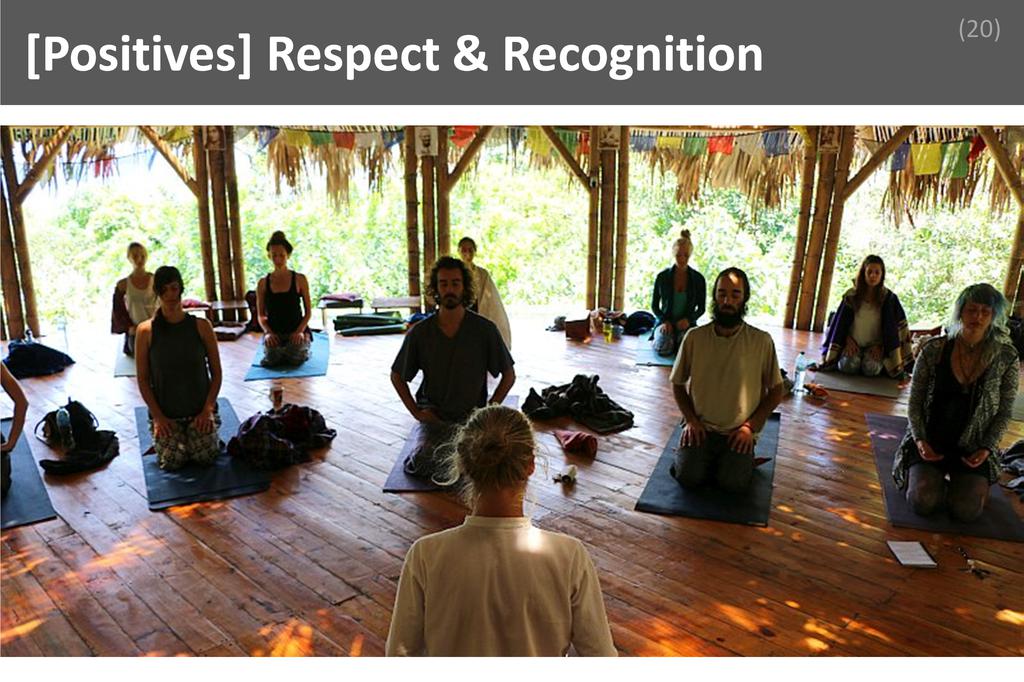
Respect and recognition refer to the genuine appreciation, admiration, and acknowledgment received from students, peers, and the community for one’s expertise, guidance, and positive influence. In teaching yoga, this validation fosters a sense of purpose and pride, reinforcing the teacher’s commitment to personal growth and the well-being of others.
The respect and recognition that yoga teachers receive are powerful motivators that deeply enrich their professional lives. When students express gratitude for transformative experiences or personal breakthroughs, teachers feel valued and inspired to continue their work. This positive feedback loop not only enhances job satisfaction but also encourages ongoing learning and self-improvement. The acknowledgment from peers and the wider community further elevates a teacher’s reputation, opening doors to new opportunities and collaborations. Experiencing respect and recognition daily helps yoga teachers build meaningful relationships, fosters a supportive environment, and instills a lasting sense of accomplishment, making the profession both fulfilling and sustainable.
Imagine a yoga teacher who has guided a group of students through a challenging series of classes. Over time, students begin to share stories of improved health, reduced stress, and newfound confidence, attributing these changes to the teacher’s guidance. After class, students often linger to express their gratitude, sometimes bringing small tokens of appreciation or heartfelt notes. The teacher is invited to lead workshops and speak at community events, further affirming their impact. These moments of respect and recognition not only validate the teacher’s efforts but also create a deep sense of connection and purpose, making every challenge worthwhile and every class a source of joy.
Challenges
Struggle Period

The "Struggle Period" in Teaching Yoga refers to the initial phase when instructors face low student turnout, financial instability, and self-doubt. This period is demanding because it tests one’s patience, adaptability, and commitment, often requiring teachers to balance personal practice, professional growth, and the uncertainty of building a sustainable career.
The struggle period can deeply affect a yoga teacher’s daily work, leading to fluctuating motivation, inconsistent class attendance, and financial stress. This phase demands resilience because progress often feels slow and recognition scarce. Successful professionals manage these constraints by maintaining a disciplined personal practice, seeking mentorship, and continuously refining their teaching skills. They also focus on building authentic relationships with students and the community, which gradually fosters trust and loyalty. By embracing adaptability and viewing setbacks as learning opportunities, they transform challenges into growth. Over time, this persistence helps them establish a stable student base and a more confident teaching presence, ultimately turning the struggle period into a foundation for long-term success.
Consider a yoga teacher who, after completing certification, opens a small studio but initially attracts only a handful of students. Despite the discouragement, she dedicates time to deepening her own practice and attends workshops to enhance her teaching methods. She engages with her community by offering free introductory classes and participating in local wellness events. Through consistent effort and genuine connection, her reputation grows, and more students begin to attend her classes. Over several months, her perseverance pays off as she builds a loyal following and achieves financial stability. This real-world example illustrates how embracing the struggle period with patience and proactive engagement can lead to meaningful and lasting success in teaching yoga.
Vast Subject

"Vast Subject" in Teaching Yoga refers to the immense breadth and depth of knowledge required, encompassing philosophy, anatomy, asana, pranayama, meditation, history, and ethics. This complexity makes it demanding because teachers must continually learn, adapt, and distill intricate concepts into accessible lessons for diverse student needs and backgrounds.
The challenge of a vast subject impacts daily work by requiring teachers to constantly balance their own ongoing education with the immediate needs of their students. This can lead to feelings of overwhelm or inadequacy, especially when students ask questions that span different traditions or advanced topics. Resilience is essential, as teachers must accept that mastery is a lifelong process and that gaps in knowledge are natural. Successful professionals manage this by prioritizing continuous learning, seeking mentorship, and focusing on clear communication. They embrace humility, openly acknowledging when they do not have all the answers, and use such moments as opportunities to model curiosity and lifelong learning for their students.
Consider a yoga teacher who is approached by a student curious about the subtle differences between classical and modern interpretations of pranayama. Rather than feeling pressured to provide an immediate, exhaustive answer, the teacher acknowledges the complexity of the topic and shares what they know, while also recommending reputable sources for further exploration. The teacher then dedicates time to research and consults with more experienced colleagues, later returning to the student with deeper insights. This approach not only addresses the student's question but also demonstrates the teacher’s commitment to ongoing learning and the respectful handling of yoga’s vast subject matter, ultimately fostering a richer educational environment for everyone involved.
High Responsibility

High Responsibility in Teaching Yoga refers to the significant duty instructors hold for their students’ physical safety, emotional well-being, and personal growth. This responsibility is demanding because teachers must maintain a safe environment, adapt to diverse needs, and guide students with integrity, all while embodying yoga’s ethical principles.
The weight of high responsibility in teaching yoga can be felt daily, as instructors must constantly assess students’ abilities, prevent injuries, and foster a supportive atmosphere. This ongoing vigilance can lead to stress and emotional fatigue, requiring resilience and self-awareness. Successful yoga professionals manage this challenge by setting clear boundaries, engaging in continuous education, and practicing self-care. They cultivate open communication with students, seek mentorship, and reflect regularly on their teaching methods. By prioritizing their own well-being and professional growth, they sustain the energy and clarity needed to support others, transforming responsibility from a burden into a source of purpose and fulfillment.
Consider a yoga teacher leading a mixed-level class where one student is recovering from an injury while another is new to yoga. The teacher carefully observes each participant, offers modifications, and checks in discreetly to ensure comfort and safety. When a challenging posture arises, the instructor provides alternatives and encourages self-listening, preventing strain or discouragement. After class, the teacher reflects on the session, notes areas for improvement, and consults with peers for advice. By balancing attentiveness, adaptability, and self-reflection, the teacher successfully manages the high responsibility inherent in their role, fostering a positive and inclusive environment where all students feel supported and empowered.
Fitness Requirement

Fitness Requirement in the context of Teaching Yoga refers to the physical and mental stamina necessary to demonstrate, instruct, and guide students through various postures and practices. This demand is heightened by the expectation to embody yogic principles, maintain energy, and adapt to diverse student needs throughout extended teaching sessions.
The challenge of meeting fitness requirements can significantly affect a yoga teacher’s daily routine, as it requires sustained energy, flexibility, and focus across multiple classes. This ongoing demand can lead to fatigue, stress, or even injury if not managed properly, making resilience essential for long-term success. To navigate this, experienced yoga professionals prioritize self-care, maintain regular personal practice, and listen to their bodies’ signals. They often integrate restorative techniques and mindfulness into their routines, ensuring they remain physically and mentally balanced. By setting realistic boundaries and seeking support from the yoga community, teachers can manage their workload and continue to inspire students without compromising their own well-being.
Consider a yoga instructor who teaches several classes each day, ranging from dynamic vinyasa flows to gentle restorative sessions. Initially, the physical demands left her exhausted and prone to minor injuries. Recognizing the unsustainable pace, she adjusted her schedule to include adequate rest between classes and incorporated restorative yoga into her own practice. She also began to delegate certain demonstrations to advanced students, fostering a collaborative environment while reducing her own physical strain. Over time, these adjustments allowed her to maintain her fitness, prevent burnout, and deliver high-quality instruction, demonstrating that mindful self-management is key to overcoming the fitness requirement in teaching yoga.
A Day Of
Teaching Yoga
Before the sun has fully risen and the city’s hum begins, a teaching yoga professional is already in motion, moving through a world where tranquility and energy intertwine. The day is a blend of mindful preparation, dynamic instruction, and thoughtful reflection, all set against the backdrop of softly lit studios or bustling community centers. Each hour brings a new rhythm—quiet moments of personal practice, the vibrant pulse of group classes, and the steady flow of planning and connection that keeps both body and mind in balance. In this career, the workday is less about sitting behind a desk and more about guiding others toward wellness, one breath at a time.
As dawn breaks, the yoga professional begins their day with personal practice and mindful preparation. This early hour is reserved for centering the mind, warming up the body, and reviewing the day’s class plans. The studio is quiet, filled only with the gentle sound of breath and the soft roll of mats being unfurled. This time is essential for setting intentions, refining sequences, and ensuring that each class will meet the unique needs of the students who will soon arrive.
By mid-morning, the studio comes alive as students file in, eager for the first class of the day. This is the most interactive and energetic phase, where the yoga teacher leads group sessions, offers hands-on adjustments, and creates a welcoming space for practitioners of all levels. The instructor’s focus shifts entirely to guiding breath, movement, and mindfulness, adapting on the fly to the energy in the room. The connection between teacher and students is palpable, and the satisfaction of seeing progress and relaxation on their faces is a daily reward.
The afternoon is often dedicated to more personalized or collaborative work. This might include one-on-one sessions tailored to individual goals, meetings with fellow instructors to discuss upcoming workshops, or outreach efforts to build community partnerships. The yoga professional may also spend time responding to client inquiries, updating class schedules, or developing new programs. This phase is about deepening relationships and expanding the reach of their teaching beyond the mat.
As the day winds down, the focus shifts to reflection and preparation for what’s next. The studio is tidied, props are sanitized, and notes are made about what worked well and what could be improved. The yoga professional reviews feedback from students, researches new techniques or trends, and updates lesson plans for the following day. This quiet, contemplative time ensures that each new sunrise brings fresh inspiration and continued growth, both for the teacher and their students. |


 Home
Home Abroad
 Plan
Plan Philosophy
 Seminar
 Pages
Pages Advisors
 Testimonials



















 Workshop
 Discuss
 Meet
Meet
 Advisor
 Story
Story
 Fine Print
 Links
Links
 Blog
Blog
 Follow
