The Journey of Teaching Yoga
What Is Teaching Yoga
Teaching Yoga

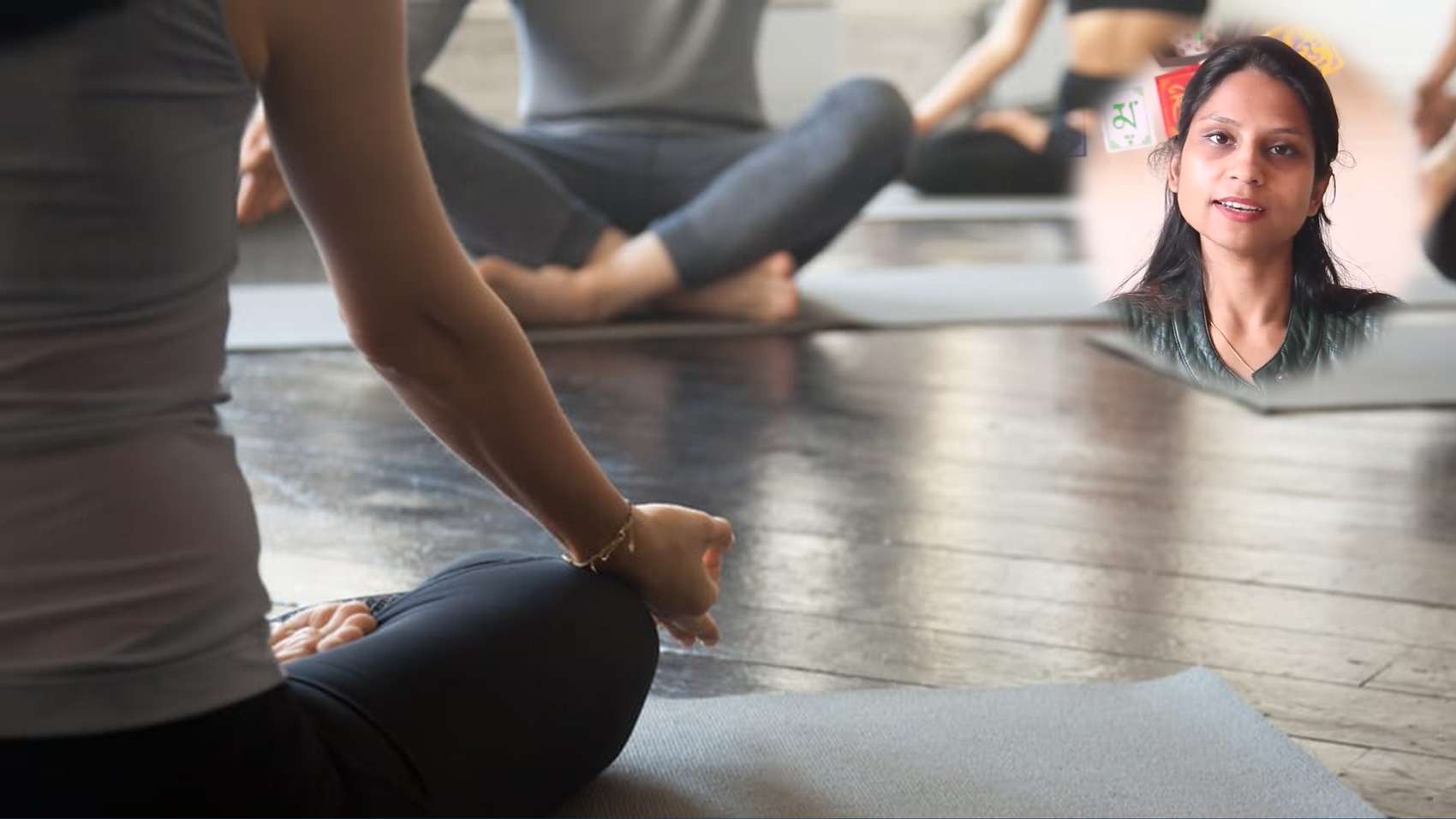
Teaching yoga is the professional practice of guiding individuals or groups through physical postures, breathing exercises, and mindfulness techniques rooted in yogic traditions. Instructors create safe, supportive environments to foster physical health, mental clarity, and emotional well-being, adapting practices to suit diverse needs and abilities.
Teaching yoga holds significant value for both instructors and their students. It offers professionals the opportunity to inspire positive lifestyle changes, foster community, and promote holistic health. Instructors often experience personal growth as they deepen their own practice and understanding of yoga philosophy. The career provides flexibility, allowing teachers to work in studios, gyms, schools, or private settings. Additionally, teaching yoga can be emotionally rewarding, as instructors witness students gain confidence, manage stress, and improve their overall well-being. The profession also encourages lifelong learning, as teachers continually expand their knowledge through ongoing education and evolving practices.
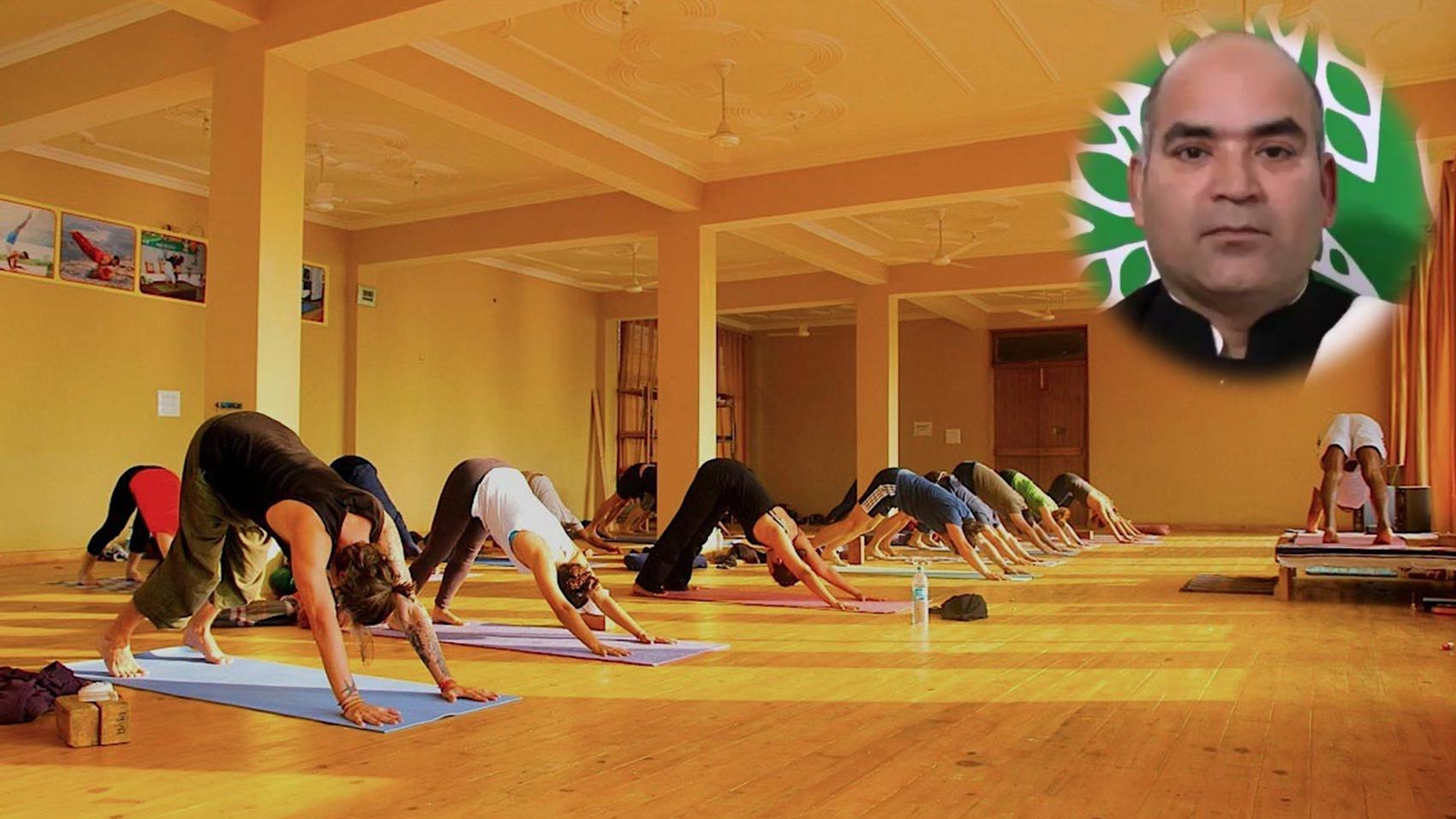
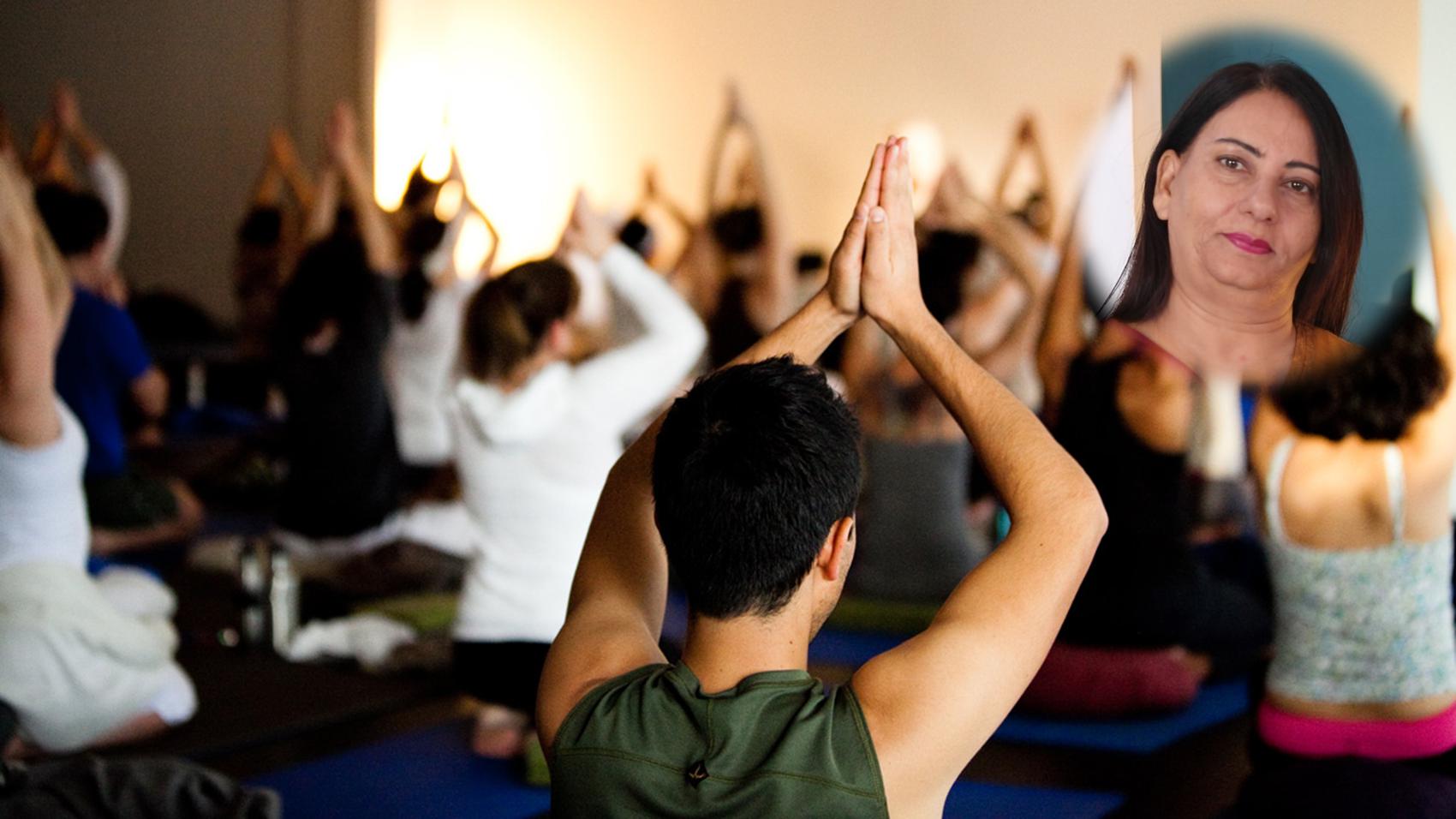
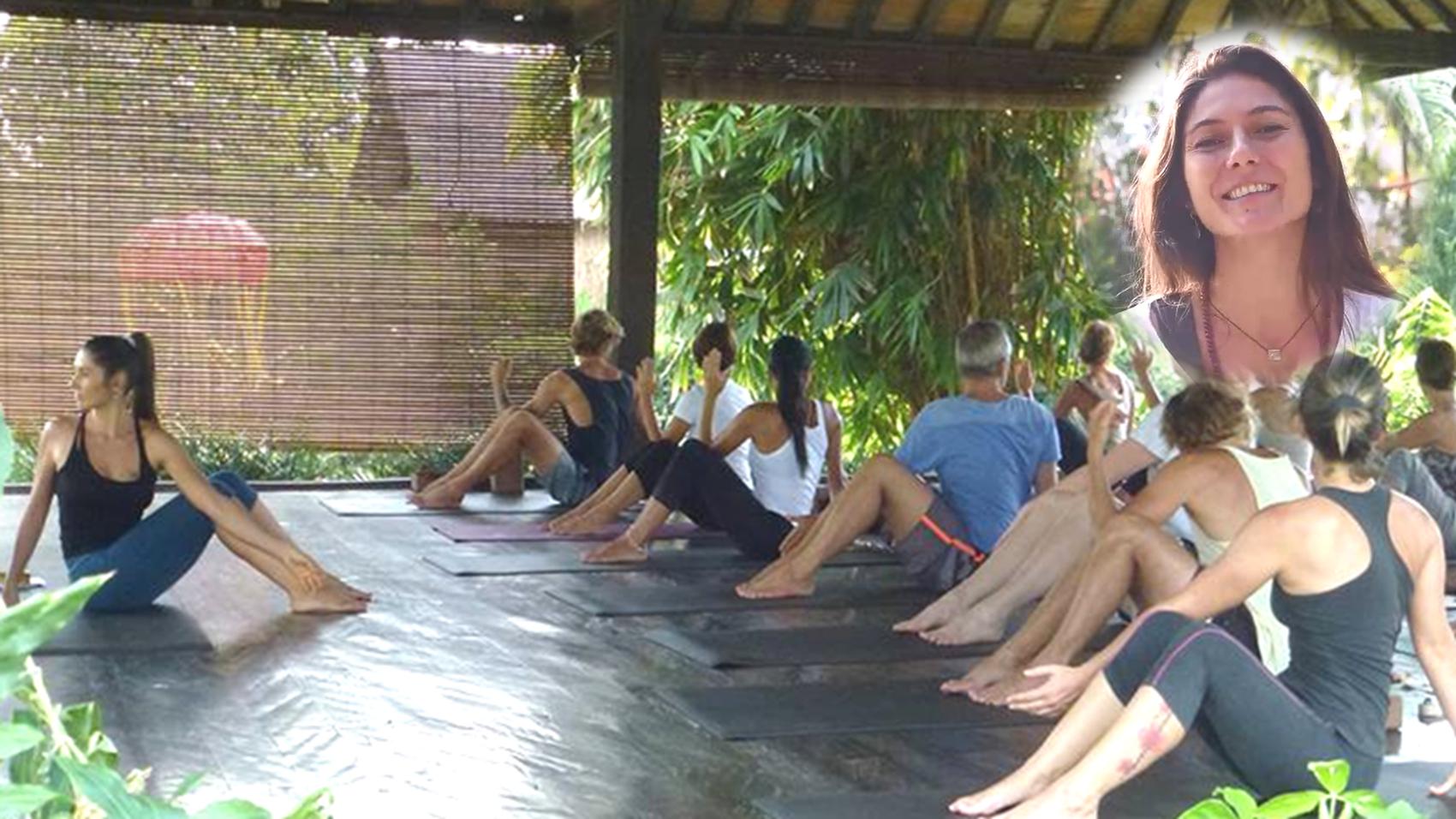
A yoga teacher might begin their day by preparing a class sequence tailored for beginners at a local community center. During the session, the instructor demonstrates each posture, offers modifications for different abilities, and guides students through mindful breathing exercises. As the class progresses, the teacher observes participants, providing gentle adjustments and encouragement to ensure safety and comfort. After class, the instructor answers questions about yoga philosophy and self-care, fostering a supportive environment where students feel empowered to continue their practice. Through this hands-on, interactive approach, the yoga teacher not only imparts physical techniques but also helps students cultivate mindfulness and resilience in their daily lives.
Education
Knowledge Of Indian Culture & Philosophy

Knowledge of Indian Culture & Philosophy refers to an in-depth understanding of India’s historical traditions, spiritual philosophies, social customs, and classical texts, particularly those that have shaped the practice of yoga. This knowledge is essential for teaching yoga authentically, as it provides the cultural and philosophical context underpinning yogic techniques and principles.
Learning about Indian culture and philosophy is vital for anyone preparing to teach yoga because it grounds their practice in authenticity and respect for its origins. This subject forms the foundational knowledge base for yoga professionals, enabling them to interpret and convey the deeper meanings behind asanas, pranayama, and meditation. Understanding the philosophical roots, such as the teachings of the Yoga Sutras, Bhagavad Gita, and Upanishads, allows teachers to guide students beyond the physical aspects of yoga, fostering holistic growth. Over the long term, this expertise enhances credibility, deepens student engagement, and opens opportunities for advanced study, international teaching, and collaboration with traditional yoga institutions.
Imagine a yoga teacher leading a class on stress management. Drawing from their knowledge of Indian philosophy, they explain the concept of “chitta vritti nirodha” from Patanjali’s Yoga Sutras, helping students understand how yoga calms mental fluctuations. During the session, the teacher integrates traditional practices like chanting and mindful breathing, explaining their cultural significance and philosophical purpose. This approach not only enriches the students’ experience but also fosters a sense of respect for yoga’s roots. By weaving cultural and philosophical insights into daily teaching, the instructor creates a more meaningful and transformative environment, demonstrating the practical value of mastering Indian culture and philosophy in a professional yoga setting.
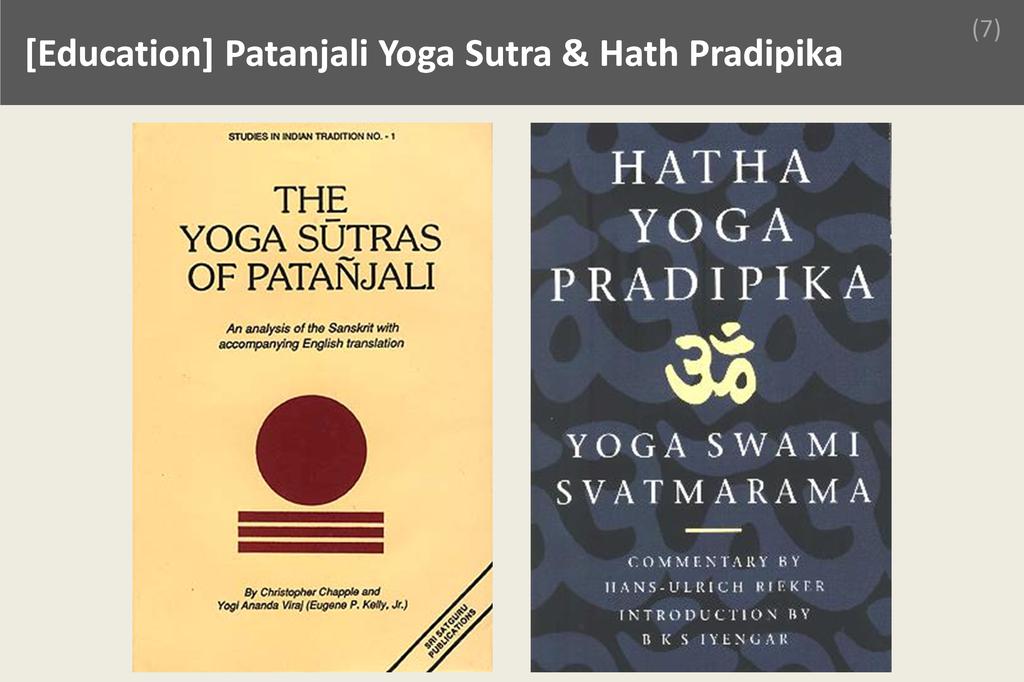
Patanjali Yoga Sutra & Hath Pradipika By Swayamvaram

Patanjali Yoga Sutra & Hath Pradipika By Swayamvaram refers to the study and interpretation of two classical yogic texts, the Yoga Sutras of Patanjali and the Hatha Yoga Pradipika, as presented or taught by Swayamvaram. These texts are essential for academic and professional expertise in Teaching Yoga.
Understanding Patanjali Yoga Sutra & Hath Pradipika By Swayamvaram is crucial for anyone preparing for or working in the field of Teaching Yoga because these texts form the philosophical and practical backbone of yogic education. The Yoga Sutras of Patanjali provide a structured approach to the mental and ethical aspects of yoga, while the Hatha Yoga Pradipika offers detailed guidance on physical postures, breath control, and purification techniques. Mastery of these works enables yoga teachers to deliver classes that are not only physically beneficial but also deeply rooted in authentic yogic tradition. This depth of knowledge enhances credibility, supports personal growth, and ensures that teaching methods are aligned with time-tested principles, which is invaluable for long-term professional success.
Imagine a yoga teacher leading a class where a student struggles with concentration during meditation. Drawing from the Patanjali Yoga Sutra, the teacher explains the concept of “chitta vritti nirodha,” or calming the fluctuations of the mind, and introduces practical techniques to cultivate focus. Simultaneously, the teacher incorporates breathing exercises and preparatory postures from the Hatha Yoga Pradipika to help the student prepare both body and mind for meditation. By integrating these classical teachings, the instructor not only addresses the immediate challenge but also provides students with a holistic understanding of yoga, demonstrating the practical value of theoretical knowledge in everyday teaching scenarios.
Types Of Disciplines

Types Of Disciplines refers to the various branches or fields of study and practice within a particular domain, such as yoga. In the context of Teaching Yoga, it encompasses the different yoga traditions, methodologies, and approaches that inform how yoga is taught, practiced, and understood both academically and professionally.
Understanding Types Of Disciplines is essential for anyone preparing for or working in Teaching Yoga because it provides a comprehensive framework for navigating the diverse landscape of yoga practices. By learning about the different traditions—such as Hatha, Vinyasa, Ashtanga, and restorative yoga—teachers can tailor their instruction to meet the unique needs of their students. This foundational knowledge also enables yoga professionals to communicate more effectively with peers, adapt to various teaching environments, and integrate new research or trends into their practice. Over the long term, mastery of the different disciplines enhances a teacher’s credibility, broadens their career opportunities, and fosters a deeper, more authentic connection to the evolving field of yoga.
Imagine a yoga instructor leading a mixed-level class at a community center. Drawing on their understanding of Types Of Disciplines, the instructor seamlessly blends elements from Hatha yoga for foundational postures, incorporates Vinyasa flows for more advanced students, and introduces restorative poses for those seeking relaxation. This theoretical grounding allows the teacher to modify sequences, address individual needs, and explain the origins and benefits of each approach. As a result, students receive a more personalized and enriching experience, while the instructor demonstrates professionalism and adaptability. This daily application of knowledge not only improves class outcomes but also reinforces the instructor’s reputation as a well-rounded and knowledgeable yoga educator.
Human Anatomy

Human Anatomy is the scientific study of the structure and organization of the human body, including its systems, organs, tissues, and cells. For those teaching yoga, understanding human anatomy is essential, as it bridges the gap between physical movement and the body’s physiological functions, ensuring safe and effective instruction.
A solid grasp of human anatomy is vital for anyone preparing to teach yoga because it enables instructors to design classes that respect the body’s natural alignment and limitations. This knowledge helps yoga teachers identify how different postures affect muscles, joints, and connective tissues, reducing the risk of injury for students. It also allows teachers to offer modifications and adjustments tailored to individual needs, fostering a more inclusive and supportive environment. Over the course of a career, this foundational understanding enhances credibility, deepens the teacher’s confidence, and supports ongoing professional growth. Ultimately, expertise in human anatomy empowers yoga instructors to guide students safely and effectively, while also advancing their own teaching practice.
Imagine a yoga teacher leading a mixed-level class where some students have tight hamstrings and others are more flexible. By applying their knowledge of human anatomy, the teacher recognizes that forcing a deep forward fold could strain the lower back or overstretch the hamstrings. Instead, the instructor offers props like blocks and suggests micro-bending the knees, ensuring each student maintains proper alignment and avoids injury. This anatomical awareness allows the teacher to observe subtle differences in body mechanics, provide individualized cues, and create a safer, more supportive class experience. In daily practice, such expertise transforms theoretical knowledge into practical, compassionate teaching that respects each student’s unique body.
Skills
Communication

Communication is the process of exchanging information, ideas, and emotions through verbal, nonverbal, and written means to foster understanding and connection. For a Teaching Yoga professional, communication is fundamental because it bridges the gap between instructor and student, ensuring that guidance, feedback, and encouragement are clearly understood and effectively delivered.
Strong communication skills directly enhance a yoga teacher’s ability to instruct, motivate, and support students. Clear verbal cues help students safely perform poses, while empathetic listening allows teachers to address individual needs and concerns. Employers and clients highly value instructors who can articulate instructions with clarity and compassion, as this fosters trust and a positive learning environment. Over time, communication can be cultivated through active listening, seeking feedback, practicing mindful speech, and adapting language to suit diverse audiences. By continuously refining these abilities, yoga teachers not only improve class outcomes but also build lasting relationships with their students and colleagues.
Imagine a yoga instructor leading a mixed-level class where a new student is struggling with a challenging pose. The teacher notices the student’s discomfort and, through attentive observation and gentle questioning, learns about a previous injury. Using clear, supportive language, the instructor offers modifications and reassures the student, ensuring they feel included and safe. This effective communication not only prevents potential injury but also boosts the student’s confidence and engagement. By addressing the issue promptly and empathetically, the teacher demonstrates how strong communication can resolve critical challenges and create a nurturing, inclusive environment for everyone in the class.
Physical Appearance

Physical appearance refers to the visible aspects of a person’s body, including posture, grooming, fitness, attire, and overall presentation. In the context of teaching yoga, physical appearance communicates professionalism, health, and credibility, helping instructors inspire trust and motivation in their students while embodying the principles of yoga.
Physical appearance directly enhances a yoga teacher’s effectiveness by serving as a living example of the benefits of yoga practice. Clients and employers often associate a well-maintained appearance with discipline, dedication, and authenticity, making it easier for instructors to attract and retain students. To cultivate this skill, yoga teachers should prioritize personal wellness, maintain appropriate attire, and practice good grooming habits. Regular self-care, mindful nutrition, and consistent yoga practice contribute to a vibrant, healthy appearance. Over time, these efforts not only boost self-confidence but also reinforce the teacher’s role as a positive role model, encouraging students to commit to their own wellness journeys.
Imagine a yoga instructor who is leading a beginner’s class at a new studio. Some students feel anxious about their abilities and are unsure if yoga is right for them. The instructor’s calm demeanor, clean attire, and visibly healthy physique immediately put the class at ease. As the session progresses, students observe the instructor’s graceful movements and strong posture, which subtly demonstrates the physical benefits of regular yoga practice. By embodying the results of yoga, the instructor reassures students and motivates them to continue attending classes. In this scenario, the teacher’s physical appearance plays a pivotal role in building trust, fostering motivation, and establishing a successful learning environment.
Spiritual Knowledge

Spiritual Knowledge is a deep understanding of the interconnectedness of mind, body, and spirit, rooted in philosophical, ethical, and meditative traditions. It encompasses awareness of yogic principles, self-realization, and compassion. For a Teaching Yoga professional, it forms the foundation for authentic instruction and meaningful student engagement.
Spiritual Knowledge elevates a yoga teacher’s ability to guide students beyond physical postures, fostering holistic growth and inner peace. Clients and employers value instructors who can create transformative experiences, integrating philosophy, mindfulness, and ethical guidance into each session. This skill builds trust, encourages student retention, and differentiates a teacher in a competitive field. Cultivating Spiritual Knowledge requires ongoing study of yogic texts, personal meditation, and self-reflection. Engaging with mentors, attending workshops, and maintaining a consistent personal practice also deepen one’s spiritual insight, allowing teachers to embody and transmit these teachings authentically in their classes.
Imagine a yoga teacher faced with a class of students experiencing anxiety and restlessness during a challenging period. Drawing on Spiritual Knowledge, the teacher introduces a session focused on pranayama and guided meditation, weaving in teachings about acceptance and non-attachment. By sharing relevant yogic philosophy and offering compassionate support, the teacher helps students reconnect with their inner calm and resilience. This approach not only addresses the immediate emotional needs of the group but also empowers students with tools for self-care beyond the studio. The teacher’s spiritual grounding transforms a potentially stressful class into a nurturing and uplifting experience, demonstrating the profound impact of Spiritual Knowledge in practice.
Patience & Care

Patience & Care is the ability to remain calm, understanding, and attentive while guiding others, especially when progress is slow or challenges arise. In teaching yoga, this quality ensures that each student feels supported, respected, and encouraged, fostering a safe environment where learning and personal growth can flourish.
Patience & Care directly enhances a yoga teacher’s effectiveness by allowing them to meet students at their individual levels, adapting instruction to suit varying abilities and emotional states. Clients and employers deeply value this skill because it builds trust, reduces anxiety, and creates a nurturing atmosphere that encourages regular practice and long-term commitment. Cultivating Patience & Care involves mindful self-reflection, consistent practice of empathy, and a willingness to embrace each student’s unique journey. Over time, teachers can develop this skill by actively listening, remaining present during classes, and viewing setbacks as opportunities for growth rather than obstacles. This approach not only improves student outcomes but also strengthens the teacher’s own sense of fulfillment and resilience.
Imagine a yoga class where a new student struggles with basic postures and feels embarrassed by their lack of flexibility. Instead of showing frustration or moving on quickly, the teacher demonstrates Patience & Care by offering gentle encouragement, modifying poses, and reassuring the student that progress takes time. The teacher’s calm demeanor and attentive guidance help the student feel accepted and motivated to continue practicing. Over several weeks, the student gradually gains confidence and skill, attributing their improvement to the supportive environment created by the teacher. This scenario highlights how Patience & Care can transform a potentially discouraging experience into a positive, empowering journey for both student and teacher.
Positives
Inspiring Others

Inspiring others means motivating and encouraging individuals to realize their potential, embrace positive change, and pursue personal growth. In the context of teaching yoga, it involves guiding students to discover their inner strength, cultivate mindfulness, and foster a sense of well-being, ultimately transforming their lives through the practice of yoga.
The ability to inspire others is a cornerstone of fulfillment in a yoga teaching career. When teachers witness students overcoming challenges, achieving new milestones, or simply finding peace on the mat, it creates a deep sense of purpose and satisfaction. This positive influence not only enhances the teacher’s own sense of accomplishment but also fosters a supportive and uplifting community. The daily experience of seeing students grow, both physically and mentally, reinforces the teacher’s commitment to their craft and encourages ongoing personal and professional development. As a result, inspiring others becomes a powerful motivator, fueling passion and resilience in the face of challenges, and making each class a meaningful opportunity to make a difference.
Imagine a yoga teacher working with a student who initially struggles with self-doubt and physical limitations. Over time, through compassionate guidance and encouragement, the student begins to trust their body and mind, gradually mastering poses they once thought impossible. The teacher observes the student’s transformation, not just in flexibility and strength, but in newfound confidence and self-acceptance. Witnessing this journey, the teacher feels a profound sense of fulfillment, knowing their support and inspiration have played a pivotal role in the student’s growth. This daily impact reaffirms the teacher’s dedication to their profession and highlights the unique joy that comes from inspiring others through yoga.
Adaptability

Adaptability is the ability to adjust thoughts, behaviors, and approaches in response to changing circumstances, environments, or needs. In teaching yoga, adaptability means being open to new methods, responding to students’ unique requirements, and evolving with the ever-changing landscape of wellness. This quality fosters resilience, creativity, and continuous growth.
Adaptability is a cornerstone of a fulfilling yoga teaching career because it allows instructors to meet the diverse needs of their students and the dynamic nature of the wellness industry. Teachers who embrace adaptability find greater job satisfaction, as they are able to personalize classes, integrate new techniques, and respond to unexpected challenges with confidence. This flexibility leads to stronger connections with students, as each class becomes a unique, responsive experience rather than a rigid routine. Over time, adaptable teachers experience professional growth, as they are more likely to explore new opportunities, stay relevant in their field, and maintain a sense of curiosity and enthusiasm for their work. Every day, adaptability empowers yoga teachers to turn challenges into opportunities for learning and connection.
Imagine a yoga teacher who arrives at a class expecting to guide a group of experienced practitioners through an advanced sequence. Upon arrival, she discovers that several beginners have joined, and one participant is recovering from an injury. Drawing on her adaptability, she quickly modifies her lesson plan, offering alternative poses and gentle variations to ensure everyone feels included and supported. As the class progresses, she reads the group’s energy, adjusting the pace and providing encouragement where needed. By the end of the session, all students leave feeling accomplished and cared for, regardless of their skill level. This experience not only strengthens the teacher’s confidence but also deepens her connection to her students, highlighting the profound rewards of adaptability in teaching yoga.
Makes You Confident

"Makes You Confident" means developing a strong sense of self-assurance in your abilities, decisions, and presence. In teaching yoga, this confidence empowers instructors to guide students with clarity, adapt to different needs, and create a positive learning environment. It fosters trust, authenticity, and a deeper connection with students.
Confidence is a cornerstone of effective teaching, especially in yoga, where students look to their instructor for guidance and inspiration. When yoga teachers feel confident, they are more likely to communicate instructions clearly, handle unexpected situations with grace, and encourage students to explore their own potential. This self-assurance leads to greater job satisfaction, as teachers witness the positive impact they have on their students’ growth and well-being. Confidence also fuels professional growth, enabling instructors to take on new challenges, expand their skills, and build a loyal community. Every class becomes an opportunity to reinforce this confidence, making the teaching journey both fulfilling and transformative.
Imagine a yoga teacher preparing to lead a class filled with students of varying experience levels. At first, the diversity might seem daunting, but the teacher’s confidence—built through training, practice, and self-reflection—shines through. She welcomes everyone warmly, adapts her instructions to suit beginners and advanced practitioners alike, and responds calmly to unexpected questions or challenges. Her confident presence reassures students, helping them feel safe and motivated to try new poses. At the end of class, the gratitude and progress she observes in her students reinforce her sense of purpose. This daily experience of confidence not only enriches her teaching but also inspires her to continue growing, both personally and professionally.
Challenges
Good Income

Good Income in the context of Teaching Yoga refers to earning a stable, sufficient, and sustainable amount that covers living expenses, professional development, and savings, while reflecting the value of one’s expertise. Achieving this is demanding due to inconsistent class attendance, market saturation, and undervaluation of yoga instruction in many communities.
The challenge of securing a good income in yoga teaching often leads to financial uncertainty, affecting both personal well-being and professional focus. Teachers may find themselves juggling multiple part-time roles, traveling between studios, or accepting lower rates to maintain a steady schedule. This unpredictability requires resilience, adaptability, and a proactive mindset. Successful professionals often diversify their income streams by offering private sessions, workshops, retreats, or online classes. They build strong client relationships, invest in ongoing education, and develop a unique teaching style or niche. By embracing entrepreneurship and continually refining their approach, they manage to create a more reliable and rewarding income, despite the inherent fluctuations of the field.
Consider a yoga teacher who initially struggled with inconsistent class attendance and low pay at local studios. Recognizing the need for greater stability, she began offering specialized workshops and private lessons tailored to specific groups, such as athletes and seniors. She also launched an online platform, sharing recorded classes and wellness content for a subscription fee. By cultivating a loyal client base and expanding her services beyond traditional studio classes, she not only increased her income but also gained more control over her schedule. This strategic diversification allowed her to overcome the challenge of good income, demonstrating how creativity and adaptability can lead to financial sustainability in the yoga profession.
Temptations & Indulgences

In the context of Teaching Yoga, "Temptations & Indulgences" refers to the allure of shortcuts, unhealthy habits, or material distractions that can compromise personal discipline, authenticity, and the integrity of teaching. This challenge is demanding because yoga professionals are expected to embody the principles they teach, maintaining consistency between their personal and professional lives.
Temptations and indulgences can subtly erode a yoga teacher’s credibility and effectiveness. The daily work of guiding others toward mindfulness and self-control becomes more challenging when personal boundaries are tested by stress, fatigue, or social pressures. Succumbing to unhealthy habits or material distractions can create internal conflict and diminish the trust students place in their instructor. Overcoming these temptations requires resilience, self-awareness, and a commitment to ongoing personal practice. Successful professionals manage this constraint by cultivating mindfulness, seeking support from their community, and regularly reflecting on their motivations. They recognize that self-discipline is not about perfection but about returning to their values and intentions, even after occasional lapses.
Consider a yoga teacher who, after long classes and administrative duties, feels tempted to skip their own practice or indulge in unhealthy eating as a form of stress relief. Instead of giving in, they acknowledge these urges and use mindfulness techniques to observe their cravings without judgment. They might reach out to a fellow teacher for encouragement or set aside a few quiet moments for meditation, reaffirming their commitment to the yogic path. By consciously choosing actions aligned with their values, they not only maintain their personal well-being but also model integrity and resilience for their students, demonstrating that overcoming temptations is an ongoing, realistic part of the yoga journey.
To Tackle A Situation

To tackle a situation in the context of Teaching Yoga refers to the ability to respond effectively and calmly to unexpected challenges during classes, such as student injuries, emotional outbursts, or disruptions. This is demanding because it requires quick thinking, adaptability, and maintaining a supportive environment for all participants.
The difficulty of tackling situations in yoga teaching can significantly impact daily work by introducing unpredictability and stress into the classroom. Teachers must remain composed and resourceful, even when faced with sudden injuries, emotional reactions, or disruptive behavior. This constant readiness demands resilience, as it can be emotionally and mentally taxing to manage both the needs of individuals and the group as a whole. Successful professionals navigate this constraint by cultivating mindfulness, honing their communication skills, and drawing upon their training to adapt lesson plans or provide immediate support. They also reflect on challenging experiences to improve their responses in the future, ensuring that the learning environment remains safe, inclusive, and nurturing for everyone involved.
Imagine a yoga teacher leading a class when a student suddenly becomes overwhelmed and starts to cry during a restorative pose. The teacher recognizes the emotional release and calmly approaches the student, offering quiet reassurance and a gentle modification to help them feel more comfortable. Without disrupting the flow of the class, the teacher maintains a supportive presence, encouraging the rest of the group to focus on their breath and practice. After class, the teacher checks in privately with the student, offering resources and a listening ear. By responding with empathy and professionalism, the teacher successfully tackles the situation, ensuring the student feels seen and supported while maintaining the integrity of the class for everyone.
A Day Of
Teaching Yoga
Before most people have even hit snooze on their alarms, a teaching yoga professional is already in motion, moving through a world that hums with quiet intention and mindful energy. Their day is a blend of physical practice, emotional connection, and thoughtful preparation, unfolding in serene studios, sunlit parks, or even through the glow of a laptop screen. Each hour brings a new rhythm—moments of calm introspection, bursts of dynamic instruction, and the steady pulse of community building. For a yoga teacher, the workday is less about clocking in and out and more about guiding others, and themselves, toward balance and growth.
As dawn breaks, the yoga teacher begins their day with a personal practice, grounding themselves before stepping into the role of guide. This early morning ritual might include meditation, breathwork, or a gentle flow to awaken the body and mind. Afterward, they review class plans, adapt sequences to suit the needs of their students, and set up the studio space—rolling out mats, adjusting lighting, and ensuring props are clean and accessible. This quiet, intentional start sets the tone for a day rooted in mindfulness and readiness.
By mid-morning, the studio fills with students eager to begin their practice. The yoga teacher’s focus sharpens as they lead group sessions, offering clear instructions, hands-on adjustments, and words of encouragement. This is the most interactive and physically demanding part of the day, requiring the teacher to read the energy of the room, modify poses for different abilities, and foster a sense of community among participants. Whether guiding a vigorous vinyasa flow or a restorative session, the teacher’s presence is both calming and motivating, ensuring each student feels seen and supported.
Afternoons often shift toward more personalized work, such as one-on-one sessions tailored to individual goals or therapeutic needs. The teacher may also collaborate with colleagues, discussing upcoming workshops, co-teaching opportunities, or community outreach initiatives. This part of the day is about deepening connections—whether by helping a student refine their alignment or brainstorming new ways to make yoga accessible to a broader audience. The pace is steady but less frenetic, allowing for meaningful dialogue and creative planning.
As the day winds down, the yoga teacher transitions into a quieter phase, reflecting on the day’s classes and student progress. They update attendance records, respond to emails, and manage social media to keep their community engaged. This is also the time to research new teaching techniques, plan future class themes, and prepare playlists or guided meditations. By the time evening settles in, the teacher has not only guided others toward balance but has also taken steps to nurture their own growth and sustain their practice for another day. |