The Journey of Yoga Teacher Training
What Is Yoga Teacher Training
Yoga Teacher Training
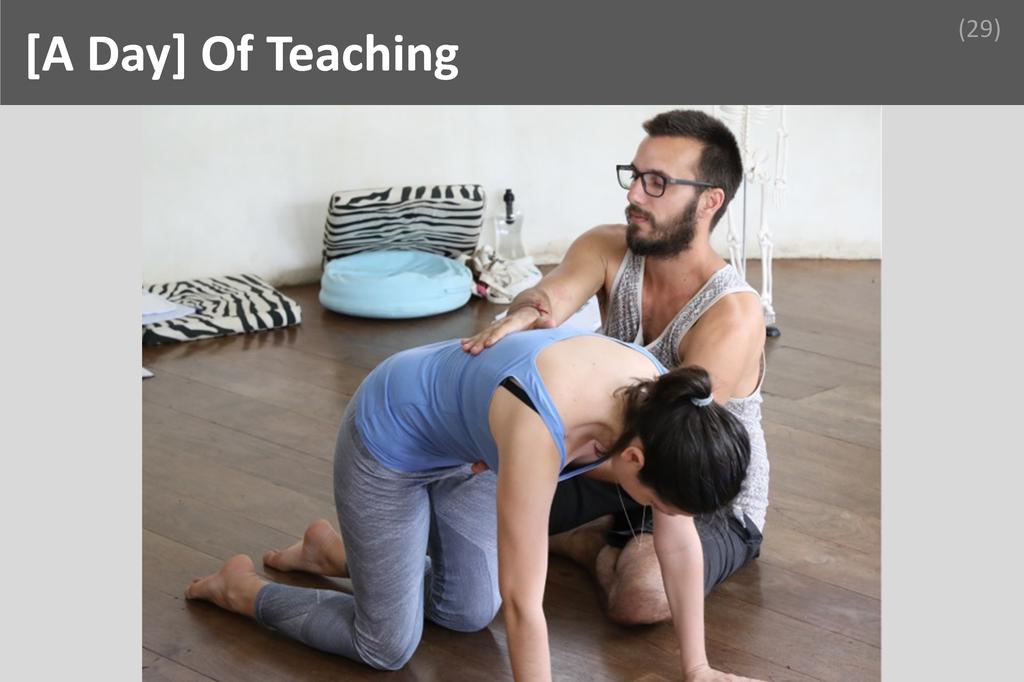
Yoga Teacher Training is a structured educational program designed to equip individuals with the knowledge, skills, and credentials necessary to teach yoga. It covers yoga philosophy, anatomy, teaching methodology, and practical experience, preparing participants to guide classes safely and effectively while deepening their personal practice and understanding of yoga.
Yoga Teacher Training plays a transformative role for aspiring yoga professionals by providing a comprehensive foundation in both the theory and practice of yoga. This training not only enhances personal growth and self-awareness but also fosters a deeper connection to the yoga community. One major benefit is the development of teaching skills, enabling graduates to confidently lead classes and adapt to diverse student needs. Another significant advantage is the deepened understanding of anatomy and alignment, which helps prevent injuries and ensures safe practice. Additionally, the certification gained through training opens doors to professional opportunities, allowing individuals to teach in studios, gyms, or even start their own yoga businesses.
Consider an individual who has practiced yoga for several years and decides to enroll in a Yoga Teacher Training program. Throughout the course, they immerse themselves in learning about yoga philosophy, anatomy, and effective teaching techniques. After completing the program, they begin teaching beginner classes at a local studio, applying their new knowledge to create inclusive and engaging sessions. They use their understanding of alignment to help students avoid injuries and modify poses as needed. Over time, their confidence grows, and they expand their offerings to include workshops and private sessions, building a loyal student base and establishing themselves as a respected yoga professional in their community.
Education
Yoga

Yoga is an ancient discipline originating from India, encompassing physical postures, breath control, meditation, and ethical principles. It aims to harmonize body, mind, and spirit, fostering holistic well-being. In Yoga Teacher Training, understanding yoga’s philosophy and practice is essential for academic rigor and professional competence in guiding others.
A deep understanding of yoga is fundamental for anyone pursuing Yoga Teacher Training, as it provides the philosophical and practical framework upon which all teaching is built. Mastery of yoga’s core concepts, such as asana, pranayama, and the eight limbs, enables future instructors to teach with authenticity and confidence. This knowledge ensures that teachers can adapt practices to diverse student needs, uphold ethical standards, and foster a safe, inclusive environment. Over time, a solid grasp of yoga’s principles supports ongoing professional growth, enhances credibility, and opens opportunities for specialization or leadership within the field. Ultimately, a comprehensive understanding of yoga is the cornerstone for a successful and impactful career as a yoga teacher.
Imagine a yoga teacher leading a mixed-level class where some students are new while others are experienced practitioners. Drawing on their theoretical understanding of yoga, the teacher skillfully modifies postures, offers variations, and integrates breathwork and mindfulness techniques to suit individual abilities. They explain the philosophical roots of each practice, helping students connect with yoga beyond the physical postures. When a student expresses anxiety, the teacher introduces calming pranayama techniques, demonstrating how yoga addresses both physical and emotional well-being. Through this holistic approach, grounded in a deep knowledge of yoga, the teacher creates a supportive and transformative learning environment, embodying the principles they aim to impart to their students.
Anatomy

Anatomy is the scientific study of the structure and organization of living organisms, focusing on the bodily systems, organs, tissues, and their interrelationships. In Yoga Teacher Training, anatomy provides essential knowledge about the human body, enabling instructors to understand movement, alignment, and safety, which are crucial for effective and responsible teaching.
A solid grasp of anatomy is indispensable for anyone pursuing a career in yoga instruction. Understanding how muscles, bones, joints, and connective tissues function allows teachers to design safe and effective classes tailored to diverse student needs. This foundational knowledge helps prevent injuries, facilitates modifications for various body types, and enhances the overall learning experience. Over time, expertise in anatomy builds credibility and trust with students, as teachers can confidently address questions about body mechanics and alignment. Furthermore, this knowledge supports ongoing professional development, enabling yoga instructors to integrate new research and techniques into their practice, thus ensuring their teaching remains relevant, informed, and impactful throughout their careers.
Consider a yoga teacher leading a class with students of varying abilities and physical conditions. By applying their understanding of anatomy, the teacher can observe a student struggling with a forward fold and recognize that tight hamstrings or limited hip mobility may be the cause. Instead of pushing the student to achieve a deeper pose, the instructor offers modifications, such as bending the knees or using props, to accommodate anatomical limitations. This approach not only prevents potential injury but also fosters a supportive environment where students feel seen and respected. The teacher’s anatomical knowledge thus directly informs their ability to adapt instruction, ensuring safety and promoting progress for every participant.
Teaching Methodology
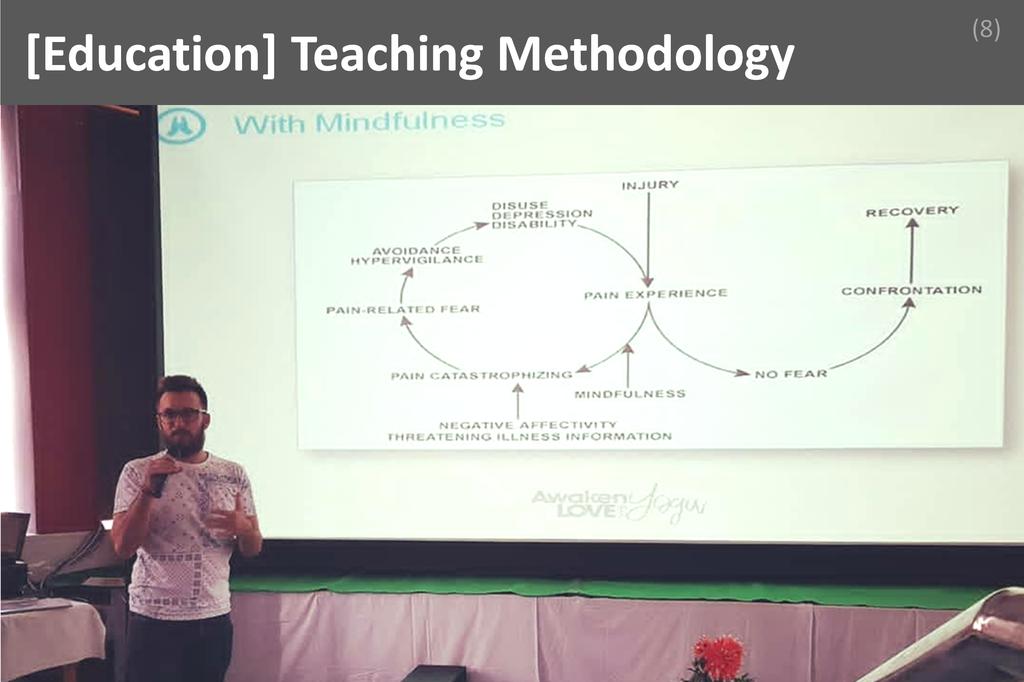
Teaching Methodology refers to the systematic approach, strategies, and techniques educators use to facilitate learning. In Yoga Teacher Training, it encompasses the planning, delivery, and assessment of yoga instruction, ensuring that teaching is effective, inclusive, and adaptable to diverse student needs. It is a cornerstone of professional competence.
Understanding Teaching Methodology is essential for anyone entering or advancing in Yoga Teacher Training because it provides the framework for effective instruction. Mastery of this subject ensures that yoga teachers can communicate complex concepts clearly, adapt to various learning styles, and create safe, supportive environments. This knowledge forms the backbone of professional practice, enabling teachers to design classes that are both engaging and educational. Over time, a strong grasp of teaching methodology enhances a teacher’s confidence, credibility, and ability to foster student growth. It also supports ongoing professional development, as teachers who understand methodology are better equipped to reflect on and refine their own teaching practices, ensuring long-term success and adaptability in a dynamic field.
Consider a yoga teacher leading a mixed-level class with students of varying abilities and backgrounds. Drawing on their understanding of teaching methodology, the teacher begins by assessing the group’s needs and setting clear intentions for the session. Throughout the class, they use a blend of verbal cues, demonstrations, and hands-on adjustments to accommodate different learning preferences. When a student struggles with a particular posture, the teacher offers modifications and encouragement, ensuring everyone feels included and supported. After the class, the teacher reflects on what worked well and what could be improved, using this feedback to adjust future lessons. This thoughtful, responsive approach exemplifies how teaching methodology is applied in real-world yoga instruction.
Finance

Finance is the study and management of money, investments, and other financial instruments. It encompasses budgeting, saving, borrowing, lending, and forecasting. In the context of Yoga Teacher Training, finance is essential for understanding how to manage resources, sustain a business, and ensure long-term professional success within the wellness industry.
Understanding finance is vital for anyone preparing for or working in Yoga Teacher Training because it equips professionals with the skills to manage their personal and business finances effectively. Mastery of finance allows yoga teachers to create sustainable business models, set appropriate pricing for classes, and allocate resources wisely. This foundational knowledge ensures that teachers can cover operational costs, invest in continued education, and plan for future growth. Over time, strong financial literacy leads to greater independence, stability, and the ability to make informed decisions that support both personal and professional goals. Ultimately, finance is not just about numbers; it is about creating a secure foundation that allows yoga professionals to focus on their passion for teaching and serving their communities.
Consider a yoga teacher who has recently completed their training and is planning to open a small studio. Their understanding of finance enables them to develop a realistic budget, forecast monthly expenses, and determine how many students they need to enroll to break even. They use their financial knowledge to set class prices that reflect both market demand and their own costs, ensuring the business remains viable. When unexpected expenses arise, such as equipment repairs or marketing needs, their grasp of financial principles helps them adjust their spending and maintain cash flow. By applying finance in daily operations, the teacher not only sustains their business but also creates opportunities for growth and continued professional development.
Management

Management is the process of planning, organizing, leading, and controlling resources—such as people, time, and materials—to achieve specific goals efficiently and effectively. In the context of Yoga Teacher Training, management encompasses both the administrative and interpersonal skills necessary to run classes, workshops, and studios successfully.
Understanding management is essential for anyone preparing for or working in Yoga Teacher Training because it provides the tools to navigate both the business and human aspects of the profession. Effective management skills enable yoga teachers to create structured lesson plans, coordinate schedules, and handle logistics, ensuring that classes run smoothly and students have a positive experience. Furthermore, management knowledge supports the development of leadership qualities, conflict resolution abilities, and decision-making skills, all of which are crucial for fostering a supportive learning environment. Over time, these competencies help yoga professionals build sustainable careers, expand their offerings, and adapt to the evolving needs of their students and the wellness industry.
Consider a yoga teacher who manages a small studio and is responsible for organizing a weekend workshop. Drawing on their management knowledge, they develop a detailed schedule, allocate tasks to assistants, and communicate expectations clearly to both staff and participants. When unexpected challenges arise, such as a last-minute instructor cancellation or a sudden increase in attendee numbers, the teacher applies problem-solving and resource management strategies to adjust the plan and ensure the event’s success. By effectively balancing administrative duties with interpersonal communication, the yoga teacher not only delivers a seamless experience but also builds trust and credibility within the community, demonstrating the practical value of strong management skills in daily operations.
Skills
Practice

Practice is the consistent, mindful repetition of yoga techniques, teaching methods, and self-reflection to deepen understanding and mastery. In Yoga Teacher Training, practice forms the foundation for personal growth and professional competence, enabling teachers to embody the principles of yoga and effectively guide students through their own transformative journeys.
The skill of practice directly enhances a yoga teacher’s performance by fostering confidence, refining technique, and nurturing authenticity in instruction. Clients and employers highly value teachers who demonstrate a commitment to ongoing practice, as it ensures classes are safe, engaging, and rooted in genuine experience. Cultivating this skill requires dedication to daily self-practice, participation in workshops, and openness to feedback. Over time, these habits help teachers stay current with evolving methodologies, adapt to diverse student needs, and maintain a high standard of teaching. By making practice a lifelong commitment, yoga professionals continually expand their knowledge and inspire trust in those they lead.
Imagine a yoga teacher trainee who encounters a student struggling with a challenging pose during class. Drawing on their own disciplined practice, the trainee recalls the adjustments and modifications that helped them overcome similar difficulties. By demonstrating patience and offering tailored guidance, the teacher not only assists the student but also reinforces their own understanding of the pose. This scenario highlights how regular practice equips yoga teachers with the empathy, technical knowledge, and adaptability needed to address real-world challenges. Ultimately, it is the teacher’s commitment to practice that transforms obstacles into opportunities for growth, both for themselves and their students.
Interpersonal

Interpersonal refers to the ability to effectively communicate, empathize, and build relationships with others through active listening, understanding, and respectful interaction. In Yoga Teacher Training, this skill enables professionals to connect with students, foster a supportive learning environment, and facilitate meaningful exchanges that enhance both teaching and learning experiences.
Interpersonal skills are fundamental in Yoga Teacher Training because they enable instructors to create trust, motivate students, and address individual needs with sensitivity. Clients and employers highly value these abilities, as they lead to better student retention, positive class dynamics, and a welcoming atmosphere. By practicing mindful communication, seeking feedback, and engaging in self-reflection, yoga professionals can continually refine their interpersonal skills. Over time, this ongoing development allows them to respond more effectively to diverse personalities and situations, ensuring that every student feels seen and supported. The result is a more harmonious and productive learning environment, where both students and teachers can thrive.
Imagine a yoga teacher trainee noticing that one student consistently appears withdrawn and hesitant during group activities. Drawing on strong interpersonal skills, the trainee approaches the student privately, listens attentively to their concerns, and offers reassurance without judgment. Through this empathetic interaction, the student feels understood and gradually becomes more engaged in class. The trainee’s ability to connect on a personal level not only resolves the immediate issue but also sets a tone of trust and openness for the entire group. This scenario highlights how interpersonal skills can transform challenges into opportunities for growth and foster a supportive community within Yoga Teacher Training.
Marketing

Marketing is the strategic process of identifying, communicating, and delivering value to potential clients or audiences, while building strong relationships to drive engagement and growth. In the context of Yoga Teacher Training, marketing enables professionals to reach new students, establish credibility, and differentiate their offerings in a competitive wellness industry.
Mastering marketing significantly enhances a yoga teacher trainer’s ability to attract and retain students, fill classes, and build a reputable brand. Clients and employers value this skill because it ensures consistent enrollment, fosters community engagement, and supports the financial sustainability of yoga programs. Effective marketing demonstrates professionalism and adaptability, qualities that are highly sought after in the wellness sector. To cultivate marketing expertise, yoga professionals can study digital communication, attend workshops, and seek mentorship from experienced marketers. Over time, practical experience with social media, content creation, and networking helps refine their approach, making their outreach more authentic and impactful. This ongoing development not only boosts personal confidence but also strengthens the overall success of their teaching practice.
Imagine a yoga teacher trainer who notices a decline in course registrations despite offering high-quality instruction. By leveraging marketing skills, they analyze their target audience, revamp their website, and create engaging social media content that highlights student testimonials and unique aspects of their training. They also collaborate with local wellness influencers to broaden their reach. As a result, interest in their programs surges, class sizes increase, and the trainer establishes a strong reputation within the community. This scenario illustrates how effective marketing can resolve enrollment challenges, foster trust, and ultimately ensure the long-term success of a yoga teacher training career.
Communication

Communication is the process of exchanging information, ideas, and emotions through verbal, nonverbal, and written means to achieve understanding and connection. In Yoga Teacher Training, communication is vital for conveying instructions clearly, fostering trust, and creating a supportive learning environment. It enables teachers to guide, motivate, and inspire students effectively.
Strong communication skills directly enhance a yoga teacher’s ability to deliver instructions with clarity and empathy, ensuring students understand postures, breathing techniques, and safety guidelines. Clients and employers highly value this skill because it builds rapport, encourages student engagement, and minimizes misunderstandings or injuries. Over time, communication can be cultivated through active listening, seeking feedback, and practicing mindful expression. Teachers who invest in refining their communication are better equipped to adapt their language to diverse learning styles, address individual needs, and create inclusive spaces. This ongoing development not only improves class outcomes but also strengthens professional relationships and reputation within the yoga community.
Imagine a yoga teacher leading a class where a new student struggles with a challenging pose and feels discouraged. The teacher notices this and uses clear, compassionate communication to acknowledge the student’s effort, offer personalized modifications, and explain the benefits of gradual progress. By actively listening to the student’s concerns and responding with encouragement and practical advice, the teacher transforms a potentially negative experience into a moment of growth and confidence. This scenario highlights how effective communication can resolve issues, boost morale, and ensure that every participant feels seen and supported, ultimately contributing to the overall success of the class and the teacher’s professional fulfillment.
Self-knowledge

Self-knowledge is the conscious understanding of one’s own thoughts, emotions, strengths, limitations, and motivations. It involves honest self-reflection and awareness of how personal experiences shape behavior and choices. In Yoga Teacher Training, self-knowledge enables professionals to teach authentically, adapt to challenges, and foster genuine connections with students and peers.
Self-knowledge significantly enhances a yoga teacher’s effectiveness by allowing them to recognize their unique teaching style, manage stress, and respond thoughtfully to students’ needs. Clients and employers highly value instructors who demonstrate self-awareness, as it leads to more empathetic communication and a safer, more inclusive learning environment. Cultivating self-knowledge is an ongoing process that involves regular self-reflection, seeking feedback, and engaging in practices such as journaling or meditation. Over time, this skill helps yoga teachers remain grounded, open to growth, and capable of navigating the emotional and physical demands of their profession with resilience and integrity.
Imagine a yoga teacher-in-training who notices feelings of insecurity when leading a class for the first time. By drawing on self-knowledge, they acknowledge their nervousness rather than suppressing it, allowing them to address the root of their anxiety. They might choose to communicate openly with their mentor or peers, seek constructive feedback, and adjust their preparation methods. This self-awareness not only helps them overcome personal hurdles but also models vulnerability and authenticity for their students. As a result, the teacher creates a more supportive and trusting classroom atmosphere, turning a potential obstacle into an opportunity for personal and professional growth.
Positives
Self-satisfaction

Self-satisfaction is the deep sense of fulfillment and contentment that arises from knowing you are living in alignment with your values, making a positive impact, and growing personally and professionally. In yoga teacher training, self-satisfaction emerges as you witness your own transformation and help others discover their potential, creating lasting meaning.
Self-satisfaction is a cornerstone of a rewarding career in yoga teacher training because it fuels intrinsic motivation and a sense of purpose. When teachers feel genuinely satisfied with their work, they are more likely to approach each class with enthusiasm and authenticity. This positive energy not only enhances their own well-being but also inspires students, fostering a supportive and uplifting learning environment. The daily experience of guiding others toward physical and mental wellness reinforces a teacher’s sense of accomplishment and personal growth. Over time, this ongoing fulfillment leads to greater job satisfaction, resilience in the face of challenges, and a deeper commitment to continuous learning and self-improvement.
Imagine a yoga teacher who, after months of dedicated training, leads a class where a student finally achieves a challenging pose they once thought impossible. The teacher observes the student’s joy and newfound confidence, realizing their guidance played a crucial role in this transformation. In that moment, the teacher feels a profound sense of self-satisfaction, knowing their efforts have made a tangible difference. This feeling lingers long after the class ends, motivating the teacher to continue refining their skills and supporting others on their journeys. Such moments become the foundation of a deeply rewarding career, where personal fulfillment and professional purpose are beautifully intertwined.
Freedom

Freedom is the ability to make choices without undue restriction, allowing individuals to express themselves authentically, set their own schedules, and pursue personal growth. In the context of yoga teacher training, freedom means having control over how, when, and where you teach, fostering creativity and self-discovery. This autonomy empowers yoga teachers to design their professional lives in alignment with their values and passions, making the journey both meaningful and deeply personal. The sense of freedom inherent in this career path encourages ongoing learning, adaptability, and a genuine connection with students, all of which contribute to a fulfilling and sustainable vocation.
The freedom found in yoga teacher training is a cornerstone of job satisfaction and professional growth. Unlike many traditional careers, yoga teachers often have the flexibility to set their own hours, choose their teaching environments, and develop unique class styles. This autonomy nurtures a sense of ownership and pride in their work, allowing them to balance personal commitments with professional aspirations. The ability to adapt their teaching to suit their evolving interests or the needs of their students keeps the work dynamic and engaging. This daily experience of freedom not only reduces burnout but also inspires creativity, resilience, and a deeper connection to the practice, making the career both rewarding and sustainable.
Imagine a yoga teacher who, after completing their training, decides to offer sunrise classes on the beach, afternoon sessions in local parks, and evening workshops online. This professional crafts a schedule that aligns with their lifestyle and passions, choosing locations and times that inspire both themselves and their students. The freedom to design each class, incorporate new techniques, and connect with a diverse community brings a profound sense of fulfillment. Every day, they witness the positive impact of their choices, not only in their own well-being but also in the growth and happiness of their students. This autonomy transforms their work into a source of joy and personal expression.
Helping Others
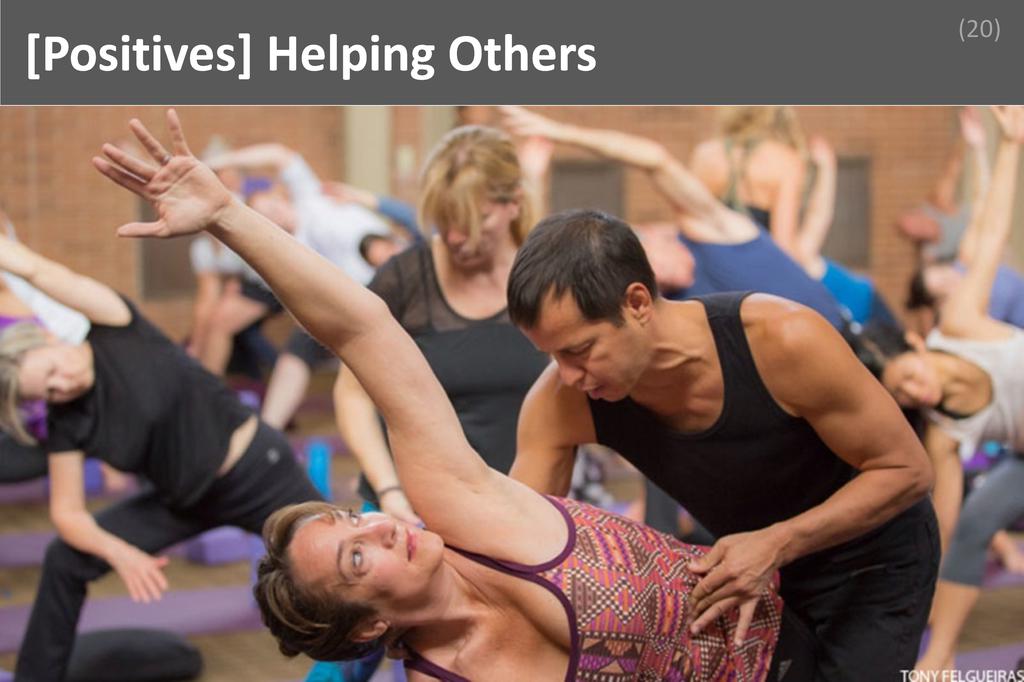
Helping others means offering support, guidance, and encouragement to individuals as they strive to improve their physical, mental, and emotional well-being. In yoga teacher training, this involves empowering students to discover their potential, overcome challenges, and cultivate self-awareness, ultimately fostering a nurturing environment for personal and collective growth.
The act of helping others is at the heart of yoga teacher training, making the profession deeply rewarding. When instructors witness the transformation in their students—whether it is increased confidence, improved health, or a newfound sense of peace—they experience a profound sense of purpose. This daily interaction with students’ progress not only boosts job satisfaction but also fuels personal growth for the teacher. The reciprocal nature of teaching and learning creates a supportive community, where both teacher and student inspire each other. Over time, this ongoing exchange of encouragement and support leads to lasting relationships and a meaningful career, making every class an opportunity to make a positive difference in someone’s life.
Imagine a yoga teacher guiding a student who initially struggles with self-doubt and physical limitations. Through consistent encouragement, personalized instruction, and genuine care, the teacher helps the student gradually build strength, flexibility, and confidence. Over several months, the student begins to achieve poses they once thought impossible and expresses gratitude for the teacher’s unwavering support. The teacher feels immense fulfillment witnessing this transformation, knowing their guidance has empowered someone to overcome obstacles and embrace a healthier, happier life. This daily impact of helping others not only enriches the student’s journey but also reaffirms the teacher’s passion and commitment to their chosen path.
Meeting New People

Meeting new people refers to the ongoing opportunity to connect with individuals from diverse backgrounds, cultures, and walks of life. In the context of yoga teacher training, it means forming meaningful relationships with fellow trainees, instructors, and future students, fostering a sense of community and shared growth within the profession.
The chance to meet new people is a cornerstone of fulfillment in yoga teacher training. Each interaction brings fresh perspectives, ideas, and inspiration, enriching both personal and professional development. Engaging with a variety of individuals cultivates empathy, adaptability, and communication skills, all of which are essential for effective teaching. This dynamic environment keeps the workday engaging and stimulating, as every class and workshop introduces new faces and stories. The sense of belonging to a supportive community enhances job satisfaction, while the exchange of knowledge and experiences encourages continuous learning and growth. Over time, these connections often evolve into lasting friendships and professional networks, making the journey of a yoga teacher both rewarding and transformative.
Imagine a yoga teacher trainee attending their first intensive workshop. Surrounded by people from different countries and backgrounds, they quickly find themselves sharing stories, practicing together, and supporting one another through challenges. One evening, after a long day of training, the group gathers for a casual dinner. Conversations flow easily, laughter fills the air, and bonds begin to form. The trainee realizes that these new relationships are not only making the experience more enjoyable but are also providing valuable insights and encouragement. As the training progresses, these connections deepen, creating a network of peers who continue to inspire and support each other long after the course ends. This sense of community becomes a cherished and motivating aspect of their career.
Monetary Potential

Monetary Potential refers to the capacity for financial growth, stability, and earning opportunities within a chosen profession. In the context of Yoga Teacher Training, it encompasses the ability to generate income through teaching classes, workshops, retreats, and private sessions, as well as expanding into related ventures such as online courses or branded merchandise. This financial aspect contributes positively to the profession by providing teachers with the means to support themselves, invest in further education, and create a sustainable career path. The promise of monetary rewards not only motivates individuals to pursue excellence but also enables them to share their passion for yoga without compromising their livelihood.
The monetary potential inherent in a career in Yoga Teacher Training is a powerful motivator that elevates job satisfaction and professional growth. When teachers recognize that their skills and dedication can translate into a stable and even lucrative income, they are more likely to invest in their own development and innovate within their field. This financial security allows them to focus on delivering high-quality instruction, building meaningful relationships with students, and exploring new teaching opportunities. The daily experience of earning a reliable income from a passion-driven career fosters a sense of accomplishment and confidence. It also encourages teachers to expand their offerings, reach broader audiences, and create a lasting impact in their communities.
Consider the journey of Maya, a dedicated yoga teacher who completed her training and began teaching at a local studio. As her reputation grew, she started offering specialized workshops and private sessions, which significantly increased her earnings. Recognizing the demand for accessible yoga, Maya launched online classes and developed a line of yoga accessories, further diversifying her income streams. The financial rewards she experienced not only provided her with stability but also empowered her to invest in advanced training and give back to her community through free classes. Maya’s story illustrates how the monetary potential in Yoga Teacher Training can transform a passion for wellness into a thriving, sustainable career.
Challenges
Competition

Competition in Yoga Teacher Training refers to the presence of numerous aspiring and established teachers vying for limited teaching opportunities, recognition, and student engagement. This environment is demanding because it requires individuals to continuously improve, differentiate themselves, and maintain motivation, all while upholding the collaborative and supportive values central to yoga.
The challenge of competition can permeate daily work, creating pressure to stand out in a crowded field. Teachers may feel compelled to constantly update their skills, market themselves, and attract students, which can lead to stress and self-doubt. This environment demands resilience, as setbacks and comparisons with peers are common. Successful professionals manage this constraint by focusing on personal growth, authenticity, and community building. They invest in ongoing education, develop a unique teaching style, and foster genuine connections with students. By shifting their mindset from rivalry to self-improvement and collaboration, they transform competition into motivation, allowing them to thrive without compromising their values or well-being.
Consider a yoga teacher who notices that several new instructors have joined her local studio, leading to fewer available classes and increased competition for students. Instead of viewing the newcomers as threats, she chooses to refine her teaching approach, incorporating new techniques and deepening her knowledge through advanced workshops. She also initiates community events, such as donation-based classes and collaborative workshops, which help her connect with both students and fellow teachers. By embracing a spirit of cooperation and focusing on her unique strengths, she not only retains her student base but also enhances her reputation as a supportive and innovative instructor. This approach allows her to navigate competition constructively, turning a potential obstacle into an opportunity for growth.
Diverse Nature

"Diverse Nature" in Yoga Teacher Training refers to the wide spectrum of backgrounds, abilities, beliefs, and learning styles among trainees. This diversity demands adaptability, empathy, and cultural sensitivity from trainers, as they must create inclusive environments that honor individual differences while maintaining the integrity and objectives of the training program.
The challenge of Diverse Nature affects daily work by requiring yoga teachers to constantly adjust their teaching methods, communication styles, and even class structures to accommodate a range of needs and expectations. This can be mentally and emotionally taxing, as it demands ongoing self-awareness, patience, and resilience. Teachers must balance group cohesion with individual attention, ensuring that everyone feels seen and supported. Successful professionals manage this constraint by cultivating open-mindedness, seeking continuous education in inclusivity, and fostering a non-judgmental atmosphere. They also develop strong observation and listening skills, allowing them to respond thoughtfully to the unique dynamics of each group. Through reflective practice and adaptability, they turn diversity into a source of strength rather than a barrier.
Consider a yoga teacher trainer working with a cohort that includes participants of varying ages, physical abilities, and cultural backgrounds. Early in the program, the trainer notices that some students feel hesitant to participate fully due to language barriers and differing levels of experience. Recognizing this, the trainer adapts her approach by incorporating more visual demonstrations, offering modifications for poses, and encouraging peer support. She also invites open dialogue about personal experiences with yoga, which helps build trust and mutual respect among the group. By embracing the diverse nature of her trainees and adjusting her methods accordingly, she creates a supportive learning environment where each participant feels valued and empowered to grow.
Working in a Team

Working in a team within Yoga Teacher Training involves collaborating with diverse individuals, each bringing unique perspectives, teaching styles, and personalities. This dynamic can be demanding as it requires balancing personal philosophies with collective goals, effective communication, and mutual respect, all while maintaining a supportive environment for both learning and teaching.
The challenge of working in a team can significantly influence daily routines in Yoga Teacher Training. Differences in teaching methods, communication styles, and personal values may lead to misunderstandings or conflicts, potentially disrupting the group’s harmony and progress. Navigating these complexities demands resilience, patience, and adaptability. Successful professionals approach these situations with openness and empathy, actively listening to others and seeking common ground. They prioritize clear communication and foster an atmosphere of trust, which helps to resolve disagreements constructively. By embracing diversity and focusing on shared objectives, they turn potential friction into opportunities for growth, both personally and collectively, ensuring that the team functions smoothly and everyone benefits from the collaborative experience.
Consider a scenario where a group of yoga teacher trainees is tasked with co-leading a class as part of their assessment. One trainee prefers a traditional approach, while another favors a more contemporary style. Initially, this difference creates tension and uncertainty about how to structure the class. Recognizing the importance of teamwork, one trainee initiates an open discussion, inviting everyone to share their ideas and concerns. Through honest communication and active listening, the group finds a way to blend both traditional and modern elements, creating a unique and cohesive class experience. By valuing each member’s input and working collaboratively, they not only deliver a successful class but also strengthen their ability to work effectively as a team in future teaching environments.
Meeting Expectations

Meeting Expectations in Yoga Teacher Training refers to the ongoing pressure to fulfill the standards set by students, peers, and institutions regarding teaching quality, personal practice, and professional growth. This challenge is demanding because it requires balancing self-development with external demands, often under scrutiny, while maintaining authenticity and consistent performance.
The challenge of meeting expectations can significantly influence a yoga teacher’s daily work, leading to stress, self-doubt, and even burnout if not managed well. Teachers may feel compelled to constantly prove their competence, adapt to diverse student needs, and embody yogic principles at all times. This ongoing pressure demands resilience, as setbacks or perceived shortcomings can undermine confidence. Successful professionals navigate this constraint by setting realistic goals, seeking feedback, and practicing self-compassion. They recognize that growth is a process, not a destination, and prioritize open communication with students and mentors. By embracing flexibility and maintaining a commitment to personal well-being, they are able to meet expectations without sacrificing authenticity or passion for teaching.
Consider a yoga teacher trainee who feels overwhelmed by the expectation to master advanced poses and deliver flawless classes. Initially, she struggles with self-criticism and anxiety, fearing she will disappoint her mentors and students. Instead of withdrawing, she openly discusses her concerns with her training group and mentors, who reassure her that growth is valued over perfection. She begins to focus on incremental progress, celebrates small achievements, and incorporates feedback constructively. By embracing vulnerability and prioritizing her own learning process, she gradually gains confidence. Her authenticity and willingness to learn inspire her students, demonstrating that meeting expectations is not about perfection, but about commitment, openness, and continuous improvement.
A Day Of
Yoga Teacher Training
The sun has barely crested the horizon, but the yoga studio is already humming with quiet anticipation. For a Yoga Teacher Training professional, each day is a dynamic blend of mindful movement, deep learning, and community connection. The pace is both invigorating and grounding, as the environment shifts from tranquil meditation spaces to lively group discussions and hands-on practice. Far from a typical desk job, this role demands presence, adaptability, and a genuine passion for guiding others on their journey to become skilled yoga teachers. Every moment is infused with purpose, whether it’s preparing lesson plans, leading asana sequences, or nurturing the growth of future instructors.
As dawn breaks, the day begins with a quiet walk through the studio, ensuring mats are aligned, props are sanitized, and the space feels welcoming. This early hour is dedicated to reviewing the day’s curriculum, setting personal intentions, and perhaps indulging in a brief meditation or gentle flow to center the mind. The stillness of the morning offers a precious window to reflect on the group’s progress and make any last-minute adjustments to the day’s teaching plan, ensuring that each session is tailored to the evolving needs of the trainees.
Mid-morning marks the heart of the day, when the studio fills with the energy of eager trainees ready to dive into learning. The Yoga Teacher Training professional leads a blend of asana practice, anatomy workshops, and philosophy discussions, weaving together theory and movement in a way that keeps everyone engaged. This is the most interactive and demanding part of the day, requiring clear communication, keen observation, and the ability to adapt on the fly. Questions arise, breakthroughs happen, and the collective enthusiasm creates a vibrant, supportive learning environment.
As the afternoon unfolds, the focus shifts to collaborative activities and hands-on teaching practice. Trainees break into small groups to design sequences, practice cueing, and offer each other constructive feedback under the watchful guidance of the instructor. This phase is all about execution and teamwork, as the professional circulates among the groups, providing insights, correcting alignment, and fostering a spirit of mutual support. The energy is lively but purposeful, with everyone working together to translate knowledge into confident teaching skills.
With the day’s main activities winding down, the late afternoon is reserved for thoughtful reflection and essential administrative work. The professional reviews trainee progress notes, answers emails, and updates attendance records, all while considering how to refine the next day’s sessions. There’s a sense of accomplishment as the studio is tidied and props are put away, but also a forward-looking mindset as tomorrow’s lesson plans take shape. This quiet time allows for both closure and creative planning, ensuring that each new day in Yoga Teacher Training is as enriching and inspiring as the last. |


 Home
Home Abroad
 Plan
Plan Philosophy
 Seminar
 Pages
Pages Advisors
 Testimonials




















 Workshop
 Discuss
 Meet
Meet
 Advisor
 Story
Story
 Fine Print
 Links
Links
 Blog
Blog
 Follow
