The Journey of Teaching Yoga
What Is Teaching Yoga
Teaching Yoga

Teaching yoga is the professional practice of guiding individuals or groups through physical postures, breathing exercises, and mindfulness techniques rooted in ancient yogic traditions. Instructors create safe, supportive environments to foster physical health, mental clarity, and emotional well-being, adapting practices to suit diverse abilities and needs.
Teaching yoga plays a significant role in promoting holistic health and well-being, both for instructors and their students. Professionals in this field experience personal growth as they deepen their own practice and understanding of yoga philosophy. The career offers the satisfaction of helping others reduce stress, improve flexibility, and cultivate mindfulness. Additionally, teaching yoga fosters a sense of community, as instructors connect with students from various backgrounds and support their wellness journeys. The profession also allows for flexible work arrangements, enabling teachers to lead classes in studios, gyms, workplaces, or online, thus reaching a wide audience and making a positive impact on many lives.
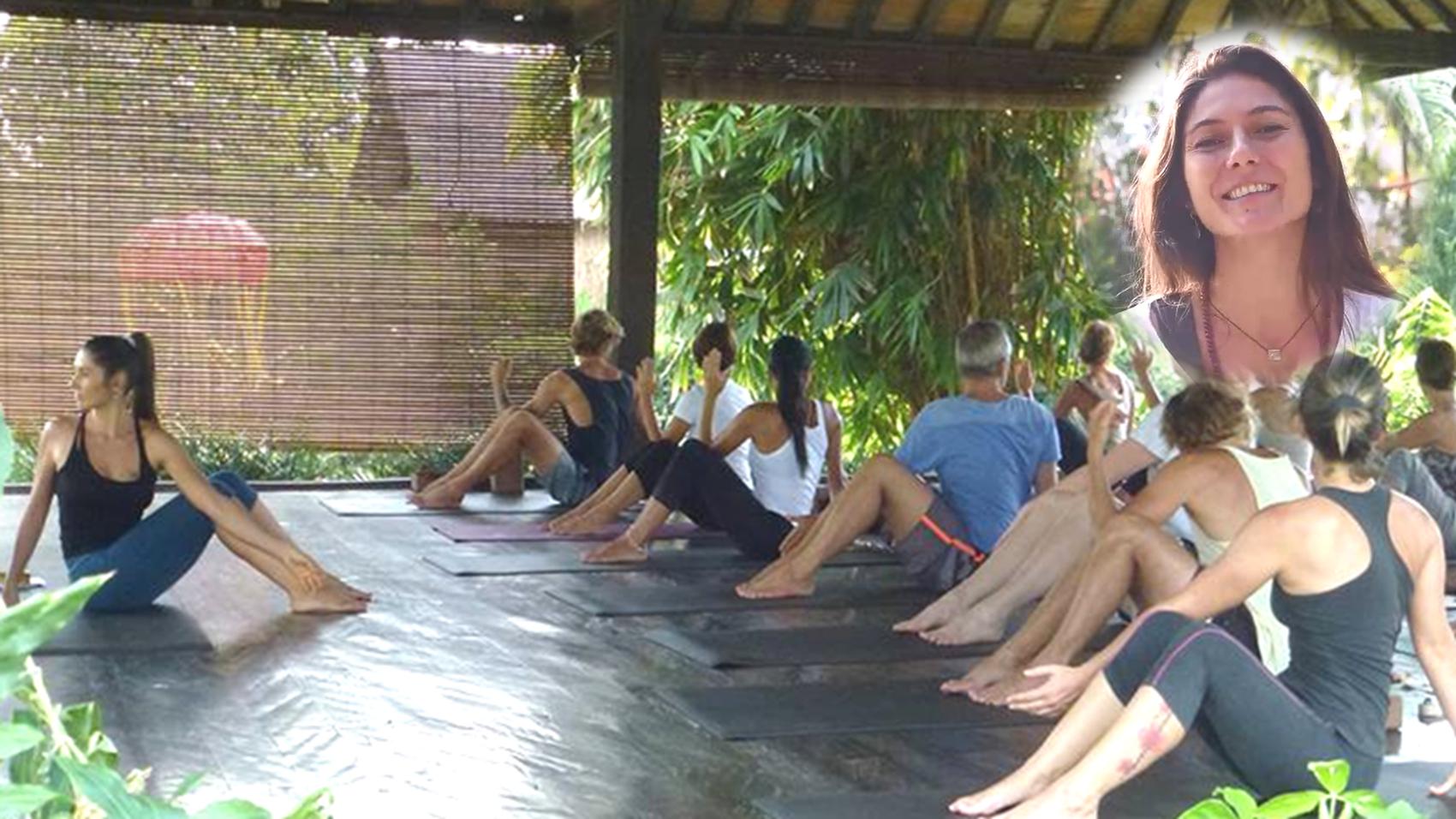
A yoga teacher might begin their day by preparing a class sequence tailored to a group of beginners at a local community center. During the session, the instructor demonstrates poses, offers modifications for different abilities, and guides students through breathing exercises to enhance relaxation. Throughout the class, the teacher observes each participant, providing gentle adjustments and encouragement to ensure safety and comfort. After class, the instructor answers questions about technique and wellness, fostering a supportive environment where students feel empowered to continue their practice. This daily interaction not only improves students’ physical and mental health but also allows the teacher to witness and contribute to their ongoing progress and confidence.
Education
Yoga Foundation

Yoga Foundation refers to the essential principles, history, philosophies, and basic practices that form the groundwork of yoga as a discipline. It encompasses knowledge of asanas, breathwork, ethical guidelines, and yogic traditions, serving as the cornerstone for both academic study and professional practice in the field of Teaching Yoga.
Understanding Yoga Foundation is crucial for anyone preparing to teach yoga, as it provides the theoretical and practical framework upon which all advanced learning is built. Mastery of foundational concepts ensures that teachers can instruct safely, adapt practices to diverse student needs, and uphold the integrity of yoga traditions. This knowledge empowers professionals to communicate effectively, foster inclusive environments, and respond confidently to student questions. Over time, a strong grasp of Yoga Foundation supports ongoing professional growth, ethical decision-making, and the ability to integrate new developments in the field. Ultimately, it distinguishes competent teachers who inspire trust and facilitate meaningful learning experiences for their students.
Consider a yoga instructor leading a beginner’s class. Drawing on their understanding of Yoga Foundation, the teacher introduces basic postures while explaining their historical significance and alignment principles. When a student struggles with a pose, the instructor adapts the practice using foundational knowledge of anatomy and breathwork, ensuring safety and accessibility. The teacher also weaves in ethical concepts, such as non-harming and self-awareness, to cultivate a supportive class atmosphere. By grounding each session in the core principles of yoga, the instructor not only enhances student engagement but also models the depth and authenticity expected of a professional in the field. This daily application of foundational knowledge is essential for effective and responsible teaching.
Yoga Therapy

Yoga Therapy is a holistic discipline that adapts yoga practices to address individual physical, mental, and emotional needs, often in collaboration with healthcare professionals. It integrates traditional yogic techniques with modern therapeutic principles, making it essential for yoga teachers seeking to support diverse populations and promote overall well-being.
Understanding Yoga Therapy is vital for anyone preparing to teach yoga because it equips professionals with the skills to safely and effectively address the unique needs of each student. This knowledge forms the foundation for adapting postures, breathwork, and meditation to accommodate injuries, chronic conditions, or emotional challenges. By mastering these concepts, yoga teachers can create inclusive and supportive environments, enhancing their credibility and expanding their client base. Over time, expertise in Yoga Therapy enables professionals to collaborate with healthcare providers, contribute to holistic wellness programs, and pursue specialized career paths. This long-term benefit not only enriches personal teaching practice but also elevates the overall standard of care within the yoga community.
Imagine a yoga teacher leading a class that includes a student recovering from lower back surgery. Drawing on their understanding of Yoga Therapy, the teacher modifies traditional poses to reduce strain, incorporates gentle movements to support healing, and introduces breathwork techniques to manage pain and anxiety. Throughout the session, the teacher remains attentive to the student’s feedback, adjusting the practice as needed to ensure safety and comfort. This approach not only fosters trust and confidence but also demonstrates the teacher’s commitment to individualized care. By applying Yoga Therapy principles, the teacher helps the student experience the benefits of yoga while respecting their unique limitations and promoting long-term recovery.
Human Anatomy

Human Anatomy is the scientific study of the structure of the human body, including its organs, tissues, and systems. For those teaching yoga, understanding anatomy is essential, as it bridges the gap between movement and physiology, ensuring safe, effective, and informed instruction that supports both student well-being and professional credibility.
A deep understanding of human anatomy is vital for anyone preparing to teach yoga because it underpins every aspect of safe and effective practice. Knowledge of muscles, joints, and body systems allows instructors to design classes that accommodate diverse abilities and prevent injury. This foundational expertise enables yoga teachers to offer modifications, address individual needs, and explain the benefits of specific postures with authority. Over the long term, mastery of anatomy enhances a teacher’s confidence and credibility, fosters trust with students, and opens opportunities for advanced training or specialization. Ultimately, it transforms yoga instruction from a generic routine into a mindful, personalized, and transformative experience for every participant.
Imagine a yoga instructor leading a mixed-level class where one student mentions a history of lower back pain. Drawing on their knowledge of human anatomy, the teacher understands the role of the lumbar spine and surrounding musculature in common yoga postures. They skillfully suggest modifications, such as bending the knees in forward folds or using props for support, to protect the student’s back. Throughout the session, the instructor cues alignment and muscle engagement based on anatomical principles, ensuring that all participants move safely and effectively. This application of anatomical knowledge not only prevents injury but also empowers students to practice with greater awareness and confidence, demonstrating the practical value of anatomy in daily teaching.
Fundamentals of Yoga Therapy

Fundamentals of Yoga Therapy refers to the essential principles, methods, and scientific understanding of how yoga practices can be adapted to support health, healing, and well-being. This subject forms a critical part of the academic and professional foundation for teaching yoga, ensuring instructors can safely and effectively address diverse student needs.
Learning the fundamentals of yoga therapy is vital for anyone preparing to teach yoga, as it equips them with the knowledge to recognize and respond to individual health conditions and limitations. This subject provides a comprehensive understanding of anatomy, physiology, and the therapeutic applications of yoga, which is essential for creating safe and inclusive class environments. By mastering these concepts, yoga teachers can confidently modify postures, breathing techniques, and relaxation practices to suit students with varying abilities or health concerns. Over the long term, this expertise enhances a teacher’s credibility, broadens their professional opportunities, and fosters deeper trust with students, ultimately contributing to a more impactful and sustainable teaching career.
Imagine a yoga teacher leading a mixed-level class that includes participants recovering from injuries and others seeking stress relief. Drawing on their knowledge of the fundamentals of yoga therapy, the teacher assesses each student’s needs and adapts the session accordingly. They offer gentle variations of postures for those with physical limitations, incorporate breathwork to support emotional well-being, and provide guidance on relaxation techniques to promote healing. By applying these therapeutic principles, the teacher ensures that every participant feels supported and safe, regardless of their background or condition. This approach not only enhances the effectiveness of the class but also demonstrates the teacher’s commitment to holistic well-being and individualized care.
Nutrition

Nutrition is the scientific study of how food and drink affect health, growth, and bodily functions. It explores the nutrients in foods, their absorption, and their role in maintaining well-being. For yoga teachers, understanding nutrition is essential for supporting students’ holistic health and enhancing the effectiveness of yoga practice.
A solid grasp of nutrition is vital for anyone preparing to teach yoga, as it directly impacts both personal well-being and the guidance offered to students. Nutrition forms a foundational knowledge base, enabling yoga professionals to recommend healthy lifestyle choices that complement physical practice. By understanding how different foods influence energy, recovery, and mental clarity, yoga teachers can tailor their classes and advice to meet diverse needs. This expertise not only enhances credibility but also fosters trust and deeper connections with students. Over the long term, integrating nutrition knowledge into teaching supports sustained health, prevents injury, and encourages a balanced approach to wellness, making it a crucial asset for a successful and respected career in yoga instruction.
Imagine a yoga teacher leading a morning class for a group of busy professionals. Drawing on their understanding of nutrition, the teacher discusses the importance of a balanced breakfast that includes complex carbohydrates and lean proteins to sustain energy throughout the day. After class, a student mentions feeling fatigued during sessions. The teacher, using their nutrition knowledge, suggests small dietary adjustments such as incorporating more whole grains and fresh fruits, explaining how these foods can stabilize blood sugar and improve stamina. By connecting nutritional advice with yoga practice, the teacher helps students achieve better results on the mat and in their daily lives, demonstrating the practical value of integrating nutrition into yoga instruction.
Yoga Therapy & Practice

Yoga Therapy & Practice is the application of yogic principles, postures, breathwork, and mindfulness techniques to address physical, mental, and emotional health challenges. It integrates traditional yoga philosophy with modern therapeutic approaches, forming a specialized discipline essential for those teaching yoga in both group and individual settings.
Understanding Yoga Therapy & Practice is vital for anyone preparing to teach yoga because it provides the tools to address diverse student needs safely and effectively. This subject forms the foundation for recognizing how yoga can be adapted for injury prevention, rehabilitation, and holistic well-being. By mastering these concepts, yoga teachers can create inclusive classes, offer modifications, and support students with varying abilities or health conditions. Over time, this expertise enhances professional credibility, opens opportunities for specialized roles, and fosters deeper connections with students. The ability to integrate therapeutic practices ensures that yoga teachers remain adaptable and responsive, which is crucial for long-term career growth and for meeting the evolving expectations of the wellness industry.
Imagine a yoga teacher leading a mixed-level class where one participant is recovering from a shoulder injury while another is experiencing anxiety. Drawing on their knowledge of Yoga Therapy & Practice, the teacher adapts postures to protect the injured shoulder, offers breathwork techniques to help manage anxiety, and creates a supportive environment for all. By applying therapeutic principles, the teacher ensures each student feels seen and cared for, reducing the risk of further injury and enhancing the overall class experience. This approach not only demonstrates professional competence but also builds trust, encouraging students to return and refer others, thereby contributing to the teacher’s reputation and success in the field.
Skills
Client Handling

Client Handling refers to the ability to effectively communicate, understand, and respond to the needs, concerns, and feedback of clients, ensuring a positive and supportive relationship. In Teaching Yoga, this skill is crucial for building trust, fostering engagement, and creating a safe environment where students feel valued and motivated to learn.
Mastering Client Handling directly enhances a yoga teacher’s performance by enabling them to tailor sessions to individual needs, address concerns promptly, and maintain a harmonious class atmosphere. Clients and employers highly value this skill because it leads to higher satisfaction, retention, and positive word-of-mouth. Cultivating Client Handling involves practicing active listening, empathy, and clear communication, as well as seeking feedback and reflecting on interactions to continuously improve. Over time, teachers who invest in these interpersonal abilities become more adaptable and responsive, which not only benefits their students but also contributes to their own professional growth and reputation within the yoga community.
Imagine a yoga teacher noticing that a new student appears anxious and struggles with certain poses during class. By using strong Client Handling skills, the teacher approaches the student after class, listens to their concerns, and offers personalized modifications for future sessions. This thoughtful response reassures the student, making them feel supported and understood. As a result, the student gains confidence, continues attending classes, and even recommends the teacher to friends. In this scenario, the teacher’s ability to handle the client’s needs not only resolves a potential issue but also strengthens the teacher-student relationship and contributes to the overall success of the yoga practice.
Body Language

Body language refers to the nonverbal signals we use to communicate, including posture, gestures, facial expressions, and eye contact. In teaching yoga, body language is a vital tool for conveying instructions, demonstrating poses, and creating a welcoming atmosphere, often bridging gaps where words alone may fall short.
Mastering body language directly enhances a yoga teacher’s effectiveness by enabling clear, confident, and empathetic communication. Students and employers value instructors who can demonstrate poses precisely, offer reassurance through calm and open gestures, and maintain a presence that fosters trust and focus. Over time, this skill can be cultivated through mindful self-awareness, observing experienced teachers, and practicing in front of mirrors or recording sessions for self-review. Consistent feedback from peers and students also helps refine nonverbal cues, ensuring that the teacher’s body language aligns with their verbal instructions and the intended energy of the class. Ultimately, strong body language supports a safe, inclusive, and motivating learning environment, which is essential for student progress and satisfaction.
Imagine a yoga class where a student struggles with a challenging pose and feels hesitant to ask for help. The teacher, noticing the student’s uncertainty, approaches with a gentle smile and open posture, kneeling beside them to demonstrate the correct alignment. Without interrupting the flow of the class, the teacher uses clear, deliberate gestures to guide the student’s movements, offering encouragement through reassuring eye contact and subtle nods. This nonverbal support helps the student feel seen and understood, boosting their confidence and willingness to try again. In this scenario, the teacher’s effective use of body language not only resolves the immediate issue but also strengthens the student’s trust and engagement with the practice.
Motivational Ability

Motivational Ability is the capacity to inspire, encourage, and energize others to pursue their goals, overcome obstacles, and maintain commitment, especially during challenging moments. In the context of teaching yoga, this skill enables instructors to foster a supportive environment, helping students stay engaged and committed to their personal growth and practice.
Motivational Ability directly enhances a yoga teacher’s effectiveness by creating a positive and empowering atmosphere in the studio or classroom. Students are more likely to return, progress, and recommend classes when they feel genuinely inspired and supported. Employers and clients highly value instructors who can uplift and motivate, as this leads to higher retention rates and a stronger sense of community. Cultivating this skill involves practicing empathy, active listening, and clear communication, as well as continuously working on one’s own self-awareness and enthusiasm for yoga. Over time, teachers can refine their motivational techniques by seeking feedback, observing experienced mentors, and staying attuned to the unique needs of each student.
Imagine a yoga class where several students are struggling with a challenging pose and begin to feel discouraged. The instructor notices the shift in energy and, drawing on their Motivational Ability, addresses the group with encouragement, reminding them that progress is a journey and every effort counts. By sharing personal stories of overcoming similar challenges and offering gentle adjustments, the teacher helps students regain confidence and focus. As a result, the class atmosphere transforms from frustration to determination, and students leave feeling accomplished and motivated to continue their practice. This scenario highlights how a yoga teacher’s Motivational Ability can turn a potentially negative experience into a powerful moment of growth and success for everyone involved.
Positive Attitude

A positive attitude is the consistent practice of optimism, resilience, and encouragement, even in challenging situations. It involves maintaining an open mind, uplifting energy, and a solution-focused mindset. For a Teaching Yoga professional, a positive attitude is vital because it shapes the learning environment, inspires students, and fosters personal and collective growth.
A positive attitude directly enhances a yoga teacher’s performance by creating a welcoming and motivating atmosphere in every class. Students are more likely to engage, persist, and trust their instructor when they feel supported and uplifted. Employers and clients value this trait because it leads to higher student retention, better class experiences, and a stronger sense of community. Cultivating a positive attitude involves self-awareness, regular reflection, and conscious effort to reframe setbacks as opportunities. Practicing gratitude, mindfulness, and self-care also helps teachers maintain their optimism and resilience, allowing them to model these qualities for their students and colleagues.
Imagine a yoga teacher facing a class where several students are struggling with a challenging pose, leading to frustration and self-doubt. Instead of allowing the mood to decline, the teacher draws on their positive attitude, offering gentle encouragement and reminding everyone that progress is more important than perfection. They share personal stories of their own struggles and growth, creating a sense of camaraderie and reassurance. As a result, the students feel empowered to try again, and the class atmosphere shifts from tension to mutual support. This positive energy not only helps students overcome the immediate challenge but also builds their confidence for future practice, demonstrating the transformative power of a positive attitude in teaching yoga.
Positives
Personal Fitness

Personal fitness is the holistic state of physical health, strength, flexibility, and endurance achieved through regular exercise, mindful movement, and balanced living. In the context of teaching yoga, personal fitness enhances energy, focus, and resilience, enabling instructors to lead by example and inspire students through their own well-being.
Personal fitness is a cornerstone of a fulfilling career in teaching yoga because it directly influences both professional effectiveness and personal satisfaction. When yoga teachers maintain high levels of fitness, they are better equipped to demonstrate poses, guide students safely, and adapt to various class needs. This ongoing commitment to health fosters a sense of accomplishment and vitality, making daily work more enjoyable and meaningful. As teachers witness their own growth and physical transformation, their confidence and passion for teaching deepen. This positive cycle not only boosts job satisfaction but also encourages continuous learning and self-improvement, which are essential for long-term career growth in the wellness industry.
Imagine a yoga instructor who begins each day with their own practice, feeling energized and centered before stepping into the studio. As they guide a group through challenging sequences, their strength and flexibility allow them to demonstrate advanced postures with ease, inspiring students to push their own limits. Throughout the class, the instructor’s stamina and calm presence create a supportive atmosphere, helping participants feel motivated and safe. At the end of the session, the teacher experiences a profound sense of fulfillment, knowing that their dedication to personal fitness not only enhances their own well-being but also empowers others to pursue healthier, happier lives through yoga.
Helping Others

Helping others means offering support, guidance, and encouragement to individuals as they strive to improve their well-being, skills, or understanding. In the context of teaching yoga, this involves empowering students to connect with their bodies and minds, fostering growth, and creating a nurturing environment where personal transformation can flourish.
The act of helping others is at the heart of teaching yoga, making it an exceptionally rewarding career. Teachers witness firsthand the positive changes in their students, from increased flexibility and strength to enhanced mental clarity and emotional balance. This daily interaction cultivates a deep sense of purpose and fulfillment, as instructors see the tangible results of their guidance. The gratitude and progress of students reinforce the teacher’s own commitment to personal growth and lifelong learning. This ongoing cycle of giving and receiving support not only boosts job satisfaction but also fosters a strong sense of community and belonging. Ultimately, helping others in yoga teaching creates a meaningful impact that extends far beyond the classroom, enriching both the teacher’s and students’ lives.
Imagine a yoga instructor working with a student who initially struggles with anxiety and low self-confidence. Through patient instruction, encouragement, and personalized guidance, the teacher helps the student gradually build strength and trust in their own abilities. Over time, the student begins to approach each class with more enthusiasm and a brighter outlook, sharing stories of how yoga has improved their daily life. The teacher feels a profound sense of accomplishment and joy, knowing that their support has played a pivotal role in the student’s transformation. This experience reaffirms the instructor’s passion for teaching and highlights the deep fulfillment that comes from helping others on their journey toward well-being.
Social Awareness

Social awareness is the ability to perceive, understand, and respond thoughtfully to the feelings, needs, and perspectives of others within a community or group. In teaching yoga, social awareness enables instructors to create inclusive, supportive environments that honor diversity, foster empathy, and encourage meaningful connections among students and within the broader community.
Social awareness is a cornerstone of teaching yoga because it transforms the practice from a solitary pursuit into a shared journey. Teachers who are socially aware can adapt their instruction to meet the unique needs of each student, making everyone feel seen and valued. This sensitivity not only enhances the learning experience but also builds trust and a sense of belonging. As a result, yoga instructors often find deeper satisfaction in their work, knowing they are making a positive difference in people’s lives. The ability to connect with students on a personal level also opens doors for professional growth, as word-of-mouth recommendations and community engagement become natural outcomes of such authentic relationships.
Imagine a yoga teacher who notices that a new student seems hesitant and unsure during class. Drawing on their social awareness, the teacher gently checks in with the student after class, offering encouragement and personalized guidance. Over time, the student becomes more confident and engaged, eventually sharing how the supportive environment helped them overcome anxiety and feel accepted. The teacher witnesses firsthand how being attuned to the needs and emotions of others can transform not only an individual’s experience but also the overall atmosphere of the class. This daily fulfillment, rooted in social awareness, reinforces the teacher’s sense of purpose and the profound impact their role has within the community.
Challenges
Handling Clients

Handling clients in the context of Teaching Yoga refers to managing diverse personalities, expectations, and needs of students while maintaining a supportive and inclusive environment. This is demanding because it requires balancing individualized attention, addressing conflicts or dissatisfaction, and adapting teaching styles, all while upholding professional boundaries and fostering group harmony.
The challenge of handling clients can significantly shape a yoga teacher’s daily experience, often introducing unpredictability and emotional labor into their work. Difficult clients may disrupt class flow, challenge instructions, or express dissatisfaction, which can be draining and test a teacher’s patience and adaptability. This constant negotiation demands resilience, empathy, and strong communication skills. Successful yoga professionals manage this by setting clear expectations, practicing active listening, and cultivating a non-judgmental attitude. They also invest in ongoing self-reflection and professional development to strengthen their interpersonal skills. By maintaining composure and focusing on the collective well-being of the class, they are able to transform potential conflicts into opportunities for growth and deeper connection.
Consider a yoga teacher who notices a regular student frequently interrupting sessions with unsolicited advice to others, creating tension in the group. Rather than reacting defensively, the teacher privately engages the student after class, expressing appreciation for their enthusiasm while gently explaining the importance of maintaining a focused and respectful environment. By listening to the student’s perspective and setting clear boundaries, the teacher diffuses the situation without alienating anyone. Over time, the student becomes more mindful of their behavior, and the overall class atmosphere improves. This scenario illustrates how skillful client handling, rooted in empathy and clear communication, can resolve challenges and foster a more harmonious learning space.
Feeling Demotivated

Feeling demotivated in teaching yoga refers to a persistent sense of low enthusiasm, energy, or inspiration, often triggered by routine, lack of visible progress, or emotional exhaustion. This challenge is demanding because it undermines the teacher’s ability to inspire students, maintain personal practice, and uphold the authenticity essential to yoga instruction.
When a yoga teacher feels demotivated, it can subtly affect the energy they bring to each class, making sessions feel less engaging for both themselves and their students. This emotional fatigue may lead to a decline in creativity, reduced patience, and even doubts about their professional path. Overcoming this challenge requires resilience, as teachers must continually reconnect with their purpose and adapt to changing circumstances. Successful professionals often manage this constraint by seeking inspiration from continued learning, connecting with peers, and allowing themselves periods of rest and reflection. By acknowledging their feelings and taking proactive steps to nurture their own well-being, they can gradually restore their motivation and maintain the high standards their students expect.
Consider a yoga teacher who, after several years of back-to-back classes, begins to feel uninspired and disconnected from her teaching. She notices her classes becoming repetitive and her enthusiasm waning. Recognizing these signs, she decides to attend a weekend yoga retreat, immersing herself in new styles and philosophies. This experience reignites her passion and provides fresh ideas for her classes. Upon returning, she introduces new sequences and mindfulness practices, which not only revitalizes her own interest but also energizes her students. By proactively seeking renewal and embracing change, she successfully overcomes her demotivation and reaffirms her commitment to teaching yoga.
Finding Location

Finding Location in the context of Teaching Yoga refers to the ongoing process of securing a suitable, accessible, and welcoming physical space to conduct classes. This challenge is demanding because it involves balancing affordability, convenience, ambiance, and availability, all of which directly influence student attendance and the overall teaching experience.
The difficulty of finding an appropriate location can disrupt a yoga teacher’s daily routine, leading to unpredictable schedules, fluctuating class sizes, and increased logistical stress. This challenge requires resilience, as teachers must often adapt to last-minute changes or less-than-ideal environments. Successful professionals manage this constraint by building strong relationships with local studios, community centers, or even outdoor venues, and by remaining flexible in their approach. They may also leverage digital platforms to offer hybrid or online classes when physical spaces are unavailable. By staying adaptable and resourceful, these teachers maintain continuity for their students and preserve the integrity of their practice, even when faced with location-related obstacles.
Consider a yoga instructor in a busy urban area where rental costs are high and studio availability is limited. Rather than being discouraged, the instructor collaborates with a local art gallery to host early morning classes before the gallery opens to the public. This creative solution not only provides a unique and inspiring environment for students but also strengthens community ties and expands the instructor’s network. By thinking outside traditional studio spaces and negotiating mutually beneficial arrangements, the instructor overcomes the challenge of finding a location, ensuring regular classes and a growing student base despite the competitive landscape.
A Day Of
Teaching Yoga
Before the sun has fully stretched across the horizon, a teaching yoga professional is already in motion, guided by the quiet energy of a new day. The studio is still, the air tinged with the scent of incense and the promise of transformation. Each day unfolds as a blend of mindful preparation, dynamic instruction, and meaningful connection, all set to the gentle rhythm of breath and movement. The pace is both invigorating and grounding, demanding presence and adaptability as students arrive seeking not just physical guidance, but a sense of calm and clarity. In this world, the desk is replaced by a mat, and the workday is a living practice of balance, compassion, and growth.
As dawn breaks, the yoga teacher arrives at the studio, embracing the stillness before the first class. This early hour is dedicated to preparing the space, rolling out mats, adjusting lighting, and selecting calming music to set the tone. There is a meditative quality to this routine, as the teacher reviews the day’s sequences, considers the needs of returning students, and perhaps spends a few quiet moments in personal practice. This preparation is not just physical but mental, allowing the teacher to center themselves and cultivate the presence needed to guide others.
Mid-morning brings the heart of the day’s work as students gather for the first group class. The studio fills with gentle chatter and anticipation, and the teacher steps into the role of guide and motivator. This is the most interactive and energetic part of the day, as the teacher leads students through carefully crafted sequences, offering adjustments, encouragement, and modifications to suit all levels. The focus is on creating a safe, welcoming environment where each participant can explore their practice, release tension, and build confidence. The teacher’s attention is divided between demonstrating poses, observing alignment, and fostering a sense of community within the group.
Afternoons are often reserved for one-on-one sessions or small group workshops, providing opportunities for deeper connection and personalized instruction. During this time, the teacher collaborates closely with students to address specific goals, whether it’s refining a challenging pose, managing stress, or recovering from injury. These sessions require adaptability and keen observation, as the teacher tailors their approach to each individual’s needs. There may also be time set aside for meeting with colleagues, discussing upcoming events, or planning community outreach, all of which contribute to the ongoing growth of the studio and its members.
As the day winds down, the yoga teacher shifts focus to reflection and preparation for what’s next. This period is spent updating class records, responding to student inquiries, and managing the administrative side of the business. There is also time for professional development, such as researching new teaching techniques or planning future workshops. The teacher reviews feedback from the day’s classes, notes areas for improvement, and sets intentions for tomorrow. By the time the studio lights dim and the last mat is rolled away, the teacher has woven together a day of mindful action, ready to begin the cycle anew with the next sunrise. |