The Journey of Teaching Yoga
What Is Teaching Yoga
Teaching Yoga

Teaching yoga involves guiding individuals or groups through physical postures, breathing exercises, and meditation techniques rooted in ancient yogic traditions. Yoga teachers create safe, supportive environments that foster physical health, mental clarity, and emotional balance, adapting practices to meet the unique needs and abilities of their students.
Teaching yoga holds significant value for both instructors and their communities. It empowers professionals to share holistic wellness practices that enhance physical fitness, reduce stress, and promote mindfulness. Through their work, yoga teachers foster a sense of connection and well-being among students, often witnessing transformative changes in confidence and health. The career offers personal fulfillment as teachers witness students’ growth, while also providing opportunities for continuous learning and self-development. Additionally, teaching yoga can create flexible work schedules and the chance to build meaningful relationships within diverse communities, making it a rewarding and impactful profession.
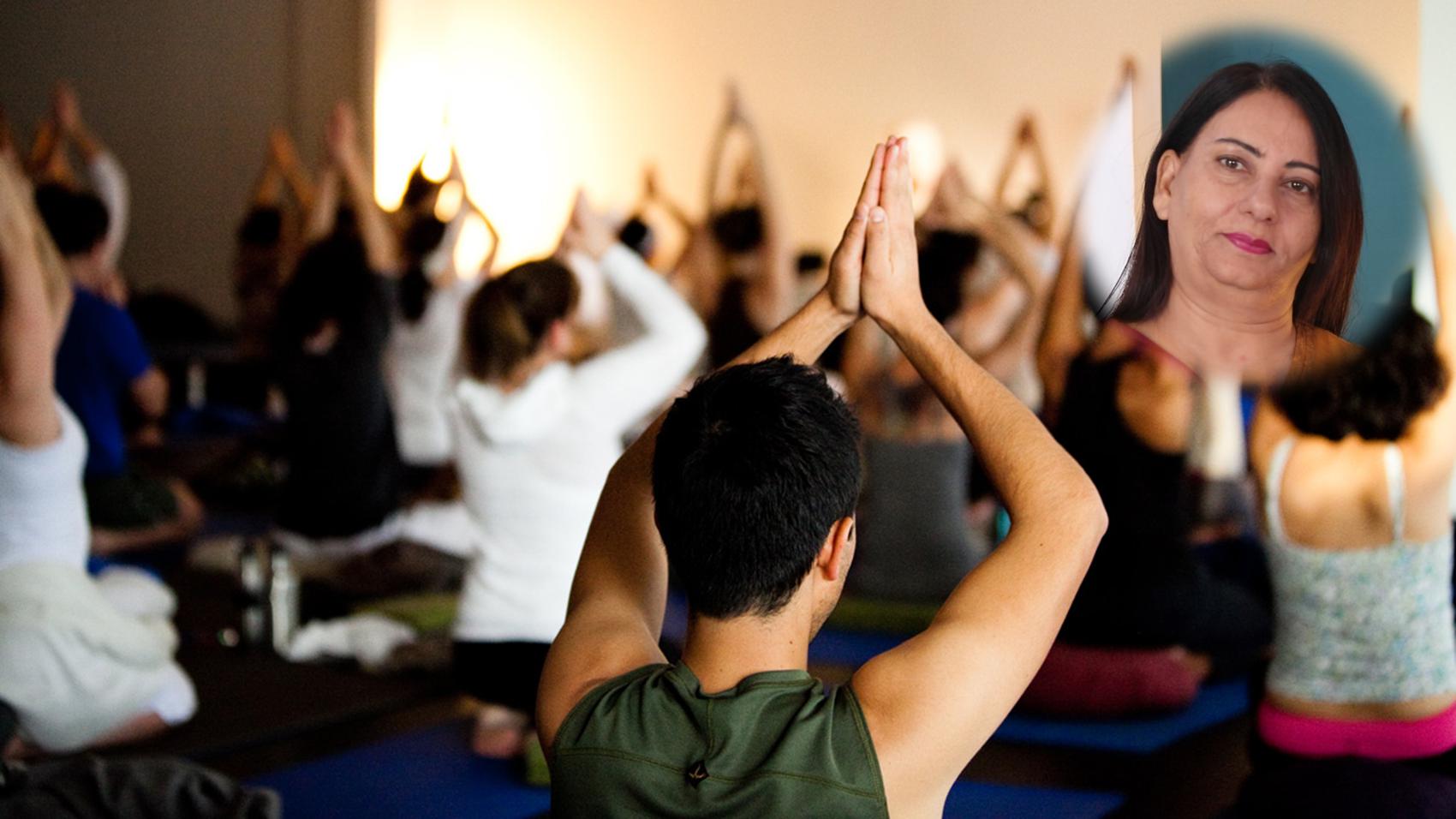
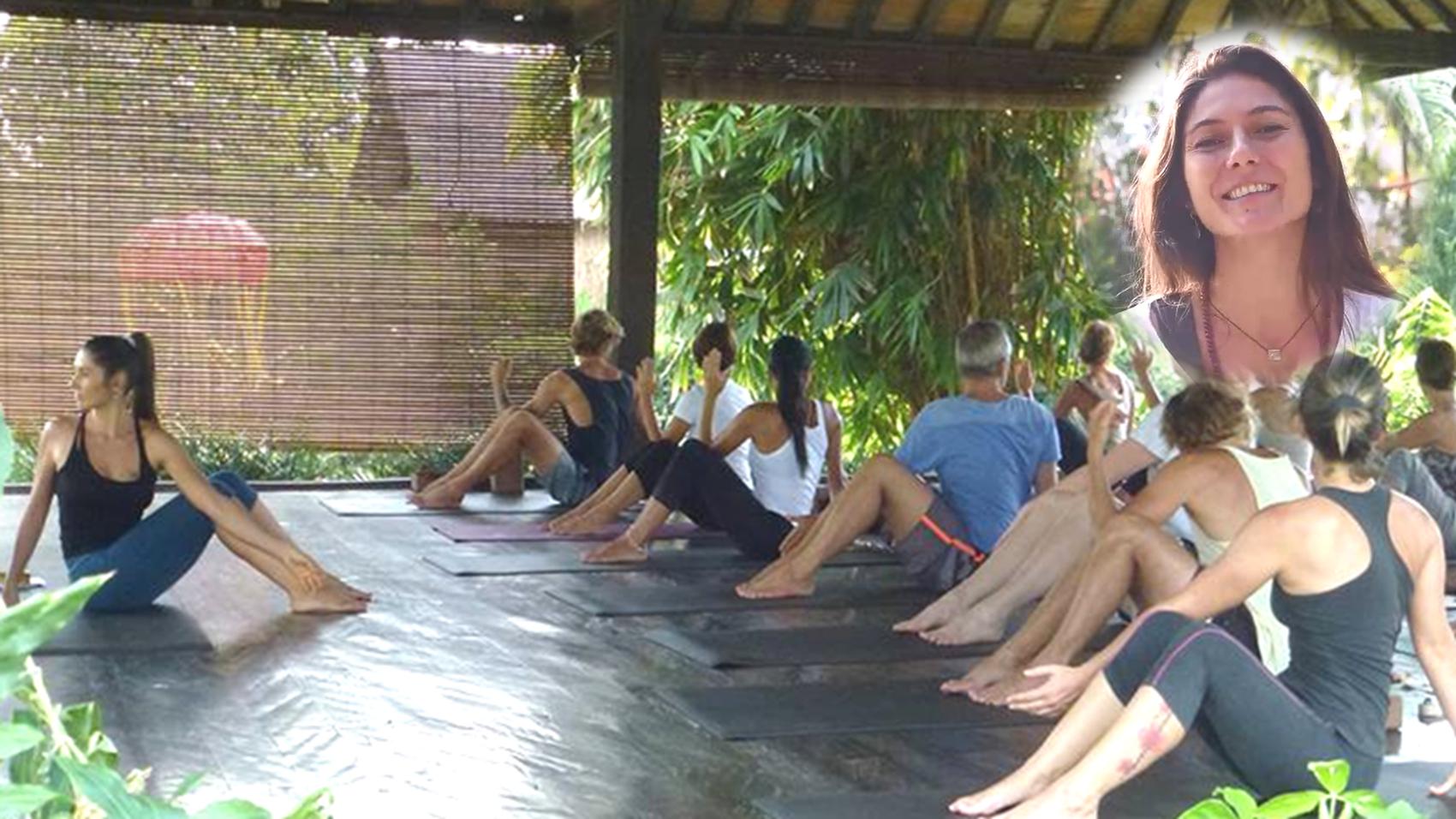
A yoga teacher working at a local studio might begin their day by preparing lesson plans tailored to the needs of a mixed-level class. During the session, the teacher demonstrates poses, offers hands-on adjustments, and provides modifications for students with injuries or limitations. They guide participants through mindful breathing and relaxation techniques, encouraging a supportive and inclusive atmosphere. After class, the teacher answers questions, offers wellness advice, and connects with students to understand their progress and challenges. Over time, the teacher observes improvements in students’ strength, flexibility, and stress management, highlighting the profound impact that teaching yoga can have on individuals’ lives.
Education
Yoga Sutra

The Yoga Sutra, composed by the sage Patanjali, is a foundational text of classical yoga philosophy. Consisting of concise aphorisms, it outlines the theory and practice of yoga, including ethical guidelines, meditation, and self-discipline. Mastery of the Yoga Sutra is essential for academic and professional excellence in Teaching Yoga.
Understanding the Yoga Sutra is vital for anyone preparing to teach yoga because it provides the philosophical and ethical framework that underpins all yogic practice. The text introduces core concepts such as the eight limbs of yoga, which guide both personal development and teaching methodology. For professionals, this knowledge ensures that their instruction is rooted in authentic tradition, fostering credibility and depth in their teaching. Over the long term, familiarity with the Yoga Sutra enables teachers to address students’ questions with authority, adapt practices to individual needs, and cultivate a holistic approach that goes beyond physical postures. This foundation not only enhances professional growth but also supports lifelong learning and personal transformation.
Imagine a yoga teacher leading a class where a student expresses frustration over their inability to achieve a challenging posture. Drawing from their understanding of the Yoga Sutra, the teacher explains the principle of non-attachment (vairagya) and encourages the student to focus on the process rather than the outcome. By referencing the sutras, the teacher helps the student shift their mindset from self-judgment to self-acceptance, fostering a supportive and mindful learning environment. This practical application of philosophical concepts not only addresses the immediate concern but also instills deeper values in students, illustrating how theoretical knowledge of the Yoga Sutra directly informs and enriches daily teaching practice.
Yoga Wisdom

Yoga Wisdom refers to the deep understanding of yoga’s philosophical roots, ethical principles, and spiritual teachings, as found in ancient texts like the Yoga Sutras and Bhagavad Gita. It forms the intellectual and ethical foundation for teaching yoga, guiding both personal practice and professional conduct within the academic and practical realms of yoga instruction.
Grasping Yoga Wisdom is essential for anyone preparing to teach yoga because it provides the philosophical framework that underpins all physical practices. This knowledge helps teachers move beyond mere instruction of postures, enabling them to foster a holistic environment that nurtures both body and mind. By internalizing these core concepts, yoga professionals can create meaningful class experiences, address students’ diverse needs, and uphold ethical standards. Over time, a strong grounding in Yoga Wisdom enhances credibility, supports lifelong learning, and cultivates the adaptability required to respond to evolving trends and challenges in the field. Ultimately, it empowers teachers to inspire transformation in themselves and their students, ensuring a lasting impact on their professional journey.
Consider a yoga teacher leading a class where a student becomes frustrated with their inability to master a challenging pose. Drawing on Yoga Wisdom, the teacher gently reminds the student that yoga is not solely about physical achievement but about self-awareness, patience, and non-attachment to outcomes. By referencing concepts such as ahimsa (non-harming) and santosha (contentment), the teacher helps the student shift focus from competition to self-compassion. This approach not only diffuses tension in the moment but also instills a deeper appreciation for yoga’s true purpose. Through such daily interactions, the teacher demonstrates how theoretical understanding of Yoga Wisdom translates into practical guidance, fostering a supportive and transformative learning environment.
Anatomy

Anatomy is the scientific study of the structure of living organisms, focusing on the identification and description of body parts and their relationships. In the context of Teaching Yoga, anatomy provides essential knowledge about muscles, bones, joints, and bodily systems, forming a crucial part of the academic and professional foundation for effective and safe instruction.
A solid grasp of anatomy is indispensable for anyone preparing to teach yoga, as it underpins the ability to guide students safely through various postures and sequences. Understanding how muscles, joints, and connective tissues function allows yoga teachers to design classes that accommodate different body types and physical limitations. This knowledge helps prevent injuries by enabling instructors to recognize and address misalignments or overexertion in their students. Over the long term, a strong foundation in anatomy enhances a teacher’s credibility and confidence, supports ongoing professional development, and enables more effective communication with students and other health professionals. Ultimately, it empowers yoga teachers to foster a safe, inclusive, and transformative practice environment.
Imagine a yoga teacher leading a mixed-level class where one student mentions a history of lower back pain. Drawing on their understanding of anatomy, the teacher modifies certain poses to reduce strain on the lumbar spine, suggesting alternatives that strengthen core muscles and improve flexibility without aggravating the condition. During the session, the teacher observes students’ alignment, offering cues to engage specific muscle groups and protect vulnerable joints. This application of anatomical knowledge not only helps prevent injury but also builds trust, as students feel seen and supported in their individual needs. The teacher’s expertise in anatomy thus directly enhances the quality and safety of the yoga experience for everyone involved.
Meditation

Meditation is a disciplined mental practice involving focused attention, awareness, and mindfulness to achieve mental clarity, emotional calm, and heightened self-awareness. In the context of Teaching Yoga, meditation is a core component, forming an essential part of both the academic study and practical application required for professional competence and holistic instruction.
Understanding meditation is crucial for anyone preparing to teach yoga, as it forms the philosophical and practical backbone of the discipline. Mastery of meditation allows yoga teachers to guide students beyond physical postures, fostering a deeper connection between mind and body. This knowledge enables instructors to create balanced classes that address mental well-being alongside physical fitness. Over time, a strong foundation in meditation enhances a teacher’s credibility, supports personal growth, and equips them to handle diverse student needs. It also opens opportunities for specialization, such as mindfulness workshops or therapeutic yoga, ensuring long-term career sustainability and professional fulfillment within the evolving landscape of yoga education.
A yoga teacher begins a class by leading students through a guided meditation, encouraging them to focus on their breath and observe their thoughts without judgment. Drawing on their theoretical understanding of meditation, the teacher adapts the session to suit the group’s energy, helping students transition from daily stress into a receptive state for yoga practice. Throughout the class, the teacher weaves meditative cues into movement, reminding students to maintain mindful awareness. After the session, students report feeling calmer and more centered, illustrating how the teacher’s expertise in meditation not only enhances the immediate class experience but also supports students’ long-term mental and emotional well-being.
Skills
Dedication

Dedication is the unwavering commitment to a purpose, marked by consistent effort, resilience, and a willingness to overcome challenges. For a Teaching Yoga professional, dedication means continually striving to improve, supporting students’ growth, and maintaining personal practice. It is the foundation that sustains motivation and fosters long-term success in the field.
Dedication directly enhances a yoga teacher’s performance by ensuring they remain committed to their students’ progress and their own professional development. Clients and employers highly value this quality because it translates into reliability, consistency, and a genuine passion for teaching. A dedicated yoga instructor is more likely to invest time in lesson planning, adapt to students’ needs, and pursue ongoing education. Cultivating dedication involves setting clear goals, embracing challenges as opportunities for growth, and nurturing a deep connection to the practice of yoga. Over time, this commitment becomes evident in the teacher’s ability to inspire trust and foster a supportive learning environment.
Imagine a yoga teacher facing a class of beginners who struggle with motivation and confidence. Despite initial setbacks and slow progress, the teacher’s dedication drives them to experiment with new teaching methods, offer personalized encouragement, and adjust lesson plans to suit the group’s needs. Over several months, the students begin to show improvement, gaining both skill and self-assurance. The teacher’s steadfast commitment not only helps the students overcome their challenges but also builds a strong sense of community within the class. This scenario highlights how dedication enables a yoga professional to persist through difficulties, ultimately leading to meaningful and lasting success for both teacher and students.
Discipline

Discipline is the consistent practice of self-control, focus, and adherence to routines or standards, even when motivation wanes or challenges arise. For a Teaching Yoga professional, discipline forms the backbone of personal practice, class preparation, and student guidance, ensuring reliability, growth, and the ability to inspire others through example.
Discipline directly enhances a yoga teacher’s performance by fostering reliability, punctuality, and a strong work ethic. Clients and employers value teachers who consistently show up prepared, maintain a regular personal practice, and uphold the integrity of their teaching. This reliability builds trust, encourages student retention, and elevates the reputation of both the teacher and the studio. Cultivating discipline involves setting clear intentions, maintaining a structured schedule, and regularly reflecting on personal and professional goals. Over time, small daily commitments—such as practicing yoga, studying philosophy, or preparing class plans—accumulate, strengthening the teacher’s ability to remain focused and resilient in the face of distractions or setbacks.
Imagine a yoga teacher preparing for a morning class after a restless night. Despite fatigue, the teacher relies on discipline to wake up early, engage in a brief personal practice, and review the class sequence. Upon arrival, students sense the teacher’s calm presence and preparedness, which sets a positive tone for the session. During class, a challenging situation arises when a student struggles with a pose. The teacher’s disciplined approach allows them to remain patient, offer thoughtful modifications, and maintain the flow of the class. By consistently demonstrating discipline, the teacher not only overcomes personal obstacles but also models resilience and commitment, inspiring students to cultivate these qualities in their own practice.
Kindness

Kindness is the genuine expression of empathy, compassion, and understanding toward oneself and others, demonstrated through considerate actions and words. In the context of teaching yoga, kindness forms the foundation for building trust, fostering a supportive environment, and encouraging students to explore their practice without fear of judgment or failure.
Kindness directly enhances a yoga teacher’s effectiveness by creating a safe and welcoming space where students feel valued and respected. Clients and employers appreciate instructors who approach teaching with patience and warmth, as this encourages consistent attendance and deeper engagement. A kind teacher is more attuned to individual needs, adapting instruction to accommodate varying abilities and emotional states. Over time, kindness can be cultivated through self-reflection, mindfulness practices, and a commitment to ongoing personal growth. By prioritizing compassion in every interaction, yoga teachers not only improve their relationships with students but also inspire a culture of mutual respect and openness within their classes.
Imagine a yoga class where a new student struggles with a pose and becomes visibly frustrated. Instead of correcting the student harshly or ignoring their discomfort, the teacher approaches with a gentle tone, offers encouragement, and suggests modifications that honor the student’s current abilities. This act of kindness reassures the student, alleviates embarrassment, and motivates them to continue practicing. As a result, the student feels supported and is more likely to return, while the rest of the class observes and internalizes the value of compassion. In this way, kindness not only resolves immediate challenges but also strengthens the overall sense of community and trust within the yoga studio.
Leadership

Leadership is the ability to inspire, guide, and influence individuals or groups toward achieving shared goals, while fostering trust, motivation, and growth. In the context of Teaching Yoga, leadership is crucial because instructors must create a supportive environment, communicate effectively, and encourage students to progress safely and confidently in their practice.
Leadership directly enhances a yoga teacher’s performance by enabling them to manage diverse groups, adapt to varying skill levels, and respond to individual needs with empathy and authority. Clients and employers highly value this skill because it ensures classes are well-organized, inclusive, and inspiring, which leads to higher student satisfaction and retention. Cultivating leadership in yoga teaching involves ongoing self-reflection, seeking feedback, and learning from experienced mentors. By consistently practicing clear communication, active listening, and decisive action, yoga teachers gradually build the confidence and presence needed to lead classes effectively and foster a positive learning atmosphere.
Imagine a yoga instructor faced with a class where students range from complete beginners to advanced practitioners. During a challenging sequence, some students begin to struggle, while others appear disengaged. The instructor draws on leadership skills to quickly assess the situation, offering modifications for beginners and advanced variations for experienced students. By confidently guiding the class, providing encouragement, and maintaining a calm, inclusive tone, the instructor ensures everyone feels supported and challenged at their own level. This decisive and compassionate leadership not only resolves the immediate issue but also builds trust and respect, reinforcing the instructor’s role as a capable and inspiring guide.
Organization

Organization is the ability to systematically arrange tasks, resources, and time to achieve specific goals efficiently and effectively. For a Teaching Yoga professional, organization ensures that classes are well-structured, materials are prepared, and student progress is tracked, creating a seamless and supportive learning environment for all participants.
The skill of organization directly enhances a yoga teacher’s performance by allowing them to plan lessons that flow logically, manage class schedules, and adapt to the varying needs of students. Clients and employers highly value this skill because it leads to reliable, high-quality experiences and fosters trust in the teacher’s professionalism. Over time, organization can be cultivated by setting clear routines, using planning tools, and regularly reflecting on what works best. Consistent practice in organizing both physical spaces and digital resources helps teachers stay prepared, reduce stress, and focus more on the personal connection with students, which is at the heart of effective yoga instruction.
Imagine a yoga teacher who is scheduled to lead a workshop with participants of varying skill levels. On the day of the event, several students arrive late, and the studio’s sound system malfunctions. Because the teacher is highly organized, they have a detailed lesson plan with built-in flexibility, backup music options, and a clear attendance list. They quickly adjust the class sequence to accommodate latecomers, seamlessly switch to an alternative music source, and ensure everyone feels included. Their organizational skills transform what could have been a chaotic session into a smooth, enjoyable experience, reinforcing their reputation as a dependable and resourceful instructor.
Positives
Good Health

Good health is a harmonious state of physical vitality, mental clarity, emotional balance, and resilience that enables individuals to function optimally in daily life. In the context of teaching yoga, good health empowers instructors to lead by example, maintain energy throughout classes, and inspire students through their own well-being and presence.
The pursuit of good health is a cornerstone of a fulfilling career in teaching yoga. When yoga teachers prioritize their own well-being, they not only enhance their physical stamina and flexibility but also cultivate mental calm and emotional stability. This holistic wellness allows them to connect more deeply with students, foster a positive learning environment, and handle the demands of their profession with grace. The daily practice of yoga naturally integrates self-care into their routine, reinforcing healthy habits and reducing stress. As a result, teachers often experience greater job satisfaction, personal growth, and a sense of purpose, knowing that their own health directly benefits both themselves and those they guide.
Consider a yoga instructor who begins each morning with a mindful practice, focusing on breathwork and gentle movement. This routine not only prepares their body for the day’s classes but also centers their mind, allowing them to greet students with genuine enthusiasm and calm. Throughout the day, their sustained energy and positive attitude become evident, creating an uplifting atmosphere in the studio. Students notice their teacher’s vitality and are inspired to pursue their own wellness journeys. At the end of the day, the instructor feels a deep sense of fulfillment, knowing that their commitment to good health has enriched both their personal life and the lives of those they teach.
Meaningful Connections

Meaningful Connections are the deep, authentic relationships formed between yoga teachers and their students, built on trust, empathy, and shared growth. These connections foster a supportive environment where individuals feel seen, heard, and valued. In teaching yoga, such bonds enhance learning, encourage personal transformation, and create a sense of community.
The presence of meaningful connections in teaching yoga elevates the profession beyond simply instructing physical postures. Teachers who cultivate genuine relationships with their students often experience greater job satisfaction, as they witness firsthand the positive changes in those they guide. These connections foster a nurturing atmosphere where both teacher and student can grow, learn, and heal together. The daily interactions become more than routine; they are opportunities for mutual inspiration and encouragement. This sense of belonging and shared purpose not only enriches the teaching experience but also motivates teachers to continually improve and invest in their own development, knowing their efforts have a lasting impact on others’ lives.
Imagine a yoga teacher who notices a student struggling with self-confidence. Over weeks of classes, the teacher offers gentle encouragement and personalized guidance, fostering trust and open communication. Gradually, the student begins to blossom, finding strength both on and off the mat. The teacher witnesses this transformation, feeling a profound sense of fulfillment and connection. This relationship extends beyond the studio, as the student expresses gratitude and shares how yoga has positively influenced other aspects of life. For the teacher, this meaningful connection is a daily reminder of the power of their work, reinforcing their passion and commitment to the path of teaching yoga.
Passion to Profession

"Passion to Profession" means transforming a deep personal enthusiasm or love for an activity into a meaningful and sustainable career. In teaching yoga, this concept allows individuals to align their work with their core values and interests, creating a sense of purpose and fulfillment that enhances both personal and professional growth.
Turning a passion for yoga into a profession brings a unique sense of satisfaction that goes beyond a typical job. When teachers are genuinely passionate about yoga, their enthusiasm becomes contagious, inspiring students and creating a positive learning environment. This alignment between personal interest and professional duty leads to greater motivation, resilience, and creativity in daily work. Teachers who love what they do are more likely to invest in their own growth, seek out new learning opportunities, and build strong, supportive communities. This ongoing engagement not only boosts job satisfaction but also opens doors for career advancement, as passion-driven professionals naturally stand out and attract opportunities for leadership and specialization.
Consider a yoga teacher who began practicing yoga to manage stress and improve well-being. Over time, their passion grew, leading them to pursue formal training and eventually teach classes. Each day, they witness the transformative effects of yoga on their students, from improved flexibility to enhanced mental clarity. This daily interaction fuels their sense of purpose, as they see firsthand how their work positively impacts others’ lives. The joy of sharing something they love, combined with the gratitude and progress of their students, creates a deeply rewarding experience. This fulfillment reinforces their commitment, making every class not just a job, but a meaningful extension of their passion.
Autonomy

Autonomy is the freedom and independence to make choices, set one’s own direction, and exercise personal judgment without undue external control. In teaching yoga, autonomy empowers instructors to design classes, select teaching methods, and create unique experiences. This sense of control fosters creativity, personal growth, and a deeper connection with students.
The autonomy inherent in teaching yoga is a powerful driver of job satisfaction and professional fulfillment. When yoga teachers have the freedom to craft their own lesson plans, choose their teaching style, and adapt to the needs of their students, they feel a sense of ownership over their work. This independence encourages ongoing learning and experimentation, allowing teachers to evolve and refine their practice. As a result, they are more likely to remain passionate and motivated, which translates into more engaging and effective classes. The daily experience of autonomy also nurtures confidence and resilience, helping yoga teachers grow both personally and professionally.
Imagine a yoga teacher who decides to introduce mindfulness meditation into her morning classes after noticing her students’ increased stress levels. She adapts her curriculum, blending traditional yoga postures with guided breathing exercises and reflective moments. This freedom to innovate not only addresses her students’ needs but also reignites her own enthusiasm for teaching. Each session becomes a creative exploration, and her students respond with gratitude and renewed commitment. The teacher’s ability to shape her classes according to her vision and her students’ well-being is a vivid example of how autonomy transforms teaching yoga into a deeply rewarding and meaningful career.
Challenges
Need to be Outgoing

The "Need to be Outgoing" in Teaching Yoga refers to the expectation that instructors consistently display enthusiasm, approachability, and strong interpersonal skills. This demand is challenging because it requires teachers to engage, motivate, and connect with diverse groups, often pushing beyond their natural comfort zones to foster a welcoming environment.
This challenge can make daily work emotionally taxing, as yoga teachers must continually project confidence and warmth, even on days when they feel reserved or introverted. The pressure to be outgoing can lead to fatigue and self-doubt, especially in group settings or when building rapport with new students. Resilience is essential, as professionals must balance authenticity with the need to inspire and guide others. Successful yoga teachers often manage this by developing personal rituals that help them shift into a more extroverted mindset before classes, seeking support from peers, and practicing self-care to recharge. Over time, many find that focusing on the positive impact they have on students helps them embrace the outgoing aspects of the role.
Consider a yoga instructor who naturally prefers quiet reflection but teaches multiple group classes each week. Before each session, she spends a few minutes practicing mindful breathing and visualizing positive interactions with her students. During class, she consciously adopts open body language and makes an effort to greet each participant by name, creating a sense of connection. After class, she allows herself quiet time to decompress and reflect. By establishing these routines, she not only manages the need to be outgoing but also builds genuine relationships with her students, enhancing their experience and her own satisfaction in teaching. This approach enables her to thrive in a role that demands extroversion, while honoring her introverted tendencies.
Different Working Hours

Different Working Hours in Teaching Yoga refers to the irregular, often unpredictable schedules that yoga instructors face, including early mornings, late evenings, weekends, and holidays. This variability is demanding because it disrupts personal routines, challenges work-life balance, and requires constant adaptation to meet the needs of diverse student groups.
The challenge of different working hours can significantly affect a yoga teacher’s daily life, making it difficult to maintain consistent routines, personal commitments, and self-care practices. This unpredictability can lead to fatigue, stress, and even burnout if not managed carefully. Resilience is essential, as instructors must adapt to fluctuating class times and client demands while still delivering high-quality sessions. Successful professionals often set clear boundaries, prioritize rest, and develop flexible time management strategies. They may also diversify their teaching formats, such as offering online classes or private sessions, to create a more balanced schedule. By embracing adaptability and proactively organizing their commitments, yoga teachers can maintain both their passion for teaching and their personal well-being.
Consider a yoga instructor who teaches at multiple studios and offers private sessions. Her schedule includes early morning classes, midday workshops, and evening group sessions, leaving little time for herself. To manage this, she designates specific days for rest and personal practice, communicates her availability clearly to clients, and uses scheduling tools to avoid overbooking. She also incorporates online classes, which provide more flexibility and reduce commuting time. By consciously balancing her commitments and prioritizing self-care, she not only maintains her energy and enthusiasm for teaching but also models healthy boundaries and mindfulness for her students. This approach enables her to thrive professionally despite the demands of different working hours.
A Day Of
Teaching Yoga
Before the sun has fully stretched across the horizon, a teaching yoga professional is already in motion, moving through a world that balances serenity with purposeful energy. The day is a blend of mindful preparation, dynamic instruction, and quiet reflection, all set against the backdrop of softly lit studios and the rhythmic breath of students. Each hour brings a new rhythm—sometimes tranquil, sometimes bustling—as the yoga teacher guides others toward balance while maintaining their own. In this profession, the workday is less about sitting behind a desk and more about being present, adaptable, and deeply connected to both body and mind.
The early morning hours find the yoga teacher in a quiet studio, rolling out mats and setting the ambiance with gentle lighting and calming music. This is a sacred time for personal centering, reviewing the day’s class plans, and making any last-minute adjustments based on the needs of returning students or new faces expected to join. The teacher may spend a few moments in meditation or gentle stretching, ensuring they are grounded and ready to hold space for others. This preparation is both practical and spiritual, laying the foundation for a day of mindful teaching.
As students begin to arrive, the studio fills with a sense of anticipation and community. The core of the morning is spent guiding group classes through sequences designed to challenge, restore, and inspire. The teacher moves through the room, offering hands-on adjustments, words of encouragement, and modifications to suit all levels. This is the most interactive and physically demanding part of the day, requiring keen observation, empathy, and the ability to adapt on the fly. The energy in the room ebbs and flows with each breath, and the teacher’s presence is both anchor and guide.
The afternoon often shifts to more personalized instruction, such as one-on-one sessions or small group workshops tailored to specific needs. This is also the time for collaborative work with fellow instructors, studio owners, or wellness professionals. Discussions might revolve around upcoming events, new class offerings, or ways to enhance the student experience. The teacher may also use this window to connect with students outside of class, answering questions, offering guidance, or providing resources for continued practice at home.
As the day winds down, the yoga teacher transitions into a quieter pace, tidying the studio, recording attendance, and reflecting on the day’s successes and challenges. This is a time for administrative work, such as responding to emails, updating class schedules, and researching new techniques or trends in yoga. The teacher reviews feedback, considers adjustments for future classes, and sets intentions for the next day. With the studio once again calm and empty, the teacher leaves knowing they have contributed to the well-being of others, ready to begin the cycle anew tomorrow. |