The Journey of Teaching Yoga
What Is Teaching Yoga
Teaching Yoga

Teaching yoga is the professional practice of guiding individuals or groups through yoga postures, breathing exercises, and mindfulness techniques. It involves sharing knowledge of yoga philosophy, anatomy, and safe movement, while fostering a supportive environment for personal growth, physical health, and mental well-being among students of all levels.
Teaching yoga holds significant value for both instructors and their students. For professionals, it offers a meaningful way to inspire positive change, promote holistic health, and cultivate a sense of community. The practice encourages continuous personal development, as teachers deepen their understanding of yoga and refine their communication skills. One major benefit is the opportunity to make a tangible difference in others’ lives by improving their physical and mental health. Another benefit is the flexibility in work settings, allowing teachers to work in studios, gyms, corporate environments, or even online. Additionally, teaching yoga can foster a deep sense of fulfillment, as instructors witness their students’ progress and transformation over time.
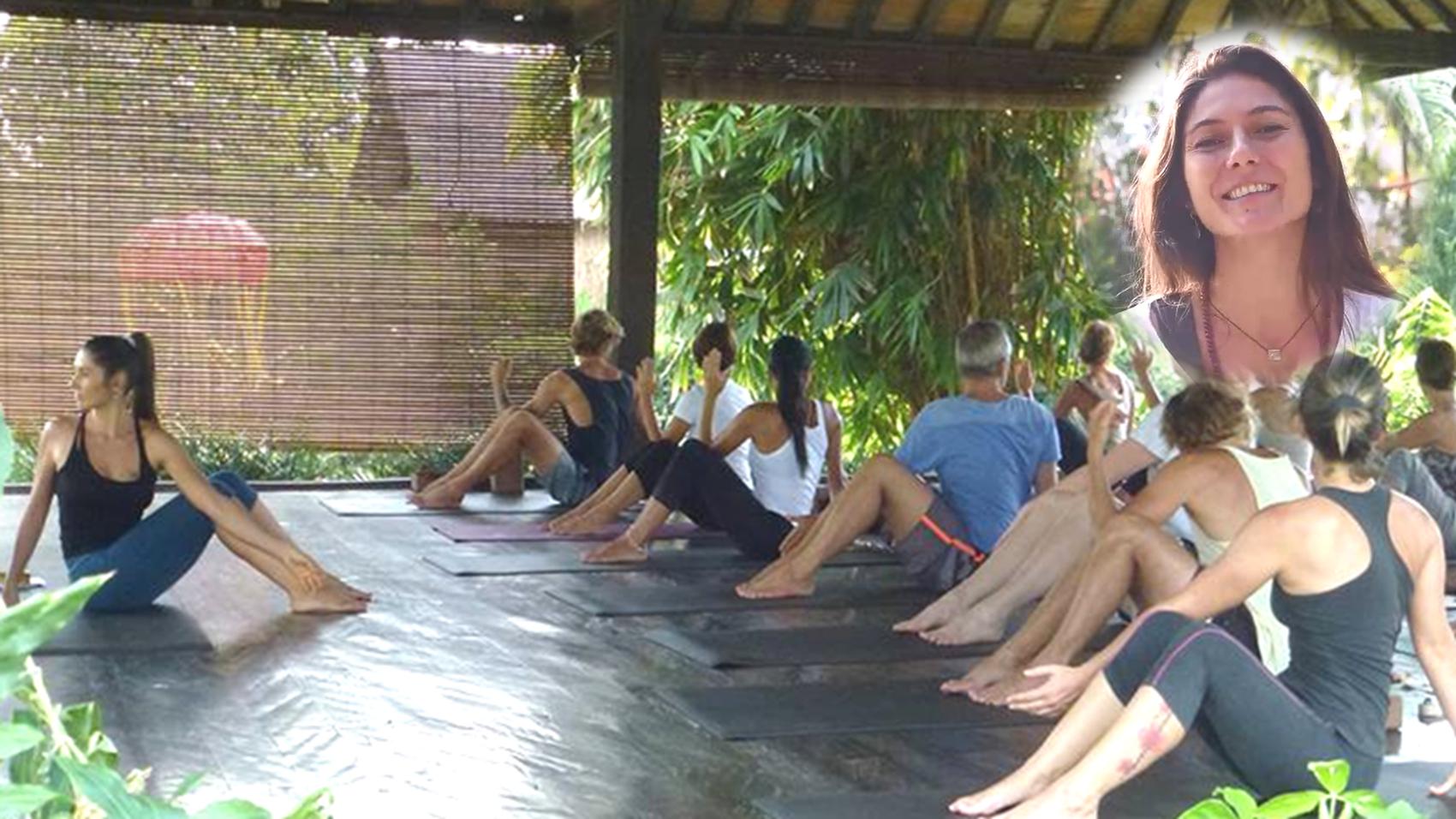
A professional yoga teacher might begin their day by preparing a sequence tailored to a group of beginners at a local studio. During class, the teacher demonstrates each posture, offers modifications for varying abilities, and provides gentle adjustments to ensure safety. They incorporate breathing techniques and mindfulness cues, helping students connect with their bodies and reduce stress. After class, the teacher answers questions, offers encouragement, and reflects on the session to improve future classes. Over time, students report increased flexibility, reduced anxiety, and a greater sense of well-being, illustrating the profound impact a dedicated yoga teacher can have on individuals and the broader community.
Education
Hatha Yoga Pradipika

Hatha Yoga Pradipika is a classical Sanskrit manual on Hatha Yoga, composed by Swami Swatmarama in the 15th century. It systematically outlines asanas, pranayama, mudras, and meditation techniques. For yoga teachers, it serves as a foundational text, bridging traditional yogic wisdom with modern teaching methodologies and professional standards.
Understanding Hatha Yoga Pradipika is essential for anyone preparing to teach yoga, as it provides the historical and philosophical context behind many widely practiced techniques. Mastery of its teachings ensures that instructors can offer authentic, safe, and effective guidance to students. This text introduces the core principles of physical postures, breath control, and mental focus, which are integral to any comprehensive yoga curriculum. By grounding their practice in this classical work, teachers gain credibility and depth, enabling them to answer student questions with authority and adapt their classes to diverse needs. Over the long term, this knowledge fosters professional growth, enhances teaching quality, and supports a lifelong journey of learning and self-development within the yoga community.
Imagine a yoga teacher leading a mixed-level class where students have varying degrees of experience and physical ability. Drawing on their understanding of Hatha Yoga Pradipika, the teacher skillfully adapts classical asanas and pranayama techniques, ensuring each student practices safely and effectively. When a student inquires about the origins or purpose of a particular posture, the teacher confidently references the text, explaining its historical significance and intended benefits. This not only enriches the learning experience but also builds trust and respect between teacher and students. By integrating traditional wisdom with modern practice, the teacher creates a holistic and meaningful environment, demonstrating the practical value of mastering foundational yogic texts in everyday teaching.
Yoga Therapy - Swami Sivananda

Yoga Therapy, as taught by Swami Sivananda, is a holistic approach that integrates classical yogic practices with therapeutic techniques to address physical, mental, and spiritual well-being. It emphasizes individualized assessment and intervention, blending asanas, pranayama, relaxation, and ethical living. This knowledge is essential for academic and professional excellence in Teaching Yoga.
Understanding Yoga Therapy according to Swami Sivananda is crucial for anyone preparing to teach yoga, as it provides a comprehensive framework for addressing the diverse needs of students. This approach goes beyond physical postures, incorporating breathwork, relaxation, and ethical principles to foster overall health. By mastering these concepts, yoga teachers can offer more personalized and effective guidance, supporting students with various health conditions and life challenges. This depth of knowledge not only enhances teaching competence but also builds credibility and trust with students and peers. Over time, it opens doors to specialized roles in therapeutic yoga, broadens career opportunities, and ensures a lasting impact in the field of holistic health and wellness.
Imagine a yoga teacher working with a group of students, some of whom are recovering from stress-related illnesses. Drawing on the principles of Yoga Therapy as outlined by Swami Sivananda, the teacher assesses each student’s needs and adapts the class accordingly. They incorporate gentle asanas, guided relaxation, and specific breathing techniques to promote healing and balance. The teacher also weaves in discussions on positive thinking and ethical living, helping students cultivate resilience and inner peace. By applying this integrative approach, the teacher not only addresses physical symptoms but also supports emotional and mental well-being, demonstrating the practical value of a deep understanding of Yoga Therapy in everyday teaching scenarios.
Psychology

Psychology is the scientific study of the mind and behavior, exploring how individuals think, feel, and act in various situations. For those preparing to teach yoga, psychology provides essential insights into human motivation, emotional regulation, and interpersonal dynamics, forming a crucial part of the academic and professional knowledge base for effective instruction.
Understanding psychology is vital for yoga teachers because it enables them to connect more deeply with their students, recognizing the diverse mental and emotional states that individuals bring to class. This knowledge helps instructors create a supportive and inclusive environment, tailor their teaching methods to different learning styles, and address challenges such as anxiety or lack of motivation. Over time, a strong foundation in psychology enhances a teacher’s ability to foster trust, encourage personal growth, and facilitate positive behavioral change in their students. This not only improves class outcomes but also contributes to the teacher’s professional reputation and long-term career success by demonstrating empathy, adaptability, and a holistic approach to wellness.
Imagine a yoga teacher noticing that a student consistently appears anxious and withdrawn during sessions. Drawing on their understanding of psychology, the teacher recognizes signs of social anxiety and gently offers encouragement without drawing unwanted attention. They might suggest breathing exercises known to reduce anxiety and provide positive reinforcement for small achievements. By applying psychological principles, the teacher creates a safe space where the student feels understood and supported, gradually building confidence and participation. This approach not only helps the individual student but also sets a tone of empathy and mindfulness for the entire class, illustrating how psychological knowledge directly enhances the effectiveness and inclusivity of yoga instruction.
Anatomy

Anatomy is the scientific study of the structure of living organisms, focusing on the identification and description of bodily parts and their relationships. For those preparing to teach yoga, anatomy provides essential knowledge about the human body’s systems, supporting safe, effective instruction and enhancing the depth of professional expertise in the field.
Understanding anatomy is crucial for anyone teaching yoga because it enables instructors to guide students safely through various postures and movements. A solid grasp of anatomical principles helps teachers recognize the limitations and capabilities of different bodies, allowing for appropriate modifications and injury prevention. This foundational knowledge fosters confidence and credibility, as students are more likely to trust instructors who demonstrate an understanding of how the body works. Over time, expertise in anatomy supports ongoing professional development, enabling yoga teachers to adapt to new research, address diverse student needs, and collaborate effectively with other health professionals. Ultimately, mastery of anatomy elevates the quality of instruction and contributes to a safer, more inclusive yoga environment.
Imagine a yoga teacher leading a mixed-level class where some students have tight hamstrings while others are more flexible. By applying their knowledge of anatomy, the instructor can explain how the hamstrings attach to the pelvis and knees, and why certain students may feel tension in forward folds. This understanding allows the teacher to suggest modifications, such as bending the knees or using props, to accommodate individual differences and prevent strain. Additionally, the instructor can offer cues that promote proper alignment, reducing the risk of injury and enhancing the effectiveness of each pose. In this way, anatomical knowledge directly informs daily teaching practices, ensuring that every student receives personalized, safe, and effective guidance.
Yogis Life

Yogis Life refers to the holistic lifestyle, values, and practices adopted by dedicated yoga practitioners, emphasizing balance, mindfulness, ethical living, and self-discipline. In the context of teaching yoga, understanding Yogis Life is essential, as it forms the philosophical and practical foundation that guides both personal practice and professional instruction.
Grasping the essence of Yogis Life is vital for anyone preparing to teach yoga because it transcends physical postures and delves into the ethical, mental, and spiritual dimensions of the discipline. This knowledge equips teachers with a deeper understanding of yoga’s transformative potential, enabling them to foster authentic connections with students and create a supportive learning environment. By embodying the principles of Yogis Life, yoga teachers serve as role models, inspiring students to integrate mindfulness, compassion, and self-awareness into their own lives. Over time, this comprehensive approach enhances professional credibility, enriches teaching methodologies, and supports career longevity by nurturing personal growth and resilience in the face of challenges.
Consider a yoga teacher who integrates the principles of Yogis Life into their daily classes. Rather than focusing solely on physical alignment, the teacher encourages students to cultivate self-awareness, patience, and non-judgment during practice. When a student struggles with a challenging posture, the teacher draws upon their understanding of Yogis Life to offer gentle guidance, emphasizing acceptance and the importance of inner growth over external achievement. This approach not only helps students progress safely but also fosters a nurturing atmosphere where personal transformation is valued. By modeling these principles, the teacher demonstrates the holistic nature of yoga, inspiring students to carry the lessons of the mat into their everyday lives.
Motivational Books

Motivational books are written works designed to inspire, encourage, and empower readers to achieve personal growth, overcome challenges, and pursue their goals. In the context of teaching yoga, these books provide essential insights into self-motivation, resilience, and positive thinking, which are crucial for both instructors and students.
Understanding motivational books is vital for yoga teachers because it equips them with the psychological tools to foster a supportive and uplifting learning environment. By internalizing the principles found in motivational literature, instructors can better guide their students through physical and mental obstacles, enhancing the overall yoga experience. This knowledge forms a foundational base, enabling teachers to communicate effectively, inspire perseverance, and cultivate a sense of community within their classes. Over time, the ability to draw from motivational concepts not only improves teaching effectiveness but also contributes to personal growth and professional longevity. Teachers who integrate motivational wisdom into their practice are more likely to maintain enthusiasm, adapt to challenges, and positively influence the lives of their students.
Imagine a yoga instructor who notices that several students are struggling with self-doubt during challenging poses. Drawing from their understanding of motivational books, the instructor shares a relevant story or quote that emphasizes persistence and self-compassion. They weave motivational themes into their class dialogue, encouraging students to focus on progress rather than perfection. As a result, students feel more supported and are willing to push past their mental barriers. The instructor’s ability to apply motivational concepts not only uplifts the class atmosphere but also helps individuals achieve breakthroughs in their practice. This daily integration of motivational knowledge transforms routine instruction into a deeply empowering and transformative experience for everyone involved.
Yoga Vasishtha

Yoga Vasishtha is a classical Sanskrit text attributed to sage Valmiki, presenting a profound philosophical dialogue between sage Vasishtha and Prince Rama. It explores the nature of reality, consciousness, and liberation through stories and teachings. For yoga teachers, it is a cornerstone of yogic philosophy and spiritual psychology.
Understanding Yoga Vasishtha is essential for anyone preparing to teach yoga, as it offers deep insights into the mind, self-realization, and the ultimate goal of yoga. The text provides a philosophical framework that enriches both personal practice and teaching methodology. By internalizing its teachings, yoga professionals can guide students beyond physical postures, fostering holistic growth and self-awareness. This foundational knowledge distinguishes a teacher as someone who embodies the true spirit of yoga, enhancing credibility and effectiveness. Over time, mastery of Yoga Vasishtha supports continuous professional development, enabling teachers to address diverse student needs and engage in meaningful discussions about the deeper aspects of yoga.
Imagine a yoga teacher leading a class where a student expresses frustration over persistent negative thoughts despite regular practice. Drawing from Yoga Vasishtha, the teacher explains the impermanent nature of thoughts and the importance of self-inquiry, encouraging the student to observe their mind without attachment. This approach, rooted in the text’s teachings, helps the student cultivate inner peace and resilience. By integrating these philosophical concepts into daily instruction, the teacher not only addresses immediate concerns but also empowers students with tools for long-term mental and emotional well-being, demonstrating the practical value of Yoga Vasishtha in a modern teaching context.
Skills
Patience

Patience is the ability to remain calm, composed, and persistent in the face of delays, challenges, or frustration, without becoming anxious or upset. In the context of teaching yoga, patience allows instructors to support students’ unique learning journeys, fostering a nurturing environment where growth and progress can unfold at an individual pace.
Patience is a cornerstone of effective yoga instruction because every student arrives with different abilities, backgrounds, and limitations. A patient teacher can adapt their approach, offering gentle encouragement and guidance, which helps students feel safe and supported. Clients and employers value this quality because it creates a positive, inclusive atmosphere that encourages long-term participation and personal growth. Cultivating patience involves self-awareness, mindfulness, and regular reflection, allowing teachers to respond thoughtfully rather than react impulsively. Over time, practicing patience not only enhances the teacher’s own well-being but also models the core principles of yoga for students, reinforcing the importance of self-compassion and perseverance.
Imagine a yoga instructor working with a beginner who struggles to master basic postures and feels discouraged by slow progress. Instead of expressing frustration or pushing the student too hard, the instructor patiently breaks down each movement, offers modifications, and reassures the student that improvement takes time. Through consistent encouragement and a calm demeanor, the teacher helps the student build confidence and resilience. Eventually, the student begins to see progress, not just in physical ability but also in self-acceptance. This outcome is only possible because the instructor relied on patience, demonstrating that true success in teaching yoga is rooted in understanding and supporting each individual’s unique path.
Healthy Lifestyle

A healthy lifestyle is a balanced approach to living that integrates nutritious eating, regular physical activity, sufficient rest, stress management, and positive social interactions. For a Teaching Yoga professional, maintaining a healthy lifestyle is fundamental, as it enhances personal well-being, sets a credible example, and supports the physical and mental demands of the role.
Embracing a healthy lifestyle directly elevates a yoga teacher’s performance by boosting energy, mental clarity, and emotional resilience, all of which are vital for leading classes and supporting students. Clients and employers highly value instructors who embody the principles they teach, as it builds trust and inspires students to adopt similar habits. Cultivating this skill involves ongoing self-awareness, commitment to self-care, and continuous learning about nutrition, exercise, and mindfulness practices. Over time, integrating these habits into daily routines not only sustains the teacher’s own health but also enhances their ability to guide others effectively, creating a positive feedback loop that benefits both the instructor and their students.
Imagine a yoga instructor who notices a decline in class attendance due to students feeling uninspired. By consistently practicing a healthy lifestyle, the instructor maintains high energy and a positive attitude, which becomes evident in their teaching. They share personal experiences about overcoming stress through yoga and mindful eating, making lessons relatable and motivating. When a student confides about struggling with fatigue and poor sleep, the instructor draws from their own healthy habits to offer practical advice and tailored yoga sequences. As a result, students feel supported and empowered, attendance improves, and the instructor’s reputation for authenticity and effectiveness grows, demonstrating how a healthy lifestyle is integral to success in teaching yoga.
Good Habits

Good habits are consistent, positive behaviors and routines that support personal growth, reliability, and effectiveness. In the context of teaching yoga, good habits include punctuality, preparation, ongoing learning, and self-care. These habits form the foundation for a yoga teacher’s credibility, trustworthiness, and ability to inspire and guide students effectively.
Good habits are indispensable for yoga teachers because they ensure classes are well-organized, safe, and engaging. When a teacher consistently arrives prepared and on time, students feel respected and motivated. Employers and clients value instructors who demonstrate reliability and professionalism, as it reflects positively on their studio or program. Cultivating good habits involves setting clear intentions, practicing mindfulness, and regularly reflecting on one’s teaching methods. Over time, these routines become second nature, allowing teachers to focus more on their students’ needs and less on logistical concerns. By prioritizing self-care, ongoing education, and thoughtful class planning, yoga teachers can maintain high standards and adapt to the evolving needs of their students.
Imagine a yoga teacher who has developed the habit of arriving early to every class, taking time to set up the space, review the day’s sequence, and greet each student personally. One day, a new student arrives feeling anxious and unsure about joining the class. Because the teacher’s good habits have created a welcoming and organized environment, they are able to offer reassurance and adapt the session to accommodate the newcomer’s needs. This attention to detail and consistency not only helps the new student feel comfortable but also reinforces trust among regular attendees. In this way, good habits enable the teacher to handle unexpected situations gracefully and maintain a positive, supportive atmosphere for everyone.
Communication

Communication is the process of exchanging information, ideas, and emotions through verbal and nonverbal means, ensuring mutual understanding between individuals or groups. For a Teaching Yoga professional, communication is the foundation for building trust, conveying instructions clearly, and fostering a supportive environment that encourages growth and learning among students.
Effective communication directly enhances a yoga teacher’s ability to guide students safely and confidently through each session. Clear instructions help prevent misunderstandings and reduce the risk of injury, while empathetic listening allows teachers to address individual needs and concerns. Clients and employers highly value instructors who can articulate complex concepts simply and adapt their language to suit diverse audiences. Over time, this skill can be cultivated through active listening, seeking feedback, observing experienced teachers, and practicing mindful speech. By consistently refining their communication abilities, yoga professionals can create more engaging, inclusive, and impactful learning experiences, ultimately contributing to their reputation and career advancement.
Imagine a yoga teacher leading a mixed-level class where a new student expresses anxiety about attempting certain poses. The teacher listens attentively, acknowledges the student’s concerns, and explains modifications in a calm, reassuring tone. Throughout the session, the teacher checks in with the student, offering encouragement and adjusting instructions as needed. By communicating clearly and compassionately, the teacher not only helps the student feel safe and included but also maintains the flow of the class for everyone. This scenario highlights how strong communication skills enable the teacher to address individual challenges, foster a positive group dynamic, and ensure the success of the session for all participants.
Group Management

Group Management is the ability to effectively organize, guide, and support a diverse set of individuals within a shared environment to achieve collective goals. In Teaching Yoga, this skill ensures that every participant feels included, safe, and engaged, while the instructor maintains control, harmony, and flow throughout the session.
Mastering group management directly enhances a yoga teacher’s effectiveness by fostering a positive, inclusive, and productive class atmosphere. Clients and employers highly value instructors who can adapt to varying skill levels, personalities, and group dynamics, ensuring everyone benefits from the session. This skill minimizes disruptions, maximizes participation, and helps prevent injuries by keeping the group focused and attentive. Cultivating group management involves ongoing self-reflection, learning from experienced mentors, and practicing clear communication, empathy, and adaptability. Over time, teachers refine their ability to read the room, set boundaries, and respond to challenges, making them more sought-after and respected in their field.
Imagine a yoga instructor leading a mixed-level class where some students are beginners while others are advanced practitioners. Midway through the session, a few advanced students begin moving ahead, attempting challenging poses not yet introduced. The instructor quickly notices the shift and uses group management skills to address the situation. She calmly acknowledges the advanced students’ enthusiasm, gently redirects them to the planned sequence, and offers modifications for those seeking more challenge. Simultaneously, she reassures beginners, ensuring they feel supported and not left behind. By skillfully managing the group’s energy and expectations, the instructor maintains class cohesion, safety, and satisfaction, turning a potential disruption into a positive, inclusive learning experience.
Time Management

Time management is the ability to plan, organize, and allocate time efficiently to accomplish specific tasks and goals within set deadlines. For a Teaching Yoga professional, time management ensures classes run smoothly, lesson plans are prepared, and personal development is prioritized, making it a foundational skill for career success.
Effective time management directly enhances a yoga teacher’s performance by allowing them to balance class schedules, administrative duties, and personal practice. Clients and employers value instructors who start and end sessions punctually, respect students’ time, and consistently deliver well-structured classes. Cultivating this skill involves setting clear priorities, using planning tools, and regularly reflecting on how time is spent. Over time, yoga teachers who practice mindful scheduling and self-discipline become more reliable and adaptable, which fosters trust and satisfaction among students and studio managers. By consistently refining their approach to managing time, yoga professionals can reduce stress, avoid burnout, and create a more harmonious teaching environment.
Imagine a yoga instructor who teaches at multiple studios and also offers private sessions. One day, a last-minute schedule change at a studio threatens to overlap with a private client’s appointment. By relying on strong time management skills, the instructor quickly assesses her commitments, communicates promptly with both the studio and client, and rearranges her schedule to accommodate everyone without compromising the quality of her teaching. This ability to adapt and efficiently allocate time not only prevents conflicts but also demonstrates professionalism and respect for all parties involved. As a result, the instructor maintains positive relationships, upholds her reputation, and ensures her teaching practice continues to thrive.
Customisation

Customisation is the ability to adapt teaching methods, lesson plans, and communication styles to suit the unique needs, abilities, and goals of each student or group. In the context of teaching yoga, it ensures that every session is relevant, accessible, and effective for diverse participants, enhancing their learning experience.
Customisation directly elevates a yoga teacher’s effectiveness by allowing them to address the specific physical, emotional, and mental needs of their students. Clients and employers highly value this skill because it demonstrates attentiveness, empathy, and professionalism, leading to better student outcomes and higher satisfaction. To cultivate customisation, teachers should invest in continuous learning, seek feedback, and observe students closely to understand their evolving needs. Over time, experience and reflection help refine the ability to modify sequences, offer appropriate adjustments, and communicate instructions in ways that resonate with different individuals or groups. This ongoing process not only improves teaching quality but also fosters trust and loyalty among students.
Imagine a yoga teacher leading a mixed-level class where some participants are recovering from injuries while others are seasoned practitioners seeking a challenge. By employing customisation, the teacher offers modified poses and supportive props for those needing gentler options, while simultaneously providing advanced variations for experienced students. Throughout the session, the teacher checks in with individuals, adjusting instructions and encouragement based on real-time feedback. This approach ensures everyone feels included, safe, and appropriately challenged, preventing frustration or injury. As a result, students leave the class feeling seen and supported, which enhances their commitment to practice and strengthens the teacher’s reputation for excellence and care.
Positives
Positive Change

Positive Change is the transformative process of fostering growth, well-being, and improvement in oneself and others through intentional actions and guidance. In the context of teaching yoga, it means helping students enhance their physical health, mental clarity, and emotional resilience, while also evolving personally as an instructor and individual.
The power of Positive Change is at the heart of what makes teaching yoga such a deeply rewarding career. Every class offers teachers the chance to witness students overcoming challenges, gaining confidence, and finding balance in their lives. This ongoing transformation creates a sense of purpose and fulfillment, as instructors see their efforts directly contributing to the well-being of others. Experiencing Positive Change daily not only boosts job satisfaction but also encourages continuous personal and professional growth. Teachers often find themselves inspired by their students’ progress, which fuels their own passion for learning and self-improvement. This dynamic exchange of growth and encouragement makes the teaching environment vibrant, supportive, and ever-evolving.
Imagine a yoga teacher working with a student who initially struggles with anxiety and low self-esteem. Over several months of consistent practice and compassionate guidance, the student begins to show remarkable progress—breathing more deeply, moving with greater confidence, and expressing newfound optimism. The teacher observes these changes, feeling immense pride and satisfaction in having played a role in the student’s journey. This experience not only reinforces the teacher’s commitment to their profession but also serves as a daily reminder of the profound impact yoga can have on people’s lives. The sense of Positive Change becomes a powerful motivator, inspiring the teacher to continue making a difference in the world, one class at a time.
Good Health

Good health is a balanced state of physical vitality, mental clarity, emotional stability, and overall well-being that enables individuals to function at their best. In the context of teaching yoga, good health empowers instructors to lead by example, maintain energy throughout classes, and foster a positive, inspiring environment for students.
The pursuit and maintenance of good health are central to the teaching yoga profession, making it uniquely rewarding. Teachers who embody good health not only feel more energized and resilient but also inspire trust and motivation in their students. This aspect enhances job satisfaction, as instructors witness the transformative power of yoga in their own lives and in the lives of others. The daily practice of yoga naturally supports physical strength, flexibility, and mental calm, which helps teachers manage stress and avoid burnout. As a result, yoga professionals often experience personal growth, a sense of purpose, and the joy of contributing to a healthier community, all of which reinforce their commitment to the profession.
Consider a yoga teacher who begins each day with their own practice, feeling the benefits of increased flexibility, steady breathing, and a calm mind. As they guide their students through poses and mindfulness exercises, their own good health radiates outward, creating a supportive and uplifting atmosphere. Students notice the teacher’s vitality and composure, which encourages them to pursue their own wellness journeys. At the end of class, the teacher feels a deep sense of fulfillment, knowing that their commitment to good health not only sustains their career but also positively impacts everyone they teach. This daily experience of well-being and connection is a powerful motivator and a testament to the value of good health in teaching yoga.
Finding Yourself

"Finding Yourself" means gaining a deep understanding of your true nature, values, and purpose through self-reflection and personal growth. In the context of teaching yoga, it involves connecting with your inner self, embracing authenticity, and aligning your actions with your beliefs. This journey enriches both personal and professional life.
The journey of finding yourself is a profound benefit for those who choose a career in teaching yoga. This self-discovery fosters a sense of authenticity and confidence, allowing teachers to connect more deeply with their students and create a supportive, inspiring environment. As teachers grow more self-aware, they become better equipped to handle challenges, adapt to diverse needs, and cultivate resilience. This ongoing process of personal growth leads to greater job satisfaction, as teachers witness their own transformation mirrored in their students. The sense of purpose and fulfillment that comes from aligning one’s work with one’s true self not only enhances professional growth but also brings joy and meaning to everyday experiences in the classroom.
Imagine a yoga teacher who initially entered the profession seeking a flexible job but soon found herself facing the pressures of leading classes and meeting students’ expectations. Through regular practice, self-study, and mindful teaching, she began to notice subtle shifts within herself—greater patience, deeper empathy, and a newfound sense of calm. As she guided her students through their own journeys, she realized she was also uncovering her own strengths and passions. This self-discovery empowered her to teach with authenticity and compassion, transforming her classes into spaces of genuine connection and growth. Each day, she left the studio feeling more aligned with her true self, grateful for a career that continually nurtured her personal evolution.
Sharing

Sharing, in the context of teaching yoga, is the act of openly offering knowledge, guidance, and personal experience to others, fostering growth, connection, and understanding. It involves creating a supportive environment where wisdom, techniques, and encouragement are exchanged, enriching both teacher and student. This collaborative spirit enhances the teaching profession.
The act of sharing is at the heart of what makes teaching yoga deeply fulfilling. When instructors share their expertise and passion, they witness firsthand the transformation in their students, which brings a profound sense of purpose and accomplishment. This ongoing exchange not only strengthens the bond between teacher and student but also cultivates a vibrant, supportive community. Sharing encourages continuous learning and self-improvement, as teachers are inspired by their students’ progress and feedback. The daily practice of giving and receiving knowledge leads to greater job satisfaction, personal growth, and a sense of belonging. Ultimately, sharing elevates the teaching experience, making it more than just a job—it becomes a meaningful journey of mutual enrichment.
Imagine a yoga teacher guiding a group of beginners through their first class. As she shares her understanding of breathwork and mindful movement, she observes her students gradually gaining confidence and relaxation. After class, a student approaches her, expressing gratitude for the clarity and encouragement she provided. The teacher feels a deep sense of fulfillment, knowing her willingness to share has made a positive difference in someone’s life. This moment reinforces her commitment to teaching, as she realizes that each class is an opportunity to touch lives and foster well-being. The joy of sharing knowledge and witnessing growth becomes the most rewarding aspect of her career.
Challenges
Fear

Fear in the context of Teaching Yoga is the internal apprehension and self-doubt that arises from the responsibility of guiding others, the pressure to meet expectations, and the vulnerability of sharing personal practice. This challenge is demanding because it can undermine confidence, hinder authentic teaching, and disrupt the learning environment.
Fear can subtly infiltrate a yoga teacher’s daily work, manifesting as anxiety before classes, hesitation in offering adjustments, or reluctance to express individuality. This emotional barrier demands resilience because it tests a teacher’s ability to remain present and supportive, even when self-doubt surfaces. Successful professionals manage fear by embracing vulnerability, seeking mentorship, and practicing self-compassion. They recognize that fear is a natural part of growth and use it as a catalyst for self-reflection and improvement. By cultivating mindfulness and focusing on the needs of their students rather than their own insecurities, they gradually transform fear into a source of empathy and connection, allowing them to teach with greater authenticity and confidence.
Consider a yoga teacher preparing to lead their first large group class. Initially, fear manifests as nervousness about forgetting sequences or being judged by more experienced students. Instead of withdrawing, the teacher acknowledges these feelings and prepares thoroughly, rehearsing the class and seeking advice from a mentor. During the session, the teacher focuses on the breath and the present moment, redirecting attention from personal anxieties to the collective energy of the group. By the end of the class, positive feedback from students reinforces the teacher’s confidence. Through this experience, the teacher learns that facing fear directly, rather than avoiding it, leads to personal growth and a more rewarding teaching journey.
Uncertainty

Uncertainty in the context of Teaching Yoga refers to the unpredictable nature of class attendance, income stability, student engagement, and evolving industry trends. This challenge is demanding because it requires teachers to constantly adapt, maintain motivation, and deliver high-quality instruction despite not knowing what each day or class may bring.
Uncertainty can permeate every aspect of a yoga teacher’s daily routine, from fluctuating class sizes to last-minute schedule changes and inconsistent earnings. This unpredictability can lead to stress, self-doubt, and difficulty in long-term planning. Resilience becomes essential, as teachers must remain flexible and open-minded, embracing change rather than resisting it. Successful professionals often cultivate a strong personal practice, build supportive communities, and diversify their teaching opportunities to reduce reliance on any single source of stability. By focusing on continual learning and self-care, they are better equipped to handle setbacks and maintain their passion for teaching, even when circumstances are less than ideal.
Consider a yoga teacher who, after months of steady attendance, suddenly faces a sharp decline in students due to seasonal changes and competing local events. Instead of becoming discouraged, she uses this period to deepen her own practice, develop online classes, and reach out to her existing students for feedback. By adapting her offerings and maintaining open communication, she not only retains her core students but also attracts new ones interested in her innovative approach. Through flexibility and proactive engagement, she transforms uncertainty into an opportunity for growth, demonstrating how resilience and creativity can turn a challenging situation into a rewarding experience.
Maintaining Boundaries

Maintaining boundaries in Teaching Yoga means establishing clear limits between the professional responsibilities of the instructor and the personal needs or expectations of students. This is demanding because yoga often fosters deep trust and emotional openness, making it challenging for teachers to balance empathy with professionalism and protect their own well-being.
The difficulty of maintaining boundaries can significantly affect a yoga teacher’s daily work. Instructors may feel pressure to be constantly available for students, both inside and outside class, which can lead to emotional exhaustion and blurred professional lines. This challenge requires resilience, as teachers must consistently reinforce their limits while still offering compassionate support. Successful professionals manage this by communicating expectations clearly, setting specific times for student interactions, and practicing self-care to prevent burnout. They also seek mentorship or peer support to process challenging situations, ensuring they remain present and effective in their teaching without sacrificing their own mental and emotional health.
Consider a yoga teacher who notices a student frequently seeking personal advice after class, gradually extending these conversations into lengthy, emotionally charged discussions. Recognizing the risk of overstepping professional boundaries, the teacher compassionately explains that while they care about the student’s well-being, their role is to guide yoga practice rather than provide counseling. The teacher suggests resources for additional support and gently redirects future conversations to class-related topics. By doing so, the instructor maintains a supportive environment while protecting their own energy and upholding professional integrity, demonstrating how clear boundaries can foster healthier, more sustainable teacher-student relationships.
Continuous Learning

Continuous learning in the context of Teaching Yoga refers to the ongoing process of acquiring new knowledge, refining techniques, and staying updated with evolving practices, philosophies, and scientific research. This is demanding because it requires teachers to consistently invest time, energy, and resources beyond their regular teaching commitments, often without immediate tangible rewards.
The challenge of continuous learning can significantly affect a yoga teacher’s daily routine, often leading to feelings of overwhelm or self-doubt as they strive to keep pace with new developments. This ongoing demand requires resilience, as teachers must balance their own growth with the needs of their students. Successful professionals manage this by integrating learning into their daily lives, seeking mentorship, and participating in workshops or peer discussions. They view learning as an essential part of their vocation rather than an added burden, allowing them to adapt gracefully to changes and maintain both their teaching quality and personal well-being.
Consider a yoga teacher who, after years of teaching traditional styles, notices a growing interest in trauma-informed yoga among her students. Recognizing the importance of this emerging field, she enrolls in specialized courses, dedicates time each week to study, and consults with experienced colleagues. Despite her busy schedule, she gradually incorporates new techniques and philosophies into her classes, openly sharing her learning journey with her students. This approach not only enhances her teaching repertoire but also fosters a supportive learning environment, demonstrating to her students the value of lifelong growth and adaptability in the practice of yoga.
Losing Attachments

In the context of Teaching Yoga, "Losing Attachments" refers to the emotional difficulty instructors face when students move on, classes change, or relationships within the yoga community shift. This challenge is demanding because it requires teachers to let go of personal bonds and expectations, maintaining equanimity while fostering growth.
The experience of losing attachments can deeply affect a yoga teacher’s daily work, often leading to feelings of loss, self-doubt, or even questioning one’s purpose. Since yoga teaching is rooted in connection and trust, the departure of students or changes in class dynamics can feel personal. This challenge demands resilience, as teachers must continually adapt and remain present for new and existing students. Successful professionals manage this constraint by cultivating a mindset of non-attachment, focusing on the journey rather than the outcome. They practice self-reflection, seek support from peers, and remind themselves that change is a natural part of both teaching and personal growth. By embracing impermanence, they maintain their passion and effectiveness in the classroom.
Consider a yoga teacher who has built a close-knit group over several years, only to see many students leave due to life changes or relocation. Initially, the teacher feels disheartened and questions their impact. Instead of withdrawing, they acknowledge their feelings and turn to their own yoga practice for grounding. They reach out to fellow instructors for perspective and gradually shift their focus from the loss to the opportunity of welcoming new students. By embracing the ebb and flow of the teaching journey, the teacher finds renewed purpose, continues to inspire others, and models the very principle of non-attachment that yoga espouses.
Lack of Money

Lack of money in teaching yoga refers to the financial instability many instructors face due to inconsistent class attendance, low pay rates, and limited opportunities for full-time employment. This challenge is demanding because it threatens basic livelihood, creates stress, and can hinder professional growth or the ability to invest in further training.
Financial insecurity can deeply affect a yoga teacher’s daily work, leading to anxiety about meeting personal expenses and making it difficult to focus fully on students’ needs. The unpredictability of income may force teachers to juggle multiple jobs or accept less-than-ideal teaching conditions. This situation demands resilience, adaptability, and creative problem-solving. Successful professionals often diversify their income streams by offering private sessions, workshops, or online classes. They may also collaborate with studios, wellness centers, or community organizations to expand their reach. Building a loyal student base and continuously developing teaching skills can help increase class attendance and justify higher rates. By embracing flexibility and seeking new opportunities, yoga teachers can gradually stabilize their finances and continue sharing their passion.
Consider a yoga teacher named Priya who struggled with low attendance at her studio classes, resulting in insufficient income to cover her living expenses. Instead of giving up, Priya began offering online classes and private sessions tailored to individual needs, which allowed her to reach a wider audience beyond her local community. She also partnered with a local wellness center to run weekend workshops, further supplementing her earnings. By diversifying her offerings and leveraging digital platforms, Priya not only managed to overcome her financial challenges but also built a more sustainable and rewarding career. Her experience demonstrates how adaptability and proactive thinking can help yoga professionals thrive despite monetary constraints.
A Day Of
Teaching Yoga
Before the sun has fully stretched across the horizon, a teaching yoga professional is already in motion, quietly orchestrating a day that balances mindful presence with purposeful action. The studio is still, the air tinged with the faint aroma of incense and the promise of transformation. Each day unfolds as a dynamic blend of personal practice, student connection, and thoughtful preparation, demanding both physical vitality and emotional intelligence. In this world, the pace is steady yet invigorating, shaped by the rhythm of breath and the flow of bodies moving in unison. The environment is a sanctuary—calm yet alive with energy—where every moment is an opportunity to inspire, guide, and grow.
As dawn breaks, the yoga teacher arrives at the studio or unrolls their mat at home, embracing the quiet solitude before the day’s bustle begins. This early hour is dedicated to personal practice, centering the mind and body through meditation and gentle movement. With the world still hushed, there is time to review class sequences, adjust playlists, and set intentions for the sessions ahead. The teacher carefully considers the needs of returning students and any new faces expected, ensuring that each class will be both welcoming and challenging. This preparatory phase is as much about self-care as it is about professional readiness, laying the foundation for a day of mindful teaching.
Mid-morning brings the heart of the workday: guiding students through invigorating yoga classes. The studio fills with the soft murmur of greetings and the rustle of mats, signaling the transition from preparation to active engagement. Here, the teacher’s focus sharpens as they demonstrate postures, offer hands-on adjustments, and weave in cues that foster both physical alignment and inner awareness. The energy in the room rises and falls with each breath, and the teacher adapts in real time to the group’s needs, offering modifications or encouragement as necessary. This is the most interactive and demanding part of the day, requiring a blend of expertise, empathy, and presence to ensure every participant feels supported and inspired.
The afternoon shifts toward collaboration and deeper connection, often involving one-on-one sessions, small group workshops, or meetings with fellow instructors. During this time, the yoga professional may consult with students about their progress, address specific goals or injuries, and design personalized practice plans. There is also space for networking with other wellness practitioners, discussing upcoming events, or brainstorming new class offerings. These collaborative efforts not only strengthen the sense of community within the studio but also fuel the teacher’s own growth and creativity, ensuring that their offerings remain fresh and relevant.
As the day winds down, the focus turns inward once more. The teacher takes time to reflect on the day’s classes, noting what resonated with students and where adjustments might be needed. Administrative tasks come to the forefront, from responding to emails and updating class rosters to managing social media and scheduling future sessions. There is also an opportunity to research new techniques, read up on yoga philosophy, or plan innovative sequences for upcoming classes. This wrap-up phase is essential for maintaining both the business and the spirit of teaching yoga, ensuring that each new day begins with clarity, intention, and renewed inspiration. |


 Home
Home Abroad
 Plan
Plan Philosophy
 Seminar
 Pages
Pages Advisors
 Testimonials



















 Workshop
 Discuss
 Meet
Meet
 Advisor
 Story
Story
 Fine Print
 Links
Links
 Blog
Blog
 Follow
