Career Counselling 2.0 HomeHomeCareer Counselling 2.0 AbroadAbroadCareer Counselling 2.0 PlanPlanCareer Counselling 2.0 | TalksTalksCareer Counselling 2.0 PhilosophyPhilosophyCareer Counselling 2.0 SeminarSeminarCareer Counselling 2.0 PagesPagesCareer Counselling 2.0 AdvisorsAdvisorsCareer Counselling 2.0 TestimonialsTestimonials

After School Education

Co-founder Anita Nautiyal talks about After School Education course, what is After School Education and other details about a Career in After School Education.


After School Education

Anita Nautiyal | Co-founder | Ananda Vatika Green Gurukulam


What is After School Education?


A Career in After School Education is very intriguing. Internet is brimming with pages on How to get into After School Education, while one should first understand What is a Career in After School Education. Just like you would normally not trust a non Doctor with names of medicines, you should also not trust opinions about After School Education from non professionals.

Co-founder Anita Nautiyal invested 3 years & 2 months in After School Education. Co-founder Anita Nautiyal outlines After School Education as:

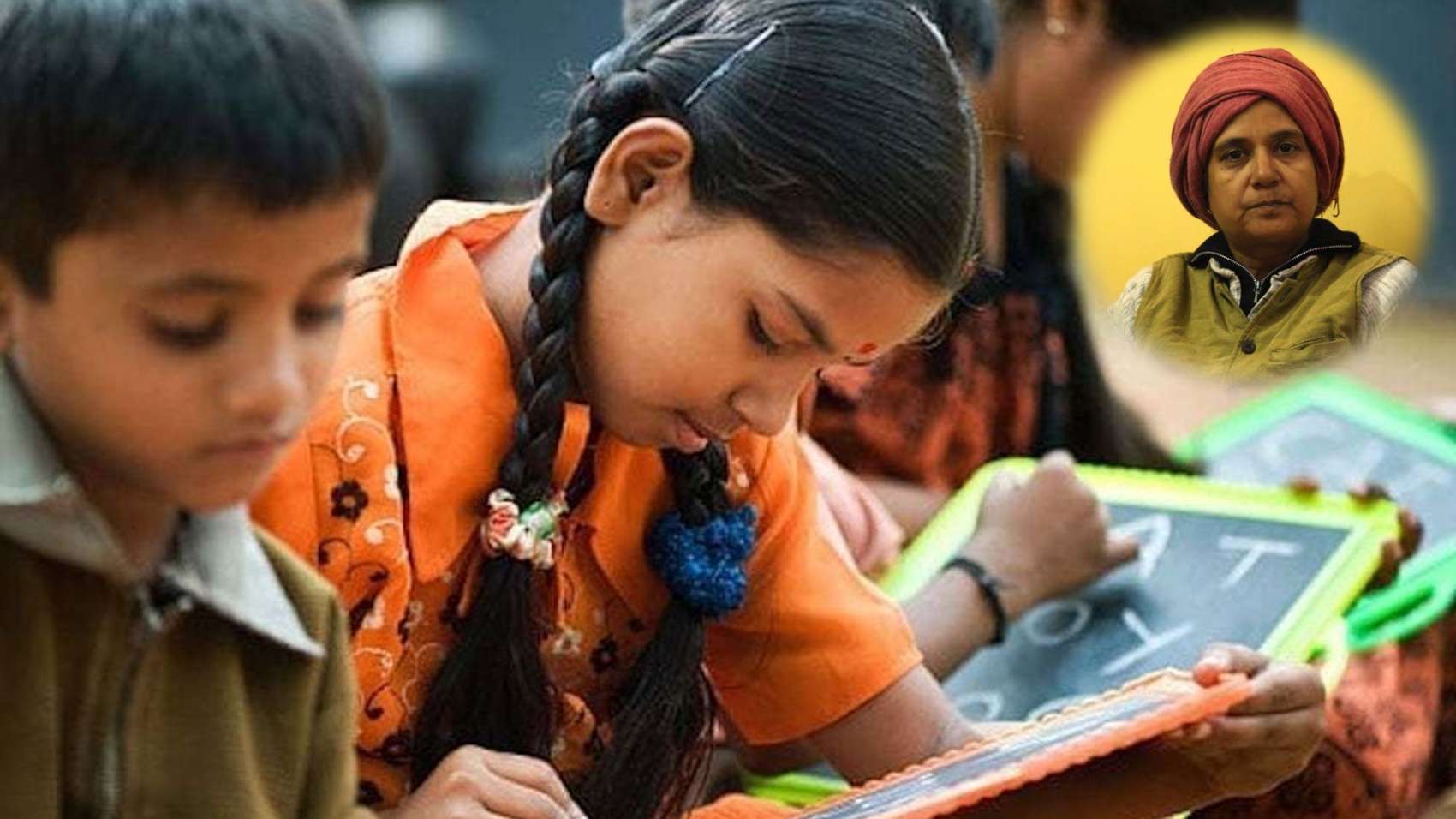
An after-school activity is any organized program that youth can participate in outside of the traditional school day. After-school youth programs can occur inside a school building or elsewhere in the community, for instance at a community center, church, library, or park. After-school activities are a cornerstone of concerted cultivation, which is a style of parenting that emphasizes children gaining leadership experience and social skills through participating in organized activities.


How Co-founder Anita Nautiyal got into After School Education?


I have done B Sc in Zoolgy and Botany and thereafter I started teaching. I have served as Centre Head at Ahmedabad International School, Curriculum Head and Teacher Trainer at Rajkot, Dean of Academics at Kashipur and Principal at Rishikesh International School. I am a Convenor of women's network of Green Party. I co-founded Ananda Vatika Green Gurukulum (AVGG) in 2016 which imparts education to school children after their school hours.


Co-founder Anita Nautiyal's Talk on After School Education


Session Image
The Journey of After School Education


What Is After School Education


After School Education

### After School Education Image
What is
After School Education refers to structured learning and enrichment programs provided to students outside regular school hours. These programs support academic, social, and emotional development through activities such as tutoring, arts, sports, and mentoring, often tailored to complement school curricula and foster holistic growth in a safe, supervised environment.

Concept
After School Education plays a crucial role in supporting students’ overall development and bridging gaps that may exist in traditional classroom settings. For professionals in this field, it offers the opportunity to make a meaningful difference in young people’s lives by nurturing their interests and talents. One major benefit is the ability to provide individualized attention, helping students overcome academic challenges. Another benefit is fostering social skills and teamwork through group activities, which can enhance students’ confidence and interpersonal relationships. Additionally, these programs often offer a safe and supportive environment during critical after-school hours, reducing the risk of negative influences and promoting positive behaviors.

Real World Example
A professional working in After School Education might coordinate a literacy enrichment program for elementary students at a community center. Each afternoon, they design engaging reading activities, lead group discussions, and offer one-on-one tutoring to help students improve their reading comprehension. By collaborating with local teachers, the professional ensures that the after-school curriculum aligns with what students are learning in class, reinforcing key concepts and addressing individual learning needs. Over time, students not only show academic improvement but also develop greater enthusiasm for reading and learning. The professional’s role extends beyond academics, as they also mentor students, encourage teamwork, and create a welcoming environment that supports social and emotional growth.

Education


Child Psychology

### Child Psychology Image
What is
Child Psychology is the scientific study of children's mental, emotional, and behavioral development from infancy through adolescence. It explores how children grow, learn, and adapt within various environments. In After School Education, understanding child psychology is essential for creating supportive, effective learning experiences tailored to each child's developmental stage and needs.

Concept
A solid grasp of child psychology is indispensable for anyone working in After School Education. This knowledge enables professionals to recognize and respond to the diverse developmental stages and unique needs of each child. By understanding how children think, feel, and behave, educators can design activities that foster social, emotional, and cognitive growth. This foundation also helps in identifying early signs of learning difficulties or behavioral challenges, allowing for timely intervention and support. Over time, expertise in child psychology enhances communication with both children and their families, builds trust, and contributes to a positive, nurturing environment. Ultimately, this competency not only improves daily interactions but also supports long-term career advancement by demonstrating a commitment to holistic child development.

Real World Example
Imagine an after school educator noticing that a usually outgoing child has become withdrawn and reluctant to participate in group activities. Drawing on their knowledge of child psychology, the educator understands that changes in behavior can signal emotional distress or social challenges. Instead of reprimanding or ignoring the behavior, the educator gently engages the child in one-on-one conversation, offering a safe space to express feelings. They adapt activities to include more cooperative games that encourage peer interaction without pressure. By applying psychological principles, the educator helps the child gradually regain confidence and rejoin group activities, demonstrating how theoretical understanding directly informs effective, compassionate practice in real-world settings.

Pedagogy

### Pedagogy Image
What is
Pedagogy is the art and science of teaching, encompassing the methods, strategies, and principles educators use to facilitate learning. In After School Education, pedagogy forms the backbone of effective instruction, guiding professionals in creating engaging, supportive, and developmentally appropriate environments that foster both academic and personal growth for diverse learners.

Concept
Understanding pedagogy is essential for anyone working in After School Education because it equips professionals with the theoretical and practical tools needed to address the unique needs of students outside traditional classroom settings. Mastery of pedagogical concepts enables educators to design activities that are not only educational but also engaging and responsive to individual learning styles. This foundational knowledge helps professionals adapt to various situations, manage group dynamics, and foster positive relationships with students. Over time, a strong grasp of pedagogy enhances an educator’s ability to assess learning outcomes, implement evidence-based practices, and contribute to the overall development of children. Ultimately, it supports long-term career growth by establishing a reputation for effective, student-centered teaching.

Real World Example
Imagine an after school educator noticing that a group of students is disengaged during a homework help session. Drawing on their understanding of pedagogy, the educator recognizes the importance of differentiated instruction and adapts the session by introducing interactive learning games tailored to different skill levels. By applying pedagogical principles, the educator not only re-engages the students but also creates a more inclusive environment where each child feels supported and challenged appropriately. This approach leads to improved academic performance and greater enthusiasm for learning, demonstrating how theoretical knowledge of pedagogy directly informs and enhances daily practice in After School Education.

Fund Raising

### Fund Raising Image
What is
Fund raising is the process of soliciting and gathering voluntary financial contributions from individuals, businesses, foundations, or government agencies to support specific programs or initiatives. In After School Education, fund raising is essential for securing resources, expanding program offerings, and ensuring sustainability, making it a critical professional competency.

Concept
Understanding fund raising is vital for anyone in After School Education because these programs often rely on external funding to operate and grow. Mastery of fund raising equips professionals with the ability to identify potential donors, craft compelling appeals, and manage relationships with stakeholders. This knowledge forms a foundational part of the skill set required to sustain and enhance educational programs beyond what basic tuition or government funding can provide. Over the long term, proficiency in fund raising not only increases job security and career advancement opportunities but also empowers educators and administrators to innovate, respond to community needs, and create lasting positive impacts for students and families.

Real World Example
Consider a program director at an after school center who recognizes the need for new STEM equipment to enrich student learning. Drawing on their fund raising expertise, the director researches local businesses and community foundations, then develops a persuasive proposal highlighting the benefits of the new equipment for student achievement. They organize a community event to showcase current student projects, inviting potential donors to witness the program’s impact firsthand. By effectively communicating the program’s needs and successes, the director secures several grants and donations, enabling the purchase of new materials. This practical application of fund raising theory not only enhances the program’s offerings but also strengthens community partnerships and ensures the program’s continued growth.

Social Media Marketing

### Social Media Marketing Image
What is
Social Media Marketing is the strategic use of online platforms like Facebook, Instagram, and Twitter to promote services, engage audiences, and build brand awareness. In After School Education, it is essential for reaching families, sharing program successes, and fostering community involvement, making it a critical academic and professional competency.

Concept
Understanding social media marketing is vital for professionals in After School Education because it enables them to effectively communicate with students, parents, and the broader community. Mastery of this subject allows educators and administrators to showcase program achievements, announce events, and attract new participants. It also helps build a positive reputation and trust, which are crucial for program sustainability and growth. As digital communication becomes increasingly important, those skilled in social media marketing can adapt to changing trends, ensuring their programs remain visible and relevant. Over the long term, this knowledge supports career advancement by demonstrating adaptability, creativity, and the ability to engage diverse audiences in meaningful ways.

Real World Example
Consider an after school program coordinator who manages the organization’s social media presence. Drawing on their understanding of social media marketing, they create engaging posts highlighting student projects, upcoming workshops, and community partnerships. By analyzing which types of content receive the most engagement, the coordinator refines their strategy to better connect with parents and attract new students. They also respond promptly to comments and messages, fostering a sense of community and trust. This proactive approach not only increases enrollment but also strengthens relationships with stakeholders, demonstrating the practical value of social media marketing skills in daily operations within After School Education.

Computers

### Computers Image
What is
Computers refer to electronic devices that process, store, and manage data, enabling users to perform a wide range of tasks efficiently. In After School Education, understanding computers is essential as it supports digital literacy, resource management, and the integration of technology into learning environments, which are crucial for modern educational practices.

Concept
A solid grasp of computers is indispensable for anyone working in After School Education. As technology becomes increasingly embedded in educational settings, professionals must be adept at using computers to design engaging activities, manage student information, and communicate with parents and colleagues. Mastery of basic computer operations, software applications, and internet safety forms the backbone of effective program delivery. Over time, these skills empower educators to adapt to new educational technologies, streamline administrative tasks, and foster a tech-friendly environment that prepares students for future academic and professional success. Understanding computers also enhances problem-solving abilities and opens doors to continuous professional development, ensuring that educators remain relevant and effective in a rapidly evolving digital landscape.

Real World Example
Consider an after school educator who is responsible for organizing a coding club for elementary students. Their understanding of computers allows them to set up and maintain classroom laptops, install necessary educational software, and troubleshoot common technical issues. They use presentation tools to introduce programming concepts and online platforms to track student progress and communicate with parents. When a student encounters a problem with a coding exercise, the educator draws on their computer knowledge to guide the student through debugging steps, reinforcing both technical and critical thinking skills. This practical application not only supports student learning but also ensures the smooth operation of the after school program, highlighting the essential role of computer literacy in daily educational practice.

Skills


Delivery Skills

### Delivery Skills Image
What is
Delivery Skills refer to the ability to effectively communicate, present, and facilitate information or activities in a clear, engaging, and accessible manner. In After School Education, these skills enable professionals to capture students’ attention, foster participation, and ensure that learning objectives are met in a dynamic environment.

Concept
Mastering Delivery Skills directly enhances an educator’s ability to engage students, manage group dynamics, and adapt content to diverse learning needs. Clients and employers highly value these skills because they lead to improved student outcomes, higher program satisfaction, and a positive reputation for the organization. Delivery Skills can be cultivated through practice, observation of experienced educators, and seeking feedback from peers and students. Continuous professional development, such as attending workshops or participating in public speaking opportunities, also helps refine these abilities. Over time, educators who invest in their delivery techniques become more confident, adaptable, and effective, making them indispensable assets to any after school program.

Real World Example
Imagine an after school educator faced with a group of restless students during a science activity. By leveraging strong Delivery Skills, the educator quickly adapts their tone, uses engaging storytelling, and incorporates interactive demonstrations to recapture attention. This approach transforms potential chaos into an enthusiastic learning session, where students actively participate and retain key concepts. The educator’s ability to deliver content dynamically not only resolves the immediate challenge but also builds trust and excitement among students for future sessions. This scenario highlights how Delivery Skills are crucial in navigating unpredictable classroom situations and ensuring educational goals are consistently achieved.

Writing Skills

### Writing Skills Image
What is
Writing skills refer to the ability to communicate ideas clearly, accurately, and effectively through the written word, using appropriate grammar, structure, and tone. In after school education, strong writing skills enable professionals to document activities, communicate with parents and colleagues, and create engaging educational materials that support student learning.

Concept
Writing skills are fundamental to the daily responsibilities of after school education professionals. Clear written communication ensures that lesson plans, progress reports, and parent correspondence are easily understood and actionable. Employers and clients value staff who can articulate ideas, provide constructive feedback, and maintain accurate records, as this fosters trust and transparency. To cultivate writing skills, professionals should seek feedback on their writing, engage in regular practice, and study effective examples from experienced educators. Over time, consistent effort leads to greater confidence and proficiency, allowing educators to adapt their writing style to suit different audiences and purposes, ultimately enhancing the quality of their educational programs.

Real World Example
Imagine an after school program coordinator who notices a decline in student engagement during a new set of activities. To address this, the coordinator drafts a detailed report outlining observations, possible causes, and suggested improvements. The report is shared with the teaching team and parents, inviting their input and collaboration. Thanks to the coordinator’s strong writing skills, the report is clear and persuasive, prompting constructive discussions and swift implementation of new strategies. As a result, student engagement improves, and the program’s reputation for responsiveness and quality is reinforced. This scenario highlights how effective writing can drive positive change and support the success of after school education initiatives.

Positive Attitude

### Positive Attitude Image
What is
A positive attitude is the consistent practice of optimism, resilience, and enthusiasm, even in the face of challenges or setbacks. It involves focusing on solutions rather than problems, maintaining hope, and encouraging others. In after school education, this mindset empowers professionals to inspire students and foster a supportive learning environment.

Concept
A positive attitude directly enhances performance in after school education by creating an atmosphere where students feel motivated and valued. When educators approach each day with optimism, they model constructive behavior, helping students develop confidence and perseverance. Clients and employers highly value this trait because it leads to better student engagement, improved teamwork, and a more harmonious workplace. Cultivating a positive attitude involves self-reflection, practicing gratitude, and seeking growth opportunities in every situation. Over time, professionals can strengthen this skill by celebrating small successes, learning from setbacks, and surrounding themselves with supportive colleagues who reinforce a culture of positivity.

Real World Example
Imagine an after school educator faced with a group of students who are disengaged and disruptive during a new activity. Instead of expressing frustration or giving up, the educator maintains a positive attitude, encouraging participation and acknowledging each student's effort. By remaining patient and enthusiastic, the educator gradually wins the students’ trust and interest. This approach not only transforms the classroom dynamic but also helps students feel more confident and willing to try new things. The positive attitude of the educator becomes a catalyst for turning a challenging situation into a rewarding learning experience for everyone involved.

Perseverance & Consistency

### Perseverance & Consistency Image
What is
Perseverance and consistency refer to the unwavering commitment to continue working toward goals despite challenges, setbacks, or slow progress, while maintaining reliable and steady actions over time. In after school education, these qualities enable professionals to support student growth, adapt to changing needs, and deliver dependable, high-quality programming.

Concept
Perseverance and consistency are vital in after school education because they ensure that educators remain dedicated to student development, even when faced with behavioral issues, fluctuating attendance, or limited resources. Clients and employers value these traits as they foster trust, stability, and long-term improvement in student outcomes. Professionals who demonstrate perseverance are more likely to find creative solutions to recurring challenges, while consistency reassures parents and administrators that students are receiving reliable support. Cultivating these skills involves setting clear goals, reflecting on setbacks as learning opportunities, and establishing routines that reinforce positive habits. Over time, educators who practice perseverance and consistency become role models for students, inspiring them to adopt similar attitudes toward their own learning and personal growth.

Real World Example
Imagine an after school educator working with a group of students who struggle with reading comprehension. Initial attempts to engage the students with traditional methods yield little progress, and some students become discouraged. Instead of giving up or frequently changing strategies, the educator demonstrates perseverance by researching new approaches and consistently applying them, such as incorporating interactive reading games and personalized feedback. Over several weeks, the students begin to show improvement, gaining confidence and participating more actively. The educator’s steadfast commitment and reliable presence not only help the students achieve academic success but also build a trusting environment where students feel supported and motivated to overcome their own challenges.

Creativity & Innovative Attitude

### Creativity & Innovative Attitude Image
What is
Creativity & Innovative Attitude refers to the ability to generate original ideas, adapt to new situations, and approach challenges with a fresh perspective. In after school education, this skill empowers professionals to design engaging activities, solve unexpected problems, and foster a dynamic learning environment that inspires students to explore and grow.

Concept
Creativity and an innovative attitude are indispensable for after school education professionals because they enable the design of programs that captivate and motivate students. When educators think creatively, they can tailor activities to diverse learning styles, making sessions more inclusive and effective. Employers and clients highly value this skill because it leads to higher student engagement, improved outcomes, and a reputation for excellence. To cultivate creativity, professionals should seek inspiration from various sources, collaborate with peers, and remain open to experimentation. Reflecting on feedback and embracing new teaching technologies also helps in nurturing an innovative mindset. Over time, consistent practice and a willingness to learn from both successes and failures will strengthen this essential skill.

Real World Example
Imagine an after school educator faced with a group of students who quickly lose interest in traditional homework help sessions. Instead of sticking to routine methods, the educator draws on creativity and an innovative attitude to transform the session into a collaborative game-based learning experience. By introducing interactive challenges and allowing students to create their own questions, the educator not only rekindles their enthusiasm but also encourages teamwork and critical thinking. This inventive approach not only resolves the issue of disengagement but also earns positive feedback from both students and parents, demonstrating how creativity and innovation can turn a potential setback into a resounding success.

Keen Learning

### Keen Learning Image
What is
Keen Learning is the proactive pursuit of new knowledge, skills, and insights, characterized by curiosity, adaptability, and a commitment to continuous improvement. In After School Education, it empowers professionals to stay updated with educational trends, understand diverse student needs, and implement innovative teaching strategies, ensuring effective and engaging learning environments.

Concept
Keen Learning directly enhances an educator’s ability to respond to the evolving needs of students and the educational landscape. Employers and clients highly value this skill because it signals a professional’s willingness to adapt, grow, and bring fresh ideas to their programs. By actively seeking feedback, attending workshops, and reflecting on experiences, educators can steadily cultivate Keen Learning. Over time, this habit of ongoing development leads to improved lesson planning, stronger student engagement, and the ability to address challenges with creative solutions. The consistent application of Keen Learning not only benefits students but also positions the educator as a valuable, forward-thinking member of any after school team.

Real World Example
Imagine an after school educator noticing that a group of students is disengaged during a science activity. Drawing on Keen Learning, the educator researches new hands-on experiments and consults with colleagues about successful approaches. By quickly adapting the lesson plan and introducing interactive elements, the educator reignites student interest and participation. This willingness to learn and implement new strategies not only resolves the immediate issue but also demonstrates to supervisors and parents a commitment to student success. Through Keen Learning, the educator transforms a challenging situation into an opportunity for growth, ultimately enhancing the overall quality of the after school program.

Leadership Skills

### Leadership Skills Image
What is
Leadership skills refer to the ability to guide, motivate, and inspire individuals or groups toward achieving common goals, while fostering a positive and collaborative environment. In after school education, these skills enable professionals to manage diverse student needs, coordinate with staff, and create engaging, supportive learning experiences for all participants.

Concept
Leadership skills are fundamental in after school education because they empower professionals to create structured, inclusive, and dynamic environments where students can thrive. Employers and clients highly value individuals who can take initiative, resolve conflicts, and adapt to changing circumstances, as these qualities ensure smooth program operations and positive outcomes for students. Developing leadership skills involves seeking feedback, observing effective leaders, and embracing opportunities to lead projects or teams. Over time, consistent practice, reflection, and a willingness to learn from both successes and setbacks help individuals refine their leadership abilities, making them more effective and confident in their roles.

Real World Example
Imagine an after school educator faced with a sudden staff shortage during a busy program session. Relying on strong leadership skills, the professional quickly assesses the situation, delegates responsibilities based on team members’ strengths, and communicates clearly to ensure everyone understands their roles. By maintaining composure and fostering teamwork, the educator not only keeps the program running smoothly but also reassures students and staff, turning a potential crisis into an opportunity for growth and collaboration. This scenario highlights how leadership skills enable after school professionals to navigate challenges, maintain high standards of care, and inspire confidence in those around them.

Trust Building

### Trust Building Image
What is
Trust Building is the ongoing process of establishing reliability, honesty, and mutual respect in relationships, fostering a safe and supportive environment. In After School Education, it enables professionals to connect authentically with students, parents, and colleagues, ensuring open communication, effective collaboration, and a positive atmosphere that supports learning and personal growth.

Concept
Trust Building directly enhances performance in After School Education by creating an environment where students feel safe to express themselves, take risks, and engage fully in activities. Clients and employers highly value this skill because it leads to stronger relationships, increased program retention, and a reputation for integrity and care. Professionals can cultivate trust over time by consistently demonstrating empathy, maintaining confidentiality, honoring commitments, and communicating transparently. By actively listening to concerns and responding thoughtfully, educators show respect for individual needs and perspectives. As trust grows, students become more receptive to guidance, parents feel confident in the program, and colleagues collaborate more effectively, all of which contribute to a thriving educational setting.

Real World Example
Imagine an After School Education professional noticing that a student has become withdrawn and reluctant to participate in group activities. Instead of immediately addressing the behavior in front of others, the educator privately checks in with the student, listens without judgment, and reassures them of their support. Over time, the student begins to share their concerns, feeling safe in the knowledge that their feelings are respected and confidential. As trust is established, the student gradually re-engages with the group, and the educator is able to tailor support to their needs. This scenario demonstrates how trust building not only resolves immediate issues but also fosters a long-term sense of belonging and confidence in the educational environment.

Positives


Contribution to Society

### Contribution to Society Image
What is
Contribution to society means actively participating in efforts that improve the well-being, development, and future prospects of individuals and communities. In after school education, this involves nurturing students’ academic, social, and emotional growth beyond the classroom, fostering a supportive environment that empowers young people to reach their full potential and become responsible citizens.

Concept
The opportunity to contribute to society is a powerful motivator for professionals in after school education. Knowing that their daily work shapes the lives of children and adolescents brings a deep sense of purpose and fulfillment. This positive aspect enhances job satisfaction, as educators witness firsthand the progress and confidence students gain through their guidance. It also fuels professional growth, encouraging educators to continuously improve their skills and approaches. Every day, after school educators experience the joy of making a tangible difference, whether by helping a struggling student master a new concept or by providing a safe space for self-expression. This ongoing impact not only benefits the students but also reinforces the educator’s commitment and passion for their work.

Real World Example
Imagine an after school educator working with a group of middle school students on a community service project. One student, initially shy and disengaged, gradually becomes more involved, taking on a leadership role and inspiring peers. The educator observes this transformation and realizes that their encouragement and support have helped unlock the student’s potential. This moment exemplifies the profound fulfillment that comes from contributing to society. The educator sees the ripple effect of their efforts, not just in academic improvement, but in the student’s growing confidence and sense of responsibility. Such experiences reaffirm the meaningful impact of after school education and highlight why this career is so rewarding.

Personal Development

### Personal Development Image
What is
Personal Development is the ongoing process of self-improvement through acquiring new skills, expanding knowledge, and enhancing emotional intelligence. It involves reflecting on experiences, setting goals, and embracing challenges to grow both personally and professionally. In after school education, personal development empowers educators to adapt, inspire, and make a meaningful difference.

Concept
Personal development is a cornerstone of job satisfaction and professional growth in after school education. As educators nurture their own abilities, they become more effective mentors and role models for their students. This continual growth fosters a sense of accomplishment and purpose, as professionals witness their evolving capabilities in communication, leadership, and problem-solving. Each day presents new situations that challenge educators to think creatively and adapt, which keeps the work dynamic and engaging. The opportunity to learn from colleagues, students, and diverse experiences ensures that no two days are the same, making the profession both stimulating and deeply rewarding. Ultimately, personal development not only enhances career prospects but also enriches the lives of those who dedicate themselves to guiding young learners.

Real World Example
Imagine an after school educator who initially struggled with classroom management but, through workshops and self-reflection, developed effective strategies to engage students positively. Over time, this educator noticed a transformation in their confidence and ability to handle challenging situations with empathy and composure. As a result, students responded with greater respect and enthusiasm, creating a more harmonious learning environment. The educator’s commitment to personal growth not only improved their teaching but also inspired students to pursue their own development. This daily experience of overcoming obstacles and witnessing tangible progress highlights how personal development in after school education leads to a profound sense of fulfillment and lasting impact.

Respect & Recognition

### Respect & Recognition Image
What is
Respect and recognition refer to the appreciation, esteem, and acknowledgment professionals receive from students, parents, colleagues, and the community for their dedication and positive influence. In after school education, this validation not only affirms the educator’s value but also fosters a sense of pride and motivation, enhancing overall job fulfillment.

Concept
The presence of respect and recognition in after school education is a powerful motivator that elevates both personal and professional satisfaction. When educators feel valued, their enthusiasm and commitment to nurturing young minds grow stronger. This positive feedback loop encourages innovation, patience, and resilience, making daily challenges more manageable and rewarding. Professionals in this field often witness firsthand the gratitude of students who thrive under their guidance, as well as the trust and appreciation from parents and school staff. Such acknowledgment not only boosts morale but also opens doors for career advancement, networking, and personal growth, creating a vibrant and supportive work environment where educators are inspired to excel.

Real World Example
Imagine an after school educator who has spent weeks helping a struggling student improve their reading skills. One afternoon, the student excitedly reads a story aloud to the group for the first time, beaming with newfound confidence. The educator receives heartfelt thanks from the student’s parents, who express how much their child now looks forward to after school sessions. Colleagues commend the educator’s dedication during a staff meeting, highlighting the positive change in the student’s attitude and performance. This genuine respect and recognition not only validate the educator’s efforts but also reinforce their passion for making a difference, turning everyday challenges into deeply meaningful and fulfilling experiences.

Strong Networking

### Strong Networking Image
What is
Strong Networking is the process of building and maintaining meaningful professional relationships with colleagues, families, community organizations, and educational leaders. In after school education, it fosters collaboration, resource sharing, and mutual support, creating a vibrant community that enhances learning opportunities and professional growth for both educators and students alike.

Concept
The power of strong networking in after school education lies in its ability to open doors to new ideas, resources, and partnerships. When educators connect with others in their field, they gain access to innovative teaching strategies, mentorship, and collaborative projects that enrich their programs. This sense of community not only boosts job satisfaction but also encourages continuous learning and professional development. Daily, professionals experience the benefit of having a reliable support system, making it easier to overcome challenges and celebrate successes together. The relationships built through networking often lead to career advancement, increased confidence, and a deeper sense of purpose in their work, ultimately benefiting the students they serve.

Real World Example
Imagine an after school educator who regularly attends local education workshops and community events. Through these connections, she meets a representative from a local science museum who offers to host interactive workshops for her students. She also forms a mentorship relationship with a seasoned educator who shares valuable classroom management techniques. As a result, her after school program becomes more dynamic and engaging, attracting more students and support from parents. The educator feels empowered and inspired, knowing she is part of a larger network that values her contributions and helps her grow. This real-world example highlights how strong networking transforms daily work into a fulfilling and impactful career journey.

Flexible Working Hours

### Flexible Working Hours Image
What is
Flexible Working Hours refers to the ability to adjust one’s work schedule outside the traditional nine-to-five framework, allowing professionals to choose start and end times that best fit their personal and professional lives. In after school education, this flexibility enables educators to balance work with other commitments, enhancing overall well-being.

Concept
The benefit of flexible working hours in after school education cannot be overstated. This flexibility allows educators to pursue personal interests, further their studies, or manage family responsibilities without sacrificing their professional commitments. It leads to higher job satisfaction, as individuals feel more in control of their time and less constrained by rigid schedules. The ability to design a workday around peak productivity hours or personal needs fosters a sense of autonomy and reduces burnout. For many, this means coming to work refreshed and motivated, which directly translates into more effective teaching and stronger relationships with students. The daily experience of having time for oneself, while still making a meaningful impact, is a powerful motivator and a key reason why many choose this career path.

Real World Example
Imagine an after school educator who is also a parent. With flexible working hours, they can drop their children off at school in the morning, attend important family events, or even pursue a hobby or part-time study during the day. Their work begins in the afternoon, allowing them to focus fully on their students when school lets out. This arrangement not only supports their family life but also ensures they arrive at work energized and ready to engage. The educator feels a deep sense of fulfillment, knowing they can be present for both their own children and the students they mentor. This balance, made possible by flexible hours, transforms their daily routine into one of purpose and satisfaction.

Challenges


Budget Constraint

### Budget Constraint Image
What is
Budget Constraint in After School Education refers to the persistent limitation of financial resources available for staffing, materials, enrichment activities, and facility upkeep. This challenge is demanding because it restricts program quality, limits opportunities for students, and requires educators to make difficult decisions about resource allocation while still meeting diverse student needs.

Concept
The reality of budget constraints shapes nearly every aspect of daily work in after school education. Staff often face the challenge of delivering engaging, high-quality programming with limited supplies, outdated equipment, and insufficient funding for field trips or enrichment activities. This environment demands resilience, creativity, and adaptability, as professionals must continually find ways to do more with less. Successful educators navigate these constraints by forging community partnerships, seeking in-kind donations, and leveraging volunteer support. They prioritize spending on core needs, adapt lesson plans to use readily available materials, and advocate for additional funding through grants or local sponsorships. By focusing on resourcefulness and collaboration, they ensure that students continue to benefit from meaningful after school experiences despite financial limitations.

Real World Example
Consider an after school program coordinator who discovers that the annual budget has been reduced, threatening the continuation of a popular science club. Rather than canceling the club, the coordinator reaches out to local businesses and secures donated materials, such as recycled electronics and basic lab supplies. She also partners with a nearby university, inviting science students to volunteer as guest instructors. By adapting lesson plans to use these donated resources and tapping into community expertise, the coordinator not only preserves the club but also enriches it with new perspectives. This approach demonstrates how determination and creative problem-solving can overcome budget constraints and maintain valuable learning opportunities for students.

Criticism & Pressure

### Criticism & Pressure Image
What is
Criticism and pressure in After School Education refer to the constant scrutiny from parents, administrators, and peers, alongside high expectations for student engagement and achievement. This environment is demanding because professionals must balance diverse needs, adapt to feedback, and maintain program quality, often with limited resources and time.

Concept
The daily reality of criticism and pressure can lead to stress, self-doubt, and burnout among after school educators. These professionals are often expected to deliver engaging activities, manage student behavior, and demonstrate measurable outcomes, all while responding to feedback from multiple stakeholders. This environment requires resilience, adaptability, and strong communication skills. Successful educators manage these demands by seeking constructive feedback, prioritizing self-care, and building supportive networks with colleagues. They focus on continuous improvement rather than perfection, viewing criticism as an opportunity for growth. By maintaining perspective and practicing effective time management, they are able to navigate the pressures inherent in their roles and sustain their passion for supporting students.

Real World Example
Consider an after school program coordinator who receives critical feedback from parents concerned about their child’s progress and engagement. Instead of reacting defensively, the coordinator listens carefully, acknowledges the concerns, and collaborates with staff to adjust activities to better meet student needs. She communicates transparently with parents about the changes being implemented and invites ongoing dialogue. By embracing the criticism as a chance to enhance the program, she not only addresses the immediate concerns but also fosters a culture of openness and trust. This proactive approach helps her manage pressure constructively, strengthens relationships with families, and ultimately leads to improved outcomes for students.

Cultural Gap

### Cultural Gap Image
What is
In After School Education, "Cultural Gap" refers to the differences in language, values, traditions, and communication styles between educators and students from diverse backgrounds. This gap is demanding because it can hinder mutual understanding, affect student engagement, and challenge educators to adapt their teaching methods to meet varied cultural expectations.

Concept
The cultural gap can significantly influence daily interactions, lesson planning, and classroom management in after school settings. Educators may encounter misunderstandings, misinterpretations, or resistance from students whose backgrounds differ from their own. This challenge requires resilience, as professionals must continually adapt and remain sensitive to students’ unique perspectives. Successful educators manage this constraint by fostering open communication, demonstrating cultural humility, and seeking to understand each student’s background. They invest time in building trust, learning about students’ cultures, and integrating culturally relevant materials and activities. By doing so, they create inclusive environments where all students feel valued, which enhances participation and learning outcomes.

Real World Example
Consider an after school educator working with a group of recent immigrant students who are unfamiliar with local customs and language. Initially, the students are hesitant to participate and struggle to connect with the curriculum. Recognizing the cultural gap, the educator takes the initiative to learn about the students’ home cultures and incorporates elements from their traditions into activities. She encourages students to share stories from their backgrounds and uses visual aids to bridge language barriers. Over time, the students become more engaged and confident, feeling respected and understood. This approach not only improves their academic performance but also fosters a sense of belonging, demonstrating the positive impact of effectively managing cultural differences.

A Day Of


After School Education

What is
When the final school bell rings and hallways begin to empty, the real magic of after school education comes alive. In this dynamic environment, every day is a blend of creative energy, structured support, and spontaneous problem-solving. The pace is brisk but rewarding, as practitioners juggle lesson planning, student engagement, and collaboration with colleagues—all while fostering a safe, nurturing space where young minds can thrive beyond the traditional classroom. The work is as much about building relationships and resilience as it is about academics, making each day both unpredictable and deeply fulfilling.

Concept
As midday approaches, the after school education professional arrives to a calm, nearly empty facility. This is the time to review the day’s lesson plans, organize materials, and set up activity stations. The quiet allows for focused preparation, whether that means arranging art supplies, checking attendance lists, or reviewing individualized learning goals for students. This early phase is crucial for anticipating challenges and ensuring that everything is in place for a smooth transition once students arrive.

Real World Example
The energy shifts dramatically as students begin to trickle in, their voices filling the space with excitement and anticipation. The practitioner greets each child, quickly assessing moods and needs, and then launches into the core activities of the day. Whether facilitating a STEM experiment, leading a group discussion, or guiding a creative project, this is the most interactive and demanding part of the day. Flexibility is key, as plans often adapt to the group’s dynamics, and every moment is an opportunity to inspire curiosity, encourage teamwork, and provide mentorship.

As the afternoon progresses, the focus turns to collaborative projects and enrichment activities. The practitioner might coordinate with colleagues to run a multi-age workshop, oversee homework help sessions, or lead outdoor games that promote social-emotional learning. This period is marked by hands-on execution, real-time problem-solving, and ongoing communication with both students and staff. It’s a time when the practitioner’s ability to multitask and foster a positive, inclusive environment truly shines.

With the day winding down and students heading home, the practitioner shifts gears to wrap-up mode. This involves tidying up spaces, documenting student progress, and reflecting on what worked well or could be improved. Administrative tasks like responding to parent emails, updating records, and preparing materials for the next day take center stage. This quieter, contemplative phase is essential for continuous improvement, ensuring that each new day builds on the successes and lessons of the last.


Install the LifePage App to:


  1. (for Free) Watch Co-founder Anita Nautiyal’s full After School Education Career Talk

  2. ₹ Do a Self Assessment on After School Education to calculate your Dream Index, which is defined as:

    According to Anita Nautiyal your chances of success in After School Education is __%

  3. Access your personalized Dream Index Report which will have all your Dream Indices sorted in descending order.

Career Counselling 2.0


<?php echo $altimage; ?>


<?php echo $altimage; ?>


How to get into

After School Education?


If you are want to get into After School Education, start by investing in a Career Plan.

The 14 hour process, guided by a LifePage Career Advisor, will help you introspect and check whether your interest in After School Education is merely an infatuation or is it truly something you wish to do for the rest of your life.

Next, your Career Advisor will help you document how you can get into After School Education, what education and skills you need to succeed in After School Education, and what positives and challenges you will face in After School Education.

Finally, you will get a Career Plan stating which Courses, Certifications, Trainings and other Items you need to do in the next 7 years to become world’s best in After School Education.


LifePage Career Plan

14 hour personalized guidance program


Your LifePage Career Advisor facilitates your guided introspection so that you systematically explore various Career options to arrive at a well thought out Career choice.

Next: your Advisor helps you figure out how you will get into your chosen Career and how will you develop the skills needed for success in your Chosen Career.

LifePage Plan will not stop at saying "to become an Architect study Architecture". It will guide you on which Certifications, Trainings and Other items you need to do along with your Architecture education to become the world's best Architect.


Links for this Talk


Co-founder Anita Nautiyal's LifePage:


Career Counselling 2.0
[LifePage]
https://www.lifepage.in/page/anitanautiyal


LifePage Career Talk on After School Education


Career Counselling 2.0
[Career]
https://www.lifepage.in/careers/after-school-education


Career Counselling 2.0
[Full Talk]
https://lifepage.app.link/20190106-0001


Career Counselling 2.0
[Trailer]
https://www.youtube.com/watch?v=6O8yFk8RDes


(After School Education, Anita Nautiyal, Ananda Vatika Green Gurukulam, Co-founder, Teacher, Educationist, Primary School, Secondary School, Informal education)


Similar Talks


Career in Residential School Teaching
Residential School Teaching
Priyanka Bhattacharyya
Head of Department | The Doon School
[ 15 years & 2 months Experience ]

Residential School Teaching is a unique mix of academic teaching and pastoral care.

"After completing my education I joined Doon School as a Residential Teacher. I have been working at Doon School since 2005."


Career Counselling 2.0 Career Counselling 2.0 Career Counselling 2.0 Career Counselling 2.0 Career Counselling 2.0


Career in Teaching Primary Kids
Teaching Primary Kids
Shalini Rawat
Teacher | Various Schools
[ 24 years & 9 months Experience ]

Teaching primary kids means dealing with kids who are 3+ and have just entered the school for the first time. A teacher has to equip a child with 24th century skills, because the child has a very limited world.

"After completing my B Ed from Lucknow University, I started my teaching career in 1994 and continuing till date."


Career Counselling 2.0 Career Counselling 2.0 Career Counselling 2.0 Career Counselling 2.0 Career Counselling 2.0


Career in Teaching
Teaching
Sushma Badoni
Teacher | Government Girls Junior High School, Mehuwala
[ 26 years & 5 months Experience ]

A teacher is a person who helps others to acquire knowledge, competences or values. When deciding what teaching method to use, teachers consider student's background knowledge, environment, and their learning goals as well as standardized curriculum as determined by the relevant authority.

"I have done BA and MA in Hindi from MKP College, Dehradun. I started teaching at a school in Pauri, Garhwal before shifting to a school in Dehradun. I am a teacher at Government Girls Junior High School, Mehuwala, Dehradun."


Career Counselling 2.0 Career Counselling 2.0 Career Counselling 2.0 Career Counselling 2.0 Career Counselling 2.0


Career in Teaching
Teaching
Sunaina Kuhn
Teacher | Teach For India
[ 2 years Experience ]

Teaching is Ideas or principles taught by an authority.

"After completing my Schooling from Woodstock, I did my Bachelors in Political Science from Purdue University. I taught Business English for a year in Budapest. After that I came back to India and worked as a Teacher with Teach for India for 2 years."


Career Counselling 2.0 Career Counselling 2.0 Career Counselling 2.0 Career Counselling 2.0 Career Counselling 2.0


Career in Teaching
Teaching
Anshuman Shukla
Fellow | Teach for India
[ 2 years Experience ]

A teacher (or an educator) is a person who helps others to acquire knowledge, competences or values.

"I completed my schooling from SJA, Dehradun and went on to graduate in Management Studies from University of Mumbai. I completed Masters in Finance from University of Leeds, UK. Between 2010 and 2012, I was a Teaching Fellow at Teach for India."


Career Counselling 2.0 Career Counselling 2.0 Career Counselling 2.0 Career Counselling 2.0 Career Counselling 2.0


Career in School Teaching
School Teaching
Shakti Manocha
School Teacher | St Josephs Academy
[ 29 years Experience ]

A teacher is a person who helps others to acquire knowledge, competences or values.

"After completing my schooling from St Mary, Dehradun, I did my Graduation from MKP and Post Graduation in English Literature. I have also pursued B Ed. I did my MA in English Literature and started my career as a School Teacher in 1987."


Career Counselling 2.0 Career Counselling 2.0 Career Counselling 2.0 Career Counselling 2.0 Career Counselling 2.0


Career in Teaching Geography
Teaching Geography
Aruna
Associate Professor | Government PG College
[ 27 years Experience ]

Geography is a field of science devoted to the study of the lands, the features, the inhabitants, and the phenomena of Earth. It is an all-encompassing discipline that seeks an understanding of the Earth and its human and natural complexities not merely where objects are, but how they have changed and come to be.

"After my Masters and M Phil from Aligarh Muslim University, I started teaching Geography in schools 1990 onwards. After qualifying for the exam conducted by U P Public Service Commission, Allahabad, I qualified as a lecturer to teach in higher education institutions. I am working as Associate Professor of Geography in Government PG College, Doiwala."


Career Counselling 2.0 Career Counselling 2.0 Career Counselling 2.0 Career Counselling 2.0


Career in Teaching Small Children
Teaching Small Children
Nikita Thapa
Teacher | Olive International School
[ 8 years & 6 months Experience ]

Kindergarten teaching is integrating young children into the world of learning by teaching them social skills, personal hygiene, basic reading skills, art, and music.

"After doing my graduation from St Bedes College Shimla, I did my B Ed from Kurukshetra University. Working as a teacher at Olive International School, Qatar."


Career Counselling 2.0 Career Counselling 2.0 Career Counselling 2.0 Career Counselling 2.0 Career Counselling 2.0


Career in Teaching Calligraphy
Teaching Calligraphy
Shraddha Jain
Founder | Shaddy Creative Classes
[ 12 years Experience ]

Calligraphy is the design and execution of lettering with a broad tip instrument, brush, or other writing instruments. A contemporary calligraphic practice can be defined as "the art of giving form to signs in an expressive, harmonious, and skillful manner". Teacher is a person who has expertise in his or her respective subject and helps others to acquire knowledge, competences or values related to that.

"After doing my schooling from Central School Dewas, Madhya Pradesh, I did my B Com and M Com from Maharani Pushp Mala Raje Paur Govt Girls Degree College Dewas. Thereafter, I worked for a couple of years in the same stream and later did a diploma course in Calligraphy & Mural Arts. In 2006, I started my own classes by the name Shaddy Creative Classes in Mandsaur where I teach Art & Craft courses to students and professionals. I also take workshops in schools and Institutions."


Career Counselling 2.0 Career Counselling 2.0 Career Counselling 2.0 Career Counselling 2.0 Career Counselling 2.0


Career in Teaching Small Children
Teaching Small Children
Claudia Amado
Teacher | Instituto Vocacional Concepcion
[ 27 years & 3 months Experience ]

Being a Kindergarden teacher is to work educating children in their first years of life, that is, from 3 years old and up to 5 years old.

"I Studied the initial level teacher career and have been working for 27 years. I started working in a public school and after 2 years I began teaching in a private school. I worked for 25 years with four year old children and only in 2016 I was appointed the three year old children class. The truth is I did not think this was my vocation, but I studied it anyway and then working I realized that I do not see myself doing anything else, I love what I do."


Career Counselling 2.0 Career Counselling 2.0 Career Counselling 2.0 Career Counselling 2.0


Career in Teaching Economics
Teaching Economics
Ridhima Khurana
Teacher | Zest Education Center
[ 9 years & 11 months Experience ]

Teaching Economics refers to teaching the Economics subject to students using various teaching strategies. It can include teaching in school, organization and as a tutor for personal and group coachings.

"After completing my graduation, I worked for one year in HR sector, however, I did not like it and started my own coaching centre and started teaching economics there. Gradually, I stepped in completely into this profession and started teaching in school as a PGT and various coaching centres too. It's been almost 9 years, I am teaching economics."


Career Counselling 2.0 Career Counselling 2.0 Career Counselling 2.0 Career Counselling 2.0 Career Counselling 2.0


Career in Teaching and Learning
Teaching and Learning
Diksha Ahi
Fellow | Teach for India
[ 2 years Experience ]

In the course of teaching, teachers too learn from students just as students learn from their teachers. And when teaching and learning become shared experiences, it becomes evident that it is a two-way process.

"After completing my Schooling from Seven Oaks, Dehradun, I did my Graduation from Punjab University. I worked at a start up called Towno.in for 6 Months. I joined Teach for India in 2016, and I am working as a Fellow there."


Career Counselling 2.0 Career Counselling 2.0 Career Counselling 2.0 Career Counselling 2.0 Career Counselling 2.0


Career in Teaching English
Teaching English
Parul Ahuja
Primary Teacher | St. Giri Public School
[ 14 years & 2 months Experience ]

Teaching English Language is based on the idea that the goal of language acquisition is communicative competence. It adopts concepts, techniques, and methods in classroom for recognizing and managing the communicative needs of the language learners.

"After doing my schooling from Mount Mary Convent High School Mumbai, I did my B Com from Osmania University, Hyderabad. Thereafter, I worked as a front office manager in hotels named Le Meridien & The Surya and then as an administration manager for Belgundi Group of Companies, Delhi. Later, I did my B Ed from Dehradun University and in 2004, I started working for St. Giri Public School as a Primary Teacher."


Career Counselling 2.0 Career Counselling 2.0 Career Counselling 2.0 Career Counselling 2.0 Career Counselling 2.0


Career in Teaching Small Children
Teaching Small Children
Savitri Narayanan
Principal | John Martyn Memorial School
[ 10 years & 3 months Experience ]

Teaching is helping children develop their potential and actualize their abilities. To be able to do this we need to observe the children and give them right inputs because every child is different and we have to cater to individual needs.

"I started teaching in 1986. I have taught in many places like Mumbai, Kerala, Indonesia and Dehradun. Currently, I am working as a principal at John Martyn Memorial School, Dehradun."


Career Counselling 2.0 Career Counselling 2.0 Career Counselling 2.0 Career Counselling 2.0 Career Counselling 2.0


Career in Clinical Psychology
Clinical Psychology
Babita Prusty
Assistant Professor Grad III | Amity University
[ 13 years & 8 months Experience ]

Clinical psychology is the branch of psychology concerned with the assessment and treatment of mental illness, abnormal behavior, and psychiatric problems. This field integrates the science of psychology with the treatment of complex human problems, making it an exciting career choice for people who are looking to work in a challenging and rewarding field.

"After doing my schooling from Bhubaneshwar, Odisha, I did my BA, MA & M Phil in Psychology from Utkal University, Odisha. Thereafter, I did B Ed in Special Education from Bhoj University, Bhopal and after that I did Ph D from IGNOU. In 2005, I joined Amity University as a lecturer in Psychology Department. I have more than 25 National and International papers published and presented more than 15 research papers in National and International conferences. I have guided more than 75 students in Masters & M Phil Dissertation. I have completed 13 wonderful years in Amity University."


Career Counselling 2.0 Career Counselling 2.0 Career Counselling 2.0 Career Counselling 2.0 Career Counselling 2.0


Career in Teaching Political Science
Teaching Political Science
Dr. Pravesh Kumar
Assistant Professor | JNU
[ 8 years Experience ]

Political science is a social science which deals with systems of governance, and the analysis of political activities, political thoughts, and political behavior. It deals extensively with the theory and practice of politics which is commonly thought of as determining of the distribution of power and resources.

"After doing my schooling from Sarvodya School New Delhi, I did BA, MA, M Phil and Ph D in Political Science from Delhi University. I taught Political Science in Dyal Singh College, Delhi University and then started teaching Comparative Politics in JNU, New Delhi. I have written four books and more than 30 articles."


Career Counselling 2.0 Career Counselling 2.0 Career Counselling 2.0 Career Counselling 2.0 Career Counselling 2.0


Career in Teaching Economics
Teaching Economics
Bina Jha
Post Graduate Teacher | Kothari International School
[ 8 years Experience ]

Teaching Economics focuses on teaching students about the economy and different policies that keep changing, making them financially aware. There are various strategies used to teach Economics be it in school, organization and as a tutor for personal and group coachings.

"After completing my Schooling from Assembly of Gods Church, Kolkata, I did my Graduation in Economics, Political Science and History from Rani Birla Girls College, Kolkata. After that I did my Masters in Economics from BK Ambedkar University. I also did my B Ed from Kurukshetra University. I have taught in DAV, and currently I teach Economics at Kothari International School."


Career Counselling 2.0 Career Counselling 2.0 Career Counselling 2.0 Career Counselling 2.0 Career Counselling 2.0


Career in Teaching Social Sciences
Teaching Social Sciences
Rajesh Sharma
Assistant Professor | Himachal Pradesh University, Shimla
[ 15 years & 4 months Experience ]

Social science is a major category of academic disciplines, concerned with society and the relationships among individuals within a society. It in turn has many branches, each of which is considered a social science.

"I have done BA in Philosophy, B Ed in Social Science & English, MA in Sociology, MA in Education & PG Diploma in Guidance & Counselling from Himachal Pradesh University. I have also done a Course in Advanced Programming & Application from NIIT, Delhi. I have written 15 Research Papers, 7 Self Learning Material Books and 1 Reference Book. I am an Assistant Professor at Himachal Pradesh University, Shimla."


Career Counselling 2.0 Career Counselling 2.0 Career Counselling 2.0 Career Counselling 2.0 Career Counselling 2.0


Career in Teacher Training
Teacher Training
Renuka Barara Chhabra
Teacher Trainer | Various Assignments
[ 9 years & 4 months Experience ]

Teacher education or teacher training refers to the policies, procedures, and provision designed to equip (prospective) teachers with the knowledge, attitudes, behaviors, and skills they require to perform their tasks effectively in the classroom, school, and wider community.

"After doing my BA, MA & B Ed from Delhi University, I did my PGD in Management & PR from Madras University. I also did certification in MS Office from APTECH & Leader Certification for Professional Development of Teachers from Cambridge. I am also a certified IELTS Trainer from British Council. I started my career in education sector and worked in various profiles like Teacher, Education officer and Principal. In 2006, I started working as a Personality Development & Soft Skills Trainer in corporate sector. I am assisting Underprivileged Children to Develop Language and Numerical Skills in Delhi."


Career Counselling 2.0 Career Counselling 2.0 Career Counselling 2.0 Career Counselling 2.0 Career Counselling 2.0


Career in School Teaching
School Teaching
Lokesh Ohri
Teacher | INTACH
[ 22 years Experience ]

A teacher (also called a school teacher or, in some contexts, an educator) is a person who helps others to acquire knowledge, competences or values.

"After working for a few years in Kolkata, I decided to come back to Dehradun because I wanted to teach. I was running a school as well as teaching in it but then over the years I realized that my real passion was in the field of Art and Culture so therefore I took up Heritage Conservation as a profession and started working for INTACH"


Career Counselling 2.0 Career Counselling 2.0 Career Counselling 2.0 Career Counselling 2.0 Career Counselling 2.0


Career in Primary Teaching
Primary Teaching
Kanika Grover
Primary Teacher | Frank Anthony Public School
[ 9 years & 9 months Experience ]

Primary Education is the initial stage of education and involves the social, intellectual, physical and moral development of all children, regardless of age, gender or country of origin.

"After doing my schooling, I did my BA from Lady Shri Ram College, Delhi and MA from Annamalai University, thereafter I did my B Ed from Indraprastha University, Delhi. I am working as a Primary Teacher at Frank Anthony Public School, Delhi since 2009."


Career Counselling 2.0 Career Counselling 2.0 Career Counselling 2.0 Career Counselling 2.0 Career Counselling 2.0


Career in Teaching Geography
Teaching Geography
Sunaina Sangal
Trained Graduate Teacher | Summer Valley School
[ 3 years Experience ]

Teaching Geography offers a foundation in geographic content and inquiry learning that readily translates into engaging lessons for the classroom.

"After completing my Schooling from Welham Girls' School, I did my Graduation from LSR in History, Political Science and English. I came back to Dehradun and did my B Ed from Patrician College of Education. I am a Geography Teacher at Summer Valley School."


Career Counselling 2.0 Career Counselling 2.0 Career Counselling 2.0 Career Counselling 2.0 Career Counselling 2.0


Career in Teaching Social Science
Teaching Social Science
Harpreet Kaur
Teacher & Coordinator | St Giri Public School & Humanities Hub
[ 2 years & 5 months Experience ]

Teaching is the process of attending to people's needs, experiences and feelings, and making specific interventions to help them learn particular things. Teaching Social Science is a generic term covering the scientific study of man. It is a discipline or branch of science that deals with the socio-cultural aspects of human behavior. Social Sciences generally include History, Cultural Anthropology, Economics, Political Science, Sociology, Geography etc.

"After doing my schooling from Model High School, Patiala, I did BA from Govt College of Girls, Patiala. Thereafter, I did my MA & M Phil in Political Science from Punjab University. I always wanted to become a teacher so I did my B Ed from State College of Education, Patiala. I worked as a teacher and coordinator for St Anthony, Patna & St Giri Public School, Delhi for almost 16 years. In 2016, I started my own tuition classes named Humanities Hub at Sarita Vihar, Delhi."


Career Counselling 2.0 Career Counselling 2.0 Career Counselling 2.0 Career Counselling 2.0 Career Counselling 2.0


Career in Teaching History
Teaching History
Sunaina Sangal
Trained Graduate Teacher | Summer Valley School
[ 3 years Experience ]

A History teacher is a person who helps others to acquire knowledge, competences or values. Informally the role of teacher may be taken on by anyone.

"After completing my Schooling from Welham Girls' School, I did my graduation from LSR in History, Political Science and English. I came back to Dehradun and did my B Ed from Patrician College of Education. I am an English and History Teacher at Summer Valley School."


Career Counselling 2.0 Career Counselling 2.0 Career Counselling 2.0 Career Counselling 2.0 Career Counselling 2.0


Career in Teaching History
Teaching History
Neelam Kumar
Teacher | Doon International School
[ 27 years & 10 months Experience ]

History is the study of the past as it is described in written documents. It relates to past events as well as the memory, discovery, collection, organization, presentation, and interpretation of information about these events.

"After completing my Bachelors and Masters in History, I started working as a teacher in 1989. I am teaching history at Doon International School, Dehradun."


Career Counselling 2.0 Career Counselling 2.0 Career Counselling 2.0 Career Counselling 2.0 Career Counselling 2.0


Career in Teaching Political Science
Teaching Political Science
Jyoti Hirani
PGT Political Science Teacher | The Mother's International School
[ 33 years & 2 months Experience ]

Teaching is the process of attending to people s needs, experiences and feelings, and making specific interventions to help them learn particular things. They are grouping together teaching, learning and assessment. Political science is a subject which deals with systems of governance, and the analysis of political activities, political thoughts, and political behavior. It deals extensively with the theory and practice of politics which is commonly thought of as determining of the distribution of power and resources.

"After doing my schooling from St. Mary Convent Senior Secondary School, Ajmer, I did my BA (Honors) & MA in Political Science from Govt College, Ajmer. Thereafter, I did my B Ed from DAV College, Ajmer and then did Ph D in Political Awakening and Freedom Movement in Ajmer (1857-1947) from University of Rajasthan. In 1985, I started teaching as a PGT Political Science at St Anthony Senior Secondary school and currently teaching at The Mother s international School, New Delhi. I have more than 30 years of experience in teaching. I received the State Teachers Awards in 2015 by the Delhi Government for my exceptional devotion and was also awarded National Teacher's Award in 2017 by CBSC. I have written a book named Political Theory based on class XI syllabus and my book was appreciated & awarded by NCERT."


Career Counselling 2.0 Career Counselling 2.0 Career Counselling 2.0 Career Counselling 2.0 Career Counselling 2.0


Career in Teaching History
Teaching History
Nilaya Mishra
Assistant Professor | UPES
[ 10 years & 8 months Experience ]

History is the study of the past as it is described in written documents. History can also refer to the academic discipline which uses a narrative to examine and analyse a sequence of past events, and objectively determine the patterns of cause and effect that determine them.

"After completing my B Com from DAV PG College, I did MA in History & MA in Economics from Dayanand Anglo Vedic College Dehradun. I also hold a Ph D in History of Arts from University of Allahabad. I am experienced Visiting Professor with a demonstrated history of working in the education management industry and skilled in Photography, Printmaking, Art Education, Guitar Playing, and Lecturing. I am an Assistant Professor at UPES and I teach Indian and World History to the students of Law and I have also formed a Music Band called Malhaar in 1999 and I am a Lyricist, Composer, and Guitarist. The very first video of the song title PEERAH was broadcasted on Channel MTV Indies."


Career Counselling 2.0 Career Counselling 2.0 Career Counselling 2.0 Career Counselling 2.0 Career Counselling 2.0


Career in Teaching Social Studies
Teaching Social Studies
Bina Venkatesh
Teacher | Welham Boys School
[ 20 years Experience ]

Teaching Social Studies is to enable students to understand, participate in, and make informed decisions about their world

"After completing my Schooling from Nagpur University, I did my Graduation in Commerce from Nagpur University itself. I did my Post Graduation in Public Administration. I have also done my B Ed as a correspondence course. I have been teaching English and Social Studies in Welham Boys."


Career Counselling 2.0 Career Counselling 2.0 Career Counselling 2.0 Career Counselling 2.0 Career Counselling 2.0


Career in Teaching French
Teaching French
Pallavi Barara
Professor & Language Trainer | Alliance Francaise de Delhi (AFD)
[ 13 years & 4 months Experience ]

Teaching is the process of attending to people's needs, experiences and feelings, and making specific interventions to help them learn particular things. They are grouping together teaching, learning and assessments. Teaching French as a Foreign Language requires more than teaching vocabulary and grammar to your students. French teacher introduces students the culture and history of the countries in which the language is spoken. French is a Romance language of the Indo-European family. It descended from the Vulgar Latin. French declarative word order is subject verb object although a pronoun object precedes the verb.

"After completing my schooling from Sadhu Vaswani International School, Delhi, I did BA in English Literature from Delhi University. Thereafter, I did Advance Diploma in French from Alliance Franscaise de Delhi and then I did PGD, MA, MPHIL in French from Jawahar Lal Nehru University, Delhi. I am pursuing my Doctorate (PHD) in French. I started my career as an assistant professor for Amity University in 2007 and after that, I joined Alliance Francaise De Delhi as a professor. I have more than 11 years of work experience in teaching French."


Career Counselling 2.0 Career Counselling 2.0 Career Counselling 2.0 Career Counselling 2.0 Career Counselling 2.0


[Install the LifePage App to access all Talks]


<?php echo $altimage; ?>


<?php echo $altimage; ?>


&mbsp;


Career Counselling 2.0 | Home   Home  
Career Counselling 2.0 | Abroad   Abroad  
Career Counselling 2.0 | Plan   Plan  
Career Counselling 2.0 | Talks   Talks  
Career Counselling 2.0 | Philosophy   Philosophy  
Career Counselling 2.0 | Seminar   Seminar  
Career Counselling 2.0 | Workshop   Workshop  
Career Counselling 2.0 | Pages   Pages  
Career Counselling 2.0 | Advisors   Advisors  
Career Counselling 2.0 | Discuss   Discuss  
Career Counselling 2.0 | Meet   Meet  
Career Counselling 2.0 | Advisor   Advisor  
Career Counselling 2.0 | Story   Story  
Career Counselling 2.0 | Fine Print   Fine Print  
Career Counselling 2.0 | Links   Links  
Career Counselling 2.0 | Blog   Blog  
Career Counselling 2.0 | Testimonials   Testimonials  
Career Counselling 2.0 | Follow   Follow  
 
[ Site Visits ]


Career Counselling 2.0