The Journey of Architecture
What Is Architecture
Architecture

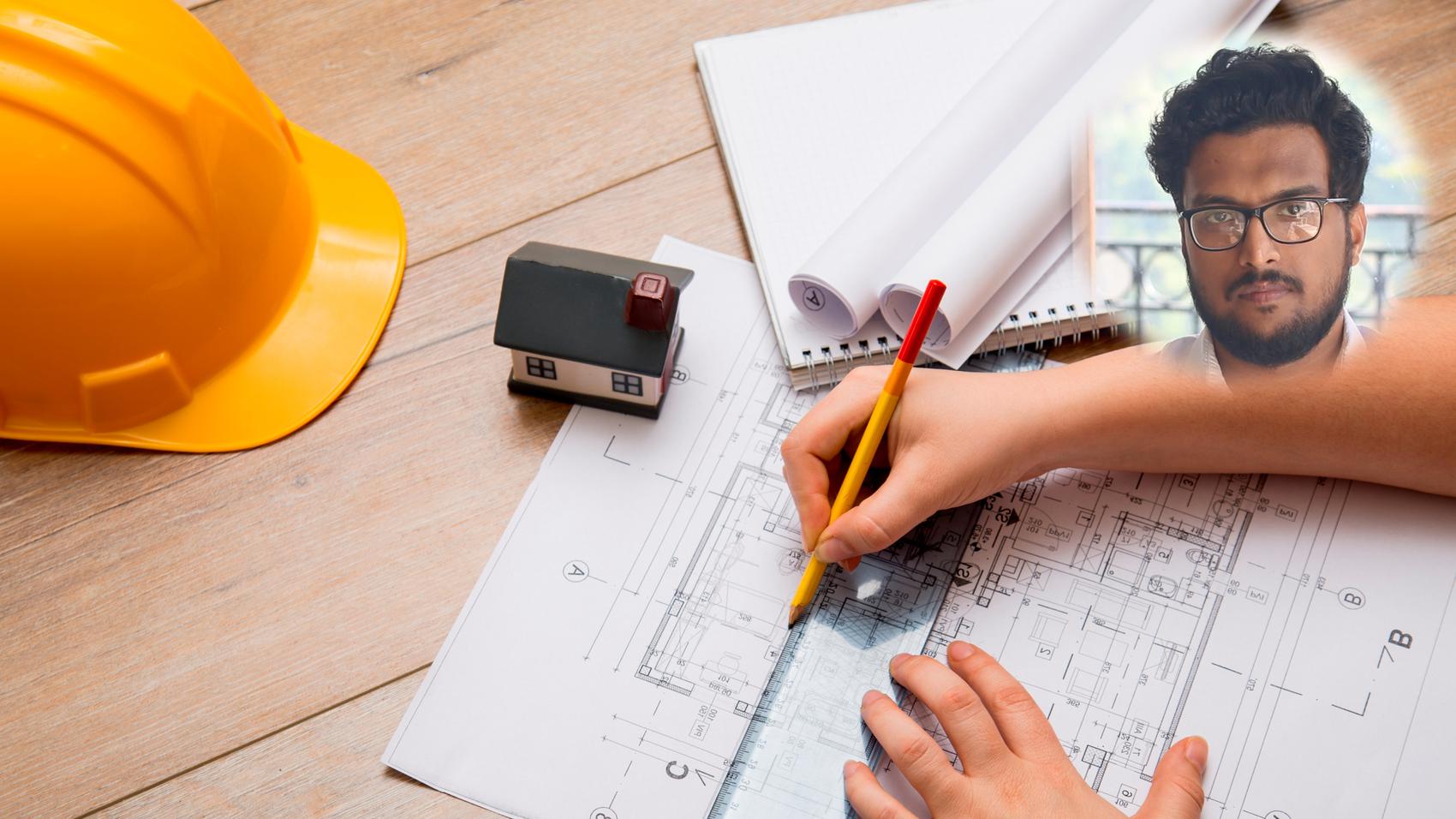
Architecture is the art and science of designing and constructing buildings and other physical structures. It combines creativity, technical knowledge, and practical skills to create spaces that are functional, aesthetically pleasing, and sustainable, while meeting the needs of individuals, communities, and the environment.
Architecture plays a vital role in shaping the built environment, influencing how people live, work, and interact. For professionals in this field, architecture offers the opportunity to leave a lasting mark on society by creating spaces that enhance quality of life. The profession fosters creativity, allowing architects to express innovative ideas through design. It also provides intellectual satisfaction by solving complex spatial and technical challenges. Additionally, architecture offers the benefit of collaboration, as professionals work closely with clients, engineers, and builders to bring visions to life. The impact of architecture extends beyond individual projects, contributing to cultural identity, environmental sustainability, and economic development.
A professional architect might be tasked with designing a new community library. The process begins with meeting stakeholders to understand their needs and aspirations. The architect then develops conceptual designs that balance aesthetics, functionality, and sustainability. Throughout the project, the architect collaborates with engineers to ensure structural integrity and with contractors to manage construction details. By selecting energy-efficient materials and incorporating natural lighting, the architect creates a welcoming, environmentally responsible space that serves the community for generations. This example illustrates how architecture blends creativity, technical expertise, and social responsibility to produce meaningful, lasting environments.
Education
Design

Design is the intentional process of envisioning, planning, and creating solutions that address functional, aesthetic, and contextual needs. In architecture, design bridges creativity and technical knowledge, guiding the transformation of ideas into built environments. It is a core academic and professional discipline, shaping every aspect of architectural practice and education.
Understanding design is essential for anyone pursuing a career in architecture because it forms the backbone of the profession. Mastery of design principles enables architects to create spaces that are not only visually appealing but also functional, sustainable, and responsive to user needs. This knowledge allows professionals to address complex challenges, balance competing project requirements, and innovate within regulatory and environmental constraints. Over the long term, a strong foundation in design enhances an architect’s ability to communicate ideas, collaborate with multidisciplinary teams, and adapt to evolving industry trends. Ultimately, proficiency in design is what distinguishes successful architects, enabling them to leave a lasting impact on the built environment and society.
Consider an architect tasked with designing a new community library. Drawing on their theoretical understanding of design, they analyze site conditions, user demographics, and sustainability goals to develop a concept that maximizes natural light, encourages community interaction, and minimizes energy consumption. Throughout the project, the architect refines spatial layouts, selects materials, and integrates technology, ensuring that every decision aligns with the initial design vision. By applying design principles, the architect not only creates a functional and inviting space but also addresses broader social and environmental objectives. This daily integration of design knowledge ensures that the final building serves its users effectively and stands as a testament to thoughtful architectural practice.
Structure

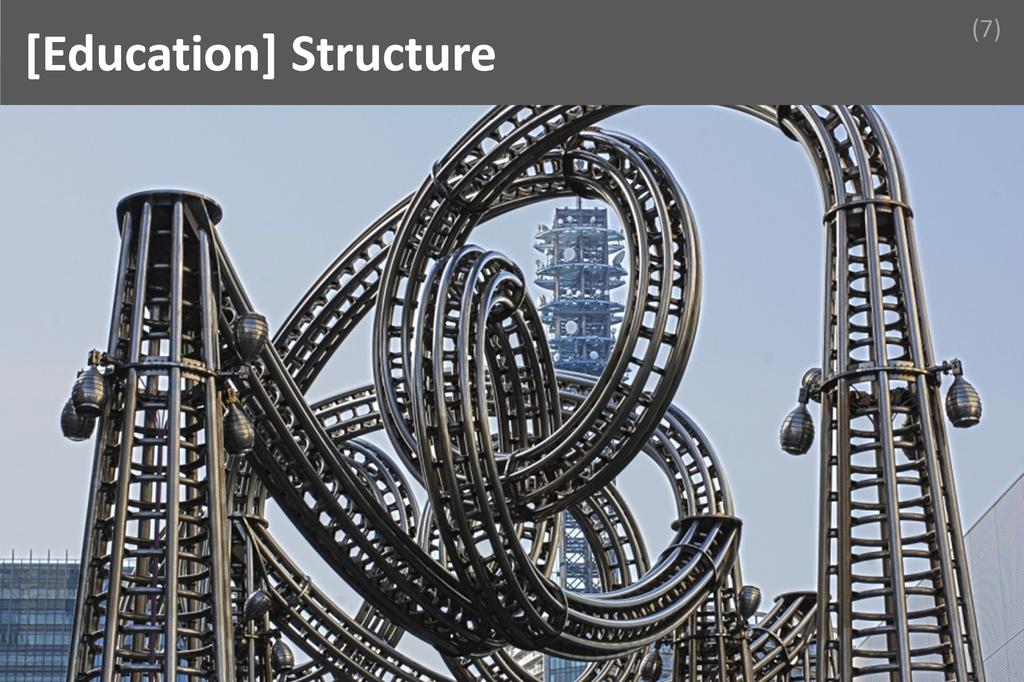
Structure refers to the organized system of elements and materials that support and shape a building, ensuring it remains stable, safe, and functional. In architecture, understanding structure is essential, as it bridges creative design with engineering principles, forming a core component of both academic study and professional practice.
A deep understanding of structure is vital for anyone pursuing a career in architecture because it underpins the ability to design buildings that are not only visually compelling but also safe and durable. Mastery of structural principles allows architects to collaborate effectively with engineers, make informed material choices, and anticipate how forces like gravity, wind, and seismic activity will affect their designs. This foundational knowledge empowers professionals to innovate responsibly, ensuring that their creative visions are feasible and compliant with safety standards. Over the long term, expertise in structure enhances an architect’s credibility, broadens their project opportunities, and supports their ability to solve complex design challenges throughout their career.
Consider an architect tasked with designing a multi-story office building in an urban environment. During the design process, the architect must apply their understanding of structural systems to determine the most appropriate framework, such as steel or reinforced concrete, that can support the building’s height and accommodate open-plan interiors. They must also address how the structure will withstand lateral forces from wind or potential earthquakes, integrating solutions like shear walls or bracing without compromising the building’s aesthetic appeal. By skillfully applying structural knowledge, the architect ensures the building is both innovative and safe, demonstrating the practical importance of structure in daily architectural practice.
Cost Estimation

Cost Estimation is the systematic process of predicting the financial resources required for a construction project, including materials, labor, equipment, and overheads. In Architecture, it is an essential academic and professional discipline, ensuring that design proposals are feasible, budgets are realistic, and projects can be delivered within financial constraints.
Understanding cost estimation is vital for anyone pursuing a career in Architecture because it bridges the gap between creative design and practical execution. Mastery of this subject allows architects to develop designs that are not only aesthetically pleasing but also financially viable. It forms a foundational knowledge base by equipping professionals with the ability to assess project feasibility, allocate resources efficiently, and communicate effectively with clients, contractors, and stakeholders. Over the long term, proficiency in cost estimation enhances an architect’s credibility, supports informed decision-making, and reduces the risk of costly overruns or project delays. This expertise is indispensable for career advancement, as it demonstrates a holistic understanding of both the artistic and economic dimensions of architectural practice.
Imagine an architect working on a new community center. Early in the design phase, the architect uses their knowledge of cost estimation to analyze the client’s budget and match it with the desired features and materials. By referencing historical data and current market prices, the architect prepares a preliminary cost estimate, identifying potential financial challenges before construction begins. Throughout the project, this estimate is refined as design details evolve and new information emerges. The architect’s ability to anticipate costs, suggest value engineering solutions, and communicate transparently with the client ensures that the project remains within budget. This practical application of cost estimation not only safeguards the project’s financial health but also strengthens client trust and professional reputation.
Art

Art is the creative expression of human imagination, emotion, and intellect through visual, auditory, or performative mediums. It encompasses painting, sculpture, music, literature, and more. In the context of Architecture, art provides the aesthetic, cultural, and conceptual framework that shapes how spaces are designed, experienced, and interpreted.
Understanding art is essential for anyone pursuing a career in Architecture because it cultivates an appreciation for aesthetics, proportion, and visual harmony. Art history and theory inform architects about cultural contexts, design movements, and the evolution of visual language, enabling them to create spaces that are not only functional but also meaningful and inspiring. Mastery of artistic principles such as composition, color theory, and symbolism allows architects to communicate ideas effectively and innovate within their designs. Over time, this foundation in art enhances an architect’s ability to respond to diverse client needs, adapt to changing trends, and contribute to the cultural and social fabric of communities, ensuring their work remains relevant and impactful throughout their career.
Consider an architect tasked with designing a public library in a historic city center. Drawing on their knowledge of art, the architect studies the surrounding architectural styles, local artistic traditions, and the symbolic meanings embedded in the city’s visual culture. This understanding guides their choice of materials, colors, and forms, ensuring the new building harmonizes with its environment while expressing a contemporary vision. During the design process, the architect sketches conceptual drawings that balance function with aesthetic appeal, referencing principles from classical art to create inviting, light-filled spaces. Their artistic insight enables them to collaborate effectively with artists and craftspeople, resulting in a library that resonates with the community and stands as a work of art in itself.
Market Knowledge

Market Knowledge refers to an in-depth understanding of current trends, demands, economic factors, and competitive landscapes within the architectural industry. It encompasses awareness of client needs, regulatory changes, and emerging technologies. In both academic and professional contexts, Market Knowledge bridges theoretical learning with practical, real-world application, guiding strategic decision-making in Architecture.
Developing Market Knowledge is essential for anyone pursuing a career in Architecture because it enables professionals to anticipate industry shifts and respond proactively. By understanding market dynamics, architects can tailor their designs to meet client expectations, comply with regulations, and leverage new materials or technologies. This knowledge forms a foundational base that supports effective project planning, risk management, and business development. Over time, a strong grasp of market trends and client preferences helps architects build a resilient career, adapt to changing economic conditions, and maintain a competitive edge. Ultimately, Market Knowledge empowers architects to deliver relevant, innovative solutions that align with both client goals and broader industry movements.
Consider an architect working for a firm specializing in sustainable commercial buildings. By applying their Market Knowledge, the architect identifies a growing demand for energy-efficient office spaces driven by new environmental regulations and client interest in green certifications. During project planning, the architect integrates advanced insulation materials and renewable energy systems, ensuring the design meets both regulatory requirements and market expectations. This proactive approach not only enhances the project’s appeal to potential tenants but also positions the firm as a leader in sustainable design. Through daily operations, the architect’s awareness of market trends directly influences design choices, client communications, and the firm’s overall business strategy.
Skills
Professional Practice

Professional Practice in architecture encompasses the ethical, legal, managerial, and business aspects required to deliver architectural services responsibly. It involves understanding contracts, regulations, project management, client relations, and professional ethics. This skill ensures architects operate within industry standards, protect public safety, and maintain the integrity and reputation of the profession.
Mastering professional practice directly enhances an architect’s ability to manage projects efficiently, communicate clearly with stakeholders, and navigate complex regulatory environments. Clients and employers highly value this skill because it ensures projects are delivered on time, within budget, and in compliance with legal and ethical standards. Developing professional practice involves continuous learning through formal education, mentorship, and real-world experience. Architects can cultivate this skill by staying updated on industry regulations, participating in professional organizations, and reflecting on past projects to improve processes. Over time, a strong foundation in professional practice builds trust with clients, fosters successful collaborations, and supports career advancement by demonstrating reliability and leadership.
Imagine an architect overseeing a large commercial project when unexpected zoning issues threaten to halt construction. Drawing on professional practice, the architect quickly reviews the relevant regulations, consults with legal experts, and communicates transparently with the client and city officials. By coordinating a timely response and proposing compliant design adjustments, the architect not only resolves the issue but also preserves the project timeline and budget. This proactive approach reassures the client, strengthens professional relationships, and upholds the architect’s reputation for competence and integrity. In this scenario, professional practice is the key factor that transforms a potential crisis into a demonstration of effective leadership and problem-solving.
Creativity

Creativity is the ability to generate original ideas, envision unique solutions, and approach challenges from fresh perspectives. In architecture, creativity empowers professionals to design spaces that are not only functional but also aesthetically compelling and innovative. It is a cornerstone skill that drives progress and sets exceptional architects apart.
Creativity enhances an architect’s performance by enabling them to devise innovative solutions to complex design problems, adapt to evolving client needs, and integrate new technologies or materials. Clients and employers highly value creativity because it leads to distinctive, memorable projects that stand out in a competitive market. Creative architects can transform constraints into opportunities, ensuring that each project is both practical and inspiring. To cultivate creativity, professionals should seek diverse experiences, stay curious about emerging trends, and regularly engage in brainstorming or collaborative design sessions. Over time, nurturing an open mindset and experimenting with unconventional ideas help architects refine their creative abilities and consistently deliver exceptional results.
Imagine an architect tasked with designing a community center on a limited budget and a challenging, irregularly shaped plot of land. Relying on creativity, the architect reimagines the site’s constraints as opportunities, developing a multi-level structure that maximizes usable space and incorporates sustainable materials. By thinking beyond conventional layouts, the architect introduces flexible, modular interiors that adapt to various community needs. This inventive approach not only satisfies the client’s requirements but also earns praise for its resourcefulness and visual appeal. In this scenario, creativity transforms potential obstacles into a celebrated, functional, and inspiring public space, demonstrating its critical role in achieving architectural success.
Innovation

Innovation is the ability to generate and implement original ideas, methods, or solutions that advance a field or solve complex problems. In architecture, innovation means reimagining spaces, materials, and processes to create functional, sustainable, and aesthetically pleasing environments. It empowers professionals to address evolving needs and set new industry standards.
Innovation directly enhances an architect’s performance by enabling them to approach challenges with fresh perspectives and devise unique solutions that stand out in a competitive market. Clients and employers highly value this skill because it leads to distinctive, efficient, and future-ready designs that can improve user experience and reduce costs or environmental impact. Cultivating innovation involves staying curious, embracing lifelong learning, and engaging with new technologies, materials, and design philosophies. Regularly collaborating with diverse teams and seeking feedback also fosters a creative mindset. Over time, architects who consistently push boundaries and adapt to changing trends become leaders in their field, driving both personal and organizational success.
Imagine an architect tasked with designing a community center on a limited budget in an area prone to flooding. Relying on innovation, the architect researches unconventional building materials and modular construction techniques, ultimately proposing a raised, flexible structure using locally sourced, flood-resistant materials. This creative approach not only addresses the environmental challenges but also reduces construction costs and timelines. The resulting design impresses stakeholders by blending sustainability, resilience, and community needs, demonstrating how innovative thinking can transform constraints into opportunities. By leveraging innovation, the architect not only solves a critical issue but also elevates the project’s impact and sets a benchmark for future developments in similar contexts.
Time Management

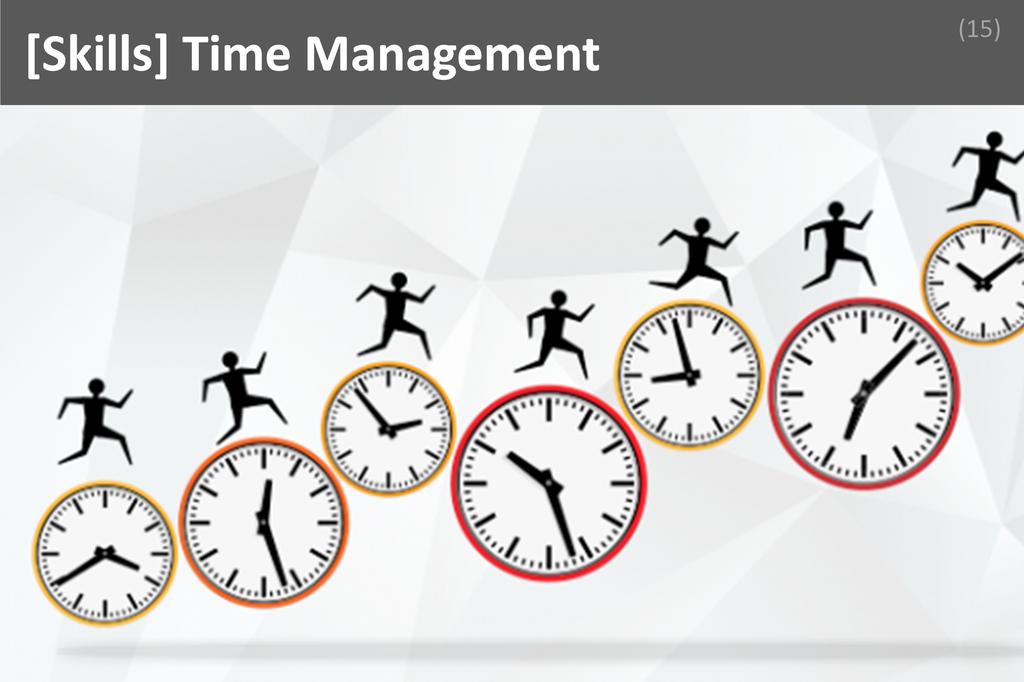
Time management is the strategic process of planning, organizing, and controlling how much time to spend on specific activities to maximize efficiency and productivity. For architecture professionals, mastering time management ensures that complex projects are delivered on schedule, resources are allocated wisely, and client expectations are consistently met or exceeded.
Effective time management directly enhances an architect’s performance by enabling them to juggle multiple projects, meet tight deadlines, and coordinate with diverse teams. Clients and employers highly value this skill because it leads to reliable project delivery, cost savings, and minimized risks of delays or budget overruns. Cultivating time management involves setting clear priorities, breaking down large tasks into manageable segments, and regularly reviewing progress to adjust plans as needed. Over time, architects can refine their approach by learning from past experiences, adopting new productivity tools, and maintaining open communication with stakeholders to anticipate and resolve potential bottlenecks before they escalate.
Consider an architect overseeing the renovation of a historic building with a strict completion deadline due to an upcoming public event. Unexpected structural issues threaten to derail the schedule. By applying strong time management skills, the architect quickly reassesses the project timeline, reallocates resources, and coordinates with contractors to fast-track critical repairs. Simultaneously, they communicate transparently with the client, providing updated milestones and ensuring all parties remain aligned. Through careful prioritization and efficient delegation, the architect successfully navigates the crisis, delivering the project on time and preserving both the client’s trust and the firm’s reputation. This scenario highlights how time management is not just about meeting deadlines, but also about adapting to challenges and ensuring project success.
Leadership

Leadership is the ability to inspire, guide, and influence individuals or teams toward achieving shared goals, while fostering collaboration, accountability, and innovation. In architecture, leadership is vital because it empowers professionals to coordinate complex projects, motivate diverse teams, and ensure that creative visions are realized efficiently and effectively.
Leadership directly enhances performance in architecture by enabling professionals to manage multidisciplinary teams, resolve conflicts, and drive projects to successful completion. Clients and employers highly value leadership because it ensures clear communication, decisive problem-solving, and the ability to adapt to changing project demands. Strong leaders in architecture can align stakeholders, maintain project momentum, and uphold quality standards even under pressure. Cultivating leadership involves seeking mentorship, embracing responsibility, and actively participating in collaborative projects. Over time, architects can refine their leadership abilities by reflecting on experiences, learning from feedback, and continuously developing interpersonal and organizational skills. This ongoing growth not only benefits individual careers but also contributes to the overall success of architectural practices.
Imagine an architect leading a major urban redevelopment project when unexpected regulatory changes threaten the project timeline and budget. Instead of allowing the team to become discouraged, the architect demonstrates leadership by quickly gathering the team, facilitating open discussions, and delegating tasks to address the new challenges. By maintaining a clear vision and fostering a collaborative environment, the architect motivates the team to develop innovative solutions that comply with regulations while preserving the project’s design integrity. Through effective communication with stakeholders and decisive action, the architect not only overcomes the crisis but also strengthens the team’s cohesion and the client’s trust, ultimately ensuring the project’s successful delivery.
Positives
Travelling

Travelling, in the context of architecture, refers to the movement across cities, regions, or countries to explore, study, and engage with diverse built environments, cultures, and design philosophies. This exposure enriches an architect’s perspective, fosters creativity, and enables the integration of global ideas into local projects, enhancing professional growth and innovation.
Travelling is a transformative aspect of an architectural career because it allows professionals to immerse themselves in a variety of environments, each with unique histories, materials, and construction techniques. This constant exposure to new places and ideas fuels inspiration and encourages architects to think beyond conventional boundaries. The opportunity to witness iconic structures, interact with international colleagues, and understand different cultural needs not only broadens technical expertise but also deepens empathy and adaptability. As architects travel for site visits, client meetings, or research, they experience a dynamic work life that keeps their passion alive and their skills sharp. This continual movement and discovery make the profession both intellectually stimulating and personally rewarding, leading to greater job satisfaction and long-term career growth.
Imagine an architect working on a sustainable housing project in their home country who travels to Scandinavia to study innovative eco-friendly designs. During their visit, they tour energy-efficient buildings, meet with local experts, and observe how communities interact with these spaces. Inspired by these experiences, the architect returns home with fresh ideas and practical solutions that can be adapted to their own project. The journey not only enhances the technical quality of their work but also instills a sense of accomplishment and global connection. This real-world exposure to different architectural practices and cultures becomes a source of ongoing motivation, reminding the architect of the profound impact their profession can have on communities worldwide.
Continuous Learning

Continuous Learning is the ongoing process of acquiring new knowledge, skills, and insights throughout one’s professional life. In architecture, this means staying updated with evolving design trends, building technologies, sustainability practices, and regulations. Embracing continuous learning ensures architects remain innovative, adaptable, and capable of delivering creative, effective solutions in a dynamic field.
Continuous learning is a cornerstone of a fulfilling architectural career because it keeps the work intellectually stimulating and professionally relevant. The field of architecture is constantly evolving, with new materials, digital tools, and sustainability standards emerging regularly. By engaging in continuous learning, architects not only stay ahead of industry trends but also enhance their problem-solving abilities and creativity. This ongoing growth leads to greater job satisfaction, as professionals feel empowered to tackle complex challenges and contribute meaningfully to their projects. The sense of progress and mastery that comes from learning new concepts or techniques fosters confidence and opens doors to career advancement, making each day on the job an opportunity for personal and professional development.
Imagine an architect working on a community center project who decides to enroll in an online course about green building certifications. Through this learning experience, they discover innovative ways to incorporate energy-efficient systems and sustainable materials into their design. As the project progresses, the architect applies these new insights, resulting in a building that not only meets but exceeds environmental standards. The client is thrilled with the forward-thinking approach, and the architect feels a deep sense of accomplishment, knowing their commitment to continuous learning directly benefited both the project and the community. This real-world scenario highlights how ongoing education can lead to tangible, rewarding outcomes in an architect’s daily work.
Public Interaction

Public Interaction in architecture refers to the ongoing engagement and communication between architects and the broader community, including clients, stakeholders, and end-users, throughout the design and construction process. This dynamic exchange fosters understanding, collaboration, and responsiveness, ensuring that architectural solutions genuinely address the needs, aspirations, and values of the people they serve.
Public Interaction is a cornerstone of a fulfilling architectural career because it transforms the profession from a solitary pursuit into a collaborative journey. By engaging with diverse groups, architects gain deeper insights into cultural, social, and environmental contexts, which enriches their creative process and leads to more meaningful designs. This ongoing dialogue not only enhances the relevance and impact of their work but also builds trust and respect within the community. The sense of contributing to something larger than oneself, coupled with the gratitude and feedback received from the public, significantly boosts job satisfaction. Daily, architects experience personal and professional growth as they navigate complex conversations, mediate differing viewpoints, and witness firsthand the positive changes their work brings to people’s lives.
Imagine an architect leading a community workshop for a new public library. Residents of all ages gather to share their hopes, concerns, and ideas for the space. The architect listens attentively, asks thoughtful questions, and incorporates the community’s input into the design. As the project progresses, regular updates and open forums keep the dialogue alive, ensuring transparency and trust. When the library finally opens, the architect witnesses the joy and pride of the community as they explore a space shaped by their collective vision. This direct connection with the public, seeing their needs met and dreams realized, provides a profound sense of accomplishment and highlights the unique, rewarding nature of public interaction in architecture.
Impact on Society

"Impact on Society" refers to the meaningful influence that architectural work has on communities, environments, and the daily lives of people. In architecture, this means creating spaces that enhance well-being, foster connections, and address societal needs, ultimately shaping the way individuals interact with their surroundings and each other in positive ways.
The ability to make a tangible difference in society is a profound motivator for many architects. Knowing that their designs can improve quality of life, promote sustainability, and create inclusive spaces brings a deep sense of purpose to their work. This positive aspect not only boosts job satisfaction but also fuels professional growth, as architects are constantly challenged to innovate and respond to evolving societal needs. Each project becomes an opportunity to leave a lasting legacy, whether through revitalizing neighborhoods, designing accessible public spaces, or integrating green technologies. The daily experience of seeing their ideas transform into environments that benefit communities reinforces their commitment and passion for the profession.
Imagine an architect tasked with redesigning a neglected urban park. Through thoughtful planning and community engagement, they create a vibrant, accessible space that welcomes people of all ages and backgrounds. After completion, the park becomes a hub for social gatherings, outdoor activities, and cultural events, revitalizing the neighborhood and fostering a renewed sense of community pride. Witnessing families enjoying the playground, seniors relaxing on benches, and local artists showcasing their work, the architect experiences firsthand the profound impact their efforts have had on society. This daily, visible transformation is a powerful reminder of the meaningful role architecture plays in shaping healthier, happier communities.
Challenges
Deadlines

In Architecture, deadlines are fixed points in time by which specific project milestones or deliverables must be completed. These deadlines are demanding because they often involve coordinating complex tasks, multiple stakeholders, and regulatory requirements, all while maintaining high standards of creativity, accuracy, and safety within limited timeframes.
The pressure of deadlines in architecture can significantly shape daily routines, often leading to long hours, rapid decision-making, and the need to juggle multiple priorities simultaneously. This environment demands resilience, as professionals must adapt to shifting project scopes, unforeseen technical challenges, and client expectations without compromising quality. Successful architects manage these constraints by developing strong organizational skills, setting realistic goals, and communicating proactively with team members and clients. They also rely on effective time management, breaking down large tasks into manageable segments and anticipating potential bottlenecks. By fostering a collaborative atmosphere and remaining flexible, architects can navigate the stress of deadlines while still delivering innovative and precise solutions.
Consider an architect tasked with delivering detailed construction drawings for a commercial building within a tight three-week deadline. Recognizing the challenge, the architect immediately assembles the project team, clarifies roles, and establishes a clear workflow. Throughout the process, they hold daily check-ins to monitor progress and address issues as they arise, ensuring that everyone remains aligned and motivated. When an unexpected design change is requested by the client, the architect quickly reassesses the schedule, reallocates resources, and communicates transparently about the impact on delivery. By staying organized, maintaining open communication, and adapting to evolving circumstances, the architect successfully meets the deadline, satisfying both the client’s needs and the project’s quality standards.
Breaking the Monotony

Breaking the monotony in architecture refers to the ongoing struggle to maintain creativity and enthusiasm amid repetitive tasks, standardized processes, and regulatory constraints. This challenge is demanding because it tests an architect’s ability to innovate and stay inspired while consistently delivering functional, compliant, and aesthetically pleasing designs within tight project frameworks.
The monotony inherent in architectural practice can lead to diminished motivation, reduced creative output, and even burnout. Daily work often involves routine tasks such as drafting, documentation, and adhering to building codes, which can stifle inspiration over time. This environment demands resilience, as professionals must continually find ways to inject creativity and personal growth into their workflow. Successful architects manage this constraint by seeking variety in project types, collaborating with diverse teams, and dedicating time to personal design exploration. They also embrace lifelong learning, attend industry events, and draw inspiration from art, travel, and technology. By consciously integrating new perspectives and challenges, they transform routine into opportunity, ensuring their passion for architecture remains vibrant.
Consider an architect working at a mid-sized firm, primarily tasked with designing residential complexes that follow similar layouts and regulatory requirements. Over time, the repetitive nature of these projects began to dull their enthusiasm and creative drive. Recognizing this, the architect proposed a design charrette within the firm, inviting colleagues to brainstorm unconventional solutions for a new community center project. This collaborative exercise not only broke the routine but also sparked innovative ideas that were later incorporated into the final design. By proactively seeking opportunities to challenge the status quo and involve others in creative problem-solving, the architect successfully overcame monotony, rekindled their passion, and contributed fresh perspectives to the firm’s portfolio.
Cost Cutting

Cost cutting in architecture refers to the deliberate reduction of project expenses, often driven by client budgets, economic pressures, or organizational directives. This process is demanding because it requires balancing financial constraints with the need to maintain design integrity, safety standards, and project quality, often under tight deadlines.
The challenge of cost cutting permeates daily architectural practice, influencing material choices, design scope, and project timelines. Professionals often face the stress of reconciling creative ambitions with financial realities, which can lead to difficult compromises and increased pressure to deliver value without sacrificing quality. This environment demands resilience, adaptability, and strong communication skills, as architects must negotiate with clients, contractors, and consultants to find cost-effective solutions. Successful professionals manage this constraint by leveraging their technical expertise, exploring alternative materials or construction methods, and prioritizing essential design elements. They also foster collaborative relationships, ensuring all stakeholders understand the rationale behind decisions, which helps maintain trust and project momentum despite financial limitations.
Consider an architect tasked with designing a community center whose funding is unexpectedly reduced midway through the planning phase. Instead of compromising the building’s core functions or aesthetic appeal, the architect reassesses the project’s priorities with the client, identifying non-essential features that can be postponed or simplified. By proposing modular construction techniques and sourcing locally available materials, the architect manages to reduce costs while maintaining the project’s vision and functionality. Through transparent communication and creative problem-solving, the architect not only delivers a successful outcome within the new budget but also strengthens client trust and demonstrates the value of adaptability in overcoming financial constraints.
A Day Of
Architecture
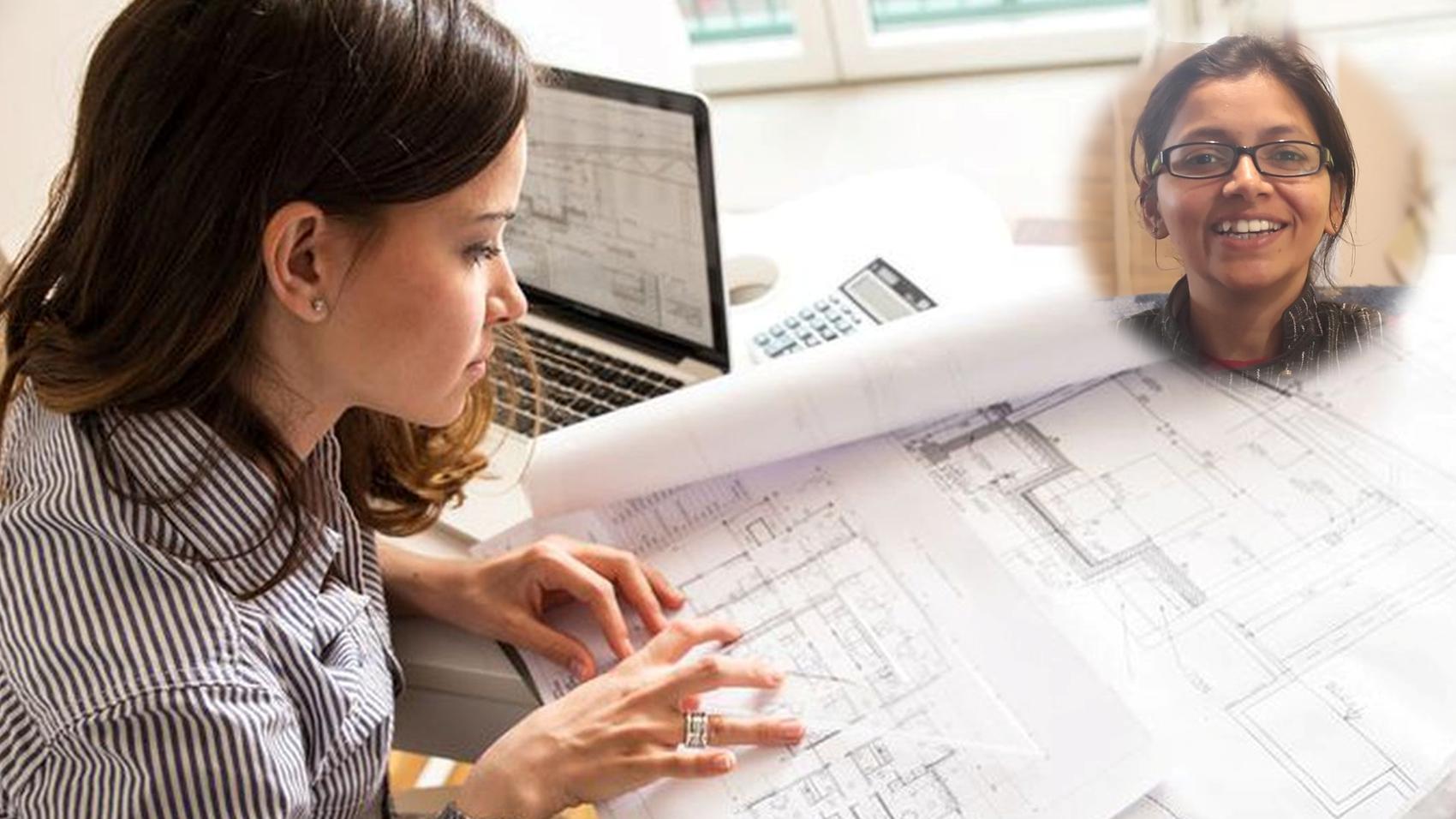
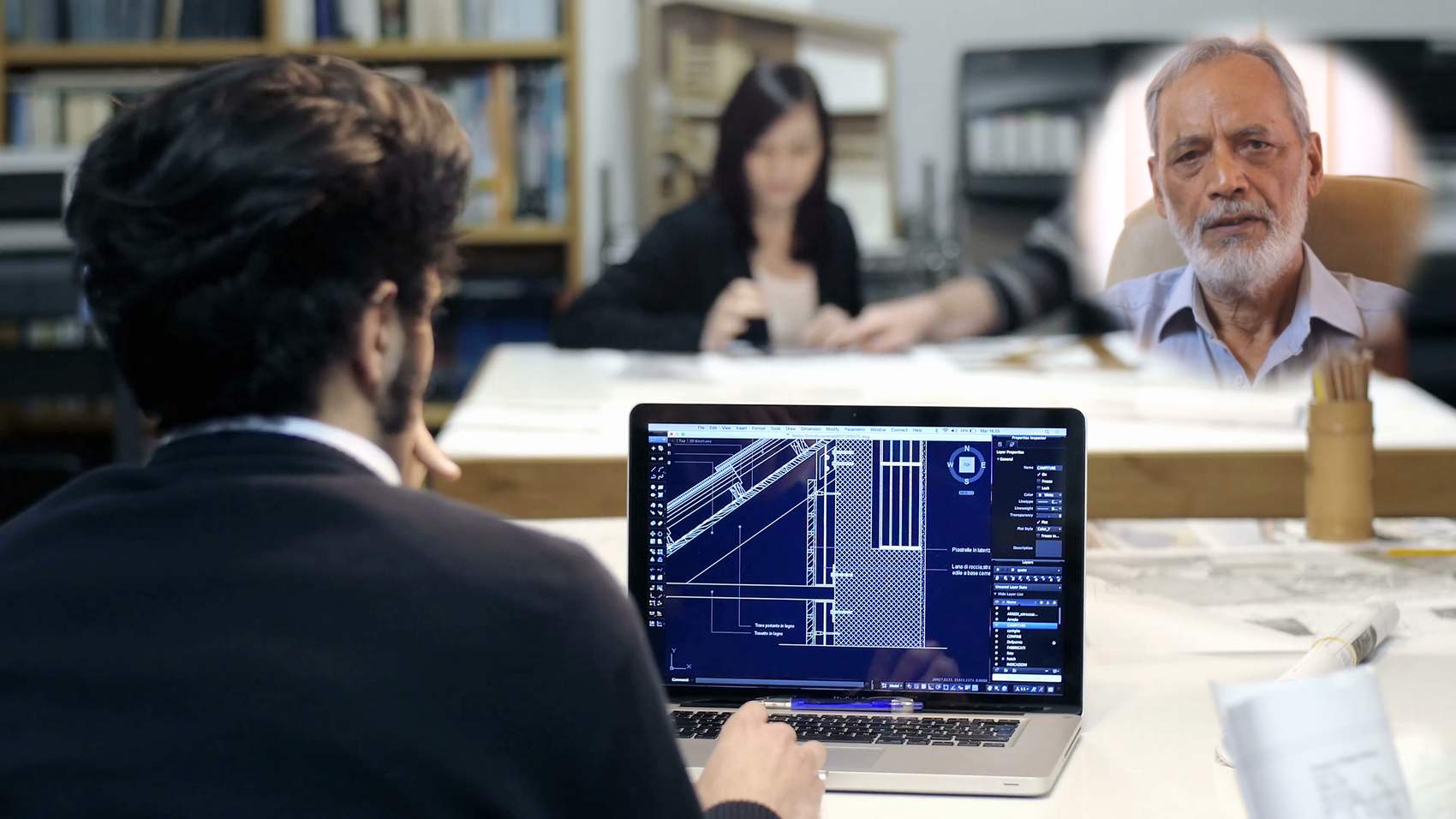
The hum of a bustling studio, the glow of computer screens, and the rustle of tracing paper set the stage for a day in the life of an architecture professional. Here, creativity and precision intertwine as architects navigate a world where every detail matters and each decision shapes the spaces people inhabit. The pace is dynamic, shifting between solitary focus and lively collaboration, with deadlines and client visions driving the rhythm. From the first sip of coffee to the final review of blueprints, an architect’s day is a blend of artistry, technical mastery, and problem-solving, all unfolding in an environment where innovation is both a necessity and a reward.
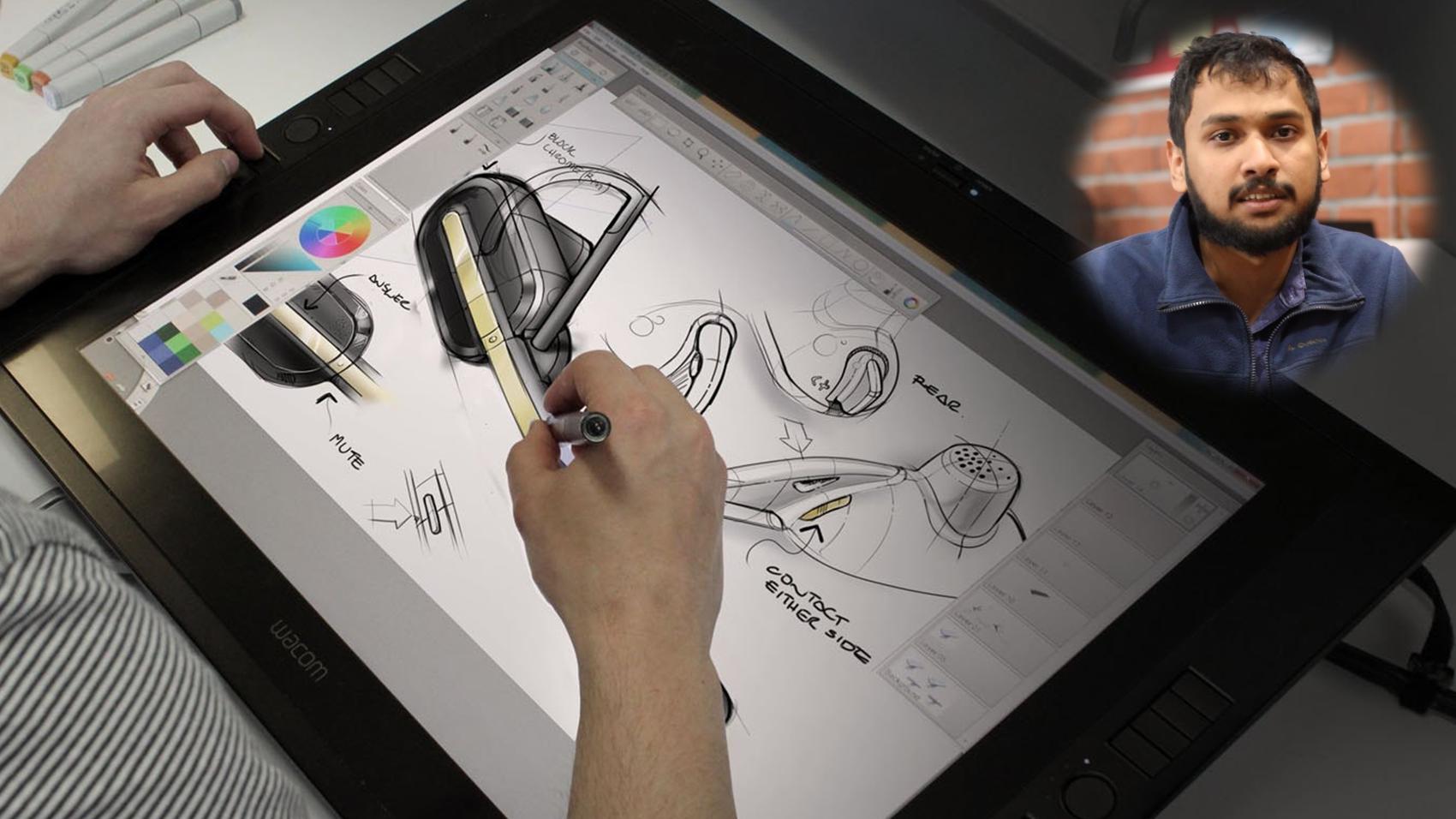
As the sun rises, the architecture professional arrives at the studio, greeted by the quiet promise of a new day. Early mornings are reserved for reviewing project notes, scanning through emails from clients and consultants, and setting priorities. This is the time to pore over sketches and digital models, making subtle adjustments or jotting down fresh ideas that surfaced overnight. The calm of the morning allows for focused contemplation, ensuring that the day’s objectives are clear and that any pressing issues are identified before the pace accelerates.
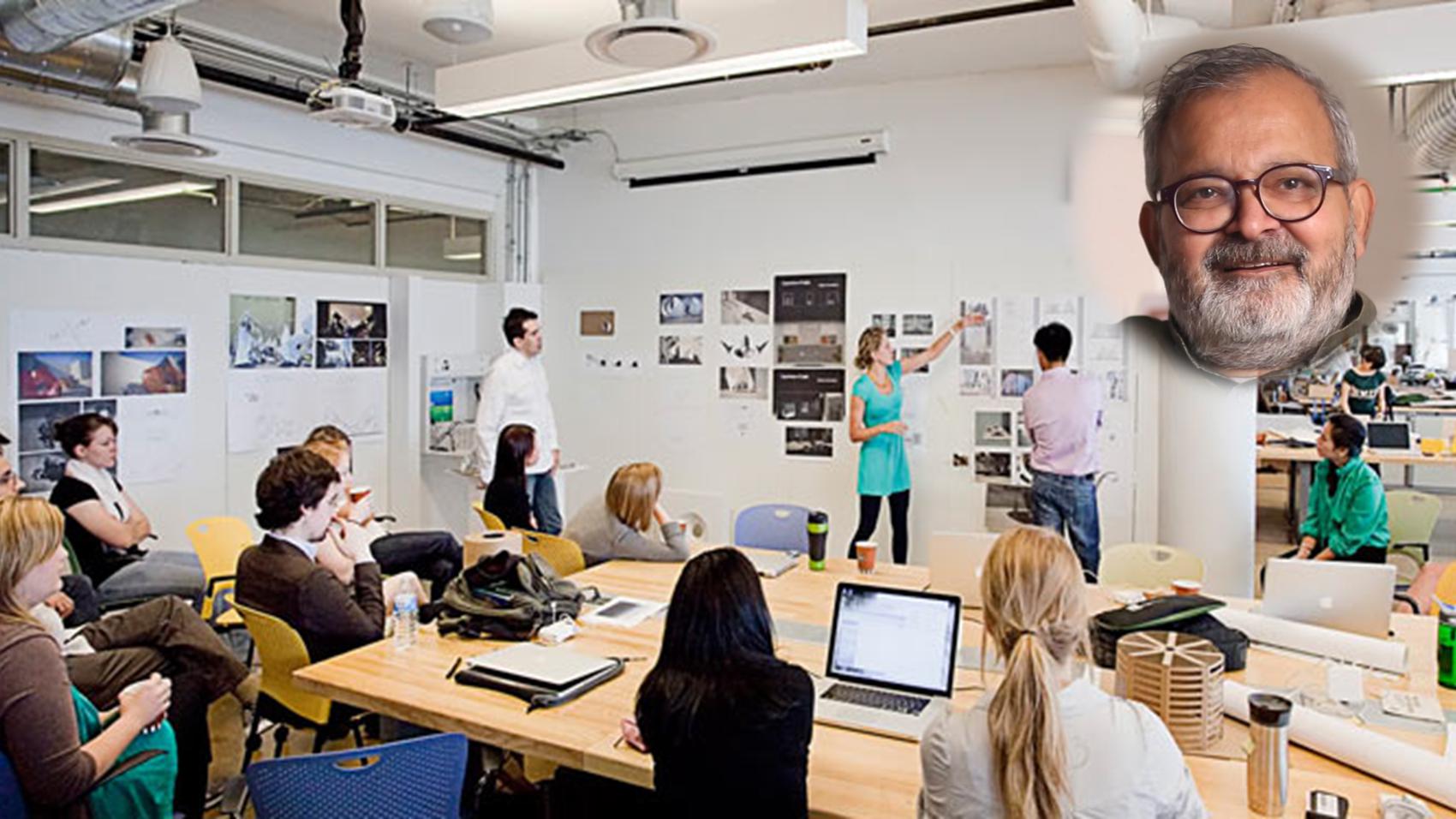
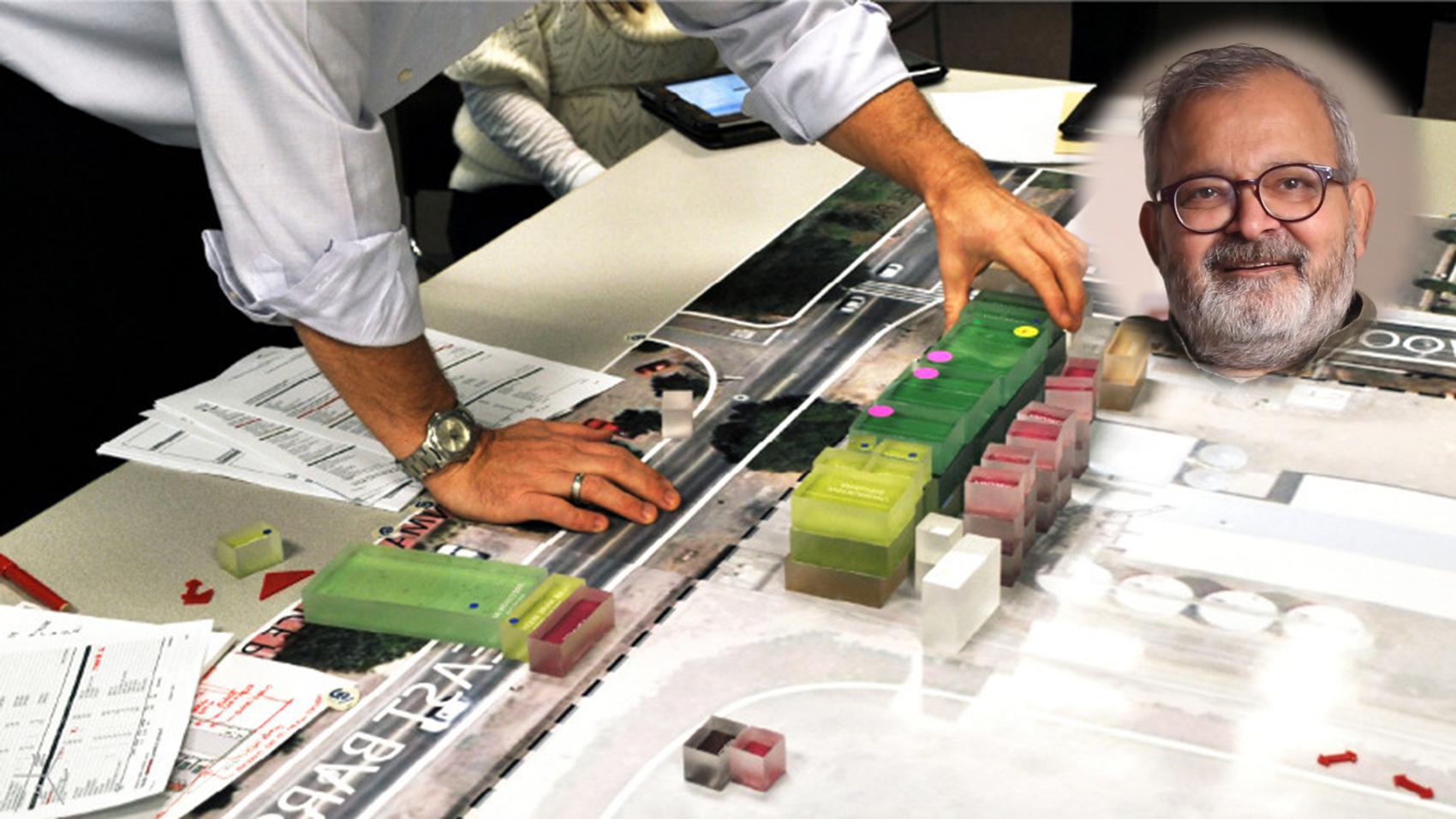
By mid-morning, the studio is alive with energy as architects dive into the core of their work. This is when design meetings take center stage, whether it’s brainstorming with colleagues, presenting concepts to clients, or coordinating with engineers and contractors. The intensity of these hours is palpable, as ideas are debated, technical challenges are tackled, and creative solutions are forged. Digital renderings and physical models are scrutinized, and feedback is swiftly incorporated. The collaborative spirit of architecture is on full display, with each voice contributing to the evolution of the project.
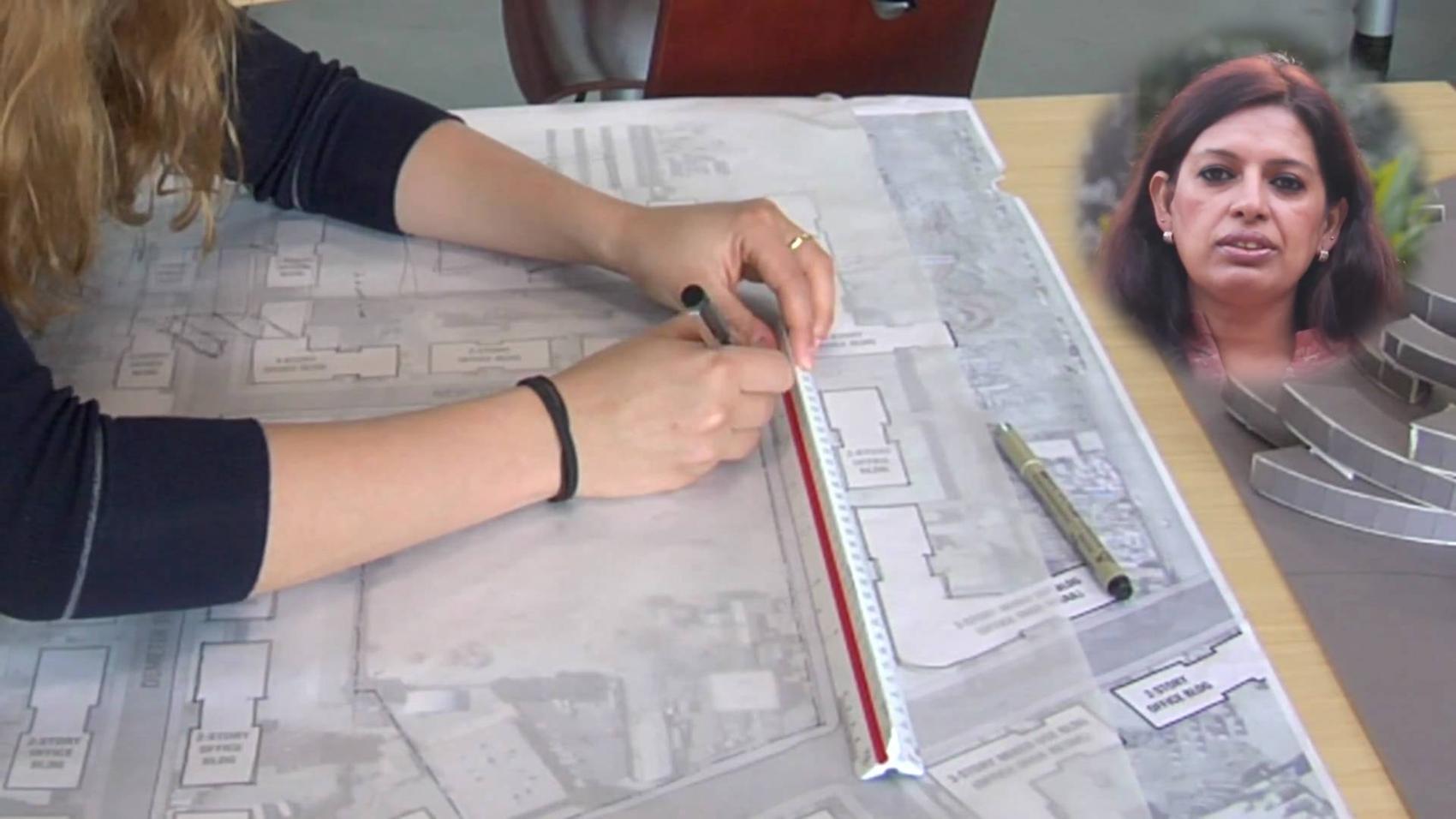
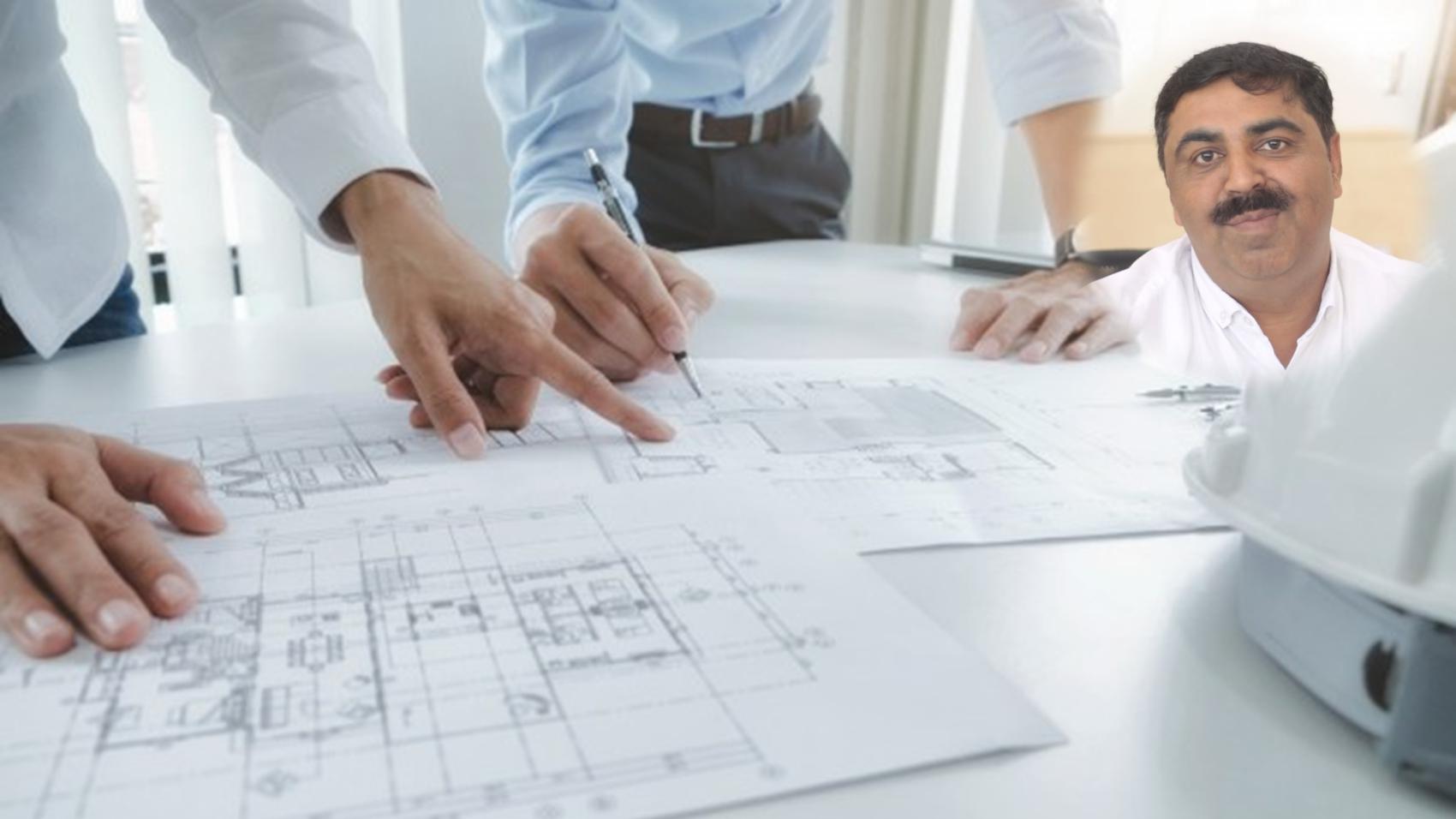
The afternoon ushers in a shift from ideation to execution. Architects might step out for site visits, donning hard hats to inspect construction progress and ensure that designs are faithfully translated into reality. Back at the studio, the focus turns to refining construction documents, resolving technical details, and coordinating with consultants to address any emerging issues. Meetings with contractors or city officials may fill the schedule, requiring clear communication and quick problem-solving. The tempo is brisk, as the team works to keep projects on track and clients informed.
As the day winds down, the architecture professional turns to wrap-up tasks that set the stage for tomorrow’s success. This is the moment to review the day’s accomplishments, update project timelines, and respond to outstanding emails. Research into new materials, building codes, or design trends might occupy the quieter moments, fueling inspiration for future work. Before leaving the studio, architects often sketch out a plan for the next day, ensuring that momentum is maintained and that every detail is accounted for. The studio gradually quiets, but the sense of purpose lingers, ready to ignite again with the next sunrise. |