Career Counselling 2.0 HomeHomeCareer Counselling 2.0 AbroadAbroadCareer Counselling 2.0 PlanPlanCareer Counselling 2.0 | TalksTalksCareer Counselling 2.0 PhilosophyPhilosophyCareer Counselling 2.0 SeminarSeminarCareer Counselling 2.0 PagesPagesCareer Counselling 2.0 AdvisorsAdvisorsCareer Counselling 2.0 TestimonialsTestimonials

Architecture

Director Tarun Walecha talks about Architecture course, what is Architecture and other details about a Career in Architecture.


Architecture

Tarun Walecha | Director | RLaPL


What is Architecture?


You may be curious about a Career in Architecture. Unfortunately, it is very difficult to find information about What Architecture actually is. Most pages on the internet just talk about How to get into Architecture. The most authoritative source of information on Architecture is someone with real experience in it.

Director Tarun Walecha has 24 years of professional experience in Architecture. Here is how Director Tarun Walecha detailed Architecture:

Architecture is both the process and the product of planning, designing, and constructing buildings or any other structures. Architectural works, in the material form of buildings, are often perceived as cultural symbols and as works of art. Historical civilizations are often identified with their surviving architectural achievements.


How Director Tarun Walecha got into Architecture?


After doing my schooling from Sharda Public School New Delhi, I did B Arch from Manipal Institute of Technology and then did PGDEE from Sikkim Manipal University. After that, I did Project Management Course from IIT. In my initial years worked with various Architecture firms including Abhimanyu Dalal. Later, I started my own Architectural firm by the name R L Walecha & Associates Private Limited (RLaPL).


Director Tarun Walecha's Talk on Architecture


Session Image
The Journey of Architecture


What Is Architecture


Architecture

### Architecture Image
What is
Architecture is the art and science of designing and constructing buildings and other physical structures. It involves the creative process of shaping spaces to meet functional, aesthetic, and environmental needs, while considering safety, sustainability, and cultural context. Architects blend technical knowledge with artistic vision to create meaningful environments.

Concept
Architecture plays a vital role in shaping the built environment, influencing how people live, work, and interact within spaces. For professionals in this field, architecture offers the opportunity to leave a lasting legacy through innovative design and thoughtful planning. The impact of architecture extends beyond aesthetics, as it addresses practical needs, enhances community well-being, and promotes sustainability. One major benefit is the ability to solve complex problems by integrating creativity with technical expertise. Another advantage is the potential to improve quality of life by designing spaces that foster comfort, safety, and accessibility. Additionally, architecture provides a platform for personal expression and professional growth, as each project presents unique challenges and opportunities for learning.

Real World Example
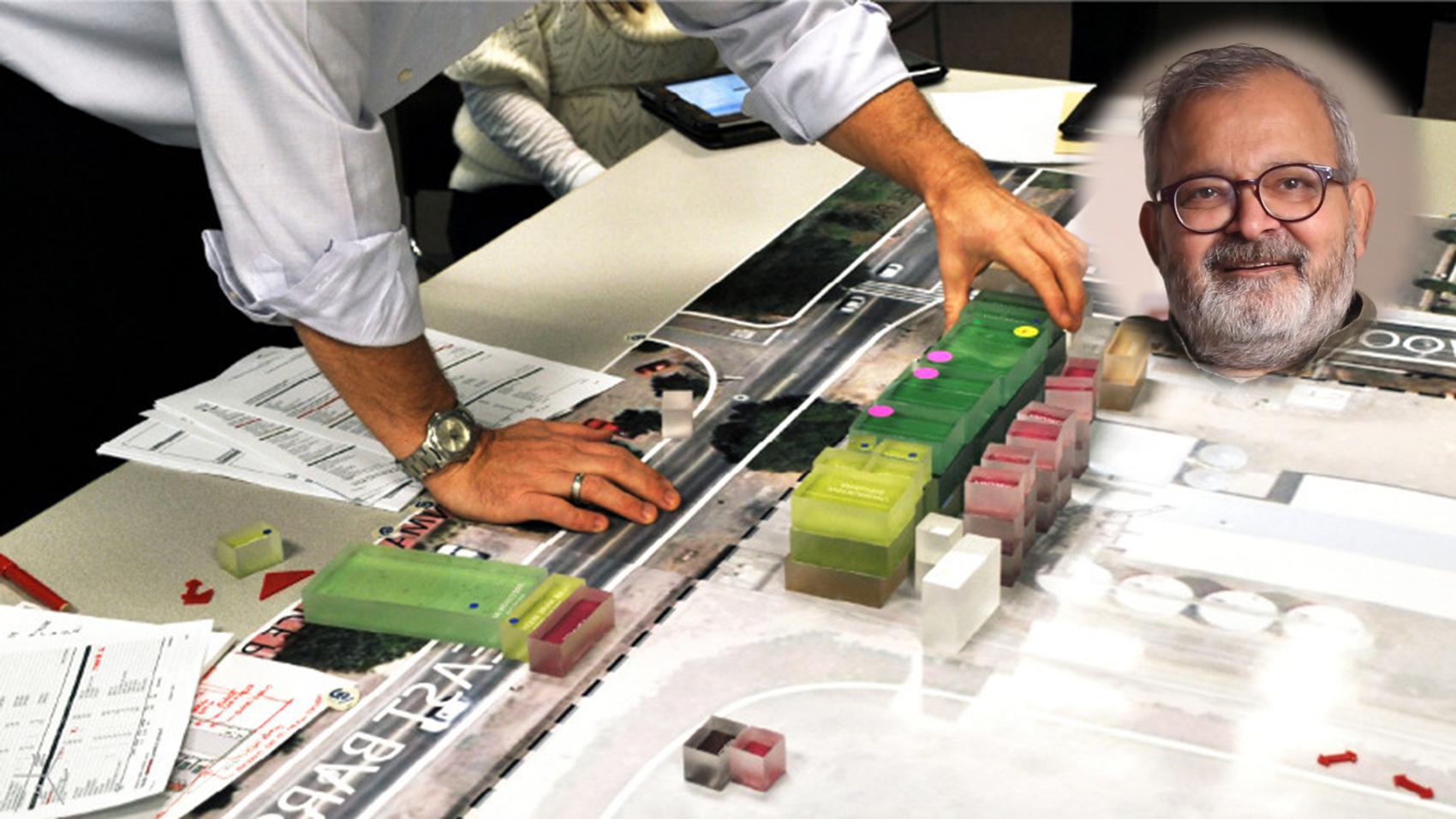
A professional architect might be tasked with designing a new community library. The process begins with understanding the needs of the community, including accessibility, energy efficiency, and flexible spaces for various activities. The architect collaborates with clients, engineers, and contractors to develop a design that balances functionality with visual appeal. Throughout the project, the architect ensures that the building complies with safety codes, environmental standards, and budget constraints. By integrating natural light, sustainable materials, and inviting public areas, the architect creates a space that encourages learning, social interaction, and community engagement. This example illustrates how architecture combines creativity, technical skill, and collaboration to deliver meaningful and lasting contributions to society.

Education


Maths and Physics

### Maths and Physics Image
What is
Maths and Physics encompass the study of numbers, quantities, shapes, forces, and the laws governing the physical world. In Architecture, these disciplines provide the analytical and scientific foundation necessary for designing safe, functional, and aesthetically pleasing structures, forming a crucial part of both academic training and professional practice.

Concept
A solid grasp of Maths and Physics is essential for anyone pursuing a career in Architecture because these subjects underpin every aspect of building design and construction. Mathematical skills enable architects to calculate dimensions, areas, and volumes, ensuring accuracy in blueprints and material estimations. Physics, on the other hand, helps architects understand structural integrity, load distribution, and the behavior of materials under various forces. Mastery of these concepts allows professionals to create buildings that are not only visually striking but also structurally sound and energy efficient. Over time, this foundational knowledge supports innovation, problem-solving, and the ability to adapt to new technologies and sustainable practices, making it a lifelong asset in the architectural profession.

Real World Example
Consider an architect tasked with designing a multi-story office building. Each day, they rely on their understanding of Maths to calculate floor areas, window placements, and the quantities of materials required. Simultaneously, their knowledge of Physics comes into play when determining how the building will withstand wind loads, support the weight of occupants and furniture, and maintain stability during an earthquake. By applying these principles, the architect ensures that the structure is both safe and cost-effective, while also meeting aesthetic and functional goals. This seamless integration of theoretical knowledge into practical decision-making is what enables architects to bring complex projects to life successfully.

Mechanical Drawings

### Mechanical Drawings Image
What is
Mechanical drawings are precise, scaled technical illustrations that communicate the specifications, dimensions, and assembly details of mechanical systems within a building. In architecture, these drawings bridge the gap between design intent and engineering requirements, forming an essential component of both academic study and professional practice for ensuring functional, safe, and buildable structures.

Concept
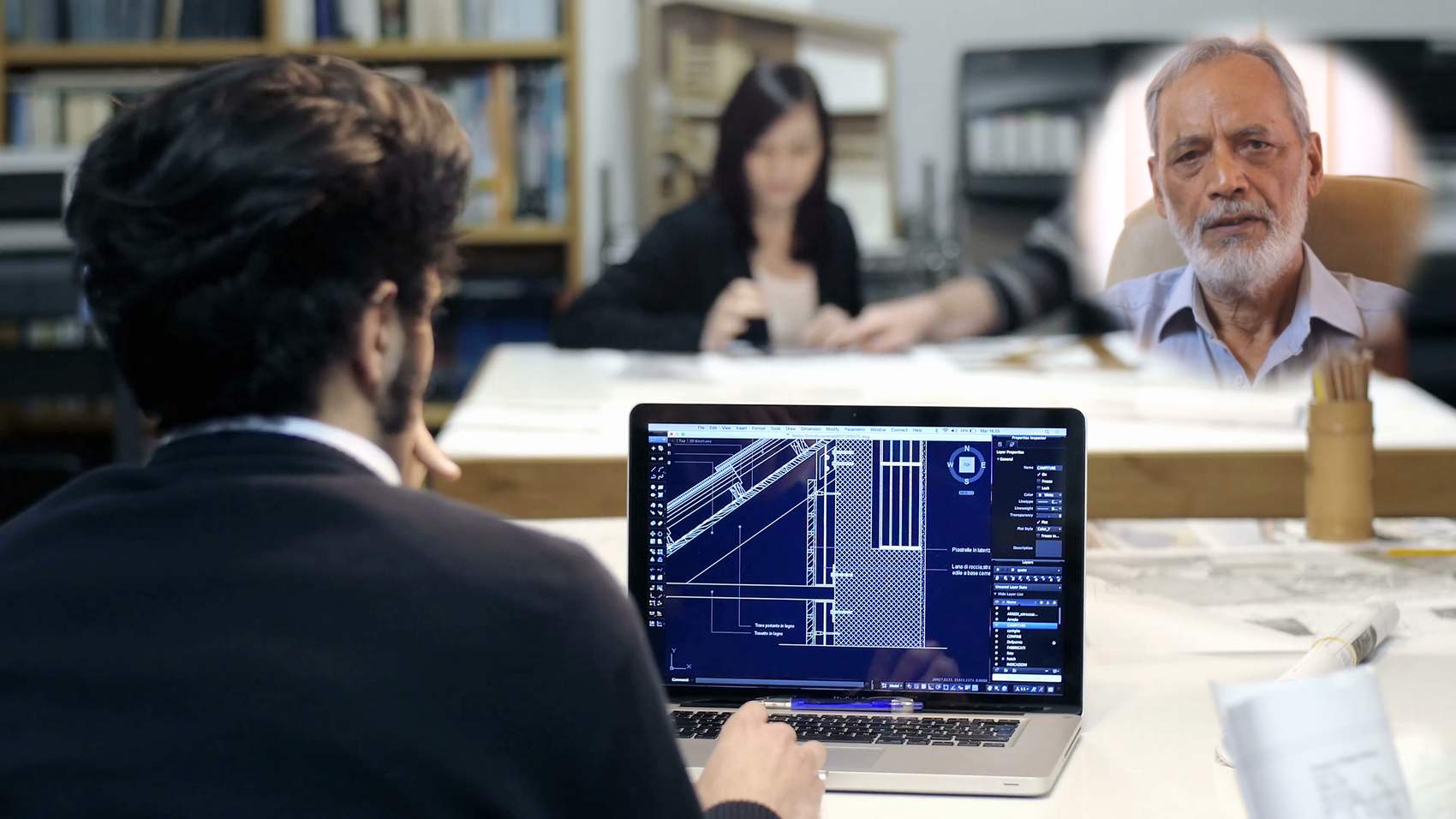
Understanding mechanical drawings is crucial for anyone pursuing a career in architecture because these documents serve as the universal language between architects, engineers, and contractors. Mastery of mechanical drawings ensures that architectural designs are compatible with mechanical systems such as HVAC, plumbing, and fire protection. This knowledge allows architects to anticipate spatial requirements, resolve potential conflicts, and coordinate effectively with multidisciplinary teams. Over the long term, proficiency in interpreting and producing mechanical drawings enhances an architect’s ability to deliver projects that are not only aesthetically pleasing but also technically sound and compliant with regulatory standards. This foundational skill ultimately leads to greater professional credibility, smoother project execution, and increased opportunities for career advancement.

Real World Example
Consider an architect working on the renovation of a historic office building. During the design phase, the architect reviews mechanical drawings to assess the placement of new air conditioning ducts and sprinkler systems. By understanding these technical documents, the architect identifies a potential clash between the proposed ductwork and existing structural beams. Drawing on their knowledge, the architect collaborates with the mechanical engineer to adjust the duct routing, ensuring both the preservation of the building’s integrity and the efficient operation of new systems. This ability to interpret and apply mechanical drawings not only prevents costly construction errors but also demonstrates the architect’s competence in integrating complex building systems into cohesive, functional designs.

History and Sociology

### History and Sociology Image
What is
History and Sociology encompass the study of past events, cultural developments, and the social structures that shape human societies. In architecture, this discipline provides critical insights into how built environments reflect and influence societal values, behaviors, and transformations, forming an essential part of the academic and professional foundation for architects.

Concept
Understanding history and sociology is crucial for architects because it allows them to design spaces that are not only functional but also culturally and socially responsive. By studying how societies have evolved and how architecture has adapted to these changes, professionals gain the ability to create environments that respect heritage, foster community, and anticipate future needs. This knowledge forms the backbone of responsible and innovative design, ensuring that projects are contextually appropriate and sustainable. Over the course of a career, architects who are well-versed in history and sociology are better equipped to engage with diverse communities, address complex social challenges, and contribute meaningfully to the built environment, enhancing both professional credibility and societal impact.

Real World Example
Consider an architect tasked with revitalizing a historic urban neighborhood. Their understanding of history enables them to preserve significant architectural features and respect the area’s heritage, while their sociological insight helps them engage with local residents to identify current social dynamics and needs. By integrating these perspectives, the architect can propose designs that honor the past, foster social cohesion, and support contemporary lifestyles. This approach not only results in a more successful and accepted project but also demonstrates how theoretical knowledge of history and sociology directly informs practical, day-to-day decision-making in architectural practice.

Skills


Creativity

### Creativity Image
What is
Creativity is the ability to generate original ideas, envision new possibilities, and approach challenges with innovative thinking. In architecture, creativity enables professionals to design spaces that are not only functional but also aesthetically compelling and responsive to unique client needs. It transforms technical knowledge into inspiring built environments.

Concept
Creativity directly enhances an architect’s performance by enabling the development of distinctive designs that stand out in a competitive market. Clients and employers highly value creative professionals because they can offer fresh perspectives, adapt to evolving project requirements, and propose solutions that balance practicality with visual appeal. To cultivate creativity, architects should engage in continuous learning, explore diverse artistic influences, and seek feedback from peers. Regularly sketching, experimenting with new materials, and participating in design competitions can also stimulate creative growth. Over time, this commitment to creative development leads to a more versatile and innovative approach, allowing architects to address complex challenges and deliver exceptional results that exceed expectations.

Real World Example
Imagine an architect tasked with renovating a historic building into a modern community center while preserving its heritage. Faced with strict preservation guidelines and limited space, the architect draws on creativity to reimagine the interior layout, integrating flexible, multi-use areas without altering the building’s original façade. By inventively using natural light, modular furniture, and adaptive reuse of materials, the architect creates a vibrant, functional space that honors the past and serves contemporary needs. This creative solution not only satisfies regulatory requirements but also delights the client and community, demonstrating how creativity is essential for overcoming constraints and achieving project success in architecture.

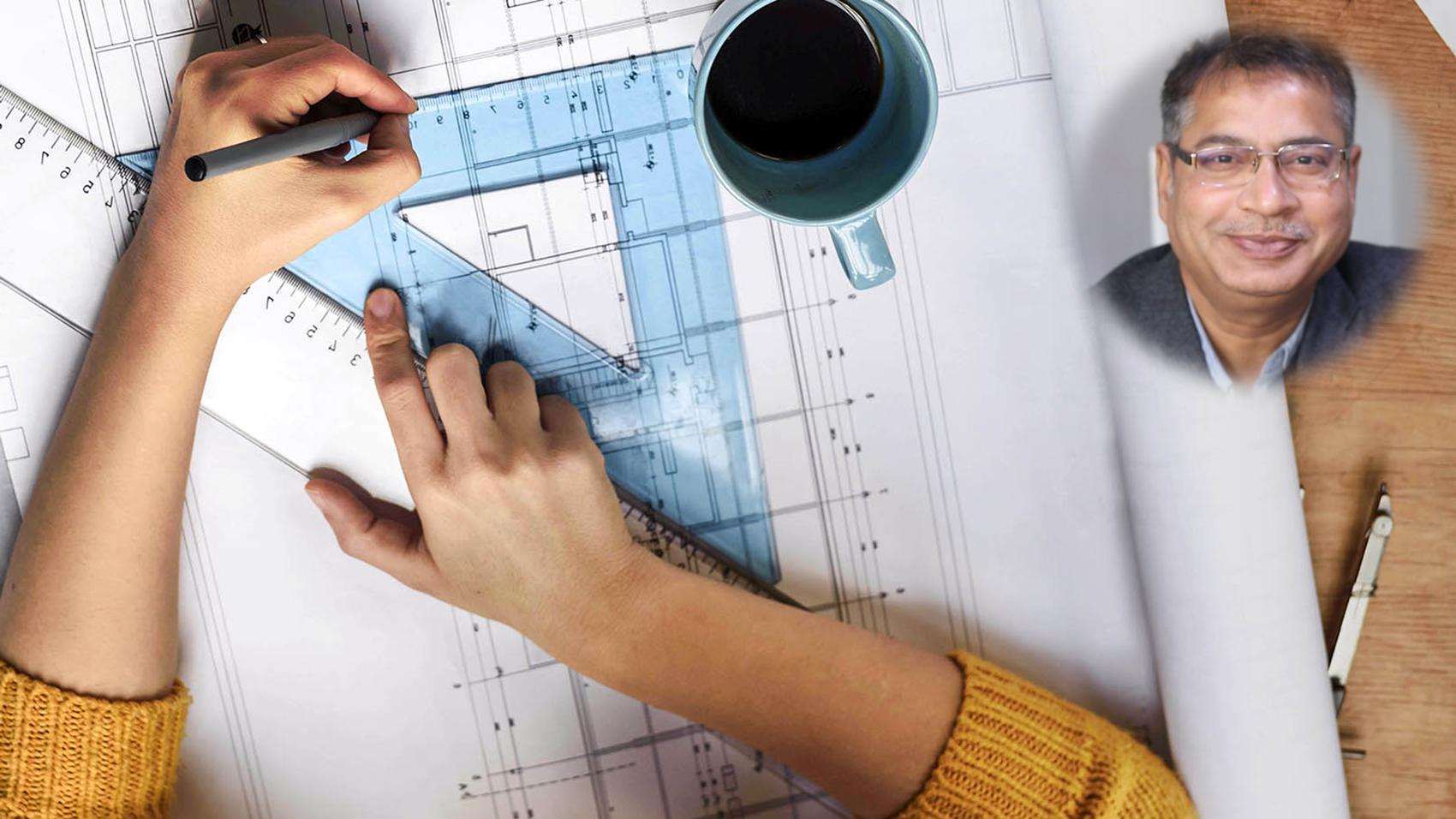
Drawing

### Drawing Image
What is
Drawing is the visual representation of ideas, concepts, and spatial relationships through lines, shapes, and forms on a surface. In architecture, drawing serves as a universal language that communicates design intent, technical details, and creative visions between architects, clients, engineers, and builders, ensuring clarity and precision throughout the project lifecycle.

Concept
Mastery of drawing enhances an architect’s ability to conceptualize, iterate, and communicate complex ideas efficiently. This skill allows professionals to quickly translate thoughts into visuals, making abstract concepts tangible for clients and collaborators. Employers and clients highly value architects who can sketch and draft with confidence, as it accelerates decision-making and fosters trust in the design process. Over time, drawing proficiency is cultivated through consistent practice, studying architectural precedents, and experimenting with various mediums and techniques. Engaging in life drawing, perspective exercises, and digital rendering also sharpens spatial awareness and technical accuracy, making drawing an indispensable asset for career growth in architecture.

Real World Example
Imagine an architect in a client meeting where a proposed building’s layout is under debate due to site constraints. The architect swiftly sketches alternative floor plans and perspectives on paper, visually addressing the client’s concerns in real time. This immediate translation of ideas not only clarifies the spatial relationships and potential solutions but also reassures the client of the architect’s expertise and adaptability. By leveraging drawing skills, the architect resolves the issue efficiently, secures client approval, and sets the project on a successful trajectory, demonstrating how drawing is critical for problem-solving and effective communication in architectural practice.

Positives


Creative Stimulation

### Creative Stimulation Image
What is
Creative stimulation is the continuous engagement of the mind in imaginative thinking, problem-solving, and the generation of original ideas. In architecture, it means constantly envisioning new spaces, experimenting with forms, and integrating innovative solutions. This dynamic process energizes professionals, making their work intellectually rewarding and fostering a sense of accomplishment and growth.

Concept
The presence of creative stimulation in architecture transforms daily work into an ongoing journey of discovery and invention. This aspect is crucial because it keeps professionals intellectually engaged, preventing monotony and burnout. The opportunity to approach each project as a unique challenge fuels motivation and passion, leading to higher job satisfaction. Creative stimulation also encourages lifelong learning and adaptability, as architects must stay attuned to new materials, technologies, and cultural trends. This constant evolution not only sharpens their skills but also opens doors to personal and professional growth. Ultimately, the joy of seeing one’s imaginative concepts materialize into tangible structures is a profound source of pride and fulfillment.

Real World Example
Imagine an architect tasked with designing a community library in a diverse urban neighborhood. Rather than relying on conventional layouts, she draws inspiration from local art, the surrounding landscape, and the needs of various age groups. Each day, she experiments with light, space, and materials, sketching out ideas and collaborating with engineers and artists. The creative stimulation she experiences drives her to innovate, resulting in a design that is both functional and inspiring. When the library finally opens, witnessing the community’s enthusiastic response and seeing her vision come to life provides her with a deep sense of achievement, reinforcing the profound value of creativity in her career.

Job Satisfaction

### Job Satisfaction Image
What is
Job satisfaction is the sense of fulfillment, pride, and happiness that comes from engaging in meaningful work, achieving professional goals, and feeling valued within one’s career. In architecture, job satisfaction arises from the creative process, problem-solving, and the tangible results of one’s efforts, which positively shape communities and environments.

Concept
Job satisfaction is a cornerstone of a thriving career in architecture because it fuels motivation, creativity, and long-term commitment. When architects feel satisfied, they are more likely to invest in their projects, collaborate effectively, and pursue innovative solutions. This positive outlook not only enhances personal well-being but also leads to higher quality work and professional growth. The daily experience of seeing ideas evolve into real structures, receiving client appreciation, and witnessing the positive impact on communities reinforces a sense of purpose. This ongoing cycle of achievement and recognition makes architecture a uniquely rewarding profession, where satisfaction is woven into both the process and the outcome.

Real World Example
Imagine an architect who has spent months designing a community center, carefully considering the needs of local residents and collaborating with engineers and artists. On the day of the grand opening, the architect walks through the completed building, observing families enjoying the space, children playing, and neighbors gathering. The realization that their vision has become a vibrant hub for the community brings immense pride and fulfillment. This moment encapsulates the deep job satisfaction architects experience—the knowledge that their creativity and hard work have made a lasting, positive difference in people’s lives, and that their profession allows them to leave a meaningful legacy.

Challenging Job

### Challenging Job Image
What is
A "Challenging Job" in architecture refers to work that consistently demands creative problem-solving, technical expertise, and adaptability to complex, evolving situations. This environment pushes professionals to think innovatively, learn continuously, and overcome obstacles. Such challenges foster personal and professional growth, making the field both intellectually stimulating and deeply rewarding for those who pursue it.

Concept
The challenging nature of architecture is a key driver of job satisfaction and career fulfillment. Facing and overcoming complex design problems, regulatory requirements, and client expectations keeps the work dynamic and engaging. This constant stimulation prevents monotony and encourages architects to expand their skills and knowledge. As professionals tackle diverse projects, they develop resilience, confidence, and a sense of accomplishment. The daily experience of solving unique problems and seeing tangible results in the built environment reinforces their passion for the field. Ultimately, the demanding aspects of the job cultivate a growth mindset, ensuring that architects remain motivated, inspired, and proud of their contributions to society.

Real World Example
Imagine an architect tasked with revitalizing a historic building in a bustling city center. The project presents numerous challenges, from preserving the structure’s heritage to integrating modern sustainability standards and meeting strict zoning regulations. Each day, the architect collaborates with engineers, city officials, and community members, navigating conflicting priorities and technical hurdles. Through perseverance and creative thinking, the architect devises innovative solutions that honor the building’s legacy while meeting contemporary needs. When the project is completed, the architect experiences immense satisfaction, knowing their expertise and determination transformed a complex vision into a vibrant, functional space. This real-world scenario exemplifies how the challenging nature of architecture leads to meaningful, fulfilling achievements.

Challenges


Work Opportunities

### Work Opportunities Image
What is
Work opportunities in Architecture refer to the availability and accessibility of projects, positions, and commissions that allow professionals to apply their skills and grow their careers. This challenge is demanding due to economic fluctuations, intense competition, and the cyclical nature of construction, which can limit consistent employment and professional advancement.

Concept
The scarcity or unpredictability of work opportunities in Architecture can create significant stress, impacting both job security and career progression. Professionals may face periods of underemployment or must accept projects outside their preferred specialties. This environment requires resilience, adaptability, and proactive networking to maintain relevance and visibility. Successful architects often diversify their skills, pursue continuing education, and build strong professional relationships to access a broader range of opportunities. They may also engage in collaborative ventures or explore emerging fields such as sustainable design and digital modeling. By staying flexible and open to new possibilities, architects can better navigate the ebb and flow of available work, ensuring a more stable and fulfilling career path despite industry uncertainties.

Real World Example
Consider an architect who, during an economic downturn, noticed a decline in traditional commercial projects. Instead of waiting for the market to recover, she expanded her expertise into sustainable residential design and began offering consulting services for energy-efficient renovations. She actively participated in local industry events and contributed articles to architectural publications, increasing her visibility and credibility. Through these efforts, she attracted new clients interested in green building solutions and established partnerships with contractors specializing in eco-friendly construction. By adapting her skills and broadening her professional network, she not only overcame the challenge of limited work opportunities but also positioned herself as a leader in a growing niche within the architectural field.

Understanding Client

### Understanding Client Image
What is
"Understanding Client" in architecture refers to the complex process of accurately interpreting a client’s needs, aspirations, and constraints, often unspoken or evolving, and translating them into feasible design solutions. This challenge is demanding because clients may lack technical vocabulary, have shifting priorities, or struggle to articulate their true objectives.

Concept
The difficulty of understanding clients can significantly affect an architect’s daily workflow, leading to misaligned expectations, design revisions, and project delays. This challenge requires resilience because architects must balance creative vision with attentive listening and adaptability. Successful professionals manage this constraint by fostering open communication, asking clarifying questions, and building trust over time. They develop empathy and patience, recognizing that clients may not always know what they want or how to express it. By actively engaging clients throughout the design process and providing visual aids or prototypes, architects can bridge gaps in understanding, reduce misunderstandings, and ensure that the final outcome aligns with the client’s true intentions.

Real World Example
Consider an architect working with a family who wishes to renovate their home but struggles to articulate their preferences beyond vague ideas of “modern” and “comfortable.” The architect conducts several in-depth meetings, using sketches and mood boards to prompt discussion and clarify the family’s lifestyle needs. Through patient dialogue and careful observation, the architect uncovers specific desires, such as maximizing natural light and creating flexible spaces for growing children. By translating these insights into a tailored design proposal and inviting feedback at each stage, the architect not only meets but exceeds the family’s expectations, demonstrating how effective client understanding can transform a challenging brief into a successful project.

Technology Updates

### Technology Updates Image
What is
Technology updates in architecture refer to the continual emergence of new software, digital tools, and construction technologies that reshape design, documentation, and project management processes. This constant evolution is demanding because it requires professionals to adapt quickly, invest in ongoing learning, and integrate unfamiliar systems without disrupting productivity or project timelines.

Concept
The rapid pace of technology updates can disrupt established workflows, requiring architects to frequently relearn tools and adapt to new standards. This challenge affects daily work by introducing uncertainty, increasing the risk of errors, and demanding additional time for training and troubleshooting. Resilience is essential, as professionals must balance project deadlines with the need to stay current. Successful architects manage this constraint by fostering a culture of continuous learning, seeking out training opportunities, and collaborating with colleagues to share knowledge. They also prioritize adaptability, recognizing that embracing change is crucial for maintaining competitiveness and delivering innovative solutions. By approaching technology updates proactively, professionals can minimize disruptions and leverage new tools to enhance creativity and efficiency.

Real World Example
Consider an architect at a mid-sized firm who faces the rollout of a major update to their primary Building Information Modeling (BIM) software. Initially, the new interface and features slow down the team’s workflow, causing frustration and delays. Instead of resisting the change, the architect organizes informal lunch-and-learn sessions, inviting colleagues to share tips and experiences with the updated software. By dedicating time to explore new functionalities together and supporting one another through the learning curve, the team gradually regains its efficiency. Over time, they discover that the update streamlines several repetitive tasks and improves collaboration with consultants, ultimately enhancing project outcomes. This proactive and collaborative approach transforms a daunting challenge into an opportunity for growth and innovation.

A Day Of


Architecture

What is
The hum of a city waking up is mirrored in the architecture studio, where creativity and precision blend into a daily rhythm that is anything but monotonous. Each day in the life of an architecture professional is a dynamic interplay between solitary focus and collaborative energy, where sketches evolve into blueprints and ideas are shaped by both inspiration and constraint. The pace is brisk, the environment charged with anticipation, and the nature of the work demands both artistry and technical mastery. From the first sip of coffee to the final review of plans, architects navigate a landscape where every detail matters and every decision shapes the spaces in which people live, work, and dream.

Concept
As the sun rises, the architecture professional arrives at the studio, greeted by the quiet promise of a new day. The early morning is devoted to reviewing emails from clients and consultants, scanning through overnight updates on ongoing projects, and organizing the day’s priorities. This is a time for focused solitude, where architects pore over sketches and digital models, making subtle adjustments and preparing materials for upcoming meetings. The calm of the morning allows for reflection and strategic planning, setting the tone for a productive day ahead.

Real World Example
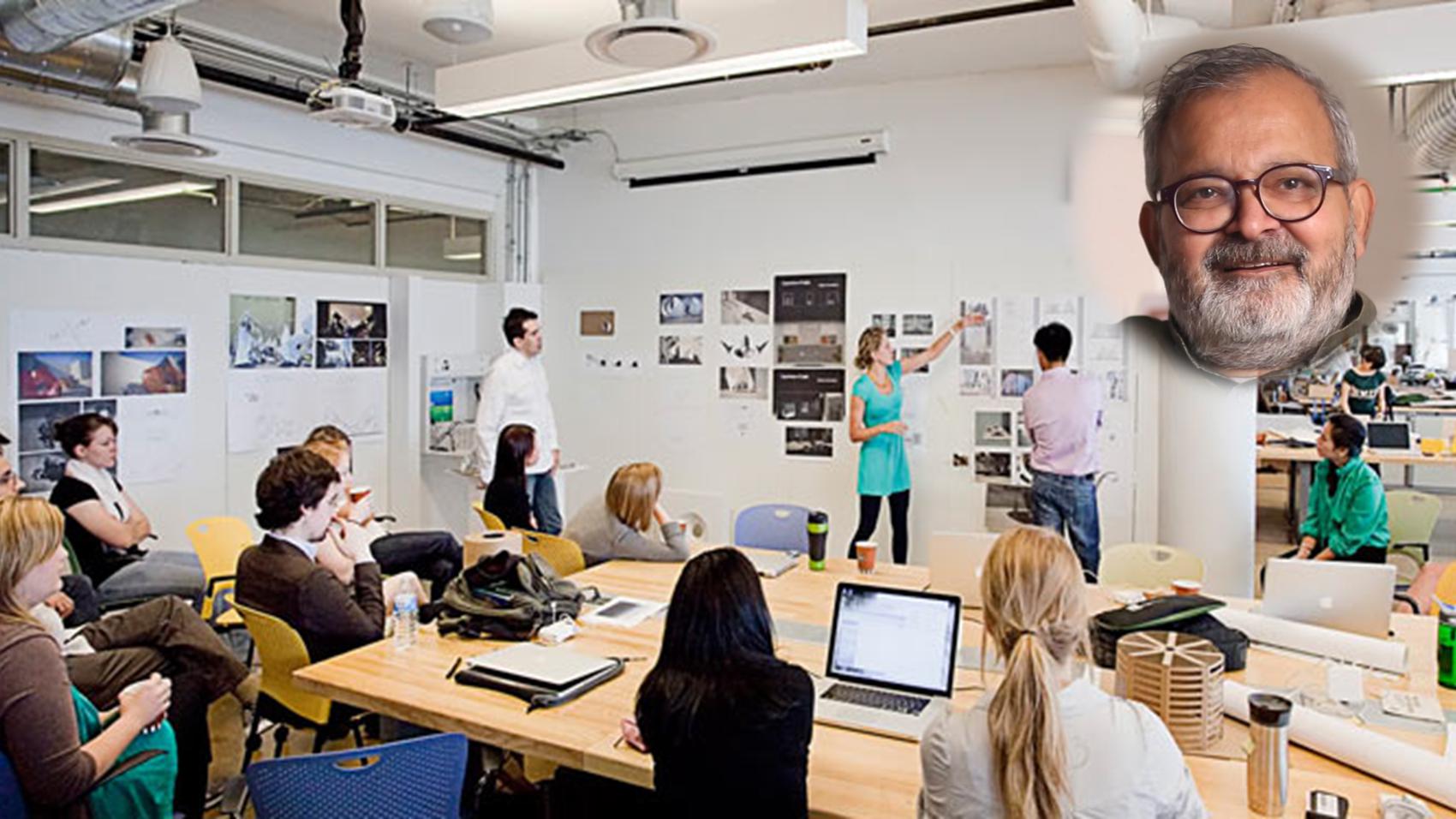
By mid-morning, the studio buzzes with activity as the core design work takes center stage. Architects gather around large tables or digital screens, engaging in spirited discussions about project concepts, structural challenges, and aesthetic choices. This is the heart of the day, where creativity meets problem-solving and ideas are tested against real-world constraints. Whether refining a façade, coordinating with engineers, or presenting concepts to clients, the work is intense and collaborative, demanding both vision and adaptability.

The afternoon brings a shift toward execution and teamwork. Meetings with contractors, engineers, and project managers fill the schedule, as architects translate their designs into actionable plans. Site visits may be on the agenda, offering a chance to see how drawings are materializing into physical structures and to address any issues that arise on the ground. Back in the studio, architects update construction documents, respond to requests for information, and ensure that every detail aligns with the project’s goals. The energy is purposeful, as the team works together to turn vision into reality.

As the day winds down, the studio quiets once more, allowing for reflection and preparation. Architects review the day’s progress, update project notes, and respond to any lingering emails. This is also a time for research, whether exploring new materials, studying building codes, or seeking inspiration for future projects. Before heading home, architects set priorities for the next day, ensuring that momentum is maintained and that every project continues to move forward. The day ends as it began: with thoughtful planning and a commitment to shaping the built environment.


Install the LifePage App to:


  1. (for Free) Watch Director Tarun Walecha’s full Architecture Career Talk

  2. ₹ Do a Self Assessment on Architecture to calculate your Dream Index, which is defined as:

    According to Tarun Walecha your chances of success in Architecture is __%

  3. Access your personalized Dream Index Report which will have all your Dream Indices sorted in descending order.

Career Counselling 2.0


<?php echo $altimage; ?>


<?php echo $altimage; ?>


How to get into

Architecture?


If you are want to get into Architecture, start by investing in a Career Plan.

The 14 hour process, guided by a LifePage Career Advisor, will help you introspect and check whether your interest in Architecture is merely an infatuation or is it truly something you wish to do for the rest of your life.

Next, your Career Advisor will help you document how you can get into Architecture, what education and skills you need to succeed in Architecture, and what positives and challenges you will face in Architecture.

Finally, you will get a Career Plan stating which Courses, Certifications, Trainings and other Items you need to do in the next 7 years to become world’s best in Architecture.


LifePage Career Plan

14 hour personalized guidance program


Your LifePage Career Advisor facilitates your guided introspection so that you systematically explore various Career options to arrive at a well thought out Career choice.

Next: your Advisor helps you figure out how you will get into your chosen Career and how will you develop the skills needed for success in your Chosen Career.

LifePage Plan will not stop at saying "to become an Architect study Architecture". It will guide you on which Certifications, Trainings and Other items you need to do along with your Architecture education to become the world's best Architect.


Links for this Talk


LifePage Career Talk on Architecture


Career Counselling 2.0
[Career]
https://www.lifepage.in/careers/architecture-6


Career Counselling 2.0
[Full Talk]
https://lifepage.app.link/20181007-0002


Career Counselling 2.0
[Trailer]
https://www.youtube.com/watch?v=zhgHeb_OkUA


(Tarun Walecha, Architecture, R.L.A.P.L, Housing and Infrastructure, Designer, Interior Design, Design Architect)


Similar Talks


Career in Architecture
Architecture
Anubha Kakroo
Dean, Faculty of Architecture | DIT University
[ 4 years & 4 months Experience ]

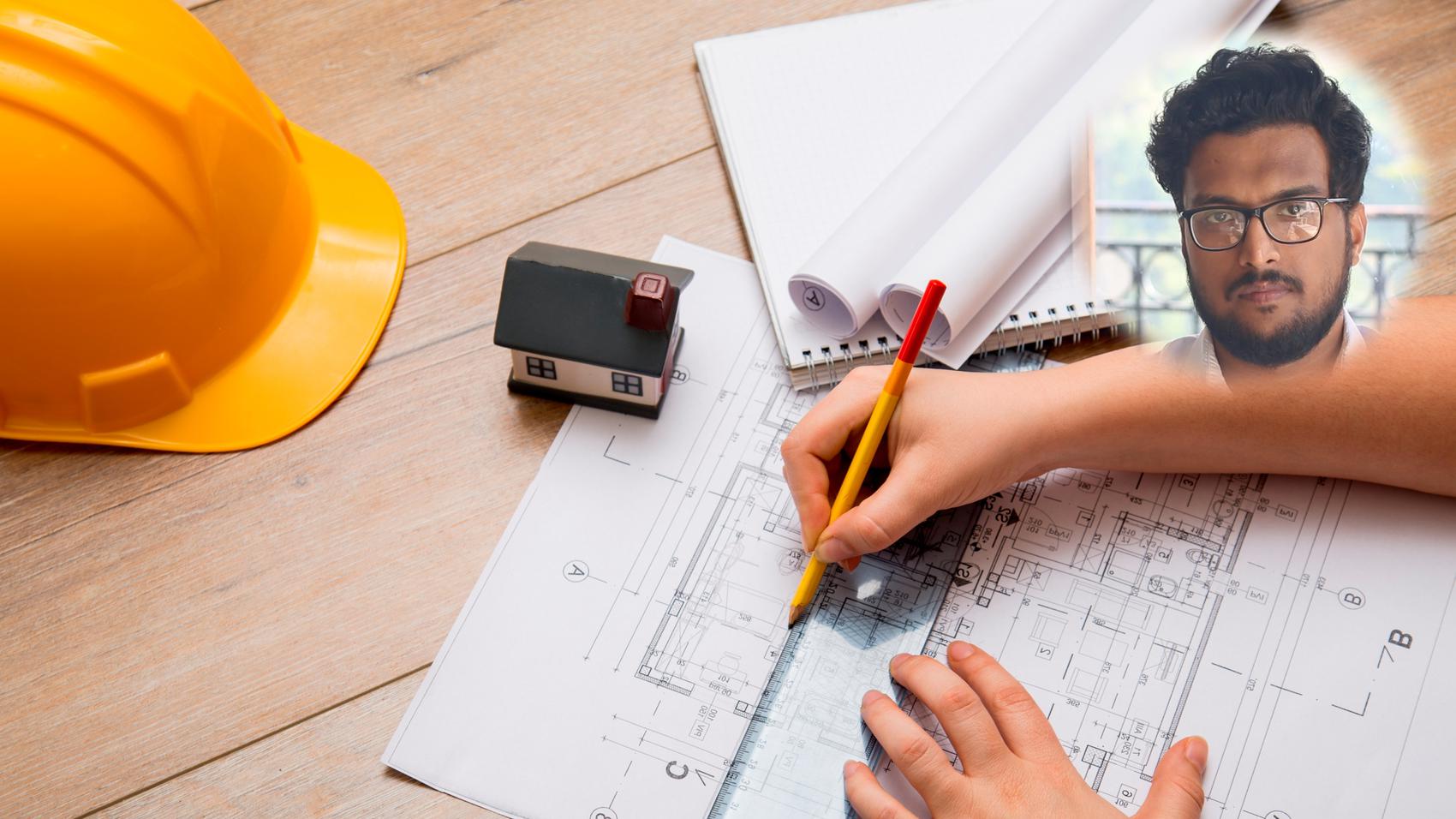
There are three basic necessities of life, which is food , clothing and shelter. Architecture constitutes of working for shelter. It deals with creating built environment for people which are safe and sustainable. It includes planning and building schools, houses, buildings, markets , among other things. All cities and villages we live in are also a product of architecture.

"After completing my B Arch and Masters in Industrial Design from School of Planning and Architecture, I worked for ten years. Later I did masters degree in Design Management from Brunell University, London. I am working as a Dean, Faculty of Architecture in DIT University."


Career Counselling 2.0 Career Counselling 2.0 Career Counselling 2.0 Career Counselling 2.0 Career Counselling 2.0


Career in Architecture
Architecture
Swabhavi Agarwal
Architect | Various Assignments
[ 4 years Experience ]

The art or practice of designing and constructing buildings

"After completing my schooling from St Josephs Academy, Dehradun, I went on to do my Architecture from Chitkara School of Planning & Architecture, Chandigarh. I have been working as an Architect since 2013."


Career Counselling 2.0 Career Counselling 2.0 Career Counselling 2.0 Career Counselling 2.0 Career Counselling 2.0


Career in Architecture
Architecture
Junaid Khan
Project Manager | AK Associates
[ 6 years & 5 months Experience ]

Architecture is a general term to describe buildings and other physical structures, its the art and science of designing buildings and some nonbuilding structures. It's the style of design and method of construction of buildings and other physical structures.

"After doing my schooling from KCM School Moradabad, I did my graduation in B Arch from Gautam Buddha University, Lucknow. I have been working as a Project Manager in AK Associates since 2016."


Career Counselling 2.0 Career Counselling 2.0 Career Counselling 2.0 Career Counselling 2.0 Career Counselling 2.0


Career in Industrial Designing
Industrial Designing
Siddhartha Mukherjee
Architect | Artifacts & Habitats Sustainable Solutions
[ 3 years Experience ]

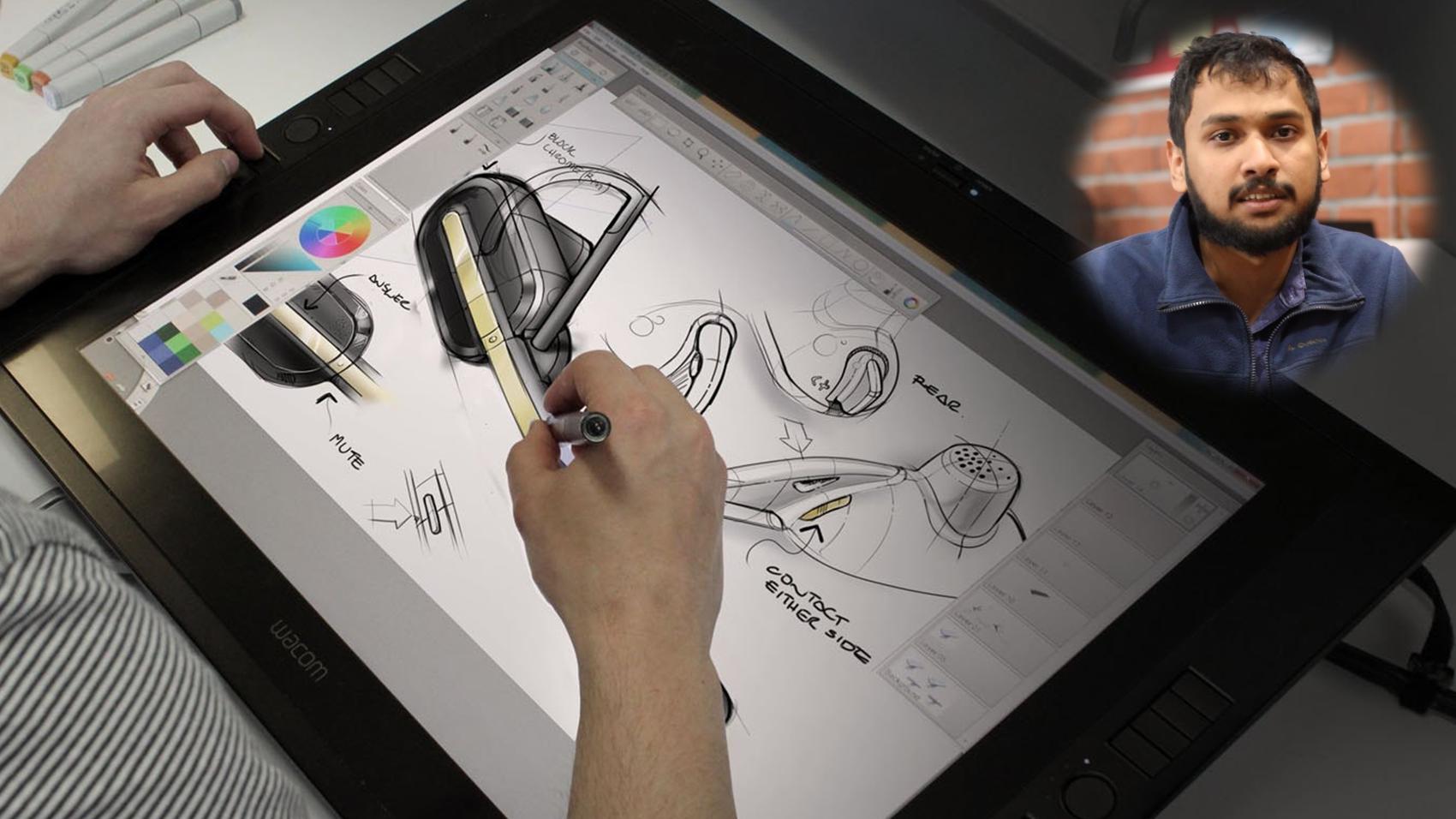
Industrial design is a process of design applied to products that are to be manufactured through techniques of mass production.

"I have done B Arch from Dr Babasaheb Ambedkar Marathwada University and M Des from Industrial Design Centre, IIT Bombay. I worked at Godrej for 3 years. I am an Architect with Artifacts and Habitats Sustainable Solutions. I am an Assistant Professor at DIT University since 2017."


Career Counselling 2.0 Career Counselling 2.0 Career Counselling 2.0 Career Counselling 2.0 Career Counselling 2.0


Career in Earth Architecture
Earth Architecture
Swati Negi
Architect | Various Assignments
[ 6 years & 1 month Experience ]

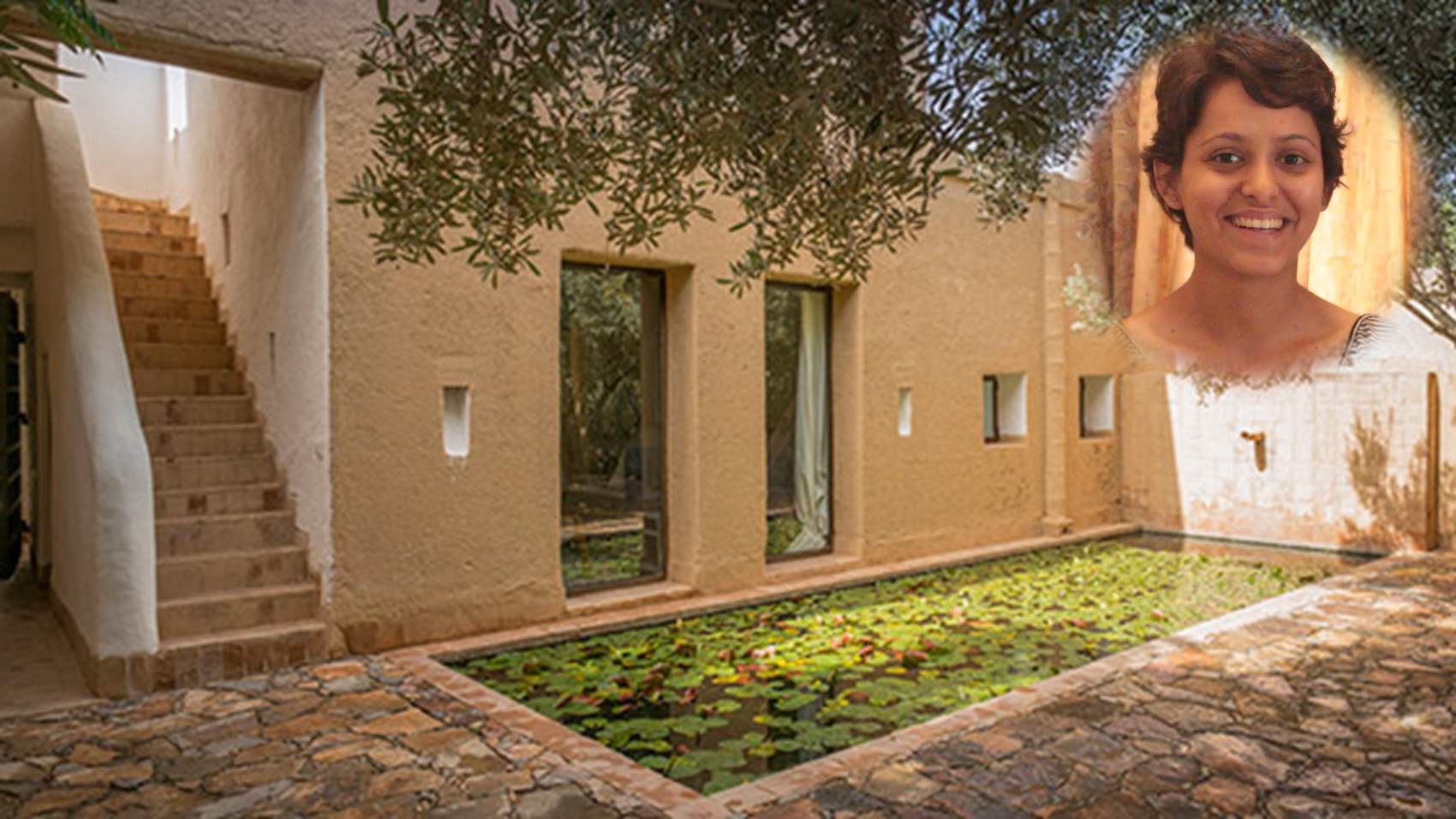
Earth Architecture is a technique for building walls using natural raw materials such as earth, chalk, lime or gravel. It is an ancient building method that has seen a revival in recent years. The walls are simple to construct, non-combustible, strong, and durable.

"After completing B Arch from Sinhgad College of Architecture, Pune, I started working at Auroville Earth Institute where I worked for 2.5 years. Post that, I started travelling mainly to hill stations such as Ladakh, Spiti, Nepal and Uttarakhand and experienced working with various masons and traditional techniques. In 2017, I came to Dehradun and joined DIT as a visiting faculty and besides that I have been working as a freelance earth architect mainly using different natural building techniques."


Career Counselling 2.0 Career Counselling 2.0 Career Counselling 2.0 Career Counselling 2.0 Career Counselling 2.0


Career in Urban Designing
Urban Designing
Resha Patil
HOD | DIT University
[ 20 years Experience ]

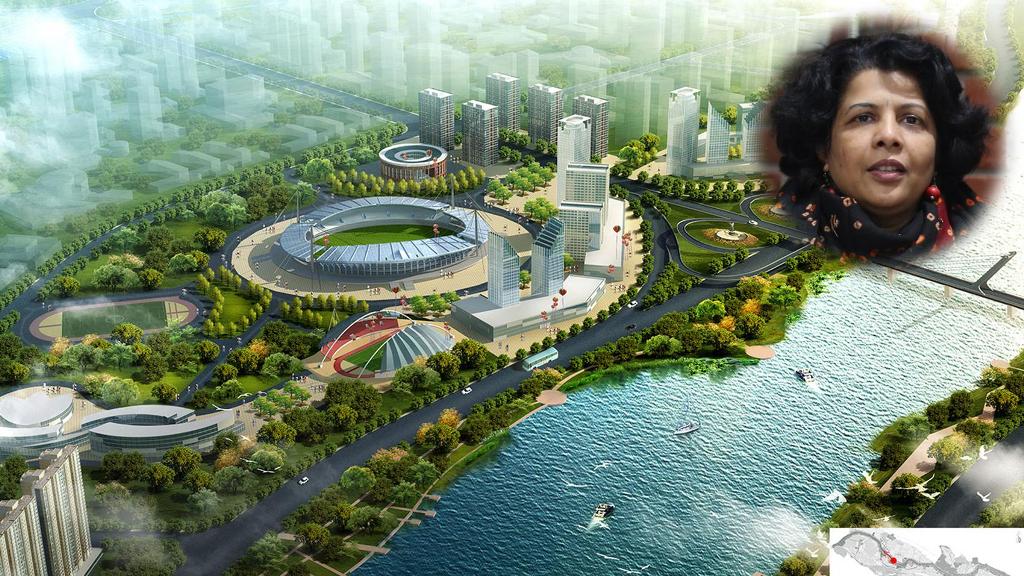
Urban design is the process of designing and shaping cities, towns and villages. In contrast to architecture, which focuses on the design of individual buildings, urban design deals with the larger scale of groups of buildings, streets and public spaces, whole neighborhoods and districts, and entire cities, with the goal of making urban areas functional, attractive, and sustainable.

"After my Bachelors in Architecture & Masters in Urban Design, I started working as an Architect and have worked on various projects at various organizations like SEA, Arcop, Akruti Nirman Ltd and Utopia Architects. I have 20 years of experience in this field. I am also working as an Urban Design & Green Building Consultant. I am working at DIT University as HOD of Architecture Department since 2016."


Career Counselling 2.0 Career Counselling 2.0 Career Counselling 2.0 Career Counselling 2.0


Career in Architecture
Architecture
Malvika Ahuja
Architect | Malvika Ahuja Architects
[ 25 years Experience ]

Architecture is one of the most interesting and creative fields which anybody can work for, in which you are always doing some design work and in which we always follow some rules forms and functions. These are premium rules which are set be one of the masters of architecture. There are debating issues in it whether form follows function or function follows form. So people have different lines of thought about this issue. But Architecture is basically the study of the built form and it is been there for generations. And every city or place is remembered by architecture wonders or structures which are built there, like Coloseum in Rome, like Indian stupas or Taj Mahal.

"After completing my graduation in Architecture from Chandigarh College of Architecture, I started working with Kothari Associates for almost 18 years. After that, I started my own practice in Dehradun with the name Malvika Ahuja Architects."


Career Counselling 2.0 Career Counselling 2.0 Career Counselling 2.0 Career Counselling 2.0 Career Counselling 2.0


Career in Architecture & Planning
Architecture & Planning
Y S Pundir
Architect Planner | SIIDCUL
[ 21 years & 11 months Experience ]

Planning is the design of cities, towns and neighborhoods. Planning may include developing architectural guidelines for planned neighborhoods, or building massing studies for large urban projects.

"I did B Arch from Shivaji University, Kohlapur. I did Post Graduation in Infrastructure Development & Management from NICMAR, Pune. I started my own venture in 1997 by the name Map Age. I shifted to SIIDCUL in 2005 and am an Architect Planner there. I am also a Fellow Member of Institution of Valuers."


Career Counselling 2.0 Career Counselling 2.0 Career Counselling 2.0 Career Counselling 2.0 Career Counselling 2.0


Career in Architecture & Conservation
Architecture & Conservation
Mauli Mishra
Architect | Artifacts & Habitats Sustainable Solutions
[ 5 years & 1 month Experience ]

Architecture is both the process and the product of planning, designing, and constructing buildings or any other structures. Architectural works, in the material form of buildings, are often perceived as cultural symbols and as works of art. Historical civilizations are often identified with their surviving architectural achievements. Conservation is the process of maintaining and managing change to a heritage asset in a way that sustains and where appropriate enhances its significance.

"I did my B Arch from Government College of Architecture, Lucknow and M Arch from CEPT University. After completing my education, I got an opportunity to work with Tibet Heritage Fund and CEPT University. I also got an opportunity to work with Uttarakhand Tourism Development Board. In 2017, I started my own venture Artifacts & Habitats Sustainable Solutions and I also work as a visiting faculty at UPES, Dehradun."


Career Counselling 2.0 Career Counselling 2.0 Career Counselling 2.0 Career Counselling 2.0 Career Counselling 2.0


Career in Architecture
Architecture
Purnima Verma
Architect | Various Creative Assignments
[ 7 years & 10 months Experience ]

Architecture is a profession where you learn about how to deal with spaces. Not only you work on buildings but also on landscape and softscape.

"After completing my masters, I started working as a Freelancer and take up projects for Architecture and Energy Efficiency. I am also teaching at DIT University."


Career Counselling 2.0 Career Counselling 2.0 Career Counselling 2.0 Career Counselling 2.0 Career Counselling 2.0


Career in Design and Architecture
Design and Architecture
Rajesh Jain
Architect | Ichinen Architects (P) Ltd
[ 27 years & 7 months Experience ]

Architecture is both the process and the product of planning, designing, and constructing buildings or any other structures. Architectural works, in the material form of buildings, are often perceived as cultural symbols and as works of art. Historical civilizations are often identified with their surviving architectural achievements. Architecture can also mean a general term to describe buildings and other physical structures. The art and science of designing buildings and non building structures. The style of design and method of construction of buildings and other physical structures.

"After completing my schooling from Grasim School Nagda, I did my Bachelors of Architecture from NIIT, Bhopal. Thereafter, I started working as an Architect with Consulting Engineering Services, Delhi. I worked on several Government projects like pilot project of metro line and airport and have been to Muscat & Turkey for the projects. Later, I started my own architectural firm named Ichinen Architects (P) Ltd."


Career Counselling 2.0 Career Counselling 2.0 Career Counselling 2.0 Career Counselling 2.0 Career Counselling 2.0


Career in Urban Planning
Urban Planning
Riyan Habeeb
Architect & Urban Planner | CEDAR
[ 9 years & 11 months Experience ]

Urban planning is a technical and political process concerned with the development and design of land use and the built environment, including air, water, and the infrastructure passing into and out of urban areas, such as transportation, communications, and distribution networks and the provision of municipal services to residents and visitors. Urban planning deals with physical layout of human settlements.

"I graduated in Architecture from NIT, Hamirpur. After working as an architect for few years I went on to do Masters in Urban & Rural Planning from IIT, Roorkee. I am an Architect & Urban Planner with CEDAR (Centre for Ecology Development & Research)."


Career Counselling 2.0 Career Counselling 2.0 Career Counselling 2.0 Career Counselling 2.0 Career Counselling 2.0


Career in Teaching Architecture
Teaching Architecture
Kartik Vora
Professor | DIT University
[ 30 years Experience ]

Teaching Architecture is when teachers create lesson plans and deliver lectures on architectural design concepts and the history of the field. Teaching Architecture is when teachers create lesson plans and deliver lectures on architectural design concepts and the history of the field.

"I did my graduation from CEPT, Ahmedabad and started teaching at Academy of Architecture, Mumbai, as well as doing research in Architecture. I have been working at DIT University as a professor since 2017."


Career Counselling 2.0 Career Counselling 2.0 Career Counselling 2.0 Career Counselling 2.0 Career Counselling 2.0


Career in Architecture
Architecture
T S Aswal
Managing Director | Aswal & Asociates
[ 44 years & 7 months Experience ]

Architecture is both the process and the product of planning, designing, and constructing buildings or any other structures. Architectural works, in the material form of buildings, are often perceived as cultural symbols and as works of art.

"After completing my graduation in Architecture from Sir JJ School of Architecture, Mumbai, I did Diploma in Clay Modelling and Architectural Assistant from the School of Arts, Lucknow. After that, I have worked with PWD, Lucknow and M E S (Dept of Defence) at the Army Headquarters. Later on. I started my own architecture firm, Aswal & Associates in 1986 in Dehradun and have been running and working there ever since. I am the Managing Director of the company."


Career Counselling 2.0 Career Counselling 2.0 Career Counselling 2.0 Career Counselling 2.0 Career Counselling 2.0


Career in Architectural Research
Architectural Research
Kartik Vora
Professor | DIT University
[ 33 years Experience ]

Architectural Research includes Architectural processes, Architectural products, Architectural performance. The first stage, process, refers to research into processes involved in the design and construction of buildings, and thus might include for example issues of representation, theories of design, modelling of the environment, and so on.

"After completing my graduation from CEPT, Ahmedabad, I started doing research on various projects. I was the Chief Researcher for festival of India Exhibition in Russia, Japan & Germany. I also worked with SOM Foundation in Chicago. Since 1984, I have been working as a consultant for various projects."


Career Counselling 2.0 Career Counselling 2.0 Career Counselling 2.0 Career Counselling 2.0 Career Counselling 2.0


Career in Architecture
Architecture
Chhabi Mishra
Director (Architecture Department) | DIT University
[ 27 years Experience ]

Architecture is both the process and the product of planning, designing, and constructing buildings or any other structures.

"After completing my B Arch from JJ College of Architecture, Mumbai and Masters in Landscape Architecture from University of Wisconsin Madison, US, I started working as Campus Master Planner/Project Manager at SmithGroup JJR, Ann Arbor, Michigan. I worked there for almost 8 years and later I started working with J Robert Anderson as a Senior Planner. I have worked with many other international organizations like Bosse and Turner, Austin TX, Neighborhood Planning and Zoning Department. In 2009, I came back to India and in 2014, I joined GD Goenka University and founded the Architecture Department of GD Goenka University. In May 2018, I joined DIT University as the Director of Architecture Department."


Career Counselling 2.0 Career Counselling 2.0 Career Counselling 2.0 Career Counselling 2.0 Career Counselling 2.0


[Install the LifePage App to access all Talks]


<?php echo $altimage; ?>


<?php echo $altimage; ?>


&mbsp;


Career Counselling 2.0 | Home   Home  
Career Counselling 2.0 | Abroad   Abroad  
Career Counselling 2.0 | Plan   Plan  
Career Counselling 2.0 | Talks   Talks  
Career Counselling 2.0 | Philosophy   Philosophy  
Career Counselling 2.0 | Seminar   Seminar  
Career Counselling 2.0 | Workshop   Workshop  
Career Counselling 2.0 | Pages   Pages  
Career Counselling 2.0 | Advisors   Advisors  
Career Counselling 2.0 | Discuss   Discuss  
Career Counselling 2.0 | Meet   Meet  
Career Counselling 2.0 | Advisor   Advisor  
Career Counselling 2.0 | Story   Story  
Career Counselling 2.0 | Fine Print   Fine Print  
Career Counselling 2.0 | Links   Links  
Career Counselling 2.0 | Blog   Blog  
Career Counselling 2.0 | Testimonials   Testimonials  
Career Counselling 2.0 | Follow   Follow  
 
[ Site Visits ]


Career Counselling 2.0