The Journey of Teaching Architecture
What Is Teaching Architecture
Teaching Architecture
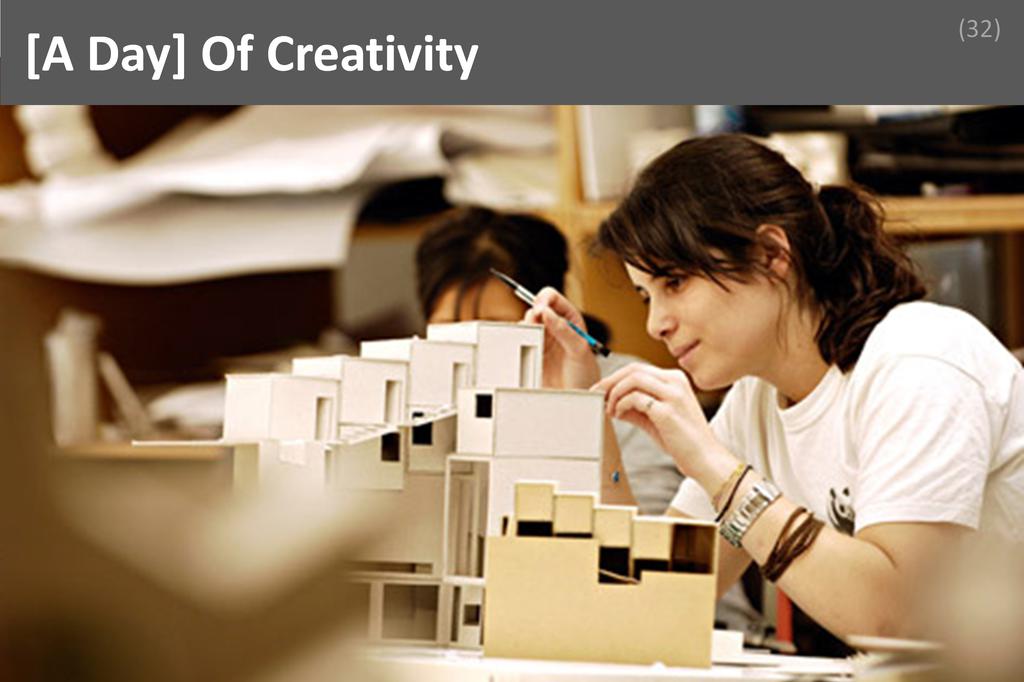
Teaching Architecture is the practice of educating students about the principles, history, theory, and practical skills involved in designing buildings and spaces. It involves guiding learners through studio projects, lectures, and critiques, fostering creativity, technical proficiency, and critical thinking essential for future architects and design professionals.
Teaching Architecture plays a crucial role in shaping the next generation of architects and designers. By imparting both foundational knowledge and innovative thinking, educators help students develop the skills necessary to address complex design challenges. This field impacts professionals by keeping them engaged with evolving trends and technologies, fostering a culture of lifelong learning. One major benefit is the opportunity to influence the built environment through the ideas and projects of students. Another benefit is the intellectual stimulation that comes from interacting with creative minds and diverse perspectives. Additionally, teaching architecture allows professionals to contribute to the advancement of the discipline, ensuring that ethical, sustainable, and culturally responsive practices are passed on to future practitioners.
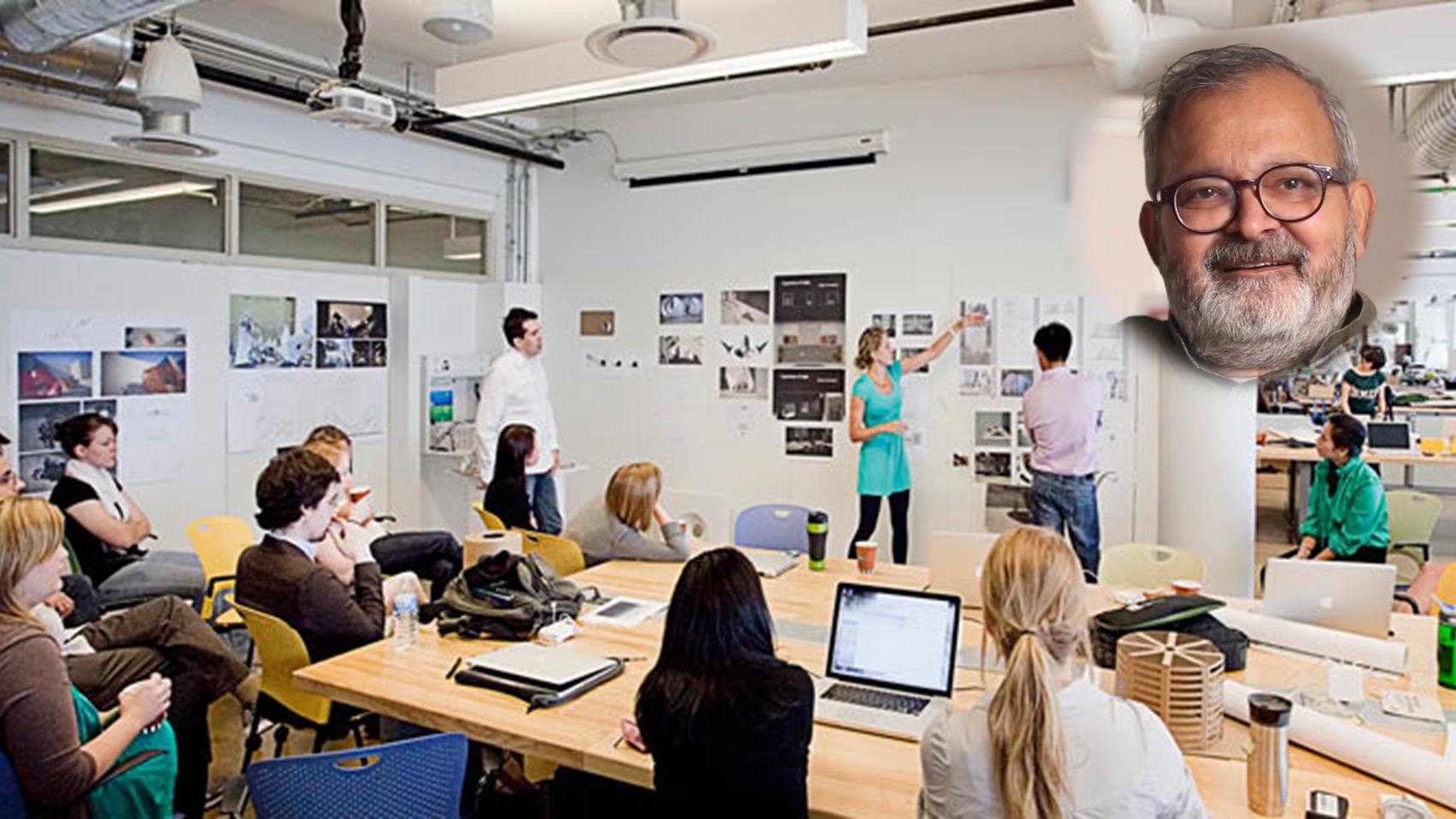
A professor at a university’s school of architecture might lead a design studio where students are tasked with reimagining a public space in their city. The educator guides students through research, conceptual development, and technical drawing, offering feedback during critiques and encouraging collaboration. Throughout the semester, the professor introduces students to relevant case studies, building codes, and digital modeling tools, ensuring they understand both the creative and regulatory aspects of architectural design. By the end of the course, students present their projects to a panel of professionals, gaining valuable experience in communication and professional practice. Through this process, the educator not only imparts technical knowledge but also inspires students to think critically about the social and environmental impact of their designs.
Education
Architectural Designing

Architectural Designing is the creative and technical process of conceptualizing, planning, and developing structures and spaces that are functional, aesthetically pleasing, and sustainable. It integrates artistic vision with engineering principles, addressing user needs, environmental context, and regulatory requirements. In teaching architecture, it forms the cornerstone of both theory and practice.
Understanding architectural designing is essential for anyone preparing to teach architecture because it underpins every aspect of the discipline. Mastery of this subject enables educators to guide students through the complexities of spatial organization, material selection, and environmental responsiveness. It also fosters critical thinking and problem-solving skills, which are crucial for developing innovative design solutions. For professionals, a deep knowledge of architectural designing ensures they can effectively mentor future architects, stay current with evolving industry standards, and contribute meaningfully to academic discourse. Over the long term, this expertise supports career advancement, enhances credibility, and opens opportunities for research, consultancy, and leadership roles within architectural education.
A professor in an architecture program might use their expertise in architectural designing while leading a studio course. During a design review, the professor draws upon their theoretical understanding to critique student proposals, offering insights on spatial composition, structural integrity, and sustainability. They demonstrate how to translate conceptual ideas into practical design solutions, referencing real-world constraints such as building codes and site conditions. By modeling the design process and encouraging iterative development, the professor helps students bridge the gap between abstract concepts and tangible outcomes. This daily application of architectural designing not only enriches student learning but also reinforces the educator’s own professional practice.
Structure & Construction
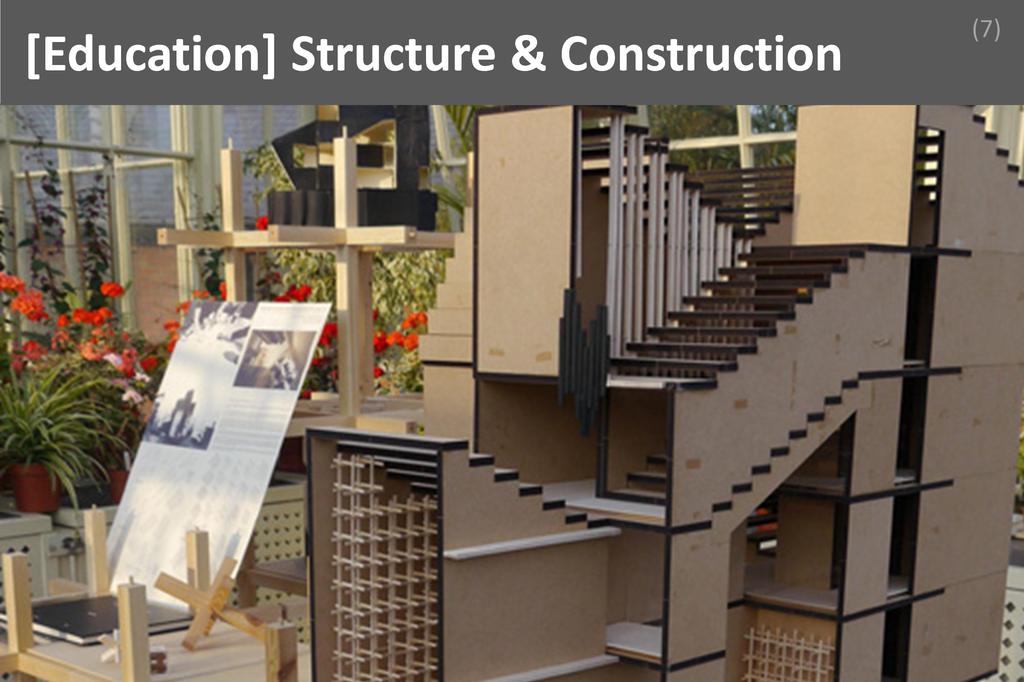
Structure & Construction refers to the study and application of principles that govern how buildings stand, resist forces, and are physically assembled. It encompasses materials, structural systems, and construction methods. In Teaching Architecture, this knowledge is essential for educating future architects about safe, efficient, and innovative building practices.
Understanding Structure & Construction is vital for anyone preparing to teach architecture because it forms the backbone of architectural design and practice. Mastery of this subject ensures that educators can guide students in making informed design decisions that are both creative and technically sound. It enables teachers to bridge the gap between conceptual ideas and practical realization, fostering a holistic approach to architectural education. Over the course of a career, this expertise allows professionals to stay current with evolving construction technologies and sustainability practices, enhancing their ability to mentor students effectively and contribute meaningfully to the profession. Ultimately, a strong foundation in Structure & Construction empowers educators to cultivate the next generation of architects who are capable of designing safe, functional, and innovative buildings.
Consider a scenario where an architecture professor is leading a studio project focused on designing a community center. The professor draws upon their knowledge of Structure & Construction to help students evaluate different structural systems, such as steel frames versus timber construction, based on the project’s spatial and environmental requirements. During critiques, the professor challenges students to justify their material choices and structural strategies, ensuring that their designs are not only aesthetically pleasing but also feasible and sustainable. By referencing real-world construction techniques and building codes, the professor demonstrates how theoretical concepts translate into practical solutions, preparing students to navigate the complexities of architectural practice with confidence and competence.
Engineering Services

Engineering Services refers to the specialized technical disciplines that support the design, construction, and operation of buildings, including mechanical, electrical, plumbing, fire protection, and structural systems. In the context of Teaching Architecture, it forms a crucial component of both academic curricula and professional practice, ensuring holistic architectural education.
A thorough understanding of Engineering Services is essential for anyone preparing to teach architecture, as it bridges the gap between creative design and practical implementation. Mastery of this subject enables educators to impart knowledge about how buildings function beyond aesthetics, emphasizing safety, sustainability, and occupant comfort. By integrating Engineering Services into their teaching, professionals help students appreciate the interdisciplinary nature of architecture, preparing them for real-world challenges. This foundational knowledge not only enhances the credibility of educators but also equips future architects with the skills to collaborate effectively with engineers and consultants. Over the long term, expertise in Engineering Services fosters innovation, supports regulatory compliance, and ensures that architectural solutions are both visionary and feasible.
Consider an architecture professor guiding students through the design of a sustainable community center. The professor draws upon their knowledge of Engineering Services to explain how HVAC systems can be integrated for energy efficiency, how structural choices affect spatial flexibility, and how plumbing layouts influence building usability. During studio critiques, the educator challenges students to justify their design decisions with respect to fire safety codes and electrical load requirements, demonstrating the interconnectedness of engineering and architecture. By referencing real building projects and inviting guest engineers to share insights, the professor ensures that students not only conceptualize inspiring spaces but also understand the technical realities that bring those spaces to life. This approach prepares students for collaborative, multidisciplinary work in their future careers.
Softwares & Technology

Softwares & Technology refers to the digital tools, platforms, and systems used in the design, visualization, analysis, and management of architectural projects. In the context of Teaching Architecture, it encompasses both the practical application of these tools and the theoretical understanding necessary to guide students in their effective use within academic and professional settings.
A thorough grasp of Softwares & Technology is essential for anyone preparing to teach architecture, as it bridges the gap between traditional design principles and modern industry practices. Mastery of digital tools such as CAD, BIM, and visualization software enables educators to provide students with relevant, up-to-date skills that align with current professional standards. This knowledge not only enhances the educator’s ability to communicate complex design concepts but also ensures that students are well-prepared for the technological demands of the architecture field. Over the long term, staying current with evolving technologies fosters adaptability, supports innovative teaching methods, and strengthens professional credibility within both academic and industry circles.
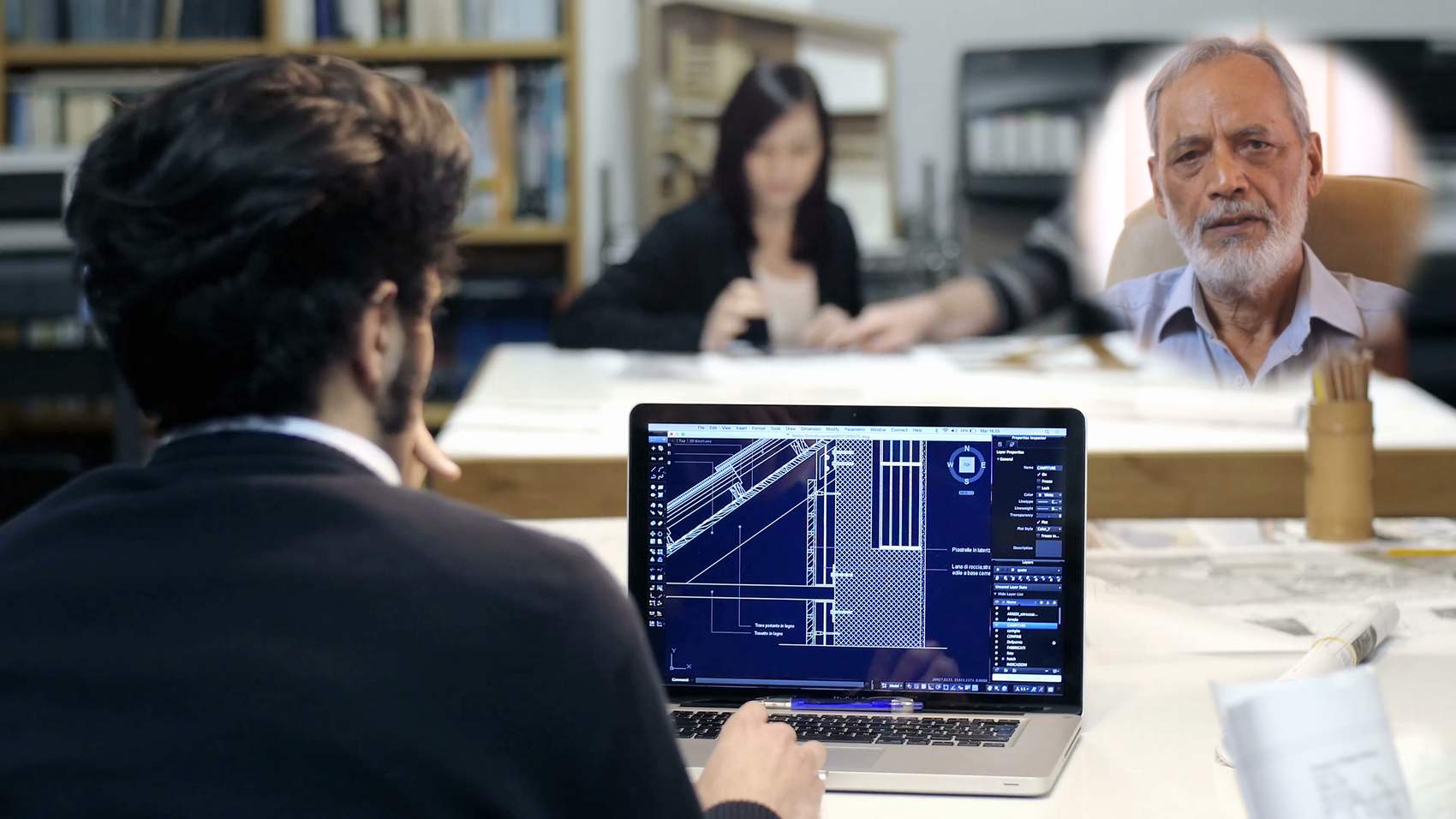
Consider an architecture professor leading a studio course where students are tasked with designing a sustainable community center. The professor integrates Building Information Modeling (BIM) software into the curriculum, demonstrating how to create detailed digital models that incorporate structural, environmental, and material data. By guiding students through the process of using simulation tools to analyze energy efficiency and daylighting, the professor not only imparts technical skills but also illustrates the real-world application of technology in sustainable design. This hands-on approach ensures that students gain practical experience with industry-standard software, preparing them to meet the expectations of future employers and to contribute meaningfully to contemporary architectural practice.
Liberal Sciences
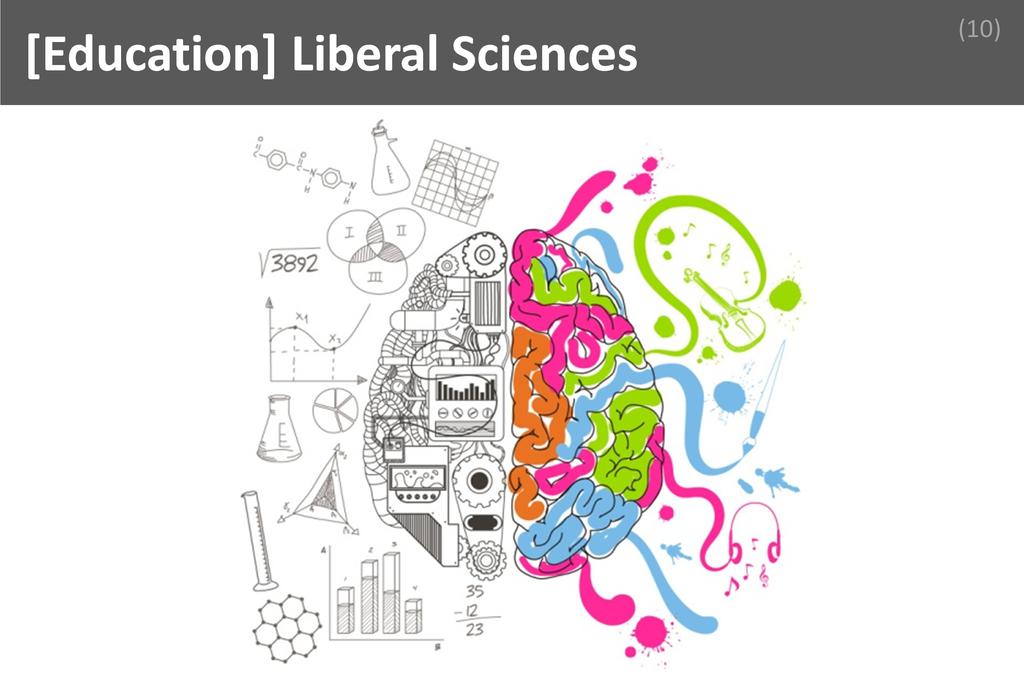
Liberal Sciences encompass a broad spectrum of academic disciplines, including humanities, social sciences, natural sciences, and mathematics. These fields foster critical thinking, ethical reasoning, and cultural awareness. For those teaching architecture, Liberal Sciences provide essential context, enabling educators to connect architectural concepts with societal, historical, and environmental dimensions.
Understanding Liberal Sciences is vital for anyone preparing to teach architecture because it cultivates a holistic perspective on the built environment. This knowledge base allows educators to guide students beyond technical skills, encouraging them to consider the social, cultural, and ethical implications of their designs. By integrating Liberal Sciences, teachers help future architects appreciate the interconnectedness of architecture with history, philosophy, psychology, and ecology. This interdisciplinary approach not only enriches classroom discussions but also prepares students to address complex real-world challenges. Over the long term, mastery of Liberal Sciences enhances professional adaptability, fosters lifelong learning, and supports leadership roles within academic and architectural communities.
Imagine an architecture educator leading a studio project focused on designing a community center. Drawing on their background in Liberal Sciences, the teacher encourages students to research the neighborhood’s history, demographics, and cultural traditions. During critiques, the educator prompts students to reflect on how their designs respond to social needs, environmental sustainability, and ethical considerations. By weaving in discussions about urban sociology, environmental psychology, and local heritage, the teacher helps students understand that architecture is not just about structures, but about people and their lived experiences. This approach ensures that future architects are equipped to create spaces that are both functional and meaningful within their broader social context.
History & Culture

History & Culture encompasses the study of past events, social developments, artistic movements, and the evolution of human societies, with a focus on how these factors shape built environments. In Teaching Architecture, it forms a crucial academic foundation, enabling educators to contextualize architectural styles, theories, and practices within broader cultural and historical frameworks.
Understanding History & Culture is essential for anyone preparing to teach architecture because it provides the context necessary to interpret and critique architectural works. This knowledge allows educators to explain why certain styles emerged, how cultural values influence design, and the ways in which architecture responds to societal changes. Mastery of this subject ensures that teaching is not limited to technical skills or aesthetics but extends to fostering critical thinking and cultural literacy among students. Over the long term, a deep grasp of history and culture equips professionals to guide future architects in creating meaningful, contextually aware designs that respect heritage and contribute thoughtfully to the built environment.
Consider an architecture professor leading a studio project focused on urban revitalization. Drawing on their expertise in History & Culture, the professor guides students to analyze the historical layers of a city district, examining how past architectural interventions reflect cultural shifts and societal needs. By referencing local traditions, historical events, and previous design philosophies, the professor helps students develop proposals that honor the area’s heritage while addressing contemporary challenges. This approach not only enriches the students’ design process but also demonstrates the practical value of historical and cultural knowledge in creating architecture that resonates with communities and stands the test of time.
Teaching Techniques

Teaching Techniques refers to the diverse strategies, methods, and approaches educators use to facilitate learning and foster understanding among students. In the context of Teaching Architecture, these techniques form a crucial component of both academic preparation and professional practice, ensuring that complex architectural concepts are effectively communicated and comprehended.
Understanding Teaching Techniques is essential for anyone preparing for or working in Teaching Architecture because it directly impacts the effectiveness of knowledge transfer. Architecture is a multifaceted discipline that combines theory, design, history, and technical skills. Mastery of teaching methods enables educators to present this complexity in accessible ways, adapting to varied learning styles and student backgrounds. Proficiency in these techniques not only enhances classroom engagement but also supports the development of critical thinking and problem-solving skills among students. Over the long term, educators who continuously refine their teaching approaches contribute to the advancement of the field, foster innovation, and maintain relevance in a rapidly evolving academic and professional landscape.
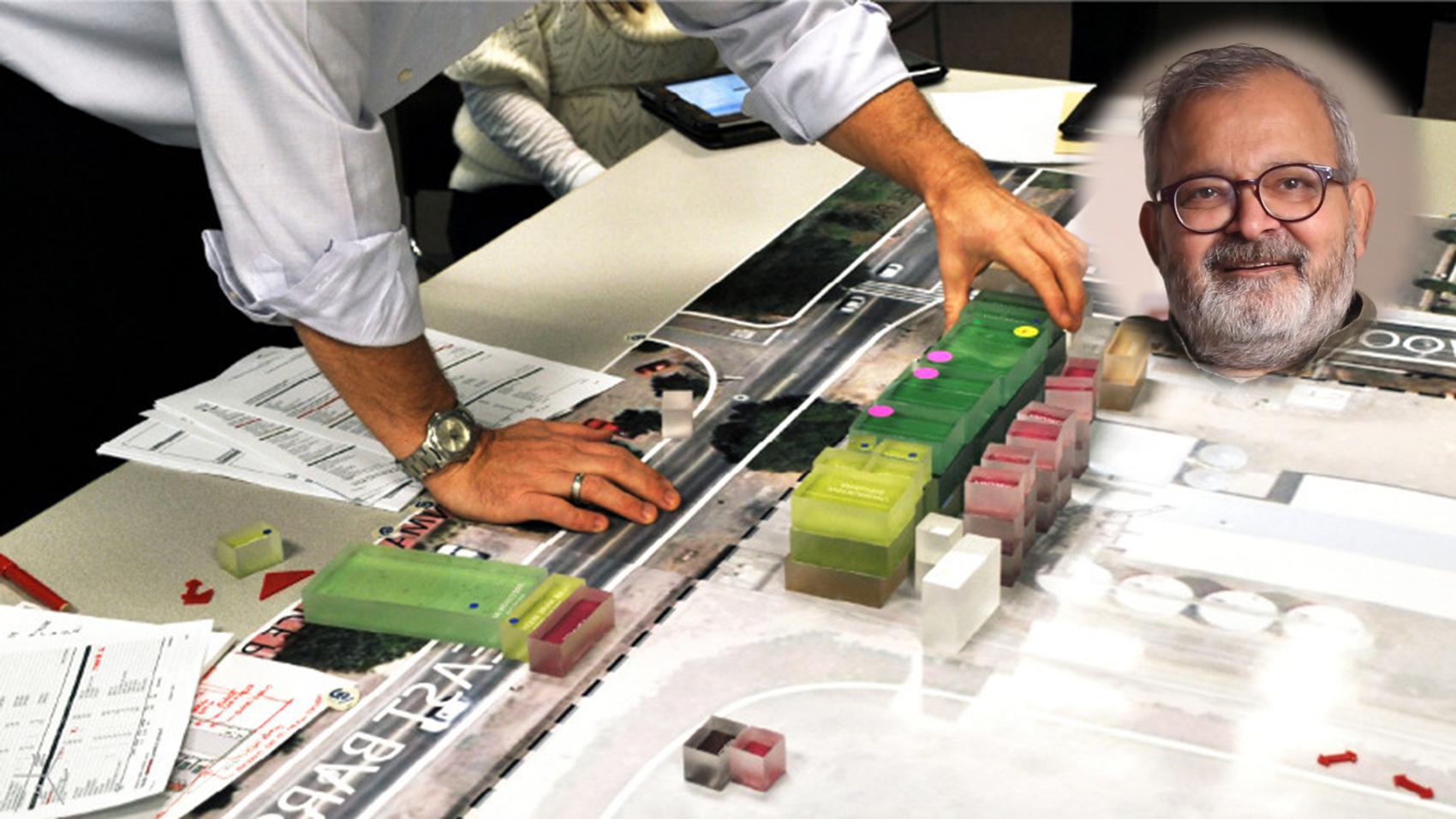
Consider an architecture professor leading a studio course where students must design sustainable urban spaces. By drawing on their knowledge of Teaching Techniques, the professor structures the course to include collaborative workshops, peer critiques, and hands-on model-building sessions. They adapt explanations to suit visual, auditory, and kinesthetic learners, ensuring that each student can grasp complex sustainability principles. When students struggle with a particular design challenge, the professor employs guided questioning and real-world case studies to stimulate critical thinking and creativity. This thoughtful application of diverse teaching methods not only deepens students’ understanding but also prepares them for the collaborative and interdisciplinary nature of professional architectural practice.
Skills
Creativity & Innovative

Creativity & Innovative refers to the ability to generate original ideas, approaches, and solutions while embracing new methods and technologies. In Teaching Architecture, this skill enables professionals to design engaging curricula, inspire students, and adapt to evolving educational and industry trends, making learning both relevant and impactful.
Creativity & Innovative directly enhances a teaching architect’s effectiveness by fostering dynamic learning environments and encouraging students to think beyond conventional boundaries. Employers and academic institutions highly value this skill because it leads to the development of forward-thinking graduates who are prepared for real-world challenges. To cultivate creativity and innovation, professionals should actively seek inspiration from diverse sources, participate in interdisciplinary collaborations, and remain open to experimentation with teaching methods and design technologies. Continuous learning, reflection, and feedback from peers and students also play a crucial role in nurturing this competency over time, ensuring that teaching practices remain fresh and responsive to the needs of both students and the architectural profession.
Imagine a teaching architect faced with the challenge of engaging students in a remote learning environment during a sudden shift to online education. By leveraging creativity and innovative thinking, the instructor designs interactive virtual studio sessions using digital modeling tools and collaborative platforms. This approach not only maintains student engagement but also introduces them to industry-relevant technologies. The instructor further encourages students to explore unconventional design solutions for real-world problems, fostering a spirit of experimentation and adaptability. Through this creative and innovative response, the teaching architect successfully overcomes the limitations of remote instruction, ensuring students continue to develop critical skills and remain motivated despite the challenging circumstances.
Communication Skills
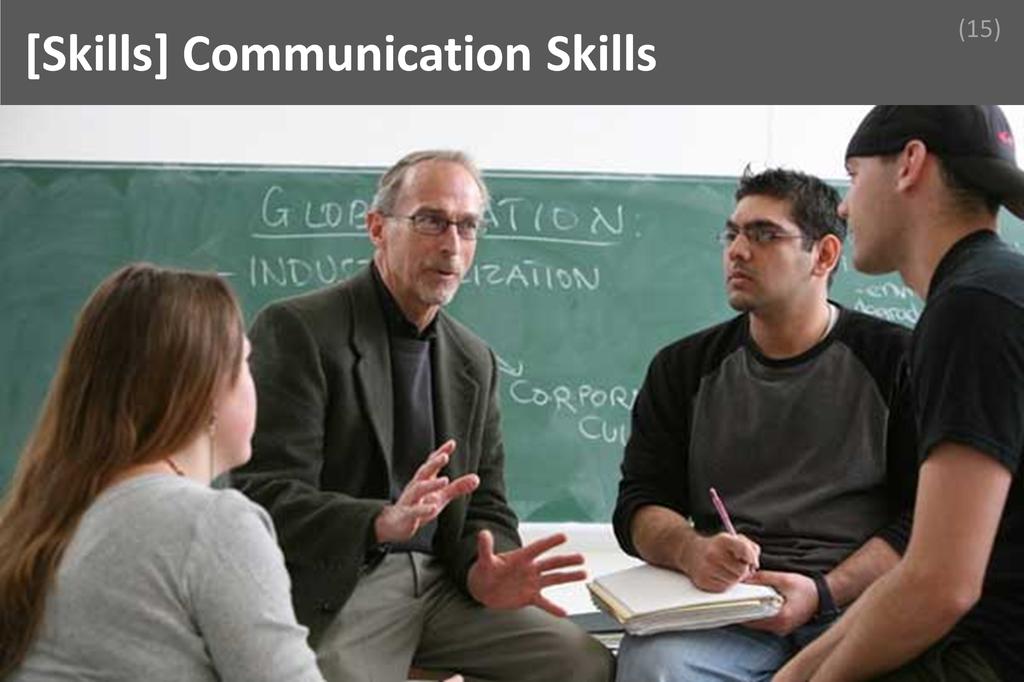
Communication skills encompass the ability to clearly express ideas, actively listen, interpret feedback, and adapt messages for diverse audiences. In teaching architecture, these skills enable professionals to convey complex design concepts, foster collaborative learning environments, and bridge gaps between theory and practice, making them indispensable for effective instruction and mentorship.
Strong communication skills directly enhance a teaching architect’s effectiveness by enabling them to articulate intricate architectural theories, provide constructive feedback, and inspire students’ creativity. Employers and clients highly value these abilities because they ensure that information is accurately shared, misunderstandings are minimized, and collaborative projects run smoothly. Over time, communication skills can be cultivated through deliberate practice, such as engaging in public speaking, participating in workshops, and seeking feedback from peers and students. By continuously refining their approach, teaching architects become more adept at tailoring their communication style to suit different learning needs, ultimately fostering a more inclusive and productive educational environment.
Imagine a teaching architect guiding a studio class where students are struggling to grasp the principles of sustainable design. By leveraging strong communication skills, the instructor breaks down complex concepts into relatable examples, encourages open dialogue, and listens attentively to students’ concerns. When a group misinterprets an assignment, the teacher quickly clarifies expectations through a thoughtful discussion, ensuring everyone is aligned. This approach not only resolves confusion but also empowers students to ask questions and engage more deeply with the material. As a result, the class achieves a higher level of understanding and produces innovative design solutions, demonstrating how effective communication can transform challenges into opportunities for learning and success.
Time Management

Time management is the strategic process of planning, organizing, and controlling how much time to spend on specific activities to maximize efficiency and productivity. For professionals in Teaching Architecture, time management is indispensable, enabling them to balance lesson planning, student engagement, research, and administrative duties within tight academic schedules.
Mastering time management directly enhances a Teaching Architecture professional’s effectiveness by allowing them to meet deadlines, deliver high-quality instruction, and maintain a healthy work-life balance. Clients and employers highly value this skill because it ensures that projects, courses, and academic responsibilities are completed on schedule, reflecting reliability and professionalism. Cultivating time management involves setting clear priorities, breaking complex tasks into manageable segments, and consistently evaluating progress. Over time, professionals can refine their approach by reflecting on past experiences, adopting new organizational tools, and seeking feedback from peers and students. This ongoing development not only boosts personal productivity but also positively impacts the learning environment and institutional reputation.
Consider a Teaching Architecture professional tasked with guiding students through a semester-long design project while also preparing for an upcoming accreditation review. With multiple deadlines converging, effective time management becomes crucial. The educator creates a detailed schedule, allocating specific periods for project critiques, administrative paperwork, and personal research. By adhering to this plan, they ensure that students receive timely feedback, accreditation materials are submitted punctually, and their own research does not fall behind. When an unexpected issue arises, such as a student needing extra support, the educator’s well-structured timetable allows for flexibility without compromising other responsibilities. This scenario demonstrates how strong time management skills enable professionals to navigate complex demands and achieve success in Teaching Architecture.
Empathy

Empathy is the ability to understand and share the feelings, perspectives, and experiences of others, fostering genuine connection and support. In Teaching Architecture, empathy enables educators to recognize students’ unique backgrounds, learning styles, and challenges, allowing them to tailor instruction and guidance for optimal growth and engagement within diverse learning environments.
Empathy directly enhances performance in Teaching Architecture by enabling educators to build trust and rapport with students, colleagues, and clients. When teachers approach interactions with empathy, they can better identify individual needs, adapt their communication, and create inclusive learning spaces that encourage creativity and critical thinking. Clients and employers highly value empathetic professionals because they foster collaborative atmospheres, resolve conflicts constructively, and support the holistic development of learners. Cultivating empathy involves active listening, self-reflection, and seeking feedback from others. Over time, educators can deepen their empathetic abilities by engaging with diverse perspectives, participating in professional development, and remaining open to continuous learning, ultimately enriching their teaching practice and professional relationships.
Imagine a Teaching Architecture professional working with a group of students struggling to grasp a complex design concept. Instead of insisting on a single approach, the educator listens attentively to each student’s concerns and observes their individual learning processes. By empathizing with their frustration and recognizing their varied backgrounds, the teacher adapts the lesson, offering alternative explanations and hands-on activities tailored to different learning styles. This empathetic response not only alleviates student anxiety but also fosters a supportive environment where students feel understood and motivated to engage more deeply with the material. As a result, the class achieves greater comprehension and confidence, demonstrating how empathy can transform challenges into opportunities for collective success.
Listening

Listening is the active process of receiving, interpreting, and understanding spoken or unspoken messages from others, requiring attention, empathy, and reflection. In Teaching Architecture, listening enables professionals to grasp students’ needs, colleagues’ perspectives, and evolving educational trends, making it a fundamental skill for effective communication and impactful instruction.
Listening enhances a Teaching Architecture professional’s ability to respond thoughtfully to students, adapt lessons to diverse learning styles, and foster a collaborative studio environment. Clients and employers value this skill because it leads to more responsive teaching, improved student outcomes, and stronger team dynamics. By consistently practicing attentive listening during critiques, meetings, and informal conversations, educators can better identify underlying concerns and opportunities for growth. Over time, reflecting on feedback and seeking clarification when needed helps refine this skill. As a result, listening becomes integral to building trust, facilitating innovation, and maintaining relevance in a rapidly evolving field.
Imagine a Teaching Architecture professional leading a design studio where students are struggling with a complex urban planning project. By actively listening to their frustrations and questions, the educator discerns that the challenge lies not in creativity but in understanding zoning regulations. Recognizing this, the instructor adapts the curriculum to include a focused workshop on regulatory frameworks, inviting a guest expert to provide real-world insights. This targeted response, made possible through attentive listening, not only resolves the immediate issue but also empowers students to approach future projects with greater confidence and competence. The educator’s ability to listen transforms a potential setback into a valuable learning opportunity, demonstrating the profound impact of this core skill.
Interpersonal Skills

Interpersonal skills refer to the ability to communicate, collaborate, and build positive relationships with others through empathy, active listening, and effective verbal and non-verbal communication. In Teaching Architecture, these skills enable educators to connect with students, colleagues, and industry professionals, fostering a supportive and productive learning environment.
Interpersonal skills are fundamental for teaching architecture because they directly influence classroom dynamics, student engagement, and collaborative project success. Educators who excel in these skills can better understand student needs, mediate conflicts, and encourage open dialogue, which leads to more effective learning outcomes. Employers and academic institutions value professionals who can create inclusive, communicative spaces, as these environments promote creativity and critical thinking. To cultivate interpersonal skills, one should seek regular feedback, practice active listening, and participate in collaborative activities both inside and outside the classroom. Over time, consistent self-reflection and openness to diverse perspectives help refine these abilities, making educators more adaptable and responsive to the evolving needs of their students and peers.
Imagine a scenario where a group of architecture students is struggling to work together on a complex design project, leading to misunderstandings and stalled progress. A teaching professional with strong interpersonal skills recognizes the tension and intervenes by facilitating an open discussion, encouraging each student to express their ideas and concerns. By actively listening and mediating the conversation, the educator helps the group identify common goals and rediscover mutual respect. This approach not only resolves the immediate conflict but also models effective communication and teamwork for the students. As a result, the project moves forward successfully, and the students gain valuable experience in collaboration, thanks to the educator’s adept use of interpersonal skills.
Creditability

Creditability is the consistent ability to acknowledge, attribute, and reference the sources of ideas, information, and creative work, ensuring transparency and respect for intellectual property. In Teaching Architecture, creditability fosters trust, upholds academic integrity, and models ethical behavior, making it a cornerstone for effective instruction and professional reputation.
Creditability directly enhances a Teaching Architecture professional’s performance by building trust with students, colleagues, and industry partners. When educators consistently credit sources and collaborators, they demonstrate respect for the intellectual contributions of others, which encourages a culture of honesty and mutual respect. Employers and clients value this skill because it reduces the risk of plagiarism, legal disputes, and reputational damage. Over time, creditability can be cultivated by staying informed about copyright laws, practicing diligent citation, and fostering open dialogue about intellectual property. Regular self-reflection and feedback from peers also help educators refine their approach, ensuring that credit is always given where it is due.
Imagine an architecture educator guiding students through a collaborative design project. During a review, a student presents a concept inspired by a renowned architect’s work. The educator, demonstrating creditability, acknowledges the original source and explains its influence on the student’s design. This not only reinforces the importance of proper attribution but also protects the student from potential accusations of plagiarism. By modeling this behavior, the educator instills ethical standards in the classroom and strengthens their own credibility with both students and colleagues. This approach ensures that all contributions are recognized, fostering a respectful and innovative learning environment where creativity and integrity thrive.
Positives
Creating Leaders

Creating Leaders means nurturing students to become visionary thinkers, confident decision-makers, and responsible professionals who can shape the future of the built environment. In teaching architecture, this involves guiding learners to develop critical skills, ethical values, and innovative mindsets, empowering them to influence communities and inspire positive change in society.
The opportunity to create leaders is a profound source of fulfillment for those who teach architecture. By mentoring future architects, educators witness firsthand the transformation of students into confident professionals ready to tackle complex challenges. This ongoing process not only elevates the profession but also brings immense job satisfaction, as teachers see their influence ripple outward through their students’ achievements. The daily experience of guiding, motivating, and witnessing growth in others fosters a sense of purpose and pride. It also encourages continuous personal and professional development, as educators strive to model the qualities they wish to instill. Ultimately, creating leaders ensures that the legacy of architectural excellence and innovation is carried forward by each new generation.
Imagine an architecture professor mentoring a group of students through a challenging urban design project. Over the semester, the students evolve from hesitant beginners into confident team leaders, taking initiative, making critical decisions, and presenting bold ideas to local stakeholders. The professor observes their transformation, offering guidance and encouragement while allowing them space to lead. At the project’s conclusion, the students not only deliver an impressive design but also demonstrate leadership qualities that will serve them throughout their careers. The professor feels a deep sense of accomplishment, knowing they have played a pivotal role in shaping not just skilled architects, but future leaders who will positively impact the world.
Building Relations

Building Relations refers to the ongoing process of forming meaningful, supportive, and collaborative connections with students, colleagues, and the broader architectural community. In teaching architecture, this means fostering trust, open communication, and mutual respect, which enriches the learning environment and enhances both personal and professional growth for everyone involved.
The ability to build strong relationships is a cornerstone of a fulfilling career in teaching architecture. When educators invest in genuine connections, they create a classroom atmosphere where creativity and critical thinking thrive. These relationships encourage students to share ideas freely, seek guidance, and take intellectual risks, knowing they are supported. For teachers, this daily interaction with engaged learners and passionate peers leads to a sense of purpose and accomplishment. It also opens doors to collaborative research, innovative projects, and lifelong mentorships. Over time, these bonds not only boost job satisfaction but also contribute to professional development, as educators learn from diverse perspectives and stay inspired by the evolving ambitions of their students and colleagues.
Imagine an architecture professor who mentors a group of students through a complex design project. As the semester progresses, the professor invests time in understanding each student’s strengths, challenges, and aspirations. Through regular discussions, constructive feedback, and shared problem-solving, a sense of trust and camaraderie develops. Students feel empowered to experiment with bold ideas, knowing their professor genuinely cares about their growth. The professor, in turn, finds immense satisfaction in witnessing students’ progress and creativity flourish. This collaborative journey not only leads to impressive project outcomes but also forges lasting professional relationships, demonstrating how building relations transforms teaching into a deeply rewarding and impactful career.
Contributing to the Society

Contributing to the society means actively participating in the betterment of communities by sharing knowledge, fostering innovation, and nurturing responsible citizens. In teaching architecture, this involves shaping future professionals who will design spaces that enhance quality of life, promote sustainability, and address societal needs, ultimately creating a lasting positive impact.
The opportunity to contribute to society is a profound motivator for those teaching architecture. Educators in this field do more than impart technical skills; they inspire students to think critically about the built environment and its influence on communities. This sense of purpose elevates job satisfaction, as teachers witness their students grow into thoughtful architects who can address real-world challenges. The daily interactions with aspiring architects allow educators to see the ripple effect of their work, knowing that each lesson has the potential to influence future cityscapes and improve lives. This ongoing contribution not only fuels personal growth but also strengthens the profession’s role in shaping a better, more sustainable world.
Imagine a professor guiding students through a project focused on designing affordable, eco-friendly housing for underserved neighborhoods. Throughout the semester, the educator encourages students to research local needs, collaborate with community members, and integrate sustainable practices. As the students present their final designs, the professor witnesses their transformation from novices to socially conscious designers. The community’s enthusiastic response to the students’ ideas further reinforces the value of the educator’s role. In this moment, the professor experiences the deep fulfillment that comes from knowing their teaching has empowered future architects to make meaningful contributions, directly impacting both the students’ lives and the broader society they will one day serve.
Creative Satisfaction

Creative satisfaction is the deep sense of fulfillment and joy that arises from engaging in imaginative problem-solving, innovative thinking, and the realization of original ideas. In teaching architecture, this satisfaction stems from guiding students through the creative process, nurturing their talents, and witnessing the evolution of unique design concepts. Creative satisfaction contributes positively to this profession by fostering a dynamic and inspiring environment where both educators and students thrive on exploration and discovery. It transforms routine teaching into a vibrant exchange of ideas, making every day intellectually stimulating and emotionally rewarding.
Creative satisfaction is a cornerstone of job fulfillment for those teaching architecture, as it transforms the classroom into a studio of innovation and exploration. This positive aspect matters because it keeps educators motivated and passionate about their work, allowing them to continually grow alongside their students. The opportunity to inspire and be inspired by fresh perspectives encourages lifelong learning and adaptability, essential traits in the ever-evolving field of architecture. Professionals experience this benefit daily as they collaborate with students on design projects, critique inventive solutions, and witness the tangible results of their mentorship. The ongoing cycle of creativity not only enhances job satisfaction but also builds a vibrant academic community where ideas flourish and professional growth is a shared journey.
Imagine an architecture professor guiding a group of students through a semester-long project to design a sustainable community center. As the students brainstorm, sketch, and model their ideas, the professor provides feedback, encourages experimentation, and shares insights from personal experience. Throughout the process, the professor witnesses students transform abstract concepts into innovative, functional designs. The moment when a student presents a breakthrough solution—one that elegantly balances aesthetics, sustainability, and community needs—brings the professor immense creative satisfaction. This experience reaffirms the value of their role, as they see their guidance directly influencing the next generation of architects and contributing to meaningful, real-world change.
Joyful Profession

A "Joyful Profession" is a career path that consistently brings personal fulfillment, enthusiasm, and a sense of purpose, making daily work feel meaningful and uplifting. In teaching architecture, this joy stems from inspiring creativity, nurturing future designers, and witnessing the transformative power of education in shaping both individuals and the built environment. This positive energy not only enriches the educator’s own life but also radiates to students, fostering a vibrant and dynamic learning atmosphere. The sense of joy found in this profession is a driving force that sustains motivation, encourages innovation, and creates a lasting impact on both the teacher and their students.
The joyful nature of teaching architecture is a cornerstone of job satisfaction and professional growth. When educators genuinely love what they do, their passion becomes contagious, sparking curiosity and engagement in their students. This daily sense of fulfillment helps teachers overcome challenges and remain resilient in the face of demanding workloads or complex projects. The joy experienced in this profession also encourages lifelong learning and continuous improvement, as teachers are motivated to stay updated with new trends and technologies. Ultimately, the positive atmosphere created by a joyful profession leads to stronger relationships, deeper learning experiences, and a more supportive academic community, making every day at work both meaningful and rewarding.
Imagine an architecture professor guiding a group of students through their first design studio. As the students grapple with concepts and experiment with ideas, the professor witnesses moments of breakthrough and creativity. The joy comes alive when a student, previously unsure of their abilities, presents a thoughtful and innovative project, beaming with newfound confidence. The professor feels a deep sense of pride and satisfaction, knowing their mentorship played a role in this transformation. This daily experience of nurturing talent and seeing students grow not only validates the professor’s career choice but also fills them with enthusiasm to continue inspiring the next generation of architects, making the profession truly joyful.
Challenges
High Responsibility

High Responsibility in Teaching Architecture refers to the significant obligation educators have to shape future architects’ knowledge, ethics, and practical skills. This duty is demanding because it involves influencing students’ professional trajectories, ensuring public safety through design education, and staying current with evolving industry standards and technologies.
The weight of high responsibility in teaching architecture permeates daily work, often manifesting as pressure to deliver accurate, relevant, and inspiring instruction while also mentoring students through complex design challenges. This ongoing demand can lead to stress and burnout, requiring educators to develop resilience and adaptability. Successful professionals manage this constraint by fostering collaborative learning environments, seeking peer support, and engaging in continuous professional development. They prioritize self-care and time management, ensuring they remain effective and motivated. By embracing reflective teaching practices and maintaining open communication with students and colleagues, these educators navigate the high stakes of their role, turning responsibility into an opportunity for growth and positive impact.
Consider an architecture professor tasked with guiding a studio class through a project focused on sustainable urban design. Recognizing the high responsibility to impart both technical knowledge and ethical considerations, the professor carefully balances rigorous academic standards with supportive mentorship. When students struggle with complex sustainability concepts, the professor organizes additional workshops and invites industry experts to provide real-world perspectives. By remaining approachable and responsive to student needs, the professor not only alleviates stress but also models professional responsibility and resilience. This proactive approach ensures students are well-prepared for their future roles, demonstrating how high responsibility, when managed thoughtfully, leads to meaningful educational outcomes and personal fulfillment for both teacher and students.
Dealing with Parents

Dealing with parents in Teaching Architecture involves managing expectations, addressing concerns about curriculum, workload, and career prospects, and communicating complex educational philosophies. This is demanding because parents often have strong opinions and anxieties about their children's futures, requiring educators to balance empathy, professionalism, and clarity in every interaction.
The challenge of dealing with parents can significantly influence a teaching architect’s daily routine, often requiring additional time for meetings, emails, and phone calls outside of classroom hours. This ongoing communication can be emotionally taxing, especially when parents question teaching methods or express dissatisfaction. The need for resilience arises from the pressure to maintain positive relationships while upholding academic standards and institutional policies. Successful professionals manage this by setting clear boundaries, fostering transparent communication, and demonstrating a genuine commitment to student growth. They approach each interaction with patience and empathy, using their expertise to educate parents about the unique demands and rewards of architectural education, thereby building trust and mutual respect.
Consider a scenario where a parent is concerned that their child is overwhelmed by the intensity of studio projects and questions whether the workload is justified. The teaching architect arranges a meeting to listen to the parent’s concerns, explains the pedagogical reasons behind the rigorous curriculum, and shares examples of how such challenges prepare students for real-world architectural practice. By providing insight into the skills being developed and offering reassurance about available support systems, the educator not only addresses the parent’s worries but also strengthens the partnership between home and school. This thoughtful engagement helps the parent feel heard and informed, ultimately fostering a more supportive environment for the student’s learning journey.
Dealing with Management

Dealing with management in Teaching Architecture refers to navigating administrative expectations, institutional policies, and leadership directives that may conflict with pedagogical goals or creative freedom. This challenge is demanding because it requires balancing educational integrity with compliance, often under resource constraints and shifting priorities set by non-academic decision-makers.
The challenge of dealing with management can significantly shape the daily experience of teaching architecture. Faculty may face pressure to conform to standardized curricula, justify resource needs, or adapt to sudden policy changes, all of which can disrupt carefully planned courses and stifle innovation. This environment demands resilience, as educators must advocate for their students and programs while maintaining positive relationships with administrators. Successful professionals manage this constraint by developing strong communication skills, building alliances with supportive colleagues, and seeking common ground with management. They learn to frame their proposals in terms that align with institutional goals, demonstrating flexibility without compromising core educational values. By doing so, they create opportunities for dialogue and incremental change, ensuring that their teaching remains impactful despite administrative hurdles.
Consider an architecture professor who is passionate about integrating hands-on design-build projects into the curriculum. When management expresses concerns about the costs and safety liabilities of such projects, the professor does not abandon the idea. Instead, she prepares a detailed proposal highlighting the educational benefits, aligns the project with the university’s strategic goals, and suggests partnerships with local organizations to offset expenses. She also addresses safety by proposing clear protocols and risk assessments. Through persistent dialogue and willingness to adapt her approach, she gains administrative approval for a pilot program. This outcome not only benefits her students but also demonstrates how proactive engagement with management can turn potential obstacles into collaborative successes.
A Day Of
Teaching Architecture
The hum of early conversation, the scent of fresh coffee, and the glow of computer screens set the stage for a day that is anything but routine in the world of teaching architecture. Here, the boundaries between creativity and practicality blur, as educators juggle the demands of guiding aspiring architects while staying attuned to the ever-evolving landscape of design and technology. Each day unfolds as a dynamic blend of mentorship, critique, collaboration, and inspiration, where the studio becomes both a classroom and a laboratory for innovation. The pace is brisk, the environment charged with possibility, and every moment is an opportunity to shape the future of the built environment through the minds of tomorrow’s designers.
As the campus slowly comes to life, the teaching architecture professional arrives early to claim a moment of calm before the day’s whirlwind begins. This is the time to review lesson plans, fine-tune digital presentations, and walk through the studio, ensuring models and materials are ready for the morning’s activities. The quiet hours offer a chance to reflect on student progress, respond to overnight emails, and mentally rehearse the day’s lectures or critiques, setting a thoughtful tone for the hours ahead.
By mid-morning, the studio buzzes with energy as students gather for design critiques, the heart of architectural education. The teaching professional moves from desk to desk, engaging in lively discussions, challenging assumptions, and offering constructive feedback on sketches, models, and digital renderings. This period is marked by intense focus and rapid problem-solving, as students present their ideas and receive guidance that pushes their thinking beyond the obvious. The educator’s role shifts fluidly between mentor, critic, and collaborator, fostering an environment where creativity and rigor go hand in hand.
After a brief lunch, the afternoon is devoted to hands-on workshops and collaborative project sessions. The teaching professional facilitates group work, guiding students as they tackle real-world design challenges, experiment with materials, or refine their technical drawings. Meetings with colleagues may punctuate the afternoon, whether to coordinate interdisciplinary projects, discuss curriculum updates, or plan upcoming exhibitions. The atmosphere is one of shared discovery, as both students and faculty contribute ideas and expertise to advance the collective work.
As daylight fades, the pace shifts to reflection and preparation for the next cycle. The teaching architecture professional turns to grading assignments, updating course materials, and documenting student progress. This is also a time for research—reviewing the latest industry developments, reading scholarly articles, or developing new teaching strategies. Before leaving the studio, the educator outlines objectives for the following day, ensuring that every detail is in place to inspire and challenge students anew when the sun rises again. |


 Home
Home Abroad
 Plan
Plan Philosophy
 Seminar
 Pages
Pages Advisors
 Testimonials















 Workshop
 Discuss
 Meet
Meet
 Advisor
 Story
Story
 Fine Print
 Links
Links
 Blog
Blog
 Follow
