Career Counselling 2.0 HomeHomeCareer Counselling 2.0 AbroadAbroadCareer Counselling 2.0 PlanPlanCareer Counselling 2.0 | TalksTalksCareer Counselling 2.0 PhilosophyPhilosophyCareer Counselling 2.0 SeminarSeminarCareer Counselling 2.0 PagesPagesCareer Counselling 2.0 AdvisorsAdvisorsCareer Counselling 2.0 TestimonialsTestimonials

Orthopedic Surgery

Sr Consultant Orthopedic Surgeon Dr Subhash Shalya talks about Orthopedic Surgery course, what is Orthopedic Surgery and other details about a Career in Orthopedic Surgery.


Orthopedic Surgery

Dr Subhash Shalya | Sr Consultant Orthopedic Surgeon | Various Hospitals


What is Orthopedic Surgery?


A Career in Orthopedic Surgery is very intriguing. Internet is brimming with pages on How to get into Orthopedic Surgery, while one should first understand What is a Career in Orthopedic Surgery. The most authoritative source of information on Orthopedic Surgery is someone with real experience in it.

With 23 years of professional experience, Sr Consultant Orthopedic Surgeon Dr Subhash Shalya understands Orthopedic Surgery. Sr Consultant Orthopedic Surgeon Dr Subhash Shalya defines Orthopedic Surgery as:

Orthopedic surgery or orthopedics is the branch of surgery concerned with conditions involving the musculoskeletal system. Orthopaedic surgery is surgery performed by a medical specialist, such as an orthopedist or orthopaedic surgeon, trained to deal with problems that develop in the bones, joints, and ligaments of the human body.


How Sr Consultant Orthopedic Surgeon Dr Subhash Shalya got into Orthopedic Surgery?


After completing my MBBS from SNMC, BR Ambedkar University Agra, I did my MS in Orthopedics & then in Surgery from SN Medical College Agra, UP. In 1994, I did my PGCR in Rehabilitation from All India Institute of Physical Medicine and Rehabilitation, Mumbai. In 1990, I started working as a Sr Consultant for various hospitals and later in 1995 I got associated as Full Time Senior Consultant Orthopedic Surgeon at Indraprastha Apollo Hospital where I worked for more than 9 years. In 2005, I started my own clinic & rehabilitation centre named Bone Joints Care Foundation of India which is an NGO in the field of rehabilitation of pediatric and geriatric patients suffering from disabilities and deformities. I am also associated with Fortis C-Doc Hospital New Delhi, Max Hospital Noida & NMC Hospital Noida as a visiting Sr Consultant Orthopedic Surgeon.


Sr Consultant Orthopedic Surgeon Dr Subhash Shalya's Talk on Orthopedic Surgery


Session Image
The Journey of Orthopedic Surgery


What Is Orthopedic Surgery


Orthopedic Surgery

### Orthopedic Surgery Image
What is
Orthopedic surgery is a specialized branch of medicine focused on diagnosing, treating, and preventing disorders of the musculoskeletal system, including bones, joints, ligaments, tendons, and muscles. Orthopedic surgeons use surgical and non-surgical methods to restore function, alleviate pain, and improve patients’ quality of life.

Concept
Orthopedic surgery plays a crucial role in modern healthcare by enabling individuals to regain mobility and independence after injuries or degenerative conditions. For professionals in this field, the specialty offers the opportunity to make a tangible difference in patients’ lives by restoring movement and reducing pain. The work is intellectually stimulating, requiring problem-solving skills and adaptability to new technologies. Orthopedic surgeons often experience high job satisfaction due to the visible improvements in their patients’ daily activities. Additionally, the field is constantly evolving, offering ongoing learning and professional growth. The ability to work in diverse settings, from hospitals to sports clinics, further enhances the appeal and impact of a career in orthopedic surgery.

Real World Example
A common scenario for an orthopedic surgeon involves treating a patient with a severe knee injury, such as a torn anterior cruciate ligament (ACL) sustained during sports. The surgeon evaluates the injury using imaging and clinical assessment, then discusses treatment options with the patient. If surgery is necessary, the orthopedic surgeon performs a minimally invasive ACL reconstruction, using advanced techniques to repair the ligament. Postoperatively, the surgeon collaborates with physical therapists to guide the patient through rehabilitation, monitoring progress and adjusting care as needed. Through this process, the orthopedic surgeon helps the patient regain strength, mobility, and confidence, ultimately enabling a return to normal activities and improved quality of life.

Education


Joint Replacement

### Joint Replacement Image
What is
Joint replacement is a surgical procedure in which a damaged or diseased joint is removed and replaced with an artificial implant, typically made of metal, plastic, or ceramic. This intervention restores mobility and relieves pain, making it a cornerstone of orthopedic surgery and a critical area of academic and clinical expertise.

Concept
Understanding joint replacement is essential for anyone preparing for or working in orthopedic surgery because it addresses some of the most common and debilitating musculoskeletal conditions, such as osteoarthritis and traumatic injuries. Mastery of this subject ensures that professionals can assess patient suitability, select appropriate implants, and manage complex perioperative care. The knowledge gained forms the foundation for advanced surgical techniques and fosters the ability to innovate and adapt to evolving technologies. Over the course of a career, expertise in joint replacement enhances patient outcomes, builds professional credibility, and opens opportunities for leadership, research, and teaching within the orthopedic community.

Real World Example
Consider an orthopedic surgeon in a busy hospital who encounters a patient with severe knee osteoarthritis unresponsive to conservative treatments. Drawing on their comprehensive understanding of joint replacement, the surgeon evaluates the patient’s medical history, selects the optimal prosthesis, and meticulously plans the surgical approach. During the operation, the surgeon applies precise anatomical knowledge to align the implant, ensuring stability and longevity. Postoperatively, the surgeon coordinates rehabilitation and monitors for complications, demonstrating how theoretical knowledge directly informs every stage of patient care. This scenario highlights the practical necessity of mastering joint replacement concepts to deliver safe, effective, and life-changing interventions in orthopedic surgery.

Spine Surgery

### Spine Surgery Image
What is
Spine surgery encompasses a range of surgical procedures aimed at treating disorders, injuries, and deformities of the spinal column and its associated structures. As a critical subspecialty within Orthopedic Surgery, it requires comprehensive academic understanding and technical proficiency, forming an essential component of both training and ongoing professional practice.

Concept
A thorough grasp of spine surgery is indispensable for anyone pursuing a career in orthopedic surgery. The spine is central to musculoskeletal health, and its pathologies are both common and complex. Mastery of spine surgery equips professionals to diagnose and manage a wide spectrum of spinal conditions, from degenerative diseases to traumatic injuries. This expertise not only enhances patient outcomes but also broadens a surgeon’s scope of practice, making them more versatile and valuable within multidisciplinary teams. Over the long term, proficiency in spine surgery opens doors to advanced fellowship opportunities, leadership roles, and participation in cutting-edge research, ensuring sustained professional growth and adaptability in an evolving medical landscape.

Real World Example
Consider an orthopedic surgeon in a busy hospital who encounters a patient presenting with acute lower limb weakness following a fall. Drawing on their knowledge of spine surgery, the surgeon quickly recognizes the signs of spinal cord compression due to a vertebral fracture. Their theoretical understanding guides the interpretation of imaging studies and informs the decision to proceed with urgent surgical decompression and stabilization. By applying principles of spinal anatomy, biomechanics, and surgical technique, the surgeon not only prevents permanent neurological damage but also facilitates the patient’s rehabilitation and return to daily activities. This scenario highlights how expertise in spine surgery directly impacts patient care and clinical decision-making in orthopedic practice.

Arthroscopic Surgery

### Arthroscopic Surgery Image
What is
Arthroscopic surgery is a minimally invasive surgical technique that uses a small camera, called an arthroscope, and specialized instruments inserted through tiny incisions to diagnose and treat joint problems. It is a cornerstone of modern orthopedic surgery, requiring both academic understanding and technical proficiency for effective patient care and surgical outcomes.

Concept
A thorough grasp of arthroscopic surgery is essential for anyone pursuing a career in orthopedic surgery. This technique not only represents a significant advancement in surgical practice but also underpins many common procedures involving the knee, shoulder, hip, and other joints. Mastery of arthroscopic principles enables professionals to offer less invasive treatments, resulting in faster recovery times and reduced complications for patients. Understanding the anatomy, instrumentation, and procedural steps involved in arthroscopy forms the bedrock of an orthopedic surgeon’s skill set. Over the long term, proficiency in arthroscopic surgery enhances a surgeon’s versatility, increases their value in multidisciplinary teams, and keeps them at the forefront of evolving surgical innovations.

Real World Example
Consider an orthopedic surgeon in a busy hospital who encounters a patient with a suspected meniscal tear in the knee. Drawing on their theoretical knowledge of arthroscopic surgery, the surgeon evaluates the patient’s imaging and clinical presentation, then decides to perform an arthroscopic meniscectomy. During the procedure, the surgeon skillfully navigates the arthroscope within the joint, visualizes the damaged tissue, and uses specialized instruments to remove the torn meniscus with precision. This approach minimizes trauma to surrounding tissues and allows the patient to begin rehabilitation sooner. The surgeon’s expertise in arthroscopy not only ensures a successful outcome but also exemplifies how foundational knowledge translates into effective, patient-centered care.

Sports Injury Surgery

### Sports Injury Surgery Image
What is
Sports Injury Surgery is a specialized field within orthopedic surgery focused on diagnosing, treating, and rehabilitating injuries sustained during athletic activities. It encompasses surgical and non-surgical interventions to restore function, minimize downtime, and prevent future injuries. Mastery of this discipline is essential for orthopedic surgeons, both academically and professionally.

Concept
Understanding sports injury surgery is crucial for anyone preparing for or working in orthopedic surgery because it addresses a significant portion of musculoskeletal injuries encountered in clinical practice. Mastery of this subject equips professionals with the skills to assess complex injuries, select appropriate interventions, and guide patients through recovery. It also fosters a comprehensive understanding of biomechanics, tissue healing, and patient-centered care, which are foundational to the orthopedic specialty. Over the long term, expertise in sports injury surgery enhances a surgeon’s versatility, increases their value in multidisciplinary teams, and opens opportunities for leadership roles in sports medicine clinics, academic institutions, and professional athletic organizations.

Real World Example
Consider an orthopedic surgeon working with a collegiate soccer team. During a match, a player sustains an anterior cruciate ligament (ACL) tear. The surgeon’s in-depth knowledge of sports injury surgery allows them to promptly evaluate the injury, explain surgical and non-surgical options, and perform a minimally invasive ACL reconstruction. Their expertise ensures the procedure is tailored to the athlete’s needs, optimizing recovery and reducing the risk of re-injury. Throughout rehabilitation, the surgeon collaborates with physical therapists, monitors progress, and adjusts the treatment plan as necessary. This real-world application of sports injury surgery knowledge not only restores the athlete’s function but also supports their safe return to competitive play.

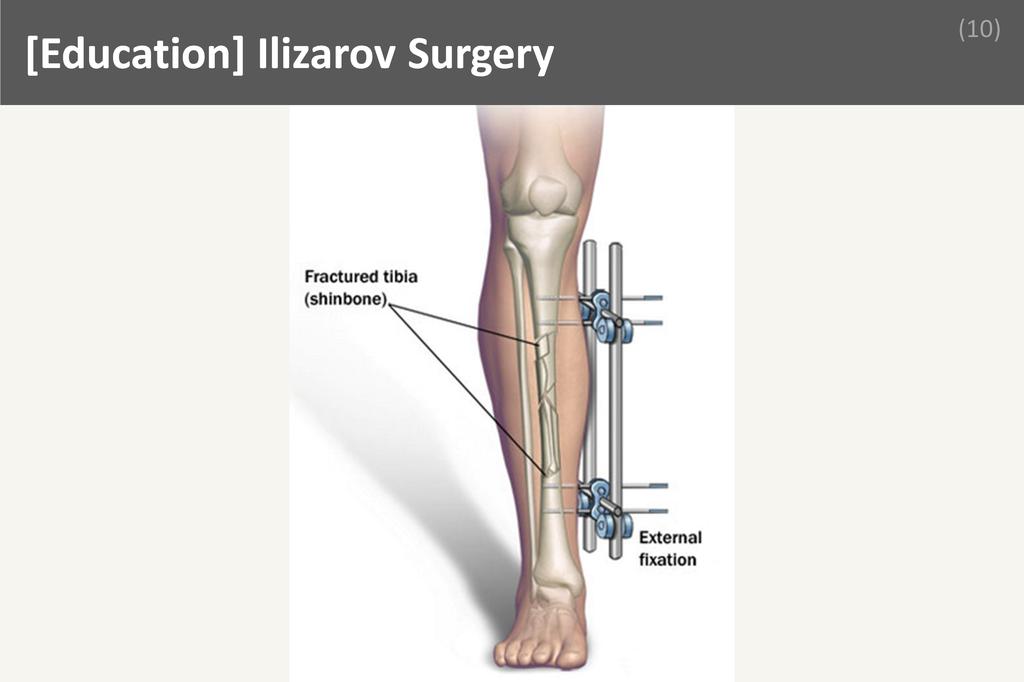
Ilizarov Surgery

### Ilizarov Surgery Image
What is
Ilizarov Surgery is a specialized orthopedic procedure that uses a circular external fixator device to treat complex bone fractures, deformities, and length discrepancies. Developed by Dr. Gavriil Ilizarov, this technique enables gradual bone lengthening and correction through controlled mechanical distraction, making it a cornerstone in limb reconstruction and orthopedic trauma management.

Concept
Understanding Ilizarov Surgery is essential for anyone pursuing a career in orthopedic surgery because it addresses some of the most challenging cases in musculoskeletal medicine. Mastery of this technique equips professionals with the ability to manage severe fractures, congenital deformities, and non-unions that are otherwise difficult to treat. The principles of gradual distraction osteogenesis, soft tissue management, and biomechanical stability are foundational concepts that extend to many other orthopedic interventions. Developing expertise in Ilizarov methods not only enhances a surgeon’s technical repertoire but also improves patient outcomes in complex cases. Over the long term, proficiency in this area distinguishes practitioners as versatile problem-solvers, opening doors to advanced clinical roles, research opportunities, and leadership positions within the field.

Real World Example
Consider a scenario where an orthopedic surgeon is treating a young patient with a severe tibial fracture that has failed to heal after multiple surgeries. Drawing on their knowledge of Ilizarov Surgery, the surgeon applies a circular external fixator to stabilize the bone and initiate gradual distraction. Throughout the treatment, the surgeon carefully monitors bone regeneration, adjusts the device to correct alignment, and manages soft tissue healing. This approach not only salvages the limb but also restores function and mobility, demonstrating the practical value of Ilizarov principles. By integrating theoretical understanding with hands-on expertise, the surgeon provides a solution that conventional methods could not achieve, underscoring the importance of this knowledge in everyday orthopedic practice.

Hand Surgery

### Hand Surgery Image
What is
Hand Surgery is a specialized field within surgery focused on diagnosing, treating, and rehabilitating conditions affecting the hand, wrist, and forearm. It encompasses trauma, congenital anomalies, degenerative diseases, and nerve disorders. For orthopedic surgeons, mastering hand surgery is essential, as it integrates musculoskeletal expertise with intricate anatomical and functional knowledge.

Concept
Understanding hand surgery is vital for orthopedic surgeons because the hand’s complex anatomy and essential role in daily activities demand precise diagnostic and surgical skills. Mastery of this field ensures that surgeons can address a wide range of injuries and conditions, from fractures and tendon lacerations to nerve compressions and arthritis. This expertise not only enhances patient outcomes but also broadens a surgeon’s scope of practice, making them more versatile and valuable in multidisciplinary teams. Over the course of a career, proficiency in hand surgery enables orthopedic surgeons to manage both routine and complex cases, adapt to evolving surgical techniques, and contribute to advancements in patient care and surgical education.

Real World Example
Consider an orthopedic surgeon in an emergency department who encounters a patient with a severe hand injury following an industrial accident. Drawing on their knowledge of hand surgery, the surgeon quickly assesses the extent of bone, tendon, and nerve damage using both clinical examination and imaging. Their understanding of intricate hand anatomy guides them in performing a meticulous surgical repair, restoring function and minimizing long-term disability. Postoperatively, the surgeon coordinates with rehabilitation specialists to ensure optimal recovery. This scenario highlights how theoretical knowledge of hand surgery directly translates into effective, life-changing patient care and demonstrates the indispensable role of hand surgery expertise in daily orthopedic practice.

Pediatric Orthopedic Surgery

### Pediatric Orthopedic Surgery Image
What is
Pediatric Orthopedic Surgery is a specialized field focusing on diagnosing, treating, and managing musculoskeletal conditions in infants, children, and adolescents. It encompasses congenital, developmental, and traumatic disorders unique to growing bodies. Mastery of this discipline is essential within orthopedic surgery, forming a critical component of both academic training and clinical expertise.

Concept
Understanding pediatric orthopedic surgery is vital because children’s musculoskeletal systems differ significantly from adults, requiring specialized approaches to diagnosis, treatment, and rehabilitation. Knowledge in this area ensures that orthopedic surgeons can address a wide spectrum of conditions, from congenital deformities to growth-related injuries, with sensitivity to the physiological and psychological needs of young patients. Mastery of pediatric principles not only broadens a surgeon’s clinical competence but also enhances their adaptability in multidisciplinary teams, improves patient outcomes, and opens pathways to subspecialization. In the long term, this expertise fosters professional growth, increases job opportunities, and contributes to the advancement of orthopedic care standards for the pediatric population.

Real World Example
Consider an orthopedic surgeon in a busy hospital who encounters a young patient with a complex femoral fracture resulting from a playground accident. Drawing on their knowledge of pediatric orthopedic surgery, the surgeon recognizes the importance of growth plate preservation and selects a fixation method that accommodates ongoing bone development. They collaborate closely with pediatricians and physical therapists to create a comprehensive care plan that addresses both the immediate injury and the child’s long-term mobility. By applying pediatric-specific principles, the surgeon not only ensures optimal healing but also minimizes the risk of future complications, demonstrating how theoretical understanding directly informs high-quality, age-appropriate patient care in everyday practice.

Traumatology

### Traumatology Image
What is
Traumatology is the medical discipline focused on the study, diagnosis, and treatment of injuries caused by external force, such as accidents, falls, or violence. In Orthopedic Surgery, traumatology forms a critical academic and clinical foundation, equipping professionals to manage musculoskeletal trauma and restore function and mobility in affected patients.

Concept
A deep understanding of traumatology is essential for anyone pursuing a career in orthopedic surgery. This field provides the theoretical and practical framework for assessing and managing acute injuries to bones, joints, and soft tissues. Mastery of traumatology ensures that orthopedic surgeons can make rapid, informed decisions in high-pressure situations, such as emergency rooms or trauma centers. It also underpins the ability to develop comprehensive treatment plans that address both immediate injuries and long-term rehabilitation. Over the course of a career, expertise in traumatology enhances a surgeon’s adaptability, problem-solving skills, and ability to collaborate with multidisciplinary teams, all of which are crucial for delivering optimal patient outcomes and advancing within the profession.

Real World Example
Consider an orthopedic surgeon working in a busy urban hospital who is called to the emergency department to evaluate a patient involved in a high-speed motor vehicle accident. Drawing on their knowledge of traumatology, the surgeon quickly assesses the patient for life-threatening injuries, prioritizes fractures that require immediate intervention, and determines the most effective surgical approach to stabilize complex bone breaks. Their theoretical understanding allows them to anticipate complications such as compartment syndrome or vascular injury, ensuring timely and appropriate management. By integrating traumatology principles into their daily practice, the surgeon not only addresses the acute needs of trauma patients but also lays the groundwork for successful recovery and long-term function.

Skills


Communication Skills

### Communication Skills Image
What is
Communication skills encompass the ability to clearly convey information, listen actively, interpret non-verbal cues, and adapt messages for diverse audiences. In orthopedic surgery, these skills are vital for effective interactions with patients, colleagues, and multidisciplinary teams, ensuring accurate diagnosis, informed consent, and optimal patient outcomes throughout the surgical process.

Concept
Strong communication skills directly enhance an orthopedic surgeon’s performance by fostering trust, minimizing misunderstandings, and facilitating collaborative decision-making. Patients and their families value clear explanations of diagnoses, procedures, and recovery expectations, which reduces anxiety and improves satisfaction. Employers and colleagues appreciate surgeons who communicate efficiently, as it streamlines workflow and reduces errors. Cultivating this skill involves ongoing self-reflection, seeking feedback, and participating in communication workshops or simulation exercises. Regularly engaging in multidisciplinary meetings and patient consultations also helps refine the ability to tailor messages to different audiences, ensuring that complex medical information is accessible and actionable for everyone involved.

Real World Example
Imagine an orthopedic surgeon preparing to operate on a patient with a complex fracture. The patient is anxious and confused about the procedure and potential risks. The surgeon takes time to explain the surgical plan in simple terms, addresses the patient’s concerns, and ensures all questions are answered. During surgery, the surgeon communicates clearly with the operating room team, anticipating needs and responding to unexpected developments. Postoperatively, the surgeon updates the patient’s family, providing reassurance and outlining the recovery process. Through effective communication at every stage, the surgeon not only alleviates anxiety and builds trust but also ensures the entire team is aligned, ultimately leading to a successful surgical outcome.

Empathy

### Empathy Image
What is
Empathy is the ability to understand and share the feelings, perspectives, and experiences of another person, allowing for genuine connection and support. In orthopedic surgery, empathy enables professionals to recognize the emotional and physical challenges patients face, fostering trust and communication that are vital for effective diagnosis, treatment, and recovery.

Concept
Empathy directly enhances performance in orthopedic surgery by improving patient rapport, leading to more accurate histories and better adherence to treatment plans. Patients and employers value empathetic surgeons because they create a supportive environment, reduce anxiety, and increase satisfaction with care. Empathy also helps in managing complex cases where emotions run high, such as traumatic injuries or chronic pain. Cultivating empathy involves active listening, reflecting on patient experiences, and seeking feedback from colleagues and patients. Over time, consistent practice and self-awareness help orthopedic surgeons integrate empathy into every patient interaction, making it an indispensable part of their professional identity.

Real World Example
Consider an orthopedic surgeon treating a young athlete with a career-threatening knee injury. By empathizing with the patient’s fear and frustration, the surgeon acknowledges the emotional impact of the diagnosis. This understanding allows the surgeon to communicate treatment options in a compassionate manner, addressing both medical and personal concerns. The patient feels heard and supported, which fosters trust and encourages active participation in the recovery process. As a result, the patient is more likely to adhere to rehabilitation protocols and maintain a positive outlook, ultimately improving clinical outcomes. In this scenario, empathy not only resolves immediate emotional distress but also contributes to long-term success for both the patient and the surgeon.

Moral Values

### Moral Values Image
What is
Moral values are the guiding principles that help individuals distinguish right from wrong, fostering integrity, honesty, empathy, and respect in their actions and decisions. In orthopedic surgery, these values are crucial for building trust, ensuring patient safety, and upholding the highest standards of ethical medical practice throughout every stage of care.

Concept
Moral values directly enhance an orthopedic surgeon’s performance by fostering ethical decision-making, compassionate patient care, and transparent communication. Patients and employers deeply value professionals who consistently act with integrity, as this builds trust and reassures all parties that the patient’s well-being is the top priority. Surgeons can cultivate moral values by engaging in ongoing ethics education, reflecting on challenging cases, and seeking mentorship from respected colleagues. Over time, consistently applying these principles in daily practice strengthens professional reputation and ensures that difficult decisions are made with both clinical excellence and ethical responsibility in mind.

Real World Example
Consider a scenario where an orthopedic surgeon discovers that a recommended surgical procedure may not be in the patient’s best interest due to potential risks outweighing the benefits. Guided by strong moral values, the surgeon chooses to have an honest conversation with the patient, explaining all possible outcomes and alternative treatments. Despite potential financial incentives or external pressures, the surgeon prioritizes the patient’s health and autonomy, recommending a less invasive approach. This commitment to ethical practice not only safeguards the patient’s well-being but also reinforces the surgeon’s reputation for integrity and trustworthiness, ultimately contributing to long-term success in the field.

Competence

### Competence Image
What is
Competence is the demonstrated ability to consistently apply knowledge, skills, and judgment to perform tasks effectively and safely. In orthopedic surgery, competence encompasses technical proficiency, clinical decision-making, and the capacity to adapt to complex situations, ensuring optimal patient outcomes and maintaining the trust of colleagues and patients alike.

Concept
Competence directly enhances performance in orthopedic surgery by enabling practitioners to execute procedures accurately, minimize complications, and respond effectively to unexpected challenges. Clients and employers value competence because it translates to reliable patient care, improved surgical outcomes, and reduced risk of errors. Cultivating competence requires a commitment to lifelong learning, regular practice, and staying updated with advancements in surgical techniques and medical knowledge. Mentorship, hands-on training, and reflective practice are crucial for developing this skill over time. By consistently seeking feedback and engaging in professional development, orthopedic surgeons can maintain and elevate their competence, thereby reinforcing their reputation and advancing their careers.

Real World Example
Imagine an orthopedic surgeon faced with a complex fracture during an emergency procedure. The patient’s condition is unstable, and the injury requires immediate, precise intervention. Drawing on their competence, the surgeon quickly assesses the situation, selects the most appropriate surgical technique, and adapts to unforeseen complications during the operation. Their well-honed skills and sound clinical judgment ensure the procedure is completed successfully, minimizing the risk of long-term disability for the patient. In this scenario, the surgeon’s competence not only saves a life but also demonstrates to colleagues and hospital administrators the critical value of this core skill in achieving positive outcomes under pressure.

Positives


Satisfaction

### Satisfaction Image
What is
Satisfaction is the deep sense of fulfillment and contentment that arises from achieving meaningful goals, overcoming challenges, and making a positive difference in the lives of others. In orthopedic surgery, satisfaction stems from restoring mobility, alleviating pain, and witnessing tangible improvements in patients’ quality of life, which enriches the professional experience.

Concept
The satisfaction derived from orthopedic surgery is a powerful motivator that fuels passion and commitment within the profession. This sense of fulfillment not only enhances job satisfaction but also encourages continuous learning and personal growth. Orthopedic surgeons often see the direct results of their interventions, such as a patient walking again or returning to daily activities, which reinforces their purpose and dedication. Experiencing these rewarding outcomes daily helps professionals maintain resilience through demanding cases and long hours. Ultimately, satisfaction acts as a sustaining force, inspiring surgeons to strive for excellence and to remain deeply invested in their patients’ well-being.

Real World Example
Consider an orthopedic surgeon who treats a young athlete with a severe knee injury. After a complex surgical procedure and months of rehabilitation, the patient returns to the field, stronger and more confident than before. The surgeon witnesses the patient’s joy and gratitude during a follow-up visit, realizing the profound impact their skills and care have made. This moment of seeing a life transformed, and knowing they played a pivotal role in restoring hope and ability, brings immense satisfaction. Such experiences are not rare in orthopedic surgery; they are woven into the fabric of daily practice, continually reminding professionals of the meaningful difference they make.

Respect & Recognition

### Respect & Recognition Image
What is
Respect and recognition refer to the esteem, appreciation, and acknowledgment received from patients, peers, and society for one’s expertise, dedication, and positive impact. In orthopedic surgery, this manifests as trust in clinical skills, gratitude for restored mobility, and admiration for technical mastery, all of which elevate the professional experience.

Concept
The respect and recognition earned in orthopedic surgery are powerful motivators that enhance both personal and professional fulfillment. Surgeons are often seen as vital contributors to their communities, valued for their ability to restore function and improve quality of life. This acknowledgment fosters a deep sense of pride and belonging, reinforcing the importance of their work. Daily interactions with grateful patients and appreciative colleagues create a supportive environment that drives surgeons to continually refine their skills and strive for excellence. The consistent affirmation of their efforts not only boosts morale but also encourages ongoing professional growth, making the demanding nature of the field more rewarding and sustainable over time.

Real World Example
Imagine an orthopedic surgeon who successfully performs a complex joint replacement for a patient who had been unable to walk without pain for years. After surgery, the patient regains mobility and independence, expressing heartfelt gratitude to the surgeon. The patient’s family and the medical team also acknowledge the surgeon’s expertise and dedication. This outpouring of appreciation and respect provides the surgeon with a profound sense of accomplishment and validation. Such moments, where the tangible impact of their skills is recognized and celebrated, reinforce the surgeon’s passion for their work and highlight the deeply rewarding nature of a career in orthopedic surgery.

Monetary Benefits

### Monetary Benefits Image
What is
Monetary benefits refer to the financial rewards, compensation, and incentives that professionals receive for their expertise and services. In orthopedic surgery, these benefits include a competitive salary, bonuses, and additional financial perks. Such rewards recognize the demanding nature of the field and provide tangible acknowledgment for the surgeon’s skill and dedication.

Concept
Monetary benefits are a significant motivator in orthopedic surgery, offering not only financial security but also a sense of professional validation. High earning potential allows surgeons to invest in their personal and professional growth, pursue advanced training, and maintain a comfortable lifestyle. This financial stability reduces stress and enables them to focus on delivering exceptional patient care. The prospect of substantial compensation also attracts top talent to the field, fostering a competitive and innovative environment. Daily, orthopedic surgeons experience the reassurance that their hard work and long hours are recognized and rewarded, which boosts morale and job satisfaction. Over time, these benefits contribute to a fulfilling and sustainable career, making the challenges of the profession more manageable and worthwhile.

Real World Example
Consider Dr. Patel, an orthopedic surgeon who has dedicated years to mastering complex surgical techniques. After successfully performing a series of intricate joint replacements, Dr. Patel receives a generous annual bonus in addition to a substantial salary. This financial reward allows Dr. Patel to pay off student loans, invest in continuing education, and provide a comfortable life for their family. The ability to enjoy vacations, support charitable causes, and plan for a secure retirement brings a deep sense of accomplishment. For Dr. Patel, the monetary benefits are not just numbers on a paycheck—they are a testament to the value of their expertise and the positive impact they make in patients’ lives every day.

Work life Balance

### Work life Balance Image
What is
Work life balance is the ability to effectively manage professional responsibilities and personal life, ensuring time and energy for both career and individual well-being. In orthopedic surgery, this balance allows surgeons to excel in their demanding roles while maintaining personal health, relationships, and interests, ultimately enhancing overall job satisfaction and longevity in the field.

Concept
Work life balance is a cornerstone of fulfillment in orthopedic surgery, as it empowers surgeons to deliver exceptional patient care without sacrificing their own well-being. This equilibrium fosters resilience and reduces burnout, enabling professionals to remain passionate and engaged throughout their careers. Surgeons who achieve work life balance often report higher job satisfaction, improved mental and physical health, and stronger personal relationships. The field of orthopedic surgery, with its structured schedules and opportunities for specialization, supports this balance by allowing practitioners to tailor their workload and commitments. As a result, professionals can pursue continuous growth, stay motivated, and maintain a sense of purpose, all while enjoying meaningful time outside of work.

Real World Example
Consider Dr. Patel, an orthopedic surgeon at a leading hospital, who carefully structures her week to include dedicated time for family, exercise, and personal interests. By collaborating with her team and utilizing efficient scheduling, she ensures that her on-call duties and surgeries are balanced with restorative downtime. This approach allows her to return to the operating room each day with renewed focus and enthusiasm, positively impacting her patients and colleagues. Dr. Patel’s ability to maintain work life balance not only enhances her professional performance but also enriches her personal life, demonstrating how orthopedic surgeons can thrive both inside and outside the hospital.

Challenges


Handling Emergencies

### Handling Emergencies Image
What is
Handling emergencies in orthopedic surgery refers to the rapid assessment and intervention required for acute musculoskeletal injuries or complications, such as fractures, dislocations, or postoperative crises. This challenge is demanding because it requires swift decision-making, technical precision, and the ability to manage high-pressure situations where patient outcomes can change within minutes.

Concept
The unpredictable nature of emergencies in orthopedic surgery can disrupt planned schedules, increase stress, and place immense responsibility on the surgeon. These situations often require immediate action, leaving little room for error or hesitation. The emotional and cognitive load can be significant, demanding resilience and adaptability from professionals. Successful orthopedic surgeons develop robust coping mechanisms, such as maintaining up-to-date clinical knowledge, practicing effective communication with multidisciplinary teams, and honing their technical skills through simulation and ongoing education. They also cultivate mental preparedness and emotional composure, enabling them to remain focused and decisive even in chaotic circumstances. By fostering a supportive work environment and prioritizing self-care, professionals can better manage the demands of handling emergencies and maintain high standards of patient care.

Real World Example
Consider an orthopedic surgeon who is called to the emergency department late at night for a patient with a compound femur fracture following a car accident. The situation is urgent, with the risk of severe blood loss and infection. The surgeon quickly assembles the trauma team, assesses the patient’s condition, and initiates stabilization measures. Despite the pressure and fatigue, the surgeon communicates clearly with colleagues, delegates tasks efficiently, and leads the team through a successful emergency surgery. By staying calm, relying on training, and drawing on experience, the surgeon not only saves the patient’s limb but also demonstrates the critical skills required to handle emergencies effectively in orthopedic practice.

Upgradation

### Upgradation Image
What is
Upgradation in Orthopedic Surgery refers to the continuous need for professionals to adapt to evolving surgical techniques, advanced technologies, and updated clinical guidelines. This process is demanding because it requires ongoing education, skill refinement, and the integration of new knowledge into practice, all while maintaining high standards of patient care and safety.

Concept
The challenge of upgradation significantly influences the daily routines of orthopedic surgeons, as they must balance patient care with the pursuit of new competencies. This constant evolution can create pressure, leading to stress and potential burnout if not managed well. Resilience becomes essential, as professionals must remain open to change and proactive in seeking learning opportunities. Successful orthopedic surgeons often cultivate a habit of lifelong learning, participate in workshops, attend conferences, and engage with peers to stay current. They also leverage mentorship and collaborative environments to share insights and experiences, ensuring that the transition to new practices is smooth and patient outcomes remain optimal.

Real World Example
Consider an orthopedic surgeon who has practiced traditional joint replacement techniques for years. With the introduction of robotic-assisted surgery, the surgeon faces the daunting task of mastering new equipment and protocols. Instead of resisting change, the surgeon enrolls in specialized training programs, observes experienced colleagues, and gradually incorporates the technology into their practice. By dedicating time to simulation labs and seeking feedback, the surgeon not only adapts to the upgraded methods but also enhances surgical precision and patient recovery rates. This proactive approach demonstrates how embracing upgradation, despite its challenges, can lead to professional growth and improved healthcare delivery.

A Day Of


Orthopedic Surgery

What is
The world of orthopedic surgery is a whirlwind of precision, adrenaline, and compassion, where every day unfolds at a relentless pace. The hum of fluorescent lights, the crisp scent of antiseptic, and the steady rhythm of footsteps echo through the halls as practitioners move seamlessly from one challenge to the next. Here, the stakes are high and the rewards are tangible—restoring mobility, alleviating pain, and quite literally putting lives back together, one bone at a time. In this environment, there is little room for monotony; each day brings a unique blend of technical mastery, teamwork, and patient connection, demanding both mental acuity and physical stamina from those who choose this demanding path.

Concept
As dawn breaks, the orthopedic surgery professional arrives at the hospital, greeted by the quiet anticipation that precedes a busy day. The early hours are dedicated to meticulously reviewing surgical schedules, patient charts, and imaging studies, ensuring every detail is accounted for before the first incision is made. This is a time for focused concentration, as the surgeon consults with anesthesiologists, nurses, and residents, confirming preoperative plans and addressing any last-minute concerns. The morning’s calm is punctuated by pre-op visits to patients, offering reassurance and answering questions, setting the tone for the collaborative effort that lies ahead.

Real World Example
By mid-morning, the orthopedic surgeon is fully immersed in the heart of their craft: the operating room. Here, the environment shifts to one of intense focus and orchestrated teamwork, as the surgical team works in unison to repair fractures, replace joints, or reconstruct damaged ligaments. The hours pass in a blur of precision and concentration, with each procedure demanding technical expertise and adaptability. Communication is constant, whether directing the scrub nurse, teaching residents, or responding to unexpected challenges. The stakes are high, and every decision carries weight, but the satisfaction of restoring function and alleviating pain is a powerful motivator.

As the afternoon unfolds, the pace transitions from the high-stakes intensity of the OR to the equally vital realm of postoperative care and collaboration. The orthopedic surgeon rounds on recovering patients, assessing surgical outcomes, managing pain, and coordinating with physical therapists to initiate rehabilitation plans. This is also a time for multidisciplinary meetings, where complex cases are discussed with colleagues from radiology, internal medicine, and nursing, ensuring comprehensive care for each patient. The afternoon is a blend of hands-on patient interaction and strategic planning, reinforcing the importance of teamwork in achieving optimal outcomes.

As the day winds down, the orthopedic surgery professional turns attention to the essential but often unseen aspects of the job. Detailed documentation of surgeries, patient progress notes, and follow-up plans are meticulously completed, ensuring continuity of care. There may be time set aside for reviewing the latest research, participating in academic discussions, or mentoring junior staff. The final act of the day involves preparing for tomorrow—reviewing new cases, updating surgical plans, and reflecting on the day’s challenges and successes. As evening settles in, the surgeon leaves the hospital knowing that every day brings new opportunities to heal, innovate, and make a lasting impact.


Install the LifePage App to:


  1. (for Free) Watch Sr Consultant Orthopedic Surgeon Dr Subhash Shalya’s full Orthopedic Surgery Career Talk

  2. ₹ Do a Self Assessment on Orthopedic Surgery to calculate your Dream Index, which is defined as:

    According to Dr Subhash Shalya your chances of success in Orthopedic Surgery is __%

  3. Access your personalized Dream Index Report which will have all your Dream Indices sorted in descending order.

Career Counselling 2.0


<?php echo $altimage; ?>


<?php echo $altimage; ?>


How to get into

Orthopedic Surgery?


If you are want to get into Orthopedic Surgery, start by investing in a Career Plan.

The 14 hour process, guided by a LifePage Career Advisor, will help you introspect and check whether your interest in Orthopedic Surgery is merely an infatuation or is it truly something you wish to do for the rest of your life.

Next, your Career Advisor will help you document how you can get into Orthopedic Surgery, what education and skills you need to succeed in Orthopedic Surgery, and what positives and challenges you will face in Orthopedic Surgery.

Finally, you will get a Career Plan stating which Courses, Certifications, Trainings and other Items you need to do in the next 7 years to become world’s best in Orthopedic Surgery.


LifePage Career Plan

14 hour personalized guidance program


Your LifePage Career Advisor facilitates your guided introspection so that you systematically explore various Career options to arrive at a well thought out Career choice.

Next: your Advisor helps you figure out how you will get into your chosen Career and how will you develop the skills needed for success in your Chosen Career.

LifePage Plan will not stop at saying "to become an Architect study Architecture". It will guide you on which Certifications, Trainings and Other items you need to do along with your Architecture education to become the world's best Architect.


Links for this Talk


Sr Consultant Orthopedic Surgeon Dr Subhash Shalya's LifePage:


Career Counselling 2.0
[LifePage]
https://www.lifepage.in/page/drsubhashshalya


LifePage Career Talk on Orthopedic Surgery


Career Counselling 2.0
[Career]
https://www.lifepage.in/careers/orthopedic-surgery


Career Counselling 2.0
[Full Talk]
https://lifepage.app.link/20180317-0003


Career Counselling 2.0
[Trailer]
https://www.youtube.com/watch?v=vi9FodZrQuU


(Orthopedic Surgery, Dr Subhash Shalya, Sr Orthopedic Surgeon, Indraprastha Apollo Hospital, Bone Joints Care Foundation of India, Ilizarov Technique, Complex Trauma Management, Pediatric Orthopedic Surgery Technique, Complex Trauma Management, Joint Replacement)


Similar Talks


Career in Cardiology
Cardiology
Dr Yogendra Singh
Cardiologist | Fortis Escorts Hospital
[ 13 years Experience ]

Cardiology is a branch of medicine dealing with disorders of the heart as well as parts of the circulatory system. The field includes medical diagnosis and treatment of congenital heart defects, coronary artery disease, heart failure, valvular heart disease and electrophysiology. Physicians who specialize in this field of medicine are called cardiologists, a specialty of internal medicine.

"I studied at the Institute of Medical Sciences, Banaras Hindu University, Varanasi, for the MBBS and MD degrees. I spent 18 months as Senior Resident in Cardiology at SGPGIMS Lucknow and then obtained the DM (Cardiology) superspeciality degree in 2004 from GSVM Medical College in Kanpur. This was followed by a six-month stint at Apollo Hospitals Colombo as Senior Registrar in Interventional Cardiology, and a year at Apollo Gleneagles Hospital in Kolkata, as Associate Consultant in Interventional Cardiology. Subsequently I have worked as Consultant Interventional Cardiology & Electrophysiology at Himalayan Institute of Medical Sciences, and currently, I am working at Fortis Escorts Hospital in Dehradun."


Career Counselling 2.0 Career Counselling 2.0 Career Counselling 2.0 Career Counselling 2.0 Career Counselling 2.0


Career in Cancer Surgery
Cancer Surgery
Dr Sunil Saini
Director | Cancer Research Institute - SRHU
[ 26 years & 4 months Experience ]

Surgery is the removal of the tumor and surrounding tissue during an operation. A doctor who specializes in treating cancer using surgery is called a surgical oncologist. Surgery is the oldest type of cancer therapy and remains an effective treatment for many types of cancer today.

"After completing Graduation and Post Graduation from B H U, Banaras, I did Surgery and Medicine from B H U, Banaras. After that, I did training in Head & Neck Cancer Surgery from Mumbai. I have been practicing Cancer Surgery since 1992 at Cancer Research Institute SRHU, Dehradun"


Career Counselling 2.0 Career Counselling 2.0 Career Counselling 2.0 Career Counselling 2.0 Career Counselling 2.0


Career in Gynaecology
Gynaecology
Dr Annu Dhir
Gynaecologist | P K Dhir Memorial Clinic
[ 33 years & 10 months Experience ]

Gynaecology is the branch of physiology and medicine which deals with the functions and diseases specific to women and girls, especially those affecting the reproductive system.

"I have done my medical education from Rewa Medical College and PG diploma in Gynaecology from Puna and Hospital Management diploma from Apolo Hospital, Delhi. After that I have joined Air force as a family doctor and for the 15 years I was working with the Air force. Then I came to Dehradun where my mother in law was practicing and I joined her and since then I am practicing Gynaecology for the last 32 years."


Career Counselling 2.0 Career Counselling 2.0 Career Counselling 2.0 Career Counselling 2.0 Career Counselling 2.0


Career in Neurology
Neurology
Dr Mahesh Kuriyal
Senior Consultant Neurosurgeon | CMI Hospital,Dehradun
[ 26 years & 10 months Experience ]

Neurology is defined as the study of nervous system which includes body parts,brain,spinal cord and nerves.

"I am a Neurosurgeon in Dehradun, currently practising at the Combined Medical Institute Hospital on Haridwar Road. I completed my graduation (MBBS) and post-graduation (MS - Master of Surgery) from King George's Medical College, Lucknow. I followed this up with an MCh (Neurosurgery) degree from Sanjay Gandhi Post Graduate Institute of Medical Sciences (SGPGIMS), Lucknow."


Career Counselling 2.0 Career Counselling 2.0 Career Counselling 2.0 Career Counselling 2.0 Career Counselling 2.0


Career in Eye Surgery
Eye Surgery
Dr Gaurav Luthra
Head Surgeon | Drishti Eye Institute, Dehradun
[ 23 years & 8 months Experience ]

Eye surgery is surgery performed on the eye or its adnexa, typically by an ophthalmologist. An expert eye surgeon is responsible for selecting the appropriate surgical procedure for the patient, and for taking the necessary safety precautions.

"After completing my schooling from St Josephs, Drehardun I went to Maulana Azad Medical College, New Delhi for my graduation and post graduation in medicine. I have been practicing eye surgery since 1995."


Career Counselling 2.0 Career Counselling 2.0 Career Counselling 2.0 Career Counselling 2.0 Career Counselling 2.0


Career in Radiology
Radiology
Dr Ramesh Kumar Pandey
Consultant Radiologist | CMI Hospital
[ 13 years & 10 months Experience ]

Radiology is a specialty that uses medical imaging to diagnose and treat diseases seen within the body. A variety of imaging techniques such as X-ray radiography, ultrasound, computed tomography (CT), nuclear medicine including positron emission tomography (PET), and magnetic resonance imaging (MRI) are used to diagnose and/or treat diseases. Interventional radiology is the performance of (usually minimally invasive) medical procedures with the guidance of imaging technologies.

"I am graduated in Medicine. I have done my DMRD and DNB from Yashodhra Supersepciality Hospital, Hyderabad. After that I am working as a full time consultant. I specialized in Imaging and do Non-Vascular Interventional radiology also."


Career Counselling 2.0 Career Counselling 2.0 Career Counselling 2.0 Career Counselling 2.0 Career Counselling 2.0


Career in Pulmonary & Critical Care
Pulmonary & Critical Care
Dr Puneet Tyagi
Head Pulmonary & Critical Care | VelMed Hospitals
[ 19 years & 4 months Experience ]

A pulmonologist, or pulmonary disease specialist, is a physician who possesses specialized knowledge and skill in the diagnosis and treatment of pulmonary (lung) conditions and diseases.

"After completing my education, I have worked with various hospitals in Delhi, Bareilly and Dehradun. I am working at Velmed Hospitals, Dehradun as the head of Pulmonary & Critical Care Medicine. I am trained in pulmonary medicine & Critical Care from a prestigious institute of India (VP Chest Institute Delhi. Previously I was Principal Consultant at Max Superspeciality Hospital, Dehradun, and I have 22 years of experience in pulmonary medicine & Critical Care."


Career Counselling 2.0 Career Counselling 2.0 Career Counselling 2.0 Career Counselling 2.0 Career Counselling 2.0


Career in Ophthalmology
Ophthalmology
Dr Rohan Mehra
Ophthalmologist | Shri Mahant Indiresh Hospital, Dehradun
[ 3 years Experience ]

Ophthalmology is the medical science of treating the diseases of the eye. The eyes are an integral part of a body as they help us give shape (visually) to everything around us.

"I studied at The Doon School, Dehradun. After, which I attained an MBBS Degree from Shri Mahant Indiresh Hospital, Dehradun (2008-2013) and soon after moved to Delhi NCR and worked at Sir Ganga Ram Hospital for a year. Following that I then applied for and attained an MS Degree in Ophtamology and have been practicing Ophthalmology at Shri Mahant Indiresh Hospital, Dehradun, since, 2015."


Career Counselling 2.0 Career Counselling 2.0 Career Counselling 2.0 Career Counselling 2.0 Career Counselling 2.0


Career in Cardiac Surgery
Cardiac Surgery
Dr Kishor Joshi
Senior Consultant & HoD | Fortis Escorts Heart Institute
[ 15 years Experience ]

Cardiac surgery, or cardiovascular surgery, is surgery on the heart or great vessels performed by cardiac surgeons. It is often used to treat complications of ischemic heart disease (for example, with coronary artery bypass grafting); to correct congenital heart disease; or to treat valvular heart disease from various causes, including endocarditis, rheumatic heart disease, and atherosclerosis. It also includes heart transplantation.

"After doing my MBBS from Institute of Medical Sciences from Vijayanagar, I did MS from JIPMER, Pondicherry. Thereafter, I did M Ch, Cardiothoracic and Vascular Surgery from AIIMS and did fellowship in Congenital Heart Surgery from Medical College of Carolina. I have worked in various hospitals as a Cardiac Surgeon and have been working at Fortis Escorts Hospital, Dehradun as a Senior Consultant & Head of Department since 2016."


Career Counselling 2.0 Career Counselling 2.0 Career Counselling 2.0 Career Counselling 2.0 Career Counselling 2.0


Career in Gynaecology
Gynaecology
Dr S G Sethi
Gynaecologist | S G Sethi Clinic
[ 40 years Experience ]

Gynaecology is the study of the female reproductive system which includes the ovaries, uterus and the breast and most imp thing is producing babies and helping woman to have proper family planning and healthy living.

"After completing my education from Grant Medical College, Bombay, I came to Dehradun. I am working as Obstetrics and Gynaecologist for the last 40 years."


Career Counselling 2.0 Career Counselling 2.0 Career Counselling 2.0 Career Counselling 2.0 Career Counselling 2.0


Career in Pediatrics
Pediatrics
Dr Nameet Jerath
Pediatrician | Indraprastha Apollo Hospital, New Delhi
[ 11 years & 8 months Experience ]

Pediatrics is the branch of medicine that involves the medical care of infants, children, and adolescents. The American Academy of Pediatrics recommends people be under pediatric care up to the age of 21. A medical doctor who specializes in this area is known as a pediatrician, or paediatrician. Pediatricians work both in hospitals, particularly those working in its subspecialties such as neonatology, and as primary care physicians.

"After completing my MBBS, I did my MD in Pediatrics and after that I did my Fellowship in Pediatrics Critical Care from Sydney Children's Hospital & Hospital for Sick Children, Toronto. In 2006, I started practicing as a Senior Consultant in the Department of Pediatrics, Pediatrics Critical Care & Pulmonologist at Indraprastha Apollo Hospital, New Delhi."


Career Counselling 2.0 Career Counselling 2.0 Career Counselling 2.0 Career Counselling 2.0 Career Counselling 2.0


Career in Teaching Anatomy
Teaching Anatomy
Dr S L Jethani
HOD & Professor | Himalayan Institute of Medical Sciences
[ 34 years Experience ]

Anatomy is the branch of biology concerned with the study of the structure of organisms and their parts. Anatomy is a branch of natural science dealing with the structural organization of living things.

"I did MBBS and MS in Anatomy from G R Medical College, Gwalior. I also did my internship at the same college. I taught at G R Medical College for few years before moving to Himalayan Institute of Medical Sciences, Dehradun. I have been a Dean and Medical Superintendent at the institute. I am a Professor and Head of Department at Himalayan Institute of Medical Sciences, Dehradun."


Career Counselling 2.0 Career Counselling 2.0 Career Counselling 2.0 Career Counselling 2.0 Career Counselling 2.0


Career in Neurosurgery
Neurosurgery
Dr Nagender Singh Rawat
Neurosurgeon | VelMed Hospital
[ 3 years & 1 month Experience ]

Neurosurgery is the medical specialty concerned with the prevention, diagnosis, surgical treatment, and rehabilitation of disorders which affect any portion of the nervous system including the brain, spinal cord, peripheral nerves, and extra-cranial cerebrovascular system.

"I completed my M Ch (Neurosurgery) from SGPGIMS, Lucknow. Since 2016, I am working as a neurosurgeon and in June 2018, I joined VelMed Hospital, Dehradun as a Neurosurgeon."


Career Counselling 2.0 Career Counselling 2.0 Career Counselling 2.0 Career Counselling 2.0 Career Counselling 2.0


Career in Gynaecology
Gynaecology
Dr Sanjay Sujata
Gynaecologist | Sanjay Maternity Centre
[ 8 years & 6 months Experience ]

Gynaecology is the branch of physiology and medicine which deals with the functions and diseases specific to women and girls, especially those affecting the reproductive system.

"I did my MBBS and Diploma in Obstetrics and Gynaecology from G R Medical College, Jiwaji University. I have been practicing as a Gynaecologist at Sanjay Orthopaedic, Spine & Maternity Centre since 2010. I have been awarded with many awards and recognitions such as 100 Women Achievers Award by MWCD and Indira Gandhi National Award."


Career Counselling 2.0 Career Counselling 2.0 Career Counselling 2.0 Career Counselling 2.0 Career Counselling 2.0


Career in Pain and Spine Care
Pain and Spine Care
Dr Lavkush Pandey
Pain Management Specialist | Samvedna Pain and Spine Endoscopy Clinic
[ 9 years & 10 months Experience ]

Pain and Spine Care consists of a group of physicians who provide specialized care for lower back and neck pain, cancer pains, join pains, Headache or Orofacial Pain, Labor analgesia or other chronic pain conditions.

"I finished my MBBS graduation from Guwahati Medical College in 1999. After that, I worked in many renowned hospitals in Delhi. I have been working as a Pain Management Specialist at the Samvedna Pain and Spine Endoscopy Clinic in Dehradun where I practice minimum invasive spine and pain interventions along with spine endoscopic discectomy. I manage all kind of chronic pains specially lower back and neck pains."


Career Counselling 2.0 Career Counselling 2.0 Career Counselling 2.0 Career Counselling 2.0 Career Counselling 2.0


Career in Neurodevelopmental Paediatrics
Neurodevelopmental Paediatrics
Dr Ajay Sharma
Consultant Paediatrician | Various Medical Assignments
[ 40 years & 3 months Experience ]

Neurodevelopmental pediatricians evaluate and treat infants, toddlers and children who show signs of motor and developmental delays. Pediatric behavior health is also a part of neurodevelopmental pediatrics. Developmental pediatrics helps kids who have motor, speech, social or learning delays (developmental disorders in children).

"After doing education I started working as a consultant neurodevelopmetal paediatrician and clinical director in the Evelina London, Guy's and St Thomas' Hospital, UK. I have extensive clinical and teaching experience of the child development and developmental disorders. I have also co-authored two books on child development (From Birth to Five Years - Children's Developmental Progress and Practical Developmental Examination). I also volunteer with the Latika Roy Foundation in India helping them with medical consultancy, running parents' groups, teaching on courses and setting up a website www.enablenet.info."


Career Counselling 2.0 Career Counselling 2.0 Career Counselling 2.0 Career Counselling 2.0 Career Counselling 2.0


Career in Pulmonology
Pulmonology
Dr. Aditya S Agrawal
Pulmonologist | The Opera House Clinic
[ 8 years & 6 months Experience ]

Pulmonology is a medical speciality that deals with diseases involving the respiratory tract. Pulmonologists have expertise in structural, inflammatory, infectious, and neoplastic disorders of the lung parenchyma, pleura and airways, pulmonary vascular disease and its effect on the cardiovascular system, and detection and prevention of occupational and environmental causes of lung disease.

"I am trained in Pulmonary Medicine for which I received an MD followed by a DNB by the National Board of Examinations, followed by a fellowship in Lung Cancer and then a senior post at the National Institute of Tuberculosis and Respiratory Diseases, New Delhi. I have several research papers and also teaching post graduate students. My experience helps me manage respiratory diseases such as lung infections, smoking related lung disease, interstitial lung diseases, pleural diseases (like water/fluid around the lung), obstructive lung diseases (Asthma, bronchitis and COPD), lung cancers and sleep disordered breathing like sleep apnea."


Career Counselling 2.0 Career Counselling 2.0 Career Counselling 2.0 Career Counselling 2.0 Career Counselling 2.0


Career in Community Medicine
Community Medicine
Chandrakant Lahariya
Public Health Specialist | World Health Organisation
[ 15 years Experience ]

Community health is a major field of study within the medical and clinical sciences which focuses on the maintenance, protection, and improvement of the health status of population groups and communities.

"I have worked as a Junior Resident Fellow at Lady Hardinge Medical College. After that, I did an MBA in Health Care Management from Amity University and started working as Program Consultant with The INCLEN Trust. I was an Assistant Professor at GR Medical College, Gwalior. In 2008 I joined World Health Organization as Focal Point. I also worked as Consultant with UNICEF and UNFPA, and Advisor to many state governments in India. Currently I am working with World Health Organization as Public Health Specialist."


Career Counselling 2.0 Career Counselling 2.0 Career Counselling 2.0 Career Counselling 2.0 Career Counselling 2.0


Career in Sports Medicine & Pain Management
Sports Medicine & Pain Management
Rajat Chauhan
Sports Medicine & Pain Doctor | Back 2 Fitness
[ 16 years & 8 months Experience ]

Sports medicine is an area of medical practice concerned with holistic well-being of the sports person, whether it be amateur or elite. It also addresses role of exercises in health conditions and or for well-being of all. It also involves nutrition, exercise & sports technique, recovery, performance and treatment of injuries resulting from sports-exercise activities. Musculoskeletal Medicine (Pain management) is an area of medical practice which focuses on conservative non-injection & non-surgical management of muscular and skeletal pains. For that you need to address both psychological and physical issues by understanding the patient rather than just pain area.

"I like to call myself a student of pain and running, as I’m always learning more about my subjects of interest. I am also a militant advocate of GOYA (Get Off Your Arse) Move-Mint. I have been running for last 34 years and making others to run too. In my spare time I am a doctor specializing in Sports-Exercise Medicine (Queen's Medical Centre, Nottingham) and Osteopathy / Musculo-Skeletal Medicine (London College of Osteopathic Medicine) with special interest in Back and Knee Pain. In 2008, I started my own clinic Back2Fitness and I work as CEO and Medical Director there. Besides heading Back 2 Fitness, a Sports-Medicine & Muscuklo-Skeletal Medicine clinic for last 10+ years. I, along with my band of crazy friends, came up with La Ultra - The High, a 555 km (previously 333 & 222 km) run in Leh-Ladakh, India. We have been putting it together for last 9 years now. Some call it the world's cruelest ultra marathon. In 2017, we are brought to India its first iRun Fest, a Running Festival, which showcased Running Documentaries from around the world, Panel Discussions with thought leaders in running being on board and a platform for all involved in running in whatever capacity. Till 2016, I had been associated with Adidas India as Running Advisor for about 3 years. I was also the founding Director of Sports & Exercise Department at Ashoka University where I was responsible for the sports infrastructure and making sports and physical activity an integral part of the curriculum. I have been writing for Mint and Hindustan Times for over a decade now. I've done a series of running podcast, MoveMint for Mint newspaper and series of FacebookLive for Hindustan Times newspaper. I have also been an Associate Editor at British Journal of Sports Medicine and a columnist for The Hindu, Hindustan Times, Mint, Forbes India and Founding Fuel. My book on Pain, published by Penguin Publications, The Pain Handbook was released in 2016."


Career Counselling 2.0 Career Counselling 2.0 Career Counselling 2.0 Career Counselling 2.0 Career Counselling 2.0


Career in Obstetrics and Gynaecology
Obstetrics and Gynaecology
Dr Sujata Agarwal
Consultant Gynaecologist & Obstetrician | IVY Health & Infertility Centre
[ 26 years Experience ]

Obstetrics and gynecology is the medical specialty that deals with pregnancy, childbirth, and the postpartum period and the health of the female reproductive systems and the breasts.

"After completing my schooling from various Govt schools across the country, I did my MBBS, then MD (Obstetrics & Gynaecology) & Residency programme from King George's Medical University, Lucknow. I started working as a Consultant Gynecologist & Obstetrician. I am also a visiting Surgeon Obstetrics & Gynaecology at Indraprastha Apollo Hospital, New Delhi. Later, I also did Diploma in Sonology. I have my own clinics at Sarita Vihar & Badarpur by the name Health & Gynae Clinic and IVY Health & Infertility Centre, New Delhi specializing in High Risk Obstetrics, Infertility and Ultrasound. I have been practicing as Obstetrics & Gynaecology since last 25 years."


Career Counselling 2.0 Career Counselling 2.0 Career Counselling 2.0 Career Counselling 2.0 Career Counselling 2.0


Career in Gynaecology
Gynaecology
Dr Rekha Khanna
Doctor | Various Hospitals
[ 17 years & 1 month Experience ]

Gynaecology is the medical practice dealing with the health of the female reproductive systems (vagina, uterus, and ovaries) and the breasts. Almost all modern gynaecologists are also specialists in Obstetrics which is the field of study concentrated on pregnancy, childbirth, and the postpartum period.

"After completing my graduation in Medicine, I did specialization in Ayurvedic Medicine. I also did diploma in Reproductive and Child Health. I have been working as a Ayurvedic Doctor and Gynaecologist since 1999."


Career Counselling 2.0 Career Counselling 2.0 Career Counselling 2.0 Career Counselling 2.0 Career Counselling 2.0


Career in Reconnective Medicine
Reconnective Medicine
Ailane Araujo
Nutritional & Quantum Doctor | Institute of Reconnective Medicine
[ 2 years & 1 month Experience ]

Reconnective Healing is a highly evolved form of energy interaction that works to advance our health, balance, and quality of life progress, with a more infinite sense of freedom and expanded consciousness. It promotes our ability to heal ourselves and impact the lives of others as our own personal frequency becomes attuned, enhanced and integrated.

"I have a Ph D degree in Nutrition and Positive Psychology. After years of practising traditional medicine, I decided to heal people using an alternative practice called Reconnective Healing. I am working as a Nutritional & Quantum Doctor with the Institute of Reconnective Medicine."


Career Counselling 2.0 Career Counselling 2.0 Career Counselling 2.0 Career Counselling 2.0


Career in Orthopaedic Surgery
Orthopaedic Surgery
Dr Anant Johri
Senior Resident | AIIMS Rishikesh
[ 1 year Experience ]

Orthopaedic surgery or orthopaedics is the branch of surgery concerned with conditions involving the musculoskeletal system. Orthopaedic surgeons use both surgical and nonsurgical means to treat musculoskeletal trauma, spine diseases, sports injuries, degenerative diseases, infections, tumors, and congenital disorders.

"Since childhood I was deeply passionate about orthopaedics since that my father and grandparents have been practising orthopaedic surgeons. After school, I pursued an MBBS degree from Manipal and a Masters in Orthopaedics and Orthopaedic Surgery from Ludhiana. Since July 2017, I have been practising as a Senior Resident in the Department of Orthopaedics at AIIMS, Rishikesh."


Career Counselling 2.0 Career Counselling 2.0 Career Counselling 2.0 Career Counselling 2.0 Career Counselling 2.0


Career in General & Laparoscopic Surgery
General & Laparoscopic Surgery
Dr Puneet Tyagi
Consultant Surgeon | VelMed Hospital
[ 3 years Experience ]

Laparoscopic surgery is also known as a key-hole surgery or minimally invasive surgery. It is widely used in gynaecology, gastroenterology and urology. Patients receive specialised assessment, latest treatments along with clinical post-operative care, medications and a regular follow-up.

"After completing my education, I started practicing as a Consultant Surgeon and in 2018, I joined Velmad Hospital as a Consultant Surgeon (General & Laparoscopic Surgery)."


Career Counselling 2.0 Career Counselling 2.0 Career Counselling 2.0 Career Counselling 2.0 Career Counselling 2.0


Career in Plastic Surgery
Plastic Surgery
Dr Yogi Aeron
Director | Outreach Centre of Resurge Int
[ 48 years Experience ]

Plastic surgery is a surgical specialty involving the restoration, reconstruction, or alteration of the human body. It can be divided into two main categories: reconstructive surgery and cosmetic surgery. Reconstructive surgery includes craniofacial surgery, hand surgery, microsurgery, and the treatment of burns. While reconstructive surgery aims to reconstruct a part of the body or improve its functioning, cosmetic (or aesthetic) surgery aims at improving the appearance of it.

"After completing my specialization in plastic surgery, I started working as a Plastic Surgeon. I have been working since 1967, treating various patients for burns and other problems. I am currently the director of the outreach centre of Resurge International as well."


Career Counselling 2.0 Career Counselling 2.0 Career Counselling 2.0 Career Counselling 2.0 Career Counselling 2.0


Career in Obstetrics and Gynaecology
Obstetrics and Gynaecology
Dr Anuradha Sharma
Consultant Gynaecologist & Obstetrician | Dr. Anuradha's Clinic
[ 31 years & 11 months Experience ]

Obstetrics and Gynecology (OB/GYN) is the branch of medical science that deal with the female reproductive system. Obstetrics deals with pregnancy and Gynecology deals with all the non-pregnancy issues as well. Specialized education and training helps an obstetrician in the management of pregnancy, labour, and the time immediately following childbirth, whereas a gynecologist is a physician who is trained to diagnose and treat disorders related to the female reproductive system.

"After completing my schooling from Carmel Convent School Gwalior, I did my MBBS in 1982 & MS (Obstetrics & Gynaecology) in 1985 from Gajraj Raja Medical College. Thereafter, I did my Residency programme from Moolchand Hospital and worked for a year at AIIMS. Later, I worked as a Consultant Gynecologist & Obstetrician with various Hospitals like Sunrise Hospital, Maheshwari Clinic and others. I have expertise in High risk Obstetrics, Antenatal, Infertility Surgery, etc. In 1990, I started my own clinic in Sarita Vihar, Delhi. I am also a member of Federation of Obstetric and Gynecological Societies of India (FOGSI), Association of Obstetricians & Gynecologists of Delhi (AOGD) and Delhi Medical Association (DMA)."


Career Counselling 2.0 Career Counselling 2.0 Career Counselling 2.0 Career Counselling 2.0 Career Counselling 2.0


Career in ENT
ENT
Dr Anil Chauhan
ENT Consultant | VelMed Hospital
[ 16 years Experience ]

ENT Specialist deals within medicine that deals with conditions of the ear, nose, and throat and related structures of the head and neck. Doctors who specialize in this area are called otorhinolaryngologists, otolaryngologists, ENT doctors, ENT surgeons, or head and neck surgeons.

"After completing my MBBS & MS, I started working as an ENT physician. In 2018, I joined VelMed Hospital as an ENT Consultant."


Career Counselling 2.0 Career Counselling 2.0 Career Counselling 2.0 Career Counselling 2.0 Career Counselling 2.0


Career in Internal Medicine
Internal Medicine
Prem Narayan
Consultant | VelMed Hospital
[ 10 years & 3 months Experience ]

Internal Medicine encompasses the care of all adults, healthy and sick. Internists can be generalists or subspecialists, like cardiologists or rheumatologists. Patients with multiple problems and medications would typically be seen by an internist.

"I did my MBBS & MD from KGMC Lucknow after which I started practicing Internal Medicine. In 2018, I joined Velmed Hospital, Dehradun as an Internal Medicine Consultant."


Career Counselling 2.0 Career Counselling 2.0 Career Counselling 2.0 Career Counselling 2.0 Career Counselling 2.0


Career in Cardiothoracic & Vascular Surgery
Cardiothoracic & Vascular Surgery
Dr Manish Meswani
Senior Consultant | VelMed Hospital
[ 22 years & 1 month Experience ]

Cardiovascular surgery is surgery on the heart or great vessels performed by cardiac surgeons. It is often used to treat complications of ischemic heart disease (for example, with coronary artery bypass grafting); to correct congenital heart disease; or to treat valvular heart disease from various causes, including endocarditis, rheumatic heart disease, and atherosclerosis. It also includes heart transplantation.

"I worked for 8 years in Australia and New Zealand, 5 years in Gujarat and in the last 3 years I have worked in various hospitals of Uttarakhand. In 2018, I joined VelMed Hospital as a Senior Consultant of Cardiothoracic & Vascular Surgery."


Career Counselling 2.0 Career Counselling 2.0 Career Counselling 2.0 Career Counselling 2.0 Career Counselling 2.0


Career in Anesthesia
Anesthesia
Harsha Bhat
Anesthesiologist | Various Hospitals
[ 6 years Experience ]

Anesthesia or anaesthesia (from Greek "without sensation") is a state of controlled, temporary loss of sensation or awareness that is induced for medical purposes. It may include some or all of analgesia (relief from or prevention of pain), paralysis (muscle relaxation), amnesia (loss of memory), and unconsciousness. A patient under the effects of anesthetic drugs is referred to as being anesthetized.

"I did MBBS from Mysore Medical College And Research Institute and MD (Anesthesia) from R&D Medical College Udaipur in 2014, since then I am practicing Anesthesia."


Career Counselling 2.0 Career Counselling 2.0 Career Counselling 2.0 Career Counselling 2.0 Career Counselling 2.0


Career in Paediatric Surgery
Paediatric Surgery
Santosh Kumar Singh
Associate Professor | Swami Ram Himalayan University
[ 18 years Experience ]

Paediatric surgery is a subspecialty of surgery involving the surgery of fetuses, infants, children, adolescents, and young adults.

"I did graduation and post-graduation in medicine from GSVM Medical College, Kanpur. I then did Masters in Paediatric Surgery. I practised in Kanpur for over a decade before moving to Dehradun. I am Assistant Professor at Swami Ram Himalayan University."


Career Counselling 2.0 Career Counselling 2.0 Career Counselling 2.0 Career Counselling 2.0 Career Counselling 2.0


Career in Reconnective Medicine
Reconnective Medicine
Ailane Araujo
Nutritional & Quantum Doctor | Institute of Reconnective Medicine
[ 2 years & 1 month Experience ]

Reconnective Healing is a highly evolved form of energy interaction that works to advance our health, balance, and quality of life progress, with a more infinite sense of freedom and expanded consciousness. It promotes our ability to heal ourselves and impact the lives of others as our own personal frequency becomes attuned, enhanced and integrated.

"I have a Ph D degree in Nutrition and Positive Psychology. After years of practising traditional medicine, I decided to heal people using an alternative practice called Reconnective Healing. I am working as a Nutritional & Quantum Doctor with the Institute of Reconnective Medicine."


Career Counselling 2.0 Career Counselling 2.0 Career Counselling 2.0 Career Counselling 2.0


Career in Interventional Cardiology
Interventional Cardiology
Abhinav Jain
Consultant Cadiologist | CMI Hospital
[ 1 year & 1 month Experience ]

Interventional cardiology is a branch of cardiology that deals specifically with the catheter based treatment of structural heart diseases. Andreas Gruentzig is considered the father of interventional cardiology after the development of angioplasty by interventional radiologist Charles Dotter.

"I did MBBS from Dr D Y Patil Medical College,Pimpri, Pune and MD (General Medicine) from Himalayan Institute of Medical Sciences. After that I have worked as an Associate Consultant at Max Superspeciality Hospital, Saket, New Delhi, Max Super Speciality Hospital, Saket, and HIMS, Dehradun. I am working as a Consultant Cardiologist at Combined Medical Institute, Dehradun since 2019."


Career Counselling 2.0 Career Counselling 2.0 Career Counselling 2.0 Career Counselling 2.0 Career Counselling 2.0


[Install the LifePage App to access all Talks]


<?php echo $altimage; ?>


<?php echo $altimage; ?>


&mbsp;


Career Counselling 2.0 | Home   Home  
Career Counselling 2.0 | Abroad   Abroad  
Career Counselling 2.0 | Plan   Plan  
Career Counselling 2.0 | Talks   Talks  
Career Counselling 2.0 | Philosophy   Philosophy  
Career Counselling 2.0 | Seminar   Seminar  
Career Counselling 2.0 | Workshop   Workshop  
Career Counselling 2.0 | Pages   Pages  
Career Counselling 2.0 | Advisors   Advisors  
Career Counselling 2.0 | Discuss   Discuss  
Career Counselling 2.0 | Meet   Meet  
Career Counselling 2.0 | Advisor   Advisor  
Career Counselling 2.0 | Story   Story  
Career Counselling 2.0 | Fine Print   Fine Print  
Career Counselling 2.0 | Links   Links  
Career Counselling 2.0 | Blog   Blog  
Career Counselling 2.0 | Testimonials   Testimonials  
Career Counselling 2.0 | Follow   Follow  
 
[ Site Visits ]


Career Counselling 2.0