Career Counselling 2.0 HomeHomeCareer Counselling 2.0 AbroadAbroadCareer Counselling 2.0 PlanPlanCareer Counselling 2.0 | TalksTalksCareer Counselling 2.0 PhilosophyPhilosophyCareer Counselling 2.0 SeminarSeminarCareer Counselling 2.0 PagesPagesCareer Counselling 2.0 AdvisorsAdvisorsCareer Counselling 2.0 TestimonialsTestimonials

Pediatrics

Pediatrician Dr Nameet Jerath talks about Pediatrics course, what is Pediatrics and other details about a Career in Pediatrics.


Pediatrics

Dr Nameet Jerath | Pediatrician | Indraprastha Apollo Hospital, New Delhi


What is Pediatrics?


A Career in Pediatrics is very interesting. Almost everyone seems to be talking about How to start a Career in Pediatrics, while one should first develop an understanding of What is a Career in Pediatrics. While anyone can have an opinion on what Pediatrics entails; only a real professional can really explain it.

Pediatrician Dr Nameet Jerath invested 11 years & 8 months in Pediatrics. Pediatrician Dr Nameet Jerath outlines Pediatrics as:

Pediatrics is the branch of medicine that involves the medical care of infants, children, and adolescents. The American Academy of Pediatrics recommends people be under pediatric care up to the age of 21. A medical doctor who specializes in this area is known as a pediatrician, or paediatrician. Pediatricians work both in hospitals, particularly those working in its subspecialties such as neonatology, and as primary care physicians.


How Pediatrician Dr Nameet Jerath got into Pediatrics?


After completing my MBBS, I did my MD in Pediatrics and after that I did my Fellowship in Pediatrics Critical Care from Sydney Children's Hospital & Hospital for Sick Children, Toronto. In 2006, I started practicing as a Senior Consultant in the Department of Pediatrics, Pediatrics Critical Care & Pulmonologist at Indraprastha Apollo Hospital, New Delhi.


Pediatrician Dr Nameet Jerath's Talk on Pediatrics


Session Image
The Journey of Pediatrics


What Is Pediatrics


Pediatrics

### Pediatrics Image
What is
Pediatrics is the branch of medicine focused on the health and medical care of infants, children, and adolescents from birth up to the age of eighteen. Pediatricians diagnose, treat, and help prevent childhood illnesses, ensuring the physical, emotional, and social well-being of their young patients throughout various stages of development.

Concept
Pediatrics plays a crucial role in shaping the health of future generations by providing specialized care tailored to the unique needs of children. Professionals in this field are instrumental in early detection of diseases, guiding families through developmental milestones, and promoting preventive health practices. The impact of pediatrics extends beyond individual patients, as pediatricians often advocate for public health policies and community programs that benefit children at large. Three major benefits of a career in pediatrics include the opportunity to build long-term relationships with families, the ability to make a lasting difference in a child’s life, and the satisfaction of contributing to healthier communities through education and preventive care.

Real World Example
A pediatrician in a busy urban clinic might see a variety of patients in a single day, from newborns needing routine checkups to teenagers managing chronic conditions like asthma or diabetes. During a typical appointment, the pediatrician assesses growth and development, administers vaccinations, and addresses parental concerns about nutrition, behavior, or learning difficulties. If a child presents with symptoms of an illness, the pediatrician conducts a thorough examination, orders appropriate tests, and develops a treatment plan tailored to the child’s age and needs. By collaborating with families, schools, and other healthcare providers, the pediatrician ensures comprehensive care that supports the child’s overall well-being and development.

Education


Growth & Development

### Growth & Development Image
What is
Growth and development refer to the physical, cognitive, emotional, and social changes that occur from infancy through adolescence. In Pediatrics, understanding these processes is essential, as they form the basis for assessing health, diagnosing disorders, and guiding interventions tailored to each child’s unique developmental trajectory.

Concept
A thorough grasp of growth and development is indispensable for anyone preparing for or working in Pediatrics. This knowledge enables professionals to distinguish between normal variations and potential health concerns, ensuring timely identification of developmental delays or abnormalities. Mastery of these concepts supports effective communication with families, allowing practitioners to provide anticipatory guidance and reassurance during routine visits. Furthermore, understanding growth and development underpins the ability to create individualized care plans, collaborate with multidisciplinary teams, and advocate for appropriate interventions. Over the course of a pediatric career, this foundational expertise enhances clinical judgment, fosters trust with patients and families, and contributes to improved long-term health outcomes for children.

Real World Example
Consider a pediatrician conducting a well-child visit for a two-year-old. Drawing on their understanding of growth and development, the pediatrician assesses the child’s height, weight, and head circumference, comparing these measurements to standardized growth charts. They also observe the child’s ability to walk, speak simple words, and interact with caregivers, evaluating whether developmental milestones are being met. If the child exhibits delays in speech or motor skills, the pediatrician uses their theoretical knowledge to determine whether these are within the spectrum of normal variation or indicative of an underlying issue. This informed approach guides further evaluation, referrals, and discussions with the family, ensuring the child receives appropriate support and intervention.

Respiratory System

### Respiratory System Image
What is
The respiratory system is a network of organs and tissues, including the nose, throat, lungs, and airways, responsible for the exchange of oxygen and carbon dioxide in the body. In Pediatrics, understanding this system is essential, as respiratory health is a cornerstone of child development and disease management.

Concept
A thorough grasp of the respiratory system is crucial for anyone preparing for or working in Pediatrics because respiratory illnesses are among the most common reasons children seek medical care. Mastery of this subject enables professionals to recognize normal and abnormal breathing patterns, understand the physiological differences between children and adults, and respond effectively to emergencies such as asthma attacks or respiratory infections. This foundational knowledge supports accurate diagnosis, appropriate treatment, and effective communication with families. Over the long term, expertise in pediatric respiratory health enhances clinical judgment, fosters interdisciplinary collaboration, and contributes to improved patient outcomes, making it an indispensable part of a pediatrician’s skill set.

Real World Example
Consider a pediatrician in a busy clinic who evaluates a young child presenting with persistent cough and difficulty breathing. Drawing on their understanding of the respiratory system, the pediatrician assesses the child’s airway, listens for abnormal lung sounds, and interprets oxygen saturation levels. Recognizing signs of respiratory distress, such as retractions and nasal flaring, the pediatrician quickly differentiates between conditions like bronchiolitis and asthma. This knowledge guides immediate interventions, such as administering bronchodilators or supplemental oxygen, and informs decisions about hospitalization or home care. By applying theoretical knowledge to real-life situations, the pediatrician ensures timely, effective care that can prevent complications and reassure concerned families.

Cardiac System

### Cardiac System Image
What is
The cardiac system, also known as the cardiovascular system, comprises the heart and blood vessels responsible for circulating blood throughout the body. In pediatrics, understanding this system is essential, as it underpins the diagnosis, management, and treatment of congenital and acquired heart conditions in infants, children, and adolescents.

Concept
A thorough grasp of the cardiac system is indispensable for anyone preparing for or working in pediatrics. Pediatric patients often present with unique cardiovascular challenges, including congenital heart defects, arrhythmias, and acquired heart diseases. Mastery of cardiac anatomy, physiology, and pathophysiology enables professionals to recognize early warning signs, interpret diagnostic tests, and implement appropriate interventions. This foundational knowledge not only ensures accurate clinical assessments but also supports effective communication with families and multidisciplinary teams. Over the course of a pediatric career, expertise in the cardiac system enhances decision-making, improves patient outcomes, and fosters professional growth by enabling practitioners to adapt to evolving medical advancements and complex patient needs.

Real World Example
Consider a pediatrician evaluating a newborn with cyanosis and rapid breathing. Drawing on their understanding of the cardiac system, the pediatrician assesses heart sounds, checks for murmurs, and interprets oxygen saturation levels. Recognizing the signs of a possible congenital heart defect, such as tetralogy of Fallot, the pediatrician promptly orders an echocardiogram and consults with a pediatric cardiologist. This theoretical knowledge guides the practitioner in stabilizing the infant, communicating effectively with the family, and coordinating specialized care. Such scenarios highlight how a solid foundation in the cardiac system directly influences clinical decision-making and ensures timely, life-saving interventions in pediatric practice.

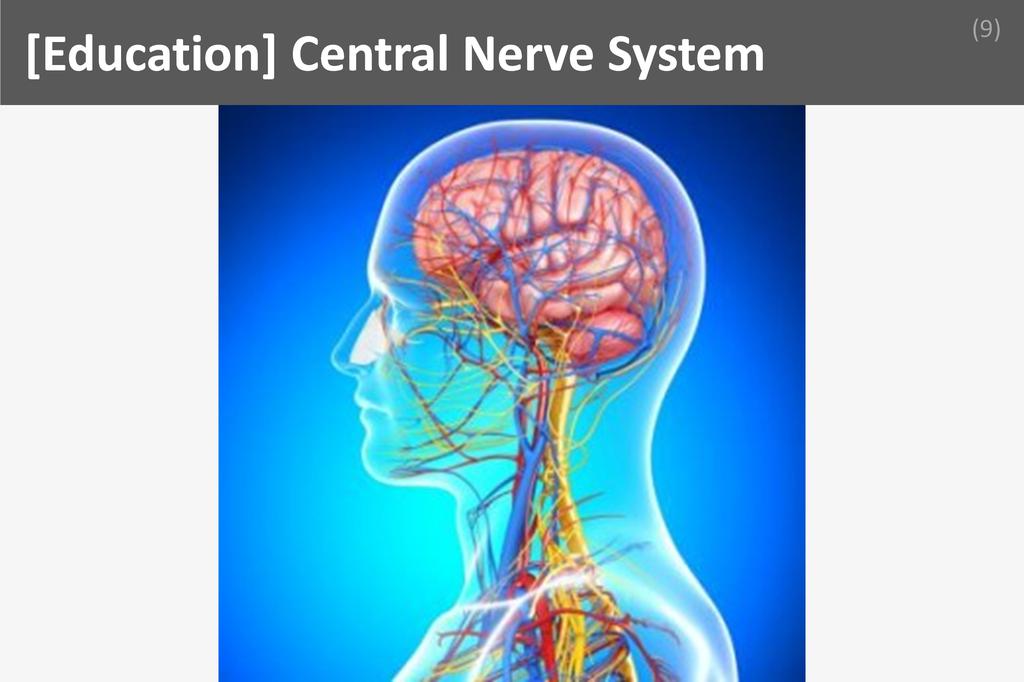
Central Nerve System

### Central Nerve System Image
What is
The Central Nerve System (CNS) comprises the brain and spinal cord, serving as the primary control center for the body’s functions and responses. In Pediatrics, understanding the CNS is essential, as it underpins the diagnosis, treatment, and management of neurological development and disorders in children, forming a core academic requirement.

Concept
A thorough grasp of the Central Nerve System is crucial for anyone entering or working in Pediatrics because it forms the basis for recognizing normal and abnormal neurological development in children. Pediatric professionals must be able to identify early signs of CNS disorders, such as developmental delays, seizures, or infections, which can significantly impact a child’s growth and quality of life. Mastery of CNS concepts enables practitioners to communicate effectively with families, collaborate with multidisciplinary teams, and make informed decisions regarding referrals and interventions. Over the long term, this foundational knowledge supports ongoing professional development, enhances diagnostic accuracy, and improves patient outcomes, making it indispensable for a successful pediatric career.

Real World Example
Consider a pediatrician evaluating a toddler who presents with delayed milestones, such as not walking or speaking at the expected age. Drawing on their understanding of the Central Nerve System, the pediatrician conducts a thorough neurological assessment, observing reflexes, muscle tone, and coordination. Recognizing subtle abnormalities, the pediatrician orders appropriate imaging and refers the child to a pediatric neurologist for further evaluation. This application of CNS knowledge ensures early identification and intervention, which can dramatically improve the child’s developmental trajectory. In daily practice, such expertise allows pediatric professionals to distinguish between benign variations and serious neurological conditions, ensuring that children receive timely and appropriate care.

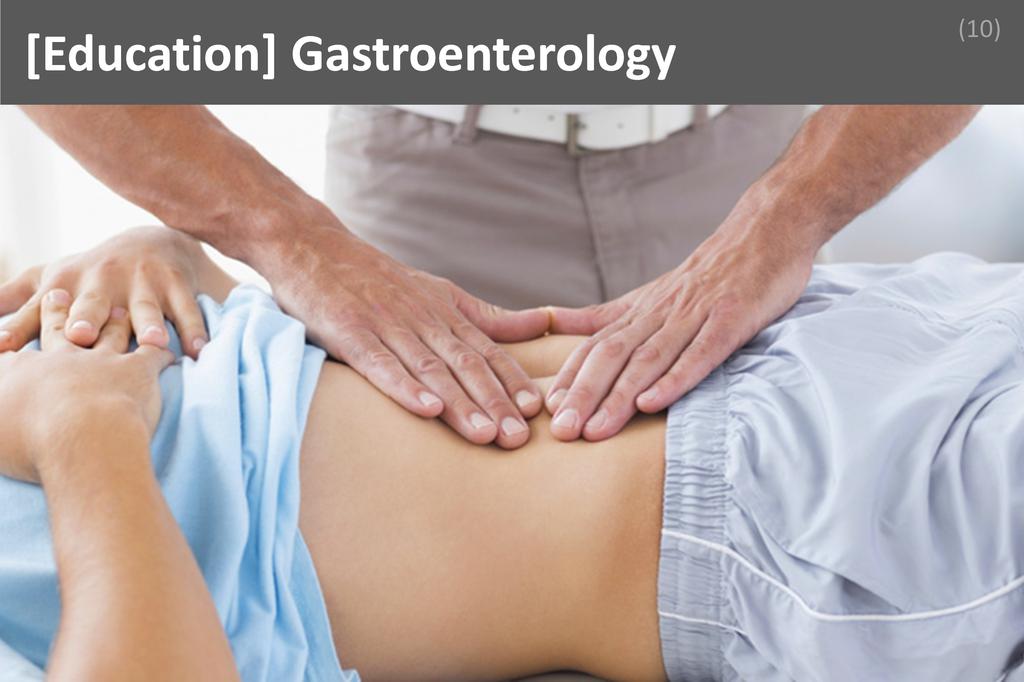
Gastroenterology

### Gastroenterology Image
What is
Gastroenterology is the branch of medicine focused on the digestive system and its disorders, encompassing the esophagus, stomach, intestines, liver, pancreas, and gallbladder. In Pediatrics, understanding gastroenterology is essential, as many childhood illnesses and developmental issues involve the gastrointestinal tract, requiring specialized knowledge for accurate diagnosis and effective treatment.

Concept
A thorough grasp of gastroenterology is indispensable for anyone preparing for or working in Pediatrics. Children frequently present with symptoms such as abdominal pain, vomiting, diarrhea, and feeding difficulties, all of which may signal underlying gastrointestinal issues. Mastery of this subject enables pediatric professionals to distinguish between benign, self-limiting conditions and serious, potentially life-threatening diseases. This expertise not only improves diagnostic accuracy but also guides appropriate management and referral decisions. Over the long term, a strong foundation in gastroenterology enhances a pediatrician’s ability to provide comprehensive care, fosters interdisciplinary collaboration, and supports ongoing professional development as new research and treatments emerge in the field.

Real World Example
Consider a pediatrician evaluating a young child with persistent abdominal pain and poor weight gain. Drawing on their knowledge of gastroenterology, the pediatrician systematically assesses the child’s history, dietary habits, and growth patterns, and performs a focused physical examination. Recognizing red flags such as blood in the stool or delayed growth, the pediatrician orders targeted investigations to rule out conditions like celiac disease or inflammatory bowel disease. This theoretical understanding enables the pediatrician to interpret test results accurately, communicate effectively with the child’s family, and coordinate care with pediatric gastroenterology specialists if needed. Ultimately, this integrated approach ensures timely diagnosis and management, improving the child’s health outcomes and quality of life.

Neonatology

### Neonatology Image
What is
Neonatology is a specialized branch of medicine focused on the medical care of newborn infants, particularly those who are ill or born prematurely. It encompasses the diagnosis, treatment, and management of conditions affecting neonates. As a subspecialty of Pediatrics, neonatology is essential for comprehensive pediatric training and practice.

Concept
Understanding neonatology is crucial for anyone preparing for or working in Pediatrics because it addresses the unique physiological and medical needs of newborns, especially during the critical first weeks of life. Mastery of this field equips pediatric professionals with the ability to recognize and manage complex neonatal conditions, such as respiratory distress, infections, and congenital anomalies. This foundational knowledge not only enhances clinical competence but also improves patient outcomes, as early intervention can be life-saving. Furthermore, expertise in neonatology fosters interdisciplinary collaboration with obstetricians, nurses, and other specialists, ensuring holistic care for both mother and child. Over the long term, proficiency in neonatology opens doors to specialized career paths, research opportunities, and leadership roles within pediatric healthcare settings.

Real World Example
Consider a pediatrician working in a hospital’s maternity ward who is called to assess a newborn exhibiting signs of respiratory distress shortly after birth. Drawing on their knowledge of neonatology, the pediatrician quickly evaluates the infant’s vital signs, interprets laboratory results, and initiates appropriate interventions such as supplemental oxygen or transfer to a neonatal intensive care unit. Their understanding of neonatal physiology and common complications allows them to communicate effectively with the neonatal team, provide reassurance to anxious parents, and coordinate follow-up care. This scenario highlights how theoretical knowledge of neonatology directly translates into confident, timely, and effective clinical decision-making, ultimately safeguarding the health and well-being of the most vulnerable patients.

Skills


Patience

### Patience Image
What is
Patience is the ability to remain calm, composed, and persistent in the face of delays, challenges, or frustration, without becoming anxious or upset. In Pediatrics, patience allows professionals to thoughtfully address the unique needs of children and their families, fostering trust, understanding, and effective communication in every interaction.

Concept
Patience directly enhances performance in Pediatrics by enabling practitioners to listen attentively, explain complex medical information in simple terms, and respond empathetically to children’s fears or parents’ concerns. Clients and employers highly value this skill because it builds rapport, reduces stress, and leads to better health outcomes. Developing patience requires conscious self-reflection, regular practice in stressful situations, and a commitment to understanding each child’s developmental stage. Over time, professionals can cultivate patience by seeking feedback, learning from experienced mentors, and practicing mindfulness techniques to manage their own emotions. This ongoing development not only improves job satisfaction but also strengthens the overall quality of care provided.

Real World Example
Consider a pediatrician working with a young child who is terrified of vaccinations. The child cries, resists, and refuses to cooperate, while the parent grows increasingly anxious. Instead of rushing or expressing frustration, the pediatrician patiently engages the child, using gentle words, playful distractions, and repeated reassurance. This calm persistence gradually earns the child’s trust, allowing the procedure to be completed safely and with minimal distress. The parent, witnessing the pediatrician’s patience, feels supported and confident in the care provided. In this scenario, patience transforms a potentially traumatic experience into a positive one, demonstrating its critical role in achieving successful outcomes in Pediatrics.

Dexterity

### Dexterity Image
What is
Dexterity is the ability to skillfully use one’s hands and fingers to perform precise movements, often requiring coordination, control, and agility. In pediatrics, dexterity is crucial for conducting delicate procedures, handling small instruments, and ensuring the safety and comfort of young patients during examinations and treatments.

Concept
Dexterity directly enhances a pediatric professional’s ability to perform intricate tasks, such as drawing blood from tiny veins, administering vaccinations, or suturing small wounds. Clients and employers highly value this skill because it minimizes discomfort and risk for children, leading to better patient outcomes and higher satisfaction. Developing dexterity requires consistent practice, attention to detail, and a commitment to ongoing learning. Engaging in simulation exercises, seeking mentorship from experienced colleagues, and regularly performing hands-on procedures all contribute to refining this skill over time. As dexterity improves, pediatric professionals become more confident and efficient, which not only benefits their patients but also builds trust with families and strengthens their reputation within the healthcare community.

Real World Example
Imagine a pediatrician faced with a toddler who has accidentally swallowed a small object, causing airway obstruction. In this high-pressure situation, the pediatrician must quickly and precisely use specialized instruments to remove the object without causing further harm. The child’s safety depends on the pediatrician’s dexterity, as even a slight misstep could have serious consequences. By maintaining steady hands and expertly manipulating the tools, the pediatrician successfully clears the airway, allowing the child to breathe freely again. This scenario highlights how dexterity is not just a technical skill but a critical asset that can make the difference between life and death in pediatric care.

Reading

### Reading Image
What is
Reading is the process of interpreting and understanding written information, including medical literature, patient records, research articles, and clinical guidelines. For a Pediatrics professional, reading is fundamental to staying informed about the latest advancements, accurately assessing patient histories, and making evidence-based decisions that directly impact the health and well-being of children.

Concept
Mastering the skill of reading enhances a pediatrician’s ability to absorb and synthesize vast amounts of medical information, which is crucial in a field that evolves rapidly. Employers and clients value this skill because it ensures that practitioners remain up-to-date with best practices, new treatments, and emerging health concerns. Effective reading allows pediatricians to interpret complex case studies, understand new research findings, and apply them to patient care. To cultivate this skill, professionals should engage in regular review of medical journals, participate in continuing education, and practice critical reading strategies. Over time, this habit not only sharpens comprehension but also fosters a culture of lifelong learning, which is indispensable in delivering high-quality pediatric care.

Real World Example
Imagine a pediatrician faced with a young patient exhibiting unusual symptoms that do not match common childhood illnesses. The physician turns to recent medical journals and clinical guidelines, carefully reading through case reports and research studies. By thoroughly interpreting the latest findings, the pediatrician identifies a rare but treatable condition. This timely and accurate diagnosis, made possible through diligent reading, allows for the immediate initiation of an effective treatment plan. The patient’s health improves rapidly, and the family expresses deep gratitude. In this scenario, the pediatrician’s reading skills were critical in navigating complex information, leading to a successful outcome and reinforcing the essential role of reading in pediatric practice.

Communication Skills

### Communication Skills Image
What is
Communication skills refer to the ability to clearly convey information, listen actively, interpret nonverbal cues, and adapt messaging to different audiences. In pediatrics, these skills are crucial for building trust with young patients and their families, ensuring accurate information exchange, and fostering collaborative relationships within healthcare teams.

Concept
Strong communication skills directly enhance a pediatrician’s effectiveness by enabling them to explain complex medical concepts in ways that children and parents can understand. This clarity reduces anxiety, increases compliance with treatment plans, and helps prevent misunderstandings that could impact patient care. Employers and clients highly value professionals who can connect empathetically and respectfully, as this leads to better patient outcomes and satisfaction. Cultivating communication skills involves ongoing self-reflection, seeking feedback, participating in workshops, and practicing active listening and empathy in daily interactions. Over time, these efforts help pediatric professionals become more approachable, trustworthy, and effective in their roles.

Real World Example
Imagine a pediatrician faced with a young child who is fearful about an upcoming vaccination. The pediatrician uses communication skills to calmly explain the procedure in age-appropriate language, addresses the child’s concerns with empathy, and reassures the parents by outlining the vaccine’s benefits and safety. By attentively listening to both the child and the parents, the pediatrician identifies specific fears and responds with tailored information and comfort. This approach not only alleviates anxiety but also builds trust, resulting in a smoother procedure and a positive healthcare experience for the family. In this scenario, effective communication is the key to overcoming resistance and ensuring the child receives necessary care.

Positives


Working with Children

### Working with Children Image
What is
Working with children means engaging directly with young patients, understanding their unique needs, and supporting their physical, emotional, and developmental growth. In pediatrics, this involves building trust, communicating with empathy, and fostering a safe, nurturing environment. This connection brings joy and purpose, making the profession deeply meaningful and impactful.

Concept
The opportunity to work with children is a defining advantage of a career in pediatrics. Children bring energy, curiosity, and resilience into every interaction, creating a dynamic and uplifting work environment. Pediatric professionals often find their days filled with laughter, creativity, and moments of genuine connection, which can significantly boost job satisfaction. Witnessing a child’s progress, whether it’s overcoming an illness or reaching a developmental milestone, provides a profound sense of accomplishment. This daily exposure to hope and growth not only fuels professional motivation but also fosters personal growth. The positive relationships built with children and their families often lead to long-lasting gratitude and trust, making the work both emotionally rewarding and professionally fulfilling.

Real World Example
Imagine a pediatrician caring for a young child who has been struggling with a chronic illness. Over time, the pediatrician builds a rapport with the child, using playful communication and gentle encouragement during each visit. As the child’s health improves, the pediatrician witnesses not only physical recovery but also the child’s renewed confidence and happiness. The gratitude expressed by the child’s family and the visible transformation in the young patient serve as daily reminders of the profound impact that working with children can have. This experience reinforces the pediatrician’s passion for the field and highlights the unique fulfillment that comes from helping children thrive.

Satisfaction

### Satisfaction Image
What is
Satisfaction is the deep sense of fulfillment and contentment that arises from making a meaningful difference in others’ lives, achieving personal and professional goals, and witnessing positive outcomes from one’s efforts. In pediatrics, satisfaction is a driving force, as practitioners see firsthand the positive impact of their care on children and families.

Concept
The satisfaction derived from a career in pediatrics is a powerful motivator that sustains professionals through challenges and long hours. This sense of fulfillment enhances job satisfaction by providing a clear sense of purpose and accomplishment. Pediatricians often witness the direct results of their interventions, such as a child’s recovery or developmental progress, which reinforces their commitment to the field. This ongoing positive feedback fosters resilience, encourages continuous learning, and supports professional growth. The daily experience of helping children thrive and supporting families through difficult times creates a rewarding work environment, making pediatrics not just a job, but a deeply meaningful vocation.

Real World Example
Imagine a pediatrician who has been treating a young patient with a chronic illness. Over months of care, the doctor works closely with the child and their family, adjusting treatments and offering emotional support. Eventually, the child’s health stabilizes, and they return to school, full of energy and confidence. The pediatrician witnesses the child’s transformation and the family’s gratitude, feeling a profound sense of satisfaction. This moment reaffirms the value of their dedication and expertise, reminding them why they chose this path. Such experiences are common in pediatrics, where the positive outcomes and heartfelt connections with patients provide daily reminders of the profession’s unique rewards.

Monetary benefits

### Monetary benefits Image
What is
Monetary benefits refer to the financial rewards and compensation that professionals receive for their work, including salary, bonuses, incentives, and other forms of economic gain. In pediatrics, these benefits provide stability, recognize expertise, and offer tangible acknowledgment for the dedication and specialized care pediatricians deliver to children and families.

Concept
Monetary benefits are a significant factor in making a career in pediatrics both attractive and sustainable. Competitive compensation not only acknowledges the years of rigorous education and training required but also ensures that pediatricians can focus on their patients without financial stress. This financial security allows professionals to invest in their personal growth, pursue further specialization, and maintain a healthy work-life balance. The assurance of a stable income boosts job satisfaction, as pediatricians feel valued for their expertise and commitment. Over time, these benefits contribute to lower burnout rates and higher retention, fostering a positive work environment where professionals can thrive and continue making a meaningful difference in children’s lives.

Real World Example
Consider Dr. Smith, a pediatrician working in a busy urban hospital. Each month, she receives a competitive salary along with performance-based bonuses for her exceptional patient care and participation in community health programs. These monetary benefits enable her to provide for her family, save for her children’s education, and invest in professional development courses. The financial rewards also allow her to take well-deserved vacations, ensuring she remains energized and passionate about her work. Knowing that her dedication is recognized not just emotionally but also financially, Dr. Smith feels motivated to continue delivering high-quality care, confident that her career in pediatrics supports both her personal and professional aspirations.

Challenges


High Responsibility

### High Responsibility Image
What is
High Responsibility in Pediatrics refers to the constant obligation to make critical decisions affecting children’s health and well-being, often under time pressure and emotional stress. This responsibility is demanding because pediatricians must balance medical expertise, ethical considerations, and communication with families, knowing their choices have lasting consequences for vulnerable patients.

Concept
The weight of high responsibility in Pediatrics permeates every aspect of daily work, from diagnosing rare conditions to managing emergencies and guiding anxious families. This challenge can lead to emotional fatigue and decision-making stress, requiring significant resilience. Successful pediatric professionals develop strong support networks, prioritize self-care, and engage in continuous learning to maintain confidence and competence. They also rely on collaborative teamwork, seeking input from colleagues and specialists to share the burden of responsibility. By fostering open communication and reflective practice, they manage the emotional demands and maintain focus on delivering the best possible care, even in high-pressure situations.

Real World Example
Consider a pediatrician in a busy hospital who must quickly diagnose and treat a child with a life-threatening allergic reaction. Despite the urgency and the family’s visible distress, the pediatrician remains calm, draws on established protocols, and coordinates with nurses and specialists to stabilize the patient. After the crisis, the pediatrician takes time to debrief with the team and offers support to the family, ensuring everyone understands the situation and next steps. By relying on training, teamwork, and clear communication, the pediatrician manages the immense responsibility effectively, demonstrating how preparation and emotional intelligence can turn a potentially overwhelming challenge into a successful outcome for both patient and care team.

Training Hours

### Training Hours Image
What is
Training hours in Pediatrics refer to the extensive, structured periods of clinical education and supervised practice required for pediatricians-in-training. These hours are demanding due to long shifts, overnight duties, and the emotional intensity of caring for children and families, all while balancing academic learning and personal responsibilities, often leading to fatigue.

Concept
The demanding nature of training hours in Pediatrics can significantly affect a professional’s daily life, often resulting in physical exhaustion, emotional stress, and reduced personal time. This challenge requires resilience, as pediatricians must maintain high standards of care and empathy despite fatigue. Successful professionals manage these constraints by developing strong time management skills, seeking support from colleagues and mentors, and prioritizing self-care whenever possible. They learn to set boundaries, delegate tasks appropriately, and use downtime efficiently to recharge. By fostering a supportive work environment and focusing on teamwork, pediatricians can better navigate the rigors of training hours, ensuring both their well-being and the quality of care provided to young patients.

Real World Example
Consider a pediatric resident working in a busy urban hospital, frequently scheduled for overnight shifts and extended on-call periods. Despite the long hours and emotional demands, she proactively organizes her tasks, communicates openly with her team, and seeks guidance from senior staff when needed. She makes a conscious effort to rest during breaks, maintains a healthy diet, and dedicates time to brief mindfulness exercises to manage stress. By building strong relationships with her colleagues, she creates a network of support that helps her cope with the pressures of training. Through these strategies, she not only meets the rigorous demands of her training hours but also continues to provide compassionate, attentive care to her young patients.

Parents Expectations

### Parents Expectations Image
What is
Parents Expectations in Pediatrics refers to the hopes, beliefs, and demands that parents have regarding their child’s medical care, outcomes, and the pediatrician’s role. This is demanding because parents are emotionally invested, often anxious, and may have differing views or unrealistic hopes, making communication and trust-building complex and sensitive.

Concept
The challenge of managing parents expectations permeates nearly every aspect of a pediatrician’s daily work. It can lead to emotionally charged conversations, pressure to deliver rapid results, and the need to balance medical realities with parental hopes. This dynamic requires resilience, as professionals must remain empathetic and composed even when faced with disappointment or frustration from families. Successful pediatricians navigate this by fostering open communication, setting clear and realistic expectations early, and involving parents in decision-making. They build trust through transparency and by acknowledging parental concerns, while also educating families about the limits and possibilities of medical care. Over time, these strategies help create collaborative relationships that benefit both the child and the family.

Real World Example
Consider a pediatrician caring for a child with a chronic illness whose parents are desperate for a cure. The parents arrive at each appointment with new treatment ideas found online, hoping for immediate improvement. The pediatrician listens attentively, validates their concerns, and explains the evidence behind each proposed intervention. She gently clarifies what current medicine can and cannot achieve, outlining a realistic care plan while emphasizing her commitment to the child’s well-being. By maintaining open dialogue and showing empathy, she gradually earns the parents’ trust. Over time, the family becomes more receptive to the care plan, and the child receives consistent, evidence-based treatment, demonstrating how skillful management of parents expectations leads to better outcomes for everyone involved.

A Day Of


Pediatrics

What is
In the world of pediatrics, every day begins with a sense of anticipation and purpose, as practitioners step into a vibrant environment where laughter, tears, and curiosity fill the air. The pace is brisk yet compassionate, shaped by the unpredictable rhythms of childhood illnesses, routine checkups, and the ever-present need for reassurance. Here, no two days are ever quite the same, and each interaction holds the potential to shape a young life. The work is both demanding and deeply rewarding, requiring a blend of clinical expertise, patience, and a genuine love for children and their families.

Concept
As the sun rises, a pediatrician’s day often begins with a quiet moment of preparation. The early morning hours are dedicated to reviewing patient charts, catching up on overnight updates, and scanning through messages from parents or caregivers. This is also the time for a quick team huddle with nurses and medical assistants, where the day’s appointments, urgent cases, and any special considerations are discussed. This collaborative start ensures everyone is aligned and ready to provide seamless care, setting a positive tone for the hours ahead.

Real World Example
By mid-morning, the clinic comes alive with the sounds of young patients and their families. This is the heart of the pediatrician’s day, filled with back-to-back appointments ranging from well-child visits and immunizations to managing acute illnesses and chronic conditions. Each encounter demands not only medical acumen but also the ability to connect with children at their level, easing anxieties and building trust. The pace is fast, and the practitioner must balance efficiency with empathy, ensuring every child receives attentive, individualized care.

The afternoon often shifts toward more complex cases and collaborative efforts. Pediatricians may consult with specialists, coordinate care plans for children with ongoing health needs, or participate in multidisciplinary meetings with therapists, social workers, and educators. This period is marked by problem-solving and teamwork, as practitioners work together to address the broader needs of their patients, advocate for resources, and ensure continuity of care beyond the clinic walls.

As the day winds down, attention turns to wrapping up essential administrative tasks. This includes updating medical records, responding to parent inquiries, and reviewing lab results or imaging reports. Pediatricians also take time to reflect on the day’s challenges and successes, plan for upcoming appointments, and stay current with the latest research or guidelines. The evening brings a sense of closure, but the commitment to their young patients continues, as tomorrow promises another day of care, learning, and growth.


Install the LifePage App to:


  1. (for Free) Watch Pediatrician Dr Nameet Jerath’s full Pediatrics Career Talk

  2. ₹ Do a Self Assessment on Pediatrics to calculate your Dream Index, which is defined as:

    According to Dr Nameet Jerath your chances of success in Pediatrics is __%

  3. Access your personalized Dream Index Report which will have all your Dream Indices sorted in descending order.

Career Counselling 2.0


<?php echo $altimage; ?>


<?php echo $altimage; ?>


How to get into

Pediatrics?


If you are want to get into Pediatrics, start by investing in a Career Plan.

The 14 hour process, guided by a LifePage Career Advisor, will help you introspect and check whether your interest in Pediatrics is merely an infatuation or is it truly something you wish to do for the rest of your life.

Next, your Career Advisor will help you document how you can get into Pediatrics, what education and skills you need to succeed in Pediatrics, and what positives and challenges you will face in Pediatrics.

Finally, you will get a Career Plan stating which Courses, Certifications, Trainings and other Items you need to do in the next 7 years to become world’s best in Pediatrics.


LifePage Career Plan

14 hour personalized guidance program


Your LifePage Career Advisor facilitates your guided introspection so that you systematically explore various Career options to arrive at a well thought out Career choice.

Next: your Advisor helps you figure out how you will get into your chosen Career and how will you develop the skills needed for success in your Chosen Career.

LifePage Plan will not stop at saying "to become an Architect study Architecture". It will guide you on which Certifications, Trainings and Other items you need to do along with your Architecture education to become the world's best Architect.


Links for this Talk


Pediatrician Dr Nameet Jerath's LifePage:


Career Counselling 2.0
[LifePage]
https://www.lifepage.in/page/nameetjerath


LifePage Career Talk on Pediatrics


Career Counselling 2.0
[Career]
https://www.lifepage.in/careers/pediatrics


Career Counselling 2.0
[Full Talk]
https://lifepage.app.link/20180211-0001


Career Counselling 2.0
[Trailer]
https://www.youtube.com/watch?v=MNepMNwqR2g


(Pediatrics, Dr Nameet Jerath, Indraprasth Apollo Hospital, Pediatrician, Child Specialist, Pediatrics Critical Care, Doctor, Healthy Children, Infant Medical Care)


Similar Talks


Career in Cardiology
Cardiology
Dr Yogendra Singh
Cardiologist | Fortis Escorts Hospital
[ 13 years Experience ]

Cardiology is a branch of medicine dealing with disorders of the heart as well as parts of the circulatory system. The field includes medical diagnosis and treatment of congenital heart defects, coronary artery disease, heart failure, valvular heart disease and electrophysiology. Physicians who specialize in this field of medicine are called cardiologists, a specialty of internal medicine.

"I studied at the Institute of Medical Sciences, Banaras Hindu University, Varanasi, for the MBBS and MD degrees. I spent 18 months as Senior Resident in Cardiology at SGPGIMS Lucknow and then obtained the DM (Cardiology) superspeciality degree in 2004 from GSVM Medical College in Kanpur. This was followed by a six-month stint at Apollo Hospitals Colombo as Senior Registrar in Interventional Cardiology, and a year at Apollo Gleneagles Hospital in Kolkata, as Associate Consultant in Interventional Cardiology. Subsequently I have worked as Consultant Interventional Cardiology & Electrophysiology at Himalayan Institute of Medical Sciences, and currently, I am working at Fortis Escorts Hospital in Dehradun."


Career Counselling 2.0 Career Counselling 2.0 Career Counselling 2.0 Career Counselling 2.0 Career Counselling 2.0


Career in Cancer Surgery
Cancer Surgery
Dr Sunil Saini
Director | Cancer Research Institute - SRHU
[ 26 years & 4 months Experience ]

Surgery is the removal of the tumor and surrounding tissue during an operation. A doctor who specializes in treating cancer using surgery is called a surgical oncologist. Surgery is the oldest type of cancer therapy and remains an effective treatment for many types of cancer today.

"After completing Graduation and Post Graduation from B H U, Banaras, I did Surgery and Medicine from B H U, Banaras. After that, I did training in Head & Neck Cancer Surgery from Mumbai. I have been practicing Cancer Surgery since 1992 at Cancer Research Institute SRHU, Dehradun"


Career Counselling 2.0 Career Counselling 2.0 Career Counselling 2.0 Career Counselling 2.0 Career Counselling 2.0


Career in Gynaecology
Gynaecology
Dr Annu Dhir
Gynaecologist | P K Dhir Memorial Clinic
[ 33 years & 10 months Experience ]

Gynaecology is the branch of physiology and medicine which deals with the functions and diseases specific to women and girls, especially those affecting the reproductive system.

"I have done my medical education from Rewa Medical College and PG diploma in Gynaecology from Puna and Hospital Management diploma from Apolo Hospital, Delhi. After that I have joined Air force as a family doctor and for the 15 years I was working with the Air force. Then I came to Dehradun where my mother in law was practicing and I joined her and since then I am practicing Gynaecology for the last 32 years."


Career Counselling 2.0 Career Counselling 2.0 Career Counselling 2.0 Career Counselling 2.0 Career Counselling 2.0


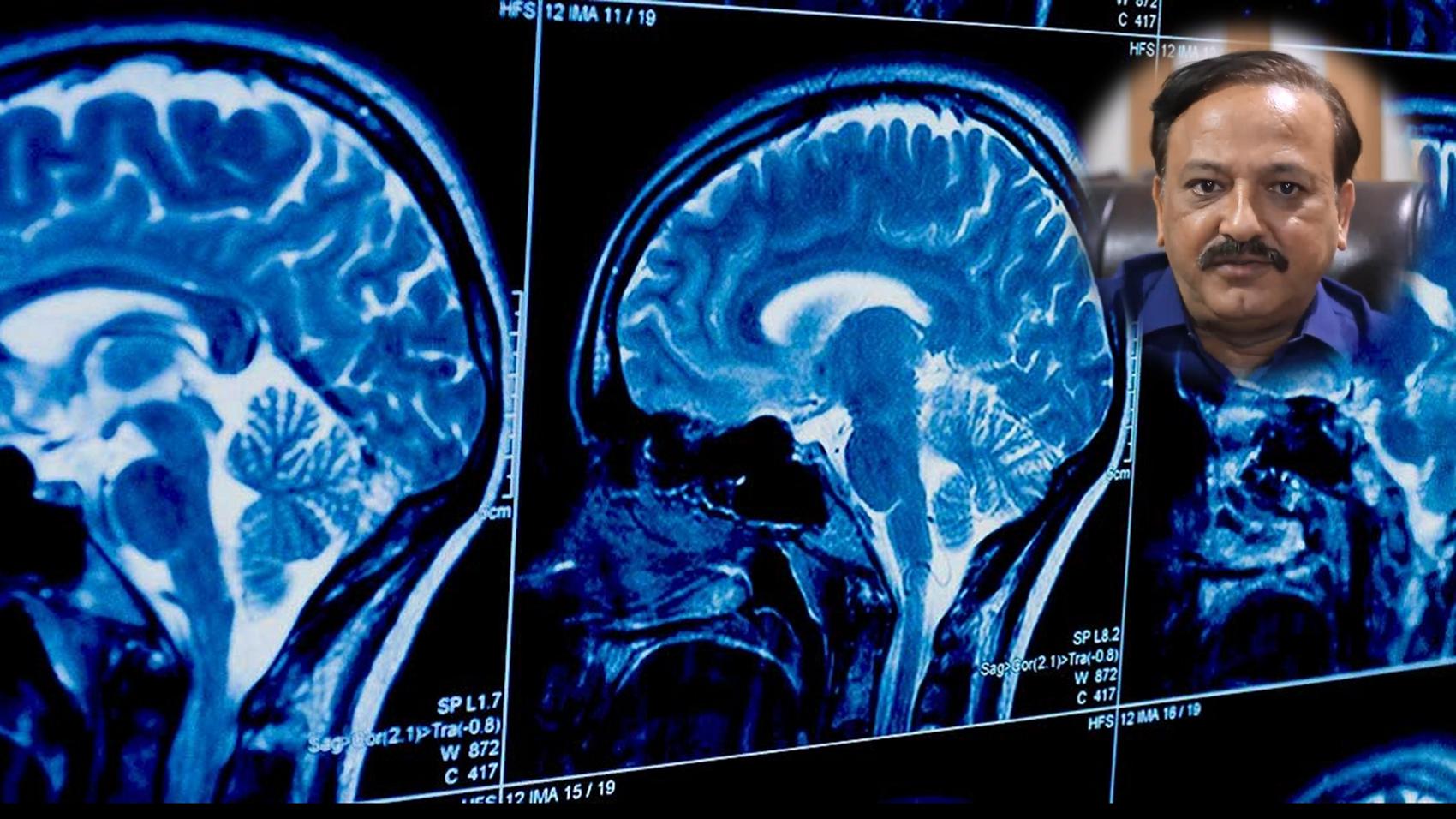
Career in Neurology
Neurology
Dr Mahesh Kuriyal
Senior Consultant Neurosurgeon | CMI Hospital,Dehradun
[ 26 years & 10 months Experience ]

Neurology is defined as the study of nervous system which includes body parts,brain,spinal cord and nerves.

"I am a Neurosurgeon in Dehradun, currently practising at the Combined Medical Institute Hospital on Haridwar Road. I completed my graduation (MBBS) and post-graduation (MS - Master of Surgery) from King George's Medical College, Lucknow. I followed this up with an MCh (Neurosurgery) degree from Sanjay Gandhi Post Graduate Institute of Medical Sciences (SGPGIMS), Lucknow."


Career Counselling 2.0 Career Counselling 2.0 Career Counselling 2.0 Career Counselling 2.0 Career Counselling 2.0


Career in Eye Surgery
Eye Surgery
Dr Gaurav Luthra
Head Surgeon | Drishti Eye Institute, Dehradun
[ 23 years & 8 months Experience ]

Eye surgery is surgery performed on the eye or its adnexa, typically by an ophthalmologist. An expert eye surgeon is responsible for selecting the appropriate surgical procedure for the patient, and for taking the necessary safety precautions.

"After completing my schooling from St Josephs, Drehardun I went to Maulana Azad Medical College, New Delhi for my graduation and post graduation in medicine. I have been practicing eye surgery since 1995."


Career Counselling 2.0 Career Counselling 2.0 Career Counselling 2.0 Career Counselling 2.0 Career Counselling 2.0


Career in Radiology
Radiology
Dr Ramesh Kumar Pandey
Consultant Radiologist | CMI Hospital
[ 13 years & 10 months Experience ]

Radiology is a specialty that uses medical imaging to diagnose and treat diseases seen within the body. A variety of imaging techniques such as X-ray radiography, ultrasound, computed tomography (CT), nuclear medicine including positron emission tomography (PET), and magnetic resonance imaging (MRI) are used to diagnose and/or treat diseases. Interventional radiology is the performance of (usually minimally invasive) medical procedures with the guidance of imaging technologies.

"I am graduated in Medicine. I have done my DMRD and DNB from Yashodhra Supersepciality Hospital, Hyderabad. After that I am working as a full time consultant. I specialized in Imaging and do Non-Vascular Interventional radiology also."


Career Counselling 2.0 Career Counselling 2.0 Career Counselling 2.0 Career Counselling 2.0 Career Counselling 2.0


Career in Pulmonary & Critical Care
Pulmonary & Critical Care
Dr Puneet Tyagi
Head Pulmonary & Critical Care | VelMed Hospitals
[ 19 years & 4 months Experience ]

A pulmonologist, or pulmonary disease specialist, is a physician who possesses specialized knowledge and skill in the diagnosis and treatment of pulmonary (lung) conditions and diseases.

"After completing my education, I have worked with various hospitals in Delhi, Bareilly and Dehradun. I am working at Velmed Hospitals, Dehradun as the head of Pulmonary & Critical Care Medicine. I am trained in pulmonary medicine & Critical Care from a prestigious institute of India (VP Chest Institute Delhi. Previously I was Principal Consultant at Max Superspeciality Hospital, Dehradun, and I have 22 years of experience in pulmonary medicine & Critical Care."


Career Counselling 2.0 Career Counselling 2.0 Career Counselling 2.0 Career Counselling 2.0 Career Counselling 2.0


Career in Ophthalmology
Ophthalmology
Dr Rohan Mehra
Ophthalmologist | Shri Mahant Indiresh Hospital, Dehradun
[ 3 years Experience ]

Ophthalmology is the medical science of treating the diseases of the eye. The eyes are an integral part of a body as they help us give shape (visually) to everything around us.

"I studied at The Doon School, Dehradun. After, which I attained an MBBS Degree from Shri Mahant Indiresh Hospital, Dehradun (2008-2013) and soon after moved to Delhi NCR and worked at Sir Ganga Ram Hospital for a year. Following that I then applied for and attained an MS Degree in Ophtamology and have been practicing Ophthalmology at Shri Mahant Indiresh Hospital, Dehradun, since, 2015."


Career Counselling 2.0 Career Counselling 2.0 Career Counselling 2.0 Career Counselling 2.0 Career Counselling 2.0


Career in Cardiac Surgery
Cardiac Surgery
Dr Kishor Joshi
Senior Consultant & HoD | Fortis Escorts Heart Institute
[ 15 years Experience ]

Cardiac surgery, or cardiovascular surgery, is surgery on the heart or great vessels performed by cardiac surgeons. It is often used to treat complications of ischemic heart disease (for example, with coronary artery bypass grafting); to correct congenital heart disease; or to treat valvular heart disease from various causes, including endocarditis, rheumatic heart disease, and atherosclerosis. It also includes heart transplantation.

"After doing my MBBS from Institute of Medical Sciences from Vijayanagar, I did MS from JIPMER, Pondicherry. Thereafter, I did M Ch, Cardiothoracic and Vascular Surgery from AIIMS and did fellowship in Congenital Heart Surgery from Medical College of Carolina. I have worked in various hospitals as a Cardiac Surgeon and have been working at Fortis Escorts Hospital, Dehradun as a Senior Consultant & Head of Department since 2016."


Career Counselling 2.0 Career Counselling 2.0 Career Counselling 2.0 Career Counselling 2.0 Career Counselling 2.0


Career in Gynaecology
Gynaecology
Dr S G Sethi
Gynaecologist | S G Sethi Clinic
[ 40 years Experience ]

Gynaecology is the study of the female reproductive system which includes the ovaries, uterus and the breast and most imp thing is producing babies and helping woman to have proper family planning and healthy living.

"After completing my education from Grant Medical College, Bombay, I came to Dehradun. I am working as Obstetrics and Gynaecologist for the last 40 years."


Career Counselling 2.0 Career Counselling 2.0 Career Counselling 2.0 Career Counselling 2.0 Career Counselling 2.0


Career in Orthopedic Surgery
Orthopedic Surgery
Dr Subhash Shalya
Sr Consultant Orthopedic Surgeon | Various Hospitals
[ 23 years Experience ]

Orthopedic surgery or orthopedics is the branch of surgery concerned with conditions involving the musculoskeletal system. Orthopaedic surgery is surgery performed by a medical specialist, such as an orthopedist or orthopaedic surgeon, trained to deal with problems that develop in the bones, joints, and ligaments of the human body.

"After completing my MBBS from SNMC, BR Ambedkar University Agra, I did my MS in Orthopedics & then in Surgery from SN Medical College Agra, UP. In 1994, I did my PGCR in Rehabilitation from All India Institute of Physical Medicine and Rehabilitation, Mumbai. In 1990, I started working as a Sr Consultant for various hospitals and later in 1995 I got associated as Full Time Senior Consultant Orthopedic Surgeon at Indraprastha Apollo Hospital where I worked for more than 9 years. In 2005, I started my own clinic & rehabilitation centre named Bone Joints Care Foundation of India which is an NGO in the field of rehabilitation of pediatric and geriatric patients suffering from disabilities and deformities. I am also associated with Fortis C-Doc Hospital New Delhi, Max Hospital Noida & NMC Hospital Noida as a visiting Sr Consultant Orthopedic Surgeon."


Career Counselling 2.0 Career Counselling 2.0 Career Counselling 2.0 Career Counselling 2.0 Career Counselling 2.0


Career in Teaching Anatomy
Teaching Anatomy
Dr S L Jethani
HOD & Professor | Himalayan Institute of Medical Sciences
[ 34 years Experience ]

Anatomy is the branch of biology concerned with the study of the structure of organisms and their parts. Anatomy is a branch of natural science dealing with the structural organization of living things.

"I did MBBS and MS in Anatomy from G R Medical College, Gwalior. I also did my internship at the same college. I taught at G R Medical College for few years before moving to Himalayan Institute of Medical Sciences, Dehradun. I have been a Dean and Medical Superintendent at the institute. I am a Professor and Head of Department at Himalayan Institute of Medical Sciences, Dehradun."


Career Counselling 2.0 Career Counselling 2.0 Career Counselling 2.0 Career Counselling 2.0 Career Counselling 2.0


Career in Neurosurgery
Neurosurgery
Dr Nagender Singh Rawat
Neurosurgeon | VelMed Hospital
[ 3 years & 1 month Experience ]

Neurosurgery is the medical specialty concerned with the prevention, diagnosis, surgical treatment, and rehabilitation of disorders which affect any portion of the nervous system including the brain, spinal cord, peripheral nerves, and extra-cranial cerebrovascular system.

"I completed my M Ch (Neurosurgery) from SGPGIMS, Lucknow. Since 2016, I am working as a neurosurgeon and in June 2018, I joined VelMed Hospital, Dehradun as a Neurosurgeon."


Career Counselling 2.0 Career Counselling 2.0 Career Counselling 2.0 Career Counselling 2.0 Career Counselling 2.0


Career in Gynaecology
Gynaecology
Dr Sanjay Sujata
Gynaecologist | Sanjay Maternity Centre
[ 8 years & 6 months Experience ]

Gynaecology is the branch of physiology and medicine which deals with the functions and diseases specific to women and girls, especially those affecting the reproductive system.

"I did my MBBS and Diploma in Obstetrics and Gynaecology from G R Medical College, Jiwaji University. I have been practicing as a Gynaecologist at Sanjay Orthopaedic, Spine & Maternity Centre since 2010. I have been awarded with many awards and recognitions such as 100 Women Achievers Award by MWCD and Indira Gandhi National Award."


Career Counselling 2.0 Career Counselling 2.0 Career Counselling 2.0 Career Counselling 2.0 Career Counselling 2.0


Career in Pain and Spine Care
Pain and Spine Care
Dr Lavkush Pandey
Pain Management Specialist | Samvedna Pain and Spine Endoscopy Clinic
[ 9 years & 10 months Experience ]

Pain and Spine Care consists of a group of physicians who provide specialized care for lower back and neck pain, cancer pains, join pains, Headache or Orofacial Pain, Labor analgesia or other chronic pain conditions.

"I finished my MBBS graduation from Guwahati Medical College in 1999. After that, I worked in many renowned hospitals in Delhi. I have been working as a Pain Management Specialist at the Samvedna Pain and Spine Endoscopy Clinic in Dehradun where I practice minimum invasive spine and pain interventions along with spine endoscopic discectomy. I manage all kind of chronic pains specially lower back and neck pains."


Career Counselling 2.0 Career Counselling 2.0 Career Counselling 2.0 Career Counselling 2.0 Career Counselling 2.0


Career in Neurodevelopmental Paediatrics
Neurodevelopmental Paediatrics
Dr Ajay Sharma
Consultant Paediatrician | Various Medical Assignments
[ 40 years & 3 months Experience ]

Neurodevelopmental pediatricians evaluate and treat infants, toddlers and children who show signs of motor and developmental delays. Pediatric behavior health is also a part of neurodevelopmental pediatrics. Developmental pediatrics helps kids who have motor, speech, social or learning delays (developmental disorders in children).

"After doing education I started working as a consultant neurodevelopmetal paediatrician and clinical director in the Evelina London, Guy's and St Thomas' Hospital, UK. I have extensive clinical and teaching experience of the child development and developmental disorders. I have also co-authored two books on child development (From Birth to Five Years - Children's Developmental Progress and Practical Developmental Examination). I also volunteer with the Latika Roy Foundation in India helping them with medical consultancy, running parents' groups, teaching on courses and setting up a website www.enablenet.info."


Career Counselling 2.0 Career Counselling 2.0 Career Counselling 2.0 Career Counselling 2.0 Career Counselling 2.0


Career in Pulmonology
Pulmonology
Dr. Aditya S Agrawal
Pulmonologist | The Opera House Clinic
[ 8 years & 6 months Experience ]

Pulmonology is a medical speciality that deals with diseases involving the respiratory tract. Pulmonologists have expertise in structural, inflammatory, infectious, and neoplastic disorders of the lung parenchyma, pleura and airways, pulmonary vascular disease and its effect on the cardiovascular system, and detection and prevention of occupational and environmental causes of lung disease.

"I am trained in Pulmonary Medicine for which I received an MD followed by a DNB by the National Board of Examinations, followed by a fellowship in Lung Cancer and then a senior post at the National Institute of Tuberculosis and Respiratory Diseases, New Delhi. I have several research papers and also teaching post graduate students. My experience helps me manage respiratory diseases such as lung infections, smoking related lung disease, interstitial lung diseases, pleural diseases (like water/fluid around the lung), obstructive lung diseases (Asthma, bronchitis and COPD), lung cancers and sleep disordered breathing like sleep apnea."


Career Counselling 2.0 Career Counselling 2.0 Career Counselling 2.0 Career Counselling 2.0 Career Counselling 2.0


Career in Community Medicine
Community Medicine
Chandrakant Lahariya
Public Health Specialist | World Health Organisation
[ 15 years Experience ]

Community health is a major field of study within the medical and clinical sciences which focuses on the maintenance, protection, and improvement of the health status of population groups and communities.

"I have worked as a Junior Resident Fellow at Lady Hardinge Medical College. After that, I did an MBA in Health Care Management from Amity University and started working as Program Consultant with The INCLEN Trust. I was an Assistant Professor at GR Medical College, Gwalior. In 2008 I joined World Health Organization as Focal Point. I also worked as Consultant with UNICEF and UNFPA, and Advisor to many state governments in India. Currently I am working with World Health Organization as Public Health Specialist."


Career Counselling 2.0 Career Counselling 2.0 Career Counselling 2.0 Career Counselling 2.0 Career Counselling 2.0


Career in Sports Medicine & Pain Management
Sports Medicine & Pain Management
Rajat Chauhan
Sports Medicine & Pain Doctor | Back 2 Fitness
[ 16 years & 8 months Experience ]

Sports medicine is an area of medical practice concerned with holistic well-being of the sports person, whether it be amateur or elite. It also addresses role of exercises in health conditions and or for well-being of all. It also involves nutrition, exercise & sports technique, recovery, performance and treatment of injuries resulting from sports-exercise activities. Musculoskeletal Medicine (Pain management) is an area of medical practice which focuses on conservative non-injection & non-surgical management of muscular and skeletal pains. For that you need to address both psychological and physical issues by understanding the patient rather than just pain area.

"I like to call myself a student of pain and running, as I’m always learning more about my subjects of interest. I am also a militant advocate of GOYA (Get Off Your Arse) Move-Mint. I have been running for last 34 years and making others to run too. In my spare time I am a doctor specializing in Sports-Exercise Medicine (Queen's Medical Centre, Nottingham) and Osteopathy / Musculo-Skeletal Medicine (London College of Osteopathic Medicine) with special interest in Back and Knee Pain. In 2008, I started my own clinic Back2Fitness and I work as CEO and Medical Director there. Besides heading Back 2 Fitness, a Sports-Medicine & Muscuklo-Skeletal Medicine clinic for last 10+ years. I, along with my band of crazy friends, came up with La Ultra - The High, a 555 km (previously 333 & 222 km) run in Leh-Ladakh, India. We have been putting it together for last 9 years now. Some call it the world's cruelest ultra marathon. In 2017, we are brought to India its first iRun Fest, a Running Festival, which showcased Running Documentaries from around the world, Panel Discussions with thought leaders in running being on board and a platform for all involved in running in whatever capacity. Till 2016, I had been associated with Adidas India as Running Advisor for about 3 years. I was also the founding Director of Sports & Exercise Department at Ashoka University where I was responsible for the sports infrastructure and making sports and physical activity an integral part of the curriculum. I have been writing for Mint and Hindustan Times for over a decade now. I've done a series of running podcast, MoveMint for Mint newspaper and series of FacebookLive for Hindustan Times newspaper. I have also been an Associate Editor at British Journal of Sports Medicine and a columnist for The Hindu, Hindustan Times, Mint, Forbes India and Founding Fuel. My book on Pain, published by Penguin Publications, The Pain Handbook was released in 2016."


Career Counselling 2.0 Career Counselling 2.0 Career Counselling 2.0 Career Counselling 2.0 Career Counselling 2.0


Career in Obstetrics and Gynaecology
Obstetrics and Gynaecology
Dr Sujata Agarwal
Consultant Gynaecologist & Obstetrician | IVY Health & Infertility Centre
[ 26 years Experience ]

Obstetrics and gynecology is the medical specialty that deals with pregnancy, childbirth, and the postpartum period and the health of the female reproductive systems and the breasts.

"After completing my schooling from various Govt schools across the country, I did my MBBS, then MD (Obstetrics & Gynaecology) & Residency programme from King George's Medical University, Lucknow. I started working as a Consultant Gynecologist & Obstetrician. I am also a visiting Surgeon Obstetrics & Gynaecology at Indraprastha Apollo Hospital, New Delhi. Later, I also did Diploma in Sonology. I have my own clinics at Sarita Vihar & Badarpur by the name Health & Gynae Clinic and IVY Health & Infertility Centre, New Delhi specializing in High Risk Obstetrics, Infertility and Ultrasound. I have been practicing as Obstetrics & Gynaecology since last 25 years."


Career Counselling 2.0 Career Counselling 2.0 Career Counselling 2.0 Career Counselling 2.0 Career Counselling 2.0


Career in Gynaecology
Gynaecology
Dr Rekha Khanna
Doctor | Various Hospitals
[ 17 years & 1 month Experience ]

Gynaecology is the medical practice dealing with the health of the female reproductive systems (vagina, uterus, and ovaries) and the breasts. Almost all modern gynaecologists are also specialists in Obstetrics which is the field of study concentrated on pregnancy, childbirth, and the postpartum period.

"After completing my graduation in Medicine, I did specialization in Ayurvedic Medicine. I also did diploma in Reproductive and Child Health. I have been working as a Ayurvedic Doctor and Gynaecologist since 1999."


Career Counselling 2.0 Career Counselling 2.0 Career Counselling 2.0 Career Counselling 2.0 Career Counselling 2.0


Career in Reconnective Medicine
Reconnective Medicine
Ailane Araujo
Nutritional & Quantum Doctor | Institute of Reconnective Medicine
[ 2 years & 1 month Experience ]

Reconnective Healing is a highly evolved form of energy interaction that works to advance our health, balance, and quality of life progress, with a more infinite sense of freedom and expanded consciousness. It promotes our ability to heal ourselves and impact the lives of others as our own personal frequency becomes attuned, enhanced and integrated.

"I have a Ph D degree in Nutrition and Positive Psychology. After years of practising traditional medicine, I decided to heal people using an alternative practice called Reconnective Healing. I am working as a Nutritional & Quantum Doctor with the Institute of Reconnective Medicine."


Career Counselling 2.0 Career Counselling 2.0 Career Counselling 2.0 Career Counselling 2.0


Career in Orthopaedic Surgery
Orthopaedic Surgery
Dr Anant Johri
Senior Resident | AIIMS Rishikesh
[ 1 year Experience ]

Orthopaedic surgery or orthopaedics is the branch of surgery concerned with conditions involving the musculoskeletal system. Orthopaedic surgeons use both surgical and nonsurgical means to treat musculoskeletal trauma, spine diseases, sports injuries, degenerative diseases, infections, tumors, and congenital disorders.

"Since childhood I was deeply passionate about orthopaedics since that my father and grandparents have been practising orthopaedic surgeons. After school, I pursued an MBBS degree from Manipal and a Masters in Orthopaedics and Orthopaedic Surgery from Ludhiana. Since July 2017, I have been practising as a Senior Resident in the Department of Orthopaedics at AIIMS, Rishikesh."


Career Counselling 2.0 Career Counselling 2.0 Career Counselling 2.0 Career Counselling 2.0 Career Counselling 2.0


Career in General & Laparoscopic Surgery
General & Laparoscopic Surgery
Dr Puneet Tyagi
Consultant Surgeon | VelMed Hospital
[ 3 years Experience ]

Laparoscopic surgery is also known as a key-hole surgery or minimally invasive surgery. It is widely used in gynaecology, gastroenterology and urology. Patients receive specialised assessment, latest treatments along with clinical post-operative care, medications and a regular follow-up.

"After completing my education, I started practicing as a Consultant Surgeon and in 2018, I joined Velmad Hospital as a Consultant Surgeon (General & Laparoscopic Surgery)."


Career Counselling 2.0 Career Counselling 2.0 Career Counselling 2.0 Career Counselling 2.0 Career Counselling 2.0


Career in Plastic Surgery
Plastic Surgery
Dr Yogi Aeron
Director | Outreach Centre of Resurge Int
[ 48 years Experience ]

Plastic surgery is a surgical specialty involving the restoration, reconstruction, or alteration of the human body. It can be divided into two main categories: reconstructive surgery and cosmetic surgery. Reconstructive surgery includes craniofacial surgery, hand surgery, microsurgery, and the treatment of burns. While reconstructive surgery aims to reconstruct a part of the body or improve its functioning, cosmetic (or aesthetic) surgery aims at improving the appearance of it.

"After completing my specialization in plastic surgery, I started working as a Plastic Surgeon. I have been working since 1967, treating various patients for burns and other problems. I am currently the director of the outreach centre of Resurge International as well."


Career Counselling 2.0 Career Counselling 2.0 Career Counselling 2.0 Career Counselling 2.0 Career Counselling 2.0


Career in Obstetrics and Gynaecology
Obstetrics and Gynaecology
Dr Anuradha Sharma
Consultant Gynaecologist & Obstetrician | Dr. Anuradha's Clinic
[ 31 years & 11 months Experience ]

Obstetrics and Gynecology (OB/GYN) is the branch of medical science that deal with the female reproductive system. Obstetrics deals with pregnancy and Gynecology deals with all the non-pregnancy issues as well. Specialized education and training helps an obstetrician in the management of pregnancy, labour, and the time immediately following childbirth, whereas a gynecologist is a physician who is trained to diagnose and treat disorders related to the female reproductive system.

"After completing my schooling from Carmel Convent School Gwalior, I did my MBBS in 1982 & MS (Obstetrics & Gynaecology) in 1985 from Gajraj Raja Medical College. Thereafter, I did my Residency programme from Moolchand Hospital and worked for a year at AIIMS. Later, I worked as a Consultant Gynecologist & Obstetrician with various Hospitals like Sunrise Hospital, Maheshwari Clinic and others. I have expertise in High risk Obstetrics, Antenatal, Infertility Surgery, etc. In 1990, I started my own clinic in Sarita Vihar, Delhi. I am also a member of Federation of Obstetric and Gynecological Societies of India (FOGSI), Association of Obstetricians & Gynecologists of Delhi (AOGD) and Delhi Medical Association (DMA)."


Career Counselling 2.0 Career Counselling 2.0 Career Counselling 2.0 Career Counselling 2.0 Career Counselling 2.0


Career in ENT
ENT
Dr Anil Chauhan
ENT Consultant | VelMed Hospital
[ 16 years Experience ]

ENT Specialist deals within medicine that deals with conditions of the ear, nose, and throat and related structures of the head and neck. Doctors who specialize in this area are called otorhinolaryngologists, otolaryngologists, ENT doctors, ENT surgeons, or head and neck surgeons.

"After completing my MBBS & MS, I started working as an ENT physician. In 2018, I joined VelMed Hospital as an ENT Consultant."


Career Counselling 2.0 Career Counselling 2.0 Career Counselling 2.0 Career Counselling 2.0 Career Counselling 2.0


Career in Internal Medicine
Internal Medicine
Prem Narayan
Consultant | VelMed Hospital
[ 10 years & 3 months Experience ]

Internal Medicine encompasses the care of all adults, healthy and sick. Internists can be generalists or subspecialists, like cardiologists or rheumatologists. Patients with multiple problems and medications would typically be seen by an internist.

"I did my MBBS & MD from KGMC Lucknow after which I started practicing Internal Medicine. In 2018, I joined Velmed Hospital, Dehradun as an Internal Medicine Consultant."


Career Counselling 2.0 Career Counselling 2.0 Career Counselling 2.0 Career Counselling 2.0 Career Counselling 2.0


Career in Cardiothoracic & Vascular Surgery
Cardiothoracic & Vascular Surgery
Dr Manish Meswani
Senior Consultant | VelMed Hospital
[ 22 years & 1 month Experience ]

Cardiovascular surgery is surgery on the heart or great vessels performed by cardiac surgeons. It is often used to treat complications of ischemic heart disease (for example, with coronary artery bypass grafting); to correct congenital heart disease; or to treat valvular heart disease from various causes, including endocarditis, rheumatic heart disease, and atherosclerosis. It also includes heart transplantation.

"I worked for 8 years in Australia and New Zealand, 5 years in Gujarat and in the last 3 years I have worked in various hospitals of Uttarakhand. In 2018, I joined VelMed Hospital as a Senior Consultant of Cardiothoracic & Vascular Surgery."


Career Counselling 2.0 Career Counselling 2.0 Career Counselling 2.0 Career Counselling 2.0 Career Counselling 2.0


Career in Anesthesia
Anesthesia
Harsha Bhat
Anesthesiologist | Various Hospitals
[ 6 years Experience ]

Anesthesia or anaesthesia (from Greek "without sensation") is a state of controlled, temporary loss of sensation or awareness that is induced for medical purposes. It may include some or all of analgesia (relief from or prevention of pain), paralysis (muscle relaxation), amnesia (loss of memory), and unconsciousness. A patient under the effects of anesthetic drugs is referred to as being anesthetized.

"I did MBBS from Mysore Medical College And Research Institute and MD (Anesthesia) from R&D Medical College Udaipur in 2014, since then I am practicing Anesthesia."


Career Counselling 2.0 Career Counselling 2.0 Career Counselling 2.0 Career Counselling 2.0 Career Counselling 2.0


Career in Paediatric Surgery
Paediatric Surgery
Santosh Kumar Singh
Associate Professor | Swami Ram Himalayan University
[ 18 years Experience ]

Paediatric surgery is a subspecialty of surgery involving the surgery of fetuses, infants, children, adolescents, and young adults.

"I did graduation and post-graduation in medicine from GSVM Medical College, Kanpur. I then did Masters in Paediatric Surgery. I practised in Kanpur for over a decade before moving to Dehradun. I am Assistant Professor at Swami Ram Himalayan University."


Career Counselling 2.0 Career Counselling 2.0 Career Counselling 2.0 Career Counselling 2.0 Career Counselling 2.0


Career in Reconnective Medicine
Reconnective Medicine
Ailane Araujo
Nutritional & Quantum Doctor | Institute of Reconnective Medicine
[ 2 years & 1 month Experience ]

Reconnective Healing is a highly evolved form of energy interaction that works to advance our health, balance, and quality of life progress, with a more infinite sense of freedom and expanded consciousness. It promotes our ability to heal ourselves and impact the lives of others as our own personal frequency becomes attuned, enhanced and integrated.

"I have a Ph D degree in Nutrition and Positive Psychology. After years of practising traditional medicine, I decided to heal people using an alternative practice called Reconnective Healing. I am working as a Nutritional & Quantum Doctor with the Institute of Reconnective Medicine."


Career Counselling 2.0 Career Counselling 2.0 Career Counselling 2.0 Career Counselling 2.0


Career in Interventional Cardiology
Interventional Cardiology
Abhinav Jain
Consultant Cadiologist | CMI Hospital
[ 1 year & 1 month Experience ]

Interventional cardiology is a branch of cardiology that deals specifically with the catheter based treatment of structural heart diseases. Andreas Gruentzig is considered the father of interventional cardiology after the development of angioplasty by interventional radiologist Charles Dotter.

"I did MBBS from Dr D Y Patil Medical College,Pimpri, Pune and MD (General Medicine) from Himalayan Institute of Medical Sciences. After that I have worked as an Associate Consultant at Max Superspeciality Hospital, Saket, New Delhi, Max Super Speciality Hospital, Saket, and HIMS, Dehradun. I am working as a Consultant Cardiologist at Combined Medical Institute, Dehradun since 2019."


Career Counselling 2.0 Career Counselling 2.0 Career Counselling 2.0 Career Counselling 2.0 Career Counselling 2.0


[Install the LifePage App to access all Talks]


<?php echo $altimage; ?>


<?php echo $altimage; ?>


&mbsp;


Career Counselling 2.0 | Home   Home  
Career Counselling 2.0 | Abroad   Abroad  
Career Counselling 2.0 | Plan   Plan  
Career Counselling 2.0 | Talks   Talks  
Career Counselling 2.0 | Philosophy   Philosophy  
Career Counselling 2.0 | Seminar   Seminar  
Career Counselling 2.0 | Workshop   Workshop  
Career Counselling 2.0 | Pages   Pages  
Career Counselling 2.0 | Advisors   Advisors  
Career Counselling 2.0 | Discuss   Discuss  
Career Counselling 2.0 | Meet   Meet  
Career Counselling 2.0 | Advisor   Advisor  
Career Counselling 2.0 | Story   Story  
Career Counselling 2.0 | Fine Print   Fine Print  
Career Counselling 2.0 | Links   Links  
Career Counselling 2.0 | Blog   Blog  
Career Counselling 2.0 | Testimonials   Testimonials  
Career Counselling 2.0 | Follow   Follow  
 
[ Site Visits ]


Career Counselling 2.0