The Journey of Digital Marketing
What Is Digital Marketing
Digital Marketing
Digital marketing is the practice of promoting products, services, or brands through digital channels such as websites, social media, email, search engines, and mobile applications. It leverages online platforms and data analytics to reach targeted audiences, drive engagement, and achieve measurable business goals in the digital landscape.
Digital marketing has revolutionized the way businesses connect with consumers, making it a vital field for modern professionals. It enables organizations to reach global audiences instantly, adapt strategies in real time, and measure results with precision. For digital marketing professionals, this means the ability to craft highly targeted campaigns, optimize budgets, and demonstrate clear return on investment. The field offers the benefit of creative freedom, as marketers experiment with content and platforms to engage users. It also provides continuous learning opportunities, as digital trends and technologies evolve rapidly. Additionally, digital marketing empowers professionals to build meaningful relationships with customers, fostering brand loyalty and long-term business growth.
A digital marketing professional working for an e-commerce company might launch a campaign to promote a new product line. They would begin by researching target audiences and selecting appropriate digital channels, such as Instagram and Google Ads. By creating engaging social media posts, running targeted ads, and sending personalized email offers, they drive traffic to the company’s website. Throughout the campaign, the marketer monitors analytics to assess which messages and platforms are most effective, adjusting strategies as needed to maximize conversions. This data-driven approach allows the professional to refine future campaigns, ensuring the company’s marketing efforts remain efficient and impactful in a competitive online marketplace.
Education
SEO & Hub Designing
SEO & Hub Designing refers to the strategic process of optimizing website content and structure to improve search engine rankings while creating interconnected content hubs that guide users through related topics. This discipline is essential in digital marketing, blending technical SEO skills with content architecture to maximize online visibility and user engagement.
Understanding SEO & Hub Designing is crucial for anyone pursuing a career in digital marketing because it underpins the ability to drive organic traffic and establish authority within a niche. Mastery of these concepts ensures that digital marketers can create content ecosystems that not only attract visitors but also keep them engaged through logical navigation and relevant information. This foundational knowledge empowers professionals to adapt to evolving search engine algorithms, maintain competitive advantage, and deliver measurable results for clients or employers. Over time, proficiency in SEO & Hub Designing leads to improved campaign performance, higher conversion rates, and increased opportunities for career advancement within the digital marketing landscape.
Imagine a digital marketing specialist working for an e-commerce company who is tasked with increasing organic traffic to the website. By applying their knowledge of SEO & Hub Designing, they conduct keyword research to identify high-potential topics and then create a central pillar page about a core product category. Around this pillar, they develop several supporting articles that delve into related subtopics, each interlinked to form a cohesive content hub. This structure not only improves the site’s search engine rankings for targeted keywords but also enhances user experience by guiding visitors through a logical progression of information. As a result, the company sees increased website traffic, longer session durations, and higher conversion rates, demonstrating the tangible impact of effective SEO & Hub Designing in daily digital marketing operations.
Marketing & Advertising

Marketing & Advertising encompasses the strategies and processes used to identify customer needs, create value, and communicate offerings to target audiences. It involves market research, product development, pricing, promotion, and distribution. In Digital Marketing, this knowledge is essential for crafting effective campaigns and achieving organizational goals in a competitive landscape.
Understanding Marketing & Advertising is crucial for anyone entering or advancing in Digital Marketing. This subject provides the theoretical framework for recognizing consumer behavior, segmenting audiences, and positioning brands effectively. Mastery of these concepts enables professionals to design campaigns that resonate with target markets, optimize resource allocation, and measure campaign success. Over time, a solid grasp of Marketing & Advertising principles fosters strategic thinking, adaptability, and innovation. These skills are indispensable for career growth, as they empower digital marketers to respond to evolving trends, leverage new technologies, and contribute meaningfully to business objectives. Ultimately, this foundational knowledge distinguishes high-performing professionals and opens doors to leadership roles within the industry.
Consider a digital marketing specialist tasked with launching a new product online. Drawing on their understanding of Marketing & Advertising, they begin by analyzing market trends and customer insights to define the ideal audience. They then craft a compelling value proposition and select the most effective digital channels for promotion, such as social media, email, or search advertising. Throughout the campaign, they apply advertising principles to create persuasive messaging and visuals that align with the brand’s identity. By continuously monitoring performance metrics and adjusting strategies, the specialist ensures the campaign achieves its objectives. This practical application of theoretical knowledge directly impacts the product’s market success and the organization’s overall growth.
Content Writing

Content writing is the process of planning, creating, and editing written material for digital platforms, including websites, blogs, social media, and email campaigns. It involves crafting engaging, informative, and persuasive text tailored to specific audiences, making it an essential academic and professional skill within the digital marketing landscape.
Understanding content writing is crucial for anyone pursuing a career in digital marketing because it serves as the backbone of all online communication and branding efforts. Mastery of content writing enables professionals to convey messages clearly, engage target audiences, and drive desired actions, such as conversions or brand loyalty. It also supports search engine optimization, ensuring that content is discoverable and ranks well in search results. Over time, strong content writing skills help marketers adapt to evolving digital trends, maintain consistent brand voice, and build trust with audiences. This foundational knowledge not only enhances immediate job performance but also opens doors to advanced roles in strategy, management, and creative leadership within the digital marketing field.
Consider a digital marketing specialist tasked with launching a new product campaign for an e-commerce brand. Drawing on their expertise in content writing, they develop a series of blog posts, social media updates, and email newsletters that highlight the product’s unique features and benefits. By applying principles such as audience analysis, keyword integration, and persuasive storytelling, the specialist ensures that each piece of content resonates with potential customers and encourages engagement. Their ability to craft compelling narratives and calls-to-action directly influences the campaign’s reach and effectiveness, demonstrating how theoretical knowledge of content writing translates into tangible business results in a fast-paced digital environment.
Vocabulary

Vocabulary refers to the set of words and phrases that a person understands and uses within a particular language or field. In Digital Marketing, vocabulary encompasses specialized terms, industry jargon, and technical language essential for effective communication, campaign development, and strategy execution, forming a crucial part of professional competence and academic study.
A strong grasp of vocabulary is vital for anyone preparing for or working in Digital Marketing because it underpins clear communication, both within teams and with clients. Understanding the specific terminology allows professionals to interpret briefs accurately, engage with analytics tools, and stay updated with evolving trends. Mastery of digital marketing vocabulary also enables individuals to participate confidently in industry discussions, create compelling content, and collaborate effectively across departments. Over time, this foundational knowledge supports career advancement, as professionals who can articulate strategies and results using the correct terms are more likely to be trusted with leadership roles and complex projects. Ultimately, vocabulary proficiency is a long-term asset that enhances credibility and adaptability in a rapidly changing digital landscape.
Consider a digital marketing specialist tasked with optimizing a company’s online advertising campaign. Their understanding of vocabulary allows them to interpret key performance indicators such as CTR (Click-Through Rate), CPC (Cost Per Click), and ROI (Return on Investment) accurately. When discussing campaign results with stakeholders, the specialist can clearly explain how adjustments to ad copy or targeting parameters impacted engagement and conversions. This shared language ensures that recommendations are understood and actionable. Additionally, when collaborating with designers or developers, the specialist’s command of technical terms helps streamline the creative process, reducing misunderstandings and ensuring that the final output aligns with strategic goals. In this way, vocabulary knowledge directly influences daily effectiveness and overall campaign success.
Finance

Finance is the study and management of money, investments, and other financial instruments. It encompasses budgeting, forecasting, analyzing financial statements, and understanding markets. For digital marketers, finance is essential because it enables them to allocate resources efficiently, measure campaign profitability, and align marketing strategies with broader business objectives.
Understanding finance is crucial for digital marketing professionals because it empowers them to make data-driven decisions that directly impact business growth. Mastery of financial principles allows marketers to set realistic budgets, forecast returns on investment, and justify expenditures to stakeholders. This knowledge forms the backbone of strategic planning, ensuring that marketing initiatives are not only creative but also profitable and sustainable. Over the long term, proficiency in finance enhances a marketer’s credibility, opens doors to leadership roles, and fosters cross-functional collaboration with finance and executive teams. By integrating financial acumen with marketing expertise, professionals position themselves as valuable assets capable of driving both revenue and efficiency.
Consider a digital marketing manager tasked with launching a new online advertising campaign. By applying their understanding of finance, they analyze historical data to estimate the campaign’s cost and forecast potential revenue. They use financial metrics such as cost per acquisition and return on ad spend to optimize budget allocation across different channels. Throughout the campaign, they monitor spending and performance, making adjustments to maximize profitability while staying within budget. When reporting results to senior management, the manager translates marketing outcomes into financial terms, demonstrating how the campaign contributed to overall business objectives. This financial literacy ensures that marketing efforts are aligned with the company’s fiscal goals and supports informed decision-making at every stage.
Skills
Analytical
Analytical refers to the ability to systematically examine data, identify patterns, interpret results, and draw meaningful conclusions to inform decisions. In digital marketing, this skill enables professionals to assess campaign performance, understand audience behavior, and optimize strategies. Analytical thinking transforms raw data into actionable insights, driving measurable business growth.
Analytical skills directly enhance a digital marketer’s effectiveness by enabling them to interpret complex data sets, measure campaign outcomes, and make informed decisions that maximize return on investment. Clients and employers highly value this skill because it ensures marketing efforts are data-driven, transparent, and adaptable to changing trends. To cultivate analytical abilities, professionals should regularly engage with analytics tools, seek feedback on their interpretations, and stay updated on industry benchmarks. Over time, consistent practice and a curious mindset help marketers refine their ability to spot trends, troubleshoot issues, and recommend strategic improvements, making them indispensable assets to any organization.
Imagine a digital marketing specialist managing an e-commerce brand’s paid advertising campaign. Suddenly, the cost per acquisition rises sharply, threatening the campaign’s profitability. By applying analytical skills, the specialist dives into the data, segmenting performance by audience, device, and creative. They discover that a recent change in ad copy led to a drop in engagement among a key demographic. Armed with this insight, the specialist quickly reverts to the previous messaging and tests new variations, restoring performance and preventing further losses. This scenario highlights how analytical thinking enables digital marketers to diagnose problems, implement solutions, and achieve successful outcomes in a fast-paced environment.
Decision Making

Decision making is the process of identifying options, evaluating information, weighing potential outcomes, and choosing the most effective course of action. In digital marketing, this skill enables professionals to navigate complex data, select optimal strategies, and respond swiftly to changing market conditions, ensuring campaigns achieve their objectives.
Strong decision making directly enhances a digital marketer’s performance by enabling them to allocate budgets efficiently, select the right channels, and adapt strategies based on real-time analytics. Clients and employers highly value this skill because it leads to better campaign outcomes, higher return on investment, and minimized risk. Cultivating decision making involves continuous learning, seeking feedback, analyzing past outcomes, and staying updated with industry trends. Over time, professionals who actively reflect on their choices and embrace data-driven approaches become more confident and effective in making impactful decisions, which is crucial in the fast-paced digital marketing landscape.
Imagine a digital marketing manager overseeing a product launch campaign that is underperforming halfway through its run. Faced with disappointing engagement metrics, the manager must quickly analyze available data, consult with their team, and decide whether to reallocate budget from underperforming social ads to a more promising influencer partnership. By confidently making this decision, the manager not only salvages the campaign but also demonstrates adaptability and strategic thinking. This timely and informed choice leads to improved results, satisfies the client, and reinforces the importance of strong decision making in achieving digital marketing success.
Creativity

Creativity is the ability to generate original ideas, approaches, or solutions by thinking beyond conventional boundaries and combining concepts in novel ways. In digital marketing, creativity empowers professionals to craft compelling campaigns, design engaging content, and differentiate brands in a crowded online landscape, making it a vital skill for success.
Creativity directly enhances a digital marketer’s performance by enabling them to produce unique and memorable campaigns that capture audience attention and drive engagement. Clients and employers highly value this skill because it leads to innovative strategies that set brands apart from competitors and adapt to rapidly changing digital trends. To cultivate creativity, professionals should expose themselves to diverse perspectives, regularly analyze successful campaigns, and experiment with new formats or technologies. Over time, consistent practice, openness to feedback, and a willingness to take calculated risks help marketers refine their creative instincts and apply them more effectively in their work.
Imagine a digital marketing professional tasked with reviving a declining social media presence for a retail brand. Instead of relying on standard promotional posts, they draw on their creativity to launch an interactive storytelling campaign, inviting customers to share personal experiences with the brand’s products. By designing visually striking graphics and leveraging user-generated content, the marketer transforms passive followers into active participants. This creative approach not only boosts engagement and brand loyalty but also generates authentic content that resonates with a wider audience. The campaign’s success demonstrates how creativity can turn a challenging situation into an opportunity for growth and renewed brand relevance.
Effectiveness of Tools
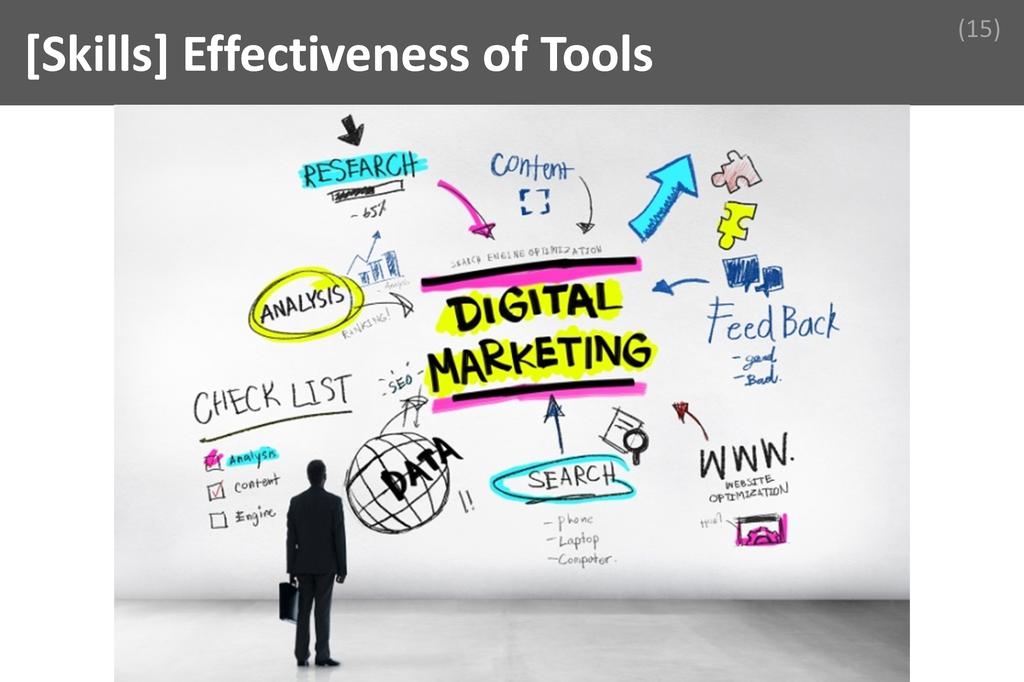
Effectiveness of Tools refers to a digital marketer’s ability to select, utilize, and optimize the right digital platforms, software, and analytics solutions to achieve marketing objectives efficiently. This skill ensures that campaigns are executed with precision, resources are maximized, and measurable results are delivered, forming the backbone of successful digital strategies.
Mastering the effectiveness of tools directly enhances a digital marketer’s performance by streamlining workflows, improving data accuracy, and enabling more informed decision-making. Clients and employers highly value this skill because it leads to better campaign outcomes, cost savings, and a competitive edge in the marketplace. To cultivate this skill, professionals should stay updated with emerging technologies, participate in relevant training, and consistently evaluate the performance of their current toolset. Regular experimentation and adaptation allow marketers to identify which tools best align with their goals, ensuring they remain agile and responsive to industry changes. Over time, this commitment to learning and optimization translates into greater confidence and expertise in leveraging digital marketing tools.
Imagine a digital marketing manager tasked with increasing online sales for an e-commerce client during a crucial holiday season. The manager assesses the effectiveness of various advertising and analytics tools, ultimately integrating a robust marketing automation platform with advanced segmentation features. By doing so, they are able to personalize email campaigns, retarget website visitors, and monitor real-time performance metrics. When a sudden drop in conversion rates occurs, the manager quickly uses diagnostic tools to identify a technical issue with the checkout process. Their proficiency in selecting and applying the right tools not only resolves the problem swiftly but also ensures the campaign meets its sales targets, demonstrating the critical importance of this skill in achieving digital marketing success.
Strategy & Planning

Strategy & Planning in digital marketing refers to the process of setting clear objectives, analyzing market trends, identifying target audiences, and outlining actionable steps to achieve business goals. This skill ensures that marketing efforts are cohesive, data-driven, and aligned with broader organizational objectives, maximizing impact and return on investment.
Mastering strategy and planning directly enhances a digital marketer’s performance by providing a structured approach to campaigns, reducing wasted resources, and enabling more accurate measurement of results. Clients and employers highly value this skill because it demonstrates foresight, accountability, and the ability to adapt to changing market conditions. To cultivate strategy and planning abilities, professionals should regularly analyze campaign data, stay updated on industry trends, and practice setting measurable goals. Over time, experience with diverse projects and continuous learning help refine this skill, making it second nature to anticipate challenges and seize opportunities in a fast-paced digital landscape.
Imagine a digital marketing manager tasked with launching a new product in a highly competitive market. By leveraging strategy and planning, the manager conducts thorough market research, identifies the most promising customer segments, and develops a phased campaign that integrates content marketing, social media, and paid advertising. When initial results reveal lower-than-expected engagement, the manager quickly revisits the plan, adjusts messaging, reallocates budget to higher-performing channels, and sets new benchmarks. This strategic approach not only salvages the campaign but also drives significant growth in brand awareness and sales, demonstrating the critical role of strategy and planning in overcoming obstacles and achieving success.
Team Work

Team Work is the collaborative effort of individuals working together towards a common goal, leveraging diverse skills, perspectives, and strengths to achieve optimal results. In digital marketing, Team Work is crucial because campaigns often require input from strategists, designers, content creators, analysts, and developers. Effective collaboration ensures cohesive messaging, timely execution, and innovative solutions, making Team Work an indispensable part of a digital marketer’s toolkit.
Team Work directly enhances performance in digital marketing by fostering open communication, creative brainstorming, and efficient problem-solving. Clients and employers highly value this skill because successful campaigns depend on seamless coordination among various specialists, ensuring that objectives are met and deadlines are respected. Team Work also builds trust and accountability, which are vital for long-term client relationships and internal harmony. To cultivate this skill, professionals should actively seek feedback, participate in cross-functional projects, and practice empathy and active listening. Over time, these habits help individuals adapt to different working styles, resolve conflicts constructively, and contribute positively to group dynamics, ultimately driving better campaign outcomes and career growth.
Imagine a digital marketing agency facing a sudden drop in website traffic for a major client. The SEO specialist, content writer, social media manager, and web developer must quickly collaborate to diagnose the issue. Through effective Team Work, they share insights, analyze data, and brainstorm solutions. The SEO specialist identifies a technical error affecting search rankings, while the content writer updates key landing pages. The web developer implements the necessary fixes, and the social media manager communicates updates to the audience. By working together, the team resolves the issue swiftly, restores traffic, and strengthens the client’s trust. This scenario highlights how Team Work enables digital marketing professionals to tackle challenges efficiently and achieve shared success.
Positives
Exposure

Exposure in digital marketing refers to the continuous interaction with diverse audiences, innovative technologies, and evolving industry trends, enabling professionals to broaden their perspectives, enhance their skills, and stay ahead in a dynamic environment. This constant engagement fosters creativity, adaptability, and a deeper understanding of global markets, making the profession highly enriching.
The exposure gained in digital marketing is a powerful catalyst for both personal and professional growth. It opens doors to new ideas, strategies, and collaborations, allowing individuals to learn from a wide array of campaigns, clients, and platforms. This diversity keeps the workday stimulating and ensures that no two projects are ever the same. As professionals regularly encounter fresh challenges and opportunities, they develop a robust skill set and a resilient mindset. This ongoing learning process not only boosts job satisfaction but also accelerates career advancement, as those who thrive on exposure are often seen as adaptable and innovative leaders. The sense of being at the forefront of industry trends and influencing brand narratives worldwide adds a unique sense of fulfillment to the role.
Imagine a digital marketing specialist working for an international agency who is tasked with launching a campaign for a new product across multiple countries. Through this project, they collaborate with colleagues from different cultural backgrounds, analyze consumer behavior in various markets, and experiment with emerging digital tools. Each day brings new insights, from understanding local preferences to adapting messaging for different platforms. The specialist witnesses firsthand how their strategies impact audiences globally, gaining recognition for their adaptability and creativity. This rich exposure not only sharpens their expertise but also fuels their passion for the field, making every achievement feel meaningful and every challenge an opportunity for growth.
Never Ending Career

A "Never Ending Career" refers to a professional journey that continually evolves, offering limitless opportunities for learning, growth, and adaptation without a foreseeable endpoint. In digital marketing, this means the field is always advancing, ensuring that professionals remain engaged, challenged, and relevant as new technologies and strategies emerge. This dynamic environment fosters continuous personal and professional development, making digital marketing a uniquely rewarding career path. The constant evolution of platforms, tools, and consumer behaviors ensures that there is always something new to master, keeping the work fresh and exciting. As a result, digital marketers are empowered to shape their own paths, adapt to industry shifts, and remain indispensable in an ever-changing landscape.
The never ending nature of a digital marketing career is a powerful motivator for professionals who crave ongoing growth and excitement. This aspect matters because it transforms work into a journey of perpetual discovery, where each day brings new challenges and opportunities to innovate. Job satisfaction is heightened as individuals are never stuck in monotonous routines; instead, they are encouraged to experiment, learn, and adapt. The constant influx of new tools, platforms, and strategies means that digital marketers are always expanding their skill sets, which leads to greater career mobility and resilience. Professionals experience this benefit daily as they collaborate on fresh campaigns, analyze emerging trends, and implement creative solutions, all while building a future-proof career.
Consider a digital marketing specialist who began their career managing social media campaigns. Over time, they witnessed the rise of influencer marketing, the integration of artificial intelligence in advertising, and the growing importance of data analytics. Rather than feeling threatened by these changes, they embraced each new development, learning new skills and taking on more complex projects. This ongoing evolution kept their work stimulating and meaningful, allowing them to advance into leadership roles and mentor others. The never ending career aspect ensured they never felt stagnant; instead, they thrived in an environment where growth was constant, and their expertise remained in high demand. This journey exemplifies how digital marketing professionals experience fulfillment and long-term success.
No Field Work

No Field Work means professionals are not required to travel to physical locations, conduct in-person visits, or perform outdoor tasks as part of their job. Instead, all responsibilities can be managed remotely or from an office setting, relying on digital tools and online platforms to achieve business objectives efficiently.
This aspect contributes positively to the digital marketing profession by offering greater flexibility, reducing commuting stress, and allowing individuals to focus on creative and strategic work without the interruptions or unpredictability of field assignments. It enables professionals to maintain a better work-life balance, concentrate on skill development, and deliver impactful results from virtually anywhere, making the career both modern and adaptable.
The absence of field work in digital marketing is a significant advantage because it allows professionals to work in comfortable, controlled environments, whether at home or in an office. This stability leads to higher productivity, as individuals can structure their day around peak performance times without the fatigue or unpredictability of travel. The flexibility to work remotely also opens doors for talent from diverse locations, fostering inclusivity and collaboration. Professionals experience greater job satisfaction, as they can focus on creative problem-solving and data-driven strategies rather than logistical challenges. This benefit also accelerates career growth, as time saved from commuting or field visits can be invested in learning new skills or taking on additional projects, further enhancing expertise and advancement opportunities.
Consider a digital marketing specialist who manages campaigns for multiple clients. Instead of spending hours traveling to client sites or attending in-person meetings, they coordinate strategies, analyze data, and launch campaigns entirely online. Their daily routine involves collaborating with team members through video calls, accessing analytics dashboards, and brainstorming creative content—all from the comfort of their home office. This setup not only saves time and energy but also allows them to quickly adapt to client needs, respond to market trends in real time, and maintain a healthy work-life balance. The absence of field work empowers them to focus on delivering measurable results and growing professionally, without the physical and mental drain of constant travel.
Highly Paid

"Highly Paid" refers to earning a salary or compensation package that significantly exceeds the average for similar roles in other industries, reflecting both the specialized skills and high demand for digital marketing expertise. This financial reward not only acknowledges the value professionals bring but also motivates continuous growth and innovation within the field.
The highly paid nature of digital marketing careers is a powerful motivator for professionals, offering both financial security and recognition for their expertise. This aspect matters because it directly influences job satisfaction, enabling individuals to pursue personal goals, invest in further education, and enjoy a higher quality of life. The promise of substantial compensation attracts ambitious, creative minds to the industry, fostering a culture of excellence and innovation. On a daily basis, digital marketers experience this benefit through competitive salaries, performance bonuses, and opportunities for rapid advancement. The financial rewards serve as a tangible acknowledgment of their impact on business growth, encouraging them to stay engaged, upskill, and contribute their best efforts to every project.
Consider a digital marketing manager at a fast-growing e-commerce company. After successfully launching a targeted social media campaign that doubles the company’s online sales, she receives a significant performance bonus and a salary increase. This recognition not only boosts her confidence but also allows her to invest in advanced certifications and attend industry conferences. The financial rewards make her feel valued and secure, empowering her to take creative risks and lead her team with enthusiasm. Each payday and bonus serves as a reminder of her contributions, reinforcing her commitment to excellence and inspiring her to set even higher goals for herself and her organization.
Low Competition

Low competition in digital marketing refers to the relatively smaller number of qualified professionals vying for the same roles or opportunities compared to other industries. This scarcity of skilled talent means that individuals entering the field face fewer barriers to entry, more accessible job openings, and greater chances for advancement and recognition.
The positive aspect of low competition in digital marketing significantly enhances both career growth and job satisfaction. With fewer candidates competing for positions, professionals can more easily secure roles that match their skills and interests. This environment fosters a sense of value and appreciation, as employers are eager to retain and nurture talent. Opportunities for rapid advancement, creative freedom, and leadership responsibilities become more attainable, allowing individuals to shape their own career paths. Daily, digital marketers benefit from increased visibility within their organizations, the ability to negotiate favorable terms, and the confidence that their contributions are both needed and recognized. This supportive atmosphere not only motivates professionals but also encourages continuous learning and innovation.
Imagine a digital marketing specialist at a mid-sized company who notices that few colleagues possess advanced skills in search engine optimization and data analytics. Because of this low competition, the specialist quickly becomes the go-to expert for these critical areas. Management recognizes their unique expertise and entrusts them with leading high-impact campaigns, offering opportunities for professional development and promotion. The specialist experiences a deep sense of accomplishment and job security, knowing their skills are in high demand and not easily replaced. This fulfilling dynamic allows them to focus on creative problem-solving and strategic growth, rather than worrying about being overshadowed or overlooked in a crowded field.
Challenges
Lack of Awareness
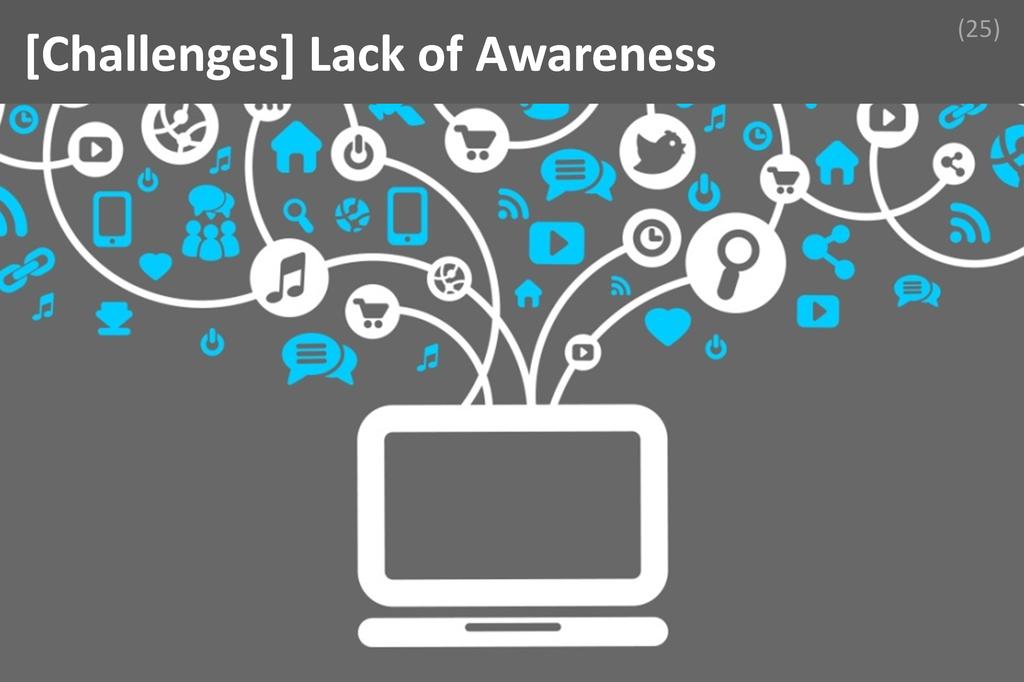
Lack of Awareness in digital marketing refers to insufficient knowledge or understanding of emerging trends, tools, platforms, or audience behaviors. This challenge is demanding because the digital landscape evolves rapidly, making it difficult for professionals to stay updated and competitive, which can hinder campaign effectiveness and professional growth.
The challenge of lack of awareness can significantly disrupt daily operations in digital marketing. Professionals may miss out on innovative strategies, underutilize powerful tools, or fail to recognize shifts in consumer behavior, leading to suboptimal campaign results. This environment requires resilience, as marketers must constantly adapt and learn to avoid falling behind. Successful professionals address this constraint by proactively seeking out industry news, engaging in continuous learning, and participating in relevant communities. They also foster a mindset of curiosity and adaptability, enabling them to quickly integrate new knowledge into their workflows. By making learning a daily habit and leveraging peer networks, they transform the challenge of staying informed into an opportunity for growth and differentiation.
Consider a digital marketing manager at a mid-sized e-commerce company who noticed declining engagement on their social media campaigns. Recognizing a potential gap in awareness, she dedicated time each week to attend webinars and follow thought leaders in the industry. Through this commitment, she discovered the rising popularity of short-form video content and interactive stories. By integrating these formats into her company’s strategy, she not only reversed the engagement decline but also positioned the brand as a trendsetter within its niche. Her proactive approach to overcoming lack of awareness not only improved campaign performance but also inspired her team to prioritize ongoing learning and adaptability.
Uncertainties
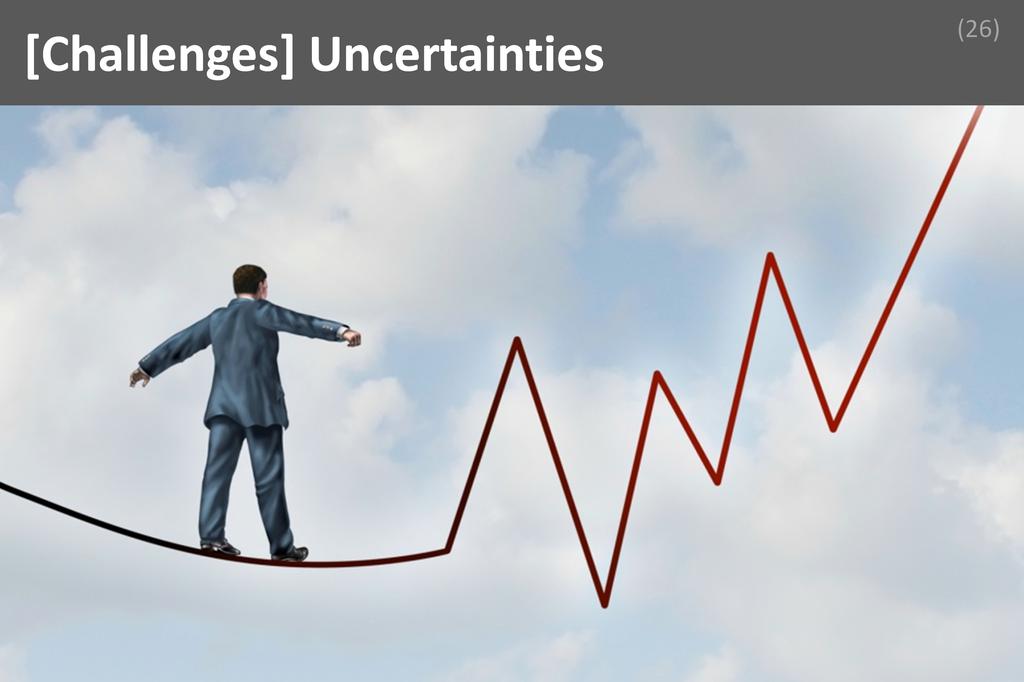
Uncertainties in digital marketing refer to the unpredictable changes in consumer behavior, technology, algorithms, and market trends that can disrupt planned strategies and outcomes. This challenge is demanding because it requires professionals to constantly adapt, anticipate shifts, and make decisions with incomplete information, often under tight deadlines.
Uncertainties can significantly impact daily work in digital marketing by making it difficult to forecast results, allocate budgets, and measure campaign effectiveness. Professionals must remain resilient, as unexpected changes—such as sudden algorithm updates or shifts in audience preferences—can quickly render strategies obsolete. To manage this, successful digital marketers cultivate adaptability and a proactive mindset. They stay informed about industry trends, experiment with new approaches, and use data-driven insights to pivot quickly when needed. Building strong communication within teams and with clients also helps manage expectations and fosters a collaborative approach to problem-solving. By embracing change and viewing uncertainties as opportunities for innovation, digital marketers can maintain momentum and achieve long-term success despite ongoing challenges.
Consider a digital marketing manager overseeing a campaign for a retail brand when a major social media platform unexpectedly changes its advertising policies. Instead of panicking, the manager quickly assesses the new guidelines, consults with the creative and analytics teams, and reallocates resources to alternative channels while adjusting messaging to fit the new requirements. By monitoring campaign performance in real time and maintaining open communication with stakeholders, the manager ensures that the campaign objectives are still met, albeit through different tactics. This proactive and flexible approach not only minimizes disruption but also demonstrates the value of adaptability in navigating uncertainties, ultimately strengthening the brand’s digital presence and the team’s confidence in handling future challenges.
Google Algorithms
Google Algorithms are complex, ever-evolving sets of rules and calculations that determine how websites are ranked and displayed in search engine results. In digital marketing, they are demanding because frequent updates can unpredictably alter visibility, requiring constant adaptation, technical expertise, and strategic agility to maintain or improve online presence.
The unpredictability of Google Algorithms significantly impacts the daily routines of digital marketing professionals. Sudden changes can cause website rankings to fluctuate, affecting traffic, leads, and revenue. This environment demands resilience, as marketers must continuously monitor performance, analyze algorithm updates, and swiftly adjust strategies. Successful professionals stay informed through industry news, invest in ongoing education, and foster a culture of experimentation. They focus on creating high-quality, user-focused content and ethical SEO practices, which tend to withstand algorithmic shifts. By prioritizing adaptability and maintaining a long-term perspective, these marketers can mitigate risks and turn algorithm changes into opportunities for growth and innovation.
Consider a digital marketing manager at an e-commerce company who notices a sharp decline in organic traffic following a major Google algorithm update. Instead of panicking, she conducts a thorough audit of the website, identifying areas where content quality and user experience can be improved. She collaborates with her team to update outdated pages, enhance mobile usability, and implement structured data. By monitoring analytics and staying engaged with SEO communities, she quickly adapts the strategy to align with the new algorithmic priorities. Within a few months, the website not only recovers its lost rankings but also achieves higher visibility, demonstrating the value of proactive adaptation and continuous learning in overcoming algorithmic challenges.
High Client - Expectation
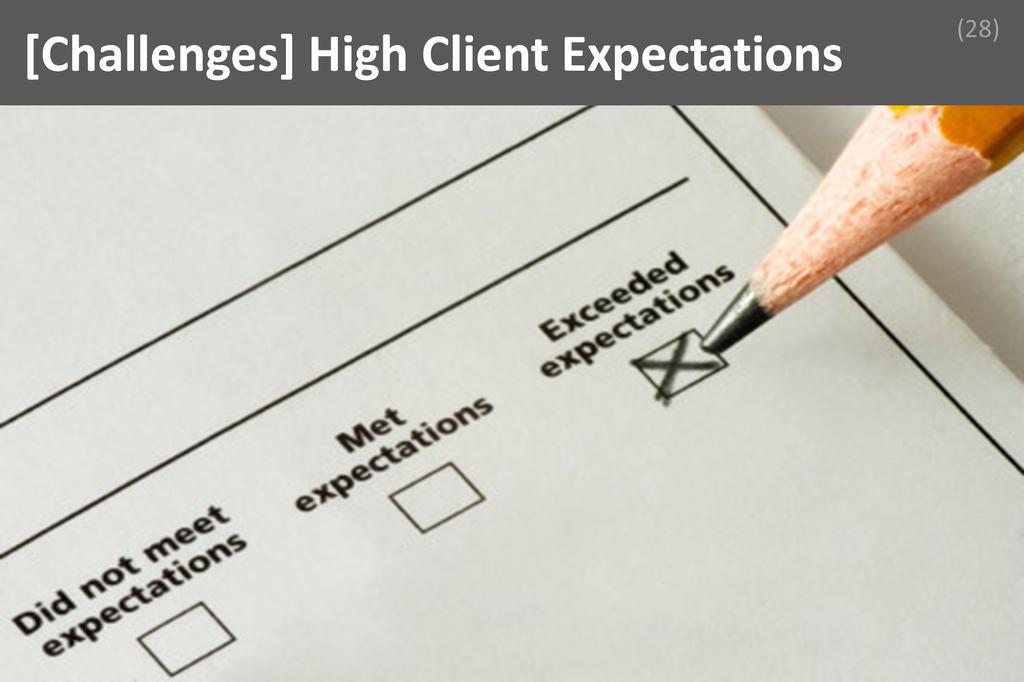
High Client - Expectation in digital marketing refers to clients anticipating rapid, significant, and often unrealistic results from campaigns, such as immediate sales growth, viral reach, or top search rankings. This demand is challenging because digital marketing outcomes depend on numerous variables, many of which are outside the marketer’s direct control.
The pressure of high client expectations can lead to increased stress, rushed decision-making, and a constant need to justify strategies and results. Professionals must balance client demands with the realities of digital marketing, which often involves gradual progress and ongoing optimization. This challenge requires resilience, clear communication, and the ability to educate clients about realistic timelines and achievable outcomes. Successful digital marketers manage this constraint by setting transparent goals, providing regular updates, and using data to demonstrate progress. By fostering trust and maintaining open dialogue, they help clients understand the complexities involved, which ultimately leads to more sustainable and mutually satisfying partnerships.
Consider a digital marketing specialist tasked with launching a new product for a client who expects immediate viral success and a dramatic increase in sales within the first month. Recognizing the unrealistic nature of these expectations, the specialist arranges a meeting to walk the client through the typical customer journey, the competitive landscape, and the time required for organic growth. By presenting data from similar campaigns and outlining a phased strategy, the specialist helps the client recalibrate their expectations. Through regular reporting and transparent communication, the specialist demonstrates incremental progress, builds trust, and ultimately delivers a successful campaign that meets the client’s revised, more realistic goals.
Health issues

Health issues in digital marketing refer to the physical and mental strains caused by prolonged screen time, sedentary work, high-pressure deadlines, and constant connectivity. These challenges are demanding because they can lead to burnout, eye strain, repetitive stress injuries, and anxiety, all of which undermine productivity and long-term career sustainability.
Health issues can significantly disrupt the daily workflow of digital marketing professionals. The constant need to monitor campaigns, respond to clients, and keep up with evolving trends often leads to extended hours at a desk, poor posture, and irregular breaks. This environment fosters fatigue, stress, and even chronic health conditions, making resilience essential. Successful professionals recognize these risks and actively implement strategies such as setting boundaries for work hours, incorporating regular movement into their routines, and prioritizing mental health through mindfulness or counseling. By fostering a balanced approach and seeking support when needed, they maintain their well-being and continue to perform at a high level despite the demands of the industry.
Consider a digital marketing manager who began experiencing chronic back pain and anxiety due to long hours spent at her computer and the pressure of managing multiple campaigns. Recognizing the toll on her health, she restructured her workday to include scheduled breaks for stretching and short walks, invested in ergonomic office equipment, and set clear boundaries for after-hours communication. She also started practicing mindfulness meditation to manage stress. Over time, these changes not only alleviated her physical discomfort and improved her mental clarity but also enhanced her productivity and job satisfaction, demonstrating how proactive health management can lead to sustained success in digital marketing.
A Day Of
Digital Marketing
In the fast-paced world of digital marketing, no two days ever feel quite the same. The hum of notifications, the ever-changing analytics dashboards, and the constant pulse of online conversations create an environment where adaptability is as crucial as creativity. Digital marketing professionals thrive in this dynamic landscape, balancing data-driven decisions with imaginative campaigns, all while racing against the clock to capture fleeting moments of audience attention. The day unfolds in a series of sprints, each demanding focus, collaboration, and a keen eye for emerging trends.
As the day begins, a digital marketing professional dives into the numbers, reviewing overnight campaign performance and monitoring key metrics across platforms. This early morning ritual involves scanning dashboards for spikes or dips in engagement, checking email for urgent client updates, and scanning industry news for any trends that might impact ongoing strategies. With a fresh cup of coffee in hand, priorities are set, and the day’s objectives are mapped out, ensuring that every action aligns with broader marketing goals.
Mid-morning marks the most intense stretch of the day, where creativity and precision intersect. This is the time for drafting compelling social media posts, fine-tuning ad copy, and scheduling content across multiple channels. Simultaneously, campaigns are monitored in real time, with adjustments made to targeting or budgets as needed. The digital marketer might jump into brainstorming sessions, collaborate with designers on visual assets, or respond to audience comments, all while keeping a sharp eye on performance indicators to maximize impact.
Afternoons are often reserved for collaboration and execution. Virtual meetings with team members or clients fill the calendar, providing opportunities to review campaign progress, share insights, and align on next steps. This is when strategies are translated into action—launching new ads, implementing SEO recommendations, or coordinating influencer partnerships. The energy shifts from planning to doing, as the team works together to ensure every detail is executed flawlessly and deadlines are met.
As the day winds down, attention turns to wrapping up loose ends and preparing for what’s next. Reports are compiled to track progress and highlight wins or areas for improvement. Time is set aside for researching competitors, exploring new tools, or reading up on the latest digital marketing trends. Administrative tasks are completed, inboxes are cleared, and a plan is drafted for the following day. With a sense of accomplishment, the digital marketing professional signs off, ready to tackle tomorrow’s challenges with renewed focus. |


 Home
Home Abroad
 Plan
Plan Philosophy
 Seminar
 Pages
Pages Advisors
 Testimonials


















 Workshop
 Discuss
 Meet
Meet
 Advisor
 Story
Story
 Fine Print
 Links
Links
 Blog
Blog
 Follow
