The Journey of Digital Marketing
What Is Digital Marketing
Digital Marketing

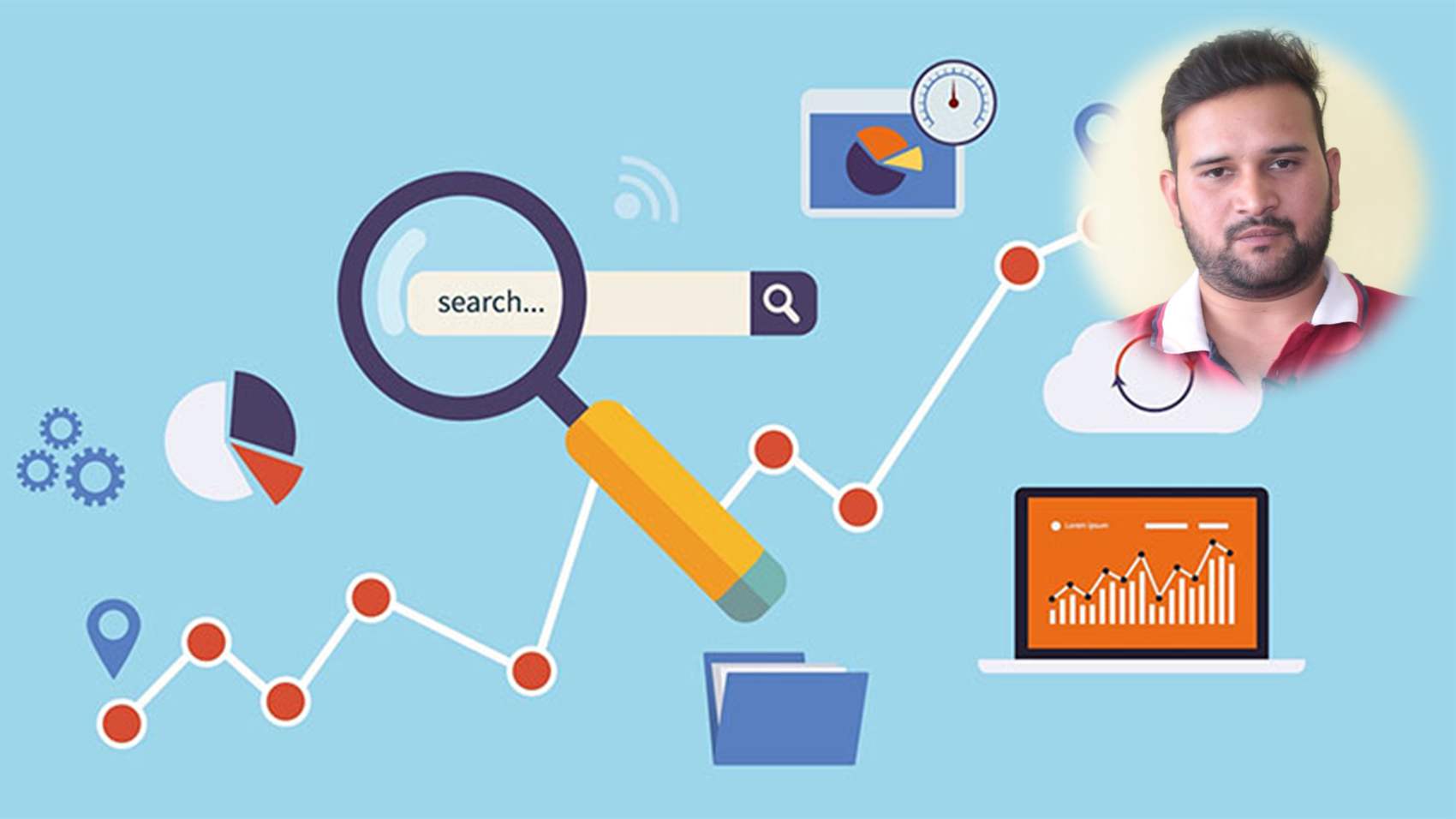
Digital marketing is the practice of promoting products, services, or brands using digital channels such as websites, social media, email, and search engines. It leverages technology and data analytics to reach targeted audiences, engage customers, and drive measurable results for businesses in the online environment.
Digital marketing has transformed the way businesses connect with consumers, making it an essential field for modern professionals. It allows marketers to reach global audiences instantly, adapt campaigns in real time, and measure performance with precision. For digital marketing professionals, this means the ability to create highly targeted strategies, optimize budgets, and demonstrate clear return on investment. The field offers the benefit of continuous learning as technology evolves, the opportunity to work creatively across various platforms, and the potential for career growth in a rapidly expanding industry. Ultimately, digital marketing empowers professionals to drive business success while staying at the forefront of innovation and consumer trends.
A digital marketing professional working for an e-commerce company might design a campaign to boost sales during a holiday season. They would analyze customer data to segment audiences, create engaging social media ads, and optimize the company’s website for search engines. By monitoring real-time analytics, they can adjust ad spending and messaging to maximize conversions. Additionally, they might use email marketing to re-engage past customers with personalized offers. Through these coordinated efforts, the professional ensures that the brand remains visible, relevant, and competitive, ultimately increasing sales and customer loyalty. This example illustrates how digital marketing strategies are applied in practical, results-driven ways to achieve business objectives.
Education
Business Administration

Business Administration is the study and practice of managing an organization’s resources, operations, and people to achieve strategic goals efficiently and effectively. It encompasses planning, organizing, directing, and controlling business activities. For digital marketing professionals, understanding business administration is essential for aligning marketing strategies with broader organizational objectives and ensuring sustainable growth.
A solid grasp of business administration is vital for anyone in digital marketing because it provides the framework for understanding how organizations function and succeed. Knowledge of budgeting, project management, leadership, and organizational behavior enables marketers to design campaigns that not only attract customers but also contribute to the company’s profitability and long-term vision. This foundational knowledge helps digital marketers communicate more effectively with cross-functional teams, justify marketing investments, and adapt to changing business environments. Over time, these skills open doors to leadership roles, as professionals who understand both marketing tactics and business strategy are better equipped to drive company-wide initiatives and make data-driven decisions that support overall business success.
Consider a digital marketing manager tasked with launching a new product campaign. Their understanding of business administration allows them to allocate budgets wisely, set measurable objectives, and coordinate with departments such as sales, finance, and product development. By applying principles of project management, they create timelines and delegate responsibilities, ensuring the campaign stays on track and within budget. When analyzing campaign performance, their knowledge of financial metrics and organizational goals helps them interpret results in a broader business context. This holistic approach not only maximizes the campaign’s impact but also demonstrates the marketer’s value as a strategic partner within the organization.
Marketing

Marketing is the process of identifying, anticipating, and satisfying customer needs and wants through the creation, communication, and delivery of value. It encompasses research, strategy, promotion, and relationship management. In both academic and professional contexts, marketing provides the essential framework and principles that underpin all digital marketing activities.
A solid grasp of marketing is indispensable for anyone entering or advancing in digital marketing. Understanding marketing fundamentals equips professionals with the ability to analyze markets, segment audiences, and craft compelling value propositions. This foundational knowledge ensures that digital campaigns are not just creative, but also strategically aligned with business objectives and customer expectations. Over time, mastery of marketing principles enables professionals to adapt to evolving technologies and platforms, ensuring their strategies remain effective and relevant. Furthermore, it fosters critical thinking and data-driven decision-making, both of which are crucial for long-term career growth and leadership in the dynamic field of digital marketing.
Consider a digital marketing specialist tasked with launching a new product online. Drawing on their marketing knowledge, they begin by researching the target audience’s needs and preferences, segmenting the market, and positioning the product accordingly. They then develop a digital campaign that communicates the product’s unique value, selects appropriate online channels, and sets measurable objectives. Throughout the campaign, they monitor customer responses and adjust tactics to maximize engagement and conversions. By applying core marketing concepts, the specialist ensures that every digital action is purposeful, customer-focused, and aligned with broader business goals, ultimately driving both short-term results and long-term brand loyalty.
Technology

Technology refers to the collection of tools, systems, and processes developed through scientific knowledge to solve problems, enhance productivity, and facilitate communication. In the context of Digital Marketing, technology encompasses the platforms, software, and digital infrastructure that enable marketers to reach, engage, and analyze audiences effectively, making it an essential academic and professional foundation.
Understanding technology is crucial for anyone entering or advancing in digital marketing because it underpins every aspect of the field, from campaign creation to performance analysis. Mastery of digital tools, data analytics platforms, and automation systems allows professionals to design more effective strategies, optimize user experiences, and measure results with precision. As digital marketing continues to evolve rapidly, those with a strong grasp of technological concepts can adapt more quickly to new trends and platforms, ensuring their skills remain relevant. Over the long term, this knowledge not only enhances job performance but also opens doors to leadership roles, as organizations increasingly seek marketers who can bridge the gap between creative strategy and technical execution.
Consider a digital marketing manager tasked with launching a multi-channel campaign for a new product. Their understanding of technology enables them to select the right marketing automation platform, integrate customer relationship management systems, and set up tracking pixels for accurate data collection. Throughout the campaign, they use analytics dashboards to monitor user engagement, adjust targeting parameters in real time, and automate personalized email sequences based on user behavior. By leveraging their theoretical knowledge of how these technologies interact, the manager ensures the campaign runs smoothly, delivers measurable results, and provides actionable insights for future initiatives. This practical application of technology not only streamlines operations but also maximizes the campaign’s impact and return on investment.
Economics

Economics is the study of how individuals, businesses, and societies allocate limited resources to satisfy unlimited wants and needs. It examines decision-making, market behavior, and the distribution of goods and services. For digital marketers, economics provides essential insights into consumer behavior, market trends, and the forces that drive online commerce.
Understanding economics is vital for digital marketing professionals because it equips them with the analytical tools needed to interpret market dynamics, consumer demand, and pricing strategies. Economic principles such as supply and demand, elasticity, and opportunity cost help marketers make informed decisions about budget allocation, campaign timing, and audience targeting. This foundational knowledge enables professionals to anticipate market shifts, optimize resource use, and justify marketing investments to stakeholders. Over the long term, a solid grasp of economics fosters strategic thinking, enhances problem-solving abilities, and supports career advancement by enabling marketers to contribute to broader business objectives and adapt to evolving digital landscapes.
Imagine a digital marketing manager planning a new product launch campaign. By applying economic concepts, they analyze current market demand, assess competitor pricing, and evaluate consumer willingness to pay. This understanding helps them set optimal pricing strategies and allocate advertising budgets efficiently. For instance, if economic data indicates a downturn, the manager might shift focus to value-driven messaging or adjust promotional offers to maintain sales. Their knowledge of elasticity guides decisions on discount levels without eroding profit margins. By integrating economic theory into campaign planning, the marketer ensures that every tactic aligns with both market realities and organizational goals, ultimately driving better results and maximizing return on investment.
Languages

Languages refer to structured systems of communication, encompassing spoken, written, and digital forms used to convey ideas, information, and emotions. In the context of Digital Marketing, languages include not only human languages but also programming and markup languages, forming a crucial component of the academic and professional toolkit for effective communication and technical execution.
Understanding languages is essential for digital marketers because it enables them to craft compelling messages tailored to diverse audiences, ensuring clarity and resonance across different platforms. Mastery of human languages allows marketers to localize content, engage global markets, and foster authentic connections. Simultaneously, familiarity with programming and markup languages such as HTML, CSS, or JavaScript empowers professionals to collaborate seamlessly with web developers, optimize content for search engines, and troubleshoot technical issues. This dual competency enhances a marketer’s versatility, making them invaluable in multidisciplinary teams and adaptable to evolving digital landscapes. Over the long term, proficiency in languages supports career advancement by opening opportunities in international markets, technical roles, and leadership positions that demand both creative and technical fluency.
Imagine a digital marketing specialist managing a global e-commerce campaign. Their understanding of languages enables them to translate promotional content accurately, ensuring cultural relevance and compliance with local regulations. Additionally, when updating the company’s website, they use their knowledge of HTML to adjust landing page layouts and embed tracking codes without waiting for developer support. This combination of linguistic and technical skills allows them to launch campaigns faster, analyze user behavior more effectively, and communicate requirements clearly to both creative and technical teams. As a result, the specialist not only increases campaign efficiency but also demonstrates the value of language proficiency in bridging gaps between strategy, execution, and technical implementation in digital marketing.
Social Media

Social media refers to digital platforms and applications that enable users to create, share, and interact with content and communities online. In digital marketing, social media is both a communication channel and a data source, making it essential for academic study and professional practice in understanding audience behavior, engagement, and brand presence.
Understanding social media is crucial for anyone preparing for or working in digital marketing because it serves as the primary medium through which brands connect with audiences in real time. Mastery of social media concepts allows professionals to craft effective campaigns, analyze audience insights, and adapt strategies based on evolving trends. This foundational knowledge supports the development of skills in content creation, community management, and performance analytics. Over the long term, expertise in social media enhances career prospects by enabling professionals to drive brand growth, foster customer loyalty, and stay competitive in a rapidly changing digital landscape. As social platforms continue to evolve, ongoing learning ensures that digital marketers remain relevant and effective in their roles.
A digital marketing professional working for a retail brand might begin their day by reviewing social media analytics to assess the performance of a recent campaign. Drawing on their theoretical understanding, they interpret engagement metrics, identify which types of posts resonate most with their audience, and adjust the content calendar accordingly. They may also monitor trending topics and respond to customer inquiries in real time, ensuring the brand maintains a positive and responsive presence. By leveraging their knowledge of social media algorithms and audience behavior, the professional can optimize paid advertising efforts and collaborate with influencers to expand reach. This practical application of social media theory directly contributes to achieving business objectives and building lasting customer relationships.
Programming

Programming is the process of designing, writing, and maintaining instructions that computers follow to perform specific tasks. In the context of digital marketing, programming bridges the gap between creative strategies and technical execution, enabling professionals to automate processes, analyze data, and optimize campaigns. It is a crucial interdisciplinary skill in today’s digital landscape.
Understanding programming is essential for digital marketing professionals because it empowers them to interact more effectively with digital tools, platforms, and analytics systems. By grasping the basics of programming, marketers can automate repetitive tasks, customize website functionalities, and gain deeper insights from data analytics. This foundational knowledge fosters innovation and efficiency, allowing professionals to adapt quickly to evolving technologies and marketing trends. Over the long term, programming skills enhance career prospects by making individuals more versatile and valuable to employers, as they can bridge the gap between marketing strategies and technical implementation. Mastery of programming not only boosts problem-solving abilities but also opens doors to advanced roles in areas such as marketing automation, data analysis, and campaign optimization.
Imagine a digital marketing specialist tasked with improving the performance of an e-commerce website. By applying their programming knowledge, they can implement custom tracking scripts to monitor user behavior more accurately than standard analytics tools allow. This enables them to collect granular data on how visitors interact with product pages, shopping carts, and checkout processes. With this data, the specialist can identify bottlenecks or drop-off points in the customer journey and collaborate with developers to test targeted improvements. Their programming skills also allow them to automate reporting, saving time and reducing errors. This hands-on application of programming not only enhances campaign effectiveness but also demonstrates the marketer’s ability to drive measurable business results.
Skills
Professional Skills

Professional skills encompass a blend of effective communication, adaptability, time management, problem-solving, collaboration, and ethical conduct that enable individuals to thrive in workplace environments. In digital marketing, these skills are crucial for managing campaigns, collaborating with diverse teams, and building trust with clients, ultimately driving successful outcomes and long-term growth.
Professional skills directly enhance a digital marketer’s performance by fostering clear communication, efficient project management, and the ability to adapt to rapidly changing trends and technologies. Clients and employers highly value these skills because they ensure reliability, accountability, and a positive brand image. A digital marketer with strong professional skills can manage multiple campaigns, coordinate with designers, analysts, and clients, and resolve conflicts diplomatically. Over time, these skills can be cultivated through continuous self-reflection, seeking feedback, participating in professional development opportunities, and observing industry best practices. By consistently applying these skills, digital marketers not only improve their own productivity but also contribute to a collaborative and innovative work environment.
Imagine a digital marketing specialist overseeing a major product launch campaign when a key influencer unexpectedly withdraws from the partnership. Relying on professional skills, the specialist communicates transparently with the client, quickly reassesses the campaign strategy, and collaborates with the creative team to identify alternative influencers. By managing time efficiently and maintaining a calm, solution-oriented approach, the specialist ensures the campaign stays on track and meets its objectives. This scenario highlights how professional skills enable digital marketers to navigate unforeseen challenges, maintain client trust, and deliver successful results even under pressure.
Business Networking

Business networking is the process of building and nurturing professional relationships to exchange information, resources, and opportunities that foster mutual growth. In digital marketing, it serves as a vital tool for staying updated on industry trends, discovering new clients or partners, and expanding one’s influence within a rapidly evolving landscape.
Business networking directly enhances a digital marketing professional’s performance by opening doors to collaborations, referrals, and insider knowledge that can inform more effective campaigns. Clients and employers highly value this skill because it demonstrates initiative, resourcefulness, and the ability to tap into broader industry expertise. Cultivating business networking involves consistent engagement at industry events, active participation in online communities, and a genuine interest in helping others succeed. Over time, these efforts build trust and credibility, making it easier to access valuable contacts and opportunities. As relationships deepen, professionals gain access to exclusive insights and support, which can be leveraged to drive better results for clients and employers alike.
Imagine a digital marketing specialist facing a sudden drop in a client’s website traffic due to a major search engine algorithm update. By leveraging their business network, the specialist quickly connects with SEO experts and peers who have encountered similar issues. Through these conversations, they gather actionable insights and recommended strategies to adapt the client’s website and content. This collaborative problem-solving approach not only resolves the immediate crisis but also strengthens the specialist’s reputation as a resourceful and well-connected professional. Ultimately, the client benefits from a swift recovery, and the digital marketing specialist solidifies valuable relationships that can be relied upon for future challenges and opportunities.
Communication

Communication is the clear and effective exchange of information, ideas, and intentions between individuals or groups through verbal, written, or visual means. In digital marketing, communication enables professionals to convey brand messages, understand audience needs, coordinate with teams, and build relationships, making it an indispensable part of their toolkit.
Strong communication skills directly enhance a digital marketer’s ability to craft compelling campaigns, interpret client feedback, and collaborate with colleagues. Employers and clients highly value professionals who can articulate strategies, present data-driven insights, and respond promptly to questions or concerns. Effective communication builds trust, reduces misunderstandings, and ensures that marketing objectives align with business goals. To cultivate this skill, one should practice active listening, seek feedback on written and spoken messages, and stay updated on the latest communication tools and trends. Over time, consistent effort and reflection help refine both interpersonal and digital communication abilities, making professionals more adaptable and influential in their roles.
Imagine a digital marketing specialist managing a product launch campaign for a client. Midway through, the client expresses concern about the campaign’s direction, fearing it may not resonate with the target audience. The specialist listens attentively, asks clarifying questions, and summarizes the client’s feedback to ensure understanding. They then communicate the concerns to the creative team, facilitating a brainstorming session to realign the campaign. By clearly articulating the client’s needs and collaborating with the team, the specialist helps develop revised content that better matches the audience’s preferences. This effective use of communication not only resolves the issue but also strengthens the client relationship and leads to a more successful campaign outcome.
Innovative

Being innovative means consistently generating fresh ideas, approaches, or solutions that challenge the status quo and drive progress. In digital marketing, innovation is the ability to adapt quickly to changing trends, technologies, and consumer behaviors, ensuring campaigns remain relevant, engaging, and effective in a highly competitive and dynamic environment.
Innovation directly enhances a digital marketer’s performance by enabling them to craft unique campaigns that stand out in a crowded marketplace. Clients and employers value this skill because it leads to creative problem-solving, more effective audience engagement, and the ability to capitalize on emerging opportunities before competitors do. Cultivating innovation involves staying curious, embracing experimentation, and continuously learning from both successes and failures. Marketers can foster this skill by keeping up with industry trends, participating in brainstorming sessions, and seeking inspiration from diverse sources. Over time, a commitment to innovation helps professionals anticipate shifts in consumer preferences and adapt strategies proactively, making them indispensable assets to any organization.
Imagine a digital marketing professional faced with declining engagement on a client’s social media platforms. Instead of relying on traditional tactics, they leverage their innovative mindset to introduce interactive live-stream events, collaborate with micro-influencers, and use augmented reality filters to create immersive brand experiences. These fresh strategies not only capture the audience’s attention but also generate buzz and foster deeper connections with the brand. As a result, the client sees a significant boost in engagement metrics and brand loyalty. This scenario highlights how being innovative allows digital marketers to overcome challenges, differentiate their campaigns, and deliver measurable results in an ever-evolving digital landscape.
Adaptability

Adaptability is the ability to adjust quickly and effectively to new conditions, challenges, or opportunities, while maintaining productivity and a positive attitude. In digital marketing, adaptability enables professionals to respond to rapidly changing technologies, shifting consumer behaviors, and evolving industry trends, ensuring campaigns remain relevant and effective.
Adaptability directly enhances performance in digital marketing by allowing professionals to pivot strategies in response to analytics, algorithm updates, or unexpected market shifts. Clients and employers highly value this skill because it ensures that campaigns can be optimized in real time, maximizing return on investment and minimizing wasted resources. Cultivating adaptability involves staying informed about industry changes, embracing continuous learning, and being open to experimenting with new tools and platforms. Over time, professionals who actively seek feedback, reflect on outcomes, and remain flexible in their approach become more resilient and innovative, making them indispensable assets to any marketing team.
Imagine a digital marketing specialist managing a major product launch when a social media platform suddenly changes its advertising policies, rendering the planned campaign strategy obsolete. Instead of panicking, the adaptable professional quickly researches alternative channels, reallocates the budget, and redesigns creative assets to fit the new requirements. By monitoring real-time analytics and maintaining open communication with stakeholders, they successfully shift the campaign’s direction, ensuring the product launch achieves its goals despite the unexpected disruption. This scenario highlights how adaptability enables digital marketers to navigate uncertainty, solve critical issues, and deliver results in a fast-paced environment.
Positives
Growing Profession

A "Growing Profession" refers to a career field that is rapidly expanding in scope, demand, and opportunity due to technological advancements, evolving consumer behaviors, and market needs. In digital marketing, this growth means new roles, innovative strategies, and a constant influx of fresh challenges, making the profession dynamic and future-proof.
The fact that digital marketing is a growing profession matters immensely because it ensures a steady stream of opportunities for both newcomers and experienced professionals. This growth translates into job security, diverse career paths, and the ability to specialize in emerging areas such as social media, content strategy, or data analytics. Professionals benefit from continuous learning and the excitement of adapting to new technologies and trends. The expanding nature of the field also fosters a sense of relevance and value, as digital marketers see their skills in high demand across industries. This ongoing evolution boosts job satisfaction, as individuals feel empowered to shape their careers and make a tangible impact on business success every day.
Consider a digital marketing specialist who started their career managing basic social media accounts for a small business. As the profession grows, they find themselves learning about influencer partnerships, video marketing, and advanced analytics tools. Their company, recognizing the importance of digital channels, invests in new platforms and campaigns, giving the specialist opportunities to lead projects and mentor new team members. This professional experiences firsthand how the expanding nature of digital marketing opens doors to leadership roles, creative projects, and continuous skill development. The sense of progress and the ability to stay ahead of industry trends make their daily work both fulfilling and exciting, reinforcing the value of being part of a growing profession.
Wide Scope

Wide Scope in digital marketing refers to the vast range of opportunities, channels, roles, and industries available to professionals in this field. It encompasses the ability to work with diverse platforms, audiences, and strategies, allowing individuals to continuously learn, adapt, and innovate while shaping the digital presence of brands and organizations.
The wide scope of digital marketing is a major advantage because it ensures that professionals are never confined to a single path or repetitive tasks. This diversity keeps the work dynamic and intellectually stimulating, fostering creativity and continuous growth. With new technologies and trends emerging regularly, digital marketers can expand their expertise and pivot into specialized areas such as content creation, analytics, social media, or e-commerce. This flexibility not only enhances job satisfaction but also opens doors to rapid career advancement and cross-industry mobility. Every day, professionals experience the excitement of solving new challenges, collaborating with varied teams, and seeing the tangible impact of their efforts on business outcomes and audience engagement.
Imagine a digital marketing specialist working for a global e-commerce company. One week, she is developing a creative social media campaign targeting Gen Z consumers; the next, she is analyzing website traffic data to optimize conversion rates. She collaborates with graphic designers, data analysts, and product managers, constantly learning from each project. This variety keeps her engaged and motivated, as she is able to apply her skills in multiple contexts and see direct results from her work. The wide scope of her role means she is never bored, always growing, and consistently contributing to the company’s success in innovative ways. This dynamic environment makes her career both fulfilling and future-proof.
Monetary Potential

Monetary Potential refers to the capacity for significant financial gain and upward income mobility within a profession, driven by demand, skill development, and performance. In digital marketing, this means professionals can achieve impressive earnings through diverse roles, bonuses, commissions, and entrepreneurial ventures, making the field highly attractive and rewarding.
The monetary potential in digital marketing is a powerful motivator that elevates both job satisfaction and career growth. As businesses increasingly invest in online strategies, skilled digital marketers find themselves in high demand, often commanding competitive salaries and lucrative incentives. This financial reward not only recognizes their expertise but also encourages continuous learning and innovation. Professionals experience the tangible impact of their work through performance-based bonuses, freelance opportunities, and the ability to scale their income by managing multiple projects or clients. This dynamic earning environment fosters ambition, drives personal achievement, and allows individuals to set and reach ambitious financial goals, making every day on the job both challenging and deeply rewarding.
Consider a digital marketing specialist who begins their career managing social media campaigns for small businesses. As their skills grow and they deliver measurable results, they attract larger clients and negotiate higher fees. Soon, they are offered performance bonuses for exceeding campaign targets and are invited to consult for startups seeking rapid growth. The specialist’s income rises steadily, reflecting their expanding expertise and reputation. This journey not only brings financial security but also instills a sense of accomplishment and motivation. The professional’s daily work directly translates into increased earnings, demonstrating the real-world impact of monetary potential and reinforcing their passion for the digital marketing field.
Working Remotely

Working remotely means performing your job duties from any location outside of a traditional office, using digital tools and internet connectivity to communicate and collaborate. In digital marketing, this flexibility allows professionals to manage campaigns, analyze data, and engage with audiences from anywhere, fostering independence, creativity, and a healthy work-life balance.
The ability to work remotely is a transformative benefit in digital marketing, offering unparalleled flexibility and autonomy. Professionals can design their work environments to suit their personal preferences, which often leads to increased productivity and creativity. This freedom enables individuals to better balance their personal and professional lives, reducing stress and burnout. Remote work also opens doors to global opportunities, allowing marketers to collaborate with diverse teams and clients without geographical limitations. As a result, job satisfaction soars, and career growth accelerates, since professionals can continually learn from a broader network and adapt to new trends quickly. Every day, digital marketers experience the empowerment that comes from managing their schedules and environments, making their work more meaningful and enjoyable.
Imagine a digital marketing specialist who lives in a small coastal town, far from any major city. Each morning, she starts her day with a walk on the beach before logging in from her home office. She seamlessly joins video meetings with her team, manages international ad campaigns, and analyzes performance data, all without the stress of commuting or relocating. The flexibility of remote work allows her to attend her children’s school events and pursue personal interests, while still excelling in her career. This balance not only boosts her productivity and creativity but also brings a deep sense of fulfillment, proving that working remotely in digital marketing is both practical and profoundly rewarding.
Challenges
Competition

Competition in digital marketing refers to the constant rivalry among brands, agencies, and professionals striving to capture the attention of the same target audiences online. This challenge is demanding because it requires continuous innovation, rapid adaptation to trends, and persistent effort to stand out in a saturated and ever-evolving digital landscape.
The intensity of competition in digital marketing impacts daily work by creating pressure to deliver unique campaigns, optimize budgets, and achieve measurable results faster than rivals. Professionals must be resilient, as setbacks and rapid changes are common. This environment demands ongoing learning, creative problem-solving, and the ability to pivot strategies quickly. Successful digital marketers manage this constraint by closely monitoring competitors, leveraging data analytics to identify opportunities, and focusing on building authentic brand value. They also invest in personal and professional growth, staying updated on industry trends and technologies. By fostering adaptability and a proactive mindset, they turn competition into motivation, using it as a catalyst to refine their skills and deliver superior outcomes.
Consider a digital marketing manager at a mid-sized e-commerce company who notices that competitors are aggressively targeting their audience with paid ads and influencer partnerships. Instead of matching their tactics dollar for dollar, the manager analyzes competitor campaigns, identifies gaps in customer engagement, and launches a content-driven strategy focused on educational resources and community building. By leveraging SEO, interactive webinars, and personalized email campaigns, the manager successfully increases organic traffic and customer loyalty. This approach not only differentiates the brand but also builds a sustainable competitive advantage, demonstrating how strategic thinking and adaptability can help professionals thrive despite intense competition.
Changing Platforms

Changing Platforms in Digital Marketing refers to the frequent evolution, replacement, or discontinuation of digital tools, social media networks, and advertising channels. This constant flux demands that professionals rapidly adapt strategies, learn new technologies, and reallocate resources, making it a persistent and complex challenge in the industry.
The challenge of changing platforms deeply affects daily operations for digital marketers, as campaigns, analytics, and content strategies must be continually adjusted to align with new features, algorithms, or entirely new platforms. This environment requires resilience because professionals must quickly unlearn outdated practices and master unfamiliar systems, often under tight deadlines. Successful marketers manage this constraint by fostering a mindset of continuous learning, staying informed through industry news, and building adaptable workflows. They also cultivate strong networks with peers and platform representatives, enabling them to anticipate changes and respond proactively. By embracing flexibility and prioritizing ongoing education, digital marketing professionals can turn the volatility of changing platforms into opportunities for innovation and growth.
Consider a digital marketing manager who built a brand’s presence primarily on a social media platform that suddenly changed its algorithm, drastically reducing organic reach. Instead of panicking, the manager quickly analyzed the new system, attended webinars hosted by the platform, and experimented with different content formats to regain visibility. Simultaneously, they diversified the brand’s digital presence by investing in emerging platforms and strengthening email marketing efforts. Through adaptability and proactive learning, the manager not only mitigated the impact of the platform change but also expanded the brand’s audience and engagement across multiple channels, demonstrating how resilience and strategic agility can turn a disruptive challenge into a catalyst for broader success.
Content Writing

Content writing in digital marketing refers to the strategic creation of engaging, relevant, and valuable written material tailored for online platforms to attract, inform, and convert target audiences. It is demanding because it requires creativity, adaptability, SEO knowledge, and consistency, all while aligning with brand voice and rapidly changing digital trends.
The challenge of content writing significantly shapes the daily workflow of digital marketing professionals. Tight deadlines, evolving algorithms, and the constant need for fresh, high-quality content can lead to creative fatigue and stress. This environment demands resilience, as professionals must continually generate new ideas and adapt to shifting audience preferences. Successful marketers overcome these obstacles by developing structured content calendars, leveraging analytics to refine their approach, and dedicating time to ongoing learning. They also collaborate closely with team members to brainstorm topics and share feedback, which helps maintain motivation and ensures content remains relevant and impactful. By embracing flexibility and prioritizing continuous improvement, they transform content writing from a daunting task into a manageable and rewarding part of their role.
Consider a digital marketing specialist at a mid-sized e-commerce company who faces the ongoing challenge of producing weekly blog posts and social media updates. Initially overwhelmed by the volume and variety of content required, she implements a content calendar to organize topics and deadlines. She regularly reviews analytics to identify which posts resonate most with the audience, allowing her to focus on high-performing themes. By setting aside time each week for research and idea generation, she keeps her content fresh and aligned with current trends. Through collaboration with her team, she gathers diverse perspectives and feedback, which enhances the quality of her work. Over time, this structured approach enables her to consistently deliver engaging content while reducing stress and burnout.
A Day Of
Digital Marketing
In the fast-paced world of digital marketing, no two days are ever quite the same. The rhythm is a blend of creative brainstorming, data-driven analysis, and rapid-fire communication, all set against the backdrop of an ever-evolving digital landscape. From the moment the first email pings in to the final campaign tweak before logging off, digital marketers must juggle shifting priorities, tight deadlines, and the constant pulse of online engagement. It’s a career that rewards agility, thrives on curiosity, and demands both strategic vision and meticulous attention to detail.
As the day begins, a digital marketing professional typically starts by diving into analytics dashboards and the morning influx of emails. This is the time to review overnight campaign performance, monitor website traffic spikes, and scan for urgent client or team messages. With a fresh cup of coffee in hand, the marketer assesses which campaigns need immediate attention, flags any anomalies in ad spend or engagement, and prioritizes tasks for the day. This early morning ritual sets the tone, ensuring that the day’s efforts are grounded in real-time data and clear objectives.
Mid-morning marks the heart of the digital marketer’s day, when focus shifts to the most demanding and creative tasks. This is when content calendars come to life, social media posts are crafted, and ad copy is fine-tuned for maximum impact. The marketer may be launching a new email campaign, optimizing paid ads, or collaborating with designers to finalize visuals. It’s a period of deep work, where strategy meets execution and every detail matters, as the success of these efforts will be measured in clicks, conversions, and brand visibility.
The afternoon brings a wave of collaboration and execution. Video calls and team meetings fill the calendar, providing opportunities to align on campaign progress, share insights, and troubleshoot challenges. The marketer might brainstorm with colleagues about upcoming product launches, coordinate with external partners, or adjust strategies based on the latest performance data. This is also the time to implement changes, schedule posts, and ensure that all moving parts are on track for timely delivery. The energy is high as everyone works together to keep campaigns running smoothly and clients satisfied.
As the day winds down, attention turns to reporting, reflection, and planning ahead. The digital marketer compiles performance summaries, drafts quick updates for clients or leadership, and notes key learnings from the day’s activities. There’s time to research emerging trends, explore new tools, or sketch out ideas for future campaigns. Before logging off, the marketer reviews the next day’s priorities, ensuring that tomorrow’s agenda is clear and actionable. This wrap-up phase is essential for maintaining momentum and staying ahead in the ever-shifting world of digital marketing. |


 Home
Home Abroad
 Plan
Plan Philosophy
 Seminar
 Pages
Pages Advisors
 Testimonials


















 Workshop
 Discuss
 Meet
Meet
 Advisor
 Story
Story
 Fine Print
 Links
Links
 Blog
Blog
 Follow
