The Journey of Digital Strategy
What Is Digital Strategy
Digital Strategy
Digital strategy is the process of leveraging digital technologies, platforms, and data to achieve business objectives, drive growth, and enhance customer experiences. It involves planning, executing, and optimizing digital initiatives to align with organizational goals, ensuring competitiveness and relevance in an increasingly digital world.
Digital strategy is essential in today’s business landscape because it enables organizations to adapt to rapid technological changes and evolving customer expectations. For professionals in digital strategy, this field offers the opportunity to shape how companies interact with their audiences, streamline operations, and create new revenue streams. One major benefit is the ability to make data-driven decisions that improve efficiency and effectiveness. Another advantage is the potential to reach wider and more targeted audiences through digital channels. Additionally, digital strategy professionals can foster innovation by integrating emerging technologies, helping organizations stay ahead of competitors and respond proactively to market trends.
A digital strategy professional working for a retail company might analyze customer data to identify purchasing patterns and preferences. Using these insights, they could develop a comprehensive plan to enhance the company’s online presence, such as launching targeted social media campaigns and optimizing the e-commerce website for mobile users. By continuously monitoring performance metrics, the strategist adjusts tactics to improve conversion rates and customer satisfaction. This approach not only drives online sales but also strengthens the brand’s relationship with its customers, demonstrating how digital strategy directly contributes to business growth and long-term success.
Education
Knowledge of Strategy
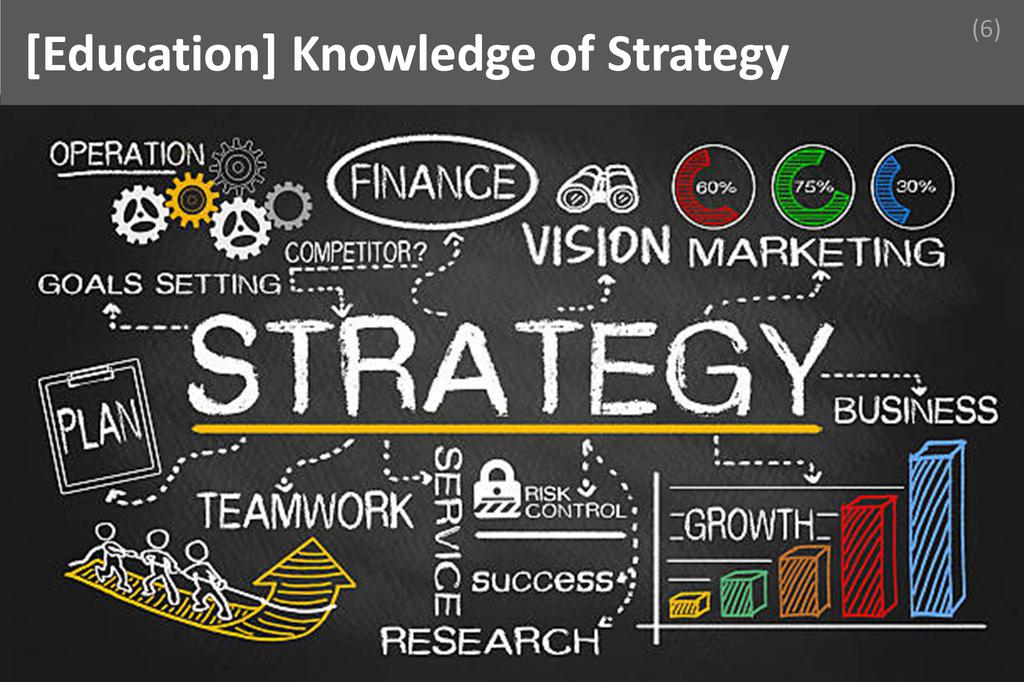
Knowledge of Strategy refers to the comprehensive understanding of how organizations set long-term objectives, allocate resources, and navigate competitive environments to achieve sustainable success. In Digital Strategy, it forms the backbone of decision-making, guiding professionals in aligning digital initiatives with overarching business goals and ensuring cohesive, results-driven actions.
Grasping the fundamentals of strategy is essential for anyone pursuing a career in Digital Strategy. This subject equips professionals with the ability to analyze market dynamics, anticipate industry shifts, and craft digital initiatives that support organizational objectives. By mastering strategic frameworks and methodologies, digital strategists can confidently recommend solutions that drive growth, innovation, and competitive advantage. Over time, this foundational knowledge enables professionals to move beyond tactical execution, positioning them as trusted advisors capable of influencing high-level decisions. Ultimately, a strong command of strategy not only enhances day-to-day effectiveness but also opens doors to leadership roles, as organizations increasingly seek digital experts who can think strategically and deliver measurable business impact.
Consider a digital strategist working for a retail company aiming to expand its online presence. Drawing on their knowledge of strategy, the professional begins by analyzing the competitive landscape, identifying emerging trends in e-commerce, and assessing the company’s internal strengths and weaknesses. They then develop a digital roadmap that aligns with the company’s broader growth objectives, recommending targeted investments in mobile platforms and personalized marketing campaigns. Throughout the process, their strategic understanding ensures that every digital initiative is purposefully designed to support long-term business goals, rather than chasing short-lived trends. This approach not only maximizes return on investment but also positions the company for sustained digital success in a rapidly evolving marketplace.
Management

Management is the process of planning, organizing, leading, and controlling resources—human, financial, and technological—to achieve organizational goals efficiently and effectively. In the context of Digital Strategy, management provides the essential framework for aligning digital initiatives with business objectives, ensuring that innovation and technology serve strategic priorities.
Understanding management is vital for anyone in Digital Strategy because it equips professionals with the skills to coordinate teams, allocate resources, and drive projects to successful completion. Mastery of management principles ensures that digital initiatives are not only innovative but also sustainable and aligned with broader organizational goals. This foundational knowledge enables professionals to navigate complex organizational structures, communicate effectively with stakeholders, and adapt to rapidly changing digital landscapes. Over the long term, strong management capabilities foster leadership growth, strategic thinking, and the ability to influence decision-making at higher levels, all of which are crucial for career advancement in the digital domain.
Consider a Digital Strategy Manager tasked with launching a new e-commerce platform. Applying management theory, they begin by setting clear objectives, organizing cross-functional teams, and allocating budgets. Throughout the project, they lead regular meetings to monitor progress, address challenges, and motivate team members. By controlling timelines and resources, they ensure the project stays on track and aligns with the company’s strategic vision. Their management acumen allows them to balance innovation with risk, communicate effectively with both technical and non-technical stakeholders, and ultimately deliver a digital solution that meets business goals and enhances customer experience. This scenario demonstrates how management knowledge is integral to daily operations and long-term success in digital strategy roles.
Strategy Video Games

Strategy video games are interactive digital experiences that challenge players to plan, manage resources, and make tactical decisions to achieve specific objectives. These games emphasize critical thinking, foresight, and adaptability. In the context of digital strategy, they serve as both a learning tool and a conceptual framework for understanding complex, competitive environments.
Understanding strategy video games is vital for digital strategy professionals because these games mirror the complexities of real-world business environments. They require players to analyze situations, anticipate competitors’ moves, allocate resources efficiently, and adapt to changing circumstances—skills directly transferable to digital strategy roles. Mastery of these concepts fosters a mindset geared toward long-term planning, risk assessment, and iterative problem-solving. By engaging with strategy video games, professionals develop a deeper appreciation for strategic thinking, which enhances their ability to craft innovative solutions and maintain a competitive edge in the digital marketplace. Over time, this foundational knowledge supports career growth by equipping individuals with the analytical and decision-making skills necessary for leadership positions.
Imagine a digital strategist tasked with launching a new product in a highly competitive market. Drawing on their understanding of strategy video games, they approach the challenge by mapping out potential competitor responses, allocating marketing resources judiciously, and setting contingency plans for various market scenarios. Just as in a strategy game, they continuously monitor outcomes, adjust tactics in real time, and learn from each phase of the campaign. This iterative, analytical approach—rooted in the principles of strategy video games—enables them to navigate uncertainty, optimize performance, and ultimately achieve a successful product launch. Their gaming experience translates into a practical, strategic advantage in their professional role.
Systems Theory

Systems Theory is an interdisciplinary framework that examines how individual components interact within a whole, emphasizing relationships, feedback loops, and the dynamic nature of systems. In Digital Strategy, it provides a lens to understand complex digital ecosystems, enabling professionals to anticipate outcomes and optimize interconnected processes for organizational success.
Understanding Systems Theory is essential for anyone in Digital Strategy because it equips professionals with the ability to see beyond isolated actions and recognize the broader impact of their decisions. Digital environments are inherently complex, involving multiple platforms, stakeholders, and technologies that constantly influence one another. By mastering Systems Theory, strategists can identify patterns, predict unintended consequences, and design more resilient digital initiatives. This holistic perspective fosters better communication across departments, enhances problem-solving abilities, and supports adaptive thinking in rapidly evolving digital landscapes. Over time, this foundational knowledge not only improves immediate project outcomes but also cultivates strategic leadership skills, making professionals more valuable and versatile in their careers.
Imagine a digital strategist tasked with launching a new e-commerce platform. Drawing on Systems Theory, they recognize that changes to the website’s user interface will affect customer behavior, marketing analytics, and even supply chain logistics. Instead of focusing solely on the website’s design, the strategist collaborates with marketing, IT, and operations teams to anticipate ripple effects throughout the organization. By mapping out these interdependencies, they identify potential bottlenecks in order fulfillment and adjust the launch plan accordingly. This approach ensures a smoother rollout, minimizes disruptions, and maximizes the platform’s long-term success, demonstrating how a systems-oriented mindset leads to more effective and sustainable digital strategies.
Skills
Organizational

Organizational is the ability to systematically arrange tasks, resources, and information to achieve objectives efficiently and effectively. In digital strategy, this skill ensures that complex projects with multiple stakeholders, channels, and timelines are managed seamlessly. It enables professionals to prioritize, delegate, and track progress, ensuring strategic goals are met.
Being highly organized directly enhances performance in digital strategy by streamlining workflows, reducing errors, and ensuring deadlines are consistently met. Clients and employers value this skill because it leads to reliable project delivery, clear communication, and the ability to adapt quickly to changes without losing focus. To cultivate organizational skills, professionals should adopt structured planning methods, utilize digital tools for project management, and regularly review their processes for improvement. Over time, consistent practice and reflection help refine these abilities, making it easier to handle increasing complexity and scale in digital initiatives.
Imagine a digital strategist overseeing a multi-channel marketing campaign for a major product launch. With tight deadlines and input from design, content, analytics, and advertising teams, the strategist must coordinate tasks, monitor progress, and adjust plans as new data emerges. By leveraging strong organizational skills, the strategist creates a detailed project timeline, assigns responsibilities, and maintains clear documentation. When an unexpected delay threatens the campaign, the strategist quickly reallocates resources and communicates changes, ensuring the launch stays on track. This organized approach not only resolves the immediate issue but also builds trust with stakeholders, demonstrating the critical value of organizational skills in achieving digital strategy success.
Critical Thinking
Critical Thinking is the disciplined process of objectively analyzing information, evaluating evidence, and reasoning logically to make informed decisions or solve problems. In digital strategy, this skill enables professionals to navigate complex data, identify patterns, and develop innovative solutions that align with business goals and rapidly changing digital landscapes.
Critical thinking directly enhances performance in digital strategy by enabling professionals to dissect complex challenges, question assumptions, and anticipate potential outcomes. Clients and employers highly value this skill because it leads to more robust strategies, reduces the risk of costly mistakes, and fosters adaptability in a fast-evolving digital environment. Cultivating critical thinking involves continuous learning, seeking diverse perspectives, and practicing reflective analysis of both successes and failures. Over time, professionals can strengthen this skill by engaging in problem-solving exercises, staying updated on industry trends, and actively participating in collaborative discussions that challenge their viewpoints.
Imagine a digital strategist tasked with reversing a sudden decline in website conversions. Instead of immediately implementing new marketing tactics, the strategist applies critical thinking by analyzing user behavior data, reviewing recent site changes, and questioning whether external factors may be influencing results. Through this methodical approach, the strategist discovers that a recent update inadvertently increased page load times, causing users to abandon the site. By identifying the root cause rather than relying on assumptions, the strategist recommends targeted technical fixes, resulting in a swift recovery of conversion rates. This scenario highlights how critical thinking enables digital strategy professionals to diagnose issues accurately and implement effective, evidence-based solutions.
Communication
Communication is the clear and effective exchange of information, ideas, and feedback between individuals or groups, using verbal, written, or visual means. In digital strategy, communication enables professionals to articulate complex concepts, align stakeholders, and ensure that project objectives are understood and executed efficiently across multidisciplinary teams.
Strong communication skills directly enhance a digital strategist’s performance by fostering collaboration, minimizing misunderstandings, and ensuring that strategic goals are clearly conveyed to all involved parties. Clients and employers highly value this skill because it builds trust, streamlines project workflows, and leads to better decision-making. Effective communicators can translate technical jargon into actionable insights, making strategies accessible to non-technical stakeholders. To cultivate communication skills, professionals should seek feedback, practice active listening, and engage in regular presentations or written reporting. Over time, consistent effort in refining these abilities leads to greater confidence and adaptability in diverse professional settings, ultimately contributing to more successful digital initiatives.
Imagine a digital strategist leading a campaign for a retail client who is launching a new e-commerce platform. Midway through the project, the development team encounters a technical roadblock that threatens the launch timeline. The strategist must quickly gather information from the developers, translate the technical issue into clear terms for the client, and facilitate a collaborative discussion to explore solutions. By communicating transparently and empathetically, the strategist reassures the client, aligns the team on next steps, and helps prioritize tasks to keep the project on track. This scenario highlights how effective communication not only resolves immediate challenges but also strengthens relationships and ensures long-term project success.
Creativity

Creativity is the ability to generate original ideas, approaches, or solutions by thinking beyond conventional boundaries and connecting disparate concepts in novel ways. In digital strategy, creativity empowers professionals to craft innovative campaigns, adapt to rapidly changing technologies, and differentiate brands in crowded digital landscapes, making it indispensable for success.
Creativity enhances performance in digital strategy by enabling professionals to design unique solutions that capture audience attention and drive engagement. Clients and employers highly value this skill because it leads to fresh perspectives, breakthrough campaigns, and the ability to pivot quickly in response to market shifts. Cultivating creativity involves continuous learning, exposure to diverse experiences, and fostering an environment that encourages experimentation and open-mindedness. Over time, regularly brainstorming, collaborating with multidisciplinary teams, and staying informed about industry trends can further sharpen creative abilities. By integrating creativity into daily practice, digital strategists can consistently deliver compelling, effective strategies that stand out in a competitive marketplace.
Imagine a digital strategist working with a retail client facing declining online sales despite increased advertising spend. Instead of following standard promotional tactics, the strategist taps into creativity to develop an interactive virtual shopping experience, blending augmented reality with personalized recommendations. This innovative approach not only revitalizes customer interest but also generates significant social media buzz, driving organic traffic and boosting sales. By thinking creatively, the strategist transforms a challenging situation into an opportunity for differentiation and growth, demonstrating the tangible impact of creativity in overcoming obstacles and achieving measurable success in digital strategy.
Interpersonal

Interpersonal refers to the ability to effectively communicate, collaborate, and build relationships with others by understanding their perspectives, emotions, and motivations. In the context of Digital Strategy, this skill enables professionals to bridge gaps between technical teams, stakeholders, and clients, ensuring alignment and fostering a collaborative environment for innovation and success.
Interpersonal skills are crucial in digital strategy because they facilitate clear communication, trust-building, and productive teamwork. When strategists can empathize with clients and colleagues, they are better equipped to understand business needs, resolve conflicts, and inspire collective action. Employers and clients highly value this skill because it leads to smoother project execution, higher client satisfaction, and more resilient partnerships. To cultivate interpersonal skills, professionals should actively seek feedback, practice active listening, and engage in diverse team settings. Over time, consistent self-reflection and openness to learning from others help digital strategists refine their ability to connect, persuade, and lead effectively in dynamic digital environments.
Imagine a digital strategist tasked with launching a new e-commerce platform for a retail client. During the project, a disagreement arises between the marketing and IT teams regarding the platform’s features and launch timeline. The strategist leverages strong interpersonal skills to mediate the discussion, ensuring each team feels heard and understood. By facilitating open dialogue and clarifying shared objectives, the strategist helps both teams find common ground and agree on a realistic, mutually beneficial plan. This approach not only resolves the immediate conflict but also strengthens trust among stakeholders, leading to a more cohesive project team and a successful platform launch that meets both technical and business goals.
Writing

Writing is the clear and effective expression of ideas, information, and strategies through structured text. In digital strategy, writing enables professionals to articulate goals, outline plans, and communicate insights to diverse audiences. It serves as the foundation for documentation, collaboration, and the persuasive presentation of strategic recommendations.
Strong writing skills directly enhance a digital strategist’s ability to convey complex concepts, align teams, and drive projects forward. Clients and employers value writing because it ensures transparency, fosters trust, and enables seamless communication across departments and with stakeholders. Well-crafted reports, proposals, and briefs can influence decision-making and secure buy-in for strategic initiatives. To cultivate this skill, professionals should practice concise and audience-focused writing, seek feedback, and study exemplary digital communications. Over time, consistent refinement and adaptation to new platforms and formats will strengthen a strategist’s ability to inform, persuade, and inspire action.
Imagine a digital strategist tasked with rescuing a faltering product launch. The team is misaligned, and stakeholders are losing confidence. The strategist drafts a comprehensive project update, clearly outlining challenges, proposed solutions, and revised timelines. Through precise writing, the strategist addresses concerns, clarifies roles, and restores momentum. The document becomes a reference point for the team, ensuring everyone understands the new direction and their responsibilities. Stakeholders appreciate the transparency and professionalism, regaining trust in the process. In this scenario, effective writing not only resolves confusion but also unites the team and secures the support needed to achieve a successful launch.
Positives
Good Monetary Potential

Good Monetary Potential refers to the strong likelihood of earning a competitive and often above-average income, with opportunities for salary growth, bonuses, and financial incentives. In digital strategy, this means professionals are well-compensated for their expertise, reflecting the high demand for their skills and the value they bring to organizations.
The promise of good monetary potential is a powerful motivator for those pursuing a career in digital strategy. It not only provides financial security but also validates the importance of the work being done. Knowing that their skills are highly valued in the marketplace, professionals feel a sense of pride and accomplishment. This financial reward often translates into greater job satisfaction, as individuals are able to invest in their personal and professional growth, support their families, and enjoy a higher quality of life. The daily experience of being well-compensated encourages digital strategists to stay engaged, continue learning, and strive for excellence, fueling both personal ambition and organizational success.
Imagine a digital strategist working with a global retail brand to overhaul its online presence. As the campaign drives significant revenue growth, the strategist receives a substantial performance bonus in addition to their competitive salary. This financial recognition not only affirms their expertise but also allows them to pursue further certifications and attend international conferences. The tangible rewards of their efforts create a cycle of motivation and professional development, making each project more fulfilling. The strategist enjoys the peace of mind that comes with financial stability, while also feeling empowered to innovate and take on new challenges, knowing their contributions are both impactful and well-rewarded.
Travel

Travel, in the context of digital strategy, refers to the opportunity to visit diverse locations—both domestically and internationally—to collaborate with clients, attend industry events, and immerse oneself in different business cultures. This exposure broadens perspectives, fosters creativity, and enables professionals to develop innovative solutions tailored to various markets and audiences.
The chance to travel is a significant advantage in digital strategy because it transforms routine work into a dynamic, ever-evolving experience. Engaging with clients and colleagues in person, across different cities or countries, deepens relationships and enhances communication. This face-to-face interaction often leads to more effective problem-solving and creative brainstorming. Traveling also exposes professionals to new trends, technologies, and cultural insights, which can be directly applied to strategic planning and execution. The excitement of exploring new environments keeps the work fresh and inspiring, fueling personal and professional growth. As a result, digital strategists often find greater job satisfaction and motivation, knowing their work has a tangible, global impact.
Imagine a digital strategist who is tasked with launching a global marketing campaign for a major brand. To ensure the campaign resonates across markets, she travels to several countries, meeting with local teams and experiencing firsthand the unique cultural nuances that influence consumer behavior. During these trips, she attends workshops, visits flagship stores, and participates in brainstorming sessions with international colleagues. This immersive experience not only enriches her understanding of the brand’s global audience but also sparks innovative ideas that would not have emerged from behind a desk. The connections she builds and the insights she gains make her work more meaningful and impactful, demonstrating how travel elevates both her career and the success of her projects.
Networking

Networking is the process of building and nurturing professional relationships that foster the exchange of ideas, resources, and opportunities. In digital strategy, networking connects individuals with peers, mentors, and industry leaders, enabling collaboration, knowledge sharing, and career advancement. This interconnectedness is vital for staying ahead in a rapidly evolving field.
Networking stands at the heart of digital strategy because it opens doors to new perspectives, innovative solutions, and collaborative projects. Professionals who actively engage with others in the industry often find themselves exposed to emerging trends and best practices, which can inspire creative approaches to complex challenges. This constant flow of information and support not only accelerates personal and professional growth but also enhances job satisfaction by creating a sense of belonging and shared purpose. Daily, digital strategists benefit from their networks by exchanging insights, seeking advice, and discovering new opportunities, which collectively drive both individual and organizational success.
Imagine a digital strategist attending a major industry conference, where they connect with experts from various sectors. Through engaging conversations, they learn about a cutting-edge analytics tool that could revolutionize their current project. After the event, they collaborate with a new contact to implement this tool, resulting in measurable improvements for their client. The strategist’s network not only provided access to valuable knowledge but also fostered a partnership that led to professional recognition and personal fulfillment. This experience highlights how networking transforms everyday interactions into powerful catalysts for growth and achievement in the digital strategy field.
Growth

Growth, in the context of a digital strategy career, refers to the continual process of personal, professional, and organizational development driven by learning, adaptation, and innovation. It encompasses expanding skill sets, embracing new technologies, and achieving measurable progress in digital initiatives. This dynamic evolution fosters resilience, creativity, and long-term success in the field.
The emphasis on growth in digital strategy is a powerful motivator, making the profession both exciting and deeply rewarding. As digital landscapes shift rapidly, professionals are constantly challenged to learn new tools, analyze emerging trends, and devise innovative solutions. This ongoing development not only sharpens expertise but also keeps daily work engaging and meaningful. The sense of progress, whether through mastering a new platform or witnessing the tangible results of a successful campaign, fuels job satisfaction and personal fulfillment. Growth also opens doors to advancement, as those who adapt quickly and demonstrate initiative are often entrusted with greater responsibilities and leadership opportunities. Ultimately, the culture of growth ensures that digital strategists remain at the forefront of their industry, continuously evolving alongside technology.
Imagine a digital strategist tasked with revitalizing a struggling brand’s online presence. Through research and experimentation, they learn to leverage a new social media platform, develop creative content strategies, and analyze performance data in real time. As the campaign unfolds, they witness a steady increase in engagement, website traffic, and customer conversions. This tangible improvement not only boosts the brand’s reputation but also validates the strategist’s efforts and adaptability. The experience of overcoming challenges, acquiring new skills, and seeing direct results exemplifies the fulfilling nature of growth in digital strategy. Each success story reinforces their confidence and inspires them to pursue even greater achievements in future projects.
Challenges
Skepticism

Skepticism in the context of Digital Strategy refers to the doubt or hesitation stakeholders express toward new digital initiatives, technologies, or transformation projects. This challenge is demanding because it can slow decision-making, hinder innovation, and create resistance to change, making it difficult to gain buy-in for strategic digital advancements.
Skepticism can permeate daily work by manifesting as reluctance from colleagues, leadership, or clients to support digital projects, often resulting in delayed approvals, limited resource allocation, or outright rejection of innovative ideas. This persistent doubt requires digital strategists to demonstrate resilience, as they must continually advocate for their vision while addressing concerns and misconceptions. Successful professionals manage this constraint by building trust through transparent communication, presenting clear data-driven evidence, and showcasing small, quick wins to illustrate the tangible benefits of digital initiatives. By fostering open dialogue and involving stakeholders early in the process, they gradually shift perceptions and cultivate a culture more receptive to digital transformation.
Consider a digital strategist at a traditional manufacturing company who proposes implementing an AI-driven analytics platform to optimize supply chain operations. Initially, executives and managers express skepticism, questioning the return on investment and fearing disruption to established workflows. The strategist responds by organizing workshops to educate stakeholders about AI’s capabilities, sharing case studies from similar industries, and piloting the platform in a single department to demonstrate measurable improvements. As the pilot yields positive results, such as reduced costs and improved efficiency, skepticism diminishes and broader organizational support emerges. Through patience, clear communication, and evidence-based demonstrations, the strategist successfully overcomes skepticism and drives digital adoption.
Keeping a Track of Clients

Keeping a track of clients in Digital Strategy means continuously monitoring client communications, project statuses, deliverables, and evolving needs across multiple channels and platforms. This is demanding because digital strategists often juggle numerous clients simultaneously, each with unique goals, timelines, and expectations, making organization and attention to detail absolutely critical.
The challenge of keeping a track of clients can disrupt workflow, cause missed deadlines, and lead to miscommunication, all of which can undermine client trust and project outcomes. This difficulty requires resilience because digital strategists must adapt quickly to shifting priorities and unexpected client requests while maintaining high standards. Successful professionals manage this constraint by developing robust organizational systems, such as using customer relationship management (CRM) tools, setting regular check-ins, and maintaining clear documentation. They also prioritize proactive communication, ensuring that clients feel heard and informed, which helps prevent misunderstandings and builds stronger partnerships. By embracing these habits, digital strategists turn a potential weakness into a source of reliability and client satisfaction.
Consider a digital strategist working with several clients in the e-commerce sector, each launching new campaigns with overlapping timelines. To manage this complexity, the strategist implements a centralized CRM platform to log all client interactions, deadlines, and feedback. They schedule weekly status calls and send concise progress reports, ensuring every client is updated and engaged. When one client changes their campaign direction at the last minute, the strategist quickly adjusts the project plan within the CRM, reallocates resources, and communicates the changes to all stakeholders. This organized approach prevents confusion, keeps projects on track, and demonstrates the strategist’s ability to handle multiple demands without sacrificing quality or responsiveness.
Rejection

Rejection in Digital Strategy refers to the dismissal or non-acceptance of proposed ideas, campaigns, or solutions by stakeholders, clients, or leadership. This challenge is demanding because it often involves subjective judgments, high expectations, and rapidly changing digital landscapes, requiring professionals to adapt, persist, and continually justify their strategic value.
Rejection can significantly impact the daily work of digital strategists by undermining confidence, delaying project timelines, and creating friction within teams or with clients. The fast-paced nature of digital environments means that ideas are often scrutinized and discarded quickly, which can be discouraging. This constant evaluation demands resilience, as professionals must not only recover from setbacks but also maintain motivation and creativity. Successful digital strategists manage this constraint by viewing rejection as an opportunity for growth, seeking constructive feedback, and iterating on their proposals. They build strong communication skills to articulate the rationale behind their strategies and foster collaborative relationships, which helps in gaining buy-in and reducing the frequency and sting of rejection over time.
Consider a digital strategist who proposes a bold new content marketing campaign to a client, only to have it rejected in favor of a more traditional approach. Instead of becoming discouraged, the strategist requests detailed feedback to understand the client’s concerns and priorities. By analyzing the feedback, the strategist identifies a misalignment between the client’s brand voice and the proposed campaign tone. The strategist then revises the proposal, incorporating the client’s input while still introducing innovative elements. This collaborative approach not only leads to eventual approval of a modified campaign but also strengthens the client relationship and demonstrates the strategist’s adaptability and commitment to delivering value, turning initial rejection into a stepping stone for success.
Keep Yourself Updated

In Digital Strategy, "Keep Yourself Updated" means continuously tracking emerging technologies, evolving platforms, and shifting consumer behaviors to maintain relevance and effectiveness. This is demanding because the digital landscape changes rapidly, requiring professionals to constantly learn, adapt, and reassess strategies to stay competitive and deliver impactful results.
The relentless pace of change in digital strategy can overwhelm professionals, making it difficult to distinguish between fleeting trends and meaningful innovations. This challenge often leads to information overload, decision fatigue, and the risk of outdated approaches undermining project outcomes. Resilience is essential, as professionals must prioritize learning, allocate time for research, and remain open to new ideas while avoiding distractions. Successful digital strategists develop habits of regular reading, networking with peers, and attending industry events to filter valuable insights from noise. They also foster a mindset of curiosity and adaptability, enabling them to pivot strategies quickly and confidently. By integrating learning into their daily routines, they transform the challenge of staying updated into a source of professional growth and competitive advantage.
Consider a digital strategist at a global retail brand who noticed the rapid rise of short-form video platforms. Rather than feeling overwhelmed by the influx of new social media channels, she dedicated a portion of her weekly schedule to exploring platform updates, analyzing competitor campaigns, and engaging with thought leaders online. By synthesizing this knowledge, she identified early opportunities for her brand to experiment with creative video content, resulting in a successful campaign that boosted engagement and sales. Her proactive approach to staying updated not only kept her strategies relevant but also positioned her as a forward-thinking leader within her organization, demonstrating how embracing continuous learning can turn a daunting challenge into a strategic advantage.
A Day Of
Strategizing
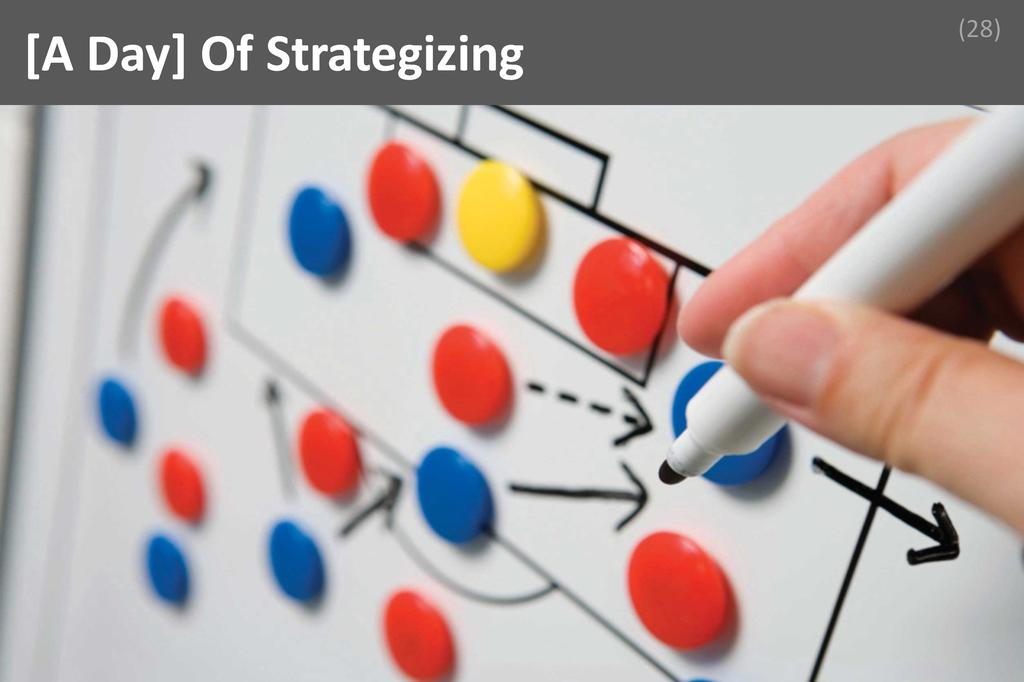
In the fast-paced world of digital strategy, no two days are ever quite the same. The hum of notifications, the constant stream of data, and the ever-shifting landscape of online trends create an environment where adaptability is as crucial as expertise. Digital strategy professionals thrive in this dynamic setting, balancing creative vision with analytical rigor as they steer brands and organizations through the complexities of the digital age. Each day unfolds as a blend of rapid decision-making, collaborative problem-solving, and forward-thinking innovation, all set against the backdrop of a digital ecosystem that never sleeps.
The day begins with a quiet moment of focus, as the digital strategist reviews overnight analytics, campaign dashboards, and industry news. This early morning ritual is all about taking the pulse of ongoing projects and identifying any immediate shifts in audience behavior or competitor activity. With a fresh cup of coffee in hand, the strategist scans through key performance indicators, flags anomalies, and jots down insights that might inform the day’s priorities. This is the time to recalibrate, ensuring that every move made throughout the day is grounded in real-time data and aligned with broader business objectives.
By mid-morning, the pace accelerates as the strategist dives into the heart of their work: orchestrating digital campaigns and initiatives. This is when brainstorming sessions, creative briefings, and cross-functional meetings come into play. The strategist collaborates closely with content creators, designers, and developers to refine messaging, optimize user journeys, and troubleshoot any technical hiccups. It’s a high-energy window where ideas are tested, strategies are debated, and decisions are made quickly to keep campaigns agile and effective. The digital strategist’s role here is both conductor and problem-solver, ensuring that every element of the campaign harmonizes with the overall strategy.
Afternoons are reserved for hands-on execution and deeper collaboration. The strategist might lead a workshop with stakeholders to align on upcoming initiatives or jump into a working session with the analytics team to dissect campaign results. This is also the time for client calls, vendor check-ins, and status updates, where clear communication and relationship-building are key. As projects move from planning to implementation, the strategist ensures that timelines are met, deliverables are on track, and any roadblocks are swiftly addressed. The energy shifts from ideation to action, with a focus on driving measurable outcomes.
As the day winds down, the digital strategist shifts gears to reflection and planning. This is the moment to review what worked, what didn’t, and why. The strategist compiles reports, documents learnings, and updates dashboards to capture the day’s progress. There’s also time set aside for researching emerging trends, exploring new tools, and sketching out ideas for future campaigns. Before logging off, the strategist outlines priorities for the next day, ensuring that momentum is maintained and that every action remains aligned with the long-term vision. The day ends with a sense of accomplishment and anticipation for the challenges and opportunities that tomorrow will bring. |


 Home
Home Abroad
 Plan
Plan Philosophy
 Seminar
 Pages
Pages Advisors
 Testimonials



















 Workshop
 Discuss
 Meet
Meet
 Advisor
 Story
Story
 Fine Print
 Links
Links
 Blog
Blog
 Follow
