The Journey of Automobile Repairing
What Is Automobile Repairing
Automobile Repairing
Automobile repairing is the process of diagnosing, maintaining, and fixing mechanical, electrical, and electronic systems in vehicles. It involves using specialized tools and technical knowledge to ensure cars, trucks, and other automobiles operate safely and efficiently, addressing issues ranging from engine problems to brake failures and electrical malfunctions.
Automobile repairing plays a crucial role in keeping vehicles safe, reliable, and roadworthy, which is essential for both personal mobility and commercial transportation. For professionals in this field, it offers a dynamic and hands-on career that combines problem-solving with technical expertise. One major benefit is job stability, as vehicles require regular maintenance and repairs regardless of economic fluctuations. Another advantage is the opportunity for continuous learning, as automotive technology evolves rapidly, introducing new systems and diagnostic tools. Additionally, skilled automobile repair professionals often enjoy the satisfaction of helping others by ensuring their vehicles remain functional and safe, fostering trust and long-term relationships with clients.
A professional automobile repair technician might encounter a customer whose car is experiencing intermittent stalling and warning lights on the dashboard. The technician begins by interviewing the customer about the symptoms, then uses diagnostic equipment to scan the vehicle’s onboard computer for error codes. After identifying a faulty sensor and a loose wiring connection, the technician replaces the sensor, secures the wiring, and tests the vehicle to confirm the issue is resolved. This process not only restores the car’s performance but also reassures the customer that their vehicle is safe to drive. Through such real-world scenarios, automobile repair professionals apply their expertise to solve complex problems and keep vehicles running smoothly.
Education
Functioning of Automobiles

Functioning of Automobiles refers to the comprehensive study of how various automotive systems and components operate together to enable vehicle movement and performance. This subject forms a crucial part of both academic curricula and professional training in Automobile Repairing, providing the essential theoretical framework for diagnosing, maintaining, and repairing vehicles effectively.
Understanding the functioning of automobiles is vital for anyone entering or working in the automobile repairing field because it lays the groundwork for all technical tasks. A solid grasp of how engines, transmissions, electrical systems, and other components interact allows professionals to accurately diagnose issues, recommend solutions, and perform repairs with confidence. This foundational knowledge not only improves efficiency and reduces errors but also enhances safety for both technicians and vehicle users. Over time, mastery of these concepts enables professionals to adapt to new automotive technologies, advance in their careers, and build a reputation for expertise and reliability in a rapidly evolving industry.
Consider a scenario where a customer brings in a car that is experiencing intermittent stalling. A professional with a strong understanding of the functioning of automobiles will systematically analyze the problem by considering how fuel delivery, ignition, and air intake systems work together. By applying their theoretical knowledge, the technician can efficiently trace the issue to a faulty sensor affecting the engine’s air-fuel mixture. This approach not only saves time but also ensures that the root cause is addressed, preventing further complications. Such expertise demonstrates how theoretical understanding directly translates into practical, high-quality service in daily automobile repairing operations.
Sources of Energy
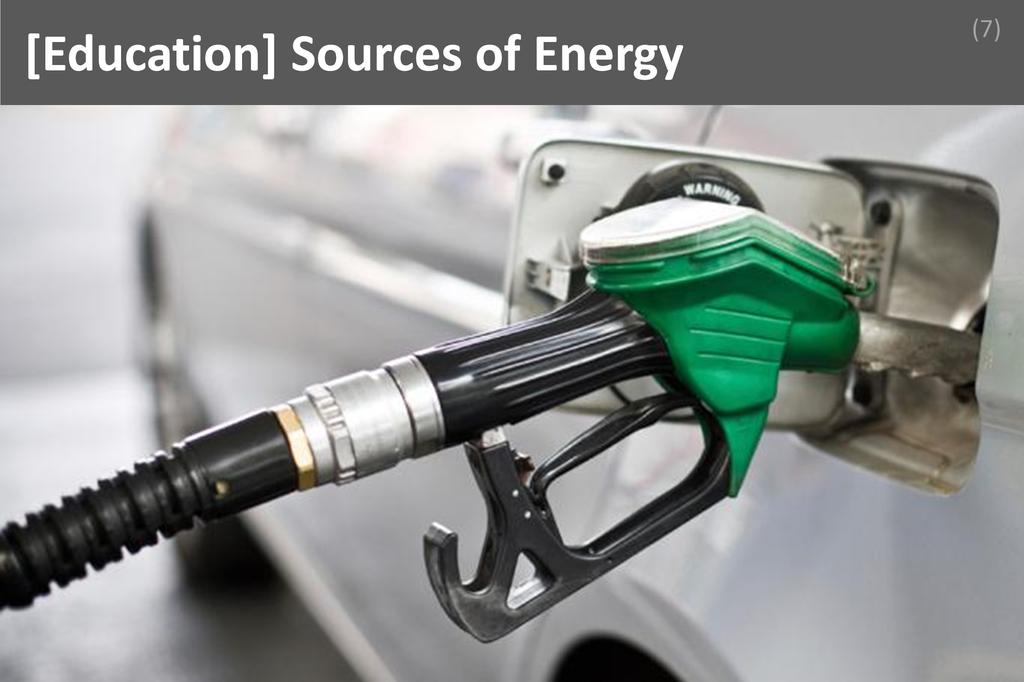
Sources of Energy refers to the various origins from which energy is derived to power machines, vehicles, and devices, including fossil fuels, electricity, solar, and alternative fuels. In automobile repairing, understanding these sources is essential for diagnosing, maintaining, and repairing modern vehicles that utilize diverse energy systems.
A solid grasp of Sources of Energy is crucial for anyone entering or working in automobile repairing because today’s vehicles rely on a range of energy types, from traditional gasoline and diesel to electricity and hybrid systems. This knowledge enables professionals to accurately identify issues related to fuel systems, electrical components, and alternative energy technologies. As the automotive industry evolves toward greener and more efficient energy solutions, technicians who understand the principles behind these energy sources are better equipped to adapt to new technologies. Mastery of this subject not only enhances diagnostic and repair skills but also increases employability and career advancement opportunities in a rapidly changing field.
Consider a scenario where a technician is tasked with repairing a hybrid vehicle that is not starting. By applying their understanding of Sources of Energy, the technician systematically checks both the gasoline engine and the electric battery system. Recognizing that hybrid vehicles switch between energy sources depending on driving conditions, the technician inspects the battery’s charge, the fuel delivery system, and the electronic controls that manage energy flow. This comprehensive approach, grounded in theoretical knowledge of how different energy sources interact within the vehicle, allows the technician to pinpoint the issue efficiently—whether it’s a depleted battery, a faulty fuel pump, or a malfunctioning control unit—ensuring a successful repair and customer satisfaction.
Services to Customers

Services to Customers refers to the practices, attitudes, and skills involved in meeting and exceeding customer expectations during every interaction. In the context of Automobile Repairing, it encompasses effective communication, problem-solving, and building trust, forming a crucial part of both academic learning and professional expertise required for success in the industry.
Understanding Services to Customers is essential for anyone entering or working in the automobile repairing field because it directly influences customer satisfaction, business reputation, and repeat patronage. Mastery of this subject ensures that professionals can communicate technical information clearly, manage customer concerns with empathy, and deliver solutions that foster loyalty. This knowledge forms the backbone of a successful career, as technical skills alone are insufficient without the ability to build positive relationships with clients. Over time, professionals who excel in customer service are more likely to advance, gain referrals, and contribute to a positive workplace culture, making this subject a long-term asset for personal and organizational growth.
Consider an automobile technician who greets a customer concerned about unusual engine noises. Drawing on their understanding of Services to Customers, the technician listens attentively, asks clarifying questions, and explains the diagnostic process in simple terms. Throughout the repair, the technician provides timely updates and ensures the customer feels informed and valued. After resolving the issue, the technician offers maintenance tips and invites the customer to return for future service. This approach not only addresses the immediate technical problem but also builds trust and encourages ongoing business, demonstrating how theoretical knowledge of customer service translates into practical, everyday success in the automobile repairing profession.
Management

Management is the process of planning, organizing, leading, and controlling resources—such as people, materials, and finances—to achieve specific goals efficiently and effectively. In the context of Automobile Repairing, management knowledge is essential for coordinating tasks, ensuring quality service, and maintaining a productive and safe workshop environment.
Understanding management is crucial for anyone preparing for or working in the field of Automobile Repairing because it provides the skills needed to oversee operations, allocate resources wisely, and lead teams toward common objectives. Mastery of management principles helps professionals handle customer relations, streamline workflow, and adapt to evolving technologies and industry standards. This foundational knowledge not only enhances daily productivity but also supports long-term career growth, as those with strong management abilities are better positioned for supervisory or entrepreneurial roles. By integrating management concepts into their skill set, automobile repair professionals can ensure both technical excellence and operational success, making themselves invaluable assets to any organization.
Consider an automobile repair technician who has recently been promoted to a workshop supervisor. Each day, they must assign tasks to team members based on skill level and workload, monitor the progress of ongoing repairs, and ensure that safety protocols are followed. When a sudden influx of vehicles arrives due to a local event, the supervisor draws on their management training to quickly reorganize the workflow, prioritize urgent repairs, and communicate clearly with both staff and customers. By applying management principles, the supervisor maintains high service quality, minimizes delays, and fosters a positive work environment, demonstrating how theoretical knowledge of management directly enhances practical performance in automobile repairing.
Demand & Supply

Demand and supply are fundamental economic concepts describing how the quantity of goods or services desired by consumers (demand) interacts with the quantity offered by providers (supply). In automobile repairing, understanding these principles helps professionals anticipate customer needs, manage resources, and make informed decisions in a competitive market environment.
A solid grasp of demand and supply is essential for anyone entering or advancing in the automobile repairing field. This knowledge enables professionals to predict fluctuations in customer requests, such as seasonal increases in certain repairs or the impact of new car models on service needs. By understanding these dynamics, technicians and shop owners can optimize inventory, allocate labor efficiently, and set competitive prices. Over time, this foundational understanding supports better business planning, reduces waste, and enhances customer satisfaction. It also prepares professionals to adapt to market changes, ensuring long-term career growth and stability in an industry that is constantly evolving with technological advancements and shifting consumer preferences.
Consider an automobile repair shop that notices a sudden increase in requests for air conditioning repairs during the summer months. By applying their understanding of demand and supply, the shop manager anticipates this seasonal spike and orders extra parts in advance, ensuring they can meet customer needs promptly. At the same time, they might adjust staffing schedules to handle the higher workload efficiently. This proactive approach not only prevents delays and lost business but also allows the shop to negotiate better prices with suppliers due to bulk purchasing. Ultimately, the manager’s ability to interpret and respond to demand and supply trends directly contributes to the shop’s profitability and reputation for reliability.
Cars & Bikes

"Cars & Bikes" refers to the comprehensive study of the design, structure, functioning, and maintenance of automobiles and motorcycles. This subject encompasses the mechanical, electrical, and electronic systems that power and control these vehicles. It is a fundamental area of knowledge for anyone pursuing a career in Automobile Repairing, providing the essential theoretical background needed to understand and troubleshoot modern vehicles.
Understanding Cars & Bikes is crucial for anyone entering the field of Automobile Repairing because it forms the backbone of all technical skills required in the industry. Mastery of this subject enables professionals to diagnose issues accurately, interpret technical diagrams, and apply repair techniques effectively. As vehicles become increasingly complex with advancements in technology, a strong grasp of core concepts such as engine mechanics, transmission systems, braking mechanisms, and electronic controls becomes indispensable. This foundational knowledge not only enhances problem-solving abilities but also ensures safety, efficiency, and reliability in repair work. Over time, expertise in Cars & Bikes opens doors to advanced roles, specialization opportunities, and greater job security in a rapidly evolving automotive sector.
Consider a scenario where a customer brings in a car that is experiencing intermittent engine stalling. A professional with a solid understanding of Cars & Bikes begins by recalling the principles of fuel delivery and ignition systems. By systematically checking the fuel pump, injectors, and spark plugs, the technician identifies a faulty sensor disrupting the engine’s timing. Their theoretical knowledge allows them to interpret diagnostic codes and understand how different systems interact within the vehicle. This expertise not only leads to a swift and accurate repair but also builds customer trust and satisfaction. Such daily applications of Cars & Bikes knowledge are what set skilled automobile repair professionals apart in the industry.
Skills
Flexibility

Flexibility is the ability to adapt quickly and effectively to changing circumstances, unexpected challenges, and new information. In automobile repairing, it means being open to alternative solutions, adjusting techniques as needed, and embracing continuous learning. This skill enables professionals to handle diverse vehicles, technologies, and customer needs with confidence and efficiency.
Flexibility directly enhances performance in automobile repairing by allowing technicians to respond to unforeseen problems, such as discovering additional faults during a repair or adapting to new diagnostic technologies. Clients and employers highly value this skill because it ensures that work continues smoothly even when plans change or complications arise. Flexible professionals can switch between tasks, prioritize urgent repairs, and learn new methods as vehicles evolve. To cultivate flexibility, one should seek varied experiences, stay updated with industry advancements, and practice open-mindedness when faced with unfamiliar situations. Over time, this approach builds resilience and resourcefulness, making a technician more reliable and effective in any workshop environment.
Imagine a technician working on a modern hybrid vehicle who discovers that the issue is more complex than initially diagnosed. Instead of sticking rigidly to the original repair plan, the technician adapts by researching the latest manufacturer updates and consulting with colleagues. By being flexible, they quickly learn a new diagnostic procedure and apply it to identify a hidden electrical fault. This adaptability not only resolves the customer’s problem efficiently but also demonstrates the technician’s commitment to quality service. The ability to pivot and embrace new solutions ensures the repair is completed successfully, earning the trust of both the client and the employer.
Networking

Networking is the process of building and maintaining relationships with other professionals, clients, suppliers, and industry experts to exchange information, resources, and opportunities. In automobile repairing, networking enables professionals to access knowledge, share experiences, and stay updated with industry trends, making it a vital component of career growth and success.
Networking directly enhances performance in automobile repairing by providing access to a broader pool of expertise and resources. When professionals connect with peers, they can quickly find solutions to complex problems, learn about new technologies, and discover best practices. Employers and clients value technicians who are well-connected because they can leverage their network to source rare parts, recommend trusted services, or collaborate on challenging repairs. Cultivating networking skills involves attending industry events, joining professional associations, and engaging with others both online and offline. Over time, consistent communication, reliability, and a willingness to help others strengthen these connections, making networking an invaluable asset in the automotive repair field.
Imagine an automobile repair technician faced with a rare engine issue that standard diagnostic methods cannot resolve. Drawing on their professional network, the technician contacts a former colleague who specializes in that particular engine model. Through this connection, they receive expert advice and a recommendation for a specialized tool needed for the repair. The technician is able to quickly source the tool from a supplier within their network and successfully complete the job, impressing the client with their resourcefulness and efficiency. This scenario highlights how networking not only solves immediate technical challenges but also builds a reputation for reliability and expertise, leading to more referrals and career advancement opportunities.
Problem Solving

Problem Solving is the ability to identify issues, analyze underlying causes, generate effective solutions, and implement them efficiently. In automobile repairing, this skill enables professionals to diagnose complex mechanical or electrical faults, determine the best course of action, and restore vehicles to optimal condition, ensuring safety and customer satisfaction.
Problem Solving directly enhances performance in automobile repairing by enabling technicians to quickly and accurately diagnose issues, reducing downtime and unnecessary costs. Clients and employers highly value this skill because it leads to reliable repairs, fewer repeat visits, and greater trust in the service provided. To cultivate Problem Solving, professionals should engage in continuous learning, stay updated with evolving automotive technologies, and practice analytical thinking during daily tasks. Over time, exposure to diverse vehicle models and challenging repair scenarios sharpens this skill, making technicians more adaptable and resourceful. By reflecting on past experiences and seeking feedback, individuals can further refine their approach, ultimately becoming indispensable assets to their teams and customers.
Consider a situation where a customer brings in a car with an intermittent electrical issue that causes the engine to stall unexpectedly. The automobile repair professional must systematically investigate the problem, starting with a review of the vehicle’s history and symptoms. By using diagnostic tools, checking wiring diagrams, and methodically testing components, the technician narrows down the possibilities. Eventually, they discover a faulty sensor connection that only fails under specific conditions. By identifying and repairing this elusive fault, the technician not only resolves the immediate issue but also prevents future breakdowns. This scenario highlights how effective Problem Solving is crucial for tackling complex repairs and delivering high-quality service in the automotive industry.
Being Opportunist

Being opportunist means having the ability to recognize and act swiftly on favorable situations as they arise, often turning unexpected challenges into advantages. In the context of automobile repairing, this skill enables professionals to identify hidden problems, suggest timely upgrades, or offer additional services, enhancing both customer satisfaction and business growth.
Being opportunist directly improves performance in automobile repairing by allowing technicians to spot and capitalize on moments that can lead to better outcomes for both clients and the business. Clients and employers value this skill because it demonstrates initiative, resourcefulness, and a proactive approach to problem-solving. For example, a technician who notices a worn-out part while fixing another issue and suggests a replacement can prevent future breakdowns, saving the client time and money. Cultivating this skill involves staying alert, continuously updating technical knowledge, and developing strong communication skills to confidently present solutions. Over time, experience and a willingness to learn from each situation help professionals refine their ability to seize opportunities as they arise.
Imagine a scenario where a car comes in for a routine oil change. While performing the service, the technician notices early signs of brake wear that the customer was unaware of. Instead of ignoring it, the technician seizes the opportunity to inform the client, explaining the potential risks and offering a timely brake inspection and replacement. The client appreciates the proactive approach, avoids a possible safety hazard, and the workshop gains additional business. In this situation, the technician’s opportunistic mindset not only solves a critical issue before it escalates but also builds trust and loyalty with the customer, illustrating how being opportunist can lead to success in automobile repairing.
Logical Thinking

Logical thinking is the ability to analyze information, identify patterns, and draw reasoned conclusions to solve problems efficiently. It involves breaking down complex issues into manageable parts and systematically evaluating possible solutions. In automobile repairing, logical thinking enables professionals to diagnose faults accurately, avoid guesswork, and ensure effective, reliable repairs.
Logical thinking directly enhances performance in automobile repairing by enabling technicians to approach problems methodically. When faced with a malfunctioning vehicle, a logical thinker can trace symptoms to their root causes, reducing time spent on trial and error. Employers and clients highly value this skill because it leads to quicker, more accurate repairs, minimizing costs and downtime. Logical thinking also fosters confidence in a technician’s abilities, building trust with customers. To cultivate this skill, professionals should practice analyzing repair cases, seek feedback, and stay updated with evolving automotive technologies. Over time, consistent application and reflection help sharpen logical reasoning, making it an indispensable asset in the workshop.
Imagine a technician confronted with a car that intermittently fails to start. Instead of immediately replacing parts, the technician uses logical thinking to gather information, such as when the problem occurs and what conditions are present. By systematically checking the battery, ignition system, and fuel delivery, the technician narrows down the possibilities. Eventually, they discover a faulty crankshaft position sensor that only malfunctions when the engine is hot. This logical approach not only resolves the issue efficiently but also saves the client unnecessary expenses and builds the technician’s reputation for thorough, intelligent problem-solving. Logical thinking, in this scenario, transforms a potentially frustrating situation into a demonstration of expertise and professionalism.
Motivating Staff
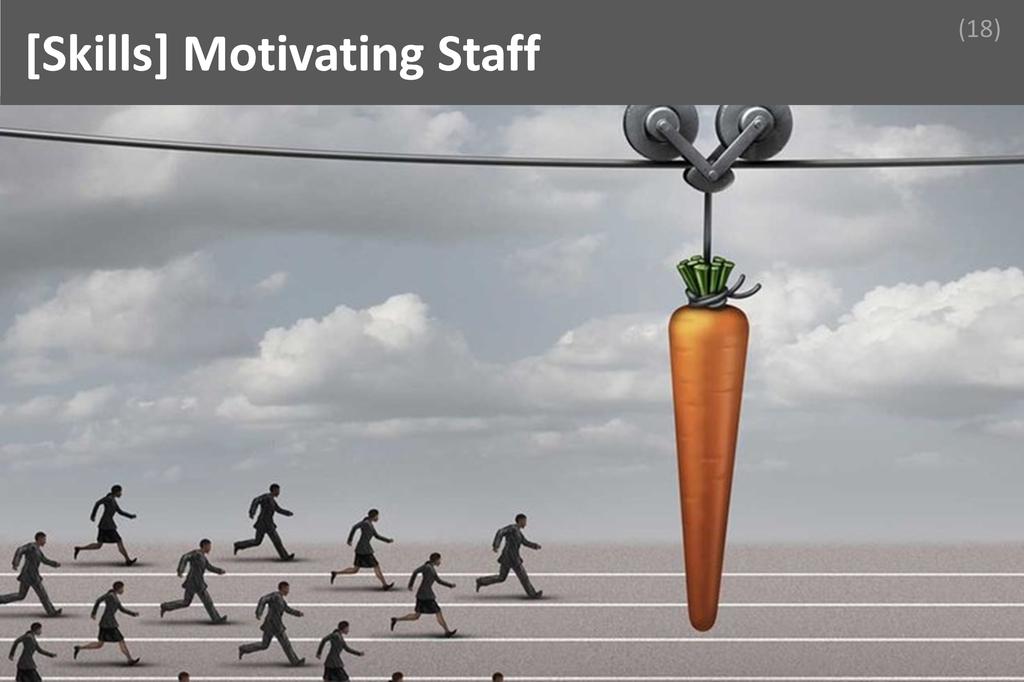
Motivating Staff is the ability to inspire, encourage, and energize team members to perform at their best, fostering a positive work environment and driving collective achievement. In automobile repairing, this skill ensures that technicians remain focused, productive, and committed to delivering high-quality service, even under challenging circumstances.
Motivating staff directly enhances workshop performance by boosting morale, reducing turnover, and encouraging collaboration among team members. Clients and employers value this skill because it leads to consistent, reliable service and faster turnaround times, which are critical in the competitive automobile repair industry. A motivated team is more likely to embrace new technologies, follow safety protocols, and maintain high standards of workmanship. Cultivating this skill involves clear communication, recognizing achievements, providing growth opportunities, and leading by example. Over time, professionals can refine their motivational abilities by seeking feedback, observing effective leaders, and adapting their approach to suit different personalities and situations within the team.
Imagine a busy auto repair shop facing a sudden influx of vehicles after a severe storm. The team feels overwhelmed by the workload and tight deadlines. The shop manager, skilled in motivating staff, gathers everyone for a brief meeting, acknowledges their hard work, and shares a clear plan to tackle the backlog. By assigning roles based on individual strengths and offering small incentives for milestones reached, the manager reignites the team’s enthusiasm. As a result, technicians collaborate more efficiently, maintain high repair standards, and complete jobs on time. The positive atmosphere not only helps the team overcome the crisis but also strengthens their commitment to the shop’s long-term success.
Learning to Say No

Learning to say no is the ability to respectfully decline requests, tasks, or demands that exceed one’s capacity, expertise, or ethical boundaries. In automobile repairing, this skill helps professionals maintain quality, safety, and integrity by ensuring they only take on work they can complete properly and responsibly.
Mastering the art of saying no directly enhances performance in automobile repairing by preventing overcommitment and reducing the risk of errors. Clients and employers value technicians who set realistic expectations and prioritize safety over taking on every job. By being honest about limitations, professionals build trust and credibility, which are essential in a field where mistakes can have serious consequences. Cultivating this skill involves self-awareness, clear communication, and the confidence to stand by one’s professional judgment. Over time, consistently practicing this approach leads to better time management, improved job satisfaction, and a reputation for reliability.
Imagine an automobile repair technician is asked by a customer to quickly patch up a brake issue using temporary fixes instead of a proper repair, due to the customer’s limited budget. Recognizing the safety risks involved, the technician politely but firmly declines the request, explaining the potential dangers of inadequate repairs. By saying no, the technician upholds professional standards and prioritizes the customer’s safety, even if it means losing immediate business. This decision not only prevents possible accidents but also reinforces the technician’s reputation for integrity and responsibility, ultimately attracting more trust and long-term clients.
Convincing Power

Convincing Power is the ability to effectively communicate, persuade, and influence others to accept ideas, recommendations, or solutions. In the context of automobile repairing, it enables professionals to explain technical issues clearly, justify necessary repairs, and build trust with clients or colleagues, ensuring smoother interactions and successful outcomes.
Convincing Power directly enhances an automobile repair professional’s performance by fostering clear communication and trust with clients and team members. Clients and employers value this skill because it helps bridge the gap between technical expertise and customer understanding, leading to better decision-making and customer satisfaction. When a technician can confidently explain why a particular repair is necessary, clients are more likely to approve the work, reducing misunderstandings and disputes. To cultivate this skill, professionals should focus on improving their technical knowledge, practicing active listening, and refining their ability to translate complex information into simple, relatable terms. Over time, consistent practice and feedback from real-world interactions help strengthen one’s ability to persuade effectively.
Imagine a scenario where a customer brings in a vehicle with intermittent engine problems. After diagnosing the issue, the technician discovers that a critical engine component needs replacement, which is costly. The customer is hesitant, suspecting an upsell. Here, the technician’s Convincing Power becomes crucial. By patiently explaining the diagnostic process, showing evidence of the faulty part, and outlining the risks of ignoring the repair, the technician reassures the customer of the necessity and urgency of the work. Through clear communication and empathy, the technician gains the customer’s trust, secures approval for the repair, and ensures the vehicle’s safety, ultimately strengthening the shop’s reputation for honesty and expertise.
Positives
Never Ending Demand

Never Ending Demand refers to the continuous and consistent need for skilled automobile repair professionals, driven by the ever-growing number of vehicles on the road and the inevitability of mechanical issues. This constant requirement ensures that automobile repairers remain essential, providing them with steady work opportunities and long-term career stability in the industry.
The never ending demand for automobile repairing professionals translates into remarkable job security and a sense of purpose. Knowing that their expertise is always needed, repairers can confidently invest in their skills and career growth, free from the fear of obsolescence. This ongoing demand fosters a dynamic work environment where professionals encounter new challenges daily, keeping their work engaging and meaningful. The assurance of steady employment and the ability to make a tangible difference in people’s lives by keeping vehicles safe and operational enhances job satisfaction. As a result, automobile repairers often experience pride in their work and motivation to continually improve, knowing their contributions are valued and indispensable.
Consider an experienced automobile technician working in a busy urban garage. Each day, a steady stream of customers arrives with a variety of vehicle issues, from routine maintenance to complex engine problems. The technician’s skills are constantly in demand, and there is never a shortage of vehicles needing attention. This ongoing flow of work not only provides financial stability but also brings a sense of accomplishment as the technician helps customers get back on the road safely. The gratitude expressed by satisfied clients and the knowledge that their expertise is always sought after reinforces the technician’s passion for the profession, making every day both challenging and rewarding.
Less Investment

Less Investment refers to the comparatively low financial resources required to start and sustain a career in automobile repairing. This means that aspiring professionals do not need to spend large sums on advanced degrees, expensive equipment, or extensive infrastructure. Instead, they can begin with basic tools and gradually expand as their skills and clientele grow. This accessibility allows individuals from diverse backgrounds to enter the field without the burden of heavy debts or financial risk, making automobile repairing an attractive and inclusive career choice.
The benefit of less investment in automobile repairing is significant because it lowers the barriers to entry, enabling more people to pursue their passion for working with vehicles. This aspect fosters a sense of independence and empowerment, as professionals can start their own workshops or join established garages with minimal upfront costs. The reduced financial pressure allows them to focus on honing their technical skills and delivering quality service, rather than worrying about repaying loans or covering high overheads. As a result, job satisfaction increases, and career growth becomes more attainable. Every day, professionals in this field experience the freedom to innovate, learn, and progress without the constant stress of financial constraints, making their work both fulfilling and sustainable.
Consider the journey of a young mechanic named Ravi, who aspired to build a career in automobile repairing but had limited financial means. With a modest investment in essential tools and a small rented space, Ravi began offering repair services in his neighborhood. The low startup costs allowed him to focus on building trust with customers and perfecting his craft, rather than worrying about large debts or expensive equipment. As his reputation grew, he reinvested his earnings to gradually expand his workshop and services. Ravi’s experience highlights how less investment not only made his entry into the profession possible but also gave him the freedom to grow at his own pace, turning his passion into a thriving and rewarding career.
Monetary Potential

Monetary Potential refers to the capacity of a profession to provide substantial and increasing financial rewards through wages, bonuses, and entrepreneurial opportunities. In automobile repairing, this means skilled professionals can earn competitive incomes, benefit from overtime or specialized work, and even establish their own businesses, ensuring long-term financial security and growth.
The monetary potential in automobile repairing is a powerful motivator that elevates the profession beyond simple technical work. Knowing that their expertise can translate into a stable and often lucrative income, professionals feel a sense of pride and motivation. This financial reward not only supports their personal and family needs but also encourages continuous learning and skill development, as higher expertise often leads to better pay. The prospect of financial growth fosters job satisfaction, as individuals see tangible results from their hard work and dedication. Additionally, the ability to increase earnings through specialization or entrepreneurship provides a clear path for career advancement, making the field both dynamic and rewarding.
Consider the journey of an experienced auto technician who started as an apprentice in a small repair shop. Over the years, their dedication and skill led to higher wages and opportunities to handle complex repairs, which came with additional bonuses. Eventually, this professional opened their own garage, attracting loyal customers and expanding their services. The steady stream of clients and the ability to set competitive prices allowed them to achieve financial goals they once thought unattainable. This real-world scenario highlights how the monetary potential in automobile repairing not only provides immediate financial rewards but also empowers individuals to build prosperous, independent careers, turning their passion for cars into a source of lasting economic fulfillment.
Travelling

Travelling, in the context of automobile repairing, refers to the movement of professionals from one location to another—be it customer sites, remote breakdowns, or different workshops—to provide repair and maintenance services. This dynamic aspect allows technicians to experience diverse environments, meet new people, and tackle unique automotive challenges daily. Travelling enriches the profession by breaking the monotony of a fixed workplace, fostering adaptability, and expanding technical expertise. It encourages a spirit of adventure and continuous learning, as each journey presents new vehicles, technologies, and customer needs. Ultimately, travelling transforms automobile repairing into a vibrant and ever-evolving career, where every day brings fresh opportunities for personal and professional growth.
The opportunity to travel is a significant advantage in the field of automobile repairing because it keeps the work engaging and varied. Instead of being confined to a single garage or workshop, professionals are constantly exposed to new settings and situations. This variety not only prevents routine fatigue but also sharpens problem-solving skills, as each location may present unique challenges. Travelling allows technicians to build a broader network of contacts, learn from different colleagues, and gain exposure to a wider range of vehicles and repair techniques. The sense of independence and trust that comes with being dispatched to different sites boosts confidence and job satisfaction. Over time, these experiences contribute to faster career growth, as adaptability and a diverse skill set become invaluable assets in the industry.
Imagine an automobile repair technician who starts their day at the main workshop but soon receives a call to assist a stranded driver on a remote highway. The technician travels to the site, diagnoses the issue on the spot, and successfully repairs the vehicle, turning a stressful situation into a moment of relief for the customer. Later, the technician visits a corporate client’s fleet garage to perform routine maintenance, adapting to different vehicle models and work environments. Each journey not only brings a sense of accomplishment but also offers the technician a chance to see new places, interact with a variety of people, and continuously expand their expertise. This dynamic routine makes the career both fulfilling and exciting, as every day is a new adventure.
Good Social Network

A "Good Social Network" refers to the supportive web of relationships and connections that professionals build with colleagues, mentors, clients, and industry peers. In automobile repairing, this network fosters collaboration, knowledge sharing, and trust, enabling individuals to access advice, resources, and opportunities that enhance both their personal and professional growth.
Having a good social network in automobile repairing is a powerful advantage because it transforms the workplace into a community where learning and support are always available. This sense of belonging increases job satisfaction, as professionals feel valued and understood by their peers. It also opens doors to new opportunities, such as referrals, partnerships, and access to specialized knowledge. Daily, mechanics and technicians benefit from exchanging tips, troubleshooting complex issues together, and celebrating successes as a team. This camaraderie not only makes the work environment more enjoyable but also accelerates skill development and career advancement, making the profession both rewarding and sustainable.
Imagine an experienced auto technician who encounters a rare engine problem. Instead of feeling isolated, he reaches out to his network of fellow mechanics, some of whom have faced similar challenges. Through a series of conversations and shared experiences, he quickly gathers insights and solutions that help him resolve the issue efficiently. Later, he reciprocates by mentoring a junior colleague, strengthening their bond and reinforcing the culture of mutual support. This daily exchange of knowledge and encouragement not only solves immediate problems but also builds lasting relationships, making the technician’s career in automobile repairing deeply fulfilling and connected.
Challenges
Challenging Working Conditions
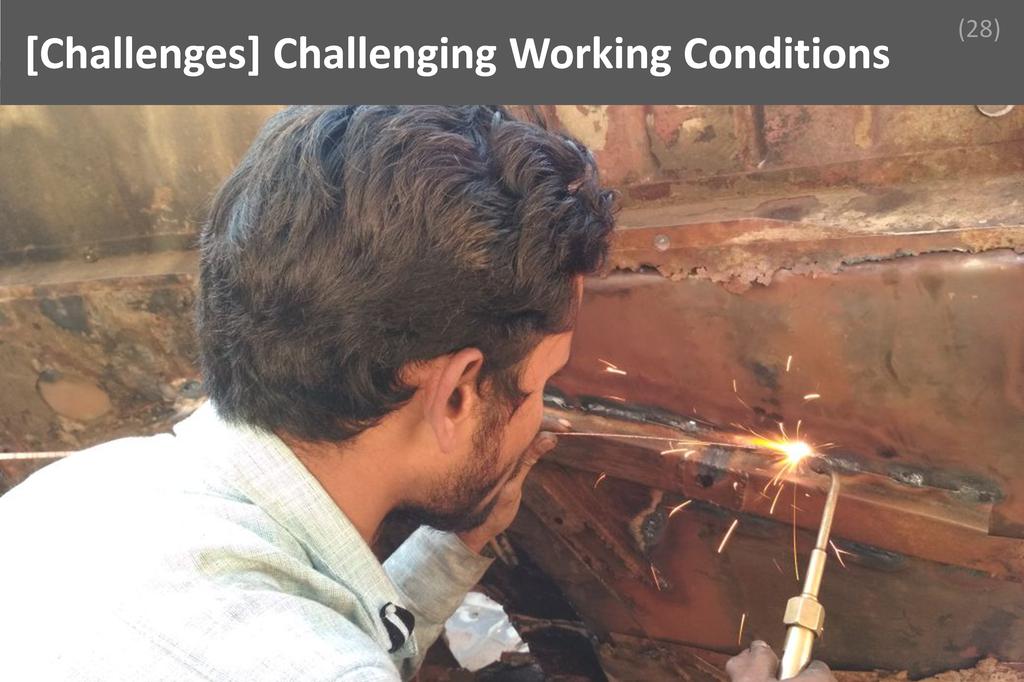
Challenging working conditions in automobile repairing refer to environments that are physically demanding, often involving exposure to noise, heat, cramped spaces, and hazardous materials. These conditions require constant alertness, physical stamina, and adaptability, making the profession both mentally and physically taxing for those who work in the field.
Difficult working conditions in automobile repairing can lead to fatigue, increased risk of injury, and heightened stress, all of which impact productivity and job satisfaction. The need to work in uncomfortable positions, handle heavy tools, and manage unpredictable hazards demands significant resilience. Successful professionals develop coping mechanisms such as maintaining proper posture, using protective gear, and adhering strictly to safety protocols. They also cultivate a strong mental attitude, focusing on the satisfaction of problem-solving and the tangible results of their labor. By prioritizing self-care, continuous learning, and teamwork, they are able to mitigate the negative effects of challenging environments and maintain high standards of performance.
Consider an experienced auto mechanic working in a busy urban garage during the peak of summer. The workspace is hot and crowded, with limited ventilation and constant noise from machinery. Despite these challenges, the mechanic remains focused by taking regular hydration breaks, wearing appropriate safety equipment, and organizing tools for efficiency. When faced with a particularly difficult engine repair in a cramped engine bay, the mechanic relies on years of experience to maneuver safely and effectively, communicating clearly with colleagues to coordinate tasks. Through adaptability, attention to safety, and a positive outlook, the mechanic not only completes the job successfully but also sets an example for less experienced team members on how to thrive under demanding conditions.
Injury

Injury in the context of Automobile Repairing refers to physical harm or trauma sustained while working with heavy machinery, sharp tools, or hazardous materials. This challenge is demanding because it can lead to pain, lost work time, and long-term health issues, requiring constant vigilance and adherence to safety protocols.
The risk of injury significantly shapes the daily routines of automobile repair professionals. Every task, from lifting engines to handling corrosive fluids, carries inherent dangers that can disrupt workflow and impact overall well-being. This constant threat demands resilience, as professionals must remain alert and cautious, even during routine procedures. Successful individuals in this field cultivate a strong safety mindset, consistently using protective equipment and following established safety procedures. They also prioritize ongoing training to stay updated on best practices and new technologies that reduce risk. By fostering a culture of safety and encouraging open communication about hazards, these professionals manage to minimize injuries, maintain productivity, and ensure their long-term ability to work in a physically demanding environment.
Consider an experienced auto mechanic who, after witnessing a colleague suffer a hand injury from a slipping wrench, decides to reevaluate his own approach to safety. He begins double-checking the stability of all tools and equipment before use and makes it a habit to wear protective gloves and eyewear, even for seemingly minor repairs. Over time, he shares his practices with coworkers, leading to a noticeable decrease in minor injuries across the shop. By proactively addressing the risk of injury and fostering a culture of safety, he not only protects himself but also contributes to a safer, more efficient workplace for everyone involved.
Dirty Clothes
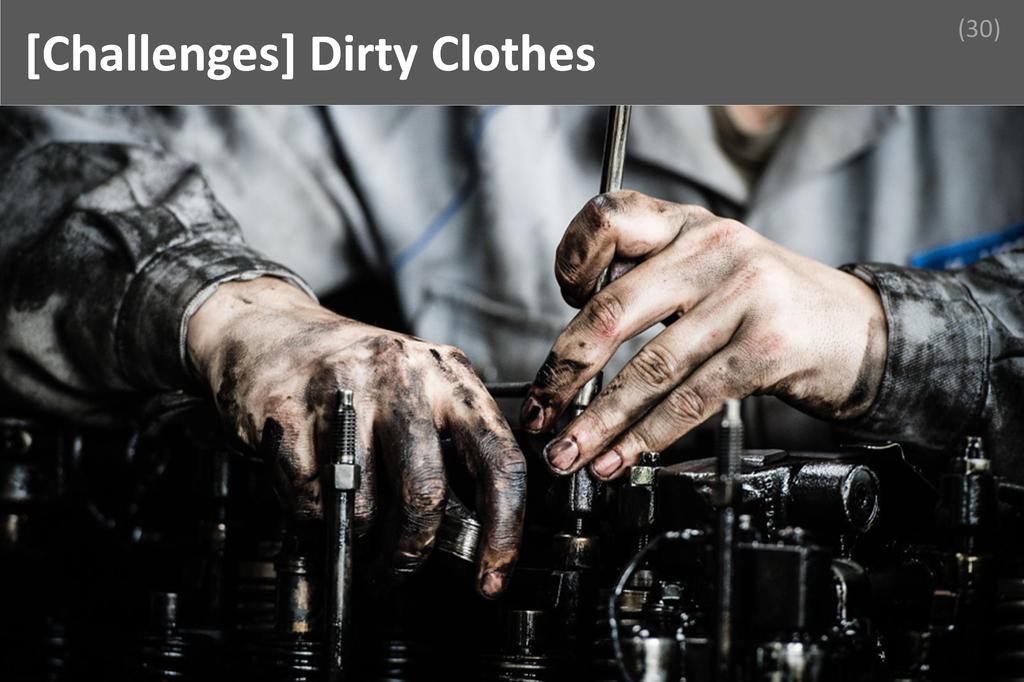
In automobile repairing, "Dirty Clothes" refers to the persistent accumulation of grease, oil, dust, and chemical stains on work attire due to constant contact with vehicle components and fluids. This challenge is demanding because it affects personal comfort, hygiene, and professional appearance, often making it difficult to maintain cleanliness throughout the workday.
Dirty clothes can significantly impact the daily routine of automobile repair professionals by causing discomfort, reducing morale, and sometimes even leading to skin irritation or health concerns. The nature of the job requires resilience, as technicians must remain focused despite the inevitability of soiled clothing. Successful professionals address this challenge by investing in durable, easy-to-clean workwear and establishing routines for regular laundering. They may also use protective gear such as coveralls and gloves to minimize direct exposure to contaminants. By accepting dirty clothes as an inherent part of the job and proactively managing it, they maintain professionalism and ensure that their work environment remains as clean and safe as possible.
Consider a seasoned auto mechanic who begins each day by donning a set of heavy-duty coveralls and sturdy gloves before entering the workshop. Throughout the day, he encounters oil spills, grease smears, and dust while repairing engines and replacing parts. Instead of allowing dirty clothes to hinder his performance or morale, he changes into a fresh set of coveralls during lunch and keeps a dedicated locker for soiled garments. At the end of the week, he washes his workwear using specialized detergents designed to remove automotive stains. By embracing these habits, he not only maintains a presentable appearance but also sets a positive example for colleagues, demonstrating that dirty clothes, while unavoidable, can be effectively managed with the right approach.
No Fixed Working Hours

No Fixed Working Hours in automobile repairing refers to the unpredictable and irregular work schedules that professionals often face. Repair technicians may be required to work late nights, weekends, or respond to emergency breakdowns, making it difficult to maintain a consistent routine. This unpredictability can be physically and mentally demanding.
The absence of fixed working hours in automobile repairing can disrupt personal routines, strain family relationships, and lead to fatigue due to extended or unexpected shifts. This challenge requires resilience, adaptability, and strong time management skills. Successful professionals often set boundaries where possible, communicate clearly with clients and employers about availability, and prioritize self-care to maintain their well-being. They also develop efficient work habits, such as organizing tasks and preparing for peak periods, to reduce stress and improve productivity. By embracing flexibility and focusing on the satisfaction of solving urgent problems, these professionals find motivation and balance, turning an unpredictable schedule into an opportunity for growth and learning.
Consider an experienced auto mechanic who works at a busy urban garage. He frequently receives calls for urgent roadside repairs outside regular business hours, sometimes late at night or during weekends. Instead of becoming overwhelmed, he establishes a system where he rotates on-call duties with colleagues and communicates his availability in advance. He also ensures he takes short breaks during quieter periods and schedules personal time whenever possible. By maintaining open communication with his family and team, he manages expectations and reduces stress. This proactive approach allows him to handle the demands of no fixed working hours while still delivering reliable service and maintaining a healthy work-life balance.
Communication

Communication in the context of Automobile Repairing refers to the clear and accurate exchange of information between technicians, customers, and team members regarding vehicle issues, repair processes, and expectations. It is demanding because technical jargon, diverse backgrounds, and time pressures often lead to misunderstandings, mistakes, or dissatisfaction if not managed carefully.
Poor communication can disrupt workflow, cause errors in diagnosing or repairing vehicles, and lead to customer frustration or loss of trust. Technicians may misinterpret instructions or fail to convey important details about repairs, resulting in repeated work or safety concerns. This challenge requires resilience because professionals must adapt their communication style to suit different audiences, often under stressful conditions. Successful professionals overcome this by actively listening, asking clarifying questions, and using visual aids or demonstrations when necessary. They also invest time in building rapport with customers and colleagues, ensuring that everyone involved understands the situation and expectations. By prioritizing clear, respectful dialogue, they minimize misunderstandings and foster a collaborative work environment.
Consider a scenario where a customer brings in a car with an intermittent engine problem. The technician listens attentively as the customer describes the symptoms, asking follow-up questions to clarify the issue. Instead of relying solely on technical terms, the technician explains the diagnostic process in simple language, ensuring the customer feels informed and involved. Throughout the repair, the technician updates the customer on progress and any unexpected findings, using photos to illustrate complex issues. By maintaining open, transparent communication, the technician not only resolves the problem efficiently but also earns the customer’s trust and loyalty. This approach demonstrates how effective communication can turn a challenging situation into a positive experience for everyone involved.
A Day Of
Automobile Repairing
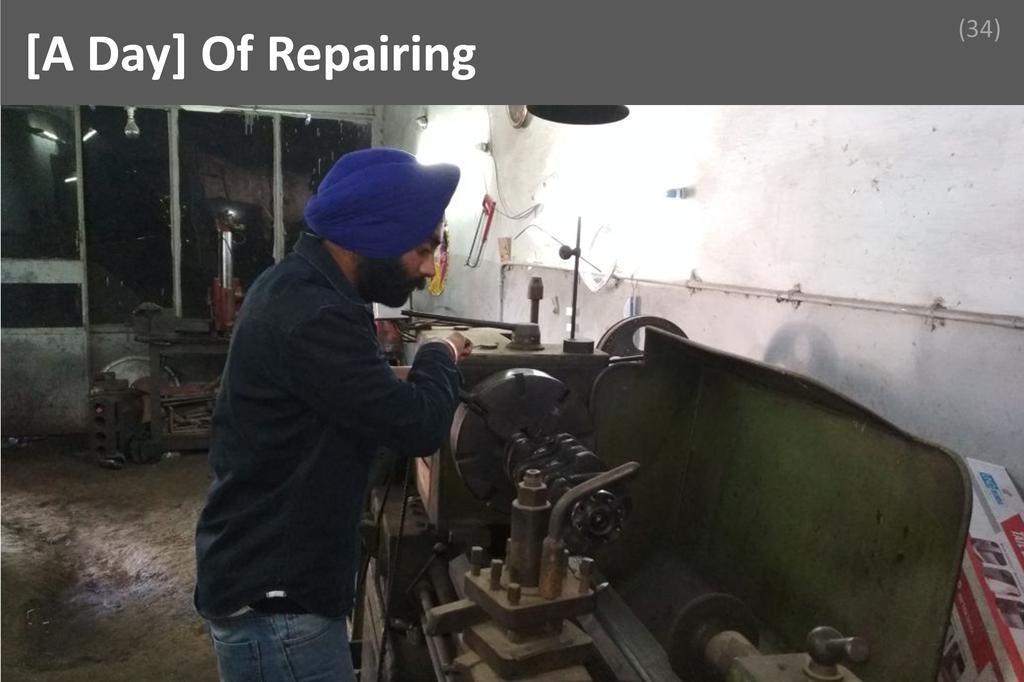
The day begins before the sun has fully risen, with the scent of motor oil and the distant hum of engines setting the tone for what lies ahead. In the world of automobile repairing, every day is a blend of precision, problem-solving, and hands-on expertise. The environment is alive with the clatter of tools, the flash of diagnostic screens, and the camaraderie of a team united by a shared passion for keeping vehicles running smoothly. Each hour brings new challenges, from deciphering mysterious engine noises to racing against the clock to get customers back on the road. The pace is relentless, yet deeply rewarding, as every repair completed is a testament to skill, patience, and dedication.
As the garage doors roll up and the first rays of sunlight filter in, the day starts with a methodical setup. Technicians check their workstations, ensuring that tools are clean, calibrated, and ready for action. The morning is spent reviewing the day’s schedule, scanning through service orders, and prioritizing jobs based on urgency and complexity. There’s a quiet focus as diagnostic equipment is powered up and the first vehicles are brought in for inspection, setting the stage for a productive day.
By mid-morning, the shop is in full swing. The air is filled with the sounds of impact wrenches, the hiss of pneumatic lifts, and the steady rhythm of teamwork. Technicians dive into the heart of their work, tackling everything from routine oil changes to complex engine repairs. Communication with service advisors and customers is frequent, as updates are provided and unexpected issues are explained. This is the most intense part of the day, where technical expertise and efficiency are put to the test, and every minute counts.
The afternoon brings a shift toward collaboration and execution. Technicians consult with one another on challenging diagnostics, pooling their knowledge to solve stubborn problems. Parts deliveries arrive, and the team works together to install components, test systems, and ensure that repairs meet safety and quality standards. There’s a steady flow of vehicles in and out of the bays, and the focus is on executing repairs accurately while maintaining momentum. Occasional meetings with supervisors or training sessions may take place, reinforcing best practices and introducing new technologies.
As the day winds down, attention turns to wrapping up ongoing jobs and preparing for tomorrow. Technicians complete final inspections, document their work, and update service records. The shop is cleaned and organized, with tools returned to their rightful places and equipment powered down. There’s time for a brief review of the day’s successes and challenges, as well as planning for upcoming appointments or special projects. With the last vehicle returned to its owner and the garage doors closing, the sense of accomplishment is palpable, knowing that another day’s work has kept the community safely on the move. |


 Home
Home Abroad
 Plan
Plan Philosophy
 Seminar
 Pages
Pages Advisors
 Testimonials






















 Workshop
 Discuss
 Meet
Meet
 Advisor
 Story
Story
 Fine Print
 Links
Links
 Blog
Blog
 Follow
