Career Counselling 2.0 HomeHomeCareer Counselling 2.0 AbroadAbroadCareer Counselling 2.0 PlanPlanCareer Counselling 2.0 | TalksTalksCareer Counselling 2.0 PhilosophyPhilosophyCareer Counselling 2.0 SeminarSeminarCareer Counselling 2.0 PagesPagesCareer Counselling 2.0 AdvisorsAdvisorsCareer Counselling 2.0 TestimonialsTestimonials

Embroidery

Embroider Rajni Jogiyal talks about Embroidery course, what is Embroidery and other details about a Career in Embroidery.


Embroidery

Rajni Jogiyal | Embroider | Himalayan Tapestry


What is Embroidery?


A Career in Embroidery is very interesting. Understanding Why one wants to choose a Career in Embroidery is phenomenally more important than figuring out How to get into Embroidery. It is best to learn about Embroidery from a real professional, this is akin to getting it from the horse's mouth.

Embroider Rajni Jogiyal has worked in Embroidery for 7 years & 8 months. Embroider Rajni Jogiyal describes Embroidery as:

Embroidery is the handicraft of decorating fabric or other materials with needle and thread or yarn.


How Embroider Rajni Jogiyal got into Embroidery?


After getting married I came to Dehradun and have been working with Himalayan Tapestry since 2011.


Embroider Rajni Jogiyal's Talk on Embroidery


Session Image
The Journey of Embroidery


What Is Embroidery


Embroidery

### Embroidery Image
What is
Embroidery is the art and craft of decorating fabric or other materials using a needle to apply thread or yarn. It often incorporates additional materials such as beads, sequins, and pearls, resulting in intricate designs that enhance garments, accessories, and home décor with texture, color, and personal expression.

Concept
Embroidery holds significant value in both artistic and commercial contexts. For professionals, it offers a creative outlet that allows for the expression of cultural heritage and personal style, while also providing opportunities in fashion, interior design, and custom branding. The craft fosters meticulous attention to detail, patience, and dexterity, which are highly valued skills in the textile industry. Embroidery can elevate the perceived value of products, making them unique and desirable in competitive markets. Additionally, it enables professionals to preserve traditional techniques while innovating with modern materials and technology, ensuring the craft remains relevant and adaptable to changing trends.

Real World Example
A professional embroiderer working in a fashion house might be tasked with creating a series of custom, hand-embroidered motifs for a luxury evening gown. The process begins with collaborating closely with designers to interpret their vision, selecting appropriate threads and embellishments, and meticulously stitching each detail onto delicate fabrics. The embroiderer’s expertise ensures that the final garment not only meets high aesthetic standards but also maintains durability and comfort for the wearer. Through their skillful application of embroidery, the professional transforms a simple piece of fabric into a work of art, contributing to the garment’s exclusivity and the brand’s reputation for craftsmanship.

Education


Different Designs

### Different Designs Image
What is
"Different Designs" in embroidery refers to the wide variety of patterns, motifs, and artistic styles that can be created using thread and fabric. This concept encompasses traditional, contemporary, and experimental approaches, forming a crucial part of both academic study and professional expertise in embroidery. Mastery of different designs enables creative versatility and technical proficiency.

Concept
Understanding different designs is essential for anyone pursuing a career in embroidery because it forms the backbone of creative expression and technical execution. Mastery of this subject allows professionals to adapt to diverse client needs, interpret trends, and innovate within their craft. By learning about various design styles, color theories, and cultural influences, embroiderers can produce work that is both aesthetically pleasing and contextually relevant. This foundational knowledge not only enhances the quality and originality of their creations but also increases their marketability and potential for career advancement. Over time, a deep familiarity with different designs empowers professionals to develop their unique signature style, collaborate effectively with designers, and contribute to the evolution of the embroidery field.

Real World Example
Imagine an embroidery professional tasked with creating a custom piece for a high-profile fashion collection. Drawing on their understanding of different designs, they analyze the client’s vision, considering factors such as fabric type, intended use, and current fashion trends. They then select or adapt motifs that align with the collection’s theme, ensuring the design complements the garment’s silhouette and color palette. Throughout the process, their knowledge of various embroidery techniques and design principles allows them to troubleshoot challenges, such as translating intricate sketches into stitchable patterns or choosing thread colors that enhance the overall effect. This practical application of theoretical knowledge ensures the final embroidered piece is both visually striking and technically sound, meeting the client’s expectations and elevating the collection.

Colour Knowledge

### Colour Knowledge Image
What is
Colour Knowledge is the comprehensive understanding of colour theory, including the relationships between colours, their psychological effects, and how they interact with materials and lighting. In embroidery, it forms a crucial part of both academic study and professional practice, guiding artists in creating visually appealing and harmonious textile designs.

Concept
Developing a strong grasp of Colour Knowledge is essential for anyone pursuing a career in embroidery. This expertise enables professionals to select thread colours that complement each other, evoke specific emotions, and enhance the overall impact of their designs. Mastery of colour theory helps embroiderers avoid common pitfalls such as clashing hues or dull compositions, ensuring their work stands out in a competitive market. Over time, a deep understanding of colour not only improves technical execution but also fosters creativity and innovation, allowing professionals to experiment confidently with new palettes and styles. Ultimately, Colour Knowledge is a foundational skill that supports both the artistic and commercial success of embroidery practitioners.

Real World Example
Imagine an embroidery artist tasked with creating a custom piece for a client who wants a vibrant floral design. Drawing on their Colour Knowledge, the artist carefully selects shades that reflect the natural gradations found in real flowers, ensuring the petals appear lively and dimensional. They consider how different thread colours will look under various lighting conditions and how the background fabric might influence the perception of each hue. By applying their theoretical understanding, the embroiderer achieves a harmonious balance between warm and cool tones, making the design visually striking and emotionally resonant. This thoughtful use of colour not only satisfies the client’s vision but also demonstrates the artist’s professional expertise.

Knowledge of Art & Craft

### Knowledge of Art & Craft Image
What is
Knowledge of Art & Craft refers to the understanding of artistic principles, design elements, historical context, and practical techniques that underpin creative expression. In embroidery, this knowledge forms a crucial part of both academic study and professional practice, enabling practitioners to create meaningful, aesthetically pleasing, and technically sound textile works.

Concept
A strong grasp of art and craft principles is essential for anyone pursuing a career in embroidery. This knowledge provides the foundation for making informed decisions about color, composition, texture, and style, which are all critical to producing high-quality embroidered pieces. Understanding the evolution of artistic movements and traditional craft techniques allows professionals to innovate while respecting cultural heritage. Over time, this expertise not only enhances technical proficiency but also fosters creativity and originality, setting skilled embroiderers apart in a competitive field. Furthermore, a deep appreciation for art and craft supports effective communication with clients and collaborators, ensuring that creative visions are translated into tangible, impactful designs.

Real World Example
Consider an embroidery artist tasked with creating a custom wall hanging for a modern interior space. Drawing on their knowledge of art and craft, the artist analyzes the room’s color palette, lighting, and overall aesthetic to select appropriate threads and stitches. They incorporate principles of balance and contrast, perhaps referencing historical embroidery motifs while adapting them to suit contemporary tastes. Throughout the process, their understanding of materials and techniques ensures the finished piece is not only visually striking but also durable and well-crafted. This blend of theoretical knowledge and practical skill enables the artist to deliver a product that meets both artistic and functional requirements, delighting the client and enhancing their professional reputation.

Skills


Patience

### Patience Image
What is
Patience is the ability to remain calm, composed, and persistent when faced with delays, challenges, or repetitive tasks, without becoming frustrated or giving up. In embroidery, patience is vital because the craft demands meticulous attention to detail, steady hands, and the willingness to invest significant time to achieve high-quality results.

Concept
Patience directly enhances performance in embroidery by allowing professionals to focus on intricate designs, correct mistakes without frustration, and maintain consistency throughout lengthy projects. Clients and employers highly value this trait because it ensures reliability, precision, and the delivery of flawless work, even under tight deadlines or complex requirements. Cultivating patience involves setting realistic expectations, practicing mindfulness, and gradually taking on more challenging projects to build endurance. Over time, experienced embroiderers learn to embrace the slow, methodical nature of their craft, understanding that each stitch contributes to the overall beauty and integrity of the finished piece.

Real World Example
Imagine an embroidery professional working on a wedding gown featuring an elaborate floral motif. Midway through the project, they discover a section where the thread color is slightly mismatched, threatening the uniformity of the design. Instead of rushing or becoming discouraged, the embroiderer patiently unpicks the affected stitches, carefully selects the correct thread, and reworks the area until it seamlessly blends with the rest of the pattern. This patient approach not only preserves the quality of the gown but also upholds the professional’s reputation for excellence, demonstrating how patience is indispensable in overcoming setbacks and achieving success in embroidery.

Creativity

### Creativity Image
What is
Creativity is the ability to generate original ideas, think outside conventional boundaries, and combine concepts in novel ways to produce unique and meaningful outcomes. In embroidery, creativity empowers professionals to design distinctive patterns, adapt to new trends, and personalize their work, making it an indispensable part of their skillset.

Concept
Creativity directly enhances an embroidery professional’s performance by enabling them to craft unique designs that stand out in a competitive market. Clients and employers highly value this skill because it leads to personalized, innovative pieces that reflect individual tastes and current trends. Creative embroiderers can adapt to changing demands, offer custom solutions, and bring fresh perspectives to traditional techniques. To cultivate creativity, professionals can experiment with new materials, study diverse artistic styles, and seek inspiration from various sources such as nature, fashion, and art. Continuous practice, openness to feedback, and a willingness to take risks further nurture creative abilities, ensuring ongoing growth and relevance in the field.

Real World Example
Imagine an embroidery artist tasked with creating a commemorative piece for a client’s milestone event. The client requests something that blends cultural motifs with modern aesthetics. The professional must rely on creativity to research traditional patterns, reinterpret them with contemporary colors and stitches, and seamlessly integrate personal elements meaningful to the client. During the process, unexpected challenges arise, such as limited thread colors or fabric constraints. The embroiderer’s creative thinking allows them to improvise with alternative materials and innovative techniques, ultimately delivering a one-of-a-kind piece that exceeds the client’s expectations. This scenario highlights how creativity not only solves problems but also elevates the final product, ensuring client satisfaction and professional success.

Hand Work

### Hand Work Image
What is
Hand Work refers to the precise and skilled use of one’s hands to manipulate needles, threads, and fabrics, creating intricate designs and textures without the aid of machines. In embroidery, Hand Work is fundamental, enabling professionals to produce detailed, customized, and high-quality pieces that showcase artistry and craftsmanship.

Concept
Mastering Hand Work significantly enhances an embroidery professional’s performance by allowing for greater control over every stitch, resulting in more refined and unique designs. Clients and employers highly value this skill because it ensures that each piece is tailored, durable, and aesthetically superior, often surpassing the quality of machine-made alternatives. Developing Hand Work requires consistent practice, patience, and a keen eye for detail. Over time, professionals can refine their dexterity and technique by working on diverse projects, studying traditional and contemporary methods, and seeking feedback from mentors or peers. This ongoing commitment to improvement not only builds confidence but also expands creative possibilities, making Hand Work an indispensable asset in the embroidery field.

Real World Example
Imagine an embroidery professional tasked with restoring a vintage wedding gown featuring delicate, hand-stitched floral motifs. During the restoration, they discover areas where the original embroidery has frayed and faded. Relying on their Hand Work skills, the professional carefully matches thread colors and replicates the intricate stitches by hand, ensuring the repairs blend seamlessly with the original design. Their ability to execute precise, controlled movements allows them to preserve the gown’s historical value and sentimental significance. The client is deeply appreciative, recognizing that such meticulous restoration would not have been possible with machine embroidery. This scenario highlights how Hand Work is crucial for solving complex challenges and achieving exceptional results in embroidery.

New Ideas

### New Ideas Image
What is
New Ideas refers to the ability to generate original concepts, approaches, or solutions that break away from traditional patterns and expectations. In embroidery, this skill enables professionals to innovate in design, technique, and application, ensuring their work remains fresh, relevant, and appealing in a constantly evolving creative industry.

Concept
The ability to generate new ideas directly enhances an embroidery professional’s performance by enabling them to create unique and captivating designs that stand out in a crowded market. Clients and employers highly value this skill because it leads to distinctive products that can set a brand apart and attract attention. Over time, one can cultivate this skill by staying curious, exploring diverse artistic influences, and experimenting with unconventional materials or methods. Regularly seeking feedback, attending workshops, and collaborating with other creatives also help in nurturing a mindset open to innovation. By consistently challenging themselves to think beyond the ordinary, embroidery professionals can ensure their work remains dynamic and in demand.

Real World Example
Imagine an embroidery artist working with a fashion designer who requests a collection inspired by futuristic themes. The artist realizes that traditional floral motifs will not capture the desired aesthetic. By tapping into their skill for generating new ideas, they experiment with geometric patterns, metallic threads, and even incorporate LED elements into the fabric. This inventive approach not only solves the challenge of meeting the designer’s vision but also garners significant attention at a major fashion show. The success of the collection demonstrates how the ability to develop and apply new ideas can lead to breakthrough moments, elevate a professional’s reputation, and open doors to exciting opportunities in the embroidery field.

Positives


Satisfaction

### Satisfaction Image
What is
Satisfaction is the deep sense of fulfillment and contentment that arises from achieving meaningful goals, mastering skills, and creating something of value. In embroidery, satisfaction comes from transforming simple threads and fabrics into intricate works of art, knowing that each stitch contributes to a unique, tangible result that reflects personal creativity and dedication.

Concept
Satisfaction is a cornerstone of a rewarding career in embroidery because it fuels motivation and personal growth. When embroiderers see their designs come to life, they experience a profound sense of accomplishment that encourages them to refine their techniques and take on new challenges. This ongoing cycle of achievement and pride not only enhances daily job satisfaction but also fosters resilience and perseverance in the face of complex projects. The positive feedback from clients and the visible progress in their work further reinforce this satisfaction, making each day on the job meaningful and inspiring. As a result, embroidery professionals often find themselves more engaged, creative, and committed to their craft, which can lead to greater career advancement and personal fulfillment.

Real World Example
Imagine an embroidery artist who spends weeks designing and stitching a custom wedding dress. Each day, she carefully selects colors, experiments with patterns, and perfects her technique, pouring her heart into every detail. When the bride finally tries on the finished dress and is moved to tears by its beauty, the artist feels an overwhelming sense of satisfaction. This moment validates all the hours of hard work and creative effort, reminding her why she chose this path. The joy of seeing her creation cherished and celebrated not only boosts her confidence but also inspires her to pursue even more ambitious projects, knowing that her skills can bring happiness and meaning to others.

Respect

### Respect Image
What is
Respect is the genuine admiration and high regard that individuals receive from others due to their skills, dedication, and contributions. In the context of embroidery, respect means being valued for the artistry, precision, and patience required to create intricate designs. This recognition fosters pride, motivation, and a sense of belonging within the profession.

Concept
Respect is a cornerstone of fulfillment in an embroidery career because it validates the time and effort invested in mastering the craft. When embroiderers are respected by clients, peers, and the wider community, it enhances their confidence and encourages continuous improvement. This positive reinforcement leads to greater job satisfaction, as professionals feel their work is meaningful and appreciated. The recognition of their expertise often opens doors to new opportunities, collaborations, and personal growth. On a daily basis, embroiderers experience respect through positive feedback, repeat business, and the admiration of those who value handcrafted artistry, making each project more rewarding and inspiring them to reach new creative heights.

Real World Example
Imagine an experienced embroiderer who is commissioned to create a custom piece for a local cultural event. As the project progresses, the client expresses deep appreciation for the attention to detail and the unique vision brought to the design. When the finished work is unveiled, it receives enthusiastic praise from event attendees, many of whom approach the embroiderer to learn more about the process and express their admiration. This outpouring of respect not only boosts the embroiderer’s confidence but also reinforces the value of their craft. The experience leaves a lasting impression, motivating the professional to continue honing their skills and contributing to the rich tradition of embroidery.

Challenges


Health Problems

### Health Problems Image
What is
Health problems in embroidery refer to physical issues such as eye strain, repetitive strain injuries, back and neck pain, and fatigue caused by long hours of detailed, repetitive hand or machine work. These challenges are demanding because they can limit productivity, reduce creativity, and threaten the long-term sustainability of a professional embroidery career.

Concept
Health problems can significantly disrupt the daily workflow of embroidery professionals. Persistent discomfort or pain may slow down production, hinder concentration, and even force individuals to take extended breaks or consider career changes. This difficulty demands resilience, as professionals must balance their passion for embroidery with the need to protect their well-being. Successful embroiderers often adopt strategies such as incorporating regular breaks, practicing ergonomic techniques, and investing in supportive equipment to minimize strain. They also prioritize self-care, seek medical advice when necessary, and stay informed about best practices for injury prevention. By proactively addressing health concerns, they maintain their productivity and creativity while safeguarding their long-term ability to work in the field.

Real World Example
Consider an experienced embroidery artist who began experiencing severe wrist pain due to years of repetitive stitching. Rather than ignoring the symptoms, she consulted a healthcare professional and learned about ergonomic adjustments. She reconfigured her workspace, invested in a supportive chair, and started using specialized tools designed to reduce strain. She also implemented a routine of stretching exercises and scheduled regular breaks throughout her workday. Over time, these changes not only alleviated her pain but also improved her overall efficiency and enjoyment of her craft. By proactively managing her health, she was able to continue pursuing her passion for embroidery without compromising her well-being.

No mistakes

### No mistakes Image
What is
In embroidery, "No mistakes" refers to the expectation that every stitch, color choice, and pattern alignment must be executed flawlessly, as errors are often irreversible and highly visible. This standard is demanding because fabric can be unforgiving, and corrections may damage the material or compromise the design’s integrity.

Concept
The pressure to avoid mistakes in embroidery can make daily work both mentally and physically taxing. Each project requires intense concentration, steady hands, and a deep understanding of materials and techniques. This constant vigilance can lead to fatigue and anxiety, especially when working on high-value or time-sensitive commissions. Resilience becomes essential, as professionals must learn to manage stress and maintain focus over long periods. Successful embroiderers develop meticulous planning habits, double-checking patterns and thread choices before beginning. They also cultivate patience, allowing themselves time to work slowly and methodically. When errors do occur, experienced professionals rely on creative problem-solving, sometimes incorporating small mistakes into the design or skillfully disguising them, ensuring the final piece meets the highest standards.

Real World Example
Consider an embroidery artist tasked with creating an intricate wedding gown bodice. The fabric is delicate silk, and the design involves hundreds of tiny, precise stitches. Midway through, the artist notices a slight misalignment in a floral motif. Rather than panicking or starting over, she calmly assesses the situation. Drawing on her experience, she subtly adjusts the surrounding stitches, blending the motif seamlessly into the overall pattern. The adjustment is invisible to the untrained eye, and the final piece is flawless. By maintaining composure and applying her technical skills, she overcomes the challenge of "No mistakes," delivering a garment that delights her client and upholds her reputation for excellence.

A Day Of


Embroidery

What is
The hum of sewing machines blends with the gentle rustle of fabric as sunlight filters through the studio windows, signaling the start of another vibrant day in the world of embroidery. Here, creativity and precision intertwine, transforming blank canvases into intricate works of art, stitch by stitch. The pace is both rhythmic and dynamic, demanding a keen eye for detail and a steady hand, as each project brings its own set of challenges and rewards. In this environment, the day unfolds with a blend of solitary focus and collaborative energy, where every thread tells a story and every moment is an opportunity to bring imagination to life.

Concept
As the day begins, the embroidery professional arrives early to prepare the workspace. This quiet time is dedicated to organizing threads, needles, and fabrics, ensuring that every tool is within reach and every color is accounted for. Reviewing the day’s project list, the practitioner carefully examines design briefs and client notes, making any necessary adjustments to patterns or color palettes. This early morning ritual sets a calm, focused tone, laying the groundwork for a productive and inspired day ahead.

Real World Example
By mid-morning, the studio comes alive with the core activity of embroidery. The practitioner is fully engaged, guiding fabric beneath the needle with practiced precision, whether working by hand or operating a computerized embroidery machine. This is the most intense and creative part of the day, requiring deep concentration as intricate designs take shape. The air is filled with the steady rhythm of stitching, and time seems to slip away as the professional becomes absorbed in transforming concepts into tangible, textured beauty.

The afternoon brings a shift toward collaboration and execution. The embroidery professional may meet with clients to review progress, discuss customizations, or approve samples. There is often coordination with team members or suppliers to ensure that materials are on hand and deadlines are met. Practical tasks such as finishing edges, applying embellishments, or troubleshooting machine issues also take center stage. This period is marked by a blend of communication and hands-on work, as projects move closer to completion.

As the day winds down, the focus turns to wrapping up ongoing tasks and preparing for tomorrow’s challenges. The practitioner carefully inspects finished pieces for quality, documents progress, and updates client records. There is time set aside for researching new techniques, sketching fresh designs, or ordering supplies for upcoming projects. This reflective phase allows the embroidery professional to celebrate the day’s accomplishments while setting clear intentions for the next creative journey, ensuring that each new day begins with purpose and inspiration.


Install the LifePage App to:


  1. (for Free) Watch Embroider Rajni Jogiyal’s full Embroidery Career Talk

  2. ₹ Do a Self Assessment on Embroidery to calculate your Dream Index, which is defined as:

    According to Rajni Jogiyal your chances of success in Embroidery is __%

  3. Access your personalized Dream Index Report which will have all your Dream Indices sorted in descending order.

Career Counselling 2.0


<?php echo $altimage; ?>


<?php echo $altimage; ?>


How to get into

Embroidery?


If you are want to get into Embroidery, start by investing in a Career Plan.

The 14 hour process, guided by a LifePage Career Advisor, will help you introspect and check whether your interest in Embroidery is merely an infatuation or is it truly something you wish to do for the rest of your life.

Next, your Career Advisor will help you document how you can get into Embroidery, what education and skills you need to succeed in Embroidery, and what positives and challenges you will face in Embroidery.

Finally, you will get a Career Plan stating which Courses, Certifications, Trainings and other Items you need to do in the next 7 years to become world’s best in Embroidery.


LifePage Career Plan

14 hour personalized guidance program


Your LifePage Career Advisor facilitates your guided introspection so that you systematically explore various Career options to arrive at a well thought out Career choice.

Next: your Advisor helps you figure out how you will get into your chosen Career and how will you develop the skills needed for success in your Chosen Career.

LifePage Plan will not stop at saying "to become an Architect study Architecture". It will guide you on which Certifications, Trainings and Other items you need to do along with your Architecture education to become the world's best Architect.


Links for this Talk


Embroider Rajni Jogiyal's LifePage:


Career Counselling 2.0
[LifePage]
https://www.lifepage.in/page/rajnijogiyal


LifePage Career Talk on Embroidery


Career Counselling 2.0
[Career]
https://www.lifepage.in/careers/embroidery


Career Counselling 2.0
[Full Talk]
https://lifepage.app.link/20170626-0001


Career Counselling 2.0
[Trailer]
https://www.youtube.com/watch?v=gm8RIYdFLsA


(Embroidery, Rajni Jogiyal, Himalayan Tapestry, Embroider, Designing , Craft, Embroidery Designs, Hand Embroidery Stitches)


Similar Talks
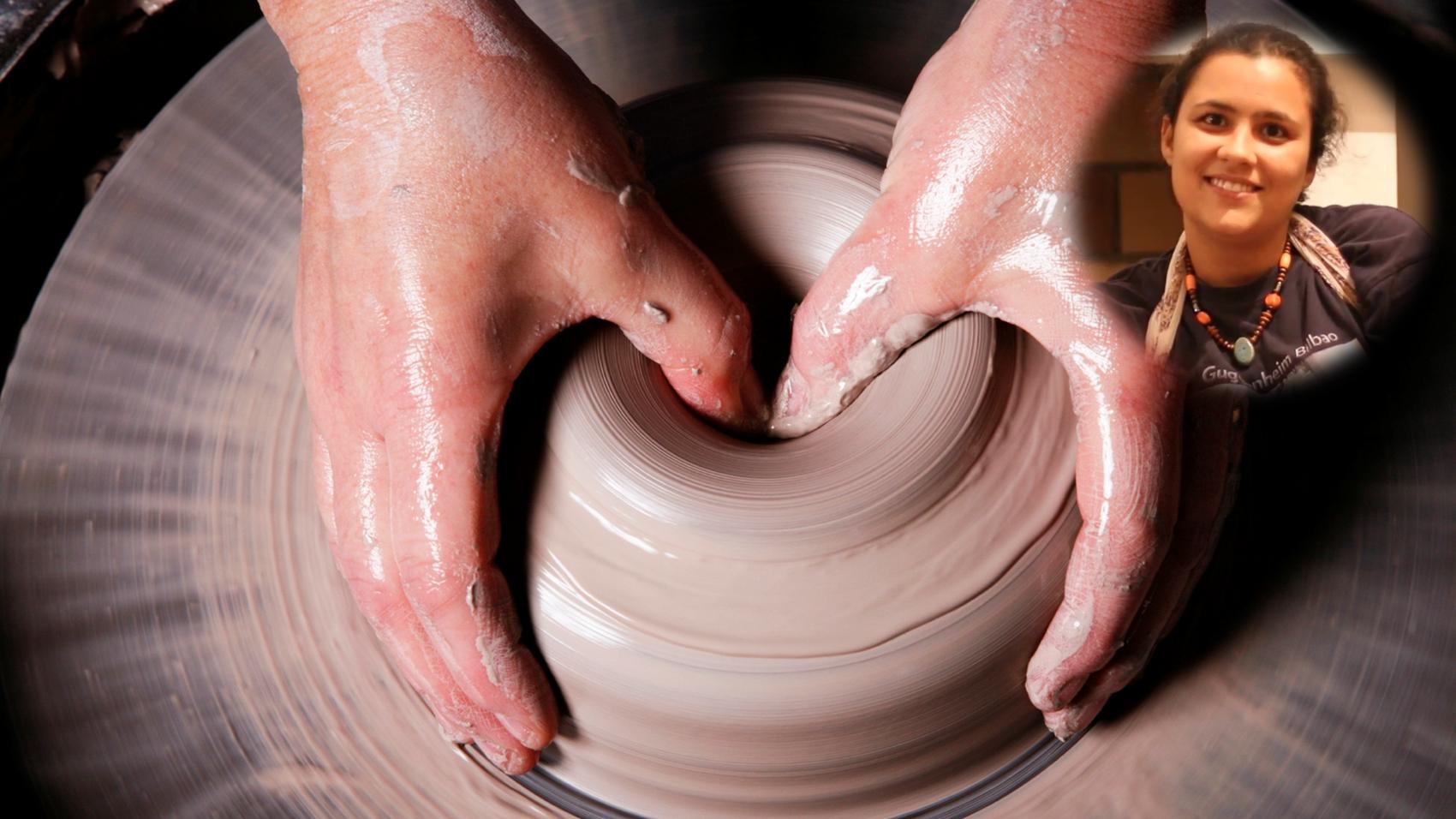


Career in Pottery
Pottery
Ana Chhaya
Pottery Artist | Various Creative Assignments
[ 30 years Experience ]

Pottery is a profession where you work with clay which is a natural material found in nature or on earth. Clay is a widely used material since ancient times which is commonly used in our day to day lives in the forms of plates, pans, cups and even sculptures.

"I am half Indian and half Brazilian and I have been an Artist in Pottery since 1987. I pursued my Bachelors in Fine Arts from Brazil and Masters in Sculpture M S University of Baroda, India, and I have been a Freelancer."


Career Counselling 2.0 Career Counselling 2.0 Career Counselling 2.0 Career Counselling 2.0 Career Counselling 2.0


Career in Real Estate Consulting
Real Estate Consulting
Utkarsh Kumar
Owner | Xpress Realtors
[ 8 years & 5 months Experience ]

Real estate consultants and realtors play very different roles in the housing market, though their duties and responsibilities might overlap at times. A consultant usually advises clients on building or investment activities in the market. A realtor helps clients buy or sell properties.

"After doing my schooling from Noida, I did my graduation in International Business Management from Symbiosis International University and after that I did few courses in marketing. I am the founder of Xpress Realtors."


Career Counselling 2.0 Career Counselling 2.0 Career Counselling 2.0 Career Counselling 2.0 Career Counselling 2.0


Career in Floristry
Floristry
Priyanka Thakur
Principal Floriculturist | Dr Y S Parmar University of Horticulture & Forestry
[ 17 years & 6 months Experience ]

Floristry is the production, commerce and trade in flowers. It encompasses flower care and handling, floral design, or flower arranging, merchandising, and display and flower delivery.

"After doing my B Sc in Horticulture and M Sc in Floriculture & Landscaping, I did my PhD in Floriculture & Landscaping from Dr. Y S Parmar University. I am working as a Principal Floriculturist at Dr. Y S Parmar University of Horticulture & Forestry."


Career Counselling 2.0 Career Counselling 2.0 Career Counselling 2.0 Career Counselling 2.0 Career Counselling 2.0


Career in Automobile Repairing
Automobile Repairing
Navjot Singh Soi
Owner | Soi Engineering Works
[ 8 years & 4 months Experience ]

Automobile repairing is repairing of automobiles by auto mechanics and technicians.

"I have done B Com from HNB Garhwal University. I joined my family business, Soi Engineering Works right after school and since then have worked hard to expand the business."


Career Counselling 2.0 Career Counselling 2.0 Career Counselling 2.0 Career Counselling 2.0 Career Counselling 2.0


Career in Real Estate Consulting
Real Estate Consulting
Kapil Dev Sharma
Vice President Sales & Marketing | Satya Developers Private Limited
[ 17 years & 8 months Experience ]

Real estate consulting or a consultancy firm is a business of one or more expert professionals who provide expert advice in a particular area. A real estate consultant is a unique role involved in the process of purchasing or selling properties. consultants are optional for clients; however, you can provide clients with value-added services, including asset management, market analysis, modeling and lease management.

"After doing my schooling from Air Force School, Agra. I did BBA from Agra University and soon after I pursued MBA in Marketing & Sales from IIM, Kolkata. I have done various diploma & certifications in real estate as well as sales, marketing and communications. I have worked with many companies named Spaze Towers Private Limited, Orries Infrastructure Private Limited and Vatika Group, Gurugram for more than a decade. I was responsible for driving sales for Residential & Commercial Sales.I have got an expertise in Team Training & Development, Setting up Sales process, Planning and Execution of Business Ideas to generate Revenue for the Group, Cultivating existing and motivating new Channel Partners to promote the Company's projects, Extensive Marketing Planning keeping in mind the Company's Brand Image, Maintaining Inter & Intra Department Coordination for the smooth functioning of Sales Department, Delegation of responsibility and seeking accountability from the team on various aspects of operations in the Sales, Managing day to day complexities and handling Broker Grievances if any. Since 2016 I have been working as a Vice President Sales & Marketing for Satya Developers Private Limited (Satya Group), Gurugram."


Career Counselling 2.0 Career Counselling 2.0 Career Counselling 2.0 Career Counselling 2.0 Career Counselling 2.0


Career in Pest Control
Pest Control
Ajay Sharma
Owner | Pest Control Professionals
[ 9 years & 5 months Experience ]

Pest control is the regulation or management of a species defined as a pest, a member of the animal kingdom that adversely impacts on human activities.

"After completing my MBA, I did a 15 days course in Pest Management & Fumigation from Indian Grain Storage Management. After completing my education, I worked with a Pest Control Company for 4 years. In 2013, I founded a Pest Control Company called Pest Control Professionals."


Career Counselling 2.0 Career Counselling 2.0 Career Counselling 2.0 Career Counselling 2.0 Career Counselling 2.0


Career in Pottery
Pottery
Kamal Deep Singh
Potter | Various Assignments
[ 15 years Experience ]

Pottery is the ceramic material which makes up pottery wares, of which major types include earthenware, stoneware and porcelain.

"After my education, I learned pottery from a Potter in Kumhar Mandi, Dehradun. I am teaching pottery in various schools and activity centre since 2002."


Career Counselling 2.0 Career Counselling 2.0 Career Counselling 2.0 Career Counselling 2.0 Career Counselling 2.0


Career in Upholstery
Upholstery
Mohammad Fayyaz
Upholsterer | Various Assignments
[ 7 years & 7 months Experience ]

Upholstery is the work of providing furniture, especially seats, with padding, springs, webbing, and fabric or leather covers

"I did my Schooling till class 10 from Najibabad, UP. Then I did a course in mobile repairing and worked in this field at Intech Services, Allahabad. In 2014 I changed careers and got into upholstery and sofa repairing work."


Career Counselling 2.0 Career Counselling 2.0 Career Counselling 2.0 Career Counselling 2.0 Career Counselling 2.0


Career in Quilting
Quilting
Gunabati Singha
Quilter | Himalayan Tapestry
[ 10 years & 6 months Experience ]

Quilting is the process of sewing two or more layers of fabric together to make a thicker padded material, usually to create a quilt or quilted garment. Typically quilting is done with three layers, the top fabric or quilt top, batting or insulating material and backing material, but many different styles are adopted.

"After doing my schooling from Assam, I did my graduation from Nehru College, Assam. I was teaching English to small children in Assam thereafter came to Dehradun and have been working with Himalayan Tapestry as a Quilter since 2008."


Career Counselling 2.0 Career Counselling 2.0 Career Counselling 2.0 Career Counselling 2.0 Career Counselling 2.0


Career in Crochet Making
Crochet Making
Rita Sharma
Crochet Maker | Various Creative Assignments
[ 7 years & 5 months Experience ]

Crochet is a process of creating fabric by interlocking loops of yarn, thread, or strands of other materials using a crochet hook.

"I did my Schooling from Vyara, Gujrat.After my marriage I found a lot of spare time and started Crochet. I have been doing Crochet work professionally since 2011."


Career Counselling 2.0 Career Counselling 2.0 Career Counselling 2.0 Career Counselling 2.0 Career Counselling 2.0


Career in Handicrafts Design
Handicrafts Design
Pathik Chaudhary
Head | Tantuk Himalaya Pragati Samiti
[ 5 years & 1 month Experience ]

Handicraft, as artisanal handicraft or handmade, is any of a wide variety of types of work where useful and decorative objects are made completely by hand or by using only simple tools. It is a traditional main sector of craft, and applies to a wide range of creative and design activities that are related to making things with one's hands and skill, including work with textiles, moldable and rigid materials, paper, plant fibers, etc.

"After completing my Schooling from Ryan International School, I finished my Graduation from IICD, Jaipur. I then worked with Rang Sutra in Varanasi which is a UNPD Project."


Career Counselling 2.0 Career Counselling 2.0 Career Counselling 2.0 Career Counselling 2.0 Career Counselling 2.0


Career in Wood Crafting
Wood Crafting
Tanvi Chandra
Owner | Vibgyor Handicrafts
[ 11 years & 5 months Experience ]

Skill in shaping or constructing articles from wood

"I did my Schooling from Sophia, Meerut. After that I did my Graduation from College of Arts, Chandigarh. I have worked with various Advertising Companies. I Started Vibgyor Handicrafts in 2007."


Career Counselling 2.0 Career Counselling 2.0 Career Counselling 2.0 Career Counselling 2.0 Career Counselling 2.0


Career in Cutting & Tailoring
Cutting & Tailoring
Pratibha Upadhyay
Cutter & Tailor | Himalayan Tapestry
[ 12 years & 6 months Experience ]

Tailoring is a diverse crafting profession which allows players to use various cloths and other reagents to craft clothes.

"After doing my schooling from MKP Dehradun, I did my BA from DBS. Thereafter I did a diploma in Cutting & Tailoring from ITI. I am working with Himalayan Tapestry since 2006."


Career Counselling 2.0 Career Counselling 2.0 Career Counselling 2.0 Career Counselling 2.0 Career Counselling 2.0


[Install the LifePage App to access all Talks]


<?php echo $altimage; ?>


<?php echo $altimage; ?>


&mbsp;


Career Counselling 2.0 | Home   Home  
Career Counselling 2.0 | Abroad   Abroad  
Career Counselling 2.0 | Plan   Plan  
Career Counselling 2.0 | Talks   Talks  
Career Counselling 2.0 | Philosophy   Philosophy  
Career Counselling 2.0 | Seminar   Seminar  
Career Counselling 2.0 | Workshop   Workshop  
Career Counselling 2.0 | Pages   Pages  
Career Counselling 2.0 | Advisors   Advisors  
Career Counselling 2.0 | Discuss   Discuss  
Career Counselling 2.0 | Meet   Meet  
Career Counselling 2.0 | Advisor   Advisor  
Career Counselling 2.0 | Story   Story  
Career Counselling 2.0 | Fine Print   Fine Print  
Career Counselling 2.0 | Links   Links  
Career Counselling 2.0 | Blog   Blog  
Career Counselling 2.0 | Testimonials   Testimonials  
Career Counselling 2.0 | Follow   Follow  
 
[ Site Visits ]


Career Counselling 2.0