Career Counselling 2.0 HomeHomeCareer Counselling 2.0 AbroadAbroadCareer Counselling 2.0 PlanPlanCareer Counselling 2.0 | TalksTalksCareer Counselling 2.0 PhilosophyPhilosophyCareer Counselling 2.0 SeminarSeminarCareer Counselling 2.0 PagesPagesCareer Counselling 2.0 AdvisorsAdvisorsCareer Counselling 2.0 TestimonialsTestimonials

Quilting

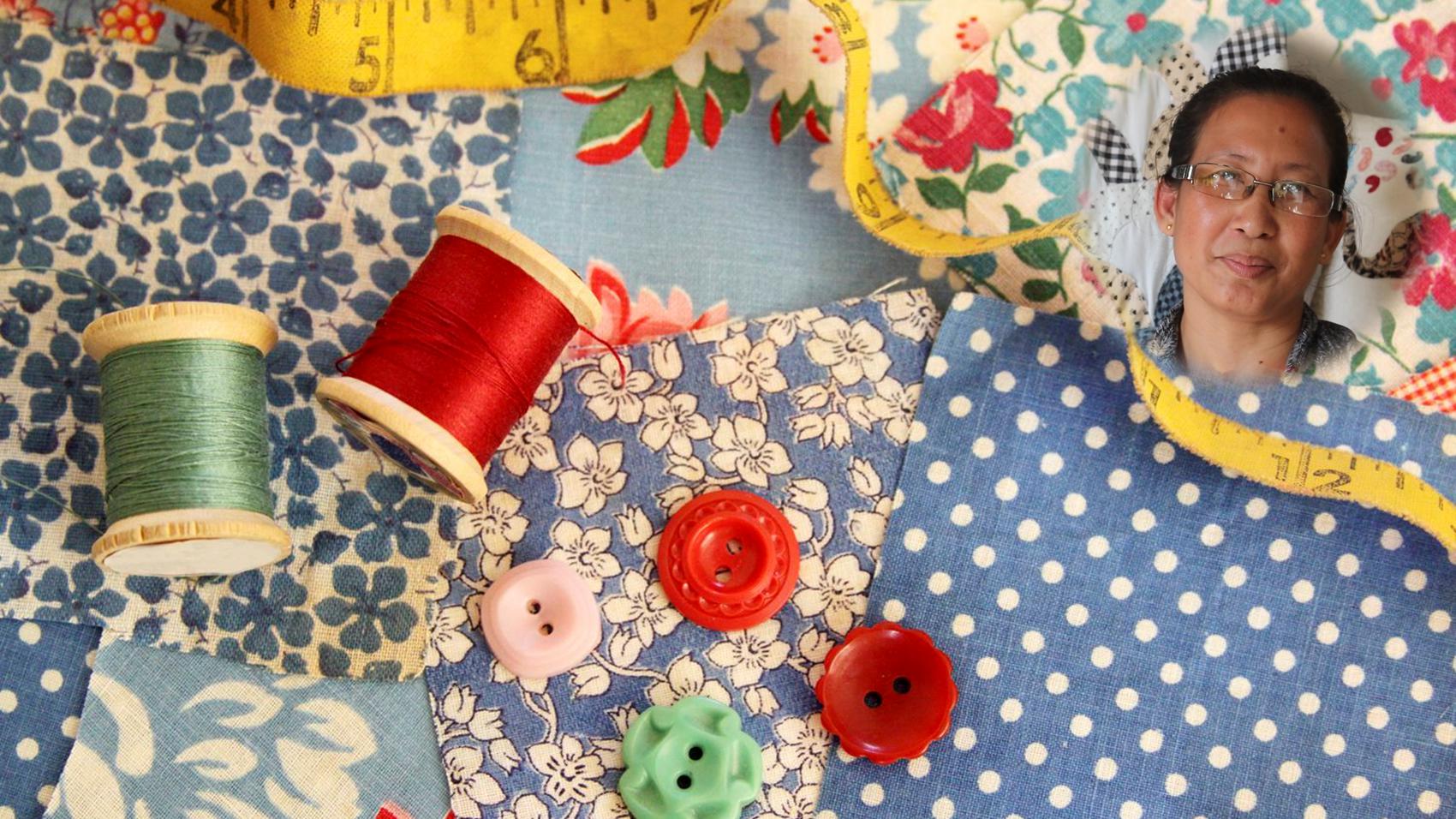
Quilter Gunabati Singha talks about Quilting course, what is Quilting and other details about a Career in Quilting.


Quilting

Gunabati Singha | Quilter | Himalayan Tapestry


What is Quilting?


There are many nuances of a Career in Quilting. One should first understand What a Career in Quilting entails before investing time and effort to figure out How to start a Career in Quilting. The internet is a great source of information on Quilting, but it is second best to learning about the same from a real professional.

Quilter Gunabati Singha is an experienced professional with 10 years & 6 months in Quilting. According to Quilter Gunabati Singha, Quilting is:

Quilting is the process of sewing two or more layers of fabric together to make a thicker padded material, usually to create a quilt or quilted garment. Typically quilting is done with three layers, the top fabric or quilt top, batting or insulating material and backing material, but many different styles are adopted.


How Quilter Gunabati Singha got into Quilting?


After doing my schooling from Assam, I did my graduation from Nehru College, Assam. I was teaching English to small children in Assam thereafter came to Dehradun and have been working with Himalayan Tapestry as a Quilter since 2008.


Quilter Gunabati Singha's Talk on Quilting


Session Image
The Journey of Quilting


What Is Quilting


Quilting

### Quilting Image
What is
Quilting is the craft and art of stitching together layers of fabric, typically a top, batting, and backing, to create a padded textile. This process can be done by hand or machine and often involves intricate patterns, decorative stitching, and creative design to produce functional or artistic quilts.

Concept
Quilting holds significant value both as a traditional craft and a modern artistic pursuit. For professionals, it offers a unique blend of creativity, technical skill, and entrepreneurship. The craft preserves cultural heritage, fosters community through shared projects and exhibitions, and provides a sustainable career path through custom commissions and teaching opportunities. Quilters often find deep personal satisfaction in transforming fabric into meaningful works of art, while also contributing to the local economy by selling quilts, patterns, and supplies. The therapeutic nature of quilting can also enhance well-being, making it a rewarding profession that combines artistry, history, and practical skill.

Real World Example
A professional quilter might receive a commission to create a custom memory quilt using clothing from a client’s loved one. The quilter consults with the client to select meaningful fabrics and discuss design preferences. They then carefully cut, piece, and stitch the fabrics together, incorporating personalized touches such as embroidery or appliqué. Throughout the process, the quilter applies advanced techniques to ensure durability and aesthetic appeal, often using a long-arm quilting machine for intricate patterns. Upon completion, the finished quilt serves as a cherished keepsake, reflecting both the client’s memories and the quilter’s craftsmanship. This example highlights how quilting professionals blend technical expertise with emotional storytelling in their work.

Education


Designing

### Designing Image
What is
Designing in quilting refers to the creative process of planning, conceptualizing, and arranging visual elements such as patterns, colors, and fabrics to produce a cohesive quilt. It is a fundamental discipline that bridges artistic vision with technical execution, forming a critical part of both academic study and professional practice in quilting.

Concept
Understanding designing is essential for anyone pursuing quilting, as it underpins every stage of quilt creation, from initial concept to finished product. Mastery of design principles enables quilters to make informed choices about color harmony, pattern balance, and fabric selection, ensuring their work is both visually appealing and structurally sound. This knowledge forms the backbone of professional quilting, allowing practitioners to innovate, solve problems creatively, and adapt traditional techniques to contemporary trends. Over time, a strong grasp of designing enhances a quilter’s reputation, opens doors to advanced opportunities such as teaching or exhibiting, and fosters the ability to collaborate with clients or other artists, making it a cornerstone of long-term career growth in the field.

Real World Example
Consider a professional quilter tasked with creating a custom quilt for a client’s special occasion. Drawing on their understanding of designing, the quilter begins by discussing the client’s preferences and the intended use of the quilt. They then sketch several layout options, thoughtfully selecting color schemes and fabric types that reflect the client’s vision while ensuring durability and comfort. Throughout the process, the quilter applies design principles to balance visual interest and functionality, adjusting patterns and motifs as needed. This theoretical foundation in designing allows the quilter to confidently guide the project from concept to completion, resulting in a unique, meaningful quilt that satisfies both aesthetic and practical requirements.

Machines

### Machines Image
What is
Machines, in the context of quilting, refer to the mechanical devices and tools—primarily sewing machines—used to assemble, stitch, and finish quilts. Understanding machines encompasses knowledge of their components, operation, maintenance, and troubleshooting. This subject is essential in both academic study and professional practice within the quilting field.

Concept
A thorough understanding of machines is vital for anyone pursuing a career in quilting because these devices are the backbone of modern quilt production. Mastery of machine operation allows quilters to work efficiently, achieve consistent results, and experiment with advanced techniques such as free-motion quilting or intricate embroidery. Knowledge of machine maintenance and troubleshooting minimizes downtime and extends equipment lifespan, which is crucial for both hobbyists and professionals. As quilting evolves with technology, staying updated on machine advancements ensures continued relevance and competitiveness in the field. Ultimately, proficiency with machines empowers quilters to bring their creative visions to life while maintaining high standards of craftsmanship and productivity.

Real World Example
Consider a professional quilter preparing a custom quilt for a client with a tight deadline. Their expertise in machines enables them to select the appropriate sewing machine settings for different fabric types, ensuring smooth stitching and precise patterns. When the machine unexpectedly jams, their theoretical knowledge allows for quick diagnosis and resolution, preventing costly delays. They also perform routine maintenance, such as cleaning and oiling, to keep the machine running optimally throughout the project. By leveraging their understanding of machines, the quilter not only meets the client’s expectations for quality and timeliness but also maintains the reliability and efficiency of their quilting practice.

Types of Cloth

### Types of Cloth Image
What is
Types of Cloth refers to the classification and characteristics of various fabrics, including their fiber content, weave, texture, and durability. In quilting, understanding these distinctions is essential, as fabric choice directly impacts the construction, appearance, and longevity of a quilt. This knowledge is fundamental in both academic study and professional practice.

Concept
A deep understanding of types of cloth is crucial for anyone pursuing quilting, whether as a hobbyist or a professional. The selection of fabric influences not only the visual appeal but also the structural integrity and tactile experience of the finished quilt. Professionals must be able to distinguish between cotton, linen, silk, and synthetic blends, recognizing how each behaves during cutting, piecing, and washing. Mastery of fabric types enables quilters to make informed decisions that prevent common issues such as shrinkage, color bleeding, or fraying. Over time, this expertise enhances efficiency, reduces costly mistakes, and builds a reputation for quality craftsmanship, all of which are essential for long-term success in the quilting industry.

Real World Example
Consider a professional quilter tasked with creating a custom heirloom quilt for a client. Drawing on their knowledge of types of cloth, the quilter selects high-quality, tightly woven cotton for the quilt top, ensuring durability and ease of handling. For the backing, they choose a soft, breathable muslin that complements the quilt’s intended use. During assembly, the quilter anticipates how each fabric will respond to stitching and laundering, adjusting their techniques accordingly to prevent puckering or distortion. By applying their theoretical understanding of fabric properties, the quilter delivers a finished product that meets the client’s expectations for comfort, appearance, and longevity, demonstrating the practical value of mastering types of cloth in daily quilting operations.

Threads

### Threads Image
What is
Threads are slender strands of fiber, typically made from cotton, polyester, silk, or blends, used to stitch fabrics together in quilting. Understanding threads is essential in quilting, as their properties—such as strength, thickness, and finish—directly affect the durability, appearance, and overall quality of a quilt. Mastery of threads is fundamental in both academic study and professional practice.

Concept
A thorough understanding of threads is vital for anyone pursuing quilting, whether as a hobbyist or a professional. Knowledge of thread types, weights, and fiber content allows quilters to make informed decisions that impact the structural integrity and visual appeal of their work. Professionals must select threads that complement fabric choices, withstand repeated use, and enhance the design. This foundational knowledge supports advanced techniques, such as free-motion quilting or decorative stitching, and ensures consistent, high-quality results. Over time, expertise in threads enables quilters to troubleshoot issues, innovate with new materials, and maintain a reputation for craftsmanship. Mastery of threads is a long-term asset, opening doors to teaching, product development, and leadership roles within the quilting community.

Real World Example
Consider a professional quilter tasked with creating a commemorative quilt for a client. Drawing on their theoretical understanding of threads, the quilter evaluates the fabric’s weight and color palette, then selects a high-quality, colorfast cotton thread that matches the quilt’s intended use and aesthetic. During assembly, the quilter adjusts the sewing machine’s tension settings to accommodate the chosen thread, ensuring smooth, even stitches that will endure frequent washing. When adding intricate quilting motifs, the quilter opts for a finer thread to achieve delicate detail without overpowering the design. This thoughtful application of thread knowledge results in a quilt that is not only visually stunning but also durable and functional, reflecting the quilter’s professionalism and expertise.

Skills


Patience

### Patience Image
What is
Patience is the ability to remain calm, composed, and persistent when faced with delays, challenges, or repetitive tasks, without becoming frustrated or discouraged. In quilting, patience is a vital skill that allows professionals to carefully plan, measure, cut, and stitch, ensuring precision and high-quality results in every project.

Concept
Patience directly enhances a quilter’s performance by allowing them to focus on intricate details, avoid mistakes, and maintain consistency throughout lengthy projects. Clients and employers value this trait because it leads to beautifully crafted quilts that meet high standards and deadlines without sacrificing quality. Cultivating patience involves practicing mindfulness, setting realistic expectations, and embracing the learning process. Over time, quilters learn to appreciate the journey as much as the finished product, understanding that each step, no matter how small or repetitive, contributes to the overall success. Regularly challenging oneself with complex patterns and taking breaks when needed can also help build resilience and a patient mindset.

Real World Example
Imagine a professional quilter working on a custom heirloom quilt with an intricate patchwork design. Midway through, they discover that several pieces have been sewn incorrectly, threatening the symmetry of the entire quilt. Instead of rushing to fix the mistake or becoming overwhelmed, the quilter patiently unpicks the stitches, carefully remeasures the fabric, and resews each section with precision. This deliberate, patient approach not only salvages the project but also ensures the final quilt meets the client’s expectations for quality and craftsmanship. By relying on patience, the quilter transforms a potential setback into an opportunity for excellence, reinforcing their reputation for reliability and skill.

Ideas

### Ideas Image
What is
"Ideas" refers to the ability to generate original concepts, envision creative solutions, and adapt traditional techniques to new contexts. In quilting, this skill enables professionals to design unique patterns, select innovative color combinations, and solve design challenges, making their work stand out and resonate with clients or audiences.

Concept
The skill of generating ideas directly enhances a quilter’s performance by fostering originality and adaptability in every project. Clients and employers highly value this ability because it leads to distinctive, personalized quilts that reflect individual stories or themes, setting the work apart in a competitive market. Cultivating this skill involves regularly seeking inspiration from art, nature, and other crafts, as well as experimenting with new materials and methods. Over time, engaging in creative exercises, collaborating with other quilters, and staying curious about emerging trends helps professionals refine their ability to generate and implement fresh ideas, ensuring their work remains relevant and compelling.

Real World Example
Imagine a professional quilter tasked with creating a commemorative quilt for a community event, but the available fabrics are limited and lack cohesion. Relying on their skill with ideas, the quilter envisions a patchwork design that incorporates symbolic shapes and creative stitching techniques to unify the disparate materials. By reimagining the use of color and texture, they transform the challenge into an opportunity for innovation, ultimately delivering a quilt that not only meets the client’s needs but also tells a meaningful story. This scenario highlights how the ability to generate and apply ideas is crucial for overcoming obstacles and achieving success in quilting.

Concentration power

### Concentration power Image
What is
Concentration power is the ability to focus mental energy and attention on a single task or detail for an extended period, minimizing distractions and maintaining accuracy. In quilting, this skill is vital for executing intricate patterns, ensuring precise stitching, and avoiding costly mistakes, making it indispensable for professional success.

Concept
Concentration power directly enhances a quilter’s performance by enabling them to maintain accuracy during complex tasks such as cutting fabric, aligning seams, and following detailed patterns. Clients and employers highly value this skill because it leads to consistently high-quality work, fewer errors, and efficient project completion. A quilter with strong concentration can manage large projects without losing track of small but crucial details, which is essential for meeting deadlines and client expectations. Cultivating concentration power involves regular practice, creating a distraction-free workspace, and developing routines that help maintain focus. Over time, mindfulness techniques and deliberate practice can significantly improve a quilter’s ability to concentrate, resulting in greater professional reliability and artistic achievement.

Real World Example
Imagine a professional quilter working on a commissioned quilt featuring a complex geometric design with hundreds of small pieces. Midway through the project, the quilter notices a subtle misalignment that, if left uncorrected, would disrupt the entire pattern. Drawing on their concentration power, the quilter carefully retraces their steps, identifies the source of the error, and methodically corrects it without compromising the surrounding work. Their ability to maintain focus throughout this process ensures the final quilt meets the client’s high expectations for precision and beauty. This scenario highlights how concentration power enables quilters to navigate challenges, uphold quality standards, and achieve success in demanding projects.

Positives


Satisfying Job

### Satisfying Job Image
What is
A "Satisfying Job" is a role that provides a deep sense of accomplishment, personal fulfillment, and joy through meaningful work, creative expression, and tangible results. In quilting, this satisfaction emerges from transforming fabric into beautiful, functional art, allowing professionals to see the direct impact of their skills and creativity.

Concept
The sense of satisfaction in quilting is a powerful motivator that enriches both personal and professional life. When quilters feel fulfilled by their work, they are more likely to approach each project with enthusiasm and dedication. This positive outlook fosters continuous growth, as quilters eagerly seek new techniques and creative challenges. The daily experience of completing a quilt, witnessing the transformation from raw materials to a finished piece, reinforces a sense of purpose and pride. This ongoing cycle of achievement not only boosts job satisfaction but also encourages long-term commitment to the craft, making quilting a deeply rewarding career choice.

Real World Example
Imagine a professional quilter who spends weeks designing and stitching a custom quilt for a client’s special occasion. As the final stitches are sewn and the quilt is revealed, the quilter experiences a profound sense of accomplishment, knowing their creativity and effort have produced something unique and cherished. The client’s heartfelt appreciation and emotional response further amplify this satisfaction, reminding the quilter of the meaningful impact their work has on others. This daily fulfillment, derived from both the creative process and the joy their creations bring, exemplifies how a satisfying job in quilting can transform routine work into a source of lasting pride and happiness.

Independent

### Independent Image
What is
"Independent" in quilting means having the freedom to make creative decisions, set personal goals, and manage one’s own workflow without external constraints. This autonomy allows quilters to explore their unique artistic visions, experiment with techniques, and build a career that reflects their individuality and passion for the craft.

Concept
The independent nature of quilting is a powerful driver of job satisfaction and professional growth. When quilters control their creative process, they experience a deep sense of ownership and pride in their work. This autonomy fosters innovation, as quilters are free to try new patterns, materials, and methods without needing approval from others. The ability to set one’s own schedule and pace also leads to a healthier work-life balance, reducing stress and increasing motivation. Every day, quilting professionals enjoy the satisfaction of seeing their ideas come to life, knowing that their success is a direct result of their own initiative and creativity. This independence not only nurtures personal fulfillment but also encourages continuous learning and self-improvement.

Real World Example
Consider a professional quilter who decides to design a series of quilts inspired by local landscapes. Working independently, she selects her own fabrics, sketches original patterns, and experiments with stitching techniques that capture the textures and colors of nature. Without the limitations of a rigid corporate structure or external directives, she is free to follow her inspiration wherever it leads. As she completes each quilt, she feels a profound sense of accomplishment, knowing that every decision was hers alone. Her independence allows her to showcase her authentic voice at exhibitions and connect with clients who appreciate her distinctive style. This daily experience of creative freedom and self-direction makes her quilting career deeply rewarding.

Challenges


Initial Struggle

### Initial Struggle Image
What is
Initial Struggle in quilting refers to the early phase when professionals grapple with mastering essential techniques, understanding fabric behavior, and achieving precision. This period is demanding because it tests patience, requires repeated practice, and often results in mistakes that can be discouraging, making it difficult to build confidence and momentum.

Concept
The initial struggle in quilting can significantly affect daily work by slowing progress, increasing frustration, and sometimes leading to self-doubt. Tasks that seem simple, such as cutting fabric accurately or achieving consistent stitching, may take much longer and yield imperfect results. This phase demands resilience because setbacks are frequent, and the learning curve is steep. Successful professionals manage this constraint by embracing mistakes as learning opportunities, seeking guidance from more experienced quilters, and dedicating time to deliberate practice. They often set realistic expectations, celebrate small improvements, and gradually build their skills. Over time, persistence transforms these early challenges into valuable experience, laying a strong foundation for more advanced quilting work.

Real World Example
Consider a professional quilter who, early in their career, struggled with piecing quilt blocks accurately. Each attempt resulted in uneven seams and mismatched corners, leading to frustration and doubts about their abilities. Instead of giving up, they decided to analyze their process, watched instructional videos, and reached out to a local quilting group for advice. By practicing consistently and accepting that mistakes were part of the journey, they gradually improved their technique. Over several months, their blocks became more precise, and their confidence grew. This experience not only enhanced their technical skills but also taught them the importance of patience and perseverance in overcoming the initial struggle inherent in quilting.

Practice

### Practice Image
What is
In quilting, "Practice" refers to the ongoing, deliberate repetition of techniques and skills essential for mastering intricate patterns, precise stitching, and fabric handling. This process is demanding because it requires patience, sustained focus, and a willingness to learn from mistakes, often without immediate visible improvement or reward.

Concept
The challenge of consistent practice in quilting can lead to frustration, fatigue, and self-doubt, especially when progress feels slow or mistakes are frequent. This difficulty impacts daily work by making it harder to maintain motivation and confidence, particularly during complex projects or when learning new methods. Resilience becomes crucial, as professionals must push through periods of stagnation and embrace the learning curve. Successful quilters manage this constraint by setting aside dedicated time for skill-building, seeking feedback from peers, and celebrating small milestones. They understand that mastery is a gradual process and view each session as an opportunity for growth, rather than a test of perfection. This mindset helps them stay engaged and continually improve, despite the inherent challenges of practice.

Real World Example
Consider a professional quilter preparing for a national competition who struggles with mastering free-motion quilting. Initially, her stitches are uneven and her designs lack fluidity, leading to frustration and self-criticism. Instead of giving up, she commits to practicing for thirty minutes each day, focusing on one technique at a time. She documents her progress, consults online tutorials, and occasionally seeks advice from experienced peers. Over several weeks, her control and confidence grow, and her work becomes noticeably more refined. By embracing the challenge of practice and allowing herself to learn from each attempt, she not only improves her technical skills but also develops greater patience and resilience, ultimately producing a competition-worthy quilt.

A Day Of


Quilting

What is
The hum of a sewing machine blends with the soft rustle of fabric as sunlight filters through a studio window—this is the heartbeat of a quilting professional’s day. Each hour is stitched together with creativity, precision, and a deep appreciation for both tradition and innovation. Far from a solitary or static craft, quilting is a dynamic profession that demands focus, collaboration, and adaptability, as every project brings new patterns, clients, and challenges. The pace ebbs and flows, from quiet moments of design contemplation to the energetic buzz of piecing together intricate quilts, all within a workspace that feels equal parts workshop and sanctuary.

Concept
As the day begins, a quilting professional enters the studio to the familiar scent of cotton and the sight of colorful fabric stacks. The early morning is dedicated to preparing the workspace, reviewing the day’s project list, and organizing materials. This is a time for quiet reflection, sketching out design ideas, and ensuring that all tools—rotary cutters, rulers, threads—are in perfect order. The calm of these first hours sets a focused tone, allowing for a smooth transition into the creative demands ahead.

Real World Example
By mid-morning, the studio comes alive with the core work of the day. The quilting professional is fully engaged in cutting, piecing, and sewing fabric, transforming raw materials into the beginnings of a quilt. This is the most intense and rewarding part of the day, requiring sharp attention to detail and a steady hand. Whether working on a commissioned piece or developing a new pattern for a class, the hours fly by in a flurry of color, texture, and rhythmic stitching, punctuated by moments of problem-solving and bursts of inspiration.

Afternoons often bring a shift from solitary work to collaboration and execution. The quilting professional may meet with clients to discuss custom designs, consult with team members on large projects, or participate in virtual workshops with fellow quilters. This is also the time to assemble quilt tops, layer batting and backing, and prepare pieces for final quilting. The energy in the studio is collaborative and purposeful, as ideas are exchanged and projects move closer to completion.

As the day winds down, attention turns to wrapping up ongoing tasks and preparing for tomorrow’s challenges. The quilting professional reviews progress, updates project logs, and photographs finished pieces for portfolios or social media. This is also a moment for research—exploring new techniques, sourcing unique fabrics, or planning upcoming workshops. The studio gradually quiets, leaving space for reflection and anticipation, as each day’s work lays the foundation for the next creative journey.


Install the LifePage App to:


  1. (for Free) Watch Quilter Gunabati Singha’s full Quilting Career Talk

  2. ₹ Do a Self Assessment on Quilting to calculate your Dream Index, which is defined as:

    According to Gunabati Singha your chances of success in Quilting is __%

  3. Access your personalized Dream Index Report which will have all your Dream Indices sorted in descending order.

Career Counselling 2.0


<?php echo $altimage; ?>


<?php echo $altimage; ?>


How to get into

Quilting?


If you are want to get into Quilting, start by investing in a Career Plan.

The 14 hour process, guided by a LifePage Career Advisor, will help you introspect and check whether your interest in Quilting is merely an infatuation or is it truly something you wish to do for the rest of your life.

Next, your Career Advisor will help you document how you can get into Quilting, what education and skills you need to succeed in Quilting, and what positives and challenges you will face in Quilting.

Finally, you will get a Career Plan stating which Courses, Certifications, Trainings and other Items you need to do in the next 7 years to become world’s best in Quilting.


LifePage Career Plan

14 hour personalized guidance program


Your LifePage Career Advisor facilitates your guided introspection so that you systematically explore various Career options to arrive at a well thought out Career choice.

Next: your Advisor helps you figure out how you will get into your chosen Career and how will you develop the skills needed for success in your Chosen Career.

LifePage Plan will not stop at saying "to become an Architect study Architecture". It will guide you on which Certifications, Trainings and Other items you need to do along with your Architecture education to become the world's best Architect.


Links for this Talk


LifePage Career Talk on Quilting


Career Counselling 2.0
[Career]
https://www.lifepage.in/careers/quilting


Career Counselling 2.0
[Full Talk]
https://lifepage.app.link/20170909-0003


Career Counselling 2.0
[Trailer]
https://www.youtube.com/watch?v=oz6LJ0Jl6Ok


(Quilting, Gunabati Singha, Himalayan Tapestry, Quilting, Patchwork, Quilting Machines, Quilting Patterns, Quilting Fabric , Handicraft)


Similar Talks
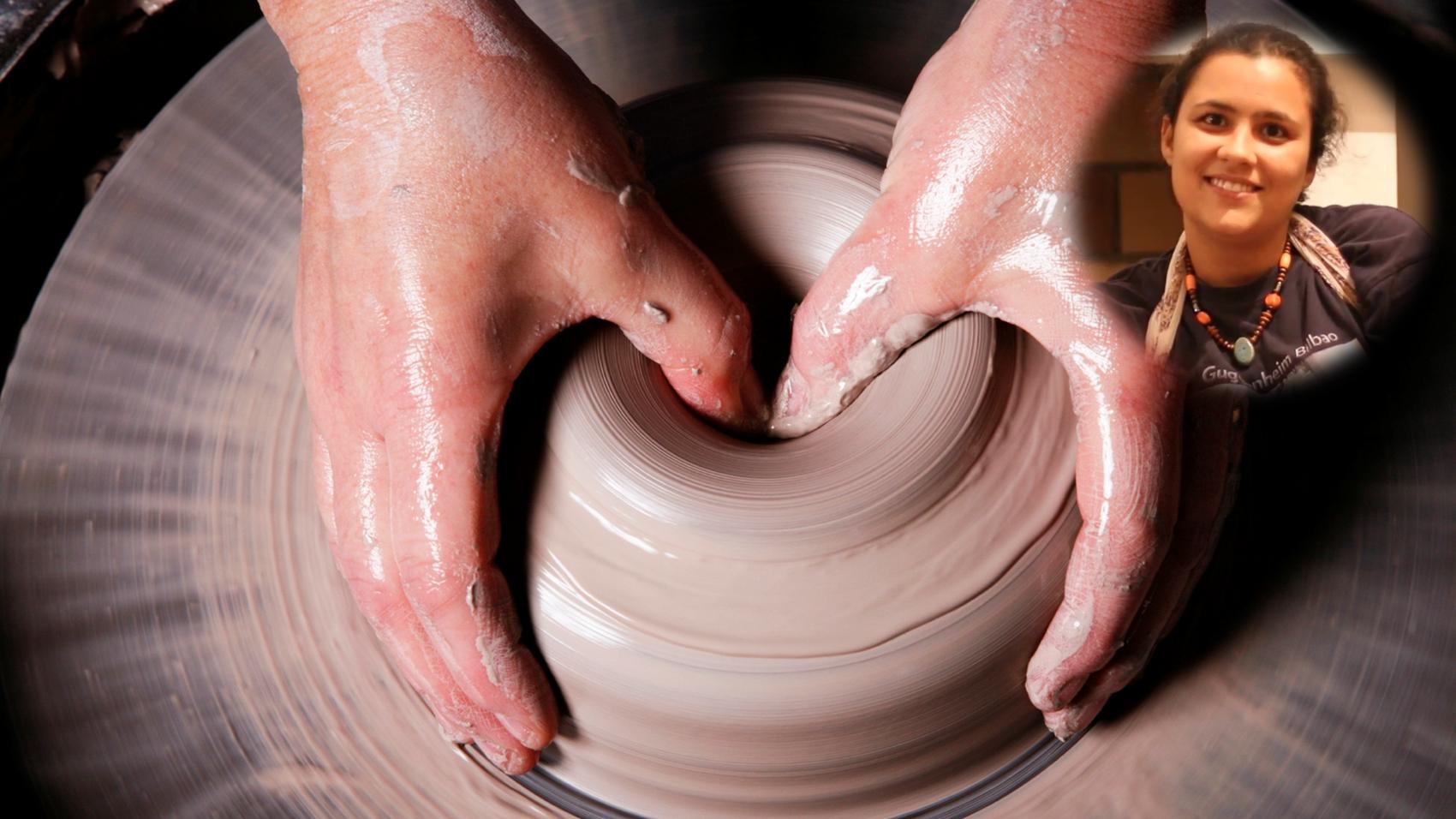


Career in Pottery
Pottery
Ana Chhaya
Pottery Artist | Various Creative Assignments
[ 30 years Experience ]

Pottery is a profession where you work with clay which is a natural material found in nature or on earth. Clay is a widely used material since ancient times which is commonly used in our day to day lives in the forms of plates, pans, cups and even sculptures.

"I am half Indian and half Brazilian and I have been an Artist in Pottery since 1987. I pursued my Bachelors in Fine Arts from Brazil and Masters in Sculpture M S University of Baroda, India, and I have been a Freelancer."


Career Counselling 2.0 Career Counselling 2.0 Career Counselling 2.0 Career Counselling 2.0 Career Counselling 2.0


Career in Embroidery
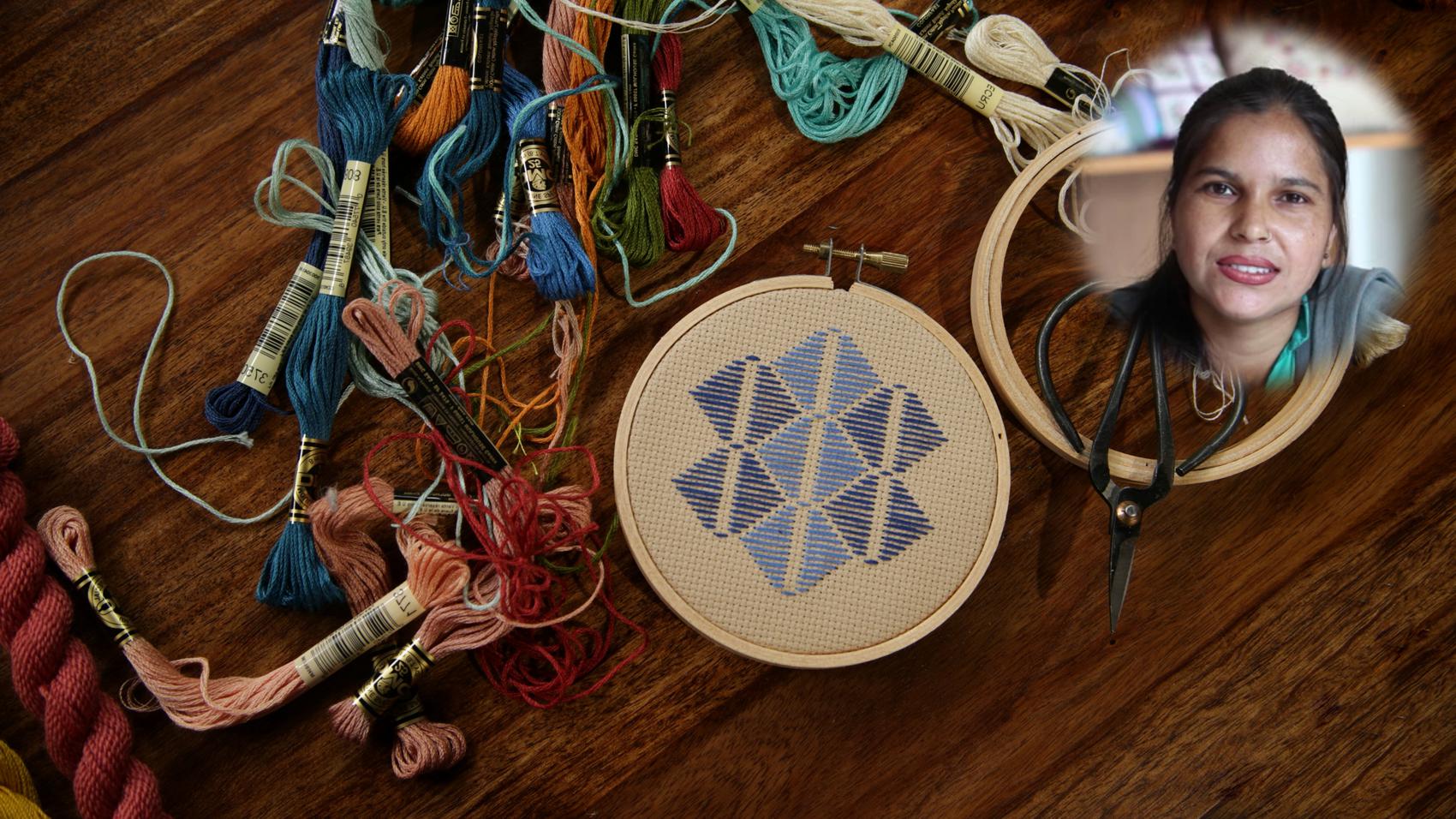
Embroidery
Rajni Jogiyal
Embroider | Himalayan Tapestry
[ 7 years & 8 months Experience ]

Embroidery is the handicraft of decorating fabric or other materials with needle and thread or yarn.

"After getting married I came to Dehradun and have been working with Himalayan Tapestry since 2011."


Career Counselling 2.0 Career Counselling 2.0 Career Counselling 2.0 Career Counselling 2.0 Career Counselling 2.0


Career in Real Estate Consulting
Real Estate Consulting
Utkarsh Kumar
Owner | Xpress Realtors
[ 8 years & 5 months Experience ]

Real estate consultants and realtors play very different roles in the housing market, though their duties and responsibilities might overlap at times. A consultant usually advises clients on building or investment activities in the market. A realtor helps clients buy or sell properties.

"After doing my schooling from Noida, I did my graduation in International Business Management from Symbiosis International University and after that I did few courses in marketing. I am the founder of Xpress Realtors."


Career Counselling 2.0 Career Counselling 2.0 Career Counselling 2.0 Career Counselling 2.0 Career Counselling 2.0


Career in Floristry
Floristry
Priyanka Thakur
Principal Floriculturist | Dr Y S Parmar University of Horticulture & Forestry
[ 17 years & 6 months Experience ]

Floristry is the production, commerce and trade in flowers. It encompasses flower care and handling, floral design, or flower arranging, merchandising, and display and flower delivery.

"After doing my B Sc in Horticulture and M Sc in Floriculture & Landscaping, I did my PhD in Floriculture & Landscaping from Dr. Y S Parmar University. I am working as a Principal Floriculturist at Dr. Y S Parmar University of Horticulture & Forestry."


Career Counselling 2.0 Career Counselling 2.0 Career Counselling 2.0 Career Counselling 2.0 Career Counselling 2.0


Career in Automobile Repairing
Automobile Repairing
Navjot Singh Soi
Owner | Soi Engineering Works
[ 8 years & 4 months Experience ]

Automobile repairing is repairing of automobiles by auto mechanics and technicians.

"I have done B Com from HNB Garhwal University. I joined my family business, Soi Engineering Works right after school and since then have worked hard to expand the business."


Career Counselling 2.0 Career Counselling 2.0 Career Counselling 2.0 Career Counselling 2.0 Career Counselling 2.0


Career in Real Estate Consulting
Real Estate Consulting
Kapil Dev Sharma
Vice President Sales & Marketing | Satya Developers Private Limited
[ 17 years & 8 months Experience ]

Real estate consulting or a consultancy firm is a business of one or more expert professionals who provide expert advice in a particular area. A real estate consultant is a unique role involved in the process of purchasing or selling properties. consultants are optional for clients; however, you can provide clients with value-added services, including asset management, market analysis, modeling and lease management.

"After doing my schooling from Air Force School, Agra. I did BBA from Agra University and soon after I pursued MBA in Marketing & Sales from IIM, Kolkata. I have done various diploma & certifications in real estate as well as sales, marketing and communications. I have worked with many companies named Spaze Towers Private Limited, Orries Infrastructure Private Limited and Vatika Group, Gurugram for more than a decade. I was responsible for driving sales for Residential & Commercial Sales.I have got an expertise in Team Training & Development, Setting up Sales process, Planning and Execution of Business Ideas to generate Revenue for the Group, Cultivating existing and motivating new Channel Partners to promote the Company's projects, Extensive Marketing Planning keeping in mind the Company's Brand Image, Maintaining Inter & Intra Department Coordination for the smooth functioning of Sales Department, Delegation of responsibility and seeking accountability from the team on various aspects of operations in the Sales, Managing day to day complexities and handling Broker Grievances if any. Since 2016 I have been working as a Vice President Sales & Marketing for Satya Developers Private Limited (Satya Group), Gurugram."


Career Counselling 2.0 Career Counselling 2.0 Career Counselling 2.0 Career Counselling 2.0 Career Counselling 2.0


Career in Pest Control
Pest Control
Ajay Sharma
Owner | Pest Control Professionals
[ 9 years & 5 months Experience ]

Pest control is the regulation or management of a species defined as a pest, a member of the animal kingdom that adversely impacts on human activities.

"After completing my MBA, I did a 15 days course in Pest Management & Fumigation from Indian Grain Storage Management. After completing my education, I worked with a Pest Control Company for 4 years. In 2013, I founded a Pest Control Company called Pest Control Professionals."


Career Counselling 2.0 Career Counselling 2.0 Career Counselling 2.0 Career Counselling 2.0 Career Counselling 2.0


Career in Pottery
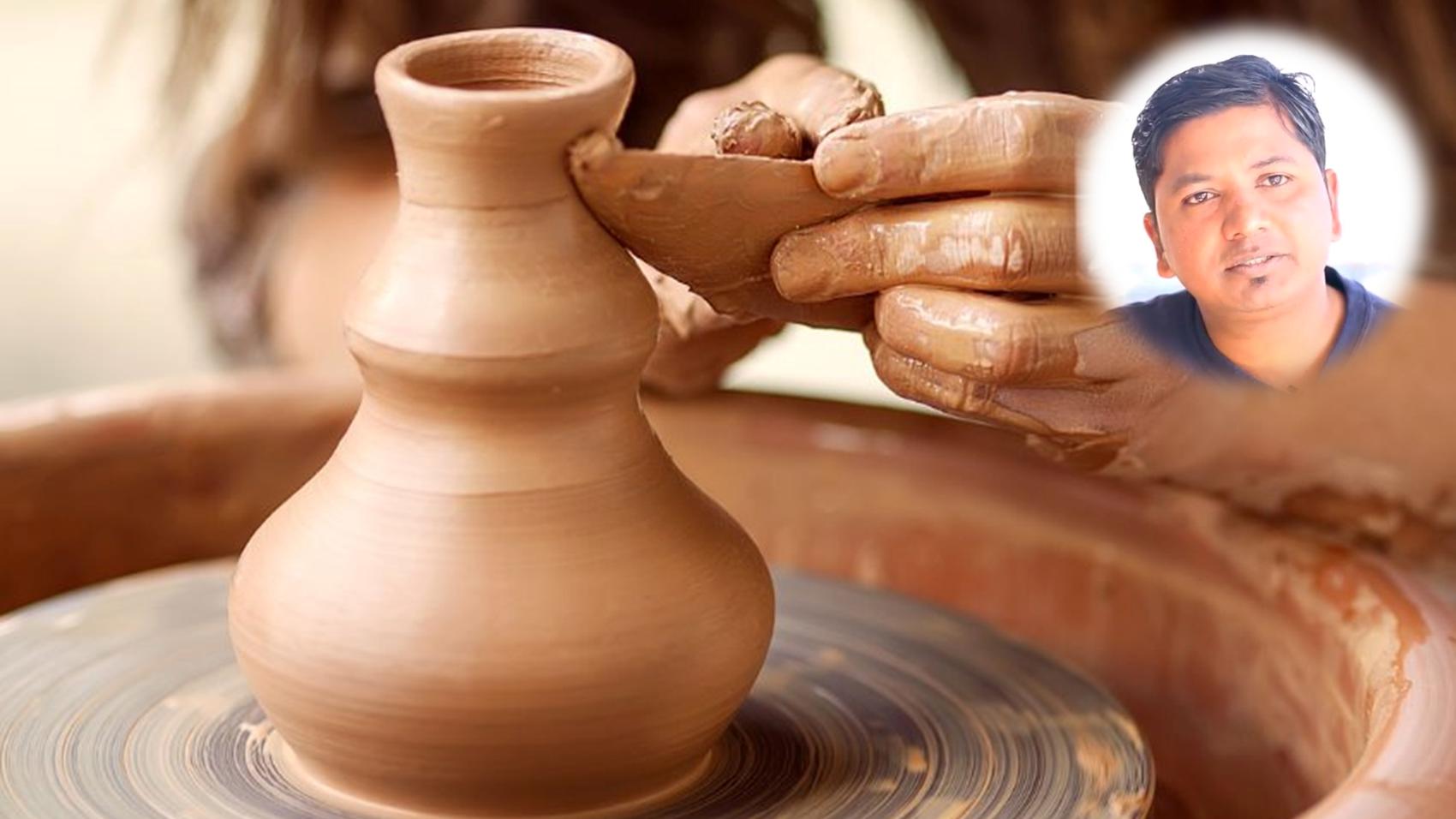
Pottery
Kamal Deep Singh
Potter | Various Assignments
[ 15 years Experience ]

Pottery is the ceramic material which makes up pottery wares, of which major types include earthenware, stoneware and porcelain.

"After my education, I learned pottery from a Potter in Kumhar Mandi, Dehradun. I am teaching pottery in various schools and activity centre since 2002."


Career Counselling 2.0 Career Counselling 2.0 Career Counselling 2.0 Career Counselling 2.0 Career Counselling 2.0


Career in Upholstery
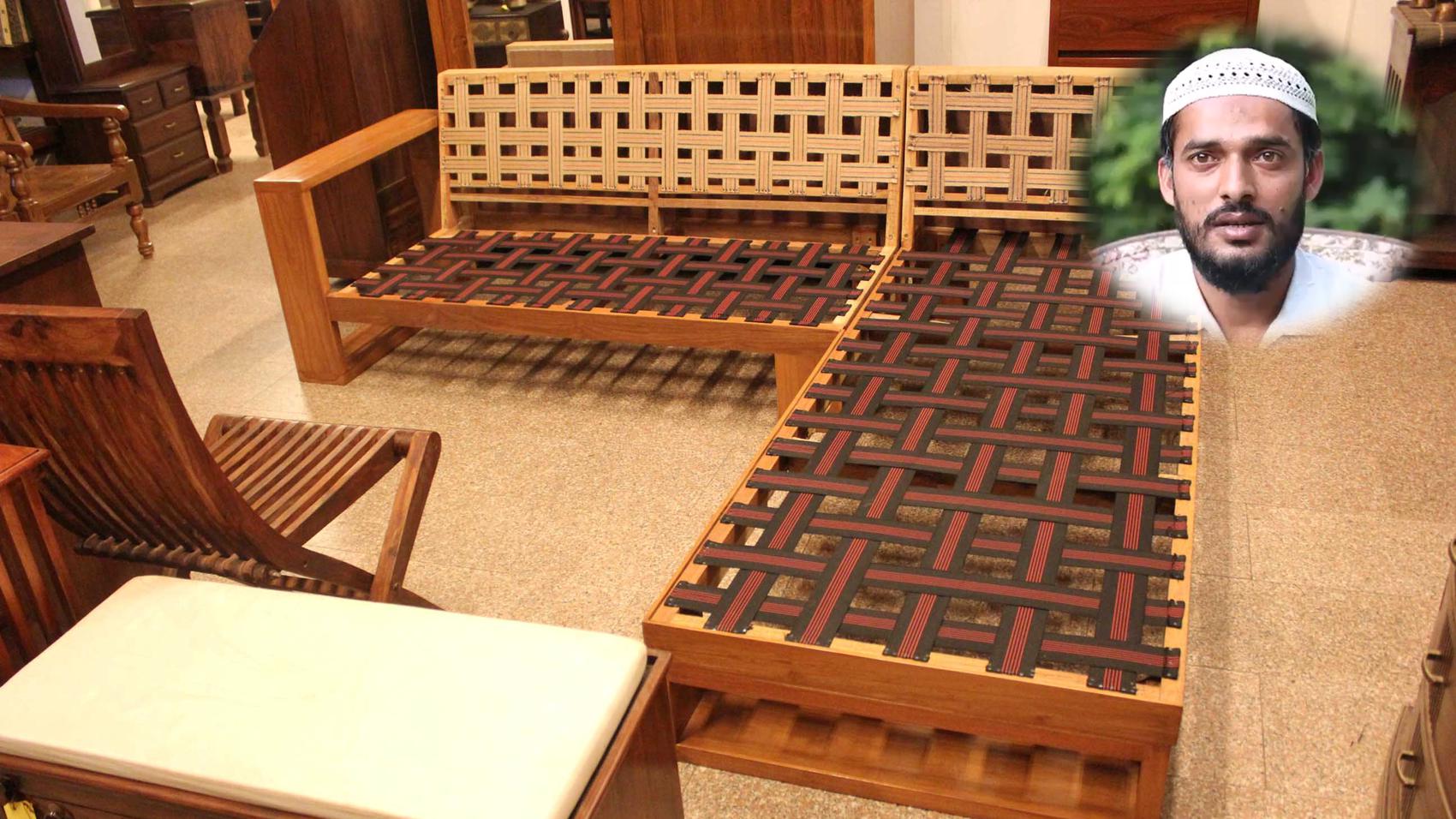
Upholstery
Mohammad Fayyaz
Upholsterer | Various Assignments
[ 7 years & 7 months Experience ]

Upholstery is the work of providing furniture, especially seats, with padding, springs, webbing, and fabric or leather covers

"I did my Schooling till class 10 from Najibabad, UP. Then I did a course in mobile repairing and worked in this field at Intech Services, Allahabad. In 2014 I changed careers and got into upholstery and sofa repairing work."


Career Counselling 2.0 Career Counselling 2.0 Career Counselling 2.0 Career Counselling 2.0 Career Counselling 2.0


Career in Crochet Making
Crochet Making
Rita Sharma
Crochet Maker | Various Creative Assignments
[ 7 years & 5 months Experience ]

Crochet is a process of creating fabric by interlocking loops of yarn, thread, or strands of other materials using a crochet hook.

"I did my Schooling from Vyara, Gujrat.After my marriage I found a lot of spare time and started Crochet. I have been doing Crochet work professionally since 2011."


Career Counselling 2.0 Career Counselling 2.0 Career Counselling 2.0 Career Counselling 2.0 Career Counselling 2.0


Career in Handicrafts Design
Handicrafts Design
Pathik Chaudhary
Head | Tantuk Himalaya Pragati Samiti
[ 5 years & 1 month Experience ]

Handicraft, as artisanal handicraft or handmade, is any of a wide variety of types of work where useful and decorative objects are made completely by hand or by using only simple tools. It is a traditional main sector of craft, and applies to a wide range of creative and design activities that are related to making things with one's hands and skill, including work with textiles, moldable and rigid materials, paper, plant fibers, etc.

"After completing my Schooling from Ryan International School, I finished my Graduation from IICD, Jaipur. I then worked with Rang Sutra in Varanasi which is a UNPD Project."


Career Counselling 2.0 Career Counselling 2.0 Career Counselling 2.0 Career Counselling 2.0 Career Counselling 2.0


Career in Wood Crafting
Wood Crafting
Tanvi Chandra
Owner | Vibgyor Handicrafts
[ 11 years & 5 months Experience ]

Skill in shaping or constructing articles from wood

"I did my Schooling from Sophia, Meerut. After that I did my Graduation from College of Arts, Chandigarh. I have worked with various Advertising Companies. I Started Vibgyor Handicrafts in 2007."


Career Counselling 2.0 Career Counselling 2.0 Career Counselling 2.0 Career Counselling 2.0 Career Counselling 2.0


Career in Cutting & Tailoring
Cutting & Tailoring
Pratibha Upadhyay
Cutter & Tailor | Himalayan Tapestry
[ 12 years & 6 months Experience ]

Tailoring is a diverse crafting profession which allows players to use various cloths and other reagents to craft clothes.

"After doing my schooling from MKP Dehradun, I did my BA from DBS. Thereafter I did a diploma in Cutting & Tailoring from ITI. I am working with Himalayan Tapestry since 2006."


Career Counselling 2.0 Career Counselling 2.0 Career Counselling 2.0 Career Counselling 2.0 Career Counselling 2.0


[Install the LifePage App to access all Talks]


<?php echo $altimage; ?>


<?php echo $altimage; ?>


&mbsp;


Career Counselling 2.0 | Home   Home  
Career Counselling 2.0 | Abroad   Abroad  
Career Counselling 2.0 | Plan   Plan  
Career Counselling 2.0 | Talks   Talks  
Career Counselling 2.0 | Philosophy   Philosophy  
Career Counselling 2.0 | Seminar   Seminar  
Career Counselling 2.0 | Workshop   Workshop  
Career Counselling 2.0 | Pages   Pages  
Career Counselling 2.0 | Advisors   Advisors  
Career Counselling 2.0 | Discuss   Discuss  
Career Counselling 2.0 | Meet   Meet  
Career Counselling 2.0 | Advisor   Advisor  
Career Counselling 2.0 | Story   Story  
Career Counselling 2.0 | Fine Print   Fine Print  
Career Counselling 2.0 | Links   Links  
Career Counselling 2.0 | Blog   Blog  
Career Counselling 2.0 | Testimonials   Testimonials  
Career Counselling 2.0 | Follow   Follow  
 
[ Site Visits ]


Career Counselling 2.0