The Journey of Real Estate Consulting
What Is Real Estate Consulting
Real Estate Consulting

Real estate consulting is a professional service where experts provide strategic advice, analysis, and guidance to clients involved in buying, selling, developing, or investing in property. Consultants help clients make informed decisions by evaluating market trends, property values, investment risks, and regulatory requirements to achieve their real estate goals.
Real estate consulting plays a crucial role in the property industry by offering objective, data-driven insights that help clients navigate complex transactions and investments. For professionals in this field, their expertise can significantly influence the success of projects, reduce risks, and maximize returns. One major benefit is the ability to identify lucrative opportunities that clients might otherwise overlook. Another is the mitigation of potential risks through thorough due diligence and market analysis. Additionally, consultants help streamline the decision-making process, saving clients time and resources while ensuring compliance with legal and regulatory standards.
A real estate consultant might be hired by a corporation looking to expand its operations into a new city. The consultant would conduct a comprehensive market analysis, evaluate potential sites, and assess local zoning laws and economic trends. By presenting detailed reports and recommendations, the consultant enables the corporation to select the most advantageous location for its new office. This guidance not only helps the client avoid costly mistakes but also ensures that the investment aligns with long-term business objectives. Through their expertise, the consultant adds value at every stage, from initial research to final negotiations, demonstrating the practical impact of real estate consulting in real-world scenarios.
Education
Marketing

Marketing is the strategic process of identifying, anticipating, and satisfying customer needs through the creation, communication, and delivery of value. In the context of Real Estate Consulting, marketing encompasses market research, branding, promotion, and relationship management, forming a crucial part of both academic study and professional expertise in the field.
Understanding marketing is essential for anyone entering or advancing in real estate consulting because it provides the tools to analyze market trends, identify client needs, and position properties effectively. Mastery of marketing principles enables consultants to craft compelling value propositions, build strong client relationships, and differentiate themselves in a competitive marketplace. Over time, this knowledge supports career growth by fostering a reputation for strategic insight and adaptability. It also enhances the ability to advise clients on pricing, promotion, and positioning strategies, ensuring that both residential and commercial properties reach their target audiences. Ultimately, a solid foundation in marketing empowers real estate consultants to drive successful transactions and build long-term professional credibility.
Imagine a real estate consultant tasked with helping a developer launch a new residential project. Drawing on their marketing expertise, the consultant conducts market research to identify the target demographic and analyzes competitors’ offerings. They then advise on branding, pricing strategies, and promotional campaigns tailored to attract potential buyers. By leveraging digital marketing channels and organizing open house events, the consultant ensures maximum visibility for the project. Throughout the process, their understanding of marketing principles allows them to adjust strategies based on feedback and market response, ultimately leading to a successful sales launch. This scenario highlights how theoretical marketing knowledge directly informs practical decision-making and client success in real estate consulting.
Sales
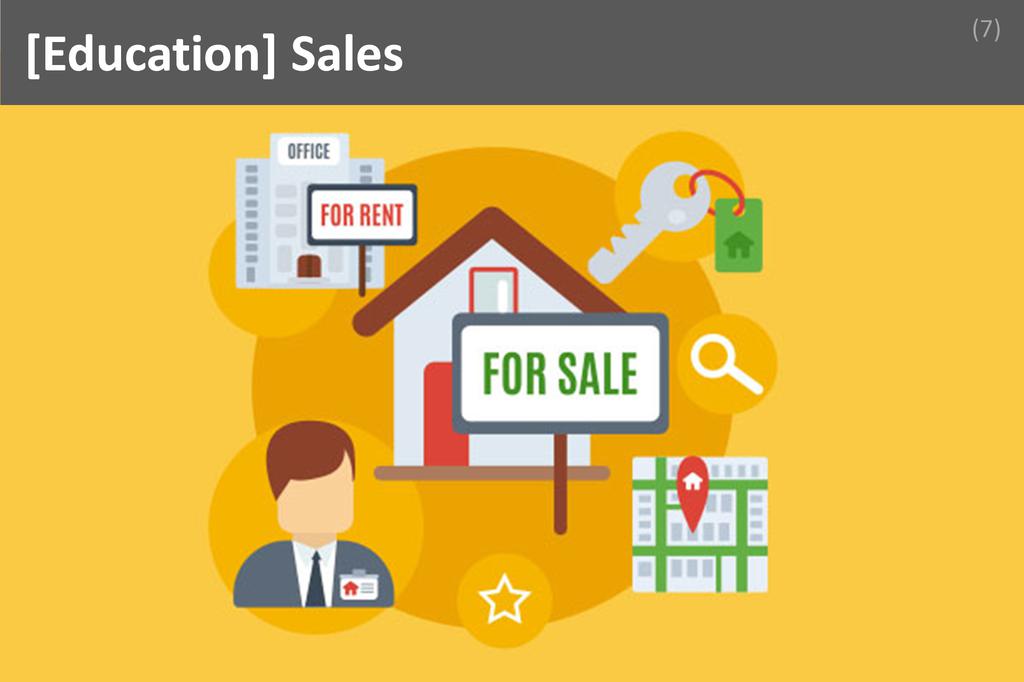
Sales is the process of persuading potential clients to purchase products or services by identifying their needs, presenting suitable solutions, and negotiating mutually beneficial agreements. In Real Estate Consulting, sales knowledge is essential for building client relationships, understanding market dynamics, and effectively facilitating property transactions within a competitive environment.
Understanding sales is crucial for anyone entering or advancing in Real Estate Consulting because it underpins every client interaction and transaction. Mastery of sales techniques enables professionals to communicate value, build trust, and address client concerns with confidence. This foundational knowledge helps consultants navigate complex negotiations, adapt to shifting market trends, and maintain a client-focused approach. Over the long term, strong sales skills contribute to sustained business growth, higher client satisfaction, and a robust professional reputation. By integrating sales expertise with real estate knowledge, consultants can differentiate themselves in a crowded market and consistently deliver results that align with both client goals and organizational objectives.
Consider a real estate consultant working with a corporate client seeking new office space. The consultant leverages their understanding of sales by first conducting a thorough needs assessment, listening carefully to the client’s requirements and concerns. Drawing on market knowledge, the consultant presents several tailored property options, highlighting features that align with the client’s business objectives. Throughout the process, the consultant addresses objections, negotiates favorable lease terms, and ensures transparent communication. By applying sales principles, the consultant not only secures a successful transaction but also builds a lasting relationship, positioning themselves as a trusted advisor for future real estate needs. This approach demonstrates how theoretical sales knowledge translates directly into effective, real-world consulting practice.
Operations

Operations refers to the systematic management of processes, resources, and activities that enable organizations to deliver products or services efficiently and effectively. In Real Estate Consulting, operations encompasses property management, transaction coordination, workflow optimization, and service delivery, forming a crucial part of both academic study and professional practice within the industry.
A deep understanding of operations is essential for anyone pursuing a career in Real Estate Consulting because it underpins the ability to analyze, design, and improve the processes that drive value for clients and stakeholders. Mastery of operational concepts enables consultants to streamline property transactions, enhance client satisfaction, and ensure regulatory compliance. This knowledge forms the backbone of effective project management, risk assessment, and resource allocation, all of which are critical in the fast-paced real estate sector. Over the long term, proficiency in operations empowers professionals to adapt to market changes, implement best practices, and contribute to the sustained growth and reputation of their organizations.
Consider a real estate consultant tasked with managing a portfolio of commercial properties for a client. By applying their knowledge of operations, the consultant systematically evaluates maintenance schedules, tenant communication protocols, and vendor contracts to identify inefficiencies. They implement process improvements that reduce costs and minimize downtime, ensuring properties remain attractive to tenants and profitable for owners. The consultant also establishes standardized reporting procedures, enabling transparent performance tracking and informed decision-making. Through these operational enhancements, the consultant not only delivers measurable value to the client but also demonstrates the practical impact of operations expertise in real-world real estate consulting scenarios.
Client Psychology
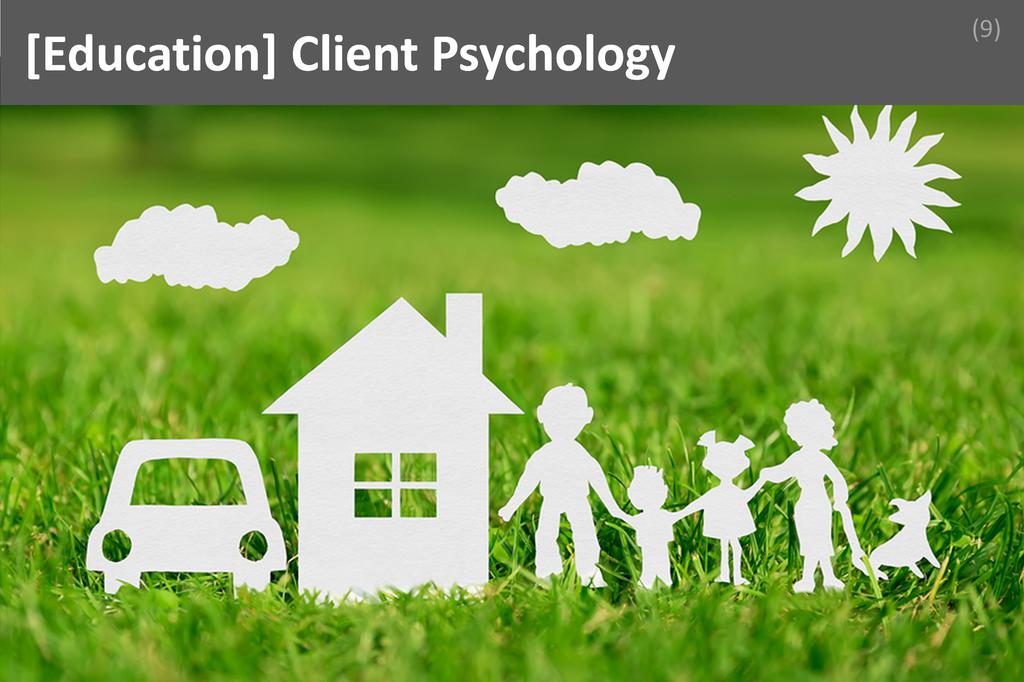
Client Psychology is the study of how clients think, feel, and behave during decision-making processes, particularly in high-stakes transactions like real estate. It encompasses understanding motivations, biases, fears, and aspirations, forming a crucial part of both academic research and practical expertise required for effective Real Estate Consulting.
A deep understanding of Client Psychology is essential for real estate consultants because it enables them to anticipate client needs, build trust, and guide clients through complex decisions. By recognizing emotional triggers and cognitive biases, consultants can tailor their communication and negotiation strategies, resulting in more successful transactions. This knowledge forms the backbone of client relationship management, helping professionals navigate objections, manage expectations, and foster long-term loyalty. Over time, mastery of client psychology not only enhances client satisfaction but also contributes to a consultant’s reputation, referral network, and career advancement. In a competitive industry, those who grasp the psychological drivers behind client behavior consistently outperform those who rely solely on market knowledge or technical skills.
Consider a real estate consultant working with first-time homebuyers who are anxious about making such a significant investment. Drawing on their understanding of client psychology, the consultant recognizes the clients’ fear of making a wrong decision and their desire for reassurance. Instead of overwhelming them with data, the consultant listens actively, addresses emotional concerns, and provides clear, step-by-step guidance. By empathizing with their anxieties and validating their feelings, the consultant builds trust and confidence, ultimately helping the clients move forward with a purchase decision. This approach not only results in a successful transaction but also leaves the clients feeling supported, increasing the likelihood of positive referrals and repeat business.
Skills
Communication
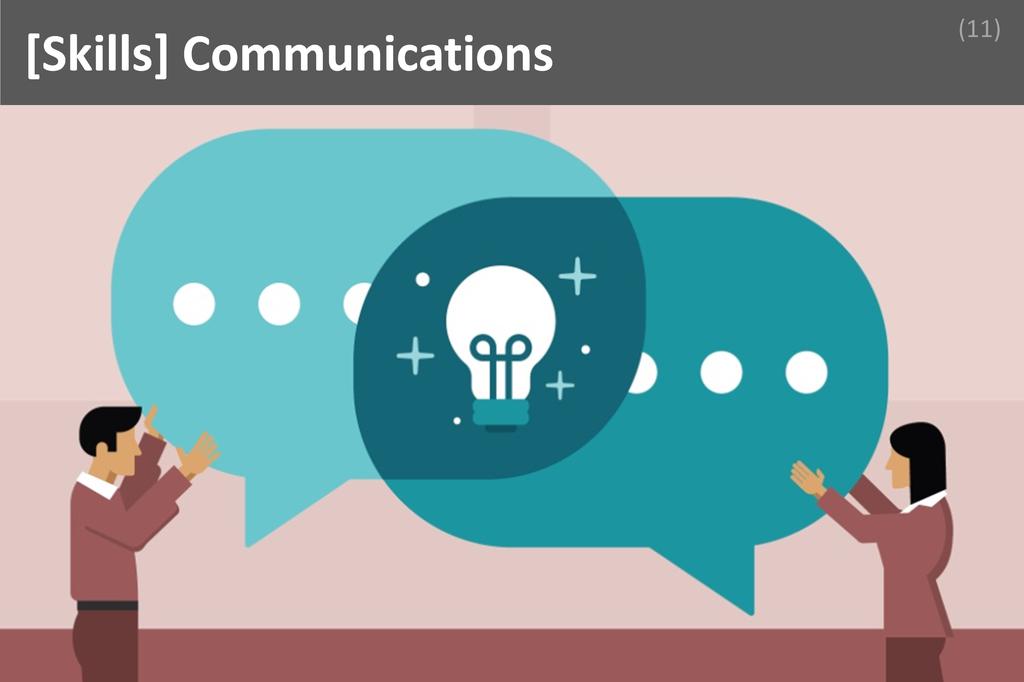
Communication is the clear and effective exchange of information, ideas, and intentions through speaking, writing, listening, and non-verbal cues. In Real Estate Consulting, communication enables professionals to understand client needs, negotiate deals, coordinate with stakeholders, and present complex information in an accessible manner, making it indispensable for building trust and achieving successful outcomes.
Strong communication skills directly enhance a real estate consultant’s performance by fostering transparency, minimizing misunderstandings, and ensuring all parties are aligned throughout the transaction process. Clients and employers highly value consultants who can articulate market insights, explain legal or financial details, and respond promptly to inquiries. Effective communication reassures clients, builds credibility, and often leads to repeat business or referrals. To cultivate this skill, professionals should actively seek feedback, engage in public speaking or writing opportunities, and practice attentive listening. Over time, these efforts help consultants adapt their communication style to different audiences, refine their messaging, and handle challenging conversations with confidence and diplomacy.
Imagine a real estate consultant working with a client interested in purchasing a commercial property. During negotiations, a zoning issue arises that could jeopardize the deal. The consultant must clearly explain the implications to the client, communicate with local authorities to gather accurate information, and relay updates to the seller’s agent. By maintaining open, honest, and timely communication with all parties, the consultant helps the client understand their options, alleviates concerns, and facilitates a solution that satisfies everyone involved. In this scenario, the consultant’s communication skills are crucial in resolving a potentially deal-breaking issue and ensuring a successful transaction.
Analytical
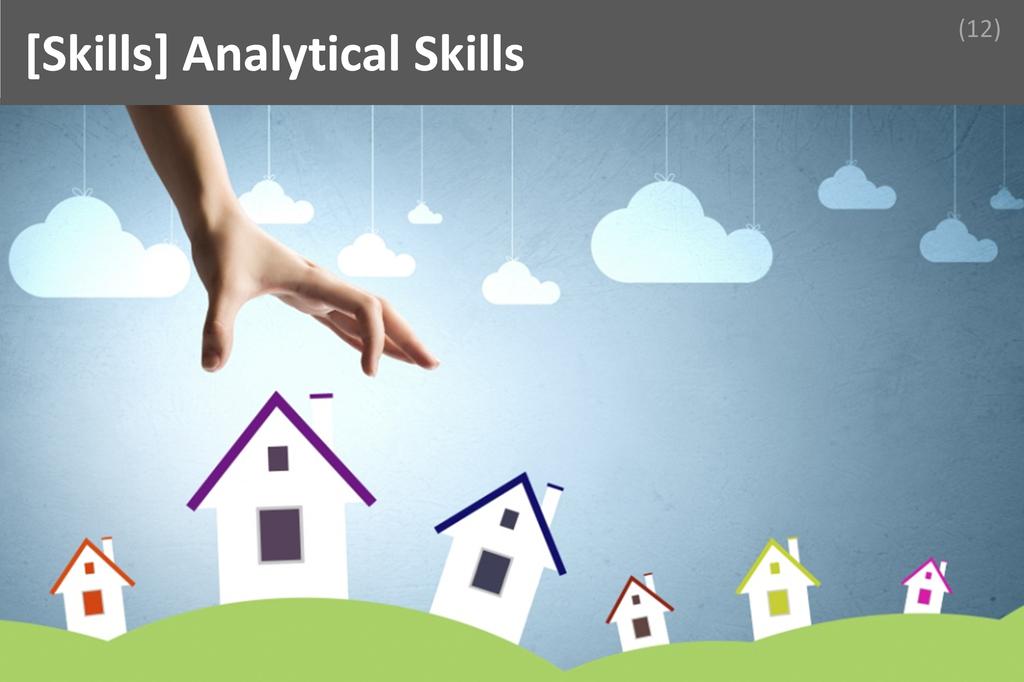
Analytical refers to the ability to systematically collect, interpret, and evaluate complex information to identify patterns, solve problems, and make informed decisions. In Real Estate Consulting, this skill enables professionals to assess market trends, financial data, and client needs, ensuring recommendations are grounded in evidence and strategic insight.
Analytical skill is a cornerstone of effective Real Estate Consulting because it empowers professionals to dissect intricate data sets, forecast market movements, and devise tailored solutions for clients. Employers and clients highly value this capability, as it leads to more accurate property valuations, risk assessments, and investment strategies. By consistently practicing data analysis, engaging in critical thinking exercises, and staying updated on industry trends, consultants can sharpen their analytical abilities. Over time, exposure to diverse projects and mentorship from experienced colleagues further enhances this skill, allowing professionals to approach challenges with confidence and deliver results that drive client satisfaction and business growth.
Imagine a Real Estate Consultant tasked with advising a client on whether to invest in a mixed-use development in a rapidly changing urban area. By applying strong analytical skills, the consultant gathers and examines demographic data, local economic indicators, zoning regulations, and comparable property performance. Through careful analysis, they identify emerging demand for residential units and potential regulatory hurdles. Their insights enable the client to make a well-informed decision, balancing opportunity with risk. In this scenario, the consultant’s analytical approach not only uncovers hidden value but also mitigates potential pitfalls, ultimately contributing to the client’s success and reinforcing the consultant’s reputation for strategic, evidence-based guidance.
Customer Orientated

Customer orientated means consistently prioritizing the needs, preferences, and satisfaction of clients, ensuring their interests are at the forefront of every decision and interaction. In real estate consulting, this skill is vital because it builds trust, fosters long-term relationships, and ensures that solutions are tailored to each client’s unique goals and circumstances.
Being customer orientated directly enhances a real estate consultant’s performance by enabling them to anticipate client needs, address concerns proactively, and deliver personalized solutions that exceed expectations. Clients and employers highly value this skill because it leads to higher satisfaction, repeat business, and positive referrals, all of which are crucial in a competitive industry. Cultivating this skill involves actively listening to clients, seeking feedback, and continuously adapting services to meet evolving demands. Over time, professionals can refine their customer focus by staying informed about market trends, improving communication skills, and demonstrating genuine empathy and commitment to client success in every interaction.
Imagine a real estate consultant working with a family searching for their first home. The family expresses concerns about school districts, commute times, and budget constraints. By being customer orientated, the consultant listens attentively, researches neighborhoods that align with the family’s needs, and provides transparent information about each option. When an unexpected issue arises with a property’s inspection, the consultant promptly communicates the findings, offers alternative solutions, and negotiates on the family’s behalf to secure a better deal. Through this approach, the consultant not only resolves a critical issue but also earns the family’s trust and gratitude, ultimately leading to a successful transaction and future referrals.
Empathy

Empathy is the ability to understand and share the feelings, perspectives, and experiences of others, allowing for genuine connection and effective communication. In Real Estate Consulting, empathy enables professionals to grasp clients’ true needs, anticipate concerns, and build trust, making it an indispensable tool for fostering long-term relationships and successful transactions.
Empathy directly enhances performance in real estate consulting by allowing professionals to listen actively, interpret unspoken concerns, and tailor solutions that genuinely address client needs. Clients and employers highly value this skill because it leads to more personalized service, smoother negotiations, and higher satisfaction rates. Empathetic consultants are better equipped to manage conflicts, reduce misunderstandings, and create positive experiences, which often translate into repeat business and referrals. Cultivating empathy involves conscious effort: practicing attentive listening, asking open-ended questions, and reflecting on feedback. Over time, exposure to diverse clients and situations helps consultants refine their ability to perceive and respond to subtle emotional cues, making empathy a continually evolving and invaluable asset.
Imagine a real estate consultant working with a family relocating due to a sudden job transfer. The family is anxious about uprooting their children and finding a suitable neighborhood. By employing empathy, the consultant listens carefully to their concerns, acknowledges the emotional stress involved, and prioritizes properties near good schools and community amenities. The consultant also provides reassurance and practical advice about the transition, demonstrating genuine care for the family’s well-being. This empathetic approach not only eases the family’s anxiety but also builds trust, resulting in a successful transaction and a lasting professional relationship. The consultant’s ability to understand and address the family’s emotional needs proves crucial in achieving a positive outcome.
Positives
Independent

"Independent" in real estate consulting means having the autonomy to make decisions, manage your own schedule, and shape your business approach without being constrained by rigid corporate structures. This freedom allows consultants to tailor their services, build unique client relationships, and pursue opportunities that align with their personal and professional values.
The independent nature of real estate consulting is a significant driver of job satisfaction and professional growth. When consultants have control over their work, they can focus on projects that genuinely interest them and develop expertise in chosen niches. This autonomy fosters creativity, innovation, and a sense of ownership over outcomes, which leads to higher motivation and fulfillment. Daily, professionals experience the benefit of independence by setting their own goals, choosing clients that resonate with their values, and adapting quickly to market changes. This flexibility not only enhances work-life balance but also encourages continuous learning and self-improvement, making the career both dynamic and deeply rewarding.
Imagine a real estate consultant who decides to specialize in sustainable property development. Because of their independence, they are free to seek out eco-conscious clients and collaborate with architects who share their vision. Each day, they choose projects that excite them and set their own pace, allowing for a harmonious blend of professional ambition and personal priorities. When a client approaches with a unique challenge, the consultant can craft a tailored solution without needing approval from layers of management. This direct impact and the ability to see their ideas come to fruition provide a profound sense of accomplishment, illustrating how independence transforms daily work into a meaningful and empowering journey.
Work Life Balance
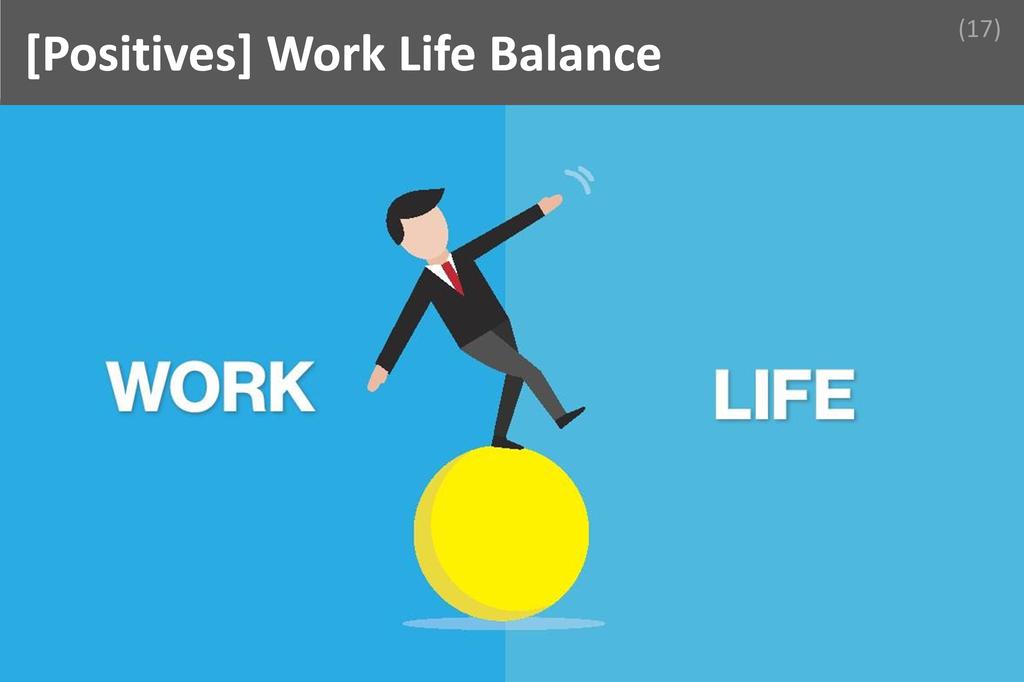
Work Life Balance is the harmonious integration of professional responsibilities and personal pursuits, allowing individuals to fulfill career goals while nurturing relationships, health, and passions. In real estate consulting, this balance empowers professionals to manage their schedules, prioritize well-being, and maintain productivity without sacrificing personal fulfillment or family commitments.
The emphasis on work life balance in real estate consulting is a transformative benefit that shapes both career satisfaction and personal growth. Professionals in this field often have the autonomy to set their own hours, choose their clients, and work remotely when needed. This flexibility reduces stress and burnout, fostering a healthier mindset and greater enthusiasm for daily tasks. As a result, consultants can dedicate quality time to both their clients and their loved ones, leading to stronger relationships and a more sustainable career. The ability to recharge outside of work also enhances creativity and problem-solving skills, making consultants more effective and resilient in a competitive industry.
Imagine a real estate consultant who structures her week to accommodate both client meetings and her children’s school events. She schedules property viewings in the mornings and reserves afternoons for family activities or personal interests. When a client needs urgent advice, she can respond promptly from her home office, ensuring professional commitments are met without missing important moments at home. This seamless integration of work and life not only boosts her job satisfaction but also allows her to maintain a high level of service for her clients. The sense of control over her time leads to a more fulfilling career, demonstrating the profound impact of work life balance in real estate consulting.
Good Rewards

Good Rewards in real estate consulting refers to the combination of financial compensation, personal satisfaction, professional recognition, and long-term growth opportunities that professionals receive for their expertise and dedication. These rewards extend beyond monetary gains, encompassing the fulfillment derived from helping clients achieve their property goals and building lasting relationships.
The presence of good rewards in real estate consulting is a driving force behind high job satisfaction and sustained motivation. Professionals in this field often witness the tangible results of their efforts, whether through successful transactions, client appreciation, or career advancement. This positive reinforcement not only boosts morale but also encourages consultants to continually refine their skills and expand their knowledge. The sense of accomplishment that comes from overcoming challenges and delivering value to clients fosters a deep sense of pride in one’s work. Over time, these rewards contribute to personal and professional growth, making the career both lucrative and meaningful. Each day, consultants experience the impact of their contributions, reinforcing their passion for the industry.
Imagine a real estate consultant who has spent weeks guiding a young family through the complex process of purchasing their first home. After navigating negotiations, paperwork, and market uncertainties, the consultant finally hands over the keys to the delighted clients. The gratitude and joy expressed by the family, coupled with the consultant’s commission and recognition from their agency, exemplify the multifaceted rewards of the profession. This moment not only validates the consultant’s expertise but also strengthens their reputation and client network. The experience leaves the consultant with a profound sense of achievement, reminding them why they chose this career and motivating them to continue making a positive impact in people’s lives.
Exposure

Exposure in real estate consulting refers to the continuous interaction with diverse clients, properties, markets, and industry professionals, as well as the opportunity to engage with various aspects of the real estate sector. This broad engagement fosters learning, adaptability, and professional growth, making exposure a cornerstone of success in this field.
Exposure is a driving force behind the dynamic nature of real estate consulting. It allows professionals to build a robust network, stay updated on market trends, and develop a deep understanding of different property types and client needs. This constant interaction with new challenges and opportunities keeps the work engaging and intellectually stimulating. As consultants encounter a wide range of scenarios, they gain valuable insights and skills that accelerate their career progression. The sense of growth and accomplishment that comes from navigating complex deals and collaborating with industry leaders significantly enhances job satisfaction. Exposure ensures that no two days are the same, making the profession both exciting and rewarding for those who thrive on variety and continuous learning.
Imagine a real estate consultant working on a project that involves advising a tech startup on their first office space, while simultaneously helping a seasoned investor diversify their portfolio with commercial properties. In a single week, this consultant attends meetings with architects, negotiates with landlords, and analyzes market data to provide tailored recommendations. Through these varied experiences, the consultant not only expands their professional network but also gains firsthand knowledge of different market segments and client priorities. This exposure to multiple facets of the industry not only sharpens their expertise but also brings a sense of fulfillment, as each day presents new opportunities to learn, grow, and make a tangible impact on clients’ success.
Challenges
Market Fluctuation

Market fluctuation in real estate consulting refers to the unpredictable changes in property values, demand, and investment activity driven by economic cycles, interest rates, and external events. This volatility makes it challenging for consultants to provide accurate advice, maintain client trust, and achieve consistent business growth in an ever-shifting landscape.
Market fluctuation affects real estate consultants by introducing uncertainty into property valuations, deal timelines, and client expectations. Daily work becomes more complex as professionals must constantly monitor trends, adapt strategies, and reassure clients amid shifting conditions. This environment demands resilience, as setbacks and sudden changes are common. Successful consultants manage these challenges by staying informed about market indicators, diversifying their client base, and fostering strong relationships built on transparency and trust. They also develop flexible approaches, allowing them to pivot quickly when market conditions change. By maintaining a proactive mindset and continuously updating their knowledge, these professionals can guide clients through uncertainty and position themselves as reliable advisors regardless of market volatility.
Consider a real estate consultant working in a city where a sudden economic downturn causes property values to drop unexpectedly. Instead of panicking, the consultant reassesses their clients’ portfolios, identifies properties with long-term growth potential, and advises clients to hold or reposition assets rather than sell at a loss. They communicate openly about market realities, helping clients understand the cyclical nature of real estate and the importance of patience. By leveraging data and historical trends, the consultant demonstrates that downturns can present unique investment opportunities. Through adaptability and clear communication, the consultant not only helps clients weather the storm but also strengthens their reputation as a trusted advisor during uncertain times.
Unorganized Sectors

In Real Estate Consulting, "Unorganized Sectors" refer to market segments lacking formal regulations, standardized processes, and transparent documentation. This environment is demanding because it creates uncertainty, increases the risk of misinformation, and complicates due diligence, making it challenging for professionals to ensure reliable transactions and maintain client trust.
The prevalence of unorganized sectors in real estate consulting can disrupt daily operations by introducing ambiguity in property titles, inconsistent pricing, and unreliable stakeholder commitments. Professionals often face unpredictable delays and must verify information from multiple sources, which can be both time-consuming and stressful. This environment demands resilience, adaptability, and a proactive approach to problem-solving. Successful consultants mitigate these challenges by building strong local networks, maintaining meticulous records, and staying updated on evolving regulations. They invest time in educating clients about potential risks and set realistic expectations, thereby fostering trust. By leveraging local expertise and prioritizing transparent communication, they navigate the complexities of unorganized sectors and deliver value despite the inherent uncertainties.
Consider a real estate consultant working in a rapidly developing suburban area where land records are poorly maintained and local practices dominate transactions. Faced with conflicting property ownership claims, the consultant diligently cross-verifies documents with municipal offices and consults community leaders to establish authenticity. By patiently guiding clients through the verification process and transparently communicating potential risks, the consultant builds credibility and trust. Through persistent follow-ups and leveraging relationships with local authorities, the consultant successfully facilitates a secure transaction, ensuring both parties are protected. This approach not only resolves immediate challenges but also strengthens the consultant’s reputation for reliability in navigating unorganized sectors.
Limited Growth
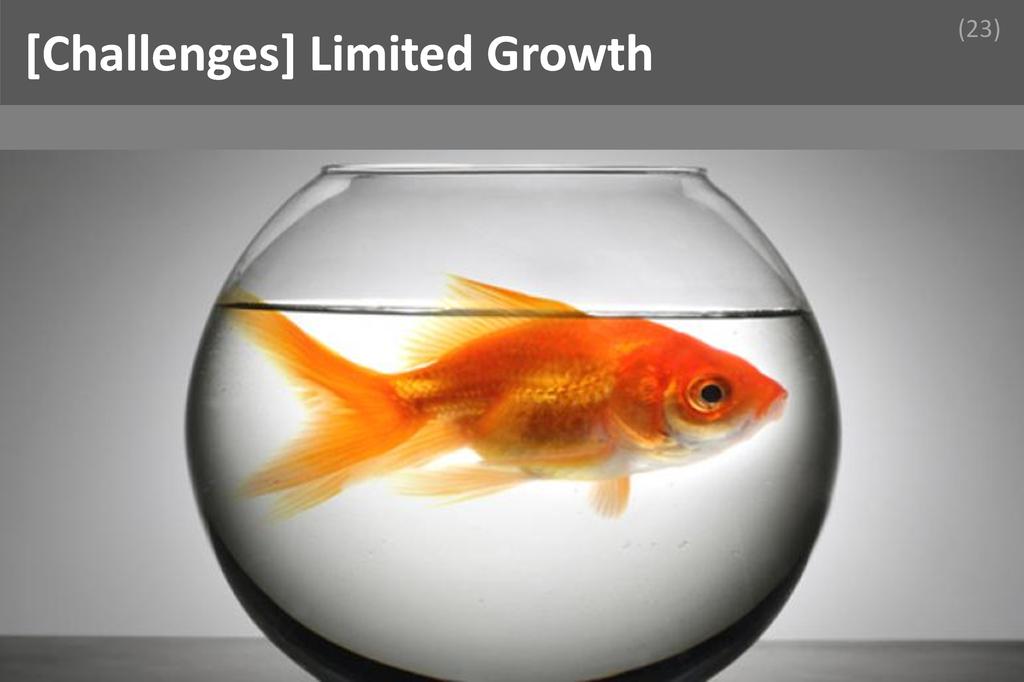
Limited Growth in Real Estate Consulting refers to the restricted opportunities for career advancement, skill development, or business expansion due to market saturation, economic cycles, or firm structure. This challenge is demanding because it can stall professional progress, dampen motivation, and make it difficult to achieve long-term career goals.
The challenge of limited growth can manifest in daily work as a sense of stagnation, with fewer new projects, clients, or responsibilities to take on. This environment can lead to frustration and decreased engagement, requiring professionals to demonstrate resilience and adaptability. Successful consultants often respond by seeking out niche markets, building specialized expertise, or expanding their networks beyond traditional boundaries. They may also invest in continuous learning or leverage technology to offer innovative solutions, thereby creating new avenues for growth. By proactively identifying emerging trends and aligning their skills accordingly, these professionals manage to stay relevant and open up fresh opportunities even when the broader market appears static.
Consider a real estate consultant working in a mature urban market where most prime properties are already developed and competition is fierce. Facing limited growth, this professional decides to specialize in sustainable building practices, a niche not yet fully explored in the area. By becoming an expert in green certifications and energy-efficient retrofits, the consultant attracts a new segment of environmentally conscious clients and developers. This strategic shift not only revitalizes their business but also positions them as a go-to resource for sustainability in real estate. Through innovation and specialization, the consultant overcomes the limitations of a saturated market and achieves renewed professional growth.
A Day Of
Real Estate Consulting
The world of real estate consulting is a dynamic blend of strategy, negotiation, and constant motion—a profession where no two days are ever quite the same. From the moment the sun rises over the city skyline, consultants are already immersed in a fast-paced environment, balancing client expectations, market trends, and the ever-shifting landscape of property values. The day unfolds in a series of high-stakes conversations, analytical deep-dives, and collaborative problem-solving, all set against the backdrop of a market that never truly sleeps. For those drawn to a career that rewards adaptability, insight, and a knack for building relationships, real estate consulting offers a workday that is as challenging as it is rewarding.
As the day begins, a real estate consulting professional typically starts with a quiet moment of preparation, reviewing overnight market updates, scanning industry news, and checking emails for any urgent client communications. This early morning window is crucial for setting priorities, updating project trackers, and refining the day’s agenda. With a fresh cup of coffee in hand, consultants analyze new data on property values, zoning changes, or economic forecasts, ensuring they are equipped with the latest insights before client calls and meetings begin.
Mid-morning marks the transition into the heart of the day’s work, where consultants dive into client consultations, property evaluations, and negotiations. This is the most intense and interactive phase, often involving back-to-back meetings with investors, developers, or corporate clients. Whether advising on portfolio strategy, conducting site visits, or presenting tailored solutions, consultants must think on their feet and communicate complex information clearly. The energy is palpable as deals are structured, proposals are refined, and critical decisions are made in real time.
The afternoon is reserved for collaborative efforts and the execution of project deliverables. Consultants regroup with colleagues to brainstorm solutions, review progress on ongoing assignments, and coordinate with legal, financial, or architectural partners. This period is often spent drafting reports, preparing presentations, or troubleshooting challenges that have surfaced during the morning’s activities. The focus shifts from client-facing interactions to internal alignment, ensuring that every detail is addressed and that the team is moving forward in lockstep.
As the day winds down, consultants turn their attention to administrative tasks, follow-up communications, and strategic planning for the days ahead. This is the time to document outcomes, update project files, and conduct deeper research into emerging market trends or regulatory changes. Reflecting on the day’s achievements and setbacks, consultants outline action items for tomorrow, ensuring that every client and project remains on track. The office may quiet down, but the sense of momentum lingers, as each day’s work lays the foundation for future success in the ever-evolving world of real estate consulting. |


 Home
Home Abroad
 Plan
Plan Philosophy
 Seminar
 Pages
Pages Advisors
 Testimonials























 Workshop
 Discuss
 Meet
Meet
 Advisor
 Story
Story
 Fine Print
 Links
Links
 Blog
Blog
 Follow
