The Journey of Pottery
What Is Pottery
Pottery

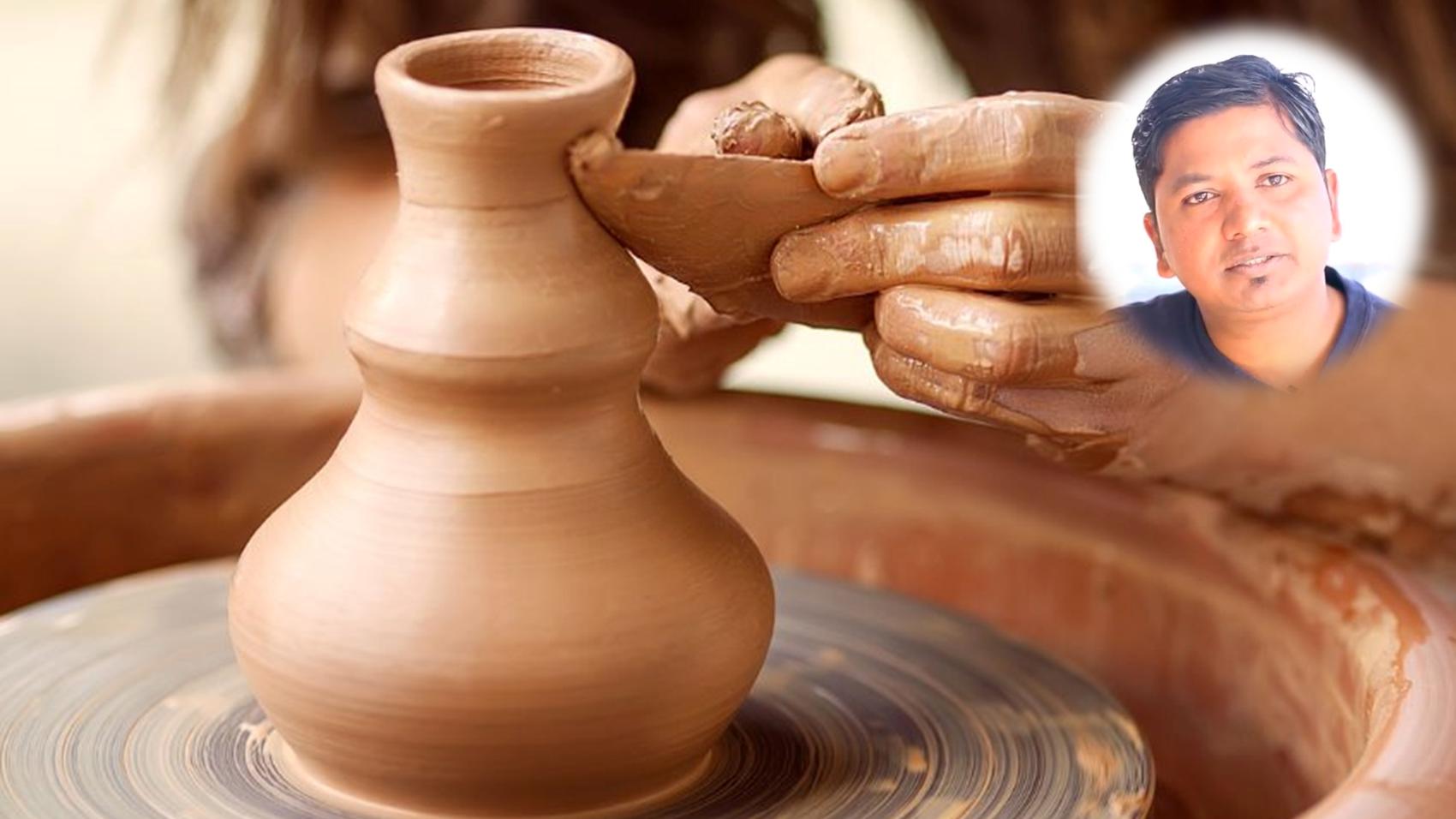
Pottery is the craft and art of shaping clay into functional or decorative objects, which are then hardened by firing at high temperatures. This process transforms raw clay into durable ceramics, including items such as bowls, vases, plates, and sculptures, blending creativity, skill, and tradition.
Pottery plays a significant role in both cultural heritage and contemporary design, offering professionals a unique avenue for creative expression and practical craftsmanship. For those in the field, pottery fosters a deep connection to material and process, encouraging mindfulness and patience. The profession provides the benefit of producing tangible, lasting works that can be both beautiful and useful. Pottery also allows for entrepreneurial opportunities, as artisans can sell their creations in galleries, markets, or online. Additionally, the hands-on nature of pottery supports well-being, offering a therapeutic outlet that reduces stress and enhances focus, making it a rewarding and impactful career choice.
A professional potter might begin their day by preparing clay and planning a new collection of dinnerware for a local restaurant. They carefully throw each plate and bowl on the wheel, ensuring consistency in size and shape. After drying and trimming, the pieces are bisque fired, then glazed with custom colors to match the restaurant’s aesthetic. The final firing transforms the collection into durable, functional art. The potter delivers the finished pieces, seeing them used daily by diners, which brings a sense of accomplishment and connection to the community. This process highlights how pottery combines artistic vision, technical skill, and practical application in a real-world setting.
Education
Research

Research is the systematic process of investigating, studying, and analyzing information to discover new knowledge or validate existing concepts. In the context of Pottery, research involves exploring materials, techniques, historical practices, and innovations to enhance both artistic expression and technical proficiency, forming a crucial part of academic and professional development.
Understanding research is essential for anyone pursuing a career in Pottery because it empowers individuals to make informed decisions about materials, methods, and design. By engaging with research, pottery professionals can stay updated on the latest advancements in glazes, firing techniques, and sustainable practices. This foundational knowledge not only improves the quality and originality of their work but also fosters problem-solving skills and adaptability in a rapidly evolving field. Over time, a strong research background enables potters to contribute to the discipline by developing new techniques, teaching others, and participating in collaborative projects, thereby ensuring long-term career growth and relevance in both artistic and commercial contexts.
A professional potter preparing for a new exhibition might use their research skills to investigate historical pottery styles from a specific culture or era. By consulting academic journals, museum archives, and contemporary studies, they gain insights into traditional forms, decorative motifs, and firing processes. This theoretical understanding allows them to authentically recreate or reinterpret these styles in their own work, ensuring historical accuracy while adding personal innovation. During daily operations, the potter might also experiment with different clay bodies or glaze recipes, systematically recording results to refine their techniques. Through ongoing research, they continuously improve their craft, respond to market trends, and maintain a competitive edge in the field.
Books on Pottery

Books on Pottery are written works that explore the history, techniques, materials, and artistic philosophies of pottery. They serve as comprehensive resources for both beginners and experienced potters, offering guidance on practical skills, design principles, and cultural contexts. These books are essential in academic and professional pottery education.
Understanding Books on Pottery is crucial for anyone pursuing a career in pottery because these texts encapsulate centuries of accumulated knowledge and innovation. They provide foundational insights into clay properties, glazing methods, firing techniques, and artistic expression. By studying these works, professionals gain a deeper appreciation for the craft’s traditions and contemporary practices. This knowledge not only enhances technical proficiency but also fosters creative problem-solving and adaptability in the studio. Over time, a strong grasp of the literature allows potters to refine their personal style, stay informed about emerging trends, and contribute meaningfully to the field’s ongoing evolution. Ultimately, familiarity with Books on Pottery supports lifelong learning and professional growth.
Consider a studio potter tasked with creating a series of functional yet aesthetically unique ceramic bowls for a local gallery. Drawing on their understanding from Books on Pottery, the potter references traditional Japanese glazing techniques described in a classic text, adapting them to suit modern materials and kiln technology. This theoretical background enables the potter to experiment confidently, troubleshoot issues such as glaze crawling or cracking, and articulate the historical significance of their work to clients and peers. By integrating knowledge from authoritative books, the potter not only produces high-quality pieces but also elevates their professional reputation and expands their creative possibilities.
Pottery Studios and Exhibitions

Pottery Studios and Exhibitions refer to the environments where ceramic works are created, displayed, and shared with the public. This subject encompasses the practical setup of studios, the curation of exhibitions, and the interaction between artists and audiences, forming a crucial aspect of both academic study and professional practice in pottery.
Understanding Pottery Studios and Exhibitions is essential for anyone pursuing a career in pottery because it bridges the gap between creation and presentation. Mastery of studio operations ensures efficient workflow, safety, and the optimal use of materials and equipment. Knowledge of exhibitions empowers potters to showcase their work effectively, engage with audiences, and build a professional reputation. This subject also fosters collaboration, networking, and critical feedback, all of which are vital for artistic growth and commercial success. Over time, proficiency in managing studios and organizing exhibitions enhances a potter’s ability to navigate the art world, secure opportunities, and sustain a long-term career.
Imagine a professional potter preparing for a solo exhibition at a local gallery. Drawing on their understanding of Pottery Studios and Exhibitions, they organize their studio to streamline production, ensuring each piece is crafted, glazed, and fired efficiently. They curate their collection thoughtfully, considering themes, audience engagement, and spatial arrangement within the exhibition space. During the event, they interact confidently with visitors, discussing their creative process and the significance of their work. This comprehensive approach not only elevates the quality of the exhibition but also strengthens the potter’s professional network, enhances their reputation, and opens doors to future collaborations and sales opportunities.
Feel of Material

Feel of Material refers to the tactile awareness and sensory understanding of clay and related substances, encompassing texture, moisture, plasticity, and responsiveness to touch. In both academic study and professional practice of pottery, this concept is fundamental, as it directly influences shaping, forming, and finishing techniques essential to successful ceramic creation.
Developing a keen sense of Feel of Material is vital for anyone pursuing pottery, as it underpins every stage of the craft, from preparing raw clay to refining finished pieces. Mastery of this subject allows potters to intuitively judge the readiness and suitability of materials for various techniques, such as throwing, hand-building, or glazing. This foundational knowledge not only enhances technical proficiency but also fosters creative expression, enabling professionals to push the boundaries of form and function. Over time, a refined tactile sense leads to greater consistency, fewer material failures, and the ability to troubleshoot issues before they escalate, making it an indispensable skill for long-term success and innovation in the field.
Consider a professional potter preparing to throw a large vessel on the wheel. Before beginning, they knead and wedge the clay, assessing its moisture content and plasticity by touch. Their theoretical understanding of Feel of Material guides them in adjusting the clay’s consistency, ensuring it is neither too wet nor too dry. As they work, subtle changes in resistance and texture inform their hand pressure and wheel speed, allowing them to shape the vessel smoothly and prevent collapse. This daily application of tactile knowledge not only streamlines the process but also ensures the structural integrity and aesthetic quality of the final piece, demonstrating the essential role of Feel of Material in professional pottery practice.
Skills
Creativity

Creativity is the ability to generate original ideas, approaches, or solutions by combining imagination, curiosity, and resourcefulness. In pottery, creativity enables artists to design unique pieces, experiment with forms and glazes, and push the boundaries of traditional techniques. It transforms functional objects into expressive works of art, setting professionals apart.
Creativity is a driving force behind innovation and excellence in pottery. It allows professionals to envision new shapes, textures, and finishes, resulting in distinctive pieces that capture attention and inspire admiration. Clients and employers highly value creative potters because their work stands out in a competitive market, often commanding higher prices and greater demand. To cultivate creativity, potters can explore diverse artistic influences, experiment with unfamiliar materials, and embrace mistakes as opportunities for discovery. Regularly sketching ideas, collaborating with other artists, and staying curious about emerging trends also nurture creative thinking. Over time, these practices help potters develop a unique artistic voice, enabling them to consistently produce original and compelling work.
Imagine a potter preparing for an important exhibition when a kiln malfunction causes several pieces to crack unexpectedly. Instead of discarding the damaged work, the potter draws on creativity to reinterpret the flaws as intentional design elements. By incorporating gold leaf into the cracks, inspired by the Japanese art of kintsugi, the potter transforms the pieces into striking, one-of-a-kind artworks. This inventive response not only salvages the project but also garners praise from gallery visitors and potential buyers, who are captivated by the story and beauty behind the finished pieces. In this scenario, creativity turns a setback into a celebrated success, demonstrating its indispensable role in a pottery career.
Patience

Patience is the ability to calmly endure delays, challenges, or setbacks without frustration, maintaining steady focus and composure. In pottery, patience is indispensable because the craft demands careful attention to detail, repeated practice, and acceptance of gradual progress. It allows potters to master techniques, refine their artistry, and achieve consistent results.
Patience directly enhances a potter’s performance by fostering precision and resilience throughout the creative process. The slow pace of shaping clay, waiting for pieces to dry, and firing them in a kiln all require a calm, measured approach. Clients and employers value patience because it leads to higher quality work, fewer mistakes, and reliable delivery. Cultivating patience involves embracing the learning curve, reflecting on setbacks as opportunities for growth, and practicing mindfulness during each stage of creation. Over time, repeated exposure to the rhythms and rituals of pottery helps individuals internalize patience, making it a natural part of their professional identity.
Imagine a potter working on a complex ceramic vase. Midway through shaping, the clay begins to collapse due to excess moisture. Instead of reacting with frustration, the potter patiently assesses the situation, gently re-centers the clay, and allows it to rest before continuing. This deliberate, composed response prevents further damage and preserves the integrity of the piece. By exercising patience, the potter not only salvages the project but also demonstrates professionalism and mastery. Ultimately, the finished vase reflects the care and perseverance invested, earning the appreciation of both clients and peers.
Communication

Communication is the clear and effective exchange of ideas, information, and emotions through speaking, writing, or other expressive means. In pottery, communication enables artists to share their creative vision, collaborate with clients or colleagues, and accurately convey technical details, making it a vital skill for professional growth and project success.
Strong communication skills allow pottery professionals to articulate their creative intentions, explain techniques, and discuss project requirements with clients, colleagues, or students. Employers and clients highly value clear communication because it minimizes misunderstandings, ensures expectations are aligned, and fosters productive collaboration. Potters can cultivate this skill by actively listening, seeking feedback, and practicing both verbal and written expression. Over time, engaging in workshops, participating in group projects, and teaching others can further refine a potter’s ability to communicate effectively. This ongoing development not only enhances relationships but also improves workflow, leading to higher-quality outcomes and greater satisfaction for all parties involved.
Imagine a potter commissioned to create a set of custom dinnerware for a restaurant. During the initial consultation, the client expresses a desire for a specific glaze color and texture. The potter uses strong communication skills to ask clarifying questions, confirm design preferences, and explain the limitations of certain materials. When a test piece reveals unexpected results, the potter promptly communicates the issue, presents alternative solutions, and collaborates with the client to adjust the design. Through clear and open dialogue, the potter ensures the final product meets the client’s expectations, turning a potential setback into a successful partnership and demonstrating the essential role of communication in achieving professional success.
Presentation

Presentation in pottery refers to the thoughtful arrangement, display, and communication of ceramic works to highlight their aesthetic and functional qualities. It encompasses how pieces are showcased, photographed, described, and introduced to audiences, playing a crucial role in shaping perceptions, attracting interest, and establishing a potter’s professional reputation.
Mastering presentation significantly enhances a potter’s ability to connect with clients, galleries, and collectors. When pottery is displayed with care—whether in a studio, at an exhibition, or online—it communicates value and craftsmanship, making pieces more appealing and memorable. Clients and employers appreciate artists who can present their work attractively, as it reflects professionalism and attention to detail. To develop this skill, potters should study visual merchandising, practice photographing their pieces in flattering lighting, and refine their storytelling when describing their work. Over time, consistent feedback from peers and audiences helps potters fine-tune their presentation, ensuring their creations stand out in a competitive market.
Imagine a potter preparing for a juried art fair where only a handful of artists will be selected for a prestigious gallery exhibition. The potter carefully arranges their ceramics on neutral-toned pedestals, uses soft lighting to accentuate textures, and provides concise, engaging descriptions for each piece. During the event, the presentation draws visitors to the booth, sparking conversations and interest from the judges. Ultimately, the potter’s attention to presentation not only showcases the technical skill behind each piece but also creates an inviting atmosphere that persuades the gallery to offer a solo exhibition. In this scenario, effective presentation directly leads to professional recognition and new opportunities.
Persistancy

Persistancy is the unwavering commitment to continue striving toward a goal despite obstacles, setbacks, or repeated failures. It involves consistent effort, resilience, and a refusal to give up, even when progress is slow or challenges seem insurmountable. In pottery, persistancy is crucial for mastering techniques, refining skills, and achieving artistic vision.
Persistancy directly enhances a potter’s performance by fostering continuous improvement and innovation. The process of shaping clay, perfecting glazes, and firing pieces often involves trial and error, with many attempts ending in disappointment. Clients and employers value potters who demonstrate persistancy because it signals reliability, dedication, and a willingness to learn from mistakes. Over time, persistancy can be cultivated by setting realistic goals, reflecting on failures as learning opportunities, and maintaining a positive attitude in the face of setbacks. By consistently returning to the wheel or kiln, potters gradually build expertise and confidence, ultimately producing higher-quality and more creative work that stands out in the marketplace.
Imagine a potter working on a complex, large-scale ceramic sculpture for a high-profile exhibition. During the initial firings, the piece repeatedly cracks due to unforeseen weaknesses in the clay structure. Rather than abandoning the project, the potter relies on persistancy, analyzing each failure to identify the underlying causes. Through multiple iterations, adjusting clay composition and refining firing techniques, the potter eventually overcomes the technical challenges. This persistent effort not only results in a successful final piece but also deepens the potter’s understanding of materials and processes. The experience demonstrates to clients and peers that the potter is committed, resourceful, and capable of delivering exceptional results under pressure.
Positives
No Fixed Work Hours

No Fixed Work Hours means that potters are not bound by traditional schedules or rigid timeframes. Instead, they have the freedom to choose when and how long they work, allowing their creative process to unfold naturally. This flexibility empowers potters to align their work with their personal rhythms and inspiration, enhancing creativity.
The absence of fixed work hours in pottery is a transformative benefit that deeply enriches the professional experience. Potters can shape their days around moments of inspiration, family commitments, or personal well-being, rather than adhering to a strict nine-to-five routine. This autonomy fosters a sense of ownership and pride in their craft, leading to greater job satisfaction. The ability to work at one’s own pace encourages experimentation and growth, as potters can dedicate extra time to perfecting techniques or exploring new ideas without external pressure. Each day becomes an opportunity to balance productivity with rest, ensuring that creativity is never stifled by fatigue or monotony. Ultimately, this freedom cultivates a more fulfilling and sustainable career.
Imagine a potter who finds their creativity peaks in the quiet hours of early morning. Instead of forcing themselves into a conventional schedule, they begin their workday at dawn, shaping clay while the world is still asleep. Later, they take a break to spend time with family or enjoy a walk, returning to their studio when inspiration strikes again in the afternoon. This flexible approach allows them to honor both their artistic impulses and personal life, resulting in work that feels authentic and deeply satisfying. The absence of fixed work hours transforms their daily routine into a harmonious blend of creativity, productivity, and personal fulfillment.
Theraputic

Theraputic refers to the quality of providing healing, comfort, and emotional relief through engaging activities or environments. In the context of pottery, it means that the process of shaping clay, focusing on creative expression, and working with one’s hands can soothe the mind, reduce stress, and foster a sense of inner peace. This positive aspect contributes to the profession by making each day in the studio an opportunity for personal renewal and emotional well-being, transforming work into a source of comfort and joy.
The theraputic nature of pottery is a profound advantage for those who choose this career. Working with clay allows artists to immerse themselves in a calming, meditative process that naturally alleviates anxiety and encourages mindfulness. This daily engagement with tactile creativity not only enhances job satisfaction but also supports long-term mental health, making it easier to navigate the challenges of professional life. Potters often find that the act of creating something beautiful from raw materials instills a deep sense of accomplishment and purpose. This ongoing emotional reward fuels motivation, inspires artistic growth, and helps professionals maintain a positive outlook, even during demanding periods.
Imagine a potter who begins each morning by centering a lump of clay on the wheel, feeling the cool, pliable earth respond to gentle pressure. As their hands move in rhythm, worries and distractions fade into the background, replaced by a tranquil focus on the evolving form. Over time, the repetitive motions and creative decisions become a form of meditation, allowing the potter to process emotions and find clarity. By the end of the day, not only have they crafted unique pieces of art, but they have also experienced a sense of renewal and balance. This theraputic benefit becomes an integral part of their professional life, enriching both their work and well-being.
Different Work Environments

Different Work Environments refers to the variety of physical and social settings in which pottery professionals can create, teach, and display their art. This includes personal studios, community workshops, outdoor spaces, galleries, and educational institutions. Such diversity enriches the pottery profession by fostering creativity, adaptability, and continuous inspiration.
The ability to work in different environments is a significant advantage for potters, as it keeps their daily routines fresh and stimulating. Exposure to new spaces and communities encourages creative growth and prevents stagnation, allowing artists to draw inspiration from their surroundings. This variety also supports collaboration and networking, as potters interact with fellow artists, students, and clients in diverse settings. The flexibility to choose or change work environments enhances job satisfaction, as professionals can align their workspace with their creative needs or personal preferences. Ultimately, this dynamic aspect of pottery nurtures both artistic innovation and personal fulfillment, making the career deeply rewarding on multiple levels.
Consider a potter who spends mornings in a sunlit home studio, shaping clay in solitude and focusing on intricate designs. In the afternoons, they move to a bustling community center, teaching classes and exchanging ideas with students and peers. On weekends, they participate in outdoor art fairs, engaging directly with customers and receiving immediate feedback on their work. Each environment offers unique challenges and rewards, from the quiet concentration of the studio to the energetic collaboration of the classroom and the vibrant atmosphere of public exhibitions. This constant shift in surroundings not only keeps the workday engaging but also fuels the potter’s creativity and passion for their craft.
Recognition

Recognition is the acknowledgment and appreciation of an individual’s skills, creativity, and contributions by others, whether through praise, awards, or public appreciation. In pottery, recognition validates the artist’s dedication and craftsmanship, fostering a sense of pride and accomplishment. This positive feedback loop encourages continued growth and innovation within the profession.
Recognition is a powerful motivator in the world of pottery, as it affirms the value of the potter’s work and dedication. When artists receive acknowledgment from peers, customers, or the broader community, it enhances their sense of purpose and belonging. This validation not only boosts self-esteem but also inspires potters to refine their techniques and explore new creative directions. The daily experience of being recognized, whether through customer feedback, exhibition invitations, or social media engagement, creates a supportive environment that nurtures both personal and professional growth. Ultimately, recognition transforms pottery from a solitary pursuit into a celebrated and respected craft, making the journey deeply satisfying.
Imagine a potter who has spent months perfecting a new collection of ceramic vases, experimenting with glazes and forms to create something truly unique. When the collection is finally displayed at a local gallery, visitors are captivated by the artistry and innovation. The potter receives heartfelt compliments, media coverage, and even a feature in a regional art magazine. This recognition not only validates the countless hours of hard work but also opens doors to new opportunities, such as collaborations and commissions. The potter feels a renewed sense of motivation and pride, knowing their creative voice is valued and celebrated within the community.
Meeting New People

Meeting new people means forming connections with individuals from diverse backgrounds, cultures, and experiences, often through shared interests or collaborative activities. In pottery, this involves engaging with fellow artists, students, customers, and mentors. These interactions foster creativity, broaden perspectives, and create a vibrant, supportive community that enriches the professional journey.
The opportunity to meet new people is a cornerstone of satisfaction in a pottery career. Each interaction brings fresh inspiration, new techniques, and unique stories that can influence an artist’s work and outlook. Building relationships with other potters, clients, and art enthusiasts creates a sense of belonging and mutual encouragement. This network often leads to collaborations, exhibitions, and learning opportunities that might not arise in more solitary professions. Daily, potters exchange ideas in studios, teach workshops, or engage with customers at markets, making every day dynamic and socially enriching. These connections not only enhance professional growth but also infuse the creative process with renewed energy and motivation.
Imagine a potter who regularly attends local art fairs and pottery workshops. At one event, she meets a visiting ceramicist from another country, sparking a conversation about different glazing techniques. Inspired by their exchange, she experiments with new methods in her own studio, leading to a fresh collection that captivates her customers. Through this new friendship, she is invited to participate in an international exhibition, expanding her artistic reach and professional network. The simple act of meeting someone new not only enriches her craft but also opens doors to opportunities and experiences she never anticipated, making her journey in pottery both rewarding and transformative.
Travelling

Travelling, in the context of pottery, refers to the act of journeying to different places—locally or internationally—to learn, showcase, and exchange artistic techniques, cultural influences, and creative ideas. This movement allows potters to expand their horizons, connect with diverse communities, and enrich their craft through firsthand experiences and inspiration.
The opportunity to travel is a transformative benefit for pottery professionals. It opens doors to new artistic traditions, materials, and methods that can only be discovered through immersion in different environments. Travelling fosters personal growth, broadens creative perspectives, and encourages collaboration with other artists. This exposure not only enhances technical skills but also deepens cultural understanding, making each piece of pottery more meaningful. The excitement of exploring new places and meeting fellow artisans brings a sense of adventure and fulfillment to daily work. As potters share their creations and stories across borders, they build lasting connections and gain recognition, which significantly boosts job satisfaction and career growth.
Imagine a potter who travels to Japan to study the ancient art of Raku firing. While there, they participate in workshops, visit historic kilns, and interact with master potters. The experience inspires them to incorporate new glazing techniques and philosophies into their own work. Upon returning home, they share these insights with their local pottery community, sparking creative collaborations and elevating the quality of their collective output. The journey not only enriches their personal artistry but also strengthens their professional network and reputation. Through travelling, this potter finds renewed passion and purpose, making their career in pottery deeply rewarding and ever-evolving.
Challenges
Hard to Sell

"Hard to Sell" in pottery refers to the persistent difficulty artisans face in finding buyers for their handcrafted pieces. This challenge arises from market saturation, shifting consumer preferences, and the undervaluing of handmade work, making it demanding for potters to consistently generate sales and sustain their creative livelihoods.
The struggle to sell pottery directly affects a professional’s daily routine, often leading to uncertainty, financial stress, and creative frustration. Potters must invest significant time in marketing, networking, and adapting their designs to meet market trends, which can detract from their creative process. This ongoing challenge requires resilience, as rejection and slow sales are common. Successful professionals manage this constraint by diversifying their sales channels, building strong relationships with customers, and continuously refining their craft to stand out in a crowded marketplace. They also leverage social media and participate in local events to increase visibility, ensuring their work reaches a broader audience and remains relevant despite market fluctuations.
Consider a potter who, after months of slow sales at local markets, decides to document her creative process on social media. By sharing behind-the-scenes videos and stories about her inspiration, she connects with a wider audience who appreciate the uniqueness of her work. Gradually, her online presence grows, leading to custom orders and collaborations with local businesses. She also adapts her product line based on customer feedback, introducing functional pieces that appeal to a broader demographic. Through persistence, adaptability, and strategic self-promotion, she transforms the challenge of "Hard to Sell" into an opportunity for growth and sustainability in her pottery career.
Self Financing

Self financing in pottery refers to the process where artisans fund every aspect of their craft independently, from purchasing raw materials and equipment to covering studio rent and marketing expenses. This is demanding because it requires significant upfront investment, ongoing cash flow management, and personal financial risk, often without immediate or guaranteed returns.
The challenge of self financing deeply influences a potter’s daily routine, often dictating the scale of production, the ability to experiment with new techniques, and the pace of business growth. Without external funding, every purchase and creative decision must be weighed against available resources, which can be stressful and limiting. This situation demands resilience, as setbacks or slow sales can threaten both livelihood and artistic motivation. Successful pottery professionals manage this constraint by developing strong budgeting skills, seeking alternative revenue streams such as teaching workshops, and building a loyal customer base through consistent quality and storytelling. They often reinvest profits carefully, prioritize essential expenditures, and gradually expand their operations as financial stability improves.
Consider a potter who starts with a modest home studio, using personal savings to buy a basic wheel and kiln. Facing limited funds, she supplements her income by offering beginner pottery classes and selling small batches of work at local markets. Rather than overextending herself, she carefully tracks expenses and reinvests profits into better tools and materials. Over time, her reputation grows, allowing her to increase prices and attract custom orders. By balancing creative ambition with disciplined financial management, she steadily overcomes the constraints of self financing, eventually expanding her studio and diversifying her product line, all while maintaining control over her artistic vision and business direction.
Meeting Market Requirements

Meeting Market Requirements in pottery means consistently creating products that align with current consumer preferences, quality standards, and price expectations. This is demanding because trends shift rapidly, competition is fierce, and balancing artistic vision with commercial viability requires constant adaptation, research, and sometimes compromise on creative expression.
The challenge of meeting market requirements can significantly shape a potter’s daily routine, often dictating what styles, colors, and forms are produced. This constraint can be stressful, as it may limit creative freedom and force quick pivots in design or production methods. Resilience is essential, as rejection or slow sales can be discouraging. Successful professionals manage this by staying informed about market trends, engaging with customers for feedback, and maintaining flexibility in their work. They often experiment within market boundaries, finding ways to infuse personal style into popular forms, and invest time in marketing and networking to better anticipate shifts in demand. This proactive approach helps them balance artistic satisfaction with commercial success.
Consider a potter who specializes in traditional, rustic ceramics but notices a growing market demand for minimalist, modern tableware. Rather than abandoning their roots, the potter researches current trends and adapts their techniques to create a new line that incorporates clean lines and neutral glazes while retaining subtle elements of their signature style. They showcase these pieces at local markets and on social media, gathering feedback and refining their designs based on customer responses. Over time, the potter successfully expands their customer base, meets market expectations, and maintains their creative identity, demonstrating how adaptability and market awareness can turn a challenging requirement into an opportunity for growth.
Transportation of Work

Transportation of Work in pottery refers to the process of safely moving finished or unfinished ceramic pieces from the studio to galleries, markets, clients, or firing locations. This task is demanding because pottery is inherently fragile, often irregularly shaped, and susceptible to damage from vibrations, impacts, or environmental changes during transit.
The challenge of transporting pottery significantly affects a professional’s daily workflow, as each piece represents hours of labor and creative investment. The risk of breakage or chipping during transit can lead to financial loss, emotional frustration, and delays in fulfilling orders or participating in exhibitions. This ongoing threat requires potters to develop resilience, meticulous planning, and adaptability. Successful professionals often invest in specialized packing materials, custom carriers, and careful loading techniques to minimize risks. They may also schedule deliveries during off-peak hours to avoid jostling and collaborate with trusted couriers who understand the delicate nature of ceramics. By integrating these strategies into their routines, potters can protect their work and maintain their reputation for quality craftsmanship.
Consider a potter who regularly supplies a local gallery with delicate porcelain vases. Aware of the risks, she designs custom foam inserts for each piece and uses sturdy, compartmentalized boxes for transport. She personally delivers her work, choosing routes with smoother roads and driving at reduced speeds to minimize vibrations. On one occasion, a sudden detour forced her onto a rougher path, but her careful packing prevented any damage. By proactively addressing transportation challenges and refining her methods with each delivery, she consistently ensures her pieces arrive intact, strengthening her relationship with the gallery and building trust with her clients. This approach demonstrates how thoughtful preparation can turn a major obstacle into a manageable aspect of professional pottery.
Market Value

Market Value in pottery refers to the price and perceived worth that buyers assign to handmade ceramic pieces in the marketplace. This is demanding because it is influenced by trends, competition, consumer awareness, and economic factors, often making it difficult for potters to price their work fairly and sustain a viable income.
The challenge of market value impacts potters daily, as they must balance their creative vision with the economic realities of what customers are willing to pay. This often leads to difficult decisions about materials, time investment, and even the types of pieces produced. The unpredictability of demand and fluctuating prices can be discouraging, requiring resilience and adaptability. Successful professionals manage this constraint by staying attuned to market trends, building strong customer relationships, and diversifying their offerings. They often supplement their income through teaching, workshops, or collaborations, and invest in marketing to communicate the unique value of their work. By continuously refining their craft and business approach, they navigate the pressures of market value while maintaining artistic integrity.
Consider a potter who noticed that her intricately hand-carved vases, though admired, were not selling at prices that reflected the hours invested. Instead of compromising on quality or drastically lowering prices, she began sharing the story behind each piece through social media and at local art fairs, educating customers about the craftsmanship involved. She also introduced a line of smaller, more affordable items that appealed to a broader audience, while reserving her most elaborate works for special exhibitions and commissions. This approach not only increased her sales but also enhanced the perceived value of her art, allowing her to sustain her practice and grow her reputation in the pottery community.
A Day Of
Pottery
The day begins before the world is fully awake, in a studio where the air is tinged with the earthy scent of clay and the promise of creation. For a pottery professional, each workday is a rhythmic blend of solitude and collaboration, of tactile artistry and technical precision. The pace ebbs and flows with the demands of the kiln, the drying racks, and the ever-present ticking of deadlines for gallery shows or custom orders. Sunlight filters through dusty windows, illuminating shelves lined with works in progress, while the hum of the wheel and the gentle clatter of tools set the soundtrack for a day that is as much about patience as it is about passion.
As dawn breaks, the potter arrives at the studio, greeted by the cool quiet and the familiar sight of yesterday’s pieces waiting to be checked. The early hours are devoted to preparing the workspace: wedging fresh clay to remove air bubbles, cleaning tools, and reviewing the drying progress of pieces made the day before. This is also the time to inspect the kiln, unload finished wares, and assess which items are ready for glazing or further refinement. The calm of the morning allows for careful planning, ensuring that the day’s workflow is organized and that all materials are at hand before the creative storm begins.
Mid-morning marks the heart of the potter’s craft, when hands meet wheel and imagination takes form. This is the most intense and focused part of the day, as the potter throws new vessels, shapes intricate forms, and experiments with textures and techniques. The studio comes alive with the rhythmic whir of spinning wheels and the soft slap of clay. Whether working on a batch of mugs for a local café or sculpting a one-of-a-kind art piece, this is when the potter’s skills and vision are put to the test. The hours slip by in a flow state, punctuated only by the need to pause and let pieces rest before moving on to the next stage.
After a quick lunch, the afternoon brings a shift in energy as the potter turns to glazing bisque-fired pieces and collaborating with colleagues or clients. This phase involves mixing glazes, carefully applying them to ensure even coverage, and sometimes consulting with other artists on joint projects or custom commissions. The studio may buzz with conversation as ideas are exchanged and feedback is given, or it may be a time for quiet focus as each piece is prepared for its final firing. This is also when the potter might meet with gallery representatives or students, sharing insights and building connections within the creative community.
As the day winds down, attention turns to cleaning the workspace, organizing tools, and documenting progress. The potter reviews orders, updates inventory, and makes notes on what worked well and what needs adjustment for tomorrow. There may be time for research, sketching new designs, or catching up on administrative tasks such as responding to emails and managing social media. With the studio restored to order and the next day’s priorities set, the potter leaves behind the quiet satisfaction of a day’s work well done, ready to return and begin the cycle anew. |


 Home
Home Abroad
 Plan
Plan Philosophy
 Seminar
 Pages
Pages Advisors
 Testimonials














 Workshop
 Discuss
 Meet
Meet
 Advisor
 Story
Story
 Fine Print
 Links
Links
 Blog
Blog
 Follow
