The Journey of Pottery
What Is Pottery
Pottery

Pottery is the craft and art of shaping, molding, and firing clay to create functional or decorative objects such as bowls, vases, plates, and sculptures. This ancient practice combines creativity, technical skill, and knowledge of materials to produce unique ceramic pieces for everyday use or artistic expression.
Pottery plays a significant role in both cultural heritage and modern creative industries. For professionals, it offers a means of self-expression, a source of income, and the satisfaction of creating tangible, lasting works. The practice fosters mindfulness and patience, as each stage requires careful attention and skill. Pottery also encourages innovation, as artists experiment with forms, glazes, and firing techniques to develop their own styles. Additionally, it supports sustainable practices by promoting the use of natural materials and handmade production methods. As a career, pottery allows individuals to contribute to the arts, preserve traditional techniques, and engage with communities through teaching and exhibitions.
A professional potter may operate a small studio, designing and producing a line of handcrafted dinnerware for local restaurants and retail shops. They begin by sketching designs and selecting suitable clay, then shape each piece on a wheel or by hand. After drying and bisque firing, they apply glazes and fire the pieces again to achieve the desired finish. Throughout the process, the potter manages inventory, markets their work online and at craft fairs, and collaborates with chefs or interior designers to create custom pieces. This hands-on approach allows the potter to blend artistry with entrepreneurship, building a reputation for quality and originality in their community.
Education
Arts

Arts encompasses a broad spectrum of creative disciplines, including visual, performing, and applied arts, that express human imagination, emotion, and technical skill. In the context of Pottery, Arts forms the academic and professional foundation, guiding aesthetic choices, design principles, and the cultural significance of ceramic works.
Understanding Arts is essential for anyone preparing for or working in Pottery because it provides the creative and conceptual framework necessary for producing meaningful and visually compelling ceramics. Mastery of artistic principles such as composition, color theory, texture, and form allows potters to move beyond functional ware and create pieces that resonate on an emotional and cultural level. This knowledge also fosters innovation, enabling professionals to draw inspiration from art history, contemporary trends, and cross-disciplinary practices. Over time, a strong grounding in Arts enhances a potter’s ability to communicate ideas, develop a unique artistic voice, and adapt to evolving market demands, ensuring long-term growth and relevance in the field.
Consider a professional potter tasked with designing a new collection for a gallery exhibition. Drawing on their understanding of Arts, they carefully select color palettes inspired by Impressionist paintings, incorporate balance and rhythm into vessel shapes, and experiment with surface decoration techniques rooted in both traditional and modern art movements. Throughout the creative process, their knowledge of artistic movements and design principles informs every decision, from sketching initial concepts to glazing and firing the final pieces. This theoretical foundation not only elevates the aesthetic quality of their work but also helps them articulate the story and intention behind each piece to curators and collectors, ultimately enhancing the impact and marketability of their pottery.
Designs

Designs in pottery refer to the intentional planning and creation of visual elements, patterns, and forms that enhance both the function and aesthetic appeal of ceramic pieces. This discipline bridges artistic creativity with technical skill, making it a crucial component of both academic study and professional practice in the pottery field.
Understanding designs is essential for anyone pursuing a career in pottery because it underpins every aspect of the craft, from conceptualization to the final product. Mastery of design principles enables potters to create works that are not only visually compelling but also functionally effective. This knowledge forms the backbone of professional growth, allowing individuals to innovate, adapt to changing trends, and meet client or market demands. Over time, a strong grasp of design concepts helps potters develop a unique artistic voice, build a recognizable brand, and maintain relevance in a competitive industry. Furthermore, it fosters problem-solving skills and encourages continuous learning, both of which are vital for long-term success and adaptability in the evolving world of ceramics.
A professional potter begins their day by sketching several vase concepts, considering how different shapes, motifs, and color schemes will interact with the intended use of each piece. Drawing on their understanding of design principles, they select a harmonious pattern that complements the form and function of the vase. As they shape the clay, they make adjustments to ensure the proportions are balanced and the surface is prepared for intricate decorative work. Later, while applying glazes and carving details, their theoretical knowledge of symmetry, contrast, and rhythm guides their hands, resulting in a finished product that is both beautiful and practical. This daily integration of design theory into hands-on practice exemplifies how essential design knowledge is to producing high-quality pottery.
Pottery Books

Pottery Books are comprehensive written resources that document the history, techniques, materials, and artistic philosophies of pottery. They serve as essential references for both beginners and experienced potters, providing structured knowledge and inspiration. In academic and professional settings, Pottery Books underpin the theoretical and practical understanding necessary for mastery in the field.
Understanding Pottery Books is crucial for anyone pursuing a career in pottery because these texts encapsulate centuries of accumulated wisdom, technical methods, and creative approaches. By studying Pottery Books, professionals gain insight into traditional and contemporary practices, material science, and design principles. This foundational knowledge enables potters to troubleshoot issues, innovate with confidence, and maintain high standards in their craft. Over time, familiarity with Pottery Books supports lifelong learning, encourages artistic growth, and provides a competitive edge in the marketplace. Whether developing new glazes, exploring firing techniques, or teaching others, a strong grasp of the literature ensures that a potter remains informed, adaptable, and capable of contributing meaningfully to the field.
Imagine a professional potter tasked with creating a series of functional yet aesthetically unique dinnerware for a high-end restaurant. Drawing on their understanding of Pottery Books, the potter references glaze chemistry chapters to develop durable, food-safe finishes and consults historical sections for inspiration on form and decoration. When faced with unexpected cracking during firing, the potter revisits troubleshooting guides within these books to identify and resolve the issue efficiently. By integrating theoretical knowledge from Pottery Books into daily practice, the potter not only produces high-quality work but also demonstrates expertise and reliability to clients. This seamless blend of theory and practice exemplifies the ongoing value of Pottery Books in a professional setting.
Raw Materials

Raw materials in pottery refer to the basic, unprocessed substances such as clay, minerals, and additives that are used to create ceramic wares. Understanding raw materials is essential in both academic study and professional practice, as it underpins the technical and artistic processes involved in forming, glazing, and firing pottery.
A deep knowledge of raw materials is vital for anyone pursuing a career in pottery because it directly influences the quality, durability, and appearance of finished pieces. Mastery of this subject allows professionals to select appropriate clays and additives, predict how materials will behave during firing, and troubleshoot issues such as cracking or glaze defects. This foundational understanding enables potters to innovate with new textures, colors, and forms, ensuring their work meets both functional and aesthetic standards. Over time, expertise in raw materials enhances a potter’s ability to adapt to new techniques, respond to material shortages, and maintain consistent results, all of which are crucial for long-term success and growth in the field.
Consider a studio potter preparing to create a series of stoneware mugs. Drawing on their knowledge of raw materials, they carefully select a clay body with the right plasticity and firing temperature to ensure the mugs are both durable and pleasant to use. They also analyze the mineral content of the clay to anticipate how it will interact with chosen glazes, preventing unwanted reactions such as blistering or discoloration. During the mixing process, the potter adjusts the proportions of silica and fluxes to fine-tune the glaze’s finish and fit to the clay body. This practical application of raw material knowledge ensures the final products are both functional and visually appealing, reflecting the potter’s technical skill and understanding.
Pottery Processes
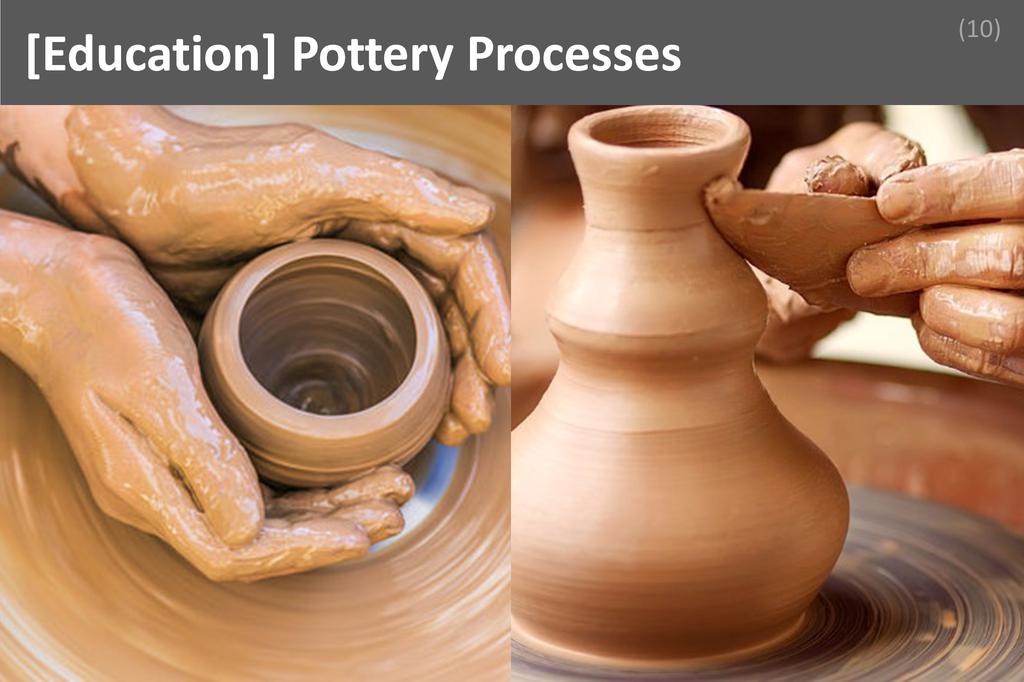
Pottery Processes refers to the sequence of techniques and methods used to transform raw clay into finished ceramic pieces. This includes preparation, shaping, drying, firing, and glazing. Mastery of these processes is essential in both academic study and professional practice, forming the technical backbone of pottery as an art and craft.
Understanding Pottery Processes is vital for anyone pursuing a career in pottery because it provides the essential framework for creating durable, functional, and aesthetically pleasing ceramics. Mastery of these processes ensures that a potter can consistently produce high-quality work, troubleshoot issues, and innovate with new forms and finishes. This foundational knowledge allows professionals to make informed decisions about materials, tools, and techniques, directly impacting the efficiency and creativity of their practice. Over the long term, a deep understanding of Pottery Processes supports career growth by enabling potters to refine their skills, adapt to new technologies, and contribute to the evolution of the field, whether in studio production, teaching, or industrial settings.
Consider a professional potter preparing a batch of stoneware mugs for a local café. Their theoretical understanding of Pottery Processes guides every step, from selecting the appropriate clay body for durability, to controlling the moisture content during shaping, and ensuring even drying to prevent cracks. When firing the mugs, the potter carefully manages kiln temperatures and atmosphere to achieve the desired strength and glaze finish. If a problem arises, such as pinholing in the glaze, their knowledge of the underlying processes allows them to diagnose and correct the issue, perhaps by adjusting the firing schedule or refining the glaze recipe. This expertise ensures the final products meet both functional and aesthetic standards, satisfying client expectations and maintaining professional reputation.
Skills
Good Imaginations

Good Imaginations is the ability to envision creative possibilities, forms, and designs beyond conventional boundaries, allowing an individual to conceptualize unique and innovative outcomes. In pottery, this skill enables professionals to transform raw clay into expressive works of art, pushing the limits of traditional techniques and inspiring original creations.
Good Imaginations directly enhances a potter’s performance by fostering originality and adaptability in their work. Clients and employers highly value this skill because it leads to distinctive pieces that stand out in the marketplace, reflecting both artistic vision and technical mastery. Potters with strong imaginative abilities can anticipate trends, customize designs, and respond creatively to challenges. Cultivating this skill involves regularly exploring new artistic influences, experimenting with unconventional materials or forms, and engaging in creative exercises that stretch one’s conceptual thinking. Over time, consistent practice and exposure to diverse artistic environments help potters refine their imaginative abilities, making them more adept at generating fresh ideas and innovative solutions.
Imagine a potter commissioned to create a centerpiece for a high-profile art exhibition, only to discover that the original design is no longer feasible due to a last-minute supply shortage. Relying on Good Imaginations, the potter quickly re-envisions the project, drawing inspiration from available materials and integrating unexpected textures and shapes. This imaginative pivot not only salvages the commission but results in a piece that captivates the audience and garners critical acclaim. The potter’s ability to visualize new possibilities under pressure demonstrates how Good Imaginations can turn potential setbacks into opportunities for creative triumph and professional recognition.
Patience

Patience is the ability to calmly endure delays, setbacks, or challenges without frustration, maintaining a steady focus on long-term goals. In pottery, patience allows artisans to respect the natural pace of the craft, from shaping clay to waiting for pieces to dry and fire, ensuring quality and artistry in every creation.
Patience directly enhances a potter’s performance by allowing them to work meticulously through each stage of the process, from wedging clay to glazing and firing. Clients and employers value this quality because it leads to consistently high-quality, durable pieces and reduces costly mistakes. Pottery is inherently unpredictable; glazes may react unexpectedly, or pieces may crack in the kiln. A patient potter approaches these setbacks as learning opportunities, rather than sources of frustration. Over time, patience can be cultivated through mindful practice, embracing the rhythm of the craft, and reflecting on each project’s unique challenges. By accepting that mastery takes years and that each piece is a step in a lifelong journey, potters develop resilience and a deeper connection to their work.
Imagine a potter preparing a large, intricate vase for an important exhibition. During the drying phase, the piece develops a minor crack. Instead of rushing to fix it or starting over in frustration, the potter patiently assesses the damage, researches repair techniques, and carefully mends the crack over several days. This deliberate approach not only saves the piece but also enhances the potter’s skills and confidence. When the vase is finally fired and emerges intact, the potter’s patience is rewarded with a beautiful, exhibition-worthy work. This scenario demonstrates how patience transforms setbacks into opportunities for growth and success, reinforcing its essential role in a pottery career.
Sketching

Sketching is the act of creating quick, freehand drawings that capture ideas, forms, and details visually. In pottery, sketching serves as a foundational tool for planning and visualizing ceramic pieces before they are crafted. It enables potters to experiment with shapes, patterns, and proportions, ensuring clarity and precision in their creative process.
Mastering sketching significantly enhances a potter’s ability to communicate ideas, both to themselves and to others. This skill allows for the rapid exploration of design concepts, helping potters refine their vision before committing to the physical medium. Clients and employers highly value sketching because it provides a tangible preview of the final product, facilitating collaboration and minimizing misunderstandings. Over time, potters can cultivate this skill by maintaining a regular sketchbook practice, studying forms and motifs, and seeking feedback from peers or mentors. As their confidence grows, they become more adept at translating abstract ideas into concrete designs, ultimately producing work that is both innovative and meticulously planned.
Imagine a potter commissioned to create a series of custom dinnerware for a high-profile restaurant. The client requests a unique motif that reflects the restaurant’s brand identity. The potter begins by sketching various patterns and shapes, iterating quickly to explore different possibilities. Through sketching, they identify a design that harmonizes with the client’s vision and functional requirements. When an unexpected issue arises—such as the motif not fitting proportionally on certain plate sizes—the potter returns to their sketches, adjusting dimensions and layouts until the design works seamlessly across all pieces. This process not only resolves the problem efficiently but also demonstrates the potter’s professionalism and creative agility, ensuring client satisfaction and project success.
Steady Hands

Steady hands refer to the ability to maintain precise, controlled movements without trembling or unintentional shifts, especially during delicate tasks. In pottery, this skill is crucial for shaping, trimming, and decorating clay pieces, ensuring symmetry and smoothness. Steady hands enable potters to execute intricate designs and maintain consistent quality.
Steady hands directly enhance a potter’s ability to create flawless forms and intricate details, reducing the risk of accidental distortions or breakage. Clients and employers highly value this skill because it translates to higher-quality, more consistent products and fewer costly mistakes. Cultivating steady hands involves regular practice, mindful breathing, and exercises that improve fine motor control. Over time, potters develop greater confidence and dexterity by working on increasingly complex projects and maintaining a calm, focused mindset. This ongoing refinement not only boosts technical proficiency but also builds a reputation for reliability and craftsmanship, making steady hands a foundational asset in any pottery career.
Imagine a potter working on a commissioned set of porcelain teacups, each requiring a delicate, hand-painted motif around the rim. During the decoration process, the slightest tremor could ruin the design and waste hours of work. By relying on steady hands, the potter carefully guides the brush, maintaining even pressure and smooth motion. This precision ensures that every cup matches the client’s specifications, resulting in a flawless, professional finish. The ability to keep hands steady under pressure not only saves valuable materials but also upholds the potter’s reputation for excellence, ultimately leading to repeat business and positive word-of-mouth recommendations.
Positives
Networking

Networking is the process of building and nurturing relationships with fellow professionals, mentors, clients, and enthusiasts within a specific field. In pottery, networking fosters collaboration, knowledge sharing, and mutual support, opening doors to new opportunities, creative inspiration, and professional growth. It transforms solitary work into a vibrant, connected community.
The power of networking in pottery lies in its ability to create a sense of belonging and shared purpose. By connecting with others, potters gain access to valuable advice, feedback, and resources that can accelerate their artistic and business development. Networking often leads to collaborative projects, exhibition invitations, and teaching opportunities, all of which enhance job satisfaction and career prospects. Daily, pottery professionals experience the encouragement and motivation that comes from being part of a supportive network, making challenges feel more manageable and successes more meaningful. This interconnectedness not only helps individuals grow but also strengthens the pottery community as a whole, fostering a culture of generosity and lifelong learning.
Imagine a potter who attends a local ceramics workshop and strikes up a conversation with another artist. Through this connection, they are introduced to a gallery owner seeking new talent for an upcoming exhibition. The potter’s work is selected, leading to increased visibility and sales. Later, the same network provides access to a group studio, where the potter collaborates on a community art project, learning new techniques and forming lasting friendships. This experience highlights how networking transforms individual effort into collective achievement, offering both professional advancement and personal fulfillment. The relationships built through networking continue to open doors and inspire creativity, making the journey in pottery richer and more rewarding.
Monetary Potential

Monetary Potential refers to the capacity for earning income and achieving financial growth through one’s skills, creativity, and business acumen. In the context of pottery, it signifies the opportunity for artisans to generate substantial revenue by selling their handcrafted pieces, teaching workshops, or collaborating with galleries and retailers. This financial aspect contributes positively to the profession by empowering potters to turn their passion into a sustainable livelihood, encouraging continuous improvement, and fostering innovation. The ability to earn a meaningful income from their craft not only validates their artistic efforts but also provides the freedom to explore new techniques and expand their creative horizons, making pottery a truly rewarding career choice.
The monetary potential in pottery is a significant advantage because it transforms a creative pursuit into a viable and fulfilling profession. When potters realize that their unique creations can command premium prices and attract loyal customers, it boosts their confidence and motivation. This financial reward often leads to greater job satisfaction, as artisans see tangible results from their hard work and dedication. The prospect of increasing income through skill development, brand building, and market expansion encourages potters to continually refine their craft. Every day, professionals in this field experience the satisfaction of turning raw materials into valuable works of art, knowing that their talent and effort are recognized and compensated. This ongoing financial growth not only supports their personal and professional aspirations but also inspires them to innovate and reach new heights in their careers.
Consider a potter who starts by selling handmade mugs and bowls at local markets. As their reputation grows, they begin receiving custom orders from restaurants and interior designers, allowing them to set higher prices for their specialized work. Eventually, they launch an online store, attracting customers from around the world and significantly increasing their income. This journey demonstrates the fulfilling impact of monetary potential in pottery. The potter experiences the joy of financial independence, the pride of seeing their work valued by a wide audience, and the motivation to keep evolving artistically. Each sale not only brings monetary reward but also reinforces the sense of accomplishment and purpose that comes from turning a passion into a prosperous career.
Helping Disabled Children

Helping Disabled Children means providing support, guidance, and creative opportunities to children with physical, cognitive, or emotional disabilities, enabling them to participate in pottery activities. This involves adapting techniques, tools, and environments to ensure inclusivity. In pottery, this approach fosters empowerment, self-expression, and confidence, enriching both the children’s and the potter’s experiences.
The act of helping disabled children in pottery brings profound meaning to the profession. Potters who dedicate time to making their craft accessible witness firsthand the transformative power of art. By adapting lessons and encouraging participation, they nurture creativity and independence in children who may face daily challenges. This not only enhances the children’s lives but also deepens the potter’s sense of purpose and fulfillment. The daily interactions foster empathy, patience, and innovation, as professionals continually seek new ways to break down barriers. This ongoing commitment to inclusivity often leads to personal and professional growth, making the work more rewarding and inspiring a lifelong passion for both teaching and creating.
Imagine a potter who runs a weekly pottery class for children with various disabilities. One day, a young girl with limited hand mobility shapes her first clay bowl with the help of specially designed tools and gentle guidance. The pride and joy on her face are unmistakable, and her accomplishment resonates throughout the studio. The potter feels a deep sense of fulfillment, knowing that their efforts have opened a new world of possibility for this child. Each session brings new challenges and triumphs, reinforcing the potter’s belief in the power of art to heal, connect, and empower. This experience becomes a highlight of their career, inspiring continued dedication to inclusive creativity.
Challenges
Competition

Competition in pottery refers to the constant presence of other skilled artisans and businesses vying for the same customers, gallery spaces, and market recognition. This challenge is demanding because it requires potters to continually innovate, maintain high quality, and differentiate their work to sustain visibility and profitability in a crowded marketplace.
The pressure of competition in pottery can influence every aspect of a professional’s daily routine, from the creative process to marketing efforts. Potters must consistently produce unique and high-quality pieces to stand out, which can be mentally and physically taxing. This environment demands resilience, as rejection and slow sales are common. Successful professionals manage this constraint by developing a distinct artistic voice, building strong relationships with customers, and staying adaptable to market trends. They often invest time in learning new techniques, participating in exhibitions, and leveraging social media to reach wider audiences. By focusing on personal growth and community engagement, potters can transform competition into motivation for continuous improvement rather than a source of discouragement.
Consider a potter who noticed an influx of similar ceramic styles saturating local markets and online platforms. Instead of lowering prices or imitating popular trends, she chose to refine her signature glaze technique and incorporated local cultural motifs into her work. She also began hosting interactive workshops, allowing customers to connect with her process and story. Through these efforts, she built a loyal customer base and secured invitations to exclusive art fairs. By embracing her individuality and engaging directly with her audience, she not only overcame the challenge of competition but also elevated her reputation within the pottery community, demonstrating how authenticity and innovation can turn a competitive market into an opportunity for growth.
Lack of Awareness

Lack of Awareness in pottery refers to the limited public understanding and appreciation of the craft, its techniques, and its cultural value. This challenge is demanding because it restricts opportunities for potters, affects market demand, and often leads to undervaluation of their work, making professional growth and recognition difficult.
The lack of awareness surrounding pottery can make it difficult for professionals to attract customers, secure exhibition opportunities, or even gain respect within the broader art community. Daily work is affected as potters may struggle to justify their pricing, find sustainable markets, or receive acknowledgment for their skills. This challenge demands resilience, as repeated setbacks can be discouraging and may lead to self-doubt. Successful professionals manage this constraint by actively educating their audience, participating in community events, and leveraging social media to showcase their creative process. By sharing stories behind their pieces and engaging with potential buyers, they gradually build appreciation and understanding, turning a lack of awareness into an opportunity for connection and growth.
Consider a potter who notices that visitors to her studio often view her work as merely decorative rather than functional art. Recognizing this gap in understanding, she begins hosting interactive workshops where participants can try their hand at wheel-throwing and glazing. Through these sessions, she explains the history, techniques, and significance of pottery, allowing attendees to experience the craft firsthand. Over time, her workshops become popular, leading to increased interest in her pieces and more informed customers who value the artistry involved. By proactively addressing the lack of awareness, she not only boosts her business but also fosters a deeper appreciation for pottery within her community.
Transportation

Transportation in pottery refers to the process of moving delicate ceramic pieces from the studio to markets, galleries, or clients. This task is demanding because pottery is inherently fragile, susceptible to chipping, cracking, or breaking during transit, and often requires careful packaging, specialized containers, and reliable logistics to ensure safe delivery.
The challenge of transportation significantly affects the daily workflow of pottery professionals, as every finished piece must be handled with exceptional care to avoid damage. This necessity adds extra time and cost to each project, requiring resilience and meticulous planning. Potters often face the stress of potential losses, especially when delivering large or intricate works. Successful professionals mitigate these risks by investing in high-quality packing materials, developing efficient packing techniques, and building relationships with trustworthy couriers. Some even design their work with transportation in mind, choosing forms and finishes that are less prone to damage. By anticipating potential issues and adapting their processes, they maintain the integrity of their creations and uphold their reputation for quality.
Consider a potter who regularly ships handmade dinnerware to customers across the country. Aware of the risks, she invests in custom foam inserts and double-walled boxes, carefully wrapping each piece to minimize movement during transit. She schedules shipments to avoid extreme weather and works closely with a reliable shipping company that understands the fragile nature of her products. When a rare breakage occurs, she promptly communicates with the customer and offers a replacement, turning a potential setback into an opportunity for excellent service. Through these proactive measures, she consistently delivers her pottery intact, building trust and loyalty among her clientele while overcoming the inherent transportation challenges of her craft.
A Day Of
Pottery
The day begins long before the first lump of clay is thrown onto the wheel. For a pottery professional, the studio is a world of tactile anticipation and creative rhythm, where the hum of the kiln and the scent of wet earth set the pace. Each workday is a blend of solitary focus and collaborative energy, marked by the steady transformation of raw materials into functional art. The environment is both meditative and dynamic, with hands constantly in motion and ideas taking shape in real time. In this world, patience is as essential as skill, and every day brings a new opportunity to mold, refine, and inspire.
As the sun rises, the pottery studio comes to life with the quiet rituals of preparation. The early morning is dedicated to readying the workspace, which includes wedging and conditioning clay to ensure it is free of air bubbles and has the perfect consistency for throwing. Tools are organized, wheels are cleaned, and glazes are mixed or checked for the day’s projects. This is also the time to review the previous day’s work, inspect pieces that have dried overnight, and plan the sequence of tasks ahead. The calm of the morning allows for a mindful connection to the materials and sets a focused tone for the hours to come.
Mid-morning marks the heart of the pottery professional’s day, when creative energy peaks and the studio buzzes with activity. This is when the wheel spins steadily, hands expertly shaping clay into bowls, mugs, or sculptural forms. The process demands intense concentration and physical engagement, as each piece must be thrown, trimmed, and sometimes altered while the clay is at its most workable. There may be moments of collaboration with fellow potters, sharing techniques or troubleshooting challenges, but much of this time is spent in a flow state, fully immersed in the tactile dialogue between maker and material.
After a midday break, the afternoon is devoted to the technical and collaborative aspects of pottery. Pieces that have dried to the right stage are carefully glazed, with attention to both color and chemistry, as the outcome depends on precise application and knowledge of firing temperatures. The kiln is loaded with finished work, and firing schedules are coordinated to maximize efficiency. This period often includes discussions with studio mates about shared equipment, upcoming exhibitions, or group projects. The atmosphere is lively, with a sense of shared purpose as everyone works toward bringing their creations to completion.
As the day winds down, the focus shifts to cleaning the studio, maintaining equipment, and documenting progress. Tools are washed, surfaces are wiped down, and the workspace is restored to order. Finished pieces are photographed and cataloged, while notes are made about glaze results or firing outcomes. This is also the time to respond to emails, update inventory, and plan for the next day’s work, whether that means preparing new clay bodies or sketching ideas for future pieces. The sense of accomplishment is tangible, and the quiet satisfaction of a productive day lingers as the studio lights are dimmed and the doors are closed until tomorrow. |


 Home
Home Abroad
 Plan
Plan Philosophy
 Seminar
 Pages
Pages Advisors
 Testimonials















 Workshop
 Discuss
 Meet
Meet
 Advisor
 Story
Story
 Fine Print
 Links
Links
 Blog
Blog
 Follow
