The Journey of Handicrafts Design
What Is Handicrafts Design
Handicrafts Design

Handicrafts Design is the creative process of conceptualizing, developing, and producing decorative or functional objects by hand, often using traditional techniques and materials. It blends artistry, cultural heritage, and craftsmanship to create unique items that reflect personal expression and regional identity, supporting both artistic and economic sustainability.
Handicrafts Design plays a vital role in preserving cultural traditions while fostering innovation and creativity. For professionals, it offers a platform to express individuality and connect with diverse communities through their work. The field supports sustainable livelihoods by promoting small-scale production and local sourcing of materials, which reduces environmental impact. It also encourages entrepreneurship, as artisans can establish their own brands and businesses, gaining financial independence. Furthermore, Handicrafts Design helps maintain and revive traditional skills, ensuring that valuable cultural knowledge is passed on to future generations. This combination of cultural preservation, economic empowerment, and environmental consciousness makes Handicrafts Design a meaningful and impactful career choice.
A professional in Handicrafts Design might collaborate with rural artisans to create a line of contemporary home décor products inspired by traditional weaving techniques. By integrating modern aesthetics with age-old craftsmanship, the designer helps artisans adapt their skills to current market trends. The process involves researching local materials, experimenting with new color palettes, and refining product functionality to appeal to urban consumers. Through workshops and hands-on guidance, the designer empowers artisans to innovate while maintaining the authenticity of their craft. The resulting products are then marketed through online platforms and boutique stores, connecting rural craftsmanship with a global audience and generating sustainable income for the artisan community.
Education
Craft Work
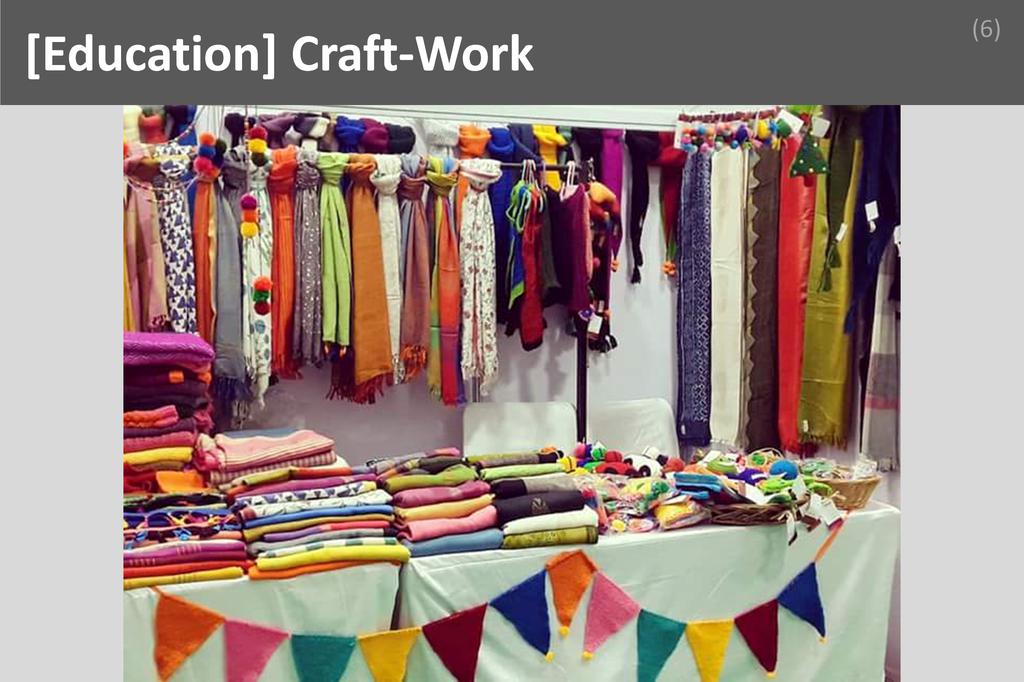
Craft Work refers to the skilled creation of objects by hand, utilizing traditional techniques, materials, and artistic sensibilities. It encompasses the knowledge, processes, and cultural significance behind handmade artifacts. In Handicrafts Design, Craft Work is essential, forming the academic and professional foundation for understanding, preserving, and innovating within the field.
Understanding Craft Work is vital for anyone pursuing a career in Handicrafts Design because it provides the essential framework for both creative expression and technical proficiency. Mastery of craft techniques, materials, and historical context allows designers to create authentic, high-quality products that honor tradition while meeting contemporary demands. This foundational knowledge enables professionals to communicate effectively with artisans, innovate responsibly, and adapt to evolving market trends. Over the long term, a deep grasp of Craft Work fosters versatility, problem-solving skills, and the ability to contribute meaningfully to cultural preservation and sustainable practices. Professionals who are well-versed in Craft Work are better equipped to lead projects, mentor others, and build a lasting reputation in the handicrafts industry.
Imagine a Handicrafts Design professional tasked with developing a new line of eco-friendly home décor. Drawing on their theoretical understanding of Craft Work, they select locally sourced natural fibers and apply traditional weaving techniques learned through academic study. During the design process, they collaborate closely with skilled artisans, ensuring that each piece maintains cultural authenticity and superior craftsmanship. Their knowledge of Craft Work allows them to troubleshoot production challenges, adapt designs to material limitations, and uphold quality standards. This expertise not only results in a successful product launch but also strengthens relationships with artisan communities and reinforces the brand’s commitment to sustainability and heritage.
History Of Indian Crafts & Culture

The History Of Indian Crafts & Culture explores the evolution, techniques, motifs, and socio-cultural significance of traditional Indian handicrafts across regions and eras. This subject forms a crucial part of the academic and professional foundation for Handicrafts Design, enabling designers to create authentic, contextually rich, and culturally sensitive products.
Understanding the History Of Indian Crafts & Culture is essential for anyone aspiring to excel in Handicrafts Design. This knowledge allows professionals to appreciate the origins and meanings behind various craft forms, materials, and motifs, ensuring that their work respects and preserves traditional values while innovating for contemporary markets. By studying historical contexts, designers gain insights into regional diversity, craftsmanship techniques, and the socio-economic factors that shaped Indian crafts. This foundation not only fosters creativity but also equips professionals to communicate the significance of their designs to clients and collaborators. Over time, such expertise enhances credibility, supports sustainable practices, and opens opportunities for leadership roles in the preservation and revitalization of India’s rich craft heritage.
Consider a handicrafts designer working with rural artisans to develop a new line of hand-embroidered textiles. Drawing on their understanding of the History Of Indian Crafts & Culture, the designer recognizes the symbolic motifs unique to a particular region and the traditional methods used to create them. This awareness guides the designer in selecting appropriate patterns and materials, ensuring that the new products honor the community’s heritage while appealing to modern consumers. By referencing historical narratives in product storytelling and marketing, the designer adds value to the collection and fosters a deeper connection between artisans, buyers, and the broader cultural legacy. This approach not only enhances product authenticity but also supports the sustainable livelihood of traditional craft communities.
Craft Practices
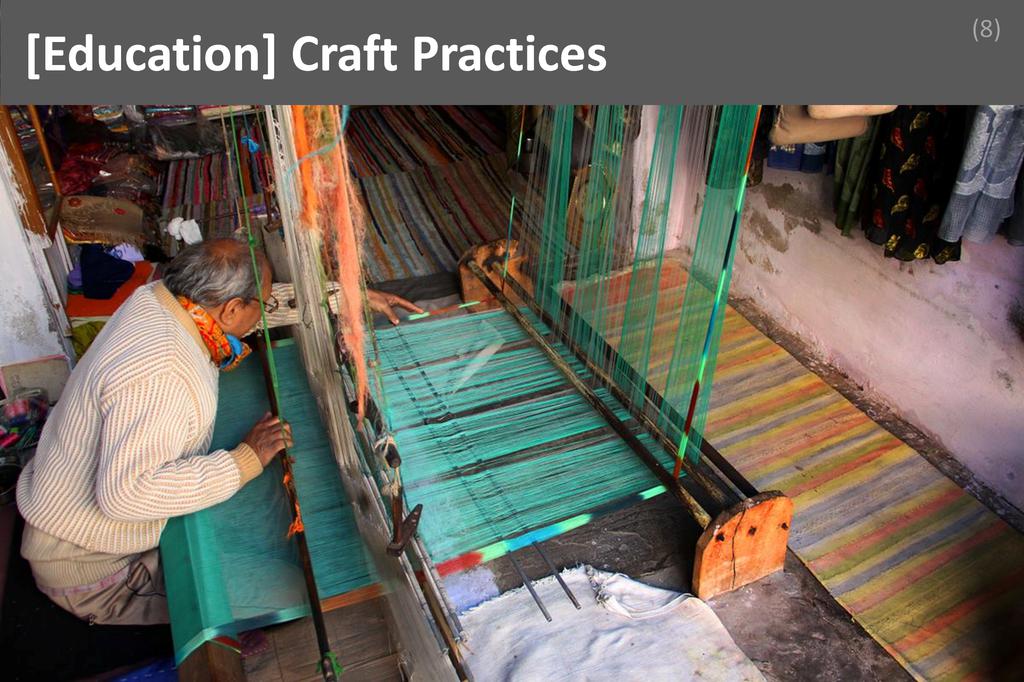
Craft Practices refers to the study and application of traditional and contemporary techniques, materials, and processes used in creating handmade objects. It encompasses the cultural, historical, and technical knowledge essential for producing high-quality handicrafts. In Handicrafts Design, Craft Practices form a core academic and professional foundation, guiding creative and practical decision-making.
Understanding Craft Practices is crucial for anyone pursuing a career in Handicrafts Design because it bridges the gap between conceptual ideas and tangible creations. Mastery of this subject ensures that designers are equipped with the technical skills and cultural awareness necessary to innovate while respecting tradition. It enables professionals to select appropriate materials, employ effective techniques, and troubleshoot production challenges. Over time, this expertise fosters adaptability, allowing designers to respond to evolving market trends and client needs. Furthermore, a deep knowledge of Craft Practices enhances credibility and opens opportunities for collaboration with artisans, manufacturers, and cultural institutions, ultimately supporting sustainable and meaningful career growth in the handicrafts sector.
Consider a handicrafts designer tasked with developing a new line of eco-friendly home décor items. Drawing on their understanding of Craft Practices, the designer researches traditional weaving techniques and locally sourced natural fibers. They collaborate with skilled artisans to adapt age-old methods for contemporary aesthetics, ensuring the final products are both authentic and marketable. Throughout the process, the designer applies their theoretical knowledge to solve practical issues, such as optimizing dyeing processes for colorfastness or modifying patterns for efficient production. This integration of Craft Practices not only results in unique, high-quality products but also supports artisan communities and promotes sustainable design principles in everyday professional practice.
Geography

Geography is the study of the Earth's landscapes, environments, and the relationships between people and their surroundings. It explores physical features, climates, resources, and cultural patterns across regions. For Handicrafts Design, geography provides essential context for understanding materials, techniques, and traditions rooted in specific locations and communities.
A solid grasp of geography is crucial for anyone pursuing a career in Handicrafts Design because it connects designers to the origins of materials, traditional methods, and cultural influences that shape their craft. Understanding geographical factors allows professionals to source sustainable materials, appreciate regional aesthetics, and respect the cultural significance of various handicraft traditions. This knowledge also enables designers to anticipate how environmental changes, such as climate or resource availability, might impact their work. Over time, a strong foundation in geography helps professionals adapt to global trends, collaborate with artisans from diverse backgrounds, and create designs that are both authentic and innovative. Ultimately, geography enriches a designer’s perspective, ensuring their creations are informed, responsible, and globally relevant.
Consider a handicrafts designer tasked with creating a new line of eco-friendly textiles. Their understanding of geography guides them in selecting fibers native to specific regions, such as bamboo from Southeast Asia or alpaca wool from the Andes. By recognizing the environmental conditions and traditional harvesting methods unique to these areas, the designer can ensure ethical sourcing and maintain the integrity of local craftsmanship. Additionally, knowledge of regional climate patterns helps them choose dyes and techniques that are best suited for the materials, resulting in durable and vibrant products. This geographical awareness not only enhances the quality and authenticity of their designs but also fosters sustainable partnerships with local artisans, benefiting both the community and the environment.
Skills
Drawing
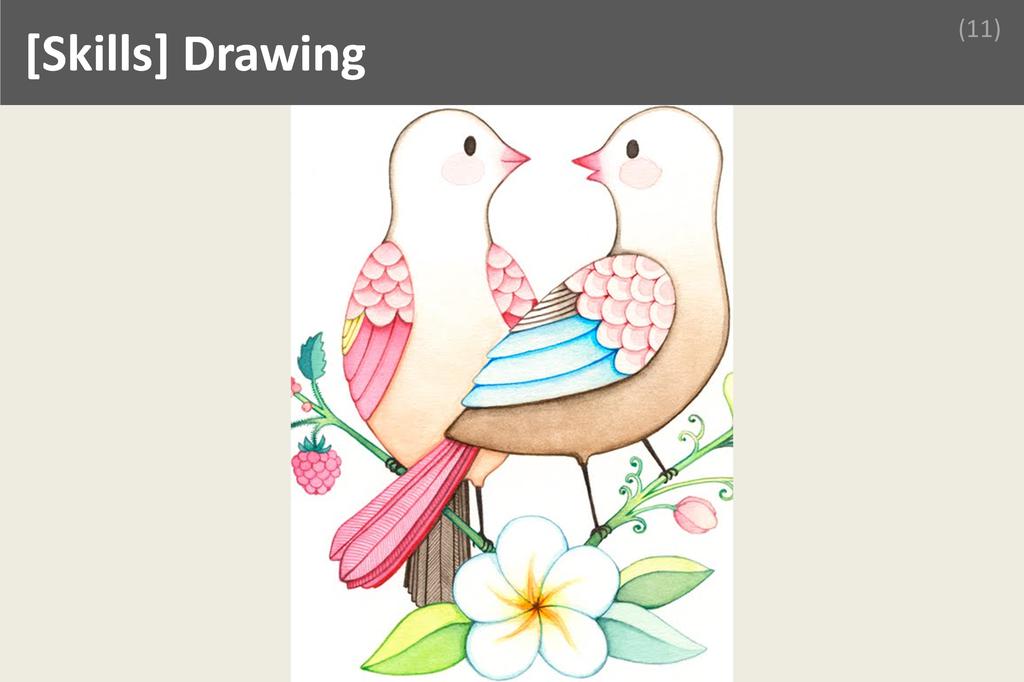
Drawing is the practice of creating visual representations on a surface using lines, shapes, and shading to communicate ideas, concepts, or objects. In Handicrafts Design, drawing serves as the foundation for visualizing and planning intricate designs, enabling professionals to translate creative thoughts into tangible, workable forms before production begins.
Mastering drawing significantly enhances a handicrafts designer’s ability to conceptualize and refine ideas with precision and clarity. This skill allows designers to quickly sketch prototypes, experiment with patterns, and communicate complex concepts to clients or team members, making the design process more efficient and collaborative. Clients and employers highly value drawing because it demonstrates a designer’s ability to visualize and articulate unique solutions, reducing misunderstandings and ensuring that expectations are met. To cultivate this skill, aspiring professionals should practice regularly, study various drawing techniques, and seek feedback from mentors or peers. Over time, consistent effort leads to improved hand-eye coordination, a better understanding of form and proportion, and increased confidence in expressing creative visions.
Imagine a handicrafts designer tasked with creating a custom set of decorative ceramic tiles for a client’s home. During the initial consultation, the client struggles to describe their vision using words alone. The designer quickly sketches several tile patterns, experimenting with motifs and color placements directly in front of the client. This immediate visual feedback helps clarify the client’s preferences and sparks new ideas. Later, the designer refines these sketches into detailed drawings that guide the production process, ensuring that artisans can accurately replicate the intended designs. In this scenario, drawing not only bridges the communication gap but also streamlines the workflow, resulting in a final product that aligns perfectly with the client’s expectations.
Creativity
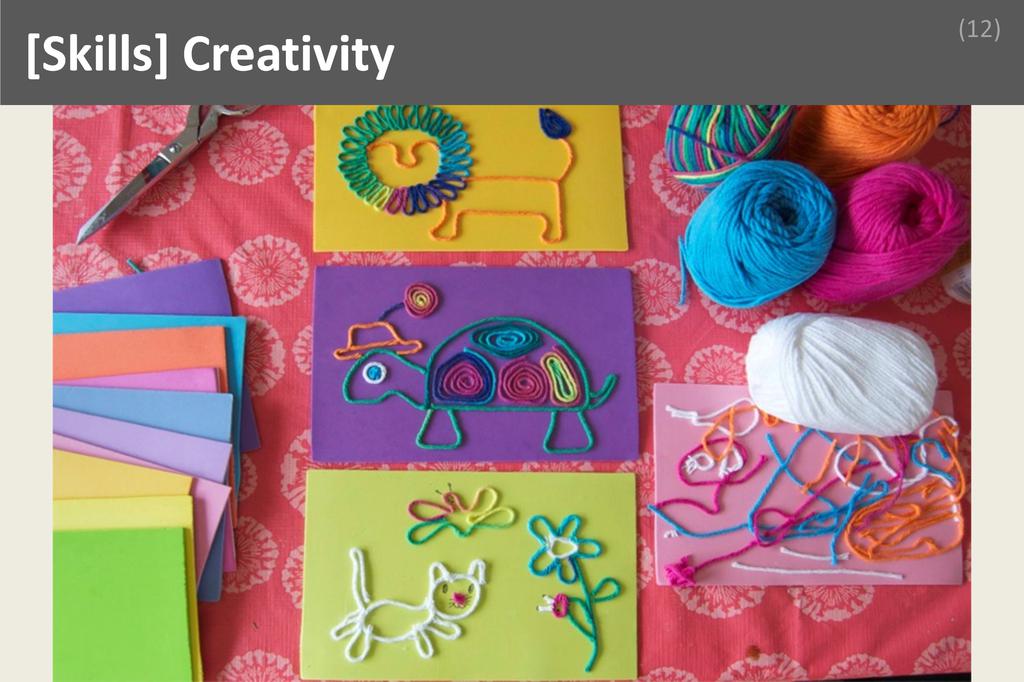
Creativity is the ability to generate original ideas, think outside conventional boundaries, and combine concepts in novel ways to produce unique and meaningful outcomes. In the context of Handicrafts Design, creativity empowers professionals to infuse their work with individuality, innovation, and cultural relevance, making each piece distinct and appealing.
Creativity is the driving force behind exceptional handicrafts, enabling designers to transform traditional techniques into contemporary masterpieces. This skill allows professionals to respond to evolving trends, experiment with materials, and develop products that stand out in a competitive market. Clients and employers highly value creativity because it leads to fresh, marketable designs that attract attention and foster brand loyalty. To cultivate creativity, one should seek inspiration from diverse sources, practice regularly, and remain open to experimentation and feedback. Over time, engaging with different artistic styles, collaborating with peers, and embracing challenges can further enhance creative thinking, ensuring continuous growth and adaptability in the field.
Imagine a handicrafts designer tasked with creating a new line of eco-friendly home décor using only recycled materials. Faced with limited resources and the challenge of making the products both functional and visually appealing, the designer draws upon creativity to reimagine discarded items as beautiful, marketable pieces. By experimenting with unconventional combinations and innovative techniques, the designer successfully crafts a collection that not only meets sustainability goals but also captivates customers with its originality. This creative approach not only solves the immediate problem of material constraints but also elevates the designer’s reputation for ingenuity and resourcefulness, leading to increased demand and professional recognition.
Patience
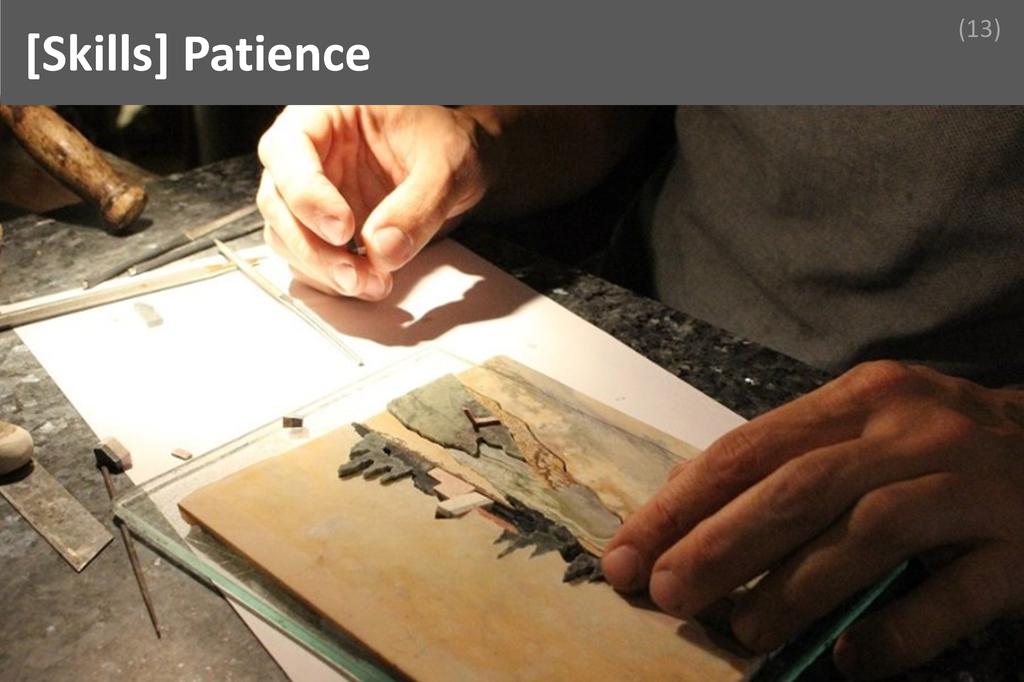
Patience is the ability to remain calm, composed, and persistent when faced with delays, challenges, or repetitive tasks, without becoming frustrated or giving up. In Handicrafts Design, patience is indispensable because the creative process often involves intricate details, trial and error, and the need for steady, focused attention to achieve high-quality results.
Patience directly enhances performance in Handicrafts Design by allowing professionals to meticulously refine their work, correct mistakes, and master complex techniques without rushing. Clients and employers highly value this trait because it leads to superior craftsmanship, reliability, and the consistent delivery of unique, well-finished products. Cultivating patience involves embracing the learning curve, practicing mindfulness, and setting realistic expectations for progress. Over time, repeated exposure to challenging projects and a commitment to continuous improvement help designers build resilience and the ability to approach each task with calm determination. This mindset not only improves the quality of the final product but also fosters a positive reputation within the industry.
Imagine a Handicrafts Design professional working on a custom piece that requires intricate beadwork. Midway through the project, they discover that a section of the pattern is misaligned, threatening the overall design. Instead of reacting with frustration or abandoning the work, the designer exercises patience by carefully undoing the flawed section and reworking it stitch by stitch. This deliberate, composed approach ensures the final piece meets both the client’s expectations and the designer’s own standards of excellence. By relying on patience, the professional not only salvages the project but also demonstrates reliability and dedication, which strengthens client trust and enhances their reputation for quality craftsmanship.
Hard Work
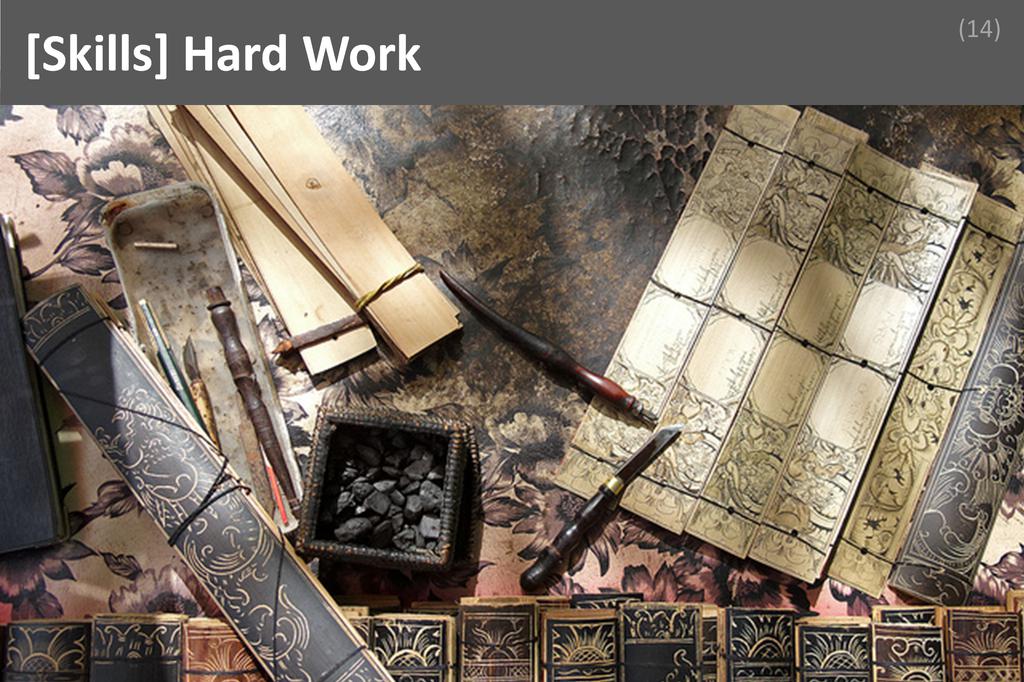
Hard work is the consistent application of effort, perseverance, and dedication toward achieving goals, even in the face of challenges or setbacks. In Handicrafts Design, hard work is the driving force that transforms creative ideas into tangible products, ensuring quality, originality, and client satisfaction. It is the backbone of sustained professional growth.
Hard work directly enhances a Handicrafts Design professional’s performance by fostering attention to detail, mastery of techniques, and the ability to meet demanding deadlines. Clients and employers highly value this trait because it translates into reliability, consistent output, and a willingness to go the extra mile to deliver exceptional results. Cultivating hard work involves setting clear goals, maintaining discipline, and embracing continuous learning. Over time, the habit of diligent effort becomes second nature, allowing designers to tackle complex projects, adapt to new trends, and build a reputation for excellence in the competitive world of handicrafts.
Imagine a Handicrafts Design professional tasked with creating a bespoke collection for an important exhibition, only to encounter unexpected material shortages and tight timelines. Instead of compromising on quality or missing deadlines, the designer puts in extra hours, experiments with alternative materials, and meticulously refines each piece. Through unwavering hard work, the collection is completed on time, impressing both the client and exhibition visitors. This dedication not only salvages the project but also enhances the designer’s reputation, leading to new opportunities and long-term success. In this scenario, hard work is the critical factor that transforms adversity into achievement.
Networking
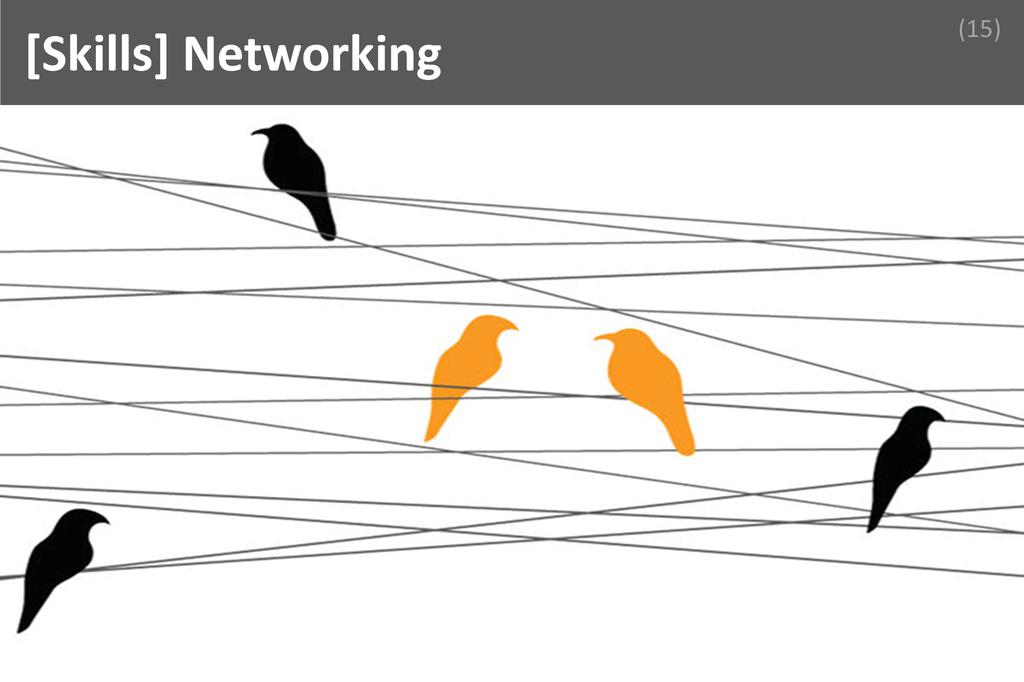
Networking is the process of building and nurturing professional relationships that facilitate the exchange of information, resources, and opportunities. In Handicrafts Design, networking enables designers to connect with artisans, suppliers, clients, and industry experts, fostering collaboration, inspiration, and business growth. It is a vital tool for career advancement.
The ability to network effectively can significantly enhance a Handicrafts Design professional’s performance by opening doors to new markets, collaborations, and learning opportunities. Clients and employers value individuals who can leverage their connections to source unique materials, discover emerging trends, and secure commissions or exhibitions. Networking also helps designers stay informed about industry developments and potential partnerships. Cultivating this skill requires consistent effort, such as attending trade fairs, participating in workshops, joining professional associations, and engaging with peers both online and offline. Over time, these interactions build trust and credibility, making it easier to access support, share knowledge, and grow professionally within the vibrant handicrafts community.
Imagine a Handicrafts Design professional facing a sudden shortage of a rare material needed to complete a high-profile project. Through their established network, they quickly reach out to fellow designers and suppliers, seeking recommendations or alternative sources. Within hours, a contact from a previous exhibition introduces them to a new supplier who can provide the required material. This timely connection not only saves the project but also strengthens the designer’s reputation for reliability and resourcefulness. By relying on their network, the professional overcomes a critical challenge, demonstrates problem-solving skills, and potentially opens up future collaborative opportunities, all of which contribute to long-term career success.
Positives
Self Satisfaction
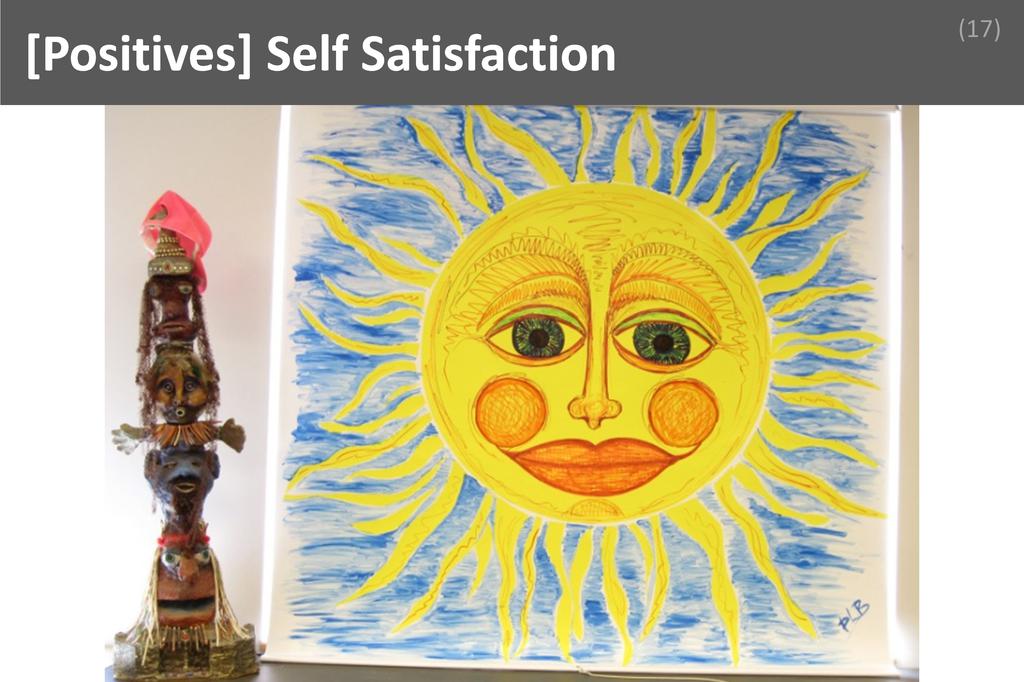
Self satisfaction is the deep sense of fulfillment and contentment that arises from achieving personal goals, expressing creativity, and witnessing the tangible results of one’s efforts. In handicrafts design, this feeling is amplified as artisans see their unique ideas take shape, knowing their skills and passion have created something meaningful and beautiful.
The sense of self satisfaction in handicrafts design is a powerful motivator that transforms daily work into a source of joy and pride. When designers pour their creativity and effort into each piece, the resulting satisfaction fuels their passion and commitment, making even challenging tasks feel worthwhile. This intrinsic reward not only enhances job satisfaction but also encourages continuous learning and improvement. As professionals experience the gratification of seeing their creations appreciated by others, their confidence grows, leading to greater innovation and personal growth. Ultimately, self satisfaction becomes the foundation for a fulfilling and sustainable career, where every project brings a renewed sense of purpose and achievement.
Imagine a handicrafts designer who spends weeks meticulously weaving a traditional tapestry, drawing inspiration from cultural motifs and personal experiences. As the final threads are tied, the designer steps back to admire the finished piece, feeling a profound sense of accomplishment. When the tapestry is displayed at a local exhibition, visitors express admiration and curiosity, further validating the designer’s hard work and creative vision. This moment of recognition, combined with the knowledge that their hands have transformed raw materials into art, brings an overwhelming sense of self satisfaction. It is this daily experience of fulfillment that motivates the designer to continue exploring new ideas and perfecting their craft.
Flexibility

Flexibility is the ability to adapt work schedules, methods, and creative approaches to suit personal preferences, project requirements, or changing circumstances. In handicrafts design, flexibility empowers professionals to balance their creative vision with practical demands, fostering innovation and personal fulfillment while accommodating diverse client needs and market trends.
Flexibility is a cornerstone of satisfaction and growth in handicrafts design because it allows artisans to shape their careers around their lives, not the other way around. This adaptability means professionals can choose when and where to work, experiment with new materials or techniques, and respond swiftly to evolving customer tastes. The freedom to set their own pace and direction leads to higher motivation, reduced burnout, and a stronger sense of ownership over their creations. Every day, designers experience the benefit of flexibility by seamlessly integrating their artistic pursuits with personal commitments, ensuring that their passion remains at the heart of their profession while still meeting the demands of a dynamic marketplace.
Imagine a handicrafts designer who is also a parent, managing family responsibilities alongside a thriving creative business. Thanks to the flexibility inherent in this field, they can schedule studio time around school runs or family events, working early mornings or late evenings as needed. When a new trend emerges, they can quickly pivot their designs to capture fresh market interest, experimenting with innovative materials or techniques without waiting for approval from a rigid hierarchy. This autonomy not only allows them to maintain a healthy work-life balance but also keeps their creative spirit alive, making each day both productive and personally meaningful. Flexibility transforms their career into a source of joy and continual growth.
Monetary Potential

Monetary Potential refers to the capacity of a profession to generate significant financial rewards, offering opportunities for income growth, wealth accumulation, and economic stability. In handicrafts design, this potential is realized through the ability to create unique, high-value products that attract discerning customers, collectors, and global markets, ensuring sustainable earnings.
The monetary potential in handicrafts design is a powerful motivator, transforming creative passion into a viable and lucrative career. This financial promise not only elevates job satisfaction but also encourages continuous skill development and innovation. As designers witness their creations appreciated and purchased at premium prices, they gain confidence and motivation to push creative boundaries. The steady flow of income supports personal aspirations and professional growth, allowing artisans to invest in better materials, advanced techniques, and expanded business opportunities. Every day, professionals in this field experience the tangible rewards of their talent, knowing that their work is both artistically fulfilling and financially rewarding, which fosters a deep sense of pride and accomplishment.
Consider a skilled handicrafts designer who specializes in contemporary ceramic art. After years of honing their craft, they launch an online store and participate in international exhibitions. Their unique pieces quickly attract attention from collectors and interior designers willing to pay premium prices for bespoke artwork. As demand grows, the designer is able to increase prices, collaborate with luxury brands, and even mentor aspiring artisans. The financial success not only provides a comfortable lifestyle but also funds further creative exploration and business expansion. This journey exemplifies how the monetary potential in handicrafts design transforms artistic passion into a sustainable and prosperous career, making every achievement both creatively and financially satisfying.
Social Empowerment
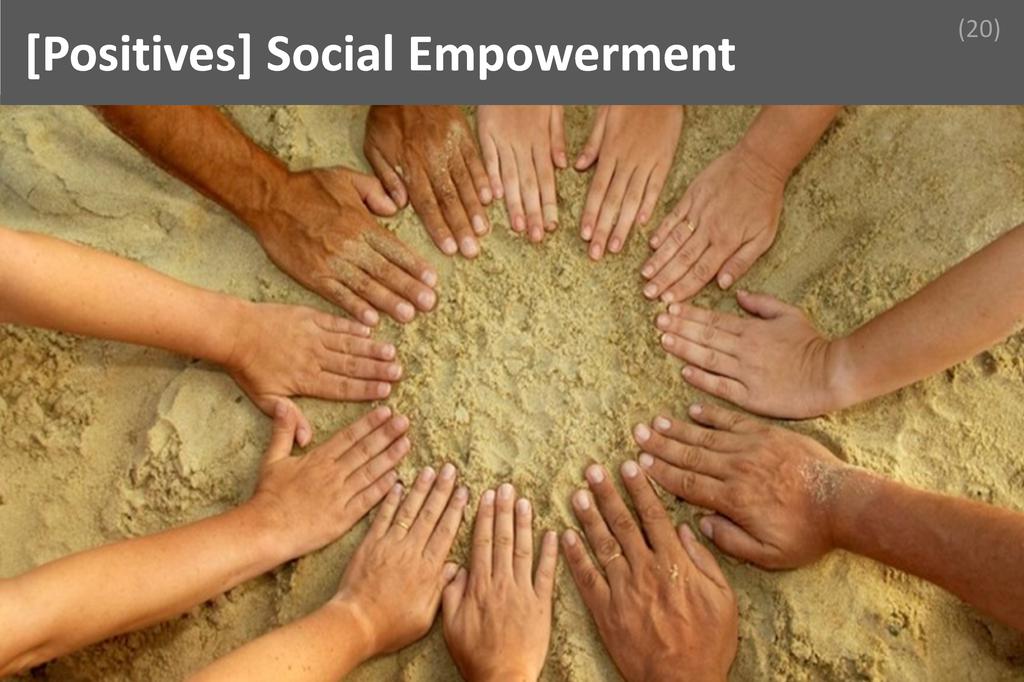
Social Empowerment is the process of enabling individuals or communities to gain confidence, skills, and resources to influence their own lives and participate actively in society. In handicrafts design, social empowerment fosters creativity, preserves cultural heritage, and provides artisans with opportunities to improve their livelihoods, making the profession deeply meaningful and impactful.
Social empowerment is a cornerstone of handicrafts design because it transforms creative work into a force for positive change. By uplifting artisans and communities, professionals in this field help preserve traditional skills while encouraging innovation. This sense of purpose enhances job satisfaction, as designers witness firsthand the difference their work makes in people’s lives. The collaborative nature of handicrafts design nurtures a supportive environment where knowledge is shared and growth is collective. Every day, professionals experience the joy of seeing their efforts translate into improved self-esteem, financial independence, and stronger community bonds for artisans. This ongoing impact not only fuels personal growth but also inspires a lifelong commitment to the craft.
Imagine a handicrafts designer working with a rural women’s cooperative to develop a new line of eco-friendly textiles. Through workshops and mentorship, the designer helps the artisans refine their techniques and access new markets. As the women gain confidence and financial stability, they become leaders in their community, inspiring others to pursue creative endeavors. The designer witnesses the transformation as these artisans use their newfound skills to support their families and invest in local education. This daily interaction, where creativity and empowerment intersect, provides the designer with a profound sense of fulfillment, knowing their work has sparked lasting positive change in the lives of others.
Challenges
Keeping Pace With the Market

Keeping pace with the market in Handicrafts Design means continuously adapting to evolving consumer preferences, trends, and technological advancements while maintaining the authenticity of handmade creations. This is demanding because it requires designers to balance tradition with innovation, respond quickly to change, and compete in a fast-moving, often unpredictable marketplace.
The challenge of keeping pace with the market affects daily work by compelling handicrafts designers to constantly monitor trends, update their skills, and experiment with new materials or techniques. This ongoing pressure can be exhausting and requires significant resilience, as the risk of falling behind is ever-present. Successful professionals manage this constraint by cultivating a mindset of lifelong learning and adaptability. They proactively seek inspiration from global trends, attend workshops, and engage with online communities to stay informed. By remaining open to feedback and willing to pivot their creative direction, they ensure their work remains relevant without sacrificing their unique artistic voice. This balance between responsiveness and authenticity is key to thriving in the dynamic handicrafts sector.
Consider a textile designer specializing in traditional handwoven fabrics who notices a growing market interest in eco-friendly and contemporary home décor. Rather than sticking solely to classic patterns, she researches sustainable dyes and modern color palettes, integrating these elements into her new collection. She attends virtual design fairs and collaborates with interior designers to understand emerging consumer tastes. By sharing her updated designs on social media and engaging with a broader audience, she not only preserves her craft’s heritage but also appeals to new customers. Through this adaptive approach, she successfully navigates the challenge of keeping pace with the market, ensuring her work remains both relevant and distinctive.
Multitasking

Multitasking in Handicrafts Design refers to the simultaneous management of creative processes, material sourcing, production, client communication, and business operations. This juggling act is demanding because it requires constant mental shifts, attention to detail, and the ability to balance artistic vision with practical constraints, often under tight deadlines and resource limitations.
The challenge of multitasking in handicrafts design can lead to fragmented focus, increased stress, and a higher risk of errors, ultimately affecting the quality of both creative output and business operations. Professionals must demonstrate resilience to cope with shifting priorities and unexpected interruptions, which are common in this field. Successful designers often develop strong organizational habits, such as setting clear priorities and allocating specific time slots for different tasks. They also learn to recognize their limits and delegate responsibilities when possible, ensuring that each aspect of their work receives adequate attention. By embracing flexibility and maintaining a structured approach, they can navigate the complexities of multitasking without sacrificing creativity or efficiency.
Consider a handicrafts designer preparing for a major exhibition while managing ongoing client orders and overseeing a small team. Each day, she must switch between designing new pieces, responding to client inquiries, sourcing unique materials, and mentoring her assistants. To manage these overlapping demands, she creates a daily schedule that blocks out time for focused design work, sets aside intervals for administrative tasks, and holds brief team meetings to delegate responsibilities. By maintaining this disciplined routine and remaining adaptable to last-minute changes, she not only meets her deadlines but also ensures the quality and originality of her creations. This approach allows her to thrive in a multitasking environment without becoming overwhelmed.
Spreading Awareness

Spreading Awareness in Handicrafts Design refers to the ongoing effort to educate the public, potential clients, and stakeholders about the value, uniqueness, and cultural significance of handcrafted products. This is demanding because it requires persistent outreach, overcoming misconceptions, and competing with mass-produced goods in a market that often overlooks artisanal work.
The challenge of spreading awareness deeply influences the daily routines of handicrafts designers, often requiring them to dedicate significant time to marketing, storytelling, and community engagement in addition to their creative work. This dual responsibility can be exhausting and may lead to frustration when efforts do not yield immediate results. The need for resilience is paramount, as setbacks and slow progress are common. Successful professionals tackle this constraint by building authentic connections with audiences, leveraging social media to showcase their process, and participating in exhibitions or collaborations that highlight the distinctiveness of their craft. By consistently sharing their story and educating others, they gradually cultivate appreciation and demand for their work, turning awareness into tangible opportunities.
Consider a textile designer specializing in traditional handloom weaving who faces limited recognition beyond her local community. To overcome this, she starts documenting her creative process through engaging videos and stories on social media, explaining the cultural heritage and labor behind each piece. She also collaborates with local schools and art galleries to host interactive workshops, allowing people to experience weaving firsthand. Over time, her efforts attract media attention and a growing online following, leading to increased sales and invitations to participate in national craft fairs. Through persistent outreach and education, she successfully raises awareness about her craft, ensuring its appreciation and sustainability in a competitive market.
A Day Of
Handicrafts Design
The world of handicrafts design is a vibrant blend of tradition and innovation, where every day pulses with creativity and hands-on problem-solving. Unlike the predictable rhythm of office life, a handicrafts design professional’s workspace is alive with the hum of tools, the scent of raw materials, and the ever-present challenge of transforming ideas into tangible beauty. The pace is dynamic, shifting from quiet moments of inspiration to bursts of collaborative energy, all set against the backdrop of studios filled with color, texture, and the stories of skilled artisans. Here, no two days are ever quite the same, but each unfolds with a sense of purpose and artistry that goes far beyond the confines of a desk.
As the sun filters through the studio windows, the day begins with a quiet ritual of preparation. The handicrafts design professional arrives early, taking time to survey ongoing projects, organize materials, and review sketches or mood boards from the previous day. This is a moment for reflection and inspiration, perhaps fueled by a cup of tea and a quick scan of design journals or social media feeds for emerging trends. The early hours are dedicated to setting intentions, ensuring that the workspace is both orderly and inviting, ready to foster creativity and focus for the hours ahead.
Mid-morning marks the heart of the creative process, when ideas are brought to life through hands-on experimentation. The studio buzzes with activity as the designer selects fabrics, dyes, or clay, and begins shaping, weaving, or carving new prototypes. This is the most immersive part of the day, demanding both technical skill and artistic intuition. The designer might test color combinations, refine patterns, or troubleshoot construction challenges, all while documenting progress and making adjustments on the fly. It’s a time of deep concentration, where the boundary between imagination and reality blurs, and the essence of handicrafts design truly shines.
As the afternoon unfolds, the focus shifts to collaboration and execution. The designer may meet with skilled artisans, suppliers, or clients, discussing project updates, sharing feedback, and exploring new techniques. This phase often involves hands-on demonstrations, quality checks, or brainstorming sessions to solve design challenges and ensure that each piece meets both aesthetic and functional standards. The energy is communal and supportive, with ideas flowing freely and everyone working together to bring the vision to fruition. It’s a time when tradition and innovation intersect, and the collective expertise of the team elevates the work to new heights.
As the day winds down, the studio grows quieter, providing space for reflection and organization. The designer reviews the day’s accomplishments, photographs finished pieces, and updates project logs or digital portfolios. Administrative tasks, such as responding to emails or placing orders for materials, are handled with care. This is also the moment to plan for tomorrow, jotting down fresh ideas or setting new goals based on the day’s discoveries. The sense of fulfillment is palpable, as another day of creative exploration comes to a close, leaving the studio ready for the next burst of inspiration. |


 Home
Home Abroad
 Plan
Plan Philosophy
 Seminar
 Pages
Pages Advisors
 Testimonials














 Workshop
 Discuss
 Meet
Meet
 Advisor
 Story
Story
 Fine Print
 Links
Links
 Blog
Blog
 Follow
