The Journey of Cutting & Tailoring
What Is Cutting & Tailoring
Cutting & Tailoring

Cutting & Tailoring is the skilled process of designing, measuring, cutting, and sewing fabrics to create custom-fitted garments. It involves understanding fabric properties, garment construction, and client requirements to produce clothing that fits perfectly, combining creativity with technical expertise to deliver both functional and aesthetically pleasing results.
Cutting & Tailoring plays a crucial role in the fashion and garment industry, providing professionals with the ability to transform raw materials into wearable art. This field empowers individuals to express creativity while meeting specific client needs, ensuring satisfaction and repeat business. One significant benefit is the opportunity for self-employment, as skilled tailors can establish their own businesses. Another advantage is the development of a highly sought-after skill set, which opens doors to various career paths in fashion, costume design, and garment manufacturing. Additionally, professionals in this field contribute to sustainable fashion by repairing, altering, and upcycling clothing, reducing waste and promoting environmentally conscious practices.
A professional in Cutting & Tailoring may work in a boutique, where a client requests a custom-made dress for a special occasion. The tailor begins by discussing the client’s preferences and taking precise measurements. After selecting the appropriate fabric, the tailor drafts a pattern, carefully cuts the material, and assembles the garment through expert stitching and finishing techniques. Throughout the process, the tailor makes adjustments to ensure a perfect fit and incorporates unique design elements requested by the client. The result is a one-of-a-kind dress that reflects both the client’s personality and the tailor’s craftsmanship, demonstrating the practical and creative aspects of Cutting & Tailoring in a real-world setting.
Education
Measurements

Measurements refer to the precise process of determining the dimensions of the human body or fabric using standardized units. In Cutting & Tailoring, accurate measurements are essential for drafting patterns, cutting fabric, and ensuring garments fit correctly. This skill forms a critical part of both academic training and professional practice in the field.
Understanding measurements is fundamental for anyone pursuing a career in Cutting & Tailoring because it directly impacts the quality and fit of finished garments. Mastery of this subject ensures that professionals can interpret client requirements, translate them into accurate patterns, and avoid costly errors in material usage. As the fashion and garment industry demands precision and customization, those skilled in measurements are better equipped to handle diverse body types and design specifications. Over time, proficiency in measurements enhances a tailor’s reputation, increases client satisfaction, and opens doors to advanced roles such as pattern making, quality control, and fashion design. Ultimately, a strong grasp of measurements is the cornerstone of professional growth and success in this creative and technical field.
Consider a tailor who receives a commission to create a custom-fitted dress for a client. The process begins with the tailor carefully taking the client’s body measurements, such as bust, waist, hips, and length, using a measuring tape and recording the data accurately. Drawing upon their theoretical understanding, the tailor then drafts a pattern that reflects these measurements, making necessary adjustments for style and comfort. During cutting and sewing, the tailor continually refers back to these measurements to ensure each piece aligns perfectly, resulting in a garment that fits the client flawlessly. This daily application of measurement knowledge not only prevents material wastage but also guarantees customer satisfaction and repeat business.
Cutting & Stitching

Cutting & Stitching refers to the process of measuring, marking, cutting fabric, and assembling pieces through sewing to create garments or textile products. It is a fundamental discipline within Cutting & Tailoring, forming the technical backbone of both academic study and professional practice in the fashion and garment industry.
Understanding Cutting & Stitching is essential for anyone pursuing a career in Cutting & Tailoring because it provides the technical skills and precision required to transform fabric into finished products. Mastery of these techniques ensures that garments are constructed accurately, fit well, and meet quality standards. This knowledge forms the foundation upon which advanced tailoring skills are built, enabling professionals to interpret patterns, select appropriate fabrics, and execute complex designs. Over time, proficiency in Cutting & Stitching enhances a professional’s reputation, increases their employability, and opens doors to specialized roles such as pattern making, garment construction, and quality control. Continuous improvement in these skills also fosters creativity and innovation, which are highly valued in the competitive fashion industry.
Consider a professional tailor tasked with creating a custom-fitted dress for a client. The tailor begins by taking precise measurements and selecting a suitable fabric. Using their knowledge of Cutting & Stitching, they accurately mark and cut the fabric according to the pattern, ensuring each piece aligns perfectly. During assembly, the tailor applies stitching techniques that provide both durability and a clean finish. If adjustments are needed, their understanding of garment construction allows them to make alterations without compromising the overall design. This seamless integration of theory and practice not only results in a well-crafted garment but also builds client trust and satisfaction, demonstrating the critical role of Cutting & Stitching in daily tailoring operations.
Type Of Cloth

Type of cloth refers to the classification of fabrics based on their fiber content, weave, texture, weight, and intended use. In Cutting & Tailoring, understanding the type of cloth is essential for selecting appropriate materials, ensuring garment quality, and applying correct construction techniques, making it a fundamental academic and professional competency.
A deep understanding of the type of cloth is crucial for anyone pursuing a career in Cutting & Tailoring. This knowledge allows professionals to make informed decisions about fabric selection, pattern adaptation, and garment construction. Each fabric behaves differently under the scissors and sewing machine, affecting drape, fit, and durability. Mastery of this subject ensures that tailors can anticipate challenges, minimize waste, and deliver high-quality, well-fitting garments. Over time, expertise in identifying and working with various cloth types enhances a professional’s reputation, opens opportunities for specialization, and fosters innovation in design. Ultimately, it forms the backbone of a successful and sustainable career in the textile and fashion industry.
Consider a tailor tasked with creating a formal evening gown. The client requests a design that flows elegantly and fits comfortably. Drawing on their knowledge of cloth types, the tailor selects a lightweight, drapey fabric such as chiffon or silk, understanding that these materials will achieve the desired effect. During cutting, the tailor adjusts techniques to prevent fraying and distortion, recognizing that delicate fabrics require careful handling. When sewing, the tailor chooses appropriate needles and thread to avoid damaging the cloth. By applying theoretical knowledge of fabric properties, the tailor ensures the finished gown not only meets the client’s expectations but also maintains structural integrity and comfort, demonstrating the practical value of mastering cloth types.
Machines

Machines, in the context of Cutting & Tailoring, refer to mechanical devices and equipment such as sewing machines, overlock machines, and cutting machines used to assemble, stitch, and finish garments. Understanding machines is essential for mastering garment construction, ensuring efficiency, and maintaining quality in both academic studies and professional tailoring environments.
A thorough understanding of machines is crucial for anyone pursuing a career in Cutting & Tailoring because these devices are the backbone of modern garment production. Mastery of machines enables professionals to operate, troubleshoot, and maintain equipment, which directly impacts productivity and garment quality. Knowledge of machine types, their functions, and maintenance routines helps prevent costly downtime and ensures consistent results. Furthermore, familiarity with machines fosters innovation, allowing tailors to experiment with new techniques and fabrics. Over time, this expertise not only enhances employability but also opens doors to supervisory or entrepreneurial roles, as the ability to manage and optimize machine use is highly valued in the fashion and textile industry.
Consider a professional tailor working in a busy boutique who is tasked with producing a series of custom dresses for a client. Their theoretical knowledge of machines allows them to select the appropriate sewing machine settings for different fabrics, ensuring smooth seams and preventing fabric damage. When the overlock machine jams during the finishing process, their understanding of machine mechanics enables them to quickly identify and fix the issue, minimizing delays. By regularly oiling and calibrating the machines, the tailor maintains optimal performance and extends the lifespan of the equipment. This practical application of machine knowledge not only ensures high-quality garments but also demonstrates reliability and technical competence to clients and employers alike.
Planning

Planning in Cutting & Tailoring is the systematic process of organizing, arranging, and scheduling all necessary tasks and resources before starting garment production. It involves setting objectives, determining methods, and allocating materials and time efficiently. Planning is a crucial academic and professional skill, ensuring smooth workflow and high-quality results in tailoring.
Understanding planning is essential for anyone aspiring to excel in Cutting & Tailoring because it lays the groundwork for every successful project. Mastery of planning allows professionals to anticipate challenges, minimize waste, and optimize the use of fabrics and time. This knowledge helps in meeting client expectations, maintaining deadlines, and ensuring cost-effectiveness. Over time, strong planning skills lead to increased productivity, higher customer satisfaction, and a reputation for reliability. In a competitive industry, the ability to plan effectively distinguishes skilled tailors and cutters, enabling them to handle complex orders and adapt to changing trends. Ultimately, planning is not just a technical requirement but a strategic asset that supports long-term career growth and professional excellence.
Consider a tailor who receives an order for a set of custom-designed dresses for a wedding party. Before cutting any fabric, the tailor carefully reviews the designs, measures each client, and calculates the exact amount of material needed. By creating a detailed work schedule, the tailor allocates time for each stage, from pattern drafting to final fittings. This planning ensures that all dresses are completed on time, materials are used efficiently, and adjustments can be made if unexpected issues arise. The tailor’s ability to foresee potential problems and organize resources effectively results in beautifully finished garments, satisfied clients, and a smooth, stress-free production process. This scenario highlights how theoretical planning translates into practical success in the tailoring profession.
Skills
Patience

Patience is the ability to remain calm, composed, and persistent when faced with delays, challenges, or repetitive tasks, without becoming frustrated or giving up. In Cutting & Tailoring, patience is a vital skill that enables professionals to focus on precision, handle intricate details, and deliver high-quality results consistently.
Patience directly enhances performance in Cutting & Tailoring by allowing professionals to approach each project with care and attention to detail. This skill ensures that measurements are accurate, stitches are even, and adjustments are made thoughtfully, reducing the risk of costly mistakes. Clients and employers highly value patience because it leads to garments that fit perfectly and meet high standards of craftsmanship. To cultivate patience, one can practice mindfulness, break tasks into manageable steps, and view mistakes as learning opportunities rather than setbacks. Over time, repeated exposure to complex projects and a commitment to continuous improvement help reinforce this essential quality.
Imagine a tailor working on a custom wedding dress with delicate lace and intricate beadwork. During the fitting, the client requests several last-minute changes to the design. Instead of rushing or becoming frustrated, the tailor exercises patience, carefully unpicking seams and reworking the fabric to accommodate the new requests. By methodically addressing each alteration and maintaining a calm demeanor, the tailor not only achieves the desired outcome but also reassures the client, building trust and satisfaction. This scenario highlights how patience enables professionals to navigate unexpected challenges, uphold quality standards, and ultimately achieve success in their craft.
Finishing

Finishing in cutting and tailoring refers to the precise and careful completion of garments, ensuring all seams, edges, and details are neat, secure, and professionally presented. This skill transforms a basic sewn piece into a polished product, enhancing durability, comfort, and overall appearance, which is crucial for client satisfaction and reputation.
Mastering finishing techniques directly elevates the quality of any garment, making the difference between amateur and professional work. Clients and employers highly value finishing because it reflects attention to detail and a commitment to excellence, which are essential for repeat business and positive referrals. A well-finished garment not only looks better but also lasts longer and feels more comfortable to wear. To cultivate this skill, professionals should practice various finishing methods, seek feedback from experienced mentors, and stay updated with industry standards. Over time, consistent practice and a focus on precision help develop a keen eye for detail, allowing tailors to deliver garments that stand out in both quality and craftsmanship.
Imagine a tailor working on a custom evening gown for an important client. During the final fitting, the client notices that the inner seams are slightly rough and the hem is uneven. Relying on their finishing skills, the tailor carefully trims excess threads, applies a smooth lining, and hand-stitches the hem for a flawless edge. This attention to finishing not only resolves the client’s concerns but also transforms the gown into a luxurious, comfortable piece. The client leaves satisfied, impressed by the garment’s impeccable quality, and recommends the tailor to others. In this scenario, the tailor’s expertise in finishing directly leads to client satisfaction and professional success.
Ideas

"Ideas" refers to the creative ability to generate original concepts, solutions, and approaches in response to challenges or opportunities. In Cutting & Tailoring, this skill enables professionals to design unique garments, solve fitting problems, and adapt to evolving fashion trends, making it a cornerstone of innovation and client satisfaction.
The skill of generating ideas directly enhances a Cutting & Tailoring professional’s performance by fostering innovation in design, problem-solving, and customization. Clients and employers highly value this ability because it leads to garments that stand out, fit perfectly, and reflect current or personal styles. A professional who consistently brings fresh perspectives can address unique body shapes, fabric limitations, or special requests with confidence. Cultivating this skill involves staying updated with fashion trends, experimenting with new techniques, and seeking inspiration from various sources such as art, culture, and nature. Over time, regular practice, openness to feedback, and collaboration with peers further sharpen one’s creative thinking and ability to generate effective ideas.
Imagine a tailor faced with a client who requests a wedding dress using a rare, delicate fabric that is prone to tearing. The tailor must rely on their skill in generating ideas to devise a construction method that preserves the fabric’s beauty while ensuring durability. By brainstorming alternative seam techniques, reinforcing methods, and innovative pattern layouts, the tailor creates a stunning, resilient dress that exceeds the client’s expectations. This scenario highlights how the ability to generate and apply creative ideas not only solves a critical technical challenge but also elevates the tailor’s reputation for ingenuity and craftsmanship, ultimately leading to greater client trust and professional success.
Understanding Products

Understanding Products refers to a professional’s comprehensive knowledge of fabrics, materials, garment construction, and the intended use of finished items. In Cutting & Tailoring, this skill ensures that each project aligns with client expectations, functional requirements, and aesthetic standards, forming the foundation for quality craftsmanship and customer satisfaction.
Mastering the art of Understanding Products significantly enhances a tailor’s ability to recommend suitable materials, anticipate challenges, and deliver garments that meet both functional and stylistic needs. Clients and employers highly value this expertise because it leads to better-fitting, longer-lasting, and more attractive clothing. Cultivating this skill involves continuous learning about new textiles, staying updated with fashion trends, and gaining hands-on experience with various fabrics and construction techniques. Over time, a professional who invests in understanding the nuances of different products becomes more adept at troubleshooting issues, offering creative solutions, and building trust with clients through informed guidance and consistently high-quality results.
Imagine a tailor tasked with creating a formal gown for a client attending a summer event. The client requests a specific design, but the chosen fabric is heavy and unsuitable for warm weather. Drawing on their deep understanding of products, the tailor explains the drawbacks of the original material and suggests a lightweight, breathable alternative that maintains the desired look. This expertise not only prevents discomfort and dissatisfaction but also demonstrates the tailor’s commitment to quality and client care. By leveraging their knowledge, the tailor ensures the final garment is both beautiful and practical, ultimately earning the client’s trust and loyalty.
Positives
Learining New Things

Learining New Things means continuously acquiring fresh skills, techniques, and knowledge that enhance one’s abilities and understanding. In cutting and tailoring, this involves exploring new fabrics, mastering innovative stitching methods, and adapting to evolving fashion trends. This ongoing process keeps professionals engaged, motivated, and always ready to meet new creative challenges.
The opportunity to learn new things is a cornerstone of satisfaction in cutting and tailoring. As the fashion world evolves, professionals who embrace learning remain at the forefront of style and technique. This constant growth not only sharpens their craftsmanship but also fuels their creativity and confidence. Each new skill mastered opens doors to more complex projects, higher-quality work, and greater recognition. The daily experience of overcoming challenges and discovering solutions brings a sense of accomplishment and pride. Ultimately, learning new things transforms routine tasks into exciting opportunities, making every day on the job fresh and inspiring.
Imagine a tailor who has worked for years with traditional fabrics and patterns. One day, a client requests a garment made from an innovative, sustainable material with a unique design. The tailor researches the fabric, learns new cutting techniques, and experiments with stitching methods to achieve the desired look. Through this process, the tailor not only delivers a beautiful, modern piece but also gains valuable expertise in working with new materials. This experience brings immense satisfaction, as the tailor realizes they have expanded their skill set and can now offer more to future clients. The joy of mastering something new becomes a powerful motivator, reinforcing the value of lifelong learning in their career.
Self Satisfaction

Self satisfaction is the deep sense of fulfillment and pride that arises from achieving personal goals, mastering skills, and witnessing the tangible results of one’s own efforts. In cutting and tailoring, this feeling is cultivated through the creative process and the visible transformation of fabric into beautifully crafted garments, fostering a positive mindset.
Self satisfaction is a cornerstone of a rewarding career in cutting and tailoring because it fuels motivation, creativity, and resilience. When professionals see their ideas and hard work materialize into unique clothing, they experience a sense of accomplishment that goes beyond external recognition. This intrinsic reward encourages them to continually refine their craft, embrace new challenges, and innovate with confidence. The daily experience of turning raw materials into wearable art not only boosts morale but also enhances personal growth and job satisfaction. As tailors and cutters witness their clients’ happiness and appreciation, their self-worth and enthusiasm for their profession grow, making every day on the job meaningful and inspiring.
Imagine a tailor who spends hours carefully measuring, cutting, and stitching a custom dress for a client’s special occasion. As the final fitting approaches, the client tries on the dress and beams with joy at the perfect fit and exquisite craftsmanship. In that moment, the tailor feels an overwhelming sense of self satisfaction, knowing their dedication and skill have created something truly special. This feeling lingers long after the client leaves, motivating the tailor to take on new projects with renewed passion. The pride in their work not only enriches their professional life but also inspires them to continue learning and growing in the art of cutting and tailoring.
Independent

"Independent" means having the freedom and ability to make decisions, manage tasks, and express creativity without constant supervision or reliance on others. In the context of Cutting & Tailoring, independence allows professionals to take charge of their work, set their schedules, and develop their unique style, fostering personal and professional growth.
Independence is a cornerstone of satisfaction in Cutting & Tailoring because it empowers individuals to shape their own careers. Professionals can choose their clients, select projects that align with their interests, and experiment with new techniques or designs. This autonomy leads to a sense of ownership and pride in their creations, which directly boosts motivation and job satisfaction. The ability to work independently also encourages continuous learning and innovation, as tailors are free to explore trends and refine their skills. Each day, they experience the reward of seeing their ideas come to life, knowing that their success is a direct result of their initiative and expertise.
Consider a tailor who has established a small studio after years of honing their craft. Each morning, they decide which garments to work on, interact directly with clients to understand their needs, and select fabrics and patterns that reflect both the client’s vision and their own creative flair. When a customer requests a custom wedding dress, the tailor independently manages the entire process, from sketching the design to the final fitting. The satisfaction of delivering a unique, handcrafted piece—knowing every decision was their own—brings a deep sense of fulfillment. This daily autonomy not only nurtures their creativity but also builds lasting client relationships and a strong professional reputation.
Challenges
Understanding Clients

Understanding clients in Cutting & Tailoring means accurately grasping their preferences, body measurements, style expectations, and fabric choices, while also interpreting unspoken needs or cultural nuances. This is demanding because clients often struggle to articulate their vision, leading to miscommunication, dissatisfaction, or repeated alterations, which can strain professional relationships.
The challenge of understanding clients deeply affects daily work in Cutting & Tailoring, as misinterpretations can result in wasted materials, time-consuming corrections, and dissatisfied customers. This difficulty requires resilience because professionals must remain patient and adaptable, even when faced with vague or changing client requests. Successful tailors and cutters manage this constraint by developing strong listening skills, asking clarifying questions, and using visual aids or sample garments to confirm client expectations. They also build trust through consistent communication and by setting realistic timelines, which helps prevent misunderstandings. Over time, these strategies not only minimize errors but also foster lasting client relationships, turning a potential obstacle into an opportunity for professional growth and reputation building.
Consider a tailor who receives a client requesting a custom dress for a special occasion but struggles to describe the desired style. The tailor listens attentively, asks open-ended questions about the event, and presents fabric swatches and sketches to help the client visualize options. Through patient dialogue and careful observation of the client’s reactions, the tailor identifies subtle preferences regarding fit and embellishments. By confirming details at each stage and encouraging honest feedback, the tailor ensures the final garment aligns with the client’s vision. This approach not only results in a satisfied customer but also demonstrates how understanding clients, though challenging, can be managed with empathy, communication, and professional expertise.
Lack Of Materials

Lack of materials in Cutting & Tailoring refers to the insufficient availability of essential fabrics, threads, trims, or accessories required to complete garments. This shortage disrupts workflow, limits creative options, and can delay client orders, making it a demanding challenge that tests a professional’s adaptability and resourcefulness in the industry.
The absence of necessary materials can significantly hinder productivity in a tailoring workshop. Professionals may be forced to pause projects, improvise with substitutes, or renegotiate deadlines, all of which can strain client relationships and affect business reputation. This challenge demands resilience, as tailors must remain calm under pressure and think creatively to find solutions. Successful professionals often build strong supplier networks, maintain a small reserve of essential materials, and develop the skill to adapt designs based on available resources. They also communicate transparently with clients about potential delays or modifications, turning a potential setback into an opportunity to demonstrate reliability and problem-solving abilities.
Consider a tailor who receives a last-minute order for a custom dress but discovers that the required fabric is out of stock locally. Instead of declining the project, the tailor consults with the client, suggesting alternative fabrics that are available and suitable for the design. By skillfully adjusting the pattern and incorporating creative embellishments, the tailor not only completes the dress on time but also delivers a unique garment that exceeds the client’s expectations. This scenario highlights how adaptability, clear communication, and creative problem-solving enable professionals to overcome the obstacle of material shortages and maintain high standards of service.
A Day Of
Cutting & Tailoring
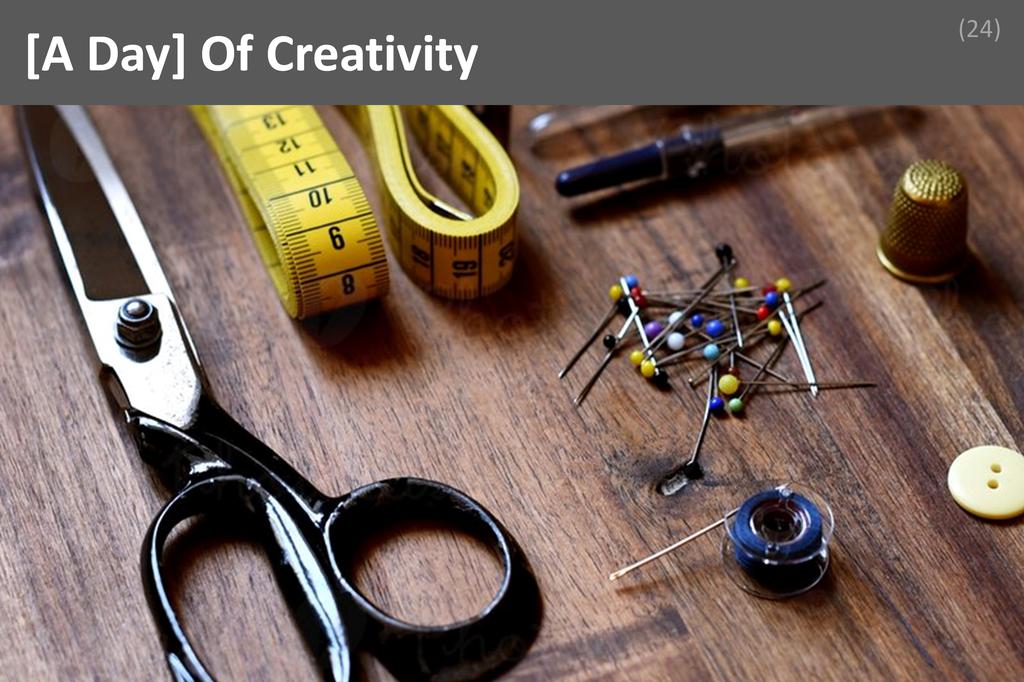
In the world of cutting and tailoring, every day is a blend of artistry and precision, where the hum of sewing machines and the rhythmic snip of scissors set the tempo for a fast-paced, hands-on environment. The workspace is alive with vibrant fabrics, meticulous patterns, and the quiet concentration of skilled hands transforming raw materials into wearable works of art. For a cutting and tailoring professional, each day unfolds as a carefully choreographed sequence of preparation, creativity, collaboration, and reflection, all driven by the pursuit of perfection in every stitch and seam.
As the sun rises, the workshop comes to life with the soft rustle of fabric and the scent of freshly brewed tea. The early morning hours are dedicated to preparing the workspace, reviewing the day’s orders, and organizing materials. Patterns are laid out, fabric rolls are measured and inspected for flaws, and tools are sharpened and arranged for easy access. This quiet, methodical start ensures that every detail is in place, setting a tone of focus and readiness for the demanding hours ahead.
By mid-morning, the workshop is bustling with energy as the core activities of cutting and tailoring take center stage. Professionals move swiftly between workstations, expertly marking, cutting, and assembling garments according to custom measurements and client specifications. The air is filled with the steady whir of machines and the occasional exchange of advice or encouragement among colleagues. This is the most intense and creative part of the day, where technical skill and artistic vision merge to bring each design to life.
The afternoon ushers in a period of collaboration and hands-on execution. Tailors consult with clients for fittings, make precise adjustments, and work closely with team members to solve challenges that arise during garment construction. There is a strong sense of teamwork as everyone contributes their expertise, whether it’s perfecting a tricky seam or ensuring a flawless finish. This phase is marked by problem-solving, shared learning, and the satisfaction of seeing garments take their final shape.
As the day winds down, the focus shifts to wrapping up ongoing projects, documenting progress, and tidying the workspace. Professionals review completed orders, update client records, and assess any outstanding tasks. There is time for quiet reflection on the day’s achievements and challenges, as well as planning for the next day’s workload. This final stage is essential for maintaining organization and ensuring that every detail is accounted for, allowing the cycle of creativity and craftsmanship to begin anew with each sunrise. |