The Journey of Pest Control
What Is Pest Control
Pest Control
Pest control is the management and regulation of species defined as pests, which are harmful to human health, property, or the environment. It involves various techniques and strategies to prevent, reduce, or eliminate unwanted insects, rodents, and other organisms from homes, businesses, and agricultural settings.
Pest control plays a crucial role in maintaining public health, protecting property, and ensuring food safety. For professionals in this field, their work directly impacts the well-being of communities by reducing the spread of diseases carried by pests, such as mosquitoes and rodents. Effective pest control also helps prevent costly damage to buildings, furniture, and crops, safeguarding investments for homeowners, businesses, and farmers. Additionally, pest control supports environmental balance by using targeted methods that minimize harm to non-target species and ecosystems. These benefits make pest control a vital service, offering professionals a sense of purpose and job stability while contributing to healthier, safer living and working environments.
A pest control technician may be called to a restaurant experiencing a cockroach infestation. After a thorough inspection, the professional identifies entry points and breeding sites. They implement an integrated pest management plan, which includes sealing cracks, applying safe insecticides, and advising staff on sanitation practices. Over several visits, the technician monitors progress and adjusts treatments as needed, ensuring the infestation is eliminated without disrupting the restaurant’s operations. This approach not only resolves the immediate problem but also educates the staff on prevention, helping the business maintain health standards and avoid future issues. The technician’s expertise and ongoing support are essential in creating a pest-free environment for both employees and customers.
Education
Chemistry

Chemistry is the scientific study of matter, its properties, composition, structure, and the changes it undergoes during chemical reactions. In pest control, chemistry provides essential knowledge for understanding how pesticides work, how substances interact, and how to safely and effectively manage chemical applications in various environments.
A solid grasp of chemistry is crucial for anyone entering or advancing in the pest control industry. Understanding chemical properties, reactions, and safety protocols allows professionals to select the most effective treatments for specific pests while minimizing risks to humans, pets, and the environment. Mastery of chemistry helps in interpreting product labels, mixing solutions accurately, and troubleshooting unexpected outcomes. Over time, this foundational knowledge supports compliance with regulations, enhances problem-solving skills, and fosters innovation in pest management strategies. Professionals who understand chemistry are better equipped to adapt to new products and technologies, ensuring long-term career growth and the ability to provide safe, effective services to clients.
Consider a pest control technician tasked with eliminating a termite infestation in a residential property. The technician must choose an appropriate termiticide, understanding its active ingredients and how they interact with soil and building materials. By applying their chemistry knowledge, the technician can determine the correct dilution ratios, ensuring the solution is potent enough to eradicate termites without posing unnecessary risks to residents or contaminating groundwater. If the technician encounters unexpected chemical reactions, such as residue from previous treatments, their understanding of chemistry enables them to adjust their approach safely and effectively. This application of theoretical knowledge ensures successful pest management and upholds safety and environmental standards.
Biology of Pests

Biology of Pests is the scientific study of the life cycles, behaviors, physiology, and ecological roles of organisms considered pests. This discipline is fundamental in pest control, providing essential insights into how pests survive, reproduce, and interact with their environments, thereby informing effective and sustainable management strategies.
Understanding the biology of pests is crucial for anyone entering or advancing in the pest control industry. This knowledge enables professionals to accurately identify pest species, predict their behavior, and determine the most effective intervention points. By grasping concepts such as pest development stages, breeding habits, and habitat preferences, practitioners can select targeted control methods that minimize environmental impact and reduce the risk of resistance. Over the long term, a solid foundation in pest biology enhances problem-solving abilities, supports compliance with regulatory standards, and fosters adaptability as new pest challenges emerge. Mastery of this subject not only improves immediate job performance but also opens doors to advanced roles in integrated pest management and consulting.
Consider a pest control technician tasked with managing a persistent cockroach infestation in a commercial kitchen. Drawing on their understanding of cockroach biology, the technician knows these pests are nocturnal, thrive in warm, moist environments, and reproduce rapidly. Instead of relying solely on chemical treatments, the technician inspects for hidden breeding sites, such as cracks and crevices near water sources, and recommends sanitation improvements to eliminate food and water access. By applying knowledge of the cockroach’s life cycle, the technician times follow-up treatments to target newly hatched nymphs before they mature. This integrated approach, grounded in pest biology, results in more effective, long-lasting control and greater client satisfaction.
Botany

Botany is the scientific study of plants, encompassing their physiology, structure, genetics, ecology, distribution, classification, and economic importance. In pest control, botany provides essential knowledge about plant life cycles and interactions with pests, forming a crucial part of the academic and practical expertise required for effective and sustainable pest management.
Understanding botany is vital for pest control professionals because it enables them to accurately identify plant species, recognize signs of plant stress, and understand the relationships between plants and pests. This foundational knowledge helps in diagnosing pest problems, selecting appropriate control methods, and predicting pest outbreaks based on plant health and seasonal growth patterns. Mastery of botany also supports the development of integrated pest management strategies that minimize environmental impact and promote long-term sustainability. Over time, professionals with a strong grasp of botany are better equipped to communicate with clients, collaborate with agricultural experts, and adapt to evolving challenges in the field, ultimately enhancing their career prospects and effectiveness in pest control.
Consider a pest control technician tasked with managing an infestation of aphids in a commercial greenhouse. By applying their knowledge of botany, the technician can identify which plant species are most susceptible to aphid attacks and recognize early symptoms of infestation, such as leaf curling or yellowing. Understanding plant growth stages allows the technician to time interventions for maximum effectiveness, such as introducing beneficial insects when plants are most vulnerable. Additionally, their botanical expertise helps them recommend cultural practices, like adjusting watering or pruning schedules, to strengthen plant health and reduce pest attraction. This integrated approach, grounded in botany, leads to more precise, efficient, and environmentally responsible pest management solutions.
Agriculture

Agriculture is the science, art, and practice of cultivating soil, growing crops, and raising animals for food, fiber, and other products. It encompasses a wide range of activities and knowledge areas, including plant biology, soil management, and ecosystem interactions, all of which are essential for effective pest control strategies.
A solid understanding of agriculture is vital for anyone working in pest control because it provides insight into the environments where pests thrive and the cycles that influence their populations. Knowledge of crop types, planting schedules, and soil conditions helps professionals anticipate pest outbreaks and select appropriate control methods. This foundational knowledge enables pest control specialists to recommend solutions that are both effective and sustainable, minimizing harm to crops and the broader ecosystem. Over time, expertise in agriculture enhances a professional’s ability to communicate with farmers, adapt to new agricultural technologies, and contribute to integrated pest management programs, ultimately leading to more successful and respected careers in the field.
Consider a pest control professional tasked with managing an infestation of aphids in a commercial greenhouse. By applying their understanding of agriculture, the specialist recognizes that certain crops are more susceptible to aphid attacks during specific growth stages. They also know that over-fertilization can exacerbate pest problems by promoting lush, tender plant growth that attracts aphids. Using this knowledge, the professional collaborates with the greenhouse manager to adjust fertilization practices and introduces natural predators, such as ladybugs, to control the aphid population. This integrated approach, grounded in agricultural principles, not only resolves the immediate pest issue but also supports the long-term health and productivity of the crops.
Warehousing

Warehousing refers to the systematic storage, handling, and management of goods and materials within a designated facility. In pest control, warehousing encompasses the organization and maintenance of pest control products, equipment, and records. Understanding warehousing is essential for ensuring safety, regulatory compliance, and operational efficiency in both academic study and professional practice.
A thorough understanding of warehousing is vital for anyone in pest control because it directly impacts the safety, effectiveness, and legality of daily operations. Proper warehousing ensures that chemicals and equipment are stored securely, reducing the risk of contamination, spills, or unauthorized access. This knowledge forms a foundational base for professionals, as it supports compliance with health and safety regulations, environmental standards, and industry best practices. Over the long term, mastering warehousing principles enhances a professional’s ability to manage inventory, minimize waste, and respond quickly to client needs. It also demonstrates a commitment to professionalism and responsibility, which can lead to greater trust from employers and clients, as well as opportunities for career advancement.
Consider a pest control technician responsible for managing a storage facility that houses pesticides, traps, and application equipment. By applying warehousing principles, the technician organizes products according to hazard class, ensures all containers are clearly labeled, and maintains up-to-date inventory records. This systematic approach allows the technician to quickly locate necessary materials for service calls, reduces the risk of accidental chemical exposure, and ensures expired products are disposed of properly. When an unexpected audit occurs, the technician’s well-maintained warehouse demonstrates compliance with safety regulations, preventing potential fines or business interruptions. This real-world application of warehousing knowledge not only streamlines daily operations but also safeguards the health of workers, clients, and the environment.
Skills
Optimistic

Optimistic refers to maintaining a positive outlook and expecting favorable outcomes, even when faced with challenges or setbacks. In pest control, optimism empowers professionals to approach difficult infestations or demanding clients with confidence and resilience. This mindset is crucial for overcoming obstacles and delivering effective, reassuring service.
Optimism directly enhances performance in pest control by fostering perseverance and creative problem-solving. When technicians remain positive, they are more likely to persist through complex infestations, adapt to new methods, and reassure anxious clients. Employers and clients value optimistic professionals because they inspire trust, reduce stress, and maintain morale during stressful situations. Cultivating optimism involves consciously focusing on solutions rather than problems, learning from setbacks, and celebrating small victories. Over time, this mindset can be strengthened through self-reflection, seeking mentorship, and maintaining a supportive work environment. By consistently practicing optimism, pest control professionals become more adaptable, reliable, and effective in their roles.
Imagine a pest control technician called to a home with a severe bed bug infestation that previous attempts had failed to resolve. Instead of feeling defeated, the technician approaches the situation with optimism, reassuring the client that a solution is possible. Drawing on their positive outlook, they carefully assess the problem, communicate a clear action plan, and implement innovative treatment methods. Their optimism keeps the client calm and cooperative, while also motivating the technician to persist through setbacks. Ultimately, the infestation is eliminated, and the client is grateful for both the successful outcome and the technician’s encouraging attitude. This scenario highlights how optimism can turn a daunting challenge into a success story.
Leadership

Leadership is the ability to inspire, guide, and influence others toward achieving common goals, while making informed decisions and fostering a positive environment. In pest control, leadership empowers professionals to coordinate teams, manage client expectations, and adapt to changing situations, ensuring effective solutions and high standards of service delivery.
Leadership directly enhances performance in pest control by enabling professionals to manage teams efficiently, delegate tasks appropriately, and maintain clear communication during complex projects. Clients and employers value leadership because it ensures reliability, accountability, and consistent results, especially when dealing with urgent infestations or sensitive environments. Cultivating leadership involves seeking feedback, observing experienced mentors, and taking initiative in challenging situations. Over time, professionals can build confidence and decision-making skills by participating in training programs, volunteering for supervisory roles, and reflecting on their experiences. This ongoing development not only benefits individual careers but also contributes to the overall reputation and success of pest control organizations.
Imagine a pest control technician leading a team during a large-scale infestation at a commercial facility. The situation is urgent, with the client demanding immediate results to avoid business disruption. The technician demonstrates leadership by quickly assessing the problem, assigning roles based on team members’ strengths, and communicating a clear action plan. Throughout the process, they motivate the team, address concerns, and adapt strategies as new challenges arise. By maintaining composure and guiding the group effectively, the technician ensures the infestation is resolved efficiently and the client’s trust is strengthened. This scenario highlights how strong leadership can turn a potentially chaotic situation into a successful outcome for both the team and the client.
Communication

Communication is the process of effectively exchanging information, ideas, and instructions through speaking, listening, writing, and non-verbal cues. In pest control, communication enables professionals to understand client concerns, explain treatment plans, and coordinate with team members, making it a vital skill for delivering safe and effective services.
Strong communication skills directly enhance a pest control professional’s performance by ensuring clear understanding between clients, colleagues, and supervisors. Clients value technicians who can explain procedures, safety precautions, and follow-up steps in simple terms, fostering trust and satisfaction. Employers appreciate staff who can document findings accurately and relay important information without misunderstandings. To cultivate communication skills, professionals should practice active listening, seek feedback, and engage in regular training or role-playing exercises. Over time, these efforts help individuals become more confident and articulate, allowing them to handle challenging conversations, diffuse tense situations, and provide reassurance to clients facing stressful pest issues.
Imagine a pest control technician arrives at a client’s home where the family is anxious about a suspected bed bug infestation. The technician listens carefully to the client’s concerns, asks clarifying questions, and explains the inspection process in detail. After identifying the issue, the technician outlines the treatment plan, addresses safety measures, and provides clear instructions for post-treatment care. Throughout the visit, the technician’s calm and informative communication reassures the client, builds trust, and ensures that everyone understands their roles in the process. This effective communication not only resolves the immediate pest problem but also leaves the client feeling supported and confident in the service provided.
Sportsmanship

Sportsmanship is the practice of treating others with fairness, respect, and integrity, regardless of circumstances or outcomes. It involves maintaining a positive attitude, accepting both success and setbacks gracefully, and fostering teamwork and mutual support. In pest control, sportsmanship ensures professionals build trust and collaborate effectively with colleagues and clients.
Sportsmanship directly enhances performance in pest control by promoting a cooperative and respectful work environment. When professionals demonstrate fairness and integrity, they are more likely to earn the trust of clients and colleagues, leading to smoother communication and more effective teamwork. Clients and employers value sportsmanship because it reflects reliability, professionalism, and a commitment to ethical service. Cultivating this skill involves consistently practicing empathy, listening actively, and responding to challenges with patience and humility. Over time, embracing feedback, learning from mistakes, and celebrating team achievements help reinforce sportsmanship as a core professional value, ultimately contributing to long-term career success in the pest control industry.
Imagine a pest control technician working with a team on a large commercial property where unexpected complications arise, causing delays and frustration. Instead of assigning blame or reacting defensively, the technician demonstrates sportsmanship by acknowledging the challenges, supporting teammates, and communicating openly with the client about the situation. By maintaining a respectful and solution-focused attitude, the technician helps the team regroup and develop a new strategy, ensuring the job is completed efficiently and to the client’s satisfaction. This approach not only resolves the immediate issue but also strengthens relationships with both colleagues and clients, highlighting the critical role sportsmanship plays in overcoming obstacles and achieving success in pest control.
Accepting Challenges

Accepting challenges means embracing difficult tasks, unexpected obstacles, and unfamiliar situations with a positive attitude and a willingness to learn. In pest control, this skill enables professionals to tackle complex infestations, adapt to new regulations, and implement innovative solutions, making it a vital part of their professional toolkit.
The ability to accept challenges directly enhances a pest control professional’s performance by fostering adaptability and resilience. When faced with unusual pest behaviors or resistant infestations, those who embrace challenges are more likely to investigate thoroughly, seek out new techniques, and persist until a solution is found. Employers and clients value this skill because it demonstrates reliability and a proactive approach, ensuring that even the most daunting pest problems are addressed effectively. Cultivating this skill involves maintaining a growth mindset, seeking feedback, and consistently stepping outside one’s comfort zone to tackle new assignments or learn advanced methods. Over time, this approach builds confidence and expertise, setting a professional apart in the industry.
Imagine a pest control technician called to a commercial kitchen plagued by a persistent rodent problem that previous treatments failed to resolve. Instead of relying solely on standard procedures, the technician accepts the challenge, thoroughly inspects the premises, identifies hidden entry points, and researches alternative control methods. By collaborating with the kitchen staff and implementing a tailored, multi-faceted strategy, the technician not only eliminates the infestation but also prevents future occurrences. This willingness to face and overcome a difficult situation not only solves the client’s immediate problem but also builds trust and a strong professional reputation, illustrating how accepting challenges leads to success in pest control.
Positives
Developing Strong Economy

Developing Strong Economy refers to the process of creating stable, sustainable financial growth and prosperity within communities and industries. In pest control, this means fostering economic resilience by protecting businesses, homes, and agriculture from pest-related losses, ensuring productivity, and supporting local employment. This positive contribution strengthens both individual livelihoods and the broader economy.
The role of pest control professionals in developing a strong economy cannot be overstated. By safeguarding crops, food supplies, and property, they help prevent costly damages and losses that could cripple local businesses and families. This protection translates into steady work opportunities and economic stability for entire communities. Professionals in this field experience the satisfaction of knowing their expertise directly supports business continuity and public health, which in turn fuels economic growth. The demand for pest control services remains consistent, offering job security and opportunities for advancement. Every day, these professionals witness the tangible results of their work, as thriving businesses and healthy homes stand as testaments to their vital contributions.
Imagine a pest control technician working with a local farm that supplies produce to several markets and restaurants in the area. After implementing an effective pest management plan, the farm’s yields increase, and the quality of the produce improves. This not only boosts the farm’s profits but also ensures a reliable supply chain for local businesses. The technician sees firsthand how their expertise helps the farm hire more workers, expand operations, and contribute to the local economy. The sense of pride and fulfillment comes from knowing their daily efforts have a ripple effect, supporting jobs, food security, and economic growth throughout the community.
Hospitality

Hospitality is the genuine act of making others feel welcome, safe, and cared for by anticipating their needs and providing attentive, respectful service. In pest control, hospitality means treating clients’ homes and businesses with respect, listening to their concerns, and ensuring their environments are comfortable and secure. This approach transforms routine service into a meaningful, trust-building experience for both the professional and the client.
Embracing hospitality in pest control elevates the profession beyond technical expertise, fostering deep trust and long-term relationships with clients. When professionals approach each job with empathy and a service-oriented mindset, they not only solve pest issues but also reassure clients, making them feel valued and protected. This sense of purpose and connection significantly boosts job satisfaction, as technicians witness firsthand the relief and gratitude of those they help. Hospitality also encourages personal growth, as professionals refine their communication and problem-solving skills daily. Ultimately, this positive aspect leads to higher client retention, word-of-mouth referrals, and a strong sense of pride in making a tangible difference in people’s lives.
Imagine a pest control technician arriving at a family’s home after they’ve discovered a sudden ant infestation in their kitchen. Instead of simply treating the problem, the technician listens patiently to the family’s worries, explains the process in reassuring detail, and takes extra care to protect their belongings. By following up after the service to ensure the issue is resolved and offering tips for prevention, the technician demonstrates genuine hospitality. The family feels respected and cared for, their anxiety replaced with relief and trust. For the technician, this experience is deeply fulfilling, as they see the immediate positive impact of their work and know they’ve made a real difference in someone’s daily life.
Quality Medicines

Quality Medicines in pest control refer to scientifically tested, highly effective, and environmentally responsible chemical or biological agents used to manage pests. These products ensure safety for humans, animals, and the environment while delivering reliable results. Their consistent efficacy and regulatory approval make them essential tools for professional pest management.
The use of quality medicines is a cornerstone of modern pest control, offering professionals the confidence that their interventions are both safe and effective. This reliability not only protects clients’ health and property but also enhances the reputation of pest control experts as trusted problem-solvers. Knowing that the products used are rigorously tested and approved allows professionals to focus on delivering excellent service without fear of unintended harm. This assurance fosters job satisfaction, as practitioners witness the tangible benefits of their work and build lasting relationships with grateful clients. Furthermore, access to quality medicines supports ongoing professional growth, as it encourages continuous learning about the latest advancements and best practices in the industry.
Imagine a pest control technician responding to a family’s distress call about a severe bedbug infestation. Equipped with quality medicines, the technician applies targeted treatments that are proven to be both safe and effective. Within days, the infestation is eradicated, and the family can return to their daily lives without worry. The technician experiences immense satisfaction, knowing the solution provided was not only successful but also posed no risk to the family’s health or the environment. This positive outcome reinforces the technician’s pride in their profession and highlights the profound impact that access to quality medicines has on both their career and the well-being of the community they serve.
Challenges
Lack Of Awareness
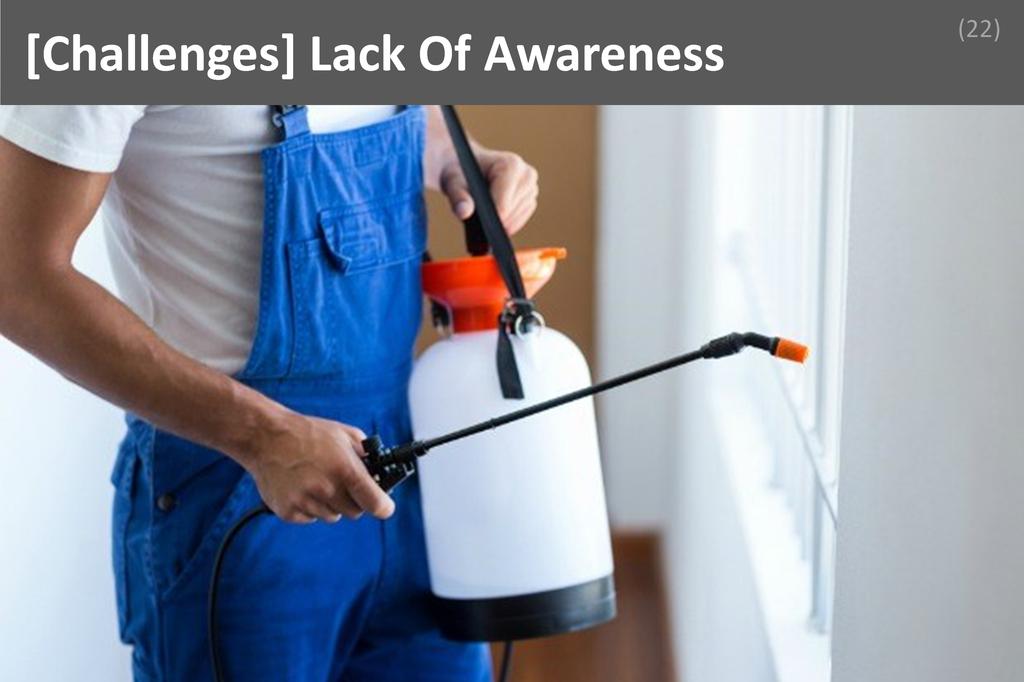
Lack of awareness in pest control refers to the insufficient understanding among clients, stakeholders, or the general public about pest risks, prevention methods, and the value of professional services. This challenge is demanding because it leads to misconceptions, underestimation of threats, and resistance to recommended interventions, complicating effective pest management.
This difficulty significantly affects daily work by creating barriers to communication and cooperation between pest control professionals and clients. When clients are unaware of pest risks or the importance of proper treatment, they may delay action, ignore expert advice, or expect unrealistic results. Such misunderstandings can result in recurring infestations, increased health hazards, and frustration for both parties. Overcoming this challenge requires resilience, as professionals must patiently educate clients, dispel myths, and build trust. Successful practitioners address this constraint by consistently sharing knowledge, demonstrating expertise, and providing clear explanations about procedures and outcomes. By fostering open dialogue and emphasizing the long-term benefits of proactive pest management, they gradually shift perceptions and encourage more informed decision-making.
Consider a pest control technician called to a restaurant repeatedly plagued by cockroach infestations. The owner, unaware of the importance of sanitation and regular maintenance, believes that a single treatment should suffice. Recognizing this lack of awareness, the technician takes time to explain how cockroaches thrive in unclean environments and why ongoing preventive measures are essential. By providing practical tips on food storage, waste management, and routine inspections, the technician empowers the owner to take an active role in pest prevention. Over time, the restaurant sees a marked reduction in infestations, and the owner becomes a strong advocate for professional pest control, illustrating how addressing lack of awareness can lead to lasting positive outcomes.
High Resistance of Pests

High Resistance of Pests refers to the phenomenon where pest populations develop the ability to survive exposure to pesticides that once controlled them effectively. This challenge is demanding because it reduces the efficacy of standard treatments, requiring professionals to adapt quickly and innovate to maintain effective pest management.
The emergence of high resistance in pests significantly complicates the daily responsibilities of pest control professionals. Treatments that previously yielded reliable results may suddenly become ineffective, leading to persistent infestations and dissatisfied clients. This situation demands resilience, as professionals must continually educate themselves on resistance patterns, alternative control methods, and integrated pest management strategies. Successful practitioners often collaborate with colleagues, consult scientific research, and experiment with rotating chemical classes or combining non-chemical approaches. By staying adaptable and proactive, they manage to maintain control over pest populations, safeguard client trust, and uphold industry standards, even as resistance challenges intensify.
Consider a pest control technician tasked with eliminating a cockroach infestation in a commercial kitchen. After several treatments with conventional insecticides, the cockroach population remains unaffected, indicating high resistance. Rather than persisting with the same approach, the technician investigates alternative solutions, such as introducing insect growth regulators, improving sanitation protocols, and sealing entry points. By educating the client and implementing a comprehensive, integrated pest management plan, the technician gradually reduces the infestation. This scenario demonstrates how adaptability, ongoing learning, and a willingness to employ diverse strategies enable professionals to overcome the obstacle of high resistance and deliver effective results.
Environmental Issues

Environmental issues in pest control refer to the ecological risks and regulatory constraints associated with using chemicals and other interventions to manage pests. Professionals must balance effective pest eradication with minimizing harm to non-target species, water sources, and soil health, making environmentally responsible decisions a persistent and complex demand.
Environmental issues significantly influence the daily operations of pest control professionals. Strict regulations, public scrutiny, and the potential for unintended ecological damage require practitioners to exercise caution and adaptability. This challenge demands resilience because professionals must stay informed about evolving laws, emerging eco-friendly products, and best practices. Successful individuals in the field prioritize ongoing education, invest in integrated pest management techniques, and foster transparent communication with clients about the environmental impact of their methods. By adopting a proactive approach and continually seeking sustainable solutions, they not only comply with regulations but also build trust and credibility within their communities, ensuring long-term success despite these demanding constraints.
Consider a pest control technician tasked with eliminating a termite infestation near a protected wetland. Instead of defaulting to broad-spectrum chemical treatments, the professional conducts a thorough site assessment and consults environmental guidelines. They implement baiting systems and physical barriers, minimizing chemical use and preventing runoff into sensitive habitats. Throughout the process, the technician documents each step and communicates openly with both the client and local environmental authorities, demonstrating a commitment to ecological stewardship. This approach not only resolves the pest issue but also safeguards the surrounding ecosystem, exemplifying how environmental challenges can be managed through expertise, careful planning, and ethical decision-making.
A Day Of
Pest Control
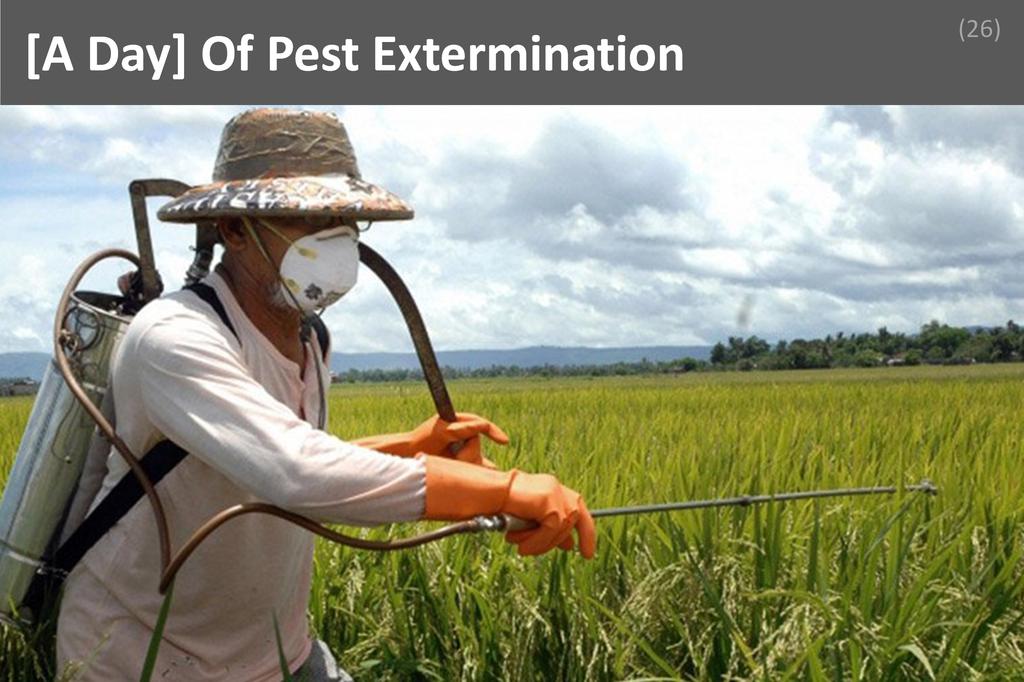
The sun is barely up, but for a pest control professional, the day is already in motion. The air is crisp, filled with the promise of unpredictable challenges—each home or business visited could reveal anything from a minor ant intrusion to a full-blown rodent infestation. This is a career that thrives on adaptability, problem-solving, and a steady pace, where every hour brings new environments and unique puzzles to solve. Far from a routine desk job, pest control demands a blend of technical know-how, customer service, and a willingness to get hands-on, often in less-than-glamorous conditions. It’s a job where no two days are ever quite the same, and where the satisfaction of restoring comfort and safety to clients is matched only by the variety of the work itself.
As dawn breaks, the pest control professional starts the day by checking the schedule and reviewing client notes from the office or the cab of a service vehicle. This is the time to inspect equipment, restock chemicals and traps, and ensure all safety gear is in order. Reviewing the day’s appointments, the technician prioritizes urgent calls and strategizes routes to maximize efficiency. A quick scan of emails or messages may reveal last-minute changes or special instructions, setting the tone for a day that demands both preparation and flexibility.
By mid-morning, the real action begins. The professional arrives at the first site, greeted by anxious homeowners or business managers eager for solutions. Armed with a flashlight, inspection tools, and a keen eye, the technician investigates attics, basements, and crawl spaces, searching for telltale signs of pests. Each inspection is a blend of detective work and science, identifying entry points, nesting areas, and the extent of infestations. Once the assessment is complete, the technician explains the findings to the client, recommends a treatment plan, and gets to work—applying targeted treatments, setting traps, and offering advice on prevention. This is the most intense and interactive part of the day, requiring technical skill, clear communication, and a calm demeanor under pressure.
The afternoon often brings a shift from solo work to collaboration. The technician may meet with colleagues to tackle larger commercial jobs or complex infestations that require a coordinated approach. Together, they strategize, divide tasks, and execute comprehensive treatments, sometimes working in challenging environments like warehouses or restaurants. This phase is also a time for sharing insights, troubleshooting difficult cases, and ensuring that all safety protocols are followed. The camaraderie and teamwork help maintain morale and efficiency, especially when facing stubborn pests or demanding clients.
As the day winds down, the pest control professional returns to the office or vehicle to complete paperwork, log treatments, and update client records. This is also the time to research new products or techniques, review feedback from clients, and plan for tomorrow’s appointments. Reflecting on the day’s successes and challenges, the technician ensures that all equipment is cleaned and restocked, ready for whatever surprises the next day may bring. With the last reports filed and the schedule set, the professional heads home, knowing that their work has made a tangible difference in the lives of their clients. |


 Home
Home Abroad
 Plan
Plan Philosophy
 Seminar
 Pages
Pages Advisors
 Testimonials






















 Workshop
 Discuss
 Meet
Meet
 Advisor
 Story
Story
 Fine Print
 Links
Links
 Blog
Blog
 Follow
