The Journey of Upholstery
What Is Upholstery
Upholstery

Upholstery is the craft of providing furniture, especially seats, with padding, springs, webbing, and fabric or leather covers. It involves restoring, repairing, or creating comfortable and aesthetically pleasing surfaces for chairs, sofas, and other furnishings, blending technical skill with artistic design to enhance both function and appearance.
Upholstery plays a vital role in both residential and commercial environments by extending the life and comfort of furniture. For professionals, mastering upholstery means developing expertise in materials, tools, and design, which can lead to a rewarding and creative career. The work of upholsterers directly impacts the quality and durability of furniture, allowing clients to preserve cherished pieces or customize new ones to fit their style. Additionally, upholstery supports sustainability by encouraging the repair and reuse of furniture rather than disposal. Professionals benefit from the satisfaction of transforming worn items, the opportunity to express creativity through fabric and design choices, and the potential for steady demand as both individuals and businesses seek to maintain or refresh their interiors.
A professional upholsterer might be approached by a client who has inherited an antique armchair with sentimental value but significant wear and tear. The upholsterer carefully assesses the chair’s structure, replaces worn springs and padding, and selects a fabric that complements the client’s taste while respecting the chair’s original style. Through meticulous craftsmanship, the upholsterer restores the chair’s comfort and appearance, preserving its historical character and making it a functional centerpiece once again. This process not only revitalizes the furniture but also provides the client with a personalized, meaningful piece that can be enjoyed for years to come, showcasing the practical and artistic skills involved in the upholstery profession.
Education
Measurements

Measurements refer to the process of determining the dimensions, size, and quantity of materials required for a specific project. In upholstery, this involves accurately assessing furniture frames, fabric needs, and padding thickness. Mastery of measurements is essential in both academic study and professional practice, ensuring precision and efficiency in upholstery work.
Understanding measurements is a cornerstone of success in upholstery. Accurate measurement skills enable professionals to calculate fabric yardage, cut materials precisely, and avoid costly mistakes or material wastage. This foundational knowledge ensures that each piece fits perfectly, maintains structural integrity, and meets client expectations. Over time, proficiency in measurements enhances a professional’s reputation for quality and reliability, leading to increased client trust and repeat business. Furthermore, as upholstery projects often involve custom or irregularly shaped furniture, the ability to interpret and apply measurements confidently is vital for tackling complex assignments. Mastery of this subject supports career advancement, as it underpins all aspects of planning, estimating, and executing upholstery projects.
Consider an upholsterer tasked with reupholstering an antique armchair. The professional begins by carefully measuring each section of the chair, including the seat, backrest, arms, and any decorative elements. These measurements are then used to calculate the exact amount of fabric required, taking into account pattern repeats and seam allowances. By applying their theoretical understanding of measurements, the upholsterer ensures that the fabric is cut accurately, fits snugly, and aligns perfectly with the chair’s contours. This attention to detail not only preserves the chair’s original character but also prevents material wastage and costly errors, resulting in a high-quality finished product that satisfies both aesthetic and functional requirements.
Knowledge of Springs

Knowledge of Springs refers to the understanding of different types, functions, and installation techniques of springs used in upholstered furniture. This expertise encompasses the selection, placement, and maintenance of springs, forming a crucial part of both academic study and practical skill development for anyone pursuing a career in Upholstery.
Learning about springs is essential for upholsterers because springs form the backbone of comfort, durability, and structural integrity in furniture. Mastery of this subject allows professionals to assess the quality of existing furniture, recommend appropriate repairs, and design new pieces that meet ergonomic and aesthetic standards. Understanding the properties and behaviors of various spring types, such as coil or zigzag springs, ensures that upholstered items provide optimal support and longevity. This foundational knowledge not only enhances craftsmanship but also builds credibility with clients and employers. Over time, a strong grasp of spring mechanics can lead to advanced roles, higher earning potential, and the ability to tackle complex restoration or custom projects with confidence.
Consider an upholsterer tasked with restoring a vintage armchair. Upon inspection, they notice the seat sags and lacks support. Drawing on their knowledge of springs, the professional identifies worn-out coil springs as the culprit. They carefully remove the old springs, select new ones with appropriate tension and size, and install them using correct tying and positioning techniques. This process restores the chair’s original comfort and resilience, ensuring it meets both functional and aesthetic expectations. By applying theoretical understanding to practical challenges, the upholsterer not only revives the furniture but also demonstrates expertise that reassures clients and upholds industry standards.
Knowledge of Fabrics

Knowledge of Fabrics refers to the comprehensive understanding of textile types, their properties, construction methods, and appropriate applications. In Upholstery, this knowledge is essential for selecting, handling, and maintaining materials, ensuring both aesthetic appeal and functional durability. It forms a crucial part of the academic and professional foundation in the field.
A deep understanding of fabrics is vital for anyone pursuing a career in Upholstery because it directly influences the quality and longevity of finished products. Professionals must recognize the strengths and limitations of various textiles, such as durability, stretch, colorfastness, and ease of cleaning. This expertise enables them to recommend suitable materials for specific uses, whether for residential, commercial, or automotive projects. Mastery of fabric knowledge also supports effective communication with clients and suppliers, fosters innovation in design, and minimizes costly mistakes. Over time, this foundational skill enhances a professional’s reputation, opens opportunities for specialization, and ensures adaptability as new materials and technologies emerge in the industry.
Consider an upholsterer tasked with restoring an antique armchair. Their knowledge of fabrics allows them to assess the original material, determine its fiber content, and select a modern equivalent that matches both appearance and performance requirements. Understanding the differences between natural fibers like cotton and synthetic options such as polyester, the upholsterer can advise the client on durability, stain resistance, and maintenance. This expertise ensures the finished piece not only looks authentic but also withstands daily use. By applying their theoretical understanding, the professional avoids common pitfalls like fabric shrinkage or color fading, ultimately delivering a high-quality result that meets both aesthetic and functional expectations.
Sewing
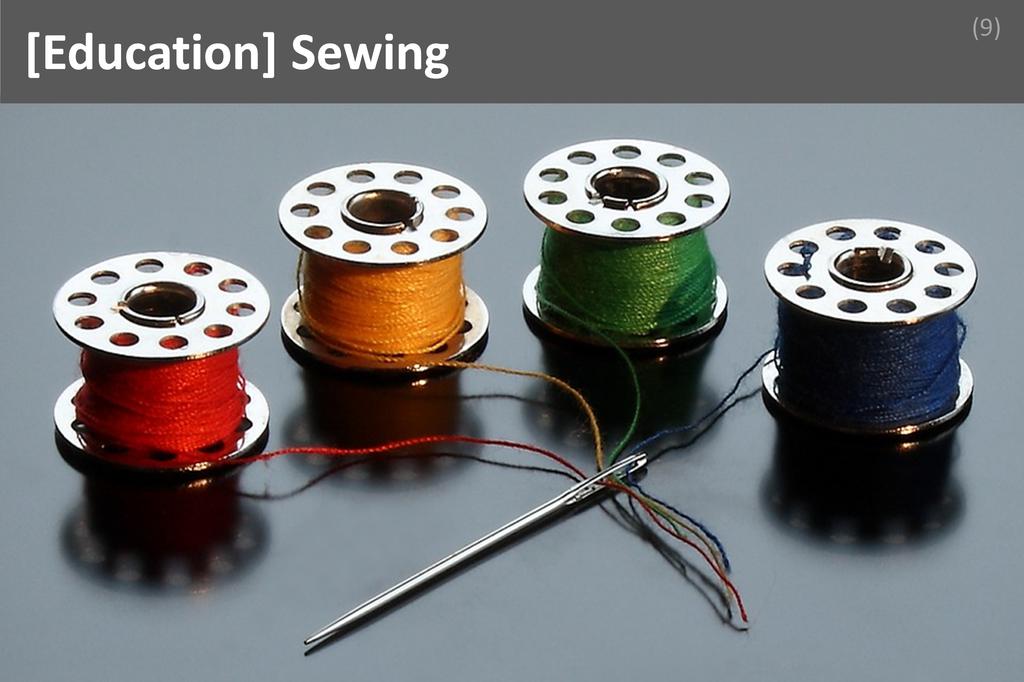
Sewing is the process of joining fabrics, leather, or other materials using a needle and thread, either by hand or with a machine. In upholstery, sewing is essential for assembling, repairing, and finishing furniture coverings, making it a fundamental skill within both academic study and professional practice in the field.
Understanding sewing is crucial for anyone entering or advancing in the upholstery profession. Mastery of sewing techniques enables professionals to create strong, durable seams and decorative finishes that enhance both the appearance and longevity of upholstered pieces. This knowledge forms the backbone of upholstery work, as nearly every project requires precise stitching, pattern alignment, and fabric manipulation. Developing strong sewing skills also allows upholsterers to troubleshoot and repair damaged furniture, increasing their versatility and value in the workplace. Over time, expertise in sewing can lead to greater job opportunities, higher earning potential, and the ability to take on more complex and creative projects, ensuring long-term career growth and satisfaction.
Imagine an upholsterer tasked with restoring an antique armchair. The professional begins by carefully removing the old fabric and assessing the underlying structure. Using their sewing expertise, they cut new fabric to match the original patterns and stitch the pieces together, ensuring the seams are both strong and visually appealing. Their understanding of sewing allows them to create precise piping and decorative details that replicate the chair’s historical style. Throughout the process, the upholsterer relies on their theoretical knowledge of fabric behavior, stitch types, and tension control to produce a finished product that is both functional and beautiful. This daily application of sewing skills demonstrates its essential role in delivering high-quality upholstery work.
Skills
Patience

Patience is the ability to remain calm, composed, and persistent when faced with delays, challenges, or repetitive tasks, without becoming frustrated or giving up. In upholstery, patience is a cornerstone skill, enabling professionals to deliver meticulous craftsmanship, handle intricate details, and ensure high-quality results, even when projects are time-consuming or complex.
Patience directly enhances performance in upholstery by allowing professionals to focus on precision, avoid costly mistakes, and maintain a high standard of workmanship. Clients and employers value this trait because it leads to beautifully finished pieces that reflect care and attention to detail. Upholstery often involves repetitive actions, such as stitching, tacking, or fitting fabric, which can be tedious without a patient mindset. Over time, patience can be cultivated by setting realistic expectations, practicing mindfulness, and embracing the learning process. By viewing each project as an opportunity to improve, upholsterers gradually build resilience and the ability to tackle even the most challenging assignments with steady determination.
Imagine an upholsterer tasked with restoring an antique armchair featuring delicate, hand-carved details and fragile fabric. During the process, the professional encounters unexpected issues, such as hidden structural damage and fabric that tears easily. Instead of rushing or becoming frustrated, the upholsterer methodically assesses each problem, carefully removes the old materials, and repairs the frame with gentle precision. By patiently sourcing matching fabric and taking the time to align patterns perfectly, the upholsterer ensures the final result honors the chair’s original beauty. This patient approach not only preserves the integrity of the piece but also earns the trust and appreciation of the client, demonstrating the true value of patience in upholstery.
Creativity
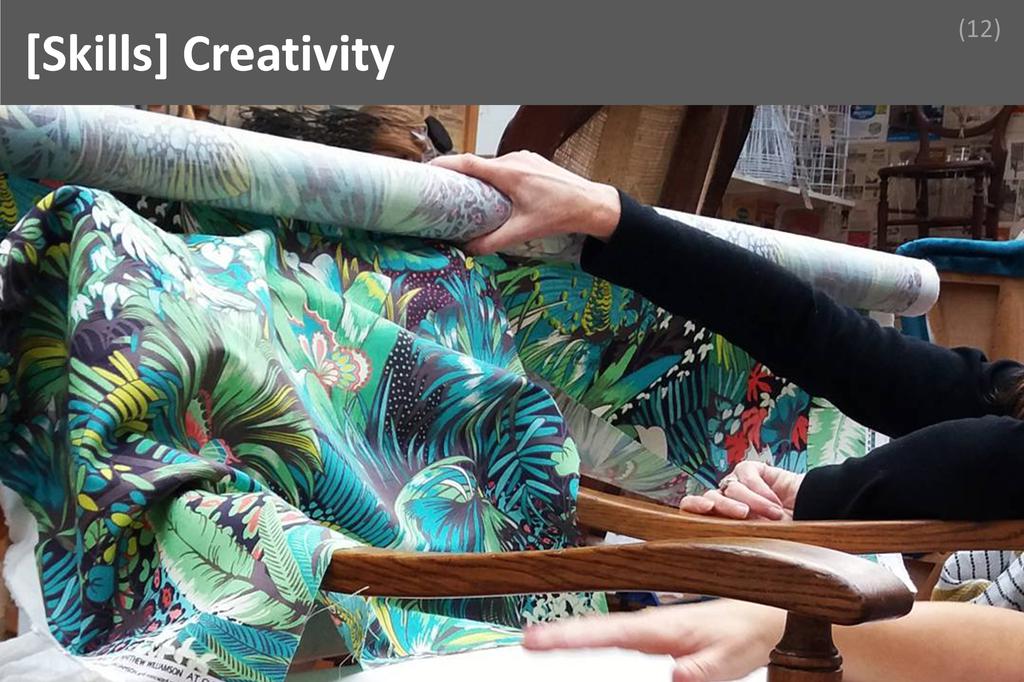
Creativity is the ability to generate original ideas, envision new possibilities, and approach challenges with innovative solutions. In upholstery, creativity empowers professionals to transform ordinary furniture into unique, functional, and aesthetically pleasing pieces. It is a vital skill that enables upholsterers to adapt designs, materials, and techniques to meet diverse client needs.
Creativity directly enhances an upholsterer’s performance by allowing them to offer customized solutions and distinctive designs that set their work apart. Clients and employers highly value this skill because it leads to personalized results, increased satisfaction, and a reputation for innovation. Creative upholsterers can reimagine outdated furniture, solve complex restoration challenges, and incorporate new trends or materials seamlessly. To cultivate creativity, professionals should seek inspiration from various sources, experiment with different fabrics and patterns, and remain open to learning new techniques. Over time, regular practice, exposure to diverse projects, and collaboration with other creative professionals help to refine and expand one’s creative abilities, making them an indispensable asset in the upholstery field.
Imagine an upholsterer tasked with restoring a family heirloom sofa that has significant sentimental value but is severely damaged and outdated. The client wants to preserve its original charm while updating it to fit a modern living space. Relying on creativity, the upholsterer envisions a design that blends vintage elements with contemporary fabrics and colors. By carefully selecting materials that honor the sofa’s history and experimenting with innovative stitching techniques, the professional creates a one-of-a-kind piece that exceeds the client’s expectations. This creative approach not only solves the challenge of merging old and new but also demonstrates the upholsterer’s ability to deliver exceptional, personalized results.
Communication

Communication is the clear and effective exchange of information, ideas, and intentions through speaking, listening, writing, and non-verbal cues. In upholstery, communication enables professionals to understand client needs, collaborate with team members, and convey technical details, making it a fundamental skill for delivering quality results and building trust.
Strong communication skills directly enhance an upholsterer’s ability to interpret client expectations, clarify project requirements, and provide accurate updates throughout the process. Clients and employers value professionals who can explain options, timelines, and costs transparently, as this reduces misunderstandings and builds confidence. Effective communication also streamlines teamwork, ensuring that everyone involved is aligned on design choices and deadlines. To cultivate this skill, upholsterers should practice active listening, seek feedback, and engage in regular discussions with clients and colleagues. Over time, these habits foster greater empathy, adaptability, and professionalism, all of which contribute to a successful and reputable career in upholstery.
Imagine an upholsterer working on a custom sofa for a client who is unsure about fabric choices and design details. By asking thoughtful questions and attentively listening to the client’s preferences, the upholsterer clarifies the desired style and function. The professional then explains the pros and cons of various materials, provides visual samples, and outlines the project timeline. When an unexpected delay in fabric delivery arises, the upholsterer promptly communicates the issue, offers alternative solutions, and keeps the client informed throughout the process. This open and proactive communication not only resolves potential frustrations but also strengthens the client’s trust, resulting in a successful project and positive word-of-mouth for the upholsterer.
Concentration
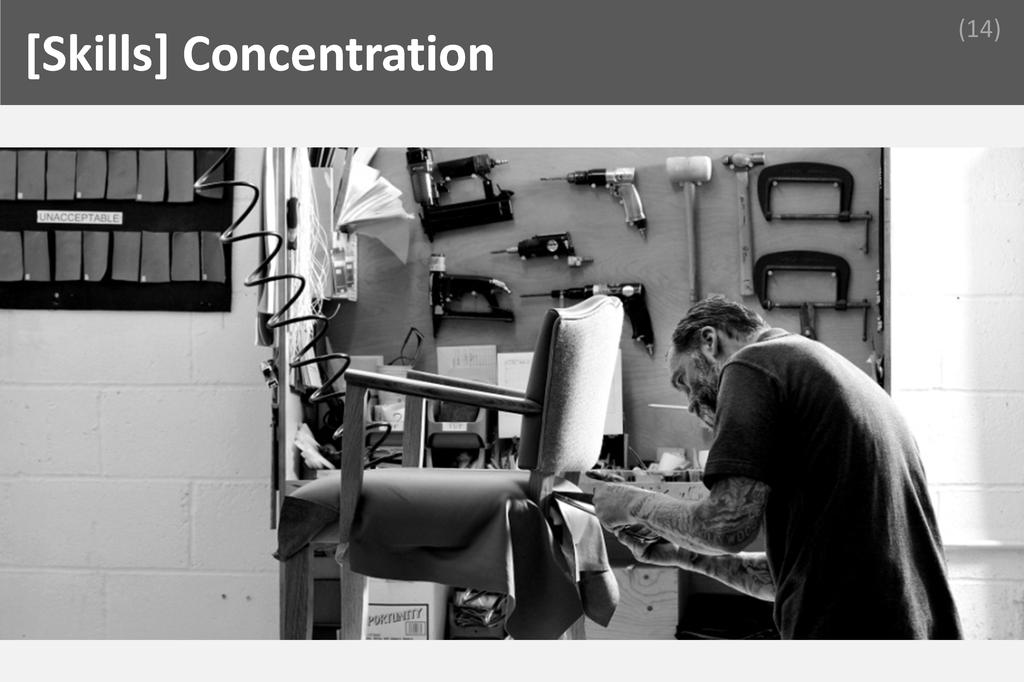
Concentration is the focused mental effort required to direct attention exclusively to a specific task, blocking out distractions and maintaining awareness of details. In upholstery, concentration enables professionals to execute precise measurements, intricate stitching, and careful material handling, ensuring each project meets high standards of craftsmanship and client expectations.
Concentration is a cornerstone of high-quality upholstery work because it allows professionals to maintain accuracy and consistency throughout complex tasks. When upholsterers are fully focused, they are less likely to make costly mistakes such as misaligned seams or uneven padding. Clients and employers value this skill because it translates to reliable results, fewer errors, and efficient project completion. To cultivate concentration, upholsterers can practice mindfulness techniques, establish organized workspaces, and set clear goals for each session. Over time, these habits help build mental stamina, enabling professionals to sustain attention even during lengthy or repetitive tasks, ultimately elevating the quality and reputation of their work.
Imagine an upholsterer restoring an antique armchair with intricate patterns and delicate fabrics. During the reupholstering process, the professional must carefully remove old materials, cut new fabric to precise dimensions, and align patterns perfectly. A momentary lapse in concentration could result in a miscut or misaligned design, compromising the chair’s aesthetic and structural integrity. By maintaining unwavering focus, the upholsterer ensures each step is executed flawlessly, preserving the chair’s value and satisfying the client’s expectations. This scenario highlights how concentration is not just a mental exercise but a practical necessity for achieving excellence and overcoming challenges in the upholstery profession.
Positives
Self Satisfaction

Self satisfaction is the deep sense of fulfillment and contentment that arises from achieving personal goals, mastering skills, and creating meaningful results through one’s own efforts. In upholstery, this feeling is cultivated by transforming worn or damaged furniture into beautiful, functional pieces, which directly reflects the artisan’s dedication and craftsmanship. This intrinsic reward motivates upholsterers to continually refine their abilities, take pride in their work, and find joy in each completed project. Self satisfaction not only enhances personal well-being but also fosters a positive work environment, making every day on the job more enjoyable and meaningful.
The positive impact of self satisfaction in upholstery cannot be overstated. When professionals feel genuinely proud of their work, it leads to higher levels of motivation and engagement. This sense of accomplishment encourages upholsterers to tackle new challenges, learn advanced techniques, and strive for excellence in every project. As a result, job satisfaction increases, and the likelihood of burnout decreases, since the work itself becomes a source of joy rather than just a means to an end. Daily, upholsterers witness the tangible results of their labor, whether it’s a restored family heirloom or a custom-designed piece, reinforcing their sense of purpose and personal growth within the trade.
Imagine an upholsterer who spends several days meticulously restoring an antique armchair that holds sentimental value for a client. Each step, from stripping the old fabric to carefully selecting and applying new materials, requires patience, skill, and creativity. When the project is complete, the transformation is remarkable—the chair is not only functional again but also visually stunning. The client’s delight and gratitude provide immediate external validation, but the upholsterer’s true reward comes from within. Seeing the finished piece, knowing the effort and expertise invested, and realizing the positive impact on someone’s life brings a profound sense of self satisfaction that makes all the hard work worthwhile.
Good Income

Good income refers to earning a stable, above-average wage that not only covers essential living expenses but also allows for savings, investments, and discretionary spending. In upholstery, good income means financial security, the ability to support a family, and the freedom to pursue personal and professional goals without constant financial stress.
The prospect of good income is a powerful motivator for those considering a career in upholstery. It transforms the profession from a simple trade into a viable, long-term career path. Earning a good income boosts job satisfaction because it validates the value of one’s skills and hard work. It also provides the means to invest in better tools, further training, or even opening a personal workshop. This financial stability encourages upholsterers to take pride in their craft, knowing their expertise is both respected and well-compensated. Each day, professionals feel the tangible benefits of their efforts, whether it’s through the ability to provide for their loved ones or the confidence to plan for the future.
Consider Maria, an experienced upholsterer who recently completed a series of custom furniture projects for a high-end client. The good income she earned from this work allowed her to pay off outstanding bills, set aside money for her child’s education, and even take a well-deserved family vacation. This financial reward not only brought her peace of mind but also reinforced her passion for the craft. Maria’s daily experience is marked by a sense of accomplishment and security, knowing her skills are in demand and well-compensated. The good income she receives empowers her to continue growing professionally while enjoying a fulfilling and balanced personal life.
Flexibility

Flexibility is the ability to adapt work schedules, methods, and environments to suit changing needs and preferences, allowing for a personalized approach to tasks and responsibilities. In upholstery, flexibility empowers professionals to balance creativity, client demands, and personal commitments, fostering a dynamic and responsive work experience that enhances overall job satisfaction.
The flexible nature of upholstery work is a significant advantage because it allows professionals to shape their careers according to their lifestyles and ambitions. Whether working independently or as part of a team, upholsterers can often choose their hours, select projects that align with their interests, and adapt their workflow to accommodate personal or family needs. This autonomy leads to greater job satisfaction, as individuals feel more in control of their professional journey. Flexibility also encourages continuous learning and growth, as upholsterers can explore new techniques, materials, and design trends at their own pace. Ultimately, this adaptability not only makes the profession more enjoyable but also supports long-term career development and resilience in a changing marketplace.
Imagine an experienced upholsterer who runs a small workshop from home. One week, they dedicate mornings to restoring antique chairs for a local client, while afternoons are reserved for experimenting with modern fabric patterns for an upcoming design show. If a family commitment arises, they can easily rearrange their schedule without sacrificing productivity or quality. This ability to adjust work hours and project focus provides a sense of freedom and fulfillment, allowing the upholsterer to pursue both professional excellence and personal well-being. The daily experience of flexibility transforms routine tasks into opportunities for growth, creativity, and balance, making each day uniquely rewarding.
Networking

Networking is the process of building and nurturing professional relationships through communication, collaboration, and mutual support within an industry. In upholstery, networking connects craftsmen, suppliers, clients, and designers, fostering opportunities for learning, sharing resources, and expanding business prospects. This interconnectedness enhances creativity, problem-solving, and career advancement for all involved.
The power of networking in upholstery lies in its ability to open doors to new projects, partnerships, and knowledge. By engaging with others in the field, upholsterers gain access to fresh ideas, specialized techniques, and trusted referrals. This ongoing exchange not only helps professionals stay updated with industry trends but also creates a sense of belonging and community. The support and encouragement found through networking can boost job satisfaction, as individuals feel recognized and valued for their skills. Daily interactions with peers and clients often lead to collaborative projects, mentorship opportunities, and increased business, making networking a cornerstone of personal and professional growth in upholstery.
Consider an upholsterer who attends a local trade event and strikes up a conversation with a furniture designer. Through this connection, they are introduced to a group of interior decorators seeking skilled artisans for a boutique hotel renovation. The upholsterer’s reputation spreads as they successfully complete the project, leading to further recommendations and collaborations. This experience not only brings in new business but also allows the upholsterer to learn innovative techniques from peers and gain insights into current design trends. The relationships formed through networking provide ongoing support, inspiration, and opportunities, making the upholsterer’s career more dynamic and fulfilling.
Challenges
Health Issues

Health issues in upholstery refer to physical ailments and chronic conditions resulting from repetitive motions, prolonged sitting or standing, exposure to dust and chemicals, and the use of heavy tools. These challenges are demanding because they can cause pain, fatigue, and long-term injuries, directly impacting productivity and career longevity.
Health issues can significantly disrupt the daily routines of upholstery professionals. Persistent back pain, respiratory problems from inhaling dust, and repetitive strain injuries can make even simple tasks arduous. This constant physical strain demands resilience, as professionals must balance productivity with self-care. Successful upholsterers manage these constraints by adopting ergonomic workstations, taking regular breaks, and using protective equipment. They also prioritize physical fitness and seek medical advice when necessary, ensuring that their bodies can withstand the demands of the trade. By being proactive about their health, they maintain both their well-being and their ability to deliver high-quality work, demonstrating that resilience and adaptability are essential traits in overcoming these occupational hazards.
Consider an experienced upholsterer who began experiencing chronic wrist pain due to years of repetitive stapling and fabric stretching. Recognizing the risk of long-term injury, she consulted a healthcare professional and learned exercises to strengthen her wrists. She also invested in ergonomic tools designed to reduce strain and adjusted her workflow to include frequent short breaks. By implementing these changes, she not only alleviated her pain but also improved her overall efficiency and job satisfaction. Her proactive approach allowed her to continue working in her chosen field while safeguarding her health, illustrating how awareness and adaptation can help upholstery professionals successfully manage the challenge of health issues.
Safety Issues

Safety issues in upholstery refer to the risks of physical injury or health hazards arising from sharp tools, heavy lifting, exposure to chemicals, and repetitive motions. This challenge is demanding because it requires constant vigilance, proper technique, and adherence to safety protocols to prevent accidents and ensure a healthy working environment.
Safety issues significantly influence the daily routines of upholstery professionals, as the nature of their work exposes them to potential cuts, strains, and respiratory hazards. This constant risk demands resilience, as professionals must remain alert and disciplined throughout their tasks. Successfully navigating these challenges involves a commitment to ongoing safety education, the use of protective equipment, and the development of ergonomic work habits. Professionals who thrive in this environment prioritize their well-being by maintaining organized workspaces, regularly inspecting their tools, and staying informed about safe handling procedures for materials and chemicals. By integrating these strategies into their workflow, they not only reduce the likelihood of injury but also foster a culture of safety that benefits themselves and their colleagues.
Consider an experienced upholsterer tasked with refurbishing a set of antique chairs. The job requires the use of sharp cutting tools, heavy fabric rolls, and strong adhesives. Aware of the potential hazards, the professional begins by ensuring all tools are in good condition and that the workspace is free from clutter. Throughout the project, they wear protective gloves and a mask to guard against cuts and inhalation of fumes. When lifting heavy materials, they use proper lifting techniques to avoid strain. By remaining attentive to safety protocols and taking regular breaks to prevent fatigue, the upholsterer completes the project efficiently and without incident. This proactive approach not only safeguards their health but also sets a positive example for others in the workshop.
A Day Of
Upholstery
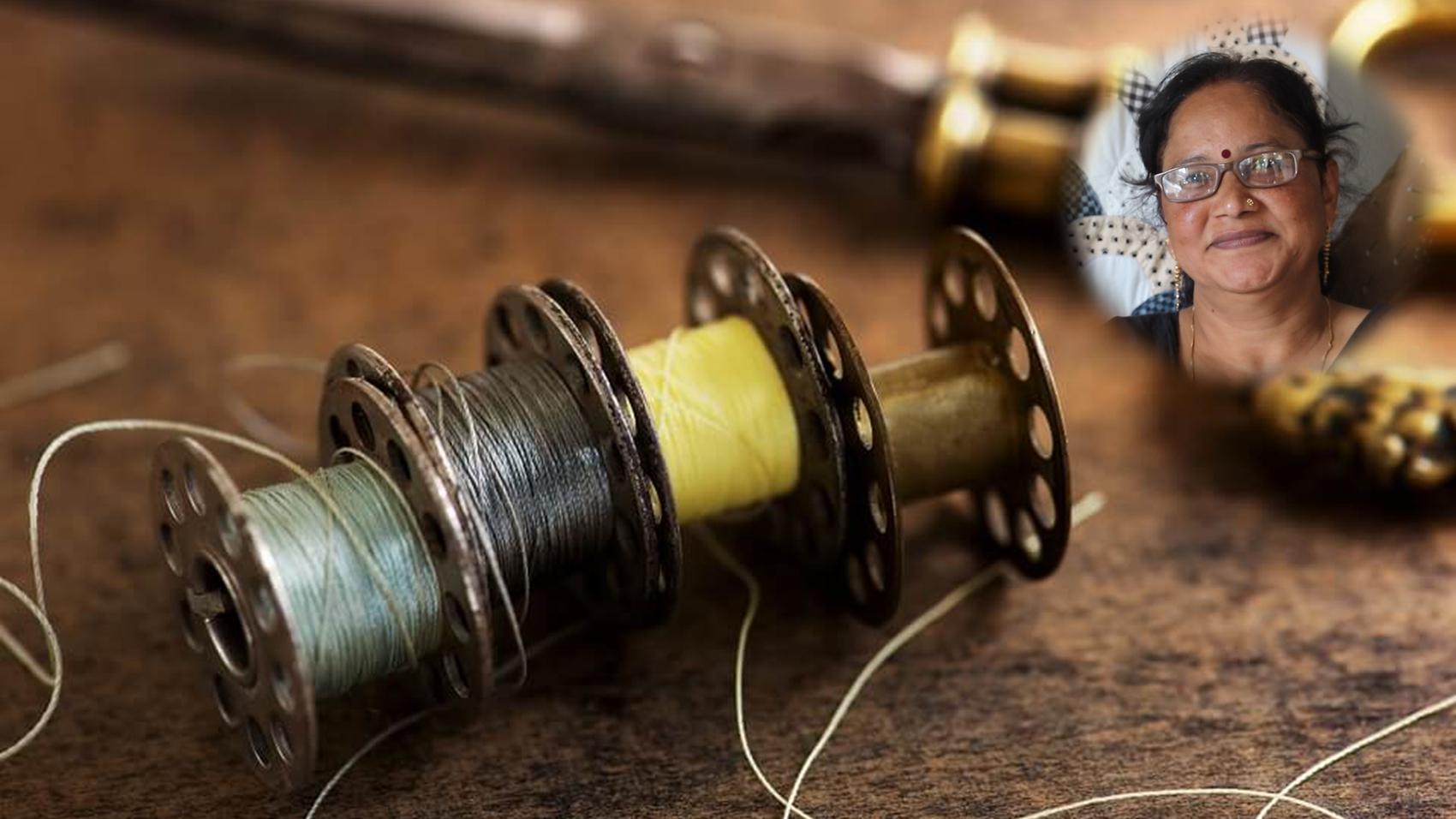
The hum of sewing machines and the scent of fresh fabric greet an upholstery professional each morning, setting the stage for a day that blends artistry with precision. In a workshop filled with sunlight filtering through tall windows, every surface tells a story—rolls of vibrant textiles, spools of thread in every hue, and half-finished chairs waiting for their transformation. The pace is steady but purposeful, driven by deadlines and the satisfaction of breathing new life into worn pieces. Each day is a dance between creative problem-solving and hands-on craftsmanship, where no two projects are ever quite the same.
As the day begins, the upholstery professional arrives early to prepare the workspace. Tools are sharpened, fabrics are unrolled, and the day’s project list is reviewed with a keen eye for detail. This quiet hour is spent inspecting incoming furniture, noting any structural repairs needed, and matching materials to client specifications. The morning light is perfect for assessing colors and textures, ensuring that every element is ready for the hours of focused work ahead.
By mid-morning, the workshop is alive with activity. This is the heart of the day, where hands move swiftly to strip old upholstery, cut new fabric with precision, and stitch intricate patterns. The professional balances technical skill with artistic vision, shaping foam, securing springs, and carefully aligning seams. There’s a rhythm to the work, punctuated by the steady thrum of machinery and the occasional consultation with clients or colleagues about design choices and progress updates.
The afternoon brings a shift toward collaboration and execution. Larger pieces are maneuvered into place, and team members may join forces to tackle complex assemblies or heavy lifting. The professional might consult with carpenters on frame repairs or coordinate with suppliers about material deliveries. Attention turns to assembling finished components, attaching fabric to frames, and adding final touches like decorative trims or tufting. The energy in the workshop is focused and cooperative, as everyone works together to meet project deadlines.
As the day winds down, the upholstery professional transitions to wrap-up tasks. The workspace is tidied, tools are cleaned and stored, and completed projects are documented with photographs and notes for client records. Time is set aside to review upcoming orders, research new techniques or materials, and plan the next day’s workflow. This quiet reflection ensures that every detail is accounted for, setting the stage for another day of creativity and craftsmanship. |


 Home
Home Abroad
 Plan
Plan Philosophy
 Seminar
 Pages
Pages Advisors
 Testimonials















 Workshop
 Discuss
 Meet
Meet
 Advisor
 Story
Story
 Fine Print
 Links
Links
 Blog
Blog
 Follow
