Career Counselling 2.0 HomeHomeCareer Counselling 2.0 AbroadAbroadCareer Counselling 2.0 PlanPlanCareer Counselling 2.0 | TalksTalksCareer Counselling 2.0 PhilosophyPhilosophyCareer Counselling 2.0 SeminarSeminarCareer Counselling 2.0 PagesPagesCareer Counselling 2.0 AdvisorsAdvisorsCareer Counselling 2.0 TestimonialsTestimonials

NGO Management

Director Harry Sethi talks about NGO Management course, what is NGO Management and other details about a Career in NGO Management.


NGO Management

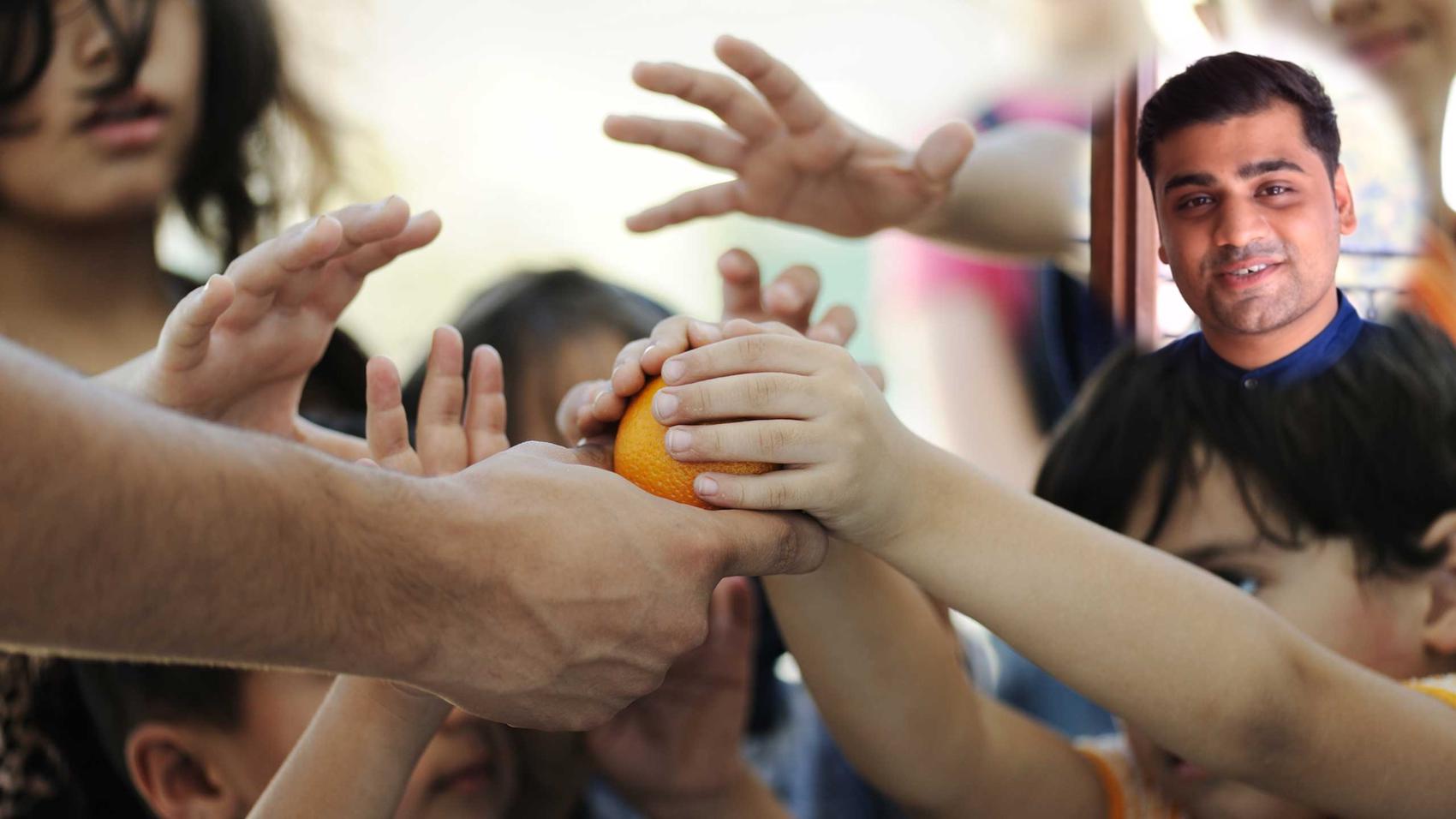
Harry Sethi | Director | CARE


What is NGO Management?


A Career in NGO Management is very interesting. Almost everyone seems to be talking about How to start a Career in NGO Management, while one should first develop an understanding of What is a Career in NGO Management. It is best to learn about NGO Management from a real professional, this is akin to getting it from the horse's mouth.

Director Harry Sethi has 24 years & 2 months of professional experience in NGO Management. According to Director Harry Sethi, NGO Management is:

NGO is a not-for-profit organization that is independent from states and international governmental organizations.To achieve success, NGOs have to continually improve and professionalize their work, which puts more and more demands on the management and leadership of an organisation.


How Director Harry Sethi got into NGO Management?


I have had the opportunity to work with Govt., Non-Govt. and Corporate Sector.Currently I am involved in promoting a wonderful organization called the Toastmasters.


Director Harry Sethi's Talk on NGO Management


Session Image
The Journey of NGO Management


What Is NGO Management

NGO Management

### NGO Management Image
What is
NGO Management refers to the strategic planning, organization, leadership, and oversight of non-governmental organizations to achieve their missions effectively. It involves coordinating resources, managing staff and volunteers, ensuring compliance, and fostering partnerships to address social, environmental, or humanitarian issues in local, national, or international contexts.

Concept
NGO Management plays a crucial role in shaping the effectiveness and sustainability of organizations dedicated to social change. Professionals in this field influence how resources are allocated, how programs are implemented, and how communities are engaged. By ensuring transparency and accountability, they build trust with donors and stakeholders. Effective NGO Management also fosters innovation, allowing organizations to adapt to changing needs and challenges. Additionally, it creates opportunities for professional growth and leadership development, as managers often work in dynamic, multicultural environments. The impact of strong NGO Management is seen in improved project outcomes, increased funding opportunities, and the long-term viability of organizations working to solve pressing global issues.

Real World Example
A professional in NGO Management might oversee a non-profit focused on providing clean water in rural communities. They would coordinate with local leaders to assess needs, manage a team of engineers and volunteers, and secure funding from international donors. Throughout the project, the manager ensures that activities align with the organization’s mission and that resources are used efficiently. They monitor progress, address challenges as they arise, and report outcomes to stakeholders. By fostering partnerships with local governments and other NGOs, the manager amplifies the project’s impact, ensuring that the clean water initiative is sustainable and benefits as many people as possible. This hands-on leadership exemplifies the multifaceted role of NGO Management.

Education


Human Resource Mgnt.

### Human Resource Mgnt. Image
What is
Human Resource Management (HRM) is the strategic approach to recruiting, developing, managing, and supporting an organization’s workforce to achieve its goals. In the context of NGO Management, HRM is a crucial academic and professional discipline, equipping leaders with the skills to build effective, motivated, and mission-driven teams.

Concept
Understanding Human Resource Management is essential for anyone preparing for or working in NGO Management because people are the most valuable asset in any non-profit organization. Mastery of HRM principles enables professionals to attract and retain passionate staff and volunteers, foster a positive organizational culture, and ensure compliance with labor laws and ethical standards. This knowledge forms the backbone of effective leadership, empowering managers to resolve conflicts, design fair compensation systems, and implement professional development programs. Over the long term, expertise in HRM enhances organizational stability, supports sustainable growth, and increases the impact of the NGO’s mission. For career advancement, a solid grounding in HRM distinguishes professionals as capable, empathetic leaders who can inspire and manage diverse teams in dynamic environments.

Real World Example
Imagine an NGO manager overseeing a team responsible for delivering community health programs. Drawing on their knowledge of Human Resource Management, the manager implements a transparent recruitment process to select staff with the right mix of skills and values. They establish clear job descriptions, set up regular performance reviews, and create opportunities for staff training and development. When a conflict arises between team members, the manager applies conflict resolution techniques learned through HRM studies to mediate and restore collaboration. By fostering open communication and recognizing achievements, the manager boosts morale and reduces turnover. This practical application of HRM theory ensures the NGO’s projects run smoothly, staff remain motivated, and the organization achieves its objectives efficiently.

General Management

### General Management Image
What is
General Management refers to the comprehensive coordination and oversight of an organization’s resources, processes, and people to achieve its objectives efficiently and effectively. In the context of NGO Management, it forms a crucial academic and professional foundation, equipping leaders with essential skills in planning, organizing, leading, and controlling organizational activities.

Concept
Understanding General Management is vital for anyone aspiring to excel in NGO Management because it provides the structural framework for decision-making, resource allocation, and team leadership. Mastery of these concepts ensures that professionals can navigate complex organizational challenges, adapt to changing environments, and drive their mission forward. It also fosters critical thinking and strategic planning abilities, which are indispensable for long-term sustainability and impact. By grounding their approach in general management principles, NGO managers are better prepared to handle financial constraints, stakeholder expectations, and regulatory requirements. Over time, this knowledge not only enhances operational effectiveness but also opens doors to higher leadership roles and broader career opportunities within the nonprofit sector.

Real World Example
Consider an NGO manager tasked with launching a new community health initiative. Drawing on their understanding of General Management, they begin by setting clear objectives and developing a detailed action plan. They allocate resources judiciously, ensuring that staff, volunteers, and funds are used efficiently. Throughout the project, they monitor progress, address unforeseen challenges, and motivate their team to maintain high performance. When faced with budget cuts, their management skills enable them to re-prioritize activities without compromising the initiative’s core goals. By applying these general management principles, the manager not only delivers successful outcomes but also strengthens the organization’s reputation and capacity for future projects.

Social Development

### Social Development Image
What is
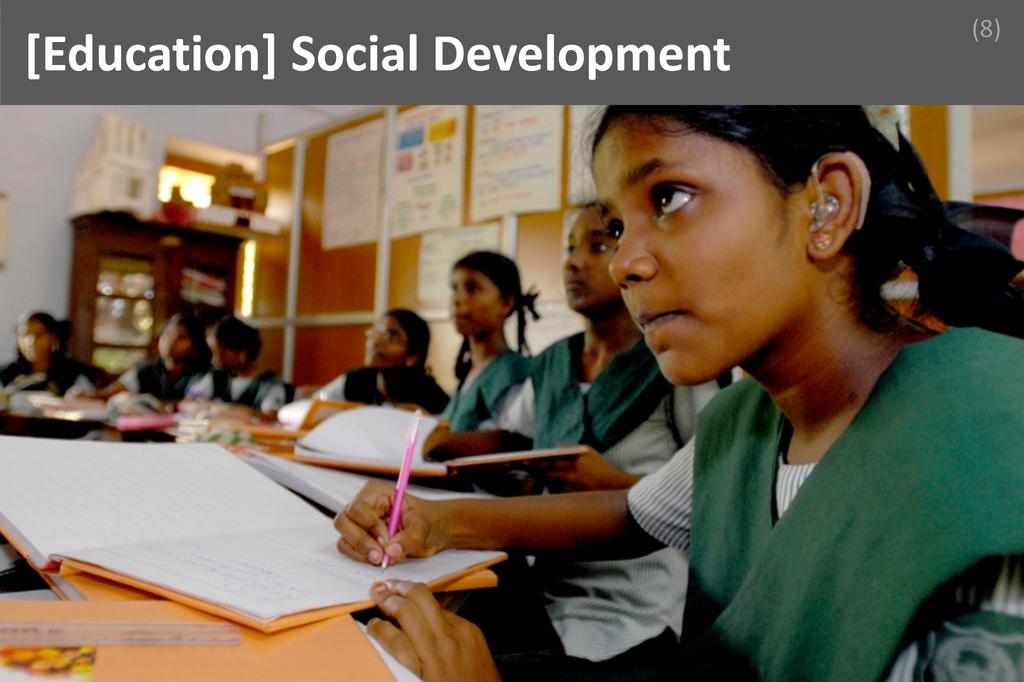
Social Development refers to the process of improving the well-being of individuals and communities through social, economic, and institutional change. It encompasses efforts to reduce inequality, promote inclusion, and strengthen social cohesion. For NGO Management, understanding Social Development is essential for designing effective interventions and achieving sustainable, positive change.

Concept
A deep understanding of Social Development is vital for anyone preparing for or working in NGO Management because it provides the theoretical and practical framework needed to address complex social issues. This knowledge enables professionals to analyze the root causes of poverty, inequality, and exclusion, and to design programs that foster empowerment and resilience. By mastering these concepts, NGO managers can ensure their initiatives are culturally sensitive, ethically sound, and aligned with the needs of the communities they serve. Over the long term, expertise in Social Development enhances strategic planning, stakeholder engagement, and impact assessment, making professionals more effective leaders and advocates for social change.

Real World Example
Consider an NGO manager overseeing a project aimed at improving educational access in a marginalized rural community. Drawing on their understanding of Social Development, the manager conducts a thorough needs assessment, engaging local stakeholders to identify barriers such as gender norms, economic hardship, and lack of infrastructure. By integrating this theoretical knowledge, the manager collaborates with community leaders to develop inclusive strategies that address both immediate educational needs and underlying social factors. This approach not only increases school enrollment but also empowers families and strengthens community networks, demonstrating how Social Development principles guide practical, impactful decision-making in daily NGO operations.

Finance

### Finance Image
What is
Finance is the discipline concerned with the management, creation, and study of money, investments, and other financial instruments. It encompasses budgeting, forecasting, resource allocation, and risk management. In NGO Management, finance forms a critical part of academic and professional expertise, ensuring organizations operate sustainably and achieve their mission-driven goals.

Concept
Understanding finance is essential for anyone preparing for or working in NGO Management because it underpins every aspect of organizational sustainability and impact. Proficiency in finance enables professionals to develop realistic budgets, manage donor funds responsibly, and ensure compliance with regulatory requirements. It also helps in making informed decisions about resource allocation, project feasibility, and long-term planning. Mastery of financial principles builds credibility with stakeholders, including donors, board members, and beneficiaries, by demonstrating transparency and accountability. Over the course of a career, strong financial skills open doors to leadership roles, enhance strategic thinking, and provide the confidence to navigate complex funding environments. Ultimately, finance is not just about numbers; it is about empowering NGOs to fulfill their missions effectively and ethically.

Real World Example
Imagine an NGO manager overseeing a project funded by multiple international donors. Each donor has specific reporting requirements and budget restrictions. The manager must apply their financial knowledge to track expenditures, forecast future costs, and ensure that spending aligns with both the project’s objectives and donor expectations. When unexpected expenses arise, such as an increase in material costs, the manager uses financial analysis to reallocate funds without compromising project outcomes. They prepare detailed financial reports that satisfy donor scrutiny and support transparent communication with the board. By leveraging their understanding of finance, the manager not only maintains the organization’s credibility but also maximizes the impact of every dollar received, ensuring the NGO’s mission is advanced efficiently and sustainably.

Project Management

### Project Management Image
What is
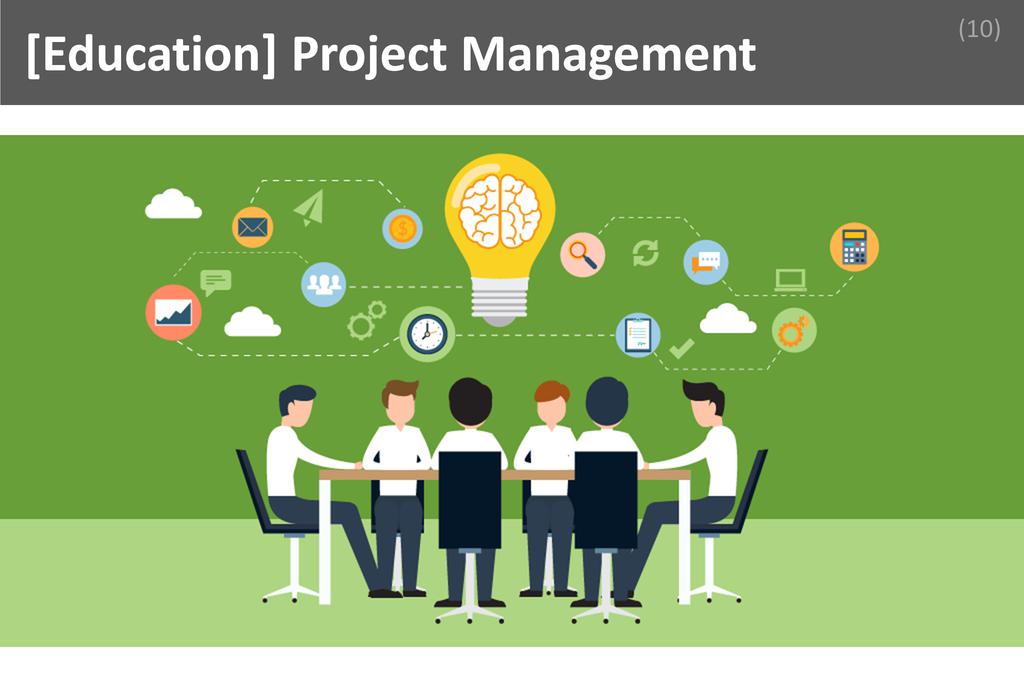
Project Management is the discipline of planning, executing, and overseeing projects to achieve specific objectives within defined constraints such as time, budget, and resources. In NGO Management, it is a critical academic and professional field, equipping leaders with structured approaches to deliver impactful programs and fulfill organizational missions efficiently.

Concept
Understanding Project Management is essential for anyone pursuing a career in NGO Management because it provides the tools and methodologies needed to turn ideas into actionable plans. Mastery of this subject ensures that projects are delivered on time, within budget, and to the desired quality, which is crucial for maintaining donor trust and achieving social impact. It forms the backbone of professional competence, enabling managers to coordinate teams, allocate resources wisely, and navigate complex stakeholder environments. Over the long term, proficiency in Project Management enhances leadership capabilities, supports career advancement, and increases the likelihood of organizational success in a competitive and resource-constrained sector.

Real World Example
Consider an NGO manager tasked with launching a community health initiative in a rural area. Drawing on their Project Management knowledge, they begin by defining clear objectives, setting a realistic timeline, and allocating resources among team members. Throughout the project, they monitor progress, manage risks, and adjust plans as challenges arise, such as delays in supply delivery or changes in community needs. By applying structured project management techniques, the manager ensures that the initiative stays on track, meets its goals, and delivers measurable benefits to the community. This practical application not only maximizes impact but also demonstrates accountability to donors and stakeholders, reinforcing the value of strong project management skills in daily NGO operations.

I T

### I T Image
What is
Information Technology (I T) refers to the use of computers, software, networks, and other digital systems to store, process, and transmit information. In the context of NGO Management, I T encompasses the tools and systems that enable efficient communication, data management, and service delivery, supporting organizational goals and impact.

Concept
Understanding I T is essential for anyone preparing for or working in NGO Management because it underpins nearly every aspect of modern organizational operations. Mastery of I T enables professionals to streamline workflows, enhance communication, and ensure data security, all of which are critical for effective project management and stakeholder engagement. As NGOs increasingly rely on digital platforms for fundraising, reporting, and outreach, proficiency in I T becomes a foundational skill that supports transparency, accountability, and scalability. Over the long term, a strong grasp of I T empowers professionals to adapt to technological advancements, leverage data-driven decision-making, and maintain a competitive edge in the nonprofit sector.

Real World Example
Consider an NGO manager overseeing a health awareness campaign across multiple regions. By applying their knowledge of I T, the manager implements a cloud-based project management system that allows team members to collaborate in real time, regardless of location. They use secure databases to track beneficiary information and monitor campaign progress, ensuring data privacy and compliance with regulations. Additionally, the manager utilizes digital communication tools to coordinate with partners and volunteers, while leveraging social media analytics to measure outreach effectiveness. This integration of I T not only streamlines daily operations but also enhances the NGO’s ability to deliver impactful programs and report outcomes to donors and stakeholders efficiently.

Skills


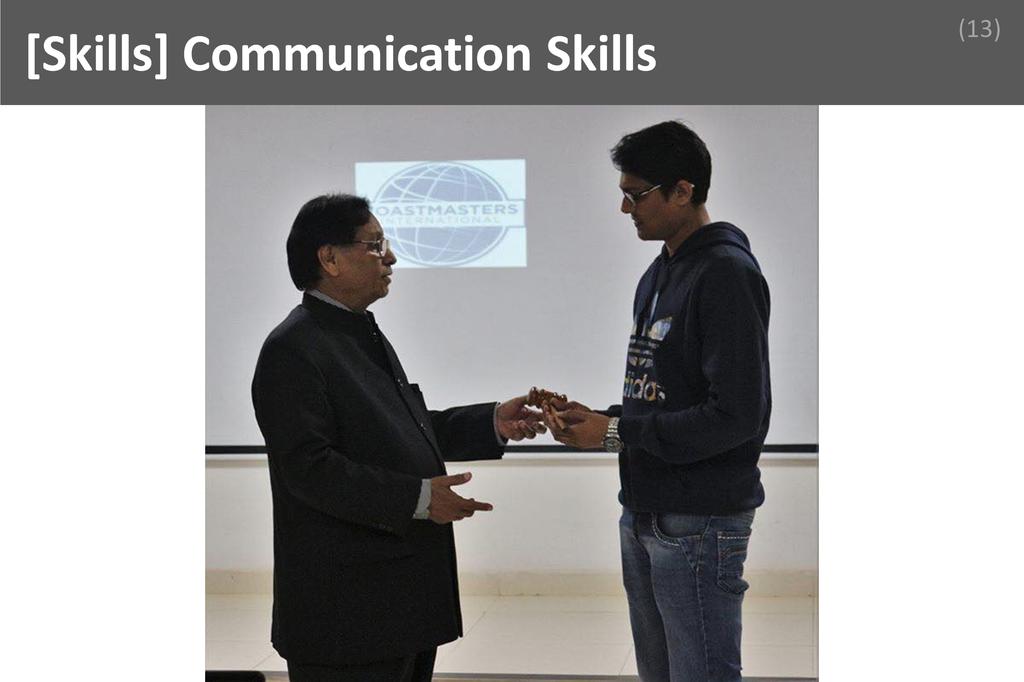
Communication Skills

### Communication Skills Image
What is
Communication skills refer to the ability to convey information clearly, listen actively, interpret messages accurately, and adapt communication styles to diverse audiences. In NGO management, these skills are crucial for building relationships, mobilizing resources, coordinating teams, and advocating for causes, making them indispensable in a professional’s toolkit.

Concept
Strong communication skills directly enhance an NGO manager’s effectiveness by enabling them to articulate organizational goals, inspire teams, and foster collaboration among stakeholders. Employers and clients highly value this skill because it ensures transparency, builds trust, and helps resolve conflicts efficiently. To cultivate communication skills, professionals should seek feedback, engage in active listening, and practice public speaking or written communication regularly. Over time, exposure to diverse audiences and challenging situations further refines these abilities, allowing managers to tailor their approach for maximum impact. By continuously developing communication skills, NGO professionals can navigate complex environments, secure funding, and advocate persuasively for their mission.

Real World Example
Imagine an NGO manager facing a funding crisis due to a miscommunication with a major donor. By leveraging strong communication skills, the manager arranges a meeting to clarify misunderstandings, actively listens to the donor’s concerns, and transparently explains the organization’s needs and impact. Through empathetic dialogue and clear messaging, the manager rebuilds trust and secures renewed support. This scenario demonstrates how effective communication not only resolves immediate challenges but also strengthens long-term relationships, ensuring the NGO’s sustainability and success. In such critical moments, the ability to communicate skillfully can make the difference between overcoming obstacles and facing setbacks.

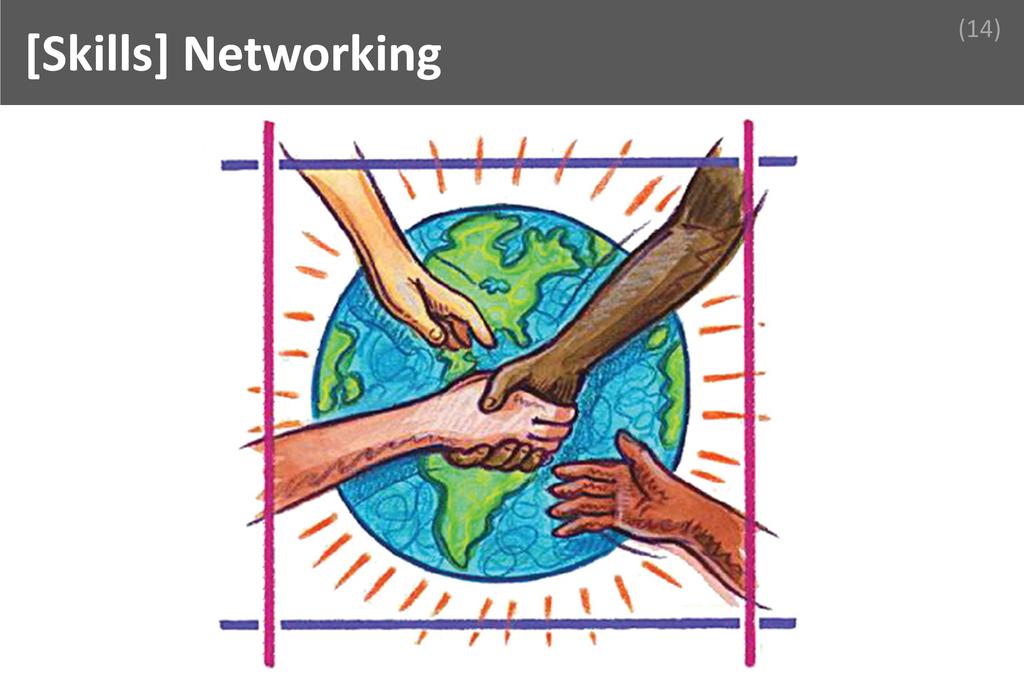
Networking

### Networking Image
What is
Networking is the process of building and maintaining mutually beneficial relationships with individuals, groups, and organizations to exchange information, resources, and support. In NGO Management, networking enables professionals to access new opportunities, share best practices, and collaborate on projects, making it a vital component of effective leadership and organizational growth.

Concept
Networking directly enhances performance in NGO Management by opening doors to partnerships, funding sources, and expert advice that can propel projects forward. Clients and employers highly value this skill because it demonstrates an ability to foster collaboration, attract resources, and build credibility for the organization. Cultivating networking skills involves consistent engagement with peers, attending relevant events, and maintaining open communication channels. Over time, professionals can expand their networks by actively participating in industry forums, volunteering for cross-organizational initiatives, and following up with contacts to nurture long-term relationships. This ongoing effort not only broadens access to resources but also strengthens the organization’s reputation and influence within the sector.

Real World Example
Imagine a scenario where an NGO Manager faces a sudden funding shortfall for a critical community health project. Drawing on their established network, the manager quickly reaches out to contacts in partner organizations and philanthropic foundations. Through these connections, they secure emergency funding and in-kind support, allowing the project to continue uninterrupted. Additionally, the manager leverages relationships with local government officials to gain expedited approvals and logistical assistance. This ability to mobilize resources and support through networking not only resolves the immediate crisis but also reinforces the NGO’s credibility and resilience, ensuring long-term sustainability and success.

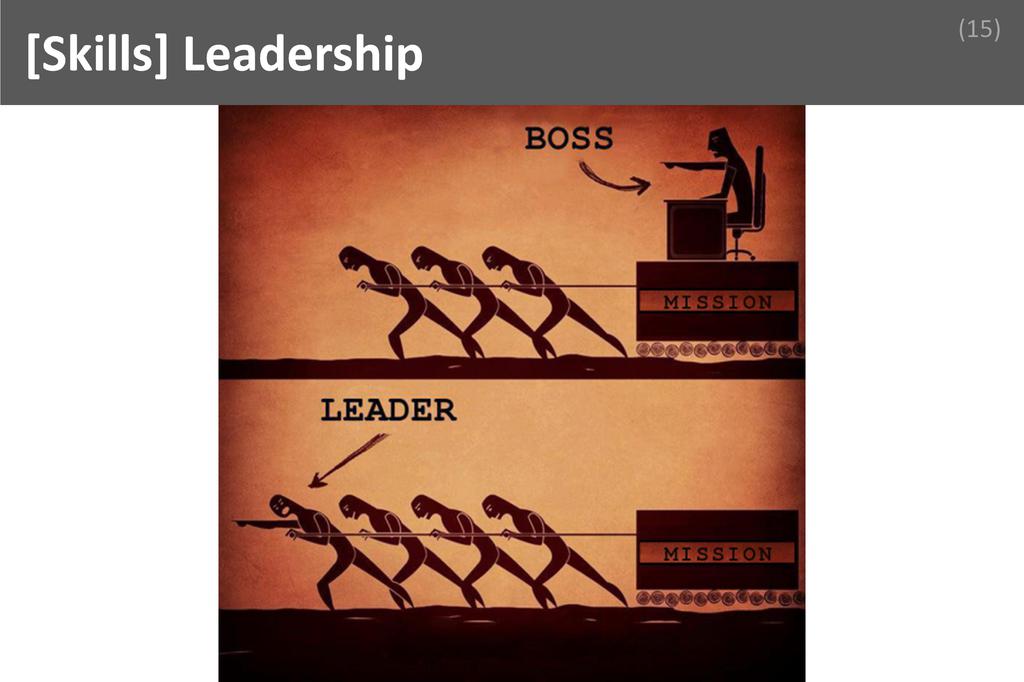
Leadership

### Leadership Image
What is
Leadership is the ability to inspire, guide, and influence individuals or groups toward achieving common goals, while fostering collaboration, trust, and accountability. In NGO Management, leadership is crucial because it unites diverse teams, aligns organizational vision with action, and drives positive change in complex, resource-constrained environments. Effective leaders empower others, navigate challenges, and ensure mission success.

Concept
Leadership directly enhances performance in NGO Management by motivating teams, fostering innovation, and ensuring that projects remain focused and adaptable in the face of challenges. Clients and employers highly value this skill because it translates to stronger team cohesion, improved stakeholder relationships, and more sustainable impact. Leaders in NGOs are often tasked with managing limited resources, navigating cultural differences, and responding to evolving community needs. Cultivating leadership involves continuous self-reflection, seeking mentorship, embracing feedback, and actively participating in decision-making processes. Over time, professionals can develop their leadership abilities by taking on new responsibilities, learning from setbacks, and consistently aligning their actions with the organization’s mission and values.

Real World Example
Imagine an NGO manager overseeing a disaster relief project where resources are scarce and the team faces mounting stress. When a sudden logistical setback threatens to delay aid delivery, the manager steps up, communicates transparently with the team, and quickly reallocates responsibilities based on individual strengths. By remaining calm and decisive, the manager reassures both staff and beneficiaries, fostering trust and renewed motivation. Through clear vision and empathetic guidance, the manager not only resolves the immediate crisis but also strengthens the team’s resilience and unity. This scenario highlights how effective leadership is indispensable for overcoming obstacles and achieving success in the dynamic world of NGO Management.

Positives


Societal Impact

### Societal Impact Image
What is
Societal impact refers to the meaningful and measurable influence that actions, projects, or organizations have on the well-being, development, and quality of life within communities or society at large. In NGO management, societal impact is the driving force that transforms passion into purpose, shaping initiatives that address real-world challenges and create lasting positive change.

Concept
The profound societal impact inherent in NGO management is a powerful motivator for professionals in this field. Knowing that their daily efforts directly contribute to alleviating poverty, advancing education, or protecting the environment brings a deep sense of fulfillment and purpose. This connection to a greater cause not only enhances job satisfaction but also fosters personal growth, resilience, and a strong sense of identity. Professionals experience the tangible results of their work, whether through improved community health, empowered individuals, or systemic policy changes. This ongoing interaction with positive change reinforces their commitment and passion, making each day meaningful and inspiring, and often leading to lifelong dedication to the sector.

Real World Example
Imagine a program manager at an NGO dedicated to improving access to clean water in rural communities. After months of coordinating resources, building partnerships, and overcoming logistical hurdles, the manager witnesses the first flow of clean water into a village that previously relied on contaminated sources. The joy and relief on the faces of children and families, coupled with the knowledge that disease rates will drop and school attendance will rise, provide an overwhelming sense of accomplishment. This moment encapsulates the societal impact of their work, reaffirming the manager’s commitment and illustrating how their efforts have transformed lives in a tangible, lasting way.

Satisfaction

### Satisfaction Image
What is
Satisfaction is the deep sense of fulfillment and contentment that arises from meaningful work, personal growth, and positive contributions to society. In NGO Management, satisfaction stems from knowing that one’s efforts directly improve lives, empower communities, and drive social change, making every challenge worthwhile and every achievement deeply rewarding.

Concept
The satisfaction gained from working in NGO Management is a powerful motivator that fuels passion and commitment. This sense of fulfillment not only enhances daily job satisfaction but also encourages professionals to persevere through challenges and setbacks. When individuals witness the tangible results of their work, such as improved living conditions or empowered communities, their sense of purpose grows stronger. This ongoing satisfaction fosters personal and professional growth, inspires innovation, and strengthens resilience. As a result, professionals in this field are more likely to remain dedicated, motivated, and enthusiastic, creating a positive cycle that benefits both the individual and the organization. The daily experience of making a real difference becomes a driving force that sustains long-term engagement and career growth.

Real World Example
Imagine a program manager at an NGO overseeing a project that provides clean water to a rural village. After months of planning, fundraising, and collaboration with local partners, the project is completed, and the community finally has access to safe drinking water. The manager attends the inauguration ceremony and sees the joy and relief on the faces of the villagers, especially the children. In that moment, the manager feels an overwhelming sense of satisfaction, knowing that their hard work has directly improved the health and well-being of hundreds of people. This fulfilling experience not only validates their career choice but also inspires them to continue striving for positive change in other communities.

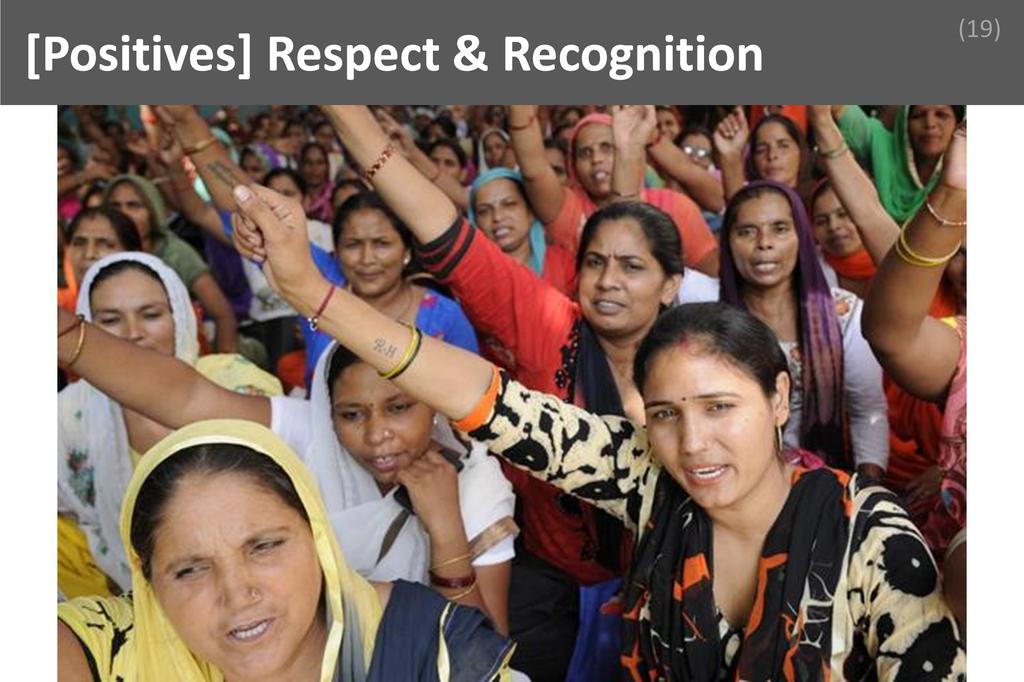
Respect & Recognition

### Respect & Recognition Image
What is
Respect & Recognition refers to the genuine appreciation, esteem, and acknowledgment received from colleagues, beneficiaries, and the broader community for one’s dedication and impact. In NGO Management, this means being valued for driving positive change, fostering trust, and inspiring others, which significantly enhances motivation and professional fulfillment.

Concept
The presence of respect and recognition in NGO Management is a powerful motivator that elevates both personal and organizational success. When professionals feel valued for their contributions, their sense of purpose deepens, leading to greater job satisfaction and resilience in the face of challenges. This positive environment encourages innovation, collaboration, and continuous growth, as team members are more likely to share ideas and support one another. Daily, NGO managers experience gratitude from the communities they serve, acknowledgment from peers, and validation from stakeholders, all of which reinforce their commitment to the cause. This ongoing cycle of appreciation not only boosts morale but also attracts passionate individuals to the sector, creating a thriving, mission-driven workplace.

Real World Example
Imagine an NGO manager who leads a project providing clean water to a rural community. After months of hard work, the project is completed successfully, and the community’s quality of life improves dramatically. During a local celebration, community members express heartfelt thanks, sharing stories of how their lives have changed. Colleagues commend the manager’s leadership and dedication, while donors publicly acknowledge the project’s success. This outpouring of respect and recognition not only validates the manager’s efforts but also instills a profound sense of pride and motivation to continue making a difference. Such moments become lasting reminders of the meaningful impact that NGO professionals can achieve through their work.

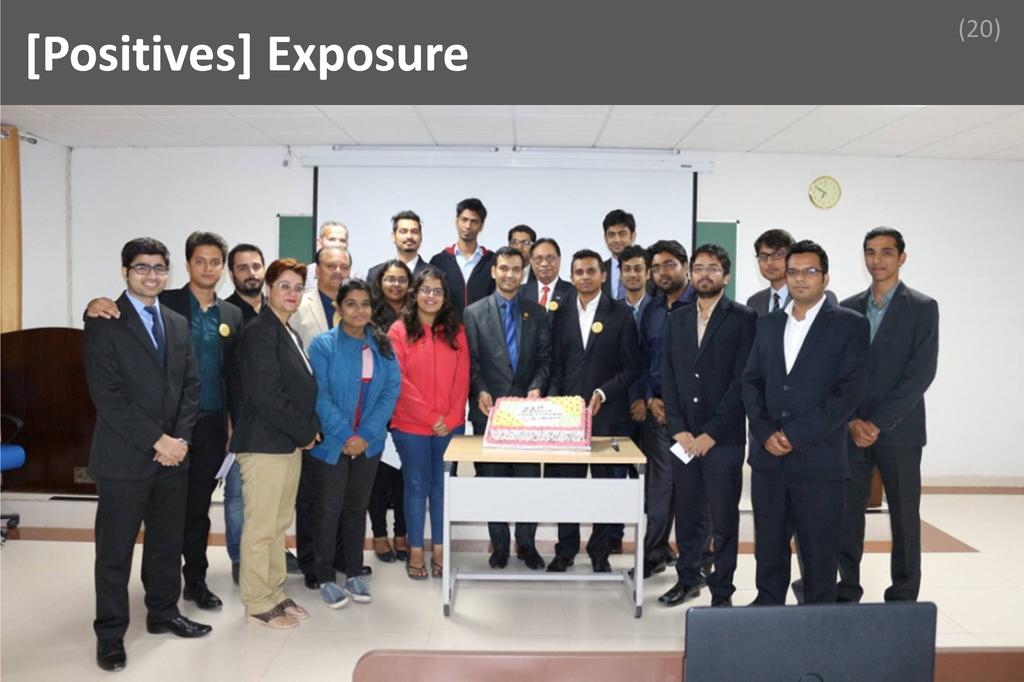
Exposure

### Exposure Image
What is
Exposure in NGO Management refers to the continuous interaction with diverse cultures, communities, challenges, and global perspectives, fostering personal and professional growth. It involves engaging with various stakeholders, adapting to dynamic environments, and learning from real-world situations. This exposure enriches understanding, broadens horizons, and enhances problem-solving abilities within the sector.

Concept
Exposure is a cornerstone of job satisfaction and professional development in NGO Management. It allows individuals to step beyond their comfort zones, gaining insights into different social issues, operational models, and leadership styles. This constant learning environment cultivates adaptability, empathy, and innovation, making each day unique and meaningful. Professionals often find themselves collaborating with international teams, attending global conferences, and working directly with communities, which accelerates their growth and deepens their sense of purpose. The variety and unpredictability of experiences prevent monotony, keeping motivation high and fostering a strong commitment to the organization’s mission. Ultimately, exposure not only enhances career prospects but also instills a profound sense of accomplishment and global citizenship.

Real World Example
Imagine a program manager working for an international NGO focused on education. One week, she is coordinating with local teachers in rural India, learning firsthand about the challenges they face. The next, she is presenting project outcomes to donors in Europe, adapting her communication style to suit different audiences. Through these experiences, she gains a nuanced understanding of both grassroots realities and high-level strategic planning. The exposure to diverse cultures, languages, and problem-solving approaches not only sharpens her professional skills but also fuels her passion for making a tangible difference. This dynamic environment ensures her work remains engaging, impactful, and deeply rewarding every single day.

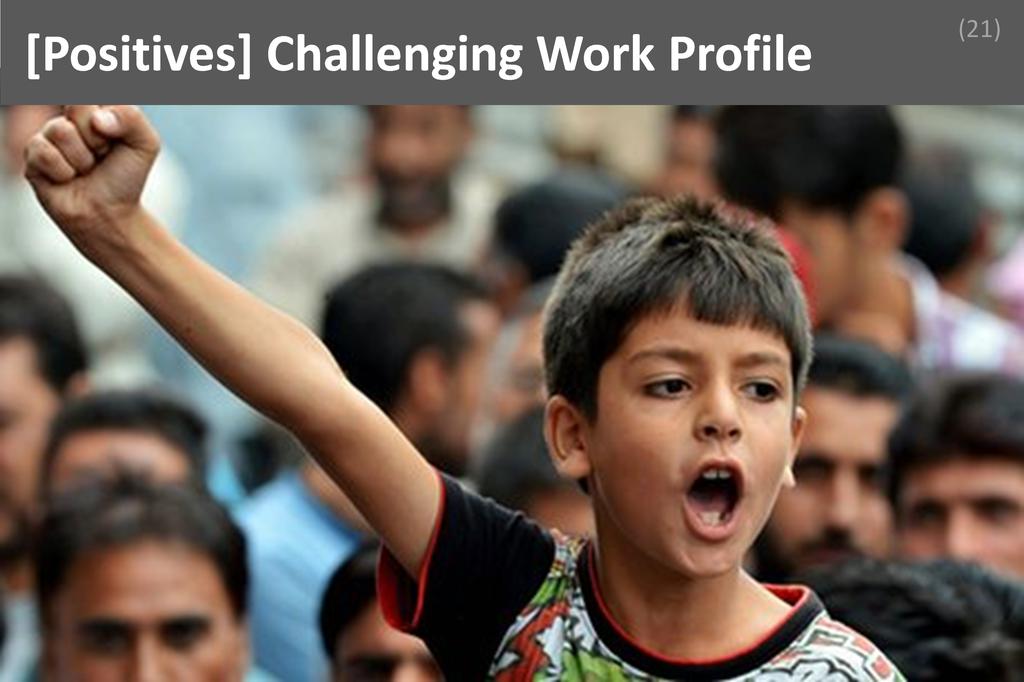
Challenging Work Profile

### Challenging Work Profile Image
What is
A "Challenging Work Profile" refers to a dynamic and demanding role that requires problem-solving, adaptability, and innovation in the face of complex social issues. In NGO Management, this means navigating unpredictable environments, limited resources, and diverse stakeholder needs, which fosters personal growth and professional development while driving meaningful change in society.

Concept
The challenging nature of NGO Management is a key driver of job satisfaction and personal fulfillment. Professionals in this field are constantly pushed to think creatively, develop new skills, and adapt to evolving circumstances. This environment not only accelerates career growth but also instills a deep sense of purpose, as every challenge overcome directly contributes to positive societal impact. The daily experience of tackling real-world problems, collaborating with passionate colleagues, and witnessing tangible results ensures that the work remains engaging and meaningful. Ultimately, the demanding aspects of the role transform into opportunities for learning, leadership, and making a lasting difference.

Real World Example
Imagine a program manager at an NGO working to improve access to education in rural communities. Each day brings unexpected obstacles, from logistical setbacks to shifting local policies. Instead of being discouraged, the manager leverages these challenges to innovate—developing new partnerships, adjusting strategies, and empowering local leaders. Through perseverance and creative problem-solving, the manager not only achieves project goals but also builds stronger community relationships and inspires the team. The sense of accomplishment gained from overcoming these hurdles is profound, reinforcing the belief that challenging work leads to meaningful, lasting change for both the professional and the communities served.

Challenges


Building Trust

### Building Trust Image
What is
Building trust in NGO Management means establishing credibility, transparency, and reliability with stakeholders, including beneficiaries, donors, partners, and communities. This is demanding because NGOs often operate in environments marked by skepticism, resource constraints, and diverse interests, making it essential yet challenging to consistently demonstrate integrity and accountability.

Concept
The challenge of building trust permeates every aspect of daily work in NGO Management, from securing funding to fostering community participation. Doubts about motives or effectiveness can hinder collaboration, delay projects, and reduce impact. Professionals must remain resilient, as setbacks and misunderstandings are common. Successful NGO managers address this by prioritizing open communication, consistently delivering on promises, and being transparent about both successes and setbacks. They invest time in relationship-building, listen actively to concerns, and adapt their approaches based on feedback. By demonstrating reliability and ethical conduct over time, they gradually earn the confidence of stakeholders, which is essential for long-term success and sustainability in the sector.

Real World Example
Consider an NGO manager working in a community that has previously experienced failed development projects. Initial meetings are met with skepticism, and local leaders hesitate to engage. The manager responds by holding regular open forums, sharing detailed plans, and inviting community input at every stage. When challenges arise, the manager communicates them honestly and seeks collaborative solutions rather than making unilateral decisions. Over several months, the community witnesses the NGO’s consistent presence and commitment to transparency. Gradually, trust is built, leading to increased participation, smoother project implementation, and a stronger partnership between the NGO and the community. This example illustrates how patience, openness, and accountability can overcome the barrier of mistrust in NGO Management.

Fund Raising

### Fund Raising Image
What is
Fund raising in NGO Management refers to the ongoing process of securing financial resources from donors, grants, and other sources to support organizational programs and operations. It is demanding because it requires strategic planning, relationship-building, persuasive communication, and adaptability in a competitive environment where resources are often limited and donor priorities frequently shift.

Concept
The challenge of fund raising permeates nearly every aspect of daily work in NGO Management, influencing project planning, staffing, and even the scope of services offered. Professionals must constantly balance mission-driven goals with the pragmatic need for financial sustainability. This ongoing pressure can lead to stress and uncertainty, demanding resilience and adaptability from staff. Successful professionals manage this constraint by cultivating strong relationships with donors, maintaining transparent communication about impact, and diversifying funding sources. They also invest in storytelling and data-driven reporting to demonstrate value, while remaining agile enough to pivot strategies as funding landscapes evolve. Through persistence and innovation, they transform fund raising from a daunting obstacle into an opportunity for organizational growth and deeper community engagement.

Real World Example
Consider an NGO manager overseeing a youth education program facing a sudden shortfall in grant funding. Rather than scaling back services, the manager initiates a targeted outreach campaign, engaging local businesses and alumni to share stories of the program’s impact. By organizing community events and leveraging social media, the manager builds new partnerships and attracts small but consistent donations. Simultaneously, the manager applies for several smaller grants, tailoring proposals to each funder’s interests. Through these combined efforts, the manager not only bridges the funding gap but also strengthens the NGO’s network of supporters, ensuring greater financial stability and resilience against future challenges. This proactive approach exemplifies how fund raising obstacles can be overcome with creativity and determination.

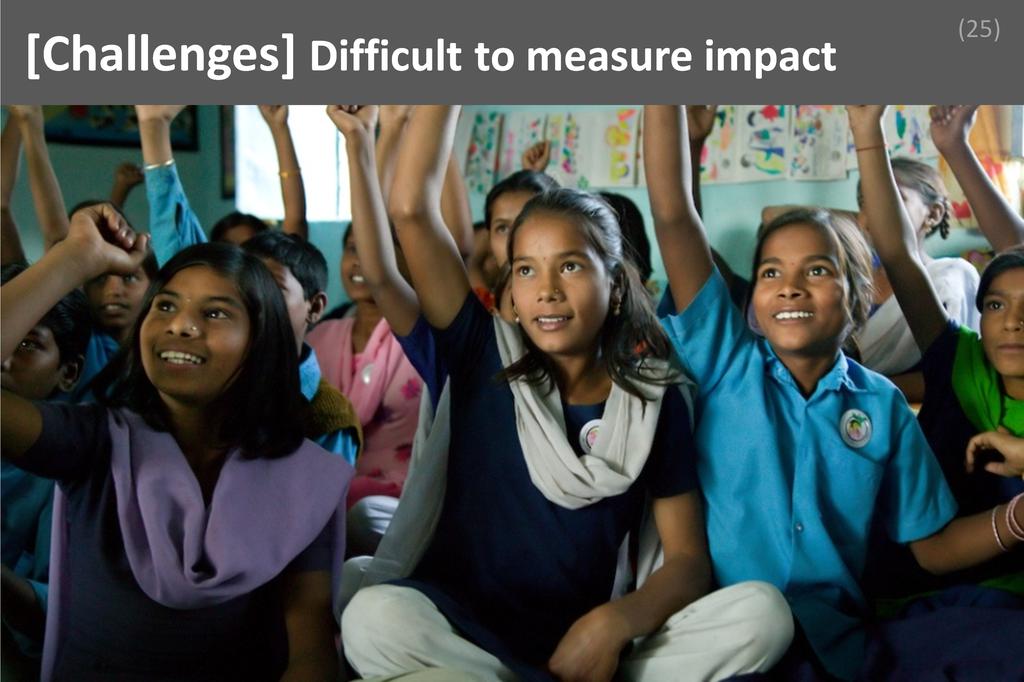
Difficult to measure impact

### Difficult to measure impact Image
What is
"Difficult to measure impact" in NGO Management refers to the challenge of quantifying the true effects of programs and interventions, especially when outcomes are long-term, intangible, or influenced by external factors. This complexity makes it demanding to demonstrate value, secure funding, and guide strategic decisions, often leading to uncertainty.

Concept
The challenge of measuring impact permeates daily work in NGO Management, affecting everything from reporting to stakeholders to designing effective programs. Professionals often face pressure to provide concrete evidence of success, even when change is gradual or indirect. This situation requires resilience, as the lack of clear metrics can be discouraging and may lead to doubts about the effectiveness of one’s efforts. Successful professionals address this constraint by adopting mixed-methods approaches, combining quantitative data with qualitative stories, and setting realistic, incremental goals. They engage stakeholders in defining what success looks like and remain transparent about limitations, thus building trust and maintaining motivation even when results are not immediately visible.

Real World Example
Consider an NGO manager working on a community empowerment project aimed at increasing civic participation. The impact of such an initiative is inherently difficult to measure, as changes in attitudes and behaviors unfold over years and are influenced by many external factors. To manage this, the professional implements regular focus group discussions and collects personal testimonies from community members, supplementing limited quantitative data. By sharing these stories with donors and stakeholders, the manager demonstrates progress and maintains support. Over time, the manager also tracks small but meaningful indicators, such as increased attendance at local meetings, to show incremental change. This approach helps the NGO remain accountable and motivated, despite the challenge of measuring long-term impact.

Uncertainties

### Uncertainties Image
What is
Uncertainties in NGO Management refer to unpredictable changes in funding, shifting political climates, evolving community needs, and unforeseen crises that disrupt planned activities. This challenge is demanding because it requires constant adaptation, quick decision-making, and the ability to operate effectively without guaranteed resources or stable external conditions.

Concept
Uncertainties permeate daily work in NGO Management, affecting everything from project planning to staff morale. Professionals often face abrupt funding cuts, policy changes, or emergencies that force them to rethink strategies on short notice. This environment demands resilience, as setbacks can be frequent and progress may stall unexpectedly. Successful professionals manage these constraints by cultivating flexibility, maintaining open communication with stakeholders, and developing contingency plans. They also foster a culture of learning within their teams, encouraging adaptability and creative problem-solving. By staying informed about external trends and building strong networks, they are better equipped to anticipate challenges and respond proactively, ensuring their organizations remain mission-focused even in turbulent times.

Real World Example
Consider an NGO manager overseeing a health initiative in a region suddenly affected by political unrest. Overnight, access to communities becomes restricted, and donor priorities shift. Rather than halting operations, the manager quickly consults with local partners to reassess needs and adapt project goals. She reallocates resources to support emergency health services and communicates transparently with donors about the changing context. By empowering her team to make decisions on the ground and leveraging existing relationships, she maintains critical support for vulnerable populations. Through adaptability, clear communication, and decisive leadership, she transforms uncertainty into an opportunity for the NGO to demonstrate resilience and deepen its impact during a crisis.

A Day Of


NGO Management

What is
The hum of activity in an NGO management office is unlike any other. Each day unfolds as a balancing act between urgent humanitarian needs and the relentless pursuit of long-term impact. The pace is brisk, the environment a blend of passion and pragmatism, and the nature of the work demands both empathy and efficiency. Here, no two days are ever quite the same, yet every morning brings a renewed sense of purpose as professionals navigate shifting priorities, resource constraints, and the ever-present drive to make a difference. In this world, the desk is merely a starting point for a day filled with collaboration, problem-solving, and the quiet satisfaction of meaningful progress.

Concept
As the sun rises, the day begins with a quiet moment of reflection and preparation. The NGO management professional arrives early, coffee in hand, to review overnight updates from field teams and scan through emails from international partners. This is a crucial window for assessing the latest developments, identifying urgent issues, and aligning the day’s priorities with the organization’s broader mission. With a quick glance at the calendar and a mental checklist of ongoing projects, the morning sets the tone for a day that will demand both agility and foresight.

Real World Example
By mid-morning, the office is alive with energy as the core work of the day takes center stage. This is the time for high-stakes meetings with program coordinators, donor representatives, and local partners, where decisions are made and strategies refined. Whether negotiating funding allocations, troubleshooting logistical challenges, or responding to emerging crises, the NGO manager must balance competing interests and keep the team focused on shared goals. The atmosphere is intense but collaborative, with every conversation carrying the weight of real-world consequences.

The afternoon ushers in a shift from planning to action. The NGO management professional moves between team huddles, project briefings, and hands-on problem-solving sessions. This is when ideas are translated into concrete steps: coordinating with field staff, overseeing the rollout of new initiatives, and ensuring compliance with donor requirements. The work is dynamic and often unpredictable, requiring quick thinking and a steady hand as the team navigates obstacles and celebrates small victories along the way.

As the day winds down, the focus turns to consolidating progress and preparing for what lies ahead. The NGO manager reviews reports, drafts updates for stakeholders, and documents lessons learned from the day’s activities. There is time for a final check-in with team members, offering support and guidance where needed. With tomorrow’s agenda taking shape, the professional leaves the office knowing that every task, no matter how routine, contributes to a larger purpose. The day ends not with closure, but with a sense of continuity—another step forward in the ongoing journey to create lasting change.


Install the LifePage App to:


  1. (for Free) Watch Director Harry Sethi’s full NGO Management Career Talk

  2. ₹ Do a Self Assessment on NGO Management to calculate your Dream Index, which is defined as:

    According to Harry Sethi your chances of success in NGO Management is __%

  3. Access your personalized Dream Index Report which will have all your Dream Indices sorted in descending order.

Career Counselling 2.0


<?php echo $altimage; ?>


<?php echo $altimage; ?>


How to get into

NGO Management?


If you are want to get into NGO Management, start by investing in a Career Plan.

The 14 hour process, guided by a LifePage Career Advisor, will help you introspect and check whether your interest in NGO Management is merely an infatuation or is it truly something you wish to do for the rest of your life.

Next, your Career Advisor will help you document how you can get into NGO Management, what education and skills you need to succeed in NGO Management, and what positives and challenges you will face in NGO Management.

Finally, you will get a Career Plan stating which Courses, Certifications, Trainings and other Items you need to do in the next 7 years to become world’s best in NGO Management.


LifePage Career Plan

14 hour personalized guidance program


Your LifePage Career Advisor facilitates your guided introspection so that you systematically explore various Career options to arrive at a well thought out Career choice.

Next: your Advisor helps you figure out how you will get into your chosen Career and how will you develop the skills needed for success in your Chosen Career.

LifePage Plan will not stop at saying "to become an Architect study Architecture". It will guide you on which Certifications, Trainings and Other items you need to do along with your Architecture education to become the world's best Architect.


Links for this Talk


LifePage Career Talk on NGO Management


Career Counselling 2.0
[Career]
https://www.lifepage.in/careers/ngo-management


Career Counselling 2.0
[Full Talk]
https://lifepage.app.link/20170103-0001


Career Counselling 2.0
[Trailer]
https://www.youtube.com/watch?v=pVv2ftGIxa0


(NGO Management, Harry Sethi, CARE, Non-Governmental Organization, Non-Profit Organization, Trust, Organization, Management)


Similar Talks



Career in Social Entrepreneurship
Social Entrepreneurship
Jo Chopra Mcgowan
Director | Latika Roy Foundation
[ 24 years & 11 months Experience ]

Social Entrepreneurship is a vision, sense of purpose and sense of responsibility as member of the community.

"I have been involved in this field since 1976. I was Born in America and active as peace movement and anti nuclear organizer. I went to jail 12 times. I met my husband on protest march, Pad Yatra. we came to India in 1981. I have 3 children: one has a disability, so due to that I started an organization for her in 1994 and today we have 115 people working with us and 7 centres around Dehrdaun."


Career Counselling 2.0 Career Counselling 2.0 Career Counselling 2.0 Career Counselling 2.0 Career Counselling 2.0


Career in Social Entrepreneurship
Social Entrepreneurship
Late G K Swamy
Founder | Purkal Youth Development Society, Dehradun
[ 18 years & 1 month Experience ]

Social entrepreneurship is the use of the techniques by start up companies and other entrepreneurs to develop, fund and implement solutions to social, cultural, or environmental issues. This concept may be applied to a variety of organizations with different sizes, aims, and beliefs.

"I started Purakal Youth Development Society, a fee free school for poor children in 1998. The School has now grown to over 500 students."


Career Counselling 2.0 Career Counselling 2.0 Career Counselling 2.0 Career Counselling 2.0 Career Counselling 2.0


Career in Activism
Activism
Ravi Chopra
Activist | People's Science Institute
[ 50 years Experience ]

Activism attempts to bring change in the society. For example, working for society issues like women safety, corruption etc.

"After doing my BTech from IIT, Bomaby in Materials and Metallurgical Engineering, I went to New Jersey for my PhD and there I did my research and as well as taught for 13 years. After that I came back to India in 1981 and created a report in Centre for Science and Environment, Delhi with one of my friend, called as the State of India's Environment- A Citizen's Report. The report got a lot of recognition in whole world. I worked for some years for the environment issues. In 1987-88 I established the People's Science Institue in Dehradun with my few friends and started working for society."


Career Counselling 2.0 Career Counselling 2.0 Career Counselling 2.0 Career Counselling 2.0 Career Counselling 2.0


Career in Rural Development
Rural Development
Dr B P Maithani
President | RTI Club, Uttarakhand
[ 20 years Experience ]

Rural development is the process of improving the quality of life and economic well-being of people living in relatively isolated and sparsely populated areas. It has traditionally centered on the exploitation of land-intensive natural resources such as agriculture and forestry. However, changes in global production networks and increased urbanization have changed the character of rural areas.

"I started my career as a Researcher in Social Science with the Centre for the Study Developing Society, New Delhi. After that, I did various work in the field of Rural Development and also taught Geography for 7 years for a Government College. After that, I became the Founder and Director of NIRD, North East India Centre, Guwahati. There I worked for about 15 years. I also worked with Council for Advancement of People's Activity and Rural Technology (CAPART) for 5 years. Currently, I am the President of RTI Club, Uttarakhand."


Career Counselling 2.0 Career Counselling 2.0 Career Counselling 2.0 Career Counselling 2.0 Career Counselling 2.0


Career in Narcotics Control
Narcotics Control
Aloke B Lal
Anti Narcotics Specialist | Indian Police Services
[ 32 years Experience ]

Narcotics are drug which are derived from certain biological plants or otherwise chemically.

"I served the Indian Police for 37 years and during this period of my service in police I dealt with the problem of narcotics in many states ,many places as in various position as an IPS Officer. Dealing with drug addiction is important today because we know that a lot of states in India have this problem and so there is need to develop awareness about the problem."


Career Counselling 2.0 Career Counselling 2.0 Career Counselling 2.0 Career Counselling 2.0 Career Counselling 2.0


Career in Social Work
Social Work
Mridula Mehrishi
Chairperson | Maya Gopal Foundation, Dehradun
[ 5 years & 1 month Experience ]

Social work is a professional approach that seeks to facilitate the welfare of communities, individuals, families and groups that are downtrodden and in need. It may promote social change, development, cohesion and empowerment. It helps to getting those people in need come to the level of society.

"After doing my B Ed from Dehradun and advance management programme from Harvard Business School, Boston, I pursued my profession in teaching for 35 years. I was observant and helpful from the childhood, and I always wanted to help those who are in need and did not have much of the resources. Now, I have been running my own foundation called Maya Gopal Foundation to help the downtrodden people get along the society from the past 3 years."


Career Counselling 2.0 Career Counselling 2.0 Career Counselling 2.0 Career Counselling 2.0 Career Counselling 2.0


Career in Social Entrepreneurship
Social Entrepreneurship
Nupur Aggarwal
Founder | Drum Circle, Dehradun
[ 1 year & 7 months Experience ]

Drum Circle is a unique effort by a group of motivated individuals who use music as a means of expressing oneself. In this video its founder talks about how to get a new social idea off the ground.

"Upon returning from UK after my graduation to Dehradun, I was perplexed by the limitations individuals felt in terms of expressing themselves which in turn led to discrimination and other unwanted effects, I started the drum circle in an effort to solve this."


Career Counselling 2.0 Career Counselling 2.0 Career Counselling 2.0 Career Counselling 2.0 Career Counselling 2.0


Career in Social Work
Social Work
Karen Gallagher
Social Worker | City Edinburgh Council
[ 6 years & 10 months Experience ]

Social Work is defined as working with people in the circumstance including drug abuse,poverty,alcohol and looking at making a positive change to people's lives. This could be achieved through a number of solutions, the main aspect is to empower individuals to make changes themselves with the support of social work.

"I went to high school and finished it at the age of 18, I then traveled for three years and joined university at the age of 21 where I studied social work for four years and gained the degree of B A (Honors) in social work."


Career Counselling 2.0 Career Counselling 2.0 Career Counselling 2.0 Career Counselling 2.0 Career Counselling 2.0


Career in Social Work
Social Work
Anurag Chauhan
Founder | Humans for Humanity
[ 4 years & 6 months Experience ]

Social work is a profession concerned with helping individuals, families, groups and communities to enhance their individual and collective well-being. It aims to help people develop their skills and their ability to use their own resources and those of the community to resolve problems.

"I have done Bachelors in Social Work from Amity University, Noida and pursuing Diploma in NGO Management. Since childhood, I was empathetic towards backward section of the society and started participating in social work drives in class 10th. I founded Humans for Humanity in 2014 immediately after completing my schooling."


Career Counselling 2.0 Career Counselling 2.0 Career Counselling 2.0 Career Counselling 2.0 Career Counselling 2.0


Career in Social Work
Social Work
Dr Kiran Purohit
Social Worker | SNDMS-Dehradun
[ 29 years Experience ]

Social work is a profession concerned with helping individuals, families, groups and communities to enhance their individual and collective well-being. It aims to help people develop their skills and their ability to use their own resources and those of the community to resolve problems.

"I have been awarded honoree doctorate from Chennai. I started doing social work in 1988. In 1994 established my own NGO called SNDMS. I have been recognized for my efforts in social work nationally and internationally."


Career Counselling 2.0 Career Counselling 2.0 Career Counselling 2.0 Career Counselling 2.0 Career Counselling 2.0


Career in Social Entrepreneurship
Social Entrepreneurship
Abhinav Ahluwalia
Founder & CEO | KIWI
[ 7 years Experience ]

Social Entrepreneurship is the use of the techniques by start up companies and other entrepreneurs to develop, fund and implement solutions to social, cultural, or environmental issues.

"After completing my Schooling from The Asian School, I did my Graduation from HP University, Shimla. After that I did my MBA in Rural Management. I worked with Government of Gujarat as a State Consultant of Tribal Development Department. I have worked with 40 odd Development Organizations such as UNDP, Aziz Prem Foundation, Gates and Melinda. I also wrote a book in 2015 called view of India. I also do photography and Interior Designing as a hobby. In 2017 I founded KIWI ( Kisan Window Pvt Ltd)"


Career Counselling 2.0 Career Counselling 2.0 Career Counselling 2.0 Career Counselling 2.0 Career Counselling 2.0


Career in Social Entrepreneurship
Social Entrepreneurship
Daniyal Jamshed
Co-Founder | Focused Tales
[ 3 years Experience ]

Social Entrepreneurship is doing something for the society and making a social impact. Doing something unconventional or difficult for society. It may promote social change, development, cohesion, and empowerment. It helps getting those people in help come to the level of the society.

"After I graduated from DAV College, Dehradun, I started writing a blog on Dehradun by the name of Focused Tales. After that I started an organisation with the same name in 2014 and then in 2015, I started the first street event in Dehradun by the name of R Street."


Career Counselling 2.0 Career Counselling 2.0 Career Counselling 2.0 Career Counselling 2.0 Career Counselling 2.0


Career in Social Entrepreneurship
Social Entrepreneurship
Vinod Verma
Co-founder | Homestays of India
[ 2 years & 1 month Experience ]

Social entrepreneurship is the use of start-up companies and other entrepreneurs to develop, fund and implement solutions to social, cultural, or environmental issues. This concept may be applied to a variety of organizations with different sizes, aims, and beliefs.

"I was working in a 5 star hotel when I went on a bike trip to Ladakh and realised that my interest lied in travel photography. I started travelling intensely doing travel photography. It is then that I realised that unlike hotels, homestays in India were not organised. I wanted to work on this problem and co-founded Homestays of India in 2017."


Career Counselling 2.0 Career Counselling 2.0 Career Counselling 2.0 Career Counselling 2.0 Career Counselling 2.0


Career in NGO Management
NGO Management
Bharat Sharma
Project Manager | The Friends of Doon Society
[ 11 years Experience ]

Non government organizations, commonly referred to as NGOs, are usually non-profit and sometimes international organizations independent of governments and international governmental organizations that are active in humanitarian, educational, healthcare, public policy, social, human rights, environmental, and other areas to effect changes according to their objectives. To achieve success, NGOs have to continually improve and professionalize their work, which puts more and more demands on the management and leadership of an organization.

"After completing my BA in Sociology from Meerut University, I worked with various manufacturing companies for 12 years. I am working with The Friends of Doon Society as the Project Manager since 2016."


Career Counselling 2.0 Career Counselling 2.0 Career Counselling 2.0 Career Counselling 2.0 Career Counselling 2.0


Career in Social Entrepreneurship
Social Entrepreneurship
Himanshu Pundir
Founder & President | Apna Roti Bank Charitable Trust
[ 4 years Experience ]

Social entrepreneurship is the use of the techniques by startup companies and other entrepreneurs to develop, fund and implement solutions to social, cultural, or environmental issues. This concept may be applied to a variety of organizations with different sizes, aims, and beliefs.

"I did my schooling from GRD,Dehradun. After that I did my BBA from UPES. I also did my Post Graduation in Oil & Gas. I worked in Delhi & Dubai as a Sales Manager. I founded Apna Roti Bank Charitable Trust in 2013."


Career Counselling 2.0 Career Counselling 2.0 Career Counselling 2.0 Career Counselling 2.0 Career Counselling 2.0


Career in Social Work
Social Work
Mercy Phuntsog Nath
Social Worker | Open Arms, Dehradun
[ 13 years & 10 months Experience ]

Social work is an academic and professional discipline that seeks to facilitate the welfare of communities, individuals, families, and groups. It may promote social change, development, cohesion, and empowerment. Underpinned by theories of social sciences and guided by principles of social justice, human rights, collective responsibility, and respect for diversities, social work engages people.

"I have been doing social work since 2003 and started Open Arms in the year 2011. As a social worker, I am educating migrant labourers in construction sites."


Career Counselling 2.0 Career Counselling 2.0 Career Counselling 2.0 Career Counselling 2.0 Career Counselling 2.0


Career in Social Work
Social Work
Indra Shekhar Singh
Campaign Manager | Navdanya
[ 2 years Experience ]

Work carried out by trained personnel with the aim of alleviating the conditions of those people in a community suffering from social deprivation.

"After completing my Schooling from Mayo, I did my Graduation and Post Graduation from St Stephen's, Delhi University. I worked with Hindustan Times for 2 years. Today I am a Campaign Manager at Navdanya."


Career Counselling 2.0 Career Counselling 2.0 Career Counselling 2.0 Career Counselling 2.0 Career Counselling 2.0


Career in Social Entrepreneurship
Social Entrepreneurship
Anand Sankar
Founder | Kalap Trust, Dehradun
[ 5 years & 7 months Experience ]

Social Entrepreneurship is the use of the techniques by startup companies and other entrepreneurs to develop, fund and implement solutions to social, cultural, or environmental issues. This concept may be applied to a variety of organizations with different sizes, aims, and beliefs.

"After completing my graduation in Computer Science from Bangalore University, I started my career as a journalist and worked with various newspaper like The Hindu, The Business Standard and many more. There after, I started an NGO called Kalap Trust where I help people for their education, health-care and livelihood in Uttarakhand."


Career Counselling 2.0 Career Counselling 2.0 Career Counselling 2.0 Career Counselling 2.0 Career Counselling 2.0


Career in Social Work
Social Work
Rahul Shaniya
Founder | Yuva Volunteer
[ 4 years & 5 months Experience ]

Social work is a profession concerned with helping individuals, families, groups and communities to enhance their individual and collective well-being. Central of social work is Principles of social justice, human rights, collective responsibility and respect for diversities.

"After doing my schooling from Air Force Senior Secondary School Delhi, I did my BA from Delhi College of Arts & Commerce and MBA from New Delhi Institute of Management. I founded an organization by the name Yuva Volunteers in 2014."


Career Counselling 2.0 Career Counselling 2.0 Career Counselling 2.0 Career Counselling 2.0 Career Counselling 2.0


Career in Social Entrepreneurship
Social Entrepreneurship
Deshna Mamgain
Founder | Kauthik
[ 3 years & 6 months Experience ]

Social entrepreneurship is the use of the techniques by start up companies and other entrepreneurs to develop, fund and implement solutions to social, cultural, or environmental issues. This concept may be applied to a variety of organizations with different sizes, aims, and beliefs.

"After doing my schooling, I did Textile Designing from NIFT. Post that, I worked with NCDPD on Government Projects for some time. I always wanted to promote the crafts of Uttarakhand, so started a self help group and later formed an NGO by the name Kauthik."


Career Counselling 2.0 Career Counselling 2.0 Career Counselling 2.0 Career Counselling 2.0 Career Counselling 2.0


Career in Social Work
Social Work
Jai Sharma
President | Just Open Yourself
[ 18 years & 8 months Experience ]

Social work is an academic discipline and profession that concerns itself with individuals, families, groups and communities in an effort to enhance social functioning and overall well-being.

"As I was always interested in doing social work and I realized my passion for this field and started working for the upliftment and betterment of the society and after completing my Mechanical Engineering from JBIT, I started an NGO called, Just Open Yourself. In this journey I have found many like minded people who look forward to an egalitarian society which has solidarity. These young individuals spare time to work for the society and have been able to witness change in their lives too. I have also been working for United Nations as an Indian Representative for almost more than 1.5 years."


Career Counselling 2.0 Career Counselling 2.0 Career Counselling 2.0 Career Counselling 2.0 Career Counselling 2.0


Career in RTI Activism
RTI Activism
Sujata Paul Maliah
Social Activist | Inspirations Prerna
[ 7 years Experience ]

RTI Activist is a person who uses Right to Information Act 2005. It helps us to get the information from a public department for example, Police Department, Electricity Board etc.

"I am a social activist who feel that it is my duty to be concerned about my environs- be they, people, flora or fauna. I have studied at CJM, Dehradun, St. John’s College, Agra and Isabella Thoburn College, Lucknow, I have earned myself two post graduate degrees in Chemistry and English Literature, a B Ed degree with specialization, Advanced diploma in Computer Applications, presently studying law. I conduct workshops in the field of theatre, stress management, leadership skills, RTI, teaching methodology, legal literacy. I have been working with the administration in the field of waste management and tree plantation for many years. I have written for national newspapers like Pioneer and Swatantra Bharat. I believe in working quietly and sincerely for anything and everything that concerns living beings so that man and nature can live in harmony. My first letter was in 2010 to Police Department and after that have written many RTI Applications to various departments."


Career Counselling 2.0 Career Counselling 2.0 Career Counselling 2.0 Career Counselling 2.0 Career Counselling 2.0


Career in Social Entrepreneurship
Social Entrepreneurship
Krishna
Founder & President | Humanity Trust
[ 6 years & 4 months Experience ]

Social entrepreneurship is the use of start-up companies and other entrepreneurs to develop, fund and implement solutions to social, cultural, or environmental issues.

"I started working for social cause when I was in school with organization named Leo Club International as Founder Secretary and worked with them for 3-4 years. In 2013 I started my own organization with the name of Humanity Trust. Humanity trust works with orphanage and old age homes providing food, cloth and shelter. I am working as Founder President in Humanity Trust."


Career Counselling 2.0 Career Counselling 2.0 Career Counselling 2.0 Career Counselling 2.0 Career Counselling 2.0


Career in Social Work
Social Work
Ignacio Riaden
Social Worker | Municipality of Concepcion
[ 2 years & 2 months Experience ]

A Social Worker is a person who develops his profession in constant interaction with other people, individuals as well as groups, communities and families. In the accompaniment of processes that challenge their daily life and in the administration of resources and needs.

"I studied at the National University of Tucumán and got my degree in social work in 2015. I had different work experiences while studying and after graduating, I also did workshops and trainings. I was also a pollster for different programs both National and International including the World Bank and for educational purposes in universities for the production of knowledge. I am currently working in the municipality of Concepción developing my profession in social assistance such as working with families, attention to complaints, working with difficult cases, court practice, and interviews with families and all issues that include the professional intervention of a social worker."


Career Counselling 2.0 Career Counselling 2.0 Career Counselling 2.0 Career Counselling 2.0


Career in Social Work
Social Work
Saswati Singh
Founder | Nav Prerna Foundation & Inspiration
[ 22 years Experience ]

Social work is an academic discipline and profession that concerns itself with individuals, families, groups and communities in an effort to enhance social functioning and overall well-being

"After completing my Schooling from Pratt Memorial School, Calcutta, I did my Graduation in Botany from Presidency College. I also did MSC from Presidency College itself. I did my M Ed from Annamalai University, Chennai. Apart from that I did my Special Education from IGNOU University. I worked at various places, as a principal and a Biology Teacher. I have been doing Social Work since 1995."


Career Counselling 2.0 Career Counselling 2.0 Career Counselling 2.0 Career Counselling 2.0 Career Counselling 2.0


Career in Gender Specialist
Gender Specialist
Zarina Bhatty
President | IAWS
[ 43 years & 6 months Experience ]

Gender equality is the state of equal ease of access to resources and opportunities regardless of gender, including economic participation and decision making; and the state of valuing different behaviors, aspirations and needs equally, regardless of gender.

"After doing my schooling I got married and moved to London where I studied Sociology. After coming back to India, I worked as a Professor with Delhi University for 10 years. Later I worked with US Aids and UN as Gender Specialist focusing on women empowerment. I was one of the founding members of IAWS and have written a book about my journey called Purdah to Piccadilly."


Career Counselling 2.0 Career Counselling 2.0 Career Counselling 2.0 Career Counselling 2.0 Career Counselling 2.0


Career in Social Work
Social Work
Dana M Crider
Founder | KEEN
[ 14 years & 3 months Experience ]

Social work is a practice-based profession and an academic discipline that promotes social change and development, social cohesion, and the empowerment and liberation of people. Principles of social justice, human rights, collective responsibility and respect for diversities are central to social work.

"I did my Schooling from Semi Urban Education, South Central Pennsylvania in 1969 and Graduation from Messiah College, Pennsylvania in 1996. Following which I came to India and became a Mathematics Teacher at Woodstock School in Mussorrie. I simultaneously started an NGO in year 2005 which is now known as KEEN (Keeping the Environment Ecologically Natural)."


Career Counselling 2.0 Career Counselling 2.0 Career Counselling 2.0 Career Counselling 2.0 Career Counselling 2.0


Career in Human Rights Protection
Human Rights Protection
Hemlata
Retd IAS & Member | Uttarakhand Human Rights Commission
[ 4 years & 10 months Experience ]

Human rights are moral principles or norms that describe certain standards of human behaviour, and are regularly protected as natural and legal rights in municipal and international law.

"I have done Bachelors and Masters in Law. I have also done Ph D in Law. I worked as a Lawyer for some time before appearing for IAS exam. I served in Indian Administrative Services for 40 years. I took retirement and became a member with Uttarakhand Human Rights Commission."


Career Counselling 2.0 Career Counselling 2.0 Career Counselling 2.0 Career Counselling 2.0 Career Counselling 2.0


Career in Animal Welfare
Animal Welfare
Disha Ramanan
Animal Rescuer & Social Worker | Various Assignments
[ 5 years & 1 month Experience ]

Animal welfare is the well-being of non human animals.Animal welfare science uses various measures, such as longevity, disease, immunosuppression, behavior, physiology, and reproduction, although there is debate about which of these indicators provide the best information.Animal welfare science uses various measures, such as longevity, disease, immunosuppression, behavior, physiology, and reproduction.

"I did B Sc in Mathematics from University of Delhi and M Sc in Environment Science from The Global Open University, Nagaland. Meanwhile I started working for stray animals taking care of them, feeding them and providing medical assistance. Through social media I also provide assistance for adoption of the animals and finding them foster homes."


Career Counselling 2.0 Career Counselling 2.0 Career Counselling 2.0 Career Counselling 2.0 Career Counselling 2.0


Career in Social Development
Social Development
Tanvi Rawat Bahuguna
Manager of Special Projects | Foundation for Excellence
[ 2 years & 6 months Experience ]

Social development is about improving the well-being of every individual in society so that they can reach their full potential. It means investing in people. It requires the removal of barriers so that all citizens can journey towards their dreams with confidence and dignity.

"Coming from a journalism background, I had very closely encountered the suffering of the underprivileged section of our society. After working and gaining experience in the corporate, I decided to dedicate my time for the upliftment of such people. Work experience in both media and corporate came in handy in networking and finding a platform, which could utilise my skills and experience required in this field."


Career Counselling 2.0 Career Counselling 2.0 Career Counselling 2.0 Career Counselling 2.0 Career Counselling 2.0


Career in Social Enterprise
Social Enterprise
Kavita Chaturvedi
Secretary | Janki Devi Educational Welfare Society (Space)
[ 9 years & 8 months Experience ]

A social enterprise is an organization that applies commercial strategies to maximize improvements in human and environmental well-being. This may include maximizing social impact alongside profits for external shareholders. Social enterprises can be structured as a for-profit or non-profit, and may take the form of a co-operative, mutual organization, a disregarded entity, a social business, a benefit corporation, a community interest company or a charity organization.

"After graduating in Arts from Meerut University, I did Travel and Tourism Management from Delhi. I came to Dehradun after marriage and started working as an Event Manager in social cause events. It was in 2009 that I joined Janki Devi Educational Welfare Society as Secretary with a vision to remove plastic from the environment."


Career Counselling 2.0 Career Counselling 2.0 Career Counselling 2.0 Career Counselling 2.0 Career Counselling 2.0


Career in Social Work
Social Work
Prerna Singh
Managing Trustee | Nav Prerna Foundation
[ 7 years & 5 months Experience ]

Work carried out by trained personnel with the aim of alleviating the conditions of those people in a community suffering from social deprivation

"I did my Schooling from Welham Girls School, Dehradun. After that I did my Graduation from Christ University, Bangalore.I did my MA in Social Work from TISS. I have been working as a Managing Trustee in Nav Prerna Foundation since 2011."


Career Counselling 2.0 Career Counselling 2.0 Career Counselling 2.0 Career Counselling 2.0 Career Counselling 2.0


Career in Social Entrepreneurship
Social Entrepreneurship
Dr. Divya Negi Ghai
Founder | Youth Rocks Foundation
[ 4 years & 3 months Experience ]

Social entrepreneurship is the use of start-up companies and other entrepreneurs to develop, fund and implement solutions to social, cultural, or environmental issues. This concept may be applied to a variety of organizations with different sizes, aims, and beliefs.

"I hold degrees in B Com, M Com, MA Economics, MBA Finance & B Ed. I also hold a Ph D in Commerce and a Diploma in Entrepreneurship. I have taught at various schools in the past. It is there that I realised the importance of addressing the problems that the youth is facing. I then founded an organisation by the name Youth Rocks Foundation in 2014, with an aim of encouraging the youth to open up about their problems."


Career Counselling 2.0 Career Counselling 2.0 Career Counselling 2.0 Career Counselling 2.0 Career Counselling 2.0


Career in Social Development
Social Development
Sehjo Singh
Mission Specialist | Various Assignments
[ 32 years & 7 months Experience ]

Social development refers to the process by which a child learns to interact with others around them. As they develop and perceive their own individuality within their community, they also gain skills to communicate with other people and process their actions.

"After doing my schooling from St. Thomas Girls Senior Secondary School Delhi, I did BA & MA in Political Science from Delhi University and then did my MA in Mass communication from Jamia Milli Islamia. Since my college days I became active in social movements on Women's rights and secular democracy. I worked as an independent film maker for more than twenty years. The subject of my movies revolved around critical issues of land struggles and right to education, trying to find newer and different ways of connecting social movement and society. Thereafter, I worked for renowned organizations like National Centre of Advocacy Studies as an Executive Director and ActionAid India as Director Programmes and Policy for 9 years. I am working as a Mission Specialist for Industree Foundation and International Trade Centre, Ethiopia, Africa."


Career Counselling 2.0 Career Counselling 2.0 Career Counselling 2.0 Career Counselling 2.0 Career Counselling 2.0


Career in Social Work
Social Work
Bhuwan Chaturvedi
Co-Founder | Transformng Uttarakhand
[ 8 years & 1 month Experience ]

Social work is an academic discipline and profession that concerns itself with individuals, families, groups and communities in an effort to enhance social functioning and overall well-being. Social functioning is the way in which people perform their social roles, and the structural institutions that are provided to sustain them.

"After completing my schooling I started working in a hotel. Later on I shifted to Delhi and was introduced in to the field of Social Work. I started with my program Skills Zone and later on joined Skills India. We also started Transforming Uttarakhand for the education upliftment. I am currently working in Signado Foundation as well."


Career Counselling 2.0 Career Counselling 2.0 Career Counselling 2.0 Career Counselling 2.0 Career Counselling 2.0


Career in Social Entrepreneurship
Social Entrepreneurship
Dev Aditya
MD | Otermans Institute
[ 3 years & 3 months Experience ]

Social entrepreneurship is an approach by individuals, groups, start-up companies or entrepreneurs, in which they develop, fund and implement solutions to social, cultural, or environmental issues. This concept may be applied to a wide range of organizations, which vary in size, aims, and beliefs. For-profit entrepreneurs typically measure performance using business metrics like profit, revenues and increases in stock prices. Social entrepreneurs, however, are either non-profits, or they blend for-profit goals with generating a positive "return to society".

"I did my schooling from St Pauls School Darjeeling in India and went on to complete my LLB and LLM in Brunel University London, UK. I am a strong believer in Creativity through experience and work towards long-term high impact social projects through community involvement with my current enterprises Otermans Institute and DAPO social enterprises which also provides free mentoring to selected social enterprise startups mainly in the South Asian education space"


Career Counselling 2.0 Career Counselling 2.0 Career Counselling 2.0 Career Counselling 2.0 Career Counselling 2.0


Career in Social Work
Social Work
Sunil Gupta
Social Worker | Brijmandal Trust
[ 4 years Experience ]

Social work is an academic discipline and profession that concerns itself with individuals, families, groups and communities in an effort to enhance social functioning and overall well-being.

"I did B Sc in Physics, LLB University and an Advanced Diploma in German Language from University of Delhi. I worked in Law profession for 2 years before joining IBP in 1975 which later was taken over by Indian Oil Corporation. I retired as Deputy General Manager-Human Resource from Indian Oil Corporation. After my retirement I started working with Brijmandal Trust as social worker which focuses on Sports & Educational development of underprivileged children."


Career Counselling 2.0 Career Counselling 2.0 Career Counselling 2.0 Career Counselling 2.0 Career Counselling 2.0


Career in Social Edupreneurship
Social Edupreneurship
Kanika
Director | Saarthi Education Hub
[ 4 years Experience ]

An edupreneur or an educational entrepreneur is a social entrepreneur who is involved in changing the way things function in any public education system.

"After my graduation, I came back to my home town Dehradun to become an educationist. I pursued B Ed from HNB Garhwal University to become eligible for teaching. I started a learning centre by the name Saarthi Education Hub which prepares students for board examinations and also a school for under privileged section of the society called Kites Pre & Remedial School. I am President at Silver Lining Society."


Career Counselling 2.0 Career Counselling 2.0 Career Counselling 2.0 Career Counselling 2.0 Career Counselling 2.0


[Install the LifePage App to access all Talks]


<?php echo $altimage; ?>


<?php echo $altimage; ?>


&mbsp;


Career Counselling 2.0 | Home   Home  
Career Counselling 2.0 | Abroad   Abroad  
Career Counselling 2.0 | Plan   Plan  
Career Counselling 2.0 | Talks   Talks  
Career Counselling 2.0 | Philosophy   Philosophy  
Career Counselling 2.0 | Seminar   Seminar  
Career Counselling 2.0 | Workshop   Workshop  
Career Counselling 2.0 | Pages   Pages  
Career Counselling 2.0 | Advisors   Advisors  
Career Counselling 2.0 | Discuss   Discuss  
Career Counselling 2.0 | Meet   Meet  
Career Counselling 2.0 | Advisor   Advisor  
Career Counselling 2.0 | Story   Story  
Career Counselling 2.0 | Fine Print   Fine Print  
Career Counselling 2.0 | Links   Links  
Career Counselling 2.0 | Blog   Blog  
Career Counselling 2.0 | Testimonials   Testimonials  
Career Counselling 2.0 | Follow   Follow  
 
[ Site Visits ]


Career Counselling 2.0