Career Counselling 2.0 HomeHomeCareer Counselling 2.0 AbroadAbroadCareer Counselling 2.0 PlanPlanCareer Counselling 2.0 | TalksTalksCareer Counselling 2.0 PhilosophyPhilosophyCareer Counselling 2.0 SeminarSeminarCareer Counselling 2.0 PagesPagesCareer Counselling 2.0 AdvisorsAdvisorsCareer Counselling 2.0 TestimonialsTestimonials

PD Training

Trainer Renuka Barara Chhabra talks about PD Training course, what is PD Training and other details about a Career in PD Training.


PD Training

Renuka Barara Chhabra | Trainer | Various Assignments


What is PD Training?


A Career in PD Training is very intriguing. Internet is brimming with pages on How to get into PD Training, while one should first understand What is a Career in PD Training. The internet is a great source of information on PD Training, but it is second best to learning about the same from a real professional.

Trainer Renuka Barara Chhabra invested 9 years & 4 months in PD Training. Trainer Renuka Barara Chhabra outlines PD Training as:

Personality development is the relatively enduring pattern of thoughts, feelings, and behaviors that distinguish individuals from one another. The dominant view in the field of personality psychology today holds that personality emerges early and continues to change in meaningful ways throughout the lifespan. Training is a teaching or developing in oneself or others, any skills and knowledge that relate to specific useful competencies. Training has specific goals of improving one's capability, capacity, productivity and performance.


How Trainer Renuka Barara Chhabra got into PD Training?


After doing my BA, MA & B Ed from Delhi University, I did my PGD in Management & PR from Madras University. I also did certification in MS Office from APTECH & Leader Certification for Professional Development of Teachers from Cambridge. I am also a certified IELTS Trainer from British Council. Later, I started my career in education sector and worked in various profiles like Teacher, Education officer and Principal. In 2006, I started working as a Personality Development & Soft Skills Trainer in corporate sector. I am assisting Underprivileged Children to Develop Language and Numerical Skills in Delhi.


Trainer Renuka Barara Chhabra's Talk on PD Training


Session Image
The Journey of PD Training


What Is PD Training


Personality Development Training

What is
Personality Development Training is a structured process that helps individuals enhance their personal and interpersonal skills, attitudes, and behaviors. It focuses on building confidence, effective communication, emotional intelligence, and self-awareness, enabling people to reach their full potential both professionally and personally.

Concept
Personality Development Training plays a crucial role in shaping successful professionals, especially for those pursuing a career in PD Training. It matters because it equips trainers with the tools to inspire and guide others toward self-improvement. By mastering these skills, PD trainers can foster positive change in their clients, helping them overcome personal barriers and achieve their goals. The training enhances communication abilities, boosts self-confidence, and promotes adaptability. These benefits not only improve the trainer’s effectiveness but also contribute to building trust and rapport with clients, ultimately leading to more impactful and lasting results in personal and professional growth.

Real World Example
A professional in PD Training might work with a group of young professionals struggling with public speaking and low self-esteem. Through a series of interactive workshops, the trainer guides participants in identifying their strengths, practicing assertive communication, and managing anxiety. Over time, the group members begin to express themselves more confidently during meetings and presentations. The trainer’s expertise in personality development enables them to tailor exercises and feedback to each individual’s needs, resulting in noticeable improvements in both personal confidence and workplace performance. This real-world application demonstrates how PD trainers use their skills to create transformative experiences for their clients, empowering them to thrive in various aspects of life.

Education


English Grammar

### English Grammar Image
What is
English Grammar is the structured system of rules governing the composition of clauses, phrases, and words in the English language. It encompasses syntax, punctuation, morphology, and usage. In PD Training, mastery of English Grammar is essential, as it underpins clear communication, effective instruction, and the professional credibility required in both academic and workplace environments.

Concept
A thorough understanding of English Grammar is vital for anyone involved in PD Training because it ensures that communication is precise, professional, and easily understood by diverse audiences. Professionals in this field are often responsible for developing training materials, delivering presentations, and facilitating discussions. Mastery of grammar enables them to convey complex ideas clearly, avoid misunderstandings, and maintain the attention and respect of their trainees. Over time, strong grammatical skills contribute to a trainer’s reputation for excellence, open doors to advanced career opportunities, and foster confidence in both written and spoken interactions. Ultimately, English Grammar forms the backbone of effective knowledge transfer and professional development in any organizational setting.

Real World Example
Consider a PD Training professional tasked with designing and delivering a workshop on workplace communication. Their theoretical understanding of English Grammar allows them to craft training materials that are free from ambiguity and grammatical errors, ensuring the content is accessible to all participants. During the workshop, they model correct grammar in their speech, which not only enhances their credibility but also sets a standard for participants to emulate. When answering questions or facilitating group discussions, their command of grammar helps them articulate responses clearly and adapt their language to suit different learning levels. This practical application of grammar knowledge directly impacts the effectiveness of the training and the professional growth of the participants.

Image Management

### Image Management Image
What is
Image Management is the conscious process of evaluating and controlling the impression one makes on others through appearance, behavior, and communication. In PD Training, it is a crucial discipline that integrates self-presentation strategies with professional standards, ensuring individuals project credibility, confidence, and competence in both academic and workplace environments.

Concept
Understanding Image Management is essential for anyone involved in PD Training because it directly influences how professionals are perceived by colleagues, clients, and stakeholders. Mastery of this subject enables individuals to align their personal brand with organizational values, fostering trust and respect. It also equips professionals with the tools to adapt their image to diverse situations, enhancing their effectiveness in communication, leadership, and teamwork. Over time, strong image management skills contribute to career advancement by opening doors to new opportunities, strengthening professional relationships, and establishing a reputation for reliability and professionalism. For those in PD Training, this knowledge forms the backbone of their ability to coach others in personal development and organizational success.

Real World Example
Consider a PD Training professional tasked with leading a workshop for a group of emerging leaders. Drawing on their expertise in Image Management, they carefully select attire that reflects both authority and approachability, ensuring participants feel comfortable yet inspired. Throughout the session, they maintain positive body language, make deliberate eye contact, and use clear, confident speech to reinforce their message. When addressing challenging questions, they remain composed and respectful, demonstrating emotional intelligence and professionalism. By consistently applying these principles, the trainer not only delivers valuable content but also models the behaviors and attitudes they wish to instill in participants, thereby enhancing the overall impact and credibility of the training experience.

Cultures & Communities

### Cultures & Communities Image
What is
"Cultures & Communities" refers to the study of diverse social groups, their shared values, beliefs, practices, and the ways they interact within broader societies. In PD Training, this knowledge is essential for understanding participant backgrounds, fostering inclusivity, and designing effective learning experiences that respect and leverage cultural diversity.

Concept
Understanding Cultures & Communities is vital for anyone involved in PD Training because it equips professionals with the awareness and sensitivity needed to engage diverse learners effectively. This subject forms the backbone of inclusive training practices, enabling trainers to recognize and address cultural differences, avoid biases, and create environments where all participants feel valued. Mastery of these concepts enhances communication, builds trust, and supports the development of training materials that resonate across cultural boundaries. Over the long term, professionals who are adept in this area are better positioned to lead diverse teams, adapt to global work environments, and contribute to organizational success by promoting equity and understanding in all professional development initiatives.

Real World Example
Imagine a PD Training facilitator working with a multinational team on leadership development. Drawing on their understanding of Cultures & Communities, the facilitator recognizes that participants may have different communication styles, attitudes toward authority, and learning preferences shaped by their cultural backgrounds. Instead of using a one-size-fits-all approach, the facilitator adapts activities to encourage participation from everyone, incorporates examples relevant to various cultures, and establishes ground rules that honor different perspectives. By doing so, the facilitator not only ensures that all voices are heard but also models inclusive leadership, resulting in a more engaging and effective training session that meets the needs of a diverse audience.

Etiquettes & Manners

### Etiquettes & Manners Image
What is
Etiquettes and manners refer to the accepted codes of polite behavior and social conduct within various settings, including professional environments. In the context of PD Training, understanding these principles is essential, as they guide interactions, foster respect, and create a positive atmosphere conducive to learning and professional growth.

Concept
Learning about etiquettes and manners is vital for anyone preparing for or working in PD Training because it shapes the way professionals interact with colleagues, trainees, and clients. Mastery of these concepts ensures that communication remains respectful and effective, which is crucial for building trust and credibility. Etiquettes and manners also help professionals navigate diverse cultural and organizational norms, reducing the risk of misunderstandings or conflicts. Over time, consistently demonstrating proper etiquette enhances one’s reputation, opens doors to leadership opportunities, and contributes to a harmonious workplace. For PD Training professionals, this foundational knowledge is not only about personal conduct but also about modeling best practices for others, thereby elevating the overall standard of professionalism within the organization.

Real World Example
Consider a PD Training professional tasked with leading a workshop for a group of new employees from various cultural backgrounds. By applying their understanding of etiquettes and manners, the trainer greets each participant warmly, listens attentively, and ensures that everyone feels included in discussions. When addressing questions, the trainer remains patient and respectful, even if the queries seem basic or repetitive. If a disagreement arises during a group activity, the trainer mediates calmly, encouraging open dialogue while maintaining a positive tone. Through these actions, the trainer not only facilitates a productive learning environment but also demonstrates the importance of professional conduct, leaving a lasting impression on participants and reinforcing the value of etiquette in the workplace.

Skills


Communication Skills

### Communication Skills Image
What is
Communication skills refer to the ability to convey information clearly, listen actively, interpret messages accurately, and adapt language and tone to suit different audiences and contexts. For a PD Training professional, these skills are vital for facilitating learning, building rapport, and ensuring that training objectives are understood and achieved effectively.

Concept
Strong communication skills directly enhance a PD Training professional’s effectiveness by enabling them to present concepts clearly, respond to questions thoughtfully, and foster an engaging learning environment. Clients and employers highly value these abilities because they lead to better participant outcomes, higher satisfaction rates, and improved organizational performance. Communication skills can be cultivated through continuous practice, seeking feedback, and engaging in reflective learning. Attending workshops, observing skilled communicators, and adapting to diverse audiences also contribute to ongoing development. Over time, professionals who invest in their communication abilities become more adept at managing group dynamics, addressing challenges, and inspiring confidence in their training sessions.

Real World Example
Imagine a PD Training professional leading a session on conflict resolution for a team experiencing frequent misunderstandings. During the workshop, a heated debate arises between two participants. The trainer relies on their communication skills to de-escalate the situation by listening attentively, acknowledging each person’s perspective, and rephrasing their concerns in neutral language. By facilitating open dialogue and guiding the group back to the training objectives, the professional not only resolves the immediate conflict but also demonstrates effective communication in action. This approach helps participants feel heard and respected, ultimately leading to a more productive and cohesive team environment.

Quick Learner

### Quick Learner Image
What is
A "Quick Learner" is someone who rapidly absorbs new information, adapts to changing environments, and applies knowledge effectively with minimal guidance. In PD Training, this skill enables professionals to stay current with evolving methodologies, swiftly integrate client feedback, and tailor training sessions to diverse audiences, ensuring impactful learning experiences.

Concept
Being a quick learner directly enhances a PD Training professional’s performance by enabling them to grasp new concepts, tools, and client needs with speed and accuracy. Clients and employers highly value this skill because it ensures that trainers can respond to shifting organizational goals, adopt innovative training techniques, and address unexpected challenges without delay. To cultivate this ability, professionals should embrace continuous learning, seek out diverse experiences, and regularly reflect on feedback to refine their approach. Over time, this proactive mindset not only builds confidence but also establishes a reputation for adaptability and reliability, making quick learners indispensable assets in the fast-paced world of professional development.

Real World Example
Imagine a PD Training professional who is scheduled to deliver a workshop on a new software platform that was only introduced to the organization days before the session. With limited preparation time, the trainer quickly studies the software, consults with IT experts, and reviews user guides. During the workshop, participants raise unique questions and encounter unexpected technical issues. Drawing on their ability to learn quickly, the trainer adapts the session in real time, addresses concerns confidently, and even demonstrates advanced features that were not part of the original plan. This responsiveness not only resolves immediate challenges but also builds trust with participants, showcasing the trainer’s expertise and commitment to their development.

Active Listening

### Active Listening Image
What is
Active Listening is the focused, conscious effort to hear, understand, and respond to another person’s words and underlying messages, without interruption or judgment. In PD Training, it enables professionals to accurately identify client needs, build trust, and tailor solutions, making it a foundational skill for effective communication and impactful outcomes.

Concept
Active Listening directly enhances a PD Training professional’s performance by ensuring that every interaction is meaningful and productive. When trainers truly listen, they can identify subtle cues, clarify misunderstandings, and adapt their approach to meet the unique needs of each client or group. Employers and clients value this skill because it leads to more relevant training sessions, higher satisfaction, and better learning outcomes. Cultivating active listening requires consistent practice, self-awareness, and a willingness to set aside distractions. Over time, professionals can refine this skill by seeking feedback, reflecting on their interactions, and intentionally focusing on understanding rather than simply responding.

Real World Example
Imagine a PD Training professional facilitating a workshop for a team struggling with communication issues. During a group discussion, one participant quietly expresses frustration about feeling unheard. By practicing active listening, the trainer picks up on this subtle cue, asks open-ended questions, and encourages the participant to elaborate. This approach not only validates the individual’s feelings but also uncovers a deeper, previously unspoken conflict within the team. The trainer then adapts the session to address these concerns, resulting in a breakthrough moment for the group. Through active listening, the professional transforms a routine workshop into a meaningful experience that resolves a critical issue and fosters lasting change.

Handeling Diversity

### Handeling Diversity Image
What is
Handeling Diversity means recognizing, respecting, and effectively working with people from varied backgrounds, cultures, perspectives, and experiences. In PD Training, this skill ensures inclusive learning environments, fosters mutual respect, and enhances collaboration. It allows trainers to address unique participant needs, making training more impactful and relevant for everyone involved.

Concept
Handeling Diversity directly improves a PD Training professional’s performance by enabling them to connect with a wider range of participants, adapt content to suit diverse learning styles, and create an inclusive atmosphere where everyone feels valued. Clients and employers highly value this skill because it leads to better engagement, higher satisfaction, and more effective learning outcomes. Cultivating this skill involves ongoing self-awareness, seeking feedback, and continuous education about different cultures and perspectives. By actively listening and remaining open-minded, trainers can refine their approach, ensuring that every session is accessible and meaningful for all participants, regardless of their background.

Real World Example
Imagine a PD Training professional leading a workshop for a multinational team. During the session, they notice some participants are hesitant to speak up due to language barriers and cultural differences. Drawing on their skill in Handeling Diversity, the trainer adjusts their communication style, incorporates visual aids, and encourages small group discussions to ensure everyone can contribute comfortably. By acknowledging and addressing these differences, the trainer not only boosts participation but also fosters a sense of belonging among the team. This approach helps the group achieve its learning objectives and demonstrates the trainer’s ability to turn diversity into a powerful asset for collective success.

Subject Knowledge

### Subject Knowledge Image
What is
Subject Knowledge refers to a comprehensive understanding of the theories, concepts, practices, and current trends within a specific field or discipline. For a PD Training professional, it forms the foundation upon which effective training programs are built, ensuring content accuracy, relevance, and the ability to address learners’ needs with authority and confidence.

Concept
Mastery of subject knowledge directly enhances a PD Training professional’s effectiveness by enabling them to design relevant learning experiences, answer complex questions, and adapt content to diverse audiences. Clients and employers highly value this expertise because it ensures training sessions are credible, up-to-date, and impactful, leading to measurable improvements in performance. To cultivate subject knowledge, professionals should engage in continuous learning through formal education, industry certifications, and active participation in professional communities. Staying current with research, attending conferences, and seeking feedback from peers also contribute to deepening expertise. Over time, this commitment to learning not only builds confidence but also establishes the trainer’s reputation as a trusted authority in their field.

Real World Example
Imagine a PD Training professional tasked with delivering a workshop on digital transformation to a group of experienced managers. During the session, participants raise concerns about integrating new technologies with legacy systems. Drawing on deep subject knowledge, the trainer explains relevant case studies, outlines best practices, and addresses potential pitfalls with clarity. By referencing recent industry developments and tailoring solutions to the organization’s specific context, the trainer not only resolves the managers’ concerns but also inspires confidence in the proposed strategies. This scenario highlights how robust subject knowledge enables the trainer to respond effectively to unexpected challenges, ensuring the training achieves its objectives and delivers tangible value to the client.

Positives


Self Grooming

### Self Grooming Image
What is
Self Grooming is the continuous process of enhancing one’s appearance, communication, behavior, and overall personal presentation to reflect confidence and professionalism. In the context of PD Training, self grooming is not just about looking good; it’s about embodying the qualities you teach, setting a living example for learners, and fostering credibility and trust.

Concept
The emphasis on self grooming in PD Training brings a profound sense of fulfillment and pride to professionals in this field. By consistently refining their own skills and presentation, trainers experience personal growth alongside their students. This ongoing development leads to increased self-confidence, which translates into more effective teaching and stronger connections with clients. The visible transformation in their own demeanor and communication style often inspires learners, making the trainer’s role even more impactful. Each day, professionals witness the tangible benefits of self grooming as they command greater respect, open doors to new opportunities, and enjoy a heightened sense of job satisfaction, knowing they are truly practicing what they preach.

Real World Example
Imagine a PD Trainer preparing for a workshop on professional communication. As she reviews her material, she also takes time to ensure her attire is polished, her posture confident, and her speech clear and engaging. During the session, participants notice her poised presence and articulate delivery, which immediately captures their attention and sets a high standard. After the workshop, several attendees approach her, expressing admiration for her professionalism and asking for tips on self improvement. In this moment, the trainer experiences the rewarding impact of self grooming—not only has she delivered valuable content, but her own example has inspired others to pursue personal excellence, reinforcing the meaningful influence she has in her career.

Diversity

### Diversity Image
What is
Diversity refers to the presence and inclusion of individuals from a wide range of backgrounds, cultures, experiences, perspectives, and identities. In the context of PD Training, diversity means working with people who bring unique viewpoints, learning styles, and professional histories, enriching every interaction and fostering a dynamic learning environment. This diversity fuels creativity, encourages empathy, and drives innovation within the profession, making each day distinct and engaging. By embracing diversity, PD Training professionals not only broaden their own horizons but also help others appreciate and leverage differences, ultimately creating more effective and inclusive workplaces.

Concept
Diversity is a cornerstone of job satisfaction and professional growth in PD Training because it ensures that no two days are ever the same. Engaging with participants from varied backgrounds challenges trainers to adapt their methods, learn new approaches, and continuously expand their own understanding. This constant evolution keeps the work exciting and intellectually stimulating. Moreover, exposure to diverse perspectives enhances a trainer’s ability to communicate, solve problems, and connect with others on a deeper level. The sense of making a meaningful difference by helping individuals from all walks of life reach their potential is profoundly rewarding. As a result, professionals in this field often experience a strong sense of purpose and fulfillment, knowing their work contributes to more inclusive and effective organizations.

Real World Example
Imagine a PD Training professional leading a workshop for a multinational company. The participants come from different countries, speak various languages, and bring a wealth of cultural experiences to the table. As the session unfolds, the trainer adapts activities to honor these differences, encourages open dialogue, and facilitates exercises that draw on everyone’s unique strengths. The group’s diverse perspectives spark lively discussions, creative problem-solving, and unexpected insights. By the end of the workshop, not only have the participants learned from the trainer, but the trainer has also gained new ideas and inspiration from the group. This exchange leaves the trainer energized and proud, knowing that diversity has transformed a simple training session into a powerful, shared learning experience.

Monetary Benefits

### Monetary Benefits Image
What is
Monetary benefits refer to the tangible financial rewards professionals receive for their work, including salary, bonuses, incentives, and other forms of direct compensation. In the context of PD Training, these benefits serve as a powerful motivator, recognizing expertise and dedication while providing financial security and opportunities for personal and professional growth.

Concept
Monetary benefits play a crucial role in making a career in PD Training highly rewarding. Competitive compensation not only acknowledges the value of a trainer’s skills and experience but also fosters a sense of appreciation and motivation. When professionals feel financially rewarded, their job satisfaction increases, leading to greater engagement and commitment to their roles. This financial stability allows trainers to invest in their own development, pursue further certifications, and explore innovative teaching methods. The daily experience of receiving fair compensation for meaningful work reinforces a sense of accomplishment and encourages trainers to continually strive for excellence, ultimately benefiting both their careers and the organizations they serve.

Real World Example
Imagine a PD Training professional who has recently completed a challenging project, delivering a series of workshops that significantly improved team performance within a client organization. As a result of their outstanding work, they receive a substantial performance bonus in addition to their regular salary. This monetary recognition not only validates their expertise and hard work but also provides them with the means to enroll in advanced training courses, attend industry conferences, or even enjoy personal pursuits that enhance their overall well-being. The financial reward becomes a tangible reminder of their impact, fueling their passion for the profession and inspiring them to continue making a difference in the lives of others.

Challenges


Competition

### Competition Image
What is
Competition in PD Training refers to the constant presence of other skilled professionals and organizations offering similar services, programs, or expertise. This environment demands continuous innovation, adaptability, and differentiation, as clients have many options. The pressure to stand out and secure opportunities makes competition a persistent and demanding challenge.

Concept
The challenge of competition in PD Training can significantly influence daily work by requiring professionals to consistently deliver high-quality content, stay updated with industry trends, and maintain strong client relationships. The need to differentiate oneself can lead to increased stress and the necessity for ongoing self-improvement. This environment demands resilience, as setbacks and lost opportunities are inevitable. Successful professionals manage this constraint by focusing on building a unique value proposition, investing in personal and professional development, and fostering a reputation for reliability and excellence. They also actively seek feedback, adapt their offerings to meet evolving client needs, and cultivate a network of advocates who can vouch for their expertise and results.

Real World Example
Consider a PD Training consultant who notices a decline in client bookings due to new competitors entering the market with similar workshops. Instead of lowering prices or compromising on quality, the consultant conducts a thorough needs assessment with existing clients, identifying gaps in current offerings. By developing a specialized program tailored to emerging industry challenges and leveraging testimonials from satisfied clients, the consultant differentiates their services. They also invest time in professional networking and sharing thought leadership content online, which enhances their visibility and credibility. As a result, the consultant not only retains key clients but also attracts new ones, demonstrating how proactive adaptation and a focus on unique strengths can effectively overcome the obstacle of competition.

Practical Knowledge

### Practical Knowledge Image
What is
Practical Knowledge in PD Training refers to the ability to apply theoretical concepts, instructional strategies, and technical skills directly to real-world professional development scenarios. This form of knowledge is demanding because it requires professionals to bridge the gap between classroom learning and unpredictable workplace realities, often under time and resource constraints.

Concept
The challenge of acquiring and applying practical knowledge in PD Training can significantly impact daily work by creating uncertainty and hesitation when faced with complex or unfamiliar situations. Professionals may struggle to translate theory into effective practice, leading to reduced confidence and inconsistent outcomes. This difficulty demands resilience, as individuals must continuously adapt, learn from setbacks, and seek feedback to refine their approach. Successful professionals manage this constraint by actively engaging in reflective practice, seeking mentorship, and participating in hands-on learning opportunities. They embrace trial and error as a learning process, gradually building a repertoire of strategies that work in diverse contexts. Over time, this commitment to ongoing learning and adaptability enables them to navigate the complexities of PD Training with increasing competence and assurance.

Real World Example
Consider a PD Training specialist tasked with implementing a new digital learning platform across a large organization. Initially, the specialist encounters resistance from staff unfamiliar with the technology and faces technical glitches that disrupt training sessions. Rather than relying solely on theoretical knowledge, the specialist observes participants’ challenges, solicits feedback, and collaborates with IT support to troubleshoot issues in real time. By adapting training materials, offering one-on-one support, and modeling problem-solving behaviors, the specialist gradually builds trust and competence among staff. This hands-on, responsive approach not only resolves immediate obstacles but also fosters a culture of continuous improvement, demonstrating how practical knowledge can be developed and leveraged to achieve successful outcomes in PD Training.

Result Oriented

### Result Oriented Image
What is
In the context of PD Training, being "Result Oriented" means consistently focusing on measurable outcomes and tangible improvements in professional development initiatives. This approach is demanding because it requires trainers to deliver clear, quantifiable results, often under tight deadlines and with diverse participant needs, leaving little room for ambiguity or error.

Concept
The pressure to be result oriented in PD Training can create a high-stress environment where professionals must constantly demonstrate the effectiveness of their programs. This focus on outcomes can lead to anxiety, as trainers may feel their value is tied solely to immediate, visible progress. Such a climate demands resilience, adaptability, and a proactive mindset. Successful professionals manage this challenge by setting realistic goals, maintaining open communication with stakeholders, and regularly assessing progress to make timely adjustments. They also invest in continuous learning to refine their methods, ensuring that their approach remains both effective and responsive to changing needs. By balancing accountability with flexibility, they turn the demand for results into an opportunity for growth and innovation.

Real World Example
Consider a PD Training specialist tasked with improving team collaboration within a large organization. The client expects a noticeable increase in productivity within three months. Rather than succumbing to the pressure, the specialist begins by conducting a thorough needs assessment and setting clear, achievable milestones. Throughout the training process, they gather feedback, adjust activities to address emerging challenges, and provide regular progress updates to stakeholders. By focusing on incremental improvements and celebrating small wins, the specialist maintains participant engagement and demonstrates value at each stage. Ultimately, the team not only meets the productivity target but also develops a sustainable culture of collaboration, showcasing how a result oriented approach, when managed thoughtfully, leads to lasting success.

A Day Of


Personality development Training

### Personality development Training Image
What is
The hum of anticipation fills the air before the first coffee is poured. In the world of professional development (PD) training, no two days are ever quite the same. The pace is brisk, the environment dynamic, and the nature of the work demands both adaptability and a genuine passion for helping others grow. Whether facilitating a high-energy workshop, designing new learning modules, or collaborating with colleagues to solve unique challenges, a PD Training professional thrives at the intersection of education and innovation. Each day unfolds as a carefully choreographed blend of preparation, interaction, and reflection, all in service of empowering others to reach their full potential.

Concept
As the sun rises, a PD Training professional begins the day by reviewing the agenda and materials for upcoming sessions. This early morning window is dedicated to fine-tuning presentations, double-checking technology, and ensuring that every resource is ready for participants. There’s a quiet focus in these moments, as the trainer anticipates the needs of the group and mentally rehearses key points, setting a positive and organized tone for the hours ahead.

Real World Example
Mid-morning marks the heart of the day, when the trainer steps into the spotlight to facilitate workshops or training sessions. This is when energy peaks and interaction is at its highest. The trainer guides discussions, encourages participation, and adapts on the fly to the unique dynamics of each group. Whether in-person or virtual, this phase is all about fostering engagement, responding to questions, and ensuring that learning objectives are met through lively, hands-on activities and real-time feedback.

The afternoon brings a shift from direct instruction to collaboration and execution. The trainer might meet with colleagues to debrief on earlier sessions, brainstorm improvements, or coordinate upcoming projects. This is also the time to connect with stakeholders, gather feedback, and address logistical details that keep training programs running smoothly. The atmosphere is one of teamwork and problem-solving, as everyone works together to enhance the overall impact of their initiatives.

As the day winds down, the focus turns to reflection and preparation for what’s next. The trainer reviews participant feedback, updates records, and documents insights gained from the day’s sessions. There’s also time to research new trends in professional development, refine training materials, and outline objectives for future workshops. This quiet, contemplative period ensures that each day ends with a sense of accomplishment and a clear plan for continued growth and improvement.


Install the LifePage App to:


  1. (for Free) Watch Trainer Renuka Barara Chhabra’s full PD Training Career Talk

  2. ₹ Do a Self Assessment on PD Training to calculate your Dream Index, which is defined as:

    According to Renuka Barara Chhabra your chances of success in PD Training is __%

  3. Access your personalized Dream Index Report which will have all your Dream Indices sorted in descending order.

Career Counselling 2.0


<?php echo $altimage; ?>


<?php echo $altimage; ?>


How to get into

PD Training?


If you are want to get into PD Training, start by investing in a Career Plan.

The 14 hour process, guided by a LifePage Career Advisor, will help you introspect and check whether your interest in PD Training is merely an infatuation or is it truly something you wish to do for the rest of your life.

Next, your Career Advisor will help you document how you can get into PD Training, what education and skills you need to succeed in PD Training, and what positives and challenges you will face in PD Training.

Finally, you will get a Career Plan stating which Courses, Certifications, Trainings and other Items you need to do in the next 7 years to become world’s best in PD Training.


LifePage Career Plan

14 hour personalized guidance program


Your LifePage Career Advisor facilitates your guided introspection so that you systematically explore various Career options to arrive at a well thought out Career choice.

Next: your Advisor helps you figure out how you will get into your chosen Career and how will you develop the skills needed for success in your Chosen Career.

LifePage Plan will not stop at saying "to become an Architect study Architecture". It will guide you on which Certifications, Trainings and Other items you need to do along with your Architecture education to become the world's best Architect.


Links for this Talk


Trainer Renuka Barara Chhabra's LifePage:


Career Counselling 2.0
[LifePage]
https://www.lifepage.in/page/renukabararachhabra


LifePage Career Talk on PD Training


Career Counselling 2.0
[Career]
https://www.lifepage.in/careers/pd-training


Career Counselling 2.0
[Full Talk]
https://lifepage.app.link/20171228-0005


Career Counselling 2.0
[Trailer]
https://www.youtube.com/watch?v=K0938UxoyWk


(Personality Development Training, Renuka Barara Chhabra, Soft Skills, Teaching, Corporate Training, Public Relations, Management Training)


Similar Talks
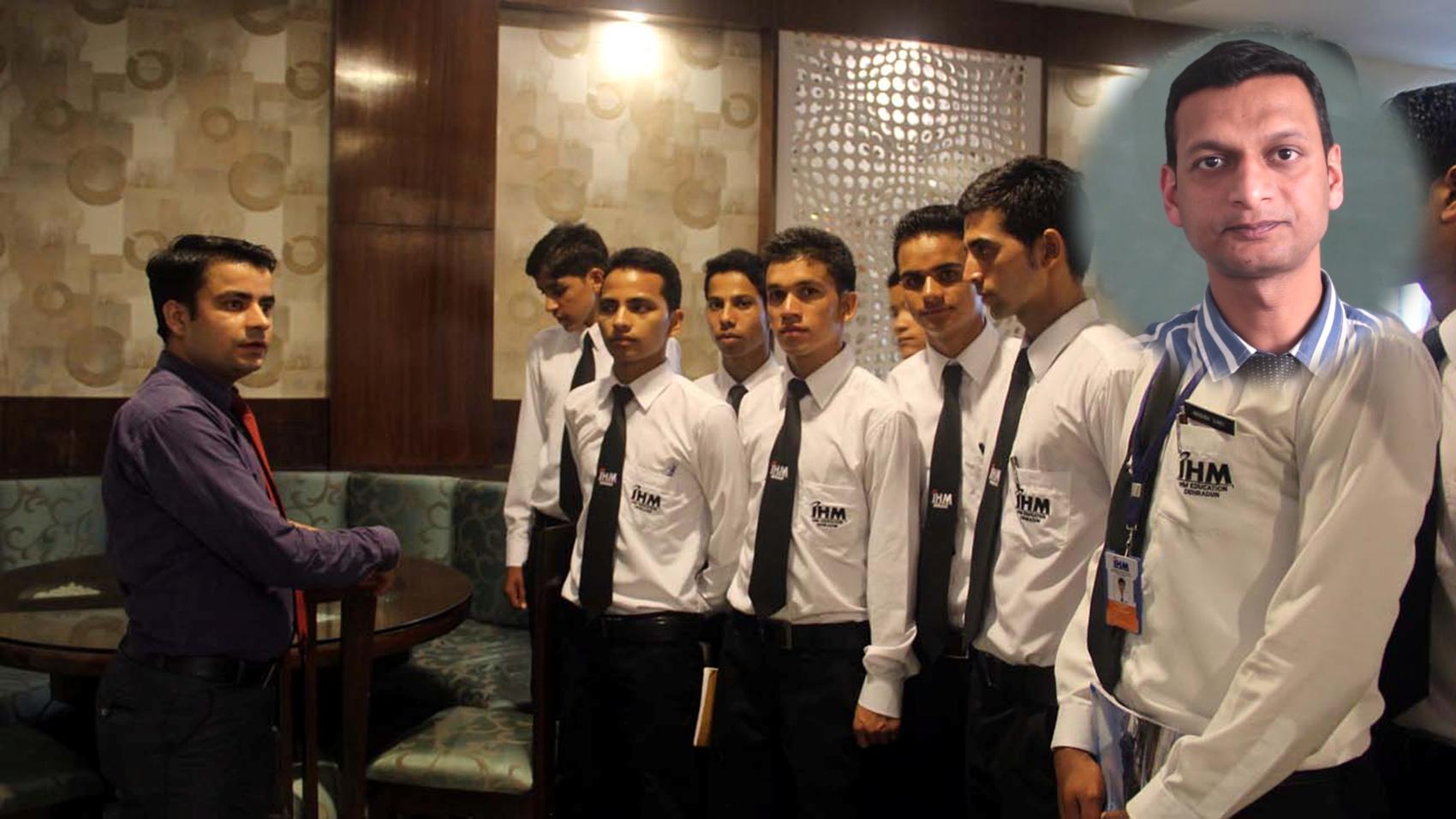


Career in Training & Placement
Training & Placement
Nakul Mohindra
Training & Placement Officer | Shri Ram Institute of Hotel Management
[ 15 years Experience ]

The major responsibility of Training & Placement cell is to interact with various industrial, management and research organisations in the country with the dual aim of ensuring that the students are given adequate technical exposure and industrial training and also enabling them to get employment in organisations whose functional requirements of high calibre engineers, scientists and managers are best met by graduate and post-graduate students.

"I have done B Sc in Hotel Management from Institute of Hotel Management, Bhopal. I was an Assistant Professor at Institute of Hotel Management, Bhopal for 5 years. I worked as Assistant Professor at various hotels like The Orchid, Radisson Hotel, Amrapali Group and many more. I am Assistant Professor and Training & Placement Officer at Shri Ram Institute of Hotel Management."


Career Counselling 2.0 Career Counselling 2.0 Career Counselling 2.0 Career Counselling 2.0 Career Counselling 2.0


Career in Professional Communication
Professional Communication
Bhavpreeta Thakur
Founder | Engnite
[ 6 years & 1 month Experience ]

Professional Communication encompasses written, oral, visual and digital communication within a workplace context. It is a new discipline that focuses on the study of information and the ways it is created, managed, distributed, and consumed.

"After my graduation in Political Science & Social Policy, I realised my interest for teaching and I went on to do a course called CELTA from British council. I also did masters in English Literature to qualify the eligibility of becoming a teacher. In 2015, I started my professional career with Quantum University as a English Language Trainer. After that, I joined DIT university as an Assitant Professor. I started my own company Engnite in 2017. I am also a Communication Trainer at Graphic Era University & Sai Institute."


Career Counselling 2.0 Career Counselling 2.0 Career Counselling 2.0 Career Counselling 2.0 Career Counselling 2.0


Career in Training & Consulting
Training & Consulting
Amit Goswami
Director | Will & Skill Creation
[ 2 years Experience ]

Training is teaching, or developing in oneself or others, any skills and knowledge that relate to specific useful competencies. Training has specific goals of improving one's capability, capacity, productivity and performance. A consultant is usually an expert or an experienced professional in a specific field and has a wide knowledge of the subject matter.

"After my school, I did PG Diploma in GBO from SRCC, Delhi. I then joined ISTD for a Diploma in Training & Development. After becoming a certified trainer and gaining training experience, I founded a company 'Will & Skill Creation Pvt. Ltd' which imparts training and provides consultation services."


Career Counselling 2.0 Career Counselling 2.0 Career Counselling 2.0 Career Counselling 2.0 Career Counselling 2.0


Career in Soft Skills Training
Soft Skills Training
Pooja Khanna
Associate Trainer | UPES
[ 4 years Experience ]

Soft skills Training are usually those personality or personal attributes that enable a person's social interactions and effectiveness. This can lead to enhanced relationships, job performance and career prospects.

"After completing my MBA and B Ed, I started teaching at DPS, Dehradun and I taught there for a short period. I have been working as a Associate Trainer at UPES since 2013."


Career Counselling 2.0 Career Counselling 2.0 Career Counselling 2.0 Career Counselling 2.0 Career Counselling 2.0


Career in Training & Recruitment
Training & Recruitment
Sanjay Sethi
Development Officer | LIC of India
[ 27 years Experience ]

Recruitment takes place from the point when a business decides that it needs to employ somebody up to the point where a pile of completed application forms has arrived in the post. Training involves providing a range of planned activities that enable an employee to develop the skills, attitudes and knowledge required by the organization and the work required.

"I did my B Sc from DBS College, Dehradun and after that I started working as an agent of LIC of India in 1989. In 1991 I was appointed as a Development Officer at LIC of India, Dehradun and since then I am working there."


Career Counselling 2.0 Career Counselling 2.0 Career Counselling 2.0 Career Counselling 2.0 Career Counselling 2.0


Career in Training & Development
Training & Development
Mondreeta Sengupta
Founder & Director | Adventoure
[ 22 years & 4 months Experience ]

Training and development can be described as an educational process which involves the sharpening of skills, concepts, changing of attitude and gaining more knowledge to enhance the performance of employees.

"An ex-GM (HR) of Reliance Industries Ltd, a faculty with training wing of American Consulate and with Airlines & Aviation Industry, I have been nurturing development and growth of Human Relations and Life Management Skills for past two decades."


Career Counselling 2.0 Career Counselling 2.0 Career Counselling 2.0 Career Counselling 2.0 Career Counselling 2.0


Career in Soft Skill Consulting
Soft Skill Consulting
Major A K Naithani
CEO | Derra Camps
[ 19 years Experience ]

Soft Skill Consulting is all about encouraging people to introspect and become better. At Search Consultants HRD, Search means introspection, seeing within yourself. We just show the mirror so that a person can develop skills and become better.

"I am the Chief Executive Officer (CEO) of Search Consultant HRD which was created in 1998. Off late we have opened our own training center called Derra Camps."


Career Counselling 2.0 Career Counselling 2.0 Career Counselling 2.0 Career Counselling 2.0 Career Counselling 2.0


Career in Corporate Training
Corporate Training
Wg Cdr Mansoor Siddiqui
Trainer | Foster Training Services
[ 10 years & 3 months Experience ]

Corporate Trainings help bridge the competency gap to enhance skills and productivity of the workforce. These training programs offer corporates with best in class learning solutions to reduce costs and quantify results.

"I did B Com & M Com from Meerut University. Post that, I did an MBA in Finance from IIF, Delhi. I have also done a PG Diploma in Materials Management from IIMM, Mumbai. I did a course in Oracle System Analyst & Database Administrator while being in CDAC, Delhi. I served in Indian Air Force for 18 years before taking an early retirement in 2008. I have been actively involved in giving Corporate Trainings. I also run an organisation by the name Foster Training Services."


Career Counselling 2.0 Career Counselling 2.0 Career Counselling 2.0 Career Counselling 2.0 Career Counselling 2.0


Career in Corporate Training
Corporate Training
Ashish Agarwal
Managing Director | Various Assignments
[ 23 years & 9 months Experience ]

Training and development is concerned with organizational activity aimed at bettering the job performance of individuals and groups in organizational settings.

"After completing my B Sc, I did an MBA and specialization in Sales & Marketing Management from NIS division of NIT Limited and after that, I worked in a bank for around a year. Later, I did Corporate Training Certification and I was a Corporate Trainer for NIS for 5 to 7 years, after which I started taking corporate training programs and I am also the Managing Director at Agarwal Properties and Construction."


Career Counselling 2.0 Career Counselling 2.0 Career Counselling 2.0 Career Counselling 2.0 Career Counselling 2.0


Career in Training & Skill Development
Training & Skill Development
Ajay Sharma
CEO & Founder | TPC Global
[ 15 years & 10 months Experience ]

Training and Skill development involves improving the effectiveness of organizations and the individuals and teams within them. Training may be viewed as related to immediate changes in organizational effectiveness via organized instruction, while development is related to the progress of longer-term organizational and employee goals. While training and development technically have differing definitions, the two are oftentimes used interchangeably and/or together.

"After completing my education, I started conducting training for various corporate and academic sector. I have been working in training and skill development sector for more than 15 years. My organisation TPC Consultancy has conducted various training in India as well as global level."


Career Counselling 2.0 Career Counselling 2.0 Career Counselling 2.0 Career Counselling 2.0 Career Counselling 2.0


Career in Training & Development
Training & Development
James Lord
Training & Development Manager | Ramada, Dehardun
[ 6 years & 7 months Experience ]

Training is teaching, or developing in oneself or others, any skills and knowledge that relate to specific useful competencies. Training has specific goals of improving one's capability, capacity, productivity and performance.

"I have done my course in Hospitality from BMIHMS, Australia. I have also served as a Command Post Operator in 161/162 SQN 1st Aviation Regiment, Army Aviation. I started my career in Hospitality with Island Resorts on The Great Barrier Reef. I have also worked at various Backpacker Hotels like Vibe, Travelodge, Wakeup, Daydream Island, Meriton. I am working as a Training & Development Manager at Ramada, Dehradun."


Career Counselling 2.0 Career Counselling 2.0 Career Counselling 2.0 Career Counselling 2.0 Career Counselling 2.0


Career in Professional Training
Professional Training
Deepak Sharma
Founder & President | Deep Success Mantra Services
[ 15 years Experience ]

Training is teaching, or developing in oneself or others, any skills and knowledge that relate to specific useful competencies.

"I have done BA from Delhi University. I then did PG Diploma in Business Management from ICFAI. I started giving trainings in 2003. In 2016, I founded Deep Success Mantra Services which provides Wellness, Corporate Training, Skill Development and Career Services. I am a Life Coach, Wellness Consultant, HR Consultant, Yoga & Meditation Master and Soft Skills Trainer."


Career Counselling 2.0 Career Counselling 2.0 Career Counselling 2.0 Career Counselling 2.0 Career Counselling 2.0


Career in Training & Placement
Training & Placement
Saurav Badoni
Associate Dean Career Services | DIT University
[ 12 years & 2 months Experience ]

The major responsibility of Training & Placement cell is to interact with various industrial, management and research organisations in the country with the dual aim of ensuring that the students are given adequate technical exposure and industrial training and also enabling them to get employment in organisations whose functional requirements of high calibre engineers, scientists and managers are best met by graduate and post-graduate students.

"I have done B Com and M Com from HNB Garhwal University. Post that I did PG Diploma in Journalism & Mass Communication. I also did a research in How to create Volunteers. I worked at New Horizon as Branch head and Modi University in Training & Placements Cell. I am Associate Dean (Career Services) at DIT University."


Career Counselling 2.0 Career Counselling 2.0 Career Counselling 2.0 Career Counselling 2.0 Career Counselling 2.0


Career in Career Services
Career Services
Varun Sharma
Assistant Manager | Career Services Dept, DIT
[ 10 years & 8 months Experience ]

Career Services offers a range of resources and events to help students choose a career, find a job, and develop skills for lifelong success. Equipping the students with relevant and conceptualized professional skills and guiding them towards a bright future Career Services Department or Training and Placement Cell is to guide students to choose right career and to give knowledge, skill, and aptitude and meet the manpower requirements of the Industry. As an Assistant Manager in Career Services department our job is to assist students to develop/clarify their academic and career interests, and their short and long-term goals through individual counseling and group sessions, maintaining and regularly updating the database of students, maintaining database of companies and establishing strategic links for campus recruitments, gathering information about job fairs and all relevant recruitment advertisements, coordinating with companies to learn about their requirements and recruitment procedures. Identifying the needs and expectations of the companies to assist them in recruiting most suitable candidates, organizing pre-placement training/workshops/seminars for students, arranging periodic meetings with Human Resources Department of companies and TPO's to promote recruitments, assist students for industrial training at the end of the fourth and sixth semester, and provide resources and activities to facilitate the career planning process, act as a link between students, alumni, and the employment community and assist students in obtaining placement in reputed companies.

"After completing my graduation from Meerut University, I an MBA in Human Resources & Marketing from Shobit University. I worked in a BPO for 3 years as Quality Analyst. I also worked at University of Petroleum & Energy Studies for 8 years as Senior Executive. I joined DIT in 2016 and have been an Assistant Manager in Career Services Department."


Career Counselling 2.0 Career Counselling 2.0 Career Counselling 2.0 Career Counselling 2.0 Career Counselling 2.0


Career in Sales Training
Sales Training
Late Shubhang S Raturi
Corporate Trainer | Various Assignments
[ 13 years Experience ]

Sales training and sales coaching programs teach critical selling skills and a structured sales process. Sales training programs cover every stage of the sales process from prospecting and opportunity management to consultative selling, negotiation, account development and sales management.

"I did BA Hons in English Literature from Dayal Singh College. I have done Diploma in System Management from NIIT. I am a certified Master Trainer for Sales by Huthwaite International, UK. I am also certified by Eagle's Flight Canada in Various Business Simulation Games & Activity Based Learning. I conduct sales training for various companies."


Career Counselling 2.0 Career Counselling 2.0 Career Counselling 2.0 Career Counselling 2.0 Career Counselling 2.0


Career in Corporate Training
Corporate Training
Dr Nisha Arora
Corporate Trainer | Various Assignments
[ 4 years & 2 months Experience ]

Corporate Training refers to a system of professional development activities provided to educate employees. The simplest form of corporate education may be training programs designed "in-house" for an organization that may wish to train their employees on specific aspects of their job processes or responsibilities.

"After completing my education I started providing trainings in the Corporate as well as Academics. I have been doing trainings for areas such as Data Science, Machine Learning etc."


Career Counselling 2.0 Career Counselling 2.0 Career Counselling 2.0 Career Counselling 2.0 Career Counselling 2.0


Career in Soft Skills Training
Soft Skills Training
Aijaz Ahmad
Director | The English Zone
[ 12 years & 10 months Experience ]

Soft skills are a combination of people skills, social skills, communication skills, character or personality traits, attitudes, career attributes, social intelligence and emotional intelligence quotients, among others, that enable people to navigate their environment, work well with others, perform well, and achieve their goals with complementing hard skills. The Collins English Dictionary defines the term "soft skills" as "desirable qualities for certain forms of employment that do not depend on acquired knowledge: they include common sense, the ability to deal with people, and a positive flexible attitude."

"While pursuing for my masters, I joined NIIT and did a diploma course from there. After that started working in NIIT itself and did various seminars in Public Speaking, etc. I also started my own organization by the name of the English Zone, however, due to some circumstances it did not turn out well. I am working with Motion Education Pvt Ltd as academic head."


Career Counselling 2.0 Career Counselling 2.0 Career Counselling 2.0 Career Counselling 2.0 Career Counselling 2.0


Career in Teaching Communication
Teaching Communication
Vasudha Sharma
Associate Professor | Doon Business School
[ 6 years & 11 months Experience ]

What is ‘communication’? The word means ‘the act of imparting, especially news’, or ‘the science and practice of transmitting information’. These definitions clearly show the link between ‘teaching’ and ‘communication’: teachers are constantly imparting new knowledge, or transmitting information.

"I have a Bachelors and Masters degree in Psychology as well as a Masters degree in Management. I started teaching at the Doon Business School since 2014 where I take modules in Communication such as Organzational Behaviour, Corporate Leadership and Strategic Management."


Career Counselling 2.0 Career Counselling 2.0 Career Counselling 2.0 Career Counselling 2.0 Career Counselling 2.0


Career in Training & Development
Training & Development
Priyanka Jain
Director | Building Services Design & Energy Institute
[ 3 years & 10 months Experience ]

Training and Development is a subsystem of an organization which emphasize on the improvement of the performance of individuals and groups. Training is an educational process which involves the sharpening of skills, concepts, changing of attitude and gaining more knowledge to enhance the performance of the employees.

"After completing my education, I started working as an Embedded System Programmer at Shyam Telecom Group for 2 years 11 months. Then in 2005, I joined Sanelac Consultants Private Limited as Manager IT. For the past 4 years I am also the Director of Training & Development at Building Services Design and Energy Institute. In between I did ICBI Certification from NABET and my Soft skills certification from Image Consulting Business Institute. Later I worked as Soft Skills Trainer at Image Consulting Business Institute."


Career Counselling 2.0 Career Counselling 2.0 Career Counselling 2.0 Career Counselling 2.0 Career Counselling 2.0


[Install the LifePage App to access all Talks]


<?php echo $altimage; ?>


<?php echo $altimage; ?>


&mbsp;


Career Counselling 2.0 | Home   Home  
Career Counselling 2.0 | Abroad   Abroad  
Career Counselling 2.0 | Plan   Plan  
Career Counselling 2.0 | Talks   Talks  
Career Counselling 2.0 | Philosophy   Philosophy  
Career Counselling 2.0 | Seminar   Seminar  
Career Counselling 2.0 | Workshop   Workshop  
Career Counselling 2.0 | Pages   Pages  
Career Counselling 2.0 | Advisors   Advisors  
Career Counselling 2.0 | Discuss   Discuss  
Career Counselling 2.0 | Meet   Meet  
Career Counselling 2.0 | Advisor   Advisor  
Career Counselling 2.0 | Story   Story  
Career Counselling 2.0 | Fine Print   Fine Print  
Career Counselling 2.0 | Links   Links  
Career Counselling 2.0 | Blog   Blog  
Career Counselling 2.0 | Testimonials   Testimonials  
Career Counselling 2.0 | Follow   Follow  
 
[ Site Visits ]


Career Counselling 2.0