Career Counselling 2.0 HomeHomeCareer Counselling 2.0 AbroadAbroadCareer Counselling 2.0 PlanPlanCareer Counselling 2.0 | TalksTalksCareer Counselling 2.0 PhilosophyPhilosophyCareer Counselling 2.0 SeminarSeminarCareer Counselling 2.0 PagesPagesCareer Counselling 2.0 AdvisorsAdvisorsCareer Counselling 2.0 TestimonialsTestimonials

Training & Placement

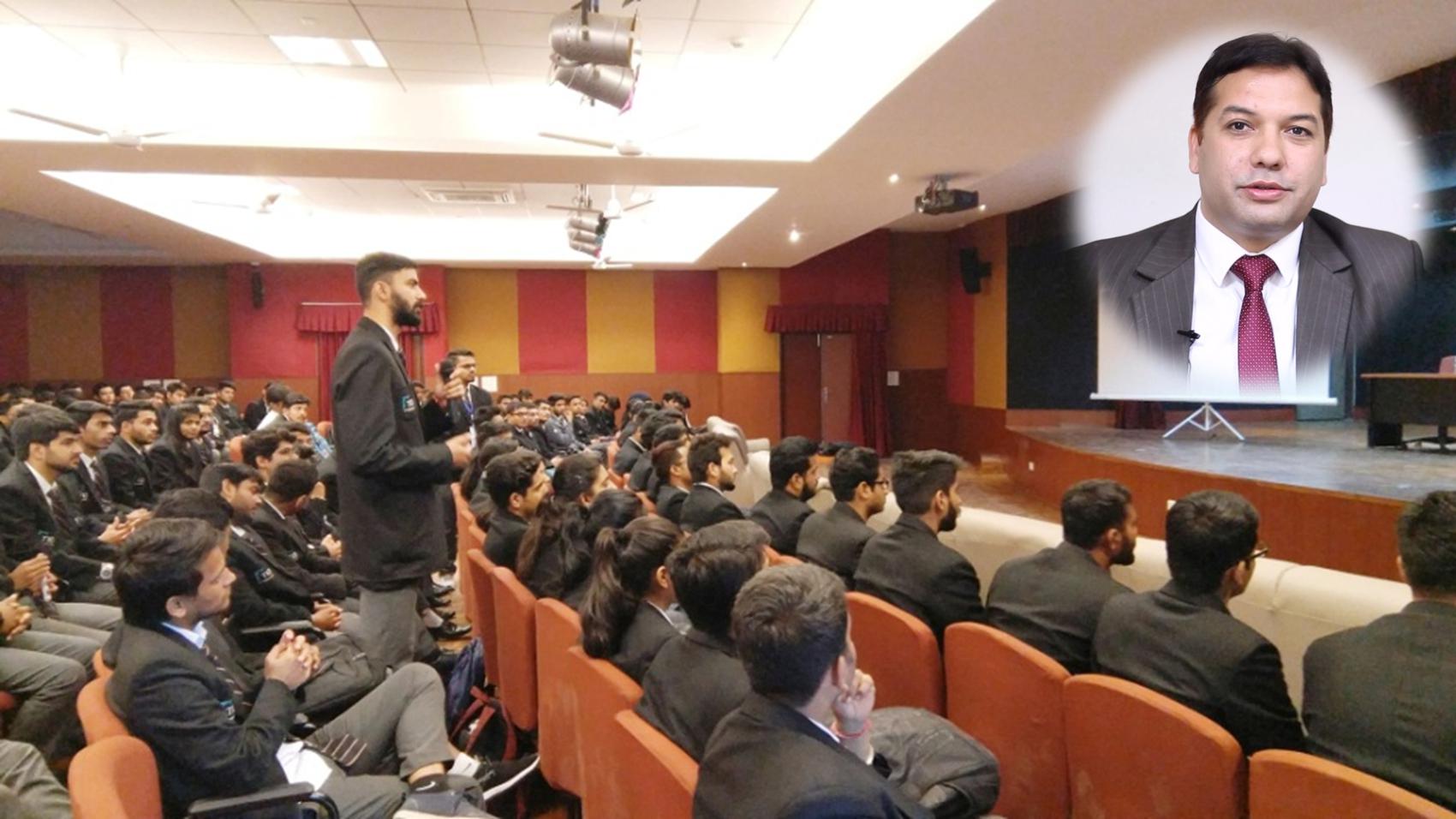
Associate Dean Career Services Saurav Badoni talks about Training & Placement course, what is Training & Placement and other details about a Career in Training & Placement.


Training & Placement

Saurav Badoni | Associate Dean Career Services | DIT University


What is Training & Placement?


You may be curious about a Career in Training & Placement. Internet is brimming with pages on How to get into Training & Placement, while one should first understand What is a Career in Training & Placement. While anyone can have an opinion on what Training & Placement entails; only a real professional can really explain it.

Associate Dean Career Services Saurav Badoni has 12 years & 2 months of professional experience in Training & Placement. According to Associate Dean Career Services Saurav Badoni, Training & Placement is:

The major responsibility of Training & Placement cell is to interact with various industrial, management and research organisations in the country with the dual aim of ensuring that the students are given adequate technical exposure and industrial training and also enabling them to get employment in organisations whose functional requirements of high calibre engineers, scientists and managers are best met by graduate and post-graduate students.


How Associate Dean Career Services Saurav Badoni got into Training & Placement?


I have done B Com and M Com from HNB Garhwal University. Post that I did PG Diploma in Journalism & Mass Communication. I also did a research in How to create Volunteers. I worked at New Horizon as Branch head and Modi University in Training & Placements Cell. I am Associate Dean (Career Services) at DIT University.


Associate Dean Career Services Saurav Badoni's Talk on Training & Placement


Session Image
The Journey of Training & Placement


What Is Training & Placement


Training & Placement

What is
Training & Placement refers to the process of preparing individuals, typically students or job seekers, with essential skills and knowledge, and then facilitating their employment by connecting them with suitable job opportunities through campus drives, recruitment events, and industry partnerships.

Concept
Training & Placement plays a pivotal role in bridging the gap between academic learning and industry requirements. For professionals in this field, it offers the chance to shape careers, enhance employability, and foster strong relationships with industry partners. The impact is significant as it not only improves job readiness among candidates but also boosts institutional reputation and industry trust. One major benefit is the increased placement rates, which reflect the effectiveness of the training provided. Another benefit is the development of soft and technical skills tailored to current market demands, ensuring candidates are competitive. Lastly, it creates a robust network between academia and industry, opening doors for future collaborations and continuous improvement in training methodologies.

Real World Example
A Training & Placement professional at a technical university collaborates with leading IT companies to understand their hiring needs and skill expectations. They design specialized training modules, including mock interviews, resume workshops, and technical skill sessions, to prepare students for recruitment drives. Throughout the academic year, the professional organizes campus placement events, inviting recruiters to interact with students and conduct interviews. By closely monitoring student progress and providing personalized guidance, the professional ensures that candidates are well-prepared and confident. As a result, students secure positions in reputable organizations, and the university strengthens its reputation for producing industry-ready graduates, demonstrating the tangible impact of effective Training & Placement practices.

Education


Courses Orientation

### Courses Orientation Image
What is
Courses Orientation is a structured introduction to the objectives, content, and expectations of academic or professional courses. It helps learners understand the curriculum, learning outcomes, and assessment methods. In Training & Placement, Courses Orientation bridges the gap between academic preparation and industry requirements, ensuring alignment with career goals and employer expectations.

Concept
Understanding Courses Orientation is essential for anyone involved in Training & Placement because it lays the groundwork for effective career planning and skill development. By mastering this subject, professionals can accurately map academic offerings to industry needs, ensuring that students or trainees are well-prepared for the job market. This foundational knowledge enables Training & Placement officers to guide candidates in selecting relevant courses, identifying skill gaps, and recommending targeted upskilling opportunities. Over the long term, a strong grasp of Courses Orientation fosters adaptability, as professionals can anticipate shifts in industry trends and update training programs accordingly. Ultimately, this expertise enhances employability outcomes and strengthens the reputation of educational institutions or training organizations.

Real World Example
Consider a Training & Placement officer at a technical institute who is tasked with preparing students for campus recruitment drives. By leveraging their understanding of Courses Orientation, the officer reviews the curriculum and identifies which courses align with the competencies sought by top recruiters. They then organize orientation sessions to help students recognize the importance of specific modules, such as communication skills or emerging technologies, in relation to industry expectations. During placement season, the officer uses this knowledge to advise students on tailoring their resumes and interview responses to highlight relevant coursework. This strategic application of Courses Orientation ensures that students are not only academically prepared but also positioned to meet the practical demands of prospective employers.

Industry Orientation

### Industry Orientation Image
What is
Industry Orientation is the process of familiarizing oneself with the structure, practices, expectations, and trends of various industries. It bridges the gap between academic learning and professional requirements, equipping individuals in Training & Placement roles with essential insights to guide students and job seekers toward successful integration into the workforce.

Concept
Understanding Industry Orientation is crucial for anyone involved in Training & Placement because it provides a comprehensive view of how different sectors operate, what skills are in demand, and the evolving nature of workplace expectations. This knowledge forms the backbone of effective career counseling, enabling professionals to align academic curricula with industry needs and prepare candidates for real-world challenges. By mastering Industry Orientation, professionals can anticipate industry shifts, foster meaningful employer connections, and deliver targeted training programs. Over the long term, this expertise enhances credibility, ensures sustained relevance in a competitive job market, and empowers professionals to support students and job seekers in making informed, strategic career decisions.

Real World Example
Consider a Training & Placement Officer at a university who regularly interacts with recruiters from the IT and manufacturing sectors. By leveraging their deep understanding of Industry Orientation, the officer can tailor pre-placement workshops to address specific skills and competencies sought by these industries. For instance, they might emphasize coding languages and problem-solving for IT aspirants, while focusing on process optimization and safety protocols for those targeting manufacturing roles. This targeted approach not only increases the employability of students but also strengthens the institution’s reputation among recruiters. The officer’s ability to interpret industry trends and employer feedback ensures that training initiatives remain relevant and impactful, ultimately bridging the gap between academic preparation and professional success.

Concepts of Training

### Concepts of Training Image
What is
Concepts of Training refers to the fundamental principles, methods, and strategies involved in designing, delivering, and evaluating training programs. This subject encompasses understanding learning theories, instructional techniques, and assessment tools, forming a crucial part of the academic and professional knowledge base for individuals involved in Training & Placement roles.

Concept
A thorough understanding of Concepts of Training is essential for anyone aspiring to excel in Training & Placement. This subject equips professionals with the ability to identify learning needs, select appropriate training methods, and measure training effectiveness. Mastery of these concepts ensures that training interventions are not only relevant but also impactful, directly contributing to the skill development and employability of trainees. Over the long term, this foundational knowledge enables professionals to adapt to evolving industry demands, design customized training solutions, and foster continuous improvement within organizations. By grounding their work in proven training theories and practices, Training & Placement professionals can build credibility, drive organizational success, and support the career growth of those they serve.

Real World Example
Consider a Training & Placement Officer at a technical institute who is tasked with preparing students for campus recruitment drives. Drawing on their knowledge of Concepts of Training, the officer first assesses the specific skills employers seek, such as communication, problem-solving, and technical proficiency. They then design targeted training modules using interactive methods like workshops and mock interviews, ensuring the content aligns with learning objectives and student needs. Throughout the training process, the officer applies assessment techniques to monitor progress and gather feedback, making real-time adjustments to maximize effectiveness. This practical application of theoretical concepts ensures that students are well-prepared, confident, and competitive in the placement process, ultimately enhancing placement outcomes for the institution.

Technical Training

### Technical Training Image
What is
Technical Training refers to the structured process of imparting specific knowledge and practical skills related to particular technologies, tools, or processes. It bridges the gap between theoretical education and real-world application, ensuring individuals are equipped to meet industry standards. In Training & Placement, it is essential for aligning academic learning with employer expectations.

Concept
Understanding Technical Training is crucial for anyone involved in Training & Placement because it forms the backbone of employability in today’s technology-driven job market. Professionals in this field must recognize the evolving technical requirements of various industries and ensure that students or trainees are adequately prepared. Mastery of technical training concepts enables these professionals to design relevant programs, assess skill gaps, and recommend targeted learning interventions. Over time, this expertise not only enhances the placement rate of candidates but also builds the reputation of the institution or organization. Furthermore, staying updated with technical advancements ensures long-term career growth and adaptability, making professionals valuable assets in both academic and corporate environments.

Real World Example
Consider a Training & Placement Officer at a technical institute who notices that recent graduates are struggling to secure jobs in the software development sector. Drawing on their understanding of Technical Training, the officer collaborates with industry experts to update the curriculum, incorporating hands-on workshops on current programming languages and development tools. They organize mock technical interviews and coding bootcamps, ensuring students gain practical experience and confidence. As a result, students become better prepared for recruitment drives, and employers recognize the institute as a reliable source of industry-ready talent. This proactive approach, rooted in a solid grasp of technical training principles, directly improves placement outcomes and strengthens industry partnerships.

Skills


Public Relations

### Public Relations Image
What is
Public Relations is the strategic management of communication between an organization and its various stakeholders, including the public, clients, and partners, to build mutually beneficial relationships and maintain a positive reputation. In Training & Placement, public relations is crucial for fostering trust, credibility, and collaboration with students, recruiters, and industry leaders.

Concept
Mastering public relations significantly enhances a Training & Placement professional’s effectiveness by enabling clear, persuasive, and empathetic communication with diverse audiences. Employers and clients value this skill because it ensures smooth coordination, resolves misunderstandings, and strengthens institutional reputation, which attracts more recruiters and opportunities for students. To cultivate public relations expertise, professionals should actively engage in networking, seek feedback, and stay updated on industry trends. Continuous learning through workshops, mentorship, and real-world practice helps refine communication techniques, emotional intelligence, and crisis management abilities. Over time, these efforts build a robust professional network and a reputation for reliability and excellence, making the individual indispensable to both their organization and its stakeholders.

Real World Example
Imagine a scenario where a major recruiter expresses dissatisfaction with the recent batch of candidates and considers withdrawing from future campus drives. A Training & Placement professional skilled in public relations would promptly initiate a dialogue with the recruiter, listen to their concerns, and communicate the institution’s commitment to quality. By transparently addressing the issues, offering tailored solutions such as additional training sessions, and maintaining regular follow-ups, the professional not only resolves the immediate crisis but also reinforces the recruiter’s trust in the institution. This proactive approach not only salvages the partnership but also enhances the institution’s reputation, ensuring continued opportunities for students and long-term success in placement initiatives.

Communication Skills

### Communication Skills Image
What is
Communication skills refer to the ability to convey information clearly, listen actively, interpret messages accurately, and respond appropriately in both verbal and written forms. In the context of Training & Placement, these skills enable professionals to bridge gaps between students, employers, and educational institutions, ensuring smooth coordination and effective outcomes.

Concept
Strong communication skills directly enhance a Training & Placement professional’s effectiveness by enabling them to articulate opportunities, negotiate terms, and resolve misunderstandings swiftly. Employers and clients highly value this competency because it fosters trust, minimizes errors, and ensures that expectations are managed transparently. Over time, one can cultivate communication skills by seeking feedback, engaging in active listening, participating in public speaking or writing exercises, and adapting their style to suit diverse audiences. Continuous practice and reflection help professionals refine their approach, making them more persuasive, empathetic, and responsive in high-stakes situations.

Real World Example
Imagine a scenario where a major employer expresses dissatisfaction with the preparedness of candidates from a particular institution. The Training & Placement professional must quickly assess the situation, listen to the employer’s concerns, and communicate these issues constructively to both students and faculty. By facilitating an open dialogue, clarifying expectations, and proposing actionable solutions, the professional not only resolves the immediate issue but also strengthens the relationship between the institution and the employer. This outcome is possible only through adept communication skills, which ensure that all parties feel heard, respected, and motivated to collaborate toward shared goals.

Planning & Strategy

### Planning & Strategy Image
What is
Planning & Strategy refers to the deliberate process of setting objectives, anticipating challenges, and designing actionable steps to achieve desired outcomes. In the context of Training & Placement, this skill enables professionals to align organizational goals with candidate development, ensuring both employer needs and student aspirations are met efficiently and effectively.

Concept
Mastering Planning & Strategy significantly enhances a Training & Placement professional’s effectiveness by enabling them to anticipate market trends, tailor training programs, and coordinate placement drives with precision. Employers and clients value this skill because it leads to higher placement rates, improved candidate preparedness, and stronger industry relationships. To cultivate this skill, professionals should regularly analyze outcomes, seek feedback, and stay updated on industry developments. Engaging in continuous learning, collaborating with stakeholders, and reflecting on past initiatives also contribute to refining strategic thinking and planning abilities. Over time, this approach fosters adaptability and ensures that both short-term targets and long-term objectives are consistently achieved, making the professional indispensable to their organization.

Real World Example
Consider a scenario where a sudden shift in industry demand leaves many students unprepared for new job roles in emerging technologies. A Training & Placement professional, equipped with strong Planning & Strategy skills, quickly assesses the gap, consults with industry partners, and designs a targeted upskilling program. By scheduling intensive workshops and collaborating with experts, they ensure students acquire the necessary competencies before the next recruitment cycle. This proactive approach not only addresses the immediate skills gap but also enhances the institution’s reputation among recruiters. The professional’s ability to foresee challenges, devise actionable plans, and mobilize resources demonstrates how Planning & Strategy is pivotal in navigating uncertainties and achieving successful placement outcomes.

Analytical Skills

### Analytical Skills Image
What is
Analytical skills refer to the ability to collect, process, and interpret information to solve problems, make decisions, and identify patterns or trends. In the context of Training & Placement, these skills enable professionals to assess candidate profiles, evaluate employer requirements, and develop effective strategies for successful placements and training programs.

Concept
Analytical skills are crucial for Training & Placement professionals because they allow for the accurate assessment of both candidate capabilities and employer needs. By systematically analyzing data such as student performance, industry trends, and recruitment outcomes, professionals can tailor training modules and placement strategies to maximize success rates. Employers and clients value these skills because they lead to informed decision-making, efficient problem-solving, and the ability to anticipate and address challenges proactively. Cultivating analytical skills involves continuous learning, seeking feedback, engaging in critical thinking exercises, and staying updated with industry developments. Over time, professionals can enhance their analytical abilities by reflecting on past experiences, leveraging data-driven tools, and participating in relevant workshops or courses.

Real World Example
Imagine a Training & Placement officer faced with a sudden decline in student placement rates despite a steady flow of job opportunities. By employing analytical skills, the officer reviews historical placement data, gathers feedback from recruiters, and examines student interview performance records. Through this analysis, the officer identifies a gap in students’ soft skills as a recurring concern among employers. Acting on these insights, the officer designs targeted training sessions to address these deficiencies, collaborates with industry experts for mock interviews, and monitors subsequent placement outcomes. As a result, the placement rates improve significantly, demonstrating how analytical skills can directly lead to effective problem-solving and measurable success in the Training & Placement domain.

Decision Making

### Decision Making Image
What is
Decision Making is the process of identifying and choosing the best possible option among alternatives based on logic, analysis, and available information. In the context of Training & Placement, it enables professionals to navigate complex situations, select appropriate strategies, and ensure optimal outcomes for students, employers, and educational institutions.

Concept
Strong decision making directly enhances a Training & Placement professional’s effectiveness by enabling them to respond swiftly and wisely to dynamic challenges, such as shifting industry demands or unexpected changes in recruitment trends. Employers and clients highly value this skill because it leads to better placement rates, improved student satisfaction, and stronger relationships with hiring partners. Cultivating decision making involves continuous learning, seeking feedback, and reflecting on past choices to understand what worked and what did not. Over time, professionals can refine their judgment by staying updated with industry trends, participating in scenario-based training, and engaging in collaborative problem-solving with colleagues. This ongoing development ensures that their decisions remain informed, timely, and aligned with organizational goals.

Real World Example
Imagine a Training & Placement officer faced with a sudden withdrawal of a major recruiter just days before a campus placement drive. The officer must quickly assess the situation, weigh available alternatives, and decide whether to reschedule the event, approach backup recruiters, or adjust the placement strategy. By gathering input from the placement team, analyzing student readiness, and considering the expectations of all stakeholders, the officer makes a well-informed decision to invite a set of emerging companies that align with student profiles. This timely and strategic decision not only salvages the placement drive but also opens new opportunities for students, demonstrating the critical role of decision making in overcoming challenges and achieving successful outcomes.

Management Skills

### Management Skills Image
What is
Management skills refer to the ability to plan, organize, coordinate, and oversee tasks, resources, and people to achieve specific goals efficiently and effectively. In the context of Training & Placement, these skills enable professionals to juggle multiple responsibilities, streamline processes, and ensure seamless collaboration between students, recruiters, and academic staff.

Concept
Strong management skills directly enhance a Training & Placement professional’s ability to handle complex schedules, prioritize competing demands, and maintain clear communication among stakeholders. Employers and clients value these skills because they lead to higher placement rates, improved student satisfaction, and stronger relationships with recruiting partners. To cultivate management skills, professionals should seek opportunities to lead projects, attend workshops on time management and leadership, and actively reflect on their organizational practices. Over time, consistent application and a willingness to learn from feedback help refine these abilities, making the professional more adaptable and effective in dynamic environments.

Real World Example
Imagine a scenario where a Training & Placement officer is faced with the challenge of organizing a campus recruitment drive involving multiple companies, each with different requirements and timelines. By leveraging management skills, the officer efficiently coordinates interview schedules, allocates resources, and communicates updates to students and recruiters. When a last-minute change arises—such as a company requesting a new time slot—the officer quickly reassesses priorities, negotiates adjustments, and ensures all parties are informed. This proactive and organized approach not only prevents confusion and delays but also builds trust with recruiters and students, ultimately leading to a successful event and enhanced reputation for the institution.

Motivational & Positive Attitude

### Motivational & Positive Attitude Image
What is
Motivational & Positive Attitude refers to the ability to inspire oneself and others with optimism, resilience, and encouragement, especially during challenges or setbacks. In the context of Training & Placement, this skill enables professionals to maintain enthusiasm, foster confidence, and drive continuous progress among candidates and teams, even in demanding situations.

Concept
A motivational and positive attitude directly enhances a Training & Placement professional’s effectiveness by creating an encouraging environment where candidates feel supported and empowered to reach their goals. Employers and clients highly value this skill because it leads to higher engagement, better learning outcomes, and improved placement rates. Professionals who consistently demonstrate positivity can uplift teams, reduce stress, and turn obstacles into opportunities for growth. Cultivating this skill involves self-awareness, regular reflection, and a commitment to personal development. Practicing gratitude, seeking constructive feedback, and surrounding oneself with positive influences can gradually strengthen one’s motivational outlook, making it a natural part of daily interactions and professional responsibilities.

Real World Example
Imagine a scenario where a batch of students faces repeated rejections during campus placements, leading to low morale and dwindling confidence. A Training & Placement professional with a motivational and positive attitude steps in, acknowledging the students’ frustrations while emphasizing their strengths and past achievements. Through regular pep talks, sharing success stories, and providing constructive feedback, the professional helps students regain their confidence and renew their efforts. This renewed optimism not only improves their interview performance but also fosters a supportive peer environment, ultimately resulting in successful placements and a stronger reputation for the institution’s Training & Placement cell.

Positives


Good Corporate Connects

### Good Corporate Connects Image
What is
Good Corporate Connects refers to the strong, mutually beneficial relationships that professionals in Training & Placement build with industry leaders, recruiters, and organizations. These connections enable seamless collaboration, open communication channels, and foster trust, ultimately leading to better placement opportunities and enhanced career development for students and institutions alike.

Concept
Having good corporate connects is a cornerstone of success in Training & Placement because it transforms the role from a routine administrative job into a dynamic, influential career. These relationships allow professionals to stay updated with industry trends, understand employer expectations, and tailor training programs accordingly. The sense of accomplishment that comes from helping students secure their dream jobs is amplified when strong corporate ties lead to exclusive opportunities and higher placement rates. Daily interactions with industry experts not only expand one’s professional network but also provide continuous learning and growth. This ongoing engagement with the corporate world brings immense job satisfaction, as professionals witness the direct impact of their efforts on students’ futures and institutional reputation.

Real World Example
Imagine a Training & Placement Officer who has cultivated strong relationships with several leading tech companies. When a new batch of students is ready for placements, these corporate connects respond enthusiastically, offering early recruitment drives and sharing insights about the latest skill requirements. The officer collaborates closely with company representatives to organize workshops and mock interviews, ensuring students are well-prepared. As a result, the placement season sees a record number of job offers, and students express gratitude for the tailored guidance and opportunities. The officer experiences a deep sense of fulfillment, knowing that these corporate relationships have directly contributed to the students’ success and the institution’s growing reputation in the industry.

Market Awareness

### Market Awareness Image
What is
Market Awareness is the ability to understand current industry trends, employer expectations, and evolving job market dynamics, enabling professionals to anticipate changes and adapt strategies accordingly. In Training & Placement, this awareness empowers individuals to bridge the gap between academic preparation and industry requirements, ensuring students are truly career-ready and competitive.

Concept
Market Awareness is a cornerstone of success in the Training & Placement field because it keeps professionals at the forefront of industry developments. By staying informed about hiring trends, emerging skills, and employer needs, these professionals can tailor training programs and placement strategies that directly benefit students and employers alike. This proactive approach not only enhances student employability but also brings immense job satisfaction, as professionals witness the tangible results of their efforts in successful placements. The sense of being a vital link between education and industry, combined with the opportunity for continuous learning and professional growth, makes every day in this career both dynamic and deeply rewarding.

Real World Example
Imagine a Training & Placement Officer who regularly interacts with recruiters and attends industry seminars. Through these connections, she learns that data analytics skills are rapidly gaining importance in the job market. Armed with this insight, she collaborates with faculty to introduce specialized workshops and certification courses for students. As a result, graduates from her institution secure coveted positions in top companies, often outpacing peers from other colleges. The officer experiences immense fulfillment, knowing her market awareness directly contributed to her students’ success and the institution’s reputation. This daily engagement with real-world trends and the ability to make a measurable impact exemplifies the rewarding nature of market awareness in this profession.

Growth Opportunities

### Growth Opportunities Image
What is
Growth opportunities refer to the potential for continuous personal and professional development, skill enhancement, and career advancement within a chosen field. In the Training & Placement profession, these opportunities empower individuals to expand their expertise, take on new challenges, and achieve higher levels of responsibility, making the career path dynamic and fulfilling.

Concept
The presence of growth opportunities in Training & Placement is a significant driver of job satisfaction and long-term career success. Professionals in this field are constantly exposed to new trends in education, recruitment, and industry requirements, which encourages them to learn and adapt. This ongoing learning process not only sharpens their skills but also opens doors to leadership roles and specialized positions. As they help students and job seekers achieve their goals, Training & Placement professionals simultaneously build their own networks and reputations. The dynamic nature of the work ensures that every day brings fresh challenges and learning experiences, which keeps motivation high and prevents stagnation. Ultimately, the ability to grow within the profession leads to a sense of accomplishment and a rewarding career journey.

Real World Example
Consider a Training & Placement Officer at a university who begins their career by organizing campus recruitment drives. Over time, they actively seek feedback, attend professional development workshops, and collaborate with industry leaders. As their expertise grows, they are entrusted with designing new training modules and leading a team of placement coordinators. This progression not only enhances their leadership and communication skills but also allows them to make a broader impact on students’ futures. The officer’s journey from an entry-level role to a strategic leadership position exemplifies how growth opportunities in Training & Placement can transform a career, providing both personal fulfillment and professional advancement.

Challenges


Placements

### Placements Image
What is
Placements, within the context of Training & Placement, refer to the process of securing employment opportunities for students or candidates by connecting them with suitable employers. This responsibility is demanding because it involves aligning diverse candidate skills with fluctuating industry requirements, managing expectations, and ensuring consistent results despite unpredictable market dynamics.

Concept
The challenge of placements significantly shapes the daily responsibilities of professionals in Training & Placement. The pressure to meet placement targets, address student anxieties, and maintain strong relationships with recruiters can be intense. This environment demands resilience, adaptability, and proactive communication. Professionals must constantly update their knowledge of industry trends, tailor training programs to bridge skill gaps, and motivate candidates to perform well in interviews. Successful practitioners manage these constraints by fostering strong networks, maintaining transparent communication with stakeholders, and continuously refining their strategies based on feedback and outcomes. Their ability to remain composed under pressure and to creatively solve problems ensures that they can navigate the uncertainties inherent in the placement process.

Real World Example
Consider a Training & Placement Officer at a technical institute facing a year where core engineering jobs are scarce due to an economic downturn. Instead of succumbing to the pressure, the officer initiates partnerships with emerging tech startups and organizes targeted skill development workshops for students. By identifying transferable skills and encouraging students to explore interdisciplinary roles, the officer broadens the scope of opportunities. Regular interactions with recruiters help the officer understand shifting industry needs, which are then communicated to students through counseling sessions. As a result, despite the challenging market, a significant number of students secure relevant positions, demonstrating how adaptability and proactive engagement can turn placement obstacles into successful outcomes.

Keeping Up to Date with HR

### Keeping Up to Date with HR Image
What is
Keeping Up to Date with HR in Training & Placement means continuously monitoring and adapting to evolving human resources policies, recruitment trends, compliance regulations, and industry expectations. This is demanding because HR landscapes shift rapidly, requiring professionals to stay informed, interpret changes accurately, and adjust their strategies to ensure student and employer needs are met.

Concept
The challenge of staying current with HR developments can disrupt daily routines, as professionals must balance their core responsibilities with ongoing learning and adaptation. This constant evolution can lead to uncertainty, increased workload, and the risk of outdated practices impacting placement outcomes. Resilience is essential, as professionals must proactively seek information, network with HR experts, and embrace change rather than resist it. Successful individuals often cultivate habits of regular industry research, attend webinars, and participate in professional forums to remain informed. By integrating learning into their workflow and fostering relationships with HR leaders, they transform a potential obstacle into an opportunity for growth and improved placement results.

Real World Example
Consider a Training & Placement Officer at a technical institute who notices a shift in recruitment practices, with companies increasingly emphasizing diversity and digital skills. Rather than being caught off guard, the officer subscribes to HR newsletters, joins online HR communities, and regularly consults with recruiters. When new guidelines on inclusive hiring are introduced, the officer promptly updates training modules and organizes workshops to prepare students accordingly. By maintaining open communication with HR professionals and staying alert to industry updates, the officer ensures that both students and the institution remain competitive and compliant, demonstrating how proactive engagement can turn the challenge of keeping up to date with HR into a strategic advantage.

Knowledge Updation

### Knowledge Updation Image
What is
Knowledge updation in Training & Placement refers to the continuous process of acquiring and integrating the latest industry trends, recruitment practices, and technological advancements to remain relevant and effective. This is demanding because the landscape evolves rapidly, requiring professionals to consistently adapt, learn, and disseminate new information to students and stakeholders.

Concept
The challenge of knowledge updation significantly impacts the daily responsibilities of Training & Placement professionals. They must constantly monitor shifting employer expectations, emerging skill requirements, and evolving recruitment technologies. This relentless pace can lead to information overload and stress, demanding resilience and adaptability. Professionals who thrive in this environment often cultivate habits of regular learning, such as attending webinars, networking with industry experts, and subscribing to authoritative resources. They also develop the ability to quickly filter and prioritize information, ensuring that only the most relevant updates are integrated into their training modules and placement strategies. By fostering a growth mindset and embracing lifelong learning, they transform the challenge of knowledge updation into an opportunity for professional growth and enhanced student outcomes.

Real World Example
Consider a Training & Placement officer at a technical institute who notices a sudden surge in demand for data analytics skills among recruiters. Recognizing the gap, she proactively enrolls in online courses, consults with industry professionals, and updates her knowledge base. She then revises the institute’s training curriculum to include data analytics workshops and invites guest speakers from leading companies. By staying ahead of industry trends and swiftly adapting her strategies, she not only equips students with relevant skills but also strengthens the institute’s reputation among recruiters. Her commitment to continuous learning ensures that both students and the institution remain competitive in a rapidly changing job market.

Updation in Training

### Updation in Training Image
What is
Updation in Training within Training & Placement refers to the ongoing need to revise and enhance training modules, methodologies, and content to keep pace with evolving industry standards, technologies, and employer expectations. This is demanding because it requires continuous learning, adaptability, and proactive engagement to ensure training remains relevant and effective.

Concept
The challenge of updation in training significantly impacts the daily workflow of Training & Placement professionals. They must constantly monitor industry trends, employer feedback, and technological advancements, which can be overwhelming alongside their core responsibilities. This ongoing pressure demands resilience, as professionals must balance immediate placement needs with the long-term goal of keeping training programs current. Successful professionals manage this constraint by cultivating a habit of lifelong learning, building strong networks with industry experts, and leveraging digital resources for timely updates. They also prioritize flexibility, allowing them to quickly adapt training content and delivery methods. By fostering a culture of continuous improvement, they ensure that both students and employers benefit from up-to-date, industry-relevant training.

Real World Example
Consider a Training & Placement officer at a technical institute who notices that recruiters are increasingly seeking candidates with knowledge of artificial intelligence and data analytics. Recognizing this shift, the officer collaborates with faculty and industry partners to update the curriculum, introduces workshops on these emerging topics, and arranges guest lectures from industry professionals. Despite initial resistance and the challenge of sourcing new materials, the officer remains persistent, regularly seeking feedback from recruiters and alumni to fine-tune the training modules. As a result, students become better prepared for current job market demands, and the institute’s placement record improves, demonstrating how proactive updation in training can yield tangible benefits.

A Day Of


Trainings & Placement

### Trainings & Placement Image
What is
The hum of anticipation fills the air long before the first student steps onto campus. For a Training & Placement professional, each day is a dynamic blend of strategy, communication, and quick thinking, set against the backdrop of a bustling academic environment. The pace is relentless, driven by the dual demands of preparing students for the professional world and meeting the ever-evolving expectations of recruiters. Navigating between student aspirations and industry requirements, the Training & Placement office becomes a nerve center where futures are shaped and opportunities are forged, one conversation and connection at a time.

Concept
As the sun rises, the Training & Placement practitioner arrives early, coffee in hand, to review the day’s agenda and catch up on overnight emails from recruiters and students. This quiet window is dedicated to scanning industry updates, reviewing candidate profiles, and finalizing schedules for interviews or training sessions. It’s a time for focused preparation, ensuring that every detail—from room bookings to resource materials—is in place before the day’s whirlwind begins.

Real World Example
By mid-morning, the office transforms into a hive of activity. The practitioner is fully immersed in conducting mock interviews, delivering pre-placement talks, and troubleshooting last-minute anxieties with students. Simultaneously, there’s a constant stream of calls and messages from company representatives confirming interview panels, clarifying job descriptions, or negotiating timelines. This is the most intense part of the day, requiring sharp multitasking skills and the ability to pivot seamlessly between student mentorship and recruiter relationship management.

The afternoon brings a shift toward hands-on execution. The practitioner moves between interview venues, ensuring smooth logistics, resolving technical glitches, and providing real-time support to both students and recruiters. There are meetings with faculty to discuss student progress, collaborative sessions with training partners to refine upcoming workshops, and impromptu huddles with placement coordinators to address emerging challenges. The focus is on teamwork and adaptability, as every interaction can influence the outcome of the placement process.

As the day winds down, the practitioner turns attention to documenting outcomes, updating placement records, and analyzing feedback from both students and recruiters. This is a moment for reflection—celebrating successes, identifying areas for improvement, and strategizing for upcoming drives. The evening is spent drafting reports, responding to pending queries, and mapping out the next day’s priorities, ensuring that the momentum never falters and that every student’s journey toward employment remains on track.


Install the LifePage App to:


  1. (for Free) Watch Associate Dean Career Services Saurav Badoni’s full Training & Placement Career Talk

  2. ₹ Do a Self Assessment on Training & Placement to calculate your Dream Index, which is defined as:

    According to Saurav Badoni your chances of success in Training & Placement is __%

  3. Access your personalized Dream Index Report which will have all your Dream Indices sorted in descending order.

Career Counselling 2.0


<?php echo $altimage; ?>


<?php echo $altimage; ?>


How to get into

Training & Placement?


If you are want to get into Training & Placement, start by investing in a Career Plan.

The 14 hour process, guided by a LifePage Career Advisor, will help you introspect and check whether your interest in Training & Placement is merely an infatuation or is it truly something you wish to do for the rest of your life.

Next, your Career Advisor will help you document how you can get into Training & Placement, what education and skills you need to succeed in Training & Placement, and what positives and challenges you will face in Training & Placement.

Finally, you will get a Career Plan stating which Courses, Certifications, Trainings and other Items you need to do in the next 7 years to become world’s best in Training & Placement.


LifePage Career Plan

14 hour personalized guidance program


Your LifePage Career Advisor facilitates your guided introspection so that you systematically explore various Career options to arrive at a well thought out Career choice.

Next: your Advisor helps you figure out how you will get into your chosen Career and how will you develop the skills needed for success in your Chosen Career.

LifePage Plan will not stop at saying "to become an Architect study Architecture". It will guide you on which Certifications, Trainings and Other items you need to do along with your Architecture education to become the world's best Architect.


Links for this Talk


Associate Dean Career Services Saurav Badoni's LifePage:


Career Counselling 2.0
[LifePage]
https://www.lifepage.in/page/sauravbadoni


LifePage Career Talk on Training & Placement


Career Counselling 2.0
[Career]
https://www.lifepage.in/careers/training-and-placement-1


Career Counselling 2.0
[Full Talk]
https://lifepage.app.link/20180123-0001


Career Counselling 2.0
[Trailer]
https://www.youtube.com/watch?v=SQz7MwhOgS0


(Training & Placement, Saurav Badoni, DIT University, Associate Dean Career Services, Human Resources, Employment, Placement Cell, TPO, Career Services)


Similar Talks



Career in Training & Placement
Training & Placement
Nakul Mohindra
Training & Placement Officer | Shri Ram Institute of Hotel Management
[ 15 years Experience ]

The major responsibility of Training & Placement cell is to interact with various industrial, management and research organisations in the country with the dual aim of ensuring that the students are given adequate technical exposure and industrial training and also enabling them to get employment in organisations whose functional requirements of high calibre engineers, scientists and managers are best met by graduate and post-graduate students.

"I have done B Sc in Hotel Management from Institute of Hotel Management, Bhopal. I was an Assistant Professor at Institute of Hotel Management, Bhopal for 5 years. I worked as Assistant Professor at various hotels like The Orchid, Radisson Hotel, Amrapali Group and many more. I am Assistant Professor and Training & Placement Officer at Shri Ram Institute of Hotel Management."


Career Counselling 2.0 Career Counselling 2.0 Career Counselling 2.0 Career Counselling 2.0 Career Counselling 2.0


Career in Professional Communication
Professional Communication
Bhavpreeta Thakur
Founder | Engnite
[ 6 years & 1 month Experience ]

Professional Communication encompasses written, oral, visual and digital communication within a workplace context. It is a new discipline that focuses on the study of information and the ways it is created, managed, distributed, and consumed.

"After my graduation in Political Science & Social Policy, I realised my interest for teaching and I went on to do a course called CELTA from British council. I also did masters in English Literature to qualify the eligibility of becoming a teacher. In 2015, I started my professional career with Quantum University as a English Language Trainer. After that, I joined DIT university as an Assitant Professor. I started my own company Engnite in 2017. I am also a Communication Trainer at Graphic Era University & Sai Institute."


Career Counselling 2.0 Career Counselling 2.0 Career Counselling 2.0 Career Counselling 2.0 Career Counselling 2.0


Career in Training & Consulting
Training & Consulting
Amit Goswami
Director | Will & Skill Creation
[ 2 years Experience ]

Training is teaching, or developing in oneself or others, any skills and knowledge that relate to specific useful competencies. Training has specific goals of improving one's capability, capacity, productivity and performance. A consultant is usually an expert or an experienced professional in a specific field and has a wide knowledge of the subject matter.

"After my school, I did PG Diploma in GBO from SRCC, Delhi. I then joined ISTD for a Diploma in Training & Development. After becoming a certified trainer and gaining training experience, I founded a company 'Will & Skill Creation Pvt. Ltd' which imparts training and provides consultation services."


Career Counselling 2.0 Career Counselling 2.0 Career Counselling 2.0 Career Counselling 2.0 Career Counselling 2.0


Career in Soft Skills Training
Soft Skills Training
Pooja Khanna
Associate Trainer | UPES
[ 4 years Experience ]

Soft skills Training are usually those personality or personal attributes that enable a person's social interactions and effectiveness. This can lead to enhanced relationships, job performance and career prospects.

"After completing my MBA and B Ed, I started teaching at DPS, Dehradun and I taught there for a short period. I have been working as a Associate Trainer at UPES since 2013."


Career Counselling 2.0 Career Counselling 2.0 Career Counselling 2.0 Career Counselling 2.0 Career Counselling 2.0


Career in Training & Recruitment
Training & Recruitment
Sanjay Sethi
Development Officer | LIC of India
[ 27 years Experience ]

Recruitment takes place from the point when a business decides that it needs to employ somebody up to the point where a pile of completed application forms has arrived in the post. Training involves providing a range of planned activities that enable an employee to develop the skills, attitudes and knowledge required by the organization and the work required.

"I did my B Sc from DBS College, Dehradun and after that I started working as an agent of LIC of India in 1989. In 1991 I was appointed as a Development Officer at LIC of India, Dehradun and since then I am working there."


Career Counselling 2.0 Career Counselling 2.0 Career Counselling 2.0 Career Counselling 2.0 Career Counselling 2.0


Career in Training & Development
Training & Development
Mondreeta Sengupta
Founder & Director | Adventoure
[ 22 years & 4 months Experience ]

Training and development can be described as an educational process which involves the sharpening of skills, concepts, changing of attitude and gaining more knowledge to enhance the performance of employees.

"An ex-GM (HR) of Reliance Industries Ltd, a faculty with training wing of American Consulate and with Airlines & Aviation Industry, I have been nurturing development and growth of Human Relations and Life Management Skills for past two decades."


Career Counselling 2.0 Career Counselling 2.0 Career Counselling 2.0 Career Counselling 2.0 Career Counselling 2.0


Career in Soft Skill Consulting
Soft Skill Consulting
Major A K Naithani
CEO | Derra Camps
[ 19 years Experience ]

Soft Skill Consulting is all about encouraging people to introspect and become better. At Search Consultants HRD, Search means introspection, seeing within yourself. We just show the mirror so that a person can develop skills and become better.

"I am the Chief Executive Officer (CEO) of Search Consultant HRD which was created in 1998. Off late we have opened our own training center called Derra Camps."


Career Counselling 2.0 Career Counselling 2.0 Career Counselling 2.0 Career Counselling 2.0 Career Counselling 2.0


Career in PD Training
PD Training
Renuka Barara Chhabra
Trainer | Various Assignments
[ 9 years & 4 months Experience ]

Personality development is the relatively enduring pattern of thoughts, feelings, and behaviors that distinguish individuals from one another. The dominant view in the field of personality psychology today holds that personality emerges early and continues to change in meaningful ways throughout the lifespan. Training is a teaching or developing in oneself or others, any skills and knowledge that relate to specific useful competencies. Training has specific goals of improving one's capability, capacity, productivity and performance.

"After doing my BA, MA & B Ed from Delhi University, I did my PGD in Management & PR from Madras University. I also did certification in MS Office from APTECH & Leader Certification for Professional Development of Teachers from Cambridge. I am also a certified IELTS Trainer from British Council. Later, I started my career in education sector and worked in various profiles like Teacher, Education officer and Principal. In 2006, I started working as a Personality Development & Soft Skills Trainer in corporate sector. I am assisting Underprivileged Children to Develop Language and Numerical Skills in Delhi."


Career Counselling 2.0 Career Counselling 2.0 Career Counselling 2.0 Career Counselling 2.0 Career Counselling 2.0


Career in Corporate Training
Corporate Training
Wg Cdr Mansoor Siddiqui
Trainer | Foster Training Services
[ 10 years & 3 months Experience ]

Corporate Trainings help bridge the competency gap to enhance skills and productivity of the workforce. These training programs offer corporates with best in class learning solutions to reduce costs and quantify results.

"I did B Com & M Com from Meerut University. Post that, I did an MBA in Finance from IIF, Delhi. I have also done a PG Diploma in Materials Management from IIMM, Mumbai. I did a course in Oracle System Analyst & Database Administrator while being in CDAC, Delhi. I served in Indian Air Force for 18 years before taking an early retirement in 2008. I have been actively involved in giving Corporate Trainings. I also run an organisation by the name Foster Training Services."


Career Counselling 2.0 Career Counselling 2.0 Career Counselling 2.0 Career Counselling 2.0 Career Counselling 2.0


Career in Corporate Training
Corporate Training
Ashish Agarwal
Managing Director | Various Assignments
[ 23 years & 9 months Experience ]

Training and development is concerned with organizational activity aimed at bettering the job performance of individuals and groups in organizational settings.

"After completing my B Sc, I did an MBA and specialization in Sales & Marketing Management from NIS division of NIT Limited and after that, I worked in a bank for around a year. Later, I did Corporate Training Certification and I was a Corporate Trainer for NIS for 5 to 7 years, after which I started taking corporate training programs and I am also the Managing Director at Agarwal Properties and Construction."


Career Counselling 2.0 Career Counselling 2.0 Career Counselling 2.0 Career Counselling 2.0 Career Counselling 2.0


Career in Training & Skill Development
Training & Skill Development
Ajay Sharma
CEO & Founder | TPC Global
[ 15 years & 10 months Experience ]

Training and Skill development involves improving the effectiveness of organizations and the individuals and teams within them. Training may be viewed as related to immediate changes in organizational effectiveness via organized instruction, while development is related to the progress of longer-term organizational and employee goals. While training and development technically have differing definitions, the two are oftentimes used interchangeably and/or together.

"After completing my education, I started conducting training for various corporate and academic sector. I have been working in training and skill development sector for more than 15 years. My organisation TPC Consultancy has conducted various training in India as well as global level."


Career Counselling 2.0 Career Counselling 2.0 Career Counselling 2.0 Career Counselling 2.0 Career Counselling 2.0


Career in Training & Development
Training & Development
James Lord
Training & Development Manager | Ramada, Dehardun
[ 6 years & 7 months Experience ]

Training is teaching, or developing in oneself or others, any skills and knowledge that relate to specific useful competencies. Training has specific goals of improving one's capability, capacity, productivity and performance.

"I have done my course in Hospitality from BMIHMS, Australia. I have also served as a Command Post Operator in 161/162 SQN 1st Aviation Regiment, Army Aviation. I started my career in Hospitality with Island Resorts on The Great Barrier Reef. I have also worked at various Backpacker Hotels like Vibe, Travelodge, Wakeup, Daydream Island, Meriton. I am working as a Training & Development Manager at Ramada, Dehradun."


Career Counselling 2.0 Career Counselling 2.0 Career Counselling 2.0 Career Counselling 2.0 Career Counselling 2.0


Career in Professional Training
Professional Training
Deepak Sharma
Founder & President | Deep Success Mantra Services
[ 15 years Experience ]

Training is teaching, or developing in oneself or others, any skills and knowledge that relate to specific useful competencies.

"I have done BA from Delhi University. I then did PG Diploma in Business Management from ICFAI. I started giving trainings in 2003. In 2016, I founded Deep Success Mantra Services which provides Wellness, Corporate Training, Skill Development and Career Services. I am a Life Coach, Wellness Consultant, HR Consultant, Yoga & Meditation Master and Soft Skills Trainer."


Career Counselling 2.0 Career Counselling 2.0 Career Counselling 2.0 Career Counselling 2.0 Career Counselling 2.0


Career in Career Services
Career Services
Varun Sharma
Assistant Manager | Career Services Dept, DIT
[ 10 years & 8 months Experience ]

Career Services offers a range of resources and events to help students choose a career, find a job, and develop skills for lifelong success. Equipping the students with relevant and conceptualized professional skills and guiding them towards a bright future Career Services Department or Training and Placement Cell is to guide students to choose right career and to give knowledge, skill, and aptitude and meet the manpower requirements of the Industry. As an Assistant Manager in Career Services department our job is to assist students to develop/clarify their academic and career interests, and their short and long-term goals through individual counseling and group sessions, maintaining and regularly updating the database of students, maintaining database of companies and establishing strategic links for campus recruitments, gathering information about job fairs and all relevant recruitment advertisements, coordinating with companies to learn about their requirements and recruitment procedures. Identifying the needs and expectations of the companies to assist them in recruiting most suitable candidates, organizing pre-placement training/workshops/seminars for students, arranging periodic meetings with Human Resources Department of companies and TPO's to promote recruitments, assist students for industrial training at the end of the fourth and sixth semester, and provide resources and activities to facilitate the career planning process, act as a link between students, alumni, and the employment community and assist students in obtaining placement in reputed companies.

"After completing my graduation from Meerut University, I an MBA in Human Resources & Marketing from Shobit University. I worked in a BPO for 3 years as Quality Analyst. I also worked at University of Petroleum & Energy Studies for 8 years as Senior Executive. I joined DIT in 2016 and have been an Assistant Manager in Career Services Department."


Career Counselling 2.0 Career Counselling 2.0 Career Counselling 2.0 Career Counselling 2.0 Career Counselling 2.0


Career in Sales Training
Sales Training
Late Shubhang S Raturi
Corporate Trainer | Various Assignments
[ 13 years Experience ]

Sales training and sales coaching programs teach critical selling skills and a structured sales process. Sales training programs cover every stage of the sales process from prospecting and opportunity management to consultative selling, negotiation, account development and sales management.

"I did BA Hons in English Literature from Dayal Singh College. I have done Diploma in System Management from NIIT. I am a certified Master Trainer for Sales by Huthwaite International, UK. I am also certified by Eagle's Flight Canada in Various Business Simulation Games & Activity Based Learning. I conduct sales training for various companies."


Career Counselling 2.0 Career Counselling 2.0 Career Counselling 2.0 Career Counselling 2.0 Career Counselling 2.0


Career in Corporate Training
Corporate Training
Dr Nisha Arora
Corporate Trainer | Various Assignments
[ 4 years & 2 months Experience ]

Corporate Training refers to a system of professional development activities provided to educate employees. The simplest form of corporate education may be training programs designed "in-house" for an organization that may wish to train their employees on specific aspects of their job processes or responsibilities.

"After completing my education I started providing trainings in the Corporate as well as Academics. I have been doing trainings for areas such as Data Science, Machine Learning etc."


Career Counselling 2.0 Career Counselling 2.0 Career Counselling 2.0 Career Counselling 2.0 Career Counselling 2.0


Career in Soft Skills Training
Soft Skills Training
Aijaz Ahmad
Director | The English Zone
[ 12 years & 10 months Experience ]

Soft skills are a combination of people skills, social skills, communication skills, character or personality traits, attitudes, career attributes, social intelligence and emotional intelligence quotients, among others, that enable people to navigate their environment, work well with others, perform well, and achieve their goals with complementing hard skills. The Collins English Dictionary defines the term "soft skills" as "desirable qualities for certain forms of employment that do not depend on acquired knowledge: they include common sense, the ability to deal with people, and a positive flexible attitude."

"While pursuing for my masters, I joined NIIT and did a diploma course from there. After that started working in NIIT itself and did various seminars in Public Speaking, etc. I also started my own organization by the name of the English Zone, however, due to some circumstances it did not turn out well. I am working with Motion Education Pvt Ltd as academic head."


Career Counselling 2.0 Career Counselling 2.0 Career Counselling 2.0 Career Counselling 2.0 Career Counselling 2.0


Career in Teaching Communication
Teaching Communication
Vasudha Sharma
Associate Professor | Doon Business School
[ 6 years & 11 months Experience ]

What is ‘communication’? The word means ‘the act of imparting, especially news’, or ‘the science and practice of transmitting information’. These definitions clearly show the link between ‘teaching’ and ‘communication’: teachers are constantly imparting new knowledge, or transmitting information.

"I have a Bachelors and Masters degree in Psychology as well as a Masters degree in Management. I started teaching at the Doon Business School since 2014 where I take modules in Communication such as Organzational Behaviour, Corporate Leadership and Strategic Management."


Career Counselling 2.0 Career Counselling 2.0 Career Counselling 2.0 Career Counselling 2.0 Career Counselling 2.0


Career in Training & Development
Training & Development
Priyanka Jain
Director | Building Services Design & Energy Institute
[ 3 years & 10 months Experience ]

Training and Development is a subsystem of an organization which emphasize on the improvement of the performance of individuals and groups. Training is an educational process which involves the sharpening of skills, concepts, changing of attitude and gaining more knowledge to enhance the performance of the employees.

"After completing my education, I started working as an Embedded System Programmer at Shyam Telecom Group for 2 years 11 months. Then in 2005, I joined Sanelac Consultants Private Limited as Manager IT. For the past 4 years I am also the Director of Training & Development at Building Services Design and Energy Institute. In between I did ICBI Certification from NABET and my Soft skills certification from Image Consulting Business Institute. Later I worked as Soft Skills Trainer at Image Consulting Business Institute."


Career Counselling 2.0 Career Counselling 2.0 Career Counselling 2.0 Career Counselling 2.0 Career Counselling 2.0


[Install the LifePage App to access all Talks]


<?php echo $altimage; ?>


<?php echo $altimage; ?>


&mbsp;


Career Counselling 2.0 | Home   Home  
Career Counselling 2.0 | Abroad   Abroad  
Career Counselling 2.0 | Plan   Plan  
Career Counselling 2.0 | Talks   Talks  
Career Counselling 2.0 | Philosophy   Philosophy  
Career Counselling 2.0 | Seminar   Seminar  
Career Counselling 2.0 | Workshop   Workshop  
Career Counselling 2.0 | Pages   Pages  
Career Counselling 2.0 | Advisors   Advisors  
Career Counselling 2.0 | Discuss   Discuss  
Career Counselling 2.0 | Meet   Meet  
Career Counselling 2.0 | Advisor   Advisor  
Career Counselling 2.0 | Story   Story  
Career Counselling 2.0 | Fine Print   Fine Print  
Career Counselling 2.0 | Links   Links  
Career Counselling 2.0 | Blog   Blog  
Career Counselling 2.0 | Testimonials   Testimonials  
Career Counselling 2.0 | Follow   Follow  
 
[ Site Visits ]


Career Counselling 2.0