Career Counselling 2.0 HomeHomeCareer Counselling 2.0 AbroadAbroadCareer Counselling 2.0 PlanPlanCareer Counselling 2.0 | TalksTalksCareer Counselling 2.0 PhilosophyPhilosophyCareer Counselling 2.0 SeminarSeminarCareer Counselling 2.0 PagesPagesCareer Counselling 2.0 AdvisorsAdvisorsCareer Counselling 2.0 TestimonialsTestimonials

Training & Development

Training & Development Manager James Lord talks about Training & Development course, what is Training & Development and other details about a Career in Training & Development.


Training & Development

James Lord | Training & Development Manager | Ramada, Dehardun


What is Training & Development?


A Career in Training & Development is very intriguing. Understanding Why one wants to choose a Career in Training & Development is phenomenally more important than figuring out How to get into Training & Development. It is best to learn about Training & Development from a real professional, this is akin to getting it from the horse's mouth.

Training & Development Manager James Lord is an experienced professional with 6 years & 7 months in Training & Development. Training & Development Manager James Lord defines Training & Development as:

Training is teaching, or developing in oneself or others, any skills and knowledge that relate to specific useful competencies. Training has specific goals of improving one's capability, capacity, productivity and performance.


How Training & Development Manager James Lord got into Training & Development?


I have done my course in Hospitality from BMIHMS, Australia. I have also served as a Command Post Operator in 161/162 SQN 1st Aviation Regiment, Army Aviation. I started my career in Hospitality with Island Resorts on The Great Barrier Reef. I have also worked at various Backpacker Hotels like Vibe, Travelodge, Wakeup, Daydream Island, Meriton. I am working as a Training & Development Manager at Ramada, Dehradun.


Training & Development Manager James Lord's Talk on Training & Development


Session Image
The Journey of Training & Development


What Is Training & Development


Training & Development

### Training & Development Image
What is
Training & Development is a professional field focused on improving employee skills, knowledge, and performance through structured learning experiences. It involves designing, delivering, and evaluating educational programs within organizations to enhance workforce capabilities, support career growth, and align employee competencies with organizational goals.

Concept
Training & Development plays a crucial role in organizational success by ensuring that employees are well-equipped to meet current and future challenges. For professionals in this field, their work directly influences employee engagement, productivity, and retention. One major benefit is the creation of a more skilled and adaptable workforce, which helps organizations remain competitive. Another benefit is the enhancement of employee satisfaction, as individuals feel valued and supported in their professional growth. Additionally, effective training programs can reduce errors and improve overall efficiency, leading to better business outcomes and a stronger organizational culture.

Real World Example
A Training & Development professional in a large healthcare organization might identify a need for improved patient communication among nursing staff. They would assess current skill gaps, design a targeted workshop focusing on communication techniques, and facilitate interactive sessions. After delivering the training, they would evaluate its effectiveness through feedback and performance metrics, making adjustments as needed. This process not only helps nurses provide better patient care but also supports the organization’s commitment to high-quality service. Through ongoing development initiatives like this, Training & Development professionals ensure that employees continuously grow and adapt to evolving industry standards.

Education


Company Knowledge

### Company Knowledge Image
What is
Company Knowledge refers to a comprehensive understanding of an organization’s history, mission, values, structure, products, services, culture, and strategic goals. In Training & Development, it bridges academic theories with practical workplace realities, enabling professionals to design and deliver learning initiatives that align with organizational objectives and foster meaningful employee growth.

Concept
Understanding Company Knowledge is essential for anyone in Training & Development because it provides the context necessary to create relevant and impactful learning experiences. Professionals who possess deep company insight can tailor training programs to address specific organizational needs, ensuring that learning outcomes directly support business goals. This foundational knowledge enables trainers to communicate more effectively with stakeholders, anticipate challenges unique to the company, and foster a culture of continuous improvement. Over the long term, mastery of Company Knowledge enhances credibility, facilitates career advancement, and positions Training & Development professionals as strategic partners within the organization, rather than just facilitators of generic training sessions.

Real World Example
Consider a Training & Development specialist tasked with onboarding new employees at a technology firm. By leveraging their Company Knowledge, the specialist integrates the company’s core values, product portfolio, and customer service standards into the onboarding curriculum. During training sessions, they use real company scenarios and case studies, helping new hires understand not only their roles but also how their work contributes to broader organizational objectives. This approach ensures that employees are not just learning procedures, but are also internalizing the company’s culture and strategic vision, leading to higher engagement and faster adaptation to the workplace. The specialist’s ability to connect theoretical training principles with specific company realities exemplifies the practical value of Company Knowledge in daily operations.

Standard Operating Procedures

### Standard Operating Procedures Image
What is
Standard Operating Procedures (SOPs) are detailed, written instructions designed to achieve uniformity in the performance of specific functions. In Training & Development, SOPs serve as essential reference documents, ensuring consistency, compliance, and quality in instructional delivery, assessment, and administrative processes, forming a critical component of both academic study and professional practice.

Concept
Understanding Standard Operating Procedures is vital for anyone in Training & Development because it ensures that all training activities are conducted consistently and efficiently. Mastery of SOPs forms the backbone of effective program delivery, supporting regulatory compliance and quality assurance. Professionals who are adept at developing, interpreting, and implementing SOPs can streamline onboarding, reduce errors, and foster a culture of continuous improvement. Over the long term, this expertise enhances credibility, supports organizational goals, and positions individuals as reliable leaders capable of managing change and upholding best practices. The ability to work with SOPs is not only a technical requirement but also a strategic asset that underpins career advancement in the field.

Real World Example
Imagine a Training & Development specialist tasked with onboarding new employees in a large corporation. By applying their knowledge of Standard Operating Procedures, the specialist ensures that every training session follows a structured agenda, covers all compliance topics, and uses approved instructional materials. When questions arise, the specialist refers to the SOPs to provide clear, consistent answers and document any deviations for future review. This approach minimizes confusion, guarantees that all legal and organizational requirements are met, and allows for seamless handover if another trainer steps in. The result is a reliable, repeatable onboarding experience that supports both employee success and organizational objectives.

Human Resources

### Human Resources Image
What is
Human Resources refers to the organizational function dedicated to managing people, including recruitment, selection, training, development, compensation, and employee relations. It encompasses the policies, practices, and systems that influence employee behavior, performance, and well-being. For Training & Development professionals, understanding Human Resources is essential for aligning learning initiatives with organizational goals.

Concept
A solid grasp of Human Resources is crucial for anyone in Training & Development because it provides the framework for understanding how people are managed, motivated, and developed within an organization. This knowledge enables professionals to design learning programs that not only address skill gaps but also comply with legal and ethical standards. By understanding HR policies and procedures, Training & Development specialists can ensure their initiatives support broader organizational strategies, foster a positive workplace culture, and contribute to employee retention. Over the long term, this foundational knowledge enhances credibility, facilitates cross-departmental collaboration, and opens pathways to leadership roles within the organization.

Real World Example
Imagine a Training & Development specialist tasked with launching a new leadership development program. Their understanding of Human Resources allows them to collaborate effectively with HR colleagues to identify high-potential employees, ensure the program aligns with succession planning, and comply with equal opportunity guidelines. When designing the curriculum, they consider performance appraisal data and feedback from exit interviews, both managed by HR, to tailor the content to real organizational needs. Throughout the process, their HR knowledge helps them navigate sensitive issues such as confidentiality, diversity, and inclusion, ensuring the program not only builds skills but also supports the company’s broader people strategy.

Psychology

### Psychology Image
What is
Psychology is the scientific study of human behavior and mental processes, exploring how individuals think, feel, and act in various situations. In the context of Training & Development, psychology provides essential insights into learning, motivation, and interpersonal dynamics, forming a crucial part of the academic and professional toolkit for effective workplace education.

Concept
A solid grasp of psychology is indispensable for anyone in Training & Development because it underpins the understanding of how people learn, what motivates them, and how they interact within groups. This knowledge allows professionals to design training programs that are not only engaging but also tailored to diverse learning styles and needs. By applying psychological principles, trainers can foster a positive learning environment, address resistance to change, and enhance knowledge retention. Over the long term, this expertise leads to more effective communication, improved team performance, and greater organizational adaptability, making psychology a foundational pillar for career growth and sustained success in the field.

Real World Example
Imagine a Training & Development specialist tasked with rolling out a new software system across a company. Drawing on their understanding of psychology, they recognize that employees may experience anxiety or resistance due to fear of change. The specialist applies motivational theories to craft messages that highlight personal and professional benefits, while also incorporating adult learning principles to design interactive, hands-on workshops. By facilitating open discussions and providing positive reinforcement, they help employees feel supported and confident, resulting in smoother adoption of the new system. This scenario demonstrates how psychological knowledge directly informs strategies that address emotional responses and learning needs, ensuring the training initiative achieves its objectives.

Skills


Problem Solving

### Problem Solving Image
What is
Problem Solving is the ability to identify challenges, analyze their root causes, generate effective solutions, and implement them efficiently. In Training & Development, this skill enables professionals to address learning gaps, adapt to diverse learner needs, and continuously improve training programs, ensuring that organizational goals are met and sustained.

Concept
The ability to solve problems effectively is a cornerstone of high performance in Training & Development. Professionals who excel in this area can swiftly diagnose issues such as low engagement, ineffective content, or logistical obstacles, and devise creative strategies to overcome them. Employers and clients highly value this skill because it leads to tangible improvements in learning outcomes and operational efficiency. Cultivating problem solving involves actively seeking feedback, reflecting on past experiences, and staying updated with industry best practices. Over time, exposure to varied challenges and a commitment to continuous learning help professionals sharpen their analytical thinking and adaptability, making them indispensable assets to any organization.

Real World Example
Imagine a Training & Development specialist tasked with rolling out a new software training program across a geographically dispersed workforce. Early feedback reveals that remote employees are struggling to access live sessions due to time zone differences and unreliable internet connections. Drawing on strong problem solving skills, the specialist quickly assesses the situation, consults with stakeholders, and implements a blended learning approach that combines recorded modules with interactive forums. This solution not only addresses the immediate accessibility issues but also enhances learner engagement and satisfaction. By proactively identifying and resolving the problem, the specialist ensures the program’s success and demonstrates the critical value of problem solving in the field.

Communication

### Communication Image
What is
Communication is the process of exchanging information, ideas, and emotions through verbal, nonverbal, and written means to ensure mutual understanding. In the context of Training & Development, communication is the foundation for delivering clear instructions, facilitating learning, providing feedback, and fostering engagement among participants, making it indispensable for effective outcomes.

Concept
Strong communication skills enable Training & Development professionals to convey complex concepts in accessible ways, adapt their approach to diverse audiences, and create an environment where learners feel comfortable participating. Employers and clients highly value this skill because it directly influences the effectiveness of training sessions, participant satisfaction, and overall organizational growth. To cultivate communication skills, professionals should seek regular feedback, observe skilled communicators, and practice active listening and clear articulation. Over time, continuous self-reflection and adapting to different communication styles help refine this skill, ensuring that trainers remain responsive and impactful in their roles.

Real World Example
Imagine a Training & Development specialist tasked with implementing a new software system across a company. During initial sessions, employees express confusion and frustration, risking the program’s success. The trainer recognizes the issue and leverages strong communication skills to clarify instructions, encourage questions, and provide relatable examples. By actively listening to concerns and adjusting the delivery style, the trainer fosters a supportive atmosphere, enabling employees to grasp the material and build confidence. As a result, the rollout proceeds smoothly, and the workforce adapts quickly, demonstrating how effective communication can resolve challenges and drive successful outcomes in Training & Development.

Rational thinking

### Rational thinking Image
What is
Rational thinking is the disciplined process of analyzing information objectively, evaluating evidence, and making decisions based on logic rather than emotions or assumptions. In Training & Development, this skill enables professionals to design effective learning programs, assess needs accurately, and implement solutions that are grounded in data and best practices.

Concept
Rational thinking directly enhances a Training & Development professional’s ability to diagnose learning gaps, select appropriate instructional strategies, and measure outcomes with precision. Employers and clients value this skill because it ensures that training initiatives are purposeful, cost-effective, and aligned with organizational goals. By approaching challenges logically, professionals can avoid common pitfalls such as bias or ineffective interventions. Cultivating rational thinking involves continuous practice in critical analysis, seeking feedback, and staying informed about industry trends and research. Over time, professionals can refine their ability to separate facts from opinions, question assumptions, and make decisions that withstand scrutiny, ultimately leading to more impactful training outcomes.

Real World Example
Imagine a Training & Development specialist tasked with improving employee performance after a recent drop in productivity. Instead of immediately launching new workshops based on anecdotal feedback, the professional uses rational thinking to analyze performance data, conduct root cause analysis, and consult with stakeholders. This approach reveals that the issue stems from outdated software rather than a lack of skills. By recommending targeted software training and system upgrades, the specialist addresses the real problem efficiently. This rational, evidence-based process not only saves time and resources but also builds trust with leadership, demonstrating the value of logical decision-making in achieving organizational success.

Outside Box Thinking

### Outside Box Thinking Image
What is
Outside Box Thinking is the ability to approach challenges with fresh perspectives, question assumptions, and generate innovative solutions beyond conventional boundaries. For Training & Development professionals, this mindset enables the design of engaging learning experiences, the adaptation to diverse learner needs, and the anticipation of future workplace trends, making it indispensable for long-term success.

Concept
Cultivating Outside Box Thinking enhances a Training & Development professional’s ability to create impactful programs that resonate with varied audiences. This skill allows practitioners to break away from repetitive methods, ensuring training remains relevant and effective. Employers and clients highly value this capability because it leads to creative problem-solving, improved learner engagement, and measurable outcomes. Developing this skill involves embracing curiosity, seeking inspiration from unrelated fields, and regularly reflecting on feedback to refine approaches. Over time, professionals who consistently challenge the status quo and experiment with new ideas build a reputation for innovation, making them sought-after contributors in any organization.

Real World Example
Imagine a Training & Development specialist tasked with improving onboarding for a remote workforce struggling with engagement and retention. Instead of relying on standard video modules, the professional applies Outside Box Thinking by designing an interactive virtual reality experience that simulates real workplace scenarios. This approach not only captivates new hires but also accelerates their learning curve and fosters a sense of belonging. By reimagining the onboarding process, the specialist addresses the unique challenges of remote work, demonstrates measurable improvements in retention rates, and earns recognition for delivering a creative, effective solution that traditional methods could not achieve.

Ability To Follow Up

### Ability To Follow Up Image
What is
The "Ability To Follow Up" is the consistent practice of checking in on tasks, communications, or commitments to ensure progress, accountability, and completion. In Training & Development, this skill ensures that learning objectives are met, feedback is gathered, and improvements are implemented, making it indispensable for driving meaningful and measurable outcomes.

Concept
The ability to follow up directly enhances a Training & Development professional’s effectiveness by ensuring that learning initiatives do not end once a session concludes. It demonstrates reliability, fosters trust, and helps maintain momentum on projects or learning goals. Employers and clients highly value this skill because it leads to higher engagement, better retention of knowledge, and tangible results from training investments. To cultivate this skill, professionals should develop organized systems for tracking commitments, set clear expectations for follow-up, and communicate proactively with stakeholders. Over time, consistent practice and reflection on outcomes help refine this ability, making it a natural and integral part of professional interactions.

Real World Example
Imagine a Training & Development specialist who has just delivered a workshop on new software tools to a team. After the session, some participants struggle to apply what they learned. By following up with personalized emails and offering additional resources, the specialist identifies specific challenges and provides targeted support. This proactive approach not only helps participants overcome obstacles but also demonstrates the specialist’s commitment to their success. As a result, the team’s adoption of the new tools improves significantly, and the organization sees a measurable increase in productivity. The ability to follow up transforms a one-time training event into a sustained learning experience, ensuring both immediate and long-term success.

Positives


Personal Growth

### Personal Growth Image
What is
Personal growth is the ongoing process of self-improvement, learning, and development of one’s skills, mindset, and emotional intelligence. It involves embracing new challenges, expanding knowledge, and reflecting on experiences to become a better version of oneself. In Training & Development, personal growth is both a goal and a daily reality, fueling professional fulfillment.

Concept
Personal growth is a cornerstone of a rewarding career in Training & Development because it transforms each day into an opportunity for learning and self-discovery. Professionals in this field are constantly exposed to new ideas, teaching methods, and diverse learners, which challenges them to adapt and evolve. This dynamic environment fosters resilience, creativity, and empathy, making the work deeply satisfying. As trainers help others unlock their potential, they simultaneously refine their own skills and perspectives. This reciprocal process not only enhances job satisfaction but also accelerates career advancement, as individuals become more confident, resourceful, and effective in their roles. The sense of progress and achievement that comes from personal growth is a powerful motivator, sustaining passion and commitment over the long term.

Real World Example
Imagine a training specialist tasked with designing a leadership development program for a group of emerging managers. Initially, the specialist feels uncertain about addressing the unique needs of such a diverse audience. Through research, collaboration with colleagues, and direct feedback from participants, the specialist learns new facilitation techniques and gains deeper insights into adult learning principles. As the program unfolds, the specialist witnesses participants grow in confidence and capability, and recognizes their own transformation as a more skilled and empathetic facilitator. This experience not only enhances the specialist’s professional abilities but also instills a profound sense of accomplishment and personal growth, reinforcing the meaningful impact of their work in Training & Development.

Travelling

### Travelling Image
What is
Travelling is the act of journeying from one location to another, often across cities, regions, or countries, to engage with new environments, cultures, and people. In Training & Development, travelling enables professionals to deliver learning experiences in diverse settings, fostering adaptability, cultural awareness, and personal growth while expanding their professional horizons.

Concept
The opportunity to travel is a defining benefit for those in Training & Development, as it transforms routine work into a dynamic and enriching experience. Travelling allows trainers to interact with a wide variety of learners, each bringing unique perspectives and challenges. This exposure not only sharpens communication and facilitation skills but also cultivates empathy and cultural intelligence. The excitement of new destinations and the chance to build relationships across regions infuse daily work with a sense of adventure and purpose. For many professionals, the ability to see the tangible impact of their work in different settings leads to greater job satisfaction, personal fulfillment, and continuous professional growth.

Real World Example
Imagine a corporate trainer who travels to different company branches across the country to deliver leadership workshops. Each location presents distinct team dynamics and cultural nuances, requiring the trainer to adapt their approach and materials. During one assignment in a remote city, the trainer not only helps employees develop crucial skills but also learns about local customs and traditions, forging meaningful connections. The sense of accomplishment from overcoming logistical challenges, coupled with the joy of exploring new places, makes each trip memorable. This blend of professional achievement and personal enrichment exemplifies how travelling elevates the Training & Development career, making it both impactful and deeply rewarding.

Staff Growth

### Staff Growth Image
What is
Staff Growth refers to the continuous process by which employees enhance their skills, knowledge, and abilities through learning opportunities, mentorship, and constructive feedback. In Training & Development, fostering staff growth means actively supporting individuals as they reach their full potential, which leads to a more capable, adaptable, and motivated workforce. This focus on development not only elevates individual performance but also strengthens the entire organization, making the profession deeply impactful and rewarding.

Concept
The emphasis on staff growth is a cornerstone of job satisfaction in Training & Development because it transforms the workplace into a dynamic environment where learning never stops. Professionals in this field witness firsthand how their efforts help colleagues overcome challenges, master new competencies, and achieve career milestones. This ongoing development cultivates a culture of trust and collaboration, where employees feel valued and empowered to contribute their best. As a result, Training & Development specialists experience a profound sense of purpose, knowing their work directly influences both individual and organizational success. The daily opportunity to nurture talent and see tangible progress makes every challenge worthwhile and fuels continuous professional growth for those in the field.

Real World Example
Imagine a Training & Development specialist working with a team of new hires who initially struggle with confidence and technical skills. Through carefully designed workshops, personalized coaching, and ongoing encouragement, the specialist observes remarkable transformations over several months. Team members begin to take initiative, share innovative ideas, and support one another’s learning journeys. The specialist feels immense pride and fulfillment as these individuals not only meet but exceed their performance goals, contributing to the company’s success. Witnessing this evolution firsthand, the Training & Development professional experiences the true impact of staff growth, reaffirming the value and joy of their chosen career path.

Opportunities

### Opportunities Image
What is
Opportunities refer to the diverse pathways for growth, advancement, and meaningful experiences that arise within a profession. In Training & Development, opportunities encompass career progression, skill enhancement, exposure to new industries, and the chance to make a tangible difference in others’ lives. This abundance of possibilities fuels motivation and professional fulfillment.

Concept
The presence of abundant opportunities in Training & Development is a powerful driver of job satisfaction and career growth. Professionals in this field are constantly exposed to new learning environments, innovative teaching methods, and evolving organizational needs. This dynamic landscape ensures that no two days are the same, keeping the work engaging and intellectually stimulating. The ability to move into specialized roles, take on leadership positions, or branch into different sectors means that career stagnation is rare. Each project or training session presents a chance to develop new skills, expand professional networks, and witness the direct impact of one’s efforts on learners and organizations. This continuous cycle of growth and achievement fosters a deep sense of purpose and accomplishment.

Real World Example
Consider a Training & Development specialist who begins their career designing onboarding programs for a small company. Over time, they are offered the chance to lead workshops for diverse teams, collaborate with international colleagues, and implement cutting-edge e-learning solutions. As their expertise grows, they are invited to speak at industry conferences and mentor new trainers. Each new responsibility opens doors to further advancement, such as managing a global learning initiative or consulting for major organizations. Through these varied experiences, the professional not only hones their skills but also builds a rich, rewarding career defined by continuous learning and meaningful impact. The multitude of opportunities transforms everyday work into a journey of personal and professional growth.

Self Satisfaction

### Self Satisfaction Image
What is
Self satisfaction is the deep sense of fulfillment and contentment that arises from achieving meaningful goals, making a positive difference, and aligning one’s work with personal values. In the field of Training & Development, self satisfaction emerges from empowering others to grow, witnessing their progress, and knowing your efforts have lasting impact.

Concept
Self satisfaction is a cornerstone of a rewarding career in Training & Development because it transforms daily tasks into meaningful experiences. When professionals see learners grasp new concepts or develop essential skills, they feel a genuine sense of accomplishment. This intrinsic reward motivates trainers to continually improve their methods and invest in their own growth. The positive feedback loop of helping others succeed not only boosts job satisfaction but also fosters resilience and enthusiasm, even during challenging times. Over time, this ongoing fulfillment leads to higher engagement, lower burnout, and a strong sense of purpose, making Training & Development a uniquely gratifying career path.

Real World Example
Imagine a training specialist who designs and delivers a leadership workshop for emerging managers. Over several weeks, she observes participants gaining confidence, applying new strategies, and achieving better results with their teams. One day, a former attendee shares how the workshop transformed his approach and led to a promotion. The trainer feels a profound sense of self satisfaction, knowing her expertise directly contributed to someone’s professional growth and success. This moment reaffirms her passion for the field and inspires her to continue making a difference, demonstrating how self satisfaction is woven into the fabric of Training & Development careers.

Challenges


Language Barrier

### Language Barrier Image
What is
Language barrier in Training & Development refers to the difficulty trainers and learners face when they do not share a common language or proficiency level. This challenge complicates communication, understanding, and engagement, making it demanding because it can hinder knowledge transfer, reduce participation, and ultimately impact the effectiveness of training initiatives.

Concept
The language barrier can significantly disrupt the flow of daily work in Training & Development by causing misunderstandings, reducing learner confidence, and impeding the delivery of complex concepts. Professionals must exhibit resilience as they adapt their communication styles, simplify materials, and employ visual aids to bridge gaps. Overcoming this challenge often requires patience, cultural sensitivity, and a willingness to learn from feedback. Successful trainers proactively seek to understand their audience’s linguistic backgrounds, utilize translation tools, and foster inclusive environments where questions are encouraged. By remaining flexible and resourceful, they ensure that learning objectives are met despite linguistic differences, turning a potential obstacle into an opportunity for creative problem-solving and personal growth.

Real World Example
Consider a corporate trainer tasked with delivering a leadership workshop to a multinational team whose members have varying degrees of English proficiency. Recognizing the language barrier, the trainer adapts by using clear, simple language and supplementing verbal explanations with visual presentations and real-life examples. Throughout the session, the trainer encourages participants to share their thoughts in their preferred language, using translation apps when necessary to facilitate understanding. By creating an open atmosphere where everyone feels comfortable asking for clarification, the trainer ensures active participation and comprehension. This approach not only bridges the language gap but also builds trust and rapport, demonstrating how thoughtful adaptation can lead to successful training outcomes despite linguistic challenges.

Cultural Differences

### Cultural Differences Image
What is
Cultural differences in Training & Development refer to the diverse beliefs, values, communication styles, and learning preferences that participants bring from their unique backgrounds. Navigating these differences is demanding because it requires trainers to adapt content, delivery, and engagement methods to ensure inclusivity, relevance, and effectiveness for all learners.

Concept
Cultural differences can influence every aspect of a training session, from how participants interact to how they interpret information and respond to feedback. Trainers may encounter misunderstandings, reluctance to participate, or varying expectations about authority and collaboration. This complexity demands resilience, as professionals must remain flexible and empathetic while maintaining the integrity of their programs. Successful trainers invest time in understanding their audience, adjusting their communication style, and incorporating culturally relevant examples. They foster an environment of respect and openness, encouraging participants to share their perspectives. By continuously learning and adapting, these professionals turn cultural diversity from a challenge into a source of enrichment, enhancing the learning experience for everyone involved.

Real World Example
Consider a global technology company rolling out a leadership development program across its offices in Asia, Europe, and North America. The Training & Development specialist noticed that participants from some Asian countries were less likely to speak up during group discussions, while their Western counterparts were more vocal. Recognizing this cultural difference, the trainer adjusted the session format by incorporating anonymous feedback tools and small group activities, allowing quieter participants to contribute comfortably. The trainer also included case studies from various regions to ensure relevance. By acknowledging and adapting to these cultural nuances, the specialist created a more inclusive environment, resulting in higher engagement and more meaningful learning outcomes for all participants.

Demanding Hours

### Demanding Hours Image
What is
In Training & Development, "Demanding Hours" refers to the extended, irregular, and often unpredictable work schedules required to accommodate diverse learner needs, organizational priorities, and tight project deadlines. This challenge is demanding because it frequently disrupts work-life balance, requires after-hours preparation, and necessitates ongoing adaptability to shifting schedules.

Concept
The challenge of demanding hours in Training & Development can lead to fatigue, decreased productivity, and increased stress, as professionals juggle multiple training sessions, administrative tasks, and last-minute requests. This environment demands resilience, as practitioners must maintain high energy and engagement levels despite long or unconventional hours. Successful professionals manage this constraint by setting clear boundaries, prioritizing tasks, and leveraging time management techniques. They also communicate proactively with stakeholders to align expectations and seek support when necessary. By cultivating flexibility and self-care routines, they sustain their effectiveness and well-being, ensuring they can consistently deliver high-quality learning experiences even under pressure.

Real World Example
Consider a corporate trainer responsible for rolling out a new software system across multiple international offices. To accommodate different time zones, the trainer must deliver live sessions early in the morning and late at night, often working beyond standard business hours. Recognizing the risk of burnout, the trainer proactively schedules downtime between sessions, delegates administrative tasks where possible, and uses recorded content to supplement live instruction. By maintaining open communication with management about workload and setting realistic expectations with participants, the trainer successfully balances the demands of the role while preserving personal well-being. This approach not only ensures effective training delivery but also models healthy work habits for others in the organization.

A Day Of


Training & Development

What is
The hum of anticipation fills the air long before the first training session begins. In the world of Training & Development, no two days are ever quite the same, yet each one pulses with a unique blend of energy, adaptability, and purpose. The environment is a dynamic crossroads where learning objectives meet real human needs, and where every hour brings a new challenge—whether it’s designing a curriculum, facilitating a workshop, or coaching a team through change. The pace is brisk but thoughtful, demanding both creativity and precision as practitioners juggle evolving priorities, shifting schedules, and the ever-present goal of empowering others to grow.

Concept
As the day begins, a Training & Development professional typically carves out quiet time to review the day’s agenda, fine-tune presentation materials, and check in on participant registrations or pre-session surveys. This early morning window is crucial for troubleshooting any last-minute technical issues, confirming room setups or virtual meeting links, and mentally rehearsing key talking points. It’s a moment of calm before the day’s interactions, allowing for a final alignment with learning objectives and a quick scan of industry news or new training methodologies that might enhance the day’s sessions.

Real World Example
Mid-morning marks the heart of the action, as the practitioner steps into the spotlight to lead workshops, deliver training modules, or facilitate group discussions. Whether engaging a room full of new hires or guiding a virtual leadership seminar, this is when energy peaks and adaptability is put to the test. Questions arise, group dynamics shift, and the facilitator must read the room, adjust pacing, and foster an environment where participants feel empowered to share, learn, and collaborate. The focus is on making complex concepts accessible and relevant, ensuring that every learner walks away with practical insights and newfound confidence.

The afternoon often brings a shift from direct facilitation to behind-the-scenes collaboration. This is the time for debriefing with colleagues, meeting with subject matter experts, or consulting with managers to tailor training solutions to evolving business needs. Project work might involve updating course content, analyzing feedback from morning sessions, or brainstorming new approaches to persistent learning challenges. The practitioner’s role becomes that of connector and problem-solver, translating organizational goals into actionable learning strategies and ensuring that training initiatives remain aligned with broader company objectives.

As the day winds down, attention turns to administrative tasks and strategic planning. This is the time to document outcomes, review participant feedback, and update progress reports. The practitioner may spend these quieter moments researching emerging trends in adult learning or mapping out the next day’s sessions. Reflection is key, as each day’s experiences inform future improvements and spark ideas for innovative approaches. By the time the last email is sent and the final checklist is reviewed, the groundwork is laid for another day of growth, both for the learners and the professional guiding them.


Install the LifePage App to:


  1. (for Free) Watch Training & Development Manager James Lord’s full Training & Development Career Talk

  2. ₹ Do a Self Assessment on Training & Development to calculate your Dream Index, which is defined as:

    According to James Lord your chances of success in Training & Development is __%

  3. Access your personalized Dream Index Report which will have all your Dream Indices sorted in descending order.

Career Counselling 2.0


<?php echo $altimage; ?>


<?php echo $altimage; ?>


How to get into

Training & Development?


If you are want to get into Training & Development, start by investing in a Career Plan.

The 14 hour process, guided by a LifePage Career Advisor, will help you introspect and check whether your interest in Training & Development is merely an infatuation or is it truly something you wish to do for the rest of your life.

Next, your Career Advisor will help you document how you can get into Training & Development, what education and skills you need to succeed in Training & Development, and what positives and challenges you will face in Training & Development.

Finally, you will get a Career Plan stating which Courses, Certifications, Trainings and other Items you need to do in the next 7 years to become world’s best in Training & Development.


LifePage Career Plan

14 hour personalized guidance program


Your LifePage Career Advisor facilitates your guided introspection so that you systematically explore various Career options to arrive at a well thought out Career choice.

Next: your Advisor helps you figure out how you will get into your chosen Career and how will you develop the skills needed for success in your Chosen Career.

LifePage Plan will not stop at saying "to become an Architect study Architecture". It will guide you on which Certifications, Trainings and Other items you need to do along with your Architecture education to become the world's best Architect.


Links for this Talk


Training & Development Manager James Lord's LifePage:


Career Counselling 2.0
[LifePage]
https://www.lifepage.in/page/jameslord


LifePage Career Talk on Training & Development


Career Counselling 2.0
[Career]
https://www.lifepage.in/careers/training-and-development-1


Career Counselling 2.0
[Full Talk]
https://lifepage.app.link/20170818-0001


Career Counselling 2.0
[Trailer]
https://www.youtube.com/watch?v=y_dgsaSxUFs


(Training & Development, James Lord, Ramada, Dehardun, Soft Skills, Hard Skills, Personality Development, Employee Training, Training, Teaching)


Similar Talks
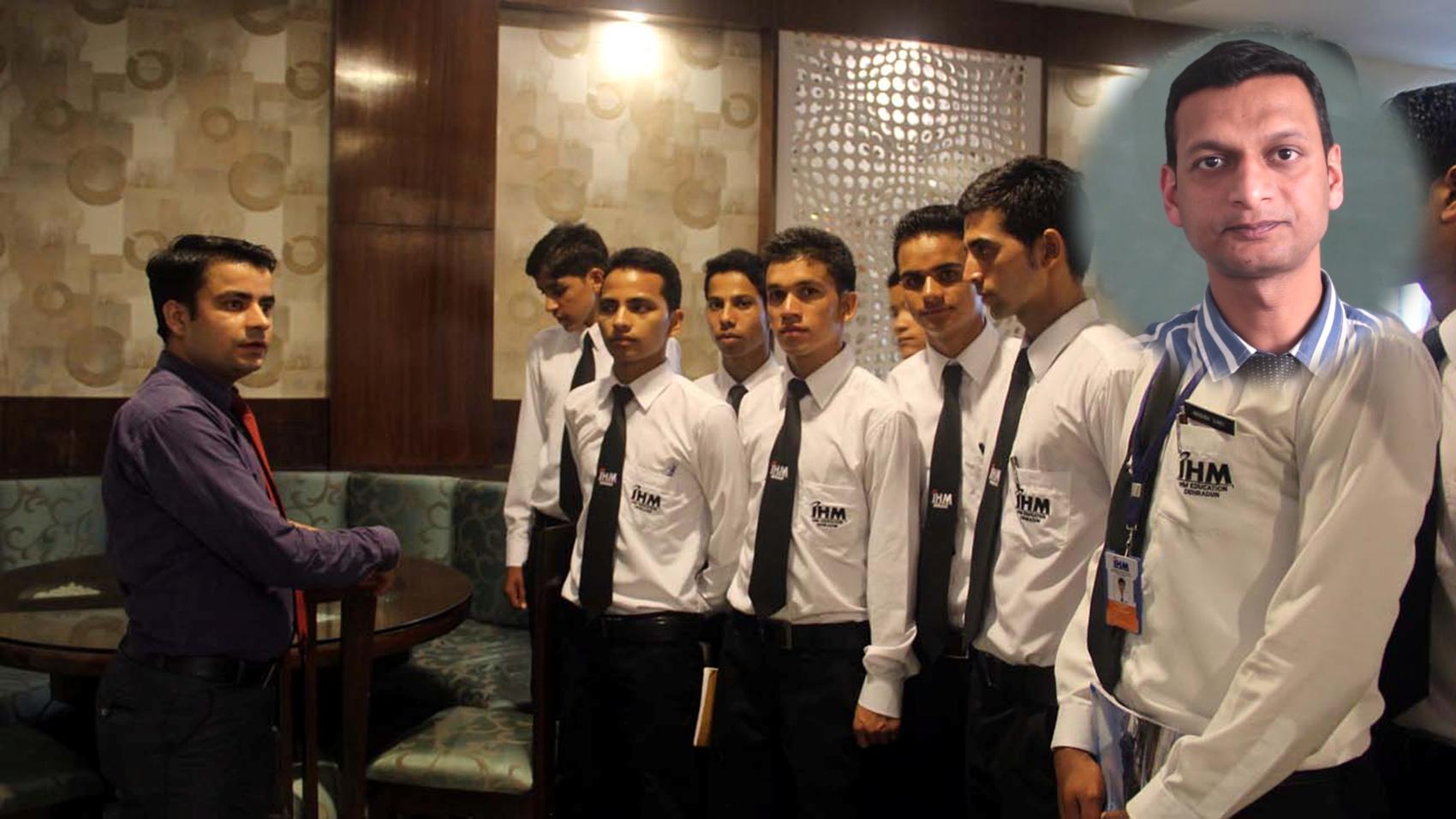


Career in Training & Placement
Training & Placement
Nakul Mohindra
Training & Placement Officer | Shri Ram Institute of Hotel Management
[ 15 years Experience ]

The major responsibility of Training & Placement cell is to interact with various industrial, management and research organisations in the country with the dual aim of ensuring that the students are given adequate technical exposure and industrial training and also enabling them to get employment in organisations whose functional requirements of high calibre engineers, scientists and managers are best met by graduate and post-graduate students.

"I have done B Sc in Hotel Management from Institute of Hotel Management, Bhopal. I was an Assistant Professor at Institute of Hotel Management, Bhopal for 5 years. I worked as Assistant Professor at various hotels like The Orchid, Radisson Hotel, Amrapali Group and many more. I am Assistant Professor and Training & Placement Officer at Shri Ram Institute of Hotel Management."


Career Counselling 2.0 Career Counselling 2.0 Career Counselling 2.0 Career Counselling 2.0 Career Counselling 2.0


Career in Professional Communication
Professional Communication
Bhavpreeta Thakur
Founder | Engnite
[ 6 years & 1 month Experience ]

Professional Communication encompasses written, oral, visual and digital communication within a workplace context. It is a new discipline that focuses on the study of information and the ways it is created, managed, distributed, and consumed.

"After my graduation in Political Science & Social Policy, I realised my interest for teaching and I went on to do a course called CELTA from British council. I also did masters in English Literature to qualify the eligibility of becoming a teacher. In 2015, I started my professional career with Quantum University as a English Language Trainer. After that, I joined DIT university as an Assitant Professor. I started my own company Engnite in 2017. I am also a Communication Trainer at Graphic Era University & Sai Institute."


Career Counselling 2.0 Career Counselling 2.0 Career Counselling 2.0 Career Counselling 2.0 Career Counselling 2.0


Career in Training & Consulting
Training & Consulting
Amit Goswami
Director | Will & Skill Creation
[ 2 years Experience ]

Training is teaching, or developing in oneself or others, any skills and knowledge that relate to specific useful competencies. Training has specific goals of improving one's capability, capacity, productivity and performance. A consultant is usually an expert or an experienced professional in a specific field and has a wide knowledge of the subject matter.

"After my school, I did PG Diploma in GBO from SRCC, Delhi. I then joined ISTD for a Diploma in Training & Development. After becoming a certified trainer and gaining training experience, I founded a company 'Will & Skill Creation Pvt. Ltd' which imparts training and provides consultation services."


Career Counselling 2.0 Career Counselling 2.0 Career Counselling 2.0 Career Counselling 2.0 Career Counselling 2.0


Career in Soft Skills Training
Soft Skills Training
Pooja Khanna
Associate Trainer | UPES
[ 4 years Experience ]

Soft skills Training are usually those personality or personal attributes that enable a person's social interactions and effectiveness. This can lead to enhanced relationships, job performance and career prospects.

"After completing my MBA and B Ed, I started teaching at DPS, Dehradun and I taught there for a short period. I have been working as a Associate Trainer at UPES since 2013."


Career Counselling 2.0 Career Counselling 2.0 Career Counselling 2.0 Career Counselling 2.0 Career Counselling 2.0


Career in Training & Recruitment
Training & Recruitment
Sanjay Sethi
Development Officer | LIC of India
[ 27 years Experience ]

Recruitment takes place from the point when a business decides that it needs to employ somebody up to the point where a pile of completed application forms has arrived in the post. Training involves providing a range of planned activities that enable an employee to develop the skills, attitudes and knowledge required by the organization and the work required.

"I did my B Sc from DBS College, Dehradun and after that I started working as an agent of LIC of India in 1989. In 1991 I was appointed as a Development Officer at LIC of India, Dehradun and since then I am working there."


Career Counselling 2.0 Career Counselling 2.0 Career Counselling 2.0 Career Counselling 2.0 Career Counselling 2.0


Career in Training & Development
Training & Development
Mondreeta Sengupta
Founder & Director | Adventoure
[ 22 years & 4 months Experience ]

Training and development can be described as an educational process which involves the sharpening of skills, concepts, changing of attitude and gaining more knowledge to enhance the performance of employees.

"An ex-GM (HR) of Reliance Industries Ltd, a faculty with training wing of American Consulate and with Airlines & Aviation Industry, I have been nurturing development and growth of Human Relations and Life Management Skills for past two decades."


Career Counselling 2.0 Career Counselling 2.0 Career Counselling 2.0 Career Counselling 2.0 Career Counselling 2.0


Career in Soft Skill Consulting
Soft Skill Consulting
Major A K Naithani
CEO | Derra Camps
[ 19 years Experience ]

Soft Skill Consulting is all about encouraging people to introspect and become better. At Search Consultants HRD, Search means introspection, seeing within yourself. We just show the mirror so that a person can develop skills and become better.

"I am the Chief Executive Officer (CEO) of Search Consultant HRD which was created in 1998. Off late we have opened our own training center called Derra Camps."


Career Counselling 2.0 Career Counselling 2.0 Career Counselling 2.0 Career Counselling 2.0 Career Counselling 2.0


Career in PD Training
PD Training
Renuka Barara Chhabra
Trainer | Various Assignments
[ 9 years & 4 months Experience ]

Personality development is the relatively enduring pattern of thoughts, feelings, and behaviors that distinguish individuals from one another. The dominant view in the field of personality psychology today holds that personality emerges early and continues to change in meaningful ways throughout the lifespan. Training is a teaching or developing in oneself or others, any skills and knowledge that relate to specific useful competencies. Training has specific goals of improving one's capability, capacity, productivity and performance.

"After doing my BA, MA & B Ed from Delhi University, I did my PGD in Management & PR from Madras University. I also did certification in MS Office from APTECH & Leader Certification for Professional Development of Teachers from Cambridge. I am also a certified IELTS Trainer from British Council. Later, I started my career in education sector and worked in various profiles like Teacher, Education officer and Principal. In 2006, I started working as a Personality Development & Soft Skills Trainer in corporate sector. I am assisting Underprivileged Children to Develop Language and Numerical Skills in Delhi."


Career Counselling 2.0 Career Counselling 2.0 Career Counselling 2.0 Career Counselling 2.0 Career Counselling 2.0


Career in Corporate Training
Corporate Training
Wg Cdr Mansoor Siddiqui
Trainer | Foster Training Services
[ 10 years & 3 months Experience ]

Corporate Trainings help bridge the competency gap to enhance skills and productivity of the workforce. These training programs offer corporates with best in class learning solutions to reduce costs and quantify results.

"I did B Com & M Com from Meerut University. Post that, I did an MBA in Finance from IIF, Delhi. I have also done a PG Diploma in Materials Management from IIMM, Mumbai. I did a course in Oracle System Analyst & Database Administrator while being in CDAC, Delhi. I served in Indian Air Force for 18 years before taking an early retirement in 2008. I have been actively involved in giving Corporate Trainings. I also run an organisation by the name Foster Training Services."


Career Counselling 2.0 Career Counselling 2.0 Career Counselling 2.0 Career Counselling 2.0 Career Counselling 2.0


Career in Corporate Training
Corporate Training
Ashish Agarwal
Managing Director | Various Assignments
[ 23 years & 9 months Experience ]

Training and development is concerned with organizational activity aimed at bettering the job performance of individuals and groups in organizational settings.

"After completing my B Sc, I did an MBA and specialization in Sales & Marketing Management from NIS division of NIT Limited and after that, I worked in a bank for around a year. Later, I did Corporate Training Certification and I was a Corporate Trainer for NIS for 5 to 7 years, after which I started taking corporate training programs and I am also the Managing Director at Agarwal Properties and Construction."


Career Counselling 2.0 Career Counselling 2.0 Career Counselling 2.0 Career Counselling 2.0 Career Counselling 2.0


Career in Training & Skill Development
Training & Skill Development
Ajay Sharma
CEO & Founder | TPC Global
[ 15 years & 10 months Experience ]

Training and Skill development involves improving the effectiveness of organizations and the individuals and teams within them. Training may be viewed as related to immediate changes in organizational effectiveness via organized instruction, while development is related to the progress of longer-term organizational and employee goals. While training and development technically have differing definitions, the two are oftentimes used interchangeably and/or together.

"After completing my education, I started conducting training for various corporate and academic sector. I have been working in training and skill development sector for more than 15 years. My organisation TPC Consultancy has conducted various training in India as well as global level."


Career Counselling 2.0 Career Counselling 2.0 Career Counselling 2.0 Career Counselling 2.0 Career Counselling 2.0


Career in Professional Training
Professional Training
Deepak Sharma
Founder & President | Deep Success Mantra Services
[ 15 years Experience ]

Training is teaching, or developing in oneself or others, any skills and knowledge that relate to specific useful competencies.

"I have done BA from Delhi University. I then did PG Diploma in Business Management from ICFAI. I started giving trainings in 2003. In 2016, I founded Deep Success Mantra Services which provides Wellness, Corporate Training, Skill Development and Career Services. I am a Life Coach, Wellness Consultant, HR Consultant, Yoga & Meditation Master and Soft Skills Trainer."


Career Counselling 2.0 Career Counselling 2.0 Career Counselling 2.0 Career Counselling 2.0 Career Counselling 2.0


Career in Training & Placement
Training & Placement
Saurav Badoni
Associate Dean Career Services | DIT University
[ 12 years & 2 months Experience ]

The major responsibility of Training & Placement cell is to interact with various industrial, management and research organisations in the country with the dual aim of ensuring that the students are given adequate technical exposure and industrial training and also enabling them to get employment in organisations whose functional requirements of high calibre engineers, scientists and managers are best met by graduate and post-graduate students.

"I have done B Com and M Com from HNB Garhwal University. Post that I did PG Diploma in Journalism & Mass Communication. I also did a research in How to create Volunteers. I worked at New Horizon as Branch head and Modi University in Training & Placements Cell. I am Associate Dean (Career Services) at DIT University."


Career Counselling 2.0 Career Counselling 2.0 Career Counselling 2.0 Career Counselling 2.0 Career Counselling 2.0


Career in Career Services
Career Services
Varun Sharma
Assistant Manager | Career Services Dept, DIT
[ 10 years & 8 months Experience ]

Career Services offers a range of resources and events to help students choose a career, find a job, and develop skills for lifelong success. Equipping the students with relevant and conceptualized professional skills and guiding them towards a bright future Career Services Department or Training and Placement Cell is to guide students to choose right career and to give knowledge, skill, and aptitude and meet the manpower requirements of the Industry. As an Assistant Manager in Career Services department our job is to assist students to develop/clarify their academic and career interests, and their short and long-term goals through individual counseling and group sessions, maintaining and regularly updating the database of students, maintaining database of companies and establishing strategic links for campus recruitments, gathering information about job fairs and all relevant recruitment advertisements, coordinating with companies to learn about their requirements and recruitment procedures. Identifying the needs and expectations of the companies to assist them in recruiting most suitable candidates, organizing pre-placement training/workshops/seminars for students, arranging periodic meetings with Human Resources Department of companies and TPO's to promote recruitments, assist students for industrial training at the end of the fourth and sixth semester, and provide resources and activities to facilitate the career planning process, act as a link between students, alumni, and the employment community and assist students in obtaining placement in reputed companies.

"After completing my graduation from Meerut University, I an MBA in Human Resources & Marketing from Shobit University. I worked in a BPO for 3 years as Quality Analyst. I also worked at University of Petroleum & Energy Studies for 8 years as Senior Executive. I joined DIT in 2016 and have been an Assistant Manager in Career Services Department."


Career Counselling 2.0 Career Counselling 2.0 Career Counselling 2.0 Career Counselling 2.0 Career Counselling 2.0


Career in Sales Training
Sales Training
Late Shubhang S Raturi
Corporate Trainer | Various Assignments
[ 13 years Experience ]

Sales training and sales coaching programs teach critical selling skills and a structured sales process. Sales training programs cover every stage of the sales process from prospecting and opportunity management to consultative selling, negotiation, account development and sales management.

"I did BA Hons in English Literature from Dayal Singh College. I have done Diploma in System Management from NIIT. I am a certified Master Trainer for Sales by Huthwaite International, UK. I am also certified by Eagle's Flight Canada in Various Business Simulation Games & Activity Based Learning. I conduct sales training for various companies."


Career Counselling 2.0 Career Counselling 2.0 Career Counselling 2.0 Career Counselling 2.0 Career Counselling 2.0


Career in Corporate Training
Corporate Training
Dr Nisha Arora
Corporate Trainer | Various Assignments
[ 4 years & 2 months Experience ]

Corporate Training refers to a system of professional development activities provided to educate employees. The simplest form of corporate education may be training programs designed "in-house" for an organization that may wish to train their employees on specific aspects of their job processes or responsibilities.

"After completing my education I started providing trainings in the Corporate as well as Academics. I have been doing trainings for areas such as Data Science, Machine Learning etc."


Career Counselling 2.0 Career Counselling 2.0 Career Counselling 2.0 Career Counselling 2.0 Career Counselling 2.0


Career in Soft Skills Training
Soft Skills Training
Aijaz Ahmad
Director | The English Zone
[ 12 years & 10 months Experience ]

Soft skills are a combination of people skills, social skills, communication skills, character or personality traits, attitudes, career attributes, social intelligence and emotional intelligence quotients, among others, that enable people to navigate their environment, work well with others, perform well, and achieve their goals with complementing hard skills. The Collins English Dictionary defines the term "soft skills" as "desirable qualities for certain forms of employment that do not depend on acquired knowledge: they include common sense, the ability to deal with people, and a positive flexible attitude."

"While pursuing for my masters, I joined NIIT and did a diploma course from there. After that started working in NIIT itself and did various seminars in Public Speaking, etc. I also started my own organization by the name of the English Zone, however, due to some circumstances it did not turn out well. I am working with Motion Education Pvt Ltd as academic head."


Career Counselling 2.0 Career Counselling 2.0 Career Counselling 2.0 Career Counselling 2.0 Career Counselling 2.0


Career in Teaching Communication
Teaching Communication
Vasudha Sharma
Associate Professor | Doon Business School
[ 6 years & 11 months Experience ]

What is ‘communication’? The word means ‘the act of imparting, especially news’, or ‘the science and practice of transmitting information’. These definitions clearly show the link between ‘teaching’ and ‘communication’: teachers are constantly imparting new knowledge, or transmitting information.

"I have a Bachelors and Masters degree in Psychology as well as a Masters degree in Management. I started teaching at the Doon Business School since 2014 where I take modules in Communication such as Organzational Behaviour, Corporate Leadership and Strategic Management."


Career Counselling 2.0 Career Counselling 2.0 Career Counselling 2.0 Career Counselling 2.0 Career Counselling 2.0


Career in Training & Development
Training & Development
Priyanka Jain
Director | Building Services Design & Energy Institute
[ 3 years & 10 months Experience ]

Training and Development is a subsystem of an organization which emphasize on the improvement of the performance of individuals and groups. Training is an educational process which involves the sharpening of skills, concepts, changing of attitude and gaining more knowledge to enhance the performance of the employees.

"After completing my education, I started working as an Embedded System Programmer at Shyam Telecom Group for 2 years 11 months. Then in 2005, I joined Sanelac Consultants Private Limited as Manager IT. For the past 4 years I am also the Director of Training & Development at Building Services Design and Energy Institute. In between I did ICBI Certification from NABET and my Soft skills certification from Image Consulting Business Institute. Later I worked as Soft Skills Trainer at Image Consulting Business Institute."


Career Counselling 2.0 Career Counselling 2.0 Career Counselling 2.0 Career Counselling 2.0 Career Counselling 2.0


[Install the LifePage App to access all Talks]


<?php echo $altimage; ?>


<?php echo $altimage; ?>


&mbsp;


Career Counselling 2.0 | Home   Home  
Career Counselling 2.0 | Abroad   Abroad  
Career Counselling 2.0 | Plan   Plan  
Career Counselling 2.0 | Talks   Talks  
Career Counselling 2.0 | Philosophy   Philosophy  
Career Counselling 2.0 | Seminar   Seminar  
Career Counselling 2.0 | Workshop   Workshop  
Career Counselling 2.0 | Pages   Pages  
Career Counselling 2.0 | Advisors   Advisors  
Career Counselling 2.0 | Discuss   Discuss  
Career Counselling 2.0 | Meet   Meet  
Career Counselling 2.0 | Advisor   Advisor  
Career Counselling 2.0 | Story   Story  
Career Counselling 2.0 | Fine Print   Fine Print  
Career Counselling 2.0 | Links   Links  
Career Counselling 2.0 | Blog   Blog  
Career Counselling 2.0 | Testimonials   Testimonials  
Career Counselling 2.0 | Follow   Follow  
 
[ Site Visits ]


Career Counselling 2.0