Career Counselling 2.0 HomeHomeCareer Counselling 2.0 AbroadAbroadCareer Counselling 2.0 PlanPlanCareer Counselling 2.0 | TalksTalksCareer Counselling 2.0 PhilosophyPhilosophyCareer Counselling 2.0 SeminarSeminarCareer Counselling 2.0 PagesPagesCareer Counselling 2.0 AdvisorsAdvisorsCareer Counselling 2.0 TestimonialsTestimonials

Security Management

Director Arnav Das Gupta talks about Security Management course, what is Security Management and other details about a Career in Security Management.


Security Management

Arnav Das Gupta | Director | Helios Security Consulting


What is Security Management?


Security Management is a great Career option. Understanding Why one wants to choose a Career in Security Management is phenomenally more important than figuring out How to get into Security Management. Just like you would normally not trust a non Doctor with names of medicines, you should also not trust opinions about Security Management from non professionals.

Director Arnav Das Gupta has worked in Security Management for 8 years. Director Arnav Das Gupta defines Security Management as:

Security management is the identification of an organization's assets including people, buildings, machines, systems and information assets, followed by the development, documentation, and implementation of policies and procedures for protecting these assets


How Director Arnav Das Gupta got into Security Management?


I did my schooling from Marshall School, and completed my 12th from Scholars Home, Dehradun. I did my graduation from DAV PG College. After my Graduation I went on to do my Post Graduation from Gurukul Kangri University, Haridwar. I have worked with various places like Jindal, CMC and GE. I also went to US for 5 years. I came back to Dehradun and started my own company, Helios Security Consulting in 2009.


Director Arnav Das Gupta's Talk on Security Management


Session Image
The Journey of Security Management


What Is Security Management


Electronics Security Management

### Electronics Security Management Image
What is
Electronics Security Management is the strategic process of protecting electronic systems, devices, and data from unauthorized access, damage, or disruption. It involves implementing policies, technologies, and procedures to safeguard information and infrastructure, ensuring the confidentiality, integrity, and availability of electronic assets within an organization.

Concept
Electronics Security Management is crucial in today’s interconnected world, where organizations rely heavily on electronic systems for daily operations. For professionals in Security Management, mastering this discipline means being able to anticipate and mitigate risks associated with cyber threats, data breaches, and system failures. The impact is significant, as effective electronics security ensures business continuity, protects sensitive information, and maintains stakeholder trust. Among its major benefits are the prevention of financial losses due to cybercrime, compliance with regulatory requirements, and the enhancement of organizational reputation. By prioritizing electronics security, security managers help create a resilient environment that supports innovation and growth while minimizing vulnerabilities.

Real World Example
A security manager at a large financial institution is responsible for overseeing the protection of the company’s electronic assets, including customer databases and transaction systems. By implementing robust electronics security management practices, the manager ensures that only authorized personnel can access sensitive data, and that all electronic communications are encrypted. When a potential cyberattack is detected, the manager coordinates a rapid response, leveraging intrusion detection systems and incident response protocols to contain the threat and prevent data loss. This proactive approach not only safeguards the institution’s assets but also reassures customers that their information is secure, demonstrating the practical importance of electronics security management in the field.

Education


Electronics Security Management

What is
Electronics Security Management is the discipline focused on safeguarding electronic systems, devices, and data from unauthorized access, disruption, or damage. It encompasses the policies, procedures, and technologies used to protect electronic assets. This field is essential within Security Management, forming a critical component of both academic study and professional practice.

Concept
Understanding Electronics Security Management is vital for anyone pursuing a career in Security Management because modern security threats increasingly target electronic systems and data. Mastery of this subject equips professionals with the knowledge to assess risks, implement protective measures, and respond effectively to incidents involving electronic assets. It forms the backbone of a security manager’s ability to design and maintain robust security infrastructures in organizations that rely heavily on technology. Over the long term, expertise in Electronics Security Management enhances career prospects by ensuring professionals remain relevant and adaptable in a rapidly evolving digital landscape, where electronic threats are ever-present and increasingly sophisticated.

Real World Example
Consider a security manager responsible for a corporate office equipped with access control systems, surveillance cameras, and networked alarm systems. Drawing on their knowledge of Electronics Security Management, the manager routinely audits these systems for vulnerabilities, ensures firmware is up to date, and enforces strict access protocols. When an attempted breach is detected through unusual network activity, the manager quickly isolates affected devices, analyzes logs, and coordinates with IT to mitigate the threat. Their theoretical understanding enables them to interpret technical alerts, communicate risks to stakeholders, and implement corrective actions, thereby maintaining the integrity and reliability of the organization’s electronic security infrastructure during daily operations.

Technical Knowledge

### Technical Knowledge Image
What is
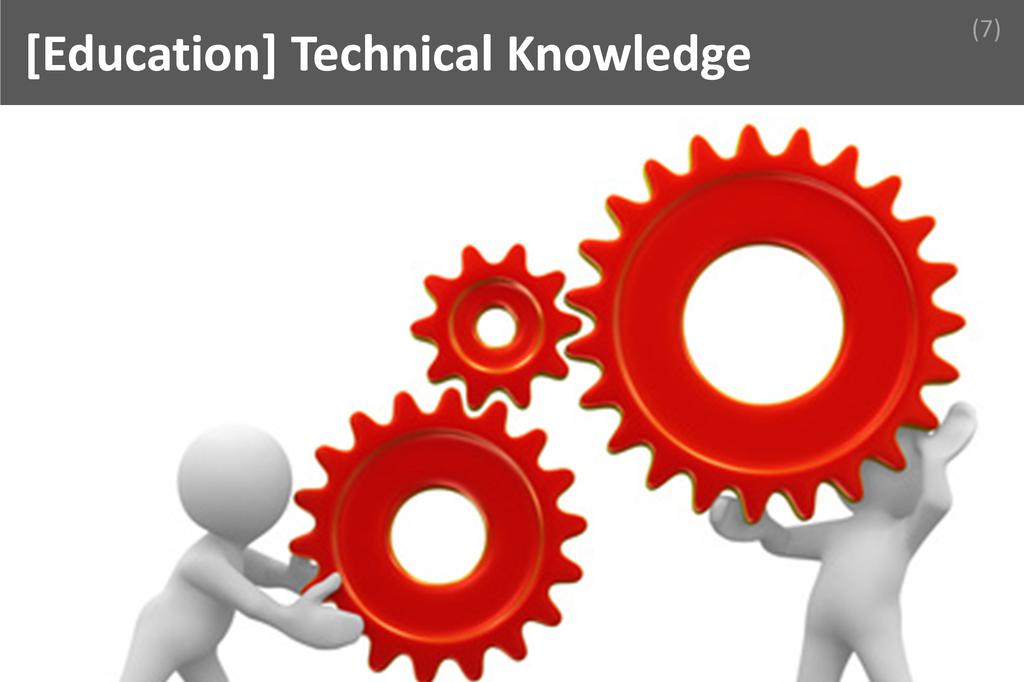
Technical Knowledge refers to the specialized understanding of systems, processes, tools, and technologies relevant to a particular field. In Security Management, it encompasses the principles, protocols, and mechanisms that safeguard assets and information. This knowledge bridges academic theory and practical application, forming a crucial pillar of professional competence and effectiveness.

Concept
Mastering technical knowledge is essential for anyone pursuing a career in Security Management because it enables professionals to understand and mitigate complex security threats. This subject forms the foundation upon which all security strategies, risk assessments, and incident responses are built. Without a solid grasp of technical concepts, security managers may struggle to implement effective controls or communicate with IT teams and stakeholders. Over time, a deep technical knowledge base allows professionals to adapt to evolving threats, leverage new technologies, and make informed decisions that protect organizational assets. It also enhances credibility and career advancement opportunities, as employers increasingly seek individuals who can bridge the gap between management and technical teams.

Real World Example
Consider a Security Manager responsible for overseeing the protection of a corporate network. During a routine security audit, the manager identifies unusual traffic patterns that could indicate a potential breach. Drawing on their technical knowledge, they analyze network logs, recognize the signature of a known malware attack, and coordinate with the IT department to isolate affected systems. Their understanding of firewalls, intrusion detection systems, and encryption protocols allows them to implement immediate countermeasures, minimizing damage and preventing data loss. This scenario demonstrates how theoretical knowledge translates into practical action, enabling the Security Manager to respond swiftly and effectively to real-world threats.

Types of Security Management

### Types of Security Management Image
What is
Types of Security Management refers to the various approaches, strategies, and frameworks used to protect organizational assets, information, and personnel from threats and vulnerabilities. This concept is central in both academic study and professional practice, forming a critical foundation for effective risk mitigation and comprehensive security planning in any organization.

Concept
Understanding the types of security management is essential for anyone pursuing or advancing a career in this field. It equips professionals with the ability to identify, evaluate, and implement the most appropriate security measures for different scenarios, whether dealing with physical security, information security, or personnel protection. Mastery of these concepts ensures that security managers can develop holistic strategies that address diverse risks, comply with legal and regulatory requirements, and adapt to evolving threats. Over the long term, this foundational knowledge enhances decision-making, fosters leadership capabilities, and increases employability by demonstrating a comprehensive grasp of security principles that are valued across industries.

Real World Example
Consider a security manager at a large corporate office who is responsible for safeguarding both digital and physical assets. Drawing on their understanding of the types of security management, they implement layered security protocols that include access control systems, cybersecurity measures, and employee training programs. When a new threat emerges, such as a phishing attack targeting staff emails, the manager quickly assesses which type of security management is most relevant and coordinates a response that combines technical defenses with awareness campaigns. This integrated approach, grounded in theoretical knowledge, enables the manager to protect the organization effectively while demonstrating adaptability and strategic thinking in daily operations.

Skills


Analytical

### Analytical Image
What is
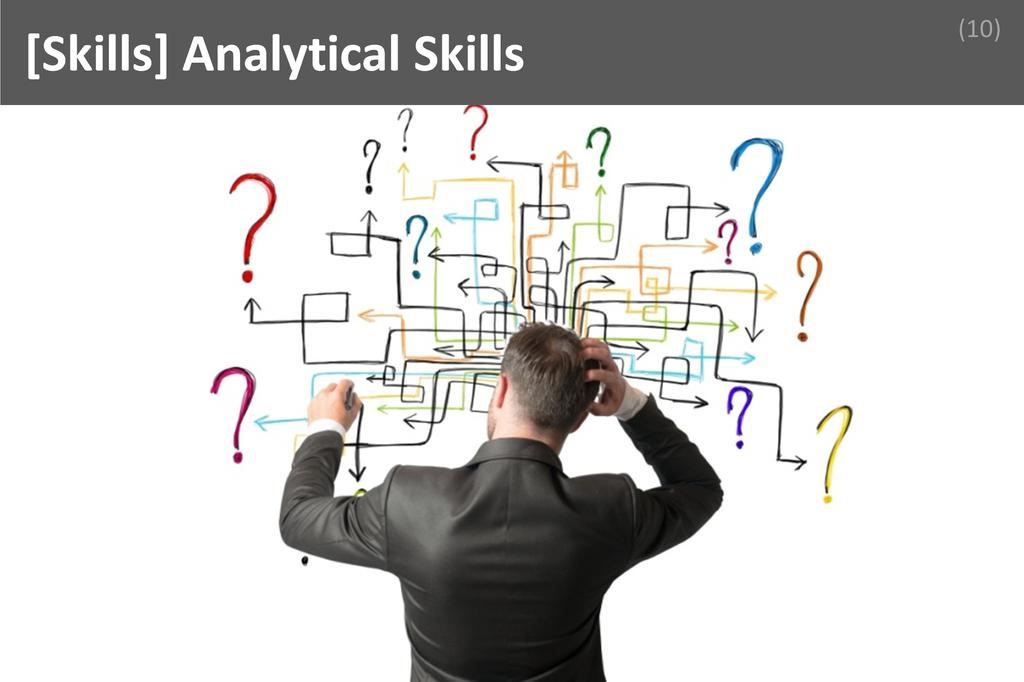
Analytical is the ability to systematically examine information, identify patterns, interpret data, and draw logical conclusions to solve problems or make decisions. In Security Management, this skill enables professionals to assess risks, evaluate incidents, and develop effective strategies, making it a cornerstone for maintaining organizational safety and resilience.

Concept
Analytical thinking directly enhances a Security Management professional’s performance by enabling them to dissect complex situations, anticipate threats, and devise robust security protocols. Employers and clients highly value this skill because it leads to informed decision-making, minimizes vulnerabilities, and ensures proactive responses to emerging risks. Cultivating analytical ability involves continuous learning, engaging in scenario-based exercises, and reflecting on past incidents to identify improvement areas. Over time, professionals can refine their analytical skills by seeking feedback, staying updated on industry trends, and practicing critical thinking in daily operations. This ongoing development not only sharpens their judgment but also builds trust with stakeholders who rely on their expertise to safeguard assets and people.

Real World Example
Imagine a Security Manager faced with a sudden increase in unauthorized access attempts within a corporate network. By applying analytical skills, the manager reviews access logs, identifies unusual patterns, and correlates them with recent organizational changes. Through careful analysis, they discover that a new software deployment inadvertently created a vulnerability. The manager then collaborates with IT to patch the issue and implements additional monitoring protocols. This analytical approach not only resolves the immediate threat but also strengthens the organization’s overall security posture. Without strong analytical skills, the root cause might have gone undetected, potentially leading to more severe breaches and loss of client trust.

Leadership & Team Work

### Leadership & Team Work Image
What is
Leadership & Team Work is the ability to guide, motivate, and collaborate with others to achieve common goals, fostering trust, clear communication, and shared responsibility. In Security Management, this skill ensures cohesive operations, effective crisis response, and the alignment of diverse team members toward maintaining safety and organizational integrity.

Concept
Leadership & Team Work directly enhances performance in Security Management by enabling professionals to coordinate complex operations, delegate tasks efficiently, and maintain morale during high-pressure situations. Clients and employers value this skill because it leads to reliable, unified teams capable of responding swiftly to threats and adapting to evolving security challenges. Cultivating this skill involves seeking feedback, participating in team-based projects, and learning from experienced leaders. Over time, professionals can refine their ability to inspire trust, communicate expectations clearly, and resolve conflicts constructively, all of which are vital for building resilient security teams and ensuring organizational safety.

Real World Example
Imagine a security manager overseeing a large public event when an unexpected security breach occurs. The manager quickly assesses the situation, delegates roles based on each team member’s strengths, and maintains open communication to ensure everyone is informed and coordinated. By demonstrating strong leadership and fostering teamwork, the manager keeps the team focused and calm, enabling them to contain the breach efficiently and protect attendees. This scenario highlights how effective Leadership & Team Work not only resolves critical incidents but also reinforces trust within the team and with stakeholders, ultimately contributing to the event’s overall success and the organization’s reputation for safety.

Mitigation Management

### Mitigation Management Image
What is
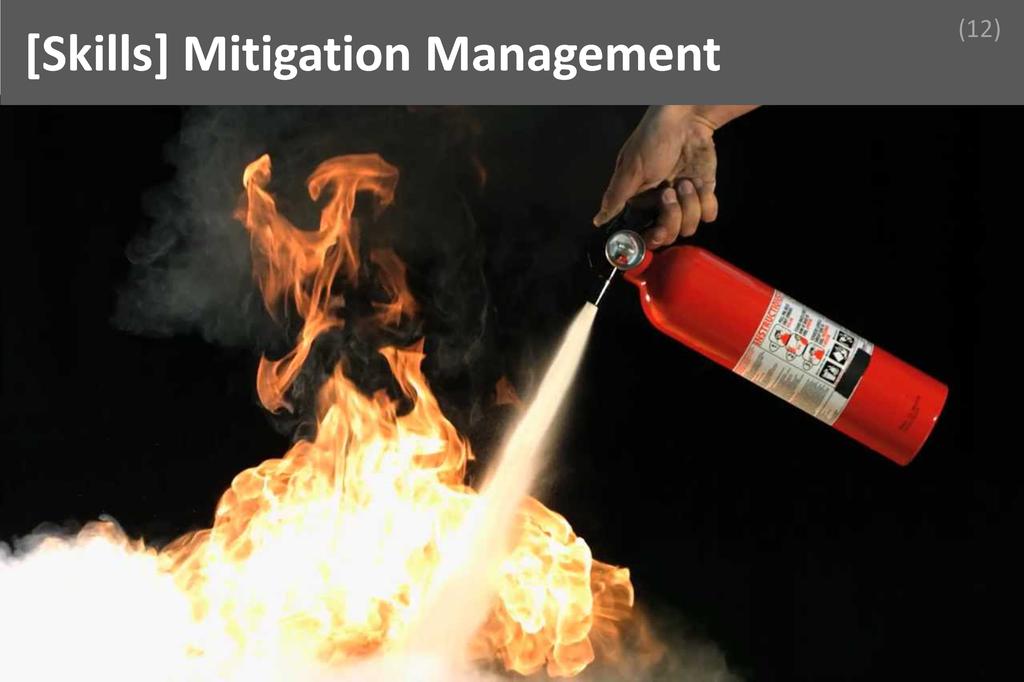
Mitigation Management is the systematic process of identifying, assessing, and reducing risks to acceptable levels through proactive planning, implementation of controls, and continuous monitoring. In Security Management, it ensures that potential threats are anticipated and addressed before they escalate, forming a foundational element in protecting assets, people, and organizational reputation.

Concept
Mastering Mitigation Management directly enhances a security professional’s effectiveness by enabling them to foresee vulnerabilities and implement strategies that minimize potential damage. Clients and employers highly value this skill because it translates to fewer incidents, reduced losses, and greater operational continuity. Developing this competency involves ongoing education in risk assessment methodologies, staying updated on emerging threats, and practicing scenario-based planning. Over time, professionals refine their judgment and decision-making abilities by analyzing past incidents, learning from industry best practices, and engaging in regular training exercises. This continuous improvement cycle ensures that mitigation strategies remain robust and relevant in an ever-evolving threat landscape.

Real World Example
Imagine a Security Manager at a large corporate campus who receives intelligence about a credible cyber threat targeting the company’s network infrastructure. Drawing on Mitigation Management, the manager quickly assembles a cross-functional team to assess vulnerabilities, implements immediate network segmentation, and enhances monitoring protocols. Simultaneously, they communicate with stakeholders to ensure business continuity plans are activated and employees are briefed on potential phishing attempts. By proactively addressing the risk, the manager prevents data breaches and operational disruptions, demonstrating how effective Mitigation Management not only neutralizes threats but also reassures clients and leadership of the organization’s resilience and preparedness.

Communication

### Communication Image
What is
Communication is the clear and effective exchange of information, ideas, and instructions through speaking, writing, or other mediums. In Security Management, communication enables professionals to convey risks, policies, and procedures, ensuring all stakeholders understand their roles and responsibilities. It is fundamental for collaboration, incident response, and maintaining organizational safety.

Concept
Strong communication skills directly enhance a Security Management professional’s ability to coordinate teams, relay critical information during emergencies, and build trust with clients or stakeholders. Employers value this skill because it minimizes misunderstandings, ensures compliance with security protocols, and fosters a culture of transparency. Effective communicators can de-escalate tense situations, provide clear guidance, and document incidents accurately. To cultivate communication skills, professionals should seek feedback, engage in active listening, participate in training sessions, and practice both verbal and written interactions regularly. Over time, these efforts lead to greater confidence, clarity, and influence, making communication an indispensable asset in the security field.

Real World Example
Imagine a Security Manager overseeing a large corporate event when an unexpected security breach occurs. The manager must quickly assess the situation and communicate precise instructions to the security team, event staff, and local authorities. By clearly articulating the nature of the threat and the necessary response steps, the manager ensures everyone acts swiftly and cohesively. Simultaneously, the manager updates company executives and reassures attendees, preventing panic and maintaining order. Through effective communication, the Security Manager not only resolves the immediate crisis but also demonstrates leadership and professionalism, reinforcing the organization’s reputation for safety and reliability.

Security Systems

### Security Systems Image
What is
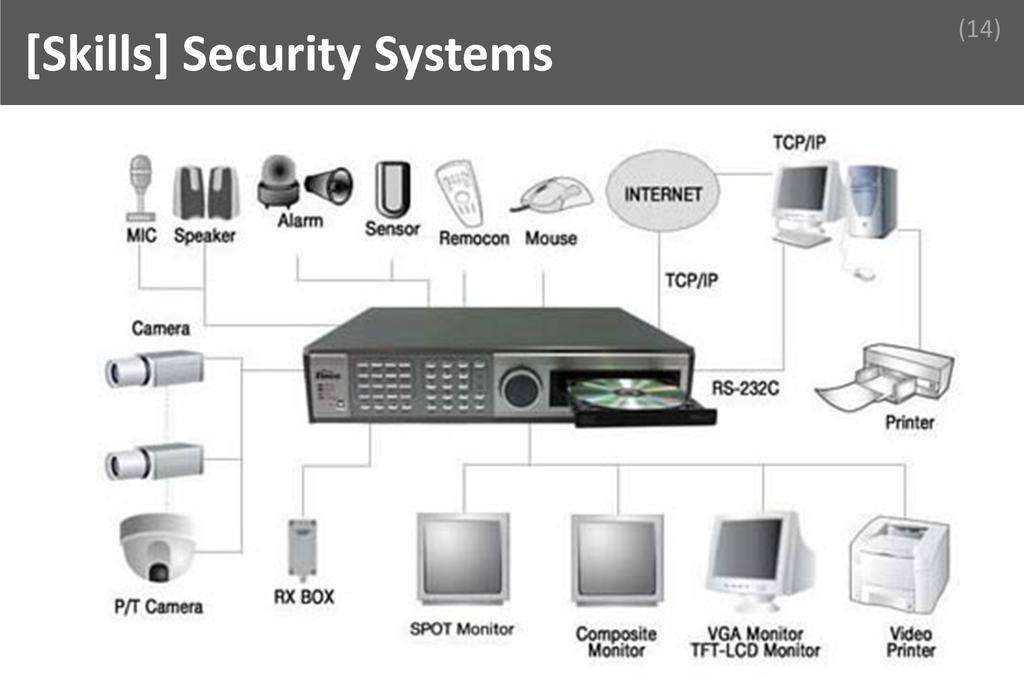
Security Systems refer to the integrated set of technologies, protocols, and procedures designed to protect physical and digital assets from unauthorized access, theft, or damage. In Security Management, this skill encompasses understanding, implementing, and maintaining these systems to ensure comprehensive protection and risk mitigation for organizations and their stakeholders.

Concept
Mastery of Security Systems significantly enhances a Security Management professional’s effectiveness by enabling them to design, evaluate, and optimize protective measures tailored to specific threats. Clients and employers highly value this skill because it directly correlates with reduced vulnerabilities, minimized losses, and improved compliance with industry regulations. Developing expertise in Security Systems involves continuous learning about emerging technologies, hands-on experience with system installation and monitoring, and staying updated on evolving security threats. Over time, professionals can cultivate this skill through formal education, certifications, and practical exposure to real-world security challenges, ensuring they remain adaptable and capable of safeguarding organizational assets in a rapidly changing environment.

Real World Example
Imagine a Security Management professional overseeing the protection of a corporate headquarters. When a series of unauthorized access attempts are detected after hours, the professional leverages their expertise in Security Systems to analyze surveillance footage, review access control logs, and coordinate with IT to assess potential digital breaches. By quickly identifying the source of the threat and implementing targeted countermeasures, such as updating access credentials and enhancing alarm protocols, the professional not only prevents a potential security breach but also reassures stakeholders of the organization’s resilience. This scenario highlights how proficiency in Security Systems enables swift, effective responses to critical incidents, safeguarding both physical and digital assets.

Positives


Meeting New People

### Meeting New People Image
What is
Meeting new people refers to the ongoing opportunity to interact with individuals from diverse backgrounds, roles, and cultures in the course of one’s professional duties. In security management, this means engaging with colleagues, clients, stakeholders, and external partners, fostering relationships that enhance collaboration, understanding, and the overall effectiveness of security operations.

Concept
The chance to meet new people is a cornerstone of what makes a career in security management both dynamic and fulfilling. Every day brings fresh interactions, whether it’s coordinating with law enforcement, consulting with clients, or training staff. These connections not only broaden professional networks but also expose security managers to new perspectives and innovative ideas. Such diversity in relationships fuels personal growth, sharpens communication skills, and keeps the work environment stimulating. The sense of community and teamwork that arises from these interactions significantly boosts job satisfaction, as professionals feel valued and supported. Ultimately, meeting new people helps security managers stay adaptable and resourceful, qualities that are essential for career advancement and long-term success.

Real World Example
Imagine a security manager overseeing a large corporate event. Throughout the planning and execution stages, they collaborate with event organizers, local police, vendors, and international guests. Each interaction brings unique insights and challenges, requiring the manager to adapt and communicate effectively. By building trust and rapport with these diverse groups, the manager not only ensures the event’s safety but also forges lasting professional relationships. These connections may lead to future opportunities, such as consulting roles or invitations to industry conferences. The experience of meeting new people in this context is both professionally rewarding and personally enriching, reinforcing the value of human connection in the field of security management.

Good Money

### Good Money Image
What is
"Good Money" refers to a competitive salary and comprehensive benefits package that not only meets but exceeds industry standards, providing financial stability, security, and the means to enjoy a comfortable lifestyle. In Security Management, good money acknowledges the expertise, responsibility, and dedication required, making the profession both attractive and sustainable.

Concept
The promise of good money in Security Management is a powerful motivator that elevates job satisfaction and encourages long-term commitment. When professionals are well-compensated, they feel valued for their critical role in safeguarding people, assets, and information. This financial recognition allows them to invest in their personal growth, pursue advanced certifications, and support their families with confidence. The assurance of a strong income also reduces stress, enabling professionals to focus on their duties with greater clarity and enthusiasm. Over time, this positive reinforcement fosters loyalty, drives performance, and inspires individuals to continually excel, knowing their contributions are both recognized and rewarded.

Real World Example
Imagine a Security Manager at a large corporate campus who receives a generous salary, annual bonuses, and robust health benefits. This financial security empowers her to enroll in advanced training programs, ensuring she stays ahead in her field. She can comfortably provide for her family, plan vacations, and even save for her children’s education. Each day, she approaches her responsibilities with confidence and pride, knowing her expertise is valued not just in words but in tangible rewards. This sense of fulfillment translates into a proactive, dedicated approach to her work, benefiting both her employer and her own professional journey. Good money, in her case, is more than a paycheck—it’s a foundation for a thriving career and life.

Satisfaction

### Satisfaction Image
What is
Satisfaction is the deep sense of fulfillment and contentment that arises when individuals see the positive results of their efforts, feel valued in their roles, and know they are making a meaningful difference. In security management, satisfaction stems from protecting people, assets, and information, fostering a safer environment, and contributing to organizational success.

Concept
Satisfaction is a cornerstone of a rewarding career in security management because it fuels motivation, engagement, and professional growth. When security professionals witness the tangible outcomes of their work—such as preventing incidents, ensuring smooth operations, and earning the trust of colleagues—they experience a profound sense of accomplishment. This positive feeling not only enhances their daily job satisfaction but also encourages them to continuously improve their skills and take on new challenges. The knowledge that their expertise directly contributes to the safety and resilience of an organization creates a lasting impact, making each day meaningful and reinforcing their commitment to the profession.

Real World Example
Imagine a security manager who implements a comprehensive security protocol for a large corporate office. One day, a potential security breach is detected and swiftly neutralized thanks to the new measures. The manager receives heartfelt appreciation from both employees and leadership, who recognize the crucial role played in averting a crisis. This moment of acknowledgment and the visible results of their proactive planning bring the manager immense satisfaction. They leave work that day with a renewed sense of pride, knowing their expertise has protected people and assets, and that their efforts have made a real difference. This fulfilling experience exemplifies the unique satisfaction that security management professionals enjoy in their careers.

Not Monotonous

### Not Monotonous Image
What is
"Not Monotonous" means that work is consistently varied, engaging, and dynamic, rather than repetitive or predictable. In security management, this quality ensures that each day brings new challenges, responsibilities, and learning opportunities. The ever-changing nature of threats, technologies, and environments keeps professionals alert, adaptable, and motivated to excel.

Concept
The absence of monotony in security management is a significant advantage because it transforms the profession into a stimulating journey rather than a routine job. This constant variety fosters continuous learning and personal growth, as professionals must adapt to new risks, regulations, and technologies. The dynamic environment prevents boredom and burnout, making each day feel purposeful and engaging. Security managers often collaborate with diverse teams, respond to unexpected incidents, and develop innovative solutions, all of which contribute to a deep sense of accomplishment. This ongoing engagement not only boosts job satisfaction but also encourages long-term commitment to the field, as professionals feel their skills and contributions are always evolving and valued.

Real World Example
Imagine a security manager working for a large international corporation. One day, they might be conducting a risk assessment for a new office opening overseas, analyzing local threats and compliance requirements. The next day, they could be leading a crisis response drill, coordinating with IT, HR, and law enforcement to simulate a cyberattack. Later in the week, they might investigate a physical security breach, interview witnesses, and implement new access controls. Each situation demands different skills, quick thinking, and creative problem-solving. This constant shift in focus and responsibility ensures that the security manager’s work is never dull, providing daily opportunities for professional fulfillment and growth.

Challenges


No Skilled Labor

### No Skilled Labor Image
What is
In Security Management, "No Skilled Labor" refers to the persistent shortage of qualified personnel with the technical expertise and practical experience necessary to implement, monitor, and improve security protocols. This challenge is demanding because it exposes organizations to heightened risks, operational inefficiencies, and increased pressure on existing staff to fill critical gaps.

Concept
The absence of skilled labor in Security Management can lead to overworked teams, delayed incident responses, and vulnerabilities in security infrastructure. Professionals must often assume multiple roles, stretching their capabilities and endurance. This situation demands resilience, adaptability, and creative problem-solving. Successful security managers address this constraint by investing in continuous training for existing staff, leveraging technology to automate routine tasks, and fostering a culture of knowledge sharing. They also build strong networks with external consultants and industry peers, ensuring access to expertise when needed. By focusing on upskilling and resource optimization, these professionals maintain operational effectiveness even when skilled labor is scarce.

Real World Example
Consider a security manager at a mid-sized manufacturing firm facing a shortage of qualified security personnel. Rather than allowing the gap to compromise safety, the manager implements a cross-training program, enabling existing staff from other departments to handle basic security tasks. Simultaneously, the manager introduces user-friendly security technologies that automate surveillance and access control, reducing the need for constant human oversight. By fostering collaboration and encouraging staff to develop new skills, the manager not only maintains security standards but also boosts team morale and engagement. This proactive approach demonstrates how adaptability and strategic thinking can overcome the challenge of limited skilled labor in Security Management.

Time Consuming

### Time Consuming Image
What is
In Security Management, "Time Consuming" refers to the extensive hours required to monitor, assess, and respond to evolving threats, maintain compliance, and implement robust security protocols. This demand arises from the need for constant vigilance, detailed documentation, and rapid adaptation to new risks, making the role exceptionally demanding.

Concept
The time-consuming nature of Security Management can lead to long workdays, frequent interruptions, and the constant pressure to stay ahead of emerging threats. This challenge impacts daily routines, often requiring professionals to juggle multiple priorities and respond to incidents outside regular hours. Such demands test resilience, as burnout and fatigue can quickly set in without effective coping mechanisms. Successful professionals manage this constraint by prioritizing tasks, leveraging automation tools, and delegating responsibilities where possible. They also cultivate strong time management skills and maintain open communication with their teams to ensure workloads are balanced. By setting clear boundaries and focusing on high-impact activities, they navigate the relentless pace of the field while maintaining their effectiveness and well-being.

Real World Example
Consider a Security Manager at a large financial institution who faces the daily challenge of monitoring multiple security systems, responding to alerts, and ensuring compliance with regulatory standards. Despite the overwhelming volume of tasks, this professional implements automated monitoring tools to streamline threat detection and delegates routine reporting to junior staff. By scheduling regular check-ins and prioritizing critical incidents, the manager maintains control over their workload and ensures timely responses to genuine threats. Through disciplined time management and strategic delegation, the manager not only meets organizational security goals but also avoids burnout, demonstrating how the obstacle of time-consuming responsibilities can be effectively managed in a high-stakes environment.

Low Client Awareness

### Low Client Awareness Image
What is
Low Client Awareness in Security Management refers to clients’ limited understanding of security risks, protocols, and the value of professional security measures. This challenge is demanding because it often leads to underestimation of threats, resistance to recommended solutions, and difficulty in justifying necessary investments, complicating effective risk mitigation and collaboration.

Concept
Low client awareness can significantly complicate a security manager’s daily responsibilities. Professionals may find themselves repeatedly explaining basic concepts, justifying essential expenditures, and addressing skepticism about potential threats. This environment demands resilience, as progress can be slow and setbacks frequent. Successful security managers overcome this constraint by adopting a patient, educational approach. They invest time in building trust, using clear communication to translate technical risks into relatable business impacts. By consistently demonstrating the tangible benefits of robust security measures and sharing relevant case studies, they gradually shift client perspectives. Over time, this persistence not only improves cooperation but also empowers clients to become proactive partners in safeguarding their assets, ultimately making security management more effective and collaborative.

Real World Example
Consider a security manager working with a mid-sized retail company whose leadership underestimates the risk of cyberattacks. Initially, the client resists investing in advanced monitoring tools, viewing them as unnecessary expenses. The security manager responds by organizing interactive workshops, illustrating real-world breaches in similar businesses, and demonstrating how vulnerabilities could disrupt daily operations. Through regular updates and transparent reporting on attempted breaches thwarted by existing measures, the manager gradually builds credibility. Over several months, the client’s leadership begins to recognize the value of proactive security investments. This shift enables the implementation of stronger protocols and fosters a culture where security is seen as integral to business continuity, showcasing how persistence and education can overcome low client awareness.

Keeping Up With Trends

### Keeping Up With Trends Image
What is
Keeping up with trends in Security Management means continuously monitoring, understanding, and adapting to the rapidly evolving landscape of threats, technologies, regulations, and best practices. This is demanding because the pace of change is relentless, requiring professionals to constantly update their knowledge and skills to remain effective and compliant.

Concept
The challenge of keeping up with trends significantly impacts the daily routines of security management professionals. They must allocate time for research, training, and networking, often outside of regular work hours, to stay informed about emerging threats and solutions. This ongoing demand can lead to stress and fatigue, making resilience a crucial trait. Successful professionals manage this constraint by cultivating a habit of lifelong learning, leveraging professional networks, and integrating learning into their workflow. They prioritize credible sources, attend industry events, and participate in knowledge-sharing communities, ensuring that their strategies and policies remain relevant and robust in the face of constant change.

Real World Example
Consider a security manager at a large financial institution who faces the continuous emergence of new cyber threats and regulatory updates. To stay ahead, she subscribes to reputable cybersecurity newsletters, attends monthly webinars, and participates in a local security professionals’ group. By dedicating a portion of her weekly schedule to reviewing threat intelligence reports and discussing trends with peers, she is able to anticipate risks and proactively update her organization’s security protocols. Her commitment to ongoing education and collaboration not only helps her keep pace with industry changes but also positions her as a trusted advisor within her company, ensuring the organization remains resilient against evolving security challenges.

A Day Of


Electronics Security Manager

### Electronics Security Manager Image
What is
In the world of security management, no two days are ever quite the same. The pace is brisk, the stakes are high, and the environment is a constant blend of vigilance and adaptability. From the moment the day begins, a security management professional is immersed in a dynamic landscape where threats can emerge without warning and every decision carries weight. Balancing proactive strategy with rapid response, these professionals navigate a world where technology, people, and policy intersect, ensuring that safety and order are never left to chance.

Concept
As the sun rises, the day starts with a thorough review of overnight incident reports and a comprehensive check of security systems. This early hour is dedicated to scanning surveillance feeds, reviewing access logs, and assessing any alerts that may have surfaced during the night. The security manager uses this quiet window to recalibrate priorities, update risk assessments, and ensure that all team members are briefed on any new developments or vulnerabilities. This foundational work sets the tone for a day defined by preparedness and attention to detail.

Real World Example
By mid-morning, the tempo accelerates as the core responsibilities of the role come into sharp focus. The security manager is now fully engaged in overseeing daily operations, responding to incidents, and coordinating with on-site personnel. Whether managing a real-time security breach, conducting facility patrols, or liaising with law enforcement, this period demands quick thinking and decisive action. The professional’s ability to communicate clearly and lead under pressure is tested as they ensure that protocols are followed and risks are swiftly mitigated.

The afternoon brings a shift toward collaboration and execution. Meetings with department heads, security staff, and external partners fill the schedule, providing opportunities to review ongoing projects, discuss policy updates, and address emerging challenges. The security manager may lead training sessions, conduct drills, or evaluate the effectiveness of current procedures. This phase is marked by a focus on teamwork and continuous improvement, as the professional works to foster a culture of safety and accountability throughout the organization.

As the day winds down, attention turns to documentation, analysis, and preparation for the challenges ahead. The security manager compiles detailed reports on incidents and responses, reviews performance metrics, and researches new threats or technologies. This is also the time to update action plans, schedule follow-ups, and communicate key findings to senior leadership. By reflecting on the day’s events and planning for tomorrow, the security management professional ensures that vigilance never lapses, and that the organization remains one step ahead in an ever-evolving security landscape.


Install the LifePage App to:


  1. (for Free) Watch Director Arnav Das Gupta’s full Security Management Career Talk

  2. ₹ Do a Self Assessment on Security Management to calculate your Dream Index, which is defined as:

    According to Arnav Das Gupta your chances of success in Security Management is __%

  3. Access your personalized Dream Index Report which will have all your Dream Indices sorted in descending order.

Career Counselling 2.0


<?php echo $altimage; ?>


<?php echo $altimage; ?>


How to get into

Security Management?


If you are want to get into Security Management, start by investing in a Career Plan.

The 14 hour process, guided by a LifePage Career Advisor, will help you introspect and check whether your interest in Security Management is merely an infatuation or is it truly something you wish to do for the rest of your life.

Next, your Career Advisor will help you document how you can get into Security Management, what education and skills you need to succeed in Security Management, and what positives and challenges you will face in Security Management.

Finally, you will get a Career Plan stating which Courses, Certifications, Trainings and other Items you need to do in the next 7 years to become world’s best in Security Management.


LifePage Career Plan

14 hour personalized guidance program


Your LifePage Career Advisor facilitates your guided introspection so that you systematically explore various Career options to arrive at a well thought out Career choice.

Next: your Advisor helps you figure out how you will get into your chosen Career and how will you develop the skills needed for success in your Chosen Career.

LifePage Plan will not stop at saying "to become an Architect study Architecture". It will guide you on which Certifications, Trainings and Other items you need to do along with your Architecture education to become the world's best Architect.


Links for this Talk


Director Arnav Das Gupta's LifePage:


Career Counselling 2.0
[LifePage]
https://www.lifepage.in/page/arnavdasgupta


LifePage Career Talk on Security Management


Career Counselling 2.0
[Career]
https://www.lifepage.in/careers/security-management-2


Career Counselling 2.0
[Full Talk]
https://lifepage.app.link/20171003-0003


Career Counselling 2.0
[Trailer]
https://www.youtube.com/watch?v=7oer7FjezVY


(Electronics Security Management, Arnav Das Gupta, Helios Security Consulting, Cctv's, Camera, Alarms)


Similar Talks



Career in Innovation Management
Innovation Management
Kapil Rawat
Vice President - Innovation | Citibank, Dublin
[ 1 year & 7 months Experience ]

Innovation management includes a set of tools that allow managers and engineers to cooperate with a common understanding of processes and goals. Innovation management allows the organization to respond to external or internal opportunities, and use its creativity to introduce new ideas, processes or products.

"I worked for Citibank's Innovation Center for Excellence in Dublin and was responsible for managing two significant innovations in the Global Transaction Services business."


Career Counselling 2.0 Career Counselling 2.0 Career Counselling 2.0 Career Counselling 2.0 Career Counselling 2.0


Career in General Management
General Management
Col Deepak Badoni
Chief Executive Officer | Bhagalpur Electricity Distribution Company
[ 2 years Experience ]

Since the liberalization of the power sector we are seeing private companies enter into generation, transmission and distribution of electricity. The head of any such company is responsible to cater for increased expectations from end users. General Management is the art of making sure that the organization in totality delivers to expectations of both the end consumer and also the financial health of the company.

"After holding senior techno-commercial positions in various power sector companies I was appointed as the CEO for a power distribution company. In this video I share the nuances of power distribution sector."


Career Counselling 2.0 Career Counselling 2.0 Career Counselling 2.0 Career Counselling 2.0 Career Counselling 2.0


Career in Security Management
Security Management
Ramit Datta
Chief Security Officer | Ramada, Dehradun
[ 4 years & 11 months Experience ]

Security management is a broad field that encompasses everything from the supervision of security guards at malls and museums to the installation of high-tech security management systems designed to protect an organization's data.

"I did BA from Hindu College. I have represented India in diving and have won 62 gold medals. I have served in CRPF for 9 years. I shifted to Hospitality industry recently when I joined Lemon tree Hotel as Security Manager. I am Chief Security Officer at Ramada, Dehradun."


Career Counselling 2.0 Career Counselling 2.0 Career Counselling 2.0 Career Counselling 2.0 Career Counselling 2.0


Career in Business Management
Business Management
Nipun Vasudev
Senior Manager | Looks Unisex Salon
[ 4 years Experience ]

Business management is the administration of an organization, whether it is a business, a not-for-profit organization, or government body

"After completing my Schooling from Carmen, and my Graduation from Graphic Era, I did my MBA from Ansals. I have worked in events as well. I joined IBM in the Customer Service Department. I worked there for 2 in half years. In 2013 I joined Looks Unisex Salon as a Senior Manager."


Career Counselling 2.0 Career Counselling 2.0 Career Counselling 2.0 Career Counselling 2.0 Career Counselling 2.0


Career in Product Management
Product Management
Kapil Rawat
VP Liabilities Product | Citibank
[ 10 years Experience ]

Product Management is an organizational lifecycle function within a company dealing with the planning, forecasting, and production, or marketing of a product or products at all stages of the product lifecycle.

"After 2 years of financial management and 2 years of innovation management at Citibank, I took a transfer to India where I worked as the Liabilities Head for Citibank managing both the domestic as well as NRI market."


Career Counselling 2.0 Career Counselling 2.0 Career Counselling 2.0 Career Counselling 2.0 Career Counselling 2.0


Career in Project Management
Project Management
Brea Dutt
Project Manager | Accenture Digital
[ 4 years & 3 months Experience ]

A project manager is a professional in the field of project management. Project managers have the responsibility of the planning, procurement and execution of a project, in any undertaking that has a defined scope, defined start and a defined finish; regardless of industry

"After completing my Schooling from Vasant Valley, Delhi, I did Economics from Smith University, Massachusetts. I worked as a Business Analyst for a while, but always wanted to do something else. I am a Project Manager at Accenture Digital."


Career Counselling 2.0 Career Counselling 2.0 Career Counselling 2.0 Career Counselling 2.0 Career Counselling 2.0


Career in Business Management
Business Management
Meena Sharma
Owner | Hair Indulgence Salon
[ 2 years & 4 months Experience ]

Business Management is the administration of an organization, whether it is a business, a not-for-profit organization, or government body.

"After completing my Schooling from St Thomas, Dehradun, I did my Graduation from DAV. I also did a course in Public Relations from Polytechnic. After that, I have worked in the automobile industry as a Sales Manager. Later on, I joined Looks Unisex Salon as a Manager and in 2016, I started my own salon, since then I am managing my salon."


Career Counselling 2.0 Career Counselling 2.0 Career Counselling 2.0 Career Counselling 2.0 Career Counselling 2.0


Career in Security Management
Security Management
Major Gorki
COO | Intrust Management
[ 5 years & 2 months Experience ]

Security management is the identification of an organization's assets (including information assets), followed by the development, documentation and implementation of policies and procedures for protecting these assets.

"I served in the Indian Army for 13 years, after premature retirement, I travelled to many countries. Then I started a security management firm which is based out of the United States, South Africa and India."


Career Counselling 2.0 Career Counselling 2.0 Career Counselling 2.0 Career Counselling 2.0 Career Counselling 2.0


Career in HR Management
HR Management
Shubhi Verma
HR Manager | Various Assignments
[ 4 years & 10 months Experience ]

Human resource management (HRM or HR) is the strategic approach to the effective management of people in an organization, so that they help the business gain a competitive advantage. Commonly known as the HR department, it is designed to maximize employee performance in service of an employer's strategic objectives.

"After doing my schooling from St. Anthony's Junior College, Agra, I did my BBA from Sharda University and then did my MBA in Human Resource Management from Prin L N Welingkar Institute of Management Development & Research, Delhi. In 2014, I started my career as an HR Executive for Tech Mahindra and thereafter joined Lenskart.com as an HR Manager."


Career Counselling 2.0 Career Counselling 2.0 Career Counselling 2.0 Career Counselling 2.0 Career Counselling 2.0


Career in Product Management
Product Management
Sricharan Vadapalli
Practice Head | Pyramid Solutions
[ 5 years & 2 months Experience ]

Product management is an organisational lifecycle function within a company dealing with the planning, forecasting, and production, or marketing of a product or products at all stages of the product lifecycle.

"I joined IT MNC from college and worked for a Product Company for 8 years mostly in USA. I have also worked with MNC's and Startups. I am working as Practice Head of Data Analytics, DevOps and Cloud, currently with Pyramid Solutions. My books are on DevOps, Big Data and successful Relationships. Learning was my passion, I am certified SAP Hana consultant also certified in PMP, ITIL, OCA, INS21, FP, In Memory, I was always passionate about data and its value at the enterprise level hence I found my way into Big data Analytics. I have authored books on DevOps, Bigdata and relationships"


Career Counselling 2.0 Career Counselling 2.0 Career Counselling 2.0 Career Counselling 2.0 Career Counselling 2.0


Career in Project Management
Project Management
Gargi Gautam
IT Analyst | Tata Consultancy Services
[ 3 years & 9 months Experience ]

Project management is the practice of initiating, planning, executing, controlling, and closing the work of a team to achieve specific goals and meet specific success criteria at the specified time

"After completing my graduation from Uttar Pradesh Technical University in Computer Science (GNIT) in 2012, I started working with Sears IT & Management Services private limited where I worked till 2015 while I was a System Engineer. After that I have joined Tata Consultancy Services where my designation is IT Analyst and I am working as a Project Manager. Meanwhile in 2017 I had completed my Post Graduation Diploma in Management in Operations Management from All India Management Association."


Career Counselling 2.0 Career Counselling 2.0 Career Counselling 2.0 Career Counselling 2.0 Career Counselling 2.0


Career in Project Management
Project Management
Marcel Bandur
Research Assistant | Asia Research Institute
[ 3 years & 2 months Experience ]

Project Management is the application of knowledge, skills, tools, and techniques to project activities to meet the project requirements. The five essential elements of project management are initiating, planning, executing, monitoring and controlling, and closing.

"After completing my masters degree in Political Science from Singapore, I joined the Asia-Europe Foundation (ASEF) as a Project Officer where I was responsible for handling large-scale projects and events in the field of formal education, supporting the activities under ASEF's Higher Education Programme (AHEP)."


Career Counselling 2.0 Career Counselling 2.0 Career Counselling 2.0 Career Counselling 2.0 Career Counselling 2.0


Career in Teaching Management
Teaching Management
Neha
Assitant Professor | DIT University
[ 14 years Experience ]

Management is the administration of an organization, whether it is business, a non -profit organization, or government body.

"After completing my education, I started Teaching in Management College in 2005."


Career Counselling 2.0 Career Counselling 2.0 Career Counselling 2.0 Career Counselling 2.0 Career Counselling 2.0


Career in HR Business Partnering
HR Business Partnering
Aanchal Batra
HR Business Partner | Various Assignments
[ 6 years & 7 months Experience ]

HR business partners are HR professionals who work closely with an organization's senior leaders in order to develop an HR strategy that closely supports the overall aims of the organization.

"After doing my schooling from Bhavans Bhagwandas Purohit Vidhya Mandir Nagpur, I did my BTech in Computer Science from Nagpur university and then did MBA in Human Resources from IBS, Gurugram. I worked as Assistant Manager for InfoCepts Technologies Pvt Ltd in Gurugram for five years and later, in 2016 I joined Lenskart.com as an HR Business Partner."


Career Counselling 2.0 Career Counselling 2.0 Career Counselling 2.0 Career Counselling 2.0 Career Counselling 2.0


Career in Purchase Management
Purchase Management
Aneesh Sharma
Buyer Representative | Moksha
[ 6 years Experience ]

Purchase Management has three main aspects. First being sourcing which is finding the right product from the right place at the right price. Second being quality control that is to ensure that the standard of the product is met to match the needs of the Client. Lastly, logistics to ensure the smooth negotiations and final delivery of the purchased products.

"After my graduation, I helped my father in looking after the family business for around two years. I then took up a job of a purchase manager for a company called gipsy homes. It was the first time, I had worked in the field of purchase management and working with gipsy homes gave me great exposure. I soon shifted companies. I have been working as a purchase manager for a company called Moksha which is based in South America."


Career Counselling 2.0 Career Counselling 2.0 Career Counselling 2.0 Career Counselling 2.0


Career in Project Management
Project Management
Evandro Melo
Project Manager | Banco de Desenvolvimento de Minas Gerais
[ 3 years Experience ]

Project management is the practice of initiating, planning, executing, controlling, and closing the work of a team to achieve specific goals and meet specific success criteria at the specified time.

"I graduated in Psychology from the Universidade Federal de Minas Gerais, Brazil. I worked in Banco de Desenvolvimento de Minas Gerais, a development bank in Minas Gerais, for ten years before enrolling for an MBA degree in Project Management at Instituto de Educação Tecnológica, Brazil. Upon graduation, I started working as a Project Manager for Banco de Desenvolvimento de Minas Gerais."


Career Counselling 2.0 Career Counselling 2.0 Career Counselling 2.0 Career Counselling 2.0 Career Counselling 2.0


Career in Teaching Management
Teaching Management
Manu Sharma
Assistant Professor | Doon University
[ 10 years Experience ]

Management is the administration of an organization, whether it is a business, a not-for-profit organization, or government body.

"I did B Sc and an MBA from UP Technical University and I was the topper and a gold medalist. After that, I started working in Graphic Era University as an Assistant Professor. In 2012, I joined IMS University and I have also worked at UPES as Visiting Faculty. In 2013, I completed my Ph D in Marketing from Rohilkhand University. In 2018, I started doing my Postdoctoral from ICCSR sponsored by MHRD."


Career Counselling 2.0 Career Counselling 2.0 Career Counselling 2.0 Career Counselling 2.0 Career Counselling 2.0


Career in Teaching Management
Teaching Management
Rajen Samuel Brijnath
Team Leader | Manpower Development Group
[ 20 years Experience ]

Management is the administration of an organization, whether it is a business, a not-for-profit organization, or government body.

"After completing my Schooling from St Anthony, Lahore, I went on to do my Graduation from St Stephen's College, Delhi. I worked with ITC Limited and in 1968 I was the Founder of Manpower Development Group of ITC Limited."


Career Counselling 2.0 Career Counselling 2.0 Career Counselling 2.0 Career Counselling 2.0 Career Counselling 2.0


Career in Order Management
Order Management
Deepak S
Operations Analyst | EMC2
[ 2 years & 1 month Experience ]

Order management is the administration of business processes related to orders for goods or services. An order management system (OMS) automates and streamlines order processing for businesses.

"I am a graduate in commerce from SBRR Mahajan College, Mysuru. After completing my MBA in Human Resources, I began working as an Operations Analyst at EMC2 before moving on to IBM as Subject Matter Expert (SME)."


Career Counselling 2.0 Career Counselling 2.0 Career Counselling 2.0 Career Counselling 2.0 Career Counselling 2.0


Career in Teaching Management
Teaching Management
Prof Sachin Ghai
Associate Professor | Graphic Era University, Dehradun
[ 15 years Experience ]

Besides gaining knowledge and experience in your technical domain, Teaching Management requires discipline, interest and understanding of Teaching / Learning Processes and adding to the body of knowledge, by reading and practicing topics & concepts related to Effective teaching, Student Psychology & Engagement, Pedagogy & Andragogy, Levels of Learning, Blooms Taxonomy, Technology enabled teaching, Outcome based teaching and much more. Teaching requires development of the habit of reading, writing and communicating, practice content generation & management and develop delivery and demonstration skills. It is imperative for an effective teacher to have clarity of thought and well-developed higher order skills, to facilitate holistic development of his scholars, and prepare them for life. Management Teaching encompasses lot more than just teaching, life skills coaching, researching and authoring, training and development, executive education, academic Administration and more.

"I have done master of Economics, Bachelor of Management and Information Technology. I am an Academician, Life Coach and Trainer with over 15 years of experience. My areas of academic interest are Economics, Management & Behavioral Sciences, Personality Development, Communication, Soft-skills and Psycho-linguistics. I have conducted management and communication skill enhancement classes for various professional courses and for managers and working professionals. I have been on the Editorial Advisory Board for the book published by IGI Global on Socio-Economic Development."


Career Counselling 2.0 Career Counselling 2.0 Career Counselling 2.0 Career Counselling 2.0 Career Counselling 2.0


Career in Knowledge Management
Knowledge Management
Dr Shantanu Ganguly
Fellow | TERI
[ 29 years Experience ]

Knowledge management is the process of creating, sharing, using and managing the knowledge and information of an organisation. It refers to a multidisciplinary approach to achieving organisational objectives by making the best use of knowledge.

"I have done B Sc, M Sc, MBA in Marketing Management, B LISc, M LISc, PG Diploma in Computer Applications and a Ph D in Marketing of Special Library Services. I am working in TERI since 1990 as a Fellow in the Knowledge Management division."


Career Counselling 2.0 Career Counselling 2.0 Career Counselling 2.0 Career Counselling 2.0 Career Counselling 2.0


[Install the LifePage App to access all Talks]


<?php echo $altimage; ?>


<?php echo $altimage; ?>


&mbsp;


Career Counselling 2.0 | Home   Home  
Career Counselling 2.0 | Abroad   Abroad  
Career Counselling 2.0 | Plan   Plan  
Career Counselling 2.0 | Talks   Talks  
Career Counselling 2.0 | Philosophy   Philosophy  
Career Counselling 2.0 | Seminar   Seminar  
Career Counselling 2.0 | Workshop   Workshop  
Career Counselling 2.0 | Pages   Pages  
Career Counselling 2.0 | Advisors   Advisors  
Career Counselling 2.0 | Discuss   Discuss  
Career Counselling 2.0 | Meet   Meet  
Career Counselling 2.0 | Advisor   Advisor  
Career Counselling 2.0 | Story   Story  
Career Counselling 2.0 | Fine Print   Fine Print  
Career Counselling 2.0 | Links   Links  
Career Counselling 2.0 | Blog   Blog  
Career Counselling 2.0 | Testimonials   Testimonials  
Career Counselling 2.0 | Follow   Follow  
 
[ Site Visits ]


Career Counselling 2.0