Career Counselling 2.0 HomeHomeCareer Counselling 2.0 AbroadAbroadCareer Counselling 2.0 PlanPlanCareer Counselling 2.0 | TalksTalksCareer Counselling 2.0 PhilosophyPhilosophyCareer Counselling 2.0 SeminarSeminarCareer Counselling 2.0 PagesPagesCareer Counselling 2.0 AdvisorsAdvisorsCareer Counselling 2.0 TestimonialsTestimonials

Teaching Management

Team Leader Rajen Samuel Brijnath talks about Teaching Management course, what is Teaching Management and other details about a Career in Teaching Management.


Teaching Management

Rajen Samuel Brijnath | Team Leader | Manpower Development Group


What is Teaching Management?


Teaching Management is a great Career option. Unfortunately, it is very difficult to find information about What Teaching Management actually is. Most pages on the internet just talk about How to get into Teaching Management. While anyone can have an opinion on what Teaching Management entails; only a real professional can really explain it.

Team Leader Rajen Samuel Brijnath invested 20 years in Teaching Management. Team Leader Rajen Samuel Brijnath describes Teaching Management as:

Management is the administration of an organization, whether it is a business, a not-for-profit organization, or government body.


How Team Leader Rajen Samuel Brijnath got into Teaching Management?


After completing my Schooling from St Anthony, Lahore, I went on to do my Graduation from St Stephen's College, Delhi. I worked with ITC Limited and in 1968 I was the Founder of Manpower Development Group of ITC Limited.


Team Leader Rajen Samuel Brijnath's Talk on Teaching Management


Session Image
The Journey of Teaching Management


What Is Teaching Management


Teaching Management

### Teaching Management Image
What is
Teaching Management is the practice of organizing, directing, and overseeing educational processes, resources, and personnel to ensure effective teaching and learning. It involves curriculum planning, classroom management, staff development, and the implementation of educational policies to create an environment where both educators and students can thrive.

Concept
Teaching Management plays a crucial role in shaping the quality of education within schools and other learning institutions. By providing clear direction and support, it empowers teachers to focus on delivering engaging lessons and meeting diverse student needs. Effective Teaching Management leads to improved student outcomes, higher staff morale, and efficient use of resources. Professionals in this field benefit from the opportunity to influence educational standards, foster a collaborative culture among staff, and drive continuous improvement. Ultimately, strong Teaching Management ensures that educational goals are met, innovation is encouraged, and both teachers and students are set up for long-term success.

Real World Example
A professional in Teaching Management, such as a school principal, might oversee the introduction of a new literacy program. They would coordinate teacher training sessions, allocate resources for classroom materials, and monitor the program’s implementation. Throughout the process, the manager would gather feedback from teachers, adjust strategies as needed, and ensure that the program aligns with curriculum standards. By managing these elements effectively, the principal supports teachers in adopting new methods, addresses challenges as they arise, and ultimately helps students achieve better literacy outcomes. This example demonstrates how Teaching Management is essential for guiding educational initiatives from planning through execution and evaluation.

Education


History

### History Image
What is
History is the study of past events, societies, and cultures, examining how they have shaped the present and influence the future. In Teaching Management, history provides essential context for educational systems, pedagogical trends, and institutional developments, forming a crucial part of the academic and professional knowledge required for effective leadership and informed decision-making.

Concept
Understanding history is vital for those in Teaching Management because it offers insights into the evolution of educational philosophies, policies, and practices. By studying historical trends, professionals gain perspective on how schools and curricula have adapted to societal changes, technological advancements, and cultural shifts. This foundational knowledge enables managers to appreciate the reasons behind current educational structures and anticipate future challenges. Furthermore, a strong grasp of history fosters critical thinking, analytical skills, and the ability to evaluate the effectiveness of past reforms, which are essential for making informed decisions. Over the long term, this historical awareness supports strategic planning, encourages innovation grounded in proven practices, and enhances the ability to lead diverse teams with an appreciation for the legacy and context of their institution.

Real World Example
Consider a Teaching Manager tasked with implementing a new curriculum in a school with a long-standing tradition of classical education. By drawing on their understanding of educational history, the manager can recognize the origins and values embedded in the existing curriculum and anticipate potential resistance to change. This historical perspective allows them to communicate the rationale for the new curriculum more effectively, addressing concerns by referencing similar transitions in the past and demonstrating how those changes led to positive outcomes. In daily operations, this knowledge helps the manager bridge the gap between tradition and innovation, ensuring that new initiatives respect the institution’s heritage while meeting contemporary educational needs.

Economics

### Economics Image
What is
Economics is the study of how individuals, organizations, and societies allocate limited resources to satisfy unlimited wants and needs. It examines decision-making, production, distribution, and consumption of goods and services. In Teaching Management, economics provides essential insights into resource allocation, budgeting, and policy-making within educational institutions.

Concept
Understanding economics is crucial for anyone in Teaching Management because it equips professionals with the analytical tools needed to make informed decisions about resource allocation, staffing, and curriculum development. Economics fosters a strategic mindset, enabling managers to evaluate costs, benefits, and trade-offs when implementing educational programs or policies. This foundational knowledge helps professionals anticipate the impact of external factors such as funding changes, demographic shifts, or policy reforms on their institutions. Over the long term, a solid grasp of economics enhances leadership capabilities, supports effective communication with stakeholders, and ensures that educational goals are achieved efficiently and sustainably. Ultimately, economics empowers teaching managers to create environments where both educators and students can thrive.

Real World Example
Consider a school administrator tasked with designing a new after-school program. By applying economic principles, the administrator assesses the available budget, estimates demand among students, and evaluates the opportunity costs of different program options. They analyze data on student participation, weigh the benefits of hiring additional staff versus reallocating existing resources, and forecast the long-term financial sustainability of the program. Through this process, the administrator uses their understanding of economics to make decisions that maximize educational value while staying within budget constraints. This practical application ensures that resources are used efficiently, stakeholders’ needs are met, and the program contributes positively to the school’s overall mission.

Management

### Management Image
What is
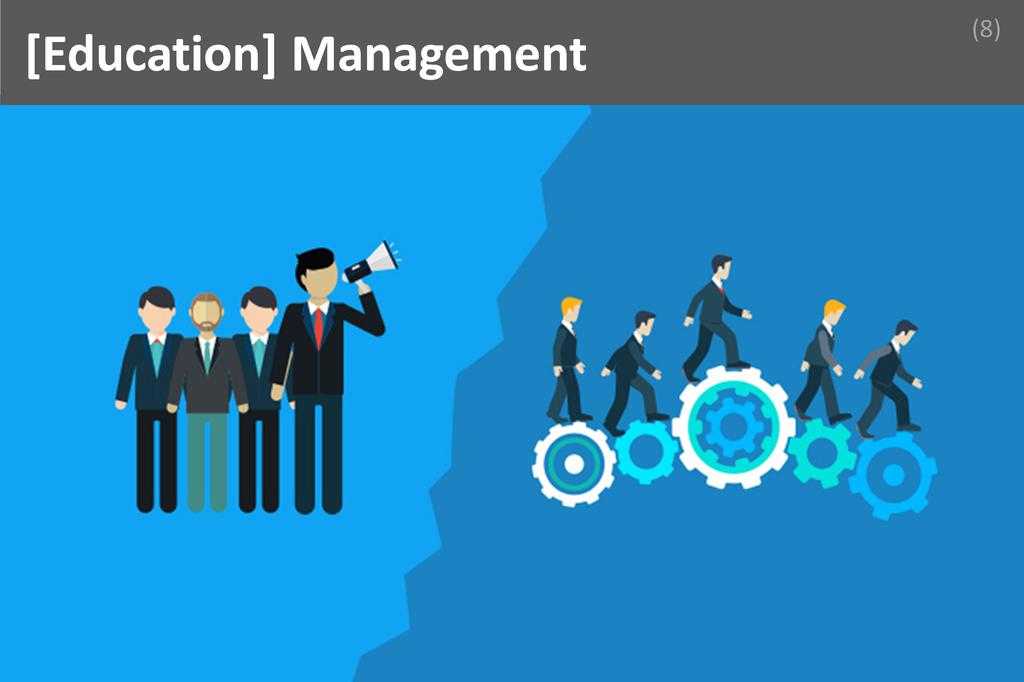
Management is the process of planning, organizing, leading, and controlling resources—human, financial, and material—to achieve organizational goals efficiently and effectively. In the context of Teaching Management, understanding management is essential as it forms the backbone of both academic instruction and the practical administration of educational environments.

Concept
A thorough grasp of management is indispensable for anyone preparing for or working in Teaching Management. This subject provides the essential framework for understanding how organizations function, how teams are led, and how resources are allocated to maximize outcomes. By mastering management principles, professionals are better equipped to design curricula, foster collaborative learning environments, and implement institutional policies. Over the long term, this foundational knowledge supports career advancement by enabling educators to take on leadership roles, drive organizational change, and mentor future managers. The ability to apply management theories to real-world educational settings ensures that teaching professionals remain adaptable, effective, and influential within their institutions.

Real World Example
Consider a department head in a university’s business school who is responsible for coordinating faculty, managing budgets, and ensuring high-quality instruction. Drawing on their understanding of management, they develop a strategic plan to improve student engagement and learning outcomes. This involves organizing faculty meetings to align teaching methods, allocating resources for professional development, and implementing feedback mechanisms to monitor progress. By applying management theories such as participative leadership and resource optimization, the department head not only enhances operational efficiency but also fosters a collaborative and innovative academic culture. This practical application of management knowledge directly impacts the success of both educators and students within the institution.

Sociology

### Sociology Image
What is
Sociology is the systematic study of society, social relationships, and institutions, focusing on how individuals and groups interact within cultural and structural contexts. For those in Teaching Management, sociology provides essential insights into group dynamics, cultural diversity, and social influences, forming a critical component of both academic preparation and professional practice.

Concept
Understanding sociology is vital for teaching managers because it equips them with the ability to analyze and interpret the complex social environments within educational institutions. By grasping sociological theories and concepts, professionals can better appreciate the diverse backgrounds, values, and behaviors of both students and staff. This foundational knowledge enables teaching managers to foster inclusive learning environments, address social inequalities, and implement policies that promote equity and collaboration. Over the long term, a strong grounding in sociology enhances leadership capabilities, supports effective conflict resolution, and prepares professionals to adapt to evolving societal trends, ultimately contributing to the overall success and sustainability of educational organizations.

Real World Example
Consider a teaching manager overseeing a multicultural school where students come from various socioeconomic backgrounds. Drawing on their understanding of sociology, the manager recognizes how social class, cultural norms, and peer group influences affect student engagement and achievement. By applying sociological principles, the manager develops targeted support programs, such as mentorship initiatives and culturally responsive teaching strategies, to bridge achievement gaps and promote a sense of belonging among all students. This approach not only improves academic outcomes but also strengthens relationships among staff and students, demonstrating how sociological knowledge directly informs effective management and positive educational experiences.

Anthropology

### Anthropology Image
What is
Anthropology is the scientific study of humans, their societies, cultures, and evolutionary development across time. It explores human behavior, beliefs, and social structures, offering insights into diversity and commonality. For Teaching Management, anthropology provides essential context for understanding student backgrounds, classroom dynamics, and the broader educational environment.

Concept
Understanding anthropology is vital for those in Teaching Management because it equips professionals with the ability to recognize and appreciate cultural diversity within educational settings. This knowledge fosters inclusive learning environments, enhances communication, and supports the development of culturally responsive teaching strategies. By grasping anthropological concepts, teaching managers can better address the needs of students from varied backgrounds, anticipate potential cultural misunderstandings, and implement policies that promote equity and respect. Over the long term, this foundational knowledge enables professionals to adapt to changing demographics, lead diverse teams effectively, and contribute to the creation of educational institutions that value and leverage cultural differences for collective growth and innovation.

Real World Example
Consider a teaching manager overseeing a multicultural school where students come from a variety of ethnic and cultural backgrounds. Drawing on their understanding of anthropology, the manager recognizes the importance of integrating culturally relevant materials into the curriculum and encourages teachers to adapt their instructional methods accordingly. When a conflict arises due to differing cultural norms, the manager mediates by facilitating open dialogue, ensuring all perspectives are heard and respected. This approach not only resolves the immediate issue but also fosters a sense of belonging among students and staff. By applying anthropological insights, the manager creates an environment where diversity is celebrated, and educational outcomes are improved for everyone involved.

Psychology

### Psychology Image
What is
Psychology is the scientific study of behavior and mental processes, exploring how individuals think, feel, and act in various contexts. In the realm of Teaching Management, psychology provides essential insights into learning, motivation, and interpersonal dynamics, forming a crucial part of the academic and professional toolkit for effective educational leadership.

Concept
Understanding psychology is vital for anyone in Teaching Management because it equips professionals with the ability to interpret and respond to the diverse needs of both students and staff. Knowledge of psychological theories and principles enables managers to foster positive learning environments, address behavioral challenges, and support emotional well-being. This foundational knowledge enhances decision-making, communication, and conflict resolution skills, all of which are essential for effective leadership. Over the long term, a strong grasp of psychology helps teaching managers adapt to evolving educational trends, implement evidence-based strategies, and cultivate a culture of continuous improvement, ultimately contributing to both personal career growth and the overall success of their educational institution.

Real World Example
Consider a teaching manager who notices a decline in student engagement during lessons. Drawing on their understanding of psychology, they identify that students may be experiencing anxiety due to recent curriculum changes. The manager applies motivational theories to redesign lesson plans, incorporating collaborative activities and positive reinforcement to rebuild confidence and participation. They also use active listening and empathetic communication when addressing concerns raised by both students and teachers, creating a supportive atmosphere. By applying psychological principles, the manager not only resolves the immediate issue but also strengthens trust and morale within the classroom, demonstrating how theoretical knowledge directly informs practical, day-to-day decision-making in Teaching Management.

Subject Knowledge

### Subject Knowledge Image
What is
Subject Knowledge refers to a comprehensive understanding of the specific content, theories, and concepts within a particular academic discipline. In Teaching Management, it encompasses both the mastery of educational principles and the subject matter being taught, forming a critical component of the expertise required to guide, support, and evaluate teaching practices effectively.

Concept
Developing strong Subject Knowledge is essential for anyone in Teaching Management because it underpins the ability to make informed decisions about curriculum design, instructional strategies, and assessment methods. This expertise allows professionals to mentor teachers, ensuring that educational standards are met and that students receive high-quality instruction. Over time, a deep understanding of subject matter enhances credibility and authority within the educational environment, enabling managers to lead professional development initiatives and drive continuous improvement. Furthermore, Subject Knowledge supports adaptability, allowing teaching managers to respond to curriculum changes, integrate new pedagogical approaches, and address diverse learning needs. Ultimately, it forms the bedrock upon which effective educational leadership and sustained career growth are built.

Real World Example
Consider a Teaching Manager overseeing a team of science teachers in a secondary school. Drawing on their Subject Knowledge, the manager reviews lesson plans to ensure scientific concepts are accurately presented and aligned with current curriculum standards. When a teacher encounters difficulties explaining complex topics such as cellular respiration, the manager leverages their expertise to suggest alternative instructional strategies and resources. During departmental meetings, the manager facilitates discussions on recent scientific developments, encouraging teachers to integrate up-to-date information into their lessons. By applying their theoretical understanding of both science content and educational best practices, the manager not only supports teacher development but also fosters a culture of academic excellence throughout the department.

Skills


Understanding Human Beings

### Understanding Human Beings Image
What is
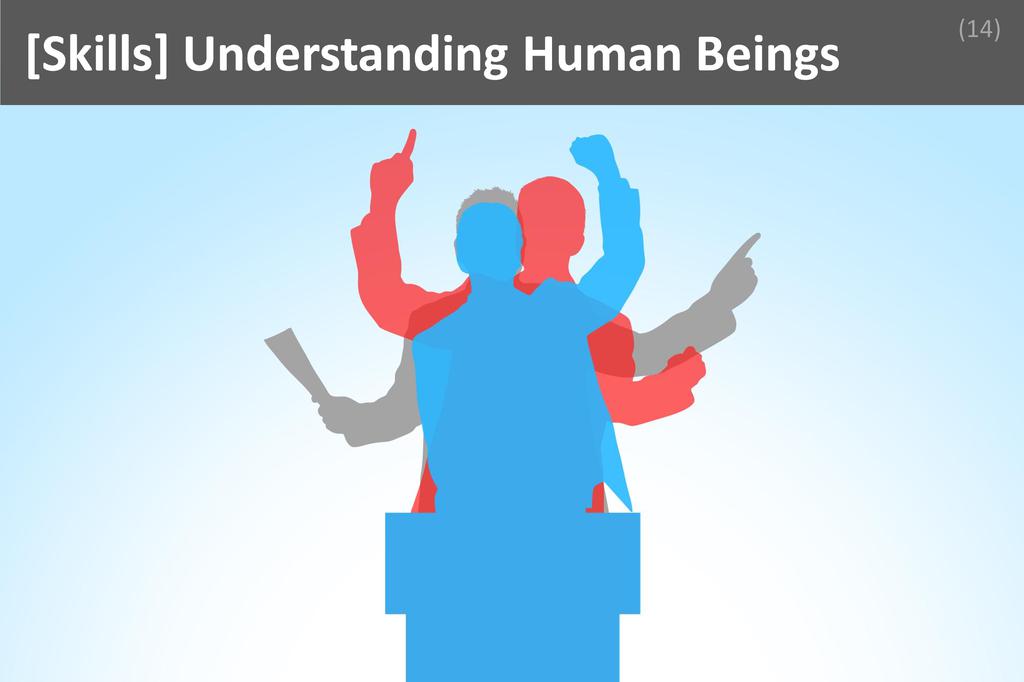
Understanding Human Beings refers to the ability to perceive, interpret, and empathize with the emotions, motivations, and behaviors of others. In Teaching Management, this skill enables professionals to connect with educators, students, and stakeholders, fostering trust and collaboration. It is fundamental for effective communication, conflict resolution, and leadership within educational environments.

Concept
Mastering the art of understanding human beings significantly enhances a Teaching Management professional’s effectiveness. This skill allows leaders to tailor their communication, anticipate challenges, and support diverse teams, leading to improved morale and productivity. Employers and clients value this competency because it creates a positive, inclusive culture where individuals feel heard and respected, directly impacting retention and success rates. Cultivating this skill involves active listening, seeking feedback, and engaging in reflective practice. Over time, exposure to varied perspectives and ongoing professional development further deepen one’s ability to understand and respond to the needs of others, making it an indispensable asset in the dynamic field of education management.

Real World Example
Imagine a Teaching Manager overseeing a team of educators who are resistant to a new curriculum change. By drawing on their understanding of human beings, the manager recognizes underlying anxieties about increased workload and unfamiliar teaching methods. Instead of enforcing the change abruptly, the manager initiates open discussions, listens to concerns, and provides tailored support and training. This empathetic approach not only alleviates fears but also builds trust and buy-in among staff. As a result, the transition becomes smoother, and the team feels valued and motivated, demonstrating how understanding human beings can turn a potential conflict into a collaborative success.

Communication

### Communication Image
What is
Communication is the process of exchanging information, ideas, and emotions through verbal, nonverbal, and written means to achieve mutual understanding. In Teaching Management, communication serves as the foundation for building relationships, delivering instructions, resolving conflicts, and fostering collaboration among educators, students, and stakeholders. It is indispensable for effective leadership.

Concept
Strong communication skills enable Teaching Management professionals to articulate expectations clearly, provide constructive feedback, and inspire their teams. This directly enhances organizational performance by reducing misunderstandings and promoting a positive learning environment. Employers and clients highly value this skill because it ensures smooth coordination and the successful implementation of educational strategies. To cultivate communication skills, professionals should seek opportunities for public speaking, actively listen to others, and engage in reflective practices. Over time, consistent practice and openness to feedback help refine both verbal and written communication abilities, making Teaching Managers more effective leaders and collaborators within their institutions.

Real World Example
Imagine a Teaching Manager facing resistance from faculty members regarding the adoption of a new digital learning platform. By leveraging strong communication skills, the manager organizes a meeting to listen to concerns, explains the benefits of the platform, and addresses misconceptions with empathy and clarity. Through open dialogue and transparent information sharing, the manager builds trust and encourages buy-in from the team. As a result, the transition to the new platform becomes smoother, and faculty members feel supported and understood. This scenario highlights how effective communication can resolve critical issues, foster collaboration, and drive successful outcomes in Teaching Management.

Creativity

### Creativity Image
What is
Creativity is the ability to generate original ideas, approaches, or solutions by combining existing knowledge in novel ways. In Teaching Management, creativity empowers professionals to design engaging learning experiences, adapt to diverse student needs, and solve complex educational challenges, making it a crucial asset for effective leadership and instructional innovation.

Concept
Creativity enhances performance in Teaching Management by enabling professionals to craft innovative curricula, implement dynamic teaching strategies, and respond flexibly to unexpected classroom situations. Employers and clients highly value this skill because it leads to improved student engagement, higher achievement, and a more adaptable educational environment. Cultivating creativity involves continuous learning, exposure to new teaching methods, and a willingness to experiment with unconventional ideas. Over time, professionals can foster creativity by collaborating with colleagues, seeking feedback, and reflecting on both successes and failures. This ongoing development ensures that teaching managers remain responsive to evolving educational demands and can inspire both students and staff to reach their full potential.

Real World Example
Imagine a Teaching Manager faced with declining student motivation and participation in a remote learning environment. Relying on creativity, the manager designs a series of interactive, project-based assignments that incorporate real-world problems and digital collaboration tools. By reimagining traditional lesson plans and integrating technology in unexpected ways, the manager not only revitalizes student interest but also fosters a sense of community among learners. This creative approach leads to improved attendance, higher engagement, and better learning outcomes, demonstrating how essential creativity is for overcoming challenges and achieving success in Teaching Management.

Positives


Personality Development

### Personality Development Image
What is
Personality development is the continuous process of enhancing one’s character, communication skills, emotional intelligence, and overall demeanor to become a more effective and confident individual. In teaching management, this growth is essential because it shapes leaders who inspire, motivate, and guide both educators and students toward achieving their highest potential.

Concept
The emphasis on personality development in teaching management transforms the profession into a journey of self-discovery and improvement. As managers interact with diverse teams, handle challenging situations, and communicate complex ideas, they naturally refine their interpersonal skills and emotional resilience. This ongoing growth not only boosts their confidence but also enhances their ability to lead with empathy and vision. The sense of accomplishment that comes from personal and professional evolution leads to greater job satisfaction, as individuals witness their positive influence on colleagues and students. Each day presents opportunities to learn, adapt, and become a more effective leader, making the work both meaningful and deeply rewarding.

Real World Example
Imagine a teaching manager who once struggled with public speaking and conflict resolution. Through daily interactions, workshops, and feedback sessions, they gradually develop strong communication skills and a calm, assertive presence. When faced with a difficult staff meeting, they confidently mediate disagreements and foster a collaborative atmosphere. Colleagues notice the transformation, seeking guidance and support, which further reinforces the manager’s growth. This real-world experience highlights how personality development not only improves professional effectiveness but also brings a profound sense of fulfillment, as the manager witnesses tangible results from their personal evolution and positively impacts the educational environment.

Continuous Learning

### Continuous Learning Image
What is
Continuous Learning is the ongoing process of acquiring new knowledge, skills, and insights throughout one’s career, adapting to changes, and embracing innovation. In Teaching Management, this mindset ensures professionals remain effective, relevant, and inspired, as they constantly evolve alongside educational trends, pedagogical research, and the diverse needs of students and staff.

Concept
The dynamic nature of education means that Teaching Management professionals are always presented with new challenges and opportunities to grow. Continuous Learning empowers them to stay ahead of educational advancements, curriculum updates, and leadership strategies. This ongoing development not only enhances their expertise but also fosters a sense of accomplishment and purpose. As they master new concepts and refine their approaches, they experience greater job satisfaction and are better equipped to support their teams and students. The culture of learning becomes contagious, inspiring colleagues and creating a vibrant, forward-thinking environment. Ultimately, the commitment to continuous improvement transforms routine tasks into meaningful experiences, fueling both personal and professional growth every day.

Real World Example
Imagine a Teaching Manager who attends a workshop on digital classroom tools. Inspired by what they learn, they implement new technology to streamline lesson planning and student engagement. As they witness improved outcomes and increased enthusiasm among teachers and students, the manager feels a renewed sense of purpose. This experience not only sharpens their own skills but also encourages their team to embrace innovation. The positive results reinforce the value of staying curious and adaptable, making each day more rewarding. Through continuous learning, the manager not only advances their own career but also elevates the entire educational community, proving that growth and fulfillment are ongoing journeys in Teaching Management.

Exposure to Different Kinds of People

### Exposure to Different Kinds of People Image
What is
Exposure to different kinds of people means regularly interacting with individuals from diverse backgrounds, cultures, perspectives, and experiences. In teaching management, this exposure enriches professional and personal growth by fostering empathy, adaptability, and open-mindedness. It encourages continuous learning and helps educators develop inclusive strategies that benefit both staff and students.

Concept
The opportunity to engage with a wide variety of people is a cornerstone of satisfaction in teaching management. Each day brings new interactions with teachers, students, parents, and administrators, each offering unique viewpoints and challenges. This diversity keeps the role dynamic and intellectually stimulating, preventing monotony and encouraging creative problem-solving. By learning from others’ experiences and adapting to different communication styles, teaching managers become more effective leaders and mentors. This constant exchange of ideas and perspectives not only enhances professional skills but also deepens a sense of purpose, as managers witness firsthand the positive impact of inclusive and collaborative environments. Ultimately, this exposure fuels personal growth and cultivates a vibrant, supportive community within educational institutions.

Real World Example
Imagine a teaching manager overseeing a multicultural team of educators and students in an international school. Each day, they collaborate with teachers from various countries, each bringing distinct teaching philosophies and cultural traditions. When a conflict arises between two staff members due to differing classroom management styles, the manager draws upon their exposure to diverse perspectives to mediate effectively. By understanding and respecting each individual’s background, the manager facilitates a constructive dialogue, leading to a creative compromise that benefits the entire team. This experience not only resolves the immediate issue but also strengthens the sense of unity and respect within the school, leaving the manager with a profound sense of accomplishment and fulfillment.

Deeper Understanding of People

### Deeper Understanding of People Image
What is
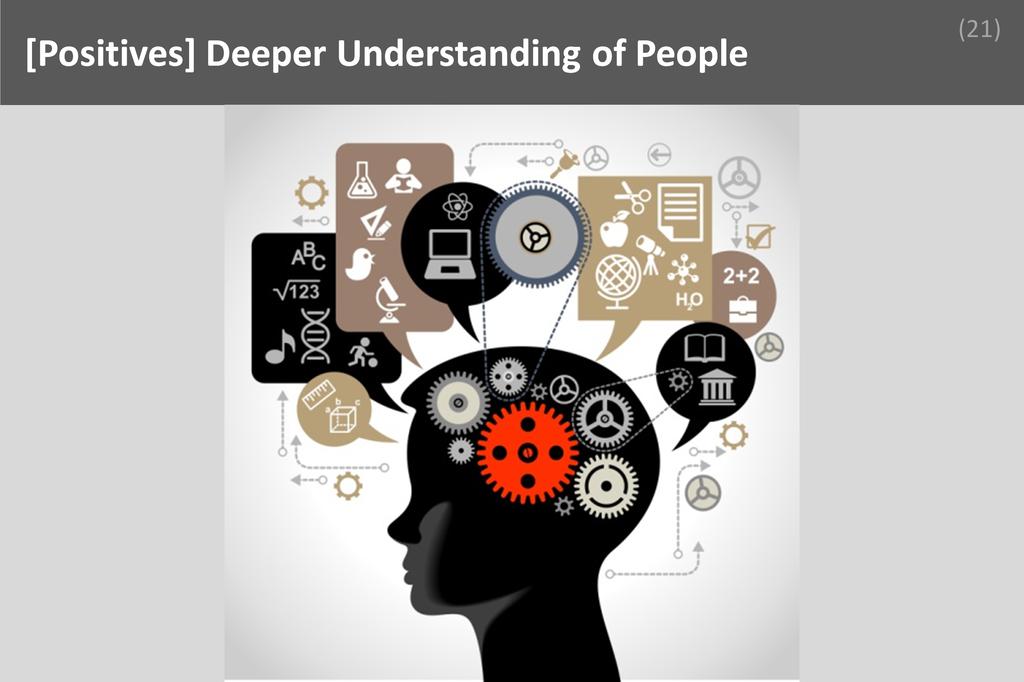
Deeper Understanding of People is the ability to perceive, empathize with, and respond to the diverse motivations, backgrounds, and needs of individuals. In teaching management, this means recognizing what drives students and colleagues, adapting communication styles, and fostering inclusive environments, which leads to more effective leadership and meaningful connections.

Concept
This profound awareness of others is a cornerstone of success and satisfaction in teaching management. It enables managers to build trust, resolve conflicts, and inspire teams, creating a positive culture where everyone feels valued. By understanding the unique strengths and challenges of each person, teaching managers can tailor their support, encourage professional growth, and cultivate a collaborative atmosphere. This daily engagement with people’s stories and aspirations not only enhances the effectiveness of educational programs but also brings a deep sense of purpose and fulfillment. The ability to genuinely connect with others transforms routine tasks into opportunities for growth, making every interaction a chance to make a lasting difference.

Real World Example
Imagine a teaching manager overseeing a diverse team of educators, each with distinct teaching styles and personal backgrounds. By taking the time to listen and understand their perspectives, the manager identifies underlying concerns and aspirations. One teacher, initially reserved, opens up about feeling overwhelmed by new technology. The manager responds with empathy, arranging peer support and tailored training. As a result, the teacher gains confidence, the team grows closer, and student outcomes improve. This experience not only strengthens the team but also gives the manager a profound sense of accomplishment, knowing that their deeper understanding of people has directly contributed to both individual and collective success.

Challenges


No Formal Training in Management

### No Formal Training in Management Image
What is
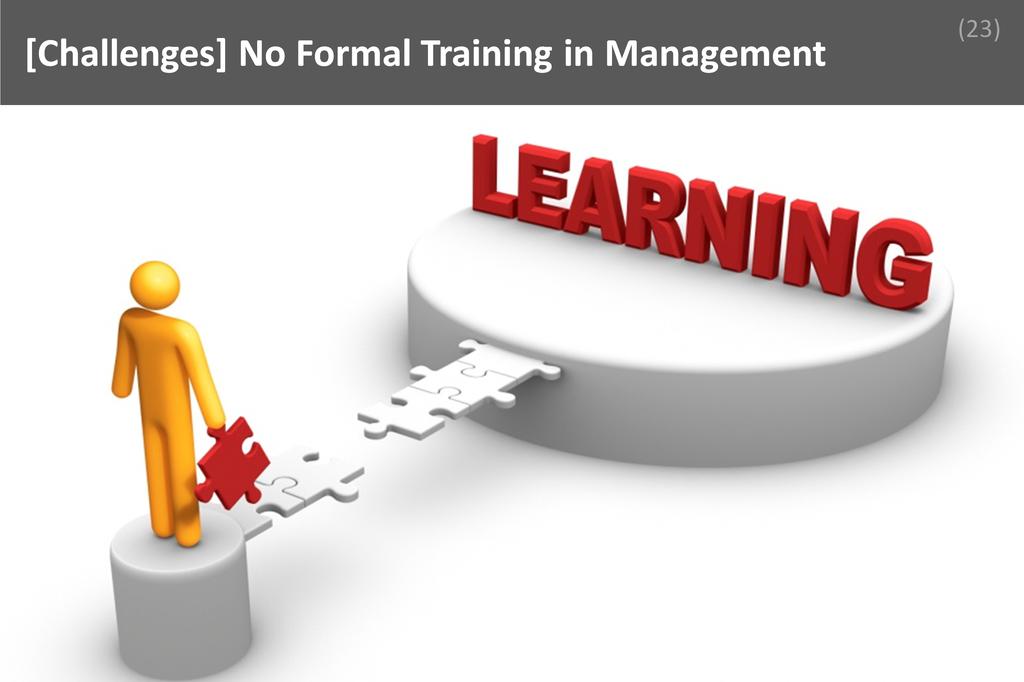
No Formal Training in Management, within Teaching Management, refers to educators or academic leaders who assume managerial roles without structured education or certification in management principles. This gap is demanding because it leaves professionals to navigate complex organizational, interpersonal, and administrative tasks without foundational knowledge or proven frameworks to guide their decisions.

Concept
The absence of formal management training can significantly complicate daily responsibilities for those in Teaching Management. Tasks such as conflict resolution, team leadership, resource allocation, and strategic planning become more challenging without a solid grounding in management theory or practice. This situation often leads to increased stress, uncertainty, and the risk of ineffective decision-making. Professionals must demonstrate resilience by learning on the job, seeking mentorship, and leveraging peer support. Many successful individuals compensate for this gap by engaging in self-directed learning, attending workshops, and observing experienced colleagues. Over time, they develop a practical understanding of management through trial, error, and reflection, gradually building the confidence and skills necessary to lead effectively despite the initial lack of formal training.

Real World Example
Consider a department head at a secondary school who is promoted from a teaching role without any formal management education. Initially, she struggles with delegating tasks, mediating staff disagreements, and organizing departmental meetings. Recognizing her limitations, she seeks advice from more experienced administrators, reads management literature, and participates in local educational leadership seminars. By applying new strategies and reflecting on outcomes, she gradually becomes more adept at handling team dynamics and administrative duties. Her willingness to learn and adapt enables her to foster a collaborative environment, improve departmental performance, and gain the respect of her colleagues, all while overcoming the initial challenge of lacking formal management training.

Keeping Yourself Updated

### Keeping Yourself Updated Image
What is
Keeping yourself updated in Teaching Management means continuously staying informed about the latest educational research, pedagogical strategies, technological advancements, and regulatory changes. This is demanding because the education landscape evolves rapidly, requiring managers to adapt quickly, integrate new knowledge, and ensure their teams are equally prepared for ongoing transformation.

Concept
The challenge of keeping updated can lead to information overload, decision fatigue, and a sense of falling behind, all of which can impact daily operations and long-term planning. Teaching managers must juggle administrative duties, staff development, and curriculum oversight while absorbing new trends and mandates. This ongoing pressure demands resilience, adaptability, and a proactive mindset. Successful professionals often carve out dedicated time for professional development, leverage peer networks for shared learning, and prioritize the most relevant updates to their specific context. By cultivating a habit of continuous learning and filtering information effectively, they maintain their competence and confidence, ensuring their institutions remain responsive and innovative.

Real World Example
Consider a head of department at a secondary school who faces the constant influx of new digital learning tools and curriculum updates. Rather than becoming overwhelmed, she subscribes to a select group of reputable educational journals and participates in monthly webinars. She also encourages her team to share insights from their own professional development activities during regular meetings. By fostering a culture of collaborative learning and focusing on the most impactful innovations, she ensures her department remains at the forefront of effective teaching practices. This approach not only keeps her team updated but also builds collective resilience and adaptability in the face of ongoing change.

Learning New Things

### Learning New Things Image
What is
Learning new things in Teaching Management refers to the ongoing need for professionals to adapt to evolving educational technologies, pedagogical theories, and administrative policies. This challenge is demanding because it requires continuous self-improvement, rapid assimilation of information, and the ability to implement changes while maintaining high standards in both teaching and management roles.

Concept
The necessity to constantly learn new things can disrupt established routines and create uncertainty in daily work for teaching managers. It often leads to increased workloads, as professionals must balance their existing responsibilities with the demands of professional development. This situation requires resilience, as adapting to change can be mentally taxing and may initially impact confidence or performance. Successful professionals overcome this constraint by cultivating a growth mindset, seeking collaborative learning opportunities, and integrating new knowledge incrementally into their practices. They view challenges as opportunities for improvement rather than obstacles, and they actively seek feedback to refine their approaches. By embracing lifelong learning, they not only stay current but also inspire their teams to do the same, fostering a culture of adaptability and innovation.

Real World Example
Consider a head of department at a secondary school who is tasked with implementing a new digital learning platform across multiple subjects. Initially unfamiliar with the technology, the manager dedicates time to online tutorials and collaborates with tech-savvy colleagues to master the system. Rather than feeling overwhelmed, they break the learning process into manageable steps, gradually introducing the platform to staff through workshops and one-on-one support. By openly acknowledging their own learning curve, they encourage teachers to share their experiences and solutions. This approach not only ensures a smoother transition but also builds trust and collective competence within the team, demonstrating how embracing the challenge of learning new things can lead to successful and sustainable change in teaching management.

Conveying Message to Students

### Conveying Message to Students Image
What is
Conveying message to students in Teaching Management refers to the process of ensuring that instructions, expectations, and educational content are clearly understood by all learners. This task is demanding because students have diverse backgrounds, learning styles, and levels of engagement, making it challenging to guarantee comprehension and consistent communication.

Concept
The difficulty of conveying messages to students significantly impacts daily work in teaching management, as miscommunication can lead to confusion, disengagement, and reduced academic performance. Professionals must constantly adapt their communication methods, balancing clarity with empathy, and often need to repeat or rephrase information to reach every student. This ongoing challenge requires resilience, as setbacks are common and progress can be slow. Successful professionals manage this constraint by fostering open dialogue, actively seeking feedback, and employing a variety of communication channels. They remain patient and flexible, continuously refining their approach to meet students’ evolving needs, and view each communication hurdle as an opportunity for growth and improved connection.

Real World Example
Consider a teaching manager overseeing a blended learning environment where students access materials both online and in person. Initially, many students misunderstand assignment deadlines and expectations, resulting in incomplete submissions. Recognizing the communication gap, the manager implements weekly video updates, clarifies instructions during class, and creates a dedicated online forum for questions. By consistently reinforcing key messages through multiple formats and encouraging students to voice their uncertainties, the manager gradually sees improved comprehension and participation. This proactive approach not only resolves the immediate issue but also builds a culture of open communication, demonstrating how adaptability and persistence can overcome the challenge of effectively conveying messages to students.

A Day Of


Teaching Management

What is
The hum of anticipation fills the air long before the first bell rings in the world of Teaching Management. Here, every day is a dynamic blend of strategic oversight, hands-on problem-solving, and the art of fostering both educators and learners. The pace is brisk, the environment ever-shifting, and the stakes are high as teaching management professionals juggle the demands of curriculum planning, staff coordination, and student outcomes. It’s a role that requires equal parts vision and adaptability, where no two days are ever quite the same, and every decision can ripple through classrooms and corridors alike.

Concept
As dawn breaks, a teaching management professional is already at their desk, reviewing emails from faculty, checking the day’s schedule, and scanning for any overnight developments that could impact the school day. This is the time for quiet reflection and strategic planning, ensuring that lesson plans are aligned, substitute coverage is arranged if needed, and any last-minute changes are communicated to staff. The early morning hours are crucial for setting a positive tone, troubleshooting potential issues, and making sure that both teachers and students have the resources they need to start the day strong.

Real World Example
By mid-morning, the building is alive with activity, and the teaching management professional is in the thick of it—observing classrooms, coaching teachers, and addressing student concerns as they arise. This is the most intense and interactive part of the day, where quick thinking and clear communication are essential. Whether mediating a conflict, providing feedback on instructional practices, or responding to unexpected challenges, the focus is on supporting teaching excellence and maintaining a positive, productive learning environment. Every interaction is an opportunity to inspire, guide, and reinforce the school’s mission.

The afternoon brings a shift toward collaboration and execution, as meetings with department heads, curriculum teams, or external partners take center stage. Here, the teaching management professional facilitates discussions on instructional strategies, reviews student data, and coordinates upcoming projects or events. This is the time to ensure that initiatives are moving forward, resources are allocated effectively, and everyone is aligned on goals and expectations. The energy is focused on teamwork, problem-solving, and turning plans into action, all while keeping an eye on the bigger picture.

As the school day winds down, the teaching management professional turns to wrap-up tasks—reviewing progress, responding to outstanding emails, and documenting key developments from the day. This is also a moment for reflection, analyzing what worked well and identifying areas for improvement. Planning for tomorrow begins now, as schedules are adjusted, priorities are set, and professional development opportunities are considered. The day ends with a sense of accomplishment and a renewed commitment to continuous growth, both for the school and for oneself.


Install the LifePage App to:


  1. (for Free) Watch Team Leader Rajen Samuel Brijnath’s full Teaching Management Career Talk

  2. ₹ Do a Self Assessment on Teaching Management to calculate your Dream Index, which is defined as:

    According to Rajen Samuel Brijnath your chances of success in Teaching Management is __%

  3. Access your personalized Dream Index Report which will have all your Dream Indices sorted in descending order.

Career Counselling 2.0


<?php echo $altimage; ?>


<?php echo $altimage; ?>


How to get into

Teaching Management?


If you are want to get into Teaching Management, start by investing in a Career Plan.

The 14 hour process, guided by a LifePage Career Advisor, will help you introspect and check whether your interest in Teaching Management is merely an infatuation or is it truly something you wish to do for the rest of your life.

Next, your Career Advisor will help you document how you can get into Teaching Management, what education and skills you need to succeed in Teaching Management, and what positives and challenges you will face in Teaching Management.

Finally, you will get a Career Plan stating which Courses, Certifications, Trainings and other Items you need to do in the next 7 years to become world’s best in Teaching Management.


LifePage Career Plan

14 hour personalized guidance program


Your LifePage Career Advisor facilitates your guided introspection so that you systematically explore various Career options to arrive at a well thought out Career choice.

Next: your Advisor helps you figure out how you will get into your chosen Career and how will you develop the skills needed for success in your Chosen Career.

LifePage Plan will not stop at saying "to become an Architect study Architecture". It will guide you on which Certifications, Trainings and Other items you need to do along with your Architecture education to become the world's best Architect.


Links for this Talk


Team Leader Rajen Samuel Brijnath's LifePage:


Career Counselling 2.0
[LifePage]
https://www.lifepage.in/page/rajensamuelbrijnath


LifePage Career Talk on Teaching Management


Career Counselling 2.0
[Career]
https://www.lifepage.in/careers/teaching-management-2


Career Counselling 2.0
[Full Talk]
https://lifepage.app.link/20171212-0003


Career Counselling 2.0
[Trailer]
https://www.youtube.com/watch?v=pel_ZKkGZQU


(Teaching Management, Rajen Samuel Brijnath, Manpower Development Group, Management, Buisness Studies, Human Resource Management)


Similar Talks



Career in Innovation Management
Innovation Management
Kapil Rawat
Vice President - Innovation | Citibank, Dublin
[ 1 year & 7 months Experience ]

Innovation management includes a set of tools that allow managers and engineers to cooperate with a common understanding of processes and goals. Innovation management allows the organization to respond to external or internal opportunities, and use its creativity to introduce new ideas, processes or products.

"I worked for Citibank's Innovation Center for Excellence in Dublin and was responsible for managing two significant innovations in the Global Transaction Services business."


Career Counselling 2.0 Career Counselling 2.0 Career Counselling 2.0 Career Counselling 2.0 Career Counselling 2.0


Career in General Management
General Management
Col Deepak Badoni
Chief Executive Officer | Bhagalpur Electricity Distribution Company
[ 2 years Experience ]

Since the liberalization of the power sector we are seeing private companies enter into generation, transmission and distribution of electricity. The head of any such company is responsible to cater for increased expectations from end users. General Management is the art of making sure that the organization in totality delivers to expectations of both the end consumer and also the financial health of the company.

"After holding senior techno-commercial positions in various power sector companies I was appointed as the CEO for a power distribution company. In this video I share the nuances of power distribution sector."


Career Counselling 2.0 Career Counselling 2.0 Career Counselling 2.0 Career Counselling 2.0 Career Counselling 2.0


Career in Security Management
Security Management
Ramit Datta
Chief Security Officer | Ramada, Dehradun
[ 4 years & 11 months Experience ]

Security management is a broad field that encompasses everything from the supervision of security guards at malls and museums to the installation of high-tech security management systems designed to protect an organization's data.

"I did BA from Hindu College. I have represented India in diving and have won 62 gold medals. I have served in CRPF for 9 years. I shifted to Hospitality industry recently when I joined Lemon tree Hotel as Security Manager. I am Chief Security Officer at Ramada, Dehradun."


Career Counselling 2.0 Career Counselling 2.0 Career Counselling 2.0 Career Counselling 2.0 Career Counselling 2.0


Career in Business Management
Business Management
Nipun Vasudev
Senior Manager | Looks Unisex Salon
[ 4 years Experience ]

Business management is the administration of an organization, whether it is a business, a not-for-profit organization, or government body

"After completing my Schooling from Carmen, and my Graduation from Graphic Era, I did my MBA from Ansals. I have worked in events as well. I joined IBM in the Customer Service Department. I worked there for 2 in half years. In 2013 I joined Looks Unisex Salon as a Senior Manager."


Career Counselling 2.0 Career Counselling 2.0 Career Counselling 2.0 Career Counselling 2.0 Career Counselling 2.0


Career in Product Management
Product Management
Kapil Rawat
VP Liabilities Product | Citibank
[ 10 years Experience ]

Product Management is an organizational lifecycle function within a company dealing with the planning, forecasting, and production, or marketing of a product or products at all stages of the product lifecycle.

"After 2 years of financial management and 2 years of innovation management at Citibank, I took a transfer to India where I worked as the Liabilities Head for Citibank managing both the domestic as well as NRI market."


Career Counselling 2.0 Career Counselling 2.0 Career Counselling 2.0 Career Counselling 2.0 Career Counselling 2.0


Career in Project Management
Project Management
Brea Dutt
Project Manager | Accenture Digital
[ 4 years & 3 months Experience ]

A project manager is a professional in the field of project management. Project managers have the responsibility of the planning, procurement and execution of a project, in any undertaking that has a defined scope, defined start and a defined finish; regardless of industry

"After completing my Schooling from Vasant Valley, Delhi, I did Economics from Smith University, Massachusetts. I worked as a Business Analyst for a while, but always wanted to do something else. I am a Project Manager at Accenture Digital."


Career Counselling 2.0 Career Counselling 2.0 Career Counselling 2.0 Career Counselling 2.0 Career Counselling 2.0


Career in Business Management
Business Management
Meena Sharma
Owner | Hair Indulgence Salon
[ 2 years & 4 months Experience ]

Business Management is the administration of an organization, whether it is a business, a not-for-profit organization, or government body.

"After completing my Schooling from St Thomas, Dehradun, I did my Graduation from DAV. I also did a course in Public Relations from Polytechnic. After that, I have worked in the automobile industry as a Sales Manager. Later on, I joined Looks Unisex Salon as a Manager and in 2016, I started my own salon, since then I am managing my salon."


Career Counselling 2.0 Career Counselling 2.0 Career Counselling 2.0 Career Counselling 2.0 Career Counselling 2.0


Career in Security Management
Security Management
Major Gorki
COO | Intrust Management
[ 5 years & 2 months Experience ]

Security management is the identification of an organization's assets (including information assets), followed by the development, documentation and implementation of policies and procedures for protecting these assets.

"I served in the Indian Army for 13 years, after premature retirement, I travelled to many countries. Then I started a security management firm which is based out of the United States, South Africa and India."


Career Counselling 2.0 Career Counselling 2.0 Career Counselling 2.0 Career Counselling 2.0 Career Counselling 2.0


Career in HR Management
HR Management
Shubhi Verma
HR Manager | Various Assignments
[ 4 years & 10 months Experience ]

Human resource management (HRM or HR) is the strategic approach to the effective management of people in an organization, so that they help the business gain a competitive advantage. Commonly known as the HR department, it is designed to maximize employee performance in service of an employer's strategic objectives.

"After doing my schooling from St. Anthony's Junior College, Agra, I did my BBA from Sharda University and then did my MBA in Human Resource Management from Prin L N Welingkar Institute of Management Development & Research, Delhi. In 2014, I started my career as an HR Executive for Tech Mahindra and thereafter joined Lenskart.com as an HR Manager."


Career Counselling 2.0 Career Counselling 2.0 Career Counselling 2.0 Career Counselling 2.0 Career Counselling 2.0


Career in Product Management
Product Management
Sricharan Vadapalli
Practice Head | Pyramid Solutions
[ 5 years & 2 months Experience ]

Product management is an organisational lifecycle function within a company dealing with the planning, forecasting, and production, or marketing of a product or products at all stages of the product lifecycle.

"I joined IT MNC from college and worked for a Product Company for 8 years mostly in USA. I have also worked with MNC's and Startups. I am working as Practice Head of Data Analytics, DevOps and Cloud, currently with Pyramid Solutions. My books are on DevOps, Big Data and successful Relationships. Learning was my passion, I am certified SAP Hana consultant also certified in PMP, ITIL, OCA, INS21, FP, In Memory, I was always passionate about data and its value at the enterprise level hence I found my way into Big data Analytics. I have authored books on DevOps, Bigdata and relationships"


Career Counselling 2.0 Career Counselling 2.0 Career Counselling 2.0 Career Counselling 2.0 Career Counselling 2.0


Career in Security Management
Security Management
Arnav Das Gupta
Director | Helios Security Consulting
[ 8 years Experience ]

Security management is the identification of an organization's assets including people, buildings, machines, systems and information assets, followed by the development, documentation, and implementation of policies and procedures for protecting these assets

"I did my schooling from Marshall School, and completed my 12th from Scholars Home, Dehradun. I did my graduation from DAV PG College. After my Graduation I went on to do my Post Graduation from Gurukul Kangri University, Haridwar. I have worked with various places like Jindal, CMC and GE. I also went to US for 5 years. I came back to Dehradun and started my own company, Helios Security Consulting in 2009."


Career Counselling 2.0 Career Counselling 2.0 Career Counselling 2.0 Career Counselling 2.0 Career Counselling 2.0


Career in Project Management
Project Management
Gargi Gautam
IT Analyst | Tata Consultancy Services
[ 3 years & 9 months Experience ]

Project management is the practice of initiating, planning, executing, controlling, and closing the work of a team to achieve specific goals and meet specific success criteria at the specified time

"After completing my graduation from Uttar Pradesh Technical University in Computer Science (GNIT) in 2012, I started working with Sears IT & Management Services private limited where I worked till 2015 while I was a System Engineer. After that I have joined Tata Consultancy Services where my designation is IT Analyst and I am working as a Project Manager. Meanwhile in 2017 I had completed my Post Graduation Diploma in Management in Operations Management from All India Management Association."


Career Counselling 2.0 Career Counselling 2.0 Career Counselling 2.0 Career Counselling 2.0 Career Counselling 2.0


Career in Project Management
Project Management
Marcel Bandur
Research Assistant | Asia Research Institute
[ 3 years & 2 months Experience ]

Project Management is the application of knowledge, skills, tools, and techniques to project activities to meet the project requirements. The five essential elements of project management are initiating, planning, executing, monitoring and controlling, and closing.

"After completing my masters degree in Political Science from Singapore, I joined the Asia-Europe Foundation (ASEF) as a Project Officer where I was responsible for handling large-scale projects and events in the field of formal education, supporting the activities under ASEF's Higher Education Programme (AHEP)."


Career Counselling 2.0 Career Counselling 2.0 Career Counselling 2.0 Career Counselling 2.0 Career Counselling 2.0


Career in Teaching Management
Teaching Management
Neha
Assitant Professor | DIT University
[ 14 years Experience ]

Management is the administration of an organization, whether it is business, a non -profit organization, or government body.

"After completing my education, I started Teaching in Management College in 2005."


Career Counselling 2.0 Career Counselling 2.0 Career Counselling 2.0 Career Counselling 2.0 Career Counselling 2.0


Career in HR Business Partnering
HR Business Partnering
Aanchal Batra
HR Business Partner | Various Assignments
[ 6 years & 7 months Experience ]

HR business partners are HR professionals who work closely with an organization's senior leaders in order to develop an HR strategy that closely supports the overall aims of the organization.

"After doing my schooling from Bhavans Bhagwandas Purohit Vidhya Mandir Nagpur, I did my BTech in Computer Science from Nagpur university and then did MBA in Human Resources from IBS, Gurugram. I worked as Assistant Manager for InfoCepts Technologies Pvt Ltd in Gurugram for five years and later, in 2016 I joined Lenskart.com as an HR Business Partner."


Career Counselling 2.0 Career Counselling 2.0 Career Counselling 2.0 Career Counselling 2.0 Career Counselling 2.0


Career in Purchase Management
Purchase Management
Aneesh Sharma
Buyer Representative | Moksha
[ 6 years Experience ]

Purchase Management has three main aspects. First being sourcing which is finding the right product from the right place at the right price. Second being quality control that is to ensure that the standard of the product is met to match the needs of the Client. Lastly, logistics to ensure the smooth negotiations and final delivery of the purchased products.

"After my graduation, I helped my father in looking after the family business for around two years. I then took up a job of a purchase manager for a company called gipsy homes. It was the first time, I had worked in the field of purchase management and working with gipsy homes gave me great exposure. I soon shifted companies. I have been working as a purchase manager for a company called Moksha which is based in South America."


Career Counselling 2.0 Career Counselling 2.0 Career Counselling 2.0 Career Counselling 2.0


Career in Project Management
Project Management
Evandro Melo
Project Manager | Banco de Desenvolvimento de Minas Gerais
[ 3 years Experience ]

Project management is the practice of initiating, planning, executing, controlling, and closing the work of a team to achieve specific goals and meet specific success criteria at the specified time.

"I graduated in Psychology from the Universidade Federal de Minas Gerais, Brazil. I worked in Banco de Desenvolvimento de Minas Gerais, a development bank in Minas Gerais, for ten years before enrolling for an MBA degree in Project Management at Instituto de Educação Tecnológica, Brazil. Upon graduation, I started working as a Project Manager for Banco de Desenvolvimento de Minas Gerais."


Career Counselling 2.0 Career Counselling 2.0 Career Counselling 2.0 Career Counselling 2.0 Career Counselling 2.0


Career in Teaching Management
Teaching Management
Manu Sharma
Assistant Professor | Doon University
[ 10 years Experience ]

Management is the administration of an organization, whether it is a business, a not-for-profit organization, or government body.

"I did B Sc and an MBA from UP Technical University and I was the topper and a gold medalist. After that, I started working in Graphic Era University as an Assistant Professor. In 2012, I joined IMS University and I have also worked at UPES as Visiting Faculty. In 2013, I completed my Ph D in Marketing from Rohilkhand University. In 2018, I started doing my Postdoctoral from ICCSR sponsored by MHRD."


Career Counselling 2.0 Career Counselling 2.0 Career Counselling 2.0 Career Counselling 2.0 Career Counselling 2.0


Career in Order Management
Order Management
Deepak S
Operations Analyst | EMC2
[ 2 years & 1 month Experience ]

Order management is the administration of business processes related to orders for goods or services. An order management system (OMS) automates and streamlines order processing for businesses.

"I am a graduate in commerce from SBRR Mahajan College, Mysuru. After completing my MBA in Human Resources, I began working as an Operations Analyst at EMC2 before moving on to IBM as Subject Matter Expert (SME)."


Career Counselling 2.0 Career Counselling 2.0 Career Counselling 2.0 Career Counselling 2.0 Career Counselling 2.0


Career in Teaching Management
Teaching Management
Prof Sachin Ghai
Associate Professor | Graphic Era University, Dehradun
[ 15 years Experience ]

Besides gaining knowledge and experience in your technical domain, Teaching Management requires discipline, interest and understanding of Teaching / Learning Processes and adding to the body of knowledge, by reading and practicing topics & concepts related to Effective teaching, Student Psychology & Engagement, Pedagogy & Andragogy, Levels of Learning, Blooms Taxonomy, Technology enabled teaching, Outcome based teaching and much more. Teaching requires development of the habit of reading, writing and communicating, practice content generation & management and develop delivery and demonstration skills. It is imperative for an effective teacher to have clarity of thought and well-developed higher order skills, to facilitate holistic development of his scholars, and prepare them for life. Management Teaching encompasses lot more than just teaching, life skills coaching, researching and authoring, training and development, executive education, academic Administration and more.

"I have done master of Economics, Bachelor of Management and Information Technology. I am an Academician, Life Coach and Trainer with over 15 years of experience. My areas of academic interest are Economics, Management & Behavioral Sciences, Personality Development, Communication, Soft-skills and Psycho-linguistics. I have conducted management and communication skill enhancement classes for various professional courses and for managers and working professionals. I have been on the Editorial Advisory Board for the book published by IGI Global on Socio-Economic Development."


Career Counselling 2.0 Career Counselling 2.0 Career Counselling 2.0 Career Counselling 2.0 Career Counselling 2.0


Career in Knowledge Management
Knowledge Management
Dr Shantanu Ganguly
Fellow | TERI
[ 29 years Experience ]

Knowledge management is the process of creating, sharing, using and managing the knowledge and information of an organisation. It refers to a multidisciplinary approach to achieving organisational objectives by making the best use of knowledge.

"I have done B Sc, M Sc, MBA in Marketing Management, B LISc, M LISc, PG Diploma in Computer Applications and a Ph D in Marketing of Special Library Services. I am working in TERI since 1990 as a Fellow in the Knowledge Management division."


Career Counselling 2.0 Career Counselling 2.0 Career Counselling 2.0 Career Counselling 2.0 Career Counselling 2.0


[Install the LifePage App to access all Talks]


<?php echo $altimage; ?>


<?php echo $altimage; ?>


&mbsp;


Career Counselling 2.0 | Home   Home  
Career Counselling 2.0 | Abroad   Abroad  
Career Counselling 2.0 | Plan   Plan  
Career Counselling 2.0 | Talks   Talks  
Career Counselling 2.0 | Philosophy   Philosophy  
Career Counselling 2.0 | Seminar   Seminar  
Career Counselling 2.0 | Workshop   Workshop  
Career Counselling 2.0 | Pages   Pages  
Career Counselling 2.0 | Advisors   Advisors  
Career Counselling 2.0 | Discuss   Discuss  
Career Counselling 2.0 | Meet   Meet  
Career Counselling 2.0 | Advisor   Advisor  
Career Counselling 2.0 | Story   Story  
Career Counselling 2.0 | Fine Print   Fine Print  
Career Counselling 2.0 | Links   Links  
Career Counselling 2.0 | Blog   Blog  
Career Counselling 2.0 | Testimonials   Testimonials  
Career Counselling 2.0 | Follow   Follow  
 
[ Site Visits ]


Career Counselling 2.0