The Journey of Teaching Management
What Is Teaching Management
Teaching Management
Teaching Management is the practice of overseeing, guiding, and improving the educational process within academic institutions. It involves planning, organizing, and coordinating teaching activities, ensuring effective curriculum delivery, supporting educators, and fostering a positive learning environment to achieve educational goals and enhance student outcomes.
Teaching Management plays a crucial role in shaping the quality of education within schools, colleges, and universities. By providing structure and leadership, it ensures that teaching standards are maintained and continuously improved. Professionals in this field benefit from the ability to influence curriculum development, mentor educators, and implement innovative teaching strategies. The impact extends to creating a collaborative culture among staff, improving student engagement and achievement, and ensuring that educational institutions meet regulatory and accreditation standards. Effective Teaching Management also leads to better resource allocation and professional development opportunities, which collectively enhance the reputation and success of educational organizations.
A Teaching Manager at a secondary school might be responsible for coordinating the efforts of a team of teachers across multiple subjects. This professional would analyze student performance data to identify areas needing improvement, organize regular training sessions for teachers, and introduce new teaching technologies to the classroom. By fostering open communication among staff and encouraging the sharing of best practices, the Teaching Manager ensures that lessons are engaging and aligned with curriculum standards. As a result, both teachers and students benefit from a more supportive and effective educational environment, leading to higher academic achievement and greater job satisfaction among educators.
Education
Marketing

Marketing is the strategic process of identifying, anticipating, and satisfying customer needs through the creation, communication, and delivery of value. In the context of Teaching Management, marketing encompasses promoting educational programs, engaging stakeholders, and ensuring the institution’s offerings align with the needs of students and the broader community.
Understanding marketing is essential for anyone in Teaching Management because educational institutions operate in increasingly competitive environments. Leaders must attract students, secure funding, and build strong relationships with parents, alumni, and the community. Mastery of marketing principles enables professionals to position their institution effectively, communicate its unique strengths, and respond to changing educational demands. This knowledge supports the development of compelling program offerings and enhances institutional reputation. Over the long term, marketing expertise helps teaching managers adapt to trends, foster innovation, and ensure sustainable growth. It also empowers them to advocate for their institution’s mission and values, making them more effective leaders and collaborators within the educational sector.
Consider a teaching manager at a secondary school tasked with increasing student enrollment for a new STEM program. Drawing on their marketing knowledge, they conduct market research to understand what local families and students value most in educational offerings. They then craft targeted messages highlighting the program’s benefits, such as hands-on learning and future career opportunities, and share these through open houses, social media, and partnerships with community organizations. By applying marketing strategies, the manager not only boosts enrollment but also strengthens the school’s reputation as an innovative and responsive institution. This practical use of marketing theory ensures the program’s success and demonstrates the direct impact of marketing skills in daily educational management.
Strategic Management

Strategic Management is the process of formulating, implementing, and evaluating cross-functional decisions that enable an organization to achieve its objectives. In Teaching Management, it serves as a critical framework, guiding educational leaders in aligning institutional goals, resources, and policies to foster effective learning environments and drive organizational success.
Understanding strategic management is essential for anyone preparing for or working in Teaching Management because it equips professionals with the ability to analyze complex educational environments, anticipate challenges, and make informed decisions. Mastery of this subject helps educators and administrators set clear visions, allocate resources efficiently, and adapt to changing educational trends. It also fosters leadership skills, enabling professionals to inspire teams, manage change, and sustain institutional growth. Over the long term, proficiency in strategic management enhances career prospects by demonstrating the capacity to lead with foresight, manage stakeholder expectations, and contribute to the continuous improvement of educational institutions. This foundational knowledge is indispensable for those aspiring to make a meaningful impact in the field of education.
Consider a department head at a university who is tasked with improving student outcomes and faculty performance. Drawing on their knowledge of strategic management, they begin by conducting a thorough analysis of current teaching methods, resource allocation, and student feedback. They then develop a strategic plan that introduces innovative teaching technologies, professional development workshops for faculty, and new assessment methods to better track student progress. Throughout the academic year, the department head monitors the implementation of these initiatives, adjusts strategies based on data, and communicates progress to stakeholders. By applying strategic management principles, they successfully create a more dynamic and effective learning environment, demonstrating the tangible benefits of this discipline in daily educational leadership.
Production

Production refers to the process of creating goods or services by combining various resources such as labor, materials, and technology to achieve desired outcomes. In the context of Teaching Management, understanding production is essential for designing, implementing, and evaluating educational programs and ensuring the efficient delivery of learning experiences.
A solid grasp of production principles is crucial for anyone in Teaching Management because it underpins the effective organization and delivery of educational services. By understanding how resources are allocated and transformed into valuable learning experiences, professionals can optimize processes, reduce waste, and enhance the quality of education. This knowledge enables managers to make informed decisions about curriculum development, resource allocation, and staff deployment. Over time, mastering production concepts leads to improved operational efficiency, higher student satisfaction, and better educational outcomes. It also equips professionals with the analytical skills needed to adapt to changing demands, implement innovations, and sustain continuous improvement within educational institutions, thereby supporting long-term career growth and institutional success.
Consider a Teaching Manager responsible for coordinating a new blended learning program. By applying their understanding of production, they analyze the resources required, such as digital platforms, teaching staff, and classroom materials. They then design workflows to integrate online and in-person instruction efficiently, ensuring that each component complements the others. Throughout the program, the manager monitors resource usage and student engagement, making adjustments to maximize learning outcomes while minimizing unnecessary expenditures. This practical application of production theory allows the manager to deliver a high-quality educational experience, maintain budgetary control, and respond proactively to feedback, demonstrating the real-world value of production knowledge in daily teaching management operations.
Human Resources

Human Resources refers to the organizational function focused on recruiting, developing, managing, and supporting employees to achieve institutional goals. In Teaching Management, it encompasses understanding staff needs, fostering professional growth, and ensuring compliance with policies, making it an essential component of both academic study and practical leadership within educational environments.
A solid grasp of Human Resources is crucial for anyone in Teaching Management because it underpins the effective administration of educational staff and the creation of a positive work culture. Mastery of HR concepts enables leaders to navigate complex issues such as recruitment, performance evaluation, conflict resolution, and professional development. This knowledge ensures that teaching managers can attract and retain talented educators, maintain legal and ethical standards, and promote continuous improvement within their teams. Over the long term, understanding Human Resources empowers professionals to build resilient, adaptable organizations that respond effectively to change, ultimately enhancing both staff satisfaction and student outcomes.
Consider a head of department at a secondary school who notices a decline in teacher morale and an increase in staff turnover. Drawing on their Human Resources knowledge, they conduct confidential staff surveys to identify underlying issues, such as workload imbalance and lack of recognition. The manager then collaborates with teachers to redesign schedules, introduces peer mentoring programs, and establishes regular feedback sessions. By applying HR principles, the manager not only addresses immediate concerns but also fosters a supportive environment where teachers feel valued and motivated. This proactive approach leads to improved retention, higher job satisfaction, and a more cohesive teaching team, directly benefiting the school’s overall performance.
Information Technology

Information Technology refers to the use, development, and management of computer systems, software, and networks for processing and distributing data. In Teaching Management, it encompasses the digital tools and systems that support educational administration, communication, and learning processes, making it an essential component of modern academic and professional expertise.
Understanding Information Technology is crucial for anyone involved in Teaching Management because it underpins nearly every aspect of educational administration and delivery. Mastery of IT enables professionals to efficiently manage student records, streamline communication, and implement digital learning platforms. As educational environments become increasingly digital, those with strong IT skills can adapt to new technologies, ensuring that their institutions remain competitive and effective. Additionally, IT proficiency enhances problem-solving abilities and supports data-driven decision-making, both of which are vital for long-term career growth. By integrating IT knowledge into their skill set, teaching managers position themselves as forward-thinking leaders capable of navigating the evolving landscape of education.
Consider a teaching manager responsible for coordinating a blended learning program in a secondary school. By leveraging their understanding of Information Technology, they can seamlessly integrate a learning management system to track student progress, distribute resources, and facilitate communication between teachers, students, and parents. When technical issues arise, such as data synchronization errors or access problems, the manager’s IT knowledge allows them to troubleshoot effectively or liaise with technical support using precise terminology. This not only ensures minimal disruption to the learning process but also builds trust among staff and students. Ultimately, their IT competence enables them to create a more organized, responsive, and innovative educational environment.
Finance

Finance is the discipline concerned with the management, creation, and study of money, investments, and other financial instruments. It encompasses budgeting, forecasting, and resource allocation. For those in Teaching Management, finance is a crucial area of expertise, enabling informed decision-making and effective stewardship of educational resources within academic institutions.
Understanding finance is essential for professionals in Teaching Management because it underpins the ability to allocate resources efficiently, plan budgets, and ensure the sustainability of educational programs. Mastery of financial principles allows managers to justify expenditures, secure funding, and evaluate the financial health of their departments or institutions. This knowledge forms the backbone of strategic planning, helping leaders balance educational goals with fiscal responsibility. Over the long term, a solid grasp of finance empowers teaching managers to adapt to changing funding landscapes, advocate for necessary resources, and contribute to the overall success and reputation of their organizations. Ultimately, financial literacy enhances a manager’s credibility and effectiveness in both day-to-day operations and long-term institutional development.
Consider a department head at a university who is tasked with launching a new academic program. By applying their understanding of finance, the manager develops a detailed budget that accounts for staffing, materials, marketing, and facility needs. They analyze projected enrollment numbers to estimate revenue and assess whether the program will be financially sustainable. Throughout the year, the manager monitors actual expenditures against the budget, making adjustments as needed to avoid overspending. When unexpected costs arise, their financial expertise enables them to reallocate resources or seek additional funding. This practical application of finance ensures that the program not only meets educational objectives but also operates within its financial means, safeguarding the institution’s broader mission and stability.
Skills
Presentation Skills

Presentation skills refer to the ability to effectively communicate information, ideas, or concepts to an audience using clear speech, engaging visuals, and confident body language. In Teaching Management, these skills are crucial for conveying complex educational strategies, inspiring teams, and ensuring that key messages are understood and retained by diverse stakeholders.
Mastering presentation skills significantly enhances a Teaching Management professional’s effectiveness by enabling them to articulate visions, deliver training, and facilitate meetings with clarity and impact. Employers and clients highly value this skill because it fosters better understanding, drives engagement, and supports collaborative decision-making. Strong presenters can motivate staff, introduce new initiatives, and address challenges persuasively, which is vital in educational settings. To cultivate presentation skills, professionals should seek regular opportunities to speak publicly, solicit constructive feedback, and refine their techniques through practice and observation of skilled presenters. Over time, consistent effort leads to greater confidence, adaptability, and the ability to tailor messages to different audiences, all of which are indispensable in the dynamic environment of Teaching Management.
Imagine a Teaching Management professional tasked with implementing a new digital learning platform across a school district. Resistance arises among faculty due to unfamiliarity and concerns about increased workload. The professional organizes a series of presentations, using clear explanations, relatable examples, and interactive demonstrations to address apprehensions and highlight benefits. Through engaging storytelling and responsive Q&A sessions, they successfully alleviate fears, foster enthusiasm, and build consensus among staff. As a result, the rollout proceeds smoothly, with teachers feeling supported and motivated to embrace the change. In this scenario, strong presentation skills directly contribute to overcoming resistance, ensuring effective communication, and achieving organizational goals.
Creativity

Creativity is the ability to generate original ideas, approaches, or solutions by thinking beyond conventional boundaries and combining knowledge in novel ways. In Teaching Management, creativity empowers professionals to design engaging curricula, solve complex educational challenges, and foster an adaptive learning environment that meets diverse student needs and institutional goals.
Creativity enhances performance in Teaching Management by enabling professionals to craft innovative lesson plans, develop unique assessment methods, and respond effectively to unexpected classroom dynamics. Employers and clients highly value this skill because it leads to improved student engagement, better learning outcomes, and a more dynamic educational environment. Cultivating creativity involves staying curious, seeking inspiration from various disciplines, and embracing experimentation with new teaching strategies. Over time, professionals can nurture this skill by reflecting on their experiences, collaborating with peers, and remaining open to feedback and new ideas. This ongoing development ensures that teaching managers remain adaptable and effective in an ever-evolving educational landscape.
Imagine a Teaching Manager faced with declining student participation in a remote learning program. Relying on creativity, the manager analyzes feedback and identifies that traditional lecture formats are not resonating with students. To address this, the manager designs interactive virtual workshops that incorporate gamification and real-world problem-solving activities. By transforming passive lessons into engaging, hands-on experiences, the manager not only revitalizes student interest but also improves learning outcomes. This creative approach demonstrates how thinking outside the box can resolve critical issues, foster a positive learning environment, and achieve institutional success, highlighting the indispensable role of creativity in Teaching Management.
Communication Skills

Communication skills refer to the ability to convey information clearly, listen actively, interpret messages accurately, and adapt communication styles to different audiences and situations. For a Teaching Management professional, these skills are vital for fostering understanding, building relationships, and ensuring that educational objectives are effectively achieved within diverse learning environments.
Strong communication skills directly enhance a Teaching Management professional’s ability to lead teams, engage students, and collaborate with colleagues and stakeholders. Employers and clients value these skills because they ensure that expectations are clearly set, feedback is constructive, and conflicts are resolved efficiently. Effective communication also supports the implementation of educational policies and the smooth operation of academic programs. To cultivate this skill, professionals should seek regular feedback, participate in workshops, and practice active listening and public speaking. Over time, consistent self-reflection and adaptation to different communication contexts help refine these abilities, making the professional more effective and respected in their role.
Imagine a Teaching Manager facing resistance from faculty members regarding a new curriculum change. By employing strong communication skills, the manager organizes a meeting where concerns are openly discussed. They listen attentively, acknowledge the faculty’s perspectives, and clearly articulate the benefits and rationale behind the change. Through empathetic dialogue and transparent information sharing, the manager addresses misconceptions and builds consensus. As a result, the faculty feels heard and valued, leading to a smoother implementation of the new curriculum. This scenario highlights how effective communication not only resolves critical issues but also fosters a collaborative and positive working environment.
Research Aptitude

Research Aptitude is the inherent ability and willingness to systematically investigate, analyze, and synthesize information to generate new knowledge or solve problems. In Teaching Management, it empowers professionals to stay updated with educational trends, develop evidence-based strategies, and make informed decisions that enhance institutional effectiveness and learning outcomes.
Possessing strong research aptitude allows Teaching Management professionals to critically evaluate educational practices, implement innovative solutions, and adapt to evolving academic environments. Employers and clients value this skill because it demonstrates a commitment to continuous improvement and data-driven decision-making, which are crucial for maintaining high standards in education. To cultivate research aptitude, individuals should engage in ongoing professional development, participate in academic conferences, and collaborate with peers on research projects. Regularly reviewing scholarly literature and applying findings to real-world challenges further sharpens this skill, ensuring that teaching managers remain effective leaders who can anticipate and respond to the dynamic needs of their institutions.
Imagine a Teaching Management professional facing declining student engagement across several departments. By leveraging research aptitude, they systematically gather data through surveys, analyze current teaching methodologies, and review recent academic studies on student motivation. This comprehensive approach enables them to identify underlying issues, such as outdated instructional techniques or lack of interactive learning opportunities. Drawing on their research findings, they propose targeted interventions, such as faculty workshops on active learning strategies and the integration of technology in classrooms. As a result, student engagement improves significantly, demonstrating how research aptitude not only addresses immediate challenges but also fosters a culture of continuous improvement and academic excellence within the institution.
Handling Stress & Pressure

Handling Stress & Pressure is the ability to remain calm, focused, and effective when faced with demanding situations, tight deadlines, or unexpected challenges. In Teaching Management, this skill ensures that professionals can maintain productivity, make sound decisions, and foster a positive environment, even under intense or prolonged pressure.
The capacity to handle stress and pressure directly enhances a Teaching Management professional’s performance by enabling them to navigate complex situations without compromising the quality of their work or the well-being of their team. Clients and employers highly value this skill because it leads to consistent results, stable leadership, and the ability to manage crises with composure. Over time, individuals can cultivate this skill by practicing mindfulness, seeking feedback, reflecting on past experiences, and gradually exposing themselves to more challenging responsibilities. Building a strong support network and prioritizing self-care also contribute to long-term resilience, allowing professionals to thrive in high-pressure educational environments.
Imagine a Teaching Manager who is suddenly faced with a staff shortage during a critical examination period. With multiple classes to cover and anxious students seeking guidance, the manager must quickly reorganize schedules, delegate tasks, and communicate transparently with both staff and students. By effectively handling stress and pressure, the manager remains composed, makes clear decisions, and motivates the team to work collaboratively. This calm leadership not only ensures that examinations proceed smoothly but also reassures students and staff, maintaining morale and trust. The ability to manage such high-stakes situations demonstrates the vital importance of this core skill in achieving success in Teaching Management.
Practical Implications
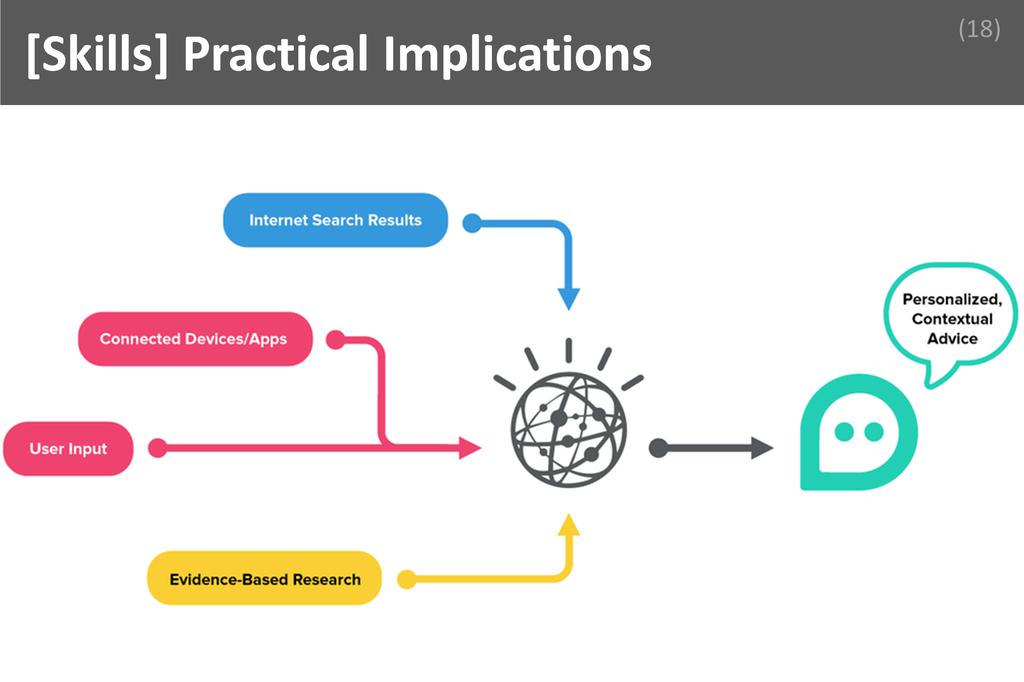
Practical Implications refers to the ability to translate theoretical knowledge and research findings into actionable strategies and solutions that address real-world challenges. In Teaching Management, this skill ensures that educational policies, instructional methods, and administrative decisions are grounded in evidence and tailored to the specific needs of students, staff, and institutions.
Mastering Practical Implications significantly enhances a Teaching Management professional’s effectiveness by bridging the gap between theory and practice. Employers and clients highly value this skill because it leads to tangible improvements in educational outcomes, resource allocation, and staff development. Professionals who excel in this area are adept at identifying which research-based strategies will work best in their unique context, adapting them as necessary, and evaluating their impact. Cultivating this skill involves continuous professional development, reflective practice, and staying informed about current trends and evidence-based practices in education. Over time, experience and feedback help refine the ability to discern which solutions are most likely to succeed in a given environment.
Imagine a Teaching Manager facing declining student engagement across several classrooms. Instead of relying solely on intuition or generic advice, the manager reviews recent studies on active learning and consults with teachers to understand specific classroom dynamics. By applying the concept of Practical Implications, the manager pilots a new collaborative learning approach in select classes, closely monitors outcomes, and gathers feedback from both students and teachers. When the data shows improved participation and satisfaction, the manager scales the approach across the school, adjusting for different subjects and age groups. This process demonstrates how Practical Implications enable a Teaching Management professional to implement research-driven solutions that directly address pressing challenges, resulting in measurable improvements.
Analytical Skills

Analytical skills refer to the ability to collect, interpret, and evaluate information in order to make informed decisions, solve problems, and identify patterns or trends. In Teaching Management, these skills enable professionals to assess educational processes, optimize resources, and implement effective strategies that enhance learning outcomes and organizational efficiency.
Analytical skills are crucial in Teaching Management because they empower professionals to systematically evaluate curriculum effectiveness, student performance data, and teaching methodologies. This ability to dissect complex issues and synthesize information leads to more informed decision-making, which directly improves educational outcomes and operational efficiency. Employers and clients highly value analytical thinkers because they can identify root causes of challenges, anticipate potential obstacles, and propose data-driven solutions. To cultivate analytical skills, professionals should engage in continuous learning, seek feedback, and practice reflective thinking. Regularly analyzing case studies, participating in professional development workshops, and collaborating with colleagues on problem-solving initiatives are effective ways to strengthen this core competency over time.
Imagine a Teaching Manager noticing a decline in student engagement across several classrooms. By applying analytical skills, the manager systematically reviews attendance records, student feedback, and lesson plans to identify patterns contributing to disengagement. After thorough analysis, the manager discovers that certain teaching methods are not resonating with students. Using this insight, the manager collaborates with teachers to adjust instructional strategies and introduces interactive learning activities. As a result, student engagement improves significantly. This scenario demonstrates how analytical skills enable a Teaching Management professional to diagnose issues accurately, implement targeted interventions, and achieve measurable success in educational settings.
Management Skills

Management skills refer to the ability to plan, organize, direct, and control resources, people, and processes to achieve specific objectives efficiently and effectively. In Teaching Management, these skills are vital for coordinating educational programs, leading teams, and ensuring that learning outcomes are met within institutional guidelines and timeframes.
Strong management skills directly enhance a Teaching Management professional’s ability to oversee academic staff, allocate resources wisely, and implement curriculum changes smoothly. Employers and clients value these skills because they ensure that educational initiatives are executed on time, within budget, and to a high standard. Effective management also fosters a positive work environment, increases staff motivation, and improves student outcomes. To cultivate management skills, professionals should seek opportunities for leadership, pursue relevant training, and reflect on feedback from peers and supervisors. Over time, consistent practice, mentorship, and a willingness to adapt strategies based on results will help refine these abilities, making the individual an indispensable asset to any educational institution.
Imagine a Teaching Management professional facing a sudden staff shortage just before the start of a new academic term. By leveraging strong management skills, they quickly assess available resources, reassign teaching loads, and communicate transparently with both staff and students. They also coordinate with human resources to expedite the hiring process for temporary instructors. Through effective planning and decisive action, the professional ensures that classes proceed without disruption and learning standards are maintained. This scenario highlights how management skills enable Teaching Management professionals to navigate unexpected challenges, maintain operational stability, and uphold the institution’s reputation for quality education.
Student Engagement

Student Engagement refers to the active participation, emotional investment, and intellectual involvement of learners in educational activities, fostering a dynamic and interactive learning environment. For Teaching Management professionals, it is a cornerstone skill that ensures lessons are meaningful, students are motivated, and educational objectives are consistently met with enthusiasm and understanding.
Mastering student engagement directly enhances a Teaching Management professional’s effectiveness by creating classrooms where students are attentive, motivated, and eager to learn. Employers and clients highly value this skill because it leads to improved academic outcomes, higher retention rates, and a positive reputation for the institution. To cultivate student engagement, professionals should continuously refine their communication techniques, stay updated with innovative teaching strategies, and foster an inclusive atmosphere that values every student’s voice. Over time, experience and reflective practice help educators adapt their methods to diverse learning needs, ensuring that engagement remains high and learning objectives are achieved.
Imagine a Teaching Manager overseeing a team of instructors who notice a sharp decline in student participation during online classes. By leveraging student engagement skills, the manager introduces interactive elements such as live polls, breakout discussions, and real-time feedback opportunities. They also provide training for instructors on how to recognize and respond to student cues, both verbal and nonverbal. As a result, students become more involved, attendance improves, and course completion rates rise. This scenario demonstrates how prioritizing student engagement not only resolves immediate challenges but also fosters a culture of active learning and sustained academic success.
Positives
Expertise in Particular Area

Expertise in Particular Area refers to possessing deep, specialized knowledge and advanced skills within a specific subject or discipline. In teaching management, this expertise enables professionals to design effective curricula, mentor colleagues, and address complex educational challenges. It fosters confidence, credibility, and the ability to inspire both students and fellow educators.
Having expertise in a particular area is a cornerstone of success in teaching management because it empowers professionals to lead with authority and vision. This depth of knowledge allows them to make informed decisions, implement innovative teaching strategies, and adapt to evolving educational needs. The sense of mastery brings immense job satisfaction, as professionals witness the tangible results of their guidance in student achievement and institutional progress. Daily, they experience the respect of peers and the gratitude of learners, which fuels motivation and personal growth. This ongoing engagement with their specialty ensures that their work remains intellectually stimulating and deeply rewarding, making every challenge an opportunity for further development.
Imagine a teaching manager who specializes in educational technology. Drawing on their expertise, they introduce a new digital learning platform that transforms classroom engagement and streamlines administrative tasks. As teachers and students adapt to the new system, the manager provides targeted training and ongoing support, ensuring a smooth transition. The positive feedback from staff and the noticeable improvement in student outcomes reinforce the value of their specialized knowledge. This experience not only validates their career choice but also highlights the profound impact that expertise in a particular area can have on an entire educational community, making their role both fulfilling and influential.
Clarity of Concept

Clarity of Concept refers to the deep understanding and precise articulation of educational principles, strategies, and objectives, enabling professionals to communicate ideas effectively and make informed decisions. In Teaching Management, this clarity empowers leaders to guide teams, design impactful curricula, and foster environments where both educators and students can thrive.
Clarity of Concept is a cornerstone of success in Teaching Management because it transforms complex educational challenges into manageable solutions. When leaders possess this clarity, they can set clear goals, align teams, and ensure that everyone understands their roles and responsibilities. This transparency reduces confusion, increases confidence, and fosters a culture of trust and collaboration. As a result, professionals experience greater job satisfaction, as they see the direct impact of their guidance on both staff development and student outcomes. The ability to articulate and implement clear concepts also opens doors for career growth, as it demonstrates strong leadership and vision—qualities highly valued in educational organizations.
Imagine a Teaching Manager tasked with implementing a new learning framework across multiple schools. With Clarity of Concept, this professional can break down the framework into understandable components, communicate its purpose and benefits to teachers, and provide actionable steps for integration. During training sessions, the manager addresses questions with confidence, ensuring that every educator feels supported and informed. As the framework takes root, teachers report feeling more empowered and students begin to show measurable improvement. The manager witnesses firsthand how their clear vision and communication have united the team, elevated teaching standards, and enriched the learning experience—making the journey deeply fulfilling and professionally rewarding.
Continuous Learning

Continuous Learning is the ongoing process of acquiring new knowledge, skills, and insights throughout one’s career, adapting to evolving trends, technologies, and methodologies. In Teaching Management, this commitment to growth ensures that professionals remain effective, innovative, and responsive to the changing needs of students, colleagues, and educational institutions.
Continuous Learning is a cornerstone of fulfillment and advancement in Teaching Management. It keeps professionals intellectually engaged, allowing them to stay ahead of educational trends and best practices. This ongoing development not only enhances their expertise but also fosters adaptability, creativity, and resilience. As they master new strategies and technologies, teaching managers become more confident and resourceful, which directly translates into improved outcomes for their teams and students. The sense of progress and achievement that comes from learning something new boosts job satisfaction and motivation. Every day, professionals in this field encounter fresh challenges and opportunities to grow, making their work dynamic and deeply rewarding.
Imagine a teaching manager who embraces Continuous Learning by enrolling in a workshop on digital classroom tools. After mastering these new technologies, they introduce innovative teaching methods to their team, leading to more engaging and effective lessons for students. This not only improves student outcomes but also inspires colleagues to adopt similar approaches. The teaching manager feels a renewed sense of purpose and pride, knowing their commitment to learning has made a tangible difference. Their daily work becomes more stimulating, as they continually seek out new knowledge and share it with others, creating a culture of growth and collaboration within their institution.
Societal Development

Societal development refers to the ongoing process of improving the well-being, knowledge, values, and skills of individuals within a community, leading to a more equitable, informed, and cohesive society. In teaching management, societal development means shaping future generations, fostering critical thinking, and nurturing responsible citizens who contribute positively to the world.
The role of societal development in teaching management is a profound source of motivation and pride for professionals in the field. Knowing that their daily efforts directly influence the growth and progress of society gives teaching managers a deep sense of purpose. This positive aspect enhances job satisfaction, as educators witness the transformation of students into empowered individuals who can drive change. The impact of their work extends beyond the classroom, as they help build communities grounded in knowledge, empathy, and innovation. Every day, teaching managers experience the fulfillment of guiding learners, supporting teachers, and shaping educational environments that foster lifelong learning and social responsibility.
Imagine a teaching manager who implements a new mentorship program in their school, connecting experienced teachers with new educators and students. Over time, they observe not only academic improvement but also increased collaboration, confidence, and civic engagement among students. The school becomes a hub for community projects, cultural events, and social initiatives, all sparked by the supportive environment the manager helped create. Witnessing students take the lead in organizing a local charity drive or teachers collaborating on inclusive lesson plans, the teaching manager feels the tangible impact of societal development. This daily experience of nurturing growth and positive change reaffirms their commitment to the profession and highlights the lasting value of their work.
Challenges
Domain Selection

Domain Selection in Teaching Management refers to the process of choosing a specific subject area, educational level, or specialization to focus one’s career and professional development. This decision is demanding because it shapes long-term opportunities, requires alignment with personal strengths, and must consider evolving educational trends and institutional needs.
The challenge of domain selection significantly influences daily responsibilities, as professionals must tailor their teaching methods, curriculum planning, and leadership approaches to their chosen area. This constraint can lead to uncertainty and pressure, especially when institutional priorities shift or when personal interests evolve. Resilience is required to adapt to these changes, maintain motivation, and continue professional growth despite ambiguity. Successful professionals often navigate this challenge by staying informed about educational trends, seeking mentorship, and engaging in continuous learning. They remain flexible, periodically reassessing their domain choice to ensure it aligns with both their aspirations and the broader needs of their institution, thereby turning a potential limitation into an opportunity for growth and innovation.
Consider a teaching manager who initially specialized in science education at the secondary level but noticed a growing institutional emphasis on digital literacy. Rather than feeling constrained by her original domain, she proactively pursued professional development in educational technology, integrating digital tools into her science curriculum. By collaborating with colleagues and participating in cross-disciplinary projects, she expanded her expertise and became a valuable resource for both science and technology initiatives within her school. This adaptability not only enhanced her career prospects but also positioned her as a leader in navigating domain transitions, demonstrating how thoughtful domain selection and ongoing flexibility can overcome the inherent challenges of specialization in teaching management.
Balance B/W Teaching & Research
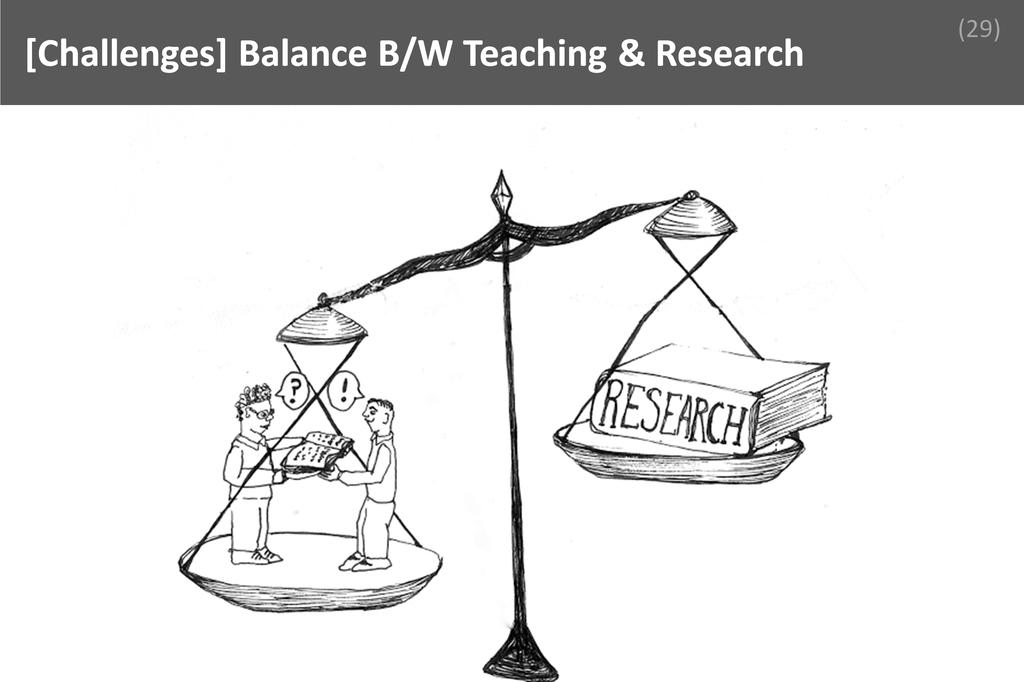
Balance between teaching and research in Teaching Management refers to the ongoing effort to allocate sufficient time, energy, and resources to both high-quality classroom instruction and impactful scholarly research. This balance is demanding because both areas require deep commitment, continuous learning, and often compete for limited time within a professional’s schedule.
The struggle to balance teaching and research can lead to increased stress, reduced job satisfaction, and potential burnout for professionals in Teaching Management. Daily work becomes a juggling act, as lesson planning, student engagement, grading, and administrative duties must coexist with the demands of publishing, grant writing, and staying current in one’s field. This challenge requires resilience, adaptability, and strong organizational skills. Successful professionals often manage this constraint by integrating research topics into their teaching, leveraging collaborative projects, and setting clear boundaries for dedicated research time. They also seek institutional support and prioritize tasks based on impact, ensuring that neither teaching quality nor research output is compromised.
Consider a department head at a business school who teaches multiple courses while leading a research team. She schedules her research activities during early mornings when she is most focused, reserving afternoons for teaching and student consultations. By aligning her research themes with course content, she involves students in research projects, turning classroom discussions into opportunities for data collection and analysis. This synergy not only enhances student learning but also advances her research agenda. Through careful planning and by fostering a collaborative environment, she manages to publish regularly and maintain high teaching evaluations, demonstrating that with strategic integration and time management, the balance between teaching and research is achievable.
Handling Different Mind Sets

Handling Different Mind Sets in Teaching Management refers to the ongoing challenge of engaging, motivating, and leading individuals with diverse attitudes, beliefs, learning preferences, and cultural backgrounds. This is demanding because it requires constant adaptation, empathy, and communication skills to foster a cohesive learning environment while respecting individual differences and maintaining educational standards.
The presence of varied mind sets among staff and students can complicate daily operations, leading to misunderstandings, resistance to change, and inconsistent engagement. This challenge demands resilience from teaching managers, who must remain patient and open-minded while addressing conflicting perspectives. Successful professionals navigate this constraint by cultivating strong interpersonal relationships, actively listening to concerns, and promoting an inclusive culture. They employ flexible leadership styles, adapting their communication and management approaches to suit different personalities and needs. By encouraging collaboration and valuing diverse viewpoints, they transform potential friction into opportunities for growth and innovation, ultimately enhancing the educational experience for everyone involved.
Consider a teaching manager overseeing a team of educators from varied cultural and educational backgrounds, each with distinct teaching philosophies. When implementing a new curriculum, some team members express enthusiasm, while others are skeptical or resistant. The manager organizes open forums for discussion, allowing everyone to voice their concerns and suggestions. By acknowledging differing perspectives and incorporating constructive feedback, the manager fosters a sense of ownership and trust within the team. Over time, the staff collaboratively adapts the curriculum to better suit their collective strengths, leading to improved morale and more effective teaching outcomes. This scenario illustrates how skillful handling of different mind sets can turn a potential obstacle into a catalyst for positive change.
Making Interactive Sessions

Making Interactive Sessions in Teaching Management refers to the process of designing and facilitating classroom or training environments that actively engage participants, encourage participation, and foster meaningful dialogue. This is demanding because it requires balancing diverse learning styles, maintaining attention, and adapting to varying levels of motivation and subject complexity.
The challenge of making sessions interactive significantly affects daily work by increasing the cognitive and emotional demands on teaching managers. They must constantly innovate, anticipate participant needs, and respond to unpredictable classroom dynamics. This ongoing pressure can lead to fatigue and frustration, demanding resilience and adaptability. Successful professionals overcome these obstacles by cultivating a deep understanding of their audience, leveraging technology thoughtfully, and continuously refining their facilitation techniques. They also seek feedback, reflect on their practice, and remain open to experimentation. By fostering a supportive learning environment and modeling enthusiasm, they gradually build trust and engagement, transforming passive listeners into active contributors and making interactive sessions a sustainable part of their teaching repertoire.
Consider a teaching manager tasked with leading a professional development workshop for a group of experienced educators, many of whom are initially disengaged and skeptical about the session’s relevance. Recognizing the challenge, the manager begins by inviting participants to share their own experiences and expectations, creating a sense of ownership. Throughout the session, the manager incorporates real-time polls, small group discussions, and scenario-based activities tailored to the participants’ backgrounds. By actively listening and adapting the session flow based on participant feedback, the manager successfully transforms a potentially passive audience into an engaged, collaborative group. This approach not only increases participation but also demonstrates the value of interactive learning, overcoming initial resistance and achieving meaningful outcomes.
Selection of Universities

Selection of Universities in Teaching Management refers to the complex process of identifying and choosing suitable higher education institutions for partnerships, placements, or academic collaborations. This task is demanding due to the need to balance institutional reputation, program compatibility, resource availability, and alignment with strategic educational goals, all within tight timelines.
The challenge of selecting appropriate universities significantly influences the daily responsibilities of professionals in Teaching Management. It requires constant research, critical evaluation, and negotiation with multiple stakeholders, often under pressure to meet institutional targets and student expectations. This ongoing demand can lead to decision fatigue and stress, making resilience essential for sustained performance. Successful professionals manage this constraint by cultivating strong networks, staying updated on global educational trends, and leveraging data-driven decision-making. They also prioritize transparent communication with faculty and students, ensuring that choices align with both institutional objectives and learner needs. By maintaining adaptability and a proactive approach, they turn a daunting selection process into an opportunity for institutional growth and innovation.
Consider a Teaching Management professional tasked with establishing new international exchange programs. Faced with hundreds of potential partner universities worldwide, she systematically narrows her options by analyzing academic offerings, accreditation status, and cultural fit. She consults with faculty to ensure curriculum alignment and gathers feedback from students about their preferences and concerns. Through virtual meetings and site visits, she builds relationships with shortlisted institutions, negotiating terms that benefit both parties. Despite initial setbacks, such as language barriers and differing academic calendars, her persistence and strategic approach result in successful partnerships. These collaborations enhance her institution’s global profile and provide students with valuable international exposure, demonstrating effective management of the university selection challenge.
A Day Of
Teaching Management
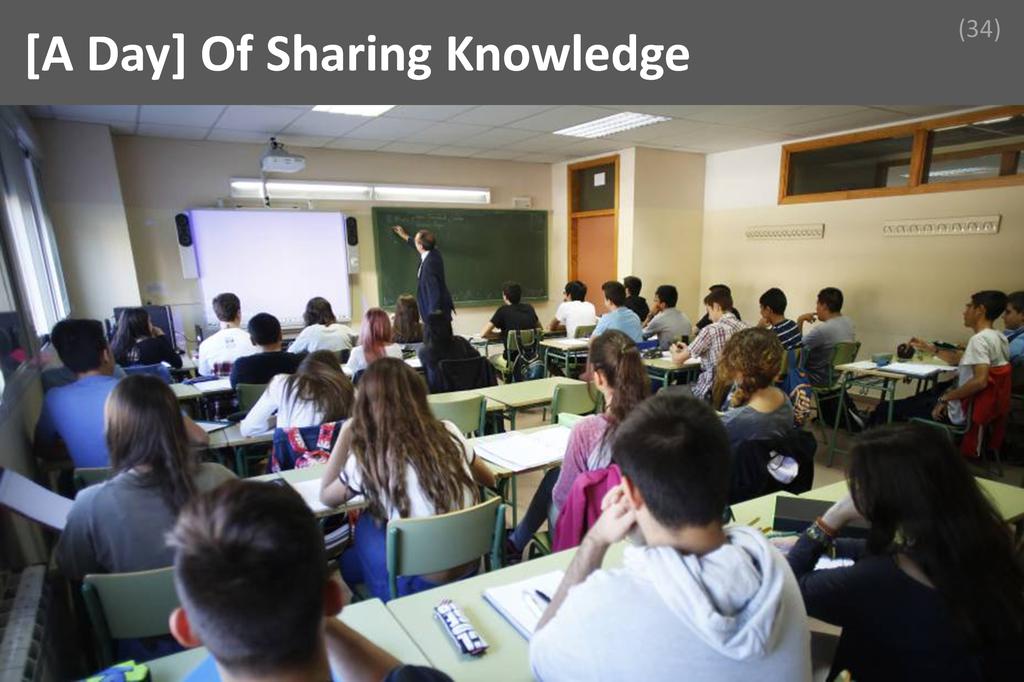
In the world of Teaching Management, no two days are ever quite the same. The pace is brisk, the environment is dynamic, and the nature of the work demands both strategic oversight and hands-on involvement. From the moment the day begins, a Teaching Management professional juggles the needs of faculty, students, and curriculum, all while keeping an eye on institutional goals and the ever-evolving landscape of education. It’s a role that requires adaptability, empathy, and a knack for orchestrating seamless learning experiences, even when the unexpected inevitably arises.
As the sun rises, a Teaching Management professional is already reviewing emails, scanning the day’s schedule, and preparing for early meetings. This is the time to check in on any overnight developments, confirm classroom allocations, and ensure that teaching resources are ready for the day ahead. There’s a quiet focus in these early hours, as last-minute adjustments are made to lesson plans, substitute arrangements are coordinated if needed, and any urgent faculty or student concerns are addressed before the campus comes alive.
By mid-morning, the heart of the day is in full swing. This is when the Teaching Management professional is most visible—observing classes, supporting instructors, and troubleshooting any issues that arise in real time. Whether it’s facilitating professional development workshops, mediating between staff members, or stepping in to resolve scheduling conflicts, this period is marked by high energy and constant interaction. The focus is on ensuring that teaching and learning proceed smoothly, with a keen eye on both the big picture and the smallest details.
The afternoon brings a shift toward collaboration and execution. Meetings with department heads, curriculum committees, or administrative staff fill the calendar, each one an opportunity to align on goals, share feedback, and drive initiatives forward. This is also the time for hands-on problem-solving, such as analyzing student performance data, refining instructional strategies, or piloting new educational technologies. The atmosphere is one of teamwork and innovation, as everyone works together to enhance the educational experience.
As the day winds down, the focus turns to reflection and preparation for tomorrow. The Teaching Management professional reviews the day’s outcomes, drafts reports, and responds to any lingering emails. There’s time set aside for researching best practices, updating documentation, and planning upcoming projects or events. This quiet period allows for thoughtful assessment of what worked well and what could be improved, ensuring that each new day builds on the successes and lessons of the last. |


 Home
Home Abroad
 Plan
Plan Philosophy
 Seminar
 Pages
Pages Advisors
 Testimonials



























 Workshop
 Discuss
 Meet
Meet
 Advisor
 Story
Story
 Fine Print
 Links
Links
 Blog
Blog
 Follow
