Career Counselling 2.0 HomeHomeCareer Counselling 2.0 AbroadAbroadCareer Counselling 2.0 PlanPlanCareer Counselling 2.0 | TalksTalksCareer Counselling 2.0 PhilosophyPhilosophyCareer Counselling 2.0 SeminarSeminarCareer Counselling 2.0 PagesPagesCareer Counselling 2.0 AdvisorsAdvisorsCareer Counselling 2.0 TestimonialsTestimonials

Eating Psychology

Eating Psychology Coach Annabelle Macnamara talks about Eating Psychology course, what is Eating Psychology and other details about a Career in Eating Psychology.


Eating Psychology

Annabelle Macnamara | Eating Psychology Coach | Various Assignments


What is Eating Psychology?


Eating Psychology is a great Career option. Unfortunately, it is very difficult to find information about What Eating Psychology actually is. Most pages on the internet just talk about How to get into Eating Psychology. The most authoritative source of information on Eating Psychology is someone with real experience in it.

With 4 years of professional experience, Eating Psychology Coach Annabelle Macnamara understands Eating Psychology. Eating Psychology Coach Annabelle Macnamara defines Eating Psychology as:

While we might think of food consumption primarily from a biological perspective, research has shown that our eating habits are significantly influenced by our perception of food as well as various other social and environmental stimuli. Food psychology is the study of the mental processes behind how and why we eat.


How Eating Psychology Coach Annabelle Macnamara got into Eating Psychology?


I did my Schooling from Woodstock School, Mussoorie and Graduation from Roehampton University, London. After my Graduation I came back to India and did an online Correspondence certification in Psychology of Eating from a school in Colorado, US. Since 2014 I am practicing as an eating psychology coach at various assignments.


Eating Psychology Coach Annabelle Macnamara's Talk on Eating Psychology


Session Image
The Journey of Eating Psychology


What Is Eating Psychology


Eating Psychology

### Eating Psychology Image
What is
Eating Psychology is the study of how psychological, emotional, and behavioral factors influence eating habits, food choices, and relationships with food. It explores the connections between mind and body, aiming to understand and improve individuals’ eating behaviors for better health, well-being, and overall quality of life.

Concept
Eating Psychology matters because it addresses the complex relationship between food and mental health, recognizing that eating behaviors are shaped by more than just physical hunger. Professionals in this field help clients understand the emotional triggers behind their eating patterns, which can lead to healthier habits and improved self-esteem. One major benefit is the ability to support individuals struggling with disordered eating by providing compassionate, tailored interventions. Another benefit is the promotion of long-term, sustainable lifestyle changes rather than short-term diets. Additionally, Eating Psychology empowers clients to develop a positive relationship with food, reducing guilt and anxiety around eating, and fostering greater overall well-being.

Real World Example
A professional in Eating Psychology might work with a client who has a history of yo-yo dieting and emotional eating. Through a series of sessions, the practitioner helps the client identify underlying stressors and beliefs that drive their eating habits, such as using food for comfort during stressful times. By combining therapeutic conversation, mindfulness techniques, and practical strategies, the professional guides the client to recognize emotional triggers and develop healthier coping mechanisms. Over time, the client learns to approach food with greater awareness and self-compassion, leading to more balanced eating patterns and improved mental health. This holistic approach not only addresses eating behaviors but also enhances the client’s overall sense of well-being and self-acceptance.

Education


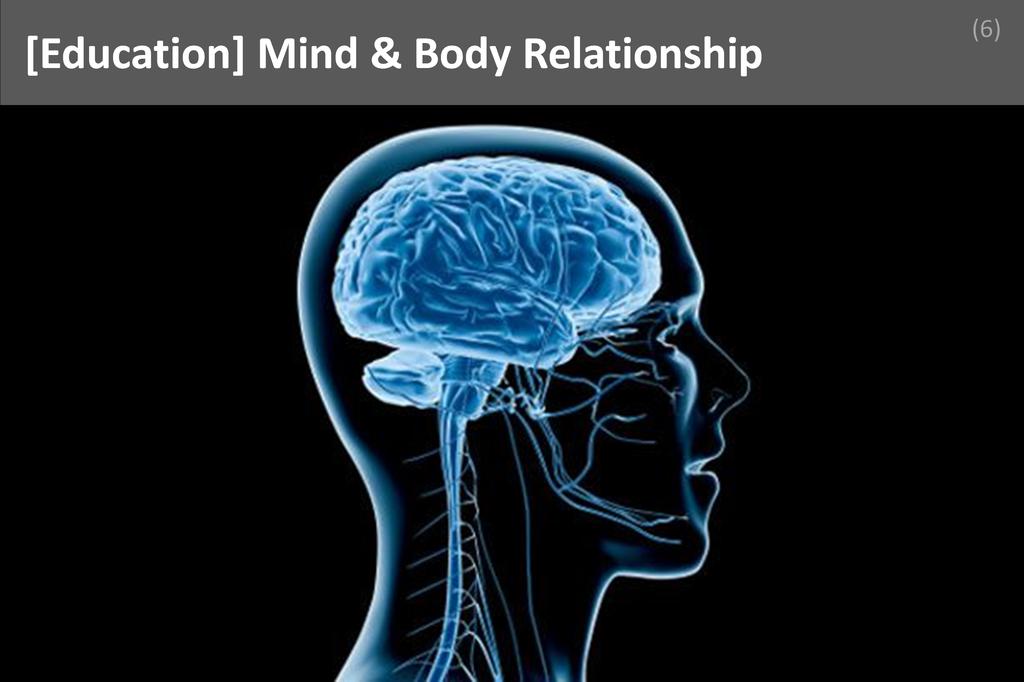
Mind & Body Relationship

### Mind & Body Relationship Image
What is
The Mind & Body Relationship refers to the dynamic interplay between thoughts, emotions, beliefs, and physical sensations, illustrating how mental states influence bodily health and vice versa. In Eating Psychology, this concept is central, as it underpins the understanding of how psychological factors impact eating behaviors, digestion, metabolism, and overall well-being.

Concept
A deep understanding of the Mind & Body Relationship is essential for anyone preparing for or working in Eating Psychology. This knowledge enables professionals to recognize that eating behaviors are not solely driven by physical hunger but are also shaped by emotional states, stress, self-image, and past experiences. By mastering this subject, practitioners can develop holistic approaches that address both psychological and physiological aspects of eating. This foundation allows for more effective interventions, improved client outcomes, and the ability to tailor strategies to individual needs. Over the long term, expertise in this area enhances professional credibility, fosters client trust, and supports ongoing personal and career growth within the evolving field of Eating Psychology.

Real World Example
Consider a scenario where an Eating Psychology professional is working with a client struggling with emotional eating. By applying their understanding of the Mind & Body Relationship, the practitioner helps the client identify how stress and negative self-talk trigger cravings and unhealthy eating patterns. Through mindful awareness exercises and cognitive reframing, the professional guides the client to recognize bodily cues of true hunger versus emotional hunger. This integrated approach not only addresses the client’s immediate eating concerns but also empowers them to develop healthier coping mechanisms, demonstrating the practical value of understanding the intricate connections between mind and body in everyday practice.

Nutrition

### Nutrition Image
What is
Nutrition is the scientific study of how food and its components affect the body’s growth, health, and overall functioning. It encompasses the processes of ingestion, digestion, absorption, metabolism, and excretion. In Eating Psychology, nutrition forms a crucial part of understanding how dietary choices influence mental, emotional, and physical well-being.

Concept
A solid grasp of nutrition is essential for anyone preparing for or working in Eating Psychology because it bridges the gap between biological needs and psychological behaviors. Professionals must understand how nutrients impact mood, cognition, and energy levels, as well as how deficiencies or excesses can contribute to disordered eating patterns. This foundational knowledge enables practitioners to interpret clients’ eating habits within a broader physiological context, allowing for more effective interventions. Over the long term, expertise in nutrition empowers professionals to educate clients, collaborate with healthcare teams, and advocate for holistic health approaches. It also enhances credibility and opens doors to diverse career opportunities, from counseling and coaching to research and policy development.

Real World Example
Imagine a practitioner working with a client who struggles with binge eating episodes triggered by stress. Drawing on their understanding of nutrition, the professional assesses the client’s dietary patterns and identifies frequent consumption of highly processed, sugar-rich foods. By explaining how these foods can cause blood sugar spikes and crashes, which may worsen mood swings and cravings, the practitioner helps the client recognize the physiological underpinnings of their behavior. Together, they develop a plan to incorporate more balanced meals with complex carbohydrates, proteins, and healthy fats. This approach not only addresses the psychological aspects of eating but also supports the client’s physical health, demonstrating how nutritional knowledge is applied in real-world therapeutic settings.

Relaxation Techniques

### Relaxation Techniques Image
What is
Relaxation techniques are evidence-based practices designed to reduce physical and psychological stress, promote calmness, and restore balance within the body and mind. In Eating Psychology, these methods are essential for managing emotional triggers, supporting mindful eating, and fostering a healthy relationship with food, forming a core component of professional expertise.

Concept
Understanding relaxation techniques is vital for anyone preparing for or working in Eating Psychology because stress and emotional dysregulation often underlie disordered eating patterns. Mastery of these techniques equips professionals to help clients manage anxiety, reduce compulsive behaviors, and cultivate self-awareness around food choices. By integrating relaxation methods into therapeutic interventions, practitioners can address the root causes of emotional eating and support sustainable behavioral change. This foundational knowledge not only enhances the effectiveness of client sessions but also contributes to the professional’s credibility and versatility in diverse clinical or coaching settings. Over time, proficiency in relaxation techniques enables practitioners to foster resilience in clients, promote long-term well-being, and adapt to evolving challenges within the field of Eating Psychology.

Real World Example
Consider a professional working with a client who experiences intense cravings and binge eating episodes during periods of high stress. Drawing on their understanding of relaxation techniques, the practitioner guides the client through a brief guided breathing exercise at the start of each session. This practice helps the client become more attuned to their bodily sensations and emotional states, creating a calm foundation for deeper therapeutic work. Over time, the client learns to use these relaxation strategies independently, applying them in moments of distress or before meals. As a result, the client gradually gains greater control over their eating behaviors, reduces reliance on food for emotional comfort, and builds a healthier, more mindful relationship with eating.

Different Relationships with Food

### Different Relationships with Food Image
What is
"Different Relationships with Food" refers to the diverse ways individuals perceive, interact with, and emotionally respond to food, shaped by psychological, cultural, and social influences. In Eating Psychology, understanding these relationships is essential, as it provides a framework for assessing eating behaviors and developing effective, personalized interventions for clients.

Concept
Grasping the concept of different relationships with food is vital for anyone entering or advancing in the field of Eating Psychology. This knowledge enables professionals to recognize the complex interplay between emotions, beliefs, and habits that influence eating patterns. By understanding these dynamics, practitioners can move beyond surface-level dietary advice and address the root causes of disordered eating or unhealthy food behaviors. This foundational insight supports the development of empathetic, client-centered approaches, fostering trust and rapport. Over the long term, mastery of this subject enhances a professional’s ability to create sustainable change, adapt interventions to diverse populations, and remain responsive to evolving research and societal trends in food and health.

Real World Example
Consider a scenario where an eating psychology practitioner is working with a client who struggles with emotional eating. By drawing on their understanding of different relationships with food, the practitioner explores the client’s history, cultural background, and emotional triggers related to eating. Instead of focusing solely on calorie counting or meal plans, the professional engages the client in conversations about their feelings toward food, family traditions, and past experiences that shape their eating habits. This holistic approach allows the practitioner to identify underlying issues such as stress, loneliness, or cultural expectations, and to collaboratively develop strategies that address both emotional and behavioral aspects. As a result, the client gains greater self-awareness and begins to form a healthier, more balanced relationship with food.

Holistic Wellbeing

### Holistic Wellbeing Image
What is
Holistic Wellbeing refers to the integrated state of physical, emotional, mental, social, and spiritual health, recognizing that each aspect influences the others. In Eating Psychology, understanding holistic wellbeing is essential, as it frames eating behaviors within the broader context of a person’s life, rather than isolating food choices from overall health and lifestyle.

Concept
A deep understanding of holistic wellbeing is vital for anyone preparing for or working in Eating Psychology because it enables professionals to see clients as whole individuals rather than a collection of symptoms or eating patterns. This perspective encourages practitioners to consider how stress, relationships, culture, and self-esteem interact with eating behaviors. By mastering holistic wellbeing, professionals can develop more effective, compassionate, and sustainable interventions that address root causes rather than just surface issues. Over time, this approach not only enhances client outcomes but also strengthens the practitioner’s credibility and adaptability in a field that increasingly values integrative and person-centered care.

Real World Example
Consider a scenario where an Eating Psychology professional is working with a client struggling with emotional eating. Instead of focusing solely on dietary changes, the practitioner draws on their understanding of holistic wellbeing to explore the client’s stress levels, social support systems, and personal beliefs about food and body image. Through this comprehensive approach, the professional helps the client identify underlying emotional triggers, develop healthier coping mechanisms, and foster a more positive relationship with food. This not only addresses the immediate eating concerns but also promotes lasting change by supporting the client’s overall wellbeing, demonstrating the practical value of holistic knowledge in everyday practice.

Skills


Patience

### Patience Image
What is
Patience is the ability to calmly endure delays, challenges, or setbacks without frustration, maintaining a steady and supportive presence throughout the process. In Eating Psychology, patience allows professionals to guide clients through gradual change, respecting each individual’s pace and fostering a compassionate environment that encourages sustainable progress and self-acceptance.

Concept
Patience directly enhances performance in Eating Psychology by enabling practitioners to support clients through complex emotional and behavioral shifts. Clients often face deeply rooted habits and beliefs about food and body image, which require time and repeated effort to transform. Employers and clients value patience because it builds trust, reduces pressure, and creates a safe space for honest exploration. Cultivating patience involves self-awareness, ongoing reflection, and a commitment to personal growth. Professionals can develop this skill by practicing mindfulness, seeking supervision, and embracing the understanding that meaningful change is a gradual process. Over time, patience becomes an integral part of the therapeutic relationship, leading to more effective and lasting outcomes.

Real World Example
Imagine a client struggling with emotional eating who repeatedly falls back into old patterns despite their best intentions. An Eating Psychology professional, grounded in patience, resists the urge to express disappointment or rush the process. Instead, they consistently offer empathy, encouragement, and gentle guidance, helping the client explore underlying emotions and triggers at their own pace. Over several months, the client begins to recognize patterns, develop healthier coping mechanisms, and celebrate small victories. The professional’s patience not only prevents discouragement but also models self-compassion, ultimately empowering the client to achieve meaningful, lasting change. This steady, patient approach is often the key to unlocking breakthroughs that might otherwise remain out of reach.

Sense of Warmth

### Sense of Warmth Image
What is
A "Sense of Warmth" is the genuine ability to convey empathy, kindness, and nonjudgmental acceptance through words, tone, and presence, creating a safe and supportive environment for others. In Eating Psychology, this quality allows professionals to build trust, foster openness, and encourage meaningful dialogue about sensitive food and body issues.

Concept
A strong sense of warmth directly enhances the effectiveness of an Eating Psychology professional by making clients feel understood and respected. This emotional safety is crucial for clients to share deeply personal struggles, which is often the first step toward healing. Employers and clients alike value practitioners who can create this atmosphere, as it leads to stronger therapeutic alliances and better outcomes. Cultivating warmth involves ongoing self-reflection, practicing active listening, and maintaining genuine curiosity about each client’s unique experience. Over time, professionals can deepen this skill by seeking feedback, engaging in empathy training, and consistently prioritizing compassion in every interaction.

Real World Example
Imagine a client who has struggled with disordered eating for years and feels ashamed to discuss their habits. An Eating Psychology professional with a strong sense of warmth welcomes the client with gentle eye contact and a reassuring tone, making it clear that there is no judgment. As the client shares their story, the professional listens attentively, validates the client’s feelings, and responds with understanding rather than advice or criticism. This approach helps the client feel safe enough to explore the roots of their eating patterns, paving the way for genuine progress. In this scenario, the professional’s warmth transforms a potentially intimidating session into a pivotal moment of trust and self-acceptance.

Confidentiality

### Confidentiality Image
What is
Confidentiality is the ethical and professional obligation to protect private information shared by clients, ensuring it is not disclosed without consent. In Eating Psychology, confidentiality builds trust, allowing clients to share sensitive details about their eating behaviors, emotions, and personal histories, which is crucial for effective assessment and intervention.

Concept
Confidentiality directly enhances a professional’s effectiveness by fostering a safe environment where clients feel secure enough to disclose their struggles and vulnerabilities. Clients and employers highly value this skill because it demonstrates respect, integrity, and professionalism, which are foundational for therapeutic relationships and organizational reputation. To cultivate confidentiality, professionals must commit to ongoing education about privacy laws, ethical guidelines, and best practices in record-keeping. Regular supervision and reflective practice also help reinforce the importance of discretion. Over time, consistently upholding confidentiality not only strengthens client trust but also contributes to a culture of respect and safety within the workplace, ultimately leading to better outcomes for both clients and practitioners.

Real World Example
Imagine a client confides in an Eating Psychology professional about disordered eating patterns and underlying trauma, information they have never shared before. The professional carefully safeguards these disclosures, ensuring that no details are revealed to unauthorized individuals, including family members or colleagues. When another team member inquires about the client’s progress, the professional respectfully declines to share specifics, citing confidentiality commitments. This approach reassures the client, deepens their trust, and encourages continued openness in therapy. By maintaining strict confidentiality, the professional not only protects the client’s privacy but also upholds ethical standards, which ultimately leads to more effective support and positive therapeutic outcomes.

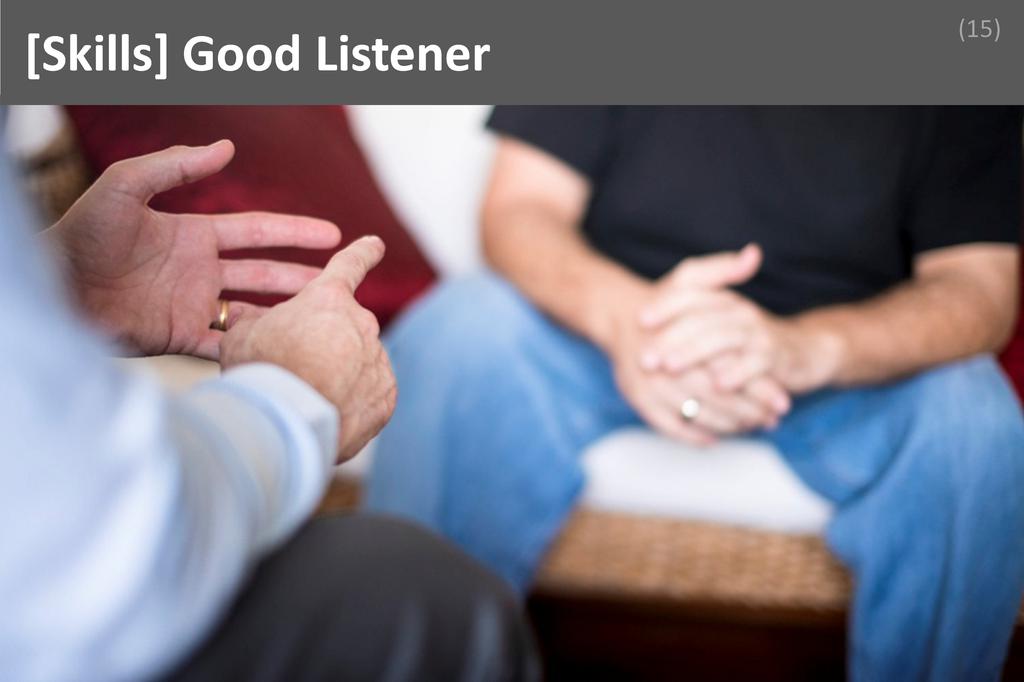
Good Listener

### Good Listener Image
What is
A good listener is someone who attentively receives, processes, and understands what others communicate, both verbally and nonverbally, without judgment or interruption. In Eating Psychology, this skill enables professionals to fully grasp clients’ experiences, emotions, and challenges, forming the foundation for trust, empathy, and effective, personalized support.

Concept
Being a good listener directly enhances an Eating Psychology professional’s effectiveness by fostering deeper client relationships and uncovering underlying issues that may not be immediately apparent. Clients and employers value this skill because it creates a safe, nonjudgmental space where individuals feel heard and respected, which is crucial for discussing sensitive topics around food, body image, and emotional well-being. To cultivate this skill, professionals can practice mindfulness, engage in active listening exercises, seek feedback, and remain genuinely curious about each client’s unique story. Over time, consistent practice leads to greater empathy, improved communication, and more successful outcomes for both clients and practitioners.

Real World Example
Imagine a client struggling with emotional eating who feels misunderstood by friends and family. An Eating Psychology professional, by being a good listener, allows the client to share their story without interruption or judgment. Through attentive listening, the professional notices subtle cues in the client’s tone and body language, revealing deeper feelings of shame and isolation. By reflecting back what they hear and asking thoughtful questions, the professional helps the client feel validated and supported. This trust enables the client to open up further, paving the way for meaningful breakthroughs and tailored strategies that address the root causes of their eating behaviors, ultimately leading to lasting positive change.

Motivation

### Motivation Image
What is
Motivation is the internal drive that compels individuals to take action, persist through challenges, and pursue goals with determination and enthusiasm. In Eating Psychology, motivation fuels the commitment to ongoing learning, client support, and personal growth. It empowers professionals to inspire clients, adapt to setbacks, and maintain a positive, solution-focused mindset.

Concept
Motivation is a cornerstone for success in Eating Psychology because it sustains the energy and resilience needed to support clients through complex emotional and behavioral changes. Clients and employers value motivated professionals for their unwavering dedication, proactive approach, and ability to foster hope and progress. A motivated practitioner is more likely to stay updated with the latest research, develop innovative strategies, and maintain a compassionate presence even during setbacks. Cultivating motivation involves setting clear personal and professional goals, seeking regular feedback, celebrating small victories, and engaging in ongoing self-reflection. Over time, these practices reinforce a sense of purpose and drive, enabling professionals to consistently deliver high-quality care and inspire transformative change in their clients.

Real World Example
Imagine an Eating Psychology professional working with a client who has struggled with emotional eating for years and is feeling hopeless after multiple failed attempts at change. The professional’s motivation becomes crucial in this scenario. Drawing on their internal drive, the practitioner remains patient and persistent, offering encouragement and adapting strategies to fit the client’s unique needs. Their enthusiasm and belief in the possibility of change help the client regain hope and commitment to the process. By modeling resilience and a positive outlook, the professional not only sustains their own engagement but also empowers the client to persevere through setbacks, ultimately leading to meaningful progress and a renewed sense of self-efficacy.

Positives


Self Satisfaction

### Self Satisfaction Image
What is
Self satisfaction is the deep sense of fulfillment and contentment that arises from knowing one’s actions align with personal values, goals, and the desire to make a meaningful difference. In eating psychology, self satisfaction fuels motivation, resilience, and a positive outlook, enhancing both professional performance and personal well-being.

Concept
Self satisfaction is a cornerstone of a rewarding career in eating psychology because it transforms daily work into a source of genuine joy and pride. Professionals in this field witness firsthand the positive changes they inspire in clients’ relationships with food, body image, and self-worth. This ongoing impact creates a feedback loop of encouragement and motivation, making challenges feel purposeful rather than burdensome. The sense of accomplishment that comes from guiding clients toward healthier, happier lives not only boosts job satisfaction but also fosters personal growth and emotional resilience. Over time, this intrinsic reward system helps eating psychology professionals maintain enthusiasm, avoid burnout, and continue evolving in their careers with passion and dedication.

Real World Example
Imagine an eating psychology coach working with a client who has struggled for years with emotional eating and negative self-image. Through weeks of compassionate guidance and evidence-based strategies, the client begins to develop a healthier relationship with food and gains newfound confidence. The coach observes the client’s transformation, from self-doubt to self-acceptance, and feels a profound sense of self satisfaction. This fulfillment comes not just from achieving professional goals, but from knowing their expertise and empathy have genuinely improved someone’s quality of life. Each breakthrough, no matter how small, reinforces the coach’s commitment to the field and provides daily reminders of the meaningful impact they make.

Interactive

### Interactive Image
What is
Interactive, in the context of Eating Psychology, refers to the dynamic, two-way engagement between professionals and clients, where active listening, open dialogue, and collaborative problem-solving are central. This approach fosters meaningful connections, encourages mutual understanding, and tailors interventions to individual needs, making the therapeutic process more effective and personally rewarding for both parties.

Concept
The interactive nature of Eating Psychology transforms each session into a unique, engaging experience. Professionals are not simply imparting knowledge; they are co-creating solutions with their clients, which leads to deeper trust and more sustainable change. This ongoing exchange keeps practitioners intellectually stimulated and emotionally invested, as every client brings new perspectives and challenges. The sense of partnership and real-time feedback enhances job satisfaction, as professionals witness firsthand the progress and breakthroughs their clients achieve. This dynamic environment also supports continuous learning and professional growth, making each day varied and meaningful. Ultimately, the interactive aspect ensures that practitioners feel valued and impactful, knowing their work is making a tangible difference in people’s lives.

Real World Example
Imagine an Eating Psychology professional working with a client struggling with emotional eating. During their session, the practitioner encourages the client to share their thoughts and feelings openly. Together, they explore the client’s relationship with food, identify triggers, and brainstorm practical strategies for change. The professional listens attentively, asks insightful questions, and adapts their approach based on the client’s responses. This interactive process not only empowers the client to take an active role in their healing but also allows the practitioner to witness real-time progress and growth. The collaborative atmosphere fosters trust and motivation, making the work deeply fulfilling for the professional as they see the positive impact of their guidance unfold.

Flexibility

### Flexibility Image
What is
Flexibility is the ability to adapt one’s approach, schedule, and methods to meet the unique needs of clients and changing circumstances. In eating psychology, flexibility allows professionals to tailor interventions, work across diverse settings, and balance personal and professional commitments, fostering a dynamic and responsive practice environment.

Concept
Flexibility is a cornerstone of job satisfaction and professional growth in eating psychology. It empowers practitioners to design their workdays around their strengths and clients’ needs, whether that means offering sessions in-person, online, or outside traditional hours. This adaptability not only reduces burnout but also enhances the quality of care, as professionals can respond to each client’s evolving journey with personalized strategies. The freedom to innovate and adjust methods keeps the work engaging and meaningful, encouraging continuous learning and development. As a result, eating psychology professionals often find their careers more sustainable and fulfilling, with the ability to maintain a healthy work-life balance while making a significant impact on their clients’ lives.

Real World Example
Imagine an eating psychology coach who works with clients recovering from disordered eating. One client, a busy parent, struggles to attend regular daytime sessions. Thanks to the flexibility inherent in this profession, the coach offers evening virtual appointments, ensuring the client receives consistent support without disrupting family responsibilities. On another day, the coach adapts their approach for a client who responds better to creative, experiential exercises rather than traditional talk therapy. This ability to shift methods and schedules not only meets clients where they are but also allows the professional to thrive, knowing they can provide meaningful help without sacrificing their own well-being or personal commitments. Flexibility, in this way, becomes both a practical tool and a source of deep professional satisfaction.

Versatility

### Versatility Image
What is
Versatility is the ability to adapt, shift approaches, and apply a wide range of skills and knowledge to diverse situations and individuals. In the field of Eating Psychology, versatility means being able to work with various clients, address unique challenges, and integrate multiple therapeutic methods, making the profession dynamic and deeply impactful.

Concept
The versatility inherent in a career in Eating Psychology is a powerful driver of both professional satisfaction and personal growth. Every client brings a unique story, background, and set of needs, requiring practitioners to draw from a broad toolkit of psychological, nutritional, and behavioral strategies. This constant adaptation keeps the work intellectually stimulating and emotionally engaging, preventing monotony and fostering continuous learning. Professionals find themselves growing alongside their clients, developing new skills and insights with each case. The ability to tailor interventions and witness tangible, positive changes in clients’ lives creates a sense of accomplishment and purpose that is both motivating and deeply rewarding.

Real World Example
Imagine an Eating Psychology professional working with a teenager struggling with emotional eating, a middle-aged client recovering from disordered eating, and an athlete seeking optimal nutrition—all within the same week. Each client requires a different approach, from cognitive-behavioral techniques to mindfulness practices and nutritional guidance. The practitioner adapts their methods, drawing on their diverse expertise to meet each individual’s needs. This variety not only keeps the workday engaging but also allows the professional to witness meaningful progress across a spectrum of challenges. The ability to make a difference in so many unique lives, using a versatile skill set, brings a profound sense of fulfillment and pride in their career.

Challenges


Clients Attitude Towards Opening Up

### Clients Attitude Towards Opening Up Image
What is
Clients’ attitude towards opening up in Eating Psychology refers to their willingness or reluctance to share personal thoughts, emotions, and experiences related to food, body image, and self-worth. This challenge is demanding because it often stems from deep-seated shame, mistrust, or fear of judgment, which can hinder therapeutic progress.

Concept
When clients are hesitant or resistant to open up, professionals in Eating Psychology may find it difficult to build rapport, accurately assess underlying issues, or tailor interventions effectively. This challenge can slow progress and sometimes lead to frustration or self-doubt for practitioners. It demands resilience because professionals must remain patient, empathetic, and nonjudgmental, even when faced with silence or defensiveness. Successful practitioners manage this constraint by fostering a safe, supportive environment, using gentle inquiry, and respecting each client’s pace. They emphasize trust-building and validate clients’ feelings, which gradually encourages openness and deeper engagement in the therapeutic process.

Real World Example
Consider a client who arrives at sessions guarded, offering only surface-level responses about their eating habits and avoiding discussions about emotions. An experienced Eating Psychology professional recognizes this reluctance and refrains from pushing for immediate disclosure. Instead, the practitioner consistently demonstrates empathy and curiosity, gently exploring the client’s comfort zones and celebrating small moments of vulnerability. Over time, the client begins to sense genuine acceptance and safety within the therapeutic relationship. This trust allows the client to gradually share more personal experiences, leading to meaningful breakthroughs and progress in addressing the root causes of their eating challenges.

Establishing Trust

### Establishing Trust Image
What is
Establishing trust in Eating Psychology means creating a safe, nonjudgmental environment where clients feel comfortable sharing deeply personal thoughts, emotions, and behaviors related to food and body image. This process is demanding because clients often carry shame, past trauma, or skepticism, making them hesitant to open up or accept guidance.

Concept
The challenge of establishing trust can significantly affect the daily work of professionals in Eating Psychology. Without trust, clients may withhold critical information, resist interventions, or disengage from the therapeutic process altogether. This ongoing barrier requires practitioners to demonstrate patience, empathy, and consistency, often in the face of slow progress or setbacks. Resilience becomes essential, as professionals must manage their own expectations and avoid taking client resistance personally. Successful practitioners navigate this constraint by prioritizing authentic connection, maintaining confidentiality, and modeling nonjudgmental acceptance. Over time, these efforts help to gradually dismantle client defenses, paving the way for meaningful therapeutic work and lasting change.

Real World Example
Consider a scenario where a client arrives for their first session visibly guarded and reluctant to discuss their eating habits. The professional, recognizing the client’s apprehension, focuses on building rapport rather than diving into assessment or advice. Through attentive listening, gentle questions, and consistent respect for the client’s boundaries, the practitioner gradually earns the client’s confidence. Over several sessions, the client begins to share more openly, revealing underlying anxieties and past experiences that influence their relationship with food. By prioritizing trust and demonstrating unwavering support, the professional creates a foundation for effective intervention, ultimately helping the client make meaningful progress toward healthier eating behaviors and improved self-esteem.

Client Expectation

### Client Expectation Image
What is
Client expectation in Eating Psychology refers to the beliefs, hopes, and assumptions clients bring regarding outcomes, timelines, and the nature of support they will receive. This is demanding because clients often anticipate quick fixes or dramatic results, which may not align with the gradual, holistic process that Eating Psychology truly involves.

Concept
The challenge of client expectation profoundly shapes the daily work of Eating Psychology professionals. Clients may arrive with rigid ideas about weight loss, rapid transformation, or specific dietary changes, placing pressure on practitioners to deliver immediate results. This can lead to frustration, disappointment, or even disengagement if progress is slower than anticipated. Professionals must demonstrate resilience by maintaining empathy, setting realistic goals, and communicating the nuanced, individualized nature of their work. Successful practitioners manage this constraint by fostering open dialogue, educating clients about the complexities of eating behaviors, and celebrating incremental progress. By consistently reinforcing realistic outcomes and the value of small, sustainable changes, they build trust and help clients adjust their expectations over time.

Real World Example
Consider a client who seeks out an Eating Psychology professional, expecting to lose a significant amount of weight within a few weeks. The practitioner recognizes this unrealistic expectation and gently redirects the conversation toward understanding the client’s relationship with food, emotional triggers, and long-term well-being. Through compassionate communication, the professional explains that meaningful change is a gradual process and helps the client set achievable, process-oriented goals. Over several sessions, the client begins to appreciate the importance of self-awareness and self-compassion, shifting focus from rapid weight loss to overall health and emotional resilience. This approach not only manages the client’s expectations but also fosters a more sustainable and positive outcome.

A Day Of


Eating Psychology

What is
The hum of a new day in Eating Psychology begins long before the first client steps through the door or logs into a virtual session. This is a field where science meets empathy, and every hour is shaped by the unpredictable rhythms of human experience. Whether in a cozy private office, a bustling clinic, or a quiet home workspace, the pace is both steady and dynamic—marked by deep listening, thoughtful analysis, and the subtle art of helping others rewrite their relationship with food. Each day unfolds as a blend of preparation, intense client work, collaboration, and reflection, all driven by the desire to foster lasting change in the lives of those seeking a healthier, more mindful approach to eating.

Concept
As the sun rises, an Eating Psychology professional starts the day by reviewing client notes, reflecting on previous sessions, and setting intentions for the hours ahead. This quiet time is essential for centering oneself, updating case files, and preparing personalized resources or exercises tailored to each client’s unique journey. The early morning is also an opportunity to catch up on the latest research or professional development, ensuring that every recommendation is grounded in current best practices.

Real World Example
Mid-morning brings the heart of the workday: one-on-one or group sessions with clients. These interactions are intense and deeply personal, requiring the practitioner to listen with empathy, ask insightful questions, and gently challenge ingrained beliefs about food and body image. Whether guiding a client through mindful eating exercises, exploring emotional triggers, or developing new coping strategies, this is the time when real breakthroughs often occur. The practitioner must remain fully present, adapting techniques in real time to meet each client’s evolving needs.

After a restorative lunch, the afternoon shifts toward collaboration and execution. This might involve consulting with dietitians, therapists, or medical professionals to coordinate care, or participating in team meetings to discuss complex cases. The practitioner may also spend this time developing group workshops, educational materials, or community outreach programs designed to broaden the impact of Eating Psychology principles. These collaborative efforts ensure that clients receive holistic, integrated support on their wellness journeys.

As the day winds down, the focus turns to thorough documentation of client progress, updating treatment plans, and responding to emails or follow-up questions. This is also a time for self-reflection—reviewing what went well, identifying areas for growth, and setting goals for the next day. The practitioner may dedicate a few moments to reading new research articles or attending a virtual seminar, ensuring their knowledge remains sharp and relevant. By the time the office lights dim, the groundwork is laid for another day of transformative work in the field of Eating Psychology.


Install the LifePage App to:


  1. (for Free) Watch Eating Psychology Coach Annabelle Macnamara’s full Eating Psychology Career Talk

  2. ₹ Do a Self Assessment on Eating Psychology to calculate your Dream Index, which is defined as:

    According to Annabelle Macnamara your chances of success in Eating Psychology is __%

  3. Access your personalized Dream Index Report which will have all your Dream Indices sorted in descending order.

Career Counselling 2.0


<?php echo $altimage; ?>


<?php echo $altimage; ?>


How to get into

Eating Psychology?


If you are want to get into Eating Psychology, start by investing in a Career Plan.

The 14 hour process, guided by a LifePage Career Advisor, will help you introspect and check whether your interest in Eating Psychology is merely an infatuation or is it truly something you wish to do for the rest of your life.

Next, your Career Advisor will help you document how you can get into Eating Psychology, what education and skills you need to succeed in Eating Psychology, and what positives and challenges you will face in Eating Psychology.

Finally, you will get a Career Plan stating which Courses, Certifications, Trainings and other Items you need to do in the next 7 years to become world’s best in Eating Psychology.


LifePage Career Plan

14 hour personalized guidance program


Your LifePage Career Advisor facilitates your guided introspection so that you systematically explore various Career options to arrive at a well thought out Career choice.

Next: your Advisor helps you figure out how you will get into your chosen Career and how will you develop the skills needed for success in your Chosen Career.

LifePage Plan will not stop at saying "to become an Architect study Architecture". It will guide you on which Certifications, Trainings and Other items you need to do along with your Architecture education to become the world's best Architect.


Links for this Talk


Eating Psychology Coach Annabelle Macnamara's LifePage:


Career Counselling 2.0
[LifePage]
https://www.lifepage.in/page/annabellemacnamara


LifePage Career Talk on Eating Psychology


Career Counselling 2.0
[Career]
https://www.lifepage.in/careers/eating-psychology


Career Counselling 2.0
[Full Talk]
https://lifepage.app.link/20180102-0004


Career Counselling 2.0
[Trailer]
https://www.youtube.com/watch?v=X4LnBItsBp4


(Eating Psychology, Annabelle Macnamara, Various Assignments, Psychologist, Counselling, Behaviour Analysis)


Similar Talks



Career in Psychology
Psychology
Sangeeta Khullar
Associate Professor | MKP PG College, Dehradun
[ 26 years Experience ]

Psychology is considered to be a science of behaviour which helps you understand people. It is a helping profession and it is a profession that help people to help themselves.

"After completing my PhD Degree I started teaching in 1991. Currently I am an Associate Professor in psychology at MKP, PG College, Dehradun."


Career Counselling 2.0 Career Counselling 2.0 Career Counselling 2.0 Career Counselling 2.0 Career Counselling 2.0


Career in Mental Health Counselling
Mental Health Counselling
Rachel Stix Neill
Licensed Professional Counselor | Family Preservation Services
[ 14 years & 1 month Experience ]

Mental Health & Addiction Counselling is Helping people overcome life challenges like physical illness, death of loved ones, and relationship problems or divorce.

"In 2000 I started a second career as a counselor after engaging in my own personal work. I began working with mandated treatment for addiction, specifically Drug Court, and work with adolescents on probation with the courts. Over the years I have worked with private agencies as well as government and community agencies. "


Career Counselling 2.0 Career Counselling 2.0 Career Counselling 2.0 Career Counselling 2.0 Career Counselling 2.0


Career in Counselling
Counselling
Usha Misra
Counselling Psychologist | Shanti Center for Personality Development
[ 6 years Experience ]

Counselling means that if a person has a problem individually, that problem should be solved knowing that individual. For that purpose, one needs to study the individual, the environment and help the person in solving the problem.

"After completing my education from Lucknow, I started working in a degree college in 1974. Then I got married and shifted to Dehradun, there I started working in Wynberg Allen school in the year 1986. I have also worked at Zee Himgiri University. Currently, I am working as counsellor."


Career Counselling 2.0 Career Counselling 2.0 Career Counselling 2.0 Career Counselling 2.0 Career Counselling 2.0


Career in Behavioural Counselling
Behavioural Counselling
Madhubala Sachan
Chief Counselor | Sixth Sense
[ 9 years Experience ]

Behavioural Counselling is to understand people, monitor their behaviour and also to understand their problems. Once understanding these, the changes are suggested to improve their behaviour to become responsible and happy by the Counselor.

"Due to my family background which is political, I got lot of exposure with people and their behaviour. That motivated me to take up Behavioural Counselling as my profession. I got my training from Pearson Academy for counselling and started doing Behavioural Counselling. It has been 9 years, I am doing it. Currently, I am the Chief Counselor at the Sixth Sense and Bansal Classes."


Career Counselling 2.0 Career Counselling 2.0 Career Counselling 2.0 Career Counselling 2.0 Career Counselling 2.0


Career in Career Counselling
Career Counselling
Toral Sharan
Head of Careers | Welham Boys
[ 9 years Experience ]

Career Counseling is a process that will help you to know and understand yourself and the world of work in order to make career, educational, and life decisions. Career Counseling helps you to decide what job and what life a person wants to choose.

"I did my education from England. I have been working in Welham Boys as a career head since 2008"


Career Counselling 2.0 Career Counselling 2.0 Career Counselling 2.0 Career Counselling 2.0 Career Counselling 2.0


Career in LifePage Career Coaching
LifePage Career Coaching
Pallavi Misra Chaturvedi
LifePage Career Advisor | LifePage
[ 1 year Experience ]

LifePage Career Plan is a personalized 7 day program in which an expert will help you navigate 900+ Career Talks to arrive at a Career decision and also a Career Plan.

"In 2011, I started my venture called Life Cafe, a self-help program especially directed towards helping adolescents. It focuses on numerous personality development areas such as leadership, success, self-improvisation, impression management, spirituality and so on. And I have been working at LifePage as a Career Advisor since 2017."


Career Counselling 2.0 Career Counselling 2.0 Career Counselling 2.0 Career Counselling 2.0 Career Counselling 2.0


Career in Psychology
Psychology
Moumita Nandy
Clinical Psychologist | Evolve Mental Well Being Centre
[ 7 years & 8 months Experience ]

Psychology is to study mental processes and human behavior through researching, observing, analyzing, and interpreting how individuals and other living creatures relate to one another and their environment. Like other social sciences, psychology revolves around the formulation of theories, or hypotheses, which are intended to explain what is observed.

"After completing my BA from Guwahati University, I did my M Sc in clinical psychology from Pune University and M Phil in Psycho Oncology from Cancer Institute Chennai. Worked with Tata Medical Center for psychological morbidities in cancer care, Kolkata and as a consultant with an NGO named Reach out for Life, Pune. I also did advance Diploma in Forensic Psychology and Criminal Profiling & Integrated Clinical Hypnotherapy. I am also a trained expressive therapist & believer and practitioner of Mindfulness & EFT and have done many workshops on Anxiety and Depression. In 2017, I started my own centre Evolve Mental Well Being Centre."


Career Counselling 2.0 Career Counselling 2.0 Career Counselling 2.0 Career Counselling 2.0


Career in Psychology
Psychology
Vasudha Sharma
Associate Professor | Doon Business School
[ 15 years & 4 months Experience ]

Psychology is the scientific study of the human mind and its functions, especially those affecting behaviour in a given context.

"After completing my Graduation in Psychology from Meerut University. I also did Post Graduation in Psychology from Meerut University. I have been working as a Psychologist since 2003. I am also working as an Associate Professor in Doon Business School since 2014."


Career Counselling 2.0 Career Counselling 2.0 Career Counselling 2.0 Career Counselling 2.0 Career Counselling 2.0


Career in Career Counselling
Career Counselling
Nei Shaat
Career Counsellor | Doon Psychotherapeutic Centre
[ 1 year & 4 months Experience ]

A career counsellor is an individual trained to aid people with their career choice. Whether the person is new to the working world, or simply desires a change of profession, the career counselor will be able to guide them in the best possible direction

"After completing my education, I started working as a Career Counsellor at Doon Psychotherapeutic Centre."


Career Counselling 2.0 Career Counselling 2.0 Career Counselling 2.0 Career Counselling 2.0 Career Counselling 2.0


Career in Behavioural Counselling
Behavioural Counselling
Anita Thapliyal
Counsellor | Doon Psychotherapeutic Centre
[ 5 years Experience ]

When a person is in depression or he does not have anyone to share his emotions with, then he goes to person that listens to his problems and tells him the solution. That person is known as a counsellor. Behavioural counselling is a part of counsellors. When a person's behaviour is neither age appropriate nor situation appropriate, then a person needs behavioural counselling. The person who gives counselling in these situations is known as behaviour counsellors.

"After completing my graduation from Pune, I did MA in psychology. I am pursuing PhD in psychology. I have been working as a counsellor since 2012 ."


Career Counselling 2.0 Career Counselling 2.0 Career Counselling 2.0 Career Counselling 2.0 Career Counselling 2.0


Career in Behavioural Counselling
Behavioural Counselling
Ruchi Sharma
Chief Counsellor | Life River Roots
[ 11 years & 8 months Experience ]

Behavioural Psychology is about providing guidance and support, first in understanding a person's behaviour, their reaction and then provind a helping hand to break through a destructive pattern.

"I did my schooling and higher studies from Delhi. I have been working as a behavioural counsellor for the past 10 years."


Career Counselling 2.0 Career Counselling 2.0 Career Counselling 2.0 Career Counselling 2.0 Career Counselling 2.0


Career in Child Psychology
Child Psychology
Saloni Anand
Clinical Psychologist | Doon Psychotherapeutic Centre
[ 6 years Experience ]

Childhood psychology is a specialized branch of traditional psychology that focuses on children, mainly their development and behavior. It is one of the most commonly studied types of psychology today. This type of psychology typically covers every child, from birth to adolescence.

"After completing my graduation and post graduation in psychology, I did diploma course in guiding and counselling from Jamia Milia Islamia. I have been working as a clinical psychologist at Doon Psychotherapeutic Centre since 2011."


Career Counselling 2.0 Career Counselling 2.0 Career Counselling 2.0 Career Counselling 2.0 Career Counselling 2.0


Career in Clinical Psychology
Clinical Psychology
Dr Shivika Dutt
Clinical Psychologist | UPES & Independent Practice
[ 8 years & 8 months Experience ]

Clinical psychology is an integration of science, theory and clinical knowledge for the purpose of understanding, preventing, and relieving psychologically-based distress or dysfunction and to promote subjective well-being and personal development.

"I have done my graduation in Textile, French & Psychology from University of Rajasthan. I also did Masters and Ph D in Clinical Psychology from University of Rajasthan. I started my own practice in 2011. I also teach Clinical Psychology & French in University of Petroleum & Energy Studies."


Career Counselling 2.0 Career Counselling 2.0 Career Counselling 2.0 Career Counselling 2.0 Career Counselling 2.0


Career in Teaching Psychology
Teaching Psychology
Nidhi Mehra
Post Graduate Teacher | Kothari International School
[ 4 years Experience ]

Teaching psychology is the branch of psychology concerned with the scientific study of human learning.

"After completing my Schooling from Scholars Home, Dehradun, I did my Graduation in Psychology Hons from KNC, Delhi University. I did A Post Graduation in Clinical Psychology from University of Delhi. I also did a One Year Advanced Diploma Course in Child Guidance and Counselling from NIPCCD. I joined Kothari International School as a Psychology Teacher in 2014."


Career Counselling 2.0 Career Counselling 2.0 Career Counselling 2.0 Career Counselling 2.0 Career Counselling 2.0


Career in Counselling
Counselling
Megha Sharma
Counsellor | Kothari International School
[ 4 years & 2 months Experience ]

Counselling is advice which a therapist or other expert gives to someone about a particular problem.

"After completing my Schooling from Vishwa Bharati Public School, Noida, I did my Graduation in Psychology from KNC, Delhi. I then did my Masters in Counselling Psychology from Amity University. I have worked before as a Psychologist and a Trainer. I am a Counsellor at Kothari International School."


Career Counselling 2.0 Career Counselling 2.0 Career Counselling 2.0 Career Counselling 2.0 Career Counselling 2.0


Career in Counselling
Counselling
Yashna Bahri Singh
Counsellor | Delhi Public School and NIVH
[ 5 years Experience ]

Counselling is the process that occurs when a client and counsellor set aside time in order to explore difficulties which may include the stressful or emotional feelings of the client.

"After completing my Schooling from CJM, I did my Graduation in Psychology Hons from IP College. I then did my Masters in Counselling Psychology from Amity University. I did a PhD from Sri Venkateswara University. I am working at Delhi Public School and NIVH as a Counsellor."


Career Counselling 2.0 Career Counselling 2.0 Career Counselling 2.0 Career Counselling 2.0 Career Counselling 2.0


Career in Psychology
Psychology
Eleonora Martins Azevedo
Psychologist | Path of the Heart & Dharma Academy
[ 6 years & 11 months Experience ]

Psychology is the science of behavior and mind, including conscious and unconscious phenomena, as well as thought. A psychologist is a mental health professional who evaluates and studies behavior and mental processes.

"I have done a 5 years course in Psychology. When I was 17 years old, I met Prem Baba. Through him I could understand myself better and understand why people suffered. This inspired me to study what Prem Baba had studied and I then took up Psychology. I am a Psychologist with Path of the Heart and Dharma Academy in Brazil."


Career Counselling 2.0 Career Counselling 2.0 Career Counselling 2.0 Career Counselling 2.0 Career Counselling 2.0


Career in Psychometric Testing
Psychometric Testing
Dr Pratibha Sharma
Clinical Psychologist | Doon Psychotherapeutic Centre
[ 12 years & 7 months Experience ]

Psychometric testing is a testing in which practical tests are done and through which the IQ of a person can be tested. This tests include a variety of tests such as aptitude test, interest test, personality development test, intelligence test and many more.

"After completing my education, I started working as a HOD in NIVH in 1998 and continued till 2004. I have opened Doon Psychotherapeutic Centre in 2005 and started practicing as a Clinical Psychologist."


Career Counselling 2.0 Career Counselling 2.0 Career Counselling 2.0 Career Counselling 2.0 Career Counselling 2.0


Career in Clinical Psychology
Clinical Psychology
Dr Pratibha Sharma
Clinical Psychologist | Doon Psychotherapeutic Centre
[ 13 years & 6 months Experience ]

Clinical psychology is a broad branch of psychology that focuses on diagnosing and treating mental, emotional, and behavioural disorders. Some of the more common disorders that might be treated include learning disabilities, substance abuse, depression, anxiety, and eating disorders.

"I have done masters and Doctorate in Psychology. Then I did diploma in Clinical Psychology. I am working in various hospitals and schools. I have started Doon Psychotherapeutic Centre in 2005 where I work as a clinical psychologist."


Career Counselling 2.0 Career Counselling 2.0 Career Counselling 2.0 Career Counselling 2.0 Career Counselling 2.0


Career in Clinical Psychology
Clinical Psychology
Dr Linthoi Akoijam
Consultant Clinical Psychologist | Mandala Clinic
[ 20 years Experience ]

Clinical psychology is an integration of science, theory and clinical knowledge for the purpose of understanding, preventing, and relieving psychologically-based distress or dysfunction and to promote subjective well-being and personal development.

"I did my graduation & MA in Clinical Psychology from Delhi University. Post that I did M Phil & PhD from NIMHANS, Bangalore after which I shifted to Australia and United Kingdom where I worked as a Clinical Psychologist. While working in UK I also did PG Diploma in Cognitive Behaviour Therapy from Salford Cognitive Therapy Centre, Manchester University, UK. In 2017 I and my husband opened a clinic called Mandala Clinic which is a centre for Mental Health & Well being where I work as a Consultant Clinical Psychologist."


Career Counselling 2.0 Career Counselling 2.0 Career Counselling 2.0 Career Counselling 2.0 Career Counselling 2.0


Career in Relaxation Therapy
Relaxation Therapy
Vaishali Mehan
Counsellor | Doon Psychotherapeutic Centre
[ 9 years & 6 months Experience ]

A relaxation technique or therapy (also known as relaxation training) is any method, process, procedure, or activity that helps a person to relax and to attain a state of increased calmness or otherwise reduce levels of pain, anxiety, stress or anger.

"I did my graduation from Jodhpur University and also my MA psychology from the same university. After completing my studies I started working as a counsellor in Doon Psychotherapeutic Centre. Since 2009 I have been working there as a counsellor."


Career Counselling 2.0 Career Counselling 2.0 Career Counselling 2.0 Career Counselling 2.0 Career Counselling 2.0


Career in Hypnosis Therapy
Hypnosis Therapy
Seema Bharadwaj
Director | Seema Bharadwaj
[ 10 years Experience ]

Hypnosis Therapy is a type of complementary and alternative medicine in which the mind is used to help with a variety of problems, such as breaking bad habits or coping with stress.

"On the last day of my college one of my classmates gave me a book on Hypnosis Therapy and after reading that book I got intresting in Hypnosis Theraphy. I did Masters in Psycho Therapy and from there on my journey of being a hypnosis therapist started."


Career Counselling 2.0 Career Counselling 2.0 Career Counselling 2.0 Career Counselling 2.0 Career Counselling 2.0


Career in Teaching Psychology
Teaching Psychology
Dr Kirtima Upadhyay
Assistant Professor | SGRR Degree College
[ 12 years & 11 months Experience ]

Psychology is the science of behavior and mind, embracing all aspects of conscious and unconscious experience as well as thought. It is an academic discipline and a social science which seeks to understand individuals and groups by establishing general principles and researching specific cases.

"After completing my education, I took up teaching as a career. I have been teaching Psychology for over 13 years and I also training teacher's educators."


Career Counselling 2.0 Career Counselling 2.0 Career Counselling 2.0 Career Counselling 2.0 Career Counselling 2.0


Career in Developmental Therapy
Developmental Therapy
Moushumi Ghosh Roy
Developmental Therapist | AADI
[ 7 years Experience ]

Child development is the period of physical, cognitive, and social growth that begins at birth and continues through early adulthood.

"After doing my schooling from St Thomas Delhi, I did my graduation in Psychology from Kamla Nehru College and after that my post graduation in Developmental Therapy for Brain Damaged Children. I have worked as a Developmental Therapist with various organizations like Manas, Deepalaya, National Disability Network and AADI."


Career Counselling 2.0 Career Counselling 2.0 Career Counselling 2.0 Career Counselling 2.0 Career Counselling 2.0


[Install the LifePage App to access all Talks]


<?php echo $altimage; ?>


<?php echo $altimage; ?>


&mbsp;


Career Counselling 2.0 | Home   Home  
Career Counselling 2.0 | Abroad   Abroad  
Career Counselling 2.0 | Plan   Plan  
Career Counselling 2.0 | Talks   Talks  
Career Counselling 2.0 | Philosophy   Philosophy  
Career Counselling 2.0 | Seminar   Seminar  
Career Counselling 2.0 | Workshop   Workshop  
Career Counselling 2.0 | Pages   Pages  
Career Counselling 2.0 | Advisors   Advisors  
Career Counselling 2.0 | Discuss   Discuss  
Career Counselling 2.0 | Meet   Meet  
Career Counselling 2.0 | Advisor   Advisor  
Career Counselling 2.0 | Story   Story  
Career Counselling 2.0 | Fine Print   Fine Print  
Career Counselling 2.0 | Links   Links  
Career Counselling 2.0 | Blog   Blog  
Career Counselling 2.0 | Testimonials   Testimonials  
Career Counselling 2.0 | Follow   Follow  
 
[ Site Visits ]


Career Counselling 2.0