Career Counselling 2.0 HomeHomeCareer Counselling 2.0 AbroadAbroadCareer Counselling 2.0 PlanPlanCareer Counselling 2.0 | TalksTalksCareer Counselling 2.0 PhilosophyPhilosophyCareer Counselling 2.0 SeminarSeminarCareer Counselling 2.0 PagesPagesCareer Counselling 2.0 AdvisorsAdvisorsCareer Counselling 2.0 TestimonialsTestimonials

Teaching Psychology

Assistant Professor Dr Kirtima Upadhyay talks about Teaching Psychology course, what is Teaching Psychology and other details about a Career in Teaching Psychology.


Teaching Psychology

Dr Kirtima Upadhyay | Assistant Professor | SGRR Degree College


What is Teaching Psychology?


You may be curious about a Career in Teaching Psychology. Understanding Why one wants to choose a Career in Teaching Psychology is phenomenally more important than figuring out How to get into Teaching Psychology. The most authoritative source of information on Teaching Psychology is someone with real experience in it.

With 12 years & 11 months of professional experience, Assistant Professor Dr Kirtima Upadhyay understands Teaching Psychology. Assistant Professor Dr Kirtima Upadhyay describes Teaching Psychology as:

Psychology is the science of behavior and mind, embracing all aspects of conscious and unconscious experience as well as thought. It is an academic discipline and a social science which seeks to understand individuals and groups by establishing general principles and researching specific cases.


How Assistant Professor Dr Kirtima Upadhyay got into Teaching Psychology?


After completing my education, I took up teaching as a career. I have been teaching Psychology for over 13 years and I also training teacher's educators.


Assistant Professor Dr Kirtima Upadhyay's Talk on Teaching Psychology


Session Image
The Journey of Teaching Psychology


What Is Teaching Psychology


Teaching Psychology

### Teaching Psychology Image
What is
Teaching Psychology involves educating students about psychological theories, research methods, and practical applications. It encompasses instructing at various educational levels, from high school to university, and aims to foster critical thinking, scientific literacy, and an understanding of human behavior, cognition, and emotion within diverse learning environments.

Concept
Teaching Psychology plays a crucial role in shaping how individuals understand themselves and others. For professionals, it offers the opportunity to inspire curiosity, promote mental health awareness, and cultivate analytical skills in students. By guiding learners through complex psychological concepts, educators help develop empathy, ethical reasoning, and scientific inquiry. These benefits extend beyond the classroom, as students apply psychological principles to everyday life, relationships, and future careers. Additionally, teaching psychology encourages ongoing professional growth, as educators must stay updated with new research and adapt their teaching methods. Ultimately, the field contributes to a more informed and compassionate society by equipping individuals with tools to navigate personal and social challenges.

Real World Example
A college psychology instructor designs a course on developmental psychology, integrating lectures, group discussions, and hands-on experiments. Throughout the semester, the instructor encourages students to analyze case studies, reflect on their own experiences, and engage in debates about ethical dilemmas in psychological research. By fostering an interactive learning environment, the instructor helps students connect theoretical concepts to real-life situations, such as understanding childhood development or managing stress. This approach not only deepens students’ comprehension of psychological principles but also equips them with practical skills in communication, problem-solving, and critical thinking. The instructor’s role extends beyond delivering content, as they mentor students and inspire a lifelong interest in the science of behavior and mental processes.

Education


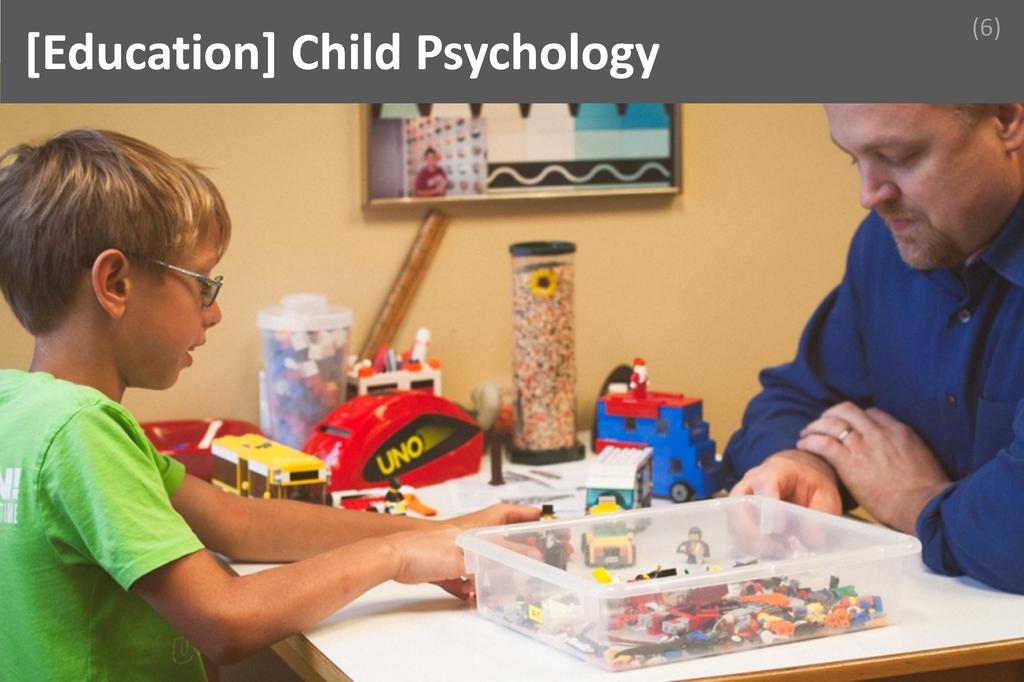
Child Psychology

### Child Psychology Image
What is
Child Psychology is the scientific study of the mental, emotional, and behavioral development of children from birth through adolescence. It explores how children grow, learn, and adapt within various environments. For those teaching psychology, understanding child psychology is essential, as it underpins many theories and practices in the broader field.

Concept
A deep understanding of child psychology is vital for anyone preparing to teach psychology because it provides insight into the foundational stages of human development. This knowledge enables educators to explain complex psychological concepts by relating them to early life experiences, making abstract theories more relatable for students. Mastery of child psychology also equips professionals to recognize developmental milestones and challenges, fostering a more comprehensive approach to teaching. Over the long term, this expertise enhances an educator’s ability to design effective curricula, address diverse learning needs, and contribute meaningfully to academic discussions. Ultimately, it establishes credibility and adaptability in a constantly evolving educational landscape, ensuring that teaching methods remain relevant and evidence-based.

Real World Example
Consider a university lecturer tasked with teaching developmental psychology to undergraduate students. Drawing on their expertise in child psychology, the lecturer can illustrate concepts such as attachment theory or cognitive development using real-life case studies and classroom observations. When students struggle to grasp abstract developmental stages, the lecturer references specific behaviors observed in children, such as language acquisition or social play, to clarify these concepts. This practical application not only enriches the learning experience but also demonstrates the relevance of theory to everyday life. By bridging the gap between research and practice, the lecturer fosters a deeper understanding and appreciation of psychological development among future professionals.

Social Psychology

### Social Psychology Image
What is
Social Psychology is the scientific study of how individuals think, feel, and behave in social contexts, influenced by the presence, actions, or expectations of others. It bridges individual psychology and broader societal influences, making it essential for those teaching psychology to understand group dynamics, attitudes, and interpersonal processes.

Concept
A thorough grasp of social psychology is indispensable for anyone preparing to teach psychology because it provides insight into the mechanisms that drive human interaction, persuasion, conformity, and group behavior. Understanding these concepts equips educators to explain complex psychological phenomena in relatable ways, fostering deeper student engagement and comprehension. Social psychology also underpins many applied areas, such as conflict resolution, prejudice reduction, and leadership development, which are frequently discussed in educational settings. Mastery of this subject not only enhances teaching effectiveness but also prepares professionals to address diverse classroom dynamics and societal issues, ensuring their long-term relevance and adaptability in the evolving field of psychology education.

Real World Example
Imagine a psychology instructor noticing that certain students are reluctant to participate in class discussions. Drawing on their knowledge of social psychology, the instructor recognizes the influence of group norms and social facilitation on student behavior. By intentionally creating smaller discussion groups and establishing supportive classroom norms, the instructor encourages more equitable participation and reduces social anxiety. This practical application of social psychological principles not only improves classroom dynamics but also models for students how theory translates into real-world strategies for fostering inclusive and effective learning environments. Through such daily practices, the educator demonstrates the value of social psychology in understanding and shaping human behavior within educational settings.

Techniques of Assessment

### Techniques of Assessment Image
What is
Techniques of Assessment refers to the systematic methods and tools used to evaluate students’ knowledge, skills, attitudes, and psychological attributes. In Teaching Psychology, it encompasses both formal and informal strategies to measure learning outcomes, guide instruction, and ensure that educational objectives are being met effectively and ethically.

Concept
Understanding Techniques of Assessment is essential for anyone preparing for or working in Teaching Psychology because it underpins the ability to accurately gauge student progress and learning. Mastery of this subject ensures that educators can design fair, valid, and reliable assessments that reflect true student understanding. It also enables teachers to identify learning gaps, adapt instructional strategies, and provide meaningful feedback. Over the course of a career, proficiency in assessment techniques supports professional credibility, fosters continuous improvement, and aligns teaching practices with evolving educational standards. Ultimately, it empowers psychology educators to contribute to student success and uphold the integrity of the learning process.

Real World Example
Imagine a psychology instructor preparing a unit on cognitive development. Drawing on their knowledge of Techniques of Assessment, the instructor creates a mix of formative quizzes, reflective journals, and project-based evaluations to capture different aspects of student understanding. During class, the instructor observes student participation and adapts discussions based on real-time feedback. After administering a summative assessment, the instructor analyzes the results to identify common misconceptions and adjusts future lessons accordingly. By thoughtfully applying assessment techniques, the instructor not only measures learning outcomes but also enhances student engagement and personalizes instruction, demonstrating the practical value of assessment expertise in everyday teaching.

Personality Development

### Personality Development Image
What is
Personality Development refers to the continuous process of shaping and refining an individual’s distinctive patterns of thinking, feeling, and behaving. In the context of Teaching Psychology, it is a foundational concept that helps educators understand how personalities form, evolve, and influence learning, relationships, and classroom dynamics, enriching both teaching and research.

Concept
Understanding Personality Development is crucial for anyone preparing for or working in Teaching Psychology because it provides the theoretical framework necessary to interpret human behavior and mental processes. This knowledge enables educators to recognize the diversity of student personalities, adapt teaching strategies, and foster inclusive learning environments. Mastery of personality theories and developmental stages enhances a teacher’s ability to identify students’ strengths and challenges, guide their growth, and support their emotional well-being. Over the long term, expertise in Personality Development equips professionals to contribute meaningfully to curriculum design, student counseling, and academic research, ensuring they remain effective and empathetic educators throughout their careers.

Real World Example
Consider a university psychology instructor who notices that students in their class display varying levels of participation and motivation. Drawing on their understanding of Personality Development, the instructor recognizes that these differences may stem from distinct personality traits and developmental backgrounds. By applying this knowledge, the instructor tailors classroom activities to accommodate introverted and extroverted students, encourages self-reflection, and creates group projects that leverage diverse strengths. This approach not only enhances student engagement and learning outcomes but also models the practical application of psychological theory, demonstrating to students how personality insights can be used to foster positive educational experiences and personal growth.

Skills


Keen Interest

### Keen Interest Image
What is
Keen Interest is a deep, genuine curiosity and enthusiasm for a subject, driving continuous learning, exploration, and engagement. In Teaching Psychology, this quality fuels a professional’s desire to stay updated with evolving theories, research, and pedagogical methods, ensuring they inspire students and foster a dynamic, relevant learning environment.

Concept
Keen Interest directly enhances a psychology educator’s effectiveness by motivating them to seek out new knowledge, experiment with innovative teaching strategies, and remain receptive to student feedback. Employers and clients value this quality because it translates into passionate, informed instruction and a classroom atmosphere that encourages student participation and critical thinking. To cultivate Keen Interest, professionals should regularly engage with current psychological research, attend workshops or conferences, and connect with peers to exchange ideas. Over time, nurturing curiosity and maintaining an open, inquisitive mindset helps educators adapt to changes in the field and sustain their enthusiasm, which in turn positively impacts their students’ learning experiences.

Real World Example
Imagine a psychology instructor noticing a decline in student engagement during lessons on cognitive development. Driven by Keen Interest, the educator researches recent studies and discovers interactive digital tools that make abstract concepts more accessible. They redesign their lesson plan, incorporating these resources and facilitating hands-on activities. As a result, students become more involved and demonstrate improved understanding. The instructor’s genuine enthusiasm for both the subject and innovative teaching methods not only resolves the engagement issue but also inspires students to explore psychology more deeply. This scenario highlights how Keen Interest empowers educators to proactively address challenges and foster a vibrant, effective learning environment.

Analytical

### Analytical Image
What is
Analytical is the ability to systematically examine information, identify patterns, interpret data, and draw logical conclusions. In Teaching Psychology, this skill enables professionals to assess student understanding, evaluate research findings, and adapt instructional strategies. Analytical thinking ensures that complex psychological concepts are communicated clearly and that teaching methods are evidence-based.

Concept
Analytical skills directly enhance a Teaching Psychology professional’s effectiveness by enabling them to break down complex theories, assess student progress, and design curriculum that meets diverse learning needs. Employers and educational institutions highly value this skill because it leads to informed decision-making and improved educational outcomes. Analytical thinkers can interpret assessment data, recognize trends in student performance, and adjust their teaching accordingly. To cultivate this skill, professionals should engage in continuous learning, practice critical reflection, and seek feedback on their teaching methods. Regularly reviewing academic literature and participating in professional development workshops also helps refine analytical abilities, ensuring that teaching practices remain current and impactful.

Real World Example
Imagine a Teaching Psychology professional noticing a sudden drop in student engagement during a unit on cognitive development. By applying analytical skills, the instructor reviews assessment data, observes classroom interactions, and gathers student feedback. Through this systematic analysis, they identify that the teaching materials are too abstract for the current class level. The instructor then adapts the lesson plan, incorporating more concrete examples and interactive activities. As a result, student engagement and comprehension improve significantly. This scenario highlights how analytical thinking enables educators to diagnose issues, implement effective solutions, and ultimately foster a more supportive and successful learning environment.

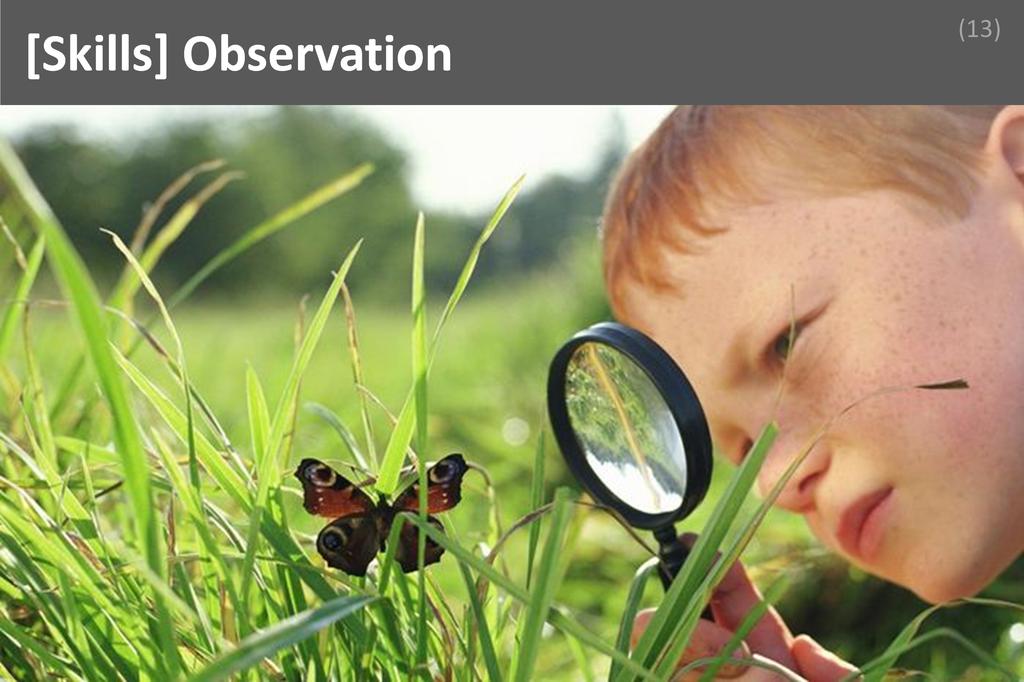
Observation

### Observation Image
What is
Observation is the intentional and systematic process of noticing, recording, and interpreting behaviors, interactions, and environmental cues to gain insight and understanding. In Teaching Psychology, observation enables professionals to assess student engagement, identify learning barriers, and adapt instructional strategies, making it a foundational skill for effective teaching and learning.

Concept
Observation directly enhances a Teaching Psychology professional’s performance by allowing them to recognize subtle cues in student behavior, classroom dynamics, and emotional responses. This awareness helps in tailoring lessons, providing timely interventions, and fostering an inclusive learning environment. Clients and employers value this skill because it leads to more accurate assessments, improved student outcomes, and a proactive approach to addressing challenges. Cultivating observation skills involves deliberate practice, reflective journaling, and seeking feedback from peers. Over time, professionals can refine their ability to notice patterns, interpret nonverbal communication, and remain present in the moment, all of which contribute to more effective teaching and stronger relationships with students.

Real World Example
Imagine a Teaching Psychology professional noticing that a usually active student has become withdrawn and disengaged during group discussions. By carefully observing the student’s body language and participation over several classes, the teacher identifies a pattern of discomfort when certain topics are discussed. Using these observations, the teacher initiates a private conversation, uncovering that the student is struggling with anxiety related to the subject matter. With this insight, the teacher adjusts the curriculum and introduces supportive resources, resulting in the student’s renewed participation and improved well-being. This scenario highlights how keen observation enables the teacher to detect issues early, respond empathetically, and create a more supportive learning environment.

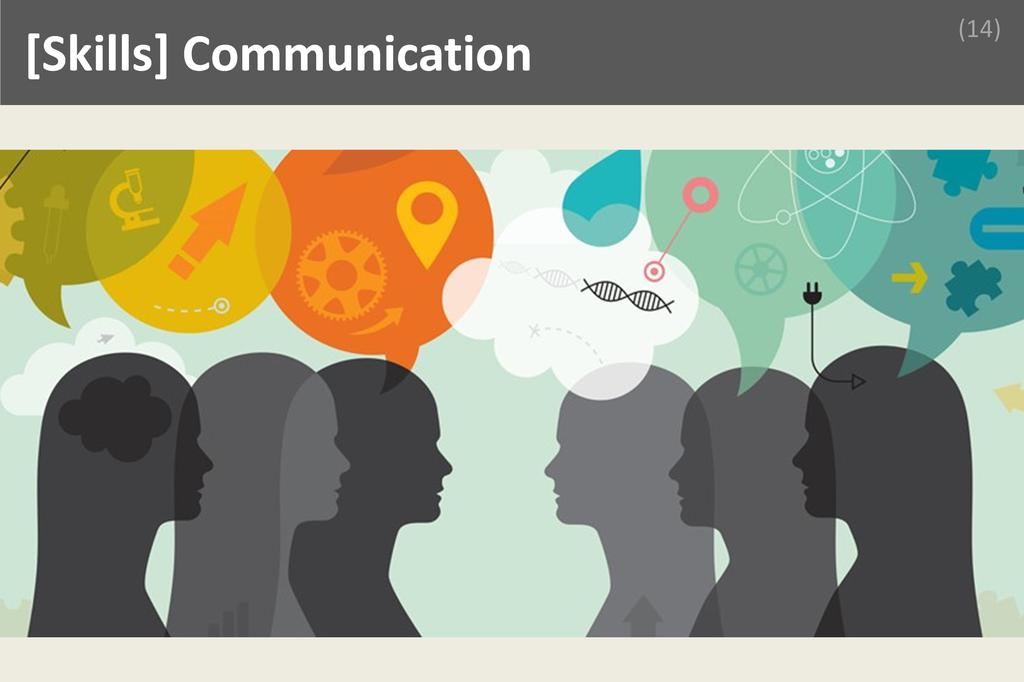
Communication

### Communication Image
What is
Communication is the process of exchanging information, ideas, and emotions through verbal, nonverbal, and written means to foster understanding and connection between individuals or groups. In Teaching Psychology, communication is fundamental for conveying complex theories, facilitating discussions, and building rapport with students, making it indispensable for effective instruction and learning.

Concept
Strong communication skills enable psychology educators to present intricate psychological concepts in clear, relatable ways, ensuring students grasp and retain essential knowledge. Employers and academic institutions highly value this skill because it enhances classroom engagement, encourages critical thinking, and supports a positive learning environment. Effective communicators can adapt their teaching methods to accommodate diverse learning styles, address misunderstandings promptly, and foster open dialogue. To cultivate communication skills, professionals can seek feedback, participate in workshops, observe experienced educators, and practice active listening. Over time, consistent reflection and adaptation help refine these abilities, making educators more responsive and impactful in their teaching roles.

Real World Example
Imagine a psychology instructor noticing that students are struggling to understand the concept of cognitive dissonance. By employing clear communication, the instructor breaks down the theory using relatable examples, encourages students to share their interpretations, and addresses misconceptions in real time. Through open dialogue and attentive listening, the instructor gauges student comprehension and adjusts explanations accordingly. This approach not only clarifies the concept but also builds trust and encourages participation. As a result, students feel more confident in their understanding, leading to improved academic performance and a more dynamic classroom atmosphere. This scenario highlights how effective communication is pivotal in overcoming learning barriers and achieving educational success in Teaching Psychology.

Patience

### Patience Image
What is
Patience is the ability to remain calm, composed, and persistent in the face of delays, challenges, or frustration, without becoming agitated or giving up. In Teaching Psychology, patience enables professionals to support diverse learners, adapt to varying paces of understanding, and foster a positive, inclusive learning environment that encourages growth.

Concept
Patience directly enhances a Teaching Psychology professional’s effectiveness by allowing them to respond thoughtfully to students’ questions, misunderstandings, or emotional struggles. Clients and employers value patience because it leads to better student outcomes, higher retention rates, and a more supportive classroom atmosphere. Cultivating patience involves self-awareness, mindfulness, and regular reflection on one’s reactions to challenging situations. Over time, professionals can develop this skill by practicing active listening, setting realistic expectations, and embracing the idea that meaningful learning and behavioral change often require sustained effort and time. By consistently applying patience, educators build trust and rapport with students, which is essential for facilitating deep understanding and personal growth.

Real World Example
Imagine a Teaching Psychology professional working with a student who repeatedly struggles to grasp complex concepts such as cognitive behavioral theory. Despite multiple explanations, the student remains confused and frustrated. Instead of expressing impatience or moving on too quickly, the educator patiently revisits the material using different examples and teaching methods. They provide encouragement, allow the student time to process information, and create a safe space for questions. Over several sessions, the student gradually develops confidence and comprehension. The educator’s patience not only helps the student succeed academically but also models resilience and perseverance, demonstrating the profound impact this core skill has on both learning outcomes and the overall educational experience.

Flexibility

### Flexibility Image
What is
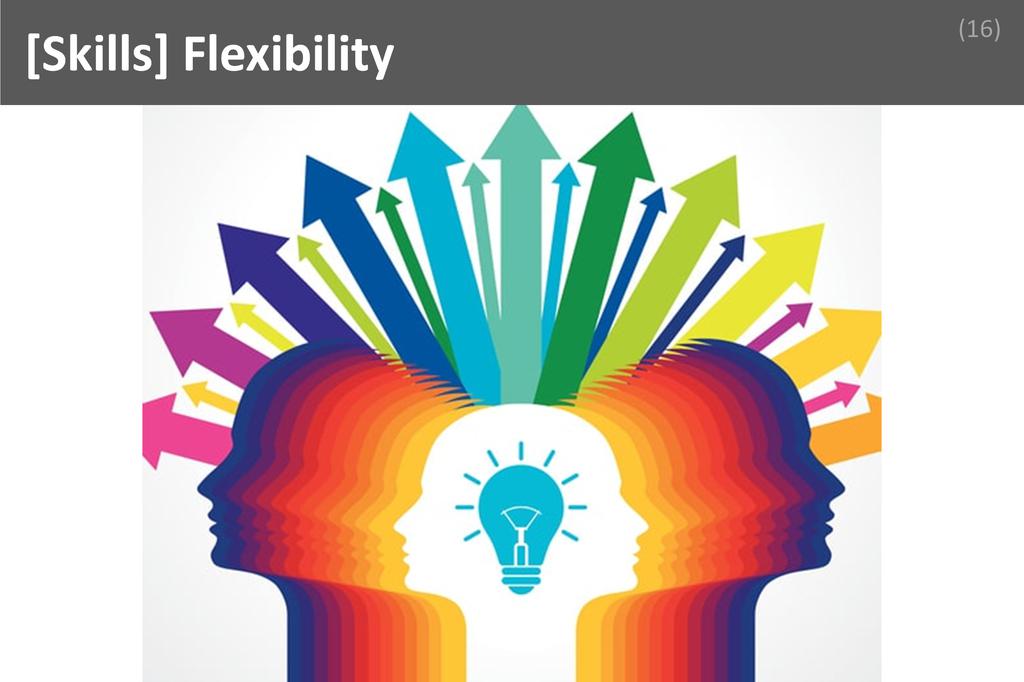
Flexibility is the capacity to adapt thoughts, behaviors, and strategies in response to changing circumstances, unexpected challenges, or diverse needs. In Teaching Psychology, flexibility enables professionals to adjust their instructional methods, communication styles, and assessment techniques to best support varied learners and evolving educational environments, ensuring effective and inclusive teaching.

Concept
Flexibility directly enhances performance in Teaching Psychology by allowing educators to respond constructively to student feedback, curriculum changes, and emerging psychological research. Clients and employers value this skill because it ensures that teaching remains relevant, engaging, and responsive to individual and group needs. Flexible educators can seamlessly shift between teaching modalities, address diverse learning preferences, and integrate new technologies or methodologies as required. To cultivate flexibility, professionals should seek ongoing professional development, remain open to feedback, and practice reflective teaching. Over time, embracing new experiences and learning from both successes and setbacks helps educators become more adaptable, ultimately leading to improved outcomes for students and institutions alike.

Real World Example
Imagine a Teaching Psychology professional who has meticulously planned a lesson on cognitive development, only to discover that several students are struggling with the foundational concepts. Instead of rigidly adhering to the original plan, the educator quickly assesses the students’ needs and modifies the lesson in real time, incorporating more interactive activities and real-life examples. This flexible approach not only helps students grasp the material but also fosters a supportive and dynamic learning environment. By adapting to the situation, the educator demonstrates a commitment to student success and models adaptive thinking, which is itself a valuable psychological principle. This scenario highlights how flexibility can transform potential setbacks into opportunities for deeper learning and engagement.

Trust Building

### Trust Building Image
What is
Trust Building is the intentional process of fostering reliability, openness, and mutual respect between individuals, creating a safe environment for honest communication and collaboration. In Teaching Psychology, trust building is fundamental because it enables educators to connect authentically with students, facilitating deeper learning, engagement, and personal growth within the classroom.

Concept
Trust building significantly enhances a Teaching Psychology professional’s effectiveness by creating an atmosphere where students feel comfortable expressing thoughts, asking questions, and exploring complex psychological concepts. Clients and employers highly value this skill because it leads to increased student participation, improved academic outcomes, and a positive reputation for the institution. To cultivate trust building, professionals must consistently demonstrate empathy, maintain confidentiality, and communicate transparently. Over time, reflecting on interactions, seeking feedback, and adapting teaching approaches help strengthen this skill. By prioritizing trust, educators not only support individual student development but also contribute to a collaborative and inclusive learning environment.

Real World Example
Imagine a Teaching Psychology instructor noticing that a student is reluctant to participate in class discussions about sensitive topics. By consistently showing understanding, respecting the student’s boundaries, and providing encouragement without pressure, the instructor gradually earns the student’s trust. As trust develops, the student becomes more willing to share perspectives and engage with challenging material. This transformation not only benefits the student’s learning experience but also enriches classroom discussions for everyone. The instructor’s commitment to trust building resolves the initial issue of disengagement and demonstrates how essential this skill is for fostering a supportive and dynamic educational environment.

Positives


Varied Job Prospects

### Varied Job Prospects Image
What is
Varied job prospects refer to the wide range of career opportunities and professional pathways available within a field. In teaching psychology, this means educators can work in diverse environments such as schools, universities, corporate training, counseling, research, and community outreach. This diversity enriches the profession and opens doors to continual growth.

Concept
The presence of varied job prospects in teaching psychology is a significant advantage because it allows professionals to tailor their careers to their interests and strengths. Whether someone is passionate about classroom instruction, curriculum development, research, or public engagement, there is a niche to be found. This flexibility not only prevents career stagnation but also encourages lifelong learning and adaptation. As professionals explore different roles, they gain new skills and perspectives, which keeps their work dynamic and meaningful. The ability to shift between roles or combine them fosters a sense of autonomy and purpose, leading to higher job satisfaction and sustained motivation throughout one’s career.

Real World Example
Imagine a teaching psychologist who begins their career as a high school psychology teacher. Over time, they discover a passion for research and transition into a university lecturer role, where they also supervise student projects. Later, they are invited to design mental health workshops for local businesses, blending their teaching expertise with real-world impact. Each new opportunity not only broadens their professional experience but also deepens their sense of fulfillment. The ability to move seamlessly between educational settings, research, and community engagement exemplifies how varied job prospects in teaching psychology can create a vibrant, rewarding career path that evolves with the individual’s interests and aspirations.

Helping Children

### Helping Children Image
What is
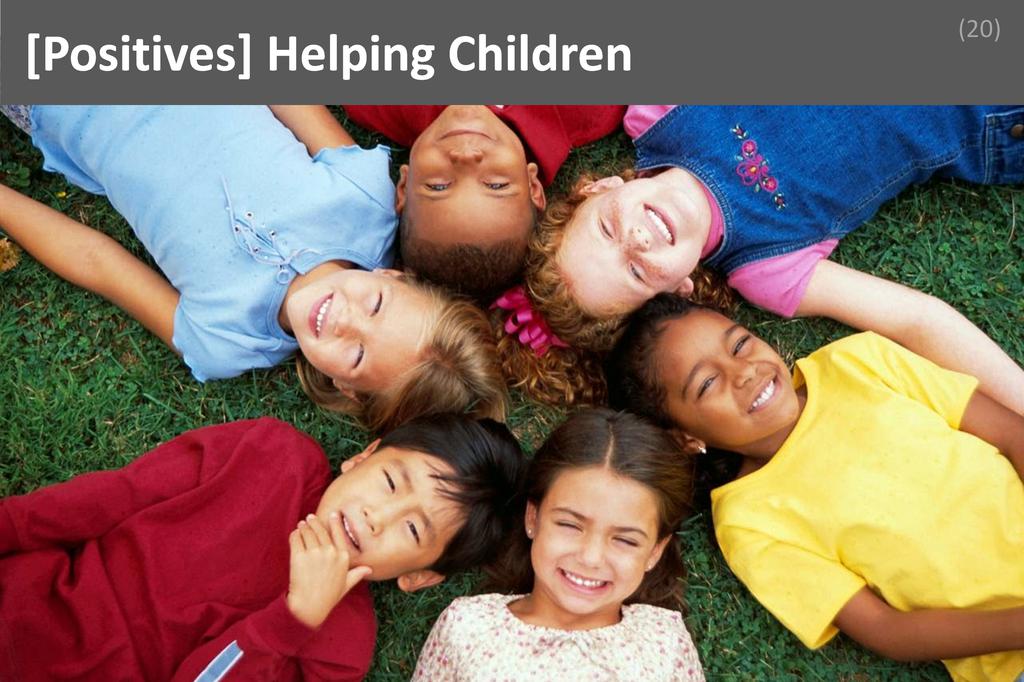
Helping children means providing guidance, support, and understanding to young individuals as they navigate emotional, social, and cognitive challenges. In teaching psychology, this involves equipping children with tools to manage their feelings, build resilience, and develop healthy relationships. This positive contribution shapes their well-being and fosters lifelong personal growth.

Concept
The opportunity to help children is a profound advantage in teaching psychology because it allows professionals to witness the transformative power of their work. Seeing children overcome obstacles, gain confidence, and thrive academically and emotionally brings immense job satisfaction. This daily interaction with young minds not only nurtures the children’s development but also fuels the teacher’s own growth and motivation. The sense of purpose derived from making a tangible difference in children’s lives creates a rewarding and meaningful career. Professionals in this field often find that their efforts ripple outward, positively influencing families and communities, and reinforcing their commitment to the profession.

Real World Example
Imagine a teaching psychologist working with a child who struggles with anxiety and social isolation. Through patient guidance and evidence-based strategies, the professional helps the child understand their emotions and develop coping skills. Over time, the child becomes more confident, participates in group activities, and forms new friendships. The psychologist witnesses this transformation firsthand, feeling a deep sense of fulfillment knowing their expertise and compassion have empowered the child to overcome challenges. This daily impact not only validates the psychologist’s career choice but also inspires continued dedication to helping more children achieve their potential.

Understanding the World

### Understanding the World Image
What is
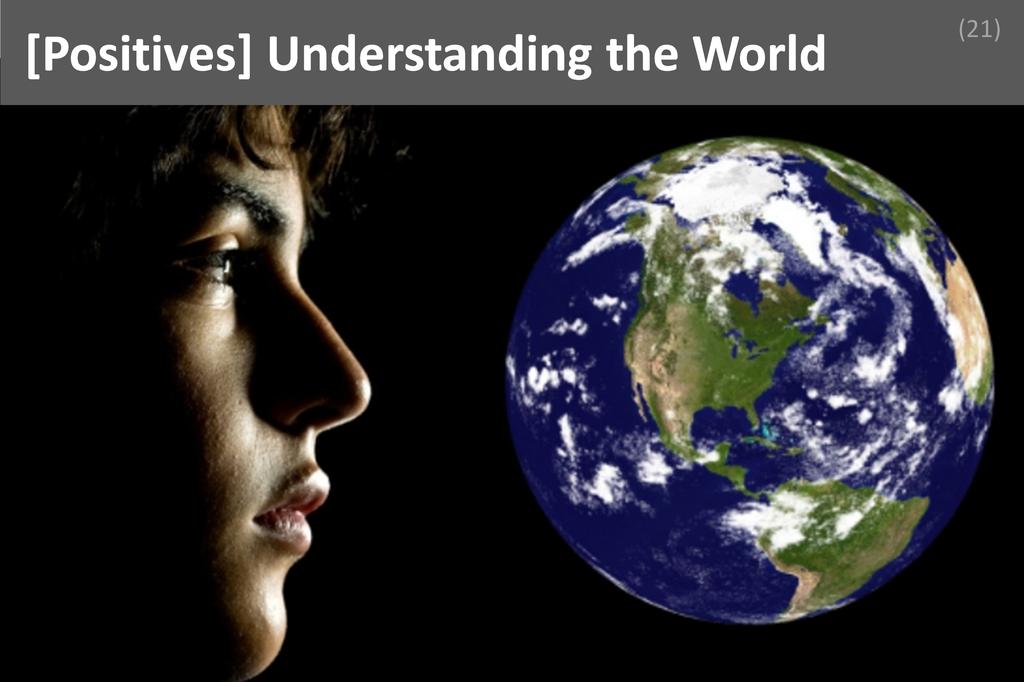
"Understanding the World" means grasping the complex interplay of thoughts, emotions, behaviors, and societal influences that shape individuals and communities. In teaching psychology, this understanding allows educators to explore human nature, cultural diversity, and social dynamics, fostering empathy and insight. It enriches both personal growth and professional effectiveness.

Concept
The ability to understand the world is a profound advantage in teaching psychology because it transforms abstract theories into meaningful, real-life applications. This perspective allows educators to connect deeply with students, making lessons relevant and engaging. It also encourages continuous learning, as teachers encounter diverse perspectives and evolving research. Experiencing the world through the lens of psychology cultivates curiosity and adaptability, which are essential for personal and professional growth. This ongoing process of discovery leads to greater job satisfaction, as teachers witness the positive impact of their work on students’ understanding of themselves and others. Ultimately, it creates a sense of purpose, knowing that each lesson contributes to a more empathetic and informed society.

Real World Example
Imagine a psychology teacher guiding a class discussion about prejudice and group behavior. As students share their experiences and cultural backgrounds, the teacher draws on psychological theories to help them understand the roots of bias and the importance of empathy. Through this exchange, the teacher not only imparts knowledge but also learns from the students’ diverse perspectives, gaining a richer understanding of the world. This dynamic classroom environment becomes a space where both teacher and students grow, challenge assumptions, and develop a deeper appreciation for human complexity. The teacher leaves the classroom each day feeling fulfilled, knowing that their work fosters awareness, compassion, and critical thinking in the next generation.

Self Satisfaction

### Self Satisfaction Image
What is
Self satisfaction is the deep sense of fulfillment and contentment that arises from achieving personal goals, making a positive impact, and living in alignment with one’s values. In teaching psychology, self satisfaction emerges when educators witness their students grow intellectually and emotionally, knowing their guidance has made a meaningful difference.

Concept
Self satisfaction is a cornerstone of a rewarding career in teaching psychology because it transforms daily work into a source of personal joy and motivation. When educators feel genuinely satisfied with their contributions, they are more likely to approach challenges with enthusiasm and resilience. This positive outlook not only enhances their own well-being but also fosters a supportive and engaging learning environment for students. The ongoing sense of accomplishment that comes from helping others understand themselves and the world around them leads to higher job satisfaction and professional growth. Teachers who experience self satisfaction are inspired to continually improve their skills, innovate in their teaching methods, and build lasting connections with their students.

Real World Example
Imagine a psychology professor who spends weeks guiding a struggling student through complex theories and research methods. Over time, the student’s confidence grows, culminating in a breakthrough moment during a class discussion where they articulate a nuanced understanding of a challenging concept. Witnessing this transformation, the professor feels a profound sense of self satisfaction, knowing their patience and dedication directly contributed to the student’s success. This moment not only reaffirms the professor’s passion for teaching but also motivates them to continue investing in their students’ growth. Such experiences create a lasting sense of fulfillment that makes the daily challenges of teaching psychology deeply worthwhile.

Intellectual Stimulation

### Intellectual Stimulation Image
What is
Intellectual stimulation is the ongoing engagement of the mind through challenging ideas, critical thinking, and exposure to new perspectives. It involves questioning assumptions, exploring complex concepts, and fostering curiosity. In teaching psychology, intellectual stimulation enriches both educators and students, creating a dynamic environment where learning and growth are constant companions.

Concept
The intellectually stimulating nature of teaching psychology is a cornerstone of job satisfaction and professional growth. Every day, educators encounter diverse theories, emerging research, and thought-provoking questions from students. This constant mental engagement keeps the work fresh and invigorating, preventing stagnation and burnout. Teachers are encouraged to refine their understanding, adapt their approaches, and remain lifelong learners. The exchange of ideas with students and colleagues fosters a sense of community and shared purpose, making each day unique and rewarding. As a result, professionals in this field often find themselves inspired, motivated, and deeply connected to their work, knowing they are contributing to the advancement of knowledge and the development of critical thinkers.

Real World Example
Imagine a psychology professor leading a seminar on cognitive biases. As students debate the implications of recent research, the professor is challenged to consider new viewpoints and defend established theories. This lively exchange pushes the professor to revisit foundational concepts, seek out the latest studies, and integrate fresh insights into their teaching. The process is invigorating, as it not only sharpens the professor’s expertise but also ignites a passion for discovery. By navigating these intellectual challenges, the educator experiences firsthand the fulfillment that comes from continuous learning and the joy of inspiring others to think deeply about the human mind.

Universality

### Universality Image
What is
Universality refers to the quality of being applicable, relevant, and meaningful across diverse individuals, cultures, and contexts. In teaching psychology, universality means that the concepts, theories, and insights shared in the classroom resonate with people from all walks of life, fostering understanding and connection regardless of background. This broad relevance enriches the teaching experience, as educators witness their lessons bridging gaps and sparking curiosity in every student. Universality ensures that the knowledge imparted is not confined to a single group but instead empowers learners everywhere, making the role of a psychology teacher both impactful and deeply rewarding.

Concept
The universality of psychology as a discipline means that educators are constantly engaging with material that transcends cultural, social, and personal boundaries. This aspect brings immense satisfaction, as teachers see their lessons resonate with students from varied backgrounds, creating a sense of shared understanding and empathy. The ability to connect with a diverse audience not only enhances classroom dynamics but also fosters professional growth, as teachers continually adapt and refine their approaches to reach every learner. Each day, professionals in this field experience the joy of making psychological concepts accessible and meaningful to all, reinforcing the value and relevance of their work in a rapidly changing world.

Real World Example
Imagine a psychology teacher leading a discussion on stress management in a multicultural classroom. As students share personal experiences, the teacher skillfully weaves together universal psychological principles with individual stories, highlighting common threads that unite everyone. Students from different countries and backgrounds realize that, despite their unique circumstances, they face similar emotional challenges and can benefit from shared coping strategies. The teacher witnesses firsthand how the universality of psychological concepts fosters empathy, mutual respect, and a supportive learning environment. This daily experience of connecting people through universal truths is profoundly fulfilling, reminding the educator of the far-reaching impact of their work.

Challenges


Disinterested Students

### Disinterested Students Image
What is
Disinterested students in Teaching Psychology are individuals who show minimal engagement, curiosity, or motivation toward course material, often perceiving it as irrelevant or unimportant. This challenge is demanding because it undermines classroom dynamics, hinders meaningful discussion, and can impede the overall learning process for both the students and the educator.

Concept
The presence of disinterested students can make daily teaching feel discouraging and isolating, as lessons may fall flat and classroom participation dwindles. This situation requires significant resilience from educators, who must continually adapt their methods and maintain enthusiasm despite apparent indifference. Successful professionals address this challenge by employing creative teaching strategies, such as relating psychological concepts to real-life scenarios, integrating interactive activities, and fostering a supportive classroom environment. They also invest time in understanding students’ perspectives, adjusting content delivery to align with students’ interests, and providing opportunities for personal connection to the material. Through persistence and adaptability, these educators gradually re-engage students, transforming apathy into curiosity and participation.

Real World Example
Consider a psychology instructor who notices that a significant portion of their class seems disengaged during lectures on cognitive theories. Rather than persisting with traditional lectures, the instructor introduces case studies drawn from current events and popular culture, encouraging students to analyze psychological principles in familiar contexts. By inviting students to share their own experiences and opinions, the instructor creates a more interactive and relatable learning environment. Over time, students begin to participate more actively, ask questions, and even express enthusiasm for topics they previously found dull. This shift demonstrates how thoughtful adaptation and genuine effort to connect material to students’ lives can effectively overcome the obstacle of disinterest in the psychology classroom.

Misconceptions

### Misconceptions Image
What is
Misconceptions in Teaching Psychology refer to persistent, incorrect beliefs or misunderstandings about psychological concepts, theories, or practices held by students or the public. These misconceptions are demanding because they can be deeply rooted, resistant to change, and often interfere with effective learning, critical thinking, and the accurate application of psychological knowledge.

Concept
The presence of misconceptions in the classroom can significantly disrupt the learning process, as students may cling to inaccurate ideas despite clear instruction. This challenge requires educators to be both patient and resilient, as they must repeatedly address and correct these misunderstandings. The emotional labor involved can be considerable, especially when misconceptions are widespread or culturally reinforced. Successful professionals in Teaching Psychology navigate this constraint by fostering an open, nonjudgmental environment where questions are encouraged and errors are seen as opportunities for growth. They employ evidence-based teaching methods, such as active learning and formative assessment, to identify and address misconceptions early, ensuring that students build a solid foundation of accurate psychological knowledge.

Real World Example
Consider a psychology instructor who notices that many students believe memory works like a video recorder, faithfully capturing every detail. Instead of simply correcting this misconception, the instructor designs an interactive class activity where students witness an event and then recall details, highlighting the inaccuracies and gaps in their memories. Through guided discussion and reference to empirical research, the instructor helps students recognize the reconstructive nature of memory. By directly engaging with the misconception and providing experiential evidence, the instructor not only corrects false beliefs but also models critical thinking and scientific inquiry, turning a common obstacle into a powerful learning experience.

Vast Subject

### Vast Subject Image
What is
In Teaching Psychology, "Vast Subject" refers to the immense breadth and depth of psychological theories, research, and applications that educators must master and convey. This complexity is demanding because it requires continuous learning, careful selection of content, and the ability to make intricate concepts accessible and relevant to diverse student groups.

Concept
The challenge of a vast subject in Teaching Psychology can lead to feelings of overwhelm, as educators strive to cover essential material without sacrificing depth or clarity. This difficulty impacts daily work by necessitating constant prioritization, curriculum updates, and adaptation to new research. It demands resilience because teachers must balance thoroughness with practicality, often making tough decisions about what to include or omit. Successful professionals manage this constraint by focusing on core concepts, integrating current research judiciously, and fostering critical thinking rather than rote memorization. They also leverage collaborative learning and encourage students to explore topics independently, thus transforming the vastness of the subject into an opportunity for lifelong learning.

Real World Example
Consider a university psychology lecturer tasked with teaching introductory courses to large, diverse classes. Faced with the vastness of the subject, the lecturer strategically organizes the syllabus around foundational theories and contemporary issues, using real-world examples to illustrate complex ideas. Instead of attempting to cover every topic exhaustively, the lecturer encourages students to pursue independent projects on areas of personal interest, guiding them toward reputable sources and critical analysis. By fostering an interactive classroom environment and providing curated resources, the lecturer not only manages the overwhelming scope of psychology but also inspires students to engage deeply with the material, demonstrating how to thrive despite the challenge of a vast subject.

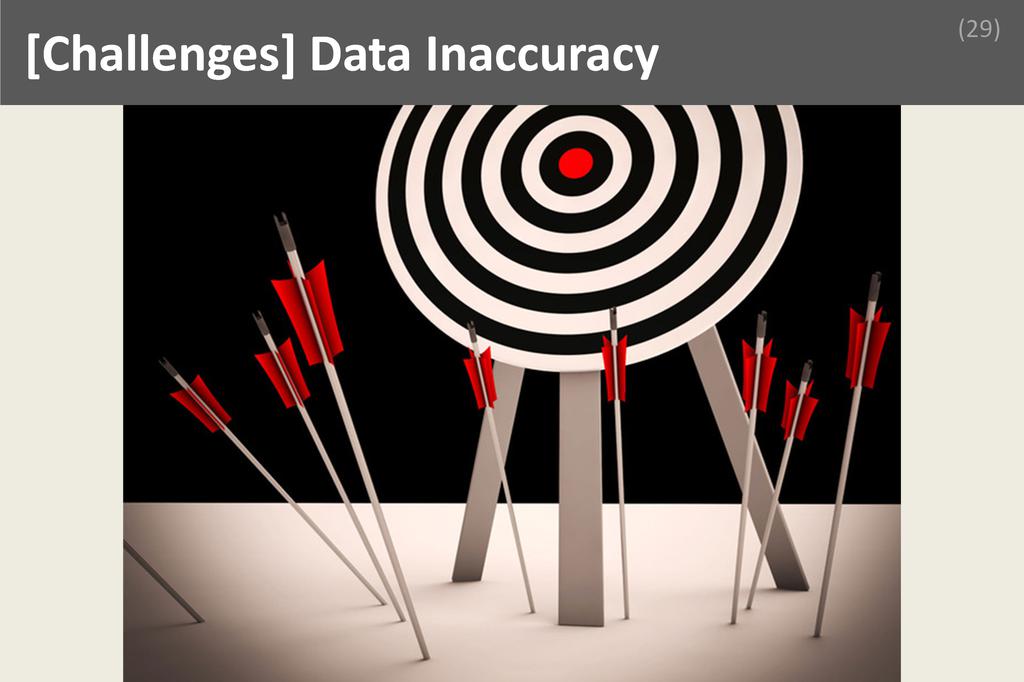
Data Inaccuracy

### Data Inaccuracy Image
What is
Data inaccuracy in Teaching Psychology refers to the presence of incorrect, incomplete, or misleading information in research findings, assessment results, or educational resources. This challenge is demanding because it can undermine the validity of instruction, misguide students, and compromise the integrity of psychological education and practice.

Concept
Data inaccuracy can significantly disrupt the daily responsibilities of psychology educators. When teaching concepts or interpreting research, inaccurate data may lead to the dissemination of false information, eroding students’ trust and potentially perpetuating misconceptions. This challenge requires resilience, as educators must remain vigilant, constantly verifying sources and updating materials to reflect the most accurate information. Successful professionals address this constraint by fostering critical thinking, encouraging students to question data sources, and modeling transparency about the limitations of available information. They also engage in continuous professional development, staying informed about current research and best practices. By cultivating a classroom culture that values accuracy and skepticism, educators can mitigate the negative effects of data inaccuracy and maintain high standards in psychological education.

Real World Example
Consider a psychology instructor who discovers that a widely cited study on learning styles, previously included in their curriculum, has been debunked by recent meta-analyses. Rather than ignoring the new evidence, the instructor openly discusses the issue with students, explaining how scientific understanding evolves and why it is important to critically evaluate sources. The instructor revises lesson plans to incorporate updated research and uses the situation as a teaching moment about the nature of scientific inquiry and the prevalence of data inaccuracy. By addressing the challenge directly and transparently, the educator not only maintains the integrity of their teaching but also empowers students to become discerning consumers of psychological information.

A Day Of


Teaching Psychology

What is
The rhythm of a teaching psychologist’s day is a dynamic blend of intellectual challenge, human connection, and constant adaptation. From the moment the first cup of coffee is poured, the environment buzzes with anticipation—lecture halls await, students’ questions linger in the air, and the latest research beckons from the inbox. Each day unfolds as a balancing act between imparting knowledge, fostering curiosity, and responding to the unpredictable needs of both students and colleagues. In this world, no two days are ever quite the same, but the drive to inspire and guide the next generation of thinkers remains a steady undercurrent.

Concept
As dawn breaks, the teaching psychology professional arrives on campus, often before the corridors fill with the hum of student voices. This early hour is reserved for reviewing lesson plans, scanning recent journal articles for fresh insights, and updating slides or handouts to reflect the latest developments in psychological science. The quiet allows for focused reflection on how best to engage students in today’s topics, whether it’s cognitive development or abnormal psychology. A brief check of emails ensures that any urgent student concerns or departmental updates are addressed before the day accelerates.

Real World Example
By mid-morning, the heart of the day begins as the classroom comes alive. Here, the teaching psychologist steps into the role of facilitator, guiding lively discussions, presenting complex theories, and encouraging students to connect psychological concepts to real-world scenarios. The energy is palpable as students debate, question, and sometimes challenge established ideas, pushing the instructor to think on their feet. This is the most interactive and demanding part of the day, requiring not only deep subject expertise but also empathy and adaptability to meet students where they are in their learning journey.

The afternoon shifts focus from the classroom to collaboration. Office hours open the door to one-on-one conversations, where students seek advice on research projects, career paths, or personal challenges related to course material. Departmental meetings may follow, where colleagues discuss curriculum updates, coordinate upcoming events, or brainstorm ways to enhance student engagement. Occasionally, the afternoon is spent supervising graduate students in their research, offering feedback and guidance that shapes the next wave of psychological inquiry.

As the day winds down, the teaching psychologist turns attention to the quieter, behind-the-scenes work that sustains both teaching and scholarship. Grading assignments, responding to student emails, and updating course materials are balanced with time set aside for personal research or writing. This is also the moment to reflect on what went well in the classroom, what could be improved, and to plan for tomorrow’s lessons. The office gradually empties, but the mind remains active, already considering new ways to ignite curiosity and foster understanding in the days to come.


Install the LifePage App to:


  1. (for Free) Watch Assistant Professor Dr Kirtima Upadhyay’s full Teaching Psychology Career Talk

  2. ₹ Do a Self Assessment on Teaching Psychology to calculate your Dream Index, which is defined as:

    According to Dr Kirtima Upadhyay your chances of success in Teaching Psychology is __%

  3. Access your personalized Dream Index Report which will have all your Dream Indices sorted in descending order.

Career Counselling 2.0


<?php echo $altimage; ?>


<?php echo $altimage; ?>


How to get into

Teaching Psychology?


If you are want to get into Teaching Psychology, start by investing in a Career Plan.

The 14 hour process, guided by a LifePage Career Advisor, will help you introspect and check whether your interest in Teaching Psychology is merely an infatuation or is it truly something you wish to do for the rest of your life.

Next, your Career Advisor will help you document how you can get into Teaching Psychology, what education and skills you need to succeed in Teaching Psychology, and what positives and challenges you will face in Teaching Psychology.

Finally, you will get a Career Plan stating which Courses, Certifications, Trainings and other Items you need to do in the next 7 years to become world’s best in Teaching Psychology.


LifePage Career Plan

14 hour personalized guidance program


Your LifePage Career Advisor facilitates your guided introspection so that you systematically explore various Career options to arrive at a well thought out Career choice.

Next: your Advisor helps you figure out how you will get into your chosen Career and how will you develop the skills needed for success in your Chosen Career.

LifePage Plan will not stop at saying "to become an Architect study Architecture". It will guide you on which Certifications, Trainings and Other items you need to do along with your Architecture education to become the world's best Architect.


Links for this Talk


Assistant Professor Dr Kirtima Upadhyay's LifePage:


Career Counselling 2.0
[LifePage]
https://www.lifepage.in/page/drkirtimaupadhyay


LifePage Career Talk on Teaching Psychology


Career Counselling 2.0
[Career]
https://www.lifepage.in/careers/teaching-psychology-1


Career Counselling 2.0
[Full Talk]
https://lifepage.app.link/20171211-0005


Career Counselling 2.0
[Trailer]
https://www.youtube.com/watch?v=0qPLofjyO9Y


(Teaching Psychology, Kirtima Upadhyay, SGRR Degree College, Educationist, Psychology Teacher, Psychologist)


Similar Talks



Career in Eating Psychology
Eating Psychology
Annabelle Macnamara
Eating Psychology Coach | Various Assignments
[ 4 years Experience ]

While we might think of food consumption primarily from a biological perspective, research has shown that our eating habits are significantly influenced by our perception of food as well as various other social and environmental stimuli. Food psychology is the study of the mental processes behind how and why we eat.

"I did my Schooling from Woodstock School, Mussoorie and Graduation from Roehampton University, London. After my Graduation I came back to India and did an online Correspondence certification in Psychology of Eating from a school in Colorado, US. Since 2014 I am practicing as an eating psychology coach at various assignments."


Career Counselling 2.0 Career Counselling 2.0 Career Counselling 2.0 Career Counselling 2.0 Career Counselling 2.0


Career in Psychology
Psychology
Sangeeta Khullar
Associate Professor | MKP PG College, Dehradun
[ 26 years Experience ]

Psychology is considered to be a science of behaviour which helps you understand people. It is a helping profession and it is a profession that help people to help themselves.

"After completing my PhD Degree I started teaching in 1991. Currently I am an Associate Professor in psychology at MKP, PG College, Dehradun."


Career Counselling 2.0 Career Counselling 2.0 Career Counselling 2.0 Career Counselling 2.0 Career Counselling 2.0


Career in Mental Health Counselling
Mental Health Counselling
Rachel Stix Neill
Licensed Professional Counselor | Family Preservation Services
[ 14 years & 1 month Experience ]

Mental Health & Addiction Counselling is Helping people overcome life challenges like physical illness, death of loved ones, and relationship problems or divorce.

"In 2000 I started a second career as a counselor after engaging in my own personal work. I began working with mandated treatment for addiction, specifically Drug Court, and work with adolescents on probation with the courts. Over the years I have worked with private agencies as well as government and community agencies. "


Career Counselling 2.0 Career Counselling 2.0 Career Counselling 2.0 Career Counselling 2.0 Career Counselling 2.0


Career in Counselling
Counselling
Usha Misra
Counselling Psychologist | Shanti Center for Personality Development
[ 6 years Experience ]

Counselling means that if a person has a problem individually, that problem should be solved knowing that individual. For that purpose, one needs to study the individual, the environment and help the person in solving the problem.

"After completing my education from Lucknow, I started working in a degree college in 1974. Then I got married and shifted to Dehradun, there I started working in Wynberg Allen school in the year 1986. I have also worked at Zee Himgiri University. Currently, I am working as counsellor."


Career Counselling 2.0 Career Counselling 2.0 Career Counselling 2.0 Career Counselling 2.0 Career Counselling 2.0


Career in Behavioural Counselling
Behavioural Counselling
Madhubala Sachan
Chief Counselor | Sixth Sense
[ 9 years Experience ]

Behavioural Counselling is to understand people, monitor their behaviour and also to understand their problems. Once understanding these, the changes are suggested to improve their behaviour to become responsible and happy by the Counselor.

"Due to my family background which is political, I got lot of exposure with people and their behaviour. That motivated me to take up Behavioural Counselling as my profession. I got my training from Pearson Academy for counselling and started doing Behavioural Counselling. It has been 9 years, I am doing it. Currently, I am the Chief Counselor at the Sixth Sense and Bansal Classes."


Career Counselling 2.0 Career Counselling 2.0 Career Counselling 2.0 Career Counselling 2.0 Career Counselling 2.0


Career in Career Counselling
Career Counselling
Toral Sharan
Head of Careers | Welham Boys
[ 9 years Experience ]

Career Counseling is a process that will help you to know and understand yourself and the world of work in order to make career, educational, and life decisions. Career Counseling helps you to decide what job and what life a person wants to choose.

"I did my education from England. I have been working in Welham Boys as a career head since 2008"


Career Counselling 2.0 Career Counselling 2.0 Career Counselling 2.0 Career Counselling 2.0 Career Counselling 2.0


Career in LifePage Career Coaching
LifePage Career Coaching
Pallavi Misra Chaturvedi
LifePage Career Advisor | LifePage
[ 1 year Experience ]

LifePage Career Plan is a personalized 7 day program in which an expert will help you navigate 900+ Career Talks to arrive at a Career decision and also a Career Plan.

"In 2011, I started my venture called Life Cafe, a self-help program especially directed towards helping adolescents. It focuses on numerous personality development areas such as leadership, success, self-improvisation, impression management, spirituality and so on. And I have been working at LifePage as a Career Advisor since 2017."


Career Counselling 2.0 Career Counselling 2.0 Career Counselling 2.0 Career Counselling 2.0 Career Counselling 2.0


Career in Psychology
Psychology
Moumita Nandy
Clinical Psychologist | Evolve Mental Well Being Centre
[ 7 years & 8 months Experience ]

Psychology is to study mental processes and human behavior through researching, observing, analyzing, and interpreting how individuals and other living creatures relate to one another and their environment. Like other social sciences, psychology revolves around the formulation of theories, or hypotheses, which are intended to explain what is observed.

"After completing my BA from Guwahati University, I did my M Sc in clinical psychology from Pune University and M Phil in Psycho Oncology from Cancer Institute Chennai. Worked with Tata Medical Center for psychological morbidities in cancer care, Kolkata and as a consultant with an NGO named Reach out for Life, Pune. I also did advance Diploma in Forensic Psychology and Criminal Profiling & Integrated Clinical Hypnotherapy. I am also a trained expressive therapist & believer and practitioner of Mindfulness & EFT and have done many workshops on Anxiety and Depression. In 2017, I started my own centre Evolve Mental Well Being Centre."


Career Counselling 2.0 Career Counselling 2.0 Career Counselling 2.0 Career Counselling 2.0


Career in Psychology
Psychology
Vasudha Sharma
Associate Professor | Doon Business School
[ 15 years & 4 months Experience ]

Psychology is the scientific study of the human mind and its functions, especially those affecting behaviour in a given context.

"After completing my Graduation in Psychology from Meerut University. I also did Post Graduation in Psychology from Meerut University. I have been working as a Psychologist since 2003. I am also working as an Associate Professor in Doon Business School since 2014."


Career Counselling 2.0 Career Counselling 2.0 Career Counselling 2.0 Career Counselling 2.0 Career Counselling 2.0


Career in Career Counselling
Career Counselling
Nei Shaat
Career Counsellor | Doon Psychotherapeutic Centre
[ 1 year & 4 months Experience ]

A career counsellor is an individual trained to aid people with their career choice. Whether the person is new to the working world, or simply desires a change of profession, the career counselor will be able to guide them in the best possible direction

"After completing my education, I started working as a Career Counsellor at Doon Psychotherapeutic Centre."


Career Counselling 2.0 Career Counselling 2.0 Career Counselling 2.0 Career Counselling 2.0 Career Counselling 2.0


Career in Behavioural Counselling
Behavioural Counselling
Anita Thapliyal
Counsellor | Doon Psychotherapeutic Centre
[ 5 years Experience ]

When a person is in depression or he does not have anyone to share his emotions with, then he goes to person that listens to his problems and tells him the solution. That person is known as a counsellor. Behavioural counselling is a part of counsellors. When a person's behaviour is neither age appropriate nor situation appropriate, then a person needs behavioural counselling. The person who gives counselling in these situations is known as behaviour counsellors.

"After completing my graduation from Pune, I did MA in psychology. I am pursuing PhD in psychology. I have been working as a counsellor since 2012 ."


Career Counselling 2.0 Career Counselling 2.0 Career Counselling 2.0 Career Counselling 2.0 Career Counselling 2.0


Career in Behavioural Counselling
Behavioural Counselling
Ruchi Sharma
Chief Counsellor | Life River Roots
[ 11 years & 8 months Experience ]

Behavioural Psychology is about providing guidance and support, first in understanding a person's behaviour, their reaction and then provind a helping hand to break through a destructive pattern.

"I did my schooling and higher studies from Delhi. I have been working as a behavioural counsellor for the past 10 years."


Career Counselling 2.0 Career Counselling 2.0 Career Counselling 2.0 Career Counselling 2.0 Career Counselling 2.0


Career in Child Psychology
Child Psychology
Saloni Anand
Clinical Psychologist | Doon Psychotherapeutic Centre
[ 6 years Experience ]

Childhood psychology is a specialized branch of traditional psychology that focuses on children, mainly their development and behavior. It is one of the most commonly studied types of psychology today. This type of psychology typically covers every child, from birth to adolescence.

"After completing my graduation and post graduation in psychology, I did diploma course in guiding and counselling from Jamia Milia Islamia. I have been working as a clinical psychologist at Doon Psychotherapeutic Centre since 2011."


Career Counselling 2.0 Career Counselling 2.0 Career Counselling 2.0 Career Counselling 2.0 Career Counselling 2.0


Career in Clinical Psychology
Clinical Psychology
Dr Shivika Dutt
Clinical Psychologist | UPES & Independent Practice
[ 8 years & 8 months Experience ]

Clinical psychology is an integration of science, theory and clinical knowledge for the purpose of understanding, preventing, and relieving psychologically-based distress or dysfunction and to promote subjective well-being and personal development.

"I have done my graduation in Textile, French & Psychology from University of Rajasthan. I also did Masters and Ph D in Clinical Psychology from University of Rajasthan. I started my own practice in 2011. I also teach Clinical Psychology & French in University of Petroleum & Energy Studies."


Career Counselling 2.0 Career Counselling 2.0 Career Counselling 2.0 Career Counselling 2.0 Career Counselling 2.0


Career in Teaching Psychology
Teaching Psychology
Nidhi Mehra
Post Graduate Teacher | Kothari International School
[ 4 years Experience ]

Teaching psychology is the branch of psychology concerned with the scientific study of human learning.

"After completing my Schooling from Scholars Home, Dehradun, I did my Graduation in Psychology Hons from KNC, Delhi University. I did A Post Graduation in Clinical Psychology from University of Delhi. I also did a One Year Advanced Diploma Course in Child Guidance and Counselling from NIPCCD. I joined Kothari International School as a Psychology Teacher in 2014."


Career Counselling 2.0 Career Counselling 2.0 Career Counselling 2.0 Career Counselling 2.0 Career Counselling 2.0


Career in Counselling
Counselling
Megha Sharma
Counsellor | Kothari International School
[ 4 years & 2 months Experience ]

Counselling is advice which a therapist or other expert gives to someone about a particular problem.

"After completing my Schooling from Vishwa Bharati Public School, Noida, I did my Graduation in Psychology from KNC, Delhi. I then did my Masters in Counselling Psychology from Amity University. I have worked before as a Psychologist and a Trainer. I am a Counsellor at Kothari International School."


Career Counselling 2.0 Career Counselling 2.0 Career Counselling 2.0 Career Counselling 2.0 Career Counselling 2.0


Career in Counselling
Counselling
Yashna Bahri Singh
Counsellor | Delhi Public School and NIVH
[ 5 years Experience ]

Counselling is the process that occurs when a client and counsellor set aside time in order to explore difficulties which may include the stressful or emotional feelings of the client.

"After completing my Schooling from CJM, I did my Graduation in Psychology Hons from IP College. I then did my Masters in Counselling Psychology from Amity University. I did a PhD from Sri Venkateswara University. I am working at Delhi Public School and NIVH as a Counsellor."


Career Counselling 2.0 Career Counselling 2.0 Career Counselling 2.0 Career Counselling 2.0 Career Counselling 2.0


Career in Psychology
Psychology
Eleonora Martins Azevedo
Psychologist | Path of the Heart & Dharma Academy
[ 6 years & 11 months Experience ]

Psychology is the science of behavior and mind, including conscious and unconscious phenomena, as well as thought. A psychologist is a mental health professional who evaluates and studies behavior and mental processes.

"I have done a 5 years course in Psychology. When I was 17 years old, I met Prem Baba. Through him I could understand myself better and understand why people suffered. This inspired me to study what Prem Baba had studied and I then took up Psychology. I am a Psychologist with Path of the Heart and Dharma Academy in Brazil."


Career Counselling 2.0 Career Counselling 2.0 Career Counselling 2.0 Career Counselling 2.0 Career Counselling 2.0


Career in Psychometric Testing
Psychometric Testing
Dr Pratibha Sharma
Clinical Psychologist | Doon Psychotherapeutic Centre
[ 12 years & 7 months Experience ]

Psychometric testing is a testing in which practical tests are done and through which the IQ of a person can be tested. This tests include a variety of tests such as aptitude test, interest test, personality development test, intelligence test and many more.

"After completing my education, I started working as a HOD in NIVH in 1998 and continued till 2004. I have opened Doon Psychotherapeutic Centre in 2005 and started practicing as a Clinical Psychologist."


Career Counselling 2.0 Career Counselling 2.0 Career Counselling 2.0 Career Counselling 2.0 Career Counselling 2.0


Career in Clinical Psychology
Clinical Psychology
Dr Pratibha Sharma
Clinical Psychologist | Doon Psychotherapeutic Centre
[ 13 years & 6 months Experience ]

Clinical psychology is a broad branch of psychology that focuses on diagnosing and treating mental, emotional, and behavioural disorders. Some of the more common disorders that might be treated include learning disabilities, substance abuse, depression, anxiety, and eating disorders.

"I have done masters and Doctorate in Psychology. Then I did diploma in Clinical Psychology. I am working in various hospitals and schools. I have started Doon Psychotherapeutic Centre in 2005 where I work as a clinical psychologist."


Career Counselling 2.0 Career Counselling 2.0 Career Counselling 2.0 Career Counselling 2.0 Career Counselling 2.0


Career in Clinical Psychology
Clinical Psychology
Dr Linthoi Akoijam
Consultant Clinical Psychologist | Mandala Clinic
[ 20 years Experience ]

Clinical psychology is an integration of science, theory and clinical knowledge for the purpose of understanding, preventing, and relieving psychologically-based distress or dysfunction and to promote subjective well-being and personal development.

"I did my graduation & MA in Clinical Psychology from Delhi University. Post that I did M Phil & PhD from NIMHANS, Bangalore after which I shifted to Australia and United Kingdom where I worked as a Clinical Psychologist. While working in UK I also did PG Diploma in Cognitive Behaviour Therapy from Salford Cognitive Therapy Centre, Manchester University, UK. In 2017 I and my husband opened a clinic called Mandala Clinic which is a centre for Mental Health & Well being where I work as a Consultant Clinical Psychologist."


Career Counselling 2.0 Career Counselling 2.0 Career Counselling 2.0 Career Counselling 2.0 Career Counselling 2.0


Career in Relaxation Therapy
Relaxation Therapy
Vaishali Mehan
Counsellor | Doon Psychotherapeutic Centre
[ 9 years & 6 months Experience ]

A relaxation technique or therapy (also known as relaxation training) is any method, process, procedure, or activity that helps a person to relax and to attain a state of increased calmness or otherwise reduce levels of pain, anxiety, stress or anger.

"I did my graduation from Jodhpur University and also my MA psychology from the same university. After completing my studies I started working as a counsellor in Doon Psychotherapeutic Centre. Since 2009 I have been working there as a counsellor."


Career Counselling 2.0 Career Counselling 2.0 Career Counselling 2.0 Career Counselling 2.0 Career Counselling 2.0


Career in Hypnosis Therapy
Hypnosis Therapy
Seema Bharadwaj
Director | Seema Bharadwaj
[ 10 years Experience ]

Hypnosis Therapy is a type of complementary and alternative medicine in which the mind is used to help with a variety of problems, such as breaking bad habits or coping with stress.

"On the last day of my college one of my classmates gave me a book on Hypnosis Therapy and after reading that book I got intresting in Hypnosis Theraphy. I did Masters in Psycho Therapy and from there on my journey of being a hypnosis therapist started."


Career Counselling 2.0 Career Counselling 2.0 Career Counselling 2.0 Career Counselling 2.0 Career Counselling 2.0


Career in Developmental Therapy
Developmental Therapy
Moushumi Ghosh Roy
Developmental Therapist | AADI
[ 7 years Experience ]

Child development is the period of physical, cognitive, and social growth that begins at birth and continues through early adulthood.

"After doing my schooling from St Thomas Delhi, I did my graduation in Psychology from Kamla Nehru College and after that my post graduation in Developmental Therapy for Brain Damaged Children. I have worked as a Developmental Therapist with various organizations like Manas, Deepalaya, National Disability Network and AADI."


Career Counselling 2.0 Career Counselling 2.0 Career Counselling 2.0 Career Counselling 2.0 Career Counselling 2.0


[Install the LifePage App to access all Talks]


<?php echo $altimage; ?>


<?php echo $altimage; ?>


&mbsp;


Career Counselling 2.0 | Home   Home  
Career Counselling 2.0 | Abroad   Abroad  
Career Counselling 2.0 | Plan   Plan  
Career Counselling 2.0 | Talks   Talks  
Career Counselling 2.0 | Philosophy   Philosophy  
Career Counselling 2.0 | Seminar   Seminar  
Career Counselling 2.0 | Workshop   Workshop  
Career Counselling 2.0 | Pages   Pages  
Career Counselling 2.0 | Advisors   Advisors  
Career Counselling 2.0 | Discuss   Discuss  
Career Counselling 2.0 | Meet   Meet  
Career Counselling 2.0 | Advisor   Advisor  
Career Counselling 2.0 | Story   Story  
Career Counselling 2.0 | Fine Print   Fine Print  
Career Counselling 2.0 | Links   Links  
Career Counselling 2.0 | Blog   Blog  
Career Counselling 2.0 | Testimonials   Testimonials  
Career Counselling 2.0 | Follow   Follow  
 
[ Site Visits ]


Career Counselling 2.0