Career Counselling 2.0 HomeHomeCareer Counselling 2.0 AbroadAbroadCareer Counselling 2.0 PlanPlanCareer Counselling 2.0 | TalksTalksCareer Counselling 2.0 PhilosophyPhilosophyCareer Counselling 2.0 SeminarSeminarCareer Counselling 2.0 PagesPagesCareer Counselling 2.0 AdvisorsAdvisorsCareer Counselling 2.0 TestimonialsTestimonials

HR Management

Head Kainaz Khambata talks about HR Management course, what is HR Management and other details about a Career in HR Management.


HR Management

Kainaz Khambata | Head | Gourmet Investments Private Limited


What is HR Management?


A Career in HR Management is very intriguing. One should first understand What a Career in HR Management entails before investing time and effort to figure out How to start a Career in HR Management. Just like you would normally not trust a non Doctor with names of medicines, you should also not trust opinions about HR Management from non professionals.

Head Kainaz Khambata invested 13 years & 2 months in HR Management. According to Head Kainaz Khambata, HR Management is:

Human Resource Management is the process of recruitment and selecting employee, providing orientation and induction, training and development, assessment of employee (performance of appraisal), providing compensation and benefits, motivating, maintaining proper relations with employees and with trade unions, maintaining employees safety, welfare and healthy measures in compliance with labor laws of the land.


How Head Kainaz Khambata got into HR Management?


In my 10 years of Experience, I have worked with finest hotels of world such as Four Seasons & Intercontinental Hotel. Since 2017, I have been working with Gourmet Investments Private Limited as a Head.


Head Kainaz Khambata's Talk on HR Management


Session Image
The Journey of HR Management


What Is HR Management


Human Resource Management

### Human Resource Management Image
What is
Human Resource Management is the strategic approach to effectively recruiting, developing, managing, and supporting an organization’s workforce. It encompasses policies, practices, and systems that influence employee behavior, performance, and well-being, ensuring alignment with organizational goals while fostering a positive and productive work environment.

Concept
Human Resource Management plays a crucial role in shaping organizational culture and driving business success. For professionals in HR Management, it provides the framework to attract top talent, nurture employee growth, and maintain compliance with labor laws. By implementing effective HR strategies, organizations can boost employee engagement, reduce turnover, and enhance productivity. HR Management also fosters a supportive workplace where employees feel valued and motivated, which directly contributes to higher job satisfaction and organizational loyalty. Furthermore, it ensures that the company remains competitive in the marketplace by developing robust training programs and performance management systems. Overall, Human Resource Management empowers HR professionals to create a thriving workplace that benefits both employees and the organization as a whole.

Real World Example
Consider a mid-sized technology company experiencing rapid growth. HR Management professionals in this organization identify the need for a structured onboarding process to integrate new hires efficiently. They design a comprehensive orientation program, establish mentorship opportunities, and implement regular feedback sessions to support employee development. By analyzing workforce data, they also recognize skill gaps and introduce targeted training initiatives to upskill existing staff. Throughout these efforts, HR professionals ensure compliance with employment regulations and foster an inclusive culture that values diversity. As a result, the company experiences improved employee retention, higher morale, and increased productivity, demonstrating the tangible impact of effective Human Resource Management in a real-world business setting.

Education


Operations

### Operations Image
What is
Operations refers to the systematic design, management, and improvement of processes that produce and deliver goods or services within an organization. In the context of HR Management, operations knowledge bridges the gap between workforce management and organizational efficiency, forming a crucial part of both academic study and professional expertise in the field.

Concept
Understanding operations is essential for HR professionals because it enables them to align human resources strategies with organizational goals. Mastery of operations concepts allows HR managers to optimize workforce deployment, streamline recruitment and onboarding processes, and ensure compliance with labor regulations. This foundational knowledge empowers HR professionals to contribute to productivity improvements and cost savings, making them valuable strategic partners within their organizations. Over the long term, a solid grasp of operations enhances career prospects by equipping HR managers with the skills to lead cross-functional initiatives, drive organizational change, and support continuous improvement efforts. Ultimately, integrating operations knowledge into HR practice fosters a culture of efficiency, adaptability, and sustainable growth.

Real World Example
Consider an HR manager at a manufacturing company facing high employee turnover on the production line. By applying their understanding of operations, the HR manager collaborates with production supervisors to analyze workflow bottlenecks and identify root causes of dissatisfaction. They redesign shift schedules, improve training programs, and implement feedback mechanisms, all informed by operational principles. As a result, employee engagement increases, turnover decreases, and production output stabilizes. This scenario demonstrates how theoretical knowledge of operations enables HR professionals to diagnose issues, implement effective solutions, and drive measurable improvements in both workforce satisfaction and organizational performance during their daily responsibilities.

Labor & Legal

### Labor & Legal Image
What is
Labor & Legal refers to the body of laws, regulations, and ethical standards governing employment relationships, workplace rights, and organizational responsibilities. In HR Management, it encompasses knowledge of labor laws, employment contracts, workplace safety, and dispute resolution, forming a critical academic and professional foundation for effective and compliant human resource practices.

Concept
Understanding Labor & Legal is essential for HR professionals because it ensures organizational compliance with employment laws and protects both employer and employee rights. Mastery of this subject helps HR managers navigate complex legal frameworks, minimize legal risks, and foster a fair workplace culture. It also equips professionals to handle sensitive issues such as discrimination, harassment, and wrongful termination with confidence and integrity. Over the course of a career, this expertise not only reduces the likelihood of costly legal disputes but also enhances an HR manager’s credibility and value within the organization. Ultimately, a strong grasp of Labor & Legal principles is indispensable for building trust, maintaining ethical standards, and supporting sustainable business growth.

Real World Example
Imagine an HR manager at a mid-sized company who receives a complaint from an employee alleging workplace discrimination. Drawing on their knowledge of Labor & Legal, the HR manager initiates a thorough, impartial investigation, ensuring all procedures comply with relevant anti-discrimination laws and internal policies. They document findings meticulously, maintain confidentiality, and communicate transparently with all parties involved. By applying their theoretical understanding, the HR manager not only resolves the issue fairly but also protects the company from potential legal action. This proactive approach demonstrates how expertise in Labor & Legal enables HR professionals to manage complex situations, uphold organizational integrity, and foster a respectful, law-abiding workplace environment.

Human Behaviour

### Human Behaviour Image
What is
Human behaviour refers to the range of actions, reactions, and interactions exhibited by individuals or groups in response to internal and external stimuli. In HR Management, understanding human behaviour is essential, as it bridges psychological theory and workplace practice, enabling professionals to manage, motivate, and support employees effectively within organizational settings.

Concept
A deep understanding of human behaviour is vital for HR professionals because it underpins every aspect of managing people within organizations. By grasping how individuals think, feel, and act, HR managers can design fair policies, foster positive work environments, and resolve conflicts efficiently. This knowledge forms the foundation for effective recruitment, training, performance management, and employee engagement strategies. Over the long term, mastering human behaviour equips HR professionals to anticipate workforce trends, adapt to organizational changes, and contribute to a culture of continuous improvement. It also enhances their ability to communicate empathetically, build trust, and support both individual and organizational growth, making them invaluable assets to any company.

Real World Example
Consider an HR manager who notices a decline in team productivity and rising absenteeism within a department. Drawing on their understanding of human behaviour, the manager conducts confidential interviews and observes team dynamics, recognizing signs of burnout and interpersonal conflict. Instead of imposing generic solutions, the HR manager tailors interventions by facilitating open discussions, offering stress management resources, and mediating disputes. By applying behavioural insights, the manager not only addresses the immediate issues but also fosters a supportive environment where employees feel heard and valued. This practical application of human behaviour theory leads to improved morale, restored productivity, and a more cohesive team, demonstrating the tangible impact of behavioural expertise in HR management.

Situation Handling

### Situation Handling Image
What is
Situation Handling refers to the ability to recognize, assess, and respond appropriately to various workplace scenarios, especially those involving conflict, change, or unexpected events. In HR Management, it is a critical competency, blending theoretical knowledge with practical skills to ensure effective decision-making and the maintenance of a positive organizational environment.

Concept
Understanding Situation Handling is essential for HR professionals because it equips them to navigate complex interpersonal dynamics, resolve conflicts, and manage crises with confidence. This subject forms the backbone of effective HR practice, as it enables professionals to apply policies and ethical standards consistently while adapting to unique circumstances. Mastery of Situation Handling ensures that HR managers can foster trust, support organizational goals, and maintain legal compliance. Over the course of a career, these skills contribute to professional credibility, leadership development, and the ability to influence organizational culture positively. By internalizing these concepts, HR professionals are better prepared to handle both routine and extraordinary challenges, making them invaluable assets to their organizations.

Real World Example
Imagine an HR manager who is approached by two employees involved in a heated disagreement over project responsibilities. Drawing on their understanding of Situation Handling, the HR manager listens impartially to both sides, assesses the underlying issues, and facilitates a constructive dialogue. Rather than reacting impulsively or taking sides, the manager applies conflict resolution techniques, ensuring both employees feel heard and respected. By guiding the conversation toward a mutually agreeable solution, the HR manager not only resolves the immediate conflict but also reinforces a culture of open communication and fairness. This practical application of Situation Handling demonstrates how theoretical knowledge translates into effective, real-world HR management.

Skills


Negotiation Skills

### Negotiation Skills Image
What is
Negotiation skills refer to the ability to communicate, persuade, and reach mutually beneficial agreements between parties with differing interests or objectives. In HR Management, these skills are crucial for resolving conflicts, securing favorable employment terms, and balancing organizational goals with employee needs, making them indispensable for effective workplace leadership.

Concept
Mastering negotiation skills significantly enhances an HR professional’s effectiveness by enabling them to mediate disputes, secure competitive compensation packages, and foster positive relationships between management and staff. Employers and clients highly value this competency because it leads to fair outcomes, reduces workplace tension, and supports organizational objectives. Cultivating negotiation skills involves continuous learning through formal training, observing experienced negotiators, and practicing in real-world situations. Over time, HR professionals refine their ability to listen actively, analyze interests, and adapt strategies to achieve win-win solutions. This ongoing development not only builds confidence but also ensures that HR practitioners remain agile and responsive in dynamic workplace environments.

Real World Example
Imagine an HR manager tasked with facilitating contract negotiations between company leadership and a group of employees seeking improved benefits. Tensions rise as both sides present conflicting demands. The HR manager draws on strong negotiation skills to listen empathetically, clarify each party’s priorities, and propose creative compromises. By fostering open communication and maintaining a calm, solution-focused approach, the manager helps both sides understand each other’s perspectives and find common ground. Ultimately, the negotiation concludes with an agreement that addresses key employee concerns while aligning with the company’s budget constraints. This outcome not only resolves the immediate issue but also strengthens trust and morale within the organization.

Empathy

### Empathy Image
What is
Empathy is the ability to understand and share the feelings, perspectives, and experiences of others, allowing for genuine connection and support. In HR Management, empathy enables professionals to navigate complex interpersonal dynamics, resolve conflicts, and foster a positive workplace culture, making it a vital component of effective human resource practices.

Concept
Empathy enhances HR performance by enabling professionals to listen actively, understand employee concerns, and respond with sensitivity. This skill helps build trust and rapport, which are crucial for resolving disputes, managing change, and supporting employee well-being. Employers and clients value empathetic HR managers because they create inclusive environments where individuals feel heard and respected, leading to higher engagement and retention. Cultivating empathy involves practicing attentive listening, seeking to understand diverse perspectives, and reflecting on one’s own biases. Over time, exposure to different situations and a commitment to personal growth further strengthen this skill, making it an indispensable asset for anyone aspiring to excel in HR Management.

Real World Example
Imagine an HR manager faced with an employee who is underperforming due to personal struggles. Instead of immediately resorting to disciplinary action, the manager schedules a private conversation, listens attentively, and expresses genuine concern for the employee’s well-being. Through empathetic dialogue, the manager learns about the employee’s challenges and collaboratively explores solutions, such as flexible work arrangements or access to support resources. This approach not only addresses the immediate performance issue but also demonstrates the organization’s commitment to its people. By relying on empathy, the HR manager fosters trust, improves morale, and helps the employee regain confidence and productivity, ultimately contributing to a healthier and more supportive workplace culture.

Patience

### Patience Image
What is
Patience is the ability to remain calm, composed, and persistent in the face of delays, challenges, or provocation, without becoming frustrated or reactive. In HR Management, patience is vital because it allows professionals to navigate complex interpersonal dynamics, mediate conflicts, and support employees through change, fostering a positive workplace environment.

Concept
Patience directly enhances an HR professional’s performance by enabling thoughtful decision-making, effective conflict resolution, and empathetic communication. Employers and clients value this skill because it leads to fairer outcomes, reduces workplace tension, and builds trust among staff. Cultivating patience involves practicing active listening, managing stress, and reflecting on personal triggers. Over time, consistent self-awareness and mindfulness help HR professionals respond thoughtfully rather than react impulsively. This approach not only improves relationships with employees but also strengthens the HR department’s reputation as a reliable and supportive resource within the organization.

Real World Example
Imagine an HR manager mediating a dispute between two team members whose ongoing conflict threatens project deadlines. Rather than rushing to judgment or imposing a quick solution, the manager patiently listens to both perspectives, asks clarifying questions, and allows each individual to express their concerns fully. By maintaining composure and giving the process the necessary time, the HR manager uncovers underlying issues that had not been previously addressed. This patient approach leads to a resolution that satisfies both parties and prevents future misunderstandings, ultimately preserving team cohesion and productivity. In this scenario, patience is the key factor that transforms a potentially disruptive conflict into an opportunity for growth and collaboration.

Grooming

### Grooming Image
What is
Grooming, in the context of HR Management, refers to the continuous process of refining one’s professional appearance, communication style, and interpersonal conduct to align with organizational standards and expectations. It encompasses personal hygiene, attire, etiquette, and the ability to present oneself confidently, fostering trust and credibility within the workplace.

Concept
Grooming directly enhances an HR professional’s performance by projecting professionalism, instilling confidence in colleagues, and setting a positive example for the workforce. Employers and clients value grooming because it reflects the organization’s culture and standards, influencing first impressions and ongoing relationships. A well-groomed HR manager is more likely to be trusted with sensitive matters, lead by example, and inspire respect. Cultivating this skill involves self-awareness, regular feedback, and adapting to evolving workplace norms. Over time, consistent attention to grooming helps HR professionals remain approachable, credible, and effective in their roles, ultimately contributing to a positive organizational image and smoother human resource operations.

Real World Example
Imagine an HR manager tasked with leading a high-stakes recruitment event for senior executives. The manager’s impeccable grooming—reflected in polished attire, composed demeanor, and articulate communication—immediately sets a tone of professionalism. This attention to grooming reassures candidates and stakeholders, fostering an environment of trust and respect. When a last-minute issue arises, such as a candidate’s concern about company culture, the HR manager’s well-groomed presence and confident handling of the situation help to de-escalate tensions and reinforce the organization’s values. In this scenario, grooming is not just about appearance but about embodying the standards and reliability that are crucial for successful HR management.

Observation

### Observation Image
What is
Observation is the deliberate and attentive process of noticing, interpreting, and understanding behaviors, interactions, and environmental cues within the workplace. In HR Management, observation enables professionals to identify underlying issues, assess team dynamics, and recognize opportunities for improvement, making it a vital skill for effective decision-making and fostering a positive organizational culture.

Concept
The ability to observe keenly allows HR professionals to detect subtle signs of dissatisfaction, conflict, or disengagement that may not be openly communicated. This skill enhances performance by enabling proactive intervention, supporting fair assessments, and ensuring compliance with policies. Employers and clients value observation because it leads to more accurate evaluations of employee needs and organizational climate, ultimately reducing turnover and improving morale. Cultivating this skill involves practicing mindfulness, seeking feedback, and reflecting on interactions to sharpen one’s awareness. Over time, consistent application of observation in daily HR tasks builds a deeper understanding of people and processes, making it easier to anticipate challenges and respond effectively.

Real World Example
Imagine an HR manager noticing a sudden drop in collaboration during team meetings, despite no formal complaints being raised. By carefully observing body language, tone of voice, and informal conversations, the manager identifies a pattern of exclusion affecting a new team member. Rather than waiting for the issue to escalate, the HR manager initiates a private conversation with the affected employee, confirming the observation and gaining valuable insights. This leads to a targeted intervention, such as team-building activities and coaching for inclusive communication. Through observation, the HR manager not only resolves a brewing conflict but also strengthens trust within the team, demonstrating the profound impact of this core skill.

Positives


Influencing People

### Influencing People Image
What is
Influencing people is the ability to inspire, guide, and shape the attitudes, behaviors, and decisions of individuals or groups toward positive outcomes. In HR management, this skill fosters collaboration, drives organizational change, and empowers employees to reach their potential, making it a cornerstone of effective leadership and workplace harmony.

Concept
The power to influence people is a defining advantage in HR management because it allows professionals to create meaningful change within an organization. By shaping workplace culture, encouraging professional development, and resolving conflicts, HR managers directly contribute to a more engaged and motivated workforce. This influence not only enhances job satisfaction for HR professionals, who see the tangible results of their efforts, but also accelerates their own career growth as they become trusted advisors and leaders. Every day, HR managers experience the satisfaction of helping employees overcome challenges, fostering a positive environment, and guiding teams toward shared goals, making their role both impactful and deeply rewarding.

Real World Example
Imagine an HR manager noticing a dip in team morale after a period of organizational restructuring. Instead of simply enforcing new policies, the HR professional takes the initiative to listen to employees’ concerns, communicates transparently about upcoming changes, and introduces team-building activities. Through these actions, the HR manager influences attitudes and rebuilds trust, helping employees feel valued and understood. As a result, the team gradually regains its motivation and productivity. The HR manager experiences firsthand the fulfillment that comes from positively shaping the workplace, knowing their influence has made a real difference in people’s professional lives and the organization’s overall success.

Life Lessons

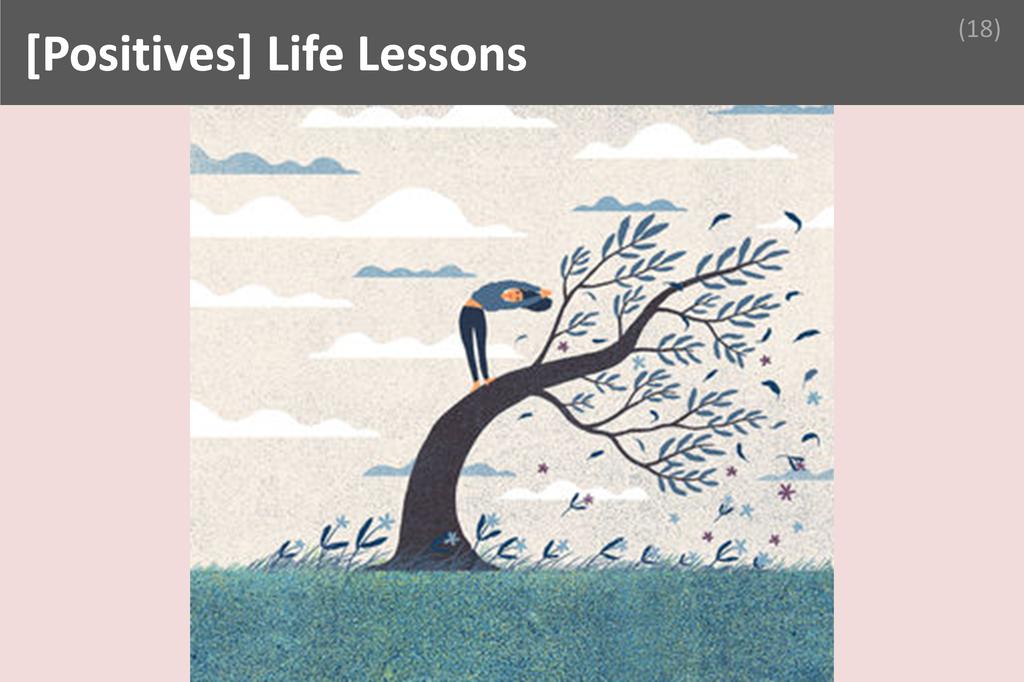
### Life Lessons Image
What is
Life Lessons are the invaluable insights, personal growth, and wisdom gained through real-world experiences, challenges, and interactions with others. In HR Management, these lessons stem from navigating diverse workplace dynamics, resolving conflicts, and supporting employees’ journeys. They foster empathy, resilience, and adaptability, enriching both professional effectiveness and personal fulfillment in this field.

Concept
The accumulation of life lessons in HR Management is a profound advantage because it transforms everyday challenges into opportunities for growth. As HR professionals guide employees through difficult conversations, mediate disputes, and celebrate successes, they develop a deeper understanding of human nature and organizational behavior. This ongoing learning process not only enhances their ability to connect with others but also builds emotional intelligence and leadership skills. Experiencing these life lessons daily leads to greater job satisfaction, as HR professionals witness the positive impact of their guidance on individuals and teams. Over time, these insights contribute to personal and professional growth, making the HR journey both meaningful and rewarding.

Real World Example
Imagine an HR manager supporting an employee struggling with work-life balance after becoming a new parent. Through empathetic listening and creative problem-solving, the HR professional helps the employee find flexible solutions, such as adjusted hours or remote work options. In this process, the HR manager learns about the challenges of balancing career and family, gaining a deeper appreciation for resilience and adaptability. This experience not only strengthens their ability to support others in similar situations but also enriches their own perspective on life’s complexities. The fulfillment comes from knowing that their actions have made a tangible difference, reinforcing the value of life lessons gained through their role.

Opportunities to Grow

### Opportunities to Grow Image
What is
Opportunities to grow refer to the continuous chances for personal and professional development, skill enhancement, and career advancement within a chosen field. In HR management, this means engaging in diverse responsibilities, learning new strategies, and adapting to evolving workplace trends, which collectively foster a dynamic and enriching career journey.

Concept
The presence of opportunities to grow is a cornerstone of job satisfaction in HR management. This positive aspect matters because it ensures that professionals are never stagnant; instead, they are constantly learning, adapting, and expanding their expertise. Growth opportunities allow HR managers to take on new challenges, lead innovative projects, and develop leadership skills. This ongoing development not only enhances their own careers but also positively influences the organizations they serve. Every day, HR professionals experience this benefit as they navigate complex employee relations, implement new policies, and contribute to shaping organizational culture. The sense of progress and achievement that comes from continuous growth fuels motivation, engagement, and a deep sense of fulfillment in their roles.

Real World Example
Imagine an HR manager who begins their career handling basic recruitment tasks. Over time, they are encouraged to participate in leadership training, manage diversity initiatives, and spearhead employee wellness programs. With each new responsibility, they acquire fresh skills and insights, gaining confidence and expertise. Eventually, they are entrusted with leading a major organizational change, drawing on everything they have learned. This journey of ongoing development not only advances their career but also brings a profound sense of accomplishment and purpose. The ability to grow, take on new challenges, and make a meaningful impact exemplifies why opportunities to grow are such a rewarding aspect of a career in HR management.

Creativity

### Creativity Image
What is
Creativity is the ability to generate original ideas, approach challenges with fresh perspectives, and develop innovative solutions that break away from conventional patterns. In HR Management, creativity enables professionals to design engaging workplace initiatives, solve complex people-related problems, and foster a dynamic environment where both individuals and organizations can thrive.

Concept
Creativity is a driving force that transforms HR Management into a vibrant and fulfilling career. It empowers professionals to craft unique strategies for talent acquisition, employee engagement, and organizational development. This freedom to innovate not only enhances job satisfaction but also fuels personal and professional growth. HR managers who embrace creativity find themselves constantly learning, adapting, and making meaningful contributions to their organizations. Every day brings new challenges that require inventive thinking, whether it’s designing inclusive policies, developing impactful training programs, or resolving conflicts in novel ways. The ability to shape workplace culture and influence positive change makes creativity an invaluable asset, turning routine tasks into opportunities for inspiration and progress.

Real World Example
Imagine an HR manager at a rapidly growing tech company facing high employee turnover. Instead of relying on standard retention strategies, she taps into her creativity to launch a mentorship program that pairs new hires with experienced team members. She also introduces flexible work arrangements and organizes monthly innovation workshops where employees can pitch ideas for company improvements. As a result, employees feel more connected, valued, and empowered to contribute. The workplace atmosphere shifts, engagement rises, and turnover drops significantly. Through her creative approach, the HR manager not only solves a pressing problem but also experiences the deep satisfaction of making a lasting, positive impact on both people and the organization.

Challenges


Breaking the Stereotype

### Breaking the Stereotype Image
What is
Breaking the Stereotype in HR Management refers to challenging and changing the persistent misconceptions that HR professionals are merely administrative, lack strategic influence, or serve only as mediators in workplace disputes. Overcoming these entrenched views is demanding because it requires consistent demonstration of value, credibility, and leadership within an organization.

Concept
The stereotype that HR is solely administrative can undermine the authority and influence of HR professionals, making it harder for them to drive strategic initiatives or gain buy-in from leadership. This perception may result in HR’s recommendations being overlooked or undervalued, which can be discouraging and isolating. Navigating this challenge demands resilience, as professionals must continuously advocate for their role as business partners and change agents. Successful HR leaders address this by proactively engaging with other departments, showcasing data-driven results, and aligning HR initiatives with broader organizational goals. By building relationships and demonstrating expertise, they gradually shift perceptions and establish themselves as integral contributors to business success.

Real World Example
Consider an HR manager in a mid-sized tech company who is initially viewed as responsible only for payroll and compliance. Recognizing this stereotype, she initiates a talent development program aligned with the company’s growth objectives, using workforce analytics to identify skill gaps and measure progress. She collaborates closely with department heads, presenting clear evidence of how her initiatives improve retention and productivity. Over time, her proactive approach and measurable results change the leadership’s perception of HR from a support function to a strategic partner. This transformation not only enhances her professional credibility but also opens new opportunities for HR to influence key business decisions.

Being Unbiased

### Being Unbiased Image
What is
Being unbiased in HR Management means making decisions and taking actions without letting personal preferences, stereotypes, or preconceived notions influence outcomes. This is demanding because HR professionals constantly interact with diverse individuals and situations, requiring them to recognize and set aside their own implicit biases to ensure fairness and equity.

Concept
The challenge of remaining unbiased permeates every aspect of HR work, from recruitment and promotions to conflict resolution and policy enforcement. Even well-intentioned professionals can unconsciously favor certain individuals or groups, which can undermine trust and damage organizational culture. This difficulty demands resilience because it requires ongoing self-awareness, reflection, and a willingness to confront uncomfortable truths about one’s own thinking. Successful HR professionals manage this constraint by actively seeking diverse perspectives, engaging in continuous learning about bias, and implementing structured processes that minimize the influence of subjectivity. By fostering an environment where transparency and accountability are prioritized, they help ensure that decisions are based on merit and evidence rather than personal inclination.

Real World Example
Consider an HR manager tasked with selecting candidates for a leadership development program. Aware of her own tendency to favor extroverted personalities, she implements a blind review process, removing names and personal details from applications to focus solely on qualifications and achievements. She also invites colleagues from different departments to participate in the selection process, ensuring a broader range of viewpoints. By relying on objective criteria and collaborative decision-making, she successfully mitigates her own biases and sets a standard for fairness within the organization. This approach not only results in a more diverse group of participants but also strengthens trust in HR’s commitment to equity and inclusion.

Bureaucracy

### Bureaucracy Image
What is
Bureaucracy in HR Management refers to the complex web of rules, procedures, and hierarchical approvals that govern decision-making and processes within organizations. This environment is demanding because it often slows down responses, limits flexibility, and requires professionals to balance compliance with efficiency, making it challenging to implement timely and effective HR solutions.

Concept
Bureaucracy can significantly affect the daily work of HR professionals by introducing delays in recruitment, onboarding, and policy changes. Navigating layers of approval and documentation can be frustrating, requiring patience and persistence. This environment demands resilience, as professionals must maintain motivation and focus despite obstacles. Successful HR managers overcome these constraints by building strong relationships with key stakeholders, understanding the rationale behind procedures, and finding creative ways to streamline processes within existing frameworks. They also advocate for change by presenting data-driven arguments for efficiency improvements, demonstrating how reducing unnecessary bureaucracy can benefit both employees and the organization. By mastering the art of negotiation and communication, they turn bureaucratic challenges into opportunities for organizational growth.

Real World Example
Consider an HR manager at a large multinational corporation tasked with updating the employee benefits policy. The process requires approval from multiple departments, legal reviews, and alignment with global standards, leading to months of back-and-forth communication. Instead of becoming discouraged, the HR manager proactively schedules regular check-ins with stakeholders, anticipates potential concerns, and prepares thorough documentation to address questions before they arise. By maintaining open communication and demonstrating the positive impact of the proposed changes, the manager gradually builds consensus and accelerates the approval process. Ultimately, the new policy is implemented successfully, illustrating how persistence, strategic planning, and relationship-building can help HR professionals navigate and overcome bureaucratic obstacles.

A Day Of


Human Resource Management

What is
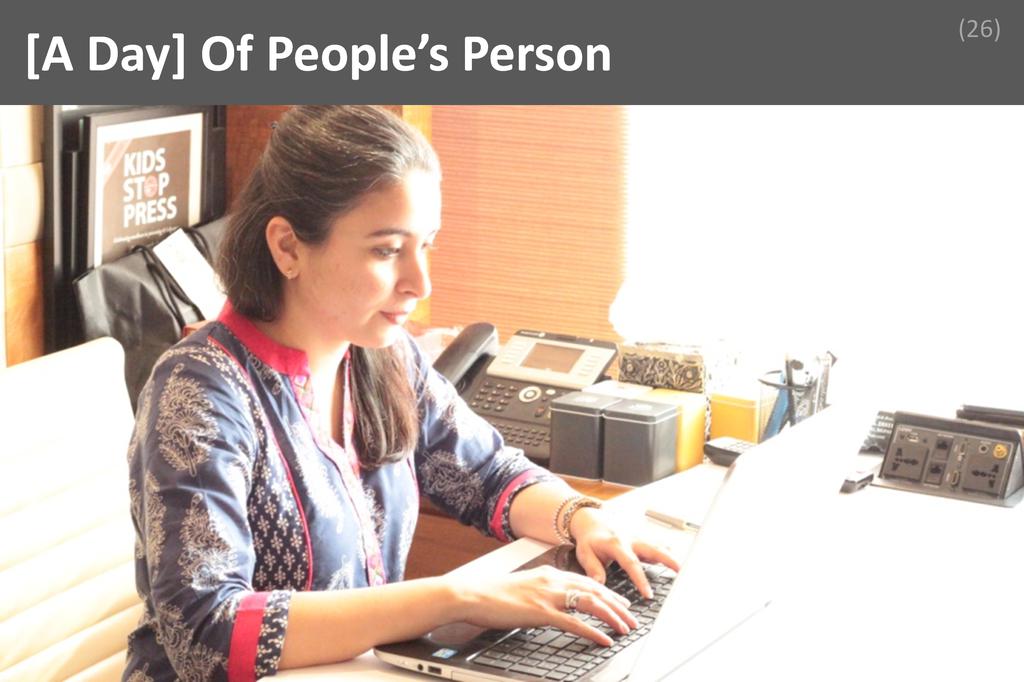
The hum of conversation, the ping of incoming emails, and the steady rhythm of footsteps in the hallway—these are the sounds that set the pace for a day in the life of an HR management professional. Far from being confined to paperwork or policy manuals, HR managers are the pulse of the workplace, balancing the needs of employees with the goals of the organization. Each day unfolds as a dynamic blend of strategy, empathy, and quick decision-making, where no two hours look quite the same. In this ever-shifting environment, adaptability and communication are as vital as any formal training, and every interaction holds the potential to shape the culture and success of the company.

Concept
As the office comes to life, the HR manager begins the day by reviewing the calendar, scanning through emails, and catching up on any urgent overnight messages. This early morning window is crucial for prioritizing tasks, confirming interview schedules, and preparing for any employee meetings or presentations. With a fresh cup of coffee in hand, the HR professional takes a few moments to check in on workforce attendance and address any immediate staffing concerns, ensuring the day starts on a steady, organized note.

Real World Example
Mid-morning marks the busiest stretch, as the HR manager dives into the core responsibilities that define the role. This is the time for conducting interviews with potential hires, facilitating onboarding sessions for new employees, and mediating sensitive conversations between team members or departments. The phone rings with questions about benefits, while managers drop by seeking guidance on performance issues or policy clarifications. Every interaction demands a balance of professionalism and empathy, as the HR manager works to resolve conflicts, support staff, and keep the workplace running smoothly.

After lunch, the focus shifts to collaborative projects and execution. The HR manager might lead a training session on workplace diversity, participate in strategic planning meetings with senior leadership, or coordinate with payroll and benefits teams to ensure seamless operations. This part of the day often involves drafting or updating policies, analyzing workforce data, and working closely with other departments to align HR initiatives with broader organizational goals. The energy is high as ideas are exchanged and plans are put into action, reinforcing the HR manager’s role as both a facilitator and a strategic partner.

As the day winds down, the HR manager turns attention to wrapping up administrative tasks and preparing for tomorrow’s challenges. This is the time to document the outcomes of meetings, respond to any lingering emails, and review compliance reports or employee feedback. With a keen eye on continuous improvement, the HR professional reflects on the day’s successes and setbacks, updating to-do lists and setting priorities for the next day. The office grows quieter, but the sense of purpose remains, as the HR manager ensures that every detail is in place for another productive day ahead.


Install the LifePage App to:


  1. (for Free) Watch Head Kainaz Khambata’s full HR Management Career Talk

  2. ₹ Do a Self Assessment on HR Management to calculate your Dream Index, which is defined as:

    According to Kainaz Khambata your chances of success in HR Management is __%

  3. Access your personalized Dream Index Report which will have all your Dream Indices sorted in descending order.

Career Counselling 2.0


<?php echo $altimage; ?>


<?php echo $altimage; ?>


How to get into

HR Management?


If you are want to get into HR Management, start by investing in a Career Plan.

The 14 hour process, guided by a LifePage Career Advisor, will help you introspect and check whether your interest in HR Management is merely an infatuation or is it truly something you wish to do for the rest of your life.

Next, your Career Advisor will help you document how you can get into HR Management, what education and skills you need to succeed in HR Management, and what positives and challenges you will face in HR Management.

Finally, you will get a Career Plan stating which Courses, Certifications, Trainings and other Items you need to do in the next 7 years to become world’s best in HR Management.


LifePage Career Plan

14 hour personalized guidance program


Your LifePage Career Advisor facilitates your guided introspection so that you systematically explore various Career options to arrive at a well thought out Career choice.

Next: your Advisor helps you figure out how you will get into your chosen Career and how will you develop the skills needed for success in your Chosen Career.

LifePage Plan will not stop at saying "to become an Architect study Architecture". It will guide you on which Certifications, Trainings and Other items you need to do along with your Architecture education to become the world's best Architect.


Links for this Talk


LifePage Career Talk on HR Management


Career Counselling 2.0
[Career]
https://www.lifepage.in/careers/hr-management-6


Career Counselling 2.0
[Full Talk]
https://lifepage.app.link/20171027-0005


Career Counselling 2.0
[Trailer]
https://www.youtube.com/watch?v=sZ4pPFU261k


(Human Resource Management, Kainaz Khambata, Gourmet Investments Private Limited, Human Resource, Sourcing, Employee Engagement)


Similar Talks


Career in HR Management
HR Management
Neelam Waldia
Manager HR & A | Rusan Pharma Limited
[ 5 years & 2 months Experience ]

Human Resource Management is managing the most crucial resource of an organisation, which is- People is known as the Human Resource Management. Machines, buildings, brands etc, everything diminishes except for people who increase in terms of value. The role of HR begins from recruiting, training, evaluating, motivating, retaining, managing conflicts and when required taking tough decisions on people.

"After completing my schooling, I gradated in science stream and did my MBA I Hr & Marketing from Army Institute of Management Kolkata. I am working as a HR Manager and have total 10 years of experience in this field."


Career Counselling 2.0 Career Counselling 2.0 Career Counselling 2.0 Career Counselling 2.0 Career Counselling 2.0


Career in HR Management
HR Management
Lakshman Singh Kandari
Human Resource Manager | M & P Technologies
[ 4 years Experience ]

Human Resource Management is the management of the human resource of an organization or company. It involves the processes of selection and recruitment of the employees of a company. That includes interviewing new people, hiring and thereafter, training them for the various job profiles. It also includes the firing and retention of those employees.

"I attained a B Com degree from HNB Garhwal University and an MBA degree from Chandigarh. I thereafter, trained at Radisson Blu Hotel, Haridwar and I am currently the HR Manager at M&P Technologies since 2013"


Career Counselling 2.0 Career Counselling 2.0 Career Counselling 2.0 Career Counselling 2.0 Career Counselling 2.0


Career in HR Management
HR Management
Prakriti Nautiyal
Human Resources Partner | Tata Consultancy Services
[ 5 years Experience ]

Human Resource Management is the management of human resources. It is designed to maximize employee performance in service of an employer's strategic objectives. HR is primarily concerned with the management of people within organizations, focusing on policies and on systems.

"I am a B Tech graduate in ECE and then did MBA in Human Resources from LBSIM, New Delhi. Thereafter, I worked at Tata Consultancy Services for more than 2 years as Human Resource Partner. Then, I relocated to USA and did a Certification Course in Human Resources from HRCI and also an online course in People Analytics from The Wharton School. I am Human Resource Analyst with an NGO by the name Save the Water in USA."


Career Counselling 2.0 Career Counselling 2.0 Career Counselling 2.0 Career Counselling 2.0 Career Counselling 2.0


Career in Recruitment
Recruitment
Megha Madan
HR Manager | MNC
[ 11 years Experience ]

Recruitment is a core function of human resource management. It refers to the overall process of attracting, selecting and appointing suitable candidates for jobs within an organization.

"After my schooling, I did Bcom Hons from Delhi University and then did my MBA from SCDL. I work as an HR Manager looking after recruitments at an International Software Organization."


Career Counselling 2.0 Career Counselling 2.0 Career Counselling 2.0 Career Counselling 2.0 Career Counselling 2.0


Career in HR Management
HR Management
Arijit Banerji
General Manager | ICI India Pvt Ltd
[ 8 years & 10 months Experience ]

Human Resource Management, these are 3 big words but all they mean is trying to make sure that people do the best they do in any job they job.

"After completing law from Andhra I joined the chemical industry and worked in multinational company almost for 41 years. "


Career Counselling 2.0 Career Counselling 2.0 Career Counselling 2.0 Career Counselling 2.0 Career Counselling 2.0


Career in Human Resource Management
Human Resource Management
Prashant Deo Singh
Senior HR Professional | Various Assignments
[ 24 years Experience ]

Human resource management is the strategic approach to the effective management of organization workers so that they help the business gain a competitive advantage.

"I have experience of more than 20 Year in Human Resource. I have worked with Organizations like Panasonic as a HR Head, Coca Cola as a Area Manager, Airtel as a HR Head. I have worked in UAE with Sharaf DG as HR Head and with HINDALCO Industries as an Assistant Manager."


Career Counselling 2.0 Career Counselling 2.0 Career Counselling 2.0 Career Counselling 2.0 Career Counselling 2.0


Career in HR Recruitment
HR Recruitment
Nirma Rawat
HR Recruiter | Job Resolution Recruitment Services
[ 10 years Experience ]

Recruitment is a core function of human resource management. It is the first step of appointment. Recruitment refers to the overall process of attracting, shortlisting, selecting and appointing suitable candidates for jobs within an organization.

"I have done B Sc and M Sc from DAV PG College. Post that, I did an MBA in Human Resources from IMT University. I worked in Insurance Sector for 8 years. I am HR Recruiter at Job Resolution Recruitment Services since 2016."


Career Counselling 2.0 Career Counselling 2.0 Career Counselling 2.0 Career Counselling 2.0 Career Counselling 2.0


Career in Human Resources
Human Resources
Rima Chawla
Assistant Manager | Incognito Forensic Foundation
[ 7 years & 11 months Experience ]

Human resources are the people who make up the workforce of an organization, business sector, or economy.

"After completing my Schooling from East West Model School, Bengal, I did my Graduation in Arts from Techno Global University. While studying I worked simultaneously with organizations as a Consultant. I work as an Assistant Manager HR at Incognito Forensic Foundation."


Career Counselling 2.0 Career Counselling 2.0 Career Counselling 2.0 Career Counselling 2.0 Career Counselling 2.0


Career in H R Recruitment
H R Recruitment
Krishna
HR Recruiter | Fly Square Solutions
[ 1 year & 4 months Experience ]

HR Recruitment refers to the overall process of attracting, shortlisting, selecting and appointing suitable candidates for jobs within an organization.

"After completing BCom from MGKVP, Varanasi and Diploma in Microfinance from BHU, Varanasi, I did Post Graduation in Management from Doon Business School and Strategy Management from Airllanga University, Indonesia and joined Fly Square Solutions as a HR Recruiter."


Career Counselling 2.0 Career Counselling 2.0 Career Counselling 2.0 Career Counselling 2.0 Career Counselling 2.0


Career in HR Management
HR Management
Keyur Gupta
Assistant Manager | Nestle India
[ 2 years & 9 months Experience ]

Human Resource Management (HRM) is the term used to describe formal systems devised for the management of people within an organization. The responsibilities of a human resource manager fall into three major areas staffing, employee compensation and benefits, and defining/designing work. The purpose of HRM is to maximize the productivity of an organization by optimizing the effectiveness of its employees.

"I completed my MBA degree in Human Resource Management from XLRI, Jamshedpur. Later, I joined Nestle India as Assistant Manager in the Human Resources department."


Career Counselling 2.0 Career Counselling 2.0 Career Counselling 2.0 Career Counselling 2.0 Career Counselling 2.0


Career in Learning & Development
Learning & Development
Harsh Vardhan
L&D Manager | Max Healthcare
[ 7 years Experience ]

Learning and Development Managing helps employees advance their skills and knowledge. A Learning and Development Manger helps a company succeed by training and developing its people

"After doing my graduation, I did my MBA from IIPM and thereafter a Diploma in Hospitality. I did my Research Paper on Neuro Linguistic Programming. I worked as an Assistant Professor Executive Communication, IIPM and L&D Manager in UPES."


Career Counselling 2.0 Career Counselling 2.0 Career Counselling 2.0 Career Counselling 2.0 Career Counselling 2.0


Career in Human Capital Consulting
Human Capital Consulting
Nanditaa Bhatia
Business Analyst | Deloitte
[ 2 years & 2 months Experience ]

Human capital consulting is a broader term than human resource management and refers to general management consulting with an emphasis on the human element of the issue at hand, such as change management (which includes communication and training), learning and development, organiational design, diversity and inclusion, employee engagement, and culture.

"I am an MBA Graduate from the Delhi School of Economics. I worked with the Indian Oil Corporation, American Express and Price Waterhouse Cooper before joining Deloitte Indian in 2016 as a Business Analyst with the Organization Transformation and Talent division under the Human Capital practice."


Career Counselling 2.0 Career Counselling 2.0 Career Counselling 2.0 Career Counselling 2.0 Career Counselling 2.0


Career in Human Resource Management
Human Resource Management
Anup Kumar
General Manager | BRIDCUL
[ 22 years & 8 months Experience ]

Human resource management (HRM or HR) is the strategic approach to the effective management of organization workers so that they help the business gain a competitive advantage.

"I did Bachelors & Masters in Economics from Jiwaji Univeristy. Post that, I did a Masters in Personnel Management & Industrial Relations. I started my professional career as a Lecturer in Jiwaji University. After that, I worked in Steel & Power Sector in Chattisgarh, Orissa & Calcutta. I am a General Manager at BRIDCUL with Uttarakhand Government."


Career Counselling 2.0 Career Counselling 2.0 Career Counselling 2.0 Career Counselling 2.0 Career Counselling 2.0


Career in Learning & Development
Learning & Development
Amrita Suri
Deputy General Manager | Gourmet Investments Private Limited
[ 0 years & 6 months Experience ]

A Learning & Development Manager identifies training and development needs within an organization through job analysis, appraisal schemes and regular consultation with business managers.

"After completing my schooling, I did graduation in Hotel Management from IHM, Aurangabad. I have started my career with The Leela Hotels as a Management Trainee after which I got an opportunity to join Four Seasons Mumbai where I have worked for almost 8 Years and became Front Office Manager. I have joined Gourmet Investments Private Limited as DGM (Learning & Development and Customer Relations) in 2017."


Career Counselling 2.0 Career Counselling 2.0 Career Counselling 2.0 Career Counselling 2.0 Career Counselling 2.0


Career in Human Resource Management
Human Resource Management
Shabhnam Praveen
HR Assistant | People Strong Private Limited
[ 3 years Experience ]

Human Resource Management (HRM or HR) is the strategic approach to the effective management of organization workers so that they help the business gain a competitive advantage, Commonly known as the HR Department[, it is designed to maximize employee performance in service of an employer's strategic objectives.] HR is primarily concerned with the management of people within organizations, focusing on policies and on systems. HR departments are responsible for overseeing employee-benefits design, employee recruitment, training and development, performance appraisal, and rewarding (e.g., managing pay and benefit systems). HR also concerns itself with organizational change and industrial relations, that is, the balancing of organizational practices with requirements arising from collective bargaining and from governmental laws

"After completing an MBA (HR & PR) from Abdul Kalam Technical University, I started my Career with Himalaya Corporation Limited as Business Development Executive. After that, I joined People Stone Private Limited as a HR Assistant and since then I am working there."


Career Counselling 2.0 Career Counselling 2.0 Career Counselling 2.0 Career Counselling 2.0 Career Counselling 2.0


Career in Workforce Consulting
Workforce Consulting
Gautam Grover
Assistant Director | E Y
[ 12 years Experience ]

Workforce Management includes all the activities needed to maintain a productive workforce, such as field service management, human resource management, performance and training management, data collection, recruiting, budgeting, forecasting, scheduling and analytics.

"After completing my graduation in Information Technology from IP University and I did my post graduation from ICFAI University. I have 12 years of experience in this field and working with EY as an Assistant Director Workforce Consulting."


Career Counselling 2.0 Career Counselling 2.0 Career Counselling 2.0 Career Counselling 2.0 Career Counselling 2.0


Career in HR Recruitment
HR Recruitment
Priti Khurana
HR Manager | Various Assignments
[ 12 years & 11 months Experience ]

HR Recruitment (hiring) refers to the overall process of attracting, short listing, selecting and appointing suitable candidates for jobs either permanent or temporary within an organization. Recruitment can also refer to processes involved in choosing individuals for unpaid roles.

"After doing my schooling from Frank Anthony Public School Delhi, I did my BA in English from Lady Shri Ram College, Delhi. Thereafter, I did my MBA in HR from Symbiosis institute of Business Management, Pune. I have experience of more than 13 years in recruitment and worked for Companies like Aegies BPO, Perfect Relations and Bhatia & Bhatia Financial Services."


Career Counselling 2.0 Career Counselling 2.0 Career Counselling 2.0 Career Counselling 2.0 Career Counselling 2.0


Career in HR Consultancy
HR Consultancy
Dr Asha Rani Kapoor
Director | Global Solutions
[ 8 years Experience ]

The human resource consulting addresses human resource management tasks and decision. The consultant suggests solutions based on expertise and experience and assists in the implementation. He also assists in searching for solutions with methods that facilitate and raise creativity of the client company so that they will be able to implement solutions themselves.

"I am a scientist and have done my research in wheat. After my marriage, I did a course in Management & Community Development from IIM, Kolkata and a certification course in finance from IIM, Ahmedabad. I founded a company by the name Global Solutions in 2010 and I give training sessions in Human Resources domain."


Career Counselling 2.0 Career Counselling 2.0 Career Counselling 2.0 Career Counselling 2.0 Career Counselling 2.0


Career in HR Management
HR Management
Sanjay Kumar
Founder | Corp Source One
[ 19 years & 7 months Experience ]

Human resource management (HRM or HR) is the strategic approach to the effective management of people in a company or organization such that they help their business gain a competitive advantage. It is designed to maximize employee performance in service of an employer's strategic objectives. Human resource management is primarily concerned with the management of people within organizations, focusing on policies and systems.

"After completing my masters in business adminstration, I started working in Human Resources. I have been working in this domain from the last 20 years. I also started my company to provide human resource solution by the name of Corp Source One."


Career Counselling 2.0 Career Counselling 2.0 Career Counselling 2.0 Career Counselling 2.0 Career Counselling 2.0


[Install the LifePage App to access all Talks]


<?php echo $altimage; ?>


<?php echo $altimage; ?>


&mbsp;


Career Counselling 2.0 | Home   Home  
Career Counselling 2.0 | Abroad   Abroad  
Career Counselling 2.0 | Plan   Plan  
Career Counselling 2.0 | Talks   Talks  
Career Counselling 2.0 | Philosophy   Philosophy  
Career Counselling 2.0 | Seminar   Seminar  
Career Counselling 2.0 | Workshop   Workshop  
Career Counselling 2.0 | Pages   Pages  
Career Counselling 2.0 | Advisors   Advisors  
Career Counselling 2.0 | Discuss   Discuss  
Career Counselling 2.0 | Meet   Meet  
Career Counselling 2.0 | Advisor   Advisor  
Career Counselling 2.0 | Story   Story  
Career Counselling 2.0 | Fine Print   Fine Print  
Career Counselling 2.0 | Links   Links  
Career Counselling 2.0 | Blog   Blog  
Career Counselling 2.0 | Testimonials   Testimonials  
Career Counselling 2.0 | Follow   Follow  
 
[ Site Visits ]


Career Counselling 2.0