Career Counselling 2.0 HomeHomeCareer Counselling 2.0 AbroadAbroadCareer Counselling 2.0 PlanPlanCareer Counselling 2.0 | TalksTalksCareer Counselling 2.0 PhilosophyPhilosophyCareer Counselling 2.0 SeminarSeminarCareer Counselling 2.0 PagesPagesCareer Counselling 2.0 AdvisorsAdvisorsCareer Counselling 2.0 TestimonialsTestimonials

HR Management

Human Resources Partner Prakriti Nautiyal talks about HR Management course, what is HR Management and other details about a Career in HR Management.


HR Management

Prakriti Nautiyal | Human Resources Partner | Tata Consultancy Services


What is HR Management?


You may be curious about a Career in HR Management. One should first understand What a Career in HR Management entails before investing time and effort to figure out How to start a Career in HR Management. It is best to learn about HR Management from a real professional, this is akin to getting it from the horse's mouth.

Human Resources Partner Prakriti Nautiyal is an experienced professional with 5 years in HR Management. Human Resources Partner Prakriti Nautiyal defines HR Management as:

Human Resource Management is the management of human resources. It is designed to maximize employee performance in service of an employer's strategic objectives. HR is primarily concerned with the management of people within organizations, focusing on policies and on systems.


How Human Resources Partner Prakriti Nautiyal got into HR Management?


I am a B Tech graduate in ECE and then did MBA in Human Resources from LBSIM, New Delhi. Thereafter, I worked at Tata Consultancy Services for more than 2 years as Human Resource Partner. Then, I relocated to USA and did a Certification Course in Human Resources from HRCI and also an online course in People Analytics from The Wharton School. I am Human Resource Analyst with an NGO by the name Save the Water in USA.


Human Resources Partner Prakriti Nautiyal's Talk on HR Management


Session Image
The Journey of HR Management


What Is HR Management


Human Resource Management

### Human Resource Management Image
What is
Human Resource Management is the strategic approach to effectively recruiting, developing, managing, and supporting an organization’s workforce. It encompasses processes such as hiring, training, performance evaluation, compensation, and employee relations, ensuring that both organizational goals and employee needs are met in a dynamic business environment.

Concept
Human Resource Management plays a vital role in shaping the culture and success of any organization. For professionals in HR Management, it provides the framework to attract and retain top talent, foster employee engagement, and ensure compliance with labor laws. The impact is seen in improved productivity, reduced turnover, and a more positive workplace environment. One major benefit is the ability to align human capital with organizational objectives, driving business growth. Another benefit is the creation of fair and transparent policies that support diversity and inclusion. Additionally, effective HR Management helps mitigate risks by ensuring legal compliance and proactive conflict resolution, making it indispensable for both employees and employers.

Real World Example
Consider a mid-sized technology company experiencing rapid growth. An HR Manager implements a comprehensive onboarding program to integrate new hires smoothly, ensuring they understand company values and expectations. The manager also develops a performance management system that sets clear goals and provides regular feedback, helping employees grow in their roles. By analyzing workforce data, the HR Manager identifies skill gaps and organizes targeted training sessions, enabling the company to stay competitive. Throughout these processes, the HR Manager fosters open communication between staff and leadership, addressing concerns promptly and maintaining high morale. This holistic approach to Human Resource Management not only supports individual employee development but also drives the company’s overall success.

Education


Organisational Behaviour

### Organisational Behaviour Image
What is
Organisational Behaviour is the study of how individuals, groups, and structures influence behaviour within organisations. It integrates insights from psychology, sociology, and management to understand workplace dynamics. For HR Management, it forms a crucial academic and practical foundation, guiding effective people management and organisational development strategies.

Concept
A deep understanding of Organisational Behaviour is essential for anyone aspiring to excel in HR Management. This subject provides the analytical tools to interpret employee motivation, leadership styles, group dynamics, and organisational culture. By mastering these concepts, HR professionals can design better recruitment processes, foster positive work environments, and resolve conflicts more effectively. Over time, this knowledge enhances decision-making, supports strategic planning, and enables HR managers to anticipate and adapt to organisational changes. Ultimately, proficiency in Organisational Behaviour equips professionals with the skills to drive employee engagement, improve productivity, and contribute to the overall success and resilience of their organisations.

Real World Example
Consider an HR manager tasked with addressing declining employee morale after a major organisational restructuring. Drawing on their understanding of Organisational Behaviour, the manager analyses the impact of change on team dynamics and individual motivation. They implement targeted interventions, such as open communication forums and team-building activities, to rebuild trust and cohesion. By recognising the psychological effects of uncertainty and the importance of supportive leadership, the HR manager tailors their approach to meet employees’ emotional needs. This application of theory to practice not only restores morale but also strengthens the organisation’s culture, demonstrating the tangible value of Organisational Behaviour expertise in everyday HR operations.

Labour Laws

### Labour Laws Image
What is
Labour Laws refer to the body of statutes, regulations, and judicial precedents governing the relationship between employers, employees, and trade unions. These laws cover aspects such as employment conditions, wages, workplace safety, and dispute resolution. For HR Management, understanding Labour Laws is essential for legal compliance and effective workforce administration.

Concept
A thorough grasp of Labour Laws is indispensable for anyone pursuing a career in HR Management. This knowledge ensures that HR professionals can create and implement policies that comply with legal standards, thereby protecting the organization from potential lawsuits and regulatory penalties. Mastery of Labour Laws also enables HR managers to foster a fair and equitable workplace, which is crucial for employee satisfaction and retention. Over time, expertise in this area enhances credibility and opens doors to senior HR roles, as organizations increasingly value professionals who can navigate complex legal landscapes. Ultimately, understanding Labour Laws forms the backbone of responsible and strategic HR practice, equipping professionals to handle challenges confidently and ethically.

Real World Example
Consider an HR manager at a manufacturing firm who is tasked with handling a case of alleged workplace harassment. Drawing on their knowledge of Labour Laws, the manager initiates a thorough investigation, ensuring all procedures align with legal requirements for confidentiality and due process. They communicate clearly with both the complainant and the accused, documenting every step to maintain transparency and legal compliance. By applying their theoretical understanding, the HR manager not only resolves the issue fairly but also protects the company from potential legal repercussions. This scenario highlights how a solid foundation in Labour Laws enables HR professionals to manage sensitive situations effectively while upholding both organizational and employee rights.

Basics of Psychology

### Basics of Psychology Image
What is
Basics of Psychology refers to the foundational study of human behavior, mental processes, emotions, and interpersonal interactions. It encompasses key theories, principles, and research methods that explain why people think, feel, and act as they do. For HR Management, this knowledge is essential for understanding, managing, and supporting employees effectively.

Concept
Understanding the basics of psychology is vital for HR professionals because it equips them with insights into motivation, communication, personality, and group dynamics. This foundational knowledge enables HR managers to design fair recruitment processes, resolve conflicts, and foster a positive workplace culture. By grasping psychological principles, HR professionals can better predict employee behavior, enhance job satisfaction, and reduce turnover. Over the long term, this expertise supports strategic decision-making, improves leadership development, and strengthens organizational performance. Mastery of psychological basics ensures that HR managers are not only administrators but also empathetic leaders who can nurture talent and drive organizational success.

Real World Example
Consider an HR manager tasked with mediating a conflict between two team members. Drawing on their understanding of psychological basics, the manager recognizes underlying factors such as differing communication styles and stress responses. Instead of simply enforcing company policy, the manager listens actively, empathizes with each perspective, and facilitates a constructive dialogue. By applying psychological concepts like emotional intelligence and motivation, the manager helps both employees articulate their concerns and find common ground. This approach not only resolves the immediate conflict but also builds trust and encourages a more collaborative work environment, demonstrating how psychological knowledge directly enhances HR effectiveness in daily operations.

Skills


Interpersonal Skills

### Interpersonal Skills Image
What is
Interpersonal skills refer to the ability to communicate, interact, and work effectively with others through empathy, active listening, and clear expression. In HR Management, these skills enable professionals to build trust, resolve conflicts, and foster a positive workplace culture, making them indispensable for managing people and organizational dynamics.

Concept
Interpersonal skills directly enhance an HR professional’s ability to mediate disputes, conduct sensitive conversations, and motivate employees. Employers and clients highly value these skills because they lead to smoother team collaboration, higher employee satisfaction, and more effective problem-solving. Cultivating interpersonal skills involves ongoing self-awareness, seeking feedback, and practicing empathy in daily interactions. Attending workshops, engaging in role-playing exercises, and observing skilled communicators can further refine these abilities. Over time, consistent application and reflection help HR professionals become more adept at understanding diverse perspectives, adapting their communication style, and building strong professional relationships, all of which are crucial for driving organizational success.

Real World Example
Imagine an HR manager faced with a conflict between two high-performing team members whose disagreement threatens project deadlines. By leveraging strong interpersonal skills, the HR manager listens actively to both sides, acknowledges their concerns, and facilitates a respectful dialogue. Through empathetic communication and careful mediation, the manager helps both employees find common ground and agree on a collaborative solution. This not only resolves the immediate issue but also strengthens trust in HR’s ability to handle sensitive matters. The positive outcome demonstrates how interpersonal skills enable HR professionals to navigate complex human dynamics, maintain workplace harmony, and support overall business objectives.

Communication Skills

### Communication Skills Image
What is
Communication skills refer to the ability to convey information clearly, listen actively, interpret messages accurately, and respond appropriately in both verbal and written forms. In HR Management, these skills are fundamental for building relationships, resolving conflicts, facilitating collaboration, and ensuring that policies and expectations are understood across all levels of an organization.

Concept
Effective communication skills directly enhance an HR professional’s performance by enabling them to mediate disputes, deliver feedback constructively, and foster a positive workplace culture. Employers and clients highly value this competency because it ensures transparency, minimizes misunderstandings, and supports organizational goals through clear messaging. To cultivate communication skills, HR professionals should seek continuous feedback, participate in training sessions, and practice active listening in daily interactions. Over time, refining these abilities leads to greater confidence, adaptability, and influence within the workplace, making HR managers indispensable partners in organizational success.

Real World Example
Imagine an HR manager faced with a situation where two departments are experiencing ongoing conflict due to miscommunication about project responsibilities. The HR manager organizes a meeting, listens attentively to each party’s concerns, and clarifies misunderstandings by restating key points and asking open-ended questions. By facilitating an open dialogue and ensuring all voices are heard, the HR manager helps both teams reach a mutual understanding and agree on clear roles moving forward. This resolution not only restores collaboration but also demonstrates how strong communication skills can defuse tension, align objectives, and drive collective achievement within an organization.

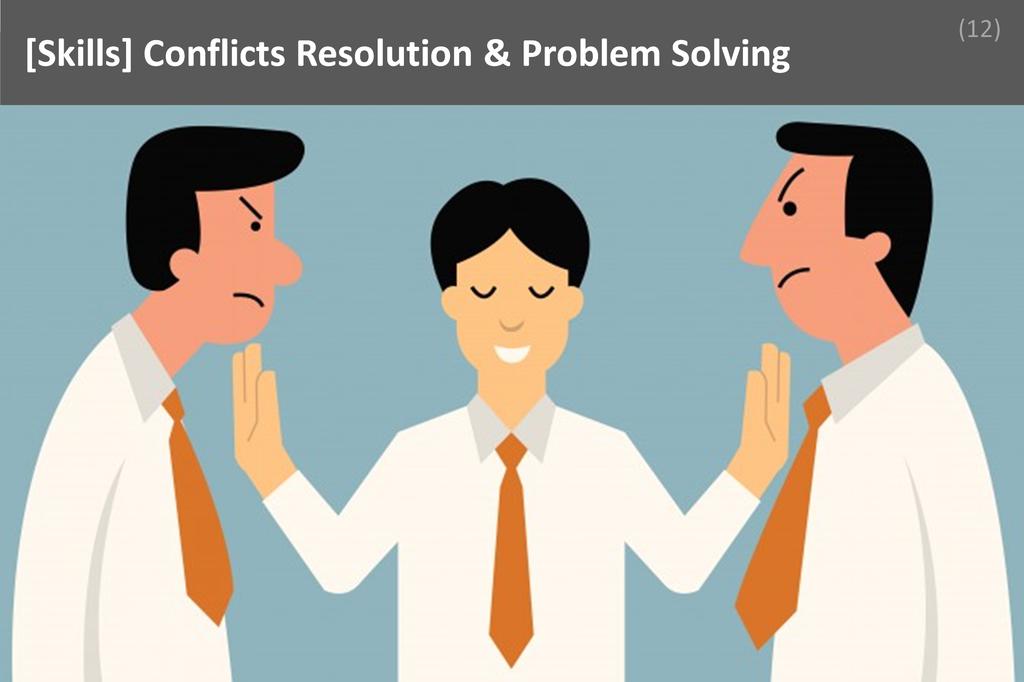
Conflicts Resolution & Problem Solving

### Conflicts Resolution & Problem Solving Image
What is
Conflicts Resolution & Problem Solving is the ability to identify, address, and resolve disagreements or challenges in the workplace through effective communication, negotiation, and analytical thinking. In HR Management, this skill is crucial for maintaining a harmonious work environment, ensuring fair treatment, and supporting organizational goals by fostering collaboration and trust.

Concept
Mastering Conflicts Resolution & Problem Solving significantly enhances an HR professional’s effectiveness by enabling them to mediate disputes, implement fair solutions, and prevent minor issues from escalating into major disruptions. Employers and clients highly value this skill because it directly impacts employee satisfaction, retention, and overall productivity. Cultivating this ability involves continuous learning, self-awareness, and practical experience. HR professionals can develop it by seeking feedback, participating in relevant training, and observing experienced mediators in action. Over time, consistent application and reflection help refine judgment, empathy, and negotiation techniques, making the HR manager a trusted resource for both employees and leadership.

Real World Example
Consider a situation where two high-performing team members are in conflict over project responsibilities, causing tension and delays. An HR manager steps in to facilitate a structured conversation, listens to both perspectives, and identifies the underlying issues. By applying Conflicts Resolution & Problem Solving skills, the HR manager helps both parties articulate their concerns, find common ground, and agree on a revised division of tasks. This not only resolves the immediate conflict but also strengthens the team’s communication and trust. The successful intervention prevents further disruption, boosts morale, and demonstrates the HR manager’s value as a mediator and problem solver within the organization.

Ethics & Discretion

### Ethics & Discretion Image
What is
Ethics & Discretion refers to the ability to consistently act with integrity, fairness, and confidentiality while making decisions and handling sensitive information. In HR Management, this skill ensures trust, protects employee rights, and upholds organizational values, making it indispensable for fostering a positive and legally compliant workplace culture.

Concept
Mastering ethics and discretion directly enhances an HR professional’s effectiveness by building trust among employees and leadership, ensuring compliance with laws, and minimizing risks related to confidentiality breaches or unfair practices. Employers and clients highly value this skill because it safeguards the organization’s reputation and nurtures a respectful, inclusive environment. To cultivate ethics and discretion, HR professionals should commit to ongoing education about legal standards, participate in ethics training, and seek mentorship from experienced colleagues. Reflecting on past decisions and seeking feedback also helps refine judgment, enabling HR managers to navigate complex situations with confidence and integrity over time.

Real World Example
Imagine an HR manager who learns that an employee has reported harassment by a senior leader. The manager must investigate thoroughly while maintaining strict confidentiality and impartiality. By exercising ethics and discretion, the HR manager protects the employee’s privacy, ensures a fair process, and avoids premature judgments or gossip. This careful approach not only resolves the issue appropriately but also reinforces trust in HR’s ability to handle sensitive matters. Ultimately, the organization benefits from a culture where employees feel safe reporting concerns, knowing that their information will be handled with the utmost integrity and professionalism.

Multitasking

### Multitasking Image
What is
Multitasking is the ability to efficiently handle multiple tasks, responsibilities, or projects simultaneously, without sacrificing quality or accuracy. In HR Management, multitasking is indispensable because professionals must juggle diverse duties such as recruitment, employee relations, compliance, and benefits administration, often under tight deadlines and shifting priorities.

Concept
The ability to multitask directly enhances an HR professional’s performance by enabling them to manage competing demands with agility and composure. Employers and clients value this skill because it ensures that essential HR functions are completed promptly, even during periods of high activity or organizational change. Multitasking also helps prevent bottlenecks and keeps processes running smoothly, which is critical in a field where delays can impact employee satisfaction and legal compliance. To cultivate multitasking, HR professionals should practice prioritizing tasks, using digital tools for organization, and regularly reflecting on their workflow to identify areas for improvement. Over time, consistent practice and self-awareness help individuals become more adept at switching between tasks without losing focus or productivity.

Real World Example
Consider an HR manager during a company-wide restructuring. While coordinating interviews for new roles, they must also address employee concerns, update compliance documentation, and manage payroll adjustments. In this high-pressure scenario, the manager’s ability to multitask is vital. They might schedule interviews between meetings, respond to urgent emails while preparing reports, and delegate routine tasks to team members. By seamlessly shifting focus and efficiently allocating their attention, the HR manager ensures that no critical responsibility is neglected. This not only keeps the restructuring process on track but also maintains employee morale and trust, demonstrating how multitasking is essential for navigating complex, fast-paced HR challenges.

Compassion

### Compassion Image
What is
Compassion is the genuine awareness of others’ feelings, combined with a desire to help alleviate their difficulties. In HR Management, compassion means understanding employees’ perspectives, responding empathetically to their concerns, and fostering a supportive workplace. This skill enables HR professionals to build trust, resolve conflicts, and promote a positive organizational culture.

Concept
Compassion directly enhances HR performance by enabling professionals to connect authentically with employees, address sensitive issues thoughtfully, and mediate disputes with fairness. Employers and clients value compassionate HR managers because they create environments where people feel respected and heard, which leads to higher morale and retention. Cultivating compassion involves active listening, self-reflection, and seeking to understand diverse viewpoints. Over time, regularly engaging in open conversations, practicing patience, and showing genuine concern for others’ well-being help deepen this skill. Compassionate HR professionals are better equipped to handle complex interpersonal situations, making them indispensable to any organization aiming for long-term success.

Real World Example
Imagine an HR manager who learns that an employee’s performance has declined due to a recent family crisis. Instead of immediately resorting to disciplinary action, the HR manager approaches the employee privately, listens to their concerns, and offers flexible work arrangements or access to support resources. By responding with compassion, the HR manager not only helps the employee feel valued and understood but also fosters loyalty and trust within the team. This approach can lead to improved performance, reduced turnover, and a stronger organizational culture, demonstrating how compassion is a powerful tool for resolving critical workplace challenges.

Positives


Growth Opportunities

### Growth Opportunities Image
What is
Growth opportunities refer to the potential for continuous personal and professional development, skill enhancement, and career advancement within a chosen field. In HR Management, these opportunities allow individuals to expand their expertise, take on new responsibilities, and progress into leadership roles, fostering a dynamic and fulfilling career journey.

Concept
The presence of growth opportunities in HR Management is a powerful motivator for professionals, as it ensures that their roles remain engaging and future-focused. This positive aspect matters because it encourages lifelong learning, adaptability, and innovation, all of which are essential in a rapidly evolving workplace. When HR professionals see clear pathways for advancement and skill development, their job satisfaction increases, and they are more likely to remain committed to their organizations. On a daily basis, HR managers experience this benefit through mentorship programs, training sessions, and the chance to lead new initiatives, all of which contribute to their sense of purpose and achievement.

Real World Example
Consider an HR manager who begins their career handling recruitment and onboarding. Over time, they are encouraged to participate in leadership development workshops and are given the opportunity to spearhead a company-wide diversity and inclusion initiative. Through these experiences, the manager not only acquires new skills but also gains recognition and increased responsibility. This journey exemplifies how growth opportunities in HR Management provide a fulfilling path, allowing professionals to evolve, make a meaningful impact, and achieve personal and organizational goals. The sense of progression and accomplishment that comes from embracing new challenges is a testament to the rewarding nature of this career.

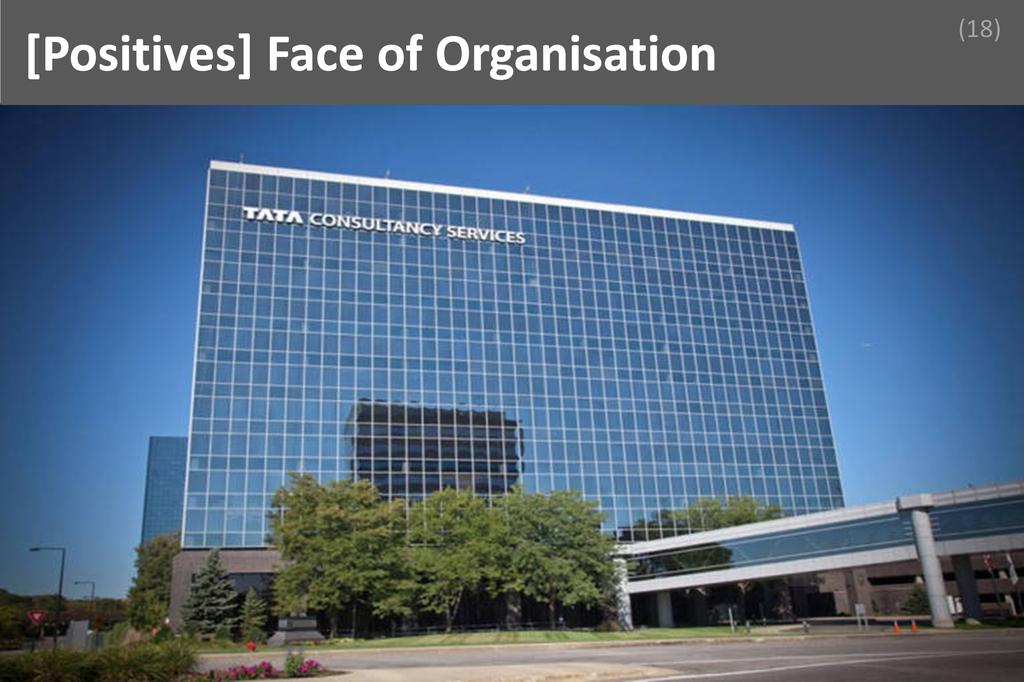
Face of Organisation

### Face of Organisation Image
What is
"Face of Organisation" refers to the role HR professionals play as the primary representatives and ambassadors of a company’s values, culture, and mission, both internally and externally. They are the first point of contact for new hires, existing employees, and often external stakeholders, shaping perceptions and fostering engagement.

Concept
Being the face of an organisation is a deeply rewarding aspect of HR management because it places professionals at the heart of every meaningful interaction within the company. This unique position allows HR managers to influence workplace culture, drive positive change, and build trust across all levels. The visibility and responsibility that come with this role often lead to greater job satisfaction, as HR professionals witness firsthand the impact of their efforts on employee morale and organisational success. Each day, they experience the gratification of helping individuals feel valued and supported, while also contributing to the company’s reputation and growth. This dynamic environment not only accelerates personal and professional development but also ensures that HR managers are continually engaged and motivated by the tangible results of their work.

Real World Example
Imagine an HR manager welcoming a group of new employees on their first day. Through a warm introduction, clear communication of company values, and genuine enthusiasm, the HR professional sets the tone for a positive workplace experience. As the go-to person for questions and support, the HR manager quickly becomes a trusted resource, helping new hires feel comfortable and confident in their roles. Over time, employees remember and appreciate the welcoming face that guided them through their transition, reinforcing the HR manager’s role as a cornerstone of the organisation’s culture. This daily interaction not only strengthens the bond between employees and the company but also provides the HR professional with a profound sense of accomplishment and purpose.

Self Satisfaction

### Self Satisfaction Image
What is
Self satisfaction is the deep sense of fulfillment and contentment that arises from knowing one’s actions have made a meaningful difference, aligned with personal values and goals. In HR Management, self satisfaction emerges when professionals witness the positive outcomes of their efforts in shaping workplace culture, supporting employees, and driving organizational success.

Concept
Self satisfaction is a cornerstone of a rewarding career in HR Management because it transforms daily responsibilities into meaningful experiences. When HR professionals see the tangible results of their work—such as improved employee morale, successful conflict resolution, or the growth of a diverse and inclusive workplace—they feel a profound sense of accomplishment. This intrinsic reward boosts overall job satisfaction, making challenges feel worthwhile and motivating individuals to continue growing in their roles. The positive feedback loop created by self satisfaction not only enhances personal well-being but also fosters a more engaged and resilient HR team. By experiencing this benefit daily, HR professionals are inspired to innovate, support others, and contribute to the long-term success of their organizations.

Real World Example
Imagine an HR manager who has spent months developing a new employee wellness program. After its launch, they observe a noticeable improvement in staff engagement and a reduction in absenteeism. Employees express gratitude for the support and resources provided, and the overall atmosphere in the office becomes more positive and collaborative. The HR manager feels a deep sense of self satisfaction, knowing their dedication and strategic planning have directly improved the lives of their colleagues. This fulfillment not only validates their career choice but also energizes them to pursue further initiatives, reinforcing their commitment to making a meaningful impact within the organization.

Challenges


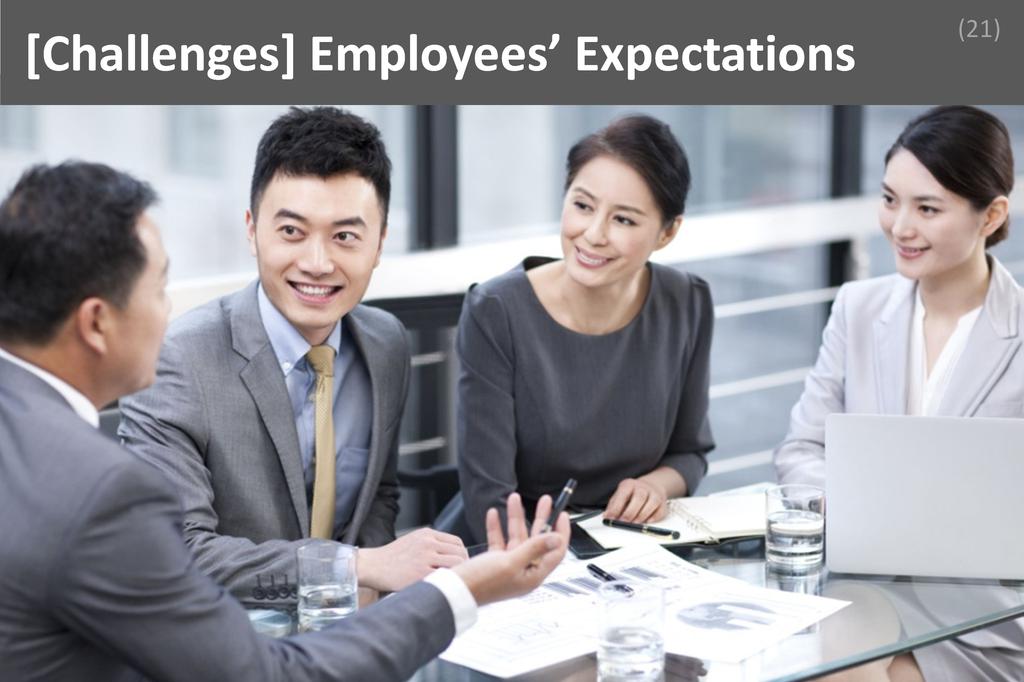
Employees Expectations

### Employees Expectations Image
What is
Employees Expectations in HR Management refer to the diverse and evolving anticipations that staff hold regarding their roles, workplace environment, compensation, growth opportunities, and organizational culture. Managing these expectations is demanding because they are often subjective, influenced by personal values, and can shift rapidly, requiring constant attention and adaptability from HR professionals.

Concept
The challenge of managing employees expectations permeates daily HR operations, influencing everything from communication to policy implementation. When expectations are unmet, morale and engagement can suffer, leading to decreased productivity and increased turnover. This ongoing pressure requires HR professionals to demonstrate resilience, as they must balance organizational objectives with individual needs. Successful HR managers address this by fostering transparent communication, setting realistic goals, and actively listening to employees’ concerns. They also invest in continuous feedback mechanisms and adapt policies to reflect the changing workforce landscape. By maintaining empathy and flexibility, HR professionals can build trust, reduce misunderstandings, and create a more harmonious workplace, even when not all expectations can be fully met.

Real World Example
Consider an HR manager at a mid-sized technology firm who faces rising expectations for remote work flexibility following industry trends. Employees express a strong desire for permanent hybrid arrangements, while leadership is concerned about maintaining team cohesion and productivity. The HR manager organizes a series of open forums to gather feedback and clarify organizational constraints. By transparently communicating the company’s position and piloting a flexible work policy with clear performance metrics, the HR manager demonstrates responsiveness to employee needs while aligning with business goals. Over time, this approach leads to improved trust, higher engagement, and a workable compromise that satisfies both employees and leadership, illustrating effective management of employees expectations.

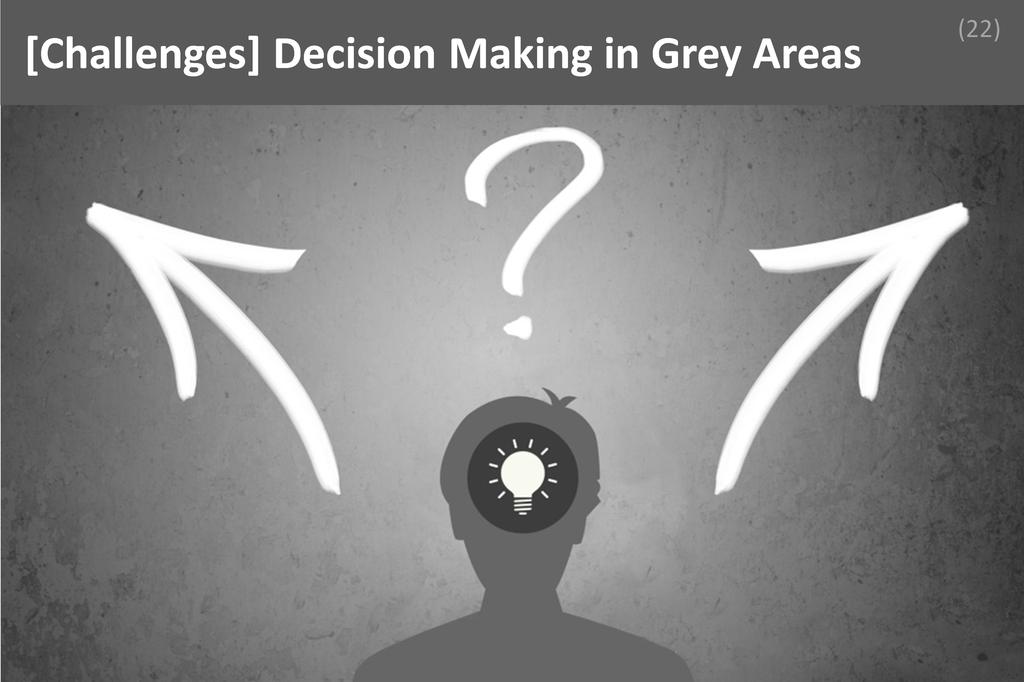
Decision Making in Grey Areas

### Decision Making in Grey Areas Image
What is
Decision Making in Grey Areas in HR Management refers to navigating situations where policies, laws, or ethical guidelines do not provide clear answers. These ambiguous circumstances require HR professionals to interpret incomplete information, balance competing interests, and make judgments that may have significant consequences for individuals and organizations, making the process particularly demanding.

Concept
The challenge of making decisions in grey areas permeates daily HR work, often surfacing in cases involving employee relations, disciplinary actions, or ethical dilemmas. This ambiguity can create stress, as professionals must weigh risks and anticipate outcomes without clear precedents. Resilience is essential because decisions may be scrutinized or second-guessed, and the stakes can affect careers and organizational culture. Successful HR professionals manage this constraint by cultivating strong ethical frameworks, seeking diverse perspectives, and maintaining open communication with stakeholders. They also invest in continuous learning to stay informed about evolving best practices and legal standards, which helps them make informed, balanced decisions even when the path forward is unclear.

Real World Example
Consider an HR manager faced with a complaint about a senior employee’s behavior that, while not explicitly violating company policy, creates discomfort among team members. The manager recognizes the lack of a clear-cut solution and consults with colleagues and legal advisors to gather multiple viewpoints. By facilitating confidential conversations with affected employees and the individual in question, the manager uncovers underlying issues and mediates a constructive dialogue. Through careful documentation and transparent communication, the HR manager implements a tailored resolution that addresses the concerns without overstepping policy boundaries. This approach not only resolves the immediate issue but also reinforces a culture of trust and fairness, demonstrating effective decision making in a grey area.

Non-Measurable Performance

### Non-Measurable Performance Image
What is
Non-Measurable Performance in HR Management refers to the aspects of work that cannot be easily quantified or tracked through data, such as fostering a positive workplace culture, resolving interpersonal conflicts, or building trust. This challenge is demanding because it complicates assessment, recognition, and improvement of HR contributions.

Concept
The difficulty of non-measurable performance affects daily HR work by making it hard to demonstrate value and progress to stakeholders who often expect clear metrics. HR professionals must show resilience as they balance the need for tangible results with the reality that much of their impact is subtle and long-term. Successful professionals navigate this constraint by focusing on qualitative feedback, building strong relationships, and documenting anecdotal evidence of their influence. They also communicate the importance of these intangible outcomes to leadership, ensuring that the organization understands the broader value HR brings beyond what can be measured.

Real World Example
Consider an HR manager tasked with improving team morale after a period of organizational change. Despite the absence of clear metrics, the manager initiates open forums for employees to voice concerns, mediates conflicts, and encourages transparent communication. Over time, employees report feeling more supported and engaged, though these improvements are not immediately visible in standard performance dashboards. The manager documents these changes through employee testimonials and regular check-ins, presenting this qualitative evidence to leadership. By doing so, the HR manager successfully demonstrates the significance of their work, even when traditional measurement tools fall short, and ensures continued support for initiatives that foster a healthier workplace culture.

A Day Of


Human Resource Management

What is
The hum of conversation, the steady ping of incoming emails, and the ever-present sense of anticipation set the tone for a day in the life of a Human Resources Management professional. Here, no two days are ever quite the same. The pace is brisk, driven by the constant interplay between urgent personnel matters and long-term strategic planning. Whether navigating sensitive employee concerns, orchestrating recruitment campaigns, or shaping company culture, HR managers operate at the heart of the organization, balancing empathy with efficiency and policy with people. Each day unfolds as a dynamic blend of problem-solving, collaboration, and forward-thinking, demanding both adaptability and a keen understanding of human nature.

Concept
As the office begins to stir, the HR manager arrives early to review the day’s agenda, scan overnight emails, and catch up on industry news or policy updates. This quiet window is crucial for prioritizing tasks, preparing for scheduled interviews, and reviewing any pressing employee requests that may have surfaced. With a fresh cup of coffee in hand, the HR professional updates the team calendar, checks in on pending documentation, and ensures that all compliance requirements are on track. This early preparation lays the groundwork for a smooth, productive day ahead.

Real World Example
Mid-morning brings the heart of HR’s responsibilities into sharp focus. The office is now fully alive, and the HR manager is deep into interviews with potential candidates, conducting onboarding sessions for new hires, or facilitating sensitive conversations with employees and managers. This is the most interactive and demanding part of the day, requiring quick thinking, active listening, and a deft touch with confidential matters. Whether mediating a workplace conflict or guiding a team through a policy change, the HR professional’s ability to communicate clearly and empathetically is put to the test.

After lunch, the HR manager shifts gears to focus on collaborative projects and execution. This often means leading departmental meetings, working with leadership to align HR initiatives with business goals, or rolling out new training programs. The afternoon is also a prime time for following up on ongoing projects, analyzing workforce data, and coordinating with payroll or benefits providers. The HR manager’s role as a connector becomes especially evident, as they bridge gaps between departments and ensure that everyone is moving toward shared objectives.

As the day winds down, the HR manager turns attention to administrative wrap-up and strategic planning. This is the moment to document the day’s outcomes, respond to outstanding emails, and update records to ensure compliance. It’s also a time for reflection—reviewing what went well, identifying areas for improvement, and setting priorities for tomorrow. By the time the office quiets once more, the HR professional has not only managed the day’s challenges but has also laid the foundation for continued organizational growth and employee well-being.


Install the LifePage App to:


  1. (for Free) Watch Human Resources Partner Prakriti Nautiyal’s full HR Management Career Talk

  2. ₹ Do a Self Assessment on HR Management to calculate your Dream Index, which is defined as:

    According to Prakriti Nautiyal your chances of success in HR Management is __%

  3. Access your personalized Dream Index Report which will have all your Dream Indices sorted in descending order.

Career Counselling 2.0


<?php echo $altimage; ?>


<?php echo $altimage; ?>


How to get into

HR Management?


If you are want to get into HR Management, start by investing in a Career Plan.

The 14 hour process, guided by a LifePage Career Advisor, will help you introspect and check whether your interest in HR Management is merely an infatuation or is it truly something you wish to do for the rest of your life.

Next, your Career Advisor will help you document how you can get into HR Management, what education and skills you need to succeed in HR Management, and what positives and challenges you will face in HR Management.

Finally, you will get a Career Plan stating which Courses, Certifications, Trainings and other Items you need to do in the next 7 years to become world’s best in HR Management.


LifePage Career Plan

14 hour personalized guidance program


Your LifePage Career Advisor facilitates your guided introspection so that you systematically explore various Career options to arrive at a well thought out Career choice.

Next: your Advisor helps you figure out how you will get into your chosen Career and how will you develop the skills needed for success in your Chosen Career.

LifePage Plan will not stop at saying "to become an Architect study Architecture". It will guide you on which Certifications, Trainings and Other items you need to do along with your Architecture education to become the world's best Architect.


Links for this Talk


Human Resources Partner Prakriti Nautiyal's LifePage:


Career Counselling 2.0
[LifePage]
https://www.lifepage.in/page/prakritinautiyal


LifePage Career Talk on HR Management


Career Counselling 2.0
[Career]
https://www.lifepage.in/careers/hr-management-3


Career Counselling 2.0
[Full Talk]
https://lifepage.app.link/20180111-0005


Career Counselling 2.0
[Trailer]
https://www.youtube.com/watch?v=6LwjuE187To


(Human Resource Management, Prakriti Nautiyal, Tata Consultancy Services, Human Resources Partner, HR Manager, Orientation and Induction, Training & Development, Staffing, Employee Compensation)


Similar Talks


Career in HR Management
HR Management
Neelam Waldia
Manager HR & A | Rusan Pharma Limited
[ 5 years & 2 months Experience ]

Human Resource Management is managing the most crucial resource of an organisation, which is- People is known as the Human Resource Management. Machines, buildings, brands etc, everything diminishes except for people who increase in terms of value. The role of HR begins from recruiting, training, evaluating, motivating, retaining, managing conflicts and when required taking tough decisions on people.

"After completing my schooling, I gradated in science stream and did my MBA I Hr & Marketing from Army Institute of Management Kolkata. I am working as a HR Manager and have total 10 years of experience in this field."


Career Counselling 2.0 Career Counselling 2.0 Career Counselling 2.0 Career Counselling 2.0 Career Counselling 2.0


Career in HR Management
HR Management
Lakshman Singh Kandari
Human Resource Manager | M & P Technologies
[ 4 years Experience ]

Human Resource Management is the management of the human resource of an organization or company. It involves the processes of selection and recruitment of the employees of a company. That includes interviewing new people, hiring and thereafter, training them for the various job profiles. It also includes the firing and retention of those employees.

"I attained a B Com degree from HNB Garhwal University and an MBA degree from Chandigarh. I thereafter, trained at Radisson Blu Hotel, Haridwar and I am currently the HR Manager at M&P Technologies since 2013"


Career Counselling 2.0 Career Counselling 2.0 Career Counselling 2.0 Career Counselling 2.0 Career Counselling 2.0


Career in Recruitment
Recruitment
Megha Madan
HR Manager | MNC
[ 11 years Experience ]

Recruitment is a core function of human resource management. It refers to the overall process of attracting, selecting and appointing suitable candidates for jobs within an organization.

"After my schooling, I did Bcom Hons from Delhi University and then did my MBA from SCDL. I work as an HR Manager looking after recruitments at an International Software Organization."


Career Counselling 2.0 Career Counselling 2.0 Career Counselling 2.0 Career Counselling 2.0 Career Counselling 2.0


Career in HR Management
HR Management
Arijit Banerji
General Manager | ICI India Pvt Ltd
[ 8 years & 10 months Experience ]

Human Resource Management, these are 3 big words but all they mean is trying to make sure that people do the best they do in any job they job.

"After completing law from Andhra I joined the chemical industry and worked in multinational company almost for 41 years. "


Career Counselling 2.0 Career Counselling 2.0 Career Counselling 2.0 Career Counselling 2.0 Career Counselling 2.0


Career in Human Resource Management
Human Resource Management
Prashant Deo Singh
Senior HR Professional | Various Assignments
[ 24 years Experience ]

Human resource management is the strategic approach to the effective management of organization workers so that they help the business gain a competitive advantage.

"I have experience of more than 20 Year in Human Resource. I have worked with Organizations like Panasonic as a HR Head, Coca Cola as a Area Manager, Airtel as a HR Head. I have worked in UAE with Sharaf DG as HR Head and with HINDALCO Industries as an Assistant Manager."


Career Counselling 2.0 Career Counselling 2.0 Career Counselling 2.0 Career Counselling 2.0 Career Counselling 2.0


Career in HR Recruitment
HR Recruitment
Nirma Rawat
HR Recruiter | Job Resolution Recruitment Services
[ 10 years Experience ]

Recruitment is a core function of human resource management. It is the first step of appointment. Recruitment refers to the overall process of attracting, shortlisting, selecting and appointing suitable candidates for jobs within an organization.

"I have done B Sc and M Sc from DAV PG College. Post that, I did an MBA in Human Resources from IMT University. I worked in Insurance Sector for 8 years. I am HR Recruiter at Job Resolution Recruitment Services since 2016."


Career Counselling 2.0 Career Counselling 2.0 Career Counselling 2.0 Career Counselling 2.0 Career Counselling 2.0


Career in Human Resources
Human Resources
Rima Chawla
Assistant Manager | Incognito Forensic Foundation
[ 7 years & 11 months Experience ]

Human resources are the people who make up the workforce of an organization, business sector, or economy.

"After completing my Schooling from East West Model School, Bengal, I did my Graduation in Arts from Techno Global University. While studying I worked simultaneously with organizations as a Consultant. I work as an Assistant Manager HR at Incognito Forensic Foundation."


Career Counselling 2.0 Career Counselling 2.0 Career Counselling 2.0 Career Counselling 2.0 Career Counselling 2.0


Career in H R Recruitment
H R Recruitment
Krishna
HR Recruiter | Fly Square Solutions
[ 1 year & 4 months Experience ]

HR Recruitment refers to the overall process of attracting, shortlisting, selecting and appointing suitable candidates for jobs within an organization.

"After completing BCom from MGKVP, Varanasi and Diploma in Microfinance from BHU, Varanasi, I did Post Graduation in Management from Doon Business School and Strategy Management from Airllanga University, Indonesia and joined Fly Square Solutions as a HR Recruiter."


Career Counselling 2.0 Career Counselling 2.0 Career Counselling 2.0 Career Counselling 2.0 Career Counselling 2.0


Career in HR Management
HR Management
Keyur Gupta
Assistant Manager | Nestle India
[ 2 years & 9 months Experience ]

Human Resource Management (HRM) is the term used to describe formal systems devised for the management of people within an organization. The responsibilities of a human resource manager fall into three major areas staffing, employee compensation and benefits, and defining/designing work. The purpose of HRM is to maximize the productivity of an organization by optimizing the effectiveness of its employees.

"I completed my MBA degree in Human Resource Management from XLRI, Jamshedpur. Later, I joined Nestle India as Assistant Manager in the Human Resources department."


Career Counselling 2.0 Career Counselling 2.0 Career Counselling 2.0 Career Counselling 2.0 Career Counselling 2.0


Career in HR Management
HR Management
Kainaz Khambata
Head | Gourmet Investments Private Limited
[ 13 years & 2 months Experience ]

Human Resource Management is the process of recruitment and selecting employee, providing orientation and induction, training and development, assessment of employee (performance of appraisal), providing compensation and benefits, motivating, maintaining proper relations with employees and with trade unions, maintaining employees safety, welfare and healthy measures in compliance with labor laws of the land.

"In my 10 years of Experience, I have worked with finest hotels of world such as Four Seasons & Intercontinental Hotel. Since 2017, I have been working with Gourmet Investments Private Limited as a Head."


Career Counselling 2.0 Career Counselling 2.0 Career Counselling 2.0 Career Counselling 2.0 Career Counselling 2.0


Career in Learning & Development
Learning & Development
Harsh Vardhan
L&D Manager | Max Healthcare
[ 7 years Experience ]

Learning and Development Managing helps employees advance their skills and knowledge. A Learning and Development Manger helps a company succeed by training and developing its people

"After doing my graduation, I did my MBA from IIPM and thereafter a Diploma in Hospitality. I did my Research Paper on Neuro Linguistic Programming. I worked as an Assistant Professor Executive Communication, IIPM and L&D Manager in UPES."


Career Counselling 2.0 Career Counselling 2.0 Career Counselling 2.0 Career Counselling 2.0 Career Counselling 2.0


Career in Human Capital Consulting
Human Capital Consulting
Nanditaa Bhatia
Business Analyst | Deloitte
[ 2 years & 2 months Experience ]

Human capital consulting is a broader term than human resource management and refers to general management consulting with an emphasis on the human element of the issue at hand, such as change management (which includes communication and training), learning and development, organiational design, diversity and inclusion, employee engagement, and culture.

"I am an MBA Graduate from the Delhi School of Economics. I worked with the Indian Oil Corporation, American Express and Price Waterhouse Cooper before joining Deloitte Indian in 2016 as a Business Analyst with the Organization Transformation and Talent division under the Human Capital practice."


Career Counselling 2.0 Career Counselling 2.0 Career Counselling 2.0 Career Counselling 2.0 Career Counselling 2.0


Career in Human Resource Management
Human Resource Management
Anup Kumar
General Manager | BRIDCUL
[ 22 years & 8 months Experience ]

Human resource management (HRM or HR) is the strategic approach to the effective management of organization workers so that they help the business gain a competitive advantage.

"I did Bachelors & Masters in Economics from Jiwaji Univeristy. Post that, I did a Masters in Personnel Management & Industrial Relations. I started my professional career as a Lecturer in Jiwaji University. After that, I worked in Steel & Power Sector in Chattisgarh, Orissa & Calcutta. I am a General Manager at BRIDCUL with Uttarakhand Government."


Career Counselling 2.0 Career Counselling 2.0 Career Counselling 2.0 Career Counselling 2.0 Career Counselling 2.0


Career in Learning & Development
Learning & Development
Amrita Suri
Deputy General Manager | Gourmet Investments Private Limited
[ 0 years & 6 months Experience ]

A Learning & Development Manager identifies training and development needs within an organization through job analysis, appraisal schemes and regular consultation with business managers.

"After completing my schooling, I did graduation in Hotel Management from IHM, Aurangabad. I have started my career with The Leela Hotels as a Management Trainee after which I got an opportunity to join Four Seasons Mumbai where I have worked for almost 8 Years and became Front Office Manager. I have joined Gourmet Investments Private Limited as DGM (Learning & Development and Customer Relations) in 2017."


Career Counselling 2.0 Career Counselling 2.0 Career Counselling 2.0 Career Counselling 2.0 Career Counselling 2.0


Career in Human Resource Management
Human Resource Management
Shabhnam Praveen
HR Assistant | People Strong Private Limited
[ 3 years Experience ]

Human Resource Management (HRM or HR) is the strategic approach to the effective management of organization workers so that they help the business gain a competitive advantage, Commonly known as the HR Department[, it is designed to maximize employee performance in service of an employer's strategic objectives.] HR is primarily concerned with the management of people within organizations, focusing on policies and on systems. HR departments are responsible for overseeing employee-benefits design, employee recruitment, training and development, performance appraisal, and rewarding (e.g., managing pay and benefit systems). HR also concerns itself with organizational change and industrial relations, that is, the balancing of organizational practices with requirements arising from collective bargaining and from governmental laws

"After completing an MBA (HR & PR) from Abdul Kalam Technical University, I started my Career with Himalaya Corporation Limited as Business Development Executive. After that, I joined People Stone Private Limited as a HR Assistant and since then I am working there."


Career Counselling 2.0 Career Counselling 2.0 Career Counselling 2.0 Career Counselling 2.0 Career Counselling 2.0


Career in Workforce Consulting
Workforce Consulting
Gautam Grover
Assistant Director | E Y
[ 12 years Experience ]

Workforce Management includes all the activities needed to maintain a productive workforce, such as field service management, human resource management, performance and training management, data collection, recruiting, budgeting, forecasting, scheduling and analytics.

"After completing my graduation in Information Technology from IP University and I did my post graduation from ICFAI University. I have 12 years of experience in this field and working with EY as an Assistant Director Workforce Consulting."


Career Counselling 2.0 Career Counselling 2.0 Career Counselling 2.0 Career Counselling 2.0 Career Counselling 2.0


Career in HR Recruitment
HR Recruitment
Priti Khurana
HR Manager | Various Assignments
[ 12 years & 11 months Experience ]

HR Recruitment (hiring) refers to the overall process of attracting, short listing, selecting and appointing suitable candidates for jobs either permanent or temporary within an organization. Recruitment can also refer to processes involved in choosing individuals for unpaid roles.

"After doing my schooling from Frank Anthony Public School Delhi, I did my BA in English from Lady Shri Ram College, Delhi. Thereafter, I did my MBA in HR from Symbiosis institute of Business Management, Pune. I have experience of more than 13 years in recruitment and worked for Companies like Aegies BPO, Perfect Relations and Bhatia & Bhatia Financial Services."


Career Counselling 2.0 Career Counselling 2.0 Career Counselling 2.0 Career Counselling 2.0 Career Counselling 2.0


Career in HR Consultancy
HR Consultancy
Dr Asha Rani Kapoor
Director | Global Solutions
[ 8 years Experience ]

The human resource consulting addresses human resource management tasks and decision. The consultant suggests solutions based on expertise and experience and assists in the implementation. He also assists in searching for solutions with methods that facilitate and raise creativity of the client company so that they will be able to implement solutions themselves.

"I am a scientist and have done my research in wheat. After my marriage, I did a course in Management & Community Development from IIM, Kolkata and a certification course in finance from IIM, Ahmedabad. I founded a company by the name Global Solutions in 2010 and I give training sessions in Human Resources domain."


Career Counselling 2.0 Career Counselling 2.0 Career Counselling 2.0 Career Counselling 2.0 Career Counselling 2.0


Career in HR Management
HR Management
Sanjay Kumar
Founder | Corp Source One
[ 19 years & 7 months Experience ]

Human resource management (HRM or HR) is the strategic approach to the effective management of people in a company or organization such that they help their business gain a competitive advantage. It is designed to maximize employee performance in service of an employer's strategic objectives. Human resource management is primarily concerned with the management of people within organizations, focusing on policies and systems.

"After completing my masters in business adminstration, I started working in Human Resources. I have been working in this domain from the last 20 years. I also started my company to provide human resource solution by the name of Corp Source One."


Career Counselling 2.0 Career Counselling 2.0 Career Counselling 2.0 Career Counselling 2.0 Career Counselling 2.0


[Install the LifePage App to access all Talks]


<?php echo $altimage; ?>


<?php echo $altimage; ?>


&mbsp;


Career Counselling 2.0 | Home   Home  
Career Counselling 2.0 | Abroad   Abroad  
Career Counselling 2.0 | Plan   Plan  
Career Counselling 2.0 | Talks   Talks  
Career Counselling 2.0 | Philosophy   Philosophy  
Career Counselling 2.0 | Seminar   Seminar  
Career Counselling 2.0 | Workshop   Workshop  
Career Counselling 2.0 | Pages   Pages  
Career Counselling 2.0 | Advisors   Advisors  
Career Counselling 2.0 | Discuss   Discuss  
Career Counselling 2.0 | Meet   Meet  
Career Counselling 2.0 | Advisor   Advisor  
Career Counselling 2.0 | Story   Story  
Career Counselling 2.0 | Fine Print   Fine Print  
Career Counselling 2.0 | Links   Links  
Career Counselling 2.0 | Blog   Blog  
Career Counselling 2.0 | Testimonials   Testimonials  
Career Counselling 2.0 | Follow   Follow  
 
[ Site Visits ]


Career Counselling 2.0